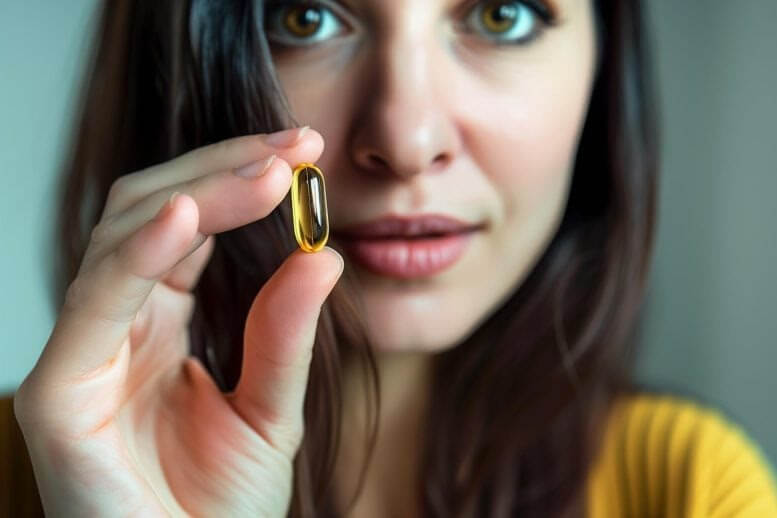
Could the secret to aging slower lie in your daily routine? A major study has found that combining vitamin D, omega-3 supplements, and regular strength training significantly slows biological aging in people over 70.
Using state-of-the-art epigenetic clocks, researchers discovered that even just omega-3s alone could reduce biological age by several months, but the triple combo was the most powerful.
Exploring How to Slow Down Aging
Many people hope to delay, or even halt, the aging process. Research has shown that reducing calorie intake can slow aging in humans, while studies in animals suggest that vitamin D and omega-3 fatty acids may also help slow biological aging. However, it remained unclear whether these effects would translate to people.
The DO-HEALTH study, led by Professor Heike Bischoff-Ferrari of the University of Zurich, had already shown that vitamin D, omega-3s, and regular physical activity can lower the risk of infections, falls, cancer, and frailty in older adults. Encouraged by these results, the researchers wanted to know: could these same therapies also slow biological aging itself?
Tracking Aging With Epigenetic Clocks
To explore this, the team turned to a tool known as the epigenetic clock, a method that measures aging by tracking chemical changes in DNA, called methylation. These changes reflect how quickly a person is aging biologically, compared to their actual age.
In a new phase of the DO-HEALTH study, Bischoff-Ferrari’s team collaborated with Steve Horvath, the scientist who developed these clocks, to test how well they respond to targeted interventions. The researchers studied 777 adults over age 70, testing eight different combinations of daily omega-3 supplements (1 gram from algae), vitamin D (2,000 IU), and simple at-home strength training (30 minutes, three times a week) over the course of three years.
Omega-3 and the Aging Clock
When the researchers analyzed the blood samples, they found that taking omega-3 fatty acids slowed down biological aging across several epigenetic clocks by up to four months, regardless of subjects’ gender, age, or body mass index. The combination of omega-3, vitamin D, and strength training proved to be even more effective, according to one of the four epigenetic clocks used.
“This result extends our previous findings from the DO-HEALTH study, in which these three factors combined had the greatest impact on reducing the risk of cancer and preventing premature frailty over a three-year period, to slowing down the biological aging process,” says Bischoff-Ferrari. Each of these measures works through different mechanisms that complement each other and, when combined, result in a heightened overall effect, according to the study author.
DO-HEALTH as a Validation Platform
At the same time, the research team draws attention to the limitations of the study. “There is no generally accepted gold standard for measuring biological age,” Bischoff-Ferrari explains. “However, we analyzed the best currently validated epigenetic clocks, which reflect the state of the art.” To further advance the clinical application of biological clocks, Bischoff-Ferrari, together with leading international researchers in the Global Health Span Extension Consortium, plans to use DO-HEALTH and other global intervention studies as a validation platform for novel biomarkers of aging.
The researchers also point out that the sample consists exclusively of Swiss participants and therefore does not represent the global population of older adults aged 70 years and older. In a next step, they plan to extend their analyses to all DO-HEALTH participants – including people from Germany, France, Austria, and Portugal – to account for a greater diversity of genetics and lifestyles.