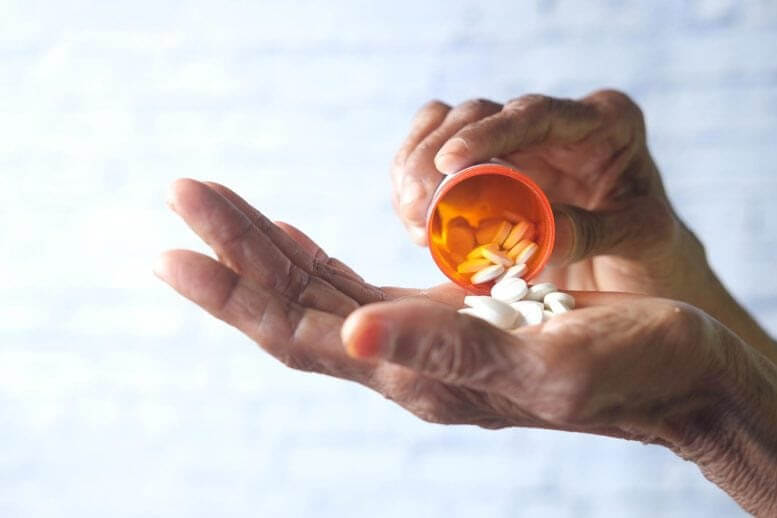
Rapamycin may match the benefits of eating less. Scientists are now exploring its potential to support healthy aging.
The anti-aging drug Rapamycin may extend lifespan as effectively as reducing food intake, according to new research from the University of East Anglia and the University of Glasgow.
Restricting calories has long been one of the most reliable ways to increase lifespan across different species.
However, for those who find fasting difficult, science may offer an alternative path to living longer and staying healthier.
A newly published study presents strong evidence that Rapamycin, a compound first developed to suppress the immune system, provides similar life-extending effects in eight different vertebrate species, excluding humans.
Study design and objectives
Co-lead researcher Dr. Zahida Sultanova, from UEA’s School of Biological Sciences, said: “Dietary restriction – for example, through intermittent fasting or reduced calorie intake – has been the gold standard for living longer. But it’s difficult for most of us to maintain long-term.
“We wanted to know if popular anti-aging drugs like Rapamycin or Metformin could offer similar effects without the need to cut calories.”
The research team looked at data from 167 studies of lifespan across eight vertebrate species, including fish, mice, rats, and primates – in this, the largest study of its kind.
They investigated the effect of dietary restriction on longevity, as well as that of Rapamycin and Metformin, both of which have been touted as life-extending drugs.
The team found that Rapamycin extends lifespan almost as consistently as eating less, while the Type 2 diabetes medicine, Metformin, does not.
Key findings:
• Dietary restriction, whether through intermittent fasting or reduced calorie intake, consistently increased lifespan across all vertebrate species examined in the study.
• Rapamycin extended lifespan just as effectively as dietary restriction.
• Metformin, despite its widespread use for type 2 diabetes, showed no clear benefit for longevity.
• The lifespan improvements were similar for both males and females and were not influenced by the type of dietary restriction used.
Implications for aging research
As scientists continue the search for interventions that can improve our health and help us live longer, Rapamycin may stand out as one of the most promising tools, potentially sidestepping the challenges of long-term caloric restriction while offering similar benefits.
Co-lead researcher Dr. Edward Ivimey-Cook, from the University of Glasgow, said: “These findings don’t suggest we should all start taking Rapamycin. But they do strengthen the case for its further study in aging research and raise important questions about how we approach longevity therapeutics.”
Dr. Sultanova added: “Our findings show that drug repurposing is a promising approach to improving people’s health and lifespan.”
Both Rapamycin and Metformin are currently being used in human trials, with results still pending.
The authors note that Rapamycin may have negative effects on the immune system, and further research into its safety in humans is necessary. However, recent work indicates that low-dose Rapamycin has no serious adverse effects in healthy individuals.