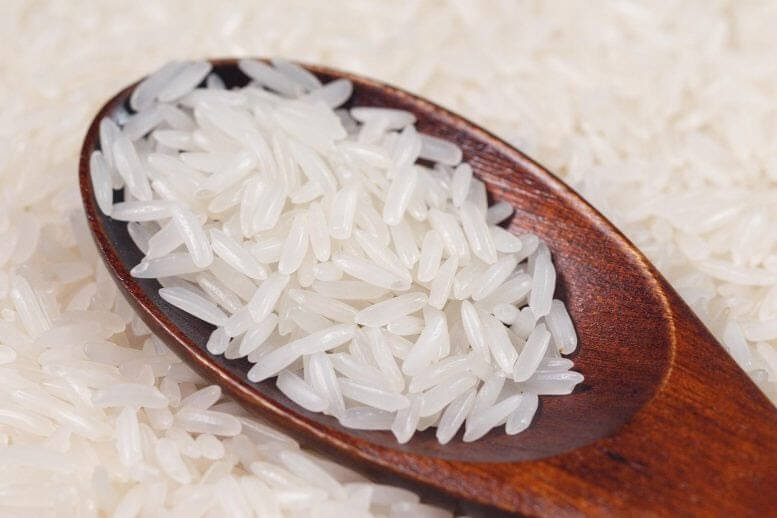
Low GI rice, which helps control blood sugar, could play a key role in addressing Asia’s growing diabetes crisis linked to high white rice consumption.
A recent study by scientists from the International Rice Research Institute (IRRI) and the Max Planck Institute highlights the potential of low glycemic index (Low GI) rice as a tool to address the rising diabetes epidemic, particularly in Asia.
Type 2 diabetes has become a pressing global health issue, affecting over 537 million people in 2021—a figure expected to surpass 780 million by 2045. In Asia, the risk of diabetes is especially pronounced due to high consumption of calorie-dense sugary beverages, ultra-processed foods, and refined carbohydrates, including polished white rice. White rice, a dietary staple in the region, is strongly associated with increased glycemic load and a higher risk of diabetes.
The study, published in Trends in Plant Science by Cell Press, emphasizes the potential of developing Low GI rice varieties. These varieties could offer a balanced approach to addressing the diabetes crisis by combining health benefits with desirable grain quality and sustainable agricultural productivity.
What is Low GI rice?
The prevalence of type 2 diabetes is climbing at alarming rates, particularly in low- and middle-income countries. Asia, home to some of the highest per capita rice consumption levels, bears a disproportionate share of the burden. Studies have linked the high consumption of white rice, which has a high glycemic index, to increased diabetes risk. Hence, there is a need to incorporate the Low GI trait into rice varieties to develop Low GI milled rice as a healthier dietary solution.
The glycemic index measures how quickly a food raises blood sugar levels. Foods with a high GI are digested rapidly, leading to spikes in blood glucose, a factor contributing to the development of diabetes. Low GI rice digests slower, leading to a gradual release of glucose into the bloodstream. This reduces blood sugar spikes and supports better glycemic control, a critical factor in managing and preventing diabetes.
Traditional white rice usually has a high GI (70–94), while Low GI varieties aim for a GI below 55. However, the challenge lies in developing rice that balances Low GI, taste, texture, and yield.
Advances in Low GI rice development
Quite recently, researchers have been breeding rice varieties with a lower glycemic index and high protein content. This effort involves enhancing the rice’s resistant starch and amylose content, slowing glucose release during digestion. Advances in marker-assisted breeding and genome editing technologies have enabled the development of rice strains with reduced GI without compromising yield or sensory attributes.
The potential health benefits of Low GI rice are substantial. By lowering the glycemic response of a diet heavily reliant on rice, these varieties could significantly reduce the risk of diabetes. Countries such as Bangladesh and the Philippines have already begun adopting varieties like BR-16 and IRRI-147 (originally bred for climate resilience and later discovered to have low GI properties), respectively. Furthermore, international initiatives such as the Seeds Without Borders aim to expedite the distribution of these rice varieties across Asia and other countries.
A significant hurdle of this first-generation climate-resilient variety Low GI rice is that it often exhibits a firmer texture. hindering consumer acceptance. To address this, researchers are exploring ways to balance texture and nutritional quality exhibiting low GI properties. Another obstacle is the economic and logistical barriers to widespread adoption, particularly for smallholder farmers.
Despite these challenges, Low GI rice has immense potential to alleviate public health and economic burdens. According to projections, a 25% adoption of Low GI rice could lead to notable reductions in diabetes prevalence in Asia. Moreover, as Africa transitions to rice as a dietary staple, the early introduction of Low GI varieties could preempt a similar diabetes outbreak.
Looking to the future
In addition to direct health benefits, Low GI rice could provide economic opportunities for farmers by tapping into premium markets for health-focused rice products. Collaborations among governments, research institutions, and private sectors will be crucial to scaling up production, distribution, and consumer education.
Low GI rice, with enriched proteins and nutritional density, could become a cornerstone in tackling the double burden of malnutrition and non-communicable diseases. The potential for expanding this concept to other starchy staples, such as wheat and tubers, further underscores its transformative power.
As the diabetes epidemic continues to escalate, the integration of Low GI rice into global food systems represents a transformative approach to improving public health. By prioritizing dietary innovations, Asia and other regions stand to benefit from a healthier and more sustainable future.
© International Rice Research Institute