









































Askwala
Header


Know the truth — it will set you free. 


አሥርቱ ትዕዛዛት | The Ten Commandments
    Pinned

1. ከእኔ በቀር ሌሎች አማልክት አይኑሩህ | You shall have no other gods before Me.

2. በላይ በሰማይ ወይም በታች በምድር ካለው ወይም በውሃ ውስጥ ከሚኖሩት ነገሮች በማናቸ... 

Read more ››

Business Idea: Produce a reliable and cost-effective solution to the growing problem of counterfeit pharmaceutical products in India and other developing countries.
    Pinned

Business Idea: Produce a reliable and cost-effective solution to the growing problem of counterfeit pharmaceutical products in India and other developing countries.

Pitch: According to the U.S. Food and Drug Admin... 

Read more ››

A Surprising Brain Benefit of Spending Time With Grandkids

✨ Grandparents who help care for their grandchildren tend to show stronger memory and language skills than those who don’t. The cognitive benefits appear to come from being involved as a caregiver, not from how often or how intensively they help.... 

Read more ››

A Surprising Brain Benefit of Spending Time With Grandkids
The Fearless Legend of the Honey Badger: Nature’s Most Unstoppable Creature

✨ According to Guinness World Records, the honey badger holds the title of the most fearless animal on Earth—and for good reason. This small, unassuming creature has built a reputation that feels almost mythical, earning global fascination for it... 

Read more ››

Digital Publications and Academic Resources

Online E-books, Textbooks and Related Materials

1. Google Books: https://books.google.com

2. BCcampus Open Textbooks: Read more ››

How a 77 Million Birr Project Turned Into a 310 Million Birr Penalty — Due to Missing Documents

A 77 Million Birr Project Cost the Ministry 310 Million Birr in Penalties – Why?

The recent Fana documentary on the Koga Irrigation and Watershed Management Project sheds light on a troubling reality in public sector project management and docum... 

Read more ››


If you close your mouth, you close your life.

✨ In today's digital world, staying silent means staying unseen.

💎 One powerful truth I've learned:
If you’re too shy to show up online, you’re giving your dreams less room to grow.

This digital world rewards those who speak, share, a... 

Read more ››

If you close your mouth, you close your life.
Unleash Your Creativity with SCAMPER!

✨ Boost Your Creativity with the SCAMPER Technique.

If you're looking for a simple and powerful way to generate fresh ideas, improve products, or unlock creative solutions, the SCAMPER technique is one of the best tools you can use.

Need to s... 

Read more ››

Unleash Your Creativity with SCAMPER!
Listening to Music May Cut Dementia Risk by 39%, Study Finds

✨ A Monash University study of over 10,800 people aged 70 and older found that consistently listening to or playing music may significantly lower the risk of dementia and cognitive decline. Credit: Shutterstock.

➡️ People who always listen ... 

Read more ››

Listening to Music May Cut Dementia Risk by 39%, Study Finds
New Study: Helping Others Slows Cognitive Decline by Up to 20%

✨ Regularly helping others, whether through volunteering or simple acts of kindness, can slow cognitive decline and boost brain health in older adults, new research finds. Credit: Shutterstock.

➡️ Regularly volunteering or helping others ou... 

Read more ››

New Study: Helping Others Slows Cognitive Decline by Up to 20%
Meditation Has Potentially Dangerous Side Effects. Here’s What Scientists Say You Should Know

✨ Meditation is often seen as a path to peace and clarity but new research suggests its effects are more complex than they seem. Credit: Shutterstock.

➡️ A new study reveals that meditation, though often beneficial, can cause side effects f... 

Read more ››

Meditation Has Potentially Dangerous Side Effects. Here’s What Scientists Say You Should Know
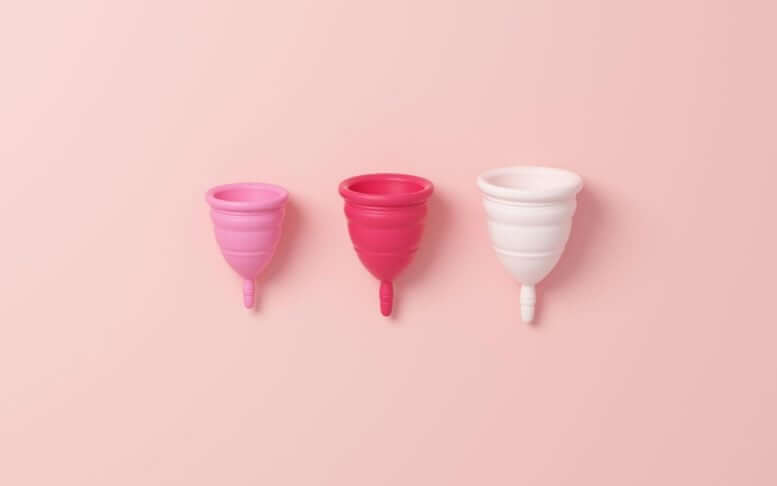
Doctors Warn: Menstrual Cup Misuse Could Be Causing Kidney Problems

✨ A mispositioned menstrual cup can block urine flow, leading to kidney swelling, as seen in a recent BMJ Case Reports case. A woman experienced pain and blood in her urine due to ureter obstruction from her menstrual cup. Her symptoms resolved aft... 

Read more ››

Doctors Warn: Menstrual Cup Misuse Could Be Causing Kidney Problems
Carrots vs. Diabetes: Surprising New Research Shakes Up Treatment Options

✨ A new study from SDU suggests that carrots can improve blood sugar regulation and promote a healthier gut microbiome, potentially offering a natural supplement to type 2 diabetes treatments. Researchers found that mice fed carrot powder had bette... 

Read more ››

Carrots vs. Diabetes: Surprising New Research Shakes Up Treatment Options
According to Scientists, This Belief Is Key to a Meaningful Life

✨ Hope, often underestimated, may be more fundamental to our psychological well-being than happiness or even gratitude. A new study from the University of Missouri reveals that hope uniquely fuels our sense of life’s meaning, reshaping how we und... 

Read more ››

According to Scientists, This Belief Is Key to a Meaningful Life
Roman-Era Lead Pollution Linked to IQ Drop Across Europe

➡️ Ice cores show Roman-era lead pollution reduced European IQ by 2-3 points, linking ancient mining to cognitive decline. This research underscores the long history of industrial harm to human health.

💥 DRI scientists analyzed Arctic ice ... 

Read more ››

Roman-Era Lead Pollution Linked to IQ Drop Across Europe
Seven Days of Fasting: How Your Body Transforms Inside and Out

💥 After seven days of fasting, the body undergoes a profound reset, switching energy sources, shedding fat, and activating unique protein changes linked to major organ health. These shifts open the door to new possibilities for harnessing fastingâ... 

Read more ››

Seven Days of Fasting: How Your Body Transforms Inside and Out
Aircraft Noise Linked to Serious Heart Problems, Study Finds

➡️ Living near airports with high noise exposure could endanger heart health, according to a new study.

🔵 Residents living near major airports, exposed to high levels of aircraft noise, may face a significantly higher risk of serious heart... 

Read more ››

Aircraft Noise Linked to Serious Heart Problems, Study Finds
New Study Exposes Life-Threatening Risks of Prolonged Sauna Use

💥 Doctors warn that prolonged sauna use without hydration can lead to rare but potentially fatal heat stroke, even in those without common risk factors.

⚫ Saunas can offer relaxation, but spending too long inside without proper hydration can ... 

Read more ››

New Study Exposes Life-Threatening Risks of Prolonged Sauna Use
Sweet Danger: How Sugary Drinks Are Fueling Millions of New Diabetes and Heart Disease Cases Worldwide

⭐ New research links millions of annual new cases of diabetes and heart disease to sugary beverages, with significant impacts in developing countries. Urgent global measures are recommended to tackle this growing health threat.

➡️ Tufts Un... 

Read more ››

Sweet Danger: How Sugary Drinks Are Fueling Millions of New Diabetes and Heart Disease Cases Worldwide
Drinking Half to One Glass of Wine Daily Linked to 50% Lower Heart Complication Risk

Moderate wine consumption, measured via biomarkers, is linked to a 38-50% reduction in cardiovascular risks, according to a University of Barcelona-led study. However, excessive drinking eliminates these benefits, and more research is needed to co... 

Read more ››

Drinking Half to One Glass of Wine Daily Linked to 50% Lower Heart Complication Risk
New Research Links Plant-Based Meat to Depression

A study by the University of Surrey found that vegetarians consuming plant-based meat alternatives (PBMAs), which are ultra-processed foods, had a 42% higher risk of depression compared to those who did not.

Vegetarians consuming pl... 

Read more ››

New Research Links Plant-Based Meat to Depression
Coffee and Tea Linked to Lower Cancer Risk in Groundbreaking Study

Global research shows that coffee and tea consumption is linked to lower risks of head and neck cancers. While caffeinated coffee offered the most significant benefits, even decaf and tea showed promise, though effects varied by cancer type.
... 

Read more ››

Coffee and Tea Linked to Lower Cancer Risk in Groundbreaking Study
Natural Compound From Mushrooms Could Benefit People With Cancer and Major Depression

A single dose of a psychedelic compound derived from mushrooms has shown long-lasting effects in easing depression and anxiety in cancer patients.

A phase 2 trial shows that a single dose of psilocybin provides lasting relief from ... 

Read more ››

Natural Compound From Mushrooms Could Benefit People With Cancer and Major Depression
Scientists Reveal the Hidden Key to More Frequent and Satisfying Female Orgasms

Women with better interoceptive awareness tend to have more frequent and satisfying orgasms, suggesting a focus on internal bodily sensations could enhance sexual satisfaction.

Research indicates that heightened interoceptive awaren... 

Read more ››

Scientists Reveal the Hidden Key to More Frequent and Satisfying Female Orgasms
One Avocado a Day Could Help You Sleep Better, Says Groundbreaking Study

A new study reveals that eating one avocado per day may enhance sleep, highlighting an unexpected connection between nutrition and sleep quality. The findings build on growing evidence linking avocados to heart health and suggest intriguing potent... 

Read more ››

One Avocado a Day Could Help You Sleep Better, Says Groundbreaking Study
Who Wrote the Bible? AI Uncovers “Likely Authors”

Could artificial intelligence solve one of the Bible’s biggest mysteries? A team of researchers used AI-powered statistical modeling to analyze the authorship of the Hebrew Bible and made surprising discoveries about ancient narratives.

... 

Read more ››

Who Wrote the Bible? AI Uncovers “Likely Authors”
America Is Sinking: 28 Major Cities Are Slowly Going Under

A new study finds all major U.S. cities are sinking, driven by groundwater extraction and natural forces, posing hidden risks to infrastructure and calling for urgent solutions.

Groundwater loss is sinking U.S. cities, threatening i... 

Read more ››

America Is Sinking: 28 Major Cities Are Slowly Going Under
Science Confirms: Social Media Could Be Making Kids Depressed

A groundbreaking study from UCSF reveals that increased social media use among preteens is linked to rising depressive symptoms, but not vice versa.

New research shows social media use drives depressive symptoms in preteens.

Read more ››

Science Confirms: Social Media Could Be Making Kids Depressed
Scientists Uncover Hidden Biological Dangers of Ultra-Processed Foods

New research has revealed strong, consistent links between the consumption of ultra-processed foods and poor health outcomes, including inflammation, insulin resistance, and cardiovascular risk.

A major Canadian study links ultra-pr... 

Read more ››

Scientists Uncover Hidden Biological Dangers of Ultra-Processed Foods
Could Your Energy Drink Be Feeding Cancer? What Scientists Just Discovered

Scientists have discovered that taurine, a common ingredient in energy drinks, helps leukemia cells grow. The cancer hijacks taurine from bone marrow to fuel itself—but blocking that process may stop the disease in its tracks.

Sci... 

Read more ››

Could Your Energy Drink Be Feeding Cancer? What Scientists Just Discovered
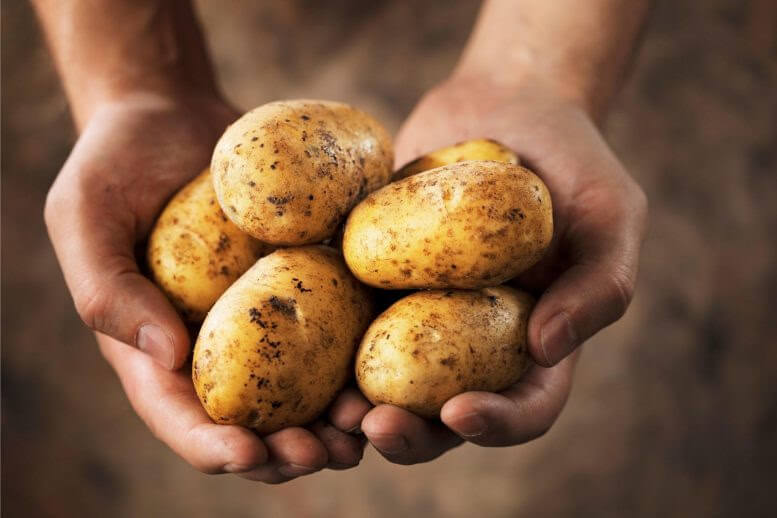
Can Potatoes Help With Weight Loss? Scientists Reveal Surprising Benefits

Potatoes, often dismissed as fattening carbs, can actually lower the energy density of meals and, when prepared to boost fiber (e.g., boiled, cooled 24 hrs, skins on), support a 5.6% average weight loss and improved insulin resistance over eight w... 

Read more ››

Can Potatoes Help With Weight Loss? Scientists Reveal Surprising Benefits
Researchers Reveal That Climbing Stairs Could Extend Your Life

New research indicates that stair climbing can significantly reduce the risk of cardiovascular disease and premature death, with a 24% decreased risk of mortality from any cause and a 39% reduction from cardiovascular issues. Dr. Sophie Paddock ad... 

Read more ››

Researchers Reveal That Climbing Stairs Could Extend Your Life
Scientists Say There Are 4 Types of Lovers – Which One Are You?

ANU researchers found four types of romantic lovers, revealing love varies widely in intensity, sex, and commitment. The study shows love evolves uniquely across individuals.

ANU researchers identified four romantic lover types base... 

Read more ››

Scientists Say There Are 4 Types of Lovers – Which One Are You?
Your Name Might Be Changing Your Face, Study Finds

A new study led by researchers at the Hebrew University and Reichman University suggests that people’s names may influence their facial appearance as they age. Adults’ faces were matched to their names more accurately than chance, an effect no... 

Read more ››

Your Name Might Be Changing Your Face, Study Finds
Concerning New Research Links Tattoo Ink to Increased Cancer Risk

Tattoo ink doesn’t just stay in the skin—it can migrate to the lymph nodes, where it may accumulate and affect the immune system. A study using Danish twin data found that tattooed individuals, especially those with large tattoos, have a highe... 

Read more ››

Concerning New Research Links Tattoo Ink to Increased Cancer Risk
BV Is an STD and We’ve Been Treating It Wrong for Years

A major study proves BV is sexually transmitted, explaining why previous treatments often failed. When both partners are treated, the success rate improves dramatically. This could revolutionize women’s health worldwide.

For years... 

Read more ››

BV Is an STD and We’ve Been Treating It Wrong for Years
Secret of Everything

The secret of everything – Everything Is Mental. All talent, skill, power, speed and ability is mental. Nothing is impossible. Anything is possible. There is nothing you cannot Be, Do or Have. You can Be, Do and Have anything you want as long as yo... 

Read more ››

Secret of Everything
Harvard Study Finds Eating an Orange a Day Could Cut Depression Risk by 20%

A daily orange might do more than boost immunity — it could also help prevent depression. Scientists discovered that citrus uniquely supports gut bacteria linked to serotonin and dopamine production, reducing depression risk by 20%. Future resea... 

Read more ››

Harvard Study Finds Eating an Orange a Day Could Cut Depression Risk by 20%
According to Researchers, This Simple Phone Hack Can Improve Mental Health As Much as Antidepressants

A two-week experiment found that blocking mobile internet on smartphones significantly improved participants’ mental health, well-being, and attention span, even reversing a decade of age-related cognitive decline. The study suggests that reduci... 

Read more ››

According to Researchers, This Simple Phone Hack Can Improve Mental Health As Much as Antidepressants
WHAT IS FRANCHISING AND HOW DOES IT WORK?

WHAT IS FRANCHISING AND HOW DOES IT WORK?

Franchising is a form of business organization in which a firm that already has a successful product or service (franchisor) licenses its trademark and me... 

Read more ››

WHAT IS FRANCHISING AND HOW DOES IT WORK?
Business Idea: A program for rock music enthusiasts to learn, improve, and perform in real bands at live rock venues.

Business Idea: Create a program for students with a passion for rock music so they can either learn to play a rock instrument or improve their existing musical skills and have the opportunity to participate in rock bands that play in... 

Read more ››

Business Idea: A program for rock music enthusiasts to learn, improve, and perform in real bands at live rock venues.
Business Idea: Franchise a network of Fresh Healthy Vending machines in schools, hospitals, and community spaces, offering only organic, natural, and healthy foods.

Business Idea: Build a franchise organization that deploys and services Fresh Healthy Vending–branded vending machines in schools, hospitals, health clubs, community organizations, and other locations that carry only organic, natur... 

Read more ››

Scientists Discover the Brain Circuit That Fuels Creativity

Creativity might not reside in a single brain region but rather in an interconnected brain circuit, according to a new study analyzing fMRI data and brain injuries.

A new study suggests that creativity maps onto a common brain circu... 

Read more ››

Scientists Discover the Brain Circuit That Fuels Creativity
Unlock Your Love This Valentine’s Day With a Science-Backed 7-Question Test

Romantic relationships play a vital role in emotional well-being, yet tools for assessing their health are often lacking. Enter the Valentine Scale—a quick, research-backed method for evaluating relationship satisfaction.

Want a f... 

Read more ››

Unlock Your Love This Valentine’s Day With a Science-Backed 7-Question Test
Your Brain Is Cheating on You, and You Don’t Even Know It

Sometimes, we cheat—not for money or prizes, but just to feel better about ourselves.

A new study reveals that people engage in “diagnostic self-deception,” tricking themselves into believing their success comes from ability... 

Read more ››

Being Social May Delay Dementia by 5 Years

Frequent social activity may help delay dementia, reducing the risk by up to 38%. Engaging with others strengthens neural networks, potentially delaying cognitive decline and lowering healthcare costs.

Social activities include dini... 

Read more ››

Harvard Study: Eating Dark Chocolate Could Reduce Your Risk of Diabetes by 21%

Participants who ate at least five servings of chocolate weekly had a 10% reduced risk of type 2 diabetes (T2D), with dark chocolate showing an even stronger effect—a 21% lower risk. In contrast, milk chocolate consumption was linked to long-ter... 

Read more ››

Harvard Study: Eating Dark Chocolate Could Reduce Your Risk of Diabetes by 21%
The Chocolate Cure: Cocoa Flavanols Protect Against Stress and High-Fat Diets

New research highlights the protective effects of flavanol-rich cocoa on vascular health, even when consumed alongside high-fat meals during stressful situations.

Consuming a cocoa drink rich in flavanols can mitigate the negative e... 

Read more ››

How Many Hours of Sitting Is Too Much for Your Heart?

Sedentary behavior exceeding 10.5 hours daily significantly raises the risk of heart failure and cardiovascular death, even among those who exercise regularly.

A recent study highlights that more than 10.5 hours of daily sedentary b... 

Read more ››

How Many Hours of Sitting Is Too Much for Your Heart?
The Common Texting Habit That Could Be Undermining Your Sincerity

New research indicates that spelling out words in text messages enhances sincerity and response rates.

Research has shown that using full words in texts, instead of abbreviations, makes individuals appear more sincere and increases ... 

Read more ››

The Common Texting Habit That Could Be Undermining Your Sincerity
New Study Identifies “Never Words” That Doctors Should Always Avoid Using

Researchers emphasize the importance of compassionate communication in treating seriously ill patients, identifying harmful “never words” and proposing more sensitive alternatives to enhance patient engagement and reduce emotional suffering. T... 

Read more ››

New Study Identifies “Never Words” That Doctors Should Always Avoid Using
Mondays and New Year’s Day: Unveiling the Deadliest Peaks in Global Suicide Rates

A global study reveals that suicide rates are highest on Mondays and New Year’s Day, with regional variations during holidays.

Research indicates a global pattern where suicides peak on Mondays and New Year’s Day, with inconsist... 

Read more ››

Mondays and New Year’s Day: Unveiling the Deadliest Peaks in Global Suicide Rates
5 Ways to Enhance Your Online Presence Through Engaging Multimedia Content

In today's digital landscape, a strong online presence is paramount for businesses of all sizes. One of the most effective ways to engage and connect with your audience is through the strategic use of multimedia content. By incorporating visually app... 

Read more ››

5 Ways to Enhance Your Online Presence Through Engaging Multimedia Content
PART TWO: THE GROWTH STRATEGIES FOR A FIRM

II: External Growth Strategies

External growth strategies rely on establishing relationships with third parties, such as mergers, acquisitions, strategic alliances, joint ventures, licensing, and franchisin... 

Read more ››

Business Idea: Provide a convenient online platform for the parents of growing children to exchange the clothes their children grow out of for clothes their children need.

Business Idea: Provide a convenient online platform for the parents of growing children to exchange the clothes their children grow out of for clothes their children need.

Pitch: The average kid grows out of a set... 

Read more ››

Strategies for Firm Growth

The growth strategies for a firm are divided into internal strategies for growth and external strategies for growth.

I. INTERNAL GROWTH STRATEGIES

Internal growth strategies involve efforts taken within the firm itself, such as... 

Read more ››

THE TOP 10 REASONS NEW PRODUCTS FAIL

THE TOP 10 REASONS NEW PRODUCTS FAIL.

1. Target market is not defined correctly.

2. Product is not positioned effectively.

3. Product’s benefits are not understood by the target customer.

4. Product doesn’t address im... 

Read more ››

Business Idea: Create urban greenhouse systems for year-round production of sustainable and local fresh food.

Business Idea: Create urban greenhouse systems for year-round production of sustainable and local fresh food.

Pitch: Food travels 1,500 miles on average in the United States to get to consumers. At the same time, ... 

Read more ››

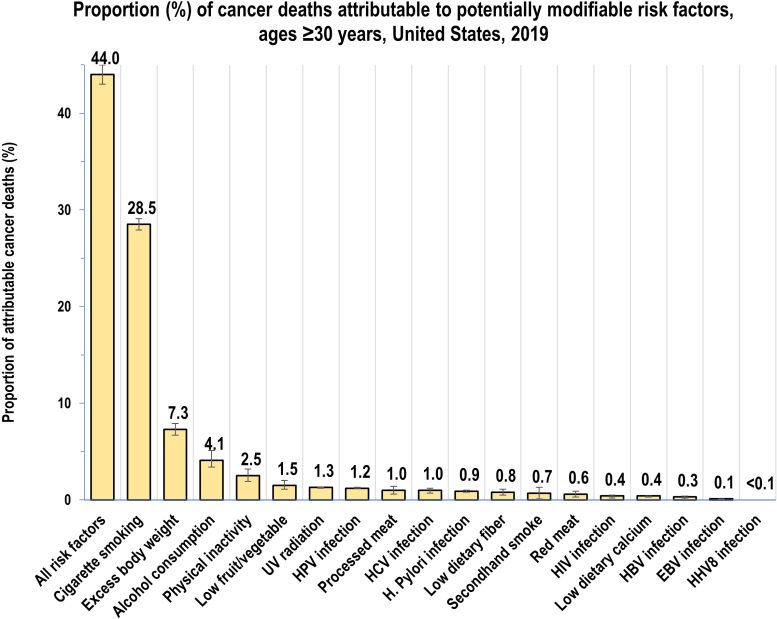
4 in 10 US Cancer Cases Linked to Modifiable Risk Factors, Study Reveals

A recent study by the American Cancer Society (ACS) reveals that four out of ten cancer cases and half of the cancer deaths in adults over 30 in the U.S. in 2019 were due to modifiable risk factors like smoking, obesity, and alcohol. Smoking was the ... 

Read more ››

4 in 10 US Cancer Cases Linked to Modifiable Risk Factors, Study Reveals
Business Idea: Manufacture and sell affordable, water efficient irrigation systems for small-plot farmers in developing nations.

Business Idea: Manufacture and sell affordable, water efficient irrigation systems for small-plot farmers in developing nations.

Company: Driptech

Pitch: In many developing countries, farmers h... 

Read more ››

Business Idea: Launch a service that provides reliable and loving reminders and companionship calls to elderly people who are still living in their homes.

Company: Check-In Calls

Business Idea: Launch a service that provides reliable and loving reminders and companionship calls to elderly people who are still living in their homes.

Pitch: Many ca... 

Read more ››

New Study Reveals That Simply Looking at Trees Can Boost Your Mental Health

Eye-tracking research from Bangor University and Technion-Israel Institute of Technology shows that focusing on natural elements during urban walks reduces anxiety and enhances feelings of restoration in city dwellers. These findings suggest urban de... 

Read more ››

New Study Reveals That Simply Looking at Trees Can Boost Your Mental Health
Eat Plants, Beat Cancer: New Study Links Vegetables To Lower Prostate Cancer Risks

Research from UC San Francisco reveals that men with localized prostate cancer can lower the risk of disease progression by 47% by adopting a plant-based diet rich in fruits, vegetables, nuts, and olive oil. Over 2,000 participants showed that increa... 

Read more ››

Eat Plants, Beat Cancer: New Study Links Vegetables To Lower Prostate Cancer Risks
5 natural ways to overcome erectile dysfunction

If you're a middle aged man, can you run as fast as you did when you were 20 years old? Hit a baseball as far as you once could? Bash a tennis ball with the same speed and spin?

Probably not.

But even as we age, there are still plenty of ways t... 

Read more ››

BRANDING

A brand is the set of attributes—positive or negative—that people associate with a company. These attributes can be positive, such as trustworthy, innovative, dependable, or easy to deal with. Or they can be negative, suc... 

Read more ››

Business Idea: Provide a service that stores individuals’ log-in information to important online services like e-mail accounts, social networks, PayPal, and eBay, and deliver them to caretakers in the event of the individual’s death.

Company: Legacy Locker

Business Idea: Provide a service that stores individuals’ log-in information to important online services like e-mail accounts, social networks, PayPal, and eBay, and deliver them to caret... 

Read more ››

New Research Reveals That Couples Who Drink Together Live Longer

A study by the University of Michigan finds that couples who drink alcohol together are likely to live longer, supporting the idea that shared drinking habits can enhance marital satisfaction and longevity.

The couple that drinks together might li... 

Read more ››

New Research Reveals That Couples Who Drink Together Live Longer
Office Productivity Takes a Hit in the Afternoon, Particularly on Fridays

A Texas A&M study shows productivity dips in the afternoon and on Fridays among office workers, advocating for flexible work to boost efficiency and well-being.

An innovative study from the Texas A&M School of Public Health offers objectiv... 

Read more ››

Office Productivity Takes a Hit in the Afternoon, Particularly on Fridays
Preparing to Raise Debt or Equity Financing

Once a start-up’s financial needs exceed what personal funds, friends and family, and bootstrapping can provide, debt and equity are the two most common sources of funds. The most important thing an entrepreneur must do at this point is determine p... 

Read more ››

Sources of Personal Financing

Typically, the seed money that gets a company off the ground comes from the founders’ own pockets. There are three categories of sources of money in this area: personal funds, friends and family, and bootstrapping.

1. Pe... 

Read more ››

Business Idea: Create a Website and a smartphone app that provides a visual guide to great food and where to find it.

Company: Foodspotting

Business Idea: Create a Website and a smartphone app that provides a visual guide to great food and where to find it. Instead of reviewing restaurants, users will share where to find their fa... 

Read more ››

Business Idea: Create an online community that links interns (primarily college students) with entrepreneurial start-ups and change-oriented nonprofit organizations.

Company: YouTern

Business Idea: Create an online community that links interns (primarily college students) with entrepreneurial start-ups and change-oriented nonprofit organizations.

Pitch: Int... 

Read more ››

52 Tips for Losing Weight

A Tip a Week

If you add one of these tips a week to your daily routine, in one year you will have developed some very healthy habits!

1. Eliminate one tablespoon of fat a day and you will lose 10 pounds in a ye... 

Read more ››

The Law of Cause and Effect – Everything happens for a reason; there is a cause for every effect.

This is the “Iron Law” of human destiny. This law says that we live in a world governed by law, not chance. It says that everything happens for a reason, whether or not we know what it is. Every effect, success or failure, wealth or poverty, has ... 

Read more ››

Organizing Buying Groups to Cut Costs and Maintain Competitiveness

One challenge that businesses confront is cutting costs in ways that don’t erode their ability to remain competitive. Many cost-cutting techniques, such as scaling back on hiring, lowering marketing expenses, or reducing inventory, may save money b... 

Read more ››

What's In A Business Name?: A Lot Of Trouble If You Aren't Careful

Introduction

While at first glance naming a business may seem like a minor issue, it is an extremely important one. A company’s name is one of the first things people associate with a business, and it is a word or phrase that wi... 

Read more ››

Vesting Ownership in Company Stock: A Sound Strategy for Start-Ups

If you’re not familiar with vesting, the idea is that when a firm is launched, instead of issuing stock outright to the founders, the stock is distributed over a period of time, typically three to four years, as the founder or founders “e... 

Read more ››

99designs: Making Partnering with Freelancers the Essence of Its Disruptive Business Model

Start-ups typically have a variety of design needs including logo design, brochures, stationery, and business cards. Traditionally the most important design work, like a business’s logo, is either done by the business itself or contracted out to a ... 

Read more ››

Thriving in a Crowded Industry by Creating Meaningful Value and Differentiation from Competitors

Firms do well in a crowded industry when two conditions exist: (1) they create meaningful value for customers at a fair price and (2) they effectively differentiate themselves from competitors. In fact, diminishing the impact of thre... 

Read more ››

Shield your brain from decline

Use the SHIELD acronym to remember the lifestyle habits that will help protect your memory and thinking skills.

We are making encouraging progress in finding medications that prevent or even reverse cognitive decline. Until we get there, however, ... 

Read more ››

Business Idea: Provide musicians a platform to reach out to their fan base to financially contribute to upcoming recordings or other musical projects.

Business Idea: Provide musicians a platform to reach out to their fan base to financially contribute to upcoming recordings or other musical projects.

Pitch: Musicians often have creative ideas for recordings or s... 

Read more ››

Finding the Right Business Partner

One thing that becomes clear to many potential business founders, while conducting organizational feasibility analysis, is that they need one or more partners to help launch their business. You might be a Web developer who has a great idea for a Web ... 

Read more ››

ScriptPad: Interesting Idea—But Will Doctors and Pharmacies Sign On?

To ScriptPad founder and CEO Shane Taylor, the problem his company solves is personal. Taylor’s father, who is fighting both heart disease and cancer, takes 26 different medications to fight his illnesses. Any mix-up or error associated with taking... 

Read more ››

Want Help Fine-Tuning a Business Idea? Find a Mentor

Fine-tuning a business idea isn’t easy. While fairly course-grained ideas are rather easy to develop, like creating a cell-phone that’s designed specifically for elderly people, fleshing out the details is where experience helps. This reality put... 

Read more ››

Working Together: How Biotech Firms and Large Drug Companies Bring Pharmaceutical Products to Market

Large firms and smaller entrepreneurial firms play different roles in business and society and can often produce the best results by partnering with each other rather than acting as adversaries. The pharmaceutical industry is an excellent example of ... 

Read more ››

Learning how to meditate

Meditation has been practiced for thousands of years and it continues to grow in popularity. This mindful practice can help aid anxiety and depression, chronic pain, cancer, bowel diseases, high blood pressure, insomnia, addiction and so much more.
... 

Read more ››

Learning how to meditate
PatientsLikeMe: Allowing People with Serious Diseases to Connect with One Another and Exchange Support and Advice

PatientsLikeMe: Allowing People with Serious Diseases to Connect with One Another and Exchange Support and Advice

Web: www.patientslikeme.com

Jamie a... 

Read more ››

How Companies and Organizations Build Credibility and Trust

How Companies and Organizations Build Credibility and Trust

There are several ways companies and organizations can build credibility and trust. We present eight techniques that are essential in nearly all cases in the following list.

Te... 

Read more ››

Business Idea: Create a single place for music lovers to track or keep up with their favorite bands, so they’ll always know where and when the bands will be performing in their area.

Business Idea: Create a single place for music lovers to track or keep up with their favorite bands, so they’ll always know where and when the bands will be performing in their area.

In addition, create an online platform for c... 

Read more ››

CREATING A NEW-VENTURE TEAM

Those who launch or found an entrepreneurial venture have an important role to play in shaping the firm’s business concept. Stated even more directly, it is widely known that a well-conceived business plan cannot get off the ground unless a firm ha... 

Read more ››

CREATING A NEW-VENTURE TEAM
Discuss the differences among sole proprietorships, partnerships, corporations, and limited liability companies.

When a business is launched, a form of legal entity must be chosen. Sole proprietorship, partnerships, corporations, and limited liability companies are the most common legal entities from which entrepreneurs make a choice. Choosing ... 

Read more ››

Discuss the differences among sole proprietorships, partnerships, corporations, and limited liability companies.
Airbnb: How Listening to Customers and Iterating the Business Model Helped Shape and Mold a Successful Start-up

Airbnb: How Listening to Customers and Iterating the Business Model Helped Shape and Mold a Successful Start-up

Web: www.airbnb.com

Introduction

It all st... 

Read more ››

Airbnb: How Listening to Customers and Iterating the Business Model Helped Shape and Mold a Successful Start-up
Components of an effective business model

1. Core strategy (how a firm competes)

2. Strategic resources (how a firm acquires and uses its resources)

3. Partnership network (how a firm structures and nurtures its partnerships)

Read more ››

Six distinct ways of making money online

Six distinct ways of making money online (the way an online company makes money largely defines its business model)

1. Affiliate programs

An affiliate program is a way for online merchants, like 1-800-FLOWERS, ... 

Read more ››

COMPETITOR ANALYSIS

After a firm has gained an understanding of the industry and the target market in which it plans to compete, the next step is to complete a competitor analysis. A competitor analysis is a detailed analysis of a firm’s competition. It helps a firm u... 

Read more ››

Some excellent ways to increase your self-awareness

1. Personal diaries

An excellent way to increase your self-awareness is to keep a diary. In it make a daily note of the important things that happen. Be honest and open with yourself. Be willing to reflect upon your beliefs, thoug... 

Read more ››

Maintaining positive thoughts

• E. G. S. Emotional Guidance System - Your inner guide

It is said that the average human being has approximately 64,000 thoughts per day. Protecting all of your thoughts 24 hours a day can be a full-time job. There is a better way to gauge how ... 

Read more ››

TECHNIQUES FOR GENERATING IDEAS

In general, entrepreneurs identify more ideas than opportunities because many ideas are typically generated to find the best way to capitalize on an opportunity. Several techniques can be used to stimulate and facilitate the generation of new ideas f... 

Read more ››

The 3 sources of business ideas

1. Observing Trends

The first approach to identifying opportunities is to observe trends and study how they create opportunities for entrepreneurs to pursue. The most important trends to follow are economic trends, social trends, ... 

Read more ››

The 3 sources of business ideas

Unleash Your Creativity with SCAMPER!

   Pinned
  4 Mins Read
Image name: SCAMPER_Technique.png Image size: 319.75 KB
  Download

✨ Boost Your Creativity with the SCAMPER Technique.

If you're looking for a simple and powerful way to generate fresh ideas, improve products, or unlock creative solutions, the SCAMPER technique is one of the best tools you can use.

Need to supercharge an existing idea or product? Try the powerful SCAMPER technique for idea generation!

SCAMPER is a simple yet effective tool to...


Early Cannabis Use Linked to Depression, Anxiety, and Physical Injuries

  10 months ago (Wed, Jan 28, 2026 at 05:31 AM (GMT))

  3 Mins Read
Image name: Medical-Marijuana-Science-Cannabis-Leaf-Petri-Dish-777x518.jpg Image size: 29.79 KB
  Download

✨ A large longitudinal study suggests that adolescents who begin using cannabis very early and continue frequently are more likely to require health care for a range of mental and physical conditions in early adulthood. Credit: Shutterstock.

➡️ Researchers found that people who began using cannabis regularly before the age of 15 were more likely, as young adults, to seek...
 
© Keila DePape, McGill University   


A Record-Setting NASA Astronaut Says Goodbye

  10 months ago (Fri, Jan 23, 2026 at 11:07 AM (GMT))

  5 Mins Read
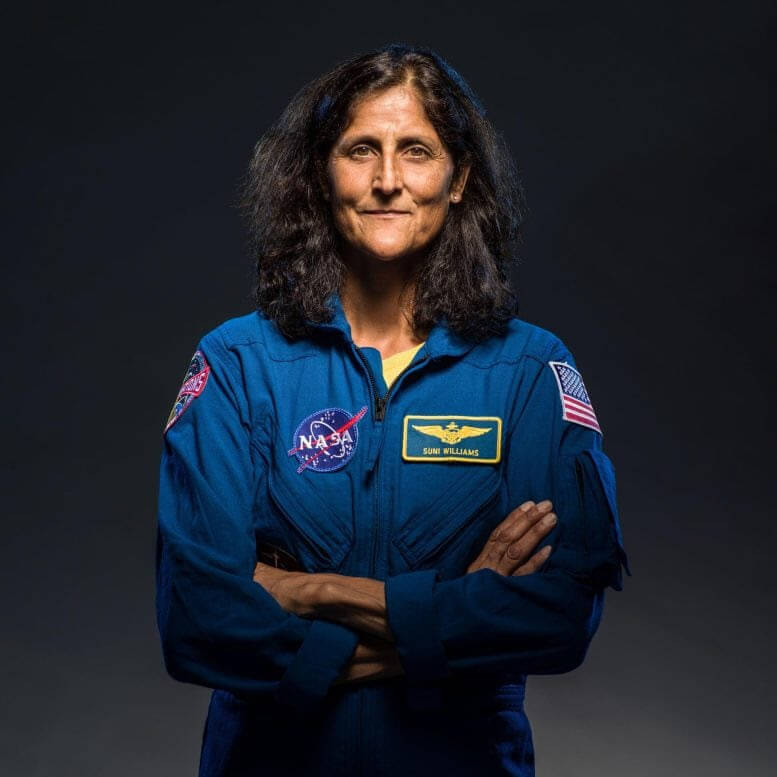
Image name: NASA-Astronaut-Suni-Williams-Portrait-777x777.jpg Image size: 45 KB
  Download

✨ After nearly three decades of service, NASA astronaut Suni Williams officially retired from the agency, effective December 27, 2025. Over her 27-year career, Williams flew to space three times and spent hundreds of days aboard the International Space Station, where she helped shape modern human spaceflight while setting multiple records.

“Suni Williams has been a trailblazer in human spaceflight, shaping...
 
© NASA   


NASA Executes Rare Medical Evacuation From the International Space Station

  10 months ago (Sun, Jan 18, 2026 at 01:54 PM (GMT))

  4 Mins Read
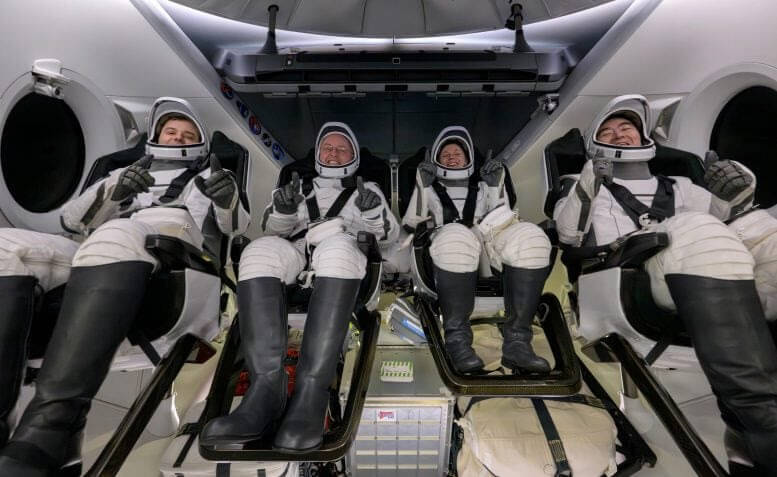
Image name: Crew-11-Inside-SpaceX-Dragon-Endeavour-Spacecraft-777x477.jpg Image size: 55.27 KB
  Download

✨ Roscosmos cosmonaut Oleg Platonov, left, NASA astronauts Mike Fincke, Zena Cardman, and JAXA (Japan Aerospace Exploration Agency) astronaut Kimiya Yui are seen inside the SpaceX Dragon Endeavour spacecraft onboard the SpaceX recovery ship SHANNON shortly after having landed in the Pacific Ocean off the coast of Long Beach, California, Thursday, January 15, 2026. Cardman, Fincke, Yui, Platonov are returning...
 
© NASA   


Don’t Miss: Jupiter at Its Biggest and Brightest

  10 months ago (Sun, Jan 11, 2026 at 05:56 PM (GMT))

  3 Mins Read
✨ Jupiter steals the spotlight in January as it reaches its brightest and biggest appearance of the year. The month also features a Moon–Saturn meetup and the steady glow of the Beehive Cluster for binocular-ready observers. (This image of Jupiter was taken by NASA’s Hubble Space Telescope on August 25, 2020.) Credit: NASA, ESA, STScI, A. Simon (Goddard Space Flight...
 
© Chelsea Gohd, NASA's Jet Propulsion Laboratory   


Mars Isn’t Just Red – It’s Electrically Alive, Scientists Reveal

  10 months ago (Sat, Jan 10, 2026 at 02:34 PM (GMT))

  7 Mins Read
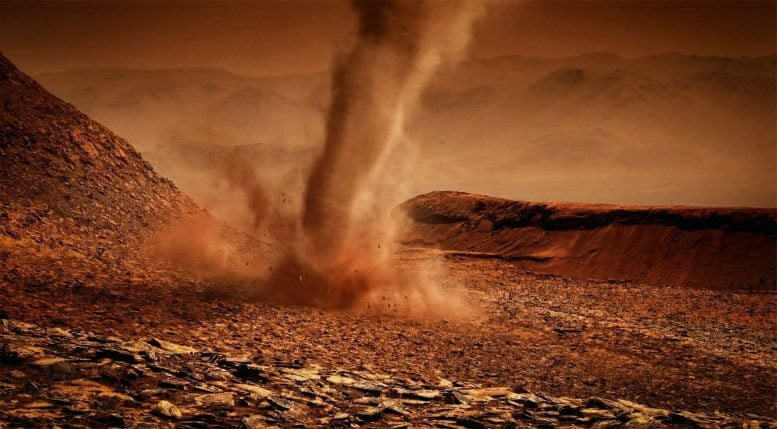
Image name: Dust-Devil-Mars-777x429.jpg Image size: 63.5 KB
  Download

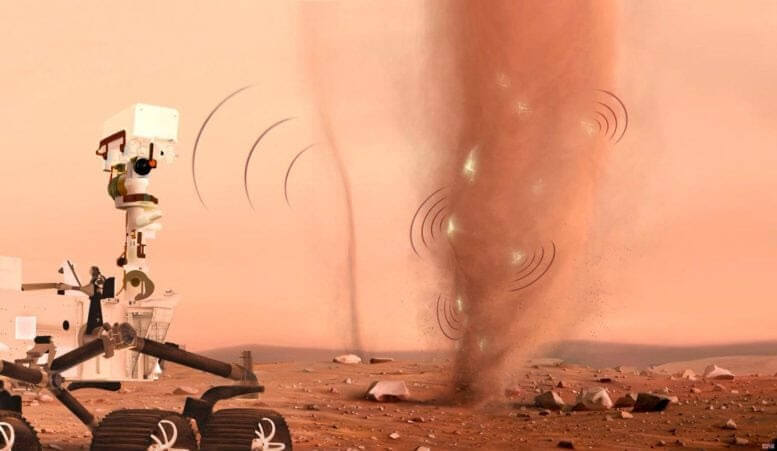
✨ Mars may appear quiet and desolate, but new research reveals an electrically active world shaped by dust-driven chemistry. Through laboratory simulations and isotopic analyses, scientists are uncovering how electrical discharges generated by dust storms and dust devils alter the planet’s surface and atmosphere.

➡️ Mars has an active, electrically charged surface where dust storms and spinning dust devils regularly move...
 
© Washington University in St. Louis   


What if Dark Energy Doesn’t Exist? New Theory Could Rewrite Cosmic Expansion

  10 months ago (Wed, Jan 07, 2026 at 11:56 AM (GMT))

  3 Mins Read
Image name: Bluish-Early-Universe-Galaxy-Concept-777x518.jpg Image size: 89.39 KB
  Download

✨ The universe’s accelerating expansion is usually attributed to an unseen force called dark energy. New research proposes that a deeper understanding of gravity and spacetime geometry might explain this behavior without invoking such a mystery.

➡️ The rapid acceleration of the universe’s expansion continues to challenge our understanding of fundamental physics.

Why the universe is expanding faster and faster remains one...
 
© University Bremen   


Scientists Have Detected Electric Sparks on Mars, and It Could Rewrite What We Know About Its Atmosphere

  11 months ago (Tue, Dec 23, 2025 at 07:20 PM (GMT))

  3 Mins Read
Image name: Perseverance-SuperCam-Detecting-Martian-Dust-Devil-Electricity-777x451.jpg Image size: 33.25 KB
  Download

✨ Detection of electric discharges in dust devils by the SuperCam instrument, on board the Perseverance rover on Mars. Credit: Nicolas Sarter.

➡️ Electrical sparks inside Martian dust devils have been detected for the first time, reshaping how scientists understand the planet’s atmosphere and climate.

On Mars, strong winds routinely generate swirling columns of fine dust. While passing through the center...
 
© Augustin Baudier, CNRS   


AI Uncovers Hidden Traces of Life in 3.3 Billion-Year-Old Rocks

  12 months ago (Thu, Nov 20, 2025 at 04:53 AM (GMT))

  4 Mins Read
Image name: Seaweed-Fossils-Macroscopic-Algae-777x255.jpg Image size: 27.73 KB
  Download

✨ MSU researcher Katie Maloney contributed samples of rare, exceptionally well-preserved seaweed fossils (e.g., macroscopic algae) from Yukon Territory, Canada. These fossils are almost one billion years old and represent one of the first seaweeds known in the fossil record, when most life still needed to be viewed through a microscope. Credit: Katie Maloney.

➡️ Scientists used advanced chemical analysis...
 
© Michigan State University   


Mars Was Habitable for Far Longer Than We Thought, New Study Reveals

  12 months ago (Thu, Nov 20, 2025 at 04:46 AM (GMT))

  2 Mins Read
Image name: NASA-Perseverance-Rover-Exploring-Mars-Surface-777x424.jpg Image size: 48.37 KB
  Download

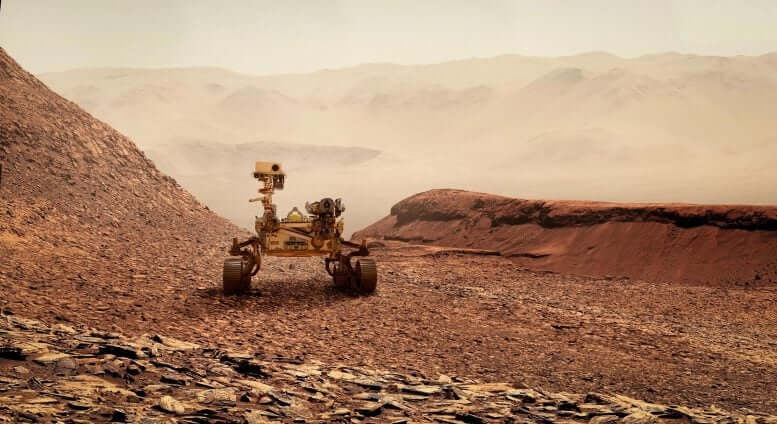
✨ New research from NYU Abu Dhabi reveals that ancient sand dunes in Mars’ Gale Crater once interacted with underground water, suggesting the planet may have stayed habitable far longer than scientists thought. Credit: Shutterstock.

💥 Researchers at NYU Abu Dhabi have uncovered evidence that water once flowed beneath Martian sand dunes — suggesting that the Red Planet may have...
 
© New York University   


From Earth to Mars in Two Years? NASA’s Nuclear Solution

  1 year ago (Fri, Sep 12, 2025 at 07:07 PM (GMT))

  5 Mins Read
Image name: Modular-Assembled-Radiators-for-Nuclear-Electric-Propulsion-Vehicles-MARVL-Wide-777x389.jpg Image size: 22.08 KB
  Download

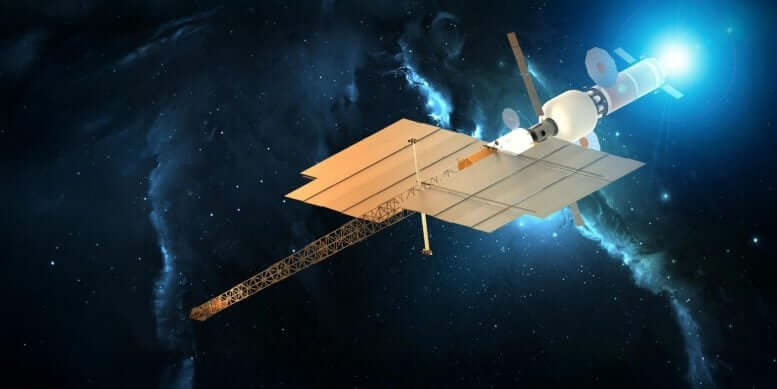
✨ Modular Assembled Radiators for Nuclear Electric Propulsion Vehicles, or MARVL, aims to take a critical element of nuclear electric propulsion, its heat dissipation system, and divide it into smaller components that can be assembled robotically and autonomously in space. This is an artist’s rendering of what the fully assembled system might look like.

➡️ NASA is working on a groundbreaking...
 
© NASA   


Five Fascinating Facts About the Moon

  1 year ago (Sat, Aug 02, 2025 at 08:49 AM (GMT))

  4 Mins Read
Image name: Five-Things-About-Moon-777x437.jpg Image size: 22.84 KB
  Download

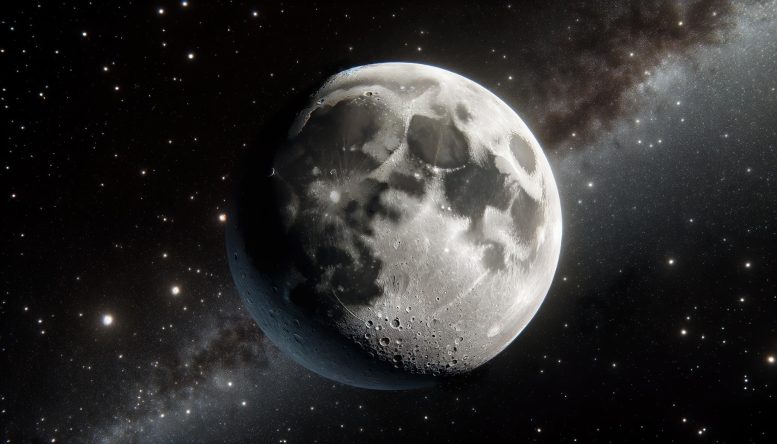
🌙 Discover fascinating lunar insights, including the Moon’s distance, size, colors, rotational dynamics, and volcanic plains. Credit: NASA

💥 Learn key facts about the Moon: from its significant distance and relative size compared to Earth to its distinctive color changes and geological features like the lunar mare, formed from ancient volcanic activity.

Looking to impress your friends during a moonlit night? Here...
 
© Preston Dyches, NASA   


Why Finding Liquid Water on Mars Is Harder Than We Thought

  1 year ago (Fri, Jul 18, 2025 at 11:50 AM (GMT))

  5 Mins Read
Image name: Liquid-Water-Mars-Art-777x518.jpg Image size: 63.32 KB
  Download

New research challenges hopes of finding liquid water on Mars, highlighting the extreme conditions that make it unlikely despite decades of fascination and study.

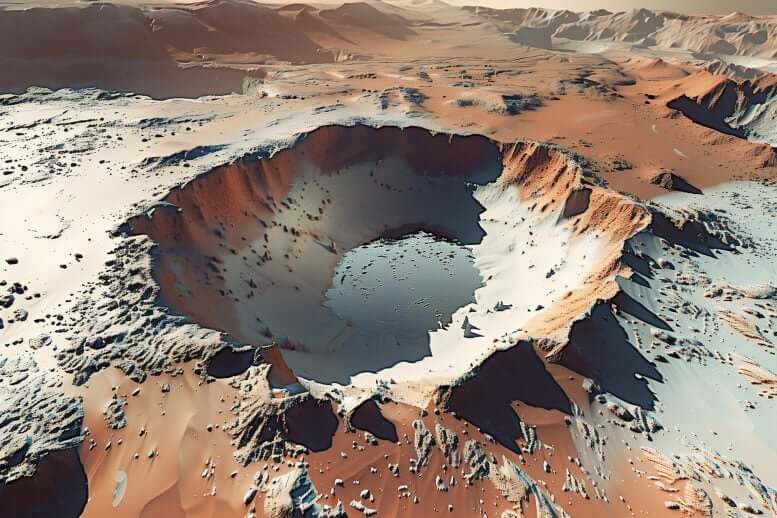
Liquid water is a cornerstone of habitability, but Mars’ frigid temperatures and thin atmosphere make its presence seem almost impossible.

Recent research examines intriguing features like recurring slope lineae and brines but ultimately questions their viability as...
 
© Hardin Young, University of Arkansas   


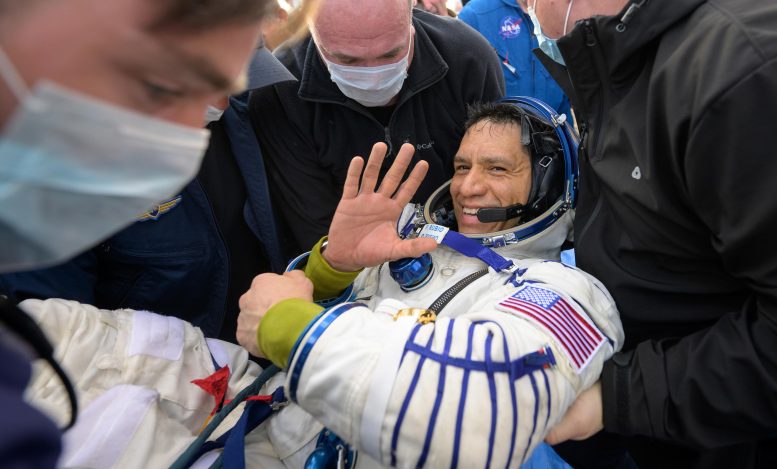
Inside the Astronaut Mind: What Happens to Your Brain in Space

  2 years ago (Sat, Jan 11, 2025 at 07:44 PM (GMT))

  4 Mins Read
Image name: Expedition-69-NASA-Astronaut-Frank-Rubio-After-Landing-777x469.jpg Image size: 59.11 KB
  Download

Researchers discovered that astronauts’ processing speed, working memory, and attention slowed down, but a few months in space did not result in lasting cognitive impairment.

In space, astronauts face unique stressors that the human body doesn’t encounter on Earth, including microgravity, increased radiation, and demanding workloads. To investigate how spaceflight affects cognitive performance, researchers studied data from 25 professional astronauts. The...
 
© Frontiers   


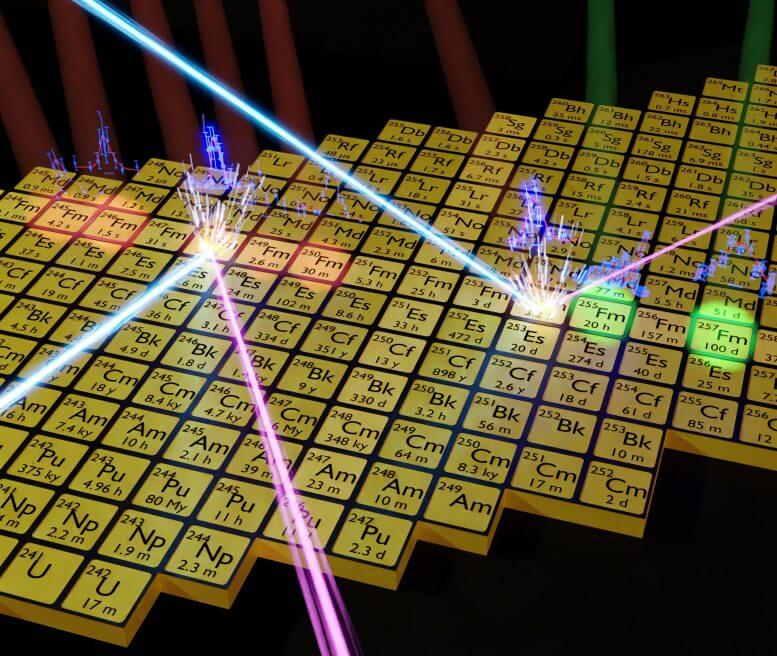
Where Does the Periodic Table End? Exploring the Mysteries of Superheavy Elements

  2 years ago (Thu, Jan 02, 2025 at 10:49 AM (GMT))

  6 Mins Read
Image name: Artwork-of-the-Nuclear-Chart-777x656.jpg Image size: 104.75 KB
  Download

Fermium studies indicate nuclear shell effects diminish as nuclear mass increases, emphasizing macroscopic influences in superheavy elements.

Where does the periodic table of chemical elements end and which processes lead to the existence of heavy elements? An international research team has conducted experiments at the GSI/FAIR accelerator facility and at Johannes Gutenberg University Mainz to investigate these questions.

Their research, published in...
 
© GSI Helmholtz Centre for Heavy Ion Research   


Is the Universe Defying Einstein? New Discoveries Challenge Relativity

  2 years ago (Tue, Dec 24, 2024 at 01:49 PM (GMT))

  5 Mins Read
Research into gravitational lensing, where light bends around massive objects, aligns with Einstein’s predictions from billions of years ago. However, newer findings suggest some deviations, indicating potential variations in gravitational behavior over large distances, sparking further investigation into the validity of Einstein’s theories.

Scientists test the famous physicist’s predictions by calculating the distortion of time and space.

Why is the expansion of...
 
© University of Geneva   


Vitamin D3 Boosted Immune Cells: Scientists Discover Promising New Treatment for Multiple Sclerosis

  2 years ago (Wed, Oct 09, 2024 at 08:11 AM (GMT))

  3 Mins Read
New research found that combining VitD3-tolerogenic dendritic cells with the MS drug Dimethyl Fumarate significantly improved treatment outcomes for multiple sclerosis in animal models. This could lead to a more effective, personalized therapy for MS patients.

Researchers have found that combining tolerogenic dendritic cells with Dimethyl Fumarate improves treatment efficacy for multiple sclerosis, offering a promising new approach for managing the...

Multiple sclerosis (MS) is a chronic condition in which the immune system erroneously assaults the myelin sheath, the protective coating around nerve cells, leading to nerve damage and increased disability. Existing treatments such as immunosuppressants mitigate these attacks but compromise the immune system, making patients more susceptible to infections and cancer. Researchers are investigating a new, more targeted approach that involves using a type of immune cell called tolerogenic dendritic cells (tolDCs), derived from the patients themselves, to target the disease more precisely.

TolDCs can restore immune balance without affecting the body’s natural defenses. However, since a hallmark of MS is precisely the dysfunction of the immune system, the effectiveness of these cells for autotransplantation might be compromised. Therefore, it is essential to better understand how the disease affects the starting material for this cellular therapy before it can be applied.

In this study, published at the prestigious Journal of Clinical Investigation, researchers examined CD14+ monocytes, mature dendritic cells (mDCs), and Vitamin D3-treated tolerogenic dendritic cells (VitD3-tolDCs) from MS patients who had not yet received treatment, as well as from healthy individuals.

Personalized Treatment Using Immune Cells

The clinical trials (NCT02618902 and NCT02903537), led in Spain by Dr. Cristina Ramo-Tello and Dr. Eva Martínez Cáceres (Germans Trias i Pujol Research Institute), are designed to assess the effectiveness of VitD3-tolDCs, which are loaded with myelin antigens to help “teach” the immune system to stop attacking the nervous system. This approach is groundbreaking as it uses a patient’s own immune cells, modified to induce immune tolerance, in an effort to treat the autoimmune nature of MS.

The study, led by Dr. Eva Martinez-Cáceres and Dr. Esteban Ballestar (Josep Carreras Institute), with Federico Fondelli as first author, found that the immune cells from MS patients (monocytes, precursors of tolDCs) have a persistent “pro-inflammatory” signature, even after being transformed into VitD3-tolDCs, the actual therapeutic cell type. This signature makes these cells less effective compared to those derived from healthy individuals, missing part of its potential benefits.

A Potential Solution: Aryl Hydrocarbon Receptor Modulation

Using state-of-the-art research methodologies, the researchers identified a pathway, known as the Aryl Hydrocarbon Receptor (AhR), that is linked to this altered immune response. By using an AhR-modulating drug, the team was able to restore the normal function of VitD3-tolDCs from MS patients, in vitro. Interestingly, Dimethyl Fumarate, an already approved MS drug, was found to mimic the effect of AhR modulation and restore the cells’ full efficacy, with a safer toxic profile.

Finally, studies in MS animal models showed that a combination of VitD3-tolDCs and Dimethyl Fumarate led to better results than using either treatment on its own. This combination therapy significantly reduced symptoms in mice, suggesting enhanced potential for treating human patients.

These results could lead to a new, more potent treatment option for multiple sclerosis, offering hope to the millions of patients worldwide who suffer from this debilitating disease. This study represents a significant step forward in the use of personalized cell therapies for autoimmune diseases, potentially revolutionizing how multiple sclerosis is treated.
 
© Josep Carreras Leukaemia Research Institute   


New Earth-Sized Planet Discovered Orbiting a Star That Will Live 100 Billion Years

  2 years ago (Sun, Jun 23, 2024 at 12:27 PM (GMT))

  4 Mins Read
Image name: Exoplanet-Cool-Star-Concept-777x518.jpg Image size: 16.64 KB
  Download

Researchers using global robotic telescopes discovered an Earth-sized planet, SPECULOOS-3 b, orbiting an ultra-cool red dwarf within the Milky Way. This planet, tidally locked and likely lacking an atmosphere due to intense radiation, offers new insights into long-lived red dwarfs, which are anticipated to be among the last stars burning in the universe.

Our galaxy is a treasure trove of red...
 
© KRISTEN WALBOLT, NASA   


Astronomers Discover Nearby Earth-Sized Planet With No Atmosphere

  3 years ago (Sun, May 19, 2024 at 02:16 PM (GMT))

  6 Mins Read
New planet SPECULOOS-3b, discovered orbiting an ultracool dwarf star, likely lacks an atmosphere and offers unique insights into exoplanetary geology.

Astronomers have discovered a new Earth-sized planet, SPECULOOS-3b, orbiting a cold, Jupiter-sized star 55 light years away. Unlike Earth, this planet likely lacks an atmosphere due to intense radiation from its close proximity to the star, offering a unique unobstructed view...

A new planet orbiting a small cold star, a mere 55 light years away has been discovered by astronomers at MIT, the University of Liège, and elsewhere. Although the nearby exoplanet is similar to Earth in its size and rocky composition, that’s where the similarities end. The key difference is that this new world is likely missing an atmosphere.

In a paper published on May 15, 2024, in the journal Nature Astronomy, the researchers confirm the detection of SPECULOOS-3b, an Earth-sized, likely airless planet that the team discovered using a network of telescopes as part of the SPECULOOS (Search for Planets EClipsing ULtra-cOOl Stars) project.

The new planet orbits a nearby ultracool dwarf — a type of star that is smaller and colder than the sun. Ultracool dwarf stars are thought to be the most common type of star in our galaxy, though they are also the faintest, making them difficult to spot in the night sky.

The ultracool dwarf that hosts the new planet is about one-tenth the size of, and 1,000 times dimmer than, the sun. The star is more similar in size to Jupiter and is twice as cold as the sun. Nevertheless, the dwarf star radiates an enormous amount of energy onto the planet’s surface due to the planet’s extremely close proximity: SPECULOOS-3b circles its star in just 17 hours. One year on the new planet, then, is shorter than one day on Earth.

Because it is so close to its star, the planet is blasted with 16 times more radiation per second compared to what the Earth receives from the sun. The team believes that such intense and relentless exposure has likely vaporized any atmosphere that the planet once held, leaving it an airless, exposed, blistering ball of rock.

If the planet lacks an atmosphere, scientists might soon be able to zero in on exactly what type of rocks are on its surface and even what sort of geological processes shaped its landscape, such as whether the planet’s crust experienced magma oceans, volcanic activity, and plate tectonics in its past.

“SPECULOOS-3b is the first planet for which we can consider moving toward constraining surface properties of planets beyond the solar system,” says study co-author Julien de Wit, associate professor of planetary sciences at MIT. “With this world, we could basically start doing exoplanetary geology. How cool is that?”

The study’s MIT co-authors include research scientists Benjamin Rackham and Artem Burdanov, along with lead author Michel Gillon of the University of Liège and colleagues from collaborating institutions and observatories around the world.

Lining Up

Astronomers observed the first inklings of the new planet in 2021, with observations taken by SPECULOOS — a network of six robotic, 1-meter telescopes (four in the Southern Hemisphere, and two in the Northern Hemisphere) that continuously observe the sky for signs of planets orbiting around ultracool dwarf stars. SPECULOOS is the parent project of the TRAPPIST (TRAnsiting Planets and PlanetesImals Small Telescope-South) survey, which discovered seven terrestrial planets — several potentially habitable — around a small cold star named TRAPPIST-1.

SPECULOOS aims to observe about 1,600 nearby ultracool dwarf stars. As these stars are small, any planets that orbit and cross in front of them should momentarily block their light, by a more noticeable amount compared to planets that orbit around larger, brighter stars. Ultracool dwarf stars, then, could give astronomers a better view of any planets that they host.

In 2021, a telescope in SPECULOOS’ network picked up some inconclusive signs of a transit, in front of one ultracool dwarf star about 55 light years away. Then in 2022, a close monitoring with MIT’s Artemis telescope changed the game.

“While there were structures in the 2021 data that didn’t look convincing, the 2022 Artemis data really got our attention,” recalls MIT’s Artem Burdanov, who manages the SPECULOOS Northern Observatory. “We started to analyze one clear transit-like signal in the Artemis data, quickly decided to launch a campaign around this star, and then things just started lining up.”

Dark Like the Moon

The team zeroed in on the star with MIT’s Artemis telescope, the rest of the SPECULOOS network, and several other observatories. The multipronged observations confirmed that the star did indeed host a planet, which appeared to orbit every 17 hours. Judging from the amount of light it blocked with each crossing, the scientists estimate that the planet is about the size of the Earth.

They were then able to estimate certain properties of the star and the planet based on analyses of the star’s light taken by MIT’s Benjamin Rackham, who has led a campaign using the Magellan telescopes in Chile and the NASA Infrared Telescope Facility (IRTF) in Hawaii to analyze the light from nearby ultracool dwarf stars.

“We can say from our spectra and other observations that the star has a temperature of about 2,800 kelvins, it is about 7 billion years old — not too young, and not too old — and it is moderately active, meaning that it flares quite a lot,” Rackham says. “We think the planet must not have an atmosphere anymore because it would easily have been eroded away by the activity of the host star that’s basically constantly flaring.”

Without an atmosphere, then, what might one see if they were to look up from the planet’s surface?

“If there’s no atmosphere, there would be no blue sky or clouds — it would just be dark, like on the surface of the moon,” Rackham offers. “And the ‘sun’ would be a big, purplish-red, spotted, and flaring star that would look about 18 times as big as the sun looks to us in the sky.”

Because the planet lacks an atmosphere and is relatively close by, the team says that SPECULOOS-3b is an ideal candidate for follow-up studies by NASA’s James Webb Space Telescope (JWST), which is powerful enough to parse the star’s light and discern more details of both the star and the planet. With JWST’s observations, the team hopes to be able to identify details of the planet’s surface, which would be a first in the field of exoplanetary studies.

“We think that the planet is nearly as hot as Venus, so not habitable,” Rackham says. “It’s not hot enough to have a lava surface. It should be solid rock. But depending on how bright that rock is, it could be recently resurfaced due to plate tectonics or volcanic activity, or it could be a planet that’s been eroded by space weathering and has a much darker surface. Going forward, we should be able to distinguish between some interesting scenarios for the surface of the planet.”
 
© JENNIFER CHU, MASSACHUSETTS INSTITUTE OF TECHNOLOGY   


NASA and SpaceX Successfully Test Starship’s Lunar Lander Docking System

  3 years ago (Fri, May 17, 2024 at 08:44 PM (GMT))

  3 Mins Read
SpaceX and NASA recently performed full-scale qualification testing of the docking system that will connect SpaceX’s Starship Human Landing System (HLS) with Orion and later Gateway in lunar orbit during future crewed Artemis missions. Based on the flight-proven Dragon 2 active docking system, the Starship HLS docking system will be able to act as an active or passive system during...
 
© NASA'S MARSHALL SPACE FLIGHT CENTER   


A Better View of the Universe: World’s Highest Observatory Opens

  3 years ago (Sun, May 12, 2024 at 12:38 PM (GMT))

  6 Mins Read
Image name: TAO-777x547.jpg Image size: 13.27 KB
  Download

Opening of the University of Tokyo Atacama Observatory

On April 30, 2024, the University of Tokyo Atacama Observatory (TAO) marked a significant milestone with its official opening. Researchers hope it will unravel some of the biggest mysteries, including how planets form, how galaxies evolve, and ultimately, how the universe itself began.

At an extraordinary height of 5,640 meters, TAO is now the...
 
© University Of Tokyo   


Most detailed Moon maps ever made

  3 years ago (Sat, Apr 27, 2024 at 12:50 PM (GMT))

  4 Mins Read
Image name: d41586-024-01223-0_27010826.jpg Image size: 196.33 KB
  Download

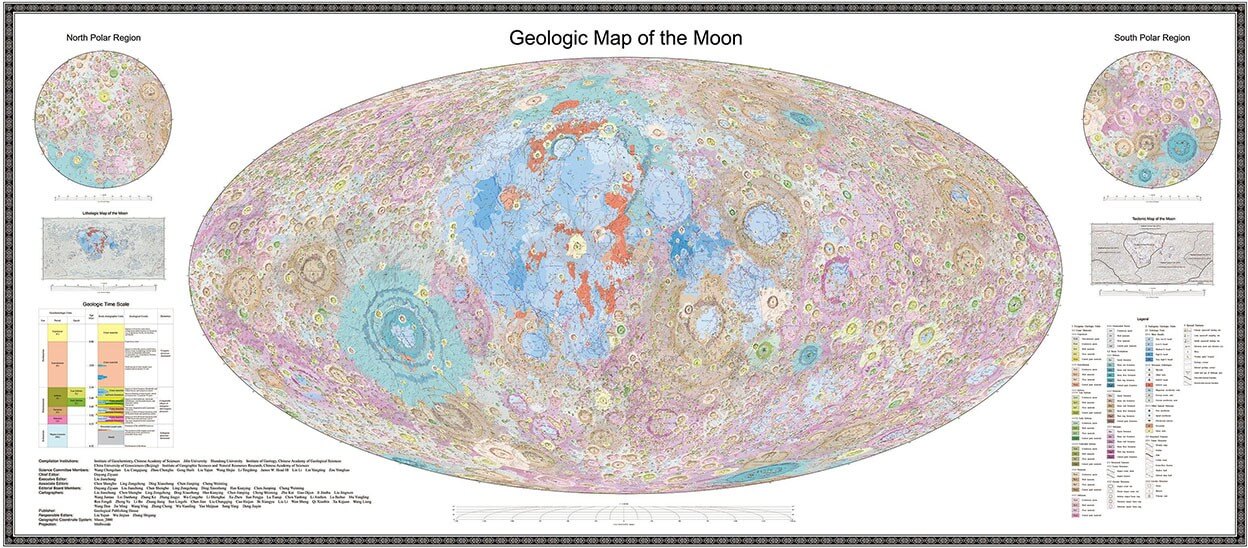
The Chinese Academy of Sciences (CAS) has released the highest-resolution geological maps of the Moon yet. The Geologic Atlas of the Lunar Globe, which took more than 100 researchers over a decade to compile, reveals a total of 12,341 craters, 81 basins and 17 rock types, along with other basic geological information about the lunar surface. The maps were made...
 
© Nature   


Astronomers Discover 49 New Galaxies in Under Three Hours

  3 years ago (Tue, Apr 23, 2024 at 08:02 PM (GMT))

  3 Mins Read
A global group of astronomers has identified 49 new gas-rich galaxies with the help of the MeerKAT radio telescope in South Africa.

Dr Marcin Glowacki, from the Curtin University node of the International Centre for Radio Astronomy Research (ICRAR) in Western Australia, led the research, which aimed to study the star-forming gas in a single radio galaxy. Although the team didn’t...
 
© International Centre For Radio Astronomy Research   


Microhydropower generation

  3 years ago (Tue, Apr 02, 2024 at 10:18 AM (GMT))

  1 Mins Read


Video size: 5.96 MB   Download

Stream-based hydroelectric power generation

© Massimo


Never give up

  3 years ago (Mon, Apr 01, 2024 at 09:47 PM (GMT))

  1 Mins Read


Video size: 0.91 MB   Download

Never give up on your dreams

© 60 Minutes


Science Simplified: What Are Dark Matter and Dark Energy?

  3 years ago (Mon, Apr 01, 2024 at 09:20 PM (GMT))

  4 Mins Read
What Are Dark Matter and Dark Energy?

There’s something amiss in the cosmos. Mysterious influences seem to be stretching the universe apart and clumping stuff together in unexpected ways, but we can’t see or touch them. Scientists call these influences dark energy and dark matter.

Humans have studied the sky for many thousands of years, and in the last century, scientists have...
 
© Argonne National Laboratory   


NASA Selects 10 New CubeSat Missions To Fly to the International Space Station

  3 years ago (Sun, Mar 31, 2024 at 08:39 AM (GMT))

  6 Mins Read
Image name: CubeSat-Concept-777x518.jpg Image size: 20.08 KB
  Download

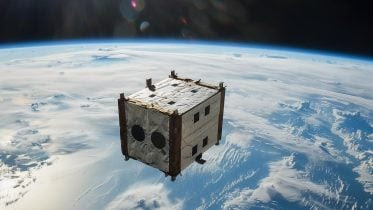
NASA has chosen 10 small satellites from across eight states for the International Space Station, enhancing educational and scientific opportunities.

NASA’s CubeSat initiative supports 10 new missions, promoting educational and technological advancement through modular satellites. These include diverse projects from universities and a K-12 school, focusing on scientific research and sustainable space technology.

NASA selected 10 small research satellites across eight...
 
© NASA   


How the Big Bang got its name

  3 years ago (Wed, Mar 27, 2024 at 09:02 AM (GMT))

  1 Mins Read
You might have heard this one before: astronomer Fred Hoyle coined the phrase ‘Big Bang’ to make fun of a theory of the Universe’s origins that he disliked. Wrong, writes historian Helge Kragh. Hoyle did originate the catchy term — in a 1949 popular-science talk for BBC radio — but it was never intended as ridicule. And most people, including...
 
© Nature   


For the First Time: Water Molecules Have Been Discovered on an Asteroid’s Surface

  3 years ago (Mon, Feb 19, 2024 at 12:54 PM (GMT))

  3 Mins Read
Image name: Water-Molecules-on-the-Surface-of-an-Asteroid-777x615.png Image size: 25.47 KB
  Download

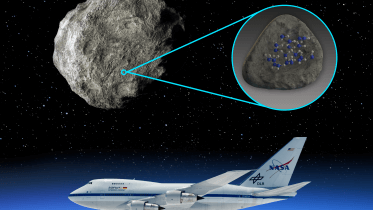
Utilizing SOFIA data, researchers have identified water molecules on asteroid surfaces, marking a significant step in understanding water’s distribution and its role in the solar system’s formation and potential for supporting life. Future studies with the James Webb Space Telescope aim to expand this knowledge by examining more celestial bodies.

The FORCAST instrument on SOFIA discovered water on asteroids that...

Scientists from the Southwest Research Institute have made the first discovery of water molecules on an asteroid’s surface, utilizing data from the now-retired Stratospheric Observatory for Infrared Astronomy (SOFIA). This project was a collaborative effort between NASA and the German Space Agency at DLR.

Scientists looked at four silicate-rich asteroids using the FORCAST instrument to isolate the mid-infrared spectral signatures indicative of molecular water on two of them.

The Significance of Water Distribution

“Asteroids are leftovers from the planetary formation process, so their compositions vary depending on where they formed in the solar nebula,” said SwRI’s Dr. Anicia Arredondo, lead author of a Planetary Science Journal paper about the discovery. “Of particular interest is the distribution of water on asteroids, because that can shed light on how water was delivered to Earth.”

Anhydrous, or dry, silicate asteroids form close to the Sun while icy materials coalesce farther out. Understanding the location of asteroids and their compositions tells us how materials in the solar nebula were distributed and have evolved since formation. The distribution of water in our solar system will provide insight into the distribution of water in other solar systems and, because water is necessary for all life on Earth, will drive where to look for potential life, both in our solar system and beyond.

Methodology and Findings

“We detected a feature that is unambiguously attributed to molecular water on the asteroids Iris and Massalia,” Arredondo said. “We based our research on the success of the team that found molecular water on the sunlit surface of the Moon. We thought we could use SOFIA to find this spectral signature on other bodies.

SOFIA detected water molecules in one of the largest craters in the Moon’s southern hemisphere. Previous observations of both the Moon and asteroids had detected some form of hydrogen but could not distinguish between water and its close chemical relative, hydroxyl. Scientists detected roughly equivalent to a 12-ounce bottle of water trapped in a cubic meter of soil spread across the lunar surface, chemically bound in minerals.

“Based on the band strength of the spectral features, the abundance of water on the asteroid is consistent with that of the sunlit Moon,” Arredondo said. “Similarly, on asteroids, water can also be bound to minerals as well as adsorbed to silicate and trapped or dissolved in silicate impact glass.”

Challenges and Future Research

The data from two fainter asteroids, Parthenope and Melpomene, were too noisy to draw a definitive conclusion. The FORCAST instrument is apparently not sensitive enough to detect the water spectral feature if present. However, with these findings, the team is enlisting NASA’s James Webb Space Telescope, the premier infrared space telescope, to use its precise optics and superior signal-to-noise ratio to investigate more targets.

“We have conducted initial measurements for another two asteroids with Webb during cycle two,” Arredondo said. “We have another proposal in for the next cycle to look at another 30 targets. These studies will increase our understanding of the distribution of water in the solar system.”
 
© Southwest Research Institute   


Hubble Reveals How Galactic Collisions Ignite Star Formation

  3 years ago (Fri, Feb 16, 2024 at 06:02 PM (GMT))

  4 Mins Read
Galaxy AM 1054-325 has been distorted into an S-shape from a normal pancake-like spiral shape by the gravitational pull of a neighboring galaxy, seen in this Hubble Space Telescope image. A consequence of this is that newborn clusters of stars form along a stretched-out tidal tail for thousands of light-years, resembling a string of pearls. A new study led by...
 
© Penn State University   


International Action Is Needed – Africa Is Suffering a Dangerous Air Pollution Crisis

  3 years ago (Fri, Jan 12, 2024 at 11:34 AM (GMT))

  4 Mins Read
A new study highlights Africa’s severe air pollution crisis and calls for urgent, collaborative action involving global and regional stakeholders. Solutions proposed include air quality monitoring, clean energy investments, improved waste management, eco-friendly technology, and infrastructure development to reduce pollution and address its disproportionate impact on vulnerable populations.

A new report in Nature Geoscience has brought to light the challenge of...
 
© University Of Birmingham   


Hawking Stars: What Happens if You Put a Black Hole Into the Sun?

  3 years ago (Sun, Jan 07, 2024 at 01:20 PM (GMT))

  4 Mins Read
An international research team suggests that “Hawking stars,” stars with central primordial black holes, could mimic normal stars and aid in exploring dark matter and the early universe.

In a hypothetical scenario, small, primordial black holes could be captured by newly forming stars. An international team, led by researchers at the Max Planck Institute for Astrophysics, has now modeled the evolution...

Let’s do a scientific exercise: If we assume that a large number of very small black holes were created just after the Big Bang (so-called primordial black holes), some of them might be captured during the formation of new stars. How would this affect the star during its lifetime?

“Scientists sometimes ask crazy questions in order to learn more,” says Selma de Mink, director of the stellar department at the Max Planck Institute for Astrophysics (MPA). “We don’t even know whether such primordial black holes exist, but we can still do an interesting thought experiment.”

Primordial black holes would have formed in the very early Universe with a wide range of masses, from some as small as an asteroid up to thousands of solar masses. They could constitute an important component of dark matter, as well as being the seeds for the supermassive black holes at the center of present-day galaxies.

With a very small probability, a newly forming star could capture a black hole with the mass of an asteroid or a small moon, which would then occupy the star’s center. Such a star is called a “Hawking star,” named after Stephen Hawking, who first proposed this idea in a paper in the 1970s. The black hole at the center of such a Hawking star would grow only slowly, as the infall of gas to feed the black hole is hampered by the outflowing luminosity.

An international team of scientists has now modeled the evolution of such a star with various initial masses for the black hole and with different accretions models for the stellar center. Their astonishing result: when the black hole mass is small, the star is essentially indistinguishable from a normal star.

“Stars harboring a black hole at their center can live surprisingly long,” says Earl Patrick Bellinger, MPA Postdoc and now Assistant Professor at Yale University, who led the study. “Our Sun could even have a black hole as massive at the planet Mercury at its center without us noticing.”

The main difference between such a Hawking star and a normal star would be near the core, which would become convective due to the accretion onto the black hole. It would not alter the properties of the star at its surface and would elude present detection capabilities. However, it could be detectable using the relatively new field of asteroseismology, where astronomers are using acoustic oscillations to probe the interior of a star.

Also in their later evolution, in the red giant phase, the black hole might lead to characteristic signatures. With upcoming projects such as PLATO, such objects might be discovered. However, further simulations are needed to determine the implications of putting a black hole into stars of various masses and metallicities.

If primordial black holes were indeed formed soon after the Big Bang, looking for Hawking stars could be one way to find them. “Even though the Sun is used an exercise, there are good reasons to think that Hawking stars would be common in globular clusters and ultra-faint dwarf galaxies,” points out Professor Matt Caplan at Illinois State University, co-author of the study.

“This means that Hawking stars could be a tool for testing both the existence of primordial black holes, and their possible role as dark matter.”
 
© MAX PLANCK INSTITUTE FOR ASTROPHYSICS   


NASA’s Perseverance Rover Explores an Ancient River on Mars

  3 years ago (Fri, Jan 05, 2024 at 04:48 PM (GMT))

  1 Mins Read
Perseverance rover’s 360-degree panorama of Mars, featuring 2.38 billion pixels from Jezero Crater, offers insights into the planet’s ancient river delta history.
 
© NASA and SciTechDaily   


E=mc² Comes Alive: Simulating Matter Creation From Laser Light

  3 years ago (Thu, Dec 28, 2023 at 12:54 PM (GMT))

  3 Mins Read
Osaka University researchers have simulated photon-photon collisions with lasers, potentially paving the way for generating matter from light in labs. This quantum physics advancement holds promise for understanding the universe’s composition and discovering new physics.

A team led by researchers at Osaka University and UC, San Diego has used simulations to demonstrate how one can experimentally produce matter solely from...

One of the most striking predictions of quantum physics is that matter can be generated solely from light (i.e., photons), and in fact, the astronomical bodies known as pulsars achieve this feat. Directly generating matter in this manner has not been achieved in a laboratory, but it would enable further testing of the theories of basic quantum physics and the fundamental composition of the universe.

In a study recently published in Physical Review Letters, a team led by researchers at Osaka University has simulated conditions that enable photon–photon collisions, solely by using lasers. The simplicity of the setup and ease of implementation at presently available laser intensities make it a promising candidate for near-future experimental implementation.

Photon–photon collision is theorized to be a fundamental means by which matter is generated in the universe, and it arises from Einstein’s well-known equation E=mc2. In fact, researchers have indirectly produced matter from light: by high-speed acceleration of metal ions such as gold into one another. At such high speeds, each ion is surrounded by photons, and upon grazing past each other, matter and antimatter are produced.

However, it is challenging to produce matter experimentally in modern laboratories through the sole use of laser light because of the extremely high-power lasers required. Simulating how this feat might be achieved in a laboratory could bring about an experimental breakthrough, so that’s what the researchers set out to do.

“Our simulations demonstrate that, when interacting with the intense electromagnetic fields of the laser, dense plasma can self-organize to form a photon–photon collider,” explains Dr. Sugimoto, lead author of the study. “This collider contains a dense population of gamma rays, ten times denser than the density of electrons in the plasma and whose energy is a million times greater than the energy of the photons in the laser.”

Photon–photon collisions in the collider produce electron–positron pairs, and the positrons are accelerated by a plasma electric field created by the laser. This results in a positron beam.

“This is the first simulation of accelerating positrons from the linear Breit–Wheeler process under relativistic conditions,” says Prof Arefiev, co-author of UCSD. “We feel that our proposal is experimentally feasible, and we look forward to real-world implementation.” Dr Vyacheslav Lukin, a program director at the US National Science Foundation which supported the work, says “This research shows a potential way to explore the mysteries of the universe in a laboratory setting. The future possibilities at today’s and tomorrow’s high-power laser facilities just became even more intriguing.”

Applications of this work to the fictional matter–energy conversion technology of Star Trek remain just that: fiction. Nevertheless, this work has the potential to help experimentally confirm theories of the composition of the universe, or perhaps even help discover previously unknown physics.
 
© Osaka University   


Einstein’s Insight: Why Does Gravity Pull Us Down and Not Up?

  3 years ago (Thu, Dec 28, 2023 at 10:37 AM (GMT))

  3 Mins Read
Why does gravity pull us down and not up?

Gravity is the reason things with mass or energy are attracted to each other. It is why apples fall toward the ground and planets orbit stars.

Magnets attract some types of metals, but they can also push other magnets away. So how come you feel only the pull of gravity?

In 1915, Albert Einstein...
 
© MARIO BORUNDA, OKLAHOMA STATE UNIVERSITY   


One Step Closer to Living on Mars: AI Unlocks Secrets of Oxygen Production on the Red Planet

  3 years ago (Mon, Dec 25, 2023 at 11:28 AM (GMT))

  4 Mins Read
Recent breakthroughs in synthesizing oxygen on Mars using a robotic AI-chemist to create OER catalysts from Martian meteorites mark a significant step towards realizing the dream of Mars colonization. This technology promises to establish an oxygen factory on Mars, bringing human habitation on the planet closer to reality.

An AI chemist has successfully created a catalyst for producing oxygen from Martian...

Immigration to and living on Mars have often been themes in science fiction. Before these dreams can become reality, humanity faces significant challenges, such as the scarcity of vital resources like oxygen needed for long-term survival on the Red Planet. Yet, recent discoveries of water activity on Mars have sparked new hope for overcoming these obstacles.

Scientists are now exploring the possibility of decomposing water to produce oxygen through electrochemical water oxidation driven by solar power with the help of oxygen evolution reaction (OER) catalysts. The challenge is to find a way to synthesize these catalysts in situ using materials on Mars, instead of transporting them from the Earth, which is of high cost.

Advancements in AI and Martian Chemistry

To tackle this problem, a team led by Prof. Luo Yi, Prof. Jiang Jun, and Prof. Shang Weiwei from the University of Science and Technology of China (USTC) of the Chinese Academy of Sciences (CAS), recently made it possible to synthesize and optimize OER catalysts automatically from Martian meteorites with their robotic artificial intelligence (AI)-chemist.

Their research, in collaboration with Deep Space Exploration Laboratory, was recently published in the journal Nature Synthesis.

“The AI chemist innovatively synthesizes OER catalyst using Martian material based on interdisciplinary cooperation,” said Prof. Luo Yi, leading scientist of the team.

In each experimental cycle, the AI chemist first analyzes the elemental composition of the Martian ores using the laser-induced breakdown spectroscopy (LIBS) as its eyes. Then, it carries out a series of pretreatments on the ores, including weighing in the solid-dispensing workstation, preparing feedstock solutions in the liquid-dispensing workstation, separation from liquid in the centrifugation workstation, and solidification in the dryer workstation.

The resulting metal hydroxides are treated with Nafion adhesive to prepare the working electrode for OER testing at the electrochemical workstation. The testing data are sent to the computational ‘brain’ of the AI chemist in real-time for machine learning (ML) processing.

The AI chemist’s ‘brain’ employs quantum chemistry and molecular dynamics simulations for 30,000 of high-entropy hydroxides with different elemental ratios and calculates their OER catalytic activities via density functional theory. The simulation data are used to train a neural network model for rapidly predicting the catalysts’ activities with different elemental compositions.

Finally, through Bayesian optimization, the ‘brain’ predicts the combination of available Martian ores needed for synthesizing the optimal OER catalyst.

Achieving a Breakthrough in Oxygen Production

So far, the AI chemist has created an excellent catalyst using five types of Martian meteorites under unmanned conditions. This catalyst can operate steadily for over 550,000 seconds at a current density of 10 mA cm-2 and an overpotential of 445.1 mV. A further test at -37 °C, the temperature on Mars, confirmed that the catalyst can steadily produce oxygen without any apparent degradation.

Within two months, the AI chemist has completed the complex optimization of catalysts that would take 2000 years for a human chemist.

The team is working to turn the AI chemist into a general experiment platform for various chemical syntheses without human intervention. The reviewer of the paper highly remarked: “This type of research is of wide interest and is under rapid development in organic/inorganic material synthesis and discovery.”

“In the future, humans can establish an oxygen factory on Mars with the assistance of an AI chemist,” said Jiang. Only 15 hours of solar irradiation is needed to produce sufficient oxygen concentration required for human survival. “This breakthrough technology brings us one step closer to achieving our dream of living on Mars,” he said.

Video credit: AI-Chemist Group at University of Science and Technology of China
 
© Chinese Academy Of Sciences   


Scientists Were Wrong – Tiny Crystals Reveal That the Moon Is Millions of Years Older Than Previously Thought

  3 years ago (Sat, Dec 09, 2023 at 06:56 PM (GMT))

  5 Mins Read
Image name: Moon-Starry-Background-777x444.jpg Image size: 47.23 KB
  Download

A new study using advanced atom-probe tomography has determined that the Earth’s Moon is 4.46 billion years old, 40 million years older than previous estimates. This finding, derived from analyzing lunar crystals from Apollo 17, provides a deeper understanding of the Moon’s formation and its impact on Earth’s environment.

Scientists from Northwestern University contributed to the analysis of lunar samples that...

By analyzing tiny crystals from the Moon, collected during the Apollo 17 mission in 1972, scientists have revised the estimated age of the Moon. Previously thought to be 4.425 billion years old, the new analysis indicates it is around 4.46 billion years old, making it 40 million years older than earlier estimates.

Led by researchers at the Field Museum and the University of Glasgow, the study was made possible by Northwestern University’s atom-probe tomography facility, which “nailed down” the age of the oldest crystal in the sample. By revealing the age of these telltale zircon crystals — found hidden within dust collected from the Moon — researchers were able to piece together the timeline of the Moon’s formation.

The study was recently published in the journal Geochemical Perspectives Letters.

Technological Evolution in Space Studies

“This study is a testament to immense technological progress we have made since 1972 when the last manned Moon mission returned to Earth,” said Northwestern’s Dieter Isheim, who co-authored the study. “These samples were brought to Earth half a century ago, but only today do we have the necessary tools to perform microanalysis at the requisite level, including atom-probe tomography.”

The atom-by-atom analysis enabled researchers to count how many atoms in the zircon crystals have undergone radioactive decay. When an atom undergoes decay, it sheds protons and neutrons to transform into different elements. Uranium, for example, decays into lead. Because scientists have established how long it takes for this process to unfold, they can assess the age of a sample by looking at the proportion of uranium and lead atoms.

“Radiometric dating works a little bit like an hourglass,” said the Field Museum’s Philipp Heck, the study’s senior author. “In an hourglass, sand flows from one glass bulb to another, with the passage of time indicated by the accumulation of sand in the lower bulb. Radiometric dating works similarly by counting the number of parent atoms and the number of daughter atoms they have transformed to. The passage of time can then be calculated because the transformation rate is known.”

Isheim is a research associate professor of materials science and engineering at Northwestern’s McCormick School of Engineering and manager of Northwestern’s Center for Atom-Probe Tomography (NUCAPT). David Seidman, the Walter P. Murphy Professor Emeritus of Materials Science and Engineering at McCormick and founding director of NUCAPT, also co-authored the study. Heck is the Field Museum’s Robert A. Pritzker Curator for Meteorites and Polar Studies, senior director of the Negaunee Interactive Research Center and professor at the University of Chicago. Jennika Greer, a research associate professor at the University of Glasgow, is the study’s lead author. When the research began, she was a Ph.D. candidate in Heck’s laboratory.

The Moon’s Formative Years

More than 4 billion years ago, when the solar system was still young and the Earth was still growing, a giant Mars-sized object crashed into the Earth. A colossal hunk broke off Earth to form the Moon, and the energy of the impact melted the rock that eventually became the Moon’s surface.

“When the surface was molten like that, zircon crystals couldn’t form and survive,” Heck said. “So, any crystals on the Moon’s surface must have formed after this lunar magma ocean cooled. Otherwise, they would have been melted and their chemical signatures would be erased.”

Because the crystals must have formed after the magma ocean cooled, determining the age of the zircon crystals would reveal the minimum possible age of the Moon. But, to pinpoint the maximum possible age of the Moon, researchers turned to Northwestern’s atom-probe tomography instruments.

“In atom-probe tomography, we start by sharpening a piece of the lunar sample into a very sharp tip, using a focused ion beam microscope, almost like a very fancy pencil sharpener,” Greer said. “Then, we use UV lasers to evaporate atoms from the surface of that tip. The atoms travel through a mass spectrometer, and how fast they move tells us how heavy they are, which in turn tells us what they’re made of.”

After determining the materials in the sample and performing radiometric dating, the researchers concluded that the oldest crystals are about 4.46 billion years old. That means the Moon must be at least that old.

It’s important to know when the Moon formed, Heck said, because “the Moon is an important partner in our planetary system. It stabilizes the Earth’s rotational axis. It’s the reason there are 24 hours in a day. It’s the reason we have tides. Without the Moon, life on Earth would look different. It’s a part of our natural system that we want to better understand, and our study provides a tiny puzzle piece in that whole picture.”
 
© Northwestern University   


Life on Mars? NASA’s Perseverance Rover Finds Evidence of Diverse Organic Compounds

  3 years ago (Sat, Jul 15, 2023 at 05:23 PM (GMT))

  4 Mins Read
Image name: SHERLOC-NASA-Perseverance-Mars-Rover.jpg Image size: 22.82 KB
  Download

Scientists gain vital insights into Mars’ history and potential for supporting life.

A new study using data from NASA’s Mars Perseverance rover has found potential evidence of organic molecules on Mars, indicating a complex organic geochemical cycle and the possibility of prolonged habitability. The research used a novel technique with the SHERLOC instrument to detect signs of past life, setting the...

A new study featuring data from the NASA Mars Perseverance rover reports on an instrumental detection potentially consistent with organic molecules on the Martian surface, hinting toward past habitability of the Red Planet. The research, led by a team of scientists that includes University of Florida astrobiologist Amy Williams, was recently published in the journal Nature.

Scientists have long been fueled by the possibility of finding organic carbon on Mars, and while previous missions provided valuable insights, the latest research introduces a new line of evidence that adds to our understanding of Mars. The findings indicate the presence of a more intricate organic geochemical cycle on Mars than previously understood, suggesting the existence of several distinct reservoirs of potential organic compounds.

Notably, the study detected signals consistent with molecules linked to aqueous processes, indicating that water may have played a key role in the diverse range of organic matter on Mars. The key building blocks necessary for life may have persisted on Mars for a far more extended period than previously thought.

Amy Williams, an expert in organic geochemistry, has been at the forefront of the search for life’s building blocks on Mars. As a participating scientist on the Perseverance mission, Williams’ work centers on the quest for organic matter on the Red Planet. She aims to detect habitable environments, search for potential life materials, and uncover evidence of past life on Mars. Eventually, the on-site samples collected by Perseverance will be sent back to Earth by future missions, but it will be a complex and ambitious process spanning many years.

“The potential detection of several organic carbon species on Mars has implications for understanding the carbon cycle on Mars, and the potential of the planet to host life throughout its history,” said Williams, an assistant professor in UF’s Department of Geological Sciences.

Organic matter can be formed from various processes, not just those related to life. Geological processes and chemical reactions can also form organic molecules, and these processes are favored for the origin of these possible Martian organics. Williams and the team of scientists will work to further examine the potential sources of these molecules.

Until now, organic carbon had only been detected by the Mars Phoenix lander and the Mars Curiosity rover by using advanced techniques like evolved gas analysis and gas chromatography-mass spectrometry. The new study introduces a different technique that also potentially identifies simple organic compounds on Mars.

The chosen landing site for the rover within Jezero crater offers a high potential for past habitability: As an ancient lake basin, it contains an array of minerals, including carbonates, clays, and sulfates. These minerals have the potential to preserve organic materials and possible signs of ancient life.

“We didn’t initially expect to detect these potential organics signatures in the Jezero crater floor,” Williams said, “but their diversity and distribution in different units of the crater floor now suggest potentially different fates of carbon across these environments.”

The scientists used a first-of-its-kind instrument called the Scanning Habitable Environments with Raman and Luminescence for Organics and Chemicals (SHERLOC) to map the distribution of organic molecules and minerals on rock surfaces. SHERLOC employs deep ultraviolet Raman and fluorescence spectroscopy to simultaneously measure weak Raman scattering and strong fluorescence emissions, providing crucial insights into the organic composition of Mars.

The findings mark a significant step forward in our exploration of the Red Planet, laying the groundwork for future investigations into the possibility of life beyond Earth.

“We are just now scratching the surface of the organic carbon story on Mars,” Williams said, “and it is an exciting time for planetary science!”
 
© University Of Florida   


Planet orbiting 2 stars discovered using new technique

  3 years ago (Sat, Jun 17, 2023 at 03:41 PM (GMT))

  4 Mins Read
Image name: 1920_gettyimages-1155266063.jpg Image size: 105.26 KB
  Download

Circumbinary planets are so rare, the most famous example of one is the fictional world of Star Wars' Tatooine.
Photo: Getty Images


An international team of astronomers is the first to apply an old technique to discover a new type of planet that orbits two stars – what is known as a circumbinary planet.

As an added bonus, researchers found a second...
 
© The Ohio State University   


SpaceX launched 72 small satellites to orbit

  3 years ago (Tue, Jun 13, 2023 at 12:18 PM (GMT))

  1 Mins Read
SpaceX launched 72 small satellites to orbit on June 12 and landed the returning rocket back on Earth, marking the 200th such touchdown in the company's history.
 
© SpaceX   


We Asked a NASA Scientist: Why is Venus Called Earth’s Evil Twin?

  4 years ago (Sun, May 14, 2023 at 10:01 AM (GMT))

  2 Mins Read
Image name: Venus-Global-View-Magellan-Mapping.jpg Image size: 492.7 KB
  Download

Venus, often referred to as Earth’s “Evil Twin,” is the second planet from the Sun and shares many similarities with our home planet, such as size, mass, and composition. However, Venus is shrouded in an opaque, toxic atmosphere comprised primarily of carbon dioxide and sulfuric acid clouds, which create a runaway greenhouse effect, trapping heat and raising surface temperatures to...
 
© NASA and SciTechDaily   


Astronomers Uncover Black Hole Closer to Earth Than Ever Before

  4 years ago (Fri, Mar 10, 2023 at 12:08 PM (GMT))

  3 Mins Read
Image name: Black-Hole-Event-Horizon-Artistic-Illustration.jpg Image size: 22.61 KB
  Download

Astronomers made a groundbreaking discovery by detecting a dormant stellar-mass black hole, the closest one to Earth yet found in the Milky Way. This first unambiguous detection of such a black hole presents an exciting opportunity for study, as it is only 1,600 light-years away and can provide insights into the evolution of binary systems.

Gemini North Telescope on Hawaii reveals...

Astronomers have discovered the closest black hole to Earth, the first unambiguous detection of a dormant stellar-mass black hole in the Milky Way. Its close proximity to Earth, a mere 1,600 light-years away, offers an intriguing target of study to advance understanding of the evolution of binary systems.

The U.S. National Science Foundation provided funding support for the work. The astronomers used the Gemini North Telescope on Hawaii, operated by NSF’s NOIRLab, one of the twin telescopes of the International Gemini Observatory.

The discovery was made possible by making observations of the motion of the black hole’s companion, a sunlike star that orbits the black hole at about the same distance as the Earth orbits the sun. Though there are likely millions of stellar-mass black holes in the Milky Way galaxy, those few that have been detected were uncovered by their energetic interactions with a companion star. As material from a nearby star spirals in toward the black hole, it becomes superheated and generates powerful X-rays and jets of material. If a black hole is not actively feeding, it is dormant and not directly detectable.

This dormant black hole is about 10 times more massive than the sun and is located about 1,600 light-years away in the constellation Ophiuchus, making it three times closer to Earth than the previous record holder.

“Take the solar system, put a black hole where the sun is, and the sun where the Earth is, and you get this system,” explained Kareem El-Badry, an astrophysicist and lead author of a paper published in Monthly Notices of the Royal Astronomical Society.

The team relied not only on Gemini North’s superb observational capabilities but also on Gemini’s ability to provide data on a tight deadline, as the team had only a short window in which to perform their follow-up observations.

“As part of a network of space- and ground-based observatories, Gemini North has not only provided strong evidence for the nearest black hole to date but also the first pristine black hole system, uncluttered by the usual hot gas interacting with the black hole,” said NSF Gemini Program Officer Martin Still.
 
© National Science Foundation   


Introducing “Dinkinesh” – First Asteroid Target for NASA’s Lucy Mission Gets a Name

  4 years ago (Sat, Mar 04, 2023 at 12:46 PM (GMT))

  4 Mins Read
Image name: Dinkinesh.jpg Image size: 11.43 KB
  Download

A size comparison of (152830) Dinkinesh (shown in blue in the artist's concept) to the main belt asteroid (2867) Steins and the near-Earth asteroid (101955) Bennu. Steins is currently the smallest, independently orbiting main belt asteroid whose surface has been well imaged by a spacecraft (ESA Rosetta). The near-Earth asteroid Bennu was recently explored by NASA’s OSIRIS-REx spacecraft with a...
 
© KATHERINE KRETKE, SOUTHWEST RESEARCH INSTITUTE   


Two Potentially Habitable Earth-Like Planets Discovered Around a Star Near the Sun

  4 years ago (Tue, Dec 27, 2022 at 09:35 PM (GMT))

  3 Mins Read
Image name: Two-Earth-Mass-Planets-Orbiting-Star-GJ.jpg Image size: 10.8 KB
  Download

An international scientific team led by researchers at the Instituto de Astrofísica de Canarias (IAC) has discovered the presence of two planets with Earth-like masses in orbit around the star GJ 1002, a red dwarf not far from the Solar System. Both planets are in the habitability zone of the star

“Nature seems bent on showing us that Earth-like planets are...


NASA’s Orion Spacecraft Will Soon Enter Earth’s Atmosphere at Nearly 25,000 Mph – What Will Happen Next?

  4 years ago (Tue, Dec 13, 2022 at 08:07 AM (GMT))

  5 Mins Read
NASA’s Orion spacecraft will splash down in the Pacific Ocean on Sunday at 9:39 a.m. PST (12:39 p.m. EST), bringing an end to a several-week-long journey 40,000 miles beyond the moon and back. During its historic mission, Orion reached a record-setting distance of 268,563 miles (432,210 km) from Earth, beating the previous record set by Apollo 13 in 1970. Space...


Seismic Waves Reveal Surprising New Information About Mars

  4 years ago (Wed, Dec 07, 2022 at 08:13 PM (GMT))

  6 Mins Read
Image name: Wavefield-Simulation-on-Mars-1.jpg Image size: 13.89 KB
  Download

Researchers have observed seismic waves traveling throughout the surface of a planet other than Earth for the first time after two large meteorite impacts on Mars.

Researchers at ETH Zurich’s Marsquake Service have been studying data from the NASA InSight mission’s seismometer on one of our neighboring planets. For over three years, the only seismic waves identified on Mars were those...


New Research Indicates That Mars Was Capable of Supporting Life

  4 years ago (Wed, Nov 30, 2022 at 07:50 PM (GMT))

  4 Mins Read
Early Mars might have been a warm version of modern Titan and at least as promising, if not more promising, as a location for the origin of life.

A new study reveals that Mars was born wet, with a dense atmosphere allowing warm-to-hot oceans for millions of years. This discovery was recently published in the journal Earth and Planetary Science Letters....


Astronomers discover closest black hole to Earth

  4 years ago (Mon, Nov 07, 2022 at 01:37 PM (GMT))

  6 Mins Read
Black holes are the most extreme objects in the universe. Supermassive versions of these unimaginably dense objects likely reside at the centers of all large galaxies. Stellar-mass black holes—which weigh approximately five to 100 times the mass of the sun—are much more common, with an estimated 100 million in the Milky Way alone.

Only a handful have been confirmed to date,...


Mars Is Alive!

  4 years ago (Sun, Nov 06, 2022 at 10:15 PM (GMT))

  4 Mins Read
Until now, Mars has generally been considered a geologically dead planet. An international team of scientists now reports that seismic signals indicate vulcanism still plays an active role in shaping the Martian surface.

Ever since the NASA InSight Mission deployed the SEIS seismometer on the surface of Mars in 2018, seismologists and geophysicists at ETH Zurich have been listening to the...
 
© ETH Zurich   


How Did the Earth and Moon Form? The Surprising Role of Magnetism

  4 years ago (Sat, Nov 05, 2022 at 02:22 PM (GMT))

  3 Mins Read
According to a new scientific assessment, a peculiar property of the Earth’s magnetic field could help us to work out how our planet was created 4.5 billion years ago.

How did the Earth and Moon form? There are several major theories, most involving a giant impact. They range from a scenario where the impacting object strikes the newly formed Earth with...


New Evidence for Liquid Water on Mars

  4 years ago (Wed, Nov 02, 2022 at 04:29 AM (GMT))

  5 Mins Read
Image name: Mars-Planet-Rotation2.gif Image size: 22.27 KB
  Download

Prior research has suggested that there is water beneath the south polar ice cap of Mars.

New evidence from an international research team suggests that there may be liquid water under Mars’ south polar ice cap.

The researchers, led by the University of Cambridge, utilized laser-altimeter data from spacecraft to uncover subtle patterns in the ice cap’s height. After that, they demonstrated...


NASA’s Lunar Flashlight Ready to Search for Water Ice on the Moon

  4 years ago (Wed, Nov 02, 2022 at 04:22 AM (GMT))

  5 Mins Read
 NASA
Image name: NASA-Lunar-Flashlight-Over-Moon.jpg Image size: 19.61 KB
  Download

This illustration shows NASA’s Lunar Flashlight over the Moon. The SmallSat mission will have a very elongated orbit, taking it within 9 miles (15 kilometers) above the lunar South Pole to search for water ice in the Moon’s darkest craters.

Set for launch in November, Lunar Flashlight is a small satellite mission that will use lasers to search for water ice...


SHIELD: Why NASA Is Trying to Crash Land on Mars

  4 years ago (Mon, Oct 24, 2022 at 04:56 PM (GMT))

  5 Mins Read
 NASA
The experimental SHIELD lander is designed to absorb a hard impact like a car’s crumple zone.

NASA has successfully landed spacecraft on Mars nine times, using cutting-edge parachutes, massive airbags, and jetpacks to safely touch down on the surface. Now engineers are investigating whether or not crashing is the easiest way to get to the Martian surface.

Rather than slow a spacecraft’s...


Surprising Results From NASA’s IXPE Help Unlock the Secrets of Famous Exploded Star

  4 years ago (Fri, Oct 21, 2022 at 10:18 AM (GMT))

  6 Mins Read
 NASA
Image name: Cas-A-Supernova-Remnant-Composite.jpg Image size: 23.63 KB
  Download

Using NASA’s Imaging X-ray Polarimetry Explorer (IXPE), astronomers have, for the first time, measured and mapped polarized X-rays from the remains of an exploded star. The findings come from observations of Cassiopeia A, a famous stellar remnant. The results shed new light on the nature of young supernova remnants, which accelerate particles close to the speed of light.

Launched on December...


An Underground Ocean? Scientists Discover Water Deep Within Earth

  4 years ago (Fri, Oct 21, 2022 at 10:05 AM (GMT))

  5 Mins Read
An international research team led by a Goethe University professor analyzes diamond inclusions.

The boundary layer between the upper and lower mantles of the Earth is known as the transition zone (TZ). It is located between 410 and 660 kilometers (between 255 and 410 miles) under the surface. The olive-green mineral olivine, commonly known as peridot, which makes up around 70%...


New Discovery Indicates an Alternative Gravity Theory

  4 years ago (Wed, Oct 19, 2022 at 08:52 AM (GMT))

  4 Mins Read
Disturbances in the dwarf galaxies of one of Earth’s closest galaxy clusters point to a different gravity theory.

Dwarf galaxies are small, faint galaxies that are often found in or close to bigger galaxies or galaxy clusters. As a result, they could be impacted by their larger companions’ gravitational effects.

“We introduce an innovative way of testing the standard model based on...


Signs of Water on Mars Might Actually Be an Indication of Something Else

  4 years ago (Fri, Oct 14, 2022 at 05:15 PM (GMT))

  3 Mins Read
Astronomers explain Mars’ watery reflections.

Bright reflections under Mars’ South Pole’s surface, according to Cornell University astronomers, are more likely to be the result of geological layers than liquid water.

The researchers published their findings in the journal Nature Astronomy.

“On Earth, reflections that bright are often an indication of liquid water, even buried lakes like Lake Vostok,” said Dan Lalich, research...


NASA’s Planet Hunter Tess Goes Into Safe Mode – What We Know at This Time

  4 years ago (Fri, Oct 14, 2022 at 04:43 PM (GMT))

  1 Mins Read
 NASA
Image name: NASA-TESS-in-Space.jpg Image size: 18.98 KB
  Download

NASA’s Transiting Exoplanet Survey Satellite (TESS) entered into safe mode on Monday, October 10. The spacecraft is in a stable configuration that suspends science observations. A preliminary investigation has revealed that the TESS flight computer experienced a reset.

The TESS operations team reported that science data not yet sent to the ground appears to be safely stored on the satellite. Recovery...


NASA’s SpaceX Crew-4 Departure From Space Station Delayed Due to Weather

  4 years ago (Fri, Oct 14, 2022 at 04:35 PM (GMT))

  2 Mins Read
 NASA
Crew-4 was scheduled to undock from the space station at 7:05 p.m. EDT today to begin their journey back to Earth. They would have splashed down at around 5:41 p.m. on Thursday, October 13. However, due to poor weather near the splashdown zones, the return home has been delayed. Crew-4 has been onboard the ISS since April 27.

NASA and SpaceX...


International Space Station Crew Prepares to Split Up While Research Continues

  4 years ago (Wed, Oct 12, 2022 at 04:52 PM (GMT))

  2 Mins Read
 NASA
Tuesday was a busy day aboard the International Space Station (ISS) as the 11 crew members split their time between advanced space research and maintenance of the orbital lab. Four astronauts also began turning their attention to returning home to Earth, ending a mission that began in April.

Two of the new Expedition 68 crewmates focused their science activities on growing...


New Discoveries Could Reveal the Nature of Dark Matter

  4 years ago (Wed, Oct 12, 2022 at 04:47 PM (GMT))

  5 Mins Read
The dozens of newly identified gravitational lenses could also reveal ancient galaxies.

Earlier this year, a machine learning algorithm detected up to 5,000 possible gravitational lenses, which could transform our ability to chart the evolution of galaxies since the Big Bang.

Kim-Vy Tran of ASTRO 3D and the University of New South Wales (UNSW) and colleagues have now evaluated 77 of the...


This Week @NASA: SpaceX Crew-5 Launches to Space Station, Webb & Hubble Team Up, Intense Solar Flare

  4 years ago (Mon, Oct 10, 2022 at 05:31 PM (GMT))

  1 Mins Read
 NASA
NASA’s SpaceX Crew-5 mission launched to the International Space Station (ISS) on October 5. Crew-5 will spend six months on the station conducting research and technology demonstrations that benefit people on Earth and lays the groundwork for future Artemis human exploration missions to the Moon and eventually to Mars.


Behold! The World’s Next Supercontinent, Amasia

  4 years ago (Mon, Oct 10, 2022 at 03:10 PM (GMT))

  3 Mins Read
Image name: Supercontinent-Amasia.jpg Image size: 18.29 KB
  Download

New research has found that the world’s next supercontinent, Amasia, will most likely form when the Pacific Ocean closes in 200 to 300 million years.

A Curtin University-led research team used a supercomputer to simulate how a supercontinent forms. They discovered that because the Earth has been cooling for billions of years, the thickness and strength of the plates under the...


Laughing gas found in space could mean life

  4 years ago (Mon, Oct 10, 2022 at 02:27 PM (GMT))

  4 Mins Read
Image name: laughing-gas-in-space.jpg Image size: 23.27 KB
  Download

Scientists at UC Riverside are suggesting something is missing from the typical roster of chemicals that astrobiologists use to search for life on planets around other stars—laughing gas.

Chemical compounds in a planet's atmosphere that could indicate life, called biosignatures, typically include gases found in abundance in Earth's atmosphere today.

"There's been a lot of thought put into oxygen and methane as...


Key Building Block for Life Likely Discovered on One of Saturn’s Moons

  4 years ago (Sun, Oct 09, 2022 at 07:31 AM (GMT))

  3 Mins Read
The subsurface ocean of Saturn’s moon is most likely rich in phosphorus, a key component for life.

The hunt for extraterrestrial life has just become more intriguing as a group of researchers led by Dr. Christopher Glein of the Southwest Research Institute found new evidence of a key building block for life in the subsurface ocean of Saturn’s moon Enceladus. ...


Europe can rapidly eliminate imports of Russian natural gas

  4 years ago (Fri, Oct 07, 2022 at 03:21 PM (GMT))

  3 Mins Read
Engineers develop a model to analyze pathways to full independence from Russian natural gas.

Using a new power sector model, a team of researchers, including faculty at Binghamton University, State University of New York, have proposed a method for Europe to eliminate natural gas imports from Russia.

The Russian invasion of Ukraine has highlighted the depth of Europe’s dependence on Russian natural...


Super-Earth Found Near the Habitable Zone of Red Dwarf

  4 years ago (Tue, Oct 04, 2022 at 03:42 PM (GMT))

  3 Mins Read
Image name: Ross-508-Planetary-System-777x502.jpg Image size: 27.45 KB
  Download

The green region represents the habitable zone where liquid water can exist on the planetary surface. The planetary orbit is shown as a blue line. Ross 508 b skims the inner edge of the habitable zone (solid line), possibly crossing into the habitable zone for part of the orbit (dashed line). Credit: Astrobiology Center

A new super-Earth planet was found 37...


Hubble Space Telescope Detects Protective Shield Defending a Pair of Dwarf Galaxies

  4 years ago (Mon, Oct 03, 2022 at 01:54 PM (GMT))

  6 Mins Read
Researchers confirm the existence of the elusive Magellanic Corona, a protective halo of hot, ionized gas previously known only in theory.
For billions of years, the Milky Way’s most massive cosmic companions – the Large and Small Magellanic Clouds – have been on a tumultuous journey through space, orbiting one another while being torn by the gravitational pull of our own...


Webb, Hubble Capture Detailed Views of DART Impact

  4 years ago (Sun, Oct 02, 2022 at 10:50 AM (GMT))

  1 Mins Read
Two of NASA’s Great Observatories, the James Webb Space Telescope and the Hubble Space Telescope, have captured views of a unique NASA experiment designed to intentionally smash a spacecraft into a small asteroid in the world’s first-ever in-space test for planetary defense. These observations of NASA’s Double Asteroid Redirection Test (DART) impact mark the first time that Webb and Hubble...


Scientists Detect a Neighboring Galaxy Filled With Dark Matter

  4 years ago (Thu, Sep 29, 2022 at 02:44 PM (GMT))

  3 Mins Read
Image name: Sagittarius-Galaxy-777x630.jpg Image size: 77.45 KB
  Download

Researchers have used gamma rays to detect a small neighboring galaxy.

According to a new study recently published in the journal Nature Astronomy, an international team of researchers has discovered a small satellite galaxy of the Milky Way filled with dark matter, but its emissions are more likely the consequence of millisecond pulsars shooting out cosmic particles.

The center of our...


Successful Impact! NASA’s DART Mission Hits Asteroid in Historic Planetary Defense Test

  4 years ago (Thu, Sep 29, 2022 at 02:19 PM (GMT))

  5 Mins Read
 NASA
After 10 months of flying through space, NASA’s Double Asteroid Redirection Test (DART) successfully impacted its asteroid target on Monday, September 26, 2022. It was NASA’s first attempt to move an asteroid in space and the world’s first planetary defense technology demonstration.

Mission control at the Johns Hopkins Applied Physics Laboratory (APL) in Laurel, Maryland, announced the successful impact at 7:14...


Artificial Intelligence Reduces a 100,000-Equation Quantum Physics Problem to Only Four Equations

  4 years ago (Wed, Sep 28, 2022 at 02:41 PM (GMT))

  5 Mins Read
Researchers at the Flatiron Institute and their colleagues trained a machine learning tool to capture the physics of electrons moving on a lattice using far fewer equations than would typically be required, all without sacrificing accuracy.

Using artificial intelligence, physicists have compressed a daunting quantum problem that until now required 100,000 equations into a bite-size task of as few as four...


Astronomers map distances to 56,000 galaxies, largest-ever catalog

  4 years ago (Wed, Sep 28, 2022 at 02:09 PM (GMT))

  3 Mins Read
How old is our universe, and what is its size? A team of researchers led by University of Hawaiʻi at Mānoa astronomers Brent Tully and Ehsan Kourkchi from the Institute for Astronomy have assembled the largest-ever compilation of high-precision galaxy distances, called Cosmicflows-4. Using eight different methods, they measured the distances to a whopping 56,000 galaxies. The study is being...


China discovers rare lunar crystal and nuclear power source on near side of the moon

  4 years ago (Mon, Sep 26, 2022 at 05:50 AM (GMT))

  1 Mins Read
Image name: rare_lunar_crystal_and_nuclear_power_source.jpg Image size: 31.62 KB
  Download

Researchers in China have discovered a new type of crystal nestled among the volcanic debris of the near side of the moon, as well as a potential fuel source that could help revolutionize the production of clean and efficient energy on Earth.

The small, transparent crystal — named Changesite-(Y), after the Chinese moon goddess Chang'e — is more than a billion...


Don’t Miss: Jupiter To Reach Opposition, Closest Approach to Earth in 59 Years!

  4 years ago (Fri, Sep 23, 2022 at 02:49 PM (GMT))

  3 Mins Read
Image name: Deep-Jet-Streams-in-Jupiters-Atmosphere-777x437.jpg Image size: 42.17 KB
  Download

When Jupiter reaches opposition on Monday, September 26, stargazers can expect incredible views of Jupiter the entire night. From the viewpoint of Earth’s surface, opposition occurs when an astronomical object rises in the east as the Sun sets in the west, placing the object and the Sun on opposite sides of Earth.

Every 13 months, Jupiter is in opposition, making it...


Saturn’s rings and tilt could be the product of an ancient, missing moon

  4 years ago (Fri, Sep 16, 2022 at 04:55 PM (GMT))

  6 Mins Read
Image name: MIT-Saturn-Satellite-01-Herostyle-Press.jpg Image size: 28.12 KB
  Download

Swirling around the planet’s equator, the rings of Saturn are a dead giveaway that the planet is spinning at a tilt. The belted giant rotates at a 26.7-degree angle relative to the plane in which it orbits the sun. Astronomers have long suspected that this tilt comes from gravitational interactions with its neighbor Neptune, as Saturn’s tilt precesses, like a...


Where do High-Energy Particles That Endanger Satellites, Astronauts and Airplanes Come From?

  4 years ago (Thu, Sep 15, 2022 at 10:58 AM (GMT))

  4 Mins Read
Image name: Parker-Solar-Probe.jpeg Image size: 83.94 KB
  Download

New research by Columbia University astrophysicists Luca Comisso and Lorenzo Sironi shows how and when these particles form and offers clues to questions that have troubled scientists since the 1940s.

For decades, scientists have been trying to solve a vexing problem about the weather in outer space: At unpredictable times, high-energy particles bombard the earth and objects outside the earth’s atmosphere...


'We can find life outside the solar system in 25 years,' researcher says

  4 years ago (Tue, Sep 13, 2022 at 03:54 PM (GMT))

  5 Mins Read
New instruments are currently being developed that will supercharge our search for life across the Milky Way galaxy.

We haven't found life on Mars yet, but one researcher believes we might be able to detect evidence of it on planets outside of the solar system within the next quarter of a century.

Sasha Quanz, an astrophysicist at Switzerland's federal technology institute ETH...


NASA will slam a spacecraft into an asteroid. This tiny witness will show us what happens.

  4 years ago (Tue, Sep 13, 2022 at 03:44 PM (GMT))

  7 Mins Read
Image name: NASA_will_slam_a_spacecraft_into_an_asteroid.PNG Image size: 131.81 KB
  Download

When NASA's DART spacecraft smashes into asteroid Dimorphos on Sept. 26, it will have a silent witness: An Italian cubesat called LICIACube will watch the ground-breaking experiment in real time for eager scientists on Earth.

LICIACube, or the Light Italian Cubesat for Imaging of Asteroids, is a 31-pound (14 kilograms) micro-satellite that has hitched a ride on DART (the Double Asteroid...


New polar ring galaxy discovered

  4 years ago (Mon, Sep 12, 2022 at 03:05 PM (GMT))

  3 Mins Read
Japanese astronomers report the detection of a new polar ring galaxy using the data obtained with the Subaru Telescope as part of the Hyper Suprime-Cam Subaru Strategic Program (HSC-SSP).

The so-called polar ring galaxies (PRGs) are systems composed of an S0-like galaxy and a polar ring, which remain separate for billions of years. In general, these outer polar rings, composed of...
 
© Phys.org   


Astronauts' blood shows signs of DNA mutations due to spaceflight

  4 years ago (Thu, Sep 08, 2022 at 05:32 PM (GMT))

  3 Mins Read
The researchers stored astronaut blood for 20 years to see how short space shuttle flights affected spaceflyer health.

Astronaut cancer risk needs careful monitoring, concludes a study that stored spaceflyer blood for 20 years.

All fourteen astronauts in the study, from NASA's space shuttle program, had DNA mutations in blood-forming stem cells, a Nature Communications Biology study Aug. 31 concluded. The mutations,...


Webb telescope captures new detail of Phantom Galaxy

  4 years ago (Mon, Sep 05, 2022 at 03:43 PM (GMT))

  2 Mins Read
Image name: the-phantom-galaxy-is.jpg Image size: 133.48 KB
  Download

The Phantom Galaxy is a "favorite target for astronomers studying the origin and structure of galactic spirals," NASA and the ESA said.

The James Webb space telescope has revealed dazzling new detail of a previously known slice of the cosmos 32 million light-years away, in a new picture released by NASA and the European Space Agency (ESA).

The infrared technology of the...
 
© AFP   


SU(N) matter is about 3 billion times colder than deep space

  4 years ago (Fri, Sep 02, 2022 at 04:52 PM (GMT))

  5 Mins Read
Japanese and U.S. physicists have used atoms about 3 billion times colder than interstellar space to open a portal to an unexplored realm of quantum magnetism.

“Unless an alien civilization is doing experiments like these right now, anytime this experiment is running at Kyoto University it is making the coldest fermions in the universe,” said Rice University’s Kaden Hazzard, corresponding theory...


Astronomers have detected one of the biggest black hole jets in the sky

  4 years ago (Wed, Aug 31, 2022 at 02:26 PM (GMT))

  3 Mins Read
Image name: A_black_hole_releasing_jets.PNG Image size: 67.59 KB
  Download

Astronomers at Western Sydney University have discovered one of the biggest black hole jets in the sky.

Spanning more than a million light years from end to end, the jet shoots away from a black hole with enormous energy, and at almost the speed of light. But in the vast expanses of space between galaxies, it doesn't always get its own...


Dark energy remains a mystery as Einstein's theory of gravity passes another test

  4 years ago (Tue, Aug 30, 2022 at 02:43 PM (GMT))

  5 Mins Read
Scientists are still coming up empty in the hunt for flaws in Einstein's theory of general relativity that could explain the mysterious force driving the accelerating expansion of the universe.

The researchers studied 100 million galaxies looking for signs that the strength of gravity has varied throughout the universe's history or over vast cosmic distances. Any sign of such a...


Artemis 1 moon rocket might still fly this week, NASA says

  4 years ago (Tue, Aug 30, 2022 at 12:51 PM (GMT))

  3 Mins Read
Image name: Artemis_1_moon_rocket.PNG Image size: 85.33 KB
  Download

NASA's Artemis 1 mission might still launch toward the moon this week, despite today's hiccup.

The highly anticipated Artemis 1 was supposed to lift off this morning (Aug. 29), sending an uncrewed Orion capsule toward the moon atop the agency's giant new Space Launch System (SLS) rocket from Kennedy Space Center in Florida. But the Artemis 1 team encountered an issue...


NASA delays launch of Artemis I after multiple issues

  4 years ago (Tue, Aug 30, 2022 at 12:30 PM (GMT))

  8 Mins Read
 UPI
After years of conceptualizing, planning and testing, NASA on Monday hoped to take the initial operational step toward returning human astronauts to the moon for the first time in a half-century -- but technical issues grounded the historic flight.

Artemis I, the long-awaited first mission that will pave the way for humans to return to the lunar surface, was scheduled to...


Webb telescope makes first unequivocal detection of carbon dioxide in an exoplanet atmosphere

  4 years ago (Mon, Aug 29, 2022 at 03:10 PM (GMT))

  5 Mins Read
For the first time, astronomers have found unambiguous evidence of carbon dioxide in the atmosphere of an exoplanet (a planet outside our solar system).

The discovery, accepted for publication in Nature and posted online August 25, demonstrates the power of the James Webb Space Telescope (JWST) to deliver unprecedented observations of exoplanet atmospheres.

Natalie Batalha, professor of astronomy and astrophysics at UC...


Here's what a black hole sounds like, according to NASA. Yes, it's 'frightening'

  4 years ago (Mon, Aug 29, 2022 at 11:23 AM (GMT))

  2 Mins Read
NASA this week shared an audio clip on social media that allows you to "hear" a black hole.

No surprise, the sound is terrifying.

NASA Exoplanets, a team at the agency focused on planets and other information outside of our solar system, tweeted the 34-second clip on Sunday and said there's a "misconception" that there is no sound in space.

But they explained...
 
© Phys.org   


First underground radar images from Mars Perseverance Rover reveal some surprises

  4 years ago (Mon, Aug 29, 2022 at 11:14 AM (GMT))

  4 Mins Read
Image name: JezeroCraterDelta2.jpg Image size: 135.62 KB
  Download

Key takeaways:

• Roving the Red Planet. NASA’s Perseverance landed on Mars in February 2021 and has been gathering data on the planet’s geology and climate and searching for signs of ancient life.

• What lies beneath. The rover’s subsurface radar experiment, co-led by UCLA’s David Paige, has returned images showing unexpected variations in rock layers beneath the Jezero crater.

• Probing the...


SpaceX Starlink satellites to beam service straight to smartphones

  4 years ago (Sun, Aug 28, 2022 at 05:16 AM (GMT))

  4 Mins Read
Image name: Coverage_Above_and_Beyond.png Image size: 97.98 KB
  Download

Elon Musk discusses Coverage Above and Beyond, a collaboration between SpaceX and T-Mobile that aims to boost cellphone connectivity by using Starlink satellites, during a presentation at SpaceX's Starbase facility in Texas on Aug. 25, 2022. (Image credit: SpaceX)

SpaceX and T-Mobile are teaming up on a connectivity plan called Coverage Above and Beyond.

SpaceX's Starlink satellite network will start beaming service...


The sands of Mars are green as well as red, rover Perseverance discovers

  4 years ago (Sun, Aug 28, 2022 at 04:45 AM (GMT))

  5 Mins Read
Image name: mars-rocksLO.jpg Image size: 188.46 KB
  Download

The accepted view of Mars is red rocks and craters as far as the eye can see. That’s much what scientists expected when they landed the rover Perseverance in the Jezero Crater, a spot chosen partly for the crater’s history as a lake and as part of a rich river system, back when Mars had liquid water, air and a...


NASA’s Webb Detects Carbon Dioxide in Exoplanet Atmosphere

  4 years ago (Fri, Aug 26, 2022 at 02:55 PM (GMT))

  4 Mins Read
NASA’s James Webb Space Telescope has captured the first clear evidence for carbon dioxide in the atmosphere of a planet outside the solar system. This observation of a gas giant planet orbiting a Sun-like star 700 light-years away provides important insights into the composition and formation of the planet. The finding, accepted for publication in Nature, offers evidence that in...


International Space Station will host a surgical robot in 2024

  4 years ago (Wed, Aug 24, 2022 at 05:56 PM (GMT))

  2 Mins Read
Similar robots could one day conduct remote and autonomous surgery in deep space.

A tiny robot known as MIRA will be blasting off to the International Space Station (ISS) in 2024 to perform simulated surgical procedures in microgravity.

MIRA, or "Miniaturized in vivo Robotic Assistant," will fly to the International Space Station thanks to a $100,000 award to the University of Nebraska-Lincoln...


NASA SCHEDULES SwRI-LED PUNCH MISSION TO LAUNCH IN 2025

  4 years ago (Wed, Aug 24, 2022 at 10:30 AM (GMT))

  3 Mins Read
More than 60 engineers and scientists are gathering at Southwest Research Institute Aug. 23-24 to kick off the launch vehicle collaboration for NASA's Polarimeter to Unify the Corona and Heliosphere (PUNCH) mission. PUNCH, which will study the inception of the solar wind, has secured its ride into Earth orbit aboard a SpaceX Falcon 9, sharing a ride into space with...


SpaceX Dragon Departs Space Station To Return Scientific Cargo to Earth

  4 years ago (Mon, Aug 22, 2022 at 11:17 AM (GMT))

  1 Mins Read
 NASA
Image name: SpaceX-Dragon-Cargo-Craft-Backs-Away-From-Space-Station.PNG Image size: 48.28 KB
  Download

At 11:00 a.m. EDT (8:00 a.m. PDT) on Friday, August 19, flight controllers on the ground sent commands to release the uncrewed SpaceX Dragon spacecraft from the forward port of the International Space Station’s Harmony module. The station was flying about 259 miles over the Pacific Ocean at the time of release at 11:05 a.m.

The Dragon spacecraft successfully departed the...


NASA Identifies Lunar Landing Sites for Next Americans on Moon

  4 years ago (Mon, Aug 22, 2022 at 11:09 AM (GMT))

  4 Mins Read
 NASA
Image name: Artemis-III-Candidate-Landing-Regions.PNG Image size: 141.24 KB
  Download

NASA has identified 13 candidate landing regions near the lunar South Pole as it prepares to send astronauts back to the Moon under the Artemis program. Each region contains multiple potential landing sites for Artemis III. This will be the first of the Artemis missions to bring astronauts to the lunar surface and will include the first woman to set...


How do we know that time exists?

  4 years ago (Mon, Aug 22, 2022 at 10:33 AM (GMT))

  4 Mins Read
The alarm goes off in the morning. You catch your morning train to the office. You take a lunch break. You catch your evening train back. You go for an hour's run. Eat dinner. Go to bed. Repeat. Birthdays are celebrated, deaths commemorated. New countries are born, empires rise and fall. The whole of human existence is bound to the...


Want to grow plants on Mars? High school student project finds 2 tricks for Red Planet

  4 years ago (Thu, Aug 18, 2022 at 04:09 PM (GMT))

  3 Mins Read
The soil and water of Mars are normally too harsh for crops, but research led by a then-high school sophomore finds that alfalfa plants and photosynthetic bacteria might help make Martian soil and water fit enough to support farming.

Feeding crews on Mars will be a major challenge for any long-term human mission there, given the high costs of launching anything...


Black hole collisions could help us measure how fast the universe is expanding

  4 years ago (Thu, Aug 18, 2022 at 03:58 PM (GMT))

  5 Mins Read
Ablack hole is usually where information goes to disappear—but scientists may have found a trick to use its last moments to tell us about the history of the universe.

In a new study, two University of Chicago astrophysicists laid out a method for how to use pairs of colliding black holes to measure how fast our universe is expanding—and thus understand...


Ready for its close-up: New technology sharpens images of black holes

  4 years ago (Wed, Aug 17, 2022 at 11:45 AM (GMT))

  4 Mins Read
Using new computational algorithms, scientists have measured a sharp ring of light predicted to originate from photons whipping around the back of a supermassive black hole.

Simulations predict that, obscured by that bright orange glow, there should exist a thin, bright ring of light created by photons flung around the back of the black hole by its intense gravity.

Now, a team...


ONLINE E-BOOKS


Online E-books, Textbooks and related materials.

  • Google Books - Index of books, Free Books, and Books for Preview
  • BCcampus Open Textbooks - BCcampus Open Textbooks
  • Merlot - Merlot
  • OER Commons - OER Commons
  • Open Textbook Library - Open Textbook Library
  • Orange Grove - Orange Grove
  • SUNY Open Textbooks - SUNY Open Textbooks
  • College Open Textbooks - Open Textbooks
  • National Academy Press - Free books on a range of topics in the sciences
  • FreeBooks4Doctors - Medical Books
  • NCBI Bookshelf - Free online access to books in life science and healthcare
  • FreeTechBooks - Computer Science and Programming
  • FreebookCentre - Links to free online technical books
  • Booksee - E-book Library
  • BookBoon - E-books and Textbooks
  • LCodeTHW - Programming and Software Development
  • Project Gutenberg
  • Book Boon
  • Many Books
  • Wikimedia - eg. Wikiversity, Wikibooks, Wikisource


    × Chat