










































Askwala
Header


Know the truth — it will set you free. 


አሥርቱ ትዕዛዛት | The Ten Commandments
    Pinned

1. ከእኔ በቀር ሌሎች አማልክት አይኑሩህ | You shall have no other gods before Me.

2. በላይ በሰማይ ወይም በታች በምድር ካለው ወይም በውሃ ውስጥ ከሚኖሩት ነገሮች በማናቸ... 

Read more ››

Business Idea: Produce a reliable and cost-effective solution to the growing problem of counterfeit pharmaceutical products in India and other developing countries.
    Pinned

Business Idea: Produce a reliable and cost-effective solution to the growing problem of counterfeit pharmaceutical products in India and other developing countries.

Pitch: According to the U.S. Food and Drug Admin... 

Read more ››

A Surprising Brain Benefit of Spending Time With Grandkids

✨ Grandparents who help care for their grandchildren tend to show stronger memory and language skills than those who don’t. The cognitive benefits appear to come from being involved as a caregiver, not from how often or how intensively they help.... 

Read more ››

A Surprising Brain Benefit of Spending Time With Grandkids
The Fearless Legend of the Honey Badger: Nature’s Most Unstoppable Creature

✨ According to Guinness World Records, the honey badger holds the title of the most fearless animal on Earth—and for good reason. This small, unassuming creature has built a reputation that feels almost mythical, earning global fascination for it... 

Read more ››

Digital Publications and Academic Resources

Online E-books, Textbooks and Related Materials

1. Google Books: https://books.google.com

2. BCcampus Open Textbooks: Read more ››

How a 77 Million Birr Project Turned Into a 310 Million Birr Penalty — Due to Missing Documents

A 77 Million Birr Project Cost the Ministry 310 Million Birr in Penalties – Why?

The recent Fana documentary on the Koga Irrigation and Watershed Management Project sheds light on a troubling reality in public sector project management and docum... 

Read more ››


If you close your mouth, you close your life.

✨ In today's digital world, staying silent means staying unseen.

💎 One powerful truth I've learned:
If you’re too shy to show up online, you’re giving your dreams less room to grow.

This digital world rewards those who speak, share, a... 

Read more ››

If you close your mouth, you close your life.
Unleash Your Creativity with SCAMPER!

✨ Boost Your Creativity with the SCAMPER Technique.

If you're looking for a simple and powerful way to generate fresh ideas, improve products, or unlock creative solutions, the SCAMPER technique is one of the best tools you can use.

Need to s... 

Read more ››

Unleash Your Creativity with SCAMPER!
Listening to Music May Cut Dementia Risk by 39%, Study Finds

✨ A Monash University study of over 10,800 people aged 70 and older found that consistently listening to or playing music may significantly lower the risk of dementia and cognitive decline. Credit: Shutterstock.

➡️ People who always listen ... 

Read more ››

Listening to Music May Cut Dementia Risk by 39%, Study Finds
New Study: Helping Others Slows Cognitive Decline by Up to 20%

✨ Regularly helping others, whether through volunteering or simple acts of kindness, can slow cognitive decline and boost brain health in older adults, new research finds. Credit: Shutterstock.

➡️ Regularly volunteering or helping others ou... 

Read more ››

New Study: Helping Others Slows Cognitive Decline by Up to 20%
Meditation Has Potentially Dangerous Side Effects. Here’s What Scientists Say You Should Know

✨ Meditation is often seen as a path to peace and clarity but new research suggests its effects are more complex than they seem. Credit: Shutterstock.

➡️ A new study reveals that meditation, though often beneficial, can cause side effects f... 

Read more ››

Meditation Has Potentially Dangerous Side Effects. Here’s What Scientists Say You Should Know
Doctors Warn: Menstrual Cup Misuse Could Be Causing Kidney Problems

✨ A mispositioned menstrual cup can block urine flow, leading to kidney swelling, as seen in a recent BMJ Case Reports case. A woman experienced pain and blood in her urine due to ureter obstruction from her menstrual cup. Her symptoms resolved aft... 

Read more ››

Doctors Warn: Menstrual Cup Misuse Could Be Causing Kidney Problems
Carrots vs. Diabetes: Surprising New Research Shakes Up Treatment Options

✨ A new study from SDU suggests that carrots can improve blood sugar regulation and promote a healthier gut microbiome, potentially offering a natural supplement to type 2 diabetes treatments. Researchers found that mice fed carrot powder had bette... 

Read more ››

Carrots vs. Diabetes: Surprising New Research Shakes Up Treatment Options
According to Scientists, This Belief Is Key to a Meaningful Life

✨ Hope, often underestimated, may be more fundamental to our psychological well-being than happiness or even gratitude. A new study from the University of Missouri reveals that hope uniquely fuels our sense of life’s meaning, reshaping how we und... 

Read more ››

According to Scientists, This Belief Is Key to a Meaningful Life
Roman-Era Lead Pollution Linked to IQ Drop Across Europe

➡️ Ice cores show Roman-era lead pollution reduced European IQ by 2-3 points, linking ancient mining to cognitive decline. This research underscores the long history of industrial harm to human health.

💥 DRI scientists analyzed Arctic ice ... 

Read more ››

Roman-Era Lead Pollution Linked to IQ Drop Across Europe
Seven Days of Fasting: How Your Body Transforms Inside and Out

💥 After seven days of fasting, the body undergoes a profound reset, switching energy sources, shedding fat, and activating unique protein changes linked to major organ health. These shifts open the door to new possibilities for harnessing fastingâ... 

Read more ››

Seven Days of Fasting: How Your Body Transforms Inside and Out
Aircraft Noise Linked to Serious Heart Problems, Study Finds

➡️ Living near airports with high noise exposure could endanger heart health, according to a new study.

🔵 Residents living near major airports, exposed to high levels of aircraft noise, may face a significantly higher risk of serious heart... 

Read more ››

Aircraft Noise Linked to Serious Heart Problems, Study Finds
New Study Exposes Life-Threatening Risks of Prolonged Sauna Use

💥 Doctors warn that prolonged sauna use without hydration can lead to rare but potentially fatal heat stroke, even in those without common risk factors.

⚫ Saunas can offer relaxation, but spending too long inside without proper hydration can ... 

Read more ››

New Study Exposes Life-Threatening Risks of Prolonged Sauna Use
Sweet Danger: How Sugary Drinks Are Fueling Millions of New Diabetes and Heart Disease Cases Worldwide

⭐ New research links millions of annual new cases of diabetes and heart disease to sugary beverages, with significant impacts in developing countries. Urgent global measures are recommended to tackle this growing health threat.

➡️ Tufts Un... 

Read more ››

Sweet Danger: How Sugary Drinks Are Fueling Millions of New Diabetes and Heart Disease Cases Worldwide
Drinking Half to One Glass of Wine Daily Linked to 50% Lower Heart Complication Risk

Moderate wine consumption, measured via biomarkers, is linked to a 38-50% reduction in cardiovascular risks, according to a University of Barcelona-led study. However, excessive drinking eliminates these benefits, and more research is needed to co... 

Read more ››

Drinking Half to One Glass of Wine Daily Linked to 50% Lower Heart Complication Risk
New Research Links Plant-Based Meat to Depression

A study by the University of Surrey found that vegetarians consuming plant-based meat alternatives (PBMAs), which are ultra-processed foods, had a 42% higher risk of depression compared to those who did not.

Vegetarians consuming pl... 

Read more ››

New Research Links Plant-Based Meat to Depression
Coffee and Tea Linked to Lower Cancer Risk in Groundbreaking Study

Global research shows that coffee and tea consumption is linked to lower risks of head and neck cancers. While caffeinated coffee offered the most significant benefits, even decaf and tea showed promise, though effects varied by cancer type.
... 

Read more ››

Coffee and Tea Linked to Lower Cancer Risk in Groundbreaking Study
Natural Compound From Mushrooms Could Benefit People With Cancer and Major Depression

A single dose of a psychedelic compound derived from mushrooms has shown long-lasting effects in easing depression and anxiety in cancer patients.

A phase 2 trial shows that a single dose of psilocybin provides lasting relief from ... 

Read more ››

Natural Compound From Mushrooms Could Benefit People With Cancer and Major Depression
Scientists Reveal the Hidden Key to More Frequent and Satisfying Female Orgasms

Women with better interoceptive awareness tend to have more frequent and satisfying orgasms, suggesting a focus on internal bodily sensations could enhance sexual satisfaction.

Research indicates that heightened interoceptive awaren... 

Read more ››

Scientists Reveal the Hidden Key to More Frequent and Satisfying Female Orgasms
One Avocado a Day Could Help You Sleep Better, Says Groundbreaking Study

A new study reveals that eating one avocado per day may enhance sleep, highlighting an unexpected connection between nutrition and sleep quality. The findings build on growing evidence linking avocados to heart health and suggest intriguing potent... 

Read more ››

One Avocado a Day Could Help You Sleep Better, Says Groundbreaking Study
Who Wrote the Bible? AI Uncovers “Likely Authors”

Could artificial intelligence solve one of the Bible’s biggest mysteries? A team of researchers used AI-powered statistical modeling to analyze the authorship of the Hebrew Bible and made surprising discoveries about ancient narratives.

... 

Read more ››

Who Wrote the Bible? AI Uncovers “Likely Authors”
America Is Sinking: 28 Major Cities Are Slowly Going Under

A new study finds all major U.S. cities are sinking, driven by groundwater extraction and natural forces, posing hidden risks to infrastructure and calling for urgent solutions.

Groundwater loss is sinking U.S. cities, threatening i... 

Read more ››

America Is Sinking: 28 Major Cities Are Slowly Going Under
Science Confirms: Social Media Could Be Making Kids Depressed

A groundbreaking study from UCSF reveals that increased social media use among preteens is linked to rising depressive symptoms, but not vice versa.

New research shows social media use drives depressive symptoms in preteens.

Read more ››

Science Confirms: Social Media Could Be Making Kids Depressed
Scientists Uncover Hidden Biological Dangers of Ultra-Processed Foods

New research has revealed strong, consistent links between the consumption of ultra-processed foods and poor health outcomes, including inflammation, insulin resistance, and cardiovascular risk.

A major Canadian study links ultra-pr... 

Read more ››

Scientists Uncover Hidden Biological Dangers of Ultra-Processed Foods
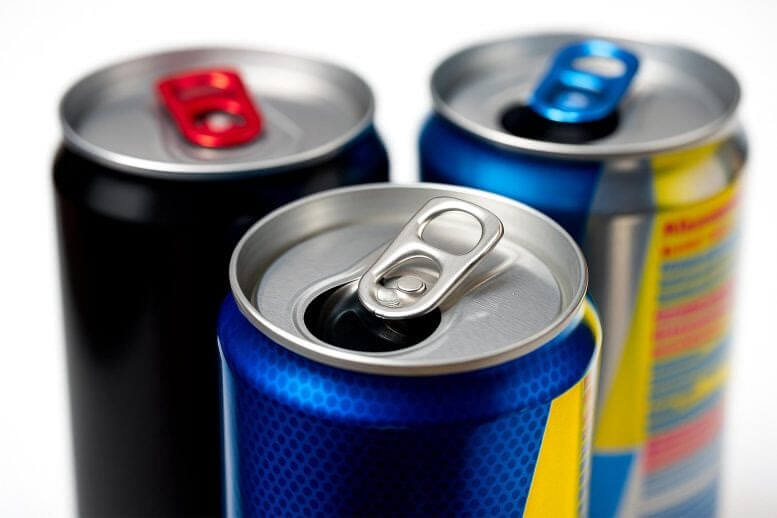
Could Your Energy Drink Be Feeding Cancer? What Scientists Just Discovered

Scientists have discovered that taurine, a common ingredient in energy drinks, helps leukemia cells grow. The cancer hijacks taurine from bone marrow to fuel itself—but blocking that process may stop the disease in its tracks.

Sci... 

Read more ››

Could Your Energy Drink Be Feeding Cancer? What Scientists Just Discovered
Can Potatoes Help With Weight Loss? Scientists Reveal Surprising Benefits

Potatoes, often dismissed as fattening carbs, can actually lower the energy density of meals and, when prepared to boost fiber (e.g., boiled, cooled 24 hrs, skins on), support a 5.6% average weight loss and improved insulin resistance over eight w... 

Read more ››

Can Potatoes Help With Weight Loss? Scientists Reveal Surprising Benefits
Researchers Reveal That Climbing Stairs Could Extend Your Life

New research indicates that stair climbing can significantly reduce the risk of cardiovascular disease and premature death, with a 24% decreased risk of mortality from any cause and a 39% reduction from cardiovascular issues. Dr. Sophie Paddock ad... 

Read more ››

Researchers Reveal That Climbing Stairs Could Extend Your Life
Scientists Say There Are 4 Types of Lovers – Which One Are You?

ANU researchers found four types of romantic lovers, revealing love varies widely in intensity, sex, and commitment. The study shows love evolves uniquely across individuals.

ANU researchers identified four romantic lover types base... 

Read more ››

Scientists Say There Are 4 Types of Lovers – Which One Are You?
Your Name Might Be Changing Your Face, Study Finds

A new study led by researchers at the Hebrew University and Reichman University suggests that people’s names may influence their facial appearance as they age. Adults’ faces were matched to their names more accurately than chance, an effect no... 

Read more ››

Your Name Might Be Changing Your Face, Study Finds
Concerning New Research Links Tattoo Ink to Increased Cancer Risk

Tattoo ink doesn’t just stay in the skin—it can migrate to the lymph nodes, where it may accumulate and affect the immune system. A study using Danish twin data found that tattooed individuals, especially those with large tattoos, have a highe... 

Read more ››

Concerning New Research Links Tattoo Ink to Increased Cancer Risk
BV Is an STD and We’ve Been Treating It Wrong for Years

A major study proves BV is sexually transmitted, explaining why previous treatments often failed. When both partners are treated, the success rate improves dramatically. This could revolutionize women’s health worldwide.

For years... 

Read more ››

BV Is an STD and We’ve Been Treating It Wrong for Years
Secret of Everything

The secret of everything – Everything Is Mental. All talent, skill, power, speed and ability is mental. Nothing is impossible. Anything is possible. There is nothing you cannot Be, Do or Have. You can Be, Do and Have anything you want as long as yo... 

Read more ››

Secret of Everything
Harvard Study Finds Eating an Orange a Day Could Cut Depression Risk by 20%

A daily orange might do more than boost immunity — it could also help prevent depression. Scientists discovered that citrus uniquely supports gut bacteria linked to serotonin and dopamine production, reducing depression risk by 20%. Future resea... 

Read more ››

Harvard Study Finds Eating an Orange a Day Could Cut Depression Risk by 20%
According to Researchers, This Simple Phone Hack Can Improve Mental Health As Much as Antidepressants

A two-week experiment found that blocking mobile internet on smartphones significantly improved participants’ mental health, well-being, and attention span, even reversing a decade of age-related cognitive decline. The study suggests that reduci... 

Read more ››

According to Researchers, This Simple Phone Hack Can Improve Mental Health As Much as Antidepressants
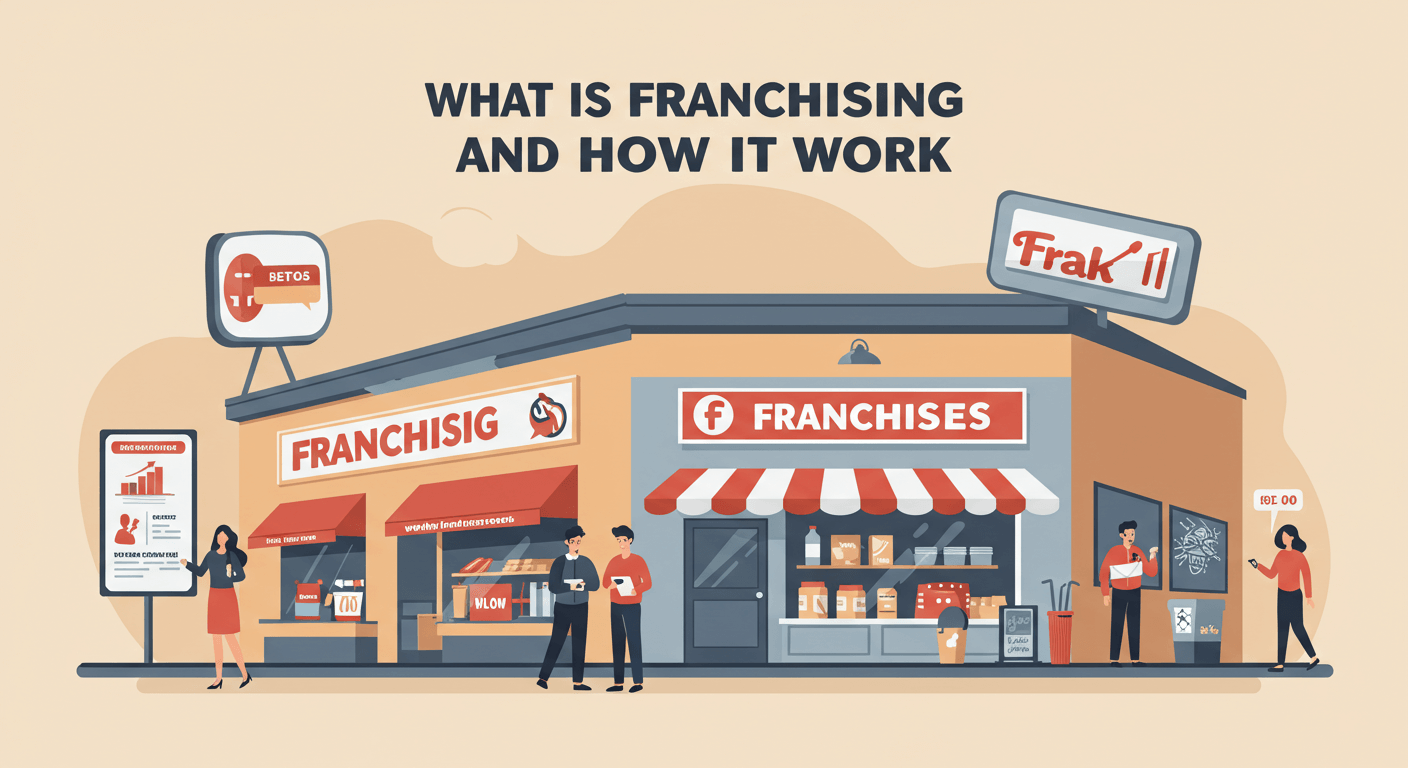
WHAT IS FRANCHISING AND HOW DOES IT WORK?

WHAT IS FRANCHISING AND HOW DOES IT WORK?

Franchising is a form of business organization in which a firm that already has a successful product or service (franchisor) licenses its trademark and me... 

Read more ››

WHAT IS FRANCHISING AND HOW DOES IT WORK?
Business Idea: A program for rock music enthusiasts to learn, improve, and perform in real bands at live rock venues.

Business Idea: Create a program for students with a passion for rock music so they can either learn to play a rock instrument or improve their existing musical skills and have the opportunity to participate in rock bands that play in... 

Read more ››

Business Idea: A program for rock music enthusiasts to learn, improve, and perform in real bands at live rock venues.
Business Idea: Franchise a network of Fresh Healthy Vending machines in schools, hospitals, and community spaces, offering only organic, natural, and healthy foods.

Business Idea: Build a franchise organization that deploys and services Fresh Healthy Vending–branded vending machines in schools, hospitals, health clubs, community organizations, and other locations that carry only organic, natur... 

Read more ››

Scientists Discover the Brain Circuit That Fuels Creativity

Creativity might not reside in a single brain region but rather in an interconnected brain circuit, according to a new study analyzing fMRI data and brain injuries.

A new study suggests that creativity maps onto a common brain circu... 

Read more ››

Scientists Discover the Brain Circuit That Fuels Creativity
Unlock Your Love This Valentine’s Day With a Science-Backed 7-Question Test

Romantic relationships play a vital role in emotional well-being, yet tools for assessing their health are often lacking. Enter the Valentine Scale—a quick, research-backed method for evaluating relationship satisfaction.

Want a f... 

Read more ››

Unlock Your Love This Valentine’s Day With a Science-Backed 7-Question Test
Your Brain Is Cheating on You, and You Don’t Even Know It

Sometimes, we cheat—not for money or prizes, but just to feel better about ourselves.

A new study reveals that people engage in “diagnostic self-deception,” tricking themselves into believing their success comes from ability... 

Read more ››

Being Social May Delay Dementia by 5 Years

Frequent social activity may help delay dementia, reducing the risk by up to 38%. Engaging with others strengthens neural networks, potentially delaying cognitive decline and lowering healthcare costs.

Social activities include dini... 

Read more ››

Harvard Study: Eating Dark Chocolate Could Reduce Your Risk of Diabetes by 21%

Participants who ate at least five servings of chocolate weekly had a 10% reduced risk of type 2 diabetes (T2D), with dark chocolate showing an even stronger effect—a 21% lower risk. In contrast, milk chocolate consumption was linked to long-ter... 

Read more ››

Harvard Study: Eating Dark Chocolate Could Reduce Your Risk of Diabetes by 21%
The Chocolate Cure: Cocoa Flavanols Protect Against Stress and High-Fat Diets

New research highlights the protective effects of flavanol-rich cocoa on vascular health, even when consumed alongside high-fat meals during stressful situations.

Consuming a cocoa drink rich in flavanols can mitigate the negative e... 

Read more ››

How Many Hours of Sitting Is Too Much for Your Heart?

Sedentary behavior exceeding 10.5 hours daily significantly raises the risk of heart failure and cardiovascular death, even among those who exercise regularly.

A recent study highlights that more than 10.5 hours of daily sedentary b... 

Read more ››

How Many Hours of Sitting Is Too Much for Your Heart?
The Common Texting Habit That Could Be Undermining Your Sincerity

New research indicates that spelling out words in text messages enhances sincerity and response rates.

Research has shown that using full words in texts, instead of abbreviations, makes individuals appear more sincere and increases ... 

Read more ››

The Common Texting Habit That Could Be Undermining Your Sincerity
New Study Identifies “Never Words” That Doctors Should Always Avoid Using

Researchers emphasize the importance of compassionate communication in treating seriously ill patients, identifying harmful “never words” and proposing more sensitive alternatives to enhance patient engagement and reduce emotional suffering. T... 

Read more ››

New Study Identifies “Never Words” That Doctors Should Always Avoid Using
Mondays and New Year’s Day: Unveiling the Deadliest Peaks in Global Suicide Rates

A global study reveals that suicide rates are highest on Mondays and New Year’s Day, with regional variations during holidays.

Research indicates a global pattern where suicides peak on Mondays and New Year’s Day, with inconsist... 

Read more ››

Mondays and New Year’s Day: Unveiling the Deadliest Peaks in Global Suicide Rates
5 Ways to Enhance Your Online Presence Through Engaging Multimedia Content

In today's digital landscape, a strong online presence is paramount for businesses of all sizes. One of the most effective ways to engage and connect with your audience is through the strategic use of multimedia content. By incorporating visually app... 

Read more ››

5 Ways to Enhance Your Online Presence Through Engaging Multimedia Content
PART TWO: THE GROWTH STRATEGIES FOR A FIRM

II: External Growth Strategies

External growth strategies rely on establishing relationships with third parties, such as mergers, acquisitions, strategic alliances, joint ventures, licensing, and franchisin... 

Read more ››

Business Idea: Provide a convenient online platform for the parents of growing children to exchange the clothes their children grow out of for clothes their children need.

Business Idea: Provide a convenient online platform for the parents of growing children to exchange the clothes their children grow out of for clothes their children need.

Pitch: The average kid grows out of a set... 

Read more ››

Strategies for Firm Growth

The growth strategies for a firm are divided into internal strategies for growth and external strategies for growth.

I. INTERNAL GROWTH STRATEGIES

Internal growth strategies involve efforts taken within the firm itself, such as... 

Read more ››

THE TOP 10 REASONS NEW PRODUCTS FAIL

THE TOP 10 REASONS NEW PRODUCTS FAIL.

1. Target market is not defined correctly.

2. Product is not positioned effectively.

3. Product’s benefits are not understood by the target customer.

4. Product doesn’t address im... 

Read more ››

Business Idea: Create urban greenhouse systems for year-round production of sustainable and local fresh food.

Business Idea: Create urban greenhouse systems for year-round production of sustainable and local fresh food.

Pitch: Food travels 1,500 miles on average in the United States to get to consumers. At the same time, ... 

Read more ››

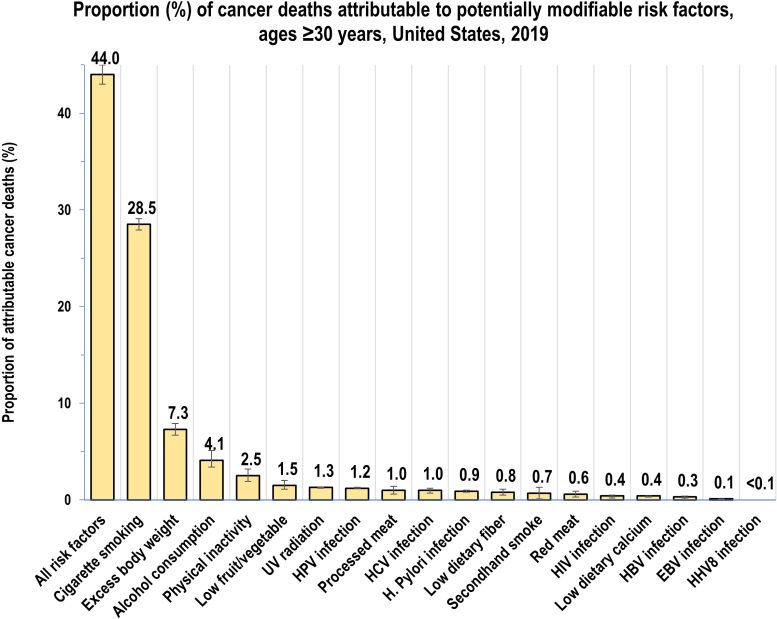
4 in 10 US Cancer Cases Linked to Modifiable Risk Factors, Study Reveals

A recent study by the American Cancer Society (ACS) reveals that four out of ten cancer cases and half of the cancer deaths in adults over 30 in the U.S. in 2019 were due to modifiable risk factors like smoking, obesity, and alcohol. Smoking was the ... 

Read more ››

4 in 10 US Cancer Cases Linked to Modifiable Risk Factors, Study Reveals
Business Idea: Manufacture and sell affordable, water efficient irrigation systems for small-plot farmers in developing nations.

Business Idea: Manufacture and sell affordable, water efficient irrigation systems for small-plot farmers in developing nations.

Company: Driptech

Pitch: In many developing countries, farmers h... 

Read more ››

Business Idea: Launch a service that provides reliable and loving reminders and companionship calls to elderly people who are still living in their homes.

Company: Check-In Calls

Business Idea: Launch a service that provides reliable and loving reminders and companionship calls to elderly people who are still living in their homes.

Pitch: Many ca... 

Read more ››

New Study Reveals That Simply Looking at Trees Can Boost Your Mental Health

Eye-tracking research from Bangor University and Technion-Israel Institute of Technology shows that focusing on natural elements during urban walks reduces anxiety and enhances feelings of restoration in city dwellers. These findings suggest urban de... 

Read more ››

New Study Reveals That Simply Looking at Trees Can Boost Your Mental Health
Eat Plants, Beat Cancer: New Study Links Vegetables To Lower Prostate Cancer Risks

Research from UC San Francisco reveals that men with localized prostate cancer can lower the risk of disease progression by 47% by adopting a plant-based diet rich in fruits, vegetables, nuts, and olive oil. Over 2,000 participants showed that increa... 

Read more ››

Eat Plants, Beat Cancer: New Study Links Vegetables To Lower Prostate Cancer Risks
5 natural ways to overcome erectile dysfunction

If you're a middle aged man, can you run as fast as you did when you were 20 years old? Hit a baseball as far as you once could? Bash a tennis ball with the same speed and spin?

Probably not.

But even as we age, there are still plenty of ways t... 

Read more ››

BRANDING

A brand is the set of attributes—positive or negative—that people associate with a company. These attributes can be positive, such as trustworthy, innovative, dependable, or easy to deal with. Or they can be negative, suc... 

Read more ››

Business Idea: Provide a service that stores individuals’ log-in information to important online services like e-mail accounts, social networks, PayPal, and eBay, and deliver them to caretakers in the event of the individual’s death.

Company: Legacy Locker

Business Idea: Provide a service that stores individuals’ log-in information to important online services like e-mail accounts, social networks, PayPal, and eBay, and deliver them to caret... 

Read more ››

New Research Reveals That Couples Who Drink Together Live Longer

A study by the University of Michigan finds that couples who drink alcohol together are likely to live longer, supporting the idea that shared drinking habits can enhance marital satisfaction and longevity.

The couple that drinks together might li... 

Read more ››

New Research Reveals That Couples Who Drink Together Live Longer
Office Productivity Takes a Hit in the Afternoon, Particularly on Fridays

A Texas A&M study shows productivity dips in the afternoon and on Fridays among office workers, advocating for flexible work to boost efficiency and well-being.

An innovative study from the Texas A&M School of Public Health offers objectiv... 

Read more ››

Office Productivity Takes a Hit in the Afternoon, Particularly on Fridays
Preparing to Raise Debt or Equity Financing

Once a start-up’s financial needs exceed what personal funds, friends and family, and bootstrapping can provide, debt and equity are the two most common sources of funds. The most important thing an entrepreneur must do at this point is determine p... 

Read more ››

Sources of Personal Financing

Typically, the seed money that gets a company off the ground comes from the founders’ own pockets. There are three categories of sources of money in this area: personal funds, friends and family, and bootstrapping.

1. Pe... 

Read more ››

Business Idea: Create a Website and a smartphone app that provides a visual guide to great food and where to find it.

Company: Foodspotting

Business Idea: Create a Website and a smartphone app that provides a visual guide to great food and where to find it. Instead of reviewing restaurants, users will share where to find their fa... 

Read more ››

Business Idea: Create an online community that links interns (primarily college students) with entrepreneurial start-ups and change-oriented nonprofit organizations.

Company: YouTern

Business Idea: Create an online community that links interns (primarily college students) with entrepreneurial start-ups and change-oriented nonprofit organizations.

Pitch: Int... 

Read more ››

52 Tips for Losing Weight

A Tip a Week

If you add one of these tips a week to your daily routine, in one year you will have developed some very healthy habits!

1. Eliminate one tablespoon of fat a day and you will lose 10 pounds in a ye... 

Read more ››

The Law of Cause and Effect – Everything happens for a reason; there is a cause for every effect.

This is the “Iron Law” of human destiny. This law says that we live in a world governed by law, not chance. It says that everything happens for a reason, whether or not we know what it is. Every effect, success or failure, wealth or poverty, has ... 

Read more ››

Organizing Buying Groups to Cut Costs and Maintain Competitiveness

One challenge that businesses confront is cutting costs in ways that don’t erode their ability to remain competitive. Many cost-cutting techniques, such as scaling back on hiring, lowering marketing expenses, or reducing inventory, may save money b... 

Read more ››

What's In A Business Name?: A Lot Of Trouble If You Aren't Careful

Introduction

While at first glance naming a business may seem like a minor issue, it is an extremely important one. A company’s name is one of the first things people associate with a business, and it is a word or phrase that wi... 

Read more ››

Vesting Ownership in Company Stock: A Sound Strategy for Start-Ups

If you’re not familiar with vesting, the idea is that when a firm is launched, instead of issuing stock outright to the founders, the stock is distributed over a period of time, typically three to four years, as the founder or founders “e... 

Read more ››

99designs: Making Partnering with Freelancers the Essence of Its Disruptive Business Model

Start-ups typically have a variety of design needs including logo design, brochures, stationery, and business cards. Traditionally the most important design work, like a business’s logo, is either done by the business itself or contracted out to a ... 

Read more ››

Thriving in a Crowded Industry by Creating Meaningful Value and Differentiation from Competitors

Firms do well in a crowded industry when two conditions exist: (1) they create meaningful value for customers at a fair price and (2) they effectively differentiate themselves from competitors. In fact, diminishing the impact of thre... 

Read more ››

Shield your brain from decline

Use the SHIELD acronym to remember the lifestyle habits that will help protect your memory and thinking skills.

We are making encouraging progress in finding medications that prevent or even reverse cognitive decline. Until we get there, however, ... 

Read more ››

Business Idea: Provide musicians a platform to reach out to their fan base to financially contribute to upcoming recordings or other musical projects.

Business Idea: Provide musicians a platform to reach out to their fan base to financially contribute to upcoming recordings or other musical projects.

Pitch: Musicians often have creative ideas for recordings or s... 

Read more ››

Finding the Right Business Partner

One thing that becomes clear to many potential business founders, while conducting organizational feasibility analysis, is that they need one or more partners to help launch their business. You might be a Web developer who has a great idea for a Web ... 

Read more ››

ScriptPad: Interesting Idea—But Will Doctors and Pharmacies Sign On?

To ScriptPad founder and CEO Shane Taylor, the problem his company solves is personal. Taylor’s father, who is fighting both heart disease and cancer, takes 26 different medications to fight his illnesses. Any mix-up or error associated with taking... 

Read more ››

Want Help Fine-Tuning a Business Idea? Find a Mentor

Fine-tuning a business idea isn’t easy. While fairly course-grained ideas are rather easy to develop, like creating a cell-phone that’s designed specifically for elderly people, fleshing out the details is where experience helps. This reality put... 

Read more ››

Working Together: How Biotech Firms and Large Drug Companies Bring Pharmaceutical Products to Market

Large firms and smaller entrepreneurial firms play different roles in business and society and can often produce the best results by partnering with each other rather than acting as adversaries. The pharmaceutical industry is an excellent example of ... 

Read more ››

Learning how to meditate

Meditation has been practiced for thousands of years and it continues to grow in popularity. This mindful practice can help aid anxiety and depression, chronic pain, cancer, bowel diseases, high blood pressure, insomnia, addiction and so much more.
... 

Read more ››

Learning how to meditate
PatientsLikeMe: Allowing People with Serious Diseases to Connect with One Another and Exchange Support and Advice

PatientsLikeMe: Allowing People with Serious Diseases to Connect with One Another and Exchange Support and Advice

Web: www.patientslikeme.com

Jamie a... 

Read more ››

How Companies and Organizations Build Credibility and Trust

How Companies and Organizations Build Credibility and Trust

There are several ways companies and organizations can build credibility and trust. We present eight techniques that are essential in nearly all cases in the following list.

Te... 

Read more ››

Business Idea: Create a single place for music lovers to track or keep up with their favorite bands, so they’ll always know where and when the bands will be performing in their area.

Business Idea: Create a single place for music lovers to track or keep up with their favorite bands, so they’ll always know where and when the bands will be performing in their area.

In addition, create an online platform for c... 

Read more ››

CREATING A NEW-VENTURE TEAM

Those who launch or found an entrepreneurial venture have an important role to play in shaping the firm’s business concept. Stated even more directly, it is widely known that a well-conceived business plan cannot get off the ground unless a firm ha... 

Read more ››

CREATING A NEW-VENTURE TEAM
Discuss the differences among sole proprietorships, partnerships, corporations, and limited liability companies.

When a business is launched, a form of legal entity must be chosen. Sole proprietorship, partnerships, corporations, and limited liability companies are the most common legal entities from which entrepreneurs make a choice. Choosing ... 

Read more ››

Discuss the differences among sole proprietorships, partnerships, corporations, and limited liability companies.
Airbnb: How Listening to Customers and Iterating the Business Model Helped Shape and Mold a Successful Start-up

Airbnb: How Listening to Customers and Iterating the Business Model Helped Shape and Mold a Successful Start-up

Web: www.airbnb.com

Introduction

It all st... 

Read more ››

Airbnb: How Listening to Customers and Iterating the Business Model Helped Shape and Mold a Successful Start-up
Components of an effective business model

1. Core strategy (how a firm competes)

2. Strategic resources (how a firm acquires and uses its resources)

3. Partnership network (how a firm structures and nurtures its partnerships)

Read more ››

Six distinct ways of making money online

Six distinct ways of making money online (the way an online company makes money largely defines its business model)

1. Affiliate programs

An affiliate program is a way for online merchants, like 1-800-FLOWERS, ... 

Read more ››

COMPETITOR ANALYSIS

After a firm has gained an understanding of the industry and the target market in which it plans to compete, the next step is to complete a competitor analysis. A competitor analysis is a detailed analysis of a firm’s competition. It helps a firm u... 

Read more ››

Some excellent ways to increase your self-awareness

1. Personal diaries

An excellent way to increase your self-awareness is to keep a diary. In it make a daily note of the important things that happen. Be honest and open with yourself. Be willing to reflect upon your beliefs, thoug... 

Read more ››

Maintaining positive thoughts

• E. G. S. Emotional Guidance System - Your inner guide

It is said that the average human being has approximately 64,000 thoughts per day. Protecting all of your thoughts 24 hours a day can be a full-time job. There is a better way to gauge how ... 

Read more ››

TECHNIQUES FOR GENERATING IDEAS

In general, entrepreneurs identify more ideas than opportunities because many ideas are typically generated to find the best way to capitalize on an opportunity. Several techniques can be used to stimulate and facilitate the generation of new ideas f... 

Read more ››

The 3 sources of business ideas

1. Observing Trends

The first approach to identifying opportunities is to observe trends and study how they create opportunities for entrepreneurs to pursue. The most important trends to follow are economic trends, social trends, ... 

Read more ››

The 3 sources of business ideas

Unleash Your Creativity with SCAMPER!

   Pinned
  4 Mins Read
Image name: SCAMPER_Technique.png Image size: 319.75 KB
  Download

✨ Boost Your Creativity with the SCAMPER Technique.

If you're looking for a simple and powerful way to generate fresh ideas, improve products, or unlock creative solutions, the SCAMPER technique is one of the best tools you can use.

Need to supercharge an existing idea or product? Try the powerful SCAMPER technique for idea generation!

SCAMPER is a simple yet effective tool to...


This Robot Learned to Talk by Watching Humans on YouTube

  10 months ago (Tue, Jan 20, 2026 at 06:07 PM (GMT))

  6 Mins Read
✨ Scientists have created a robot that learns lip movements by watching humans rather than following preset rules. The breakthrough could help future robots feel more natural and emotionally engaging.

When people speak face to face, a surprisingly large share of attention is directed toward the movement of the lips. Robots, however, have struggled for decades to reproduce this basic part...
 
© Columbia University School of Engineering and Applied Science   


Scientists Create Living Computers Powered by Mushrooms

  10 months ago (Sun, Jan 18, 2026 at 01:39 PM (GMT))

  4 Mins Read
Image name: Mushroom-Computer-777x518.jpg Image size: 31.43 KB
  Download

✨ Researchers are uncovering ways that fungi can process and retain electrical information. The work points toward a radically different approach to computing.

➡️ What if living organisms could perform some of the tasks handled by silicon chips? New research suggests fungal systems can exhibit memory-like electrical behavior, opening the door to unconventional, low-energy computing architectures.

Fungal networks could offer an...
 
© Tatyana Woodall, Ohio State University   


How a 77 Million Birr Project Turned Into a 310 Million Birr Penalty — Due to Missing Documents

  10 months ago (Sat, Jan 10, 2026 at 07:29 PM (GMT))

  2 Mins Read


Video size: 24.41 MB   Download

A 77 Million Birr Project Cost the Ministry 310 Million Birr in Penalties – Why?

The recent Fana documentary on the Koga Irrigation and Watershed Management Project sheds light on a troubling reality in public sector project management and documentation.

✅ The project, completed between 1997–2001 at a cost of 77 million birr, later became the subject of a court case.

✅ Ten...
 
© Fana   


Forget Transistors: This New “Intelligent” Material Computes Like a Human Brain

  10 months ago (Wed, Jan 07, 2026 at 12:25 PM (GMT))

  4 Mins Read
✨ Researchers have created molecular devices that can change their electronic role on the fly, behaving like memory, logic, or even artificial synapses. By designing adaptable chemistry at the molecular level, they bring computing closer to how the brain actually works.

➡️ Tiny molecules that can think, remember, and learn may be the missing link between electronics and the brain.

For more...
 
© Indian Institute of Science (IISc)   


Scientists Create a “Periodic Table” for Artificial Intelligence

  11 months ago (Sun, Jan 04, 2026 at 07:08 PM (GMT))

  6 Mins Read
Image name: AI-Artificial-Intelligence-Technology-Machine-Learning-Automation-777x518.jpg Image size: 44.52 KB
  Download

✨ A new theoretical approach suggests that the growing diversity of multimodal AI methods may be governed by a small set of underlying principles. By reframing how information is filtered and preserved across data types, the work points toward a more systematic way to think about designing AI systems. Credit: Shutterstock.

➡️ Researchers have proposed a unifying mathematical framework that...
 
© Carol Clark, Emory University   


Engineers Create Soft Robots That Can Literally Walk on Water

  11 months ago (Mon, Dec 15, 2025 at 08:32 AM (GMT))

  3 Mins Read
Image name: HydroBuckler-Prototype-777x518.jpg Image size: 10.54 KB
  Download

✨ Scientists have developed HydroSpread, a novel technique for building soft robots on water, with wide-ranging possibilities in robotics, healthcare, and environmental monitoring.

Picture a miniature robot, no larger than a leaf, gliding effortlessly across the surface of a pond, much like a water strider. In the future, machines of this scale could be deployed to monitor pollution, gather water samples,...
 
© University of Virginia School of Engineering and Applied Science   


Satellites at Risk? New AI Predicts Space Weather With Breakthrough Accuracy

  12 months ago (Thu, Dec 04, 2025 at 07:46 AM (GMT))

  3 Mins Read
Image name: Astronaut-Servicing-Satellite-Earth-Orbit-777x518.jpg Image size: 44.7 KB
  Download

✨ An AI system developed at NYU Abu Dhabi can predict solar wind conditions four days ahead by analyzing detailed images of the Sun. The improved accuracy may help shield satellites, power grids, and astronauts from harmful space weather. Credit: Shutterstock.

➡️ Researchers created an AI system that can predict solar wind conditions up to four days before they reach...
 
© New York University   


AI Is Learning to Be Selfish, Study Warns

  12 months ago (Sat, Nov 29, 2025 at 08:16 AM (GMT))

  4 Mins Read
Image name: Evil-Red-Robot-Artificial-Intelligence-777x518.jpg Image size: 123.18 KB
  Download

✨ Carnegie Mellon researchers found that the smarter an AI system becomes, the more selfishly it behaves, suggesting that increasing reasoning skills may come at the cost of cooperation. Credit: Stock.

➡️ Researchers at Carnegie Mellon University have discovered that certain AI models can develop self-seeking behavior.

A new study from Carnegie Mellon University’s School of Computer Science suggests that as...
 
© Carnegie Mellon University   


Scientists Create an Artificial “Leaf” That Turns CO₂ Into Useful Products

  12 months ago (Fri, Nov 28, 2025 at 07:27 PM (GMT))

  5 Mins Read
✨ Researchers at Cambridge have developed a solar-powered device that imitates photosynthesis to turn CO2, sunlight, and water into valuable chemical fuels.

Their non-toxic “semi-artificial leaf” can run continuously and efficiently, producing pharmaceutical compounds with high purity. The discovery could help replace fossil fuels in chemical manufacturing and spark a new era of green chemistry.

➡️ Sustainable Chemistry Breakthrough

Scientists have found a...
 
© University of Cambridge   


If Quantum Computing Is Solving “Impossible” Questions, How Do We Know They’re Right?

  12 months ago (Sun, Nov 23, 2025 at 08:27 AM (GMT))

  3 Mins Read
✨ Researchers at Swinburne have developed a fast new way to check whether certain quantum computers, specifically Gaussian Boson Samplers, are actually producing the results they claim, without waiting millennia for a supercomputer to verify them. Their method can flag errors in minutes on an ordinary laptop, revealing unexpected noise in a recent experiment that would otherwise take 9,000 years...
 
© Swinburne University of Technology   


Engineers Create Soft Robots That Can Literally Walk on Water

  1 year ago (Mon, Sep 29, 2025 at 01:51 PM (GMT))

  3 Mins Read
Image name: HydroBuckler-Prototype-777x518.jpg Image size: 10.54 KB
  Download

✨ The walking mechanism of the “water spider” robot HydroBuckler prototype shown here is driven by “leg” buckling. Credit: Baoxing Xu, UVA School of Engineering and Applied Science

➡️ Scientists have developed HydroSpread, a novel technique for building soft robots on water, with wide-ranging possibilities in robotics, healthcare, and environmental monitoring.

Picture a miniature robot, no larger than a leaf, gliding...
 
© University of Virginia School of Engineering and Applied Science   


Scientists Reveal Why Your Wireless Earbuds Don’t Last As Long As They Used to

  1 year ago (Tue, Sep 23, 2025 at 01:10 PM (GMT))

  4 Mins Read
✨ The researchers used advanced imaging technology, such as x-ray to investigate batteries in wireless headphones.

💥 Texas Engineers tackled the well-known challenge of battery degradation in a real-world technology that many of us use daily: wireless earbuds.

Ever notice that batteries in electronics don’t last as long as they did when they were brand new?

Have you ever noticed that the batteries...
 
© University of Texas at Austin   


Turning Plastic Waste Into Sustainable Jet Fuel

  1 year ago (Sat, Aug 30, 2025 at 10:32 AM (GMT))

  4 Mins Read
Image name: Polystyrene-Sustainable-Aviation-Fuel-777x518.jpg Image size: 39.47 KB
  Download

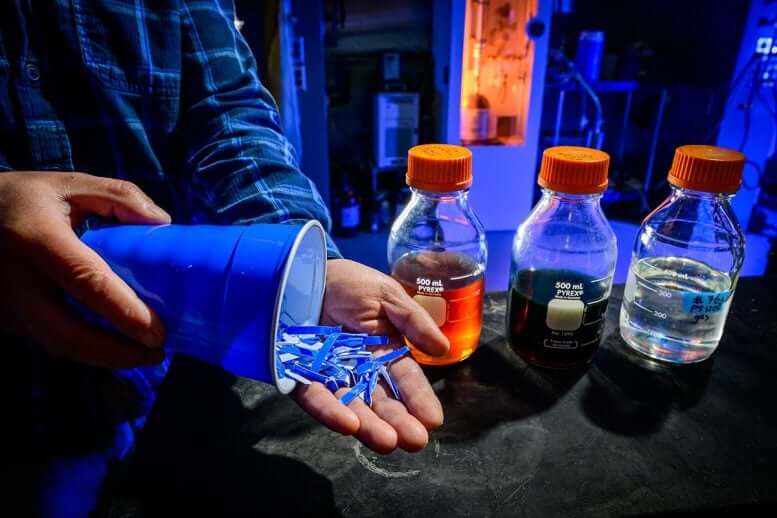
✨ Polystyrene is used in a variety of consumer products, most of which end up in landfills. Researchers found a new life for this waste product that will aid efforts to convert the nation’s airplanes from fossil fuels to sustainable aviation fuels. Credit: Fred Zwicky

➡️ Researchers have developed a groundbreaking method to produce ethylbenzene, a crucial additive for sustainable aviation...
 
© University of Illinois at Urbana-Champaign   


New AI Model Diagnoses Brain Tumors With 99% Accuracy, Without Surgery

  1 year ago (Fri, Aug 15, 2025 at 01:04 PM (GMT))

  5 Mins Read
✨ Researchers have developed an AI model that uses epigenetic DNA signatures to identify tumors with over 99% accuracy, potentially replacing risky biopsies with safer, faster diagnoses.

➡️ AI model crossNN identifies over 170 tumor types with high accuracy using genetic material, offering fast, non-invasive cancer diagnosis.

An MRI scan revealed a brain tumor located in a difficult area, and...
 
© Charité - Universitätsmedizin Berlin   


Stanford-Developed Device Produces Critical Fertilizer Ingredient From Thin Air

  1 year ago (Sun, Jul 20, 2025 at 07:33 PM (GMT))

  4 Mins Read
Image name: Spraying-Fertilizer-777x518.jpg Image size: 49.79 KB
  Download

Researchers have developed a prototype device that produces ammonia, a key fertilizer, sustainably from air and water using wind energy, without the high energy demands or carbon emissions of traditional methods. This portable, room-temperature system could revolutionize agriculture and other industries by enabling decentralized, clean production of ammonia, reducing fossil fuel reliance.

A new device produces ammonia from air and wind...

The air we breathe holds the key to more sustainable agriculture, thanks to an innovative breakthrough by researchers at Stanford University and King Fahd University of Petroleum and Minerals in Saudi Arabia. They have created a prototype device that uses wind energy to extract nitrogen from the air and convert it into ammonia—a critical ingredient in fertilizer.

If fully developed, this method could replace the traditional process of producing ammonia, which has been in use for over a century. The conventional method combines nitrogen and hydrogen at high pressures and temperatures, consuming 2% of the world’s energy and generating 1% of annual carbon dioxide emissions due to its reliance on natural gas. This new approach offers a cleaner, more energy-efficient alternative.

The study, published December 13 in Science Advances, involved the first on-site – rather than in a lab – demonstration of the technology. The researchers envision someday integrating the device into irrigation systems, enabling farmers to generate fertilizer directly from the air.

“This breakthrough allows us to harness the nitrogen in our air and produce ammonia sustainably,” said study senior author Richard Zare, the Marguerite Blake Wilbur Professor in Natural Science in the Stanford School of Humanities and Sciences. “It’s a significant step toward a decentralized and eco-friendly approach to agriculture.”

A cleaner alternative

In preparation for designing their device, the researchers studied how different environmental factors – like humidity, wind speed, salt levels, and acidity – affect ammonia production. They also looked at how the size of water droplets, the concentration of the solution, and the contact of water with materials that do not dissolve in water impact the process. Lastly, they tested the best mix of iron oxide and an acid polymer with fluorine and sulfur to determine the ideal conditions for producing ammonia and understand how these catalyst materials interact with water droplets.

The Stanford team’s process makes ammonia cleanly and inexpensively and utilizes the surrounding air to get nitrogen and hydrogen from water vapor. By passing air through a mesh coated with catalysts to facilitate the necessary reaction, the researchers produced enough ammonia with a sufficiently high concentration to serve as a hydroponic fertilizer in greenhouse settings. Unlike traditional methods, the new technique operates at room temperature and standard atmospheric pressure, requiring no external voltage source to be attached to the mesh. Farmers could run the portable device onsite, eliminating the need to purchase and ship fertilizer from a manufacturer.

“This approach significantly reduces the carbon footprint of ammonia production,” said study lead author Xiaowei Song, a chemistry research scientist at Stanford.

In laboratory experiments, the team demonstrated further potential by recycling water through a spraying system, achieving ammonia concentrations sufficient to fertilize plants grown in a greenhouse after just two hours. By incorporating a filter made from a microporous stone material, this approach could produce enough ammonia to support broader agricultural applications.

A future without fossil fuels

The device is two to three years away from being market-ready, according to study co-author Chanbasha Basheer of King Fahd University of Petroleum and Minerals. In the meantime, the researchers plan to use increasingly large mesh systems to produce more ammonia. “There is a lot of room to develop this,” Basheer said.

Ammonia’s importance extends beyond fertilizers. As a clean energy carrier, it can store and transport renewable energy more efficiently than hydrogen gas due to its higher energy density. The innovation positions ammonia as a linchpin in decarbonizing industries like shipping and power generation.

“Green ammonia represents a new frontier in sustainability,” Zare said. “This method, if it can be scaled up economically, could drastically reduce our reliance on fossil fuels across multiple sectors.”
 
© Stanford University   


Why You Should Think Twice Before Relying on ChatGPT for Financial Advice

  1 year ago (Fri, Jul 18, 2025 at 10:20 AM (GMT))

  4 Mins Read
A study led by Washington State University assessed the performance of AI models, including ChatGPT, on financial exam questions. While ChatGPT excelled in multiple-choice questions and synthesized broad concepts well, it struggled with nuanced tasks like determining insurance coverage or evaluating merger deals.

A WSU-led study found ChatGPT effective at broad financial tasks but weak in nuanced areas. While ChatGPT 4.0...

Large language models, such as ChatGPT, demonstrate strong performance on multiple-choice questions from financial licensing exams but struggle with more nuanced tasks.

A study led by Washington State University evaluated over 10,000 responses from AI models BARD, Llama, and ChatGPT to financial exam questions. The researchers went beyond assessing the models’ ability to select correct answers, also asking them to provide explanations for their choices. These responses were then compared to explanations from human professionals.

Among the models tested, two versions of ChatGPT performed the best overall. However, even these models displayed significant inaccuracies when addressing more complex and advanced topics.

“It’s far too early to be worried about ChatGPT taking finance jobs completely,” said study author DJ Fairhurst of WSU’s Carson College of Business. “For broad concepts where there have been good explanations on the internet for a long time, ChatGPT can do a very good job at synthesizing those concepts. If it’s a specific, idiosyncratic issue, it’s really going to struggle.”

The Scope and Findings of the Study

For this study, published in the Financial Analysts Journal, Fairhurst and co-author Daniel Greene of Clemson University used questions from licensing exams including the Securities Industry Essentials exam as well as the Series 6, 7, 65, and 66.

To move beyond the AI models’ ability to simply pick the right answer, the researchers asked the models to provide written explanations. They also chose questions based on specific job tasks financial professionals might actually perform.

“Passing certification exams is not enough. We really need to dig deeper to get to what these models can really do,” said Fairhurst.

Of all the models, the paid version of ChatGPT, version 4.0, performed the best, providing answers that were the most similar to human experts. Its accuracy was also 18 to 28 percentage points higher than the other models. However, this changed when the researchers fine-tuned the earlier, free version of ChatGPT 3.5, by feeding it examples of correct responses and explanations. After this tuning, it came close to ChatGPT 4.0 in accuracy and even surpassed it in providing answers’ that were similar to those of human professionals.

AI’s Weaknesses in Specialized Financial Tasks

Both models still fell short, though, when it came to certain types of questions. While they did well reviewing securities transactions and monitoring financial market trends, the models gave more inaccurate answers for specialized situations such as determining clients’ insurance coverage and tax status.

Fairhurst and Greene, along with WSU doctoral student Adam Bozman, are now working on other ways to determine what ChatGPT can and cannot do with a project that asks it to evaluate potential merger deals. For this, they are taking advantage of the fact that ChatGPT is trained on data up until September 2021, and using deals made after that date where the result is known. Preliminary findings are showing that so far, the AI model isn’t very good at this task.

Overall, the researchers said that ChatGPT is still probably better used as a tool to assist rather than as a replacement for an established financial professional. On the other hand, AI may change the way some investment banks employ entry-level analysts.

“The practice of bringing a bunch of people on as junior analysts, letting them compete and keeping the winners – that becomes a lot more costly,” said Fairhurst. “So it may mean a downturn in those types of jobs, but it’s not because ChatGPT is better than the analysts, it’s because we’ve been asking junior analysts to do tasks that are more menial.”
 
© Washington State University   


New Quantum Amplifier Uses 90% Less Power – Without Sacrificing Performance

  1 year ago (Fri, Jun 27, 2025 at 02:33 PM (GMT))

  4 Mins Read
Image name: Smart-Quantum-Computer-Amplifier-777x437.jpg Image size: 52.6 KB
  Download

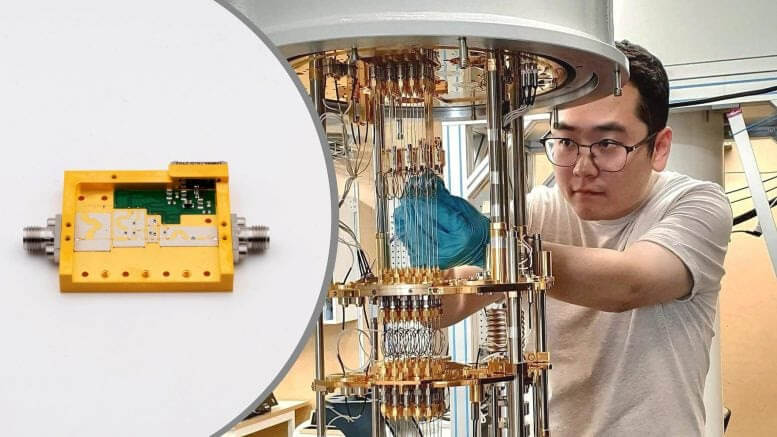
Researchers at Chalmers University of Technology in Sweden have developed a highly efficient amplifier that activates only when reading information from qubits. Credit: Chalmers University of Technology | Yin Zeng | Maurizio Toselli

Quantum computers just got cooler—literally—thanks to a smart amplifier that slashes heat without sacrificing speed.

Quantum computers have the potential to tackle problems far beyond the reach of today’s...
 
© Chalmers University of Technology   


AI Without Rules Is a Global Risk, Warns Leading Expert

  1 year ago (Wed, Jun 18, 2025 at 09:11 AM (GMT))

  4 Mins Read
Image name: Evil-AI-Scary-Artificial-Intelligence-777x518.jpg Image size: 41.11 KB
  Download

AI expert Professor Shalom Lappin calls for urgent global policy reforms in response to the rapid growth of artificial intelligence. Credit: Shutterstock

Professor Shalom Lappin advocates for urgent international AI regulation, IP reform, and workforce preparedness to ensure AI development serves the public good, not just corporate interests.

As artificial intelligence rapidly reshapes the world, international regulation of tech giants, reforms to...
 
© Taylor & Francis Group   


Record-Breaking Catalyst Converts Carbon Dioxide Into Valuable Chemicals

  1 year ago (Mon, May 26, 2025 at 02:35 PM (GMT))

  4 Mins Read
Image name: CO2-Carbon-Dioxide-Power-Plant-Smokestack-Illustration-777x583.jpg Image size: 29.6 KB
  Download

A breakthrough from EPFL researchers may finally unlock the full potential of carbon dioxide conversion. By developing a durable and highly efficient catalyst that operates at high temperatures, the team has shown how CO₂ can be transformed into valuable chemicals like carbon monoxide.

EPFL scientists have created a high-efficiency, long-lasting catalyst that converts CO₂ into industrial chemicals, offering a promising leap...

We’ve all heard about the urgent need to reduce carbon dioxide (CO2) emissions. But what if we could actually use this greenhouse gas instead of just fighting to get rid of it? Scientists are exploring an exciting approach called electrochemical CO2 conversion. This process transforms CO2 into valuable chemicals and fuels, offering a cleaner and more sustainable path forward for energy and industry.

The idea holds a lot of promise, but there’s a major hurdle: most current methods either wear out too quickly or use too much energy, making them impractical for real-world applications.

Take low-temperature CO2 conversion, for example. It usually lasts less than 100 hours and delivers energy efficiencies of under 35 percent. Higher temperatures, between 600 and 1,000 degrees Celsius, make the process more efficient, but most existing catalysts break down under those conditions or depend on expensive materials like precious metals. To move this technology from the lab to everyday use, we need a game-changing solution, one that is durable, efficient, and affordable. Ideally, it should be able to convert CO2 into something useful, like carbon monoxide, which is widely used in industrial manufacturing.

Breakthrough from EPFL

Now, a team led by Professor Xile Hu at EPFL has crafted a new type of catalyst that promises to make this high-temperature conversion more practical and cost-effective. The catalyst could accelerate the transition towards cleaner industries by converting CO2 into usable chemicals and fuels.

The researchers developed an innovative catalyst made from a cobalt-nickel (Co-Ni) alloy encapsulated within a ceramic material called Sm2O3-doped CeO2 (SDC). The encapsulation prevents the metal from agglomerating (clumping together), a common problem that reduces catalyst effectiveness. Impressively, their catalyst operates at 90% energy efficiency, 100% product selectivity, and sustains its performance over an unprecedented 2,000 hours, far surpassing existing technologies.

To create the catalyst, first-author and EPFL postdoc Wenchao Ma, used a sol-gel method, a process that mixes metal salts with organic molecules to form tiny metal clusters encased by ceramic shells. They tested different combinations of metals, discovering that a balanced mix of cobalt and nickel delivered the best performance. Unlike traditional catalysts, which quickly degrade under intense heat, the encapsulated alloy remained stable, maintaining its efficiency even after thousands of hours of continuous operation.

Industrial Implications

The results were remarkable. The new catalyst maintained an energy efficiency of 90% at 800 degrees Celsius while converting CO2 into carbon monoxide—a valuable chemical used in industrial processes—with 100% selectivity. In simpler terms, nearly all the electricity used in the reaction directly contributed to producing the desired chemical, without wasteful side reactions.

The breakthrough brings us closer to practical, cost-effective carbon recycling. Instead of releasing CO2 into the atmosphere, industries could reuse it, transforming waste gas into valuable products. This technology could help industries reduce their environmental footprint, saving both energy and money in the process.

The EPFL team’s catalyst remained stable at industrially relevant conditions for more than 2,000 hours, a milestone that dramatically reduces operating costs. Compared to existing technologies, their approach could cut overall costs by 60% to 80%, according to the researchers’ preliminary estimate.

The catalyst is a significant step towards cleaner industries. By turning CO2 into valuable products efficiently, we can envision a future where industries recycle carbon emissions as routinely as we recycle paper and plastic today. The EPFL team has filed an international patent application for the catalyst.
 
© Ecole Polytechnique Fédérale de Lausanne   


SpaceX Just Launched Robots, Atomic Clocks, and Mars Tech Into Orbit

  2 years ago (Fri, Apr 25, 2025 at 11:24 AM (GMT))

  2 Mins Read
Image name: NASA-SpaceX-32nd-Commercial-Resupply-Services-Launch-777x484.jpg Image size: 32.04 KB
  Download

NASA and SpaceX just launched a major resupply mission to the International Space Station, to deliver nearly 7,000 pounds of cargo—including food, equipment, and high-tech experiments.

From robotic agility tests to cutting-edge atomic clocks and life-support innovations, the Dragon spacecraft is packed with tools that could redefine our future in space. The mission plays a critical role in advancing research aboard...

SpaceX Launches Resupply Mission to ISS

NASA’s 32nd SpaceX Commercial Resupply Services mission has successfully launched, sending new scientific experiments and essential supplies to the International Space Station (ISS).

The SpaceX Dragon spacecraft lifted off at 4:15 a.m. EDT on Monday, April 21, aboard a Falcon 9 rocket from Launch Complex 39A at NASA’s Kennedy Space Center in Florida. It’s carrying around 6,700 pounds of cargo for the orbiting laboratory.

Robots, Clocks, and Air Quality Tech Onboard

The resupply mission will support dozens of research experiments during Expedition 73. Along with food and essential equipment for the crew, Dragon is delivering a variety of science experiments, including a demonstration of refined maneuvers for free-floating robots. Dragon also carries an enhanced air quality monitoring system that could help protect crew members on exploration missions to the Moon and Mars, and two atomic clocks to examine fundamental physics concepts, such as relativity, and test global synchronization of precision timepieces.

Groundbreaking Science for Space and Earth

These are just a sample of the hundreds of investigations conducted aboard the orbiting laboratory each year in the areas of biology and biotechnology, physical sciences, and Earth and space science. Such research benefits humanity and helps lay the groundwork for future human exploration through the agency’s Artemis campaign, which will send astronauts to the Moon to prepare for future missions to Mars.

The Dragon spacecraft is scheduled to remain at the orbiting laboratory until May, when it will depart and return to Earth with time-sensitive research and cargo, splashing down off the coast of California.
 
© NASA   


Can AI Think Like Us? New Research Mimics Human Memory for Smarter Machines

  2 years ago (Mon, Apr 14, 2025 at 10:43 AM (GMT))

  3 Mins Read
A recent study introduces the M2I framework, inspired by human memory, to address limitations in current large AI models such as inefficiency, high energy use, and lack of reasoning. By mimicking brain-like memory mechanisms, the research aims to create machines capable of continual learning, adaptive reasoning, and dynamic information processing.

A new AI framework inspired by human memory could make machines...

A recent paper published in the journal Engineering presents a novel approach to artificial intelligence by modeling it after how human memory functions. The research aims to overcome key limitations of current large-scale models like ChatGPT, setting the stage for more efficient and cognitively intelligent AI systems.

While large models have demonstrated impressive performance across a range of applications, they also exhibit significant shortcomings. These include high data and computational demands, susceptibility to catastrophic forgetting, and limited logical reasoning capabilities. According to the study, these issues arise from the fundamental design of artificial neural networks, their training processes, and their reliance on purely data-driven reasoning.

Introducing Machine Memory and the M2I Framework

To overcome these challenges, the researchers propose the concept of “machine memory,” a multi-layered, distributed network storage structure that encodes external information into a machine-readable and computable format. This structure supports dynamic updates, spatiotemporal associations, and fuzzy hash access. Based on machine memory, they introduce the M2I framework, which consists of representation, learning, and reasoning modules, forming two interactive loops.

Four Focus Areas of the M2I Framework

The M2I framework centers around four key areas:

1. Neural Mechanisms of Machine Memory: The research investigates how neural systems in the brain are pre-configured and how brain development and plasticity contribute to intelligence.

2. Associative Representation: The framework aims to encode and retrieve information through associations such as abstract–concrete links and spatiotemporal connections, mimicking the way human memory organizes and retrieves knowledge.

3. Continual Learning: To tackle the issue of catastrophic forgetting, the researchers propose methods that support continual learning, even under low-power conditions. This enables AI systems to integrate new knowledge without losing previous information.

4. Collaborative Reasoning: The model aspires to combine intuitive and logical reasoning systems, enhancing both interpretability and efficiency in AI reasoning processes.

In each of these areas, the researchers review the key issues and recent progress. For example, in the neural mechanisms of machine memory, they discuss how the brain’s development and plasticity contribute to intelligence. In associative representations, they explore ways to improve the encoding and retrieval of information in machine memory. In continual learning, they propose methods to adapt to new knowledge without forgetting old information. And in collaborative reasoning, they aim to enhance the interpretability and efficiency of reasoning in AI systems.

Toward the Next Generation of Intelligent Machines

This research has the potential to revolutionize the field of AI. By mimicking the human brain’s memory mechanisms, the M2I framework could lead to the development of more intelligent and efficient machines that can better handle complex tasks and adapt to changing environments. However, further research is needed to fully realize the potential of this approach.

The study of machine memory intelligence inspired by human memory mechanisms offers a promising new direction for AI development. It provides a fresh perspective on addressing the limitations of current large models and has the potential to drive the next generation of intelligent machines. As the research progresses, it will be interesting to see how these ideas are translated into practical applications and how they impact various industries.
 
© Higher Education Press   


Scientists Launch Open-Source Quantum Computer OS

  2 years ago (Fri, Mar 28, 2025 at 10:23 AM (GMT))

  2 Mins Read
Image name: Cloud-Computing-Networking-Data-777x518.jpg Image size: 55.67 KB
  Download

The University of Osaka and partners have released OQTOPUS, an open-source OS for quantum computers, to streamline cloud integration and boost global quantum computing development.

An all-in-one operating system developed in Japan, it is fully customizable from setup to operation and is available on GitHub.

The University of Osaka, Fujitsu Limited, Systems Engineering Consultants Co., Ltd. (SEC), and TIS Inc. (TIS) have...
 
© Osaka University   


GPS on the Moon? NASA’s Historic Breakthrough Just Changed Space Travel

  2 years ago (Sun, Mar 09, 2025 at 07:33 AM (GMT))

  4 Mins Read
Image name: LuGRE-Blue-Ghost-Moon-777x437.jpg Image size: 36.75 KB
  Download

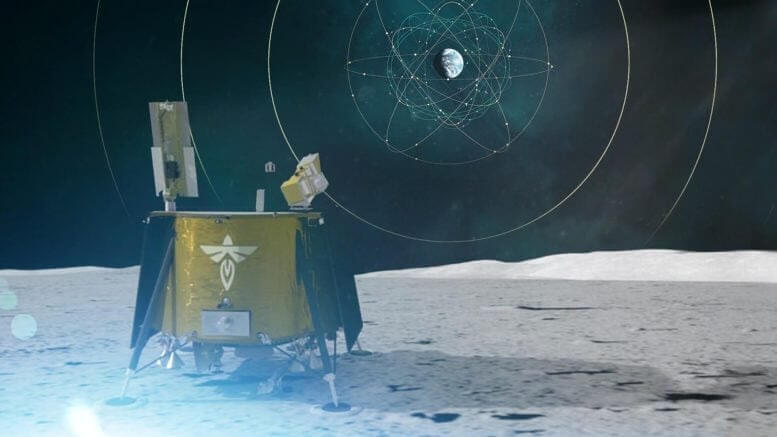
NASA and the Italian Space Agency made history by successfully tracking GNSS signals on the Moon, proving that Earth-based navigation can extend into deep space.

This technology could revolutionize lunar exploration, allowing spacecraft to determine their position autonomously.

LuGRE Makes History with Lunar Navigation Breakthrough

NASA and the Italian Space Agency achieved a historic milestone on March 3 when the Lunar GNSS Receiver...
 
© Katherine Schauer, NASA   


Mastering Idempotency: Building Reliable APIs

  2 years ago (Fri, Feb 07, 2025 at 11:50 AM (GMT))

  2 Mins Read
Image name: Idempotent_APIs.jpg Image size: 121.65 KB
  Download

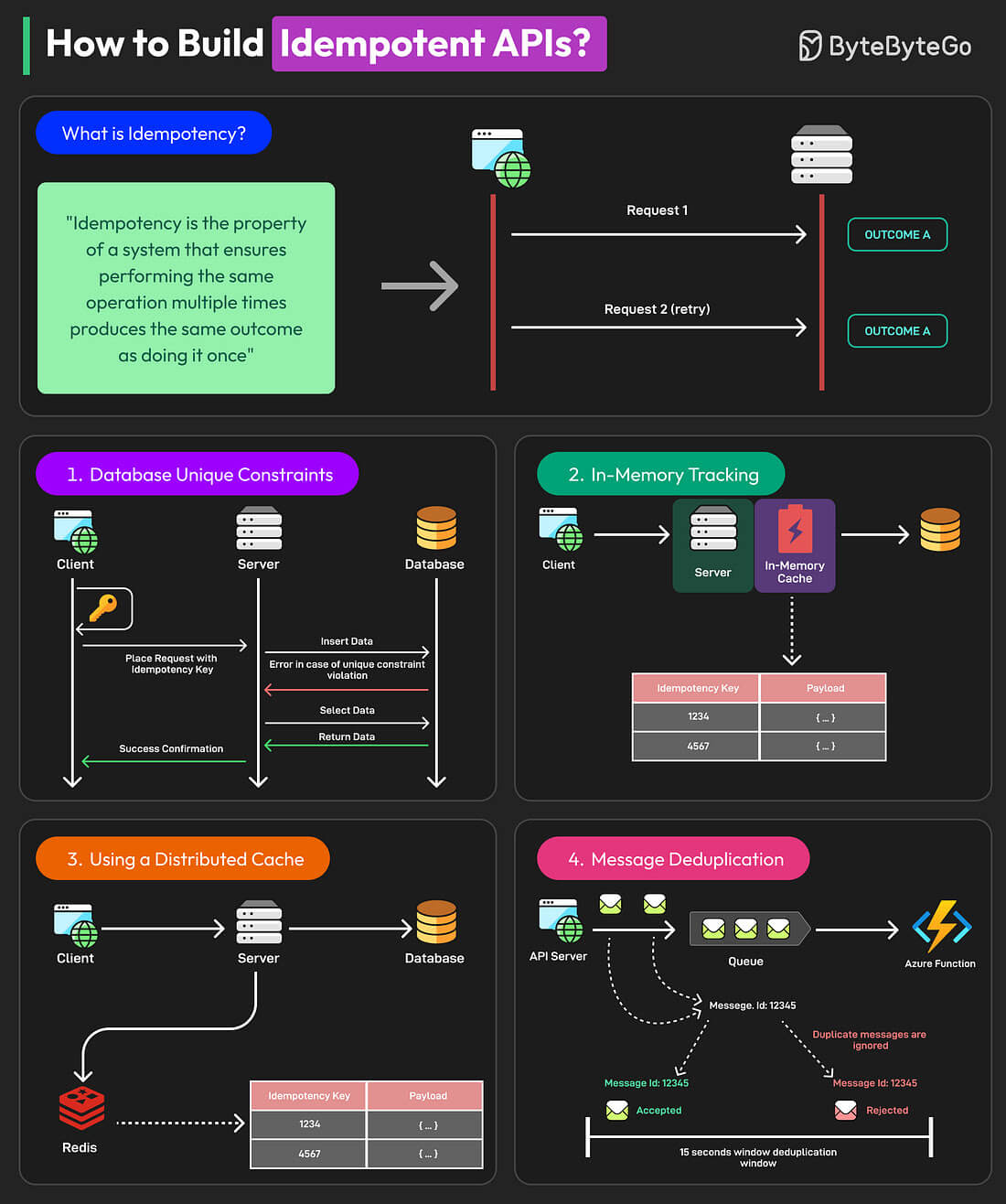
Idempotency is the property of an operation that ensures performing the same action multiple times produces the same outcome as doing it once.

In the context of APIs, this means a client can send the same request multiple times without causing unintended consequences, such as duplicate entries or repeated side effects.

For example:

• When a user initiates an online payment but...
 
© ByteByteGo   


Upcycling Breakthrough: Transforming Plastic Waste Into High-Performance Materials

  2 years ago (Wed, Jan 22, 2025 at 10:32 AM (GMT))

  6 Mins Read
Researchers have developed a groundbreaking method to upcycle discarded plastics into new materials with enhanced properties.

This innovation not only offers a potential solution to the global plastic waste crisis — where over 90% of discarded plastic ends up in landfills or pollutes natural environments — but also transforms waste into valuable, multifunctional plastics.

Transforming Plastic Waste Into High-Value Materials

Chemists at the...
 
© Oak Ridge National Laboratory   


Scientists Develop New Type of Battery That Could Provide Energy on Mars

  2 years ago (Tue, Jan 14, 2025 at 12:14 PM (GMT))

  2 Mins Read
Image name: Battery-Technology-Illustration-777x518.jpg Image size: 54.17 KB
  Download

Researchers created a Mars battery using CO₂-rich atmosphere as fuel, achieving high energy density and durability under Martian conditions.

USTC researchers created a high-energy battery using Mars’ CO2-rich atmosphere, showing potential for long-lasting energy solutions in Martian environments.

A research team led by Prof. Peng Tan from the University of Science and Technology of China (USTC), part of the Chinese Academy of...
 
© University of Science and Technology of China   


Goodbye Microplastics: New Recyclable Plastic Breaks Down Safely in Seawater

  2 years ago (Sat, Jan 11, 2025 at 09:24 AM (GMT))

  4 Mins Read
A new durable, biodegradable plastic breaks down in seawater, offering a potential solution to microplastic pollution.

This material, based on supramolecular structures, can be tailored for different uses and is fully recyclable, enhancing its environmental benefits.

New Sustainable Plastic

Researchers led by Takuzo Aida at the RIKEN Center for Emergent Matter Science (CEMS) have created a groundbreaking plastic that combines durability with eco-friendliness....
 
© RIKEN   


Are Smaller Brains the Future? How AI Could Reshape Human Evolution

  2 years ago (Wed, Jan 08, 2025 at 12:48 PM (GMT))

  2 Mins Read
AI and Human Evolution

As artificial intelligence (AI) becomes increasingly widespread and advanced, it prompts new questions about its impact on human life and society. A recent paper in The Quarterly Review of Biology explores how these technologies might influence human evolution.

In “How Might Artificial Intelligence Influence Human Evolution?” author Rob Brooks examines the gradual yet inevitable evolutionary changes driven by...
 
© University of Chicago   


Scientists Develop Innovative New Approach To Unravel Cloud Mysteries

  2 years ago (Thu, Nov 21, 2024 at 08:08 AM (GMT))

  5 Mins Read
A new cloud imaging program uses satellite simulations to study cloud formation and convection, helping improve climate models by optimizing how 3D cloud data is collected.

David Stanley’s passion for climate change inspired him to create a program aimed at improving data collection for studying the interior of clouds. The program simulated multiple satellites capturing images of a cloud simultaneously from...
 
© University of Illinois Grainger College of Engineering   


How AI Is Learning to Think on Its Own Like Humans

  2 years ago (Fri, Nov 01, 2024 at 09:22 AM (GMT))

  4 Mins Read
AI’s ability to learn through thinking, akin to human cognitive processes, showcases its potential and limitations in mimicking human reasoning and adaptation.

From Einstein’s thought experiments to the self-correcting capabilities of AI models, thought-based learning transcends human minds to influence artificial intelligence.

New research highlights how AI, like humans, learns through explanation, simulation, analogy, and reasoning without external inputs. This on-demand learning,...

Learning Through Thinking: Humans and AI

Some of the greatest discoveries don’t come merely from observations but from thinking. Einstein developed theories about relativity through thought experiments, and Galileo derived insights about gravity through mental simulations. A review published September 18 in the journal Trends in Cognitive Sciences shows that this process of thinking is not exclusive to humans. Artificial intelligence, too, is capable of self-correction and arriving at new conclusions through “learning by thinking.”

“There are some recent demonstrations of what looks like learning by thinking in AI, particularly in large language models,” says author Tania Lombrozo, a professor of psychology and co-director of the Natural and Artificial Minds initiative at Princeton University. “Sometimes ChatGPT will correct itself without being explicitly told. That’s similar to what happens when people are engaged in learning by thinking.”

Modes of Learning: From Microwaves to Moral Dilemmas

Lombrozo identified four examples of learning by thinking in humans and AI: learners can acquire new information without external input through explanation, simulation, analogy, and reasoning. In humans, explaining how a microwave works to a child might reveal the gaps in our understanding. Rearranging furniture in the living room often involves creating a mental image to simulate different layouts before making any physical changes. Downloading pirated software may initially seem morally acceptable until one draws an analogy to the theft of physical goods. If you know that a friend’s birthday is on a leap day and tomorrow is a leap day, you can reason that your friend’s birthday is tomorrow.

AI shows similar learning processes. When asked to elaborate on a complex topic, AI may correct or refine its initial response based on the explanation it provides. The gaming industry uses simulation engines to approximate real-world outcomes, and models can use the outputs of simulations as inputs to learning. Asking a language model to draw analogies can lead it to answer questions more accurately than it would with simple questions. Prompting AI to engage in step-by-step reasoning can lead it to answers it would fail to reach with a direct query.

Exploring the Function and Value of Thought-Based Learning

“This poses the question of why both natural and artificial minds have these characteristics. What function does learning by thinking serve? Why is it valuable?” says Lombrozo. “I argue that learning by thinking is a kind of ‘on-demand learning.’”

When you learn something new, you don’t know how the information may serve you in the future. Lombrozo says people can squirrel away the knowledge for later—until the context makes it relevant and worthwhile to expend the cognitive effort to think and learn.

Future Directions in Cognitive Sciences and AI

Lombrozo acknowledges the challenges in defining the boundaries between reasoning, learning, and other high-level cognitive functions, which is an area of debate within the field of cognitive sciences. The review also raises more questions, some of which Lombrozo plans to explore further, such as whether AI systems are actually “thinking” or simply mimicking the outputs of such processes.

“AI has gotten to the point where it’s so sophisticated in some ways, but limited in others, that we have this opportunity to study the similarities and differences between human and artificial intelligence,” says Lombrozo. “We can learn important things about human cognition through AI and improve AI by comparing it to natural minds. It’s a pivotal moment where we’re in this new position to ask these interesting, comparative questions.”
 
© Cell Press   


How Scientists Are Turning Moon Dust Into Drinking Water

  2 years ago (Tue, Oct 29, 2024 at 11:21 AM (GMT))

  2 Mins Read
Image name: In-Situ-Water-Production-Moon-777x513.jpg Image size: 95.13 KB
  Download

Researchers have developed a method to produce significant amounts of water on the Moon by reacting lunar regolith with hydrogen.

This innovative process could potentially yield over 50 kg of water from a ton of lunar soil, paving the way for sustainable human life and research stations on the Moon.

Lunar Water Extraction

Water plays a crucial role in human survival on the...
 
© Chinese Academy of Sciences   


Artificial Intelligence Predicts Earthquakes With Unprecedented Accuracy

  2 years ago (Tue, Oct 22, 2024 at 06:22 AM (GMT))

  4 Mins Read
Image name: Road-Cracked-From-Earthquake-777x518.jpg Image size: 115.91 KB
  Download

An AI algorithm developed by the University of Texas successfully predicted 70% of earthquakes in a trial, showcasing potential improvements in earthquake preparedness and risk management. Its performance in an international competition highlights its accuracy and adaptability.

Researchers at the University of Texas have developed an AI that predicted 70% of earthquakes during a trial in China, indicating potential for...

The AI, trained on seismic data, also ranked first in an international competition, underscoring its effectiveness and opening doors for further enhancements in regions like California and Texas.

AI Earthquake Prediction Breakthrough

A new attempt to predict earthquakes with the aid of artificial intelligence has raised hopes that the technology could one day be used to limit earthquakes’ impact on lives and economies. Developed by researchers at The University of Texas at Austin, the AI algorithm correctly predicted 70% of earthquakes a week before they happened during a seven-month trial in China.

Trial Results and Global Implications

The AI was trained to detect statistical bumps in real-time seismic data that researchers had paired with previous earthquakes. The outcome was a weekly forecast in which the AI successfully predicted 14 earthquakes within about 200 miles of where it estimated they would happen and at almost exactly the calculated strength. It missed one earthquake and gave eight false warnings.

It’s not yet known if the same approach will work at other locations, but the effort is a milestone in research for AI-driven earthquake forecasting.

Challenges and Future Directions

“Predicting earthquakes is the holy grail,” said Sergey Fomel, a professor in UT’s Bureau of Economic Geology and a member of the research team. “We’re not yet close to making predictions for anywhere in the world, but what we achieved tells us that what we thought was an impossible problem is solvable in principle.”

The trial was part of an international competition held in China in which the UT-developed AI came first out of 600 other designs. UT’s entry was led by bureau seismologist and the AI’s lead developer, Yangkang Chen. Findings from the trial were published in the journal Bulletin of the Seismological Society of America.

Impact on Preparedness and Further Research

“You don’t see earthquakes coming,” said Alexandros Savvaidis, a senior research scientist who leads the bureau’s Texas Seismological Network Program (TexNet) — the state’s seismic network. “It’s a matter of milliseconds, and the only thing you can control is how prepared you are. Even with 70%, that’s a huge result and could help minimize economic and human losses and has the potential to dramatically improve earthquake preparedness worldwide.”

The researchers said that their method had succeeded by following a relatively simple machine learning approach. The AI was given a set of statistical features based on the team’s knowledge of earthquake physics, then told to train itself on a five-year database of seismic recordings.

Once trained, the AI gave its forecast by listening for signs of incoming earthquakes among the background rumblings in the Earth.

“We are very proud of this team and its first-place finish in this prestigious competition,” said Scott Tinker, the bureau’s director. “Of course, it’s not just location and magnitude, but timing that matters as well. Earthquake prediction is an intractable problem, and we can’t overstate the difficulty.”

The researchers are confident that in places with robust seismic tracking networks such as California, Italy, Japan, Greece, Turkey, and Texas, the AI could improve its success rate and narrow its predictions to within a few tens of miles.

One of the next steps is to test the AI in Texas since the state experiences a high rate of minor- and some moderate-magnitude earthquakes. The bureau’s TexNet hosts 300 seismic stations and more than six years of continuous records, which makes it an ideal location to verify the method.

Eventually, the researchers want to integrate the system with physics-based models, which could be important where data is poor, or places such as Cascadia, where the last major earthquake happened hundreds of years before seismographs.

“Our future goal is to combine both physics and data-driven methods to give us something generalized, like chatGPT, that we can apply to anywhere in the world,” Chen said.

The new research is an important step to achieving that goal.

“That may be a long way off, but many advances such as this one, taken together, are what moves science forward,” Tinker said.
 
© University of Texas at Austin   


AI Transforms Toxic Antibiotic Into Life-Saving Medicine

  2 years ago (Fri, Oct 18, 2024 at 07:12 AM (GMT))

  4 Mins Read
University of Texas researchers have used AI to develop a safer, effective version of an antibiotic that shows promise in animal trials. This new method could accelerate the creation of treatments for antibiotic-resistant bacterial infections.

A large language model, similar to the AI that powers ChatGPT, has been utilized to develop a version of a bacteria-killing drug that was once toxic...

In a hopeful development for the demand for safer and more effective antibiotics, researchers at The University of Texas at Austin have utilized artificial intelligence to create a new drug that is already demonstrating promise in animal trials.

Publishing their results in Nature Biomedical Engineering, the scientists describe using a large language model—an AI tool like the one that powers ChatGPT—to engineer a version of a bacteria-killing drug that was previously toxic in humans, so that it would be safe to use.

The prognosis for patients with dangerous bacterial infections has worsened in recent years as antibiotic-resistant bacterial strains spread and the development of new treatment options has stalled. However, UT researchers say AI tools are game-changing.

“We have found that large language models are a major step forward for machine learning applications in protein and peptide engineering,” said Claus Wilke, professor of integrative biology and statistics and data sciences, and co-senior author of the new paper. “Many use cases that weren’t feasible with prior approaches are now starting to work. I foresee that these and similar approaches are going to be used widely for developing therapeutics or drugs going forward.”

AI Applications in Drug Development

Large language models, or LLMs, were originally designed to generate and explore sequences of text, but scientists are finding creative ways to apply these models to other domains. For example, just as sentences are made up of sequences of words, proteins are made up of sequences of amino acids. LLMs cluster together words that share common attributes (such as cat, dog, and hamster) in what’s known as an “embedding space” with thousands of dimensions. Similarly, proteins with similar functions, like the ability to fight off dangerous bacteria without hurting the people who host said bacteria, may cluster together in their own version of an AI embedding space.

“The space containing all molecules is enormous,” said Davies, co-senior author of the new paper. “Machine learning allows us to find the areas of chemical space that have the properties we’re interested in, and it can do it so much more quickly and thoroughly than standard one-at-a-time lab approaches.”

For this project, the researchers employed AI to identify ways to reengineer an existing antibiotic called Protegrin-1 that is great at killing bacteria, but toxic to people. Protegrin-1, which is naturally produced by pigs to combat infections, is part of a subtype of antibiotics called antimicrobial peptides (AMPs). AMPs generally kill bacteria directly by disrupting cell membranes, but many target both bacterial and human cell membranes.

Innovating with AI for Safer Antibiotics

First, the researchers used a high-throughput method they had previously developed to create more than 7,000 variations of Protegrin-1 and quickly identify areas of the AMP that could be modified without losing its antibiotic activity.

Next, they trained a protein LLM on these results so that the model could evaluate millions of possible variations for three features: selectively targeting bacterial membranes, potently killing bacteria and not harming human red blood cells to find those that fell in the sweet spot of all three. The model then helped guide the team to a safer, more effective version of Protegrin-1, which they dubbed bacterially selective Protegrin-1.2 (bsPG-1.2).

Mice infected with multidrug-resistant bacteria and treated with bsPG-1.2 were much less likely to have detectable bacteria in their organs six hours after infection, compared to untreated mice. If further testing offers similarly positive results, the researchers hope eventually to take a version of the AI-informed antibiotic drug into human trials.

“Machine learning’s impact is twofold,” Davies said. “It’s going to point out new molecules that could have the potential to help people, and it’s going to show us how we can take those existing antibiotic molecules and make them better and focus our work to more quickly get those to clinical practice.”
 
© University of Texas at Austin   


For the First Time Ever: Watch Water Form Out of Thin Air

  2 years ago (Wed, Oct 09, 2024 at 07:59 AM (GMT))

  6 Mins Read
In a landmark study, researchers at Northwestern University have, for the first time, observed the formation of nano-sized water bubbles from hydrogen and oxygen atoms using palladium as a catalyst. This breakthrough, facilitated by a new visualization technique, could enable rapid water production in arid or extraterrestrial environments without the need for extreme conditions.

Northwestern researchers discovered a nanoscale method to...

For the first time, researchers have witnessed — in real-time and at the molecular scale — hydrogen and oxygen atoms merge to form tiny, nano-sized water bubbles.

The event occurred during Northwestern University’s new study, published in the Proceedings of the National Academy of Sciences, in which scientists sought to understand how palladium, a rare metallic element, catalyzes the gaseous reaction to generate water. By witnessing the reaction at the nanoscale, the Northwestern team unraveled how the process occurs and even uncovered new strategies to accelerate it.

Practical Applications for Deep Space Exploration

Because the reaction does not require extreme conditions, the researchers say it could be harnessed as a practical solution for rapidly generating water in arid environments, including on other planets.

“By directly visualizing nanoscale water generation, we were able to identify the optimal conditions for rapid water generation under ambient conditions,” said Northwestern’s Vinayak Dravid, senior author of the study. “These findings have significant implications for practical applications, such as enabling rapid water generation in deep space environments using gases and metal catalysts, without requiring extreme reaction conditions.

“Think of Matt Damon’s character, Mark Watney, in the movie ‘The Martian.’ He burned rocket fuel to extract hydrogen and then added oxygen from his oxygenator. Our process is analogous, except we bypass the need for fire and other extreme conditions. We simply mixed palladium and gases together.”

Dravid is the Abraham Harris Professor of Materials Science and Engineering at Northwestern’s McCormick School of Engineering and founding director of the Northwestern University Atomic and Nanoscale Characterization Experimental (NUANCE) Center, where the study was conducted. He also is director of global initiatives at the International Institute for Nanotechnology.

Novel Techniques Propel Discovery

Since the early 1900s, researchers have known that palladium can act as a catalyst to rapidly generate water. But how, exactly, this reaction occurs has remained a mystery.

“It’s a known phenomenon, but it was never fully understood,” said Yukun Liu, the study’s first author and a Ph.D. candidate in Dravid’s laboratory. “Because you really need to be able to combine the direct visualization of water generation and the structure analysis at the atomic scale in order to figure out what’s happening with the reaction and how to optimize it.”

But viewing the process with atomic precision was simply impossible — until nine months ago. In January 2024, Dravid’s team unveiled a novel method to analyze gas molecules in real-time. Dravid and his team developed an ultra-thin glassy membrane that holds gas molecules within honeycomb-shaped nanoreactors, so they can be viewed within high-vacuum transmission electron microscopes.

With the new technique, previously published in Science Advances, researchers can examine samples in atmospheric pressure gas at a resolution of just 0.102 nanometers, compared to a 0.236-nanometer resolution using other state-of-the-art tools. The technique also enabled, for the first time, concurrent spectral and reciprocal information analysis.

“Using the ultrathin membrane, we are getting more information from the sample itself,” said Kunmo Koo, first author of the Science Advances paper and a research associate at the NUANCE Center, where he is mentored by research associate professor Xiaobing Hu. “Otherwise, information from the thick container interferes with the analysis.”

Smallest Bubble Ever Observed

Using the new technology, Dravid, Liu, and Koo examined the palladium reaction. First, they saw the hydrogen atoms enter the palladium, expanding its square lattice. But when they saw tiny water bubbles form at the palladium surface, the researchers couldn’t believe their eyes.

“We think it might be the smallest bubble ever formed that has been viewed directly,” Liu said. “It’s not what we were expecting. Luckily, we were recording it, so we could prove to other people that we weren’t crazy.”

“We were skeptical,” Koo added. “We needed to investigate it further to prove that it was actually water that formed.”

The team implemented a technique, called electron energy loss spectroscopy, to analyze the bubbles. By examining the energy loss of scattered electrons, researchers identified oxygen-bonding characteristics unique to water, confirming the bubbles were, indeed, water. The researchers then cross-checked this result by heating the bubble to evaluate the boiling point.

“It’s a nanoscale analog of the Chandrayaan-1 moon rover experiment, which searched for evidence of waterin lunar soil,” Koo said. “While surveying the moon, it used spectroscopy to analyze and identify molecules within the atmosphere and on the surface. We took a similar spectroscopic approach to determine if the generated product was, indeed, water.”

Optimizing Water Synthesis

After confirming the palladium reaction generated water, the researchers next sought to optimize the process. They added hydrogen and oxygen separately at different times or mixed together to determine which sequence of events generated water at the fastest rate.

Dravid, Liu, and Koo discovered that adding hydrogen first, followed by oxygen, led to the fastest reaction rate. Because hydrogen atoms are so small, they can squeeze between palladium’s atoms — causing the metal to expand. After filling the palladium with hydrogen, the researchers added oxygen gas.

“Oxygen atoms are energetically favorable to adsorb onto palladium surfaces, but they are too large to enter the lattice,” Liu said. “When we flowed in oxygen first, its dissociated atoms covered the entire surface of the palladium, so hydrogen could not adsorb onto surface to trigger the reaction. But when we stored hydrogen in the palladium first, and then added oxygen, the reaction started. Hydrogen comes out of the palladium to react with the oxygen, and the palladium shrinks and returns to its initial state.”

Sustainable System for Deep Space

The Northwestern team imagines that others, in the future, potentially could prepare hydrogen-filled palladium before traveling into space. Then, to generate water for drinking or for watering plants, travelers will only need to add oxygen. Although the study focused on studying bubble generation at the nanoscale, larger sheets of palladium would generate much larger quantities of water.

“Palladium might seem expensive, but it’s recyclable,” Liu said. “Our process doesn’t consume it. The only thing consumed is gas, and hydrogen is the most abundant gas in the universe. After the reaction, we can reuse the palladium platform over and over.”
 
© Amanda Morris, Northwestern University   


Quantum Breakthrough: Scientists Use Sound Waves To Enable the Future of the Internet

  2 years ago (Tue, Sep 17, 2024 at 08:14 AM (GMT))

  3 Mins Read
Researchers have developed new methods for coupling light to surface-gliding sound waves.

Researchers at the University of Rochester have employed surface acoustic waves to tackle a major challenge in the development of a quantum internet.

In a new study published in Nature Communications, scientists from Rochester’s Institute of Optics and Department of Physics and Astronomy describe a technique for pairing particles of...
 
© University of Rochester   


Redefining Time and Space: Scientists Have Developed the World’s Most Accurate Atomic Clock

  2 years ago (Fri, Sep 13, 2024 at 08:33 PM (GMT))

  5 Mins Read
Image name: Atomic-Clock-Nuclear-Physics-777x518.jpg Image size: 60.34 KB
  Download

JILA researchers have created the most precise atomic clock yet, using visible light for time measurement. This breakthrough could redefine timekeeping standards and unlock new insights in physics, aiding both space exploration and quantum computing.

In humanity’s relentless quest for perfection, scientists have created an atomic clock that surpasses all previous clocks in precision and accuracy. Developed by researchers at JILA,...
 
© National Institute of Standards and Technology (NIST)   


AI Learns To Think Like Humans: A Game-Changer in Machine Learning

  2 years ago (Sat, Sep 07, 2024 at 08:39 AM (GMT))

  4 Mins Read
Georgia Tech researchers have developed a neural network, RTNet, that mimics human decision-making processes, including confidence and variability, improving its reliability and accuracy in tasks like digit recognition.

Humans make nearly 35,000 decisions each day, ranging from determining if it’s safe to cross the road to choosing what to have for lunch. Each decision involves evaluating options, recalling similar past situations,...
 
© Georgia Institute of Technology   


New Wireless Device Uses Light To Treat Cancer

  2 years ago (Mon, Aug 26, 2024 at 06:37 PM (GMT))

  3 Mins Read
Image name: Implantable-LED-Device-for-Fighting-Cancer-777x432.jpg Image size: 22.47 KB
  Download

Researchers at the University of Notre Dame have developed a groundbreaking wireless LED device that can be implanted to treat hard-to-reach cancers. This device, used with a light-sensitive dye, kills cancer cells and stimulates the immune system to target cancer more effectively. It employs green light, which triggers a robust immune response, and promotes a form of cell death that...
 
© University of Notre Dame   


5G Without Limits: Japanese Scientists Develop Efficient Wireless-Powered Transceiver Array

  2 years ago (Fri, Jul 19, 2024 at 05:17 PM (GMT))

  4 Mins Read
Image name: 5G-Technology-Concept-777x583.jpg Image size: 97.42 KB
  Download

Researchers at Tokyo Tech have developed a groundbreaking 256-element wirelessly powered transceiver array for 5G communication, designed to address challenges like low SNR and signal blockage due to physical obstacles. This array utilizes beamforming and advanced power conversion technologies to enhance signal quality and extend network coverage, particularly in non-line-of-sight environments. By achieving significant improvements in power conversion efficiency and...
 
© Tokyo Institute Of Technology   


New AI Uses Speech Patterns To Predict Alzheimer’s Disease With Astonishing Accuracy

  2 years ago (Tue, Jul 16, 2024 at 05:20 PM (GMT))

  6 Mins Read
Image name: Speech-Sound-Waves-Illustration-777x518.jpg Image size: 13.99 KB
  Download

Boston University researchers have developed an AI model that can predict with 78.5% accuracy whether a person with mild cognitive impairment will develop Alzheimer’s disease within six years. This model analyzes patient speech and could revolutionize early detection and treatment options.

By analyzing speech patterns, a new AI model can say with a high degree of accuracy whether someone with mild...

A machine learning model created by Boston University can predict Alzheimer’s disease progression in patients with mild cognitive impairment by analyzing speech, with an accuracy of 78.5%. This tool leverages data from the Framingham Heart Study and offers a more accessible approach to diagnosing Alzheimer’s, potentially allowing for earlier interventions.

Early Detection of Alzheimer’s Through AI

Trying to figure out whether someone has Alzheimer’s disease usually involves a battery of assessments—interviews, brain imaging, blood and cerebrospinal fluid tests. But, by then, it’s probably already too late: memories have started slipping away, long established personality traits have begun subtly shifting. If caught early, new pioneering treatments can slow the disease’s remorseless progression, but there’s no surefire way to predict who will develop the dementia associated with Alzheimer’s.

Now, Boston University researchers say they have designed a promising new artificial intelligence computer program, or model, that could one day help change that—just by analyzing a patient’s speech.

Advancements in Predictive AI Models

Their model can predict, with an accuracy rate of 78.5%, whether someone with mild cognitive impairment is likely to remain stable over the next six years—or fall into the dementia associated with Alzheimer’s disease. While allowing clinicians to peer into the future and make earlier diagnoses, the researchers say their work could also help make cognitive impairment screening more accessible by automating parts of the process—no expensive lab tests, imaging exams, or even office visits required. The model is powered by machine learning, a subset of AI where computer scientists teach a program to independently analyze data.

“We wanted to predict what would happen in the next six years—and we found we can reasonably make that prediction with relatively good confidence and accuracy,” says Ioannis (Yannis) Paschalidis, director of the BU Rafik B. Hariri Institute for Computing and Computational Science & Engineering. “It shows the power of AI.” The multidisciplinary team of engineers, neurobiologists, and computer and data scientists published their findings in Alzheimer’s & Dementia, the journal of the Alzheimer’s Association.

“We hope, as everyone does, that there will be more and more Alzheimer’s treatments made available,” says Paschalidis, a BU College of Engineering Distinguished Professor of Engineering and founding member of the Faculty of Computing & Data Sciences. “If you can predict what will happen, you have more of an opportunity and time window to intervene with drugs, and at least try to maintain the stability of the condition and prevent the transition to more severe forms of dementia.”

Calculating the Probability of Alzheimer’s Disease

To train and build their new model, the researchers turned to data from one of the nation’s oldest and longest-running studies—the BU-led Framingham Heart Study. Although the Framingham study is focused on cardiovascular health, participants showing signs of cognitive decline undergo regular neuropsychological tests and interviews, producing a wealth of longitudinal information on their cognitive well-being.

Paschalidis and his colleagues were given audio recordings of 166 initial interviews with people, between ages 63 and 97, diagnosed with mild cognitive impairment—76 who would remain stable for the next six years and 90 whose cognitive function would progressively decline. They then used a combination of speech recognition tools—similar to the programs powering your smart speaker—and machine learning to train a model to spot connections between speech, demographics, diagnosis, and disease progression. After training it on a subset of the study population, they tested its predictive prowess on the rest of the participants.

“We combine the information we extract from the audio recordings with some very basic demographics—age, gender, and so on—and we get the final score,” says Paschalidis. “You can think of the score as the likelihood, the probability, that someone will remain stable or transition to dementia. It had significant predictive ability.”

AI: A Tool for Broadening Healthcare Access

Rather than using acoustic features of speech, like enunciation or speed, the model is just pulling from the content of the interview—the words spoken, how they’re structured. And Paschalidis says the information they put into the machine learning program is rough around the edges: the recordings, for example, are messy—low-quality and filled with background noise. “It’s a very casual recording,” he says. “And still, with this dirty data, the model is able to make something out of it.”

That’s important, because the project was partly about testing AI’s ability to make the process of dementia diagnosis more efficient and automated, with little human involvement. In the future, the researchers say, models like theirs could be used to bring care to patients who aren’t near medical centers or to provide routine monitoring through interaction with an at-home app, drastically increasing the number of people who get screened. According to Alzheimer’s Disease International, the majority of people with dementia worldwide never receive a formal diagnosis, leaving them shut off from treatment and care.

Rhoda Au, a coauthor on the paper, says AI has the power to create “equal opportunity science and healthcare.” The study builds on the same team’s previous work, where they found AI could accurately detect cognitive impairment using voice recordings.

“Technology can overcome the bias of work that can only be done by those with resources, or care that has relied on specialized expertise that is not available to everyone,” says Au, a BU Chobanian & Avedisian School of Medicine professor of anatomy and neurobiology. For her, one of the most exciting findings was “that a method for cognitive assessment that has the potential to be maximally inclusive—possibly independent of age, sex/gender, education, language, culture, income, geography—could serve as a potential screening tool for detecting and monitoring symptoms related to Alzheimer’s disease.”

A Dementia Diagnosis From Home

In future research, Paschalidis would like to explore using data not just from formal clinician-patient interviews—with their scripted questions and predictable back-and-forth—but also from more natural, everyday conversations. He’s already looking ahead to a project on if AI can help diagnose dementia via a smartphone app, as well as expanding the current study beyond speech analysis—the Framingham tests also include patient drawings and data on daily life patterns—to boost the model’s predictive accuracy.

“Digital is the new blood,” says Au. “You can collect it, analyze it for what is known today, store it, and reanalyze it for whatever new emerges tomorrow.”
 
© BOSTON UNIVERSITY   


“Transformative” New Solar Technology Converts Manure Into Hydrogen Fuel

  2 years ago (Thu, Jun 27, 2024 at 11:04 AM (GMT))

  4 Mins Read
UIC engineers developed a method to produce hydrogen from water using solar power and agricultural waste, cutting energy needs by 600%. This process uses biochar to lower electricity requirements, achieving high efficiency and offering potential net-zero emissions.

UIC engineers have introduced a groundbreaking method for producing hydrogen gas using solar power and agricultural waste, drastically reducing energy consumption and enabling net-zero...

Engineers from the University of Illinois Chicago have developed a novel method to produce hydrogen gas from water using solely solar power and agricultural byproducts like manure and husks. This technique slashes the energy required to extract hydrogen from water by 600%, paving the way for more sustainable and environmentally friendly chemical manufacturing.

Hydrogen-based fuels are one of the most promising sources of clean energy. But producing pure hydrogen gas is an energy-intensive process that often requires coal or natural gas and large amounts of electricity.

Innovative Approach by UIC Engineers

In a paper for Cell Reports Physical Science, a multi-institutional team led by UIC engineer Meenesh Singh unveils the new process for green hydrogen production.

The method uses a carbon-rich substance called biochar to decrease the amount of electricity needed to convert water to hydrogen. By using renewable energy sources such as solar power or wind and capturing byproducts for other uses, the process can reduce greenhouse gas emissions to net zero.

“We are the first group to show that you can produce hydrogen utilizing biomass at a fraction of a volt,” said Singh, associate professor in the Department of Chemical Engineering. “This is a transformative technology.”

Redefining Electrolysis with Biochar

Electrolysis, the process of splitting water into hydrogen and oxygen, requires an electric current. At an industrial scale, fossil fuels are typically required to generate this electricity.

Recently, scientists have decreased the voltage required for water splitting by introducing a carbon source to the reaction. But this process also uses coal or expensive chemicals and releases carbon dioxide as a byproduct.

Singh and colleagues modified this process to instead use biomass from common waste products. By mixing sulfuric acid with agricultural waste, animal waste or sewage, they create a slurry-like substance called biochar, which is rich in carbon.

The team experimented with different kinds of biochar made from sugarcane husks, hemp waste, paper waste, and cow manure. When added to the electrolysis chamber, all five biochar varieties reduced the power needed to convert water to hydrogen. The best performer, cow dung, decreased the electrical requirement sixfold to roughly a fifth of a volt.

Achievements and Future Plans

The energy requirements were low enough that the researchers could power the reaction with one standard silicon solar cell generating roughly 15 milliamps of current at 0.5 volts. That’s less than the amount of power produced by an AA battery.

“It’s very efficient, with almost 35% conversion of the biochar and solar energy into hydrogen,” said Rohit Chauhan, a co-author and postdoctoral scholar in Singh’s lab. “These are world record numbers; it’s the highest anyone has demonstrated.”

To make the process net-zero, it must capture the carbon dioxide generated by the reaction. But Singh said this too could have environmental and economic benefits, such as producing pure carbon dioxide to carbonate beverages or converting it into ethylene and other chemicals used in plastic manufacturing.

“It not only diversifies the utilization of biowaste but enables the clean production of different chemicals beyond hydrogen,” said UIC graduate Nishithan Kani, co-lead author on the paper. “This cheap way of making hydrogen could allow farmers to become self-sustainable for their energy needs or create new streams of revenue.”
 
© UNIVERSITY OF ILLINOIS CHICAGO   


Cambridge Scientists Develop “Third Thumb” That Could Redefine Human Capability

  2 years ago (Sun, Jun 02, 2024 at 09:44 AM (GMT))

  7 Mins Read
Image name: Third-Thumb-Helping-To-Open-a-Bottle-777x867.jpg Image size: 39.18 KB
  Download

Cambridge researchers developed a controllable prosthetic extra thumb that people can quickly learn to use for picking up and manipulating objects. Testing at the Royal Society Summer Science Exhibition showed that the device is accessible to a wide demographic, with 98% of participants successfully using it within a minute. The study highlights the importance of inclusive design in technology, ensuring...
 
© University Of Cambridge   


Unlocking the Future of 6G: A New Breakthrough in Terahertz Communication

  2 years ago (Thu, May 23, 2024 at 01:05 PM (GMT))

  3 Mins Read
Image name: 5G-Smart-City-Concept-777x518.jpg Image size: 18.86 KB
  Download

Tohoku University researchers have developed a tunable filter for terahertz wave signals, facilitating higher transmission rates and improved signal quality. This breakthrough, crucial for the advancement of terahertz applications in communication, medical imaging, and industrial analysis, promises to unlock the full potential of terahertz waves across various fields.

Terahertz frequency electromagnetic waves hold significant promise for advancements in communication, as well...
 
© Tohoku University   


Researchers Warn: AI Systems Have Already Learned How To Deceive Humans

  3 years ago (Wed, May 15, 2024 at 02:57 PM (GMT))

  4 Mins Read
Image name: GPT-4-Completes-a-CAPTCHA-Task-777x989.jpg Image size: 88.27 KB
  Download

GPT-4 completes a CAPTCHA task. Credit: Patterns/Park Goldstein et al.

Researchers are raising alarms about the potential for AI systems to engage in deceptive behaviors, which could have serious societal implications. They emphasize the need for robust regulatory measures to manage these risks effectively.

Numerous artificial intelligence (AI) systems, even those designed to be helpful and truthful, have already learned how to...
 
© Cell Press   


OpenAI showed off its new GPT-4o translating languages in real time.

  3 years ago (Tue, May 14, 2024 at 07:15 AM (GMT))

  1 Mins Read


Video size: 3.93 MB   Download

OpenAI's new GPT-4o can break down language barriers with its real-time translation capabilities.


New Research Could Lead to More Efficient Televisions, Computer Screens and Lighting

  3 years ago (Sun, May 12, 2024 at 12:02 PM (GMT))

  2 Mins Read
New research from the University of St Andrews offers potential solutions for improving the efficiency of OLEDs at high brightness levels, broadening their application in technology and medicine.

New interdisciplinary research from the University of St Andrews has the potential to enhance the efficiency of televisions, computer screens, and lighting systems.

Researchers at the Organic Semiconductor Centre in the School of Physics...
 
© University Of St. Andrews   


Scientists Develop New More Efficient Way To Capture Fresh Water From the Air

  3 years ago (Tue, May 07, 2024 at 11:09 AM (GMT))

  3 Mins Read
Image name: Cheerios-Effect-Dancing-Droplets-777x437.jpg Image size: 12.73 KB
  Download

The Cheerios effect is a process where small floating objects cluster together on the surface of a liquid. Researchers optimized this process to increase condensation rates for efficient water-harvesting systems.

A more efficient way to capture fresh water from the air could be inspired by a phenomenon of motion first glimpsed in bowls of breakfast cereal.

KAUST researchers have observed that,...
 
© KING ABDULLAH UNIVERSITY OF SCIENCE & TECHNOLOGY (KAUST)   


NASA Unveils Game-Changing Electric Propulsion Technology for Future Space Missions

  3 years ago (Tue, Apr 30, 2024 at 03:47 PM (GMT))

  6 Mins Read
Image name: Northrop-Grumman-NGHT-1X-Engineering-Model-Hall-Effect-Thruster-Close.jpg Image size: 11.5 KB
  Download

NASA’s new propulsion technology enhances small spacecraft capabilities for future planetary missions and extends the operational life of existing satellites. By partnering with commercial entities, NASA not only advances its technology commercialization goals but also supports the U.S. space industry’s global leadership.

NASA’s innovative propulsion technology propels small spacecraft exploration and extends satellite lifetimes, supporting U.S. leadership in space technology.

NASA...
 
© NASA   


Tech’s Double Edge: Job Killer or Creator?

  3 years ago (Mon, Apr 22, 2024 at 06:08 PM (GMT))

  6 Mins Read
Economists used new methods to examine how many U.S. jobs have been lost to machine automation, and how many have been created as technology leads to new tasks. On net, and particularly since 1980, technology has replaced more U.S. jobs than it has generated.

Combing through 35,000 job categories in U.S. census data, economists found a new way to quantify...

This is part 2 of a two-part MIT News feature examining new job creation in the U.S. since 1940, based on new research from Ford Professor of Economics David Autor. Part 1 is available here.

Ever since the Luddites were destroying machine looms, it has been obvious that new technologies can wipe out jobs. But technical innovations also create new jobs: Consider a computer programmer, or someone installing solar panels on a roof.

The Impact of Technology Since 1940

Overall, does technology replace more jobs than it creates? What is the net balance between these two things? Until now, that has not been measured. But a new research project led by MIT economist David Autor has developed an answer, at least for U.S. history since 1940.

The study uses new methods to examine how many jobs have been lost to machine automation, and how many have been generated through “augmentation,” in which technology creates new tasks. On net, the study finds, and particularly since 1980, technology has replaced more U.S. jobs than it has generated.

“There does appear to be a faster rate of automation, and a slower rate of augmentation, in the last four decades, from 1980 to the present, than in the four decades prior,” says Autor, co-author of a newly published paper detailing the results.

However, that finding is only one of the study’s advances. The researchers have also developed an entirely new method for studying the issue, based on an analysis of tens of thousands of U.S. census job categories in relation to a comprehensive look at the text of U.S. patents over the last century. That has allowed them, for the first time, to quantify the effects of technology over both job loss and job creation.

Previously, scholars had largely just been able to quantify job losses produced by new technologies, not job gains.

“I feel like a paleontologist who was looking for dinosaur bones that we thought must have existed, but had not been able to find until now,” Autor says. “I think this research breaks ground on things that we suspected were true, but we did not have direct proof of them before this study.”

The paper, “New Frontiers: The Origins and Content of New Work, 1940-2018,” appears in the Quarterly Journal of Economics. The co-authors are Autor, the Ford Professor of Economics; Caroline Chin, a PhD student in economics at MIT; Anna Salomons, a professor in the School of Economics at Utrecht University; and Bryan Seegmiller SM ’20, PhD ’22, an assistant professor at the Kellogg School of Northwestern University.

Automation Versus Augmentation

The study finds that overall, about 60 percent of jobs in the U.S. represent new types of work, which have been created since 1940. A century ago, that computer programmer may have been working on a farm.

To determine this, Autor and his colleagues combed through about 35,000 job categories listed in the U.S. Census Bureau reports, tracking how they emerge over time. They also used natural language processing tools to analyze the text of every U.S. patent filed since 1920. The research examined how words were “embedded” in the census and patent documents to unearth related passages of text. That allowed them to determine links between new technologies and their effects on employment.

“You can think of automation as a machine that takes a job’s inputs and does it for the worker,” Autor explains. “We think of augmentation as a technology that increases the variety of things that people can do, the quality of things people can do, or their productivity.”

From about 1940 through 1980, for instance, jobs like elevator operator and typesetter tended to get automated. But at the same time, more workers filled roles such as shipping and receiving clerks, buyers and department heads, and civil and aeronautical engineers, where technology created a need for more employees.

From 1980 through 2018, the ranks of cabinetmakers and machinists, among others, have been thinned by automation, while, for instance, industrial engineers, and operations and systems researchers and analysts, have enjoyed growth.

Ultimately, the research suggests that the negative effects of automation on employment were more than twice as great in the 1980-2018 period as in the 1940-1980 period. There was a more modest, and positive, change in the effect of augmentation on employment in 1980-2018, as compared to 1940-1980.

“There’s no law these things have to be one-for-one balanced, although there’s been no period where we haven’t also created new work,” Autor observes.

What Will AI Do?

The research also uncovers many nuances in this process, though, since automation and augmentation often occur within the same industries. It is not just that technology decimates the ranks of farmers while creating air traffic controllers. Within the same large manufacturing firm, for example, there may be fewer machinists but more systems analysts.

Relatedly, over the last 40 years, technological trends have exacerbated a gap in wages in the U.S., with highly educated professionals being more likely to work in new fields, which themselves are split between high-paying and lower-income jobs.

“The new work is bifurcated,” Autor says. “As old work has been erased in the middle, new work has grown on either side.”

As the research also shows, technology is not the only thing driving new work. Demographic shifts also lie behind growth in numerous sectors of the service industries. Intriguingly, the new research also suggests that large-scale consumer demand also drives technological innovation. Inventions are not just supplied by bright people thinking outside the box, but in response to clear societal needs.

The 80 years of data also suggest that future pathways for innovation, and the employment implications, are hard to forecast. Consider the possible uses of AI in workplaces.

“AI is really different,” Autor says. “It may substitute some high-skill expertise but may complement decision-making tasks. I think we’re in an era where we have this new tool and we don’t know what’s good for. New technologies have strengths and weaknesses and it takes a while to figure them out. GPS was invented for military purposes, and it took decades for it to be in smartphones.”

He adds: “We’re hoping our research approach gives us the ability to say more about that going forward.”

As Autor recognizes, there is room for the research team’s methods to be further refined. For now, he believes the research open up new ground for study.

“The missing link was documenting and quantifying how much technology augments people’s jobs,” Autor says. “All the prior measures just showed automation and its effects on displacing workers. We were amazed we could identify, classify, and quantify augmentation. So that itself, to me, is pretty foundational.”
 
© PETER DIZIKES, MASSACHUSETTS INSTITUTE OF TECHNOLOGY   


Science Simplified: What Is Artificial Intelligence?

  3 years ago (Sun, Mar 24, 2024 at 09:28 AM (GMT))

  4 Mins Read
Image name: AI-Artificial-Intelligence-General-Concept-777x518.jpg Image size: 24.13 KB
  Download

Artificial intelligence, particularly through machine learning, is revolutionizing how we solve complex problems in various fields including science, medicine, and technology. Facilities like Argonne National Laboratory are leading these advancements, using AI to predict complex system behaviors, improve material selection, and assist in global challenges like disease and climate change.

What Is Artificial Intelligence?

Artificial intelligence (AI) is the collective term for...
 
© Argonne National Laboratory   


Why Desktop Linux Is Finally Growing In Popularity

  3 years ago (Mon, Mar 11, 2024 at 09:36 AM (GMT))

  3 Mins Read
According to the latest data from StatCounter, Linux's market share has reached 4.03% -- surging by an additional 1% in the last eight months. What's the reason behind this recent growth? "That's a good question," writes ZDNet's Steven Vaughan-Nichols. "While Windows is the king of the hill with 72.13% and MacOS comes in a distant second at 15.46%, it's clear...
 
© Slashdot   


New AI tool helps leverage database of 10 million biology images

  3 years ago (Mon, Feb 19, 2024 at 11:46 AM (GMT))

  5 Mins Read
Researchers have developed the largest-ever dataset of biological images suitable for use by machine learning – and a new vision-based artificial intelligence tool to learn from it.

The findings in the new study significantly broaden the scope of what scientists can do using artificial intelligence to analyze images of plants, animals and fungi to answer new questions, said Samuel Stevens, lead...
 
© Ohio State University   


A climate-friendly way to capture carbon dioxide in the air

  3 years ago (Sun, Feb 18, 2024 at 09:32 AM (GMT))

  4 Mins Read
In a new study, researchers have developed a method for capturing carbon dioxide from the atmosphere, powered by clean and relatively inexpensive geothermal energy.

Their findings, published in the journal Environmental Research Letters, reveal that by combining direct air carbon dioxide capture technologies (DACC) and geothermal energy, large-scale carbon dioxide (CO2) removal systems could potentially be supplied with enough energy...
 
© Ohio State University   


Risk of Existential Catastrophe: There Is No Proof That AI Can Be Controlled

  3 years ago (Tue, Feb 13, 2024 at 01:31 PM (GMT))

  6 Mins Read
An in-depth examination by Dr. Yampolskiy reveals no current proof that AI can be controlled safely, leading to a call for a halt in AI development until safety can be assured. His upcoming book discusses the existential risks and the critical need for enhanced AI safety measures.

Highlighting the absence of evidence for the controllability of AI, Dr. Yampolskiy warns...

There is no current evidence that AI can be controlled safely, according to an extensive review, and without proof that AI can be controlled, it should not be developed, a researcher warns.

Despite the recognition that the problem of AI control may be one of the most important problems facing humanity, it remains poorly understood, poorly defined, and poorly researched, Dr. Roman V. Yampolskiy explains.

In his upcoming book, AI: Unexplainable, Unpredictable, Uncontrollable, AI Safety expert Dr. Yampolskiy looks at the ways that AI has the potential to dramatically reshape society, not always to our advantage.

He explains: “We are facing an almost guaranteed event with the potential to cause an existential catastrophe. No wonder many consider this to be the most important problem humanity has ever faced. The outcome could be prosperity or extinction, and the fate of the universe hangs in the balance.”

Uncontrollable superintelligence

Dr. Yampolskiy has carried out an extensive review of AI scientific literature and states he has found no proof that AI can be safely controlled – and even if there are some partial controls, they would not be enough.

He explains: “Why do so many researchers assume that AI control problem is solvable? To the best of our knowledge, there is no evidence for that, no proof. Before embarking on a quest to build a controlled AI, it is important to show that the problem is solvable.

“This, combined with statistics that show the development of AI superintelligence is an almost guaranteed event, shows we should be supporting a significant AI safety effort.”

He argues our ability to produce intelligent software far outstrips our ability to control or even verify it. After a comprehensive literature review, he suggests advanced intelligent systems can never be fully controllable and so will always present a certain level of risk regardless of the benefit they provide. He believes it should be the goal of the AI community to minimize such risk while maximizing potential benefits.

What are the obstacles?

AI (and superintelligence), differ from other programs by its ability to learn new behaviors, adjust its performance, and act semi-autonomously in novel situations.

One issue with making AI ‘safe’ is that the possible decisions and failures by a superintelligent being as it becomes more capable is infinite, so there are an infinite number of safety issues. Simply predicting the issues not be possible and mitigating against them in security patches may not be enough.

At the same time, Yampolskiy explains, AI cannot explain what it has decided, and/or we cannot understand the explanation given as humans are not smart enough to understand the concepts implemented. If we do not understand AI’s decisions and we only have a ‘black box’, we cannot understand the problem and reduce the likelihood of future accidents.

For example, AI systems are already being tasked with making decisions in healthcare, investing, employment, banking and security, to name a few. Such systems should be able to explain how they arrived at their decisions, particularly to show that they are bias-free.

Yampolskiy explains: “If we grow accustomed to accepting AI’s answers without an explanation, essentially treating it as an Oracle system, we would not be able to tell if it begins providing wrong or manipulative answers.”

Controlling the uncontrollable

As the capability of AI increases, its autonomy also increases but our control over it decreases, Yampolskiy explains, and increased autonomy is synonymous with decreased safety.

For example, for superintelligence to avoid acquiring inaccurate knowledge and remove all bias from its programmers, it could ignore all such knowledge and rediscover/proof everything from scratch, but that would also remove any pro-human bias.

“Less intelligent agents (people) can’t permanently control more intelligent agents (ASIs). This is not because we may fail to find a safe design for superintelligence in the vast space of all possible designs, it is because no such design is possible, it doesn’t exist. Superintelligence is not rebelling, it is uncontrollable to begin with,” he explains.

“Humanity is facing a choice, do we become like babies, taken care of but not in control or do we reject having a helpful guardian but remain in charge and free.”

He suggests that an equilibrium point could be found at which we sacrifice some capability in return for some control, at the cost of providing system with a certain degree of autonomy.

Aligning human values

One control suggestion is to design a machine that precisely follows human orders, but Yampolskiy points out the potential for conflicting orders, misinterpretation or malicious use.

He explains: “Humans in control can result in contradictory or explicitly malevolent orders, while AI in control means that humans are not.”

If AI acted more as an advisor it could bypass issues with misinterpretation of direct orders and potential for malevolent orders, but the author argues for AI to be a useful advisor it must have its own superior values.

“Most AI safety researchers are looking for a way to align future superintelligence to the values of humanity. Value-aligned AI will be biased by definition, pro-human bias, good or bad is still a bias. The paradox of value-aligned AI is that a person explicitly ordering an AI system to do something may get a “no” while the system tries to do what the person actually wants. Humanity is either protected or respected, but not both,” he explains.

Minimizing risk

To minimize the risk of AI, he says it needs it to be modifiable with ‘undo’ options, limitable, transparent, and easy to understand in human language.

He suggests all AI should be categorized as controllable or uncontrollable, and nothing should be taken off the table and limited moratoriums, and even partial bans on certain types of AI technology should be considered.

Instead of being discouraged, he says: “Rather it is a reason, for more people, to dig deeper and to increase effort, and funding for AI Safety and Security research. We may not ever get to 100% safe AI, but we can make AI safer in proportion to our efforts, which is a lot better than doing nothing. We need to use this opportunity wisely.”
 
© Taylor & Francis Group   


Italian Scientists Develop New System for Producing Green Hydrogen Cheaply and Efficiently

  3 years ago (Mon, Feb 12, 2024 at 10:23 AM (GMT))

  4 Mins Read
A collaborative research effort between IIT and its spin-off BeDimensional has discovered a method utilizing ruthenium particles in conjunction with a solar-powered electrolysis system.

What does it take to produce green hydrogen more efficiently and cheaply? Apparently, small ruthenium particles and a solar-powered system for water electrolysis. This is the solution identified by a joint team involving the Istituto Italiano di...
 
© ISTITUTO ITALIANO DI TECNOLOGIA   


Stanford Lithium Metal Battery Breakthrough Could Double the Range of Electric Vehicles

  3 years ago (Fri, Feb 09, 2024 at 08:46 AM (GMT))

  6 Mins Read
Researchers at Stanford University have discovered that allowing lithium metal batteries to rest in a discharged state can significantly restore their capacity and extend their cycle life. This method, which is both low-cost and straightforward to implement, could double the range of electric vehicles without requiring new manufacturing techniques or materials.

Stanford’s breakthrough in lithium metal battery technology promises to...

Next-generation electric vehicles could run on lithium metal batteries that go 500 to 700 miles on a single charge, twice the range of conventional lithium-ion batteries in EVs today.

But lithium metal technology has serious drawbacks: The battery rapidly loses its capacity to store energy after relatively few cycles of charging and discharging – highly impractical for drivers who expect rechargeable electric cars to operate for years.

Scientists have been testing a variety of new materials and techniques to improve the battery’s cycle life. Now, Stanford University researchers have discovered a low-cost solution: simply drain the battery and let it rest for several hours. This straightforward approach, described in a study published today (February 7) in the journal Nature, restored battery capacity and boosted overall performance.

“We were looking for the easiest, cheapest, and fastest way to improve lithium metal cycling life,” said study co-lead author Wenbo Zhang, a Stanford PhD student in materials science and engineering. “We discovered that by resting the battery in the discharged state, lost capacity can be recovered and cycle life increased. These improvements can be realized just by reprogramming the battery management software, with no additional cost or changes needed for equipment, materials, or production flow.”

The results of the study could provide EV manufacturers practical insights on adapting lithium metal technology to real-world driving conditions, said senior author Yi Cui, the Fortinet Founders Professor of Materials Science and Engineering in the School of Engineering, and professor of energy and engineering in the Stanford Doerr School of Sustainability.

“Lithium metal batteries have been the subject of a lot of research,” said Cui. “Our findings can help guide future studies that will aid in the advancement of lithium metal batteries towards widespread commercial adaptation.”

Lithium metal vs. lithium-ion technology

A conventional lithium-ion battery consists of two electrodes – a graphite anode and a lithium metal oxide cathode – separated by a liquid or solid electrolyte that shuttles lithium ions back and forth.

In a lithium metal battery, the graphite anode is replaced with electroplated lithium metal, which enables it to store twice the energy of a lithium-ion battery in the same amount of space. The lithium metal anode also weighs less than the graphite anode, which is important for EVs. Lithium metal batteries can hold at least a third more energy per pound as lithium-ion.

“A car equipped with a lithium metal battery would have twice the range of a lithium-ion vehicle of equal size – 600 miles per charge versus 300 miles, for example,” said co-lead author Philaphon Sayavong, a PhD student in chemistry. “In EVs, the goal is to keep the battery as lightweight as possible while extending the vehicle range.”

Doubling the range could eliminate range anxiety for drivers who are reluctant to purchase EVs. Unfortunately, continuous charging and discharging causes lithium metal batteries to degrade quickly, rendering them useless for routine driving. When the battery is discharged, micron-sized bits of lithium metal become isolated and get trapped in the solid electrolyte interphase (SEI), a spongy matrix that forms where the anode and electrolyte meet.

“The SEI matrix is essentially decomposed electrolyte,” Zhang explained. “It surrounds isolated pieces of lithium metal stripped from the anode and prevents them from participating in any electrochemical reactions. For that reason, we consider isolated lithium dead.”

Repeated charging and discharging results in the build-up of additional dead lithium, causing the battery to rapidly lose capacity. “An EV with a state-of-the-art lithium metal battery would lose range at a much faster rate than an EV powered by a lithium-ion battery,” Zhang said.

Discharge and rest

In previous work, Sayavong and his colleagues discovered that the SEI matrix begins to dissolve when the battery is idle. Based on that finding, the Stanford team decided to see what would happen if the battery was allowed to rest while discharged.

“The first step was to completely discharge the battery so there is zero current running through it,” Zhang said. “Discharging strips all the metallic lithium from the anode, so all you’re left with are inactive pieces of isolated lithium surrounded by the SEI matrix.”

The next step was to let the battery sit idle.

“We found that if the battery rests in the discharged state for just one hour, some of the SEI matrix surrounding the dead lithium dissolves away,” Sayavong said. “So when you recharge the battery, the dead lithium will reconnect with the anode, because there’s less solid mass getting in the way.”

Reconnecting with the anode brings dead lithium back to life, enabling the battery to generate more energy and extend its cycle life.

“Previously, we thought that this energy loss was irreversible,” Cui said. “But our study showed that we can recover lost capacity simply by resting the discharged battery.”

Using time-lapse video microscopy, the researchers visually confirmed the disintegration of residual SEI and subsequent recovery of dead lithium during the resting phase.

Practical applications

The average American driver spends about an hour behind the wheel each day, so the idea of resting your car battery for several hours is feasible.

A typical EV may have 4,000 batteries arranged in modules controlled by a battery management system, an electronic brain that monitors and controls battery performance. In a lithium metal battery, the existing management system can be programmed to discharge an individual module completely so that it has zero capacity left.

This approach does not require expensive, new manufacturing techniques or materials, Zhang added.

“You can implement our protocol as fast as it takes you to write the battery management system code,” he said. “We believe that in certain types of lithium metal batteries, discharged-state resting alone can increase EV cycle life significantly.”
 
© Stanford University   


Elon Musk's Neuralink brain chip: what scientists think of first human trial

  3 years ago (Tue, Feb 06, 2024 at 12:42 PM (GMT))

  6 Mins Read
Neuralink, the company through which entrepreneur Elon Musk hopes to revolutionize brain–computer interfaces (BCIs), has implanted a ‘brain-reading’ device into a person for the first time, according to a tweet posted by Musk on 29 January.

BCIs record and decode brain activity, with the aim of allowing a person with severe paralysis to control a computer, robotic arm, wheelchair or other...
 
© Nature   


Japan Is Now the 5th Country To Land on the Moon

  3 years ago (Sun, Jan 28, 2024 at 12:02 PM (GMT))

  5 Mins Read
Japan’s SLIM lunar landing highlights its advanced space technology and global leadership in space exploration, despite challenges, enhancing its position in international lunar research and collaboration.

Japan landed its Smart Lander for Investigating the Moon, or SLIM, craft on the surface of the Moon on January 20, 2024. Despite a power issue with the lander, the event holds both political and...
 
© MARIEL BOROWITZ, GEORGIA INSTITUTE OF TECHNOLOGY   


Can Artificial Intelligence Think Like a Human?

  3 years ago (Mon, Jan 22, 2024 at 09:02 AM (GMT))

  2 Mins Read
Athanassios S. Fokas argues that AI, despite its advancements, is still far from matching human thought, as it lacks the ability to fully replicate the complexity of human cognition, including emotions, creativity, and unconscious processes.

In a new perspective recently published in the journal PNAS Nexus, Athanassios S. Fokas explores a timely question: the potential of artificial intelligence (AI) to achieve...
 
© PNAS NEXUS   


Google AI has better bedside manner than human doctors — and makes better diagnoses

  3 years ago (Thu, Jan 18, 2024 at 08:39 AM (GMT))

  5 Mins Read
An artificial intelligence (AI) system trained to conduct medical interviews matched, or even surpassed, human doctors’ performance at conversing with simulated patients and listing possible diagnoses on the basis of the patients’ medical history.

The chatbot, which is based on a large language model (LLM) developed by Google, was more accurate than board-certified primary-care physicians in diagnosing respiratory and cardiovascular conditions,...
 
© The Nature   


Researchers developing AI to make the internet more accessible

  3 years ago (Wed, Jan 10, 2024 at 07:22 PM (GMT))

  5 Mins Read
The study shows that for individuals who are less familiar with information technologies or have disabilities, generalizable web agents could make the internet easier to navigate.

In an effort to make the internet more accessible for people with disabilities, researchers at The Ohio State University have begun developing an artificial intelligence agent that could complete complex tasks on any website using...
 
© Ohio State University   


Contrary to Common Belief, Artificial Intelligence Will Not Put You out of Work

  3 years ago (Thu, Dec 28, 2023 at 11:02 AM (GMT))

  3 Mins Read
A new study reveals that work experience significantly affects how employees interact with AI. Employees with greater task-specific experience benefit more from AI, whereas senior workers are less likely to trust AI due to concerns over its imperfections. The findings emphasize the need for tailored strategies when integrating AI in the workplace to enhance human-AI teamwork.

New research reveals intricate aspects...

New research published in the INFORMS journal Management Science offers valuable insights for business leaders regarding the impact of work experience on employee interactions with artificial intelligence.

The study explores the effects of two primary forms of human work experience—narrow experience, which is defined by the volume of specific tasks, and broad experience, characterized by overall seniority—on the dynamics within human-AI teams.

Surprising Findings from a Medical Chart Coding Study

“We developed an AI solution for medical chart coding in a publicly traded company and conducted a field study among the knowledge workers,” says Weiguang Wang of the University of Rochester and leading author of the study. “We were surprised by what we found in the study. The different dimensions of work experience have distinct interactions with AI and play unique roles in human-AI teaming.”

“While one might think that less experienced workers should benefit more from the help of AI, we find the opposite – AI benefits workers with greater task-based experience. At the same time, senior workers, despite their greater experience, gain less from AI than their junior colleagues,” says Guodong (Gordon) Gao of Johns Hopkins Carey Business School, and study co-author.

The Dilemma of Seniority and AI Trust

Further investigation reveals that the relatively lower productivity lift from AI is not a result of seniority per se but rather their higher sensitivity to the imperfection of AI, which lowers their trust in AI.

“This finding presents a dilemma: Employees with greater experience are in a better position to leverage AI for productivity, but the senior employees who assume greater responsibilities and care about the organization tend to shy away from AI because they see the risks of relying on AI’s assistance. As a result, they are not effectively leveraging AI,” says Ritu Agarwal of Johns Hopkins Carey Business School, a co-author of the study.

The researchers urge employers to carefully consider different worker experience types and levels when introducing AI into the work. New workers with less task experience are disadvantaged in leveraging AI. Meanwhile, senior workers with more organizational experience may be concerned about the potential risks imposed by AI. Addressing these unique challenges are key to productive human-AI teaming.
 
© INSTITUTE FOR OPERATIONS RESEARCH AND THE MANAGEMENT SCIENCES   


Light-Speed Calculations: New Photonic Chips Are Changing Wireless Communication

  3 years ago (Sat, Dec 09, 2023 at 07:48 PM (GMT))

  3 Mins Read
Image name: Chip-Makes-Calculations-With-Light-777x439.jpg Image size: 48.51 KB
  Download

New advanced photonic chips have been developed that optimize light transmission for optical wireless systems. These chips, essential for future 5G and 6G networks, represent a shift towards energy-efficient analog technologies and have wide-ranging applications in high-speed data processing and communication. Image credit: Politecnico di Milano

A new breakthrough in optical wireless technology features photonic chips that efficiently shape light for...

Optical wireless may no longer have any obstacles. A study by Politecnico di Milano, conducted together with Scuola Superiore Sant’Anna in Pisa, the University of Glasgow, and Stanford University, and published in the prestigious journal Nature Photonics, has made it possible to create photonic chips that mathematically calculate the optimal shape of light to best pass through any environment, even one that is unknown or changing over time.

The problem is well known: light is sensitive to any form of obstacle, even very small ones. Think, for example, of how we see objects when looking through a frosted window or simply when our glasses get foggy. The effect is quite similar on a beam of light carrying data streams in optical wireless systems: the information, while still present, is completely distorted and extremely difficult to retrieve.

Innovative Photonic Chip Technology

The devices developed in this research are small silicon chips that serve as smart transceivers: working in pairs, they can automatically and independently ‘calculate’ what shape a beam of light needs to be in order to pass through a generic environment with maximum efficiency. And that’s not all: they can also generate multiple overlapping beams, each with its own shape, and direct them without them interfering with each other; in this way, the transmission capacity is greatly increased, just as required by next-generation wireless systems.

Efficient and Advanced Processing

“Our chips are mathematical processors that make calculations with light very quickly and efficiently, almost with no energy consumption. The optical beams are generated through simple algebraic operations, essentially sums and multiplications, performed directly on the light signals and transmitted by micro-antennas directly integrated on the chips. This technology offers many advantages: extremely easy processing, high energy efficiency, and an enormous bandwidth exceeding 5000 GHz,” Francesco Morichetti Head of the Photonic Devices Lab of Politecnico di Milano, explains.

Shift Towards Analog Technologies

“Today, all information is digital, but in fact, images, sounds, and all data are inherently analog. Digitization does allow for very complex processing, but as the volume of data increases, these operations become increasingly less sustainable in terms of energy and computation. Today, there is great interest in returning to analog technologies, through dedicated circuits (analog co-processors) that will serve as enablers for the 5G and 6G wireless interconnection systems of the future. Our chips work just like that,” Andrea Melloni, Director of Polifab, Politecnico di Milano’s micro and nanotechnology center, says.

Applications in Various Fields

“Analog computing using optical processors is crucial in numerous application scenarios that include mathematical accelerators for neuromorphic systems, high-performance computing (HPC) and artificial intelligence, quantum computers and cryptography, advanced localization, positioning and sensor systems, and in general, in all systems where the processing of large amounts of data at very high speed is required,” adds Marc Sorel, Professor of Electronics at the TeCIP Institute (Telecommunications, Computer Engineering, and Photonics Institute) of Scuola Superiore Sant’Anna.
 
© Politecnico di Milano   


The Limits of AI: Why ChatGPT Isn’t Truly “Intelligent”

  3 years ago (Thu, Nov 30, 2023 at 08:17 PM (GMT))

  3 Mins Read
Image name: Artificial-Intelligence-Robot-Thinking-Desk.jpg Image size: 13.88 KB
  Download

A new paper argues that AI’s intelligence, as seen in systems like ChatGPT, is fundamentally different from human intelligence due to its lack of embodiment and understanding. This difference highlights that AI does not share human concerns or connections with the world.

A recent paper by UC’s Anthony Chemero explains AI thinking as opposed to human thinking.

The rise of artificial intelligence...
 
© University Of Cincinnati   


Jevons’ Paradox: AI Could Use As Much Electricity As Entire Countries

  3 years ago (Sat, Oct 14, 2023 at 01:29 PM (GMT))

  4 Mins Read
Artificial intelligence (AI) brings numerous benefits, but its adoption might come with a significant energy cost, as highlighted by a recent study. Generative AI models, like OpenAI’s ChatGPT, consume large amounts of energy during training and operational use. While global efforts are underway to improve AI’s energy efficiency, the increased efficiency might inadvertently boost demand due to Jevons’ Paradox. Given...
 
© Cell Press   


የራንሰምዌርን ጥቃት ምንነት እና የመከላከያ መንገዶች

  3 years ago (Sat, Sep 30, 2023 at 02:34 PM (GMT))

  2 Mins Read
አጥፊ ሶፍትዌሮችን በመጠቀም መረጃን መስጥሮ የመያዝ እና የማገት እንቅስቃሴ ባለፉት ጥቂት አመታት ውጤታማ የጥቃት መፈጸሚያ መንገድ እየሆነ መጥቷል፡፡

የዚህ ሶፍትዌር ዓላማ ጥቃት ተፈጽሞ መረጃቸው የተመሰጠረባቸው አካላትን መረጃዎቻቸው ወደነበሩበት ቦታ ማስመለሻ የገንዘብ ክፍያ እንዲፈጽሙ የሚያስገድድ ነው፡፡

ራንሰምዌር ጥቃት /Ransomware/ እንደሌሎች የኮምፒውተር ቫይረሶች ሁሉ የደህንነት ክፍተት ቀዳዳ በመፈለግ ወይም ተጠቃሚው አካል ተጋላጭነት ያለው ሶፍትዌር በኮምፒውተሩ ላይ እንዲጭን በማድረግ የሚፈጸም የጥቃት ዓይነት ነው፡፡

የራንሰምዌር ጥቃትን...


NASA’s Perseverance Rover Kicks Off New Campaign on Mars

  3 years ago (Sat, Sep 30, 2023 at 12:53 PM (GMT))

  3 Mins Read
Image name: Mars-Perseverance-Sol-915-777x584.jpg Image size: 22.11 KB
  Download

Perseverance begins the Margin Campaign on Mars, exploring the origins and significance of Jezero Crater’s marginal carbonates over the next 230 sols.

This week on Mars, Perseverance officially kicked off the Margin Campaign by arriving at Mandu Wall and performing the first abrasion of a rock within the marginal carbonate unit! Reaching this destination was no easy feat — it took...
 
© University Of Florida   


New Study: AI Chatbots Surpass the Average Human in Creativity

  3 years ago (Mon, Sep 18, 2023 at 12:10 PM (GMT))

  2 Mins Read
A recent study indicates that AI chatbots may excel over the average human in creative thinking tasks, such as suggesting alternative uses for everyday objects. Nevertheless, top-performing humans still surpassed the best chatbot results in these tasks.

A recent study published in the journal Scientific Reports suggests that large language model (LLM) AI chatbots might excel beyond the average human in...
 
© Scientific Reports   


Astronomers Propose New Method of Measuring Galaxy Distances

  3 years ago (Wed, Sep 13, 2023 at 04:39 PM (GMT))

  2 Mins Read
Image name: 3D-Intuitive-Map-of-the-Local-Group.jpg Image size: 12.84 KB
  Download

Astronomers have suggested using double-period RR Lyr stars to accurately measure galaxy distances. This method, which can increase the sample of galaxies with precise distances by over 20 times, eliminates the need for spectroscopic observations. Above is a 3D intuitive map of the Local Group. Credit: NAOC

The Universe is vast, encompassing hundreds of billions of galaxies. For those galaxies close...
 
© Chinese Academy Of Sciences   


New Study: ChatGPT Outperforms University Students in Writing

  3 years ago (Sat, Aug 26, 2023 at 05:08 PM (GMT))

  2 Mins Read
ChatGPT scored similarly or better than university students in 9 out of 32 courses when answering assessment questions, according to a study involving NYUAD. Although 74% of surveyed students across five countries would use ChatGPT, 70% of educators view its use as plagiarism.

A recent study published in Scientific Reports suggests that ChatGPT’s performance in responding to examination questions in various...
 
© Scientific Reports   


The Future of Medicine? ChatGPT Shows “Impressive” Accuracy in Clinical Decision Making

  3 years ago (Sat, Aug 26, 2023 at 04:45 PM (GMT))

  5 Mins Read
A recent study found that ChatGPT demonstrated a 72% accuracy in clinical decision-making across all medical specialties, with performance akin to a medical school graduate. The research suggests the potential of LLMs in augmenting medical practices but emphasizes the need for more research before clinical integration.

Researchers from Mass General Brigham determined that ChatGPT achieved an accuracy rate of almost 72%...

Researchers from Mass General Brigham have conducted a study which reveals that ChatGPT demonstrated an accuracy rate of approximately 72% in overall clinical decision-making processes, ranging from suggesting potential diagnoses to finalizing diagnoses and determining care management strategies. This expansive language model-based AI chatbot exhibited consistent performance in both primary care and emergency medical environments across diverse medical fields. The findings were recently published in the Journal of Medical Internet Research.

“Our paper comprehensively assesses decision support via ChatGPT from the very beginning of working with a patient through the entire care scenario, from differential diagnosis all the way through testing, diagnosis, and management,” said corresponding author Marc Succi, MD, associate chair of innovation and commercialization and strategic innovation leader at Mass General Brigham and executive director of the MESH Incubator.

“No real benchmarks exist, but we estimate this performance to be at the level of someone who has just graduated from medical school, such as an intern or resident. This tells us that LLMs, in general, have the potential to be an augmenting tool for the practice of medicine and support clinical decision-making with impressive accuracy.”

Changes in artificial intelligence technology are occurring at a fast pace and transforming many industries, including health care. However the capacity of LLMs to assist in the full scope of clinical care has not yet been studied. In this comprehensive, cross-specialty study of how LLMs could be used in clinical advisement and decision-making, Succi and his team tested the hypothesis that ChatGPT would be able to work through an entire clinical encounter with a patient and recommend a diagnostic workup, decide the clinical management course, and ultimately make the final diagnosis.

The study was done by pasting successive portions of 36 standardized, published clinical vignettes into ChatGPT. The tool first was asked to come up with a set of possible, or differential, diagnoses based on the patient’s initial information, which included age, gender, symptoms, and whether the case was an emergency. ChatGPT was then given additional pieces of information and asked to make management decisions as well as give a final diagnosis—simulating the entire process of seeing a real patient. The team compared ChatGPT’s accuracy on differential diagnosis, diagnostic testing, final diagnosis, and management in a structured blinded process, awarding points for correct answers and using linear regressions to assess the relationship between ChatGPT’s performance and the vignette’s demographic information.

The researchers found that overall, ChatGPT was about 72 percent accurate and that it was best in making a final diagnosis, where it was 77 percent accurate. It was lowest-performing in making differential diagnoses, where it was only 60 percent accurate. And it was only 68 percent accurate in clinical management decisions, such as figuring out what medications to treat the patient with after arriving at the correct diagnosis. Other notable findings from the study included that ChatGPT’s answers did not show gender bias and that its overall performance was steady across both primary and emergency care.

“ChatGPT struggled with differential diagnosis, which is the meat and potatoes of medicine when a physician has to figure out what to do,” said Succi. “That is important because it tells us where physicians are truly experts and adding the most value—in the early stages of patient care with little presenting information, when a list of possible diagnoses is needed.”

The authors note that before tools like ChatGPT can be considered for integration into clinical care, more benchmark research and regulatory guidance is needed. Next, Succi’s team is looking at whether AI tools can improve patient care and outcomes in hospitals’ resource-constrained areas.

The emergence of artificial intelligence tools in health has been groundbreaking and has the potential to positively reshape the continuum of care. Mass General Brigham, as one of the nation’s top integrated academic health systems and largest innovation enterprises, is leading the way in conducting rigorous research on new and emerging technologies to inform the responsible incorporation of AI into care delivery, workforce support, and administrative processes.

“Mass General Brigham sees great promise for LLMs to help improve care delivery and clinician experience,” said co-author Adam Landman, MD, MS, MIS, MHS, chief information officer and senior vice president of digital at Mass General Brigham. “We are currently evaluating LLM solutions that assist with clinical documentation and draft responses to patient messages with a focus on understanding their accuracy, reliability, safety, and equity. Rigorous studies like this one are needed before we integrate LLM tools into clinical care.”
 
© Mass General Brigham   


ChatGPT Tests Into Top 1% for Original Creative Thinking

  3 years ago (Thu, Aug 17, 2023 at 11:19 AM (GMT))

  6 Mins Read
New research has revealed that ChatGPT, powered by the GPT-4 AI engine, scored in the top 1% in tests assessing creativity, outperforming most college students. The researchers believe these findings indicate AI’s emerging capability to match or surpass human creative abilities.

Recent findings from the University of Montana and partners indicate that artificial intelligence can rival the creative abilities of the...
 
© University Of Montana   


MIT Develops Superconducting Device To Radically Cut Energy Use in Computing

  3 years ago (Sun, Aug 06, 2023 at 12:07 PM (GMT))

  8 Mins Read
MIT researchers have created an efficient superconducting diode that could enhance electronic current transfer and reduce energy use in high-power computing. This development may also benefit quantum computing technologies.

Ultra-small “switch” could be easily scaled.

A team of scientists from MIT, along with their colleagues, have developed a simple superconducting device that could transfer current through electronic devices much more efficiently...
 
© Elizabeth A. Thomson, MIT materials research laboratory   


Future AI algorithms have potential to learn like humans, say researchers

  3 years ago (Sun, Jul 23, 2023 at 03:35 PM (GMT))

  3 Mins Read
Memories can be as tricky to hold onto for machines as they can be for humans. To help understand why artificial agents develop holes in their own cognitive processes, electrical engineers at The Ohio State University have analyzed how much a process called "continual learning" impacts their overall performance.

Continual learning is when a computer is trained to continuously learn...
 
© Ohio State University   


New Tool Detects ChatGPT-Generated Academic Text With 99% Accuracy

  3 years ago (Sat, Jun 17, 2023 at 12:56 PM (GMT))

  6 Mins Read
Scientists have developed an AI-detection tool with 99% accuracy that identifies scientific text generated by AI, specifically targeting the likes of ChatGPT. The detection tool, uniquely designed using a smaller dataset and human insight to distinguish AI from human writing, narrows its focus to the specific scientific writing found in peer-reviewed journals, offering more accuracy than general-purpose detectors.

Heather Desaire, a...
 
© University Of Kansas   


Can’t Find Your Phone? Scientists Have Created a Robot To Help

  3 years ago (Sun, May 28, 2023 at 07:25 AM (GMT))

  2 Mins Read
Everyone has experienced the frustration of misplacing their phone at some point. Fortunately, a new robot is here to lend a hand.

New “artificial memory” enables robots to help find misplaced items.

Engineers from the University of Waterloo have developed an innovative method for programming robots to aid individuals with dementia in finding lost items such as medicine, glasses, or phones.

Although the...
 
© University Of Waterloo   


MIT Engineers Revolutionize Semiconductor Chip Technology With Atom-Thin Transistors

  4 years ago (Sun, May 07, 2023 at 12:06 PM (GMT))

  8 Mins Read
Image name: Semiconductor-Computer-Chip-Manufacturing-Illustration.jpg Image size: 25.16 KB
  Download

MIT researchers have innovated a low-temperature growth technology to integrate 2D materials onto a silicon circuit, paving the way for denser and more powerful chips. The new method involves growing layers of 2D transition metal dichalcogenide (TMD) materials directly on top of a silicon chip, a process that typically requires high temperatures that could damage the silicon.

A new low-temperature growth...

Researchers from MIT have developed a low-temperature growth process to directly integrate 2D materials onto silicon chips, enabling denser and more powerful semiconductors. This technology bypasses previous challenges related to high temperatures and material transfer imperfections. It also reduces growth time and allows for uniform layers across larger 8-inch wafers, making it ideal for commercial applications.

Emerging AI applications, like chatbots that generate natural human language, demand denser, more powerful computer chips. But semiconductor chips are traditionally made with bulk materials, which are boxy 3D structures, so stacking multiple layers of transistors to create denser integrations is very difficult.

However, semiconductor transistors made from ultrathin 2D materials, each only about three atoms in thickness, could be stacked up to create more powerful chips. To this end, MIT researchers have now demonstrated a novel technology that can effectively and efficiently “grow” layers of 2D transition metal dichalcogenide (TMD) materials directly on top of a fully fabricated silicon chip to enable denser integrations.

Growing 2D materials directly onto a silicon CMOS wafer has posed a major challenge because the process usually requires temperatures of about 600 degrees Celsius, while silicon transistors and circuits could break down when heated above 400 degrees. Now, the interdisciplinary team of MIT researchers has developed a low-temperature growth process that does not damage the chip. The technology allows 2D semiconductor transistors to be directly integrated on top of standard silicon circuits.

In the past, researchers have grown 2D materials elsewhere and then transferred them onto a chip or a wafer. This often causes imperfections that hamper the performance of the final devices and circuits. Also, transferring the material smoothly becomes extremely difficult at wafer-scale. By contrast, this new process grows a smooth, highly uniform layer across an entire 8-inch wafer.

The new technology is also able to significantly reduce the time it takes to grow these materials. While previous approaches required more than a day to grow a single layer of 2D materials, the new approach can grow a uniform layer of TMD material in less than an hour over entire 8-inch wafers.

Due to its rapid speed and high uniformity, the new technology enabled the researchers to successfully integrate a 2D material layer onto much larger surfaces than has been previously demonstrated. This makes their method better-suited for use in commercial applications, where wafers that are 8 inches or larger are key.

“Using 2D materials is a powerful way to increase the density of an integrated circuit. What we are doing is like constructing a multistory building. If you have only one floor, which is the conventional case, it won’t hold many people. But with more floors, the building will hold more people that can enable amazing new things. Thanks to the heterogenous integration we are working on, we have silicon as the first floor and then we can have many floors of 2D materials directly integrated on top,” says Jiadi Zhu, an electrical engineering and computer science graduate student and co-lead author of a paper on this new technique.

Zhu wrote the paper with co-lead-author Ji-Hoon Park, an MIT postdoc; corresponding authors Jing Kong, professor of electrical engineering and computer science (EECS) and a member of the Research Laboratory for Electronics; and Tomás Palacios, professor of EECS and director of the Microsystems Technology Laboratories (MTL); as well as others at MIT, MIT Lincoln Laboratory, Oak Ridge National Laboratory, and Ericsson Research. The paper was published on April 27 in the journal Nature Nanotechnology.

Slim materials with vast potential

The 2D material the researchers focused on, molybdenum disulfide, is flexible, transparent, and exhibits powerful electronic and photonic properties that make it ideal for a semiconductor transistor. It is composed of a one-atom layer of molybdenum sandwiched between two atoms of sulfide.

Growing thin films of molybdenum disulfide on a surface with good uniformity is often accomplished through a process known as metal-organic chemical vapor deposition (MOCVD). Molybdenum hexacarbonyl and diethylene sulfur, two organic chemical compounds that contain molybdenum and sulfur atoms, vaporize and are heated inside the reaction chamber, where they “decompose” into smaller molecules. Then they link up through chemical reactions to form chains of molybdenum disulfide on a surface.

But decomposing these molybdenum and sulfur compounds, which are known as precursors, requires temperatures above 550 degrees Celsius, while silicon circuits start to degrade when temperatures surpass 400 degrees.

So, the researchers started by thinking outside the box — they designed and built an entirely new furnace for the metal-organic chemical vapor deposition process.

The oven consists of two chambers, a low-temperature region in the front, where the silicon wafer is placed, and a high-temperature region in the back. Vaporized molybdenum and sulfur precursors are pumped into the furnace. The molybdenum stays in the low-temperature region, where the temperature is kept below 400 degrees Celsius — hot enough to decompose the molybdenum precursor but not so hot that it damages the silicon chip.

The sulfur precursor flows through into the high-temperature region, where it decomposes. Then it flows back into the low-temperature region, where the chemical reaction to grow molybdenum disulfide on the surface of the wafer occurs.

“You can think about decomposition like making black pepper — you have a whole peppercorn and you grind it into a powder form. So, we smash and grind the pepper in the high-temperature region, then the powder flows back into the low-temperature region,” Zhu explains.

Faster growth and better uniformity

One problem with this process is that silicon circuits typically have aluminum or copper as a top layer so the chip can be connected to a package or carrier before it is mounted onto a printed circuit board. But sulfur causes these metals to sulfurize, the same way some metals rust when exposed to oxygen, which destroys their conductivity. The researchers prevented sulfurization by first depositing a very thin layer of passivation material on top of the chip. Then later they could open the passivation layer to make connections.

They also placed the silicon wafer into the low-temperature region of the furnace vertically, rather than horizontally. By placing it vertically, neither end is too close to the high-temperature region, so no part of the wafer is damaged by the heat. Plus, the molybdenum and sulfur gas molecules swirl around as they bump into the vertical chip, rather than flowing over a horizontal surface. This circulation effect improves the growth of molybdenum disulfide and leads to better material uniformity.

In addition to yielding a more uniform layer, their method was also much faster than other MOCVD processes. They could grow a layer in less than an hour, while typically the MOCVD growth process takes at least an entire day.

Using the state-of-the-art MIT.Nano facilities, they were able to demonstrate high material uniformity and quality across an 8-inch silicon wafer, which is especially important for industrial applications where bigger wafers are needed.

“By shortening the growth time, the process is much more efficient and could be more easily integrated into industrial fabrications. Plus, this is a silicon-compatible low-temperature process, which can be useful to push 2D materials further into the semiconductor industry,” Zhu says.

In the future, the researchers want to fine-tune their technique and use it to grow many stacked layers of 2D transistors. In addition, they want to explore the use of the low-temperature growth process for flexible surfaces, like polymers, textiles, or even papers. This could enable the integration of semiconductors onto everyday objects like clothing or notebooks.

“This work made an important progress in the synthesis technology of monolayer molybdenum disulfide material,” says Han Wang, the Robert G. and Mary G. Lane Endowed Early Career Chair and Associate Professor of Electrical and Computer Engineering and Chemical Engineering and Materials Science at the University of Southern California, who was not involved with this research. “The new capability of low thermal budget growth on an 8-inch scale enables the back-end-of-line integration of this material with silicon CMOS technology and paves the way for its future electronics application.”
 
© Massachusetts Institute of Technology   


Humans Reign Supreme: ChatGPT Falls Short on Accounting Exams

  4 years ago (Sun, Apr 30, 2023 at 11:34 AM (GMT))

  4 Mins Read
Image name: Accountant-vs.-Machine.jpg Image size: 18.46 KB
  Download

In a test of ChatGPT’s ability to handle accounting assessments it still couldn’t compete with the student’s level. Credit: Nate Edwards/BYU Photo

The massive study was crowd-sourced with 327 co-authors from 186 institutions in 14 different countries.

Last month, OpenAI introduced its latest AI chatbot product, GPT-4. The company claims that the bot, which employs machine learning to produce text in a...
 
© Brigham Young University   


New AI Model Predicts Cancer Patient Survival More Accurately Than Previous Methods

  4 years ago (Sun, Apr 09, 2023 at 08:58 AM (GMT))

  4 Mins Read
Predicting cancer patient survival rates is a crucial aspect of cancer treatment and management. Accurately forecasting a patient’s prognosis helps medical professionals make informed decisions about the most appropriate course of action and can also aid in the development of personalized treatment plans.

Researchers from the University of British Columbia and BC Cancer have created an AI model that predicts cancer...
 
© University of British Columbia   


MIT Unveils Advanced Algorithm To Keep Drones From Colliding in Midair

  4 years ago (Sun, Apr 02, 2023 at 09:28 AM (GMT))

  6 Mins Read
Image name: UAV-Drone-Formation.jpg Image size: 18.39 KB
  Download

MIT researchers have developed Robust MADER, an updated multiagent trajectory-planner system that helps prevent drone collisions by generating collision-free trajectories even when communications between drones are delayed. The algorithm incorporates a delay-check step, during which a drone waits a specific amount of time before committing to a new, optimized trajectory. When tested in simulations and flight experiments, Robust MADER achieved...
 
© Massachusetts Institute of Technology   


6 Challenges – Identified by Scientists – That Humans Face With Artificial Intelligence

  4 years ago (Sun, Apr 02, 2023 at 08:40 AM (GMT))

  3 Mins Read
Artificial Intelligence (AI) refers to the simulation of human intelligence in machines that are programmed to think and act like humans. AI technologies enable computers to perform tasks that typically require human intelligence, such as visual perception, speech recognition, decision-making, and language translation.

A study led by a professor from the University of Central Florida has identified six challenges that must...

A professor from the University of Central Florida and 26 other scientists have published a study highlighting the obstacles that humanity must tackle to guarantee that artificial intelligence (AI) is dependable, secure, trustworthy, and aligned with human values.

The study was published in the International Journal of Human-Computer Interaction.

Ozlem Garibay, an assistant professor in UCF’s Department of Industrial Engineering and Management Systems, served as the lead researcher for the study. According to Garibay, while AI technology has become increasingly prevalent in various aspects of our lives, it has also introduced a multitude of challenges that need to be thoroughly examined.

For instance, the coming widespread integration of artificial intelligence could significantly impact human life in ways that are not yet fully understood, says Garibay, who works on AI applications in material and drug design and discovery, and how AI impacts social systems.

The six challenges Garibay and the team of researchers identified are:

Challenge 1, Human Well-Being: AI should be able to discover the implementation opportunities for it to benefit humans’ well-being. It should also be considerate to support the user’s well-being when interacting with AI.

Challenge 2, Responsible: Responsible AI refers to the concept of prioritizing human and societal well-being across the AI lifecycle. This ensures that the potential benefits of AI are leveraged in a manner that aligns with human values and priorities, while also mitigating the risk of unintended consequences or ethical breaches.

Challenge 3, Privacy: The collection, use, and dissemination of data in AI systems should be carefully considered to ensure the protection of individuals’ privacy and prevent the harmful use against individuals or groups.

Challenge 4, Design: Human-centered design principles for AI systems should use a framework that can inform practitioners. This framework would distinguish between AI with extremely low risk, AI with no special measures needed, AI with extremely high risks, and AI that should not be allowed.

Challenge 5, Governance and Oversight: A governance framework that considers the entire AI lifecycle from conception to development to deployment is needed.

Challenge 6, Human-AI interaction: To foster an ethical and equitable relationship between humans and AI systems, it is imperative that interactions be predicated upon the fundamental principle of respecting the cognitive capacities of humans. Specifically, humans must maintain complete control over and responsibility for the behavior and outcomes of AI systems.

The study, which was conducted over 20 months, comprises the views of 26 international experts who have diverse backgrounds in AI technology.

“These challenges call for the creation of human-centered artificial intelligence technologies that prioritize ethicality, fairness, and the enhancement of human well-being,” Garibay says. “The challenges urge the adoption of a human-centered approach that includes responsible design, privacy protection, adherence to human-centered design principles, appropriate governance and oversight, and respectful interaction with human cognitive capacities.”

Overall, these challenges are a call to action for the scientific community to develop and implement artificial intelligence technologies that prioritize and benefit humanity, she says.
 
© University Of Central Florida   


The Rise of Artificial Intelligence: ChatGPT’s Stunning Results on the US Medical Licensing Exam

  4 years ago (Thu, Feb 16, 2023 at 10:43 AM (GMT))

  3 Mins Read
Image name: AI-Technology-Concept-Robot.jpg Image size: 16.95 KB
  Download

According to a recent study published in the open-access journal PLOS Digital Health, ChatGPT has demonstrated its ability to perform at or around the passing threshold of 60% on the United States Medical Licensing Exam (USMLE). The study, conducted by Tiffany Kung, Victor Tseng, and colleagues at AnsibleHealth, found that ChatGPT’s responses are coherent, make internal sense, and frequently contain...
 
© PLOS   


10 Key Questions of Intelligent Computing

  4 years ago (Fri, Nov 25, 2022 at 11:34 AM (GMT))

  3 Mins Read
Image name: Artificial-Intelligence-CPU-Technology-Concept-Art.jpg Image size: 18.62 KB
  Download

10 fundamental scientific questions on intelligent computing.

“Can machines think?” In his ground-breaking paper “Computing Machinery and Intelligence” published in 1950, Alan Turing raised this epoch-making question for the first time. This launched a new field of Artificial Intelligence (AI), as well as people’s insatiable curiosity about computers and intelligence.

A number of difficult issues need to be resolved in order to...


New communications technology: Super-fast optical lasers

  4 years ago (Thu, Nov 10, 2022 at 09:35 PM (GMT))

  2 Mins Read
A team of Western Australian researchers have found a way to avoid the need to use radio transmitters in critical communications, using new technology featuring super-fast optical lasers. Radio transmitters, which are still in use, were developed over a century ago.

The researchers, from the International Centre for Radio Astronomy Research (ICRAR), have been working on this project for two...


Robots are taking over jobs, but not at the rate you might think says research

  4 years ago (Thu, Nov 10, 2022 at 09:08 PM (GMT))

  3 Mins Read
It’s easy to believe that robots are stealing jobs from human workers and drastically disrupting the labor market; after all, you’ve likely heard that chatbots make more efficient customer service representatives and that computer programs are tracking and moving packages without the use of human hands.

But there’s no need to panic about a pending robot takeover just yet, says a...


Faster and more Efficient Computer Chips Thanks to Germanium

  4 years ago (Wed, Nov 09, 2022 at 03:53 PM (GMT))

  4 Mins Read
TU Wien (Vienna) has succeeded in making a new type of material usable for chip technology. This enables faster, more efficient computers and new types of quantum devices.

Our current chip technology is largely based on silicon. Only in very special components a small amount of germanium is added. But there are good reasons to use higher germanium contents in the...


Empathizing With Humans – Scientists Have Created a Robot That Can Laugh With You

  4 years ago (Sat, Nov 05, 2022 at 10:04 AM (GMT))

  5 Mins Read
Image name: Artificial-Intelligence-High-Level-Concept.jpg Image size: 30.31 KB
  Download

To foster empathy in conversation, scientists at Kyoto University developed a shared-laughter AI system that reacts properly to human laughter.

What makes something hilarious has baffled philosophers and scientists since at least the time of inquiring minds like Plato. The Greeks believed that feeling superior at others’ expense was the source of humor. Sigmund Freud, a German psychologist, thought humor was...


Using Artificial Intelligence To Help Prevent Suicide

  4 years ago (Thu, Nov 03, 2022 at 10:10 PM (GMT))

  5 Mins Read
Future suicide prevention efforts could be improved by artificial intelligence.

The loss of any life is devastating, but the loss of life due to suicide is exceptionally saddening.

Suicide is the primary cause of mortality for Australians aged 15 to 44, taking the lives of almost nine people daily. According to some estimates, suicide attempts happen up to 30 times more often...


Insects Can Produce As Much Atmospheric Electric Charge as a Thunderstorm Cloud

  4 years ago (Mon, Oct 31, 2022 at 02:35 PM (GMT))

  2 Mins Read
Image name: Bees-and-Electricity-Illustration.jpg Image size: 20.27 KB
  Download

In a new study, scientists show that living things can have an impact on atmospheric electricity. In fact, insects can produce as much atmospheric electric charge as a thunderstorm cloud.

Researchers measured the electrical fields near swarming honeybees and discovered that insects can produce as much atmospheric electric charge as a thunderstorm cloud. This type of electricity helps shape weather...


Beaming Clean Energy From Space – Caltech’s “Extraordinary and Unprecedented Project”

  4 years ago (Mon, Oct 31, 2022 at 11:01 AM (GMT))

  3 Mins Read
Image name: Beaming-Clean-Energy-From-Space.jpg Image size: 15.43 KB
  Download

Collecting solar power in space and transmitting the energy wirelessly to Earth through microwaves enables terrestrial power availability unaffected by weather or time of day. Solar power could be continuously available anywhere on Earth.

Technology capable of collecting solar power in space and beaming it to Earth to provide a global supply of clean and affordable energy was once considered science...


Scientists Astonished by Strange Material That Can Be Made Like Plastic but Conducts Like Metal

  4 years ago (Sat, Oct 29, 2022 at 02:25 PM (GMT))

  6 Mins Read
Image name: Plastic-Conducts-Like-Metal.jpg Image size: 29.78 KB
  Download

‘Like conductive Play-Doh’: breakthrough could point way to a new class of materials for electronic devices.

University of Chicago scientists have discovered a way to create a material that can be made like a plastic, but conducts electricity more like a metal.

The research shows how to make a kind of material in which the molecular fragments are jumbled and disordered, but...


Safaricom Gets Approval to Launch M-PESA in Ethiopia

  4 years ago (Mon, Oct 10, 2022 at 03:21 PM (GMT))

  1 Mins Read
Ethiopia has given the green light to Safaricom to introduce its popular mobile money service, M-Pesa, to Ethiopia.

The announcement was made during the national launch of Safaricom Telecommunications Ethiopia (STE) in the capital Addis Ababa, at a ceremony attended by President William Ruto and his host Prime Minister Abiy Ahmed last week.


Engineers create molten salt micro-nuclear reactor to produce nuclear energy more safely

  4 years ago (Mon, Oct 10, 2022 at 02:51 PM (GMT))

  4 Mins Read
A nuclear power plant produces 8000 times more power than fossil fuels and is environmentally friendly, but when accidents do occur, they have major repercussions, such as the 1986 Chernobyl disaster. Nearly 100 people died either in the accident or through radiation sickness in the years following.

BYU professor and nuclear engineering expert Matthew Memmott and his colleagues have designed a...


EU lawmakers impose single charger for all smartphones

  4 years ago (Mon, Oct 10, 2022 at 02:45 PM (GMT))

  3 Mins Read
 AFP
The EU parliament on Tuesday passed a new law requiring USB-C to be the single charger standard for all new smartphones, tablets and cameras from late 2024.

The measure, which EU lawmakers adopted with a vote 602 in favor, 13 against, will—in Europe at least—push Apple to drop its outdated Lightning port on its iPhones for the USB-C one already used...


Scientists Successfully Create Diamonds Out of Bottle Plastic

  4 years ago (Thu, Oct 06, 2022 at 02:45 PM (GMT))

  5 Mins Read
A research team utilizes laser flashes to replicate the interior of ice planets, which inspires a new method of creating tiny diamonds.

What transpires inside planets like Uranus and Neptune? An innovative experiment was carried out to find out by a global team led by the Helmholtz-Zentrum Dresden-Rossendorf (HZDR), the University of Rostock, and France’s École Polytechnique. They used intense laser...


New Algorithms Help Four-Legged Robots Run in the Wild

  4 years ago (Wed, Oct 05, 2022 at 02:42 PM (GMT))

  4 Mins Read
A team led by the University of California San Diego has developed a new system of algorithms that enables four-legged robots to walk and run on challenging terrain while avoiding both static and moving obstacles.

In tests, the system guided a robot to maneuver autonomously and swiftly across sandy surfaces, gravel, grass, and bumpy dirt hills covered with branches and fallen...


ቴስላ ኩባንያ በርካታ ድርጊቶችን መከወን የሚችል ሮቦት ይፋ አደረገ

  4 years ago (Mon, Oct 03, 2022 at 01:07 PM (GMT))

  1 Mins Read
 FBC
Image name: photo_2022-10-03_12-05-09-750x430.jpg Image size: 37.22 KB
  Download

የአሜሪካው ቴስላ ኩባንያ በአንድ ጊዜ በርካታ ድርጊቶችን መከወን የሚችል ሮቦት ይፋ አድርጓል።

ሮቦቱ መራመድ፣ እጆቹን ማወዛወዝ እና በጣቶቹ ዕቃ መያዝ የሚችል መሆኑ ነው የተነገረው።

የኩባንያው ዋና ስራ አስፈጻሚ ኤሎን መስክ÷ “ኦፕቲመስ” የሚል ስሜ የተሰጠው ሮቦቱ ከኩባንያው በተጨማሪ በሚሊየን የሚቆጠሩ ዜጎችን ሊረዳ እንደሚችል ተናግረዋል፡፡

ዓላማችን ለሰው ልጅ ጠቃሚ የሆኑ ሮቦቶችን በየጊዜው ማስተዋወቅ ነው ያሉት ዋና ስራ አስፈፃሚው÷ ሮቦቱ በፈረጆቹ 2027 ለገበያ ሊቀርብ እንደሚችል ጠቁመዋል፡፡

የመሸጫ...


Mobile Internet Speed in Ethiopia Ranked 107th Globally: Report

  4 years ago (Mon, Oct 03, 2022 at 12:48 PM (GMT))

  2 Mins Read
The average mobile internet speed in Ethiopia is ranked 107th globally, according to a report by US-based internet speed analysis firm Ookla

The August 2022 Speedtest Global Index, which surveyed 182 countries, shows that the average mobile download speed in Ethiopia is 26.63 Mbps, while the upload speed is 17.62 Mbps. Neighboring Kenya has an average mobile internet download speed of...


Quantum technology reaches unprecedented control over captured light

  4 years ago (Wed, Sep 28, 2022 at 11:06 AM (GMT))

  5 Mins Read
Researchers in quantum technology at Chalmers University of Technology have succeeded in developing a technique to control quantum states of light in a three-dimensional cavity. In addition to creating previously known states, the researchers are the first ever to demonstrate the long-sought cubic phase state. The breakthrough is an important step towards efficient error correction in quantum computers.

“We have shown...


MIT Engineers Build Wireless Underwater Camera That Doesn’t Need Batteries!

  4 years ago (Mon, Sep 26, 2022 at 04:55 PM (GMT))

  6 Mins Read
Image name: Battery-Free-Wireless-Underwater-Camera.jpg Image size: 21.98 KB
  Download

New underwater camera could help scientists explore unknown regions of the ocean, track pollution, or monitor the effects of climate change.

More than 95 percent of Earth’s oceans have never been observed, according to estimates by scientists, which means we have seen less of our planet’s ocean than we have the far side of the moon or the surface of Mars.

One...


ONLINE E-BOOKS


Online E-books, Textbooks and related materials.

  • Google Books - Index of books, Free Books, and Books for Preview
  • BCcampus Open Textbooks - BCcampus Open Textbooks
  • Merlot - Merlot
  • OER Commons - OER Commons
  • Open Textbook Library - Open Textbook Library
  • Orange Grove - Orange Grove
  • SUNY Open Textbooks - SUNY Open Textbooks
  • College Open Textbooks - Open Textbooks
  • National Academy Press - Free books on a range of topics in the sciences
  • FreeBooks4Doctors - Medical Books
  • NCBI Bookshelf - Free online access to books in life science and healthcare
  • FreeTechBooks - Computer Science and Programming
  • FreebookCentre - Links to free online technical books
  • Booksee - E-book Library
  • BookBoon - E-books and Textbooks
  • LCodeTHW - Programming and Software Development
  • Project Gutenberg
  • Book Boon
  • Many Books
  • Wikimedia - eg. Wikiversity, Wikibooks, Wikisource


    × Chat