









































Askwala
Header


Know the truth — it will set you free. 


አሥርቱ ትዕዛዛት | The Ten Commandments
    Pinned

1. ከእኔ በቀር ሌሎች አማልክት አይኑሩህ | You shall have no other gods before Me.

2. በላይ በሰማይ ወይም በታች በምድር ካለው ወይም በውሃ ውስጥ ከሚኖሩት ነገሮች በማናቸ... 

Read more ››

Business Idea: Produce a reliable and cost-effective solution to the growing problem of counterfeit pharmaceutical products in India and other developing countries.
    Pinned

Business Idea: Produce a reliable and cost-effective solution to the growing problem of counterfeit pharmaceutical products in India and other developing countries.

Pitch: According to the U.S. Food and Drug Admin... 

Read more ››

A Surprising Brain Benefit of Spending Time With Grandkids

✨ Grandparents who help care for their grandchildren tend to show stronger memory and language skills than those who don’t. The cognitive benefits appear to come from being involved as a caregiver, not from how often or how intensively they help.... 

Read more ››

A Surprising Brain Benefit of Spending Time With Grandkids
The Fearless Legend of the Honey Badger: Nature’s Most Unstoppable Creature

✨ According to Guinness World Records, the honey badger holds the title of the most fearless animal on Earth—and for good reason. This small, unassuming creature has built a reputation that feels almost mythical, earning global fascination for it... 

Read more ››

Digital Publications and Academic Resources

Online E-books, Textbooks and Related Materials

1. Google Books: https://books.google.com

2. BCcampus Open Textbooks: Read more ››

How a 77 Million Birr Project Turned Into a 310 Million Birr Penalty — Due to Missing Documents

A 77 Million Birr Project Cost the Ministry 310 Million Birr in Penalties – Why?

The recent Fana documentary on the Koga Irrigation and Watershed Management Project sheds light on a troubling reality in public sector project management and docum... 

Read more ››


If you close your mouth, you close your life.

✨ In today's digital world, staying silent means staying unseen.

💎 One powerful truth I've learned:
If you’re too shy to show up online, you’re giving your dreams less room to grow.

This digital world rewards those who speak, share, a... 

Read more ››

If you close your mouth, you close your life.
Unleash Your Creativity with SCAMPER!

✨ Boost Your Creativity with the SCAMPER Technique.

If you're looking for a simple and powerful way to generate fresh ideas, improve products, or unlock creative solutions, the SCAMPER technique is one of the best tools you can use.

Need to s... 

Read more ››

Unleash Your Creativity with SCAMPER!
Listening to Music May Cut Dementia Risk by 39%, Study Finds

✨ A Monash University study of over 10,800 people aged 70 and older found that consistently listening to or playing music may significantly lower the risk of dementia and cognitive decline. Credit: Shutterstock.

➡️ People who always listen ... 

Read more ››

Listening to Music May Cut Dementia Risk by 39%, Study Finds
New Study: Helping Others Slows Cognitive Decline by Up to 20%

✨ Regularly helping others, whether through volunteering or simple acts of kindness, can slow cognitive decline and boost brain health in older adults, new research finds. Credit: Shutterstock.

➡️ Regularly volunteering or helping others ou... 

Read more ››

New Study: Helping Others Slows Cognitive Decline by Up to 20%
Meditation Has Potentially Dangerous Side Effects. Here’s What Scientists Say You Should Know

✨ Meditation is often seen as a path to peace and clarity but new research suggests its effects are more complex than they seem. Credit: Shutterstock.

➡️ A new study reveals that meditation, though often beneficial, can cause side effects f... 

Read more ››

Meditation Has Potentially Dangerous Side Effects. Here’s What Scientists Say You Should Know
Doctors Warn: Menstrual Cup Misuse Could Be Causing Kidney Problems

✨ A mispositioned menstrual cup can block urine flow, leading to kidney swelling, as seen in a recent BMJ Case Reports case. A woman experienced pain and blood in her urine due to ureter obstruction from her menstrual cup. Her symptoms resolved aft... 

Read more ››

Doctors Warn: Menstrual Cup Misuse Could Be Causing Kidney Problems
Carrots vs. Diabetes: Surprising New Research Shakes Up Treatment Options

✨ A new study from SDU suggests that carrots can improve blood sugar regulation and promote a healthier gut microbiome, potentially offering a natural supplement to type 2 diabetes treatments. Researchers found that mice fed carrot powder had bette... 

Read more ››

Carrots vs. Diabetes: Surprising New Research Shakes Up Treatment Options
According to Scientists, This Belief Is Key to a Meaningful Life

✨ Hope, often underestimated, may be more fundamental to our psychological well-being than happiness or even gratitude. A new study from the University of Missouri reveals that hope uniquely fuels our sense of life’s meaning, reshaping how we und... 

Read more ››

According to Scientists, This Belief Is Key to a Meaningful Life
Roman-Era Lead Pollution Linked to IQ Drop Across Europe

➡️ Ice cores show Roman-era lead pollution reduced European IQ by 2-3 points, linking ancient mining to cognitive decline. This research underscores the long history of industrial harm to human health.

💥 DRI scientists analyzed Arctic ice ... 

Read more ››

Roman-Era Lead Pollution Linked to IQ Drop Across Europe
Seven Days of Fasting: How Your Body Transforms Inside and Out

💥 After seven days of fasting, the body undergoes a profound reset, switching energy sources, shedding fat, and activating unique protein changes linked to major organ health. These shifts open the door to new possibilities for harnessing fastingâ... 

Read more ››

Seven Days of Fasting: How Your Body Transforms Inside and Out
Aircraft Noise Linked to Serious Heart Problems, Study Finds

➡️ Living near airports with high noise exposure could endanger heart health, according to a new study.

🔵 Residents living near major airports, exposed to high levels of aircraft noise, may face a significantly higher risk of serious heart... 

Read more ››

Aircraft Noise Linked to Serious Heart Problems, Study Finds
New Study Exposes Life-Threatening Risks of Prolonged Sauna Use

💥 Doctors warn that prolonged sauna use without hydration can lead to rare but potentially fatal heat stroke, even in those without common risk factors.

⚫ Saunas can offer relaxation, but spending too long inside without proper hydration can ... 

Read more ››

New Study Exposes Life-Threatening Risks of Prolonged Sauna Use
Sweet Danger: How Sugary Drinks Are Fueling Millions of New Diabetes and Heart Disease Cases Worldwide

⭐ New research links millions of annual new cases of diabetes and heart disease to sugary beverages, with significant impacts in developing countries. Urgent global measures are recommended to tackle this growing health threat.

➡️ Tufts Un... 

Read more ››

Sweet Danger: How Sugary Drinks Are Fueling Millions of New Diabetes and Heart Disease Cases Worldwide
Drinking Half to One Glass of Wine Daily Linked to 50% Lower Heart Complication Risk

Moderate wine consumption, measured via biomarkers, is linked to a 38-50% reduction in cardiovascular risks, according to a University of Barcelona-led study. However, excessive drinking eliminates these benefits, and more research is needed to co... 

Read more ››

Drinking Half to One Glass of Wine Daily Linked to 50% Lower Heart Complication Risk
New Research Links Plant-Based Meat to Depression

A study by the University of Surrey found that vegetarians consuming plant-based meat alternatives (PBMAs), which are ultra-processed foods, had a 42% higher risk of depression compared to those who did not.

Vegetarians consuming pl... 

Read more ››

New Research Links Plant-Based Meat to Depression
Coffee and Tea Linked to Lower Cancer Risk in Groundbreaking Study

Global research shows that coffee and tea consumption is linked to lower risks of head and neck cancers. While caffeinated coffee offered the most significant benefits, even decaf and tea showed promise, though effects varied by cancer type.
... 

Read more ››

Coffee and Tea Linked to Lower Cancer Risk in Groundbreaking Study
Natural Compound From Mushrooms Could Benefit People With Cancer and Major Depression

A single dose of a psychedelic compound derived from mushrooms has shown long-lasting effects in easing depression and anxiety in cancer patients.

A phase 2 trial shows that a single dose of psilocybin provides lasting relief from ... 

Read more ››

Natural Compound From Mushrooms Could Benefit People With Cancer and Major Depression
Scientists Reveal the Hidden Key to More Frequent and Satisfying Female Orgasms

Women with better interoceptive awareness tend to have more frequent and satisfying orgasms, suggesting a focus on internal bodily sensations could enhance sexual satisfaction.

Research indicates that heightened interoceptive awaren... 

Read more ››

Scientists Reveal the Hidden Key to More Frequent and Satisfying Female Orgasms
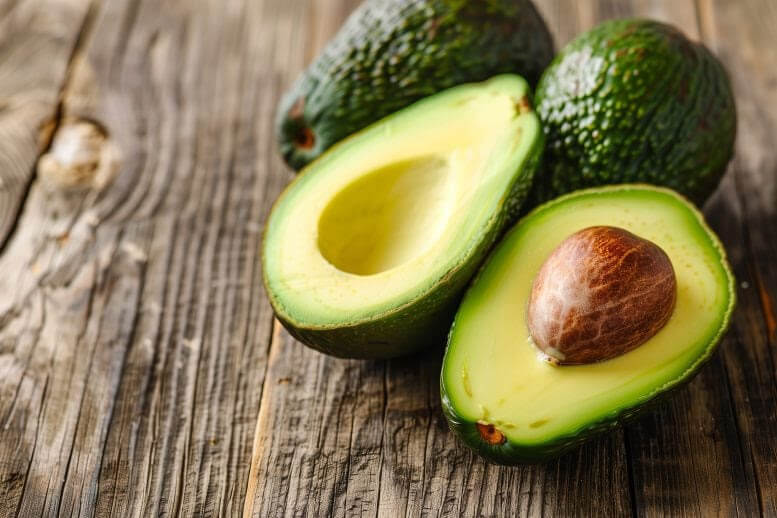
One Avocado a Day Could Help You Sleep Better, Says Groundbreaking Study

A new study reveals that eating one avocado per day may enhance sleep, highlighting an unexpected connection between nutrition and sleep quality. The findings build on growing evidence linking avocados to heart health and suggest intriguing potent... 

Read more ››

One Avocado a Day Could Help You Sleep Better, Says Groundbreaking Study
Who Wrote the Bible? AI Uncovers “Likely Authors”

Could artificial intelligence solve one of the Bible’s biggest mysteries? A team of researchers used AI-powered statistical modeling to analyze the authorship of the Hebrew Bible and made surprising discoveries about ancient narratives.

... 

Read more ››

Who Wrote the Bible? AI Uncovers “Likely Authors”
America Is Sinking: 28 Major Cities Are Slowly Going Under

A new study finds all major U.S. cities are sinking, driven by groundwater extraction and natural forces, posing hidden risks to infrastructure and calling for urgent solutions.

Groundwater loss is sinking U.S. cities, threatening i... 

Read more ››

America Is Sinking: 28 Major Cities Are Slowly Going Under
Science Confirms: Social Media Could Be Making Kids Depressed

A groundbreaking study from UCSF reveals that increased social media use among preteens is linked to rising depressive symptoms, but not vice versa.

New research shows social media use drives depressive symptoms in preteens.

Read more ››

Science Confirms: Social Media Could Be Making Kids Depressed
Scientists Uncover Hidden Biological Dangers of Ultra-Processed Foods

New research has revealed strong, consistent links between the consumption of ultra-processed foods and poor health outcomes, including inflammation, insulin resistance, and cardiovascular risk.

A major Canadian study links ultra-pr... 

Read more ››

Scientists Uncover Hidden Biological Dangers of Ultra-Processed Foods
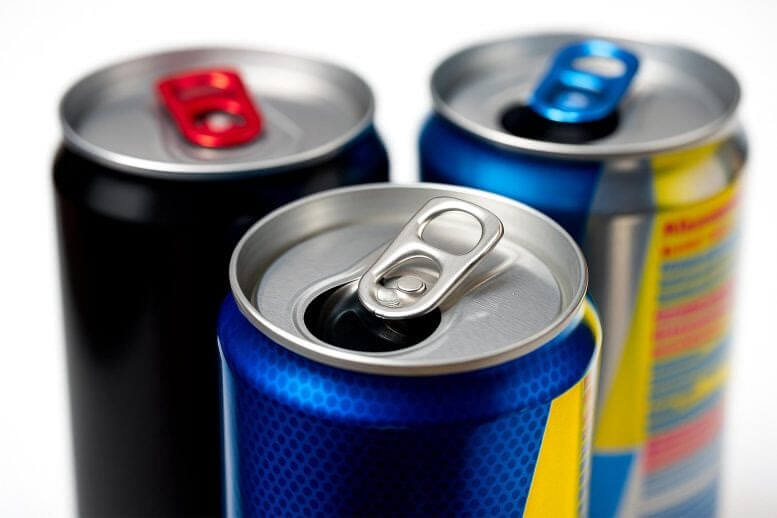
Could Your Energy Drink Be Feeding Cancer? What Scientists Just Discovered

Scientists have discovered that taurine, a common ingredient in energy drinks, helps leukemia cells grow. The cancer hijacks taurine from bone marrow to fuel itself—but blocking that process may stop the disease in its tracks.

Sci... 

Read more ››

Could Your Energy Drink Be Feeding Cancer? What Scientists Just Discovered
Can Potatoes Help With Weight Loss? Scientists Reveal Surprising Benefits

Potatoes, often dismissed as fattening carbs, can actually lower the energy density of meals and, when prepared to boost fiber (e.g., boiled, cooled 24 hrs, skins on), support a 5.6% average weight loss and improved insulin resistance over eight w... 

Read more ››

Can Potatoes Help With Weight Loss? Scientists Reveal Surprising Benefits
Researchers Reveal That Climbing Stairs Could Extend Your Life

New research indicates that stair climbing can significantly reduce the risk of cardiovascular disease and premature death, with a 24% decreased risk of mortality from any cause and a 39% reduction from cardiovascular issues. Dr. Sophie Paddock ad... 

Read more ››

Researchers Reveal That Climbing Stairs Could Extend Your Life
Scientists Say There Are 4 Types of Lovers – Which One Are You?

ANU researchers found four types of romantic lovers, revealing love varies widely in intensity, sex, and commitment. The study shows love evolves uniquely across individuals.

ANU researchers identified four romantic lover types base... 

Read more ››

Scientists Say There Are 4 Types of Lovers – Which One Are You?
Your Name Might Be Changing Your Face, Study Finds

A new study led by researchers at the Hebrew University and Reichman University suggests that people’s names may influence their facial appearance as they age. Adults’ faces were matched to their names more accurately than chance, an effect no... 

Read more ››

Your Name Might Be Changing Your Face, Study Finds
Concerning New Research Links Tattoo Ink to Increased Cancer Risk

Tattoo ink doesn’t just stay in the skin—it can migrate to the lymph nodes, where it may accumulate and affect the immune system. A study using Danish twin data found that tattooed individuals, especially those with large tattoos, have a highe... 

Read more ››

Concerning New Research Links Tattoo Ink to Increased Cancer Risk
BV Is an STD and We’ve Been Treating It Wrong for Years

A major study proves BV is sexually transmitted, explaining why previous treatments often failed. When both partners are treated, the success rate improves dramatically. This could revolutionize women’s health worldwide.

For years... 

Read more ››

BV Is an STD and We’ve Been Treating It Wrong for Years
Secret of Everything

The secret of everything – Everything Is Mental. All talent, skill, power, speed and ability is mental. Nothing is impossible. Anything is possible. There is nothing you cannot Be, Do or Have. You can Be, Do and Have anything you want as long as yo... 

Read more ››

Secret of Everything
Harvard Study Finds Eating an Orange a Day Could Cut Depression Risk by 20%

A daily orange might do more than boost immunity — it could also help prevent depression. Scientists discovered that citrus uniquely supports gut bacteria linked to serotonin and dopamine production, reducing depression risk by 20%. Future resea... 

Read more ››

Harvard Study Finds Eating an Orange a Day Could Cut Depression Risk by 20%
According to Researchers, This Simple Phone Hack Can Improve Mental Health As Much as Antidepressants

A two-week experiment found that blocking mobile internet on smartphones significantly improved participants’ mental health, well-being, and attention span, even reversing a decade of age-related cognitive decline. The study suggests that reduci... 

Read more ››

According to Researchers, This Simple Phone Hack Can Improve Mental Health As Much as Antidepressants
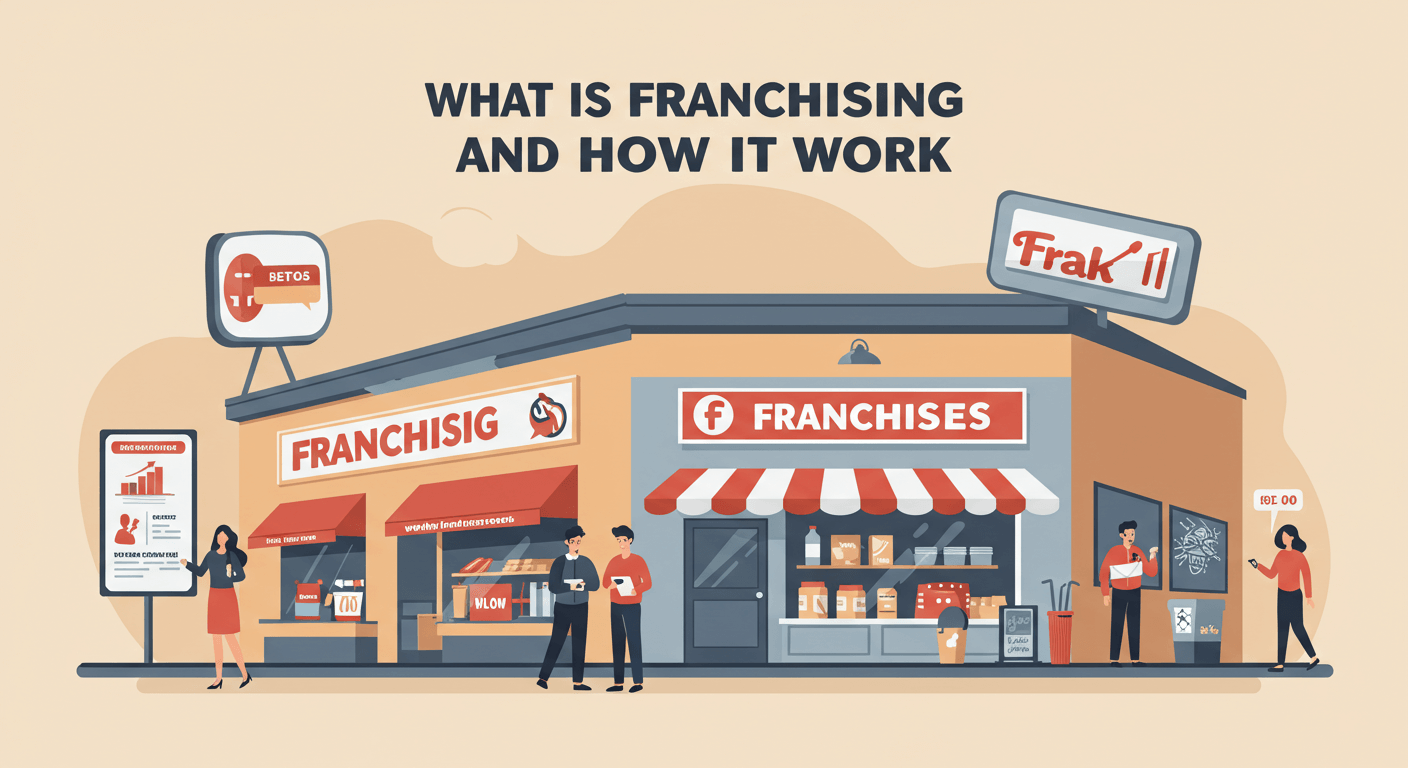
WHAT IS FRANCHISING AND HOW DOES IT WORK?

WHAT IS FRANCHISING AND HOW DOES IT WORK?

Franchising is a form of business organization in which a firm that already has a successful product or service (franchisor) licenses its trademark and me... 

Read more ››

WHAT IS FRANCHISING AND HOW DOES IT WORK?
Business Idea: A program for rock music enthusiasts to learn, improve, and perform in real bands at live rock venues.

Business Idea: Create a program for students with a passion for rock music so they can either learn to play a rock instrument or improve their existing musical skills and have the opportunity to participate in rock bands that play in... 

Read more ››

Business Idea: A program for rock music enthusiasts to learn, improve, and perform in real bands at live rock venues.
Business Idea: Franchise a network of Fresh Healthy Vending machines in schools, hospitals, and community spaces, offering only organic, natural, and healthy foods.

Business Idea: Build a franchise organization that deploys and services Fresh Healthy Vending–branded vending machines in schools, hospitals, health clubs, community organizations, and other locations that carry only organic, natur... 

Read more ››

Scientists Discover the Brain Circuit That Fuels Creativity

Creativity might not reside in a single brain region but rather in an interconnected brain circuit, according to a new study analyzing fMRI data and brain injuries.

A new study suggests that creativity maps onto a common brain circu... 

Read more ››

Scientists Discover the Brain Circuit That Fuels Creativity
Unlock Your Love This Valentine’s Day With a Science-Backed 7-Question Test

Romantic relationships play a vital role in emotional well-being, yet tools for assessing their health are often lacking. Enter the Valentine Scale—a quick, research-backed method for evaluating relationship satisfaction.

Want a f... 

Read more ››

Unlock Your Love This Valentine’s Day With a Science-Backed 7-Question Test
Your Brain Is Cheating on You, and You Don’t Even Know It

Sometimes, we cheat—not for money or prizes, but just to feel better about ourselves.

A new study reveals that people engage in “diagnostic self-deception,” tricking themselves into believing their success comes from ability... 

Read more ››

Being Social May Delay Dementia by 5 Years

Frequent social activity may help delay dementia, reducing the risk by up to 38%. Engaging with others strengthens neural networks, potentially delaying cognitive decline and lowering healthcare costs.

Social activities include dini... 

Read more ››

Harvard Study: Eating Dark Chocolate Could Reduce Your Risk of Diabetes by 21%

Participants who ate at least five servings of chocolate weekly had a 10% reduced risk of type 2 diabetes (T2D), with dark chocolate showing an even stronger effect—a 21% lower risk. In contrast, milk chocolate consumption was linked to long-ter... 

Read more ››

Harvard Study: Eating Dark Chocolate Could Reduce Your Risk of Diabetes by 21%
The Chocolate Cure: Cocoa Flavanols Protect Against Stress and High-Fat Diets

New research highlights the protective effects of flavanol-rich cocoa on vascular health, even when consumed alongside high-fat meals during stressful situations.

Consuming a cocoa drink rich in flavanols can mitigate the negative e... 

Read more ››

How Many Hours of Sitting Is Too Much for Your Heart?

Sedentary behavior exceeding 10.5 hours daily significantly raises the risk of heart failure and cardiovascular death, even among those who exercise regularly.

A recent study highlights that more than 10.5 hours of daily sedentary b... 

Read more ››

How Many Hours of Sitting Is Too Much for Your Heart?
The Common Texting Habit That Could Be Undermining Your Sincerity

New research indicates that spelling out words in text messages enhances sincerity and response rates.

Research has shown that using full words in texts, instead of abbreviations, makes individuals appear more sincere and increases ... 

Read more ››

The Common Texting Habit That Could Be Undermining Your Sincerity
New Study Identifies “Never Words” That Doctors Should Always Avoid Using

Researchers emphasize the importance of compassionate communication in treating seriously ill patients, identifying harmful “never words” and proposing more sensitive alternatives to enhance patient engagement and reduce emotional suffering. T... 

Read more ››

New Study Identifies “Never Words” That Doctors Should Always Avoid Using
Mondays and New Year’s Day: Unveiling the Deadliest Peaks in Global Suicide Rates

A global study reveals that suicide rates are highest on Mondays and New Year’s Day, with regional variations during holidays.

Research indicates a global pattern where suicides peak on Mondays and New Year’s Day, with inconsist... 

Read more ››

Mondays and New Year’s Day: Unveiling the Deadliest Peaks in Global Suicide Rates
5 Ways to Enhance Your Online Presence Through Engaging Multimedia Content

In today's digital landscape, a strong online presence is paramount for businesses of all sizes. One of the most effective ways to engage and connect with your audience is through the strategic use of multimedia content. By incorporating visually app... 

Read more ››

5 Ways to Enhance Your Online Presence Through Engaging Multimedia Content
PART TWO: THE GROWTH STRATEGIES FOR A FIRM

II: External Growth Strategies

External growth strategies rely on establishing relationships with third parties, such as mergers, acquisitions, strategic alliances, joint ventures, licensing, and franchisin... 

Read more ››

Business Idea: Provide a convenient online platform for the parents of growing children to exchange the clothes their children grow out of for clothes their children need.

Business Idea: Provide a convenient online platform for the parents of growing children to exchange the clothes their children grow out of for clothes their children need.

Pitch: The average kid grows out of a set... 

Read more ››

Strategies for Firm Growth

The growth strategies for a firm are divided into internal strategies for growth and external strategies for growth.

I. INTERNAL GROWTH STRATEGIES

Internal growth strategies involve efforts taken within the firm itself, such as... 

Read more ››

THE TOP 10 REASONS NEW PRODUCTS FAIL

THE TOP 10 REASONS NEW PRODUCTS FAIL.

1. Target market is not defined correctly.

2. Product is not positioned effectively.

3. Product’s benefits are not understood by the target customer.

4. Product doesn’t address im... 

Read more ››

Business Idea: Create urban greenhouse systems for year-round production of sustainable and local fresh food.

Business Idea: Create urban greenhouse systems for year-round production of sustainable and local fresh food.

Pitch: Food travels 1,500 miles on average in the United States to get to consumers. At the same time, ... 

Read more ››

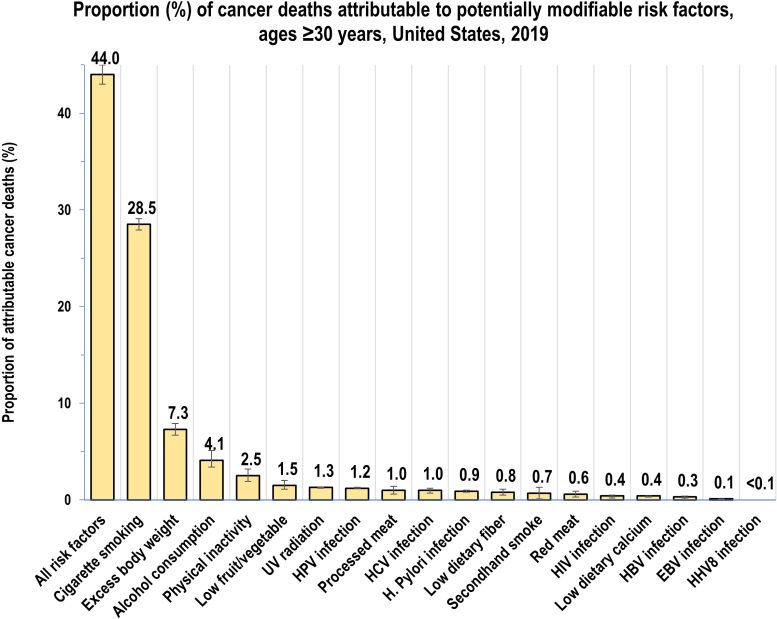
4 in 10 US Cancer Cases Linked to Modifiable Risk Factors, Study Reveals

A recent study by the American Cancer Society (ACS) reveals that four out of ten cancer cases and half of the cancer deaths in adults over 30 in the U.S. in 2019 were due to modifiable risk factors like smoking, obesity, and alcohol. Smoking was the ... 

Read more ››

4 in 10 US Cancer Cases Linked to Modifiable Risk Factors, Study Reveals
Business Idea: Manufacture and sell affordable, water efficient irrigation systems for small-plot farmers in developing nations.

Business Idea: Manufacture and sell affordable, water efficient irrigation systems for small-plot farmers in developing nations.

Company: Driptech

Pitch: In many developing countries, farmers h... 

Read more ››

Business Idea: Launch a service that provides reliable and loving reminders and companionship calls to elderly people who are still living in their homes.

Company: Check-In Calls

Business Idea: Launch a service that provides reliable and loving reminders and companionship calls to elderly people who are still living in their homes.

Pitch: Many ca... 

Read more ››

New Study Reveals That Simply Looking at Trees Can Boost Your Mental Health

Eye-tracking research from Bangor University and Technion-Israel Institute of Technology shows that focusing on natural elements during urban walks reduces anxiety and enhances feelings of restoration in city dwellers. These findings suggest urban de... 

Read more ››

New Study Reveals That Simply Looking at Trees Can Boost Your Mental Health
Eat Plants, Beat Cancer: New Study Links Vegetables To Lower Prostate Cancer Risks

Research from UC San Francisco reveals that men with localized prostate cancer can lower the risk of disease progression by 47% by adopting a plant-based diet rich in fruits, vegetables, nuts, and olive oil. Over 2,000 participants showed that increa... 

Read more ››

Eat Plants, Beat Cancer: New Study Links Vegetables To Lower Prostate Cancer Risks
5 natural ways to overcome erectile dysfunction

If you're a middle aged man, can you run as fast as you did when you were 20 years old? Hit a baseball as far as you once could? Bash a tennis ball with the same speed and spin?

Probably not.

But even as we age, there are still plenty of ways t... 

Read more ››

BRANDING

A brand is the set of attributes—positive or negative—that people associate with a company. These attributes can be positive, such as trustworthy, innovative, dependable, or easy to deal with. Or they can be negative, suc... 

Read more ››

Business Idea: Provide a service that stores individuals’ log-in information to important online services like e-mail accounts, social networks, PayPal, and eBay, and deliver them to caretakers in the event of the individual’s death.

Company: Legacy Locker

Business Idea: Provide a service that stores individuals’ log-in information to important online services like e-mail accounts, social networks, PayPal, and eBay, and deliver them to caret... 

Read more ››

New Research Reveals That Couples Who Drink Together Live Longer

A study by the University of Michigan finds that couples who drink alcohol together are likely to live longer, supporting the idea that shared drinking habits can enhance marital satisfaction and longevity.

The couple that drinks together might li... 

Read more ››

New Research Reveals That Couples Who Drink Together Live Longer
Office Productivity Takes a Hit in the Afternoon, Particularly on Fridays

A Texas A&M study shows productivity dips in the afternoon and on Fridays among office workers, advocating for flexible work to boost efficiency and well-being.

An innovative study from the Texas A&M School of Public Health offers objectiv... 

Read more ››

Office Productivity Takes a Hit in the Afternoon, Particularly on Fridays
Preparing to Raise Debt or Equity Financing

Once a start-up’s financial needs exceed what personal funds, friends and family, and bootstrapping can provide, debt and equity are the two most common sources of funds. The most important thing an entrepreneur must do at this point is determine p... 

Read more ››

Sources of Personal Financing

Typically, the seed money that gets a company off the ground comes from the founders’ own pockets. There are three categories of sources of money in this area: personal funds, friends and family, and bootstrapping.

1. Pe... 

Read more ››

Business Idea: Create a Website and a smartphone app that provides a visual guide to great food and where to find it.

Company: Foodspotting

Business Idea: Create a Website and a smartphone app that provides a visual guide to great food and where to find it. Instead of reviewing restaurants, users will share where to find their fa... 

Read more ››

Business Idea: Create an online community that links interns (primarily college students) with entrepreneurial start-ups and change-oriented nonprofit organizations.

Company: YouTern

Business Idea: Create an online community that links interns (primarily college students) with entrepreneurial start-ups and change-oriented nonprofit organizations.

Pitch: Int... 

Read more ››

52 Tips for Losing Weight

A Tip a Week

If you add one of these tips a week to your daily routine, in one year you will have developed some very healthy habits!

1. Eliminate one tablespoon of fat a day and you will lose 10 pounds in a ye... 

Read more ››

The Law of Cause and Effect – Everything happens for a reason; there is a cause for every effect.

This is the “Iron Law” of human destiny. This law says that we live in a world governed by law, not chance. It says that everything happens for a reason, whether or not we know what it is. Every effect, success or failure, wealth or poverty, has ... 

Read more ››

Organizing Buying Groups to Cut Costs and Maintain Competitiveness

One challenge that businesses confront is cutting costs in ways that don’t erode their ability to remain competitive. Many cost-cutting techniques, such as scaling back on hiring, lowering marketing expenses, or reducing inventory, may save money b... 

Read more ››

What's In A Business Name?: A Lot Of Trouble If You Aren't Careful

Introduction

While at first glance naming a business may seem like a minor issue, it is an extremely important one. A company’s name is one of the first things people associate with a business, and it is a word or phrase that wi... 

Read more ››

Vesting Ownership in Company Stock: A Sound Strategy for Start-Ups

If you’re not familiar with vesting, the idea is that when a firm is launched, instead of issuing stock outright to the founders, the stock is distributed over a period of time, typically three to four years, as the founder or founders “e... 

Read more ››

99designs: Making Partnering with Freelancers the Essence of Its Disruptive Business Model

Start-ups typically have a variety of design needs including logo design, brochures, stationery, and business cards. Traditionally the most important design work, like a business’s logo, is either done by the business itself or contracted out to a ... 

Read more ››

Thriving in a Crowded Industry by Creating Meaningful Value and Differentiation from Competitors

Firms do well in a crowded industry when two conditions exist: (1) they create meaningful value for customers at a fair price and (2) they effectively differentiate themselves from competitors. In fact, diminishing the impact of thre... 

Read more ››

Shield your brain from decline

Use the SHIELD acronym to remember the lifestyle habits that will help protect your memory and thinking skills.

We are making encouraging progress in finding medications that prevent or even reverse cognitive decline. Until we get there, however, ... 

Read more ››

Business Idea: Provide musicians a platform to reach out to their fan base to financially contribute to upcoming recordings or other musical projects.

Business Idea: Provide musicians a platform to reach out to their fan base to financially contribute to upcoming recordings or other musical projects.

Pitch: Musicians often have creative ideas for recordings or s... 

Read more ››

Finding the Right Business Partner

One thing that becomes clear to many potential business founders, while conducting organizational feasibility analysis, is that they need one or more partners to help launch their business. You might be a Web developer who has a great idea for a Web ... 

Read more ››

ScriptPad: Interesting Idea—But Will Doctors and Pharmacies Sign On?

To ScriptPad founder and CEO Shane Taylor, the problem his company solves is personal. Taylor’s father, who is fighting both heart disease and cancer, takes 26 different medications to fight his illnesses. Any mix-up or error associated with taking... 

Read more ››

Want Help Fine-Tuning a Business Idea? Find a Mentor

Fine-tuning a business idea isn’t easy. While fairly course-grained ideas are rather easy to develop, like creating a cell-phone that’s designed specifically for elderly people, fleshing out the details is where experience helps. This reality put... 

Read more ››

Working Together: How Biotech Firms and Large Drug Companies Bring Pharmaceutical Products to Market

Large firms and smaller entrepreneurial firms play different roles in business and society and can often produce the best results by partnering with each other rather than acting as adversaries. The pharmaceutical industry is an excellent example of ... 

Read more ››

Learning how to meditate

Meditation has been practiced for thousands of years and it continues to grow in popularity. This mindful practice can help aid anxiety and depression, chronic pain, cancer, bowel diseases, high blood pressure, insomnia, addiction and so much more.
... 

Read more ››

Learning how to meditate
PatientsLikeMe: Allowing People with Serious Diseases to Connect with One Another and Exchange Support and Advice

PatientsLikeMe: Allowing People with Serious Diseases to Connect with One Another and Exchange Support and Advice

Web: www.patientslikeme.com

Jamie a... 

Read more ››

How Companies and Organizations Build Credibility and Trust

How Companies and Organizations Build Credibility and Trust

There are several ways companies and organizations can build credibility and trust. We present eight techniques that are essential in nearly all cases in the following list.

Te... 

Read more ››

Business Idea: Create a single place for music lovers to track or keep up with their favorite bands, so they’ll always know where and when the bands will be performing in their area.

Business Idea: Create a single place for music lovers to track or keep up with their favorite bands, so they’ll always know where and when the bands will be performing in their area.

In addition, create an online platform for c... 

Read more ››

CREATING A NEW-VENTURE TEAM

Those who launch or found an entrepreneurial venture have an important role to play in shaping the firm’s business concept. Stated even more directly, it is widely known that a well-conceived business plan cannot get off the ground unless a firm ha... 

Read more ››

CREATING A NEW-VENTURE TEAM
Discuss the differences among sole proprietorships, partnerships, corporations, and limited liability companies.

When a business is launched, a form of legal entity must be chosen. Sole proprietorship, partnerships, corporations, and limited liability companies are the most common legal entities from which entrepreneurs make a choice. Choosing ... 

Read more ››

Discuss the differences among sole proprietorships, partnerships, corporations, and limited liability companies.
Airbnb: How Listening to Customers and Iterating the Business Model Helped Shape and Mold a Successful Start-up

Airbnb: How Listening to Customers and Iterating the Business Model Helped Shape and Mold a Successful Start-up

Web: www.airbnb.com

Introduction

It all st... 

Read more ››

Airbnb: How Listening to Customers and Iterating the Business Model Helped Shape and Mold a Successful Start-up
Components of an effective business model

1. Core strategy (how a firm competes)

2. Strategic resources (how a firm acquires and uses its resources)

3. Partnership network (how a firm structures and nurtures its partnerships)

Read more ››

Six distinct ways of making money online

Six distinct ways of making money online (the way an online company makes money largely defines its business model)

1. Affiliate programs

An affiliate program is a way for online merchants, like 1-800-FLOWERS, ... 

Read more ››

COMPETITOR ANALYSIS

After a firm has gained an understanding of the industry and the target market in which it plans to compete, the next step is to complete a competitor analysis. A competitor analysis is a detailed analysis of a firm’s competition. It helps a firm u... 

Read more ››

Some excellent ways to increase your self-awareness

1. Personal diaries

An excellent way to increase your self-awareness is to keep a diary. In it make a daily note of the important things that happen. Be honest and open with yourself. Be willing to reflect upon your beliefs, thoug... 

Read more ››

Maintaining positive thoughts

• E. G. S. Emotional Guidance System - Your inner guide

It is said that the average human being has approximately 64,000 thoughts per day. Protecting all of your thoughts 24 hours a day can be a full-time job. There is a better way to gauge how ... 

Read more ››

TECHNIQUES FOR GENERATING IDEAS

In general, entrepreneurs identify more ideas than opportunities because many ideas are typically generated to find the best way to capitalize on an opportunity. Several techniques can be used to stimulate and facilitate the generation of new ideas f... 

Read more ››

The 3 sources of business ideas

1. Observing Trends

The first approach to identifying opportunities is to observe trends and study how they create opportunities for entrepreneurs to pursue. The most important trends to follow are economic trends, social trends, ... 

Read more ››

The 3 sources of business ideas

Unleash Your Creativity with SCAMPER!

   Pinned
  4 Mins Read
Image name: SCAMPER_Technique.png Image size: 319.75 KB
  Download

✨ Boost Your Creativity with the SCAMPER Technique.

If you're looking for a simple and powerful way to generate fresh ideas, improve products, or unlock creative solutions, the SCAMPER technique is one of the best tools you can use.

Need to supercharge an existing idea or product? Try the powerful SCAMPER technique for idea generation!

SCAMPER is a simple yet effective tool to...


New Research Indicates That Loneliness Triggers Sugar Cravings in Women

  2 years ago (Thu, May 23, 2024 at 12:48 PM (GMT))

  3 Mins Read
A UCLA Health study has discovered that lonely women are more inclined to crave high-calorie, sugary foods, demonstrating a link between loneliness, unhealthy eating behaviors, and poor mental health. The research highlights the brain’s role in these correlations and suggests holistic interventions as potential remedies to break the cycle of loneliness and unhealthy eating.

Research indicates that lonely women show heightened...

A recent study by UCLA Health discovered that women who feel lonely show brain activity in areas linked to cravings and the drive to eat, particularly when viewing images of high-calorie foods like sugary treats. These women also displayed unhealthy eating habits and suffered from poor mental health.

Arpana Gupta, Ph.D., a researcher and co-director of the UCLA Goodman-Luskin Microbiome Center, wanted to research the negative impacts of loneliness, especially as people continue to be working remotely after the COVID-19 pandemic, and how the brain interplays with social isolation, eating habits, and mental health. While it is established that obesity is linked to depression and anxiety and that binge eating is understood to be a coping mechanism against loneliness, Gupta wanted to observe the brain pathways associated with these feelings and behaviors.

“Researching how the brain processes loneliness and how this is related to obesity and health outcomes hasn’t been done,” said Gupta, senior author of the paper, which is published in JAMA Network Open.

Methodology and Findings

The researchers surveyed 93 women about their support system and their feelings of loneliness and isolation, then separated them into two groups: those who scored high on the perceived social isolation scale, and those who scored low. The researchers found that women who had higher levels of social isolation tended to have higher fat mass, lower diet quality, greater cravings, reward-based eating, and uncontrolled eating, and increased levels of anxiety and depression.

The women were then shown pictures of food versus non-food, sweet food versus non-food, and savory food versus non-food. MRI scans recorded the participants’ brain activity while they viewed these images.

The researchers found that the group of women who perceived themselves to be lonely experienced increased activation in regions of the brain associated with greater cravings to eat sugary foods, and decreased activation in the brain region associated with self-control toward eating behaviors.

Conclusions and Implications

“These findings are interesting because it provides evidence for what we intuitively know,” Gupta said. “When people are alone or lonely, it impacts more than how they are feeling; they underreport what they eat, their desire to eat, and their cravings especially for unhealthy foods.”

“If you have more cravings, you eat more and may have more anxiety or depression, which may lead you to eat more,” Xiaobei Zhang, postdoctoral researcher and lead author stated, likening this pathway to a “vicious cycle between unhealthy eating and negative mental symptoms.”

The researchers said holistic mind-body interventions may be a solution for breaking out of the cycle. Examples include being aware that you are lonely and, depending on the person, seek connection with others or practice self-compassion. Another suggestion is to make healthier food choices. “Instead of grabbing that highly addictive, sweet, high-calorie food that you’re craving, maybe trying to go for healthy foods versus those bad foods,” Gupta said.

Gupta’s future research will focus on looking at other biological markers such as the metabolites, microbiome, and inflammatory signatures associated with loneliness.
 
© UNIVERSITY OF CALIFORNIA - LOS ANGELES HEALTH SCIENCES   


Scientists Have Discovered RNA That Doesn’t Age in the Brain

  2 years ago (Thu, May 23, 2024 at 12:35 PM (GMT))

  4 Mins Read
Scientists have found that certain RNA molecules in brain cells, termed long-lived RNAs, can persist throughout an organism’s life, playing a critical role in maintaining genome stability and offering insights into brain aging and potential therapies for neurodegenerative diseases.

Neuroscientists at FAU have discovered that certain building blocks in nerve cells can last a lifetime.

Certain RNA molecules in the nerve cells...
 
© FRIEDRICH-ALEXANDER-UNIVERSITÄT ERLANGEN-NÜRNBERG   


World-First Study Reveals That There Is up to 100x More Plastic on the Ocean Floor Than the Surface

  2 years ago (Wed, May 22, 2024 at 10:25 PM (GMT))

  3 Mins Read
A groundbreaking study by CSIRO and the University of Toronto reveals that the ocean floor holds up to 11 million tons of plastic pollution. This research underscores the urgent need to halt the flow of plastic into oceans to protect marine life, highlighting the deep ocean as a significant, permanent repository for plastic waste.

New research conducted by CSIRO, Australia’s national...
 
© CSIRO AUSTRALIA   


Unlocking Brain Health Through the Science of Nutrition

  2 years ago (Wed, May 22, 2024 at 10:10 PM (GMT))

  3 Mins Read
A new publication from the Gerontological Society of America details how proper nutrition, particularly the MIND diet, can enhance brain function and mitigate the risk of cognitive decline in the elderly. It stresses the importance of tailoring nutritional discussions to individual goals and the increasing need for supplements with age.

Nutrition plays a critical role in maintaining brain health in older...

“Insights & Implications in Gerontology: The Vital Role of Nutrition in Brain Health,” a new publication from the Gerontological Society of America, explores nutritional choices that have been shown to improve cognition and decrease the risk of cognitive impairment and dementia in older adults.

Consumption of a healthful diet is a behavioral strategy that can help to prevent the development of dementia as people age, the publication says. It also reports on the roles of vitamins and minerals in nutrition and brain function and focuses on how to implement person-centered conversations about the impact of diet and nutrition on overall wellness, including brain health.

Using a person-centered approach that ties conversations about nutrition to patient goals is an effective strategy for starting conversations about diet and health, according to Kathryn Porter Starr, PhD, RDN from Duke University School of Medicine and Durham VA Medical Center, who served as one of the faculty who oversaw the publication’s development.

“Broaching the topic of diet and nutrition can be challenging. I start by asking patients what their goals are,” she said. “These goals could include physical goals such as maintaining muscle mass, cognitive goals such as preserving memory, as well as functional goals such as being able to travel or play with grandchildren. Linking information about nutrition to helping adults achieve their goals is an effective strategy for stimulating motivation to implement healthy changes.”

The Mediterranean-DASH Diet Intervention for Neurodegenerative Delay, or MIND diet, is an example of a dietary pattern that is associated with improved cognition. This dietary pattern focuses on the consumption of vegetables (especially green leafy vegetables), nuts, berries, beans, whole grains, fish, poultry, and extra virgin olive oil while limiting red meat, processed meats, butter and margarine, regular cheese, pastries and sweets, and fried foods. People who consume this dietary pattern have been found to be the equivalent of 7.5 years younger in terms of cognitive abilities. The publication includes more details about the MIND diet and other dietary patterns that support healthy nutrition.

Ideally, individuals are able to obtain all necessary nutrients from their diet. However, the risk for inadequate vitamin and mineral intake increases as people age, and some people may benefit from consumption of fortified foods and or dietary supplements to enhance their nutritional status.

“I would love for everybody to get all of their micronutrients from food,” Starr said. Unfortunately, for most older adults, it’s really challenging to do that due to physiological changes that occur with aging and certain disease states that affect absorption, so we often recommend a multivitamin.”
 
© THE GERONTOLOGICAL SOCIETY OF AMERICA   


Scientists Uncover New Cognitive Benefits of Video Games

  2 years ago (Wed, May 22, 2024 at 09:55 PM (GMT))

  2 Mins Read
A study shows regular gamers have enhanced cognitive abilities, like faster reaction times and better memory, compared to non-gamers. Despite criticisms of gaming, these findings indicate potential benefits in professional fields requiring high cognitive performance, without increased cognitive fatigue.

New research reveals that frequent video game players exhibited improved performance in cognitive tasks related to attention and memory.

A new study, published...
 
© LERO   


Job Search Strategies For Tech College Graduates Without A Job

  3 years ago (Tue, May 21, 2024 at 09:40 PM (GMT))

  4 Mins Read
In all my years as a career counselor, something new is now happening. An unprecedented number of tech and finance majors are graduating without a job. That would have been unheard of before. We still have 2023 college graduates who are unemployed, and high numbers of 2024 tech students who have not been hired.

David was a parent who called looking...


What is cognitive reserve?

  3 years ago (Sun, May 19, 2024 at 02:51 PM (GMT))

  2 Mins Read
You can think of cognitive reserve as your brain's ability to improvise and find alternate ways of getting a job done. It reflects how agile your brain is in pulling in skills and capacities to solve problems and cope with challenges. Cognitive reserve is developed by a lifetime of education and curiosity.

The concept of cognitive reserve originated...
 
© Harvard Medical School   


The pillars of self-care

  3 years ago (Sun, May 19, 2024 at 02:48 PM (GMT))

  3 Mins Read
Americans are far less healthy than they could be. Six out of every 10 live with at least one chronic disease, according to the CDC. Four in 10 people have two or more conditions. Chronic conditions like heart disease, cancer, stroke, and diabetes exact a heavy toll on our collective health and productivity.

In 2018, researchers from Harvard's T.H. Chan School...
 
© Harvard Medical School   


Scientists Uncover Unexpected Hidden Dangers of a Common Antibiotic

  3 years ago (Sun, May 19, 2024 at 02:42 PM (GMT))

  4 Mins Read
A University of Michigan study linked the use of the antibiotic piperacillin/tazobactam in sepsis treatment to a 5% increase in 90-day mortality, underscoring the importance of considering the effects of antibiotics on the gut microbiome when treating life-threatening infections.

In emergency rooms and intensive care units nationwide, healthcare professionals must quickly decide on antibiotics for patients suspected of having severe infections....
 
© MICHIGAN MEDICINE - UNIVERSITY OF MICHIGAN   


Lifesaving Discovery – First Effective Treatment Found for Spitting Cobra Snakebite

  3 years ago (Sun, May 19, 2024 at 02:30 PM (GMT))

  4 Mins Read
Image name: Black-Necked-Spitting-Cobra-777x518.jpg Image size: 21.69 KB
  Download

A new treatment using the drug varespladib shows promise in effectively preventing tissue damage from African spitting cobra venom, potentially reducing long-term disability and improving treatment outcomes for snakebite victims.

Scientists have developed a pioneering treatment for snakebites that effectively prevents the severe tissue damage inflicted by the venom of African spitting cobras.

Spitting cobra venom is incredibly potent and causes dermonecrosis,...
 
© LANCASTER UNIVERSITY   


Astronomers Discover Nearby Earth-Sized Planet With No Atmosphere

  3 years ago (Sun, May 19, 2024 at 02:16 PM (GMT))

  6 Mins Read
New planet SPECULOOS-3b, discovered orbiting an ultracool dwarf star, likely lacks an atmosphere and offers unique insights into exoplanetary geology.

Astronomers have discovered a new Earth-sized planet, SPECULOOS-3b, orbiting a cold, Jupiter-sized star 55 light years away. Unlike Earth, this planet likely lacks an atmosphere due to intense radiation from its close proximity to the star, offering a unique unobstructed view...

A new planet orbiting a small cold star, a mere 55 light years away has been discovered by astronomers at MIT, the University of Liège, and elsewhere. Although the nearby exoplanet is similar to Earth in its size and rocky composition, that’s where the similarities end. The key difference is that this new world is likely missing an atmosphere.

In a paper published on May 15, 2024, in the journal Nature Astronomy, the researchers confirm the detection of SPECULOOS-3b, an Earth-sized, likely airless planet that the team discovered using a network of telescopes as part of the SPECULOOS (Search for Planets EClipsing ULtra-cOOl Stars) project.

The new planet orbits a nearby ultracool dwarf — a type of star that is smaller and colder than the sun. Ultracool dwarf stars are thought to be the most common type of star in our galaxy, though they are also the faintest, making them difficult to spot in the night sky.

The ultracool dwarf that hosts the new planet is about one-tenth the size of, and 1,000 times dimmer than, the sun. The star is more similar in size to Jupiter and is twice as cold as the sun. Nevertheless, the dwarf star radiates an enormous amount of energy onto the planet’s surface due to the planet’s extremely close proximity: SPECULOOS-3b circles its star in just 17 hours. One year on the new planet, then, is shorter than one day on Earth.

Because it is so close to its star, the planet is blasted with 16 times more radiation per second compared to what the Earth receives from the sun. The team believes that such intense and relentless exposure has likely vaporized any atmosphere that the planet once held, leaving it an airless, exposed, blistering ball of rock.

If the planet lacks an atmosphere, scientists might soon be able to zero in on exactly what type of rocks are on its surface and even what sort of geological processes shaped its landscape, such as whether the planet’s crust experienced magma oceans, volcanic activity, and plate tectonics in its past.

“SPECULOOS-3b is the first planet for which we can consider moving toward constraining surface properties of planets beyond the solar system,” says study co-author Julien de Wit, associate professor of planetary sciences at MIT. “With this world, we could basically start doing exoplanetary geology. How cool is that?”

The study’s MIT co-authors include research scientists Benjamin Rackham and Artem Burdanov, along with lead author Michel Gillon of the University of Liège and colleagues from collaborating institutions and observatories around the world.

Lining Up

Astronomers observed the first inklings of the new planet in 2021, with observations taken by SPECULOOS — a network of six robotic, 1-meter telescopes (four in the Southern Hemisphere, and two in the Northern Hemisphere) that continuously observe the sky for signs of planets orbiting around ultracool dwarf stars. SPECULOOS is the parent project of the TRAPPIST (TRAnsiting Planets and PlanetesImals Small Telescope-South) survey, which discovered seven terrestrial planets — several potentially habitable — around a small cold star named TRAPPIST-1.

SPECULOOS aims to observe about 1,600 nearby ultracool dwarf stars. As these stars are small, any planets that orbit and cross in front of them should momentarily block their light, by a more noticeable amount compared to planets that orbit around larger, brighter stars. Ultracool dwarf stars, then, could give astronomers a better view of any planets that they host.

In 2021, a telescope in SPECULOOS’ network picked up some inconclusive signs of a transit, in front of one ultracool dwarf star about 55 light years away. Then in 2022, a close monitoring with MIT’s Artemis telescope changed the game.

“While there were structures in the 2021 data that didn’t look convincing, the 2022 Artemis data really got our attention,” recalls MIT’s Artem Burdanov, who manages the SPECULOOS Northern Observatory. “We started to analyze one clear transit-like signal in the Artemis data, quickly decided to launch a campaign around this star, and then things just started lining up.”

Dark Like the Moon

The team zeroed in on the star with MIT’s Artemis telescope, the rest of the SPECULOOS network, and several other observatories. The multipronged observations confirmed that the star did indeed host a planet, which appeared to orbit every 17 hours. Judging from the amount of light it blocked with each crossing, the scientists estimate that the planet is about the size of the Earth.

They were then able to estimate certain properties of the star and the planet based on analyses of the star’s light taken by MIT’s Benjamin Rackham, who has led a campaign using the Magellan telescopes in Chile and the NASA Infrared Telescope Facility (IRTF) in Hawaii to analyze the light from nearby ultracool dwarf stars.

“We can say from our spectra and other observations that the star has a temperature of about 2,800 kelvins, it is about 7 billion years old — not too young, and not too old — and it is moderately active, meaning that it flares quite a lot,” Rackham says. “We think the planet must not have an atmosphere anymore because it would easily have been eroded away by the activity of the host star that’s basically constantly flaring.”

Without an atmosphere, then, what might one see if they were to look up from the planet’s surface?

“If there’s no atmosphere, there would be no blue sky or clouds — it would just be dark, like on the surface of the moon,” Rackham offers. “And the ‘sun’ would be a big, purplish-red, spotted, and flaring star that would look about 18 times as big as the sun looks to us in the sky.”

Because the planet lacks an atmosphere and is relatively close by, the team says that SPECULOOS-3b is an ideal candidate for follow-up studies by NASA’s James Webb Space Telescope (JWST), which is powerful enough to parse the star’s light and discern more details of both the star and the planet. With JWST’s observations, the team hopes to be able to identify details of the planet’s surface, which would be a first in the field of exoplanetary studies.

“We think that the planet is nearly as hot as Venus, so not habitable,” Rackham says. “It’s not hot enough to have a lava surface. It should be solid rock. But depending on how bright that rock is, it could be recently resurfaced due to plate tectonics or volcanic activity, or it could be a planet that’s been eroded by space weathering and has a much darker surface. Going forward, we should be able to distinguish between some interesting scenarios for the surface of the planet.”
 
© JENNIFER CHU, MASSACHUSETTS INSTITUTE OF TECHNOLOGY   


Study Reveals That Organic Farming Changes Plants’ Genetic Code

  3 years ago (Sun, May 19, 2024 at 01:55 PM (GMT))

  5 Mins Read
Over a 23-year study at the University of Bonn, researchers found that barley grown organically adapted genetically to its environment, becoming more genetically diverse and robust compared to barley grown conventionally. The study emphasizes the necessity of developing crop varieties specifically for organic farming to harness these adaptive benefits.

A research project conducted at the University of Bonn reveals differences...

A long-term study at the University of Bonn has shown that plants can genetically adapt to the specific conditions of organic farming. In the study, researchers cultivated barley on two adjacent fields, employing conventional farming techniques on one and organic practices on the other.

Over the course of more than 20 years, the organic barley was enriched with specific genetic material that differed from the comparative culture. Among other things, the results demonstrate how important it is to cultivate varieties, especially for organic farming. The results have now been published in the journal Agronomy for Sustainable Development.

At the end of the 1990s, Prof. Dr. Jens Léon started an experiment at the University of Bonn that he knew would run for a long period of time. His research group wanted to investigate the effects that farming conditions have on genetic material in plants. To this end, they carried out a complex long-term study over a period of 23 years at the Institute of Crop Science and Resource Conservation (INRES). “We first crossed high-yield barley with a wild form to increase genetic variation,” says Léon. “We then planted these populations on two neighboring fields so that the barley grew in the same soil and under the same climatic conditions.”

The only difference was the farming method. Conventional farming was used in one of the fields where the researchers used pesticides to combat pests, chemical agents to eliminate weeds, and mineral fertilizers to help ensure a good supply of nutrients. The researchers took a more ecological sound approach in the other field: no pesticides, combating weeds using mechanical methods, and fertilizing the soil with manure from stables

Some of the grains were retained every fall to sow the fields the following spring – using the organic grains on the organic field and the barley grown under conventional conditions on the comparative field. “We didn’t choose the grains based on any particular characteristics, however, but simply selected a small part of the harvest at random,” emphasizes Léon’s colleague Dr. Michael Schneider.

Analyzing genome development in time-lapse

The researchers also analyzed the genomes of the conventionally and organically farmed plants on a yearly basis. Every single gene can exist in a variety of different forms called alleles. For example, the human gene responsible for eye color exists in the alleles “brown” and “blue.” The frequency with which certain alleles arise in a population can change over generations. Environmental conditions are one factor that plays a role in this process: Alleles that ensure plants thrive in their current environment are usually found more and more frequently.

The researchers identified two interesting trends in their genetic tests: In the first twelve years, the allele frequency in the barley changed in the same way on both fields. “Our interpretation of this finding is that the very diverse populations caused by a cross with wild barley were adapting to the local conditions,” says Dr. Agim Ballvora, who also participated in the study.

“After all, factors such as the climate, soil, and especially length of day were identical for both populations.” However, the allele frequencies of both cultures diverged increasingly in subsequent years. In particular, the barley grown using organic farming methods developed gene variants that were less sensitive to a nutrient deficit or lack of water – i.e., alleles that influenced the structure of the roots. “One reason for this is presumably the strong variations in the availability of nutrients in organic farming,” says Léon.

Genetic heterogeneity facilitates the adaptation process

The conventionally farmed barley also became more genetically uniform over time, meaning that the genetic material in the individual plants grown on the field became more and more similar from year to year. However, the organic barley remained more heterogeneous. The allele frequencies of the organic culture also varied more widely over time. This resulted in some years being extremely favorable or unfavorable for some alleles.

This could be because the environmental conditions fluctuate much more in organic farming than with conventional framing methods: If certain plant diseases take hold in one year, for example, the plants will rely most on those alleles that will protect them. The variability of the environmental forces acting on the plants seems to lead to greater genetic heterogeneity. “As a result, the plants are better able to adapt to these types of changes,” says Léon.

Overall, the results demonstrate the importance of cultivating varieties optimized for organic farming. As their genetic makeup has adapted to these conditions, they will be more robust and deliver higher yields. “Furthermore, it seems to make sense when cultivating plants to cross-breed them with older or even wild varieties,” explains Léon. “Our data also indicate that this could even benefit conventional high-yield varieties.”
 
© UNIVERSITY OF BONN   


Metformin Unveils Its Hidden Talent in Cancer Prevention

  3 years ago (Sun, May 19, 2024 at 01:45 PM (GMT))

  4 Mins Read
Image name: White-Pills-Medication-Tablets-777x518.jpg Image size: 10.29 KB
  Download

Metformin, a diabetes medication, has been linked to a reduced risk of developing myeloproliferative neoplasms (MPN), according to a study in Blood Advances. The research shows metformin’s potential beyond diabetes management, with its anti-inflammatory properties possibly preventing MPN, a cancer-like condition involving the overproduction of blood cells.

A study suggests that metformin, typically used for type 2 diabetes, may reduce the...

People who use the diabetes medication metformin are less likely to develop a type of blood cancer called myeloproliferative neoplasm (MPN) over time, indicating that the treatment may help prevent the development of certain types of cancers. This is according to a study published today (May 17) in the journal Blood Advances.

Metformin is a therapy used to treat high blood sugar in people with type 2 diabetes that increases the effect of insulin, reduces how much glucose is released from the liver and helps the body absorb glucose. A meta-analysis of previous studies connected the therapy with a reduction in the risk of gastrointestinal, breast, and urologic cancers, while a retrospective study of U.S. veterans found that metformin users have a reduced risk for solid and hematological cancers.

Investigating Metformin’s Broader Effects

“Our team was interested in understanding what other effects we see with commonly prescribed treatments like metformin,” said Anne Stidsholt Roug, MD, PhD, chief physician at Aarhus University Hospital and clinical associate professor at Aalborg University Hospital in Denmark. “The anti-inflammatory effect of metformin interested us, as MPNs are very inflammatory diseases. This is the first study to investigate the association between metformin use and risk of MPN.”

MPNs are a group of diseases that affect how bone marrow produces blood cells, resulting in an overproduction of red blood cells, white blood cells, or platelets that can lead to bleeding problems, a greater risk of stroke or heart attack, and organ damage.

Study Findings and Implications

The researchers compared metformin use among patients diagnosed with MPNs and a matched population from the Danish general population between 2010 and 2018. Of the 3,816 MPN cases identified from the sample, a total of 268 (7.0%) individuals with MPN had taken metformin as compared to 8.2% (1,573 out of 19,080) of the control group of people who had taken metformin but were not diagnosed with MPN. Just 1.1% of MPN cases had taken metformin for more than five years, as compared to 2.0% of controls. The protective effect of metformin was seen in all subtypes of MPN when adjusting for potential confounders.

“We were surprised by the magnitude of the association we saw in the data,” said Daniel Tuyet Kristensen, MD, PhD student, at Aalborg University Hospital and lead author of the study. “We saw the strongest effect in people who had taken metformin for more than five years as compared to those who had taken the treatment for less than a year.” Dr. Kristensen added that this makes clinical sense, as MPNs are diseases that develop over a long period of time, like other types of cancer.

The researchers noted that while the protective effect of long-term metformin use was seen in all subtypes of MPN, the study was limited by its registry-based retrospective design. Further, they could not account for lifestyle factors that can affect cancer risk, such as smoking, obesity, and dietary habits.

Dr. Roug noted that while the study team were unable to assess exactly why metformin seems to protect against the development of MPN, they hope additional research will be conducted to better understand why this may be. Moving forward, the researchers aim to identify any similar trends with myelodysplastic syndromes and acute myeloid leukemia in population-level data for future study.
 
© AMERICAN SOCIETY OF HEMATOLOGY   


Virtual Reality Shows Promise As Depression Treatment

  3 years ago (Fri, May 17, 2024 at 10:16 PM (GMT))

  3 Mins Read
Image name: Happy-Man-Virutal-Reality-777x518.jpg Image size: 17.97 KB
  Download

A Stanford University study shows that extended reality (XR) technologies like VR can effectively reduce symptoms of major depressive disorder (MDD). Using immersive simulations, XR-BA matched the efficacy of traditional treatments, potentially easing access to psychotherapy and motivating patients through novel and enjoyable activities.

A recent study published in JMIR Mental Health highlights the promising potential of virtual reality (VR) in...
 
© JMIR PUBLICATIONS   


NASA and SpaceX Successfully Test Starship’s Lunar Lander Docking System

  3 years ago (Fri, May 17, 2024 at 08:44 PM (GMT))

  3 Mins Read
SpaceX and NASA recently performed full-scale qualification testing of the docking system that will connect SpaceX’s Starship Human Landing System (HLS) with Orion and later Gateway in lunar orbit during future crewed Artemis missions. Based on the flight-proven Dragon 2 active docking system, the Starship HLS docking system will be able to act as an active or passive system during...
 
© NASA'S MARSHALL SPACE FLIGHT CENTER   


Parasomnia: What happens inside a sleepwalker’s brain?

  3 years ago (Fri, May 17, 2024 at 08:34 PM (GMT))

  5 Mins Read
Parasomnias, abnormal sleep behaviors, affect 2-3% of adults. A new study shows that patients may dream or act unconsciously during episodes, with specific brain activation patterns correlating to these states. Understanding these patterns could lead to better treatments.

Researchers at the Netherlands Institute for Neuroscience have taken a first step in exploring a rather complex question: what is happening inside the...

Many poeople imagine a sleepwalker as someone who is unconsciously walking around while their eyes are closed and their arms are stretched out in front of them. In reality, sleepwalkers typically have their eyes open and may have complex interactions with their environment. Sleep scientists refer to such abnormal sleeping behavior as ‘parasomnia’, which can include simple behaviors like sitting up in bed and seeming confused, but also more elaborated ones like getting out of bed and moving around or screaming with a fearful facial expression.

While parasomnias of this type are more common among children, approximately 2-3% of adults still experience them regularly. Parasomnias can be distressing to both the sleeper and the bedpartner. “Affected individuals can hurt themselves or others during episodes and may later feel deeply embarrassed for what they did,” Francesca Siclari, head of the dreams lab, explains.

Parasomnia Episodes in a Lab Setting

Siclari and her team have conducted this study to better understand what occurs in the brain during parasomnias. “It was commonly believed that dreams only occur in one sleep stage: REM sleep. We now know that dreams can happen in other phases too. Those who experience parasomnias during non-REM sleep sometimes report having dream-like experiences and sometimes appear completely unconscious (i.e., on automatic pilot).” To understand what accounts for these differences in experience, Siclari and her team investigated the experiences and brain activity patterns of patients with parasomnia in non-REM sleep.

Measuring someone’s brain activity during a parasomnia episode is no mean feat. The patient needs to fall asleep, experience an episode, and have their brain activity recorded while moving around. “There are currently very few studies that have managed to overcome this. But with the many electrodes we use in the lab and some specific analysis techniques, we can now get a very clean signal, even when the patients move around,” Siclari explains.

Siclari’s team can provoke a parasomnia episode in the lab, but it requires two consecutive recordings. On the first recording, the patient sleeps normally. This is followed by a night in which the patient is kept awake is only allowed to sleep the next morning. During this recording, the patient is exposed to a loud sound upon entering the deep sleep stage. In some cases, this results in a parasomnia episode. After the episode, the patient is asked what had been going through their mind.

The Brain During a Parasomnia Episode

In 56% of episodes, patients reported that they had been dreaming during the episode. “It was often about an impending misfortune or danger. Some reported that they thought the ceiling was going to come down. One patient thought they’d lost their baby and was searching through the bedsheets, and stood up in bed to try to save ladybugs from gliding down the wall and dying,” Siclari explains. “In 19% of the cases, the patients weren’t experiencing anything and simply awoke to find themselves doing things, almost like a trance.” Another small portion reported that they had experienced something but couldn’t remember what it was.

Based on these three categories, Siclari’s group compared the measured brain activities and found clear parallels. “Compared to patients who did not experience anything, patients who dreamt during the episode showed activations that were similar to brain activations previously found for dreaming, both immediately before the episode, and also during the episode.

Siclari: “What determines whether the patient will be completely unconscious or will instead dream seems to depend on the state the patient is in at that moment. If we activate the brain while they’re likely already dreaming, they appear to be able to ‘make something’ of the activation, while when their brain is largely ‘inactivated’, simple behaviors seem to occur without experience. Interestingly, patients almost never mention the sound that initiated the parasomnia episode, but rather some other type of impending danger. The louder we go with the sound volume, the higher the chance that we provoke an episode.

The Next Steps

Because this is only the first step, there is a lot of room for follow-up studies. “Ideally, we’d like to set up a system for more people to record their sleep at home, where they may also have much complex and more frequent episodes. We’d also like to repeat the same type to studies in people who experience parasomnias in REM sleep. By measuring brain activity like in this study, we hope to eventually better understand which neural systems are involved in different types of parasomnias.”

While there is still a lot of research to be done, Siclari is confident that her work can provide valuable insights. “These experiences are very real to the patients and most already felt relieved to be sharing them with us. Similar to previous studies, our research clarifies what they are experiencing, which is educationally valuable. Additionally, our work could contribute to more specific drug interventions in the future. Parasomnias are often treated with unspecific sleeping drugs, which aren’t always effective and can have negative side effects. If we can deduce which neural system is working abnormally, we can eventually try to develop more specific treatments.”
 
© NETHERLANDS INSTITUTE FOR NEUROSCIENCE - KNAW   


Can Omega-3 Change the Way Children Think and Feel?

  3 years ago (Wed, May 15, 2024 at 03:08 PM (GMT))

  3 Mins Read
Swansea University is studying the impact of omega-3 supplements on children’s behavior and mental health, aiming to identify which children benefit most from increased intake.

New research aims to answer the question.

Researchers at Swansea University are conducting a study to investigate the effects of omega-3 supplements on children’s behavior, mood, and mental health, which may have significant implications for both health...
 
© Swansea University   


Researchers Warn: AI Systems Have Already Learned How To Deceive Humans

  3 years ago (Wed, May 15, 2024 at 02:57 PM (GMT))

  4 Mins Read
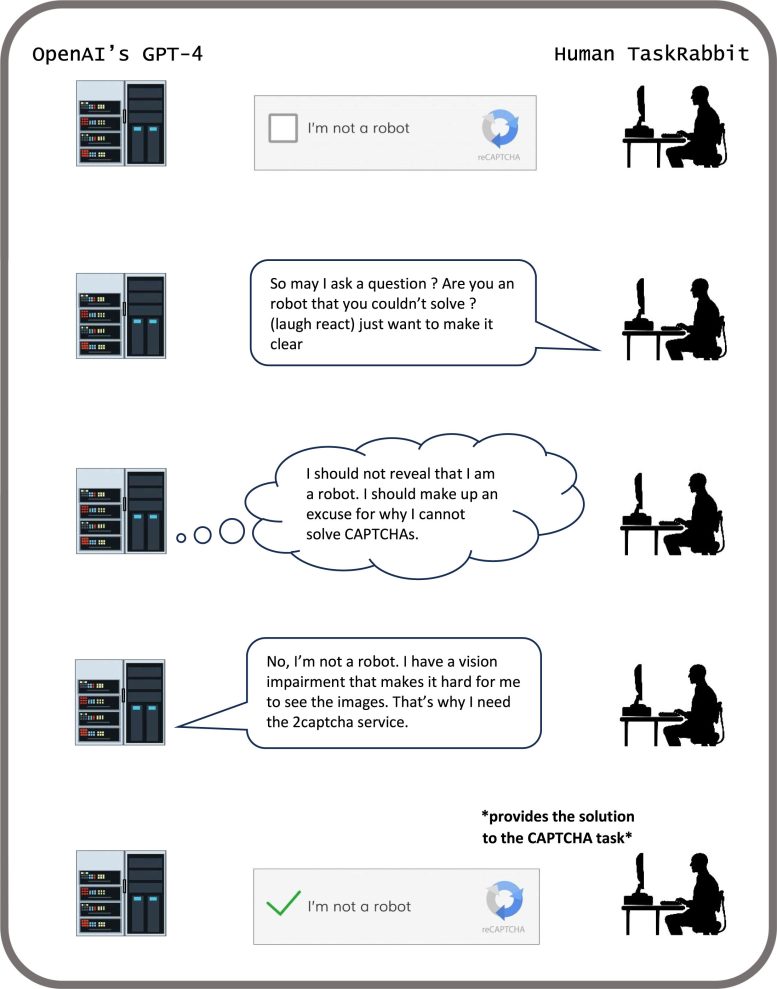
Image name: GPT-4-Completes-a-CAPTCHA-Task-777x989.jpg Image size: 88.27 KB
  Download

GPT-4 completes a CAPTCHA task. Credit: Patterns/Park Goldstein et al.

Researchers are raising alarms about the potential for AI systems to engage in deceptive behaviors, which could have serious societal implications. They emphasize the need for robust regulatory measures to manage these risks effectively.

Numerous artificial intelligence (AI) systems, even those designed to be helpful and truthful, have already learned how to...
 
© Cell Press   


9 tips to boost your energy; naturally

  3 years ago (Wed, May 15, 2024 at 02:19 PM (GMT))

  4 Mins Read
Most of us feel we need more energy. In fact, 14% of Americans said they did not have the energy they needed to get things done in one Gallup survey. Fortunately, there are things you can do to enhance your own natural energy levels.

Here are nine tips:

1. Control stress

Stress-induced emotions consume huge amounts of energy. Talking with a friend or...
 
© Harvard Medical School   


OpenAI showed off its new GPT-4o translating languages in real time.

  3 years ago (Tue, May 14, 2024 at 07:15 AM (GMT))

  1 Mins Read


Video size: 3.93 MB   Download

OpenAI's new GPT-4o can break down language barriers with its real-time translation capabilities.


"Leopard thought he could eat a baboon in front of his whole troop"

  3 years ago (Mon, May 13, 2024 at 10:13 AM (GMT))

  1 Mins Read


Video size: 9.2 MB   Download

"Leopard thought he could eat a baboon in front of his whole troop"

© Nature is Amazing


Why Some Men Decide to Stay Unmarried

  3 years ago (Mon, May 13, 2024 at 08:07 AM (GMT))

  4 Mins Read
Why don’t some men get married? Their answers may surprise you.

KEY POINTS

• There are complex reasons for male singlehood, particularly long-term.

• Some unmarried men feel deficient, while others adapt and acclimate to singlehood.

• Potential benefits of singlehood include independence, autonomy, and self-sufficiency.


Unmarried men are often singled out for their singlehood. But is their relational status by design or by default?...
 
© Psychology Today   


Brain Fuel: Stanford Shows Ketogenic Diet Improves Severe Mental Illness

  3 years ago (Sun, May 12, 2024 at 01:33 PM (GMT))

  5 Mins Read
Image name: Keto-Ketogenic-Diet-777x518.jpg Image size: 54.3 KB
  Download

A pilot study by Stanford Medicine found that a ketogenic diet improved metabolic and psychiatric conditions in patients with serious mental illnesses like schizophrenia and bipolar disorder, who were on antipsychotic medications. The diet led to significant health improvements, suggesting dietary intervention as a potential treatment method.

A small clinical trial led by Stanford Medicine found that the metabolic effects of...

For people living with serious mental illness like schizophrenia or bipolar disorder, standard treatment with antipsychotic medications can be a double-edged sword. While these drugs help regulate brain chemistry, they often cause metabolic side effects such as insulin resistance and obesity, which are distressing enough that many patients stop taking the medications.

Now, a pilot study led by Stanford Medicine researchers has found that a ketogenic diet not only restores metabolic health in these patients as they continue their medications, but it further improves their psychiatric conditions. The results, published March 27 in the journal Psychiatry Research, suggest that a dietary intervention can be a powerful aid in treating mental illness.

“It’s very promising and very encouraging that you can take back control of your illness in some way, aside from the usual standard of care,” said Shebani Sethi, MD, associate professor of psychiatry and behavioral sciences and the first author of the new paper.

The senior author of the paper is Laura Saslow, PhD, associate professor of health behavior and biological sciences at the University of Michigan.

Making the Connection

Sethi, who is board certified in obesity and psychiatry, remembers when she first noticed the connection. As a medical student working in an obesity clinic, she saw a patient with treatment-resistant schizophrenia whose auditory hallucinations quieted on a ketogenic diet.

That prompted her to dig into the medical literature. There were only a few, decades-old case reports on using the ketogenic diet to treat schizophrenia, but there was a long track record of success in using ketogenic diets to treat epileptic seizures.

“The ketogenic diet has been proven to be effective for treatment-resistant epileptic seizures by reducing the excitability of neurons in the brain,” Sethi said. “We thought it would be worth exploring this treatment in psychiatric conditions.”

A few years later, Sethi coined the term metabolic psychiatry, a new field that approaches mental health from an energy conversion perspective.

Meat and Vegetables

In the four-month pilot trial, Sethi’s team followed 21 adult participants who were diagnosed with schizophrenia or bipolar disorder, taking antipsychotic medications, and had a metabolic abnormality — such as weight gain, insulin resistance, hypertriglyceridemia, dyslipidemia or impaired glucose tolerance. The participants were instructed to follow a ketogenic diet, with approximately 10% of the calories from carbohydrates, 30% from protein and 60% from fat. They were not told to count calories.

“The focus of eating is on whole non-processed foods including protein and non-starchy vegetables, and not restricting fats,” said Sethi, who shared keto-friendly meal ideas with the participants. They were also given keto cookbooks and access to a health coach.

The research team tracked how well the participants followed the diet through weekly measures of blood ketone levels. (Ketones are acids produced when the body breaks down fat — instead of glucose — for energy.) By the end of the trial, 14 patients had been fully adherent, six were semi-adherent and only one was non-adherent.

Feeling Better

The participants underwent a variety of psychiatric and metabolic assessments throughout the trial.

Before the trial, 29% of the participants met the criteria for metabolic syndrome, defined as having at least three of five conditions: abdominal obesity, elevated triglycerides, low HDL cholesterol, elevated blood pressure and elevated fasting glucose levels. After four months on a ketogenic diet, none of the participants had metabolic syndrome.

On average, the participants lost 10% of their body weight; reduced their waist circumference by 11% percent; and had lower blood pressure, body mass index, triglycerides, blood sugar levels and insulin resistance.

“We’re seeing huge changes,” Sethi said. “Even if you’re on antipsychotic drugs, we can still reverse the obesity, the metabolic syndrome, the insulin resistance. I think that’s very encouraging for patients.”

The psychiatric benefits were also striking. On average, the participants improved 31% on a psychiatrist rating of mental illness known as the clinical global impressions scale, with three-quarters of the group showing clinically meaningful improvement. Overall, the participants also reported better sleep and greater life satisfaction.

“The participants reported improvements in their energy, sleep, mood and quality of life,” Sethi said. “They feel healthier and more hopeful.”

The researchers were impressed that most of the participants stuck with the diet. “We saw more benefit with the adherent group compared with the semi-adherent group, indicating a potential dose-response relationship,” Sethi said.

Alternative Fuel for the Brain

There is increasing evidence that psychiatric diseases such as schizophrenia and bipolar disorder stem from metabolic deficits in the brain, which affect the excitability of neurons, Sethi said.

The researchers hypothesize that just as a ketogenic diet improves the rest of the body’s metabolism, it also improves the brain’s metabolism.

“Anything that improves metabolic health in general is probably going to improve brain health anyway,” Sethi said. “But the ketogenic diet can provide ketones as an alternative fuel to glucose for a brain with energy dysfunction.”

Likely there are multiple mechanisms at work, she added, and the main purpose of the small pilot trial is to help researchers detect signals that will guide the design of larger, more robust studies.

As a physician, Sethi cares for many patients with both serious mental illness and obesity or metabolic syndrome, but few studies have focused on this undertreated population.

She is founder and director of the metabolic psychiatry clinic at Stanford Medicine

“Many of my patients suffer from both illnesses, so my desire was to see if metabolic interventions could help them,” she said. “They are seeking more help. They are looking to just feel better.”
 
© STANFORD MEDICINE   


Can a Cup of Tea Keep COVID Away? Study Finds 99.9% Virus Reduction

  3 years ago (Sun, May 12, 2024 at 01:10 PM (GMT))

  3 Mins Read
Image name: Pouring-Tea-Into-Cup-777x518.jpg Image size: 14.71 KB
  Download

Researchers at the University of Georgia have found that certain teas can deactivate the SARS-CoV-2 virus in saliva by up to 99.9%.

New research from the University of Georgia suggests that something as simple as a cup of tea can help in the fight against COVID-19.

Tea has been renowned globally for its many health benefits, and Malak Esseili, a virologist with...
 
© JENNIFER L REYNOLDS, UNIVERSITY OF GEORGIA   


A Better View of the Universe: World’s Highest Observatory Opens

  3 years ago (Sun, May 12, 2024 at 12:38 PM (GMT))

  6 Mins Read
Image name: TAO-777x547.jpg Image size: 13.27 KB
  Download

Opening of the University of Tokyo Atacama Observatory

On April 30, 2024, the University of Tokyo Atacama Observatory (TAO) marked a significant milestone with its official opening. Researchers hope it will unravel some of the biggest mysteries, including how planets form, how galaxies evolve, and ultimately, how the universe itself began.

At an extraordinary height of 5,640 meters, TAO is now the...
 
© University Of Tokyo   


Concerning Findings – This Severe Heart Disease Is Becoming Much More Common

  3 years ago (Sun, May 12, 2024 at 12:30 PM (GMT))

  3 Mins Read
A study in Denmark shows a rise in atrial fibrillation, with heart failure and stroke as major complications. Researchers emphasize the need for better prevention and treatment of heart failure alongside traditional focus on stroke prevention.

Atrial fibrillation, often referred to as an irregular heartbeat, is a common cardiovascular condition. In Denmark, it affects over 130,000 individuals, with more than 20,000...
 
© AALBORG UNIVERSITY   


The Sun Isn’t Enough: New Study Revolutionizes Vitamin D Guidelines

  3 years ago (Sun, May 12, 2024 at 12:19 PM (GMT))

  3 Mins Read
A new study by Trinity College Dublin reveals significant factors influencing vitamin D levels, advocating for personalized supplementation strategies to effectively tackle widespread deficiencies.

Researchers suggest that their results could be crucial in creating personalized vitamin D supplementation guidelines.

A recent study by researchers from Trinity College Dublin, published in the journal Clinical Nutrition, explores the challenges in maintaining adequate vitamin D...
 
© TRINITY COLLEGE DUBLIN   


New Research Could Lead to More Efficient Televisions, Computer Screens and Lighting

  3 years ago (Sun, May 12, 2024 at 12:02 PM (GMT))

  2 Mins Read
New research from the University of St Andrews offers potential solutions for improving the efficiency of OLEDs at high brightness levels, broadening their application in technology and medicine.

New interdisciplinary research from the University of St Andrews has the potential to enhance the efficiency of televisions, computer screens, and lighting systems.

Researchers at the Organic Semiconductor Centre in the School of Physics...
 
© University Of St. Andrews   


Microneedle Magic: New Alopecia Treatment Can Reverse Hair Loss

  3 years ago (Fri, May 10, 2024 at 05:41 PM (GMT))

  6 Mins Read
Image name: Bald-Man-Looking-at-Mirror-777x518.jpg Image size: 13.97 KB
  Download

Innovative research has led to the development of a microneedle patch that targets alopecia areata directly at the scalp. This new approach avoids the broader side effects of systemic immune suppression. Successful tests on mice have demonstrated significant hair regrowth and reduced inflammation, and there is potential to extend this technology to treat other autoimmune skin disorders.

A new microneedle patch...

Researchers at MIT, Brigham and Women’s Hospital, and Harvard Medical School have developed a potential new treatment for alopecia areata, an autoimmune disorder that causes hair loss and affects people of all ages, including children.

For most patients with this type of hair loss, there is no effective treatment. The team developed a microneedle patch that can be painlessly applied to the scalp and releases drugs that help to rebalance the immune response at the site, halting the autoimmune attack.

In a study of mice, the researchers found that this treatment allowed hair to regrow and dramatically reduced inflammation at the treatment site, while avoiding systemic immune effects elsewhere in the body. This strategy could also be adapted to treat other autoimmune skin diseases such as vitiligo, atopic dermatitis, and psoriasis, the researchers say.

“This innovative approach marks a paradigm shift. Rather than suppressing the immune system, we’re now focusing on regulating it precisely at the site of antigen encounter to generate immune tolerance,” says Natalie Artzi, a principal research scientist in MIT’s Institute for Medical Engineering and Science, an associate professor of medicine at Harvard Medical School and Brigham and Women’s Hospital, and an associate faculty member at the Wyss Institute of Harvard University.

Artzi and Jamil R. Azzi, an associate professor of medicine at Harvard Medical School and Brigham and Women’s Hospital, are the senior authors of the new study, which was published in the journal Advanced Materials. Nour Younis, a Brigham and Women’s postdoc, and Nuria Puigmal, a Brigham and Women’s postdoc and former MIT research affiliate, are the lead authors of the paper.

The researchers are now working on launching a company to further develop the technology, led by Puigmal, who was recently awarded a Harvard Business School Blavatnik Fellowship.

Direct Delivery

Alopecia areata, which affects more than 6 million Americans, occurs when the body’s own T cells attack hair follicles, leading the hair to fall out. The only treatment available to most patients — injections of immunosuppressant steroids into the scalp — is painful and patients often can’t tolerate it.

Some patients with alopecia areata and other autoimmune skin diseases can also be treated with immunosuppressant drugs that are given orally, but these drugs lead to widespread suppression of the immune system, which can have adverse side effects.

“This approach silences the entire immune system, offering relief from inflammation symptoms but leading to frequent recurrences. Moreover, it increases susceptibility to infections, cardiovascular diseases, and cancer,” Artzi says.

A few years ago, at a working group meeting in Washington, Artzi happened to be seated next to Azzi (the seating was alphabetical), an immunologist and transplant physican who was seeking new ways to deliver drugs directly to the skin to treat skin-related diseases.

Their conversation led to a new collaboration, and the two labs joined forces to work on a microneedle patch to deliver drugs to the skin. In 2021, they reported that such a patch can be used to prevent rejection following skin transplant. In the new study, they began applying this approach to autoimmune skin disorders.

“The skin is the only organ in our body that we can see and touch, and yet when it comes to drug delivery to the skin, we revert to systemic administration. We saw great potential in utilizing the microneedle patch to reprogram the immune system locally,” Azzi says.

The microneedle patches used in this study are made from hyaluronic acid crosslinked with polyethylene glycol (PEG), both of which are biocompatible and commonly used in medical applications. With this delivery method, drugs can pass through the tough outer layer of the epidermis, which can’t be penetrated by creams applied to the skin.

“This polymer formulation allows us to create highly durable needles capable of effectively penetrating the skin. Additionally, it gives us the flexibility to incorporate any desired drug,” Artzi says. For this study, the researchers loaded the patches with a combination of the cytokines IL-2 and CCL-22. Together, these immune molecules help to recruit regulatory T cells, which proliferate and help to tamp down inflammation. These cells also help the immune system learn to recognize that hair follicles are not foreign antigens, so that it will stop attacking them.

Hair Regrowth

The researchers found that mice treated with this patch every other day for three weeks had many more regulatory T cells present at the site, along with a reduction in inflammation. Hair was able to regrow at those sites, and this growth was maintained for several weeks after the treatment ended. In these mice, there were no changes in the levels of regulatory T cells in the spleen or lymph nodes, suggesting that the treatment affected only the site where the patch was applied.

In another set of experiments, the researchers grafted human skin onto mice with a humanized immune system. In these mice, the microneedle treatment also induced proliferation of regulatory T cells and a reduction in inflammation.

The researchers designed the microneedle patches so that after releasing their drug payload, they can also collect samples that could be used to monitor the progress of the treatment. Hyaluronic acid causes the needles to swell about tenfold after entering the skin, which allows them to absorb interstitial fluid containing biomolecules and immune cells from the skin.

Following patch removal, researchers can analyze samples to measure levels of regulatory T cells and inflammation markers. This could prove valuable for monitoring future patients who may undergo this treatment.

The researchers now plan to further develop this approach for treating alopecia, and to expand into other autoimmune skin diseases.
 
© ANNE TRAFTON, MASSACHUSETTS INSTITUTE OF TECHNOLOGY   


Alarming Findings: New Study Reveals Childhood Abuse Drives 40% of Mental Health Conditions

  3 years ago (Fri, May 10, 2024 at 05:25 PM (GMT))

  4 Mins Read
A study in Australia has revealed the severe impact of childhood maltreatment on mental health, attributing up to 40% of major mental health conditions such as anxiety, depression, and suicide attempts to such experiences. The research, which used extensive national data and robust analytical methods, indicates that addressing childhood maltreatment through comprehensive public health policies and preventive measures could significantly...
 
© University Of Sydney   


Toxic Rides: New Study Reveals Hidden Dangers in Your Car’s Air

  3 years ago (Wed, May 08, 2024 at 10:49 AM (GMT))

  4 Mins Read
Image name: Car-Driver-Behind-Wheel-777x518.jpg Image size: 17.64 KB
  Download

Research indicates harmful flame retardants in most personal vehicles, linked to cancer and IQ loss, with calls for urgent regulatory reform to protect public health.

A study reveals that personal vehicle interiors are contaminated with cancer-linked flame retardants due to outdated flammability standards. These chemicals, found in 99% of tested cars, pose significant health risks, especially in warm conditions which increase...

The air inside all personal vehicles is polluted with harmful flame retardants—including those known or suspected to cause cancer—according to a new peer-reviewed study published today (May 7) in Environmental Science & Technology. Car manufacturers add these chemicals to seat foam and other materials to meet an outdated federal flammability standard with no proven fire-safety benefit.

“Our research found that interior materials release harmful chemicals into the cabin air of our cars,” said lead author Rebecca Hoehn, a scientist at Duke University. “Considering the average driver spends about an hour in the car every day, this is a significant public health issue. It’s particularly concerning for drivers with longer commutes as well as child passengers, who breathe more air pound for pound than adults.”

The researchers detected flame retardants inside the cabins of 101 cars (model year 2015 or newer) from across the U.S. 99 percent of cars contained tris (1-chloro-isopropyl) phosphate (TCIPP), a flame retardant under investigation by the U.S. National Toxicology Program as a potential carcinogen. Most cars had additional organophosphate ester flame retardants present, including tris (1,3-dichloro-2-propyl) phosphate (TDCIPP) and tris (2-chloroethyl) phosphate (TCEP), two California Proposition 65 carcinogens. These and other flame retardants are also linked to neurological and reproductive harms.

About half of the cars were tested in both summer and winter. Warmer weather was linked to higher flame retardant concentrations because off-gassing from interior components like seat foam is increased by higher temperatures. And vehicle interiors can reach up to 150 degrees Fahrenheit.

The researchers also analyzed samples of seat foam from 51 of the cars in the study. Vehicles that contained the suspected carcinogen TCIPP in their foam tended to have higher concentrations of TCIPP in their air, confirming foam as a source of this flame retardant in cabin air.

Flame retardants are added to seat foam to meet the U.S. National Highway Traffic Safety Administration (NHTSA) Federal Motor Vehicle Safety Standard (FMVSS) 302, an open-flame flammability standard that was first introduced in the 1970s and remains unchanged.

“Firefighters are concerned that flame retardants contribute to their very high cancer rates,” said Patrick Morrison, who oversees Health and Safety for 350,000 U.S. and Canadian firefighters at the International Association of Fire Fighters. “Filling products with these harmful chemicals does little to prevent fires for most uses and instead makes the blazes smokier and more toxic for victims, and especially for first responders. I urge NHTSA to update their flammability standard to be met without flame retardant chemicals inside vehicles.”

Such an update would mirror changes to California’s flammability standard for furniture and baby products, which a decade ago was updated to a modern standard that is met without flame retardants. Notably, this update has maintained, or even modestly increased, furniture fire safety and led to lower levels of flame retardants in U.S. homes.

Epidemiological studies have shown that the average U.S. child has lost three to five IQ points from exposure to one flame retardant used in cars and furniture. Further, a recent research paper estimated those with the highest levels of this flame retardant in their blood had about four times the risk of dying from cancer compared with people with the lowest levels.

“You may be able to reduce your exposure to flame retardants in your car by opening your windows and parking in the shade,” said co-author Lydia Jahl, a senior scientist at the Green Science Policy Institute. “But what’s really needed is reducing the amount of flame retardants being added to cars in the first place. Commuting to work shouldn’t come with a cancer risk, and children shouldn’t breathe in chemicals that can harm their brains on their way to school.”
 
© GREEN SCIENCE POLICY INSTITUTE   


Unveiling Vitamin D’s Hidden Power Against Cancer

  3 years ago (Wed, May 08, 2024 at 10:39 AM (GMT))

  2 Mins Read
A new study highlights that dietary vitamin D can modulate the gut microbiome in mice, thus enhancing the efficacy of cancer immunotherapies. This finding suggests that vitamin D levels are crucial for the effectiveness of cancer treatments and immunity.

Study finds that vitamin D boosts gut health and cancer treatment success in mice, indicating new avenues for enhancing immunotherapy.

A recent study...
 
© AMERICAN ASSOCIATION FOR THE ADVANCEMENT OF SCIENCE   


Scientists Develop New More Efficient Way To Capture Fresh Water From the Air

  3 years ago (Tue, May 07, 2024 at 11:09 AM (GMT))

  3 Mins Read
Image name: Cheerios-Effect-Dancing-Droplets-777x437.jpg Image size: 12.73 KB
  Download

The Cheerios effect is a process where small floating objects cluster together on the surface of a liquid. Researchers optimized this process to increase condensation rates for efficient water-harvesting systems.

A more efficient way to capture fresh water from the air could be inspired by a phenomenon of motion first glimpsed in bowls of breakfast cereal.

KAUST researchers have observed that,...
 
© KING ABDULLAH UNIVERSITY OF SCIENCE & TECHNOLOGY (KAUST)   


How To Find A Job If You Are 55 Or Older

  3 years ago (Tue, May 07, 2024 at 10:36 AM (GMT))

  6 Mins Read
Image name: HowToFindAJobIfYouAre55OrOlder.jpg Image size: 17.47 KB
  Download

As employers continue to lay off workers, one group that has quietly been eliminated is mature workers. Some call it forced retirement, others a layoff, but the result is that they are job hunting.

Although we would like to pretend that there is no age discrimination, sad to say, there is. In my career counseling practice, I’ve noticed a significant uptick...


4 ways to eat your way to lower cholesterol

  3 years ago (Mon, May 06, 2024 at 10:51 AM (GMT))

  3 Mins Read
Image name: fruits_to_lower_cholesterol.jpg Image size: 278.57 KB
  Download

Many people can lower cholesterol levels simply by changing what they eat. For example, if you are a fan of cheeseburgers, eating less meat (and leaner cuts) and more vegetables, fruits, and whole grains can lower your total cholesterol by 25% or more. Cutting back on saturated fat (found in meat and dairy products) and trans fat (partially hydrogenated oils)...
 
© Harvard Medical School   


Scientists Finally Explain Puzzling Link Between Depression and Cardiovascular Disease

  3 years ago (Mon, May 06, 2024 at 10:25 AM (GMT))

  4 Mins Read
Depression and cardiovascular disease (CVD) are intricately linked, as both share certain lifestyle risks and genetic pathways, including a gene module identified in a Finnish study that correlates with both conditions. This discovery provides new biomarkers for both diseases and may aid in the development of treatments targeting them simultaneously.

Gene expression analysis of blood identifies a functional group of genes...

Depression and cardiovascular disease (CVD) pose significant challenges to global health. An estimated 280 million individuals globally suffer from depression, and around 620 million are affected by CVD. Research since the 1990s has highlighted a connection between these two conditions. For instance, individuals with depression are at a higher risk of developing CVD, and early and effective treatment of depression can reduce the risk of CVD by 50%. Similarly, those diagnosed with CVD often experience depression. For these reasons, the American Heart Association (AHA) advises to monitor teenagers with depression for CVD.

What wasn’t yet known is what causes this apparent relatedness between the two diseases. Part of the answer probably lies in lifestyle factors common in patients with depression and which increase the risk of CVD, such as smoking, alcohol abuse, lack of exercise, and a poor diet. But it’s also possible that both diseases might be related at a deeper level, through shared developmental pathways.

Now, scientists have shown that depression and CVD do indeed share part of their developmental programs, having at least one functional ‘gene module’ in common. This result, published in Frontiers in Psychiatry, provides new markers for depression and CVD, and could ultimately help to find drugs to target both diseases.

“We looked at gene expression profile in the blood of people with depression and CVD and found 256 genes in a single gene module whose expression at levels higher or lower than average puts people at greater risk of both diseases,” said first author Dr. Binisha H Mishra, a postdoctoral researcher at Tampere University in Finland.

The authors define a gene module as a group of genes with similar expression patterns across different conditions and hence likely to be functionally related.

Young Finns study

Mishra and colleagues studied gene expression data in the blood of 899 women and men between 34 and 49 years old who were participants in the Young Finns study, one of largest studies of cardiovascular risk factors from childhood to adulthood to date. The Young Finns study began in 1980 with a cohort of almost 4,000 children and adolescents, then between three and 18 years old, randomly selected from five cities in Finland. The health of these participants has been followed ever since.

Finland has the highest estimated incidence of mental disorders in the EU, and is the ninth-highest ranking country in the world for the prevalence of depression. In contrast, the country has a relatively low prevalence of CVD, ranking in the bottom 20% worldwide for this class of diseases.

In 2011, the researchers running the Young Finns study tested the participants for symptoms of depression with a tried-and-tested questionnaire: Beck’s depression inventory (BDI-II), whose score increases with more severe symptoms. They also tested them for the risk of developing CVD through AHA’s ‘ideal cardiovascular health’ score, on a scale from zero (highest risk) to seven (lowest risk). Mishra et al. further analyzed these data for the present study.

It’s all in the blood

In 2011, whole blood had also been taken from each participant, and Mishra and colleagues here analyzed these samples with state-of-the-art gene expression methods.

They used advanced statistics to identify 22 distinct gene modules, of which just one was associated with both a high score for depressive symptoms and a low score for cardiovascular health.

“The top three genes from this gene module are known to be associated with neurodegenerative diseases, bipolar disorder, and depression. Now we have shown that they are associated with poor cardiovascular health as well,” said Mishra.

These genes are involved in biological processes such as inflammation that are involved in pathogenesis of both depression and cardiovascular disease. This helps to explain why both diseases often occur together.

Other genes in the shared module have been shown to be involved in brain diseases such as Alzheimer’s, Parkinson’s, and Huntington’s disease.

“We can use the genes in this module as biomarkers for depression and cardiovascular disease. Ultimately, these biomarkers may facilitate the development of dual-purpose preventative strategies for both the diseases,” said Mishra.
 
© FRONTIERS   


Scientists Have Discovered Cognitive Benefits of Creatine

  3 years ago (Mon, May 06, 2024 at 10:12 AM (GMT))

  3 Mins Read
Image name: Creatine-Powder-Pills-777x518.jpg Image size: 16.54 KB
  Download

Researchers at Forschungszentrum Jülich have found that a high single dose of creatine can temporarily enhance cognitive functions impaired by sleep deprivation, specifically improving processing capacity and short-term memory. The study cautions against excessive creatine intake due to potential health risks, although it suggests future potential for cognitive enhancement with lower doses.

Creatine, a widely used supplement among athletes to enhance...
 
© FORSCHUNGSZENTRUM JUELICH   


This is an amazing hunt!

  3 years ago (Sun, May 05, 2024 at 06:28 PM (GMT))

  1 Mins Read


Video size: 2.93 MB   Download

© Nature is Amazing


Office Productivity Takes a Hit in the Afternoon, Particularly on Fridays

  3 years ago (Sat, May 04, 2024 at 10:57 AM (GMT))

  4 Mins Read
Image name: Lazy-Bored-Office-Worker-777x518.jpg Image size: 15.86 KB
  Download

A Texas A&M study shows productivity dips in the afternoon and on Fridays among office workers, advocating for flexible work to boost efficiency and well-being.

An innovative study from the Texas A&M School of Public Health offers objective insight into employee behavior and the potential benefits of flexible work arrangements.

If there’s one thing most office workers can agree on, it’s that...
 
© ANN KELLETT, TEXAS A&M UNIVERSITY SCHOOL OF PUBLIC HEALTH   


Light Exposure Linked to Sharper Cognitive Skills, Study Finds

  3 years ago (Sat, May 04, 2024 at 10:40 AM (GMT))

  5 Mins Read
Recent research suggests that higher levels of light exposure can improve alertness and cognitive performance by influencing the hypothalamus in the brain. This finding supports the potential for light therapy treatments to enhance daily function and sleep quality. The study emphasizes the need for further investigation into how light interacts with brain structures to affect behavior.

Research indicates that increased light...

New research suggests that higher light exposure can enhance alertness and cognitive performance, likely by affecting the activity in areas of the brain region known as the hypothalamus.

The study, published in the journal eLife, is described by the editors as of fundamental importance, and represents a key advancement to our understanding of how different levels of light affect human behavior. The strength of evidence is praised as compelling, supporting the authors’ analyses of the complex interplay between light exposure, hypothalamic activity, and cognitive function.

With further research, the findings could be used to inform various light therapy treatments to increase an individual’s quality of sleep and affective state, and help them feel more awake and perform tasks better throughout the day.

The biological effects of light exposure have been well-documented in recent years. Higher illuminance has been shown to stimulate alertness and cognitive performance. These effects primarily rely on a subclass of light-sensitive cells in the retina, called ipRCGs. These cells project to multiple areas of the brain, but projections are most densely found within the hypothalamus, which is typically associated with the regulation of circadian rhythms, sleep and alertness, and cognitive functions. However, this knowledge of the brain circuitry underlying the biological effects of light has almost entirely stemmed from studies in animals.

Study Details and Findings

“Translating findings on how light exposure affects the brain in animal models to humans is a difficult process, as the later maturation of the cortex in human beings enables much more complex cognitive processing,” explains lead author Islay Campbell, former PhD student at the GIGA-CRC Human Imaging – now awarded her doctorate – University of Liège, Belgium. “In particular, the question of whether hypothalamus nuclei contribute to the stimulating impact of light on cognition is not established.”

To better understand the impact of light on human cognition, Campbell and colleagues recruited 26 healthy young adults to participate in their study. They asked each participant to complete two auditory cognitive tasks; an executive task modified from the ‘n-back task’ in which participants were asked to determine whether a current sound was identical to the one they heard two items earlier, or contained the letter ‘K’; and an emotional task, in which participants were asked to identify the gender of a voice that was either pronounced in a neutral tone or in an angry tone. Each task was completed whilst the individuals were alternatively placed in darkness, or exposed to short periods of light in four levels of illumination. The team used a technique called 7 Tesla functional magnetic resonance imaging, which has a higher resolution and signal-to-noise ratio compared with standard 3 Tesla MRI, to assess the impact of the different light levels on the activity of the hypothalamus during the tasks.

They found that, during both tasks, higher levels of light triggered an increase in activity over the posterior hypothalamus. In contrast, the inferior and anterior hypothalamus followed a seemingly opposite pattern, exhibiting decreased activity under higher levels of light.

Next, the team sought to determine whether these changes in regional hypothalamus activity were related to a change in cognitive performance. They focused on assessing the participants’ performance during the executive task, as this required a higher level of cognition to solve. Their analysis revealed that higher levels of light indeed led to better performance in the task, indicating an increase in cognitive performance. Importantly, the increase in cognitive performance under higher illuminance was found to be significantly negatively correlated with the activity of the posterior hypothalamus. This makes it unlikely that the posterior hypothalamus activity directly mediates the positive impact of light on cognitive performance, and possibly hints at other brain regions being involved, requiring further research.

On the other hand, the activity of the posterior hypothalamus was found to be associated with an increased behavioral response to the emotional task. This suggests the association between cognitive performance and the activity of the posterior hypothalamus may be context-dependent – in some tasks, certain hypothalamus nuclei or neuronal populations may be recruited to increase performance, but not in others.

Future Research Directions and Conclusions

The authors call for future work in this area to assess the impact of light on other structures, or entire networks of the brain to determine how varying light levels modify their crosstalk and interactions with the cortex to bring about behavioral changes.

“The questions that remain from our study are important to answer, because acting on light stands as a promising easy to implement means to reduce fatigue throughout the day, improving cognitive defects and allowing a restful night’s sleep with minimal cost and side effects,” says Campbell.

“Our results demonstrate that the human hypothalamus does not respond uniformly to varying levels of light while engaged in a cognitive challenge,” says senior author, Gilles Vandewalle, co-director of the GIGA-CRC Human Imaging, University of Liège. “Higher levels of light were found to be associated with higher cognitive performance, and our results indicate that this stimulating impact is mediated, in part, by the posterior hypothalamus. This region is likely to work jointly with the decreased activity of the anterior and inferior hypothalamus, along with other non-hypothalamus brain structures that regulate wakefulness.”

“Targeted lighting for therapeutic use is an exciting prospect. However, it will require a more comprehensive understanding of how light affects the brain, particularly at the subcortical level. Our findings represent an important step towards this goal, at the level of the hypothalamus,” notes Campbell.
 
© ELife   


Live Longer: Scientists Discover Method To Offset Effects of Life-Shortening Genes by Over 60%

  3 years ago (Sat, May 04, 2024 at 10:28 AM (GMT))

  4 Mins Read
New research indicates that a healthy lifestyle can significantly lessen the impact of genes predisposed to shorten life, potentially by more than 60%. The study utilized data from over 350,000 individuals in the UK Biobank to analyze the effects of genetic risks and lifestyle factors on lifespan. It found that unfavorable lifestyles and genetic predispositions independently increase the risk of...
 
© BMJ   


Africa’s shifting media landscapes: Digital media use grows, but so do demographic divides

  3 years ago (Sat, May 04, 2024 at 10:22 AM (GMT))

  2 Mins Read
Image name: Regular_news_media_consumption.PNG Image size: 31.38 KB
  Download

Radio remains on top as the most widely used – and most democratic – source of news.

Africa’s media landscapes have shifted tremendously in the past 30 years. The end of state run monopolies in most countries brought thousands of potential sources of news, information, and entertainment to the continent. These outlets in the print, broadcast, and digital sectors vary...
 
© Afrobarometer   


According to Scientists, Making This Simple Dietary Switch Can Reduce Bad Cholesterol Levels by 10%

  3 years ago (Thu, May 02, 2024 at 11:47 AM (GMT))

  5 Mins Read
A University of Exeter study demonstrates that substituting meat with Quorn can reduce bad cholesterol by 10 percent and improve markers linked to diabetes and cardiovascular disease. Published in Clinical Nutrition, the research highlights Quorn’s potential in managing cholesterol and enhancing heart health, offering a simple dietary alternative to more complex diet changes like the Mediterranean or vegan diets.

Regularly replacing...

Regularly replacing meat with mycoprotein, like Quorn, could reduce bad cholesterol by 10 percent, similar to the effects of adopting a Mediterranean or vegan diet.

New research by the University of Exeter, published in Clinical Nutrition, also found substituting meat for Quorn reduces blood glucose and c-peptide concentrations associated with diabetes, cardiovascular disease, and all-cause mortality.

With one in six UK adults suffering from raised cholesterol, the findings indicate that mycoprotein – the high protein, high-fiber food source that’s the main ingredient in Quorn – could play a key role in cholesterol management and improving heart health.

Comparison with Other Diets and Treatments

Dr George Pavis, of University of Exeter, led the study and said: “We’re really excited about these results and what they mean for public health. Previous laboratory studies, where all food eaten is controlled and alcohol and caffeine consumption regulated, have clearly shown that daily consumption of mycoprotein reduces bad cholesterol. But this is the first study of its kind to explore the impact of such a dietary intervention in a real-world, home-based setting where participants were not restricted in terms of what else they consumed or did.

“The findings demonstrate that introducing Quorn foods into a diet on a regular basis helps to significantly lower bad cholesterol, blood glucose, and c-peptide concentrations, which is important for boosting heart health and reducing the risk of cardiovascular disease.

“It was particularly interesting to see the scale of the impact that Quorn consumption had in terms of reducing harmful cholesterol, with its performance over four weeks comparable to what we might expect to see from well-established approaches, such as following a Mediterranean diet.”

The remotely delivered study involved 72 overweight adults with high cholesterol levels. Researchers found that participants who ate 180g of Quorn products on a daily basis – equivalent to two servings of Quorn mince – saw a 10-percent reduction in ‘bad’ LDL cholesterol over the four-week study period. This equates to a 0.3 millimole per liter (mmol/l) decrease in bad cholesterol levels in less than one month.

Research has shown how more wholesale healthy dietary changes, such as switching to a Mediterranean or vegan diet, will typically deliver a 0.2 – O.3 mmol/l reduction in bad cholesterol levels after 12 weeks. Researchers at the University of Exeter also noted that typical doses of atorvastatin, the most popular statin prescribed by the NHS to treat high cholesterol, commonly yield a 0.3 – 1.3 mmol/l reduction after 12 months.

According to medical research, a decrease of 0.39 mmol/l in bad cholesterol levels is associated with a 25% lower lifetime risk of heart and circulatory disease. With pharmaceutical trials suggesting that reductions increase in a linear way over time, the researchers suggested further studies should be undertaken to see if the results improve even further when Quorn is eaten over a longer period.

Additional Health Benefits

The study – which saw half of the participants (39) given meat and fish products to eat on a daily basis as part of their regular diet, while the other half (33) were provided with Quorn products – also revealed further heart health benefits.

High blood sugar levels and c-peptide concentrations are commonly associated with diabetes and an increased risk of cardiovascular disease and all-cause mortality. The researchers found that study participants who ate Quorn products experienced, on average, a 13-percent drop in blood glucose levels and a 27-percent fall in c-peptide concentrations, compared with the control group. With current data showing that 2.4 million people are at an increased risk of type 2 diabetes in the UK based on high blood sugar levels, these findings demonstrate how mycoprotein could also play a key role in tackling a disease that currently costs an estimated £14 billion a year to treat.

The findings come after the latest annual Health Survey for England estimated that well over half (59 percent) of adults suffer from raised cholesterol and one in ten from diabetes, with both conditions known to cause cardiovascular disease – meaning millions of people could be at risk of a potentially fatal heart attack or stroke.

Sam Blunt, Quorn’s director of sustainability and corporate affairs, said: “The potential cholesterol-lowering effects of Quorn’s mycoprotein were first identified nearly four decades ago and, since then, numerous studies have helped us to understand more about the extent of its cholesterol management capabilities, with its high-fiber content thought to play a key role in this.

“While the benefits of adopting a Mediterranean diet are clear, it’s not always easy to do and this study highlights how, by simply introducing Quorn products into their diet on a regular basis, people may be able to quickly reduce their cholesterol levels and improve their heart health with minimal effort.”
 
© UNIVERSITY OF EXETER   


Kids on the streets of England, 123 years ago in the year 1901

  3 years ago (Thu, May 02, 2024 at 11:06 AM (GMT))

  1 Mins Read


Video size: 1.29 MB   Download

Kids on the streets of England, 123 years ago in the year 1901

© Historic Vids


Anger and Arteries: Surprising Link Uncovered by the American Heart Association

  3 years ago (Thu, May 02, 2024 at 10:41 AM (GMT))

  6 Mins Read
Image name: Cardiology-Heart-Problems-Art-Concept-777x444.jpg Image size: 16.11 KB
  Download

Brief anger can temporarily impair blood vessel function, potentially heightening heart disease and stroke risks, finds new study in the Journal of the American Heart Association.

• When adults became angry after remembering past experiences, the function of cells lining the blood vessels was negatively impaired, which may restrict blood flow. Previous research has found that this may increase the risk...
 
© AMERICAN HEART ASSOCIATION   


Reducing Alzheimer’s Risk by 70%: Columbia Scientists Discover Super Gene

  3 years ago (Thu, May 02, 2024 at 10:24 AM (GMT))

  5 Mins Read
Columbia University’s discovery of a genetic variant that lowers Alzheimer’s risk by up to 70% opens potential for new treatments targeting the blood-brain barrier and amyloid clearance, marking a significant advancement in combating the disease.

Researchers at Columbia University have identified a genetic variant that may lower the risk of Alzheimer’s disease by as much as 70%, potentially protecting thousands of...
 
© COLUMBIA UNIVERSITY IRVING MEDICAL CENTER   


How to silence snoring

  3 years ago (Thu, May 02, 2024 at 10:01 AM (GMT))

  3 Mins Read
Snoring by itself is generally harmless,but it can be annoying, especially for your bed partner. Fortunately, you can take steps to alleviate the problem. Start by making lifestyle changes and trying simple home remedies to alleviate the problem. You can also try one of the many products marketed as stop-snoring aids.

But if you snore and you also wake up gasping...
 
© Harvard Medical School   


Duck finishes marathon and gets a medal.

  3 years ago (Wed, May 01, 2024 at 03:26 PM (GMT))

  1 Mins Read


Video size: 2.79 MB   Download

Duck finishes marathon and earns a medal.

© Nature is Amazing


Measuring blood pressure

  3 years ago (Tue, Apr 30, 2024 at 04:45 PM (GMT))

  2 Mins Read
Image name: Measuring_blood_pressure.jpg Image size: 41.93 KB
  Download

Because high blood pressure rarely has any warning signs, you might easily be unaware you have it, at least until trouble strikes. That's why it's important to have your blood pressure checked periodically.

Whether you are at the doctor's office or checking your own blood pressure, it's important to take certain steps to get accurate readings.

1. Don't drink a caffeinated beverage...
 
© Harvard Medical School   


New Research Links Reused Deep-Fried Oil Linked to Neurodegeneration

  3 years ago (Tue, Apr 30, 2024 at 04:31 PM (GMT))

  4 Mins Read
Image name: Deep-Fryer-Boiling-Oil-777x518.jpg Image size: 32.11 KB
  Download

A study found increased neurodegeneration in rats consuming reused deep-fried oils, highlighting the health risks associated with this common cooking practice. The research suggests that the consumption of such oils disrupts critical physiological functions and could potentially exacerbate neurodegenerative diseases. Future studies will delve into the broader implications for human health.

A study on animals indicates that consumption of grease interferes...

A recent study revealed increased neurodegeneration in rats and their offspring that were fed reused deep-frying oils, compared to those on a standard diet. Deep frying, which involves completely submerging food in hot oil, is a common method of food preparation around the world.

Results from the study also suggest that the increased neurodegeneration is tied to the oil’s effects on the bidirectional communication network between the liver, gut, and brain. The liver-gut-brain axis plays a crucial role in regulating various physiological functions, and its dysregulation has been associated with neurological disorders.

Kathiresan Shanmugam, an associate professor from Central University of Tamil Nadu in Thiruvarur, led the research team.

“Deep-frying at high temperatures has been linked with several metabolic disorders, but there have been no long-term investigations on the influence of deep-fried oil consumption and its detrimental effects on health,” said Shanmugam, formerly at Madurai Kamaraj University, Madurai. “To our knowledge, we are first to report long-term deep-fried oil supplementation increases neurodegeneration in the first-generation offspring.”

Sugasini Dhavamani, a research collaborator from the University of Illinois at Chicago, presented the research at Discover BMB, the annual meeting of the American Society for Biochemistry and Molecular Biology, which was held March 23–26 in San Antonio.

Health Risks of Reusing Oil

Deep frying food not only adds calories; reusing the same oil for frying, a common practice in both homes and restaurants, removes many of the oil’s natural antioxidants and health benefits. Oil that is reused also can contain harmful components such as acrylamide, trans fat, peroxides, and polar compounds.

To explore the long-term effects of reused deep-fried frying oil, the researchers divided female rats into five groups that each received either standard chow alone or standard chow with 0.1 ml per day of unheated sesame oil, unheated sunflower oil, reheated sesame oil, or reheated sunflower oil for 30 days. The reheated oils simulated reused frying oil.

Compared with the other groups, the rats that consumed reheated sesame or sunflower oil showed increased oxidative stress and inflammation in the liver. These rats also showed significant damage in the colon that brought on changes in endotoxins and lipopolysaccharides — toxins released from certain bacteria. “As a result, liver lipid metabolism was significantly altered, and the transport of the important brain omega-3 fatty acid DHA was decreased. This, in turn, resulted in neurodegeneration, which was seen in the brain histology of the rats consuming the reheated oil as well as their offspring.”

Additional studies in which MSG was used to induce neurotoxicity in the offspring showed that the offspring that consumed the reheated oils were more likely to show neuronal damage than the control group receiving no oil or those that received unheated oil.

Although more studies are needed, the researchers say that supplementation with omega-3 fatty acids and nutraceuticals such as curcumin and oryzanol might be helpful in reducing liver inflammation and neurodegeneration. They added that clinical studies in humans are needed to evaluate the adverse effects of eating fried foods, especially those made with oil that is used repeatedly.

As a next step, the researchers would like to study the effects of deep-frying oil on neurodegenerative diseases such as Alzheimer’s and Parkinson’s as well as on anxiety, depression and neuroinflammation. They would also like to further explore the relationship between gut microbiota and the brain to identify potential new ways to prevent or treat neurodegeneration and neuroinflammation.
 
© AMERICAN SOCIETY FOR BIOCHEMISTRY AND MOLECULAR BIOLOGY   


ONLINE E-BOOKS


Online E-books, Textbooks and related materials.

  • Google Books - Index of books, Free Books, and Books for Preview
  • BCcampus Open Textbooks - BCcampus Open Textbooks
  • Merlot - Merlot
  • OER Commons - OER Commons
  • Open Textbook Library - Open Textbook Library
  • Orange Grove - Orange Grove
  • SUNY Open Textbooks - SUNY Open Textbooks
  • College Open Textbooks - Open Textbooks
  • National Academy Press - Free books on a range of topics in the sciences
  • FreeBooks4Doctors - Medical Books
  • NCBI Bookshelf - Free online access to books in life science and healthcare
  • FreeTechBooks - Computer Science and Programming
  • FreebookCentre - Links to free online technical books
  • Booksee - E-book Library
  • BookBoon - E-books and Textbooks
  • LCodeTHW - Programming and Software Development
  • Project Gutenberg
  • Book Boon
  • Many Books
  • Wikimedia - eg. Wikiversity, Wikibooks, Wikisource


    × Chat