









































Askwala
Header


Know the truth — it will set you free. 


አሥርቱ ትዕዛዛት | The Ten Commandments
    Pinned

1. ከእኔ በቀር ሌሎች አማልክት አይኑሩህ | You shall have no other gods before Me.

2. በላይ በሰማይ ወይም በታች በምድር ካለው ወይም በውሃ ውስጥ ከሚኖሩት ነገሮች በማናቸ... 

Read more ››

Business Idea: Produce a reliable and cost-effective solution to the growing problem of counterfeit pharmaceutical products in India and other developing countries.
    Pinned

Business Idea: Produce a reliable and cost-effective solution to the growing problem of counterfeit pharmaceutical products in India and other developing countries.

Pitch: According to the U.S. Food and Drug Admin... 

Read more ››

A Surprising Brain Benefit of Spending Time With Grandkids

✨ Grandparents who help care for their grandchildren tend to show stronger memory and language skills than those who don’t. The cognitive benefits appear to come from being involved as a caregiver, not from how often or how intensively they help.... 

Read more ››

A Surprising Brain Benefit of Spending Time With Grandkids
The Fearless Legend of the Honey Badger: Nature’s Most Unstoppable Creature

✨ According to Guinness World Records, the honey badger holds the title of the most fearless animal on Earth—and for good reason. This small, unassuming creature has built a reputation that feels almost mythical, earning global fascination for it... 

Read more ››

Digital Publications and Academic Resources

Online E-books, Textbooks and Related Materials

1. Google Books: https://books.google.com

2. BCcampus Open Textbooks: Read more ››

How a 77 Million Birr Project Turned Into a 310 Million Birr Penalty — Due to Missing Documents

A 77 Million Birr Project Cost the Ministry 310 Million Birr in Penalties – Why?

The recent Fana documentary on the Koga Irrigation and Watershed Management Project sheds light on a troubling reality in public sector project management and docum... 

Read more ››


If you close your mouth, you close your life.

✨ In today's digital world, staying silent means staying unseen.

💎 One powerful truth I've learned:
If you’re too shy to show up online, you’re giving your dreams less room to grow.

This digital world rewards those who speak, share, a... 

Read more ››

If you close your mouth, you close your life.
Unleash Your Creativity with SCAMPER!

✨ Boost Your Creativity with the SCAMPER Technique.

If you're looking for a simple and powerful way to generate fresh ideas, improve products, or unlock creative solutions, the SCAMPER technique is one of the best tools you can use.

Need to s... 

Read more ››

Unleash Your Creativity with SCAMPER!
Listening to Music May Cut Dementia Risk by 39%, Study Finds

✨ A Monash University study of over 10,800 people aged 70 and older found that consistently listening to or playing music may significantly lower the risk of dementia and cognitive decline. Credit: Shutterstock.

➡️ People who always listen ... 

Read more ››

Listening to Music May Cut Dementia Risk by 39%, Study Finds
New Study: Helping Others Slows Cognitive Decline by Up to 20%

✨ Regularly helping others, whether through volunteering or simple acts of kindness, can slow cognitive decline and boost brain health in older adults, new research finds. Credit: Shutterstock.

➡️ Regularly volunteering or helping others ou... 

Read more ››

New Study: Helping Others Slows Cognitive Decline by Up to 20%
Meditation Has Potentially Dangerous Side Effects. Here’s What Scientists Say You Should Know

✨ Meditation is often seen as a path to peace and clarity but new research suggests its effects are more complex than they seem. Credit: Shutterstock.

➡️ A new study reveals that meditation, though often beneficial, can cause side effects f... 

Read more ››

Meditation Has Potentially Dangerous Side Effects. Here’s What Scientists Say You Should Know
Doctors Warn: Menstrual Cup Misuse Could Be Causing Kidney Problems

✨ A mispositioned menstrual cup can block urine flow, leading to kidney swelling, as seen in a recent BMJ Case Reports case. A woman experienced pain and blood in her urine due to ureter obstruction from her menstrual cup. Her symptoms resolved aft... 

Read more ››

Doctors Warn: Menstrual Cup Misuse Could Be Causing Kidney Problems
Carrots vs. Diabetes: Surprising New Research Shakes Up Treatment Options

✨ A new study from SDU suggests that carrots can improve blood sugar regulation and promote a healthier gut microbiome, potentially offering a natural supplement to type 2 diabetes treatments. Researchers found that mice fed carrot powder had bette... 

Read more ››

Carrots vs. Diabetes: Surprising New Research Shakes Up Treatment Options
According to Scientists, This Belief Is Key to a Meaningful Life

✨ Hope, often underestimated, may be more fundamental to our psychological well-being than happiness or even gratitude. A new study from the University of Missouri reveals that hope uniquely fuels our sense of life’s meaning, reshaping how we und... 

Read more ››

According to Scientists, This Belief Is Key to a Meaningful Life
Roman-Era Lead Pollution Linked to IQ Drop Across Europe

➡️ Ice cores show Roman-era lead pollution reduced European IQ by 2-3 points, linking ancient mining to cognitive decline. This research underscores the long history of industrial harm to human health.

💥 DRI scientists analyzed Arctic ice ... 

Read more ››

Roman-Era Lead Pollution Linked to IQ Drop Across Europe
Seven Days of Fasting: How Your Body Transforms Inside and Out

💥 After seven days of fasting, the body undergoes a profound reset, switching energy sources, shedding fat, and activating unique protein changes linked to major organ health. These shifts open the door to new possibilities for harnessing fastingâ... 

Read more ››

Seven Days of Fasting: How Your Body Transforms Inside and Out
Aircraft Noise Linked to Serious Heart Problems, Study Finds

➡️ Living near airports with high noise exposure could endanger heart health, according to a new study.

🔵 Residents living near major airports, exposed to high levels of aircraft noise, may face a significantly higher risk of serious heart... 

Read more ››

Aircraft Noise Linked to Serious Heart Problems, Study Finds
New Study Exposes Life-Threatening Risks of Prolonged Sauna Use

💥 Doctors warn that prolonged sauna use without hydration can lead to rare but potentially fatal heat stroke, even in those without common risk factors.

⚫ Saunas can offer relaxation, but spending too long inside without proper hydration can ... 

Read more ››

New Study Exposes Life-Threatening Risks of Prolonged Sauna Use
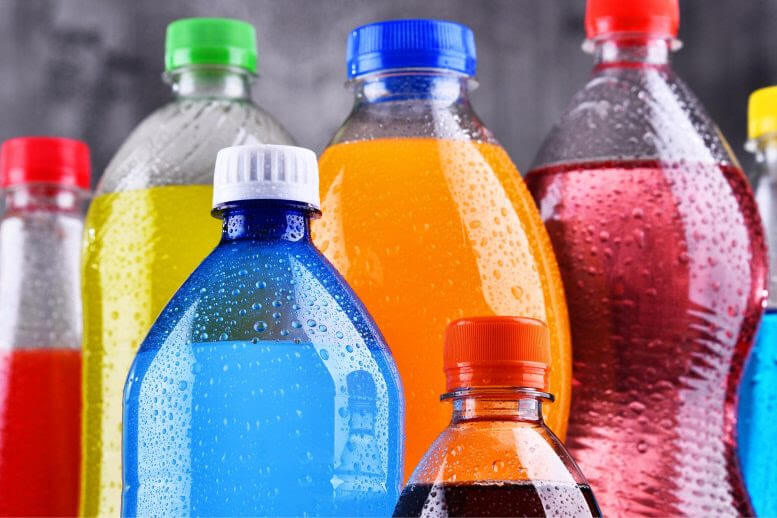
Sweet Danger: How Sugary Drinks Are Fueling Millions of New Diabetes and Heart Disease Cases Worldwide

⭐ New research links millions of annual new cases of diabetes and heart disease to sugary beverages, with significant impacts in developing countries. Urgent global measures are recommended to tackle this growing health threat.

➡️ Tufts Un... 

Read more ››

Sweet Danger: How Sugary Drinks Are Fueling Millions of New Diabetes and Heart Disease Cases Worldwide
Drinking Half to One Glass of Wine Daily Linked to 50% Lower Heart Complication Risk

Moderate wine consumption, measured via biomarkers, is linked to a 38-50% reduction in cardiovascular risks, according to a University of Barcelona-led study. However, excessive drinking eliminates these benefits, and more research is needed to co... 

Read more ››

Drinking Half to One Glass of Wine Daily Linked to 50% Lower Heart Complication Risk
New Research Links Plant-Based Meat to Depression

A study by the University of Surrey found that vegetarians consuming plant-based meat alternatives (PBMAs), which are ultra-processed foods, had a 42% higher risk of depression compared to those who did not.

Vegetarians consuming pl... 

Read more ››

New Research Links Plant-Based Meat to Depression
Coffee and Tea Linked to Lower Cancer Risk in Groundbreaking Study

Global research shows that coffee and tea consumption is linked to lower risks of head and neck cancers. While caffeinated coffee offered the most significant benefits, even decaf and tea showed promise, though effects varied by cancer type.
... 

Read more ››

Coffee and Tea Linked to Lower Cancer Risk in Groundbreaking Study
Natural Compound From Mushrooms Could Benefit People With Cancer and Major Depression

A single dose of a psychedelic compound derived from mushrooms has shown long-lasting effects in easing depression and anxiety in cancer patients.

A phase 2 trial shows that a single dose of psilocybin provides lasting relief from ... 

Read more ››

Natural Compound From Mushrooms Could Benefit People With Cancer and Major Depression
Scientists Reveal the Hidden Key to More Frequent and Satisfying Female Orgasms

Women with better interoceptive awareness tend to have more frequent and satisfying orgasms, suggesting a focus on internal bodily sensations could enhance sexual satisfaction.

Research indicates that heightened interoceptive awaren... 

Read more ››

Scientists Reveal the Hidden Key to More Frequent and Satisfying Female Orgasms
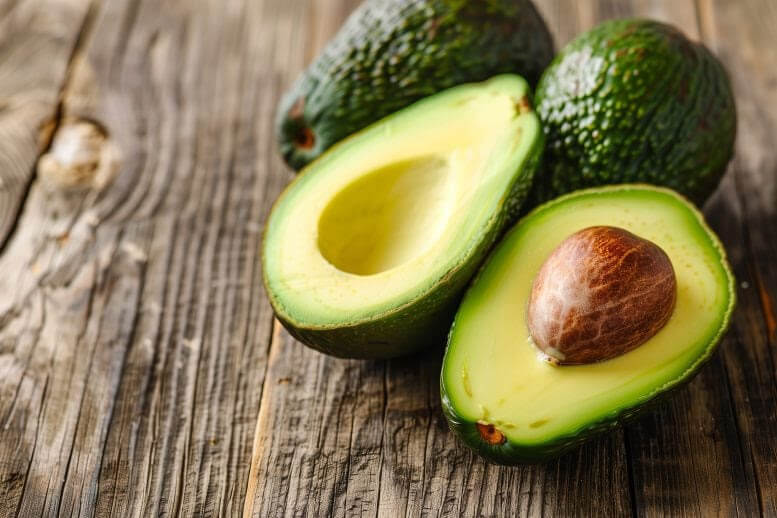
One Avocado a Day Could Help You Sleep Better, Says Groundbreaking Study

A new study reveals that eating one avocado per day may enhance sleep, highlighting an unexpected connection between nutrition and sleep quality. The findings build on growing evidence linking avocados to heart health and suggest intriguing potent... 

Read more ››

One Avocado a Day Could Help You Sleep Better, Says Groundbreaking Study
Who Wrote the Bible? AI Uncovers “Likely Authors”

Could artificial intelligence solve one of the Bible’s biggest mysteries? A team of researchers used AI-powered statistical modeling to analyze the authorship of the Hebrew Bible and made surprising discoveries about ancient narratives.

... 

Read more ››

Who Wrote the Bible? AI Uncovers “Likely Authors”
America Is Sinking: 28 Major Cities Are Slowly Going Under

A new study finds all major U.S. cities are sinking, driven by groundwater extraction and natural forces, posing hidden risks to infrastructure and calling for urgent solutions.

Groundwater loss is sinking U.S. cities, threatening i... 

Read more ››

America Is Sinking: 28 Major Cities Are Slowly Going Under
Science Confirms: Social Media Could Be Making Kids Depressed

A groundbreaking study from UCSF reveals that increased social media use among preteens is linked to rising depressive symptoms, but not vice versa.

New research shows social media use drives depressive symptoms in preteens.

Read more ››

Science Confirms: Social Media Could Be Making Kids Depressed
Scientists Uncover Hidden Biological Dangers of Ultra-Processed Foods

New research has revealed strong, consistent links between the consumption of ultra-processed foods and poor health outcomes, including inflammation, insulin resistance, and cardiovascular risk.

A major Canadian study links ultra-pr... 

Read more ››

Scientists Uncover Hidden Biological Dangers of Ultra-Processed Foods
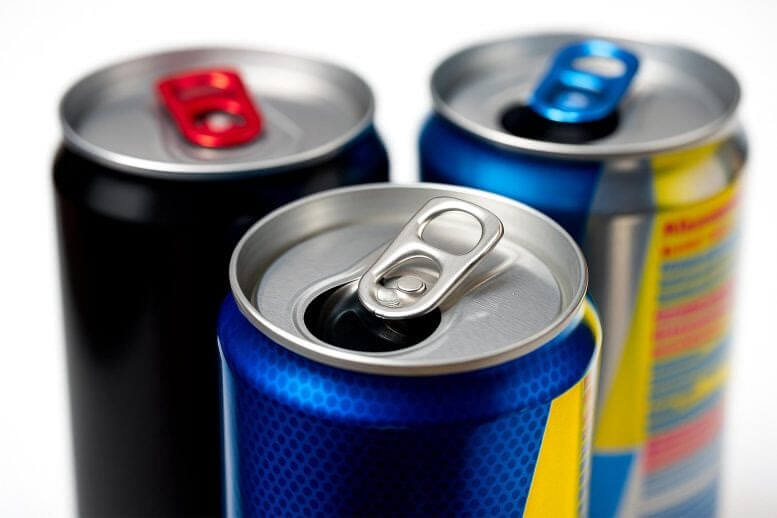
Could Your Energy Drink Be Feeding Cancer? What Scientists Just Discovered

Scientists have discovered that taurine, a common ingredient in energy drinks, helps leukemia cells grow. The cancer hijacks taurine from bone marrow to fuel itself—but blocking that process may stop the disease in its tracks.

Sci... 

Read more ››

Could Your Energy Drink Be Feeding Cancer? What Scientists Just Discovered
Can Potatoes Help With Weight Loss? Scientists Reveal Surprising Benefits

Potatoes, often dismissed as fattening carbs, can actually lower the energy density of meals and, when prepared to boost fiber (e.g., boiled, cooled 24 hrs, skins on), support a 5.6% average weight loss and improved insulin resistance over eight w... 

Read more ››

Can Potatoes Help With Weight Loss? Scientists Reveal Surprising Benefits
Researchers Reveal That Climbing Stairs Could Extend Your Life

New research indicates that stair climbing can significantly reduce the risk of cardiovascular disease and premature death, with a 24% decreased risk of mortality from any cause and a 39% reduction from cardiovascular issues. Dr. Sophie Paddock ad... 

Read more ››

Researchers Reveal That Climbing Stairs Could Extend Your Life
Scientists Say There Are 4 Types of Lovers – Which One Are You?

ANU researchers found four types of romantic lovers, revealing love varies widely in intensity, sex, and commitment. The study shows love evolves uniquely across individuals.

ANU researchers identified four romantic lover types base... 

Read more ››

Scientists Say There Are 4 Types of Lovers – Which One Are You?
Your Name Might Be Changing Your Face, Study Finds

A new study led by researchers at the Hebrew University and Reichman University suggests that people’s names may influence their facial appearance as they age. Adults’ faces were matched to their names more accurately than chance, an effect no... 

Read more ››

Your Name Might Be Changing Your Face, Study Finds
Concerning New Research Links Tattoo Ink to Increased Cancer Risk

Tattoo ink doesn’t just stay in the skin—it can migrate to the lymph nodes, where it may accumulate and affect the immune system. A study using Danish twin data found that tattooed individuals, especially those with large tattoos, have a highe... 

Read more ››

Concerning New Research Links Tattoo Ink to Increased Cancer Risk
BV Is an STD and We’ve Been Treating It Wrong for Years

A major study proves BV is sexually transmitted, explaining why previous treatments often failed. When both partners are treated, the success rate improves dramatically. This could revolutionize women’s health worldwide.

For years... 

Read more ››

BV Is an STD and We’ve Been Treating It Wrong for Years
Secret of Everything

The secret of everything – Everything Is Mental. All talent, skill, power, speed and ability is mental. Nothing is impossible. Anything is possible. There is nothing you cannot Be, Do or Have. You can Be, Do and Have anything you want as long as yo... 

Read more ››

Secret of Everything
Harvard Study Finds Eating an Orange a Day Could Cut Depression Risk by 20%

A daily orange might do more than boost immunity — it could also help prevent depression. Scientists discovered that citrus uniquely supports gut bacteria linked to serotonin and dopamine production, reducing depression risk by 20%. Future resea... 

Read more ››

Harvard Study Finds Eating an Orange a Day Could Cut Depression Risk by 20%
According to Researchers, This Simple Phone Hack Can Improve Mental Health As Much as Antidepressants

A two-week experiment found that blocking mobile internet on smartphones significantly improved participants’ mental health, well-being, and attention span, even reversing a decade of age-related cognitive decline. The study suggests that reduci... 

Read more ››

According to Researchers, This Simple Phone Hack Can Improve Mental Health As Much as Antidepressants
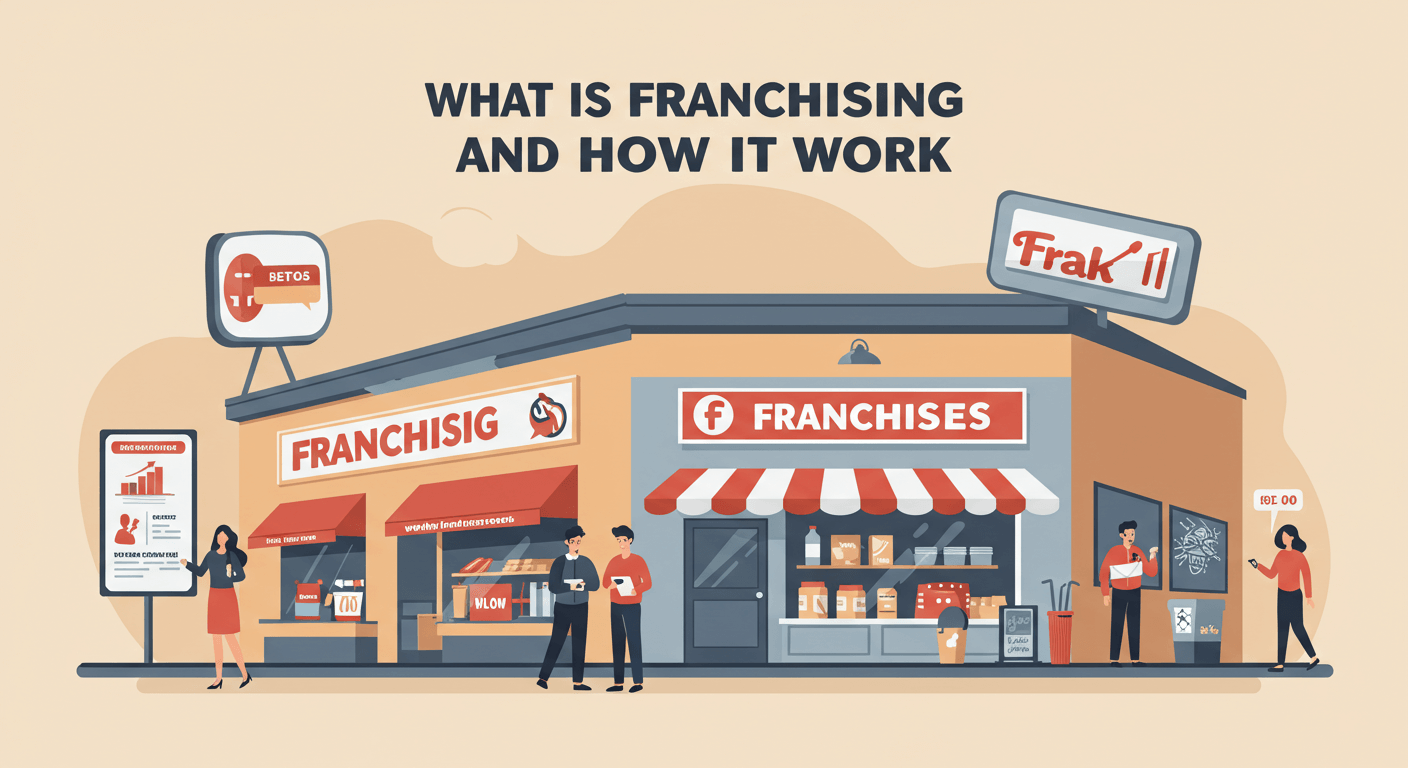
WHAT IS FRANCHISING AND HOW DOES IT WORK?

WHAT IS FRANCHISING AND HOW DOES IT WORK?

Franchising is a form of business organization in which a firm that already has a successful product or service (franchisor) licenses its trademark and me... 

Read more ››

WHAT IS FRANCHISING AND HOW DOES IT WORK?
Business Idea: A program for rock music enthusiasts to learn, improve, and perform in real bands at live rock venues.

Business Idea: Create a program for students with a passion for rock music so they can either learn to play a rock instrument or improve their existing musical skills and have the opportunity to participate in rock bands that play in... 

Read more ››

Business Idea: A program for rock music enthusiasts to learn, improve, and perform in real bands at live rock venues.
Business Idea: Franchise a network of Fresh Healthy Vending machines in schools, hospitals, and community spaces, offering only organic, natural, and healthy foods.

Business Idea: Build a franchise organization that deploys and services Fresh Healthy Vending–branded vending machines in schools, hospitals, health clubs, community organizations, and other locations that carry only organic, natur... 

Read more ››

Scientists Discover the Brain Circuit That Fuels Creativity

Creativity might not reside in a single brain region but rather in an interconnected brain circuit, according to a new study analyzing fMRI data and brain injuries.

A new study suggests that creativity maps onto a common brain circu... 

Read more ››

Scientists Discover the Brain Circuit That Fuels Creativity
Unlock Your Love This Valentine’s Day With a Science-Backed 7-Question Test

Romantic relationships play a vital role in emotional well-being, yet tools for assessing their health are often lacking. Enter the Valentine Scale—a quick, research-backed method for evaluating relationship satisfaction.

Want a f... 

Read more ››

Unlock Your Love This Valentine’s Day With a Science-Backed 7-Question Test
Your Brain Is Cheating on You, and You Don’t Even Know It

Sometimes, we cheat—not for money or prizes, but just to feel better about ourselves.

A new study reveals that people engage in “diagnostic self-deception,” tricking themselves into believing their success comes from ability... 

Read more ››

Being Social May Delay Dementia by 5 Years

Frequent social activity may help delay dementia, reducing the risk by up to 38%. Engaging with others strengthens neural networks, potentially delaying cognitive decline and lowering healthcare costs.

Social activities include dini... 

Read more ››

Harvard Study: Eating Dark Chocolate Could Reduce Your Risk of Diabetes by 21%

Participants who ate at least five servings of chocolate weekly had a 10% reduced risk of type 2 diabetes (T2D), with dark chocolate showing an even stronger effect—a 21% lower risk. In contrast, milk chocolate consumption was linked to long-ter... 

Read more ››

Harvard Study: Eating Dark Chocolate Could Reduce Your Risk of Diabetes by 21%
The Chocolate Cure: Cocoa Flavanols Protect Against Stress and High-Fat Diets

New research highlights the protective effects of flavanol-rich cocoa on vascular health, even when consumed alongside high-fat meals during stressful situations.

Consuming a cocoa drink rich in flavanols can mitigate the negative e... 

Read more ››

How Many Hours of Sitting Is Too Much for Your Heart?

Sedentary behavior exceeding 10.5 hours daily significantly raises the risk of heart failure and cardiovascular death, even among those who exercise regularly.

A recent study highlights that more than 10.5 hours of daily sedentary b... 

Read more ››

How Many Hours of Sitting Is Too Much for Your Heart?
The Common Texting Habit That Could Be Undermining Your Sincerity

New research indicates that spelling out words in text messages enhances sincerity and response rates.

Research has shown that using full words in texts, instead of abbreviations, makes individuals appear more sincere and increases ... 

Read more ››

The Common Texting Habit That Could Be Undermining Your Sincerity
New Study Identifies “Never Words” That Doctors Should Always Avoid Using

Researchers emphasize the importance of compassionate communication in treating seriously ill patients, identifying harmful “never words” and proposing more sensitive alternatives to enhance patient engagement and reduce emotional suffering. T... 

Read more ››

New Study Identifies “Never Words” That Doctors Should Always Avoid Using
Mondays and New Year’s Day: Unveiling the Deadliest Peaks in Global Suicide Rates

A global study reveals that suicide rates are highest on Mondays and New Year’s Day, with regional variations during holidays.

Research indicates a global pattern where suicides peak on Mondays and New Year’s Day, with inconsist... 

Read more ››

Mondays and New Year’s Day: Unveiling the Deadliest Peaks in Global Suicide Rates
5 Ways to Enhance Your Online Presence Through Engaging Multimedia Content

In today's digital landscape, a strong online presence is paramount for businesses of all sizes. One of the most effective ways to engage and connect with your audience is through the strategic use of multimedia content. By incorporating visually app... 

Read more ››

5 Ways to Enhance Your Online Presence Through Engaging Multimedia Content
PART TWO: THE GROWTH STRATEGIES FOR A FIRM

II: External Growth Strategies

External growth strategies rely on establishing relationships with third parties, such as mergers, acquisitions, strategic alliances, joint ventures, licensing, and franchisin... 

Read more ››

Business Idea: Provide a convenient online platform for the parents of growing children to exchange the clothes their children grow out of for clothes their children need.

Business Idea: Provide a convenient online platform for the parents of growing children to exchange the clothes their children grow out of for clothes their children need.

Pitch: The average kid grows out of a set... 

Read more ››

Strategies for Firm Growth

The growth strategies for a firm are divided into internal strategies for growth and external strategies for growth.

I. INTERNAL GROWTH STRATEGIES

Internal growth strategies involve efforts taken within the firm itself, such as... 

Read more ››

THE TOP 10 REASONS NEW PRODUCTS FAIL

THE TOP 10 REASONS NEW PRODUCTS FAIL.

1. Target market is not defined correctly.

2. Product is not positioned effectively.

3. Product’s benefits are not understood by the target customer.

4. Product doesn’t address im... 

Read more ››

Business Idea: Create urban greenhouse systems for year-round production of sustainable and local fresh food.

Business Idea: Create urban greenhouse systems for year-round production of sustainable and local fresh food.

Pitch: Food travels 1,500 miles on average in the United States to get to consumers. At the same time, ... 

Read more ››

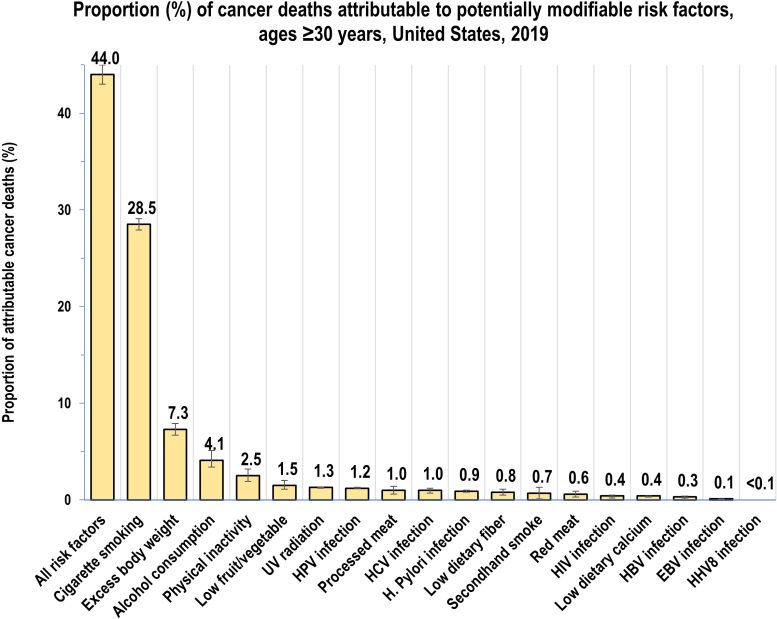
4 in 10 US Cancer Cases Linked to Modifiable Risk Factors, Study Reveals

A recent study by the American Cancer Society (ACS) reveals that four out of ten cancer cases and half of the cancer deaths in adults over 30 in the U.S. in 2019 were due to modifiable risk factors like smoking, obesity, and alcohol. Smoking was the ... 

Read more ››

4 in 10 US Cancer Cases Linked to Modifiable Risk Factors, Study Reveals
Business Idea: Manufacture and sell affordable, water efficient irrigation systems for small-plot farmers in developing nations.

Business Idea: Manufacture and sell affordable, water efficient irrigation systems for small-plot farmers in developing nations.

Company: Driptech

Pitch: In many developing countries, farmers h... 

Read more ››

Business Idea: Launch a service that provides reliable and loving reminders and companionship calls to elderly people who are still living in their homes.

Company: Check-In Calls

Business Idea: Launch a service that provides reliable and loving reminders and companionship calls to elderly people who are still living in their homes.

Pitch: Many ca... 

Read more ››

New Study Reveals That Simply Looking at Trees Can Boost Your Mental Health

Eye-tracking research from Bangor University and Technion-Israel Institute of Technology shows that focusing on natural elements during urban walks reduces anxiety and enhances feelings of restoration in city dwellers. These findings suggest urban de... 

Read more ››

New Study Reveals That Simply Looking at Trees Can Boost Your Mental Health
Eat Plants, Beat Cancer: New Study Links Vegetables To Lower Prostate Cancer Risks

Research from UC San Francisco reveals that men with localized prostate cancer can lower the risk of disease progression by 47% by adopting a plant-based diet rich in fruits, vegetables, nuts, and olive oil. Over 2,000 participants showed that increa... 

Read more ››

Eat Plants, Beat Cancer: New Study Links Vegetables To Lower Prostate Cancer Risks
5 natural ways to overcome erectile dysfunction

If you're a middle aged man, can you run as fast as you did when you were 20 years old? Hit a baseball as far as you once could? Bash a tennis ball with the same speed and spin?

Probably not.

But even as we age, there are still plenty of ways t... 

Read more ››

BRANDING

A brand is the set of attributes—positive or negative—that people associate with a company. These attributes can be positive, such as trustworthy, innovative, dependable, or easy to deal with. Or they can be negative, suc... 

Read more ››

Business Idea: Provide a service that stores individuals’ log-in information to important online services like e-mail accounts, social networks, PayPal, and eBay, and deliver them to caretakers in the event of the individual’s death.

Company: Legacy Locker

Business Idea: Provide a service that stores individuals’ log-in information to important online services like e-mail accounts, social networks, PayPal, and eBay, and deliver them to caret... 

Read more ››

New Research Reveals That Couples Who Drink Together Live Longer

A study by the University of Michigan finds that couples who drink alcohol together are likely to live longer, supporting the idea that shared drinking habits can enhance marital satisfaction and longevity.

The couple that drinks together might li... 

Read more ››

New Research Reveals That Couples Who Drink Together Live Longer
Office Productivity Takes a Hit in the Afternoon, Particularly on Fridays

A Texas A&M study shows productivity dips in the afternoon and on Fridays among office workers, advocating for flexible work to boost efficiency and well-being.

An innovative study from the Texas A&M School of Public Health offers objectiv... 

Read more ››

Office Productivity Takes a Hit in the Afternoon, Particularly on Fridays
Preparing to Raise Debt or Equity Financing

Once a start-up’s financial needs exceed what personal funds, friends and family, and bootstrapping can provide, debt and equity are the two most common sources of funds. The most important thing an entrepreneur must do at this point is determine p... 

Read more ››

Sources of Personal Financing

Typically, the seed money that gets a company off the ground comes from the founders’ own pockets. There are three categories of sources of money in this area: personal funds, friends and family, and bootstrapping.

1. Pe... 

Read more ››

Business Idea: Create a Website and a smartphone app that provides a visual guide to great food and where to find it.

Company: Foodspotting

Business Idea: Create a Website and a smartphone app that provides a visual guide to great food and where to find it. Instead of reviewing restaurants, users will share where to find their fa... 

Read more ››

Business Idea: Create an online community that links interns (primarily college students) with entrepreneurial start-ups and change-oriented nonprofit organizations.

Company: YouTern

Business Idea: Create an online community that links interns (primarily college students) with entrepreneurial start-ups and change-oriented nonprofit organizations.

Pitch: Int... 

Read more ››

52 Tips for Losing Weight

A Tip a Week

If you add one of these tips a week to your daily routine, in one year you will have developed some very healthy habits!

1. Eliminate one tablespoon of fat a day and you will lose 10 pounds in a ye... 

Read more ››

The Law of Cause and Effect – Everything happens for a reason; there is a cause for every effect.

This is the “Iron Law” of human destiny. This law says that we live in a world governed by law, not chance. It says that everything happens for a reason, whether or not we know what it is. Every effect, success or failure, wealth or poverty, has ... 

Read more ››

Organizing Buying Groups to Cut Costs and Maintain Competitiveness

One challenge that businesses confront is cutting costs in ways that don’t erode their ability to remain competitive. Many cost-cutting techniques, such as scaling back on hiring, lowering marketing expenses, or reducing inventory, may save money b... 

Read more ››

What's In A Business Name?: A Lot Of Trouble If You Aren't Careful

Introduction

While at first glance naming a business may seem like a minor issue, it is an extremely important one. A company’s name is one of the first things people associate with a business, and it is a word or phrase that wi... 

Read more ››

Vesting Ownership in Company Stock: A Sound Strategy for Start-Ups

If you’re not familiar with vesting, the idea is that when a firm is launched, instead of issuing stock outright to the founders, the stock is distributed over a period of time, typically three to four years, as the founder or founders “e... 

Read more ››

99designs: Making Partnering with Freelancers the Essence of Its Disruptive Business Model

Start-ups typically have a variety of design needs including logo design, brochures, stationery, and business cards. Traditionally the most important design work, like a business’s logo, is either done by the business itself or contracted out to a ... 

Read more ››

Thriving in a Crowded Industry by Creating Meaningful Value and Differentiation from Competitors

Firms do well in a crowded industry when two conditions exist: (1) they create meaningful value for customers at a fair price and (2) they effectively differentiate themselves from competitors. In fact, diminishing the impact of thre... 

Read more ››

Shield your brain from decline

Use the SHIELD acronym to remember the lifestyle habits that will help protect your memory and thinking skills.

We are making encouraging progress in finding medications that prevent or even reverse cognitive decline. Until we get there, however, ... 

Read more ››

Business Idea: Provide musicians a platform to reach out to their fan base to financially contribute to upcoming recordings or other musical projects.

Business Idea: Provide musicians a platform to reach out to their fan base to financially contribute to upcoming recordings or other musical projects.

Pitch: Musicians often have creative ideas for recordings or s... 

Read more ››

Finding the Right Business Partner

One thing that becomes clear to many potential business founders, while conducting organizational feasibility analysis, is that they need one or more partners to help launch their business. You might be a Web developer who has a great idea for a Web ... 

Read more ››

ScriptPad: Interesting Idea—But Will Doctors and Pharmacies Sign On?

To ScriptPad founder and CEO Shane Taylor, the problem his company solves is personal. Taylor’s father, who is fighting both heart disease and cancer, takes 26 different medications to fight his illnesses. Any mix-up or error associated with taking... 

Read more ››

Want Help Fine-Tuning a Business Idea? Find a Mentor

Fine-tuning a business idea isn’t easy. While fairly course-grained ideas are rather easy to develop, like creating a cell-phone that’s designed specifically for elderly people, fleshing out the details is where experience helps. This reality put... 

Read more ››

Working Together: How Biotech Firms and Large Drug Companies Bring Pharmaceutical Products to Market

Large firms and smaller entrepreneurial firms play different roles in business and society and can often produce the best results by partnering with each other rather than acting as adversaries. The pharmaceutical industry is an excellent example of ... 

Read more ››

Learning how to meditate

Meditation has been practiced for thousands of years and it continues to grow in popularity. This mindful practice can help aid anxiety and depression, chronic pain, cancer, bowel diseases, high blood pressure, insomnia, addiction and so much more.
... 

Read more ››

Learning how to meditate
PatientsLikeMe: Allowing People with Serious Diseases to Connect with One Another and Exchange Support and Advice

PatientsLikeMe: Allowing People with Serious Diseases to Connect with One Another and Exchange Support and Advice

Web: www.patientslikeme.com

Jamie a... 

Read more ››

How Companies and Organizations Build Credibility and Trust

How Companies and Organizations Build Credibility and Trust

There are several ways companies and organizations can build credibility and trust. We present eight techniques that are essential in nearly all cases in the following list.

Te... 

Read more ››

Business Idea: Create a single place for music lovers to track or keep up with their favorite bands, so they’ll always know where and when the bands will be performing in their area.

Business Idea: Create a single place for music lovers to track or keep up with their favorite bands, so they’ll always know where and when the bands will be performing in their area.

In addition, create an online platform for c... 

Read more ››

CREATING A NEW-VENTURE TEAM

Those who launch or found an entrepreneurial venture have an important role to play in shaping the firm’s business concept. Stated even more directly, it is widely known that a well-conceived business plan cannot get off the ground unless a firm ha... 

Read more ››

CREATING A NEW-VENTURE TEAM
Discuss the differences among sole proprietorships, partnerships, corporations, and limited liability companies.

When a business is launched, a form of legal entity must be chosen. Sole proprietorship, partnerships, corporations, and limited liability companies are the most common legal entities from which entrepreneurs make a choice. Choosing ... 

Read more ››

Discuss the differences among sole proprietorships, partnerships, corporations, and limited liability companies.
Airbnb: How Listening to Customers and Iterating the Business Model Helped Shape and Mold a Successful Start-up

Airbnb: How Listening to Customers and Iterating the Business Model Helped Shape and Mold a Successful Start-up

Web: www.airbnb.com

Introduction

It all st... 

Read more ››

Airbnb: How Listening to Customers and Iterating the Business Model Helped Shape and Mold a Successful Start-up
Components of an effective business model

1. Core strategy (how a firm competes)

2. Strategic resources (how a firm acquires and uses its resources)

3. Partnership network (how a firm structures and nurtures its partnerships)

Read more ››

Six distinct ways of making money online

Six distinct ways of making money online (the way an online company makes money largely defines its business model)

1. Affiliate programs

An affiliate program is a way for online merchants, like 1-800-FLOWERS, ... 

Read more ››

COMPETITOR ANALYSIS

After a firm has gained an understanding of the industry and the target market in which it plans to compete, the next step is to complete a competitor analysis. A competitor analysis is a detailed analysis of a firm’s competition. It helps a firm u... 

Read more ››

Some excellent ways to increase your self-awareness

1. Personal diaries

An excellent way to increase your self-awareness is to keep a diary. In it make a daily note of the important things that happen. Be honest and open with yourself. Be willing to reflect upon your beliefs, thoug... 

Read more ››

Maintaining positive thoughts

• E. G. S. Emotional Guidance System - Your inner guide

It is said that the average human being has approximately 64,000 thoughts per day. Protecting all of your thoughts 24 hours a day can be a full-time job. There is a better way to gauge how ... 

Read more ››

TECHNIQUES FOR GENERATING IDEAS

In general, entrepreneurs identify more ideas than opportunities because many ideas are typically generated to find the best way to capitalize on an opportunity. Several techniques can be used to stimulate and facilitate the generation of new ideas f... 

Read more ››

The 3 sources of business ideas

1. Observing Trends

The first approach to identifying opportunities is to observe trends and study how they create opportunities for entrepreneurs to pursue. The most important trends to follow are economic trends, social trends, ... 

Read more ››

The 3 sources of business ideas

Unleash Your Creativity with SCAMPER!

   Pinned
  4 Mins Read
Image name: SCAMPER_Technique.png Image size: 319.75 KB
  Download

✨ Boost Your Creativity with the SCAMPER Technique.

If you're looking for a simple and powerful way to generate fresh ideas, improve products, or unlock creative solutions, the SCAMPER technique is one of the best tools you can use.

Need to supercharge an existing idea or product? Try the powerful SCAMPER technique for idea generation!

SCAMPER is a simple yet effective tool to...


You Don’t Need To Lose Weight To Get Healthier, Says Harvard Study

  1 year ago (Wed, Jun 18, 2025 at 09:32 AM (GMT))

  3 Mins Read
Image name: Eating-Healthy-Vegan-Food-777x518.jpg Image size: 39.77 KB
  Download

A new study by Harvard and Ben Gurion University researchers found that nearly one-third of individuals who followed a healthy diet did not lose weight, but still saw meaningful improvements in cardiometabolic health. Credit: Stock

Healthy eating can significantly improve metabolic health even without weight loss.

New research from Harvard T.H. Chan School of Public Health and Ben Gurion University in Israel...
 
© Harvard T.H. Chan School of Public Health   


AI Without Rules Is a Global Risk, Warns Leading Expert

  1 year ago (Wed, Jun 18, 2025 at 09:11 AM (GMT))

  4 Mins Read
Image name: Evil-AI-Scary-Artificial-Intelligence-777x518.jpg Image size: 41.11 KB
  Download

AI expert Professor Shalom Lappin calls for urgent global policy reforms in response to the rapid growth of artificial intelligence. Credit: Shutterstock

Professor Shalom Lappin advocates for urgent international AI regulation, IP reform, and workforce preparedness to ensure AI development serves the public good, not just corporate interests.

As artificial intelligence rapidly reshapes the world, international regulation of tech giants, reforms to...
 
© Taylor & Francis Group   


$1 Billion Problem: New Technology Could Save Your Daily Cup of Coffee

  1 year ago (Wed, Jun 18, 2025 at 07:39 AM (GMT))

  4 Mins Read
Image name: Coffee-Beans-Berries-777x518.jpg Image size: 34.19 KB
  Download

ECU researchers developed drone-based software to detect coffee berry borer infestations by spotting the debris they leave behind, potentially saving crops and benefiting global coffee production. Credit: Stock

A new study offers a breakthrough in detecting coffee berry borer infestations, a pest that cost the global coffee industry over $1 billion in 2023.

New research from Edith Cowan University (ECU) may help...
 
© Edith Cowan University   


Study Finds Top TikTok Skincare Routines May Be Dangerous for Young Skin

  1 year ago (Wed, Jun 18, 2025 at 07:18 AM (GMT))

  4 Mins Read
Image name: Woman-Skincare-Routine-Cream-777x518.jpg Image size: 23.45 KB
  Download

A new study warns that TikTok skincare trends may be harming teens’ skin and self-image, revealing excessive product use, health risks, and problematic beauty messaging.

The first study to investigate this type of video content has found that it may increase the risk of lifelong skin allergies in teenagers.

When teens on TikTok say, “Get ready with me,” they may be doing...
 
© Kristin Samuelson, Northwestern University   


Stanford Scientists Develop Game-Changing New Way To Treat Stroke

  1 year ago (Sun, Jun 15, 2025 at 01:03 PM (GMT))

  6 Mins Read
Image name: Brain-Doctor-Head-Scan-777x518.jpg Image size: 35.27 KB
  Download

Summary: Stanford researchers have developed a breakthrough device called the milli-spinner thrombectomy, which uses compression and shear forces to safely shrink and remove blood clots, significantly improving first-attempt success rates in stroke and clot-related disease treatments.

Stanford’s milli‑spinner compacts clots into small balls for removal, improving clot extraction success. Beyond stroke treatment, it could clear kidney stones and other blockages.

When treating...
 
© Laura Castañón, Stanford University   


Scientists Discover Alarming Amount of Microplastics in Your Brain – And It Could Be Fueling Depression and Dementia

  1 year ago (Sun, Jun 15, 2025 at 12:56 PM (GMT))

  5 Mins Read
Image name: Brain-Microplastic-Contamination-With-Symbolic-Spoon-777x557.jpg Image size: 36.37 KB
  Download

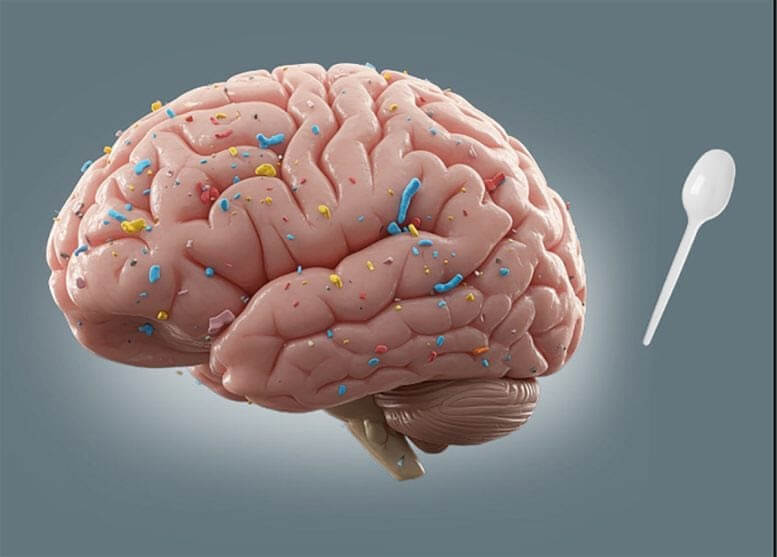
This cover image depicts a human brain with colorful microplastic particles scattered across its surface, juxtaposed with a white plastic spoon as a visual representation. Research has revealed that the human brain contains approximately “a spoon’s worth” of microplastics and nanoplastics, with particularly high concentrations (3-5 times greater) in individuals with dementia. The multicolored particles shown on the brain surface...

Scientists warn microplastics in the brain may be tied to mental health issues and call for urgent dietary and medical interventions.

A groundbreaking set of four papers in the May issue of Brain Medicine brings together growing evidence that microplastics from ultra-processed foods may be building up in human brains and possibly playing a role in the global rise of depression, dementia, and other mental health disorders.

Together, the papers offer the most detailed analysis so far of how these tiny plastic particles could be harming brain health through several interconnected biological processes.

The Plastic Spoon in Your Brain

The striking cover of Brain Medicine’s May 2025 issue shows a human brain dotted with colorful microplastic particles next to a plastic spoon. This image highlights a key finding: human brains may contain about “a spoonful” of microplastic material. All four articles in the special issue explore this unsettling idea in detail, including a peer-reviewed commentary titled “Human microplastic removal: what does the evidence tell us?”

The featured peer-reviewed viewpoint article builds on earlier commentary and brings together new evidence to present a hypothesis linking ultra-processed food consumption, microplastic exposure, and mental health outcomes.

“We’re seeing converging evidence that should concern us all,” explains Dr. Fabiano. “Ultra-processed foods now comprise more than 50% of energy intake in countries like the United States, and these foods contain significantly higher concentrations of microplastics than whole foods. Recent findings show these particles can cross the blood-brain barrier and accumulate in alarming quantities.”

The Mental Health Connection

The researchers present strong evidence linking ultra-processed food consumption to negative mental health outcomes. A recent umbrella review published in The BMJ found that individuals who consumed ultra-processed foods had a 22 percent higher risk of depression, a 48 percent higher risk of anxiety, and a 41 percent higher risk of poor sleep.

What makes their hypothesis especially compelling is the new proposal that microplastics—tiny plastic particles less than 5 millimeters in size—may be the missing link in this connection. The researchers highlight concerning data showing that foods like chicken nuggets contain 30 times more microplastics per gram than chicken breasts, emphasizing the effects of industrial food processing.

Their case is further supported by recent findings published in Nature Medicine, which revealed alarming concentrations of microplastics in the human brain. According to the researchers, the levels amounted to approximately “a spoon’s worth” and were three to five times higher in individuals diagnosed with dementia.

Shared Mechanisms of Harm

“This hypothesis is particularly compelling because we see remarkable overlap in biological mechanisms,” notes Dr. Marx. “Ultra-processed foods have been linked to adverse mental health through inflammation, oxidative stress, epigenetics, mitochondrial dysfunction, and disruptions to neurotransmitter systems. Microplastics appear to operate through remarkably similar pathways.”

The viewpoint article raises an intriguing question: Could the microplastic content of ultra-processed foods be partially responsible for their observed negative mental health effects? To study this relationship more systematically, the authors propose the development of a Dietary Microplastic Index (DMI) to quantify exposure through food consumption.

Possible Removal Pathways

Complementing the viewpoint article is a peer-reviewed Brevia research paper by Dr. Stefan Bornstein and colleagues. This paper, also published in the May issue, examines preliminary evidence that extracorporeal therapeutic apheresis—a technique that filters blood outside the body—may have the potential to remove microplastic particles from human circulation.

“While we need to reduce our exposure to microplastics through better food choices and packaging alternatives, we also need research into how to remove these particles from the human body,” notes Dr. Bornstein. “Our early findings suggest that apheresis might offer one possible pathway for microplastic removal, though much more research is needed.”

A Call to Action

The issue is further contextualized by a powerful guest editorial by Dr. Ma-Li Wong, which frames the collection of papers as not just a scientific warning but a paradigm shift in how we must think about environmental contaminants and brain health.

“What emerges from this work is not a warning. It is a reckoning,” writes Dr. Wong. “The boundary between internal and external has failed. If microplastics cross the blood-brain barrier, what else do we think remains sacred?”

The authors of all four papers emphasize that while more primary research is needed, their analyses add another dimension to the growing case for reducing ultra-processed food consumption and developing better methods to detect and potentially remove microplastics from the human body.

“As the levels of ultra-processed foods, microplastics, and adverse mental health outcomes simultaneously rise, it is imperative that we further investigate this potential association,” concludes Dr. Fabiano. “After all, you are what you eat.”
 
© Genomic Press   


The Earth Shook Every 90 Seconds for 9 Days in 2023 – Scientists Finally Know Why

  1 year ago (Sun, Jun 15, 2025 at 12:47 PM (GMT))

  4 Mins Read
Oxford researchers confirmed that mysterious seismic signals from Greenland in 2023 were caused by standing tsunami waves.

Scientists used satellite and seismic data to prove mega tsunamis in Greenland fjords created trapped standing waves that shook the Earth.

In September 2023, scientists detected a strange global seismic signal that repeated every 90 seconds for nine days and then occurred again a month...
 
© University of Oxford   


Scientists Discover Anti-Aging Molecules Hiding in Your Blood

  1 year ago (Sun, Jun 15, 2025 at 10:41 AM (GMT))

  3 Mins Read
Image name: Anti-Aging-Rejuvenation-Concept-777x518.jpg Image size: 41 KB
  Download

Researchers have discovered three molecules with anti-aging properties, produced by a bacterium called Paracoccus sanguinis that resides in the bloodstream.

Three newly identified indole metabolites from a blood-dwelling bacterium were found to reduce skin cell inflammation and aging markers, offering promise for future anti-aging treatments.

People spend a lot of time and money trying to keep their skin looking young, using everything...
 
© American Chemical Society   


Your Perfume Could Be Destroying Your Body’s Invisible Air Shield

  1 year ago (Thu, Jun 12, 2025 at 09:29 AM (GMT))

  4 Mins Read
Image name: Woman-Using-Perfume-Hand-777x518.jpg Image size: 23.71 KB
  Download

New research reveals that fragrances and lotions disrupt the body’s natural air shield, altering indoor air chemistry and potentially affecting our exposure to pollutants.

Perfumes and lotions disrupt the body’s natural air chemistry, weakening a protective ozone barrier created by skin-oil reactions.

Fragrances and lotions do more than change how people smell. They actively influence the air chemistry around the wearer, disrupting...
 
© Adrienne Berard, Penn State   


Who Wrote the Bible? AI Uncovers “Likely Authors”

  1 year ago (Thu, Jun 12, 2025 at 09:08 AM (GMT))

  5 Mins Read
Image name: Old-Worn-Jewish-Bible-777x518.jpg Image size: 45.45 KB
  Download

Could artificial intelligence solve one of the Bible’s biggest mysteries? A team of researchers used AI-powered statistical modeling to analyze the authorship of the Hebrew Bible and made surprising discoveries about ancient narratives.

A multidisciplinary team of researchers is using artificial intelligence to unravel the authorship of the Hebrew Bible’s earliest books.

Artificial intelligence is revolutionizing everything from healthcare to filmmaking...
 
© Duke University   


These Common Foods Can Slow Aging Naturally, According to Scientists

  1 year ago (Tue, Jun 10, 2025 at 03:02 PM (GMT))

  3 Mins Read
Image name: Eating-Blueberries-777x518.jpg Image size: 36.44 KB
  Download

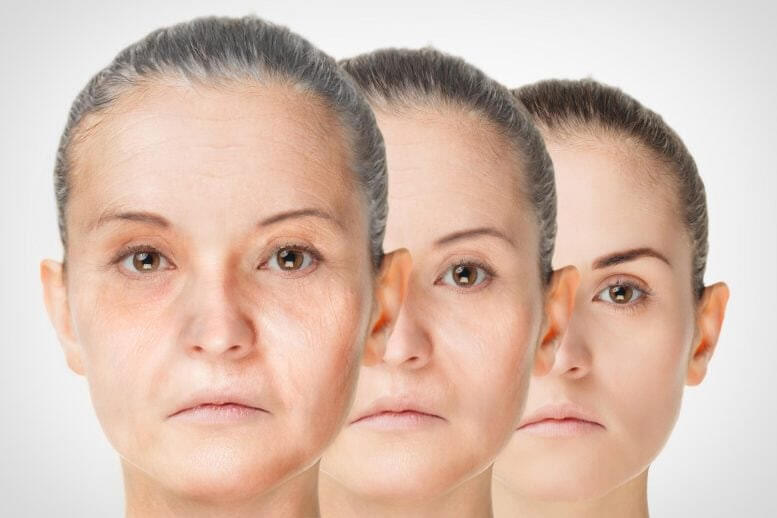
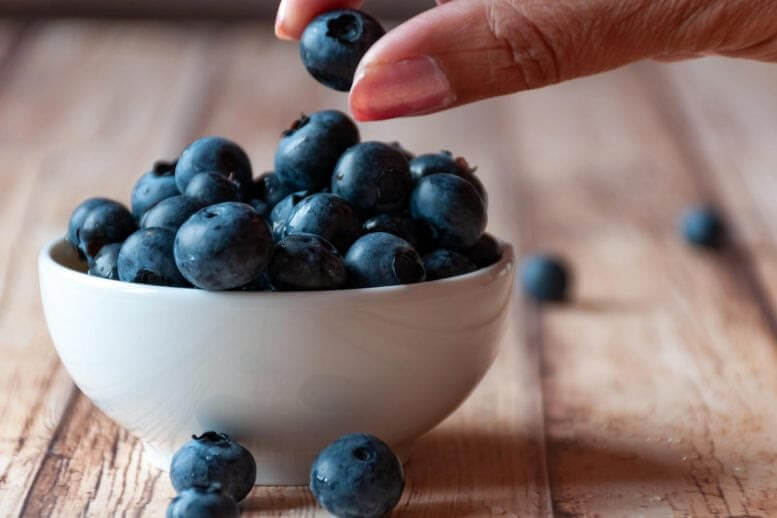
New research links plant-based methyl adaptogen foods to reduced biological aging, offering promising evidence that diet may slow the aging process at the cellular level.

“These findings suggest that consuming foods categorized as methyl adaptogens may reduce markers of epigenetic aging.”

In a new study published in the journal Aging, researchers led by first author Jamie L. Villanueva from the University of...
 
© Impact Journals LLC   


Startling Health Risk: “Normal” Sodium Levels Linked to Heart Failure

  1 year ago (Tue, Jun 10, 2025 at 02:56 PM (GMT))

  3 Mins Read
A new study finds that even “normal” sodium levels may increase the risk of hypertension and heart failure, shedding light on hydration as a key, but often ignored, factor in chronic disease prevention.

New findings from a study of over 400,000 healthy adults indicate that even sodium levels within the high end of the normal range may be linked to an...

A major new study from Bar-Ilan University has uncovered a surprising link between higher sodium levels and serious heart conditions, even when those levels are still considered “normal.” People with sodium at the upper end of the normal range were found to be significantly more likely to develop high blood pressure and heart failure, two of the most common chronic diseases as we age.

The research examined electronic health records spanning 20 years, from 2003 to 2023, covering more than 407,000 healthy adults who receive care through Leumit Healthcare Services, one of Israel’s top health providers. It is one of the largest and most detailed studies ever to explore how hydration levels may impact long-term heart health. The findings were recently published in the European Journal of Preventive Cardiology.

Among the key findings:

• Sodium levels of 140–142 mmol/L (still within normal range) were linked to a 13% higher risk of hypertension.

• Levels above 143 mmol/L were associated with a 29% higher hypertension risk and 20% higher risk of heart failure

• Nearly 60% of the healthy adult population had sodium levels in these risk-associated ranges

Sodium, which is routinely tested in standard blood tests, has long been considered normal within the 135–146 mmol/L range. But this study challenges that assumption, suggesting a strong, long-term association between higher sodium levels and cardiovascular risk, even among those considered otherwise healthy.

Controlled for Confounding Variables

These associations remained strong even after adjusting for age, sex, BMI, blood pressure, smoking, and potassium levels. The analysis excluded individuals with conditions that affect water balance to ensure a more accurate reflection of hydration-related risk.

“Our findings point to hydration as a critical and overlooked part of chronic disease prevention. A simple blood test might flag people who could benefit from basic lifestyle adjustments—like drinking more water, which reduces sodium levels,” said the study’s lead author, Prof. Jonathan Rabinowitz, from the Weisfeld School of Social Work at Bar-Ilan University. Rabinowitz collaborated on the research with Dr. Natalia Dmitrieva, from the National Institutes of Health (NIH).

“Hydration is often overlooked in chronic disease prevention,” added Rabinowitz. “This study adds compelling evidence that staying well-hydrated may help reduce the long-term risk of serious conditions like hypertension and heart failure.”

With population aging and chronic disease rates on the rise, these insights may inform future clinical guidelines, preventive screenings, and public health campaigns aimed at encouraging healthy hydration habits.
 
© Bar-Ilan University   


Scientists Warn: Long Work Hours May Physically Alter Your Brain

  1 year ago (Tue, Jun 10, 2025 at 02:05 PM (GMT))

  4 Mins Read
Preliminary research suggests that working excessively long hours may induce structural changes in brain regions responsible for emotional regulation and executive function.

Overwork can lead to neuroadaptive changes that impair cognitive and emotional health.

Working long hours may actually change the structure of your brain, according to new research published in Occupational & Environmental Medicine. The study points to alterations in key...
 
© BMJ Group   


America Is Sinking: 28 Major Cities Are Slowly Going Under

  1 year ago (Sun, Jun 08, 2025 at 12:41 PM (GMT))

  7 Mins Read
Image name: Statue-of-Liberty-Sunset-Manhattan-Skyline-777x518.jpg Image size: 45.07 KB
  Download

A new study finds all major U.S. cities are sinking, driven by groundwater extraction and natural forces, posing hidden risks to infrastructure and calling for urgent solutions.

Groundwater loss is sinking U.S. cities, threatening infrastructure in densely built areas.

A recent study examining the 28 most populous cities in the United States has found that every one of them is sinking to...
 
© Kevin Krajick, Columbia Climate School   


Science Confirms: Social Media Could Be Making Kids Depressed

  1 year ago (Sun, Jun 08, 2025 at 12:18 PM (GMT))

  3 Mins Read
Image name: Girl-Sad-Depressed-Cell-Phone-Social-Media-777x518.jpg Image size: 53.42 KB
  Download

A groundbreaking study from UCSF reveals that increased social media use among preteens is linked to rising depressive symptoms, but not vice versa.

New research shows social media use drives depressive symptoms in preteens.

As rates of depression and suicide among young people continue to rise, a question has captured experts’ attention: Does social media make kids more depressed, or are kids...
 
© University of California - San Francisco   


Eating 3 Servings of Berries a Day Could Boost Healthy Aging, Study Reveals

  1 year ago (Fri, Jun 06, 2025 at 01:43 PM (GMT))

  3 Mins Read
Image name: Berries-777x518.jpg Image size: 58.49 KB
  Download

Could your daily cup of tea or a handful of berries help you age more gracefully? A new study suggests that flavonoid-rich foods like black tea, apples, and citrus fruits may help reduce the risks of frailty, cognitive decline, and physical dysfunction as we age.

A long-term study finds that flavonoid-rich foods like berries and tea may reduce frailty, boost mental...

New research has found that enjoying more black tea, berries, citrus fruits, and apples could support healthier aging.

Scientists from Edith Cowan University, Queen’s University Belfast, and the Harvard T.H. Chan School of Public Health discovered that foods packed with flavonoids may help lower the risk of frailty, reduced physical ability, and mental health challenges as we get older. These natural compounds, found in many colorful fruits and vegetables, could play a key role in helping us stay strong, active, and mentally sharp as we age.

“The goal of medical research is not just to help people live longer but to ensure they stay healthy for as long as possible,” ECU Adjunct Lecturer Dr. Nicola Bondonno said.

“We know from previous research that people who have a higher flavonoid intake tend to live longer, and they are also less likely to get any of the major chronic diseases such as dementia, diabetes, or heart disease. Our research shows that people who consume more flavonoids tend to age better.”

Long-Term Study Reveals Clear Benefits

The study, which analyzed data from 62,743 women and 23,687 men over 24 years, found that women with the highest flavonoid intakes had a 15% lower risk of frailty, a 12% lower risk of impaired physical function, and a 12% lower risk of poor mental health compared to those with the lowest intakes. While fewer associations were observed in men, higher flavonoid intake was still linked to a lower risk of poor mental health.

“Flavonoids are well known for reducing oxidative stress and inflammation, supporting blood vessel health, and even helping to maintain skeletal muscle mass – all of which are important for preventing frailty and maintaining physical function and mental health as we age,” said senior author, Professor Aedin Cassidy from Queens University Belfast.

She added that regularly consuming flavonoid-rich foods – such as berries, apples, red wine, oranges, and tea – could support healthier aging by reducing the risk of frailty, physical decline, and poor mental health. The stronger associations observed in women may be due to differences in follow-up time between the two cohorts rather than true sex-specific effects, which remain underexplored in existing research.

Simple Changes, Big Impact

“We found that participants who increased their intake of flavonoid-rich food by three servings a day, had a 6% to 11% lower risk across all three of the aging outcomes in females, and a 15% lower risk of poor mental health in males.

“Overall, these findings underscore the potential for simple dietary modifications to impact overall quality of life and contribute to the optimisation of healthy aging,” added Professor Eric Rimm from Harvard T.H. Chan School of Public Health.
 
© Edith Cowan University   


One in 36 Men Carry a Hidden Dementia Risk Factor, Scientists Warn

  1 year ago (Fri, Jun 06, 2025 at 01:36 PM (GMT))

  3 Mins Read
Image name: DNA-Genetics-Mutation-Concept-777x583.jpg Image size: 39.45 KB
  Download

New research has identified a common genetic variant that dramatically increases the risk of dementia in men, but not women.

Men carrying two copies of a common genetic variant face double the risk of dementia, according to new findings from the ASPREE trial.

New research has uncovered that men who carry a common genetic variant are twice as likely to develop dementia...
 
© Curtin University   


Popular Processed Foods Linked to Early Signs of Parkinson’s Disease

  1 year ago (Fri, Jun 06, 2025 at 01:12 PM (GMT))

  4 Mins Read
Image name: Grocery-Store-Processed-Junk-Food-Aisle-777x518.jpg Image size: 78.99 KB
  Download

New research suggests that individuals who consume high quantities of ultra-processed foods are more likely to exhibit early, subtle signs of Parkinson’s disease long before the onset of classic symptoms

Eating more ultra-processed foods is linked to early signs of Parkinson’s.

People who eat a lot of ultra-processed foods, such as cold breakfast cereals, cookies, and hot dogs, may be more likely...
 
© American Academy of Neurology   


New AI Spots Hidden Heart Attack Risk at the Click of a Button

  1 year ago (Fri, Jun 06, 2025 at 10:40 AM (GMT))

  3 Mins Read
Image name: Human-Heart-Attack-777x699.jpg Image size: 39.74 KB
  Download

An AI tool applied to routine bone density scans rapidly uncovers abdominal aortic calcification, revealing many older women’s hidden cardiovascular and fracture risks.

A new AI tool can rapidly detect hidden cardiovascular and fall risks in older adults using routine bone scans by identifying arterial calcification, an often-overlooked but critical health indicator.

Researchers from Edith Cowan University (ECU), in collaboration with the...
 
© Edith Cowan University   


Doctors Have Been Saying Sugar Is Bad – But They Missed This

  1 year ago (Fri, Jun 06, 2025 at 10:29 AM (GMT))

  4 Mins Read
New research finds drinking sugar is far more dangerous than eating it, especially when it comes to diabetes risk.

Think all sugar is equally bad? Think again.

A massive new study reveals that the source of sugar makes all the difference. While sugary drinks like soda and even fruit juice sharply increase the risk of type 2 diabetes, sugars in solid foods—especially...
 
© Brigham Young University   


30% Longer Life: Cancer Drug Combo Flips the Aging Switch

  1 year ago (Tue, Jun 03, 2025 at 11:30 AM (GMT))

  3 Mins Read
Image name: Woman-Face-Skin-Before-and-After-Anti-Aging-Concept-777x518.jpg Image size: 25.41 KB
  Download

A powerful combination of two cancer drugs helped mice live 30% longer, while also reducing inflammation, delaying cancer, and altering gene activity in surprising ways—all without added side effects. Image Credit: Stock Image

A potent drug combo extends mouse lifespan by 30% and boosts health in old age by targeting aging pathways in a unique, synergistic way, raising hopes for...

• Mice lived about 30% longer when treated with a combination of Rapamycin and Trametinib, significantly more than either drug alone.

• The therapy reduced chronic inflammation and slowed the onset of cancer, promoting healthier aging.

• The two drugs together triggered unique genetic changes, influencing how genes behave in ways not seen with either drug on its own, all without added side effects.

Dual Drug Combo Extends Lifespan Significantly

Researchers have found that combining two cancer drugs—Trametinib and Rapamycin—can help mice live about 30% longer. On their own, Trametinib extended lifespan by 5 to 10 percent, while Rapamycin added 15 to 20 percent. But together, the results were far greater than either drug alone.

Not only did the mice live longer, but they also stayed healthier. The combination therapy reduced chronic inflammation in the brain and body and delayed the development of cancer. These changes suggest the treatment helped the animals age more slowly and avoid common age-related diseases.

Targeting the Aging Pathway With Cancer Drugs

Both Rapamycin and Trametinib are already used in cancer treatment. They work by acting on different parts of a biological network called Ras/Insulin/TOR, which is deeply involved in how aging unfolds. Rapamycin is already known as a strong “geroprotector”—a type of drug that slows aging and extends lifespan. Trametinib, which targets a related pathway called Ras/MEK/ERK, hadn’t been tested in mice for lifespan effects until now, although earlier studies in flies hinted it might help.

Interestingly, when the two drugs were used together, the results weren’t just additive. The combination triggered unique changes in gene activity—effects that couldn’t be seen when the drugs were given separately. This suggests the combo interacts with aging biology in a powerful new way.

Clinical Trial Potential for Human Aging

The research team is now working to refine the use of Trametinib in animal models, aiming to maximize its benefits while minimizing side effects. Since Trametinib is already approved for use in humans, this opens the door to potential clinical trials focused on healthy aging.

“Trametinib, especially in combination with Rapamycin, is a good candidate to be tested in clinical trials as a geroprotector. We hope that our results will be taken up by others and tested in humans. Our focus is on optimising the use of Trametinib in animal models,” explains Sebastian Grönke.

Aiming for Healthier, Not Just Longer Lives

Co-senior author Professor Dame Linda Partridge (UCL Institute of Healthy Ageing and Max Planck Institute for Biology of Ageing) said: “While we do not expect a similar extension to human lifespans as we found in mice, we hope that the drugs we’re investigating could help people to stay healthy and disease-free for longer late in life. Further research in humans in the years to come will help us to elucidate how these drugs may be useful to people, and who might be able to benefit.”
 
© Max Planck Institute for Biology of Ageing   


New Research Explains Why Diseases Affect Men and Women Differently

  1 year ago (Tue, Jun 03, 2025 at 11:16 AM (GMT))

  4 Mins Read
A groundbreaking study has found that while males and females express many proteins differently, the genetic causes behind these differences are minimal.

A new international study has revealed that most protein-level differences between men and women aren’t due to genetics alone.

A major international study has uncovered new insights into why men and women often face different health risks, symptoms, and outcomes....
 
© Queen Mary University of London   


Can One Gram of Omega-3 Really Slow Aging? Here’s What Science Says

  1 year ago (Sun, Jun 01, 2025 at 07:43 AM (GMT))

  3 Mins Read
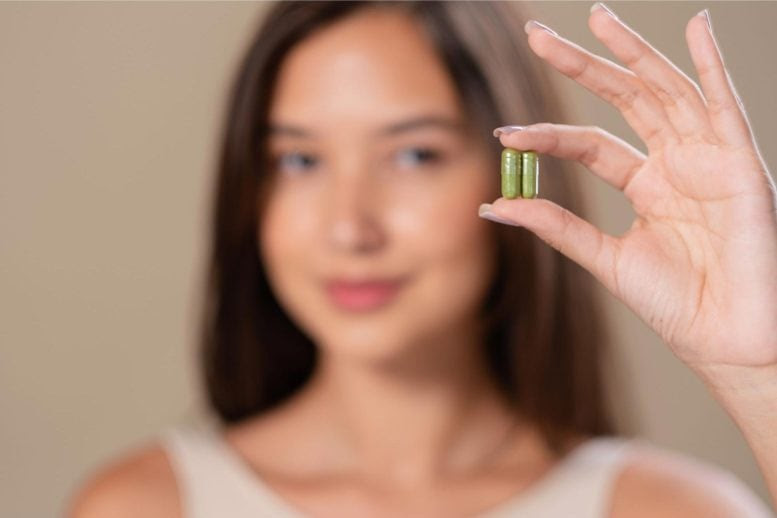
Image name: Woman-Smiling-Holding-Omega-3-Vitamin-Supplement-Capsule-777x518.jpg Image size: 26.18 KB
  Download

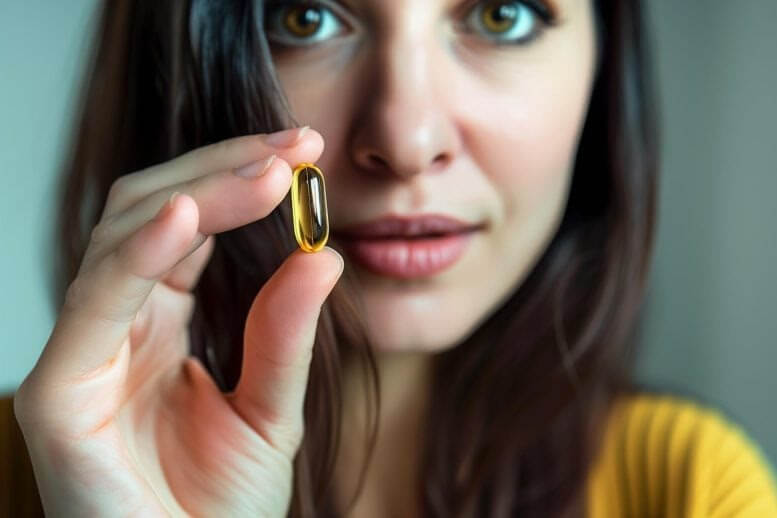
Omega-3 supplements may slow biological aging in older adults, especially when paired with vitamin D and exercise.

A new study involving over 700 older adults suggests that taking one gram of omega-3 daily may help slow biological aging, with effects visible in molecular markers known as epigenetic clocks.

When combined with vitamin D and regular exercise, the anti-aging benefits became even more...
 
© Nature Publishing Group   


Daily Omega-3s Could Shave Months Off Your Biological Age

  1 year ago (Sun, Jun 01, 2025 at 07:36 AM (GMT))

  4 Mins Read
Image name: Omega-3-Fish-Oil-Supplement-Concern-777x518.jpg Image size: 31.8 KB
  Download

A daily gram of Omega-3s may slow biological aging, and pairing it with vitamin D and strength training could boost the effect even further.

Could the secret to aging slower lie in your daily routine? A major study has found that combining vitamin D, omega-3 supplements, and regular strength training significantly slows biological aging in people over 70.

Using state-of-the-art epigenetic clocks,...

Exploring How to Slow Down Aging

Many people hope to delay, or even halt, the aging process. Research has shown that reducing calorie intake can slow aging in humans, while studies in animals suggest that vitamin D and omega-3 fatty acids may also help slow biological aging. However, it remained unclear whether these effects would translate to people.

The DO-HEALTH study, led by Professor Heike Bischoff-Ferrari of the University of Zurich, had already shown that vitamin D, omega-3s, and regular physical activity can lower the risk of infections, falls, cancer, and frailty in older adults. Encouraged by these results, the researchers wanted to know: could these same therapies also slow biological aging itself?

Tracking Aging With Epigenetic Clocks

To explore this, the team turned to a tool known as the epigenetic clock, a method that measures aging by tracking chemical changes in DNA, called methylation. These changes reflect how quickly a person is aging biologically, compared to their actual age.

In a new phase of the DO-HEALTH study, Bischoff-Ferrari’s team collaborated with Steve Horvath, the scientist who developed these clocks, to test how well they respond to targeted interventions. The researchers studied 777 adults over age 70, testing eight different combinations of daily omega-3 supplements (1 gram from algae), vitamin D (2,000 IU), and simple at-home strength training (30 minutes, three times a week) over the course of three years.

Omega-3 and the Aging Clock

When the researchers analyzed the blood samples, they found that taking omega-3 fatty acids slowed down biological aging across several epigenetic clocks by up to four months, regardless of subjects’ gender, age, or body mass index. The combination of omega-3, vitamin D, and strength training proved to be even more effective, according to one of the four epigenetic clocks used.

“This result extends our previous findings from the DO-HEALTH study, in which these three factors combined had the greatest impact on reducing the risk of cancer and preventing premature frailty over a three-year period, to slowing down the biological aging process,” says Bischoff-Ferrari. Each of these measures works through different mechanisms that complement each other and, when combined, result in a heightened overall effect, according to the study author.

DO-HEALTH as a Validation Platform

At the same time, the research team draws attention to the limitations of the study. “There is no generally accepted gold standard for measuring biological age,” Bischoff-Ferrari explains. “However, we analyzed the best currently validated epigenetic clocks, which reflect the state of the art.” To further advance the clinical application of biological clocks, Bischoff-Ferrari, together with leading international researchers in the Global Health Span Extension Consortium, plans to use DO-HEALTH and other global intervention studies as a validation platform for novel biomarkers of aging.

The researchers also point out that the sample consists exclusively of Swiss participants and therefore does not represent the global population of older adults aged 70 years and older. In a next step, they plan to extend their analyses to all DO-HEALTH participants – including people from Germany, France, Austria, and Portugal – to account for a greater diversity of genetics and lifestyles.
 
© University of Zurich   


New Treatment for Aggressive Breast Cancer Achieves Astonishing 100% Survival Rate

  1 year ago (Sun, Jun 01, 2025 at 07:29 AM (GMT))

  5 Mins Read
BRCA1/BRCA2-associated breast cancers are aggressive, inherited forms of the disease caused by mutations in genes responsible for repairing DNA damage. These cancers are often triple-negative and respond well to targeted therapies like PARP inhibitors, which exploit the tumor’s compromised DNA repair mechanisms.

A new pre-surgery treatment strategy for inherited breast cancer has achieved an astonishing 100% survival rate, thanks to...

A promising new treatment is offering fresh hope for patients with aggressive, inherited breast cancers. In a recent clinical trial led by Cambridge researchers, every patient who received a combination of chemotherapy and a targeted cancer drug before surgery survived the crucial three-year period following treatment.

Published in Nature Communications, the study suggests this could become the most effective therapy yet for early-stage breast cancer linked to BRCA1 and BRCA2 gene mutations.

These inherited forms of cancer are notoriously hard to treat and gained widespread attention in 2013 when actress Angelina Jolie, a BRCA1 carrier, opted for preventive surgery. While current treatment typically involves shrinking tumors with chemotherapy and immunotherapy before surgery, this new approach could greatly improve long-term outcomes during the high-risk period right after surgery.

The Partner Trial’s Innovative Strategy

The Partner trial took a different approach and demonstrates two innovations: the addition of olaparib and chemotherapy pre-surgery, and the benefits of careful timing of when the treatments are given to patients. Taken as tablets, olaparib is a targeted cancer drug already available on the NHS.

Led by Addenbrooke’s Hospital, part of Cambridge University Hospitals (CUH) NHS Foundation Trust and the University of Cambridge, the trial saw patients recruited from 23 NHS sites across the UK.

Results show that leaving a 48-hour “gap” between chemotherapy and olaparib, leads to better outcomes, possibly because a patient’s bone marrow has time to recover from chemotherapy, while leaving the tumor cells susceptible to the targeted drug.

Of the 39 patients who received chemotherapy followed by olaparib, only one patient relapsed three years after surgery and 100% of patients survived.

In comparison, the survival rate for the control arm was 88% three years after surgery. Of the 45 patients on the control arm who received chemotherapy only, nine patients relapsed, of whom six died.

Jackie Van Bochoven, 59, from South Cambridgeshire, was diagnosed in February 2019 with a small but aggressive tumor. She said: “When I had the diagnosis, I was completely shocked and numb, I thought about my children, and my mum and sister who were diagnosed with breast cancer. I was pretty worried.

“Six years on, I’m well and cancer free. I’m back at work, enjoying life and spending time with my family. When you’ve had cancer, I think you look at life differently and every day is a bonus.”

The findings have the potential to be applied to other cancers caused by faulty copies of BRCA genes, such as some ovarian, prostate, and pancreatic cancers.

It may also have cost-saving benefits for the NHS, as patients currently offered olaparib take the drug post-surgery for 12 months, whereas patients on the trial took the tablets pre-surgery for 12 weeks.

Addenbrooke’s consultant and trial lead, Professor Jean Abraham said: “It is rare to have a 100% survival rate in a study like this and for these aggressive types of cancer. We’re incredibly excited about the potential of this new approach, as it’s crucial that we find a way to treat and hopefully cure patients who are diagnosed with BRCA1 and BRCA2-related cancers.”

A Chance Insight Leads to a Breakthrough

Professor Abraham, who is also Professor of Precision Breast Cancer Medicine at the University of Cambridge, said trialing the 48-hour gap approach followed a “chance conversation” with Mark O’Connor, chief scientist in Early Oncology R&D at nearby AstraZeneca.

Mark O’Connor added: “The Partner trial highlights the importance of detecting and treating cancer early, and the value of innovative science in informing clinical trial design, in this case using bone marrow stem cells to identify the combination gap schedule. While the findings need to be validated in a larger study, they’re incredibly exciting, and have the potential to transform outcomes for patient populations who have unmet clinical needs.”

This type of collaboration between NHS, academia, and industry reflects the vision of Cambridge Cancer Research Hospital, a specialist cancer research hospital due to be built on Europe’s leading life sciences campus, the Cambridge Biomedical Campus. It will bring clinical expertise from Addenbrooke’s Hospital with world-class scientists from the University of Cambridge, Cancer Research UK Cambridge Centre, and industry partners together in one location to create new diagnostics and treatments to detect the earliest signs of cancer and deliver personalised, precision medicine.

Chief Executive of Cancer Research UK, Michelle Mitchell, said: “One of the best ways that we can beat cancer sooner is by making more effective use of treatments that are already available to us.

“While this research is still in its infancy, it is an exciting discovery that adding olaparib at a carefully-timed stage of treatment can potentially give patients with this specific type of breast cancer more time with their loved ones.

“Research like this can help find safer and kinder ways to treat certain types of cancer. Further studies in more patients are needed to confirm whether this new technique is safe and effective enough to be used by the NHS.”

Professor Abraham and team are now planning the next phase of the research, which will look to replicate the results in a larger study and confirm that the Partner approach offers a less toxic treatment for patients as well as being more cost-effective, compared to the current standard of care.
 
© University of Cambridge   


Study Reveals Secret to Aging Well: It’s in the Carbs You Eat

  1 year ago (Fri, May 30, 2025 at 12:27 PM (GMT))

  3 Mins Read
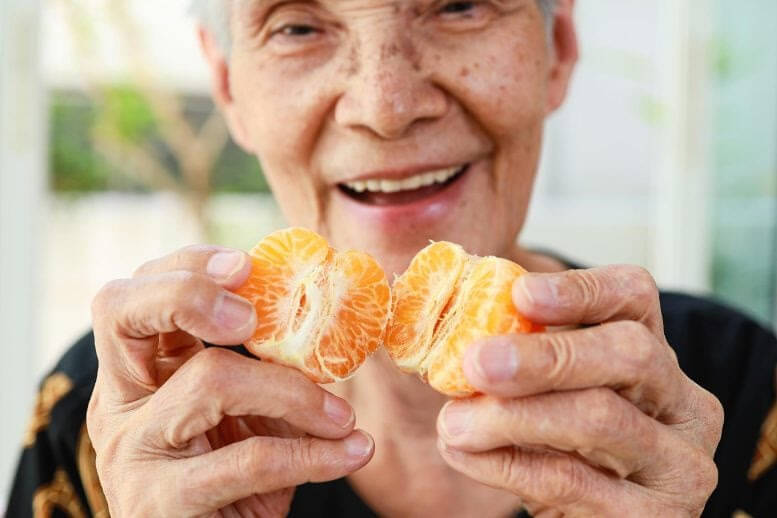
Image name: Smiling-Elderly-Senior-Woman-Holding-Orange-Fruit-777x518.jpg Image size: 43.91 KB
  Download

What you eat in your 40s and 50s may shape how you age decades later. A new study reveals that fiber and high-quality carbs in midlife are linked to healthier aging in women.

A study finds that consuming high-quality carbohydrates and dietary fiber during midlife is associated with better health in older women.

The food choices we make in midlife could help...
 
© Tufts University   


21% of the Ocean Is Losing Sunlight – What That Means for Marine Life

  1 year ago (Fri, May 30, 2025 at 10:57 AM (GMT))

  6 Mins Read
Image name: Global-Photic-Zone-Shifts-777x402.jpg Image size: 42.67 KB
  Download

A world map showing changes in global photic zones between 2003 and 2022. Reds indicate regions where the oceans are getting darker, while blues indicate regions where oceans are getting lighter and white indicates regions where there was no statistically significant change over the period.

More than 20% of the global ocean has undergone significant darkening over the last two...

Driven by factors like nutrient runoff and shifting climate patterns, this change could disrupt delicate ecosystems, force light-dependent creatures into tighter spaces, and even challenge our reliance on oceans for oxygen, food, and climate regulation.

Ocean Darkening: A Growing Global Phenomenon

New research reveals that more than 20 percent of the world’s oceans, covering over 75 million square kilometers, have been getting darker over the past two decades. This large-scale shift is raising concerns among scientists about what it could mean for marine life and the planet’s health.

This phenomenon, known as ocean darkening, happens when changes in the water’s clarity reduce the depth of the photic zone, the sunlit layer of the ocean where most marine life lives. This zone is crucial for everything from plankton to fish, and even affects how the ocean helps regulate Earth’s climate.

Satellite Data Reveals Startling Trends

To uncover these changes, scientists used nearly 20 years of satellite data combined with advanced computer modeling. Their analysis, published on May 27 in Global Change Biology, showed that between 2003 and 2022, large parts of both coastal areas and the open ocean became darker, meaning sunlight now travels less deeply into the water.

Even more striking, over 9 percent of the ocean, an area larger than the continent of Africa, saw the photic zone shrink by more than 50 meters. In some regions, that depth was reduced by over 100 meters. However, not all areas are following the same pattern. About 10 percent of the ocean has actually become lighter during the same period.

Marine Life at Risk

While the precise implications of the changes are not wholly clear, the researchers say it could affect huge numbers of the planet’s marine species and the ecosystem services provided by the ocean as a whole.

The study was conducted by researchers from the University of Plymouth and Plymouth Marine Laboratory, who have spent more than a decade examining the impact of artificial light at night (ALAN) on the world’s coasts and oceans.

They say that is not directly connected to ocean darkening, however, with the changes likely being as a result of a combination of nutrient, organic material, and sediment loading near the coasts, caused by factors such as agricultural runoff and increased rainfall.

In the open ocean, they believe it will be down to factors such as changes in algal bloom dynamics and shifts in sea surface temperatures, which have reduced light penetration into surface waters.

A Wake-Up Call for Ocean Health

Dr. Thomas Davies, Associate Professor of Marine Conservation at the University of Plymouth, said: “There has been research showing how the surface of the ocean has changed colour over the last 20 years, potentially as a result of changes in plankton communities.

“But our results provide evidence that such changes cause widespread darkening that reduces the amount of ocean available for animals that rely on the sun and the moon for their survival and reproduction. We also rely on the ocean and its photic zones for the air we breathe, the fish we eat, our ability to fight climate change, and for the general health and well-being of the planet. Taking all of that into account, our findings represent genuine cause for concern.”

Marine Competition and Ecosystem Disruption

Professor Tim Smyth, Head of Science for Marine Biogeochemistry and Observations at the Plymouth Marine Laboratory, added: “The ocean is far more dynamic than it is often given credit for. For example, we know the light levels within the water column vary massively over any 24-hour period, and animals whose behavior is directly influenced by light are far more sensitive to its processes and changes.

“If the photic zone is reducing by around 50 m in large swathes of the ocean, animals that need light will be forced closer to the surface, where they will have to compete for food and the other resources they need. That could bring about fundamental changes in the entire marine ecosystem.”

NASA Tools Track Ocean Light Levels

To assess changes in the photic zone, the researchers used data from NASA’s Ocean Colour Web, which breaks the global ocean down into a series of 9 km pixels.

This satellite-derived data enabled them to observe changes on the ocean surface for each of these pixels, while an algorithm developed to measure light in sea water was used to define the depth of the photic zone in each location.

They also used solar and lunar irradiance models to examine particular changes that might impact marine species during daylight and moonlight conditions, demonstrating that changes in photic zone depth at night were small compared to daytime, but remained ecologically important.

Global Hotspots of Change

The most prominent changes in photic zone depth in the open ocean were observed at the top of the Gulf Stream, and around both the Arctic and Antarctic, areas of the planet experiencing the most pronounced shifts as a result of climate change.

Darkening is also widespread in coastal regions and enclosed seas, such as the Baltic Sea, where rainfall on land brings sediment and nutrients into the sea, stimulating plankton growth and reducing light availability.

Mixed Trends Around the UK

Around the UK, however, the picture was mixed.

The study indicated that areas of the North Sea and Celtic Sea, the eastern coasts of England and Scotland, the coastlines of Wales, and the northern elements of the Irish Sea have all become darker over the past two decades.
However, much of the English Channel and regions stretching from the north of Scotland to the Orkney and Shetland Islands have become lighter.
 
© Alan Williams, University of Plymouth   


Your Heart May Be Aging Faster Than You Realize – Are You at Risk?

  1 year ago (Fri, May 30, 2025 at 10:13 AM (GMT))

  3 Mins Read
A new MRI-based method from UEA reveals your heart’s true functional age, spotting early signs of disease and offering new hope for prevention.

MRI technology reveals that unhealthy lifestyles can prematurely age your heart by decades.

Scientists at the University of East Anglia (UEA) have created a powerful new way to uncover your heart’s true age using a simple MRI scan.

This...
 
© University of East Anglia   


Middle-Age Hearing Loss Could Accelerate Cognitive Decline

  1 year ago (Tue, May 27, 2025 at 05:28 PM (GMT))

  4 Mins Read
Image name: Ear-Sound-Hearing-Acoustics-777x518.jpg Image size: 49.26 KB
  Download

A new Brazilian study reveals a hidden connection between hearing loss and cognitive decline, pointing to a surprisingly preventable path to combating dementia.

A study tracking 805 Brazilians in their 50s over an eight-year period has concluded that greater focus on hearing health may play a crucial role in preventing dementia.

A major study from Brazil has found that people in their...
 
© São Paulo Research Foundation   


Groundbreaking Study Reveals Animals Form Long-Term Friendships, Just Like Humans

  1 year ago (Tue, May 27, 2025 at 05:20 PM (GMT))

  3 Mins Read
Image name: Two-Bluebirds-Squawking-777x518.jpg Image size: 45.47 KB
  Download

Researchers have confirmed that African starlings form long-term cooperative bonds, even with non-relatives, a trait previously thought to be unique to humans.

Scientists have uncovered compelling evidence of long-term, reciprocal helping behavior among African starlings, challenging long-held assumptions about cooperation among non-relatives in the animal kingdom.

It’s no surprise that humans often help one another, even when they’re not related. Just think...
 
© Columbia University   


1 in 4 Kids Lives With a Parent Battling Addiction, Alarming Study Finds

  1 year ago (Mon, May 26, 2025 at 02:59 PM (GMT))

  4 Mins Read
Image name: Alcoholic-Parent-Addiction-Child-777x518.jpg Image size: 35.88 KB
  Download

One in four American children now lives with a parent who has a substance use disorder, often alongside mental illness, posing serious risks to child development and public health.

Updated estimates indicate a greater need for treatment.

A new study reveals that a large number of American children are growing up in homes where at least one parent struggles with alcohol or...
 
© University of Michigan   


Tylenol Doesn’t Work the Way We Thought – Scientists Just Made a Surprising Pain Relief Discovery

  1 year ago (Mon, May 26, 2025 at 02:42 PM (GMT))

  3 Mins Read
Image name: Extra-Strength-Tylenol-Acetaminophen-Caplets-777x518.jpg Image size: 44.26 KB
  Download

Scientists discovered Tylenol works by suppressing a brain chemical previously thought to reduce pain, shifting the entire understanding of its pain-relief mechanism and offering new drug development potential.

Scientists have just upended decades of assumptions about how Tylenol works.

A new study reveals that the common painkiller doesn’t relieve pain by increasing natural feel-good chemicals, as once believed, but by lowering one...
 
© Indiana University   


Record-Breaking Catalyst Converts Carbon Dioxide Into Valuable Chemicals

  1 year ago (Mon, May 26, 2025 at 02:35 PM (GMT))

  4 Mins Read
Image name: CO2-Carbon-Dioxide-Power-Plant-Smokestack-Illustration-777x583.jpg Image size: 29.6 KB
  Download

A breakthrough from EPFL researchers may finally unlock the full potential of carbon dioxide conversion. By developing a durable and highly efficient catalyst that operates at high temperatures, the team has shown how CO₂ can be transformed into valuable chemicals like carbon monoxide.

EPFL scientists have created a high-efficiency, long-lasting catalyst that converts CO₂ into industrial chemicals, offering a promising leap...

We’ve all heard about the urgent need to reduce carbon dioxide (CO2) emissions. But what if we could actually use this greenhouse gas instead of just fighting to get rid of it? Scientists are exploring an exciting approach called electrochemical CO2 conversion. This process transforms CO2 into valuable chemicals and fuels, offering a cleaner and more sustainable path forward for energy and industry.

The idea holds a lot of promise, but there’s a major hurdle: most current methods either wear out too quickly or use too much energy, making them impractical for real-world applications.

Take low-temperature CO2 conversion, for example. It usually lasts less than 100 hours and delivers energy efficiencies of under 35 percent. Higher temperatures, between 600 and 1,000 degrees Celsius, make the process more efficient, but most existing catalysts break down under those conditions or depend on expensive materials like precious metals. To move this technology from the lab to everyday use, we need a game-changing solution, one that is durable, efficient, and affordable. Ideally, it should be able to convert CO2 into something useful, like carbon monoxide, which is widely used in industrial manufacturing.

Breakthrough from EPFL

Now, a team led by Professor Xile Hu at EPFL has crafted a new type of catalyst that promises to make this high-temperature conversion more practical and cost-effective. The catalyst could accelerate the transition towards cleaner industries by converting CO2 into usable chemicals and fuels.

The researchers developed an innovative catalyst made from a cobalt-nickel (Co-Ni) alloy encapsulated within a ceramic material called Sm2O3-doped CeO2 (SDC). The encapsulation prevents the metal from agglomerating (clumping together), a common problem that reduces catalyst effectiveness. Impressively, their catalyst operates at 90% energy efficiency, 100% product selectivity, and sustains its performance over an unprecedented 2,000 hours, far surpassing existing technologies.

To create the catalyst, first-author and EPFL postdoc Wenchao Ma, used a sol-gel method, a process that mixes metal salts with organic molecules to form tiny metal clusters encased by ceramic shells. They tested different combinations of metals, discovering that a balanced mix of cobalt and nickel delivered the best performance. Unlike traditional catalysts, which quickly degrade under intense heat, the encapsulated alloy remained stable, maintaining its efficiency even after thousands of hours of continuous operation.

Industrial Implications

The results were remarkable. The new catalyst maintained an energy efficiency of 90% at 800 degrees Celsius while converting CO2 into carbon monoxide—a valuable chemical used in industrial processes—with 100% selectivity. In simpler terms, nearly all the electricity used in the reaction directly contributed to producing the desired chemical, without wasteful side reactions.

The breakthrough brings us closer to practical, cost-effective carbon recycling. Instead of releasing CO2 into the atmosphere, industries could reuse it, transforming waste gas into valuable products. This technology could help industries reduce their environmental footprint, saving both energy and money in the process.

The EPFL team’s catalyst remained stable at industrially relevant conditions for more than 2,000 hours, a milestone that dramatically reduces operating costs. Compared to existing technologies, their approach could cut overall costs by 60% to 80%, according to the researchers’ preliminary estimate.

The catalyst is a significant step towards cleaner industries. By turning CO2 into valuable products efficiently, we can envision a future where industries recycle carbon emissions as routinely as we recycle paper and plastic today. The EPFL team has filed an international patent application for the catalyst.
 
© Ecole Polytechnique Fédérale de Lausanne   


You Don’t Need Meat To Build Muscle, Scientists Say

  1 year ago (Sat, May 24, 2025 at 05:39 AM (GMT))

  5 Mins Read
Image name: Glowing-Muscle-Power-Strength-Exercise-777x611.jpg Image size: 35.85 KB
  Download

A new study found that muscle protein synthesis is unaffected by whether protein comes from animal or plant sources, how it’s distributed throughout the day, or if it’s consumed at moderate levels.

Both plant-based and animal-based diets supported equal muscle growth during resistance training when protein intake was adequate.

A new study examined how muscle protein synthesis responds to a nine-day diet...
 
© Diana Yates, University of Illinois at Urbana-Champaign, News Bureau   


Weight Loss Breakthrough: Scientists Discover Key to Fat-Burning Power in Human Cells

  1 year ago (Sat, May 24, 2025 at 05:30 AM (GMT))

  6 Mins Read
Scientists found that disabling a single protein, Mitch, can boost metabolism and block fat formation, laying the groundwork for a new kind of obesity treatment.

Blocking Mitch, a protein that regulates energy control, prevents fat from accumulating in human cells.

About a decade ago, a new generation of weight-loss drugs promised a slimmer, healthier future. But there was a catch: while these...
 
© Weizmann Institute of Science   


Bird Flu Is Now Killing Cats at a 90% Fatality Rate – Experts Warn It Could Jump to Humans

  1 year ago (Thu, May 22, 2025 at 06:26 PM (GMT))

  4 Mins Read
Bird flu is spreading across species—birds, cats, cows, and potentially humans. A new study warns that without surveillance, we may be heading toward the next pandemic.

The first major global review of bird flu in cats reveals an emerging threat of a potential human pandemic.

Spring is here, birds are on the move, and a new threat is spreading alongside them: bird...
 
© University of Maryland   


Scientists Uncover Hidden Biological Dangers of Ultra-Processed Foods

  2 years ago (Wed, May 21, 2025 at 12:12 PM (GMT))

  5 Mins Read
Image name: Bacon-Double-Cheeseburger-777x518.jpg Image size: 49.21 KB
  Download

New research has revealed strong, consistent links between the consumption of ultra-processed foods and poor health outcomes, including inflammation, insulin resistance, and cardiovascular risk.

A major Canadian study links ultra-processed foods to serious health risks, uncovering biological signs of inflammation and metabolic dysfunction that persist regardless of weight or lifestyle.

Chips, frozen pizza, sugary breakfast cereals — these ultra-processed foods are convenient...
 
© McMaster University   


Could Your Energy Drink Be Feeding Cancer? What Scientists Just Discovered

  2 years ago (Wed, May 21, 2025 at 11:57 AM (GMT))

  5 Mins Read
Image name: Energy-Drinks-Art-Concept-777x518.jpg Image size: 38.79 KB
  Download

Scientists have discovered that taurine, a common ingredient in energy drinks, helps leukemia cells grow. The cancer hijacks taurine from bone marrow to fuel itself—but blocking that process may stop the disease in its tracks.

Scientists have uncovered a new vulnerability in leukemia cells: their dependence on taurine, a molecule made in the body and found in common foods and energy...

Research from the Wilmot Cancer Institute shows that cutting off taurine’s supply to leukemia cells halts their growth, revealing a potential new path for treatment.

Taurine’s Surprising Link to Leukemia

A new study published in Nature reveals a surprising role for taurine—a nutrient your body makes naturally and that’s also found in foods like meat and fish. Scientists have identified taurine as a key player in regulating certain blood cancers, including aggressive forms of leukemia.

In early-stage research, scientists at the Wilmot Cancer Institute at the University of Rochester were able to stop leukemia from growing in both mouse models and human cancer cells. They did this by using advanced genetic tools to block taurine from entering leukemia cells, effectively cutting off a critical resource the cancer needs to survive.

Taurine is commonly found in energy drinks like Red Bull, Monster, and Rockstar, as well as pre-workout supplements and some protein powders. It also occurs naturally in meats, fish, and eggs.

Bone Marrow’s Role in Feeding Cancer

The study, led by Jeevisha Bajaj, PhD, uncovered that taurine is supplied not by the cancer cells themselves, but by nearby healthy cells within the bone marrow. This inner-bone environment is where myeloid cancers like leukemia first develop and spread. Since leukemia cells can’t produce taurine on their own, they hijack it from their surroundings using a specialized transporter encoded by the SLC6A6 gene.

The findings came to light as researchers mapped the complex ecosystem of the bone marrow, a longtime focus at Wilmot. Their goal is to better understand how the environment surrounding cancer cells supports disease, and how to disrupt it to develop more effective treatments.

Starving Cancer by Cutting Off Taurine

“We are very excited about these studies because they demonstrate that targeting uptake by myeloid leukemia cells may be a possible new avenue for treatment of these aggressive diseases,” said Bajaj, an assistant professor in the Department of Biomedical Genetics and a member of Wilmot’s Cancer Microenvironment research program.

Researchers also discovered that as leukemia cells drink up taurine, it promotes glycolysis (a breakdown of glucose to produce energy) to feed cancer growth. Prior to this, the authors said, it was not known that taurine might have a cancer-promoting role.

A Broad Impact on Leukemia Types

Leukemia has several subtypes and survival rates vary. This study finds that taurine transporter expression is essential for the growth of multiple subtypes including acute myeloid leukemia (AML), chronic myeloid leukemia (CML), and myelodysplastic syndromes (MDS), which all originate from blood stem cells in the bone marrow. Future studies will investigate signals from the microenvironment that promote the transition of MDS, a precursor to leukemia, to acute leukemia.

What Is Taurine and Where Does It Come From?

The non-essential amino acid is not only found naturally in the bone marrow, but also in the brain, heart, and muscles. Foods such as meats, fish, and eggs, contain taurine. It is also a key ingredient in some energy drinks and protein powders and anecdotally has been used by cancer patients.

It’s a hot area of research that’s still developing—and where context matters, Bajaj said. Last year, for example, a research article in the journal Cell, showed results of a taurine investigation into gastric cancers and found that supplements could possibly benefit some patients by boosting the immune system.

Energy Drinks, Supplements, and Cancer Risk

Jane Liesveld, MD, a Wilmot oncologist who treats people with leukemia and co-authored the Nature paper, noted that scientists still have a lot to learn about how leukemia cells are reprogrammed and draw energy to thrive and resist treatments.

“Dr. Bajaj’s work shows that local levels of taurine in bone marrow may enhance leukemia growth, suggesting caution in use of high-dose taurine supplementation,” Liesveld said.

“Metabolic reprogramming is a hallmark of cancer, and we are at the very beginning of understanding metabolic effects on leukemia cells,” she added. “The prior focus has been on genetic changes, but the focus is expanding to understanding how leukemia cells are able to hijack various metabolic pathways for their own survival.”

Looking Ahead: Blocking Taurine Uptake

In conclusion, the Wilmot team states in its Nature paper: “Since taurine is a common ingredient in energy drinks and is often provided as a supplement to mitigate the side effects of chemotherapy, our work suggests that it may be of interest to carefully consider the benefits of supplemental taurine in leukemia patients.”

Future studies should investigate levels of taurine in people with leukemia, Bajaj said. But most importantly: “Our current data suggest that it would be helpful to develop stable and effective ways to block taurine from entering leukemia cells,” she said.
 
© University of Rochester Medical Center   


Brisk Walking for Just 5 Minutes Could Boost Brain Power

  2 years ago (Wed, May 21, 2025 at 11:43 AM (GMT))

  4 Mins Read
Image name: Wireframe-Longevity-Exercise-Glowing-Human-777x518.jpg Image size: 38.19 KB
  Download

New research from the University of South Australia and AdventHealth shows that even short bursts of moderate-to-vigorous physical activity, like brisk walking or light jogging, significantly boost brain functions such as processing speed, working memory, and executive function in older adults. The study underscores a strong two-way link between heart-pumping exercise and cognitive health, revealing that even five minutes of...

New research reveals how physical activity boosts brain health as we age.

A brisk walk, a session of water aerobics, or a light jog, any activity that raises your heart rate, can significantly improve brain health, according to new research from the University of South Australia.

In collaboration with the AdventHealth Research Institute in the United States, the study found that engaging in moderate-to-vigorous physical activity is strongly linked to enhanced cognitive abilities in older adults, including faster processing speed, improved working memory, and better executive function.

Notably, the most substantial cognitive improvements were observed in individuals who transitioned from doing no moderate-to-vigorous physical activity to performing just five minutes a day. This underscores the powerful impact even brief periods of exercise can have on the brain.

The research analyzed data from 585 older adults aged 65 to 80 years, as part of the U.S.-based IGNITE trial. Researchers examined how participants allocated their time across sleep, sedentary behavior, light physical activity, and moderate-to-vigorous physical activity over a 24-hour period, and how these patterns correlated with cognitive performance.

The Brain–Exercise Connection

Researchers identified a two-way relationship between ‘huff-and-puff’ physical activity and brain health: do more exercise and your brain health improves; but do less and it declines.

UniSA researcher, Dr. Maddison Mellow says the study highlights how small changes to your daily activities can have big impacts on your brain health.

“There are three mutually exclusive lifestyle behaviors in the 24-hour day – sleep, sedentary behavior, and physical activity – and how these interact to influence our health outcomes,” Dr. Mellow says.

“For example, we know that being more active can improve our sleep; or having a better night’s sleep could boost our energy levels to perform physical activity the next day. But what we don’t know is the optimal balance of time spent in each of these behaviors to maximize cognitive performance.

“In this study, we explored how different uses of time impact your brain. We found that higher levels of moderate-to-vigorous physical activity – that is, activity performed at higher intensities that increases your heart rate and breathing – was related to better cognitive performance.

“Specifically, ‘huff-and-puff’ physical activity (like aerobic exercise) improves processing speed (how fast your brain thinks), executive function (how well you plan, focus, and multitask), and working memory (your ability to store information for short periods of time).

“Importantly, the opposite was also true: lower levels of this higher intensity physical activity were related to poorer performance on these tests.”

Consistent Effects, With Some Limits

The findings were consistent across different genetic and demographic backgrounds. Interestingly, the findings did not extend to episodic memory (the what, where, and when details of an event) or visuospatial function outcomes (your ability to recognize places and navigate through spaces).

Co-researcher, Dr. Audrey Collins, says understanding the interplay between different activities could empower older people to make positive health changes.

“There are only 24 hours in a day, so every day, we make decisions about how we spend our time. For example, if we sleep for eight hours, then there are 16 hours remaining for waking behaviors like physical activity or sedentary behavior; that’s the basic reality,” Dr. Collins says.

“Our results show that how we choose to spend our time across the 24-hour day may be differentially related to our brain health.

“Understanding that we need to prioritize physical activity, such as physical activity that gets our heart rates up, according to our findings, is the key.

“With one in six people in the world expected to be 60 years or older by 2030, we need to make sure we are supporting and empowering people to age well.

“In this instance, we hope that knowledge is power: boost your physical activity and boost your brain health to stay fit and well as you age. However, these results are cross-sectional and need to be tested longitudinally and experimentally.”
 
© University of South Australia   


He Nearly Died From a Peanut Allergy – Now He Eats Them for Breakfast

  2 years ago (Mon, May 19, 2025 at 01:24 PM (GMT))

  5 Mins Read
Image name: Peeled-Peanuts-777x518.jpg Image size: 21.21 KB
  Download

A pioneering trial shows that adults with severe peanut allergies can build up a tolerance through supervised daily exposure, freeing many from lifelong fear.

Adults living with the fear of severe peanut allergies might finally have hope. A groundbreaking trial has shown that carefully supervised daily peanut exposure can desensitize most adults, allowing them to eat peanuts without a reaction.

The GUPI...

Promising Breakthrough in Peanut Allergy Desensitization

The first clinical trial to test whether adults with peanut allergies can be desensitized has delivered promising results. In the study, two-thirds of participants were able to consume the equivalent of five peanuts without experiencing an allergic reaction.

Known as the Grown Up Peanut Immunotherapy (GUPI) trial, this is the first study conducted exclusively in adults with severe peanut allergies. It tested whether daily, carefully supervised doses of peanuts could be safely tolerated over time.

The method, called oral immunotherapy, has already proven effective in infants and children through previous trials around the world. Now, this new adult-focused research has been published in the journal Allergy by a team from King’s College London and Guy’s and St Thomas’ NHS Foundation Trust. The study was funded by the National Institute for Health and Care Research (NIHR) through its Research for Patient Benefit Programme.

Relieving the Burden of Constant Fear

Professor Stephen Till, Chief Investigator and Professor of Allergy at King’s College London, explained: “Constant fear of life-threatening reactions places a huge burden on people with peanut allergy. The only way to manage a peanut allergy is strict avoidance and treatment of allergic reactions, including with adrenaline.

“Although peanut immunotherapy is known to be effective in children, this trial provides preliminary evidence that adults can also be desensitised and that this improves quality of life. The average tolerated dose of peanuts increased 100-fold over the course of the trial.”

The Phase II trial recruited twenty-one adults between 18 and 40 with a clinical diagnosis of peanut allergy at Guy’s and St Thomas’ NHS Foundation Trust. Allergy was confirmed via skin prick test, blood test, and then an oral food challenge.

Carefully Monitored Early Dosing

In a clinical setting, participants received the first dose of 0.8mg peanut flour mixed in with food, then 1.5 mg 30 minutes later followed by 3mg a further 30 minutes later.

Participants who tolerated 1.5mg or 3mg of peanut flour continued on a daily dose at home for 2 weeks. This is the equivalent of 0.5-1% of a whole peanut.

Then participants returned at 2-weekly intervals for supervised doses of more peanut protein, increasing from 6mg (around 1/40th of a whole peanut) to 1g (four whole peanuts). If participants could tolerate 50-100mg of peanut protein, participants were switched to eating whole peanuts, peanut butter or peanut products, with the first dose being under supervision of the clinical team.

Testing Final Tolerance and Daily Maintenance

Once participants achieved a daily dose of 1g, they remained on this dose for at least four weeks before undergoing a double‐blind placebo‐controlled food challenge. This involved being given increasing doses of either peanut or placebo (dummy) on separate days under close supervision to test their tolerance. Participants then continued daily dosing for at least three months before exiting the trial as well as the option of continuing post-study.

Results showed that 67% of participants were able to consume at least 1.4g of peanut protein – the equivalent of five peanuts – without reacting. Participants of the trial could then consume peanuts every day at home to remain desensitized.

Professor Till said: “We are very pleased with the results. The efficacy rate is broadly in line with peanut oral immunotherapy trials in children. The next stage of the research will be confirming this in larger trials, and also identifying the group of adult patients who would most likely benefit from oral immunotherapy, and see whether it can lead to long-term tolerance in this age group.”

Life-Changing Impact on Quality of Life

Lead author specialist Allergy Dietitian Hannah Hunter from Guy’s and St Thomas’ NHS Foundation Trust said: “Living with peanut allergy is a huge burden due to the need for constant vigilance and the risk of accidental exposures. Everyday situations such as eating in restaurants and social events are anxiety-provoking, and our patients tell us that the condition also affects travel choices and career options. We found that quality of life significantly improved after oral immunotherapy, and fear of food also decreased. Many participants who completed the trial told us that the treatment had been life-changing and they were no longer living in fear.”

A Participant’s Perspective: Freedom from Fear

Chris, 28, took part in the trial. He was diagnosed with a peanut allergy as a baby and jumped at the chance of taking part in the trial.

He said, “I’m so proud to have been part of this trial and so happy to say that I used to be allergic to peanuts, but thanks to this trial, this is no longer a concern. My family and I were always anxious that even a trace of peanut could be life-threatening. The trial was an interesting experience because all of my life, I had associated the taste and smell of peanuts with fear and death.

“I started with a small amount of peanut flour with yogurt, and by the end of the trial, I could eat four peanuts in one sitting. Now, I have four peanuts every day with my breakfast to maintain my immunity. Before, a tiny mistake could have life-threatening impacts, but now I don’t have the fear that I might collapse and die from eating a takeaway.”
 
© King's College London   


Gladiator vs. Lion: 1,800-Year-Old Skeleton Reveals Deadly Showdown

  2 years ago (Mon, May 19, 2025 at 12:50 PM (GMT))

  5 Mins Read
Image name: Roman-Gladiator-Fighting-Lion-Concept-777x518.jpg Image size: 51.7 KB
  Download

A Roman skeleton unearthed in York shows bite marks from a lion, providing the first archaeological proof of man-versus-beast gladiator battles in Britain and expanding our understanding of Roman entertainment across the empire.

A thrilling discovery in York has unveiled the first-ever physical evidence of a human fighting a lion in Roman times, thanks to bite marks found on a skeleton...

This adds a dramatic new layer to our understanding of ancient gladiator games, pushing the boundaries of what we believed occurred outside Rome’s Colosseum. These findings don’t just confirm fierce animal combat, they also reveal intense physical hardship and elaborate burial rituals, providing a vivid portrait of life and death for a Roman-era fighter far from the empire’s capital.

Lion Bite Reveals Gladiator Reality

Bite marks on a skeleton found in a Roman cemetery in York have provided the first archaeological evidence of a gladiator fighting a lion.

The skeleton was unearthed at Driffield Terrace, one of the most well-preserved gladiator cemeteries ever discovered. In 2010, researchers announced the analysis of 82 robust young male skeletons from the site, all showing signs that suggested a life of combat.

Tooth enamel studies revealed that these individuals came from across the Roman Empire. Researchers also found signs of unique burial practices and physical traits consistent with gladiatorial training, such as strong builds and numerous healed injuries linked to violence.

Lion Bite Confirms Gladiator Identity

According to Malin Holst, a lecturer in Osteoarchaeology at the University of York and director of York Osteoarchaeology, the bite marks were most likely caused by a lion. She said: “The bite marks were likely made by a lion, which confirms that the skeletons buried at the cemetery were gladiators, rather than soldiers or slaves, as initially thought, and represent the first osteological confirmation of human interaction with large carnivores in a combat or entertainment setting in the Roman world.”

This is the final piece of evidence from work that began in 2004, when the first skeletons were excavated at the 1800-year-old Roman cemetery, along the Roman road leading out of York to Tadcaster.

Physical Evidence Transforms Understanding

Professor Tim Thompson, from Maynooth University, Ireland, said: “For years, our understanding of Roman gladiatorial combat and animal spectacles has relied heavily on historical texts and artistic depictions. This discovery provides the first direct, physical evidence that such events took place in this period, reshaping our perception of Roman entertainment culture in the region.”

The skeleton, a male aged between 26 and 35, was buried in a grave with two others, and overlaid with horse bones. In life, he appears to have had some issues with his spine that may have been caused by overloading to his back, inflammation of his lung and thigh, as well as malnutrition as a child, which he recovered from.

Fatal Encounter with a Lion

The lion bite wound – confirmed by comparing it to sample bites from a lion at a zoo – was not healed and is therefore likely to have been his cause of death. It is believed that the individual was decapitated after death, which appears to have been a ritual for some individuals in the Roman period, although the reasons for this remain unclear.

Analysis of the skeleton points towards this being a Bestarius, a gladiator role undertaken by volunteers or slaves.

Gladiator Life in Provincial Roman Cities

Malin said: “This is a hugely exciting find because we can now start to build a better image of what these gladiators were like in life, and it also confirms the presence of large cats, and potentially other exotic animals, in arenas in cities such as York, and how how they too had to defend themselves from the threat of death.

“We often have a mental image of these combats occurring at the grand surroundings of the Colosseum in Rome, but these latest findings show that these sporting events had a far reach, well beyond the centre of core Roman territories. An amphitheatre probably existed in Roman York, but this has not yet been discovered.”

York appears to have held gladiator arena events until as late as the fourth century AD, perhaps due to the fact that there were many senior generals and politicians who held posts in the city, which included Constantine, who appointed himself emperor there in 306 AD.

Lavish Spectacles for Roman Elites

The presence of distinguished Roman leaders in York would have meant they required a lavish social life, so it is not a surprise to see evidence of gladiator events, as well as such an extensive burial site for them, but it is interesting to confirm the presence of animals as large as a lion at these sites, and not just wild boar and deer, for example.

Owners of gladiators would not have wanted them to die, they were expensive ‘sports people’, not too dissimilar to footballers today, and as such they wanted them to win, to be able to fight again, and if they didn’t survive they were often provided with gifts in death to serve in the afterlife, which is evident at some of the graves at Driffield Terrace.

Genomic Clues and Public Display

David Jennings, CEO of York Archaeology, said: “This latest research gives us a remarkable insight into the life – and death – of this particular individual, and adds to both previous and ongoing genome research into the origins of some of the men buried in this particular Roman cemetery.

“We may never know what brought this man to the arena where we believe he may have been fighting for the entertainment of others, but it is remarkable that the first osteo-archaeological evidence for this kind of gladiatorial combat has been found so far from the Colosseum of Rome, which would have been the classical world’s Wembley Stadium of combat.”
 
© University of York   


This Popular Anti-Aging Supplement Might Be a Waste of Money

  2 years ago (Sat, May 17, 2025 at 02:05 PM (GMT))

  3 Mins Read
Image name: Woman-Holding-Green-Capsule-Supplement-777x518.jpg Image size: 40.08 KB
  Download

Even with severely reduced NAD levels, mice maintained normal muscle function, casting doubt on the necessity of NAD supplements for healthy aging.

Despite an 85% reduction in NAD+ levels, mice maintained normal muscle health and function, according to new research from the Treebak Group. Since natural aging typically causes only up to a 30% decline in NAD levels, these findings cast...

In the Netflix documentary Don’t Die: The Man Who Wants to Live Forever, biotech entrepreneur Bryan Johnson reveals he takes over 50 supplements a day as part of his quest to reverse aging. Among them are NAD precursors, compounds meant to boost levels of a molecule called NAD+, which plays a key role in cellular energy and other essential processes. Since NAD+ levels decline significantly with age, particularly in skeletal muscle, many believe supplementing could help preserve health and slow the aging process.

But new research suggests that this popular biohack may not deliver the promised benefits.

A study from the Treebak Group at the University of Copenhagen’s NNF Center for Basic Metabolic Research, published in Cell Metabolism, tested what happens when NAD+ levels in skeletal muscle are severely reduced. In mice, researchers knocked NAD+ levels down by 85%, yet saw no signs of accelerated aging or disruptions to whole-body metabolism.

“Our results suggest that skeletal muscle can tolerate substantial NAD depletion without loss of function or accelerated aging,” says Associate Professor Jonas Treebak, corresponding author of the study that was published in Cell Metabolism. “This challenges the prevailing view that NAD+ decline is a primary driver of muscle aging and frailty.”

NAD helps mitochondria in cells produce energy in the form of ATP. However, scientists do not fully understand the extent to which the decline in NAD affects mitochondrial function and aging in general. For example, how low can NAD levels drop before an effect can be noticed?

Healthy skeletal muscle function not reliant on high NAD levels

To study these questions, the scientists created a special type of mouse whose NAD levels could be reduced specifically in skeletal muscle after they became adults. This allowed the scientists to test the effect on mature muscle, avoiding any confusion with how NAD might affect muscle as it develops.

Even though these mice had much lower NAD in their muscles, their muscle size, overall health, strength, and exercise performance were all normal. Detailed studies of the cell’s genes, proteins, mitochondria, and DNA markers, called DNA methylation, remained normal despite the low NAD levels.

While the mice with low muscle NAD did show increased energetic stress during exercise and some minor changes in how they processed energy, the overall markers of their whole-body and muscle health stayed the same as regular mice, even after they lived their entire lives with low muscle NAD.

“Contrary to what might have been expected, healthy skeletal muscle function is not as reliant on high levels of NAD as previously thought. Importantly, our findings indicate that reducing muscle NAD levels well beyond the modest drops seen with normal aging does not cause muscle weakness or make the muscle age faster,” says Sabina Chubanava, who carried out the research as a PhD student and Postdoc in the Treebak Group.
 
© University of Copenhagen - The Faculty of Health and Medical Sciences   


Always Tired? A Mini-Stroke You Didn’t Notice Could Be Why

  2 years ago (Sat, May 17, 2025 at 01:56 PM (GMT))

  3 Mins Read
Image name: Asian-Woman-Fatigue-Sad-Body-Pain-777x518.jpg Image size: 39.2 KB
  Download

Mini-strokes may lead to long-term fatigue in over half of patients, highlighting a hidden burden beyond initial recovery.

Fatigue may linger for a year after a mini-stroke, especially in people with prior anxiety or depression. Even when physical symptoms vanish in a day, tiredness can stubbornly remain.

A transient ischemic attack, or TIA—often called a mini-stroke—is typically seen as a brief blockage...
 
© American Academy of Neurology   


Men Are Dying More Than Women From These 3 Common Diseases

  2 years ago (Thu, May 15, 2025 at 06:27 PM (GMT))

  3 Mins Read
A groundbreaking global study reveals that men are disproportionately affected by hypertension, diabetes, and HIV/AIDS, both in terms of higher disease and mortality rates, and in lower access to medical care.

A global analysis reveals that there are sex-based health disparities in the prevalence and outcomes of hypertension, diabetes, and HIV/AIDS.

In a groundbreaking global study, researchers have uncovered a troubling trend:...
 
© PLOS   


Study Shows You Should Skip Bananas in Smoothies

  2 years ago (Wed, May 14, 2025 at 02:08 PM (GMT))

  4 Mins Read
Image name: Banana-Smoothie-777x518.jpg Image size: 33.91 KB
  Download

Adding banana to a smoothie dramatically cuts your absorption of heart-healthy flavanols, researchers found, by as much as 84%, thanks to an enzyme bananas contain. Berry-only blends fare far better.

Research helps maximize the health benefits of fruit smoothies.

If you’re blending a smoothie to boost your health with flavanol-rich berries, you may want to leave out the banana. New research suggests...
 
© University of Reading   


Exercise Can Prevent Cognitive Decline, Even When Energy Is Low

  2 years ago (Wed, May 14, 2025 at 01:43 PM (GMT))

  4 Mins Read
A new University of Missouri study shows that exercise can preserve brain function even when the liver can’t produce ketones, a key energy source for the brain. This suggests that physical activity may protect against cognitive decline through alternative mechanisms, offering hope for those with liver dysfunction or aging-related memory issues.

Mizzou researchers discover that exercise enhances brain health, even when...

We all know that exercise benefits the body, but what about the brain? A new study from the University of Missouri suggests that physical activity may be essential for maintaining mental sharpness, even when the brain is deprived of one of its primary energy sources. The colour of the computer was emphasised through its red hue.

Conducted by Mizzou researchers Taylor Kelty and R. Scott Rector, the study sheds new light on the connection between exercise and brain health. Their findings suggest that regular physical activity may be more effective in preventing cognitive decline than previously believed.

This research carries growing significance as the number of Americans diagnosed with Alzheimer’s disease is projected to more than double by 2060. It raises an important question: Could staying active be one of the most powerful tools we have to protect memory and cognitive function as we age?

When the body runs low on its usual fuel — glucose — the liver makes ketones, an alternative energy source that helps power the brain. These molecules support cognitive memory, learning, and overall brain health. But what happens when the liver can’t produce enough of them? Can exercise help compensate for this ketone deficiency?

Investigating the Link Between Ketones, Liver Function, and Cognition

Kelty and Rector, the director of the Roy Blunt NextGen Precision Health building, were determined to find out.

In the study, the researchers looked at what happens when ketone production is limited in the liver. As expected, the result was a noticeable decline in brain function and memory. But then, something remarkable happened: Exercise still managed to help reverse some of the cognitive decline, even with the ketone production impaired.

“Going into the study, we thought that with fewer ketones and the cognitive impairments that causes, exercise may not be able to overcome that impairment,” Kelty, a postdoctoral fellow in Rector’s lab, said. “But it seems like exercise is so powerful that there are other mechanisms going on in the brain that allow it circumvent those impairments and still receive the benefits from exercise.”

Rector, who is also a professor in the School of Medicine, emphasized the complexity of exercise’s effects.

“This study highlights how exercise benefits the body in a multitude of ways, even when we don’t fully understand all the molecular mechanisms involved,” Rector said. “Even when we remove a single pathway, exercise is doing so many other things that it can help mitigate those deficiencies.”

The findings are especially promising for people with liver conditions that prevent the body from making ketones.

Liver-Brain Connection and the Promise of Future Research

Kelty pointed out that the emerging field of liver-brain research is beginning to show that individuals with severe liver dysfunction have a higher risk of developing dementia.

“If ketone production in the liver is disrupted, it could be a potential cause of cognitive decline, ultimately leading to conditions like dementia,” Kelty said.

Ideally, this research helps raise awareness about the importance of ketone production on brain health and the impact exercise can have on staying mentally sharp.

“There’s so much we’re still uncovering, and with all the state-of-the-art resources and interdisciplinary collaborations at Mizzou, it’s exciting to think about where this research might take us next,” Kelty said. “Exercise could be a key piece of the puzzle in preserving brain health as we age.”

With more than two decades at Mizzou, Rector said he’s proud to be part of a community that makes research like this possible.

“The support we’ve received from Mizzou, the Division of Research, Innovation and Impact, and the NextGen Precision Health initiative has been incredible,” Rector said. “We hope our work will ultimately help a lot of people in the future.”
 
© University of Missouri-Columbia   


According to Scientists, These Bioactive Plants Have Anti-Cancer Properties

  2 years ago (Wed, May 14, 2025 at 01:03 PM (GMT))

  5 Mins Read
Cancer remains a leading cause of death globally, with conventional treatments often accompanied by severe side effects. Various indigenous food plants rich in bioactive compounds, such as flavonoids and phenolic acids, show promising anticancer effects by inducing apoptosis, halting cell proliferation, reducing oxidative stress, and modulating key cellular pathways.

Indigenous Nigerian food plants show promise in fighting cancer by targeting cell...

Cancer remains a major global health challenge, and its burden is increasing in Nigeria, where both incidence and mortality rates are on the rise. Common cancers in the region include breast, cervical, prostate, and liver cancers, which contribute significantly to public health concerns.

Despite progress in conventional treatments such as chemotherapy and radiotherapy, there is a critical need for safer, more effective therapeutic options. In this context, indigenous Nigerian food plants have attracted attention for their rich content of bioactive compounds with demonstrated anticancer potential.

A new review examines the underlying mechanisms through which these plants exert their anticancer effects and assesses their potential role as complementary therapies alongside standard cancer treatments.

Indigenous Nigerian Food Plants with Anticancer Properties

Several indigenous plants from Nigeria demonstrate potential anticancer properties, making them valuable candidates for natural cancer therapies. The plants discussed in this review include Spondias mombin, Xanthosoma sagittifolium, Elaeis guineensis, Irvingia gabonensis, Allium cepa, Blighia sapida, Dioscorea dumetorum, Psidium guajava, and Talinum triangulare. These plants contain diverse bioactive compounds, including flavonoids, alkaloids, terpenoids, and phenolic acids, which contribute to their anticancer effects.

Spondias mombin: This plant is rich in carotenoids and flavonoids such as quercetin, which exhibit anticancer activities by inducing apoptosis, inhibiting cell proliferation, and reducing oxidative stress. Quercetin also targets cancer-related signaling pathways, including PI3K/Akt and MAPK, and has anti-inflammatory properties.

Xanthosoma sagittifolium: Known for its anticancer effects against leukemia cells, this plant induces apoptosis, arrests the cell cycle, and inhibits angiogenesis. Its bioactive compounds, including flavonoids and tannins, modulate key cellular pathways, enhancing its potential as a cancer therapeutic.

Elaeis guineensis (Oil Palm): Extracts from oil palm contain tocotrienols, which exhibit potent antioxidant and anticancer properties by reducing oxidative stress and inducing apoptosis in cancer cells. Tocotrienols have shown efficacy in breast cancer models by reducing cell viability and promoting cell cycle arrest.

Irvingia gabonensis (African Mango): This plant contains compounds such as flavonoids and tannins, which exhibit antioxidant activity, induce apoptosis, and regulate metabolic pathways involved in cancer progression. Gallotannins found in the seeds also have strong anticancer effects by modulating cellular pathways and enhancing immune responses.

Allium cepa (Onion): Onions are rich in organosulfur compounds, flavonoids, and phenolic acids, which reduce oxidative stress, inhibit cell proliferation, and induce apoptosis. Onions also regulate detoxification enzymes, enhance the immune system, and may help overcome multidrug resistance in cancer cells.

Blighia sapida (Ackee): Ackee contains bioactive compounds like flavonoids and phenolic acids, which inhibit cancer progression through various mechanisms, including the inhibition of the ERK5 signaling pathway in breast cancer and antioxidative activities that prevent DNA damage.

Dioscorea dumetorum (Yam): Diosgenin, a compound in yams, exhibits significant anticancer properties, inhibiting cell proliferation, inducing apoptosis, and modulating signaling pathways like NF-κB and MAPK. Yams also have antioxidant and anti-inflammatory effects that support cancer treatment.

Psidium guajava (Guava): Guava leaves contain tannins, flavonoids, and phenolic acids that induce apoptosis, inhibit cancer cell growth, and prevent DNA damage. Guava also reduces oxidative stress and inflammation, which are key factors in cancer progression.

Talinum triangulare (Waterleaf): This plant is rich in bioactive compounds like quercetin, which induce apoptosis in cancer cells and exhibit antioxidant properties. Its potential anticancer mechanisms include enhancing immune responses and reducing oxidative stress.

Mechanisms of Action

The anticancer effects of these plants are mediated through several mechanisms. These include:

• Induction of Apoptosis: Many of the plants discussed in this review promote programmed cell death in cancer cells. This occurs through the activation of pro-apoptotic proteins and the suppression of anti-apoptotic proteins.

• Cell Cycle Arrest: Several plant extracts induce cell cycle arrest at various checkpoints, such as the G1/S and G2/M phases, by inhibiting cyclin-dependent kinases. This halts tumor cell proliferation and contributes to tumor regression.

• Inhibition of Angiogenesis: By targeting angiogenic factors such as VEGF, these plants prevent the formation of new blood vessels necessary for tumor growth and metastasis.

• Modulation of Inflammatory and Oxidative Stress Pathways: The bioactive compounds in these plants reduce inflammation and oxidative stress, which are crucial factors in cancer initiation and progression.

Future Directions

While the potential of these indigenous food plants in cancer therapy is promising, further research is required to understand their full pharmacological profiles. The current gaps in knowledge include variability in the phytochemical composition of these plants, depending on factors such as soil quality and environmental conditions. There is also a need for more clinical trials to assess the safety and efficacy of these plants in human cancer treatment.

Future studies should focus on standardizing the preparation and dosage of plant extracts, conducting rigorous clinical trials, and integrating traditional knowledge with modern scientific methods. Additionally, public awareness campaigns could educate healthcare professionals and patients about the potential benefits of these plants in complementary cancer therapies.

Conclusion

Indigenous food plants from Nigeria offer a wealth of bioactive compounds with significant anticancer properties. By utilizing their rich phytochemical diversity, these plants present opportunities for complementary cancer therapies that could improve treatment outcomes and reduce side effects.

Integrating these plants into cancer treatment regimens, alongside conventional therapies, could provide more accessible and affordable cancer care, especially in regions with limited medical resources.
 
© Xia & He Publishing Inc.   


This Simple Habit in Your 40s and 50s Could Delay Alzheimer’s

  2 years ago (Mon, May 12, 2025 at 02:44 PM (GMT))

  3 Mins Read
A recent study reveals that increasing physical activity in midlife could help guard against Alzheimer’s disease by reducing harmful brain changes. The research highlights that even small increases in movement may offer protective effects, emphasizing the power of consistent, incremental activity over time.

Adhering to WHO physical activity guidelines is linked to reduced buildup of beta-amyloid, a protein associated with Alzheimer’s...

Increasing physical activity between the ages of 45 and 65 may significantly reduce the risk of developing Alzheimer’s disease. In contrast, a sedentary lifestyle during this period could be harmful to brain health, according to findings published in Alzheimer’s & Dementia.

An estimated 13% of Alzheimer’s cases worldwide are attributed to physical inactivity. To combat this, the World Health Organization (WHO) recommends that adults engage in 150 to 300 minutes of moderate-intensity physical activity or 75 to 150 minutes of vigorous activity each week.

While regular exercise is known to improve cardiovascular and mental health, both important factors in lowering Alzheimer’s risk, new research indicates that physical activity might also directly affect brain changes linked to the disease.

The study, led by Eider Arenaza-Urquijo, researcher at ISGlobal, included 337 participants from the ALFA+ longitudinal cohort, part of the ALFA study (ALzheimer’s and FAmilies) at the BBRC, supported by the ”la Caixa” Foundation.

“We conducted a four-year follow-up of middle-aged residents of Catalonia with a family history of Alzheimer’s disease,” explains Müge Akıncı, doctoral researcher at ISGlobal and the BBRC at the time of the study and first author of the paper.

“We used physical activity questionnaires to assess changes in activity over a four-year period and neuroimaging tests to analyse the effects of exercise on brain structure and function,” she adds. Participants were classified as adherent (meeting WHO recommendations), non-adherent (doing less than the recommended amount of physical activity), and sedentary (doing zero minutes of physical activity per week).

Benefits of physical activity on brain mechanisms

Beta-amyloid (Aβ) is a protein that can impair neural communication when it accumulates in the brain and is considered the first pathological event in Alzheimer’s disease. Participants who increased their physical activity to meet WHO-recommended levels showed less beta-amyloid accumulation than those who remained sedentary or reduced their physical activity. Moreover, this effect appeared to be dose-dependent; the greater the increase in activity, the greater the reduction in amyloid burden.

Non-sedentary participants also showed a greater cortical thickness in brain regions associated with Alzheimer’s disease. Cortical thickness in the medial temporal area is crucial for memory, so its thinning or atrophy (loss of volume) is an early sign of neurodegeneration.

“Even those who did less physical activity than recommended had greater cortical thickness than sedentary people, suggesting that any amount of exercise, no matter how minimal, has health benefits,” explains Müge Akıncı.

More exercise as a prevention strategy

The research team looked at both the increase in physical activity and the adherence to WHO recommendations. They observed that the benefits of physical activity appear to be related to increasing activity over time, rather than reaching a specific activity threshold.

“These findings reinforce the importance of promoting physical activity in middle age as a public health strategy for Alzheimer’s prevention,” emphasises Eider Arenaza-Urquijo, ISGlobal researcher and lead investigator of the study. “Interventions aimed at promoting increased physical activity could be key to reducing the incidence of the disease in the future,” she concludes.
 
© Barcelona Institute for Global Health (ISGlobal)   


Alzheimer’s Risk May Begin Before 30, New Study Warns

  2 years ago (Mon, May 12, 2025 at 02:37 PM (GMT))

  4 Mins Read
Image name: Brain-Connections-Network-Concept-Illustration-777x518.jpg Image size: 65.09 KB
  Download

Columbia researchers find Alzheimer’s risk factors affect cognition decades earlier than previously thought, suggesting a need for earlier prevention efforts.

Cognitive function was found to be associated with established risk factors and biomarkers as early as age 24.

A new study led by researchers at Columbia University’s Mailman School of Public Health and the Columbia Butler Aging Center reveals that risk factors...
 
© Columbia University's Mailman School of Public Health   


Current Fertility Rates Aren’t Enough To Prevent Population Collapse, Study Warns

  2 years ago (Sat, May 10, 2025 at 06:29 PM (GMT))

  3 Mins Read
New research shows populations need 2.7 children per woman, not 2.1, to reliably avoid extinction, due to demographic variability and chance events.

Recent research indicates that smaller population sizes and random variations in birth rates increase the fertility threshold required to prevent extinction.

A new study published in the open-access journal PLOS One suggests that human populations may need a fertility rate...
 
© PLOS   


ONLINE E-BOOKS


Online E-books, Textbooks and related materials.

  • Google Books - Index of books, Free Books, and Books for Preview
  • BCcampus Open Textbooks - BCcampus Open Textbooks
  • Merlot - Merlot
  • OER Commons - OER Commons
  • Open Textbook Library - Open Textbook Library
  • Orange Grove - Orange Grove
  • SUNY Open Textbooks - SUNY Open Textbooks
  • College Open Textbooks - Open Textbooks
  • National Academy Press - Free books on a range of topics in the sciences
  • FreeBooks4Doctors - Medical Books
  • NCBI Bookshelf - Free online access to books in life science and healthcare
  • FreeTechBooks - Computer Science and Programming
  • FreebookCentre - Links to free online technical books
  • Booksee - E-book Library
  • BookBoon - E-books and Textbooks
  • LCodeTHW - Programming and Software Development
  • Project Gutenberg
  • Book Boon
  • Many Books
  • Wikimedia - eg. Wikiversity, Wikibooks, Wikisource


    × Chat