









































Askwala
Header


Know the truth — it will set you free. 


አሥርቱ ትዕዛዛት | The Ten Commandments
    Pinned

1. ከእኔ በቀር ሌሎች አማልክት አይኑሩህ | You shall have no other gods before Me.

2. በላይ በሰማይ ወይም በታች በምድር ካለው ወይም በውሃ ውስጥ ከሚኖሩት ነገሮች በማናቸ... 

Read more ››

Business Idea: Produce a reliable and cost-effective solution to the growing problem of counterfeit pharmaceutical products in India and other developing countries.
    Pinned

Business Idea: Produce a reliable and cost-effective solution to the growing problem of counterfeit pharmaceutical products in India and other developing countries.

Pitch: According to the U.S. Food and Drug Admin... 

Read more ››

A Surprising Brain Benefit of Spending Time With Grandkids

✨ Grandparents who help care for their grandchildren tend to show stronger memory and language skills than those who don’t. The cognitive benefits appear to come from being involved as a caregiver, not from how often or how intensively they help.... 

Read more ››

A Surprising Brain Benefit of Spending Time With Grandkids
The Fearless Legend of the Honey Badger: Nature’s Most Unstoppable Creature

✨ According to Guinness World Records, the honey badger holds the title of the most fearless animal on Earth—and for good reason. This small, unassuming creature has built a reputation that feels almost mythical, earning global fascination for it... 

Read more ››

Digital Publications and Academic Resources

Online E-books, Textbooks and Related Materials

1. Google Books: https://books.google.com

2. BCcampus Open Textbooks: Read more ››

How a 77 Million Birr Project Turned Into a 310 Million Birr Penalty — Due to Missing Documents

A 77 Million Birr Project Cost the Ministry 310 Million Birr in Penalties – Why?

The recent Fana documentary on the Koga Irrigation and Watershed Management Project sheds light on a troubling reality in public sector project management and docum... 

Read more ››


If you close your mouth, you close your life.

✨ In today's digital world, staying silent means staying unseen.

💎 One powerful truth I've learned:
If you’re too shy to show up online, you’re giving your dreams less room to grow.

This digital world rewards those who speak, share, a... 

Read more ››

If you close your mouth, you close your life.
Unleash Your Creativity with SCAMPER!

✨ Boost Your Creativity with the SCAMPER Technique.

If you're looking for a simple and powerful way to generate fresh ideas, improve products, or unlock creative solutions, the SCAMPER technique is one of the best tools you can use.

Need to s... 

Read more ››

Unleash Your Creativity with SCAMPER!
Listening to Music May Cut Dementia Risk by 39%, Study Finds

✨ A Monash University study of over 10,800 people aged 70 and older found that consistently listening to or playing music may significantly lower the risk of dementia and cognitive decline. Credit: Shutterstock.

➡️ People who always listen ... 

Read more ››

Listening to Music May Cut Dementia Risk by 39%, Study Finds
New Study: Helping Others Slows Cognitive Decline by Up to 20%

✨ Regularly helping others, whether through volunteering or simple acts of kindness, can slow cognitive decline and boost brain health in older adults, new research finds. Credit: Shutterstock.

➡️ Regularly volunteering or helping others ou... 

Read more ››

New Study: Helping Others Slows Cognitive Decline by Up to 20%
Meditation Has Potentially Dangerous Side Effects. Here’s What Scientists Say You Should Know

✨ Meditation is often seen as a path to peace and clarity but new research suggests its effects are more complex than they seem. Credit: Shutterstock.

➡️ A new study reveals that meditation, though often beneficial, can cause side effects f... 

Read more ››

Meditation Has Potentially Dangerous Side Effects. Here’s What Scientists Say You Should Know
Doctors Warn: Menstrual Cup Misuse Could Be Causing Kidney Problems

✨ A mispositioned menstrual cup can block urine flow, leading to kidney swelling, as seen in a recent BMJ Case Reports case. A woman experienced pain and blood in her urine due to ureter obstruction from her menstrual cup. Her symptoms resolved aft... 

Read more ››

Doctors Warn: Menstrual Cup Misuse Could Be Causing Kidney Problems
Carrots vs. Diabetes: Surprising New Research Shakes Up Treatment Options

✨ A new study from SDU suggests that carrots can improve blood sugar regulation and promote a healthier gut microbiome, potentially offering a natural supplement to type 2 diabetes treatments. Researchers found that mice fed carrot powder had bette... 

Read more ››

Carrots vs. Diabetes: Surprising New Research Shakes Up Treatment Options
According to Scientists, This Belief Is Key to a Meaningful Life

✨ Hope, often underestimated, may be more fundamental to our psychological well-being than happiness or even gratitude. A new study from the University of Missouri reveals that hope uniquely fuels our sense of life’s meaning, reshaping how we und... 

Read more ››

According to Scientists, This Belief Is Key to a Meaningful Life
Roman-Era Lead Pollution Linked to IQ Drop Across Europe

➡️ Ice cores show Roman-era lead pollution reduced European IQ by 2-3 points, linking ancient mining to cognitive decline. This research underscores the long history of industrial harm to human health.

💥 DRI scientists analyzed Arctic ice ... 

Read more ››

Roman-Era Lead Pollution Linked to IQ Drop Across Europe
Seven Days of Fasting: How Your Body Transforms Inside and Out

💥 After seven days of fasting, the body undergoes a profound reset, switching energy sources, shedding fat, and activating unique protein changes linked to major organ health. These shifts open the door to new possibilities for harnessing fastingâ... 

Read more ››

Seven Days of Fasting: How Your Body Transforms Inside and Out
Aircraft Noise Linked to Serious Heart Problems, Study Finds

➡️ Living near airports with high noise exposure could endanger heart health, according to a new study.

🔵 Residents living near major airports, exposed to high levels of aircraft noise, may face a significantly higher risk of serious heart... 

Read more ››

Aircraft Noise Linked to Serious Heart Problems, Study Finds
New Study Exposes Life-Threatening Risks of Prolonged Sauna Use

💥 Doctors warn that prolonged sauna use without hydration can lead to rare but potentially fatal heat stroke, even in those without common risk factors.

⚫ Saunas can offer relaxation, but spending too long inside without proper hydration can ... 

Read more ››

New Study Exposes Life-Threatening Risks of Prolonged Sauna Use
Sweet Danger: How Sugary Drinks Are Fueling Millions of New Diabetes and Heart Disease Cases Worldwide

⭐ New research links millions of annual new cases of diabetes and heart disease to sugary beverages, with significant impacts in developing countries. Urgent global measures are recommended to tackle this growing health threat.

➡️ Tufts Un... 

Read more ››

Sweet Danger: How Sugary Drinks Are Fueling Millions of New Diabetes and Heart Disease Cases Worldwide
Drinking Half to One Glass of Wine Daily Linked to 50% Lower Heart Complication Risk

Moderate wine consumption, measured via biomarkers, is linked to a 38-50% reduction in cardiovascular risks, according to a University of Barcelona-led study. However, excessive drinking eliminates these benefits, and more research is needed to co... 

Read more ››

Drinking Half to One Glass of Wine Daily Linked to 50% Lower Heart Complication Risk
New Research Links Plant-Based Meat to Depression

A study by the University of Surrey found that vegetarians consuming plant-based meat alternatives (PBMAs), which are ultra-processed foods, had a 42% higher risk of depression compared to those who did not.

Vegetarians consuming pl... 

Read more ››

New Research Links Plant-Based Meat to Depression
Coffee and Tea Linked to Lower Cancer Risk in Groundbreaking Study

Global research shows that coffee and tea consumption is linked to lower risks of head and neck cancers. While caffeinated coffee offered the most significant benefits, even decaf and tea showed promise, though effects varied by cancer type.
... 

Read more ››

Coffee and Tea Linked to Lower Cancer Risk in Groundbreaking Study
Natural Compound From Mushrooms Could Benefit People With Cancer and Major Depression

A single dose of a psychedelic compound derived from mushrooms has shown long-lasting effects in easing depression and anxiety in cancer patients.

A phase 2 trial shows that a single dose of psilocybin provides lasting relief from ... 

Read more ››

Natural Compound From Mushrooms Could Benefit People With Cancer and Major Depression
Scientists Reveal the Hidden Key to More Frequent and Satisfying Female Orgasms

Women with better interoceptive awareness tend to have more frequent and satisfying orgasms, suggesting a focus on internal bodily sensations could enhance sexual satisfaction.

Research indicates that heightened interoceptive awaren... 

Read more ››

Scientists Reveal the Hidden Key to More Frequent and Satisfying Female Orgasms
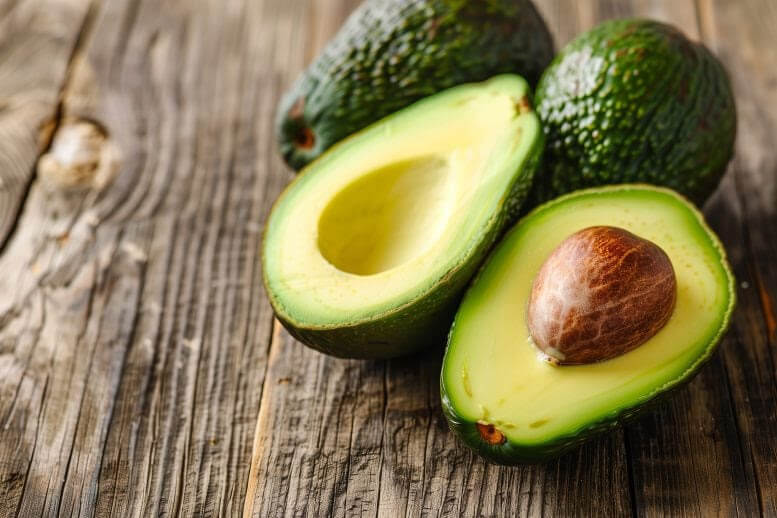
One Avocado a Day Could Help You Sleep Better, Says Groundbreaking Study

A new study reveals that eating one avocado per day may enhance sleep, highlighting an unexpected connection between nutrition and sleep quality. The findings build on growing evidence linking avocados to heart health and suggest intriguing potent... 

Read more ››

One Avocado a Day Could Help You Sleep Better, Says Groundbreaking Study
Who Wrote the Bible? AI Uncovers “Likely Authors”

Could artificial intelligence solve one of the Bible’s biggest mysteries? A team of researchers used AI-powered statistical modeling to analyze the authorship of the Hebrew Bible and made surprising discoveries about ancient narratives.

... 

Read more ››

Who Wrote the Bible? AI Uncovers “Likely Authors”
America Is Sinking: 28 Major Cities Are Slowly Going Under

A new study finds all major U.S. cities are sinking, driven by groundwater extraction and natural forces, posing hidden risks to infrastructure and calling for urgent solutions.

Groundwater loss is sinking U.S. cities, threatening i... 

Read more ››

America Is Sinking: 28 Major Cities Are Slowly Going Under
Science Confirms: Social Media Could Be Making Kids Depressed

A groundbreaking study from UCSF reveals that increased social media use among preteens is linked to rising depressive symptoms, but not vice versa.

New research shows social media use drives depressive symptoms in preteens.

Read more ››

Science Confirms: Social Media Could Be Making Kids Depressed
Scientists Uncover Hidden Biological Dangers of Ultra-Processed Foods

New research has revealed strong, consistent links between the consumption of ultra-processed foods and poor health outcomes, including inflammation, insulin resistance, and cardiovascular risk.

A major Canadian study links ultra-pr... 

Read more ››

Scientists Uncover Hidden Biological Dangers of Ultra-Processed Foods
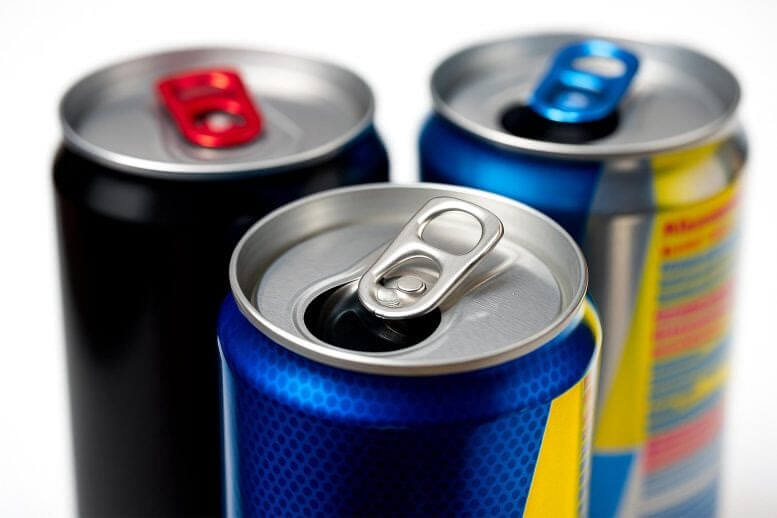
Could Your Energy Drink Be Feeding Cancer? What Scientists Just Discovered

Scientists have discovered that taurine, a common ingredient in energy drinks, helps leukemia cells grow. The cancer hijacks taurine from bone marrow to fuel itself—but blocking that process may stop the disease in its tracks.

Sci... 

Read more ››

Could Your Energy Drink Be Feeding Cancer? What Scientists Just Discovered
Can Potatoes Help With Weight Loss? Scientists Reveal Surprising Benefits

Potatoes, often dismissed as fattening carbs, can actually lower the energy density of meals and, when prepared to boost fiber (e.g., boiled, cooled 24 hrs, skins on), support a 5.6% average weight loss and improved insulin resistance over eight w... 

Read more ››

Can Potatoes Help With Weight Loss? Scientists Reveal Surprising Benefits
Researchers Reveal That Climbing Stairs Could Extend Your Life

New research indicates that stair climbing can significantly reduce the risk of cardiovascular disease and premature death, with a 24% decreased risk of mortality from any cause and a 39% reduction from cardiovascular issues. Dr. Sophie Paddock ad... 

Read more ››

Researchers Reveal That Climbing Stairs Could Extend Your Life
Scientists Say There Are 4 Types of Lovers – Which One Are You?

ANU researchers found four types of romantic lovers, revealing love varies widely in intensity, sex, and commitment. The study shows love evolves uniquely across individuals.

ANU researchers identified four romantic lover types base... 

Read more ››

Scientists Say There Are 4 Types of Lovers – Which One Are You?
Your Name Might Be Changing Your Face, Study Finds

A new study led by researchers at the Hebrew University and Reichman University suggests that people’s names may influence their facial appearance as they age. Adults’ faces were matched to their names more accurately than chance, an effect no... 

Read more ››

Your Name Might Be Changing Your Face, Study Finds
Concerning New Research Links Tattoo Ink to Increased Cancer Risk

Tattoo ink doesn’t just stay in the skin—it can migrate to the lymph nodes, where it may accumulate and affect the immune system. A study using Danish twin data found that tattooed individuals, especially those with large tattoos, have a highe... 

Read more ››

Concerning New Research Links Tattoo Ink to Increased Cancer Risk
BV Is an STD and We’ve Been Treating It Wrong for Years

A major study proves BV is sexually transmitted, explaining why previous treatments often failed. When both partners are treated, the success rate improves dramatically. This could revolutionize women’s health worldwide.

For years... 

Read more ››

BV Is an STD and We’ve Been Treating It Wrong for Years
Secret of Everything

The secret of everything – Everything Is Mental. All talent, skill, power, speed and ability is mental. Nothing is impossible. Anything is possible. There is nothing you cannot Be, Do or Have. You can Be, Do and Have anything you want as long as yo... 

Read more ››

Secret of Everything
Harvard Study Finds Eating an Orange a Day Could Cut Depression Risk by 20%

A daily orange might do more than boost immunity — it could also help prevent depression. Scientists discovered that citrus uniquely supports gut bacteria linked to serotonin and dopamine production, reducing depression risk by 20%. Future resea... 

Read more ››

Harvard Study Finds Eating an Orange a Day Could Cut Depression Risk by 20%
According to Researchers, This Simple Phone Hack Can Improve Mental Health As Much as Antidepressants

A two-week experiment found that blocking mobile internet on smartphones significantly improved participants’ mental health, well-being, and attention span, even reversing a decade of age-related cognitive decline. The study suggests that reduci... 

Read more ››

According to Researchers, This Simple Phone Hack Can Improve Mental Health As Much as Antidepressants
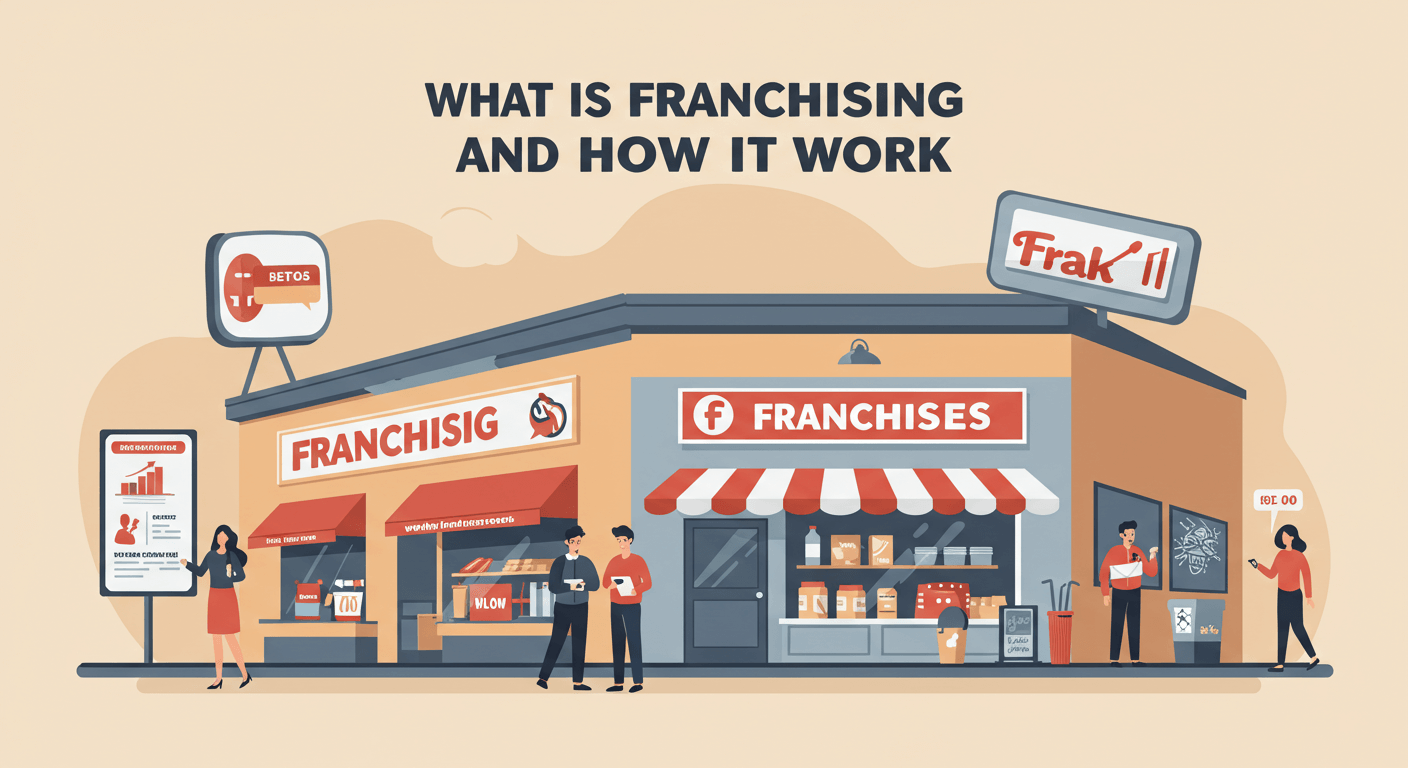
WHAT IS FRANCHISING AND HOW DOES IT WORK?

WHAT IS FRANCHISING AND HOW DOES IT WORK?

Franchising is a form of business organization in which a firm that already has a successful product or service (franchisor) licenses its trademark and me... 

Read more ››

WHAT IS FRANCHISING AND HOW DOES IT WORK?
Business Idea: A program for rock music enthusiasts to learn, improve, and perform in real bands at live rock venues.

Business Idea: Create a program for students with a passion for rock music so they can either learn to play a rock instrument or improve their existing musical skills and have the opportunity to participate in rock bands that play in... 

Read more ››

Business Idea: A program for rock music enthusiasts to learn, improve, and perform in real bands at live rock venues.
Business Idea: Franchise a network of Fresh Healthy Vending machines in schools, hospitals, and community spaces, offering only organic, natural, and healthy foods.

Business Idea: Build a franchise organization that deploys and services Fresh Healthy Vending–branded vending machines in schools, hospitals, health clubs, community organizations, and other locations that carry only organic, natur... 

Read more ››

Scientists Discover the Brain Circuit That Fuels Creativity

Creativity might not reside in a single brain region but rather in an interconnected brain circuit, according to a new study analyzing fMRI data and brain injuries.

A new study suggests that creativity maps onto a common brain circu... 

Read more ››

Scientists Discover the Brain Circuit That Fuels Creativity
Unlock Your Love This Valentine’s Day With a Science-Backed 7-Question Test

Romantic relationships play a vital role in emotional well-being, yet tools for assessing their health are often lacking. Enter the Valentine Scale—a quick, research-backed method for evaluating relationship satisfaction.

Want a f... 

Read more ››

Unlock Your Love This Valentine’s Day With a Science-Backed 7-Question Test
Your Brain Is Cheating on You, and You Don’t Even Know It

Sometimes, we cheat—not for money or prizes, but just to feel better about ourselves.

A new study reveals that people engage in “diagnostic self-deception,” tricking themselves into believing their success comes from ability... 

Read more ››

Being Social May Delay Dementia by 5 Years

Frequent social activity may help delay dementia, reducing the risk by up to 38%. Engaging with others strengthens neural networks, potentially delaying cognitive decline and lowering healthcare costs.

Social activities include dini... 

Read more ››

Harvard Study: Eating Dark Chocolate Could Reduce Your Risk of Diabetes by 21%

Participants who ate at least five servings of chocolate weekly had a 10% reduced risk of type 2 diabetes (T2D), with dark chocolate showing an even stronger effect—a 21% lower risk. In contrast, milk chocolate consumption was linked to long-ter... 

Read more ››

Harvard Study: Eating Dark Chocolate Could Reduce Your Risk of Diabetes by 21%
The Chocolate Cure: Cocoa Flavanols Protect Against Stress and High-Fat Diets

New research highlights the protective effects of flavanol-rich cocoa on vascular health, even when consumed alongside high-fat meals during stressful situations.

Consuming a cocoa drink rich in flavanols can mitigate the negative e... 

Read more ››

How Many Hours of Sitting Is Too Much for Your Heart?

Sedentary behavior exceeding 10.5 hours daily significantly raises the risk of heart failure and cardiovascular death, even among those who exercise regularly.

A recent study highlights that more than 10.5 hours of daily sedentary b... 

Read more ››

How Many Hours of Sitting Is Too Much for Your Heart?
The Common Texting Habit That Could Be Undermining Your Sincerity

New research indicates that spelling out words in text messages enhances sincerity and response rates.

Research has shown that using full words in texts, instead of abbreviations, makes individuals appear more sincere and increases ... 

Read more ››

The Common Texting Habit That Could Be Undermining Your Sincerity
New Study Identifies “Never Words” That Doctors Should Always Avoid Using

Researchers emphasize the importance of compassionate communication in treating seriously ill patients, identifying harmful “never words” and proposing more sensitive alternatives to enhance patient engagement and reduce emotional suffering. T... 

Read more ››

New Study Identifies “Never Words” That Doctors Should Always Avoid Using
Mondays and New Year’s Day: Unveiling the Deadliest Peaks in Global Suicide Rates

A global study reveals that suicide rates are highest on Mondays and New Year’s Day, with regional variations during holidays.

Research indicates a global pattern where suicides peak on Mondays and New Year’s Day, with inconsist... 

Read more ››

Mondays and New Year’s Day: Unveiling the Deadliest Peaks in Global Suicide Rates
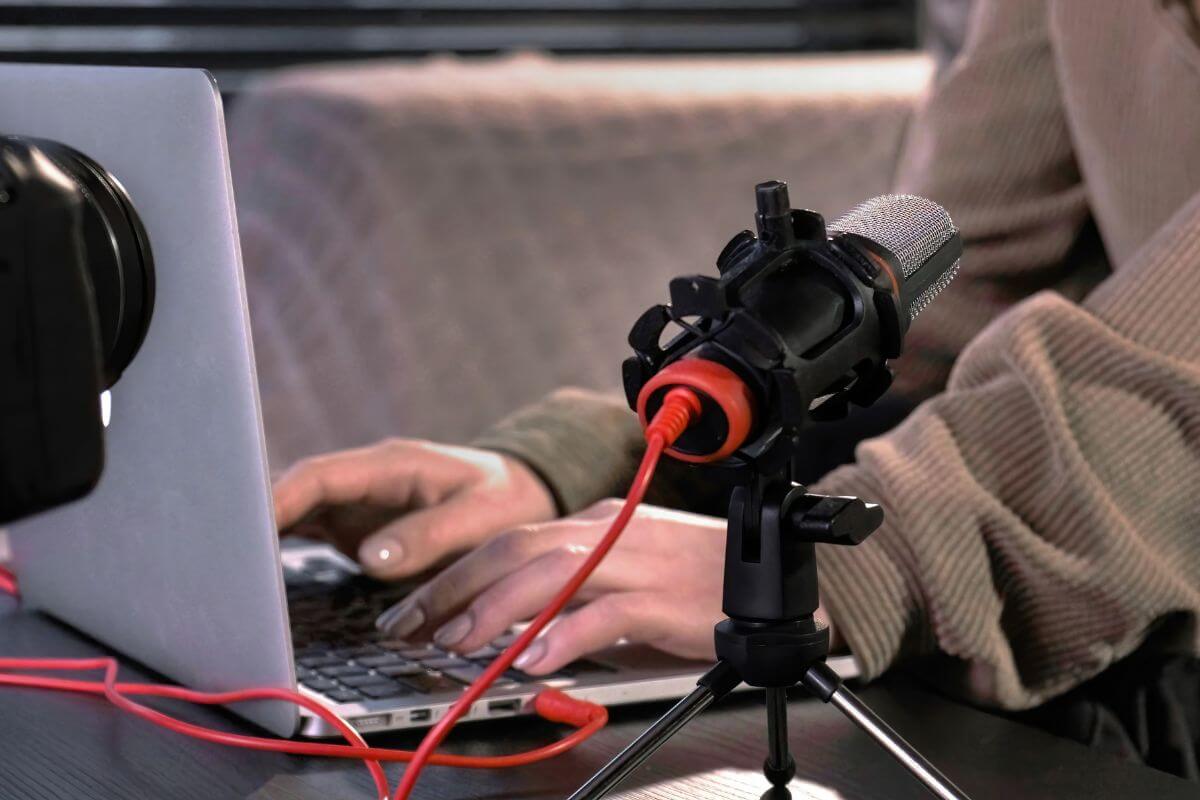
5 Ways to Enhance Your Online Presence Through Engaging Multimedia Content

In today's digital landscape, a strong online presence is paramount for businesses of all sizes. One of the most effective ways to engage and connect with your audience is through the strategic use of multimedia content. By incorporating visually app... 

Read more ››

5 Ways to Enhance Your Online Presence Through Engaging Multimedia Content
PART TWO: THE GROWTH STRATEGIES FOR A FIRM

II: External Growth Strategies

External growth strategies rely on establishing relationships with third parties, such as mergers, acquisitions, strategic alliances, joint ventures, licensing, and franchisin... 

Read more ››

Business Idea: Provide a convenient online platform for the parents of growing children to exchange the clothes their children grow out of for clothes their children need.

Business Idea: Provide a convenient online platform for the parents of growing children to exchange the clothes their children grow out of for clothes their children need.

Pitch: The average kid grows out of a set... 

Read more ››

Strategies for Firm Growth

The growth strategies for a firm are divided into internal strategies for growth and external strategies for growth.

I. INTERNAL GROWTH STRATEGIES

Internal growth strategies involve efforts taken within the firm itself, such as... 

Read more ››

THE TOP 10 REASONS NEW PRODUCTS FAIL

THE TOP 10 REASONS NEW PRODUCTS FAIL.

1. Target market is not defined correctly.

2. Product is not positioned effectively.

3. Product’s benefits are not understood by the target customer.

4. Product doesn’t address im... 

Read more ››

Business Idea: Create urban greenhouse systems for year-round production of sustainable and local fresh food.

Business Idea: Create urban greenhouse systems for year-round production of sustainable and local fresh food.

Pitch: Food travels 1,500 miles on average in the United States to get to consumers. At the same time, ... 

Read more ››

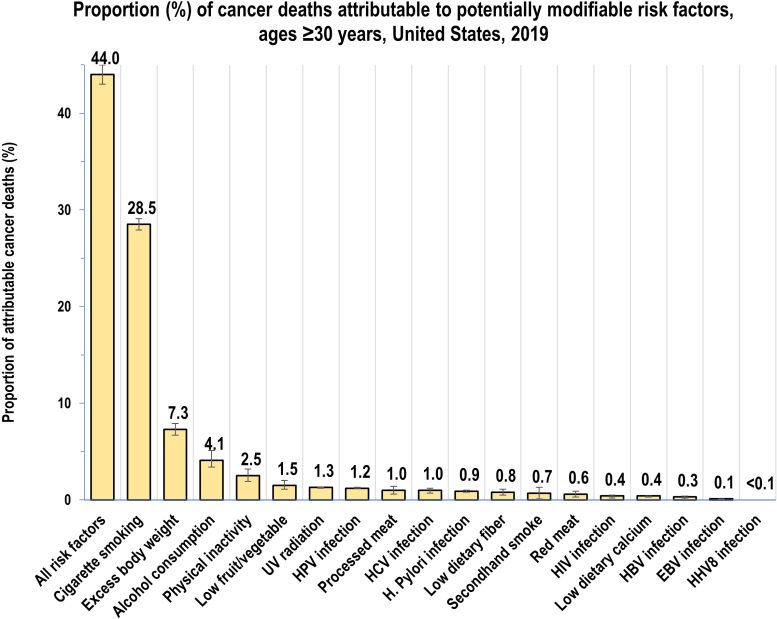
4 in 10 US Cancer Cases Linked to Modifiable Risk Factors, Study Reveals

A recent study by the American Cancer Society (ACS) reveals that four out of ten cancer cases and half of the cancer deaths in adults over 30 in the U.S. in 2019 were due to modifiable risk factors like smoking, obesity, and alcohol. Smoking was the ... 

Read more ››

4 in 10 US Cancer Cases Linked to Modifiable Risk Factors, Study Reveals
Business Idea: Manufacture and sell affordable, water efficient irrigation systems for small-plot farmers in developing nations.

Business Idea: Manufacture and sell affordable, water efficient irrigation systems for small-plot farmers in developing nations.

Company: Driptech

Pitch: In many developing countries, farmers h... 

Read more ››

Business Idea: Launch a service that provides reliable and loving reminders and companionship calls to elderly people who are still living in their homes.

Company: Check-In Calls

Business Idea: Launch a service that provides reliable and loving reminders and companionship calls to elderly people who are still living in their homes.

Pitch: Many ca... 

Read more ››

New Study Reveals That Simply Looking at Trees Can Boost Your Mental Health

Eye-tracking research from Bangor University and Technion-Israel Institute of Technology shows that focusing on natural elements during urban walks reduces anxiety and enhances feelings of restoration in city dwellers. These findings suggest urban de... 

Read more ››

New Study Reveals That Simply Looking at Trees Can Boost Your Mental Health
Eat Plants, Beat Cancer: New Study Links Vegetables To Lower Prostate Cancer Risks

Research from UC San Francisco reveals that men with localized prostate cancer can lower the risk of disease progression by 47% by adopting a plant-based diet rich in fruits, vegetables, nuts, and olive oil. Over 2,000 participants showed that increa... 

Read more ››

Eat Plants, Beat Cancer: New Study Links Vegetables To Lower Prostate Cancer Risks
5 natural ways to overcome erectile dysfunction

If you're a middle aged man, can you run as fast as you did when you were 20 years old? Hit a baseball as far as you once could? Bash a tennis ball with the same speed and spin?

Probably not.

But even as we age, there are still plenty of ways t... 

Read more ››

BRANDING

A brand is the set of attributes—positive or negative—that people associate with a company. These attributes can be positive, such as trustworthy, innovative, dependable, or easy to deal with. Or they can be negative, suc... 

Read more ››

Business Idea: Provide a service that stores individuals’ log-in information to important online services like e-mail accounts, social networks, PayPal, and eBay, and deliver them to caretakers in the event of the individual’s death.

Company: Legacy Locker

Business Idea: Provide a service that stores individuals’ log-in information to important online services like e-mail accounts, social networks, PayPal, and eBay, and deliver them to caret... 

Read more ››

New Research Reveals That Couples Who Drink Together Live Longer

A study by the University of Michigan finds that couples who drink alcohol together are likely to live longer, supporting the idea that shared drinking habits can enhance marital satisfaction and longevity.

The couple that drinks together might li... 

Read more ››

New Research Reveals That Couples Who Drink Together Live Longer
Office Productivity Takes a Hit in the Afternoon, Particularly on Fridays

A Texas A&M study shows productivity dips in the afternoon and on Fridays among office workers, advocating for flexible work to boost efficiency and well-being.

An innovative study from the Texas A&M School of Public Health offers objectiv... 

Read more ››

Office Productivity Takes a Hit in the Afternoon, Particularly on Fridays
Preparing to Raise Debt or Equity Financing

Once a start-up’s financial needs exceed what personal funds, friends and family, and bootstrapping can provide, debt and equity are the two most common sources of funds. The most important thing an entrepreneur must do at this point is determine p... 

Read more ››

Sources of Personal Financing

Typically, the seed money that gets a company off the ground comes from the founders’ own pockets. There are three categories of sources of money in this area: personal funds, friends and family, and bootstrapping.

1. Pe... 

Read more ››

Business Idea: Create a Website and a smartphone app that provides a visual guide to great food and where to find it.

Company: Foodspotting

Business Idea: Create a Website and a smartphone app that provides a visual guide to great food and where to find it. Instead of reviewing restaurants, users will share where to find their fa... 

Read more ››

Business Idea: Create an online community that links interns (primarily college students) with entrepreneurial start-ups and change-oriented nonprofit organizations.

Company: YouTern

Business Idea: Create an online community that links interns (primarily college students) with entrepreneurial start-ups and change-oriented nonprofit organizations.

Pitch: Int... 

Read more ››

52 Tips for Losing Weight

A Tip a Week

If you add one of these tips a week to your daily routine, in one year you will have developed some very healthy habits!

1. Eliminate one tablespoon of fat a day and you will lose 10 pounds in a ye... 

Read more ››

The Law of Cause and Effect – Everything happens for a reason; there is a cause for every effect.

This is the “Iron Law” of human destiny. This law says that we live in a world governed by law, not chance. It says that everything happens for a reason, whether or not we know what it is. Every effect, success or failure, wealth or poverty, has ... 

Read more ››

Organizing Buying Groups to Cut Costs and Maintain Competitiveness

One challenge that businesses confront is cutting costs in ways that don’t erode their ability to remain competitive. Many cost-cutting techniques, such as scaling back on hiring, lowering marketing expenses, or reducing inventory, may save money b... 

Read more ››

What's In A Business Name?: A Lot Of Trouble If You Aren't Careful

Introduction

While at first glance naming a business may seem like a minor issue, it is an extremely important one. A company’s name is one of the first things people associate with a business, and it is a word or phrase that wi... 

Read more ››

Vesting Ownership in Company Stock: A Sound Strategy for Start-Ups

If you’re not familiar with vesting, the idea is that when a firm is launched, instead of issuing stock outright to the founders, the stock is distributed over a period of time, typically three to four years, as the founder or founders “e... 

Read more ››

99designs: Making Partnering with Freelancers the Essence of Its Disruptive Business Model

Start-ups typically have a variety of design needs including logo design, brochures, stationery, and business cards. Traditionally the most important design work, like a business’s logo, is either done by the business itself or contracted out to a ... 

Read more ››

Thriving in a Crowded Industry by Creating Meaningful Value and Differentiation from Competitors

Firms do well in a crowded industry when two conditions exist: (1) they create meaningful value for customers at a fair price and (2) they effectively differentiate themselves from competitors. In fact, diminishing the impact of thre... 

Read more ››

Shield your brain from decline

Use the SHIELD acronym to remember the lifestyle habits that will help protect your memory and thinking skills.

We are making encouraging progress in finding medications that prevent or even reverse cognitive decline. Until we get there, however, ... 

Read more ››

Business Idea: Provide musicians a platform to reach out to their fan base to financially contribute to upcoming recordings or other musical projects.

Business Idea: Provide musicians a platform to reach out to their fan base to financially contribute to upcoming recordings or other musical projects.

Pitch: Musicians often have creative ideas for recordings or s... 

Read more ››

Finding the Right Business Partner

One thing that becomes clear to many potential business founders, while conducting organizational feasibility analysis, is that they need one or more partners to help launch their business. You might be a Web developer who has a great idea for a Web ... 

Read more ››

ScriptPad: Interesting Idea—But Will Doctors and Pharmacies Sign On?

To ScriptPad founder and CEO Shane Taylor, the problem his company solves is personal. Taylor’s father, who is fighting both heart disease and cancer, takes 26 different medications to fight his illnesses. Any mix-up or error associated with taking... 

Read more ››

Want Help Fine-Tuning a Business Idea? Find a Mentor

Fine-tuning a business idea isn’t easy. While fairly course-grained ideas are rather easy to develop, like creating a cell-phone that’s designed specifically for elderly people, fleshing out the details is where experience helps. This reality put... 

Read more ››

Working Together: How Biotech Firms and Large Drug Companies Bring Pharmaceutical Products to Market

Large firms and smaller entrepreneurial firms play different roles in business and society and can often produce the best results by partnering with each other rather than acting as adversaries. The pharmaceutical industry is an excellent example of ... 

Read more ››

Learning how to meditate

Meditation has been practiced for thousands of years and it continues to grow in popularity. This mindful practice can help aid anxiety and depression, chronic pain, cancer, bowel diseases, high blood pressure, insomnia, addiction and so much more.
... 

Read more ››

Learning how to meditate
PatientsLikeMe: Allowing People with Serious Diseases to Connect with One Another and Exchange Support and Advice

PatientsLikeMe: Allowing People with Serious Diseases to Connect with One Another and Exchange Support and Advice

Web: www.patientslikeme.com

Jamie a... 

Read more ››

How Companies and Organizations Build Credibility and Trust

How Companies and Organizations Build Credibility and Trust

There are several ways companies and organizations can build credibility and trust. We present eight techniques that are essential in nearly all cases in the following list.

Te... 

Read more ››

Business Idea: Create a single place for music lovers to track or keep up with their favorite bands, so they’ll always know where and when the bands will be performing in their area.

Business Idea: Create a single place for music lovers to track or keep up with their favorite bands, so they’ll always know where and when the bands will be performing in their area.

In addition, create an online platform for c... 

Read more ››

CREATING A NEW-VENTURE TEAM

Those who launch or found an entrepreneurial venture have an important role to play in shaping the firm’s business concept. Stated even more directly, it is widely known that a well-conceived business plan cannot get off the ground unless a firm ha... 

Read more ››

CREATING A NEW-VENTURE TEAM
Discuss the differences among sole proprietorships, partnerships, corporations, and limited liability companies.

When a business is launched, a form of legal entity must be chosen. Sole proprietorship, partnerships, corporations, and limited liability companies are the most common legal entities from which entrepreneurs make a choice. Choosing ... 

Read more ››

Discuss the differences among sole proprietorships, partnerships, corporations, and limited liability companies.
Airbnb: How Listening to Customers and Iterating the Business Model Helped Shape and Mold a Successful Start-up

Airbnb: How Listening to Customers and Iterating the Business Model Helped Shape and Mold a Successful Start-up

Web: www.airbnb.com

Introduction

It all st... 

Read more ››

Airbnb: How Listening to Customers and Iterating the Business Model Helped Shape and Mold a Successful Start-up
Components of an effective business model

1. Core strategy (how a firm competes)

2. Strategic resources (how a firm acquires and uses its resources)

3. Partnership network (how a firm structures and nurtures its partnerships)

Read more ››

Six distinct ways of making money online

Six distinct ways of making money online (the way an online company makes money largely defines its business model)

1. Affiliate programs

An affiliate program is a way for online merchants, like 1-800-FLOWERS, ... 

Read more ››

COMPETITOR ANALYSIS

After a firm has gained an understanding of the industry and the target market in which it plans to compete, the next step is to complete a competitor analysis. A competitor analysis is a detailed analysis of a firm’s competition. It helps a firm u... 

Read more ››

Some excellent ways to increase your self-awareness

1. Personal diaries

An excellent way to increase your self-awareness is to keep a diary. In it make a daily note of the important things that happen. Be honest and open with yourself. Be willing to reflect upon your beliefs, thoug... 

Read more ››

Maintaining positive thoughts

• E. G. S. Emotional Guidance System - Your inner guide

It is said that the average human being has approximately 64,000 thoughts per day. Protecting all of your thoughts 24 hours a day can be a full-time job. There is a better way to gauge how ... 

Read more ››

TECHNIQUES FOR GENERATING IDEAS

In general, entrepreneurs identify more ideas than opportunities because many ideas are typically generated to find the best way to capitalize on an opportunity. Several techniques can be used to stimulate and facilitate the generation of new ideas f... 

Read more ››

The 3 sources of business ideas

1. Observing Trends

The first approach to identifying opportunities is to observe trends and study how they create opportunities for entrepreneurs to pursue. The most important trends to follow are economic trends, social trends, ... 

Read more ››

The 3 sources of business ideas

Unleash Your Creativity with SCAMPER!

   Pinned
  4 Mins Read
Image name: SCAMPER_Technique.png Image size: 319.75 KB
  Download

✨ Boost Your Creativity with the SCAMPER Technique.

If you're looking for a simple and powerful way to generate fresh ideas, improve products, or unlock creative solutions, the SCAMPER technique is one of the best tools you can use.

Need to supercharge an existing idea or product? Try the powerful SCAMPER technique for idea generation!

SCAMPER is a simple yet effective tool to...


Five Fascinating Facts About the Moon

  1 year ago (Sat, Aug 02, 2025 at 08:49 AM (GMT))

  4 Mins Read
Image name: Five-Things-About-Moon-777x437.jpg Image size: 22.84 KB
  Download

🌙 Discover fascinating lunar insights, including the Moon’s distance, size, colors, rotational dynamics, and volcanic plains. Credit: NASA

💥 Learn key facts about the Moon: from its significant distance and relative size compared to Earth to its distinctive color changes and geological features like the lunar mare, formed from ancient volcanic activity.

Looking to impress your friends during a moonlit night? Here...
 
© Preston Dyches, NASA   


“70 Is the New 60”: Groundbreaking Study Redefines Aging

  1 year ago (Sat, Aug 02, 2025 at 08:41 AM (GMT))

  3 Mins Read
Image name: Woman-Face-Aging-Concept-777x583.jpg Image size: 39.48 KB
  Download

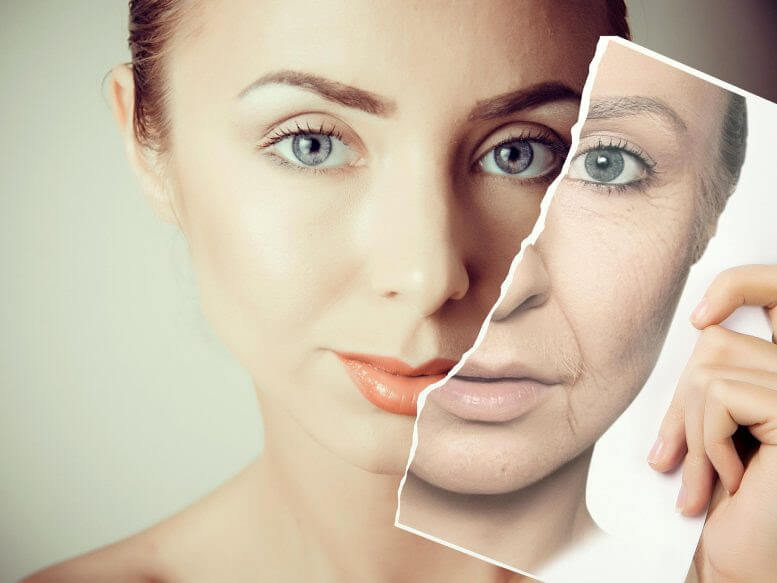
✨ Older adults in England today show significantly improved functioning compared to earlier generations, thanks to advances in education, nutrition, and medical care. While challenges like obesity may threaten future trends, the study offers hope that aging outcomes can be enhanced through science.

⭐ Improvements in education, nutrition, and sanitation throughout the 20th century have likely been crucial in enhancing cognitive,...
 
© Columbia University's Mailman School of Public Health   


Depression Breakthrough: UCSF Scientists Discover How to Make Stressed Brains Happy Again

  1 year ago (Fri, Aug 01, 2025 at 10:51 AM (GMT))

  4 Mins Read
Image name: Bipolar-Concept-Happy-Sad-Brain-777x518.jpg Image size: 26.03 KB
  Download

🟢 A study by UC San Francisco reveals that specific brain circuits when stimulated can reverse depressive symptoms in mice, pointing towards innovative treatments for human depression.

➡️ Scientists have discovered how brain circuits affected by stress can predict resilience in mice.

By stimulating certain neurons, they could transform less resilient mice into ones that actively sought pleasure, suggesting a...
 
© Robin Marks, UC San Francisco   


AI Could Predict and Sell Your Desires Before You Know Them

  1 year ago (Fri, Aug 01, 2025 at 10:43 AM (GMT))

  5 Mins Read
⭐ AI assistants may soon predict and influence our decisions at an early stage, selling these “intentions” to companies in real time, creating an “Intention Economy,” say Cambridge ethicists. These tools, leveraging vast behavioral data and persuasive AI, could manipulate human plans for profit, raising concerns about ethics, privacy, and societal impact, especially on elections, media, and markets.

🟢 The emerging...
 
© University of Cambridge   


Cooking With Garlic and Onions? You Might Be Adding Hidden Harmful Fats to Your Meals

  1 year ago (Fri, Aug 01, 2025 at 10:33 AM (GMT))

  4 Mins Read
Image name: Onions-and-Garlic-777x486.jpg Image size: 55.8 KB
  Download

TFAs, harmful fats linked to heart disease, can form during home cooking with sulfur-rich vegetables like garlic and onions at high temperatures. A Japanese study found this effect is minor under normal conditions but emphasized awareness of TFA risks.

🟢 A new study reveals that garlic and onions contain compounds that can convert into trans fats when exposed to high cooking...
 
© Meijo University   


Supercharge Your Brain Health in 2025 With 12 Life-Changing Questions

  1 year ago (Tue, Jul 29, 2025 at 03:19 PM (GMT))

  3 Mins Read
⭐ Discover 12 actionable ways to enhance your brain health with advice on everything from sleep to social interactions, outlined by neurology experts.

⚫ Engage with your doctor about 12 crucial lifestyle factors to boost your brain health. From managing stress and diet to fostering social connections, this guide offers essential tips to keep your brain vibrant and healthy.

Improving your brain...
 
© American Academy of Neurology   


AFib and Alzheimer’s: Coffee Drinking Could Lower Cognitive Risk

  1 year ago (Tue, Jul 29, 2025 at 02:29 PM (GMT))

  6 Mins Read
Image name: Coffee-Beans-Concept-Art-777x518.jpg Image size: 44.61 KB
  Download

⭐ Drinking coffee may improve cognitive performance in atrial fibrillation patients, according to a Swiss study. Higher coffee intake was associated with better test scores and reduced inflammation, though causation was not established. Experts recommend continued coffee consumption but advise caution regarding its cognitive benefits.

🟢 Consuming five or more cups of coffee daily may enhance cognitive function in individuals with...
 
© American Heart Association   


This Simple Habit Could Slash Your Risk for 19 Chronic Diseases

  1 year ago (Tue, Jul 29, 2025 at 02:05 PM (GMT))

  4 Mins Read
💥 Research at the University of Iowa reveals a clear connection between regular physical activity and reduced risk of chronic diseases such as cardiovascular issues and diabetes.

By analyzing over 7,000 patient responses to a physical activity survey, the study suggests that engaging in at least 150 minutes of moderate to vigorous exercise weekly significantly lowers the risk of chronic conditions.

⭐...
 
© University of Iowa   


Scientists Discover Shocking Levels of Microplastics in Popular Tea Bags

  1 year ago (Sun, Jul 27, 2025 at 09:35 AM (GMT))

  3 Mins Read
Image name: Tea-Bag-Cup-777x518.jpg Image size: 76.81 KB
  Download

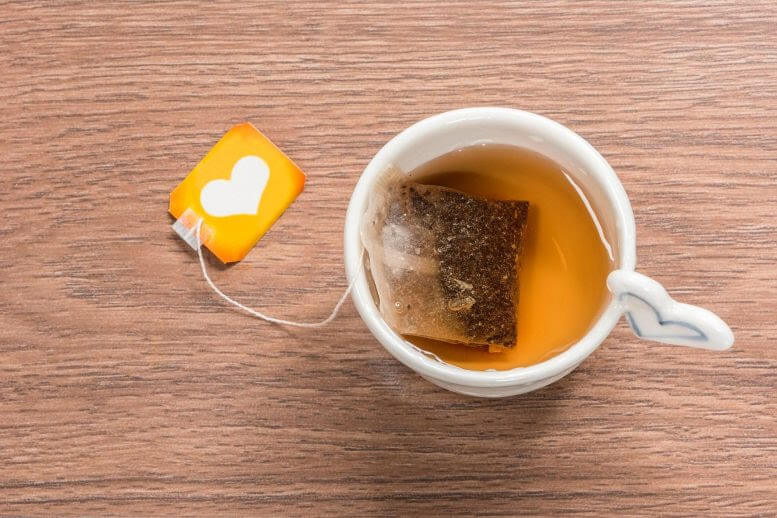
Plastic waste pollution poses a critical environmental and health risk, with food packaging as a major source of micro and nanoplastic (MNPL) exposure through ingestion and inhalation. Researchers found that tea bags made from nylon, polypropylene, and cellulose release billions of plastic particles during brewing, with significant interactions observed between these particles and human intestinal cells, emphasizing the urgent need...
 
© Universitat Autonoma de Barcelona   


Over 130 Years: Right Whales May Live Twice As Long as We Thought

  1 year ago (Sun, Jul 27, 2025 at 09:19 AM (GMT))

  4 Mins Read
Image name: Southern-Right-Whale-Mother-Calf-777x518.jpg Image size: 29.96 KB
  Download

Southern right whales, like this mother and calf, can live for 130 years or more – almost twice as long as previously understood. Credit: Els Vermeulen

🐋 Right whales can live over 130 years, but North Atlantic right whales average only 22 years due to human threats. The study underscores the importance of older whales in teaching survival skills and predicts...
 
© University of Alaska Fairbanks   


Drinking Half to One Glass of Wine Daily Linked to 50% Lower Heart Complication Risk

  1 year ago (Sat, Jul 26, 2025 at 08:49 AM (GMT))

  4 Mins Read
Image name: Red-Wine-Bottle-777x518.jpg Image size: 29.85 KB
  Download

Moderate wine consumption, measured via biomarkers, is linked to a 38-50% reduction in cardiovascular risks, according to a University of Barcelona-led study. However, excessive drinking eliminates these benefits, and more research is needed to confirm causality and explore mechanisms.

Moderate wine consumption may lower cardiovascular risks by up to 50%, but more studies are needed to confirm these results and explore...

Light to moderate wine consumption has been linked to a reduced risk of cardiovascular complications, according to a comprehensive multicenter study conducted by researchers from the University of Barcelona, Hospital Clínic, the August Pi i Sunyer Biomedical Research Institute (IDIBAPS), the Physiopathology of Obesity and Nutrition Networking Biomedical Research Centre (CIBEROBN), and the University of Navarra (UNAV).

Published in the European Heart Journal, the study examined the impact of wine intake using tartaric acid—a biomarker derived from grapes. The research involved 1,232 participants from the PREDIMED project, a large-scale epidemiological study focused on the Mediterranean diet’s effects on cardiovascular health.

According to the researchers, “there is no doubt that excessive alcohol consumption has serious health consequences. However, the effects of moderate and responsible wine consumption are still the subject of debate in the scientific community. The results of this study and others should help to place moderate wine consumption in its rightful place as an element of the Mediterranean diet, considered to be the healthiest in the world.”

The principal authors of the study are the researcher Inés Domínguez, from the UB’s Faculty of Pharmacy and Food Sciences and the Nutrition and Food Safety Research Institute (INSA); Professor Ramon Estruch, from the UB’s Faculty of Medicine and Health Sciences and IDIBAPS; Rosa María Lamuela, professor and ICREA Academia, and member of INSA, and Professor Miguel Ángel Martínez, from the University of Navarra (UNAV); all members of CIBEROBN.

​​​​​​​Controversy over the effects of wine

Today, there is much controversy about the health effects of moderate consumption of alcoholic beverages in general and wine in particular. Ramon Estruch stresses that “part of this debate is due to conflicting results of studies that have pointed to a protective effect of wine, while others have found no such effect.” These differences could be explained by possible errors in wine consumption records.

“Epidemiological studies assessing the role of wine in the rate of cardiovascular events are often based on self-reported information on wine consumption. These are reliable data, but subject to measurement errors due to inaccurate recall or biased perceptions about the social desirability of drinking alcoholic beverages,” he explains.

In response to this problem, the researchers in this study measured wine consumption by means of food intake frequency surveys, which they confirmed with an objective biomarker: the concentration found in the urine of tartaric acid, a molecule produced mainly in grapes and rarely synthesized by other plant species.

A reduction from 38% to 50%

Using this methodology, the study analyzed wine consumption and cardiovascular outcomes in a cohort of PREDIMED patients. In total, 1,232 participants were evaluated, including 685 who had a cardiovascular event (cardiovascular death, myocardial infarction, stroke, or heart failure) and 625 who were randomly selected.

Analysis of the data shows that light wine consumption (between one glass per week and less than half a glass per day) reduces the risk of having a cardiovascular complication by 38%, but this reduction reaches 50% when consumption is moderate (between half a glass and one glass per day).

However, when consumption exceeds one drink per day, the protective effect disappears. The researchers also warn that “when we talk about moderate wine consumption, it is always with meals, never between meals.”

More studies to confirm the results

Despite these conclusions, Inés Domínguez points out that “the observational design of the study limits the ability to establish causality,” and the experts point out that more research is needed: “The results of cohort studies should always be confirmed for greater certainty.”

In this regard, they point to two potential avenues for action. The first would involve the design of randomized nutritional intervention studies, by randomly assigning participants to groups with different wine consumption.

“These are very expensive studies to conduct. There is one underway now, but the results will still take four to five years,” they add. The second would be to study the mechanisms of these protective effects of wine on the cardiovascular system, such as research on the anti-inflammatory power of wine polyphenols — such as resveratrol and other phenolic compounds. “Knowing the mechanisms gives a lot of plausibility to the results of epidemiological cohort studies,” they conclude.​​​​
 
© University of Barcelona   


New Study: Blood Pressure Swings May Accelerate Cognitive Aging

  1 year ago (Sat, Jul 26, 2025 at 08:36 AM (GMT))

  3 Mins Read
Image name: Blood-Pressure-Cardiology-Concept-777x552.jpg Image size: 66.19 KB
  Download

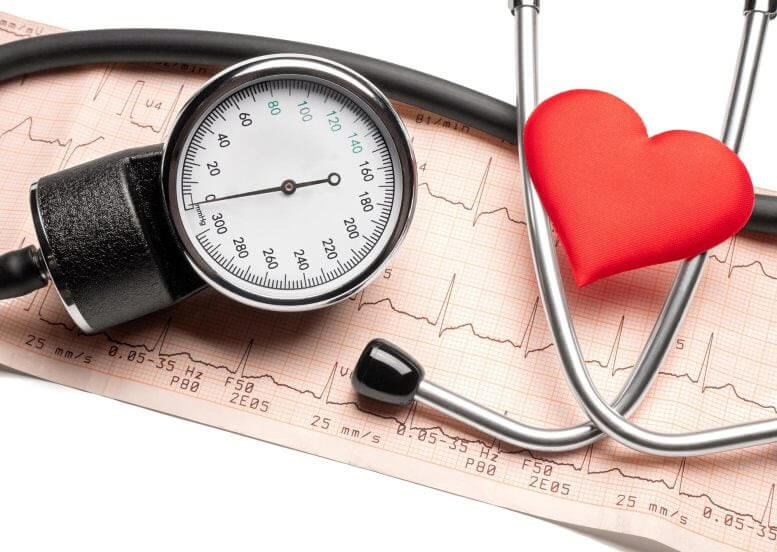
A recent study published in Neurology highlights a potential link between fluctuating blood pressure and cognitive decline in older adults, particularly among Black participants. Researchers found that those with the highest variability in systolic blood pressure had lower cognitive test scores, equating to nearly three years of cognitive aging. This association was not observed in white participants or individuals taking...

A study links fluctuating blood pressure to cognitive decline in Black older adults, equating to nearly three years of cognitive aging.

Older adults experiencing fluctuations in blood pressure over time may face a higher risk of difficulties with thinking and memory, according to a study published on December 11, 2024, in Neurology, the medical journal of the American Academy of Neurology. The findings revealed this association among Black participants but not white participants.

It’s important to note that the study does not establish a cause-and-effect relationship between blood pressure variability and cognitive problems; it only identifies a correlation.

“These results suggest that fluctuation in blood pressure is a risk factor for cognitive problems beyond the negative effects of high blood pressure itself,” said study author Anisa Dhana, MD, MSc, of Rush University in Chicago. “Older adults should be routinely monitored for their blood pressure and any changes over time so we can identify people who may have this issue and work to alleviate it, which could potentially help to prevent or delay cognitive problems.”

Study Details and Participant Analysis

The study involved 4,770 people with an average age of 71; 66% were Black participants, and the remaining were white participants.

Participants had blood pressure tests at the beginning of the study and then every three years for an average of 10 years. They also completed thinking and memory skills tests at the beginning and at their last visit.

Overall, the participants had an average blood pressure of 138/78 mmHg. High blood pressure is defined as 130/80 mmHg and higher.

Cognitive Impact of Blood Pressure Variability

Black participants in the study had an average variation over time in their systolic blood pressure, which is the top number, of 18 mmHg, compared to 16 mmHg for white participants.

The participants were divided into three groups based on how much their blood pressure varied over time. For Black participants, those with the most variability in their blood pressure had lower scores on the cognitive tests than those with the least variability. The difference in scores was the equivalent of 2.8 years of cognitive aging.

For people taking blood pressure medications at the start of the study, there was no difference in scores on thinking tests at the end of the study among the groups with high and low blood pressure variation.

“With our aging society and the prevalence of Alzheimer’s disease, identifying prevention strategies to slow the decline of cognitive skills in older adults has become a public health priority,” Dhana said. “Managing blood pressure and its fluctuations is emerging as an essential risk factor that can be modified.”

A limitation of the study is that participants were Black and white people, so the results may not apply to people of other races.
 
© American Academy of Neurology   


Scientist Reveals How Stress Triggers Depression Through Inflammation

  1 year ago (Wed, Jul 23, 2025 at 07:58 AM (GMT))

  3 Mins Read
Professor Yirmiya sheds light on how stress and inflammation intertwine to affect mental health, hinting at future therapies that target these underlying processes.

In a groundbreaking Genomic Press Interview, Professor Raz Yirmiya discusses his innovative research at the intersection of inflammation and depression.

Revealing new connections between stress and brain inflammation, his work promises novel antidepressant therapies tailored to individuals’ immune responses....

Transformative Insights in Neuroimmunology

In an in-depth interview with Genomic Press, renowned neuroscientist Professor Raz Yirmiya shares groundbreaking insights into the connection between inflammation and depression. As the head of the Laboratory for Psychoneuroimmunology at the Hebrew University of Jerusalem, Professor Yirmiya has made significant strides in reshaping how we understand the biological roots of depression.

“Most depressed patients do not have any overt inflammatory disease. However, we and others found that exposure to stress, which is the most significant trigger of depression in humans and animals, also activates inflammatory processes, particularly in the brain,” Professor Yirmiya explains. His work highlights the intricate interplay between stress, inflammation, and mental health, paving the way for potential breakthroughs in depression treatment.

From Music to Molecules: A Neuroscientist’s Journey

Professor Yirmiya’s journey from musician to neuroscientist exemplifies the unexpected paths that can lead to scientific breakthroughs. Through sophisticated animal models and careful human studies, his team has demonstrated how inflammatory challenges affect mood and cognition, offering entirely new perspectives on depression’s underlying mechanisms.

“My overarching aim is to harness the extensive knowledge from my research and others to accelerate the development of novel antidepressant therapeutics targeting inflammatory processes,” says Professor Yirmiya. His work suggests that both activation and suppression of the immune system can trigger depressive symptoms, highlighting the need for personalized treatment approaches.

The Broader Implications of Depression Research

The significance of Professor Yirmiya’s research extends far beyond the laboratory. His discoveries about the role of microglia cells and interleukin-1 in stress-induced depression raise intriguing questions about therapeutic interventions: How might understanding inflammatory processes lead to more targeted treatments? What role do different types of immune responses play in various forms of depression?

Through innovative approaches combining molecular techniques with behavioral studies, Professor Yirmiya’s team has identified several promising therapeutic targets. Their work on microglial checkpoint mechanisms and stress resilience opens new avenues for understanding how the immune system influences mental health. These findings suggest potential for developing personalized treatments based on individual inflammatory profiles.

Behind the Science: Personal Reflections and Professional Achievements

Professor Yirmiya’s Genomic Press interview is part of a larger series that highlights the people behind today’s most influential scientific ideas. Each interview in the series offers a blend of cutting-edge research and personal reflections, providing readers with a comprehensive view of the scientists shaping the future. By combining a focus on professional achievements with personal insights, this interview style invites a richer narrative that both engages and educates readers. This format provides an ideal starting point for profiles that delve into the scientist’s impact on the field, while also touching on broader human themes.
 
© Genomic Press   


“We Need To Reconsider” – Scientists Expose Hidden Dangers of Antipsychotic Medications

  1 year ago (Wed, Jul 23, 2025 at 07:46 AM (GMT))

  3 Mins Read
Image name: Prescription-Medicine-Drugs-Pills-777x518.jpg Image size: 25.74 KB
  Download

A study found that antipsychotics often worsen behaviors in nursing home residents, especially when used off-label for dementia-related symptoms. Researchers advocate for person-centered care and non-drug therapies to improve outcomes and reduce harmful side effects.

Sixty-eight percent of nursing home residents who were prescribed antipsychotics exhibited more behavioral issues after starting the medication compared to before.

Researchers at the University of Waterloo...
 
© University of Waterloo   


Simple Dietary Supplement Could Supercharge Cancer-Fighting Immune Cells

  1 year ago (Wed, Jul 23, 2025 at 07:36 AM (GMT))

  5 Mins Read
Researchers at Penn Medicine discovered that a ketogenic diet or BHB supplements may boost CAR T cell therapy’s effectiveness in fighting cancer by enhancing T cell metabolism. While promising early results have led to a Phase I clinical trial, further evidence is needed before dietary recommendations can be made.

Laboratory studies uncover a simple yet promising approach to enhance personalized cell...

A dietary supplement may offer a novel way to enhance the effectiveness of CAR T cell therapy, according to a study conducted by researchers at the Perelman School of Medicine and the Abramson Cancer Center at the University of Pennsylvania. Although this method requires validation through clinical trials, early findings—recently presented during a press briefing at the 66th American Society of Hematology (ASH) Annual Meeting and Exposition—suggest a potentially affordable and accessible strategy to improve CAR T cell functionality and cancer-fighting capabilities.

CAR T cell therapy, first developed at Penn Medicine, is a personalized cancer treatment that reprograms a patient’s immune cells to target and destroy cancer cells.

“Thousands of patients with blood cancers have been successfully treated with CAR T cell therapy, but it still doesn’t work for everyone,” said co-lead author Shan Liu, PhD, a postdoctoral fellow who presented the study at ASH. “We took an outside-the-box approach to improve CAR T cell therapy, by targeting T cells through diet rather than further genetic engineering.”

Liu co-led the study with Puneeth Guruprasad, PhD, who earned his PhD at Penn and is now a medical student in the Perelman School of Medicine. The lead authors worked under the mentorship of co-senior authors Marco Ruella, MD, an assistant professor of Hematology-Oncology, a researcher with the Center for Cellular Immunotherapies and the scientific director of Penn Medicine’s Lymphoma Program; and Maayan Levy, PhD, an assistant professor of Microbiology.

CAR T cells prefer BHB as a fuel source

First, the research team tested the effect of several different diets, including ketogenic, high-fiber, high-fat, high-protein, high cholesterol, and a control diet, on CAR T cell’s tumor-fighting capabilities using a mouse model of diffuse-large B-cell lymphoma. They found improved tumor control and survival in the mice receiving a ketogenic diet compared to all other diets. In subsequent studies, they found higher levels of beta-hydroxybutyrate (BHB), a metabolite produced by the liver in response to a ketogenic diet, was a key mediator of this effect.

The research builds on previous work from Levy’s team, which found that BHB strongly suppressed the growth of colorectal tumors in lab experiments.

“Our theory is that CAR T cells prefer BHB as a fuel source rather than standard sugars in our body, such as glucose,” Guruprasad said. “So, increasing the levels of BHB in the body gives the CAR T cells more power to take out the cancer cells.”

Translational studies in patient samples and healthy volunteers

Next, the research team tested a BHB supplement combined with CAR T cell therapy in laboratory models of human cancer (on a standard diet); the results showed complete obliteration of the cancer in the vast majority of mice and resulted in higher CAR T cell expansion and activation. To see if BHB, which occurs naturally at various levels in our bodies, had a similar effect in humans, the team assessed blood samples from patients who had recently received CAR T cell therapy and found that greater BHB levels were associated with better CAR T cell expansion in patients. They also looked at T cells of healthy volunteers who took a BHB supplement and found similar changes in how normal T cells generated energy after exposure to BHB.

Past studies across several cancer types have looked at the impact of dietary interventions, such as a high-fiber diet, on the response to cancer immunotherapy, however, the mechanism behind the BHB effect in this study appears to stem from metabolic changes in the blood, rather than via the gut microbiome, as in the case of a high-fiber diet.

Next steps and potential impact

The theory that BHB supplementation could improve response to CAR T cell therapy is being tested in a Phase I clinical trial at Penn Medicine’s Abramson Cancer Center.

“We’re talking about an intervention that is relatively cheap and has low toxicity potential,” Levy said. “If the clinical trial data pans out, I’m excited to think about how a fairly simple approach like this could be combined with dietary interventions or other, more traditional approaches, to enhance the anti-cancer effect.”

The clinical trial, led by principal investigator Elise Chong, MD, an assistant professor of Hematology-Oncology, will soon begin enrolling patients with relapsed or refractory large B-cell lymphoma who are receiving commercially available anti-CD19 CAR T cell therapy as part of their treatment.

“As a physician and scientist, I share my patients’ excitement for potential new strategies to better treat their cancer, and I’m thrilled to see this research move from the lab bench to translational studies and now to a clinical trial,” Ruella said. “However, we want to emphasize that, at this point, the research is still preliminary, and we’re not making any dietary or supplement recommendations to patients based on this study until we have definitive clinical evidence.”

Meeting: 66th American Society of Hematology (ASH) Annual Meeting and Exposition

The study was partly funded by the Penn-CHOP Microbiome Core.

Patients interested in clinical trials at the Abramson Cancer Center can search open clinical trials here or call 1-855-216-0098 to speak with a clinical trial navigator.
 
© University of Pennsylvania School of Medicine   


Stanford-Developed Device Produces Critical Fertilizer Ingredient From Thin Air

  1 year ago (Sun, Jul 20, 2025 at 07:33 PM (GMT))

  4 Mins Read
Image name: Spraying-Fertilizer-777x518.jpg Image size: 49.79 KB
  Download

Researchers have developed a prototype device that produces ammonia, a key fertilizer, sustainably from air and water using wind energy, without the high energy demands or carbon emissions of traditional methods. This portable, room-temperature system could revolutionize agriculture and other industries by enabling decentralized, clean production of ammonia, reducing fossil fuel reliance.

A new device produces ammonia from air and wind...

The air we breathe holds the key to more sustainable agriculture, thanks to an innovative breakthrough by researchers at Stanford University and King Fahd University of Petroleum and Minerals in Saudi Arabia. They have created a prototype device that uses wind energy to extract nitrogen from the air and convert it into ammonia—a critical ingredient in fertilizer.

If fully developed, this method could replace the traditional process of producing ammonia, which has been in use for over a century. The conventional method combines nitrogen and hydrogen at high pressures and temperatures, consuming 2% of the world’s energy and generating 1% of annual carbon dioxide emissions due to its reliance on natural gas. This new approach offers a cleaner, more energy-efficient alternative.

The study, published December 13 in Science Advances, involved the first on-site – rather than in a lab – demonstration of the technology. The researchers envision someday integrating the device into irrigation systems, enabling farmers to generate fertilizer directly from the air.

“This breakthrough allows us to harness the nitrogen in our air and produce ammonia sustainably,” said study senior author Richard Zare, the Marguerite Blake Wilbur Professor in Natural Science in the Stanford School of Humanities and Sciences. “It’s a significant step toward a decentralized and eco-friendly approach to agriculture.”

A cleaner alternative

In preparation for designing their device, the researchers studied how different environmental factors – like humidity, wind speed, salt levels, and acidity – affect ammonia production. They also looked at how the size of water droplets, the concentration of the solution, and the contact of water with materials that do not dissolve in water impact the process. Lastly, they tested the best mix of iron oxide and an acid polymer with fluorine and sulfur to determine the ideal conditions for producing ammonia and understand how these catalyst materials interact with water droplets.

The Stanford team’s process makes ammonia cleanly and inexpensively and utilizes the surrounding air to get nitrogen and hydrogen from water vapor. By passing air through a mesh coated with catalysts to facilitate the necessary reaction, the researchers produced enough ammonia with a sufficiently high concentration to serve as a hydroponic fertilizer in greenhouse settings. Unlike traditional methods, the new technique operates at room temperature and standard atmospheric pressure, requiring no external voltage source to be attached to the mesh. Farmers could run the portable device onsite, eliminating the need to purchase and ship fertilizer from a manufacturer.

“This approach significantly reduces the carbon footprint of ammonia production,” said study lead author Xiaowei Song, a chemistry research scientist at Stanford.

In laboratory experiments, the team demonstrated further potential by recycling water through a spraying system, achieving ammonia concentrations sufficient to fertilize plants grown in a greenhouse after just two hours. By incorporating a filter made from a microporous stone material, this approach could produce enough ammonia to support broader agricultural applications.

A future without fossil fuels

The device is two to three years away from being market-ready, according to study co-author Chanbasha Basheer of King Fahd University of Petroleum and Minerals. In the meantime, the researchers plan to use increasingly large mesh systems to produce more ammonia. “There is a lot of room to develop this,” Basheer said.

Ammonia’s importance extends beyond fertilizers. As a clean energy carrier, it can store and transport renewable energy more efficiently than hydrogen gas due to its higher energy density. The innovation positions ammonia as a linchpin in decarbonizing industries like shipping and power generation.

“Green ammonia represents a new frontier in sustainability,” Zare said. “This method, if it can be scaled up economically, could drastically reduce our reliance on fossil fuels across multiple sectors.”
 
© Stanford University   


Rice? Scientists Propose Promising Solution to Asia’s Diabetes Crisis

  1 year ago (Sun, Jul 20, 2025 at 06:20 PM (GMT))

  5 Mins Read
Image name: Spoon-White-Rice-777x518.jpg Image size: 44.7 KB
  Download

Low glycemic index (Low GI) rice, which slows glucose release and reduces blood sugar spikes, shows promise in combating the diabetes epidemic, particularly in Asia, where white rice consumption is high. Advances in breeding and technology aim to develop Low GI rice varieties that balance health benefits, taste, and agricultural productivity, offering a scalable solution to improve public health and...

Low GI rice, which helps control blood sugar, could play a key role in addressing Asia’s growing diabetes crisis linked to high white rice consumption.

A recent study by scientists from the International Rice Research Institute (IRRI) and the Max Planck Institute highlights the potential of low glycemic index (Low GI) rice as a tool to address the rising diabetes epidemic, particularly in Asia.

Type 2 diabetes has become a pressing global health issue, affecting over 537 million people in 2021—a figure expected to surpass 780 million by 2045. In Asia, the risk of diabetes is especially pronounced due to high consumption of calorie-dense sugary beverages, ultra-processed foods, and refined carbohydrates, including polished white rice. White rice, a dietary staple in the region, is strongly associated with increased glycemic load and a higher risk of diabetes.

The study, published in Trends in Plant Science by Cell Press, emphasizes the potential of developing Low GI rice varieties. These varieties could offer a balanced approach to addressing the diabetes crisis by combining health benefits with desirable grain quality and sustainable agricultural productivity.

What is Low GI rice?

The prevalence of type 2 diabetes is climbing at alarming rates, particularly in low- and middle-income countries. Asia, home to some of the highest per capita rice consumption levels, bears a disproportionate share of the burden. Studies have linked the high consumption of white rice, which has a high glycemic index, to increased diabetes risk. Hence, there is a need to incorporate the Low GI trait into rice varieties to develop Low GI milled rice as a healthier dietary solution.

The glycemic index measures how quickly a food raises blood sugar levels. Foods with a high GI are digested rapidly, leading to spikes in blood glucose, a factor contributing to the development of diabetes. Low GI rice digests slower, leading to a gradual release of glucose into the bloodstream. This reduces blood sugar spikes and supports better glycemic control, a critical factor in managing and preventing diabetes.

Traditional white rice usually has a high GI (70–94), while Low GI varieties aim for a GI below 55. However, the challenge lies in developing rice that balances Low GI, taste, texture, and yield.

Advances in Low GI rice development

Quite recently, researchers have been breeding rice varieties with a lower glycemic index and high protein content. This effort involves enhancing the rice’s resistant starch and amylose content, slowing glucose release during digestion. Advances in marker-assisted breeding and genome editing technologies have enabled the development of rice strains with reduced GI without compromising yield or sensory attributes.

The potential health benefits of Low GI rice are substantial. By lowering the glycemic response of a diet heavily reliant on rice, these varieties could significantly reduce the risk of diabetes. Countries such as Bangladesh and the Philippines have already begun adopting varieties like BR-16 and IRRI-147 (originally bred for climate resilience and later discovered to have low GI properties), respectively. Furthermore, international initiatives such as the Seeds Without Borders aim to expedite the distribution of these rice varieties across Asia and other countries.

A significant hurdle of this first-generation climate-resilient variety Low GI rice is that it often exhibits a firmer texture. hindering consumer acceptance. To address this, researchers are exploring ways to balance texture and nutritional quality exhibiting low GI properties. Another obstacle is the economic and logistical barriers to widespread adoption, particularly for smallholder farmers.

Despite these challenges, Low GI rice has immense potential to alleviate public health and economic burdens. According to projections, a 25% adoption of Low GI rice could lead to notable reductions in diabetes prevalence in Asia. Moreover, as Africa transitions to rice as a dietary staple, the early introduction of Low GI varieties could preempt a similar diabetes outbreak.

Looking to the future

In addition to direct health benefits, Low GI rice could provide economic opportunities for farmers by tapping into premium markets for health-focused rice products. Collaborations among governments, research institutions, and private sectors will be crucial to scaling up production, distribution, and consumer education.

Low GI rice, with enriched proteins and nutritional density, could become a cornerstone in tackling the double burden of malnutrition and non-communicable diseases. The potential for expanding this concept to other starchy staples, such as wheat and tubers, further underscores its transformative power.

As the diabetes epidemic continues to escalate, the integration of Low GI rice into global food systems represents a transformative approach to improving public health. By prioritizing dietary innovations, Asia and other regions stand to benefit from a healthier and more sustainable future.
 
© International Rice Research Institute   


New Research Links Plant-Based Meat to Depression

  1 year ago (Fri, Jul 18, 2025 at 12:00 PM (GMT))

  3 Mins Read
Image name: Plant-Based-Meat-Burgers-777x518.jpg Image size: 37.54 KB
  Download

A study by the University of Surrey found that vegetarians consuming plant-based meat alternatives (PBMAs), which are ultra-processed foods, had a 42% higher risk of depression compared to those who did not.

Vegetarians consuming plant-based meat alternatives may face increased risks of depression and inflammation, though these foods lower IBS risk. Further research is needed to confirm these findings and their...

Evidence is growing that ultra-processed foods (UPFs) can harm our health. But what if you follow a vegetarian diet? Are UPFs still a concern?

Plant-Based Meat Alternatives (PBMAs), a common choice among vegetarians, are classified as ultra-processed foods and may carry similar risks.

A groundbreaking study published in Food Frontiers by researchers from the University of Surrey found that vegetarians who consumed PBMAs faced a 42% higher risk of depression compared to vegetarians who avoided these products.

The study, which was led by Hana Navratilova, analyzed data from the UK Biobank and found no notable differences in intake of sodium, free sugar, total sugar, or saturated fatty acids between those vegetarians who ate PBMAs and those who did not. The researchers did find, however, that those who eat PBMAs had higher blood pressure and C-reactive protein (CRP) levels, a marker of inflammation, and lower levels of apolipoprotein A, a protein associated with HDL, a “good” cholesterol; PBMA consumption was, however, also linked to a reduced risk of irritable bowel syndrome (IBS) by 40%.

Expert Perspectives and Study Limitations

Professor Nophar Geifman, from the School of Health Sciences at the University of Surrey, and senior author of the study, said: “The overall findings are reassuring, suggesting that plant-based meat alternatives may be a safe option when they are part of an overall balanced diet. However, the potential link between these types of food, inflammation, and depression warrants further investigation.”

The study presented some limitations due to the data collected, which was predominantly from a white population in the UK, and dietary information only being gathered at the beginning of the study, not accounting for potential changes over time.

Professor Anthony Whetton, co-author of the study from the School of Veterinary Medicine at the University of Surrey, said:

“Ultra-processed plant-based meat alternatives can be a useful way for people to transition to a vegetarian diet effectively, and that helps with sustainable agricultural practices. Further research, including longitudinal studies and trials with more diverse populations, is necessary to confirm these findings and the relationship between vegetarian foods and mood.”
 
© University of Surrey   


Why Finding Liquid Water on Mars Is Harder Than We Thought

  1 year ago (Fri, Jul 18, 2025 at 11:50 AM (GMT))

  5 Mins Read
Image name: Liquid-Water-Mars-Art-777x518.jpg Image size: 63.32 KB
  Download

New research challenges hopes of finding liquid water on Mars, highlighting the extreme conditions that make it unlikely despite decades of fascination and study.

Liquid water is a cornerstone of habitability, but Mars’ frigid temperatures and thin atmosphere make its presence seem almost impossible.

Recent research examines intriguing features like recurring slope lineae and brines but ultimately questions their viability as...
 
© Hardin Young, University of Arkansas   


Revolutionary Migraine Drug Delivers Relief From Day One

  1 year ago (Fri, Jul 18, 2025 at 10:52 AM (GMT))

  4 Mins Read
Image name: Woman-Bad-Headache-777x518.jpg Image size: 40.74 KB
  Download

Atogepant, a novel drug for preventing migraines, provides rapid relief from day one, offering a quicker solution to migraine sufferers and improving their daily functioning and well-being.

A groundbreaking study finds that Atogepant, the new migraine prevention drug, offers immediate relief, reducing migraine occurrences right from the first day of use, significantly enhancing life quality for patients.

A recently approved migraine prevention...
 
© American Academy of Neurology   


Why You Should Think Twice Before Relying on ChatGPT for Financial Advice

  1 year ago (Fri, Jul 18, 2025 at 10:20 AM (GMT))

  4 Mins Read
A study led by Washington State University assessed the performance of AI models, including ChatGPT, on financial exam questions. While ChatGPT excelled in multiple-choice questions and synthesized broad concepts well, it struggled with nuanced tasks like determining insurance coverage or evaluating merger deals.

A WSU-led study found ChatGPT effective at broad financial tasks but weak in nuanced areas. While ChatGPT 4.0...

Large language models, such as ChatGPT, demonstrate strong performance on multiple-choice questions from financial licensing exams but struggle with more nuanced tasks.

A study led by Washington State University evaluated over 10,000 responses from AI models BARD, Llama, and ChatGPT to financial exam questions. The researchers went beyond assessing the models’ ability to select correct answers, also asking them to provide explanations for their choices. These responses were then compared to explanations from human professionals.

Among the models tested, two versions of ChatGPT performed the best overall. However, even these models displayed significant inaccuracies when addressing more complex and advanced topics.

“It’s far too early to be worried about ChatGPT taking finance jobs completely,” said study author DJ Fairhurst of WSU’s Carson College of Business. “For broad concepts where there have been good explanations on the internet for a long time, ChatGPT can do a very good job at synthesizing those concepts. If it’s a specific, idiosyncratic issue, it’s really going to struggle.”

The Scope and Findings of the Study

For this study, published in the Financial Analysts Journal, Fairhurst and co-author Daniel Greene of Clemson University used questions from licensing exams including the Securities Industry Essentials exam as well as the Series 6, 7, 65, and 66.

To move beyond the AI models’ ability to simply pick the right answer, the researchers asked the models to provide written explanations. They also chose questions based on specific job tasks financial professionals might actually perform.

“Passing certification exams is not enough. We really need to dig deeper to get to what these models can really do,” said Fairhurst.

Of all the models, the paid version of ChatGPT, version 4.0, performed the best, providing answers that were the most similar to human experts. Its accuracy was also 18 to 28 percentage points higher than the other models. However, this changed when the researchers fine-tuned the earlier, free version of ChatGPT 3.5, by feeding it examples of correct responses and explanations. After this tuning, it came close to ChatGPT 4.0 in accuracy and even surpassed it in providing answers’ that were similar to those of human professionals.

AI’s Weaknesses in Specialized Financial Tasks

Both models still fell short, though, when it came to certain types of questions. While they did well reviewing securities transactions and monitoring financial market trends, the models gave more inaccurate answers for specialized situations such as determining clients’ insurance coverage and tax status.

Fairhurst and Greene, along with WSU doctoral student Adam Bozman, are now working on other ways to determine what ChatGPT can and cannot do with a project that asks it to evaluate potential merger deals. For this, they are taking advantage of the fact that ChatGPT is trained on data up until September 2021, and using deals made after that date where the result is known. Preliminary findings are showing that so far, the AI model isn’t very good at this task.

Overall, the researchers said that ChatGPT is still probably better used as a tool to assist rather than as a replacement for an established financial professional. On the other hand, AI may change the way some investment banks employ entry-level analysts.

“The practice of bringing a bunch of people on as junior analysts, letting them compete and keeping the winners – that becomes a lot more costly,” said Fairhurst. “So it may mean a downturn in those types of jobs, but it’s not because ChatGPT is better than the analysts, it’s because we’ve been asking junior analysts to do tasks that are more menial.”
 
© Washington State University   


Coffee and Tea Linked to Lower Cancer Risk in Groundbreaking Study

  1 year ago (Tue, Jul 15, 2025 at 08:09 PM (GMT))

  3 Mins Read
Image name: Morning-Coffee-Illustration-777x518.jpg Image size: 29.32 KB
  Download

Global research shows that coffee and tea consumption is linked to lower risks of head and neck cancers. While caffeinated coffee offered the most significant benefits, even decaf and tea showed promise, though effects varied by cancer type.

Drinking coffee and tea might not just perk you up but also lower the risk of head and neck cancers, according to global...

Caffeinated coffee significantly reduced the odds of various cancers, including those of the oral cavity and throat, with decaf and tea showing intriguing, albeit complex, benefits. This underscores the potential of daily habits in influencing health outcomes, though more studies are needed to unravel the nuances.

Coffee and Tea: Surprising Cancer-Fighting Allies?

A recent analysis of data from over a dozen studies found that drinking coffee and tea is associated with a reduced risk of developing head and neck cancers, including cancers of the mouth and throat. These findings were published in CANCER, a peer-reviewed journal of the American Cancer Society.

Head and neck cancer is the seventh most common cancer globally, with cases increasing in low- and middle-income countries. While many studies have explored whether coffee or tea consumption affects the risk of these cancers, the results have often been inconsistent.

To provide additional insight, investigators examined data from 14 studies by different scientists associated with the International Head and Neck Cancer Epidemiology consortium, a collaboration of research groups around the globe. Study participants completed questionnaires about their prior consumption of caffeinated coffee, decaffeinated coffee, and tea in cups per day/week/month/year.

Coffee and Tea’s Diverse Impacts on Cancer Risks.

When investigators pooled information on 9,548 patients with head and neck cancer and 15,783 controls without cancer, they found that compared with non-coffee-drinkers, individuals who drank more than 4 cups of caffeinated coffee daily had 17% lower odds of having head and neck cancer overall, 30% lower odds of having cancer of the oral cavity, and 22% lower odds of having throat cancer. Drinking 3–4 cups of caffeinated coffee was linked with a 41% lower risk of having hypopharyngeal cancer (a type of cancer at the bottom of the throat).

Drinking decaffeinated coffee was associated with 25% lower odds of oral cavity cancer. Drinking tea was linked with 29% lower odds of hypopharyngeal cancer. Also, drinking 1 cup or less of tea daily was linked with a 9% lower risk of head and neck cancer overall and a 27% lower risk of hypopharyngeal cancer, but drinking more than 1 cup was associated with 38% higher odds of laryngeal cancer.

The Need for More Research.

“While there has been prior research on coffee and tea consumption and reduced risk of cancer, this study highlighted their varying effects with different sub-sites of head and neck cancer, including the observation that even decaffeinated coffee had some positive impact,” said senior author Yuan-Chin Amy Lee, PhD, of Huntsman Cancer Institute and the University of Utah School of Medicine. “Coffee and tea habits are fairly complex, and these findings support the need for more data and further studies around the impact that coffee and tea can have on reducing cancer risk.”
 
© Wiley   


Are Plant-Based Milks As Healthy as You Think? New Study Challenges Assumptions

  1 year ago (Tue, Jul 15, 2025 at 07:59 PM (GMT))

  6 Mins Read
Image name: Plant-Based-Drinks-in-the-Lab-777x518.jpg Image size: 25.21 KB
  Download

Plant-based beverages, though popular and eco-friendly, are less nutritious than cow’s milk due to processing that depletes proteins and essential nutrients. A study urges consumers to prioritize minimally processed foods and calls for improved manufacturing practices.

Over the past decade, the global market for plant-based beverages has experienced significant growth. Drinks made from oats, almonds, soy, and rice have become popular...
 
© University of Copenhagen - Faculty of Science   


Scientists Discover Heart-Saving Powers in Olive, Grape, Garlic, Rosemary, and Saffron

  1 year ago (Tue, Jul 15, 2025 at 07:50 PM (GMT))

  4 Mins Read
Image name: Rosemary-Garlic-Oil-777x518.jpg Image size: 39.2 KB
  Download

Research highlights the cardiovascular benefits of bioactive compounds found in Mediterranean plants, suggesting that these could be key in developing future treatments for heart-related conditions.

New research provides insight into how bioactive compounds from Mediterranean plants like garlic and olive can potentially improve cardiovascular health, showing promise in treating atherosclerosis and reducing the risk of heart attacks and strokes.

Cardiovascular diseases are...
 
© Universitat Autonoma de Barcelona   


New Study Exposes Hidden Risks of Acetaminophen in Older Adults

  1 year ago (Tue, Jul 15, 2025 at 07:28 PM (GMT))

  2 Mins Read
Image name: Acetaminophen-Headache-Medicine-777x518.jpg Image size: 34.48 KB
  Download

A study from the University of Nottingham indicates that repeated acetaminophen use in individuals over 65 is linked to higher risks of serious health issues including gastrointestinal, cardiovascular, and renal complications.

New research reveals that repeated doses of acetaminophen in people aged 65 and over can significantly increase the risk of gastrointestinal, cardiovascular, and renal complications.

Researchers from the University of Nottingham...
 
© University of Nottingham   


Scientists Discover Simple and Natural Method To Produce Vitamin B2

  1 year ago (Sat, Jul 12, 2025 at 12:51 PM (GMT))

  4 Mins Read
Image name: Vitamin-B2-Pills-777x518.jpg Image size: 20.58 KB
  Download

Danish researchers created a simple, eco-friendly way to produce vitamin B2 using lactic acid bacteria, enabling easy, local food fortification.

Researchers at DTU have developed a natural and straightforward method for producing vitamin B2 by gently heating lactic acid bacteria. This innovation could significantly impact developing countries, where vitamin B2 deficiency is a widespread issue.

Researchers at the Technical University of Denmark...
 
© Technical University of Denmark   


Quantum Teleportation Becomes Reality on Active Internet Cables

  1 year ago (Sat, Jul 12, 2025 at 12:34 PM (GMT))

  4 Mins Read
Image name: Fiber-Optic-Telecom-Art-Concept-777x518.jpg Image size: 41.58 KB
  Download

Quantum teleportation has been successfully conducted over a fiber optic cable carrying Internet traffic, merging quantum and classical communications efficiently. Credit: SciTechDaily.com

Researchers at Northwestern University have achieved a significant milestone by successfully demonstrating quantum teleportation using a fiber optic cable that also carries regular Internet traffic.

This innovation simplifies the potential integration of quantum and classical communications, offering a path toward...

Breakthrough in Quantum Teleportation

Northwestern University engineers have achieved a groundbreaking milestone by successfully demonstrating quantum teleportation over a fiber optic cable already transmitting regular Internet traffic.

This breakthrough suggests that quantum communication could be integrated with existing Internet infrastructure, eliminating the need for dedicated networks and simplifying the technology required for quantum computing and sensing applications.

The team’s findings will be published in the journal Optica.

“This is incredibly exciting because nobody thought it was possible,” said Northwestern’s Prem Kumar, who led the study. “Our work shows a path towards next-generation quantum and classical networks sharing a unified fiber optic infrastructure. Basically, it opens the door to pushing quantum communications to the next level.”

An expert in quantum communication, Kumar is a professor of electrical and computer engineering at Northwestern’s McCormick School of Engineering, where he directs the Center for Photonic Communication and Computing.

The Mechanics of Quantum Teleportation

Only limited by the speed of light, quantum teleportation could make communications nearly instantaneous. The process works by harnessing quantum entanglement, a technique in which two particles are linked, regardless of the distance between them. Instead of particles physically traveling to deliver information, entangled particles exchange information over great distances — without physically carrying it.

“In optical communications, all signals are converted to light,” Kumar explained. “While conventional signals for classical communications typically comprise millions of particles of light, quantum information uses single photons.”

Innovations in Photon Management

Before Kumar’s new study, conventional wisdom suggested that individual photons would drown in cables filled with the millions of light particles carrying classical communications. It would be like a flimsy bicycle trying to navigate through a crowded tunnel of speeding heavy-duty trucks.

Kumar and his team, however, found a way to help the delicate photons steer clear of the busy traffic. After conducting in-depth studies of how light scatters within fiber optic cables, the researchers found a less crowded wavelength of light to place their photons. Then, they added special filters to reduce noise from regular Internet traffic.

“We carefully studied how light is scattered and placed our photons at a judicial point where that scattering mechanism is minimized,” Kumar said. “We found we could perform quantum communication without interference from the classical channels that are simultaneously present.”

Future Prospects and Expanding the Experiment

To test the new method, Kumar and his team set up a 30-kilometer-long fiber optic cable with a photon at either end. Then, they simultaneously sent quantum information and regular Internet traffic through it. Finally, they measured the quality of the quantum information at the receiving end while executing the teleportation protocol by making quantum measurements at the mid-point. The researchers found the quantum information was successfully transmitted — even with busy Internet traffic whizzing by.

Next, Kumar plans to extend the experiments over longer distances. He also plans to use two pairs of entangled photons — rather than one pair — to demonstrate entanglement swapping, another important milestone leading to distributed quantum applications. Finally, his team is exploring the possibility of carrying out experiments over real-world inground optical cables rather than on spools in the lab. But, even with more work to do, Kumar is optimistic.

“Quantum teleportation has the ability to provide quantum connectivity securely between geographically distant nodes,” Kumar said. “But many people have long assumed that nobody would build specialized infrastructure to send particles of light. If we choose the wavelengths properly, we won’t have to build new infrastructure. Classical communications and quantum communications can coexist.”
 
© Northwestern University   


Stanford Scientists Rewrite the Ketosis Rulebook: Metabolites That Suppress Hunger and Promote Weight Loss

  1 year ago (Sat, Jul 12, 2025 at 12:21 PM (GMT))

  6 Mins Read
Image name: Keto-Ketogenic-Diet-777x518.jpg Image size: 54.3 KB
  Download

Researchers have identified a novel metabolic pathway in ketosis, revealing that “keto” metabolites play a complex role in metabolism and brain energy regulation, potentially rewriting our knowledge of the ketogenic diet’s effects.

A Stanford-led team discovered a new ketosis pathway involving BHB-amino acids, shedding light on its effects like appetite suppression and offering new avenues for research and therapy.

The ketogenic diet,...

A collaborative research team is now tackling the unanswered questions surrounding ketosis.

Rather than adding to the growing, and often confusing, literature on the effects of ketogenic diets, the team — led by Jonathan Long, an associate professor of pathology at Stanford Medicine and institute scholar at Sarafan ChEM-H, and co-led by Yong Xu, professor of pediatrics at Baylor College of Medicine — are focused on the underlying chemistry of ketones themselves.

Their discovery — a previously unknown metabolic pathway and a family of “keto” metabolites — could rewrite our understanding of how ketosis influences metabolism, including in the brain.

“It turns out ketosis is not a monolithic state,” said Long. “There’s a lot more complexity and nuance in how the body processes ketone molecules, and this could explain some of its more intriguing effects.”

The research — published November 12, 2024 in Cell — was made possible by research grants from the Knight Initiative for Brain Resilience at Stanford’s Wu Tsai Neurosciences Institute, and the Stanford Wu Tsai Human Performance Alliance agility project, alongside other funding sources (see below for details).

A new chapter in metabolic science

When deprived of glucose — its primary energy source — the body shifts gears, breaking down fat to produce ketones as an alternative fuel. Central to this process is beta-hydroxybutyrate (BHB), the most abundant ketone body.

Until now, scientists believed ketosis followed two main biochemical pathways: ketogenesis, which produces BHB in the liver, and ketolysis (or ketone oxidation) which consumes BHB for energy throughout the body. These pathways were thought to tell the whole story.

Long and his team weren’t so sure. They decided to take another look at what ketones, particularly BHB, were doing in the body. Rather than diving into the already contentious literature on the ketogenic diet’s downstream effects — such as its potential benefits for cognition or metabolic health — they decided to take a step back.

“Let’s just step away from all the purported effects and focus on the chemistry of these metabolites,” Long explained. “Where do they come from? Where do they go?”

In a series of experiments on mice and humans, the researchers manipulated the availability of BHB to explore how it influences metabolism and energy balance. What they found was a previously unknown metabolic “shunt pathway,” where enzymes attach BHB to amino acids, producing a family of compounds they dubbed BHB-amino acids.

“If pathways are like the highway system, shunts are the off-ramps,” Long explained. “What we’re saying is, this is not the main pathway that’s directing traffic, but it gets you somewhere very interesting and unusual off the main road.”

Ketones in the brain

The discovery of this ketone shunt suggests that ketones have additional, previously unrecognized roles in the body’s metabolic landscape. The critical question remained: Are they inert byproducts, or do they actively influence the body’s response to ketosis?

To answer these questions, Long and his collaborators zeroed in on the brain — a focus driven by a well-documented phenomenon: when people are in ketosis, their hunger often decreases.

“When I’m fasting or losing weight, I don’t feel as hungry,” said Long. “That’s a well-established aspect of ketosis, tied to the neurobiology of feeding and energy balance.”

Further, the team noticed that the metabolites they were studying chemically resembled another molecule recently discovered by Long and colleagues that is known to regulate hunger and appetite: Lac-Phe. Lac-Phe is produced in the body after sprint exercise, and functions to reduce appetite. This chemical resemblance guided their investigation, raising the question: Could these ketone metabolites play an active role in appetite suppression and weight regulation under ketosis conditions?

The researchers found that BHB-amino acids suppress feeding behaviors and promote weight loss, revealing a potent link between ketosis and energy regulation. “This third, shunt pathway turns out to be important for the regulation of appetite and ketosis-associated weight loss,” said Long.

Implications for Therapy and Research

By uncovering this previously unknown pathway, the researchers have created an opportunity to revisit longstanding questions about the mechanisms behind the ketogenic diet’s purported benefits.

Until now, “our basic understanding [of ketosis] was actually incomplete,” said Long. “Now, we can revisit all these phenomena through a new lens.”

For instance, while it’s well established that the ketogenic diet is uniquely effective in controlling seizures in children with drug-resistant epilepsy, it remains unclear whether other benefits, such as improved cognition or metabolic health, are real — and, if so, how they work. The identification of these metabolites offers a new framework for investigating these effects systematically.

What’s Next?

In fact, Long and his collaborators are already revisiting epilepsy with support from the Wu Tsai Neurosciences Institute.

Collaborating with Dr. Juliette Knowles, a clinical expert in epilepsy at Stanford, Long is investigating whether the newly identified shunt pathway and its metabolites play a role in seizure control. If so, this could open the door to novel treatments that replicate the benefits of ketosis without requiring a strict dietary regimen.

As the team continues to probe the fundamental biology of ketosis, their work could pave the way for a deeper understanding of its therapeutic potential — not just for epilepsy but for a range of metabolic and neurological conditions.

“Now that we have a better understanding of these pathways, we can ask much better questions about how and why these products might work — and what risks or limitations they might carry,” said Long.
 
© Stanford University   


New AI Discovery: The Hidden Factors Behind Faster Brain Aging

  1 year ago (Sat, Jul 12, 2025 at 11:58 AM (GMT))

  3 Mins Read
In Sweden, researchers used AI to estimate the brain age of 739 healthy seniors and found that lifestyle and health conditions impact brain aging.

Scientists used AI to estimate the brain age of 739 healthy seniors and found that lifestyle and health conditions impact brain aging.

Researchers at Karolinska Institutet have used an AI tool to estimate the biological age of brains...

Leveraging AI to Determine Brain Age

In Sweden, more than 20,000 people are diagnosed with dementia every year, with Alzheimer’s disease making up about two-thirds of cases. However, the rate of brain aging can be influenced by various health and lifestyle factors.

“Despite the recent introduction of new Alzheimer’s drugs, they will not work for everyone with dementia, so we want to study what can boost the brain’s resilience against pathological aging processes,” explains Anna Marseglia, lead author of the study and researcher at the Department of Neurobiology, Care Sciences and Society, Karolinska Institutet.

The study involved 739 cognitively healthy 70-year-olds, 389 of whom were female, recruited from Gothenburg’s H70 cohort in Sweden. The researchers took MRI scans of their brains and then estimated the age of the resulting brain images using their own AI-based algorithm.

“The algorithm is both accurate and robust, yet easy to use,” says principal investigator Eric Westman, professor of Neurogeriatrics at the same department. “It’s a research tool that still needs further evaluation, but our aim is for it also to be of clinical use in the future, such as in dementia investigations.”

The brain images were complemented with blood samples for measuring lipids, glucose, and inflammation. The participants also carried out cognitive testing. Data on lifestyle factors such as exercise and medical conditions were also available.

Factors Influencing Brain Aging

The AI tool estimated the brain age for both sexes to be on average 71 years. The researchers then looked at the ”brain age gap” by subtracting the participants’ estimated biological brain age from their chronological age.

The researchers found that diabetes, stroke, cerebral small vessel disease, and inflammation were linked to brains with an older appearance, whereas a healthy lifestyle involving regular exercise could be linked to brains of a younger appearance.

“A take-home from the study is that factors that adversely affect the blood vessels can also be related to older-looking brains, which shows how important it is to keep your blood vessels healthy, to protect your brain, by making sure, for instance, that your blood glucose level is kept stable,” says Anna Marseglia.

Future Research Directions

The brains of women and men seem to differ in terms of factors linked to older- and younger-looking brains, meaning that women and men may differ in how they build resilience, a phenomenon that the researchers now plan to investigate by looking not only at biological determinants such as hormones but also at sociocultural influences.

“Next year, we’ll launch a study to understand how social health – including social engagement, connectedness, and support – in middle and older age, along with sleep and stress, influence brain resilience, with a focus on women’s health factors,” says Anna Marseglia.
 
© Karolinska Institutet   


Over 50% of U.S. Adults’ Calories at Home Come From Ultra-Processed Foods: New Study Reveals Concerning Trends

  1 year ago (Wed, Jul 09, 2025 at 06:43 PM (GMT))

  4 Mins Read
Image name: Variety-Unhealthy-Junk-Food-777x518.jpg Image size: 52.76 KB
  Download

Over half of at-home calories in the U.S. come from ultra-processed foods, a trend that rose from 2003 to 2018, while minimally processed food consumption declined. Researchers urge strategies like better nutrition labeling to promote healthier diets.

Consumption of ultra-processed foods is rising more rapidly within U.S. households than in settings outside the home.

Researchers at the Johns Hopkins Bloomberg School of...
 
© Johns Hopkins Bloomberg School of Public Health   


From Gut to Brain: How a Common Virus May Trigger Alzheimer’s Disease

  1 year ago (Wed, Jul 09, 2025 at 06:36 PM (GMT))

  7 Mins Read
The brain’s immune cells, or microglia (light blue/purple) are shown interacting with amyloid plaques (red) — harmful protein clumps linked to Alzheimer’s disease. The illustration highlights the microglia’s role in monitoring brain health and clearing debris.

Researchers have identified a link between chronic cytomegalovirus infections in the gut and Alzheimer’s disease in certain individuals.

The virus may activate an immune response...

Chronic Gut Infection’s Link to Alzheimer’s

Researchers from Arizona State University and Banner Alzheimer’s Institute, along with their collaborators, have uncovered a potential link between a chronic gut infection caused by a common virus and the development of Alzheimer’s disease in certain individuals.

The virus, known as cytomegalovirus (HCMV), is part of the herpes virus family and is commonly contracted in early life through exposure to bodily fluids when the virus is active. While most people are exposed to HCMV, it typically remains dormant and is not classified as a sexually transmitted infection.

However, the new research suggests that in some individuals, HCMV may stay active in the gut and travel to the brain through the vagus nerve, a vital communication pathway connecting the gut and brain. Once in the brain, the virus may disrupt the immune system and trigger changes linked to Alzheimer’s disease.

Potential Treatment and Diagnosis Advances

If the researchers’ hypotheses are confirmed, they may be able to evaluate whether existing antiviral drugs could treat or prevent this form of Alzheimer’s disease. They are currently developing a blood test to identify people who have an active HCMV infection and who might benefit from antiviral medication.

“We think we found a biologically unique subtype of Alzheimer’s that may affect 25% to 45% of people with this disease,” said Dr. Ben Readhead, co-first author of the study and research associate professor with ASU-Banner Neurodegenerative Disease Research Center in the Biodesign Institute at ASU. “This subtype of Alzheimer’s includes the hallmark amyloid plaques and tau tangles—microscopic brain abnormalities used for diagnosis—and features a distinct biological profile of virus, antibodies and immune cells in the brain.”

The findings were published in Alzheimer’s & Dementia: The Journal of the Alzheimer’s Association. Researchers from ASU, Banner Alzheimer’s Institute, Banner Sun Health Research Institute, and the Translational Genomics Research Institute (TGen) led the collaborative effort, which included investigators with UMass Chan Medical School, Institute for Systems Biology, Rush University Medical Center, Icahn School of Medicine at Mount Sinai, and other institutions.

The research team suggests that some people exposed to HCMV develop a chronic intestinal infection. The virus then enters the bloodstream or travels through the vagus nerve to the brain. There, it is recognized by the brain’s immune cells, called microglia, which turn on the expression of a specific gene called CD83. The virus may contribute to the biological changes involved in the development of Alzheimer’s.

The Role of Microglia in Alzheimer’s Development

Microglia, or the brain’s immune cells, are activated when responding to infections. While initially protective, a sustained increase in microglial activity may lead to chronic inflammation and neuronal damage, which is implicated in the progression of neurodegenerative diseases, including Alzheimer’s.

In a study published earlier this year in Nature Communications, the researchers found that the postmortem brains of research participants with Alzheimer’s disease were more likely than those without Alzheimer’s to harbor specifically CD83(+) microglia. While exploring why this occurred, they discovered an antibody in the intestines of these subjects — consistent with the possibility that an infection could contribute to this form of Alzheimer’s.

In the newest study, investigators sought to understand what might be driving the intestinal antibody production. The team examined spinal fluid from these same individuals, which revealed that the antibodies were specifically against HCMV. This prompted a search for evidence of HCMV infection in the intestine and brain tissue of these subjects – which they found.

They also saw HCMV within the vagus nerve of the same subjects, raising the possibility that this is how the virus travels to the brain. Working with RUSH University, the researchers were able to reproduce the association between cytomegalovirus infection and CD83(+) microglia in an independent cohort of Alzheimer’s patients.

To further investigate the impact of this virus, the research team then used human brain cell models to demonstrate the virus’s ability to induce molecular changes related to this specific form of Alzheimer’s disease. Exposure to the virus did increase the production of amyloid and phosphorylated tau proteins and contributed to the degeneration and death of neurons.

Implications for Alzheimer’s Research and Treatment

HCMV can infect humans of all ages. In most healthy individuals, infection occurs without symptoms but may present as a mild, flu-like illness. About 80% of people show evidence of antibodies by age 80. Nonetheless, the researchers detected intestinal HCMV only in a subset of individuals, and this infection seems to be a relevant factor in the presence of the virus in the brain. For this reason, the researchers note that simply coming into contact with HCMV, which happens to almost everyone, should not be cause for concern.

And, although researchers proposed more than 100 years ago that harmful viruses or microbes could contribute to Alzheimer’s disease, no single pathogen has consistently been linked to the disease.

The researchers propose these two studies illustrate the potential impact that infections can have on brain health and neurodegeneration broadly. Yet, they add that independent studies are needed to put their findings and resulting hypotheses to the test.

The NOMIS Foundation, Banner Alzheimer’s Foundation, National Institutes of Health, and Arizona Alzheimer’s Consortium supported the study. Arizona’s unique biorepositories, particularly the Brain and Body Donation Program at Banner Sun Health Research Institute, provided tissue samples and resources, including the colon, vagus nerve, brain, and spinal fluid. Rush University-led Religious Orders Study and Memory and Aging Study provided additional brain samples and data. This allowed researchers to conduct a more nuanced investigation, highlighting the systemic rather than purely neurological roots of Alzheimer’s disease.

“It was critically important for us to have access to different tissues from the same individuals. That allowed us to piece the research together. Arizona is the only place I know of where a study like this could have been done, and we’re grateful to the Banner Health Brain and Body Donation Program for its support,” said Readhead, also the Edson Endowed Professor of Dementia Research at the center.

“We are extremely grateful to our research participants, colleagues, and supporters for the chance to advance this research in a way that none of us could have done on our own,” said Dr. Eric Reiman, Executive Director of Banner Alzheimer’s Institute and the study’s senior author. “We’re excited about the chance to have researchers test our findings in ways that make a difference in the study, subtyping, treatment, and prevention of Alzheimer’s disease.”

The findings of the recent study raise an important question: Could antiviral medications help treat Alzheimer’s patients who have a chronic HCMV infection?

The investigators are working now on a blood test to identify individuals with this type of chronic intestinal HCMV infection. They hope to use it in conjunction with emerging Alzheimer’s blood tests to evaluate whether existing antiviral drugs could be used to treat or prevent this form of Alzheimer’s disease.
 
© Sandra Leander, Arizona State University   


Science Reveals How Light Exercise Enhances Mental Agility

  1 year ago (Mon, Jul 07, 2025 at 08:12 AM (GMT))

  4 Mins Read
Research shows that physical activity improves cognitive speed in middle-aged adults, suggesting benefits for brain health and dementia prevention. Data collected via smartphone indicate both light and vigorous activities are effective.

Regular physical activity, even low-intensity daily routines like walking or playing with children, can significantly enhance cognitive processing speed.

Using a smartphone app for data collection over nine days, the research...

Cognitive Benefits of Physical Activity

Everyday physical activities, like taking a short walk or playing with kids, may offer immediate cognitive benefits similar to reversing four years of brain aging. This was a key finding from our recent study published in the journal Annals of Behavioral Medicine.

To explore the link between lifestyle and cognitive health, we recruited 204 middle-aged adults from diverse backgrounds. Before joining a broader study on diet and dementia risk, participants used a smartphone app to check in five times a day for nine days.

During each check-in, participants completed a brief survey about their mood, dietary habits, and any physical activity they had done in the past three and a half hours. They also played short brain games — one-minute cognitive tests designed to measure mental speed and short-term memory performance.

Impact of Physical Activity on Cognitive Speed

My team found that performance on our measure of cognitive processing speed improved during check-ins when participants reported being physically active in the time leading up to the survey. While we didn’t see improvements in our measure of working memory, the time taken to complete the memory task mirrored what we saw for the measure of processing speed.

We observed these improvements in speed regardless of whether the activity was lighter intensity or moderate-to-vigorous intensity. This led us to conclude that movement, whether it took the form of intentional exercise or part of a daily routine, was the essential ingredient for achieving this benefit.

Broader Implications and Future Research Directions

As a rule, we get slower, both physically and mentally, as we age. While research on exercise and living a healthy lifestyle has demonstrated the long-term cognitive and brain health benefits of remaining physically active, much of this work has focused on the moderate- to vigorous-intensity physical activity – or what most of us think of as exercise – recommended by the Physical Activity Guidelines for Americans.

Still, these guidelines and other experts recommend that adults move more and sit less.

My colleagues and I are interested in understanding how moving more can improve our cognitive health or reduce our risk of dementia as we age, at what timescale these benefits show up, and what types of movement qualify.

Exercise promotes blood circulation and the growth of neurons.

Challenges and Limitations in Current Research

Our study relied on participants to report whether they had been physically active during the time between each check-in. Even though participants were provided training on how to think about the intensity levels, it’s possible that each participant had a slightly different perception of their activities.

For example, a participant may not have believed their recent walk actually qualified as a moderate-intensity activity. Physical activity monitors that can dissociate time and intensity might help future research unravel these associations more clearly.

The Potential for Long-term Cognitive Improvement

It isn’t yet clear whether these short-term benefits accumulate over time to result in long-term improvements in brain health and dementia risk reduction. Research efforts are underway by our team to better understand these associations over broader timescales.

My research involves data collection via smartphones and wearable devices to help us better understand how health-promoting behaviors and cognitive health interact as we age. This type of digital approach allows my team to pursue questions about how everyday behavior and experience influence cognition in daily life and represents a significant methodological advancement in the dementia risk and prevention research space.

Using these tools, we aim to better identify individuals at risk for negative cognitive outcomes and new targets for dementia prevention.

Written by Jonathan G. Hakun, Assistant Professor of Neurology, Psychology, & Public Health Sciences, Penn State.
 
© Jonathan G. Hakun, Assistant Professor of Neurology, Psychology, & Public Health Sciences, Penn State   


Smartwatch Shock: Study Finds Harmful Forever Chemicals in Wristbands

  1 year ago (Mon, Jul 07, 2025 at 07:59 AM (GMT))

  4 Mins Read
Image name: Operating-Smartwatch-on-Wrist-777x518.jpg Image size: 63.38 KB
  Download

Research indicates that smartwatches and fitness trackers, particularly those with expensive wristbands made from fluorinated synthetic rubber, may expose users to high levels of the forever chemical perfluorohexanoic acid (PFHxA).

Smartwatches and fitness trackers might pose health risks due to high levels of PFHxA, a chemical found in the fluorinated rubber used in premium wristbands. These findings highlight potential skin exposure...

Smartwatches and fitness trackers have become everyday essentials, worn by many people around the clock. However, new research suggests that these devices may expose wearers to harmful “forever chemicals.” A study published in ACS Environmental Science & Technology Letters found that pricier wristbands made from fluorinated synthetic rubber contained notably high levels of perfluorohexanoic acid (PFHxA), a type of forever chemical linked to environmental and health concerns.

Study Highlights High Levels of PFHxA

“This discovery stands out because of the very high concentrations of one type of forever chemical found in items that are in prolonged contact with our skin,” explains Graham Peaslee, the corresponding author of the study.

Per- and polyfluoroalkyl substances (PFAS) are a group of chemicals that are very good at two things — lasting seemingly forever in the environment and repelling water, sweat, and oil. Because of the latter properties, manufacturers include these chemicals in many consumer products, such as stain-resistant bedding, menstrual products and fitness wear, including smartwatch and fitness tracker wristbands.

The bands contain fluoroelastomers, synthetic rubbers made from chains of PFAS, to create a material that avoids discoloration and repels dirt. Though this durability makes the bands great for sweaty workouts, it might also present a source of these compounds to get under the wearer’s skin — literally. So, Peaslee and co-authors Alyssa Wicks and Heather Whitehead investigated several commercially available watchbands for the presence of fluorine as well as 20 individual PFAS.

Detailed Examination of Wristbands

The team screened 22 wristbands from a range of brands and price points, most of them newly purchased but a few previously worn. All of the 13 bands advertised as being made from fluoroelastomers contained the element fluorine. But two of the nine bands that did not advertise being made from fluoroelastomers also contained fluorine, which indicates the potential presence of PFAS. Of those tested, wristbands that cost more than $30 contained more fluorine than those under $15.

Next, following a chemical extraction, all the wristbands were checked for 20 different PFAS. PFHxA was found to be the most common, appearing in nine of 22 tested wristbands. The median PFHxA concentration was found to be nearly 800 parts per billion (ppb), and one sample exceeded 16,000 ppb. Comparatively, previous research by the team in 2023 on cosmetics found a median concentration of around 200 ppb of PFAS. Currently, only six PFAS have federally defined exposure limits for drinking water in the U.S.; exposure limits for other PFAS and other exposure routes are still being studied.

Health Implications and Recommendations

“We have never seen extractable concentrations in the part-per-million range (>1000 ppb) for any wearable consumer product applied to the skin,” says Peaslee.

The researchers suggest that the large amounts of PFHxA found in the wristbands may be a result of the compound being used as a surfactant during the fluoroelastomer manufacturing process. Scientists do not currently understand how readily PFHxA transfers into the skin, nor the potential health effects it poses once it gets there, though Peaslee says recent studies suggest that a significant percentage could pass through human skin under normal conditions.

Wicks, the study’s lead author, says the team recommends purchasing lower-cost wristbands made from silicone. “If the consumer wishes to purchase a higher-priced band, we suggest that they read the product descriptions and avoid any that are listed as containing fluoroelastomers.”
 
© American Chemical Society   


Science Confirms: Eating a Balanced Breakfast Reduces Obesity and Heart Disease

  1 year ago (Sat, Jul 05, 2025 at 12:07 PM (GMT))

  4 Mins Read
Image name: Healthy-Breakfast-Fruit-Juice-777x518.jpg Image size: 50.75 KB
  Download

A balanced breakfast is crucial for cardiovascular health, with a study showing that proper caloric intake and nutrient-rich meals in the morning improve heart-related risk factors and aid in weight control among older adults.

Research indicates that a nutritious breakfast making up 20-30% of daily calories can reduce cardiovascular risk factors.

I: Eating 20-30% of daily calories at breakfast positively affects key...
 
© IMIM (Hospital del Mar Medical Research Institute)   


How Reading Reshapes Your Brain and Boosts Cognitive Power

  1 year ago (Sat, Jul 05, 2025 at 11:48 AM (GMT))

  5 Mins Read
Image name: Smiling-Woman-Reading-777x518.jpg Image size: 38.68 KB
  Download

Research indicates a drop in recreational reading and explores how this affects brain anatomy in key language areas.

Recent research highlights a decline in reading for enjoyment, with significant portions of the population, especially younger individuals, engaging less frequently in reading activities.

The study investigates the brain structures associated with reading skills, identifying specific differences in the anatomy of good readers’ brains.

Brain...

Fewer people are reading for pleasure these days. According to research by The Reading Agency, 50% of UK adults say they don’t read regularly, up from 42% in 2015. Among young people aged 16-24, nearly one in four report never having been regular readers.

What does this mean for our brains? Could shifting from text to video impact how our brains function—or even shape human evolution? And what makes the brains of skilled readers different? My new study, published in Neuroimage, explored these questions.

By analyzing open-source data from more than 1,000 participants, I found that people with different reading abilities also had distinct brain structures.

Specifically, two key regions in the brain’s left hemisphere, essential for language processing, showed unique characteristics in proficient readers.

Anatomical Differences in Good Readers

One was the anterior part of the temporal lobe. The left temporal pole helps associate and categorize different types of meaningful information. To assemble the meaning of a word such as leg, this brain region associates the visual, sensory, and motor information conveying how legs look, feel, and move.

The other was Heschl’s gyrus, a fold on the upper temporal lobe which hosts the auditory cortex (the cortex is the outermost layer of the brain). Better reading ability was linked to a larger anterior part of the temporal lobe in the left hemisphere compared to the right. It makes sense that having a larger brain area dedicated to meaning makes it easier to understand words and, therefore, to read.

What might seem less intuitive is that the auditory cortex would be related to reading. Isn’t reading mainly a visual skill? Not only. To pair letters with speech sounds, we first need to be aware of the sounds of the language. This phonological awareness is a well-established precursor to children’s reading development.

A thinner left Heschl’s gyrus has previously been related to dyslexia, which involves severe reading difficulties. My research shows that this variation in cortical thickness does not draw a simple dividing line between people with or without dyslexia. Instead, it spans the larger population, in which a thicker auditory cortex correlates with more adept reading.

Impact of Cortical Thickness on Reading Ability

Is thicker always better? When it comes to cortical structure, no, not necessarily. We know the auditory cortex has more myelin in the left hemisphere of most people. Myelin is a fatty substance that acts as an insulator for nerve fibers. It increases neural communication speed and can also insulate columns of brain cells from each other. Neural columns are believed to function as small processing units.

Their increased isolation and rapid communication in the left hemisphere can be thought to enable the fast, categorical processing necessary for language. We need to know if a speaker uses the category d or t when saying dear or tear rather than detecting the exact point where the vocal folds start vibrating.

According to the “balloon model” of cortical growth, the larger amount of myelin squeezes out left-hemispheric cortical areas, making them flatter but more extended. So while the left auditory cortex may be thicker in good readers, it is still thinner (but much more extended) than the corresponding right cortex.

This hypothesis was corroborated in the recent research. The left hemisphere had generally larger but thinner cortical areas with a higher degree of myelin.

So is thinner better, then? Again, the answer is no, not necessarily. Complex abilities that require integrating information tend to benefit from a thicker cortex. The anterior temporal lobe with its complex way of integrating information is indeed the thickest structure of all cortical areas. An underlying mechanism might be the existence of more overlapping, interacting neurons that process information more holistically.

Phonology is a highly complex skill, where different sound and motor features are integrated into speech sounds. It appears to correlate with a thicker cortex in an area near the left Heschl’s gyrus. While it is unclear to what extent phonology is processed in Heschl’s gyrus, the fact that phoneticians often have multiple left Heschl’s gyri suggests it is linked to speech sounds.

The Plasticity of the Brain and Future Implications

Clearly, brain structure can tell us a lot about reading skills. Importantly, though, the brain is malleable — it changes when we learn a new skill or practice an already acquired one.

For instance, young adults who studied language intensively increased their cortical thickness in language areas. Similarly, reading is likely to shape the structure of the left Heschl’s gyrus and temporal pole. So, if you want to keep your Heschl’s thick and thriving, pick up a good book and start reading.

Finally, it’s worth considering what might happen to us as a species if skills like reading become less prioritized. Our capacity to interpret the world around us and understand the minds of others would surely diminish. In other words, that cosy moment with a book in your armchair isn’t just personal – it’s a service to humanity.

Written by Mikael Roll, Professor of Phonetics, Lund University.

Adapted from an article originally published in The Conversation.The Conversation
 
© Mikael Roll, Lund University   


Dogs Can Talk? Study Confirms Dogs Intentionally Use Soundboards To Communicate

  1 year ago (Thu, Jul 03, 2025 at 01:35 PM (GMT))

  3 Mins Read
Image name: Golden-Retriever-Dog-Close-Up-777x518.jpg Image size: 33.08 KB
  Download

Research from UC San Diego indicates that dogs purposefully use soundboards to communicate, pressing buttons in meaningful combinations to express specific desires, potentially enhancing the communication between dogs and their owners.

Dogs can intentionally use soundboards to communicate, pressing specific button combinations to convey their needs, a study from UC San Diego finds.

A recent study from UC San Diego’s Comparative Cognition...
 
© Inga Kiderra, University of California - San Diego   


Unlocking Happiness: How Your Gut Could Be the Key to Beating Depression

  1 year ago (Thu, Jul 03, 2025 at 01:22 PM (GMT))

  7 Mins Read
Image name: Healthy-Gut-Stomach-777x518.jpg Image size: 34 KB
  Download

Increasing serotonin in the lining of the gut improves anxiety and depression in animal studies and may offer a new therapeutic approach during pregnancy to avoid the newfound risk of digestive issues in children.

Research reveals new connections between the gut and brain, suggesting more targeted depression and anxiety treatments, and a potential for preventing digestive issues in children by limiting...

The study highlights that enhancing serotonin in the gut improves mood disorders in animal models and points to the risks of digestive problems in children from antidepressant use during pregnancy.

New Insights on Gut-Brain Connections and Mental Health

Researchers have discovered new connections between the gut and brain that hold promise for more targeted treatments for depression and anxiety, and could help prevent digestive issues in children by limiting the transmission of antidepressants during pregnancy.

The study, published in the journal Gastroenterology, shows that increasing serotonin in the gut epithelium—the thin layer of cells lining the small and large intestines—improves symptoms of anxiety and depression in animal studies. The researchers also found that, in humans, antidepressant use during pregnancy increases the risk of babies developing constipation in the first year of life.

Enhancing Drug Targeting to Mitigate Side Effects

“Our findings suggest that there may be an advantage to targeting antidepressants selectively to the gut epithelium, as systemic treatment may not be necessary for eliciting the drugs’ benefits but may be contributing to digestive issues in children exposed during pregnancy,” said Kara Margolis, director of the NYU Pain Research Center and associate professor of molecular pathobiology at NYU College of Dentistry, who co-led the study with Mark Ansorge, associate professor of clinical neurobiology at Columbia University.

Anxiety and depression are among the most common mental health conditions in the US, with one in five adults experiencing symptoms. Many people with mood disorders also experience disorders of gut-brain interaction (DGBI), digestive issues such as irritable bowel syndrome and functional constipation that result from communication issues between the gut and brain.

Potential Risks and Mechanisms of Antidepressants

Antidepressants—including selective serotonin reuptake inhibitors, or SSRIs—are widely prescribed for depression, anxiety, and DGBIs. While these drugs are generally considered to be safe, they can come with side effects such as gastrointestinal issues and anxiety—“the very symptoms they are sometimes designed to treat,” said Ansorge—especially early during treatment with an SSRI, which may lead people to stop taking the medication.

Antidepressants also pose challenges during and after pregnancy because of their ability to pass through the placenta and breast milk. Some studies show a higher incidence of mood and cognitive disorders in children exposed to SSRIs during pregnancy, although other studies have conflicting results. Untreated depression and anxiety during pregnancy have known risks for both the mother and baby, so expectant mothers have to weigh the potential risks of taking medication with their mental health needs.

SSRIs and Serotonin’s Role Beyond the Brain

SSRIs work by blocking a protein called the serotonin transporter, raising serotonin levels in the brain. However, the vast majority of the body’s serotonin is produced in the gut, and the serotonin transporter also lines the intestines.

“For psychiatric medications that act on receptors in the brain, many of those same receptors are in the gut, so you have to consider the effects on gut development and function,” said Margolis, who is also an associate professor of pediatrics and cell biology at NYU Grossman School of Medicine.

Advances in Understanding Gut Serotonin and Health Outcomes

To better understand the connection between serotonin in the gut and mood and gastrointestinal disorders, the researchers studied several mouse models in which the serotonin transporter was removed or blocked. Previous studies led by Margolis found that mice bred to lack the serotonin transporter throughout the body, as well as mice that were exposed to SSRIs during and after pregnancy, experienced changes in the development of the digestive system and dysfunction in motility in the gut.

In the Gastroenterology study, the researchers looked at the role of serotonin in the gut specifically by studying mice lacking the serotonin transporter in the gut epithelium either during development (mimicking exposure to an SSRI during pregnancy) or in young adulthood (akin to taking an SSRI as an adult).

Potential for Targeting Gut Serotonin in Treatment Strategies

Removing the serotonin transporter from the gut epithelium increased serotonin levels and led to improvements in anxiety and depression symptoms in both groups of mice. It also spared them from the adverse effects on digestion and motility that were found in the previous research where the serotonin transporter was missing or blocked throughout the body.

“This adds a critical perspective to the long-held idea that the therapeutic effects of SSRIs come from directly targeting the central nervous system and suggests a role for the gut,” said Ansorge.

The researchers also determined that vagus nerves—a key highway of communication between the digestive system and brain—are the path by which serotonin in the gut epithelium modulates mood. Cutting off this communication in mice in one direction—from gut to brain—removed improvements in anxiety and depression.

Assessing the Impact of Antidepressants on Child Development

To explore whether blocking the serotonin transporter in humans leads to similar digestive issues as seen in mice, the researchers also looked at the use of antidepressants during pregnancy. They studied more than 400 pairs of mothers—a quarter of whom were taking antidepressants (SSRIs or SNRIs)—and their babies, and followed them during pregnancy and throughout the children’s first year of life.

The use of antidepressants during pregnancy significantly increased the risk of a child experiencing functional constipation, a highly common DGBI which may be painful, during their first year of life.

Reevaluating Treatment Approaches for Pregnant Women

“We found that, at the age of one, 63% of children exposed to antidepressants during pregnancy experienced constipation, compared with 31% of children whose mothers did not take medication,” said Larissa Takser, professor of pediatrics at the Université de Sherbrooke in Québec and an author of the study. “This finding suggests a potential connection between serotonin levels in utero and gut development, and opens new doors to examine SSRI properties not previously studied.”

The researchers strongly caution that these findings should not change clinical practice and influence whether mothers continue to take SSRIs during pregnancy due to the risk of constipation in their children, given the known risks of untreated maternal depression and anxiety.

Future Research Directions and Clinical Implications

“These are not clinical guidelines—rather, they are a call that more research is needed on the connection between SSRIs, serotonin, and the gut,” said Margolis. “It’s recommended that mothers and providers together consider treatment options that have been shown to be successful, including medications and cognitive behavioral therapy.”

Together, the findings from mice and humans reveal a promising avenue of future studies: the gut epithelium as a new and potentially safer target for treating mood disorders, particularly for pregnant women.

“Systemically blocking the serotonin transporter appears to play a role in the development of digestive issues in both mice and humans. However, restricting an antidepressant to inhibit the serotonin transporter only in the gut epithelium could avoid these adverse effects and limit the drug’s transmission during pregnancy and breastfeeding,” said Margolis.
 
© New York University   


Scientists Reveal: What Makes a Smell Bad?

  1 year ago (Tue, Jul 01, 2025 at 10:39 AM (GMT))

  4 Mins Read
Image name: Bad-Smell-Nose-777x518.jpg Image size: 18.46 KB
  Download

What makes a smell “bad”? A new study uncovers how emotional associations with odors are wired in the brain, hinting at why some smells can trigger deep aversion — or, potentially, be reprogrammed. Credit: Shutterstock

Smells trigger powerful emotional responses through specialized brain cells. These insights may improve sensory health.

You wouldn’t microwave fish around your worst enemy. The smell lingers in...
 
© Dorothy Hagmajer, University of Florida   


Cannabis Use Doubles Risk of Heart Death, Landmark Study Finds

  1 year ago (Tue, Jul 01, 2025 at 09:56 AM (GMT))

  4 Mins Read
Image name: Weed-Cannabis-Drugs-777x518.jpg Image size: 31.56 KB
  Download

New research suggests that cannabis use may significantly elevate the risk of serious heart and vascular events, including a potential doubling in cardiovascular death rates.

Treat it like tobacco: avoid criminalizing it, discourage its use, and protect bystanders, says editorial.

Cannabis use is associated with twice the risk of dying from cardiovascular disease, along with significantly increased risks of stroke and acute...
 
© BMJ Group   


Natural Compound From Mushrooms Could Benefit People With Cancer and Major Depression

  1 year ago (Tue, Jul 01, 2025 at 08:40 AM (GMT))

  2 Mins Read
Image name: Psilocybe-semilanceata-Mushrooms-777x518.jpg Image size: 56.39 KB
  Download

A single dose of a psychedelic compound derived from mushrooms has shown long-lasting effects in easing depression and anxiety in cancer patients.

A phase 2 trial shows that a single dose of psilocybin provides lasting relief from symptoms of depression and anxiety.

New results from a clinical trial show that a single dose of psilocybin, a naturally occurring psychedelic compound found...
 
© Wiley   


Scientists Reveal the Hidden Key to More Frequent and Satisfying Female Orgasms

  1 year ago (Sun, Jun 29, 2025 at 11:25 AM (GMT))

  3 Mins Read
Image name: Couple-Intimate-in-Bed-Wide-777x518.jpg Image size: 24.55 KB
  Download

Women with better interoceptive awareness tend to have more frequent and satisfying orgasms, suggesting a focus on internal bodily sensations could enhance sexual satisfaction.

Research indicates that heightened interoceptive awareness, the ability to perceive internal body signals, correlates with more frequent and satisfying orgasms in women.

This finding underscores the benefits of women being more connected with their bodily sensations during sexual...

Interoception and Female Orgasm

Scientists may have uncovered a secret factor behind the female orgasm in a groundbreaking study.

Researchers from the University of Essex found that women experience orgasms more frequently when they have higher levels of interoception — an internal awareness of bodily sensations.

Dr. Megan Klabunde from the Department of Psychology discovered that women who are more attuned to signals from their bodies — such as heartbeats, breathing patterns, and touch sensations — tend to experience orgasms more often.

According to Dr. Klabunde, this study is one of the first to focus on healthy female orgasm patterns. Understanding this process is important for enhancing women’s well-being and strengthening relationship satisfaction.

Enhancing Sexual Well-being Through Body Awareness

It is hoped the results can help women improve the lives of women — and their partners — around the world.

Dr. Klabunde said: “Our study empirically demonstrates that women need to get out of their heads and into their bodies in order to have more frequent and satisfying orgasms.

“Orgasms are more frequent and satisfying when a woman is able to focus on how her body is feeling.

“This study is important because most research looking at orgasms in women have focused on their dysfunction.

“Focusing only on orgasmic dysfunction in women is a problem because there is very little research demonstrating the normal process of orgasm for women, let alone demonstrating ways for women to enrich their orgasms.

“Better understanding the process to orgasm for women could lead to their increased well-being in addition to boosting relationship satisfaction for women and their partners.”

Research Insights and Implications

The study with 360 women completed questionnaires about their sexual experiences and interoception levels.

Researchers asked about both solo and partnered encounters and found women achieved orgasm approximately 20% more frequently on their own and found similar rates for orgasm satisfaction.

Dr. Klabunde’s research team also found high levels of interoception were linked to how satisfying orgasms are.

Dr. Klabunde said: “The ability for women to focus their attention on their internal bodily sensations, and trust these sensations, was also associated with increased orgasm satisfaction.

“Therefore, it is important for women and their partners to trust the woman’s internal bodily experiences during sexual encounters.

“This is critical for fostering orgasmic satisfaction for both solo but also especially for partnered sexual contexts.”

The paper “Interoceptive Awareness and Female Orgasm Frequency and Satisfaction” was published in a special edition of Brain Sciences on Interoception and Women’s Health.

Dr. Klabunde worked with psychology undergraduate student Emily Dixon on the research.
 
© University of Essex   


What Spicy Food Really Does to Your Body (and Why You Might Crave It)

  1 year ago (Sun, Jun 29, 2025 at 11:02 AM (GMT))

  5 Mins Read
Image name: Cayenne-Peppers-777x518.jpg Image size: 63.17 KB
  Download

Spicy foods evoke different reactions, from pleasure to health problems, with recent research providing conflicting evidence on their long-term effects on diseases like heartburn, cancer, and mortality.

Spicy food consumption varies greatly in tolerance and preference, with its health impacts under constant scrutiny by scientists.

While some find pleasure in the heat, which activates pain pathways that release endorphins, others suffer from...
 
© Paul D. Terry, University of Tennessee   


New UCLA Research: Omega-3 Rich Diet Could Be Key to Slowing Cancer Progression

  1 year ago (Sun, Jun 29, 2025 at 10:44 AM (GMT))

  4 Mins Read
Image name: Fish-Oil-Omega-3-Supplements-Art-777x518.jpg Image size: 50.69 KB
  Download

UCLA researchers demonstrated that dietary changes, including reduced omega-6 intake and increased omega-3 fats supplemented by fish oil, can slow prostate cancer progression in men on active surveillance.

A UCLA study found that a diet low in omega-6 and high in omega-3 fatty acids, along with fish oil supplements, can significantly slow the growth of prostate cancer cells in men opting...

Researchers from UCLA Health Jonsson Comprehensive Cancer Center have found new evidence that dietary changes may slow cancer cell growth in men with prostate cancer undergoing active surveillance—a treatment approach that involves closely monitoring the cancer without immediate medical intervention.

Prostate Cancer and Dietary Intervention

The study, published in the Journal of Clinical Oncology, revealed that a diet low in omega-6 fats and high in omega-3 fatty acids, supplemented with fish oil, significantly reduced the growth rate of prostate cancer cells in men with early-stage disease.

“This is an important step toward understanding how diet can potentially influence prostate cancer outcomes,” said Dr. William Aronson, Professor of Urology at the David Geffen School of Medicine at UCLA and first author of the study. “Many men are interested in lifestyle changes, including diet, to help manage their cancer and prevent the progression of their disease. Our findings suggest that something as simple as adjusting your diet could potentially slow cancer growth and extend the time before more aggressive interventions are needed.”

The Challenge of Active Surveillance

Many men with low-risk prostate cancer choose active surveillance over immediate treatment, however, within five years, about 50% of these men eventually need to undergo therapy with either surgery or radiation. Because of this, patients are eager to find ways to delay the need for treatment, including through dietary changes or supplements. However, specific dietary guidelines in this area have yet to be established. While other clinical trials have looked at increasing vegetable intake and healthy diet patterns, none have found a significant impact on slowing cancer progression.

Study Design and Dietary Counseling

To determine whether diet or supplements can play a role in managing prostate cancer, the UCLA-led team conducted a prospective clinical trial, called CAPFISH-3, which included 100 men with low-risk or favorable intermediate-risk prostate cancer who chose active surveillance. Participants were randomly assigned to either continue their normal diet or follow a low omega-6, high omega-3 diet, supplemented with fish oil, for one year.

Participants in the intervention arm received dietary personalized counseling by a registered dietician nutritionist, either in-person, through telehealth or by phone. Patients were guided on healthier, lower fat alternatives for high fat/high-calorie foods (such as using olive oil or lemon and vinegar for salad dressing), and on reducing consumption of foods with higher omega-6 content (such as chips, cookies, mayonnaise, and other fried or processed foods). The goal was to create a favorable balance in their intake of omega-6 and omega-3 fats and make participants feel empowered to control how they change their behavior. They were also given fish oil capsules for extra omega-3s. The control group did not get any dietary counseling or take fish oil capsules.

Results of Dietary Changes

The researchers tracked changes in a biomarker called the Ki-67 index, which indicates how fast cancer cells are multiplying—a key predictor of cancer progression, metastasis and survival.

Same site biopsies were obtained at the start of the study and again after the one-year mark, using an image fusion device that helps track and locate the cancer sites.

Results showed that the low omega-6, omega-3 rich diet, and fish oil group had a 15% decrease in the Ki-67 index, while the control group saw a 24% increase.

“This significant difference suggests that the dietary changes may help slow cancer growth, potentially delaying or even preventing the need for more aggressive treatments,” said Aronson, who is also the Chief of urologic oncology at the West Los Angeles Veterans Affairs Medical Center and member of the UCLA Health Jonsson Comprehensive Cancer Center.

Conclusion and Future Research Directions

While the results are promising, researchers did not find any differences in other cancer growth markers, such as Gleason grade, which are commonly used to track prostate cancer progression.

The investigators caution that further research is necessary to confirm the long-term benefits of omega-3 fatty acids and lowering omega-6 in managing prostate cancer. The findings support further, larger trials to explore the long-term impact of dietary changes on cancer progression, treatment outcomes, and survival rates in men on active surveillance.
 
© University of California - Los Angeles Health Sciences   


Vitamin D Boosts Breast Cancer Treatment Success by 79%, Study Shows

  1 year ago (Fri, Jun 27, 2025 at 03:38 PM (GMT))

  3 Mins Read
A clinical study in Brazil suggests that low-dose vitamin D supplements may significantly enhance the response of breast cancer patients to chemotherapy.

In a study conducted at São Paulo State University involving 80 women over the age of 45, low-dose vitamin D supplementation nearly doubled the rate of treatment response.

A study conducted at the Botucatu School of Medicine at São Paulo...
 
© Maria Fernanda Ziegler, São Paulo Research Foundation   


Mother’s Obesity Reprograms Baby’s Future Health, Study Finds

  1 year ago (Fri, Jun 27, 2025 at 03:31 PM (GMT))

  3 Mins Read
Image name: Fat-Belly-Woman-Obesity-777x518.jpg Image size: 36.94 KB
  Download

Children of obese mothers are more prone to metabolic disorders, even when they eat healthily, and a new study uncovers an early cellular shift in the developing liver that may explain why.

Study explains increased risk of metabolic disorders in children born to obese mothers.

Children born to obese mothers face a higher risk of developing metabolic disorders, even if they...
 
© University of Bonn   


This Anti-Aging Drug Rivals Calorie Cutting for Longer Life, Study Finds

  1 year ago (Fri, Jun 27, 2025 at 02:48 PM (GMT))

  3 Mins Read
Image name: Senior-Hands-Medicine-Pills-Close-777x518.jpg Image size: 26.5 KB
  Download

New findings reveal that Rapamycin, originally an immunosuppressant, matches the life-extending benefits of dietary restriction across eight vertebrate species, while Metformin shows no clear effect.

Rapamycin may match the benefits of eating less. Scientists are now exploring its potential to support healthy aging.

The anti-aging drug Rapamycin may extend lifespan as effectively as reducing food intake, according to new research from the...
 
© University of East Anglia   


New Quantum Amplifier Uses 90% Less Power – Without Sacrificing Performance

  1 year ago (Fri, Jun 27, 2025 at 02:33 PM (GMT))

  4 Mins Read
Image name: Smart-Quantum-Computer-Amplifier-777x437.jpg Image size: 52.6 KB
  Download

Researchers at Chalmers University of Technology in Sweden have developed a highly efficient amplifier that activates only when reading information from qubits. Credit: Chalmers University of Technology | Yin Zeng | Maurizio Toselli

Quantum computers just got cooler—literally—thanks to a smart amplifier that slashes heat without sacrificing speed.

Quantum computers have the potential to tackle problems far beyond the reach of today’s...
 
© Chalmers University of Technology   


One Avocado a Day Could Help You Sleep Better, Says Groundbreaking Study

  1 year ago (Mon, Jun 23, 2025 at 09:15 AM (GMT))

  4 Mins Read
Image name: Avocados-Cut-in-Half-1536x1024.jpg Image size: 58.5 KB
  Download

A new study reveals that eating one avocado per day may enhance sleep, highlighting an unexpected connection between nutrition and sleep quality. The findings build on growing evidence linking avocados to heart health and suggest intriguing potential for dietary choices to influence sleep-related health factors.

Daily avocado intake was linked to better sleep and heart health, likely due to key...

A new study suggests that eating one avocado per day may help improve sleep. Research now confirms that sleep is just as important for overall health as nutrition and exercise. In a secondary analysis of the largest randomized controlled trial on avocados to date, researchers found that adults who ate one avocado each day for six months reported better sleep than those who consumed fewer than two avocados per month.

According to the CDC, getting enough sleep can reduce risk factors for heart disease. These results add to the growing evidence that supports avocados as a heart-healthy food and represent the first time a link has been found between avocado consumption and sleep. The American Heart Association (AHA) includes healthy sleep duration as one of eight essential health factors that, when optimized, can help promote ideal cardiovascular health.

Research insights from Penn State

“Sleep is emerging as a key lifestyle factor in heart health, and this study invites us to consider how nutrition—and foods like avocado—can play a role in improving it,” said Dr. Kristina Petersen, study author and associate professor of nutritional sciences at Penn State University. “Cardiovascular health is influenced by many factors, and while no single food is a silver bullet, some—like avocados—offer a range of nutrients that support multiple aspects of heart health. This is an encouraging step in expanding the science around avocados and the potential benefits of consumption.”

With support from the Avocado Nutrition Center, the study included 969 racially and ethnically diverse American adults who had elevated waist circumference, a cardiovascular risk factor that affects nearly 60% of adults in the United States. Participants were randomly assigned to either eat one avocado per day or to consume very few avocados (fewer than two per month) while maintaining their usual diet over a six-month period.

Measuring heart health outcomes

Cardiovascular health was assessed using the AHA’s Life’s Essential 8, a framework used by healthcare professionals as well as individuals to better understand and reduce risk factors. This tool identifies diet quality, physical activity, nicotine exposure, sleep, body weight, blood pressure, blood lipids, and blood glucose as leading behaviors and factors that when improved, can lead to better health outcomes.

Daily avocado intake was associated with improved diet quality (measured by the Healthy Eating Index 2015), blood lipids (modest reductions in LDL-C and total cholesterol levels), and sleep health (increased self-reported sleep duration). No significant effects were found for the other Life’s Essential 8 components.

Though the study was not originally designed to examine sleep as a primary outcome, the results offer an exciting direction for future research with more rigorous methodology and tools to better understand the potential for how the nutrients in avocados may support aspects of cardiovascular health. There are several strengths to this study design, but the findings are not conclusive and cannot be generalized to all populations.

Avocados have the following nutrients per serving (1/3 medium avocado) that may play a role in sleep:

• Tryptophan: 13 mg, a precursor to melatonin, which helps regulate sleep

• Folate: 45 mcg (10% DV), supports the production of melatonin

• Magnesium: 15 mg (4% DV), plays a role in muscle contraction and relaxation


Additionally, the combination of fiber and monounsaturated fats in avocados contributes to their beneficial impact on cardiovascular health.

• Fiber: 3 g (11% DV), with one-third as soluble fiber, which helps block cholesterol absorption in the digestive tract and lowers the risk of heart disease

• Monounsaturated fat: 5 g, which may help lower LDL cholesterol levels and reduce the risk of heart disease and stroke
 
© Vickie Fite, Hass Avocado Board   


Fasting Every Other Day May Be More Effective Than Daily Dieting, Research Finds

  1 year ago (Mon, Jun 23, 2025 at 08:54 AM (GMT))

  4 Mins Read
Intermittent fasting appears to be as effective as traditional calorie restriction for modest weight loss and improving certain health markers, according to a large review of clinical trials.

It may also provide other health benefits, although longer studies are needed to confirm these effects.

Intermittent fasting diets appear to have similar benefits to traditional calorie-restricted diets for weight loss, suggests an analysis...
 
© BMJ Group   


Staying Positive Could Protect Against Middle-Aged Memory Loss, 16-Year Study Reveals

  1 year ago (Mon, Jun 23, 2025 at 08:47 AM (GMT))

  6 Mins Read
New research tracking over 10,000 adults for 16 years suggests that people with higher psychological well-being may experience better memory in midlife.

Researchers from the US, UK, and Spain tracked more than 10,000 people over the age of 50.

Higher levels of well-being may help lower the risk of memory loss in middle age, according to new research that followed more...
 
© Taylor & Francis Group   


ONLINE E-BOOKS


Online E-books, Textbooks and related materials.

  • Google Books - Index of books, Free Books, and Books for Preview
  • BCcampus Open Textbooks - BCcampus Open Textbooks
  • Merlot - Merlot
  • OER Commons - OER Commons
  • Open Textbook Library - Open Textbook Library
  • Orange Grove - Orange Grove
  • SUNY Open Textbooks - SUNY Open Textbooks
  • College Open Textbooks - Open Textbooks
  • National Academy Press - Free books on a range of topics in the sciences
  • FreeBooks4Doctors - Medical Books
  • NCBI Bookshelf - Free online access to books in life science and healthcare
  • FreeTechBooks - Computer Science and Programming
  • FreebookCentre - Links to free online technical books
  • Booksee - E-book Library
  • BookBoon - E-books and Textbooks
  • LCodeTHW - Programming and Software Development
  • Project Gutenberg
  • Book Boon
  • Many Books
  • Wikimedia - eg. Wikiversity, Wikibooks, Wikisource


    × Chat