










































Askwala
Header


Know the truth — it will set you free. 


አሥርቱ ትዕዛዛት | The Ten Commandments
    Pinned

1. ከእኔ በቀር ሌሎች አማልክት አይኑሩህ | You shall have no other gods before Me.

2. በላይ በሰማይ ወይም በታች በምድር ካለው ወይም በውሃ ውስጥ ከሚኖሩት ነገሮች በማናቸ... 

Read more ››

Business Idea: Produce a reliable and cost-effective solution to the growing problem of counterfeit pharmaceutical products in India and other developing countries.
    Pinned

Business Idea: Produce a reliable and cost-effective solution to the growing problem of counterfeit pharmaceutical products in India and other developing countries.

Pitch: According to the U.S. Food and Drug Admin... 

Read more ››

A Surprising Brain Benefit of Spending Time With Grandkids

✨ Grandparents who help care for their grandchildren tend to show stronger memory and language skills than those who don’t. The cognitive benefits appear to come from being involved as a caregiver, not from how often or how intensively they help.... 

Read more ››

A Surprising Brain Benefit of Spending Time With Grandkids
The Fearless Legend of the Honey Badger: Nature’s Most Unstoppable Creature

✨ According to Guinness World Records, the honey badger holds the title of the most fearless animal on Earth—and for good reason. This small, unassuming creature has built a reputation that feels almost mythical, earning global fascination for it... 

Read more ››

Digital Publications and Academic Resources

Online E-books, Textbooks and Related Materials

1. Google Books: https://books.google.com

2. BCcampus Open Textbooks: Read more ››

How a 77 Million Birr Project Turned Into a 310 Million Birr Penalty — Due to Missing Documents

A 77 Million Birr Project Cost the Ministry 310 Million Birr in Penalties – Why?

The recent Fana documentary on the Koga Irrigation and Watershed Management Project sheds light on a troubling reality in public sector project management and docum... 

Read more ››


If you close your mouth, you close your life.

✨ In today's digital world, staying silent means staying unseen.

💎 One powerful truth I've learned:
If you’re too shy to show up online, you’re giving your dreams less room to grow.

This digital world rewards those who speak, share, a... 

Read more ››

If you close your mouth, you close your life.
Unleash Your Creativity with SCAMPER!

✨ Boost Your Creativity with the SCAMPER Technique.

If you're looking for a simple and powerful way to generate fresh ideas, improve products, or unlock creative solutions, the SCAMPER technique is one of the best tools you can use.

Need to s... 

Read more ››

Unleash Your Creativity with SCAMPER!
Listening to Music May Cut Dementia Risk by 39%, Study Finds

✨ A Monash University study of over 10,800 people aged 70 and older found that consistently listening to or playing music may significantly lower the risk of dementia and cognitive decline. Credit: Shutterstock.

➡️ People who always listen ... 

Read more ››

Listening to Music May Cut Dementia Risk by 39%, Study Finds
New Study: Helping Others Slows Cognitive Decline by Up to 20%

✨ Regularly helping others, whether through volunteering or simple acts of kindness, can slow cognitive decline and boost brain health in older adults, new research finds. Credit: Shutterstock.

➡️ Regularly volunteering or helping others ou... 

Read more ››

New Study: Helping Others Slows Cognitive Decline by Up to 20%
Meditation Has Potentially Dangerous Side Effects. Here’s What Scientists Say You Should Know

✨ Meditation is often seen as a path to peace and clarity but new research suggests its effects are more complex than they seem. Credit: Shutterstock.

➡️ A new study reveals that meditation, though often beneficial, can cause side effects f... 

Read more ››

Meditation Has Potentially Dangerous Side Effects. Here’s What Scientists Say You Should Know
Doctors Warn: Menstrual Cup Misuse Could Be Causing Kidney Problems

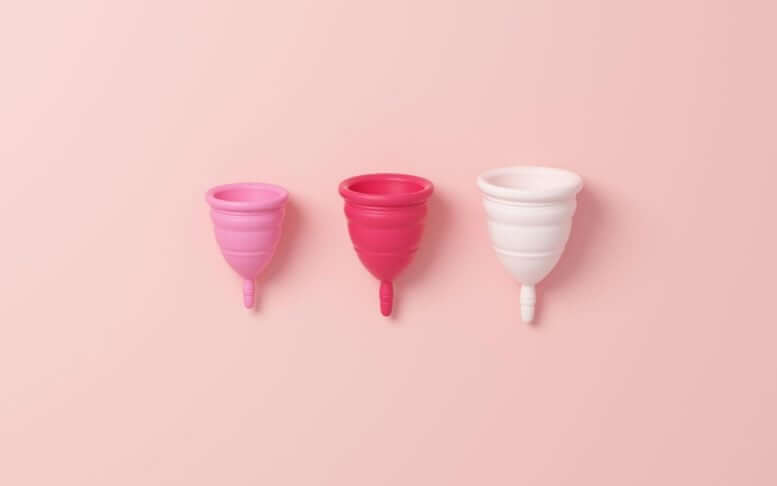
✨ A mispositioned menstrual cup can block urine flow, leading to kidney swelling, as seen in a recent BMJ Case Reports case. A woman experienced pain and blood in her urine due to ureter obstruction from her menstrual cup. Her symptoms resolved aft... 

Read more ››

Doctors Warn: Menstrual Cup Misuse Could Be Causing Kidney Problems
Carrots vs. Diabetes: Surprising New Research Shakes Up Treatment Options

✨ A new study from SDU suggests that carrots can improve blood sugar regulation and promote a healthier gut microbiome, potentially offering a natural supplement to type 2 diabetes treatments. Researchers found that mice fed carrot powder had bette... 

Read more ››

Carrots vs. Diabetes: Surprising New Research Shakes Up Treatment Options
According to Scientists, This Belief Is Key to a Meaningful Life

✨ Hope, often underestimated, may be more fundamental to our psychological well-being than happiness or even gratitude. A new study from the University of Missouri reveals that hope uniquely fuels our sense of life’s meaning, reshaping how we und... 

Read more ››

According to Scientists, This Belief Is Key to a Meaningful Life
Roman-Era Lead Pollution Linked to IQ Drop Across Europe

➡️ Ice cores show Roman-era lead pollution reduced European IQ by 2-3 points, linking ancient mining to cognitive decline. This research underscores the long history of industrial harm to human health.

💥 DRI scientists analyzed Arctic ice ... 

Read more ››

Roman-Era Lead Pollution Linked to IQ Drop Across Europe
Seven Days of Fasting: How Your Body Transforms Inside and Out

💥 After seven days of fasting, the body undergoes a profound reset, switching energy sources, shedding fat, and activating unique protein changes linked to major organ health. These shifts open the door to new possibilities for harnessing fastingâ... 

Read more ››

Seven Days of Fasting: How Your Body Transforms Inside and Out
Aircraft Noise Linked to Serious Heart Problems, Study Finds

➡️ Living near airports with high noise exposure could endanger heart health, according to a new study.

🔵 Residents living near major airports, exposed to high levels of aircraft noise, may face a significantly higher risk of serious heart... 

Read more ››

Aircraft Noise Linked to Serious Heart Problems, Study Finds
New Study Exposes Life-Threatening Risks of Prolonged Sauna Use

💥 Doctors warn that prolonged sauna use without hydration can lead to rare but potentially fatal heat stroke, even in those without common risk factors.

⚫ Saunas can offer relaxation, but spending too long inside without proper hydration can ... 

Read more ››

New Study Exposes Life-Threatening Risks of Prolonged Sauna Use
Sweet Danger: How Sugary Drinks Are Fueling Millions of New Diabetes and Heart Disease Cases Worldwide

⭐ New research links millions of annual new cases of diabetes and heart disease to sugary beverages, with significant impacts in developing countries. Urgent global measures are recommended to tackle this growing health threat.

➡️ Tufts Un... 

Read more ››

Sweet Danger: How Sugary Drinks Are Fueling Millions of New Diabetes and Heart Disease Cases Worldwide
Drinking Half to One Glass of Wine Daily Linked to 50% Lower Heart Complication Risk

Moderate wine consumption, measured via biomarkers, is linked to a 38-50% reduction in cardiovascular risks, according to a University of Barcelona-led study. However, excessive drinking eliminates these benefits, and more research is needed to co... 

Read more ››

Drinking Half to One Glass of Wine Daily Linked to 50% Lower Heart Complication Risk
New Research Links Plant-Based Meat to Depression

A study by the University of Surrey found that vegetarians consuming plant-based meat alternatives (PBMAs), which are ultra-processed foods, had a 42% higher risk of depression compared to those who did not.

Vegetarians consuming pl... 

Read more ››

New Research Links Plant-Based Meat to Depression
Coffee and Tea Linked to Lower Cancer Risk in Groundbreaking Study

Global research shows that coffee and tea consumption is linked to lower risks of head and neck cancers. While caffeinated coffee offered the most significant benefits, even decaf and tea showed promise, though effects varied by cancer type.
... 

Read more ››

Coffee and Tea Linked to Lower Cancer Risk in Groundbreaking Study
Natural Compound From Mushrooms Could Benefit People With Cancer and Major Depression

A single dose of a psychedelic compound derived from mushrooms has shown long-lasting effects in easing depression and anxiety in cancer patients.

A phase 2 trial shows that a single dose of psilocybin provides lasting relief from ... 

Read more ››

Natural Compound From Mushrooms Could Benefit People With Cancer and Major Depression
Scientists Reveal the Hidden Key to More Frequent and Satisfying Female Orgasms

Women with better interoceptive awareness tend to have more frequent and satisfying orgasms, suggesting a focus on internal bodily sensations could enhance sexual satisfaction.

Research indicates that heightened interoceptive awaren... 

Read more ››

Scientists Reveal the Hidden Key to More Frequent and Satisfying Female Orgasms
One Avocado a Day Could Help You Sleep Better, Says Groundbreaking Study

A new study reveals that eating one avocado per day may enhance sleep, highlighting an unexpected connection between nutrition and sleep quality. The findings build on growing evidence linking avocados to heart health and suggest intriguing potent... 

Read more ››

One Avocado a Day Could Help You Sleep Better, Says Groundbreaking Study
Who Wrote the Bible? AI Uncovers “Likely Authors”

Could artificial intelligence solve one of the Bible’s biggest mysteries? A team of researchers used AI-powered statistical modeling to analyze the authorship of the Hebrew Bible and made surprising discoveries about ancient narratives.

... 

Read more ››

Who Wrote the Bible? AI Uncovers “Likely Authors”
America Is Sinking: 28 Major Cities Are Slowly Going Under

A new study finds all major U.S. cities are sinking, driven by groundwater extraction and natural forces, posing hidden risks to infrastructure and calling for urgent solutions.

Groundwater loss is sinking U.S. cities, threatening i... 

Read more ››

America Is Sinking: 28 Major Cities Are Slowly Going Under
Science Confirms: Social Media Could Be Making Kids Depressed

A groundbreaking study from UCSF reveals that increased social media use among preteens is linked to rising depressive symptoms, but not vice versa.

New research shows social media use drives depressive symptoms in preteens.

Read more ››

Science Confirms: Social Media Could Be Making Kids Depressed
Scientists Uncover Hidden Biological Dangers of Ultra-Processed Foods

New research has revealed strong, consistent links between the consumption of ultra-processed foods and poor health outcomes, including inflammation, insulin resistance, and cardiovascular risk.

A major Canadian study links ultra-pr... 

Read more ››

Scientists Uncover Hidden Biological Dangers of Ultra-Processed Foods
Could Your Energy Drink Be Feeding Cancer? What Scientists Just Discovered

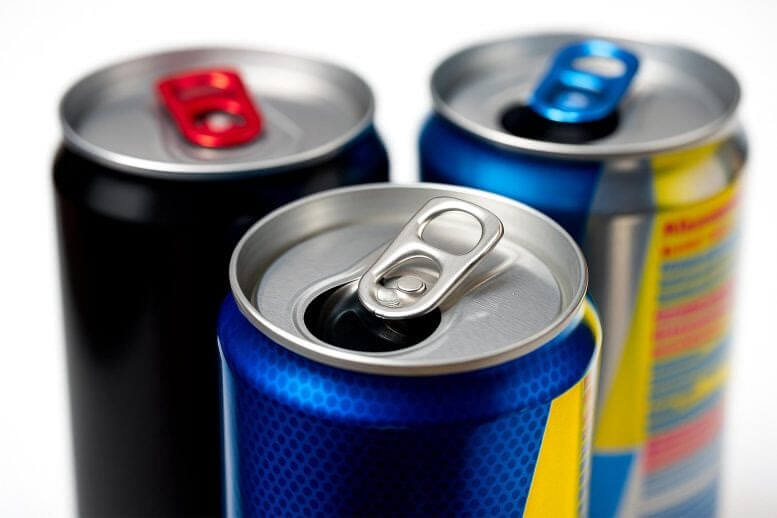
Scientists have discovered that taurine, a common ingredient in energy drinks, helps leukemia cells grow. The cancer hijacks taurine from bone marrow to fuel itself—but blocking that process may stop the disease in its tracks.

Sci... 

Read more ››

Could Your Energy Drink Be Feeding Cancer? What Scientists Just Discovered
Can Potatoes Help With Weight Loss? Scientists Reveal Surprising Benefits

Potatoes, often dismissed as fattening carbs, can actually lower the energy density of meals and, when prepared to boost fiber (e.g., boiled, cooled 24 hrs, skins on), support a 5.6% average weight loss and improved insulin resistance over eight w... 

Read more ››

Can Potatoes Help With Weight Loss? Scientists Reveal Surprising Benefits
Researchers Reveal That Climbing Stairs Could Extend Your Life

New research indicates that stair climbing can significantly reduce the risk of cardiovascular disease and premature death, with a 24% decreased risk of mortality from any cause and a 39% reduction from cardiovascular issues. Dr. Sophie Paddock ad... 

Read more ››

Researchers Reveal That Climbing Stairs Could Extend Your Life
Scientists Say There Are 4 Types of Lovers – Which One Are You?

ANU researchers found four types of romantic lovers, revealing love varies widely in intensity, sex, and commitment. The study shows love evolves uniquely across individuals.

ANU researchers identified four romantic lover types base... 

Read more ››

Scientists Say There Are 4 Types of Lovers – Which One Are You?
Your Name Might Be Changing Your Face, Study Finds

A new study led by researchers at the Hebrew University and Reichman University suggests that people’s names may influence their facial appearance as they age. Adults’ faces were matched to their names more accurately than chance, an effect no... 

Read more ››

Your Name Might Be Changing Your Face, Study Finds
Concerning New Research Links Tattoo Ink to Increased Cancer Risk

Tattoo ink doesn’t just stay in the skin—it can migrate to the lymph nodes, where it may accumulate and affect the immune system. A study using Danish twin data found that tattooed individuals, especially those with large tattoos, have a highe... 

Read more ››

Concerning New Research Links Tattoo Ink to Increased Cancer Risk
BV Is an STD and We’ve Been Treating It Wrong for Years

A major study proves BV is sexually transmitted, explaining why previous treatments often failed. When both partners are treated, the success rate improves dramatically. This could revolutionize women’s health worldwide.

For years... 

Read more ››

BV Is an STD and We’ve Been Treating It Wrong for Years
Secret of Everything

The secret of everything – Everything Is Mental. All talent, skill, power, speed and ability is mental. Nothing is impossible. Anything is possible. There is nothing you cannot Be, Do or Have. You can Be, Do and Have anything you want as long as yo... 

Read more ››

Secret of Everything
Harvard Study Finds Eating an Orange a Day Could Cut Depression Risk by 20%

A daily orange might do more than boost immunity — it could also help prevent depression. Scientists discovered that citrus uniquely supports gut bacteria linked to serotonin and dopamine production, reducing depression risk by 20%. Future resea... 

Read more ››

Harvard Study Finds Eating an Orange a Day Could Cut Depression Risk by 20%
According to Researchers, This Simple Phone Hack Can Improve Mental Health As Much as Antidepressants

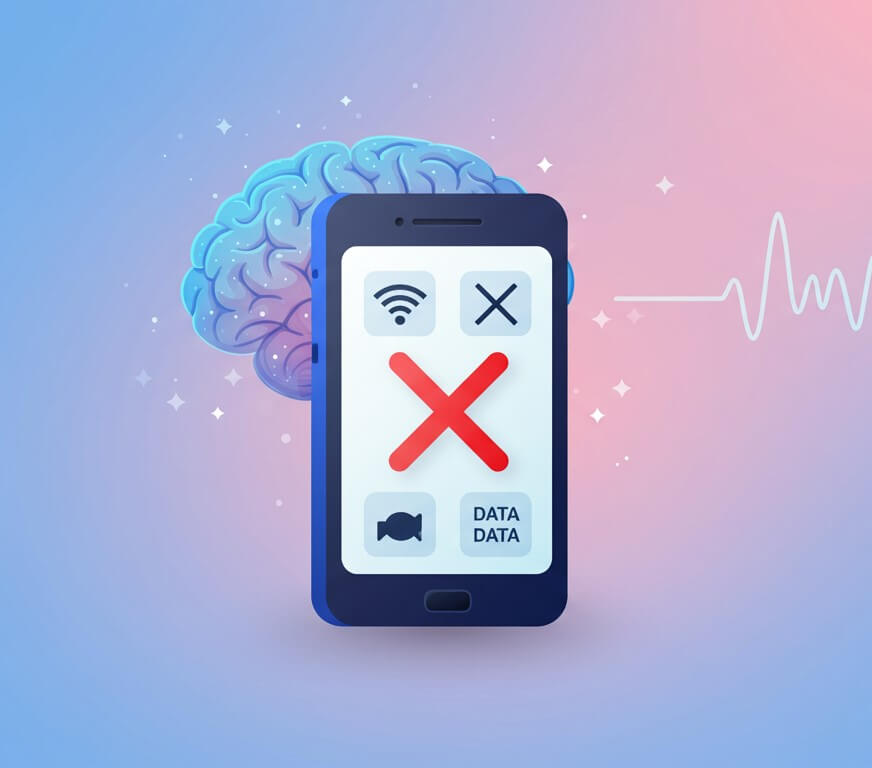
A two-week experiment found that blocking mobile internet on smartphones significantly improved participants’ mental health, well-being, and attention span, even reversing a decade of age-related cognitive decline. The study suggests that reduci... 

Read more ››

According to Researchers, This Simple Phone Hack Can Improve Mental Health As Much as Antidepressants
WHAT IS FRANCHISING AND HOW DOES IT WORK?

WHAT IS FRANCHISING AND HOW DOES IT WORK?

Franchising is a form of business organization in which a firm that already has a successful product or service (franchisor) licenses its trademark and me... 

Read more ››

WHAT IS FRANCHISING AND HOW DOES IT WORK?
Business Idea: A program for rock music enthusiasts to learn, improve, and perform in real bands at live rock venues.

Business Idea: Create a program for students with a passion for rock music so they can either learn to play a rock instrument or improve their existing musical skills and have the opportunity to participate in rock bands that play in... 

Read more ››

Business Idea: A program for rock music enthusiasts to learn, improve, and perform in real bands at live rock venues.
Business Idea: Franchise a network of Fresh Healthy Vending machines in schools, hospitals, and community spaces, offering only organic, natural, and healthy foods.

Business Idea: Build a franchise organization that deploys and services Fresh Healthy Vending–branded vending machines in schools, hospitals, health clubs, community organizations, and other locations that carry only organic, natur... 

Read more ››

Scientists Discover the Brain Circuit That Fuels Creativity

Creativity might not reside in a single brain region but rather in an interconnected brain circuit, according to a new study analyzing fMRI data and brain injuries.

A new study suggests that creativity maps onto a common brain circu... 

Read more ››

Scientists Discover the Brain Circuit That Fuels Creativity
Unlock Your Love This Valentine’s Day With a Science-Backed 7-Question Test

Romantic relationships play a vital role in emotional well-being, yet tools for assessing their health are often lacking. Enter the Valentine Scale—a quick, research-backed method for evaluating relationship satisfaction.

Want a f... 

Read more ››

Unlock Your Love This Valentine’s Day With a Science-Backed 7-Question Test
Your Brain Is Cheating on You, and You Don’t Even Know It

Sometimes, we cheat—not for money or prizes, but just to feel better about ourselves.

A new study reveals that people engage in “diagnostic self-deception,” tricking themselves into believing their success comes from ability... 

Read more ››

Being Social May Delay Dementia by 5 Years

Frequent social activity may help delay dementia, reducing the risk by up to 38%. Engaging with others strengthens neural networks, potentially delaying cognitive decline and lowering healthcare costs.

Social activities include dini... 

Read more ››

Harvard Study: Eating Dark Chocolate Could Reduce Your Risk of Diabetes by 21%

Participants who ate at least five servings of chocolate weekly had a 10% reduced risk of type 2 diabetes (T2D), with dark chocolate showing an even stronger effect—a 21% lower risk. In contrast, milk chocolate consumption was linked to long-ter... 

Read more ››

Harvard Study: Eating Dark Chocolate Could Reduce Your Risk of Diabetes by 21%
The Chocolate Cure: Cocoa Flavanols Protect Against Stress and High-Fat Diets

New research highlights the protective effects of flavanol-rich cocoa on vascular health, even when consumed alongside high-fat meals during stressful situations.

Consuming a cocoa drink rich in flavanols can mitigate the negative e... 

Read more ››

How Many Hours of Sitting Is Too Much for Your Heart?

Sedentary behavior exceeding 10.5 hours daily significantly raises the risk of heart failure and cardiovascular death, even among those who exercise regularly.

A recent study highlights that more than 10.5 hours of daily sedentary b... 

Read more ››

How Many Hours of Sitting Is Too Much for Your Heart?
The Common Texting Habit That Could Be Undermining Your Sincerity

New research indicates that spelling out words in text messages enhances sincerity and response rates.

Research has shown that using full words in texts, instead of abbreviations, makes individuals appear more sincere and increases ... 

Read more ››

The Common Texting Habit That Could Be Undermining Your Sincerity
New Study Identifies “Never Words” That Doctors Should Always Avoid Using

Researchers emphasize the importance of compassionate communication in treating seriously ill patients, identifying harmful “never words” and proposing more sensitive alternatives to enhance patient engagement and reduce emotional suffering. T... 

Read more ››

New Study Identifies “Never Words” That Doctors Should Always Avoid Using
Mondays and New Year’s Day: Unveiling the Deadliest Peaks in Global Suicide Rates

A global study reveals that suicide rates are highest on Mondays and New Year’s Day, with regional variations during holidays.

Research indicates a global pattern where suicides peak on Mondays and New Year’s Day, with inconsist... 

Read more ››

Mondays and New Year’s Day: Unveiling the Deadliest Peaks in Global Suicide Rates
5 Ways to Enhance Your Online Presence Through Engaging Multimedia Content

In today's digital landscape, a strong online presence is paramount for businesses of all sizes. One of the most effective ways to engage and connect with your audience is through the strategic use of multimedia content. By incorporating visually app... 

Read more ››

5 Ways to Enhance Your Online Presence Through Engaging Multimedia Content
PART TWO: THE GROWTH STRATEGIES FOR A FIRM

II: External Growth Strategies

External growth strategies rely on establishing relationships with third parties, such as mergers, acquisitions, strategic alliances, joint ventures, licensing, and franchisin... 

Read more ››

Business Idea: Provide a convenient online platform for the parents of growing children to exchange the clothes their children grow out of for clothes their children need.

Business Idea: Provide a convenient online platform for the parents of growing children to exchange the clothes their children grow out of for clothes their children need.

Pitch: The average kid grows out of a set... 

Read more ››

Strategies for Firm Growth

The growth strategies for a firm are divided into internal strategies for growth and external strategies for growth.

I. INTERNAL GROWTH STRATEGIES

Internal growth strategies involve efforts taken within the firm itself, such as... 

Read more ››

THE TOP 10 REASONS NEW PRODUCTS FAIL

THE TOP 10 REASONS NEW PRODUCTS FAIL.

1. Target market is not defined correctly.

2. Product is not positioned effectively.

3. Product’s benefits are not understood by the target customer.

4. Product doesn’t address im... 

Read more ››

Business Idea: Create urban greenhouse systems for year-round production of sustainable and local fresh food.

Business Idea: Create urban greenhouse systems for year-round production of sustainable and local fresh food.

Pitch: Food travels 1,500 miles on average in the United States to get to consumers. At the same time, ... 

Read more ››

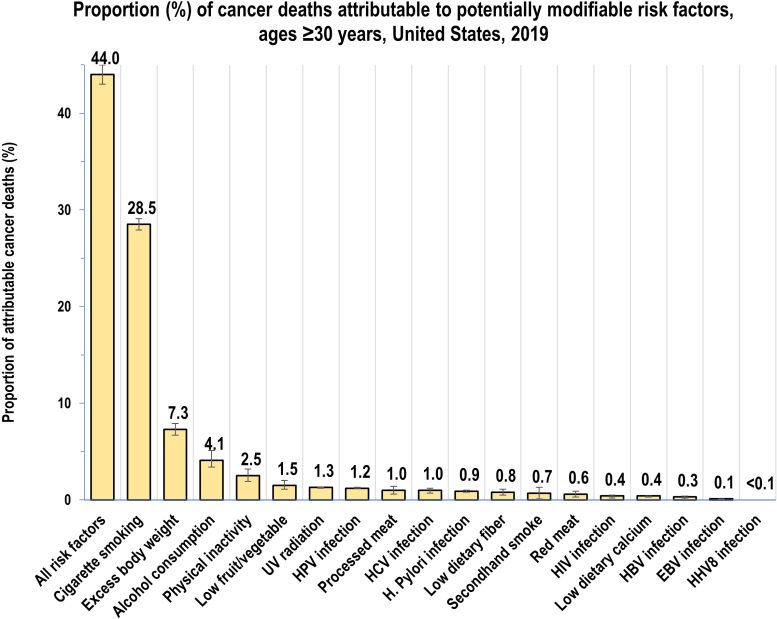
4 in 10 US Cancer Cases Linked to Modifiable Risk Factors, Study Reveals

A recent study by the American Cancer Society (ACS) reveals that four out of ten cancer cases and half of the cancer deaths in adults over 30 in the U.S. in 2019 were due to modifiable risk factors like smoking, obesity, and alcohol. Smoking was the ... 

Read more ››

4 in 10 US Cancer Cases Linked to Modifiable Risk Factors, Study Reveals
Business Idea: Manufacture and sell affordable, water efficient irrigation systems for small-plot farmers in developing nations.

Business Idea: Manufacture and sell affordable, water efficient irrigation systems for small-plot farmers in developing nations.

Company: Driptech

Pitch: In many developing countries, farmers h... 

Read more ››

Business Idea: Launch a service that provides reliable and loving reminders and companionship calls to elderly people who are still living in their homes.

Company: Check-In Calls

Business Idea: Launch a service that provides reliable and loving reminders and companionship calls to elderly people who are still living in their homes.

Pitch: Many ca... 

Read more ››

New Study Reveals That Simply Looking at Trees Can Boost Your Mental Health

Eye-tracking research from Bangor University and Technion-Israel Institute of Technology shows that focusing on natural elements during urban walks reduces anxiety and enhances feelings of restoration in city dwellers. These findings suggest urban de... 

Read more ››

New Study Reveals That Simply Looking at Trees Can Boost Your Mental Health
Eat Plants, Beat Cancer: New Study Links Vegetables To Lower Prostate Cancer Risks

Research from UC San Francisco reveals that men with localized prostate cancer can lower the risk of disease progression by 47% by adopting a plant-based diet rich in fruits, vegetables, nuts, and olive oil. Over 2,000 participants showed that increa... 

Read more ››

Eat Plants, Beat Cancer: New Study Links Vegetables To Lower Prostate Cancer Risks
5 natural ways to overcome erectile dysfunction

If you're a middle aged man, can you run as fast as you did when you were 20 years old? Hit a baseball as far as you once could? Bash a tennis ball with the same speed and spin?

Probably not.

But even as we age, there are still plenty of ways t... 

Read more ››

BRANDING

A brand is the set of attributes—positive or negative—that people associate with a company. These attributes can be positive, such as trustworthy, innovative, dependable, or easy to deal with. Or they can be negative, suc... 

Read more ››

Business Idea: Provide a service that stores individuals’ log-in information to important online services like e-mail accounts, social networks, PayPal, and eBay, and deliver them to caretakers in the event of the individual’s death.

Company: Legacy Locker

Business Idea: Provide a service that stores individuals’ log-in information to important online services like e-mail accounts, social networks, PayPal, and eBay, and deliver them to caret... 

Read more ››

New Research Reveals That Couples Who Drink Together Live Longer

A study by the University of Michigan finds that couples who drink alcohol together are likely to live longer, supporting the idea that shared drinking habits can enhance marital satisfaction and longevity.

The couple that drinks together might li... 

Read more ››

New Research Reveals That Couples Who Drink Together Live Longer
Office Productivity Takes a Hit in the Afternoon, Particularly on Fridays

A Texas A&M study shows productivity dips in the afternoon and on Fridays among office workers, advocating for flexible work to boost efficiency and well-being.

An innovative study from the Texas A&M School of Public Health offers objectiv... 

Read more ››

Office Productivity Takes a Hit in the Afternoon, Particularly on Fridays
Preparing to Raise Debt or Equity Financing

Once a start-up’s financial needs exceed what personal funds, friends and family, and bootstrapping can provide, debt and equity are the two most common sources of funds. The most important thing an entrepreneur must do at this point is determine p... 

Read more ››

Sources of Personal Financing

Typically, the seed money that gets a company off the ground comes from the founders’ own pockets. There are three categories of sources of money in this area: personal funds, friends and family, and bootstrapping.

1. Pe... 

Read more ››

Business Idea: Create a Website and a smartphone app that provides a visual guide to great food and where to find it.

Company: Foodspotting

Business Idea: Create a Website and a smartphone app that provides a visual guide to great food and where to find it. Instead of reviewing restaurants, users will share where to find their fa... 

Read more ››

Business Idea: Create an online community that links interns (primarily college students) with entrepreneurial start-ups and change-oriented nonprofit organizations.

Company: YouTern

Business Idea: Create an online community that links interns (primarily college students) with entrepreneurial start-ups and change-oriented nonprofit organizations.

Pitch: Int... 

Read more ››

52 Tips for Losing Weight

A Tip a Week

If you add one of these tips a week to your daily routine, in one year you will have developed some very healthy habits!

1. Eliminate one tablespoon of fat a day and you will lose 10 pounds in a ye... 

Read more ››

The Law of Cause and Effect – Everything happens for a reason; there is a cause for every effect.

This is the “Iron Law” of human destiny. This law says that we live in a world governed by law, not chance. It says that everything happens for a reason, whether or not we know what it is. Every effect, success or failure, wealth or poverty, has ... 

Read more ››

Organizing Buying Groups to Cut Costs and Maintain Competitiveness

One challenge that businesses confront is cutting costs in ways that don’t erode their ability to remain competitive. Many cost-cutting techniques, such as scaling back on hiring, lowering marketing expenses, or reducing inventory, may save money b... 

Read more ››

What's In A Business Name?: A Lot Of Trouble If You Aren't Careful

Introduction

While at first glance naming a business may seem like a minor issue, it is an extremely important one. A company’s name is one of the first things people associate with a business, and it is a word or phrase that wi... 

Read more ››

Vesting Ownership in Company Stock: A Sound Strategy for Start-Ups

If you’re not familiar with vesting, the idea is that when a firm is launched, instead of issuing stock outright to the founders, the stock is distributed over a period of time, typically three to four years, as the founder or founders “e... 

Read more ››

99designs: Making Partnering with Freelancers the Essence of Its Disruptive Business Model

Start-ups typically have a variety of design needs including logo design, brochures, stationery, and business cards. Traditionally the most important design work, like a business’s logo, is either done by the business itself or contracted out to a ... 

Read more ››

Thriving in a Crowded Industry by Creating Meaningful Value and Differentiation from Competitors

Firms do well in a crowded industry when two conditions exist: (1) they create meaningful value for customers at a fair price and (2) they effectively differentiate themselves from competitors. In fact, diminishing the impact of thre... 

Read more ››

Shield your brain from decline

Use the SHIELD acronym to remember the lifestyle habits that will help protect your memory and thinking skills.

We are making encouraging progress in finding medications that prevent or even reverse cognitive decline. Until we get there, however, ... 

Read more ››

Business Idea: Provide musicians a platform to reach out to their fan base to financially contribute to upcoming recordings or other musical projects.

Business Idea: Provide musicians a platform to reach out to their fan base to financially contribute to upcoming recordings or other musical projects.

Pitch: Musicians often have creative ideas for recordings or s... 

Read more ››

Finding the Right Business Partner

One thing that becomes clear to many potential business founders, while conducting organizational feasibility analysis, is that they need one or more partners to help launch their business. You might be a Web developer who has a great idea for a Web ... 

Read more ››

ScriptPad: Interesting Idea—But Will Doctors and Pharmacies Sign On?

To ScriptPad founder and CEO Shane Taylor, the problem his company solves is personal. Taylor’s father, who is fighting both heart disease and cancer, takes 26 different medications to fight his illnesses. Any mix-up or error associated with taking... 

Read more ››

Want Help Fine-Tuning a Business Idea? Find a Mentor

Fine-tuning a business idea isn’t easy. While fairly course-grained ideas are rather easy to develop, like creating a cell-phone that’s designed specifically for elderly people, fleshing out the details is where experience helps. This reality put... 

Read more ››

Working Together: How Biotech Firms and Large Drug Companies Bring Pharmaceutical Products to Market

Large firms and smaller entrepreneurial firms play different roles in business and society and can often produce the best results by partnering with each other rather than acting as adversaries. The pharmaceutical industry is an excellent example of ... 

Read more ››

Learning how to meditate

Meditation has been practiced for thousands of years and it continues to grow in popularity. This mindful practice can help aid anxiety and depression, chronic pain, cancer, bowel diseases, high blood pressure, insomnia, addiction and so much more.
... 

Read more ››

Learning how to meditate
PatientsLikeMe: Allowing People with Serious Diseases to Connect with One Another and Exchange Support and Advice

PatientsLikeMe: Allowing People with Serious Diseases to Connect with One Another and Exchange Support and Advice

Web: www.patientslikeme.com

Jamie a... 

Read more ››

How Companies and Organizations Build Credibility and Trust

How Companies and Organizations Build Credibility and Trust

There are several ways companies and organizations can build credibility and trust. We present eight techniques that are essential in nearly all cases in the following list.

Te... 

Read more ››

Business Idea: Create a single place for music lovers to track or keep up with their favorite bands, so they’ll always know where and when the bands will be performing in their area.

Business Idea: Create a single place for music lovers to track or keep up with their favorite bands, so they’ll always know where and when the bands will be performing in their area.

In addition, create an online platform for c... 

Read more ››

CREATING A NEW-VENTURE TEAM

Those who launch or found an entrepreneurial venture have an important role to play in shaping the firm’s business concept. Stated even more directly, it is widely known that a well-conceived business plan cannot get off the ground unless a firm ha... 

Read more ››

CREATING A NEW-VENTURE TEAM
Discuss the differences among sole proprietorships, partnerships, corporations, and limited liability companies.

When a business is launched, a form of legal entity must be chosen. Sole proprietorship, partnerships, corporations, and limited liability companies are the most common legal entities from which entrepreneurs make a choice. Choosing ... 

Read more ››

Discuss the differences among sole proprietorships, partnerships, corporations, and limited liability companies.
Airbnb: How Listening to Customers and Iterating the Business Model Helped Shape and Mold a Successful Start-up

Airbnb: How Listening to Customers and Iterating the Business Model Helped Shape and Mold a Successful Start-up

Web: www.airbnb.com

Introduction

It all st... 

Read more ››

Airbnb: How Listening to Customers and Iterating the Business Model Helped Shape and Mold a Successful Start-up
Components of an effective business model

1. Core strategy (how a firm competes)

2. Strategic resources (how a firm acquires and uses its resources)

3. Partnership network (how a firm structures and nurtures its partnerships)

Read more ››

Six distinct ways of making money online

Six distinct ways of making money online (the way an online company makes money largely defines its business model)

1. Affiliate programs

An affiliate program is a way for online merchants, like 1-800-FLOWERS, ... 

Read more ››

COMPETITOR ANALYSIS

After a firm has gained an understanding of the industry and the target market in which it plans to compete, the next step is to complete a competitor analysis. A competitor analysis is a detailed analysis of a firm’s competition. It helps a firm u... 

Read more ››

Some excellent ways to increase your self-awareness

1. Personal diaries

An excellent way to increase your self-awareness is to keep a diary. In it make a daily note of the important things that happen. Be honest and open with yourself. Be willing to reflect upon your beliefs, thoug... 

Read more ››

Maintaining positive thoughts

• E. G. S. Emotional Guidance System - Your inner guide

It is said that the average human being has approximately 64,000 thoughts per day. Protecting all of your thoughts 24 hours a day can be a full-time job. There is a better way to gauge how ... 

Read more ››

TECHNIQUES FOR GENERATING IDEAS

In general, entrepreneurs identify more ideas than opportunities because many ideas are typically generated to find the best way to capitalize on an opportunity. Several techniques can be used to stimulate and facilitate the generation of new ideas f... 

Read more ››

The 3 sources of business ideas

1. Observing Trends

The first approach to identifying opportunities is to observe trends and study how they create opportunities for entrepreneurs to pursue. The most important trends to follow are economic trends, social trends, ... 

Read more ››

The 3 sources of business ideas

Unleash Your Creativity with SCAMPER!

   Pinned
  4 Mins Read
Image name: SCAMPER_Technique.png Image size: 319.75 KB
  Download

✨ Boost Your Creativity with the SCAMPER Technique.

If you're looking for a simple and powerful way to generate fresh ideas, improve products, or unlock creative solutions, the SCAMPER technique is one of the best tools you can use.

Need to supercharge an existing idea or product? Try the powerful SCAMPER technique for idea generation!

SCAMPER is a simple yet effective tool to...


Strength training builds more than muscles

  3 years ago (Mon, Feb 19, 2024 at 06:23 PM (GMT))

  2 Mins Read
Image name: Strength_Training.jpg Image size: 138.61 KB
  Download

Most of us know that strength training (with free weights, weight machines, or resistance bands) can help build and maintain muscle mass and strength. What many of us don't know is that strong muscles lead to strong bones. And strong bones can help minimize the risk of fracture due to osteoporosis.

Osteoporosis should be a concern for all of us. An...
 
© Harvard Medical School   


For the First Time: Water Molecules Have Been Discovered on an Asteroid’s Surface

  3 years ago (Mon, Feb 19, 2024 at 12:54 PM (GMT))

  3 Mins Read
Image name: Water-Molecules-on-the-Surface-of-an-Asteroid-777x615.png Image size: 25.47 KB
  Download

Utilizing SOFIA data, researchers have identified water molecules on asteroid surfaces, marking a significant step in understanding water’s distribution and its role in the solar system’s formation and potential for supporting life. Future studies with the James Webb Space Telescope aim to expand this knowledge by examining more celestial bodies.

The FORCAST instrument on SOFIA discovered water on asteroids that...

Scientists from the Southwest Research Institute have made the first discovery of water molecules on an asteroid’s surface, utilizing data from the now-retired Stratospheric Observatory for Infrared Astronomy (SOFIA). This project was a collaborative effort between NASA and the German Space Agency at DLR.

Scientists looked at four silicate-rich asteroids using the FORCAST instrument to isolate the mid-infrared spectral signatures indicative of molecular water on two of them.

The Significance of Water Distribution

“Asteroids are leftovers from the planetary formation process, so their compositions vary depending on where they formed in the solar nebula,” said SwRI’s Dr. Anicia Arredondo, lead author of a Planetary Science Journal paper about the discovery. “Of particular interest is the distribution of water on asteroids, because that can shed light on how water was delivered to Earth.”

Anhydrous, or dry, silicate asteroids form close to the Sun while icy materials coalesce farther out. Understanding the location of asteroids and their compositions tells us how materials in the solar nebula were distributed and have evolved since formation. The distribution of water in our solar system will provide insight into the distribution of water in other solar systems and, because water is necessary for all life on Earth, will drive where to look for potential life, both in our solar system and beyond.

Methodology and Findings

“We detected a feature that is unambiguously attributed to molecular water on the asteroids Iris and Massalia,” Arredondo said. “We based our research on the success of the team that found molecular water on the sunlit surface of the Moon. We thought we could use SOFIA to find this spectral signature on other bodies.

SOFIA detected water molecules in one of the largest craters in the Moon’s southern hemisphere. Previous observations of both the Moon and asteroids had detected some form of hydrogen but could not distinguish between water and its close chemical relative, hydroxyl. Scientists detected roughly equivalent to a 12-ounce bottle of water trapped in a cubic meter of soil spread across the lunar surface, chemically bound in minerals.

“Based on the band strength of the spectral features, the abundance of water on the asteroid is consistent with that of the sunlit Moon,” Arredondo said. “Similarly, on asteroids, water can also be bound to minerals as well as adsorbed to silicate and trapped or dissolved in silicate impact glass.”

Challenges and Future Research

The data from two fainter asteroids, Parthenope and Melpomene, were too noisy to draw a definitive conclusion. The FORCAST instrument is apparently not sensitive enough to detect the water spectral feature if present. However, with these findings, the team is enlisting NASA’s James Webb Space Telescope, the premier infrared space telescope, to use its precise optics and superior signal-to-noise ratio to investigate more targets.

“We have conducted initial measurements for another two asteroids with Webb during cycle two,” Arredondo said. “We have another proposal in for the next cycle to look at another 30 targets. These studies will increase our understanding of the distribution of water in the solar system.”
 
© Southwest Research Institute   


Neuroscience of the Swipe: What Makes an Online Dating Profile Irresistible?

  3 years ago (Mon, Feb 19, 2024 at 12:38 PM (GMT))

  6 Mins Read
Image name: Online-Dating-App-Mobile-Phone-777x518.jpg Image size: 17.1 KB
  Download

New research reveals that feeling known rather than knowing others is key to relationship satisfaction, impacting how online dating profiles should be crafted to attract potential partners effectively.

Demonstrating an interest in understanding potential partners in online dating profiles can significantly increase attractiveness and potential for relationship satisfaction.

In writing a good online dating profile, the average love-seeker is likely to fill...
 
© UC Berkeley   


New Study: College Students Should Avoid This Popular Drink To Improve Their Sleep Quality

  3 years ago (Mon, Feb 19, 2024 at 12:19 PM (GMT))

  4 Mins Read
A study indicates that consuming energy drinks is linked to poor sleep and insomnia among college students, with more frequent consumption leading to greater sleep disturbances. Reducing energy drink intake could improve sleep quality in this demographic.

The more frequently they consume, the less sleep they get each night. However, even occasional consumption is associated with an increased risk of sleep...

Consuming energy drinks is associated with lower sleep quality and insomnia in college students, according to a comprehensive Norwegian study published in the open-access journal BMJ Open.

And the higher the frequency of consumption, the fewer hours of nightly shut-eye the students clocked up. But even just the occasional can—1-3 times a month—is linked to a heightened risk of disturbed sleep, the findings indicate.

Energy drinks contain an average caffeine content of 150 mg per liter as well as sugar, vitamins, minerals, and amino acids in varying quantities, note the researchers. Marketed as mental and physical pick-me-ups, they are popular with college students and young people in general.

While there is some evidence to suggest that they reduce sleep quality, it’s not clear exactly which aspects of sleep might be more or less affected, or whether there are any sex-specific differences in these effects.

The Study’s Methodology

To explore these issues further, the researchers drew on 53,266 eighteen to 35-year-old participants of the Students’ Health and Well-being Study (SHOT22 study)—the most recent wave of a large national survey of college and university students in Norway.

The students were asked how often they drank energy drinks, with the response options of daily, weekly (once; 2-3 times; 4-6 times), monthly (1-3 times), and seldom/never.

They were also asked detailed questions about their usual sleep patterns: when they went to bed and got up; how long it took them to fall asleep (sleep latency); wakefulness after going to sleep. Sleep efficiency was then calculated from the total nightly hours of sleep vs time spent in bed.

Insomnia was defined as experiencing difficulties falling and staying asleep and waking early on at least 3 nights of the week, plus daytime sleepiness and tiredness for at least 3 days of the week, for at least 3 months.

Findings on Consumption Patterns and Sleep Effects

The survey responses indicated clear sex differences in patterns of energy drink consumption. For example, women were more likely than men to report never or seldom consuming energy drinks: 50% vs 40%.

Of those who said they did drink these beverages, 5.5% of women said they drank them 4-6 times a week and just over 3% reported daily consumption. The comparable figures for men were 8% and 5%, respectively.

But there was a clear dose-response association for both sexes between energy drink consumption and fewer hours of sleep.

Association with Sleep Problems

Both men and women who reported daily consumption slept around half an hour less than those reporting only occasional or no consumption. Similar associations were also observed for waking after falling asleep and taking longer to fall asleep.

And increasing consumption was associated with a corresponding increase in both nocturnal wake time and time taken to fall asleep—poorer sleep efficiency.

Insomnia was also more common among both women and men reporting daily consumption than among those reporting occasional or no consumption: 51% vs 33% (women) and 37% vs 22 % (men).

Overall, higher energy drink consumption was associated with an increasing risk of sleep problems across all the aspects studied, with the strongest associations for short sleep duration.

Compared with those reporting no or only an occasional energy drink, men who reported daily consumption were more than twice as likely to say they slept fewer than 6 hours/night, while women were 87% more likely to do so.

But even those reporting having an energy drink just 1-3 times a month were still at heightened risk of sleep problems.

Limitations and Conclusions

This is an observational study, and as such, no firm conclusions can be drawn about cause. And the researchers acknowledge that reverse causality—whereby energy drink consumption might be a consequence of poor sleep rather than the other way round—might explain the associations found.

There was no information either on the timing of consumption or the exact quantities drunk, and the study relied on self-assessment rather than objective measures of consumption and sleep patterns.

Nevertheless, the researchers conclude: “The results from the current study show that there is a robust association between the frequency of [energy drink] consumption and the different sleep parameters.

“Identifying modifiable risk factors for sleep problems among college and university students is vital and our results suggest that the frequency of …consumption could be a possible target for interventions.”
 
© BMJ   


Which Virus Will Cause the Next Global Pandemic? Scientists Discover New Disease X Clues

  3 years ago (Mon, Feb 19, 2024 at 12:03 PM (GMT))

  3 Mins Read
A study has identified 70 virus lineages with the highest potential for causing a global pandemic, emphasizing the importance of monitoring viruses related to known human pathogens. This research supports the preparation for future pandemics by informing vaccine and diagnostic development and refining surveillance efforts to focus on the most threatening RNA viruses.

Understanding the ancestry of virus families may assist...
 
© University Of Edinburgh   


New AI tool helps leverage database of 10 million biology images

  3 years ago (Mon, Feb 19, 2024 at 11:46 AM (GMT))

  5 Mins Read
Researchers have developed the largest-ever dataset of biological images suitable for use by machine learning – and a new vision-based artificial intelligence tool to learn from it.

The findings in the new study significantly broaden the scope of what scientists can do using artificial intelligence to analyze images of plants, animals and fungi to answer new questions, said Samuel Stevens, lead...
 
© Ohio State University   


Assessing anger issues

  3 years ago (Sun, Feb 18, 2024 at 10:01 PM (GMT))

  4 Mins Read
Because anger is fundamentally a raw emotion, we often don't give it much analysis. But if you believe that you or someone you know has a real anger problem, investigating the origins of anger and how they affect feelings and behaviors can help. Understanding what makes you angry and how you respond won't solve the problem, but those steps will...
 
© Harvard Medical School   


New Discovery Could Improve the Efficiency of Diabetes Treatments

  3 years ago (Sun, Feb 18, 2024 at 10:30 AM (GMT))

  3 Mins Read
Recent research has unveiled that the GDF15 protein may enhance diabetes treatment by reducing glucose synthesis and liver fibrosis, offering a new approach to managing type 2 diabetes and associated metabolic disorders.

New methods to decrease glucose production in the liver

A study led by the University of Barcelona and the Biomedical Research Networking Center in Diabetes and Associated Metabolic Disorders (CIBERDEM)...
 
© University Of Barcelona   


A climate-friendly way to capture carbon dioxide in the air

  3 years ago (Sun, Feb 18, 2024 at 09:32 AM (GMT))

  4 Mins Read
In a new study, researchers have developed a method for capturing carbon dioxide from the atmosphere, powered by clean and relatively inexpensive geothermal energy.

Their findings, published in the journal Environmental Research Letters, reveal that by combining direct air carbon dioxide capture technologies (DACC) and geothermal energy, large-scale carbon dioxide (CO2) removal systems could potentially be supplied with enough energy...
 
© Ohio State University   


Eat these fruits for their anti-inflammatory benefits

  3 years ago (Sun, Feb 18, 2024 at 09:15 AM (GMT))

  3 Mins Read
Image name: Berries.jpg Image size: 52.24 KB
  Download

They're nature's original desserts. And naturally sweet fruits are essential in protecting our bodies from disease.

Eating at least one-and-a-half to two cups of diverse fruits every day can boost antioxidant activity. Fruits are particularly abundant in anti-inflammatory compounds, which are important in protecting our bodies from heart disease, diabetes, and certain forms of cancer and bowel disease.

How to get enough...
 
© Harvard Medical School   


According to Scientists, This Fruit Improves Mental Health – Fast

  3 years ago (Fri, Feb 16, 2024 at 06:10 PM (GMT))

  3 Mins Read
Recent research from the University of Otago has demonstrated that kiwifruit, a rich source of vitamin C, can quickly enhance mood and vitality, showing effects in as little as four days. The study, which involved 155 adults with low vitamin C levels, utilized smartphone surveys to track improvements in mood, vitality, and overall well-being. The findings underscore the benefits of...
 
© University Of Otago   


Hubble Reveals How Galactic Collisions Ignite Star Formation

  3 years ago (Fri, Feb 16, 2024 at 06:02 PM (GMT))

  4 Mins Read
Galaxy AM 1054-325 has been distorted into an S-shape from a normal pancake-like spiral shape by the gravitational pull of a neighboring galaxy, seen in this Hubble Space Telescope image. A consequence of this is that newborn clusters of stars form along a stretched-out tidal tail for thousands of light-years, resembling a string of pearls. A new study led by...
 
© Penn State University   


Spilling the Beans: How Much Caffeine Is Too Much?

  3 years ago (Fri, Feb 16, 2024 at 03:58 PM (GMT))

  6 Mins Read
Caffeine is present in various foods and beverages and can be part of a healthy diet for most individuals. However, excessive consumption poses health risks, with safe limits varying among people. The FDA provides guidelines on caffeine consumption, cautioning against high intake levels, especially in children and individuals with certain health conditions.

According to scientists at the FDA, caffeine can be...

Do you drink just one cup of coffee or tea first thing in the morning, hoping the caffeine in it will jump-start your day? Do you follow it up with a caffeinated beverage or two and then drink several more cups of coffee throughout the day?

Does it matter?

According to scientists at the FDA, caffeine can be part of a healthy diet for most people, but too much caffeine may pose a danger to your health. Depending on factors such as body weight, medications you may take, and individual sensitivity, “too much” can vary from person to person.

Learn more about caffeine in the following questions and answers.

1. Which kinds of foods and beverages contain caffeine?

Caffeine can be found naturally in the plants we use to make coffee, tea and chocolate. It’s also found in some plants used as flavorings, such as guarana, or alternative teas popular in South America, such as yerba mate (Ilex paraguariensis) and Ilex guayusa.

Caffeine may also be added as an ingredient to foods and beverages.

Is it okay for kids to consume energy drinks that contain caffeine?

Energy drinks can have more than twice the caffeine in an equal amount of coffee. The American Academy of Pediatrics has stated that “there is heightened awareness of the risks of caffeine use, abuse, and even toxicity in children and adolescents.”* Consult your health care provider for advice regarding your child’s caffeine consumption.

2. How do you know how much caffeine a food or beverage contains?

Many packaged foods, including beverages and dietary supplements containing caffeine, voluntarily provide information on the label as to how much caffeine they contain. Consumers should take care when consuming for the first time a new packaged food containing added caffeine if the amount of caffeine in the food is not declared on the label.

There are several online databases that provide estimates of caffeine content of certain foods and beverages such as coffee and tea. However, the amount in these brewed beverages can vary depending on such factors as how and where the coffee beans and tea leaves were grown and processed and how the beverage product is prepared.

For reference, a 12-ounce can of a caffeinated soft drink typically contains 30 to 40 milligrams of caffeine, an 8-ounce cup of green or black tea 30-50 milligrams, and an 8-ounce cup of coffee closer to 80 to 100 milligrams. Caffeine in energy drinks can range from 40-250 mg per 8 fluid ounces.

3. If a coffee or tea says “decaffeinated,” does that mean it contains no caffeine?

No. Decaf coffees and teas have less caffeine than their regular counterparts, but they still contain some caffeine. For example, decaf coffee typically has 2-15 milligrams in an 8-ounce cup. If you react strongly to caffeine in a negative way, you may want to avoid these beverages altogether.

4. How much caffeine is too much?

For healthy adults, the FDA has cited 400 milligrams a day—that’s about four or five cups of coffee—as an amount not generally associated with dangerous, negative effects. However, there is wide variation in both how sensitive people are to the effects of caffeine and how fast they metabolize it (break it down).

Certain conditions tend to make people more sensitive to caffeine’s effects, as can some medications. In addition, if you’re pregnant, trying to become pregnant, or breastfeeding, or are concerned about another condition or medication, we recommend talking to your healthcare provider about whether you need to limit caffeine consumption.

The FDA has not set a level for children, but the American Academy of Pediatrics discourages the consumption of caffeine and other stimulants by children and adolescents.

5. How do you know if you’ve consumed more caffeine than you can tolerate?

Over-consuming caffeine can cause:

• insomnia
• jitters
• anxiousness
• fast heart rate
• upset stomach
• nausea
• headache
• a feeling of unhappiness (dysphoria)

6. Does caffeine pose a danger to your health?

The FDA estimates toxic effects, like seizures, can be observed with rapid consumption of around 1,200 milligrams of caffeine, or 0.15 tablespoons of pure caffeine.

Pure and highly concentrated caffeine products present a significant public health threat and have contributed to at least two deaths in the United States. The FDA has taken action to protect consumers from these products.

These products, often labeled as dietary supplements, consist of pure or highly concentrated caffeine in powder or liquid forms and are often marketed in bulk packaging with up to thousands of servings per container, requiring the consumer to measure out a safe serving from what can be a toxic or even lethal amount of bulk product.

The risk of caffeine overdose increases as the concentration of caffeine in the product increases, meaning even small dosages of a highly concentrated product could lead to dangerous effects. Just one teaspoon of pure powdered caffeine can contain the same amount of caffeine as 28 cups of coffee, and a half cup of a liquid highly concentrated caffeine product contains the equivalent of more than 20 cups of coffee. These are toxic amounts that can have serious health consequences, including death.

7. Is drinking a lot of caffeine a substitute for sleep?

No. Caffeine is a stimulant, which may cause you to be more alert and awake, but it is not a substitute for sleep. Typically, it can take 4 to 6 hours for your body to metabolize half of what you consumed. So, a cup of coffee at dinner may keep you awake at bedtime.

8. How can I cut back on caffeine without causing unpleasant side effects?

If you’re used to drinking caffeine-containing beverages every day, and want to cut back, it’s best to do so gradually. Stopping abruptly can cause withdrawal symptoms such as headaches, anxiety, and nervousness. Unlike opioid or alcohol withdrawal, caffeine withdrawal is not considered dangerous, but it can be unpleasant. You may want to talk to your healthcare provider about how to cut back.
 
© U.S. FOOD AND DRUG ADMINISTRATION   


From Social Harm to Neural Scars: The Science Behind Bullying’s Lasting Effects

  3 years ago (Fri, Feb 16, 2024 at 03:33 PM (GMT))

  4 Mins Read
Bullying in childhood is directly linked to the development of severe mental health issues in later life through the pathway of increased interpersonal distrust. This connection underscores the importance of early intervention programs focused on building trust among peers.

UCLA Health researcher says teens who experience bullying and develop distrust of others are 3.5 times more likely to experience clinically...

A new study, co-led by UCLA Health and the University of Glasgow, found that young teenagers who develop a strong distrust of other people as a result of childhood bullying are substantially more likely to have significant mental health problems as they enter adulthood compared to those who do not develop interpersonal trust issues.

The study, published in the journal Nature Mental Health, is believed to be the first to examine the link between peer bullying, interpersonal distrust, and the subsequent development of mental health problems, such as anxiety, depression, hyperactivity, and anger.

The Link Between Bullying and Mental Health

Researchers used data from 10,000 children in the United Kingdom who were studied for nearly two decades as part of the Millennium Cohort Study. From these data, the researchers found that adolescents who were bullied at age 11 and in turn developed greater interpersonal distrust by age 14 were around 3.5 times more likely to experience clinically significant mental health problems at age 17 compared to those who developed less distrust.

The findings could help schools and other institutions to develop new evidence-based interventions to counter the negative mental health impacts of bullying, according to the study’s senior author Dr. George Slavich, who directs UCLA Health’s Laboratory for Stress Assessment and Research.

Addressing Youth Mental Health

“There are few public health topics more important than youth mental health right now,” Slavich said. “In order to help teens reach their fullest potential, we need to invest in research that identifies risk factors for poor health and that translates this knowledge into prevention programs that can improve lifelong health and resilience.”

The findings come amid growing public health concerns about the mental health of youth. Recent studies by the U.S. Centers for Disease Control and Prevention found that 44.2% of sampled high school students in the U.S. reported being depressed for at least two weeks in 2021, with one in 10 students who were surveyed having reported attempted suicide that year.

In this new study, the researchers viewed these alarming trends from the perspective of Social Safety Theory, which hypothesizes that social threats, such as bullying, impact mental health partly by instilling the belief that other people cannot be trusted, or that the world is an unfriendly, dangerous or unpredictable place.

Prior research has identified associations between bullying and mental and behavioral health issues among youth, including its impact on substance abuse, depression, anxiety, self-harm, and suicidal thoughts. However, following youth over time, this study is the first to confirm the suspected pathway of how bullying leads to distrust and, in turn, mental health problems in late adolescence.

Slavich said when people develop clinically significant mental health problems during the teenage years, it can increase their risk of experiencing both mental and physical health issues across the entire lifespan if left unaddressed.

In addition to interpersonal distrust, the authors examined if diet, sleep or physical activity also linked peer bullying with subsequent mental health problems. However, only interpersonal distrust was found to relate bullying to greater risk of experiencing mental health problems at age 17.

Conclusion and Recommendations

“What these data suggest is that we really need school-based programs that help foster a sense of interpersonal trust at the level of the classroom and school,” Slavich said. “One way to do that would be to develop evidence-based programs that are especially focused on the transition to high school and college, and that frame school as an opportunity to develop close, long-lasting relationships.”
 
© UNIVERSITY OF CALIFORNIA - LOS ANGELES HEALTH SCIENCES   


Cambridge Scientists Uncover New Way in Which Fasting Helps Reduce Inflammation

  3 years ago (Fri, Feb 16, 2024 at 03:12 PM (GMT))

  5 Mins Read
Scientists at Cambridge have found that fasting raises arachidonic acid levels in the blood, inhibiting inflammation and offering insights into the health benefits of fasting and the anti-inflammatory effects of drugs like aspirin on chronic diseases.

Scientists at Cambridge may have uncovered a novel mechanism by which fasting can reduce inflammation – a potentially harmful consequence of the immune system’s activity...
 
© University Of Cambridge   


Overcoming a Lack of Business Experience

  3 years ago (Thu, Feb 15, 2024 at 05:00 PM (GMT))

  4 Mins Read
Many people who start businesses do not have prior business experience. This is often a worry to people who fit this description. They know that people with experience in accounting, finance, and management generally have a leg up on those who are tackling these challenges for the first time.

There are several techniques and/or approaches to starting a business that people...
 
Reference: Entrepreneurship   


Devver: How Miscues in Regard to the Composition and Management of a New-Venture Team Can Kill a Start-up

  3 years ago (Thu, Feb 15, 2024 at 04:42 PM (GMT))

  4 Mins Read
Devver (pronounced like “developer,” not “devious”) launched in 2008 to help software developers use cloud-based services to “test” their code in a more expedient manner than current practices. The firm started by focusing on Ruby on Rails software applications. One of its flagship products, Caliper, provided quality metrics to Ruby on Rails developers for their Ruby on Rails code. By...
 
Reference: Entrepreneurship   


Fatigue and autoimmune disease

  3 years ago (Thu, Feb 15, 2024 at 12:28 PM (GMT))

  3 Mins Read
Having an autoimmune disease can change your life in profound ways. For many people with autoimmune disease, fatigue is the most debilitating symptom.

Why autoimmune disease and fatigue go hand-in-hand is not entirely understood, although inflammation may explain some of it. Other possible factors include pain, poor sleep, inactivity, and depressed mood.

Fatigue differs from the tiredness most people feel after...
 
© Harvard Medical School   


I'm too young to have Alzheimer's disease or dementia, right?

  3 years ago (Thu, Feb 15, 2024 at 11:18 AM (GMT))

  5 Mins Read
If you're in your 80s or 70s and you've noticed that you're having some memory loss, it might be reasonable to be concerned that you could be developing Alzheimer's disease or another form of dementia. But what if you're in your 60s, 50s, or 40s… surely those ages would be too young for Alzheimer's disease or dementia, right?

About 10% of...

Not necessarily. Of the more that 55 million people living with dementia worldwide, approximately 60% to 70% of them have Alzheimer's disease. And of those 33 to 38.5 million people with Alzheimer's disease, memory loss or other symptoms began before age 65 in 10% of them. Alzheimer's is, in fact, the most common cause of young onset dementia. A recent study from the Netherlands found that of those with a known classification of their young onset dementia, 55% had Alzheimer's disease, 11% vascular dementia, 3% frontotemporal dementia, 3% Parkinson's disease dementia, 2% dementia with Lewy bodies, and 2% primary progressive aphasia.

Young onset dementia is uncommon

To be clear, young onset dementia (by definition starting prior to age 65, and sometimes called early onset dementia) is uncommon. One study in Norway found that young onset dementia occurred in 163 out of every 100,000 individuals; that's in less than 0.5% of the population. So, if you're younger than 65 and you've noticed some trouble with your memory, you have a 99.5% chance of there being a cause other than dementia. (Whew!)

There are a few exceptions to this statement. Because they have an extra copy of the chromosome that carries the gene for the amyloid found in Alzheimer's plaques, more than half of people with Down syndrome develop Alzheimer's disease, typically in their 40s and 50s. Other genetic abnormalities that run in families can also cause Alzheimer's disease to start in people's 50s, 40s, or even 30s — but you would know if you are at risk because one of your parents would have had young onset Alzheimer's disease.

How does young onset Alzheimer's disease differ from late onset disease?

The first thing that should be clearly stated is that, just as no two people are the same, no two individuals with Alzheimer's disease show the same symptoms, even if the disease started at the same age. Nevertheless, there are some differences between young onset and late onset Alzheimer's disease.

People with typical, late onset Alzheimer's disease starting at age 65 or older show the combination of changes in thinking and memory due to Alzheimer's disease plus those changes that are part of normal aging. The parts of the brain that change the most in normal aging are the frontal lobes. The frontal lobes are responsible for many different cognitive functions, including working memory — the ability to keep information in one's head and manipulate it — and insight into the problems that one is having.

This means that, in relation to cognitive function, people with young onset Alzheimer's disease may show relatively isolated problems with their episodic memory — the ability to form new memories to remember the recent episodes of their lives. People with late onset Alzheimer's disease show problems with episodic memory, working memory, and insight. So, you would imagine that life is tougher for those with late onset Alzheimer's disease, right?

Depression and anxiety are more common in young onset Alzheimer's disease

People with late onset Alzheimer's disease do show more impairment, on average, in their cognition and daily function than those with young onset Alzheimer's disease, at least when the disease starts. However, because their insight is also impaired, those with late onset disease don't notice these difficulties that much. Most of my patients with late onset Alzheimer's disease will tell me either that their memory problems are quite mild, or that they don't have any memory problems at all!

By contrast, because they have more insight, patients with young onset Alzheimer's disease are often depressed about their situation and anxious about the future, a finding that was recently confirmed by a group of researchers in Canada. And as if having Alzheimer's disease at a young age wasn't enough to cause depression and anxiety, recent evidence suggests that in those with young onset Alzheimer's disease, the pathology progresses more quickly.

Another tragic aspect of young onset Alzheimer's disease is that, by affecting individuals in the prime of life, it tends to disrupt families more than late onset disease. Teenage and young adult children are no longer able to look to their parent for guidance. Individuals who may be caring for children in the home now need to care for their spouse as well — perhaps in addition to caring for an aging parent and working a full-time job.

What should you do if you're younger than 65 and having memory problems?

As I've discussed, if you're younger than 65 and you're having memory problems, it's very unlikely to be Alzheimer's disease. But if it is, there are resources available from the National Institute on Aging that can help.

What else could be causing memory problems at a young age? The most common cause of memory problems below age 65 is poor sleep. Other causes of young onset memory problems include perimenopause, medication side effects, depression, anxiety, illegal drugs, alcohol, cannabis, head injuries, vitamin deficiencies, thyroid disorders, chemotherapy, strokes, and other neurological disorders.

Here are some things that everyone at any age can do to improve their memory and reduce their risk of dementia:

• Perform aerobic exercise.
• Eat Mediterranean-style meals.
• Avoid alcohol, cannabis, and drugs.
• Sleep well.
• Participate in social activities.
• Pursue novel, cognitively stimulating activities, listen to music, practice mindfulness, and keep a positive mental attitude.
 
© Harvard Medical School   


Scientists Identify Key Cause of Female Infertility

  3 years ago (Tue, Feb 13, 2024 at 01:43 PM (GMT))

  3 Mins Read
New research explores the link between genetic mutations and infertility, specifically focusing on mitochondrial disruptions in egg cells. It opens potential new treatment strategies for infertility by targeting mitochondrial abnormalities.

Approximately 48 million couples globally face infertility challenges, which can arise from multiple factors. In mammals, such as humans, the ovaries are responsible for egg production. Dysfunctions in this process can...
 
© The Company Of Biologists   


Risk of Existential Catastrophe: There Is No Proof That AI Can Be Controlled

  3 years ago (Tue, Feb 13, 2024 at 01:31 PM (GMT))

  6 Mins Read
An in-depth examination by Dr. Yampolskiy reveals no current proof that AI can be controlled safely, leading to a call for a halt in AI development until safety can be assured. His upcoming book discusses the existential risks and the critical need for enhanced AI safety measures.

Highlighting the absence of evidence for the controllability of AI, Dr. Yampolskiy warns...

There is no current evidence that AI can be controlled safely, according to an extensive review, and without proof that AI can be controlled, it should not be developed, a researcher warns.

Despite the recognition that the problem of AI control may be one of the most important problems facing humanity, it remains poorly understood, poorly defined, and poorly researched, Dr. Roman V. Yampolskiy explains.

In his upcoming book, AI: Unexplainable, Unpredictable, Uncontrollable, AI Safety expert Dr. Yampolskiy looks at the ways that AI has the potential to dramatically reshape society, not always to our advantage.

He explains: “We are facing an almost guaranteed event with the potential to cause an existential catastrophe. No wonder many consider this to be the most important problem humanity has ever faced. The outcome could be prosperity or extinction, and the fate of the universe hangs in the balance.”

Uncontrollable superintelligence

Dr. Yampolskiy has carried out an extensive review of AI scientific literature and states he has found no proof that AI can be safely controlled – and even if there are some partial controls, they would not be enough.

He explains: “Why do so many researchers assume that AI control problem is solvable? To the best of our knowledge, there is no evidence for that, no proof. Before embarking on a quest to build a controlled AI, it is important to show that the problem is solvable.

“This, combined with statistics that show the development of AI superintelligence is an almost guaranteed event, shows we should be supporting a significant AI safety effort.”

He argues our ability to produce intelligent software far outstrips our ability to control or even verify it. After a comprehensive literature review, he suggests advanced intelligent systems can never be fully controllable and so will always present a certain level of risk regardless of the benefit they provide. He believes it should be the goal of the AI community to minimize such risk while maximizing potential benefits.

What are the obstacles?

AI (and superintelligence), differ from other programs by its ability to learn new behaviors, adjust its performance, and act semi-autonomously in novel situations.

One issue with making AI ‘safe’ is that the possible decisions and failures by a superintelligent being as it becomes more capable is infinite, so there are an infinite number of safety issues. Simply predicting the issues not be possible and mitigating against them in security patches may not be enough.

At the same time, Yampolskiy explains, AI cannot explain what it has decided, and/or we cannot understand the explanation given as humans are not smart enough to understand the concepts implemented. If we do not understand AI’s decisions and we only have a ‘black box’, we cannot understand the problem and reduce the likelihood of future accidents.

For example, AI systems are already being tasked with making decisions in healthcare, investing, employment, banking and security, to name a few. Such systems should be able to explain how they arrived at their decisions, particularly to show that they are bias-free.

Yampolskiy explains: “If we grow accustomed to accepting AI’s answers without an explanation, essentially treating it as an Oracle system, we would not be able to tell if it begins providing wrong or manipulative answers.”

Controlling the uncontrollable

As the capability of AI increases, its autonomy also increases but our control over it decreases, Yampolskiy explains, and increased autonomy is synonymous with decreased safety.

For example, for superintelligence to avoid acquiring inaccurate knowledge and remove all bias from its programmers, it could ignore all such knowledge and rediscover/proof everything from scratch, but that would also remove any pro-human bias.

“Less intelligent agents (people) can’t permanently control more intelligent agents (ASIs). This is not because we may fail to find a safe design for superintelligence in the vast space of all possible designs, it is because no such design is possible, it doesn’t exist. Superintelligence is not rebelling, it is uncontrollable to begin with,” he explains.

“Humanity is facing a choice, do we become like babies, taken care of but not in control or do we reject having a helpful guardian but remain in charge and free.”

He suggests that an equilibrium point could be found at which we sacrifice some capability in return for some control, at the cost of providing system with a certain degree of autonomy.

Aligning human values

One control suggestion is to design a machine that precisely follows human orders, but Yampolskiy points out the potential for conflicting orders, misinterpretation or malicious use.

He explains: “Humans in control can result in contradictory or explicitly malevolent orders, while AI in control means that humans are not.”

If AI acted more as an advisor it could bypass issues with misinterpretation of direct orders and potential for malevolent orders, but the author argues for AI to be a useful advisor it must have its own superior values.

“Most AI safety researchers are looking for a way to align future superintelligence to the values of humanity. Value-aligned AI will be biased by definition, pro-human bias, good or bad is still a bias. The paradox of value-aligned AI is that a person explicitly ordering an AI system to do something may get a “no” while the system tries to do what the person actually wants. Humanity is either protected or respected, but not both,” he explains.

Minimizing risk

To minimize the risk of AI, he says it needs it to be modifiable with ‘undo’ options, limitable, transparent, and easy to understand in human language.

He suggests all AI should be categorized as controllable or uncontrollable, and nothing should be taken off the table and limited moratoriums, and even partial bans on certain types of AI technology should be considered.

Instead of being discouraged, he says: “Rather it is a reason, for more people, to dig deeper and to increase effort, and funding for AI Safety and Security research. We may not ever get to 100% safe AI, but we can make AI safer in proportion to our efforts, which is a lot better than doing nothing. We need to use this opportunity wisely.”
 
© Taylor & Francis Group   


Very Tired Even After a Good Night’s Sleep? You Might Have Idiopathic Hypersomnia

  3 years ago (Tue, Feb 13, 2024 at 01:20 PM (GMT))

  4 Mins Read
New research reveals that idiopathic hypersomnia, marked by excessive daytime sleepiness despite adequate sleep, is more prevalent than previously believed, affecting 1.5% of participants. The disorder, which impairs daily functioning, requires greater attention for diagnosis and treatment. Long-term observations show that while symptoms can be chronic, some cases experience remission, indicating a need for further research.

Individuals experiencing excessive daytime sleepiness,...
 
© American Academy of Neurology   


Longevity Restored: Quitting Smoking Brings Big Health Benefits, Fast

  3 years ago (Mon, Feb 12, 2024 at 11:25 AM (GMT))

  3 Mins Read
A study conducted by the University of Toronto at Unity Health Toronto has shown significant life expectancy benefits for individuals who quit smoking, with effects visible within a few years.

Quitting smoking significantly increases life expectancy, with a study revealing that individuals who quit before age 40 nearly reach the life span of non-smokers. The research underscores the importance of cessation...

People who quit smoking see major gains in life expectancy after just a few years, according to a new study by University of Toronto researchers at Unity Health Toronto.

The study, published in the medical journal NEJM Evidence, shows that smokers who quit smoking before age 40 can expect to live almost as long as those who never smoked. Those who quit at any age return close to never-smoker survival 10 years after quitting, and about half that benefit occurs within just three years.

“Quitting smoking is ridiculously effective in reducing the risk of death, and people can reap those rewards remarkably quickly,” said Prabhat Jha, a professor at U of T’s Dalla Lana School of Public Health and Temerty Faculty of Medicine, who is executive director of the Centre for Global Health Research at Unity Health Toronto.

Study Insights and Longevity Gains

The observational study included 1.5 million adults in four countries (the U.S., UK, Canada, and Norway), followed over 15 years. Smokers between the ages of 40 and 79 had an almost three-fold risk of dying compared to those who never smoked, meaning on average they lost 12 to 13 years of life.

Former smokers lowered their risk of death to 1.3-fold (or 30 percent higher) compared to never smokers. Stopping smoking at any age was associated with longer survival, and even those who quit for less than three years gained up to six years in life expectancy.

“Many people think it’s too late to quit smoking, especially in middle age,” said Jha. “But these results counter that line of thought. It’s never too late, the impact is fast and you can reduce risk across major diseases, meaning a longer and better quality of life.”

The researchers found that quitting smoking reduced the risk of dying from vascular disease and cancer, in particular. Former smokers also reduced their risk of death from respiratory disease, but slightly less so, likely due to residual lung damage.

Global Impact and Policy Implications

There are currently about 60 million smokers in the four countries involved in the study, and over a billion worldwide. The global rate of smoking has fallen by more than 25 percent since 1990, but tobacco is still a leading cause of preventable death.

Jha said the findings should add urgency to efforts by governments to support people who want to stop smoking. “Helping smokers quit is one of most effective ways to substantially improve health. And we know how to do that, by raising taxes on cigarettes and improving cessation supports.”

Canada is long overdue for an increase in the federal excise tax on cigarettes, and many other countries could lower smoking rates by raising taxes, Jha said. Cessation supports can include clinical guidelines and patient resources such as helplines, but also a whole-health-system approach.

“When smokers interact with the health care system in any way, physicians and health professionals can encourage them to quit, pointing out how well quitting works,” Jha said. “This can be done with concern, and without judgment or stigma, recognizing that cigarettes are engineered to be highly addictive.”
 
© JIM OLDFIELD, UNIVERSITY OF TORONTO   


Research Reveals Cannabis Use Linked to Surging Asthma Rates in High School Students

  3 years ago (Mon, Feb 12, 2024 at 11:07 AM (GMT))

  3 Mins Read
A study by Columbia University Mailman School of Public Health and the City University of New York found that asthma is more prevalent among high school students who use cannabis than among non-users. Moreover, the prevalence of asthma increases with the frequency of cannabis use.

Asthma prevalence is higher in high school students who use cannabis compared to non-users, with increased...

Asthma is more common among high school students who use cannabis, relative to those who do not, and the prevalence of asthma increases with the frequency of its use among the students, according to a new study at Columbia University Mailman School of Public Health and the City University of New York. The findings are published in the journal Pediatric Pulmonology.

The paper entitled “Asthma prevalence among US 9th–12th graders who report past 30‐day cannabis use in 2019” sheds light on the correlation between recent cannabis use and asthma prevalence among American high school students, adjusting for demographic characteristics and cigarette use.

Study Findings and Data Analysis

Data were drawn from the 2019 Youth Risk Behavior Surveillance System, a CDC national high school survey, which collects data from students in grades 9–12 across the U.S. bi‐annually. The research team, led by Renee Goodwin in the Department of Epidemiology at Columbia Public Health utilized logistical models to examine the prevalence of asthma with past 30-day cannabis use, current cigarette, alcohol, state-of-residence cannabis legal status, adjusting for sex, race and ethnicity, thus providing a valuable contribution to the understanding of the potential health impacts associated with cannabis use among adolescents.

Demographic Insights and Public Health Implications

Cannabis use was more common among female (17% vs. 14%, male users), Non-Hispanic Black and Hispanic youth relative to Non-Hispanic White youth (17% and 16% respectively vs. 14.6%). Cannabis use was much more common among the students who reported any past 30-day cigarette or alcohol use (45% vs. 6.5%, for non-users. Declines in cannabis use were observed independent of state-level cannabis law from 2013 to 2021 and cannabis use prevalence did not differ significantly by state-of-residence cannabis legal status among the 24 participating states in 2021.

Commenting on the significance of the research, Goodwin and colleagues believe that the study adds to the growing body of evidence linking cannabis use to adverse health outcomes among young people. “Understanding these associations is crucial for developing effective prevention and intervention strategies to protect the health and well-being of our youth.”

Goodwin, who is a clinical psychologist and expert in psychiatric and substance use epidemiology, continues: “The findings of this study have important implications for public health, education, and drug prevention programs targeting high school students although more public health and clinical research is needed,” said Goodwin, who is also a researcher in the Department of Epidemiology and Biostatistics at the Graduate School of Public Health and Health Policy, The City University of New York.

“Scientific data that can inform clinical guidelines and public health policy, as well as parents and youth, on the potential relationship between cannabis use and respiratory health among youth, is critical and we urge that more studies like this one be a priority.”
 
© Columbia University Mailman School Of Public Health   


Scientists Discover Fascinating Link Between Regular Exercise and Better Brain Health

  3 years ago (Mon, Feb 12, 2024 at 10:34 AM (GMT))

  3 Mins Read
A recent study reveals that regular physical activity, even at moderate levels, is linked to increased brain volumes in areas important for memory and learning, offering a straightforward approach to enhancing brain health and reducing the risk of Alzheimer’s disease.

An international study involving clinical researchers from the Pacific Neuroscience Institute’s Brain Health Center at Providence Saint John’s Health Center has...
 
© IOS PRESS   


Italian Scientists Develop New System for Producing Green Hydrogen Cheaply and Efficiently

  3 years ago (Mon, Feb 12, 2024 at 10:23 AM (GMT))

  4 Mins Read
A collaborative research effort between IIT and its spin-off BeDimensional has discovered a method utilizing ruthenium particles in conjunction with a solar-powered electrolysis system.

What does it take to produce green hydrogen more efficiently and cheaply? Apparently, small ruthenium particles and a solar-powered system for water electrolysis. This is the solution identified by a joint team involving the Istituto Italiano di...
 
© ISTITUTO ITALIANO DI TECNOLOGIA   


Scientists Identify New Key Mediator in Heavy Alcohol Drinking

  3 years ago (Sun, Feb 11, 2024 at 12:44 PM (GMT))

  3 Mins Read
Image name: Alcohol-Self-Medicating-777x544.jpg Image size: 14.98 KB
  Download

Researchers at Boston University have identified a peptide, PACAP, in the brain as a key contributor to heavy alcohol drinking. By inhibiting PACAP in the brain’s BNST area, their study significantly reduced alcohol consumption, suggesting new avenues for treating alcohol addiction.

Alcohol ranks as the world’s most widespread addictive substance. In the United States, the annual cost of excessive alcohol consumption...
 
© BOSTON UNIVERSITY SCHOOL OF MEDICINE   


Startling Revelation: Decades-Old Medical Treatments Linked to Alzheimer’s Disease

  3 years ago (Sun, Feb 11, 2024 at 12:35 PM (GMT))

  5 Mins Read
A recent study reveals a potential link between past medical treatment with contaminated human growth hormone and the early onset of Alzheimer’s disease in five individuals, underscoring the importance of preventing accidental amyloid-beta transmission in medical procedures.

A team of researchers from UCL and UCLH reports that five instances of Alzheimer’s disease may be linked to medical treatments received decades earlier.

Alzheimer’s...
 
© University College London   


Dietary changes to help reduce ulcerative colitis symptoms

  3 years ago (Sun, Feb 11, 2024 at 12:15 PM (GMT))

  2 Mins Read
Since ulcerative colitis (UC), a condition that causes inflammation in the colon and rectum, is never medically cured, certain lifestyle behaviors can help you manage symptoms and better cope with your condition. In addition to managing stress, paying attention to what you eat can have a big impact on your quality of life.

There is no single diet that works best...
 
© Harvard Medical School   


Surprising Link Discovered Between Body Temperature and Depression

  3 years ago (Sun, Feb 11, 2024 at 11:49 AM (GMT))

  3 Mins Read
A UC San Francisco study shows a correlation between depression and higher body temperatures, hinting at new treatment methods through temperature regulation. With data from over 20,000 global participants, this research suggests that heat-based treatments could offer benefits for those with depression.

New study may support heat-based treatment to stimulate self-cooling as new treatment.

People with depression have higher body temperatures,...
 
© JESS BERTHOLD, UNIVERSITY OF CALIFORNIA - SAN FRANCISCO   


Protein Associated With Neurodegenerative Diseases Found To Be Linked to Childhood Brain Cancer

  3 years ago (Sun, Feb 11, 2024 at 11:32 AM (GMT))

  6 Mins Read
A groundbreaking study identifies the VAPB gene, previously associated with ALS, as a key player in medulloblastoma, suggesting its potential as a marker and target for therapy in this aggressive childhood brain cancer. This discovery offers new insights into cancer biology and treatment possibilities. Medulloblastoma cells kept in 3D culture (tumor spheroids) or 2D culture at the researchers’ lab.

A...
 
© São Paulo Research Foundation   


How to add core exercises to your workout routine

  3 years ago (Sun, Feb 11, 2024 at 09:12 AM (GMT))

  3 Mins Read
Core exercises are good for more than just building strong abdominal muscles. These efficient exercises can improve your posture, make everyday activities such as bending or twisting much easier, reduce low back pain, and even improve your balance and lessen the risk of falling. Core work should be part of a well-rounded workout routine.

A basic workout plan

According to the U.S....
 
© Harvard Medical School   


Strength training tied to smaller risk of knee osteoarthritis and pain later in life

  3 years ago (Sun, Feb 11, 2024 at 08:55 AM (GMT))

  1 Mins Read
Image name: 944896e3-ca82-4a5d-96cb-df5def56a29c.jpg Image size: 40.53 KB
  Download

People who engaged in strength training were less likely than those who didn't to develop knee pain and knee osteoarthritis as they approached their senior years, according to a study published online Oct. 23, 2023, by Arthritis & Rheumatology.

Researchers recruited 2,607 people (average age 64, 44% men) without arthritis and asked them if they did strength training and when they...
 
© Harvard Medical School   


Fall prevention: Strategies to help keep you from falling down

  3 years ago (Sun, Feb 11, 2024 at 08:42 AM (GMT))

  9 Mins Read
Falling is a normal part of early childhood. However, as we age, even a minor fall can be debilitating. Falling as an older adult can lead to serious consequences including injury, disability, and even death. The good news is most falls can be prevented. Taking precautions, such as making changes in your home, starting an exercise routine, and regular checkups...
 
© Harvard Medical School   


Stanford Lithium Metal Battery Breakthrough Could Double the Range of Electric Vehicles

  3 years ago (Fri, Feb 09, 2024 at 08:46 AM (GMT))

  6 Mins Read
Researchers at Stanford University have discovered that allowing lithium metal batteries to rest in a discharged state can significantly restore their capacity and extend their cycle life. This method, which is both low-cost and straightforward to implement, could double the range of electric vehicles without requiring new manufacturing techniques or materials.

Stanford’s breakthrough in lithium metal battery technology promises to...

Next-generation electric vehicles could run on lithium metal batteries that go 500 to 700 miles on a single charge, twice the range of conventional lithium-ion batteries in EVs today.

But lithium metal technology has serious drawbacks: The battery rapidly loses its capacity to store energy after relatively few cycles of charging and discharging – highly impractical for drivers who expect rechargeable electric cars to operate for years.

Scientists have been testing a variety of new materials and techniques to improve the battery’s cycle life. Now, Stanford University researchers have discovered a low-cost solution: simply drain the battery and let it rest for several hours. This straightforward approach, described in a study published today (February 7) in the journal Nature, restored battery capacity and boosted overall performance.

“We were looking for the easiest, cheapest, and fastest way to improve lithium metal cycling life,” said study co-lead author Wenbo Zhang, a Stanford PhD student in materials science and engineering. “We discovered that by resting the battery in the discharged state, lost capacity can be recovered and cycle life increased. These improvements can be realized just by reprogramming the battery management software, with no additional cost or changes needed for equipment, materials, or production flow.”

The results of the study could provide EV manufacturers practical insights on adapting lithium metal technology to real-world driving conditions, said senior author Yi Cui, the Fortinet Founders Professor of Materials Science and Engineering in the School of Engineering, and professor of energy and engineering in the Stanford Doerr School of Sustainability.

“Lithium metal batteries have been the subject of a lot of research,” said Cui. “Our findings can help guide future studies that will aid in the advancement of lithium metal batteries towards widespread commercial adaptation.”

Lithium metal vs. lithium-ion technology

A conventional lithium-ion battery consists of two electrodes – a graphite anode and a lithium metal oxide cathode – separated by a liquid or solid electrolyte that shuttles lithium ions back and forth.

In a lithium metal battery, the graphite anode is replaced with electroplated lithium metal, which enables it to store twice the energy of a lithium-ion battery in the same amount of space. The lithium metal anode also weighs less than the graphite anode, which is important for EVs. Lithium metal batteries can hold at least a third more energy per pound as lithium-ion.

“A car equipped with a lithium metal battery would have twice the range of a lithium-ion vehicle of equal size – 600 miles per charge versus 300 miles, for example,” said co-lead author Philaphon Sayavong, a PhD student in chemistry. “In EVs, the goal is to keep the battery as lightweight as possible while extending the vehicle range.”

Doubling the range could eliminate range anxiety for drivers who are reluctant to purchase EVs. Unfortunately, continuous charging and discharging causes lithium metal batteries to degrade quickly, rendering them useless for routine driving. When the battery is discharged, micron-sized bits of lithium metal become isolated and get trapped in the solid electrolyte interphase (SEI), a spongy matrix that forms where the anode and electrolyte meet.

“The SEI matrix is essentially decomposed electrolyte,” Zhang explained. “It surrounds isolated pieces of lithium metal stripped from the anode and prevents them from participating in any electrochemical reactions. For that reason, we consider isolated lithium dead.”

Repeated charging and discharging results in the build-up of additional dead lithium, causing the battery to rapidly lose capacity. “An EV with a state-of-the-art lithium metal battery would lose range at a much faster rate than an EV powered by a lithium-ion battery,” Zhang said.

Discharge and rest

In previous work, Sayavong and his colleagues discovered that the SEI matrix begins to dissolve when the battery is idle. Based on that finding, the Stanford team decided to see what would happen if the battery was allowed to rest while discharged.

“The first step was to completely discharge the battery so there is zero current running through it,” Zhang said. “Discharging strips all the metallic lithium from the anode, so all you’re left with are inactive pieces of isolated lithium surrounded by the SEI matrix.”

The next step was to let the battery sit idle.

“We found that if the battery rests in the discharged state for just one hour, some of the SEI matrix surrounding the dead lithium dissolves away,” Sayavong said. “So when you recharge the battery, the dead lithium will reconnect with the anode, because there’s less solid mass getting in the way.”

Reconnecting with the anode brings dead lithium back to life, enabling the battery to generate more energy and extend its cycle life.

“Previously, we thought that this energy loss was irreversible,” Cui said. “But our study showed that we can recover lost capacity simply by resting the discharged battery.”

Using time-lapse video microscopy, the researchers visually confirmed the disintegration of residual SEI and subsequent recovery of dead lithium during the resting phase.

Practical applications

The average American driver spends about an hour behind the wheel each day, so the idea of resting your car battery for several hours is feasible.

A typical EV may have 4,000 batteries arranged in modules controlled by a battery management system, an electronic brain that monitors and controls battery performance. In a lithium metal battery, the existing management system can be programmed to discharge an individual module completely so that it has zero capacity left.

This approach does not require expensive, new manufacturing techniques or materials, Zhang added.

“You can implement our protocol as fast as it takes you to write the battery management system code,” he said. “We believe that in certain types of lithium metal batteries, discharged-state resting alone can increase EV cycle life significantly.”
 
© Stanford University   


How emotions affect word retrieval in people with aphasia

  3 years ago (Fri, Feb 09, 2024 at 08:23 AM (GMT))

  5 Mins Read
People with aphasia have more trouble coming up with words they want to use when they’re prompted by images and words that carry negative emotional meaning, new research suggests.

The study involved individuals whose language limitations resulted from damage to the brain caused by a stroke – the most common cause of aphasia, affecting at least one-third of stroke survivors....
 
© Ohio State University   


52 Tips for Losing Weight

  3 years ago (Wed, Feb 07, 2024 at 03:28 PM (GMT))

  4 Mins Read
A Tip a Week

If you add one of these tips a week to your daily routine, in one year you will have developed some very healthy habits!

1. Eliminate one tablespoon of fat a day and you will lose 10 pounds in a year.

2. Avoid strange fad diets -- if you can't eat that way for the rest of your life,...
 
Reference: Healthy Living - 52 Tips for Losing Weight   


When to worry about worrying

  3 years ago (Tue, Feb 06, 2024 at 12:53 PM (GMT))

  3 Mins Read
We all worry. Today, there seems to be no shortage of things to worry about. It's normal to feel anxious on occasion. In fact, temporary anxiety can be a healthy response to uncertainty and danger. But constant worry may be a sign of generalized anxiety disorder (GAD).

Do I have generalized anxiety disorder?

According to the National Institute of Mental Health, an...
 
© Harvard Medical School   


Elon Musk's Neuralink brain chip: what scientists think of first human trial

  3 years ago (Tue, Feb 06, 2024 at 12:42 PM (GMT))

  6 Mins Read
Neuralink, the company through which entrepreneur Elon Musk hopes to revolutionize brain–computer interfaces (BCIs), has implanted a ‘brain-reading’ device into a person for the first time, according to a tweet posted by Musk on 29 January.

BCIs record and decode brain activity, with the aim of allowing a person with severe paralysis to control a computer, robotic arm, wheelchair or other...
 
© Nature   


How ‘deaths of despair’ differ by race and ethnicity

  3 years ago (Tue, Feb 06, 2024 at 12:26 PM (GMT))

  5 Mins Read
White Americans are most susceptible to psychological distress.

White Americans are more likely than Black and Hispanic people in the United States to experience “deaths of despair” even though they are less likely to suffer from severe psychological distress, a new study finds.

The results suggest that, for some reason, whites are more vulnerable to the damaging effects of psychological distress...
 
© Ohio State University   


An Effective Way To Get Recruiters To Notice You On LinkedIn

  3 years ago (Tue, Feb 06, 2024 at 12:18 PM (GMT))

  4 Mins Read
Chris never cared about LinkedIn, and he had a flimsy, incomplete skeleton of a Profile. He had a demanding job as a manager at a large company and little time for networking. Then, he got passed over for a promotion. He had a few colleagues who had moved on in the last year, getting a more lucrative position, so he...


New Study: 12% of Older Adults Now Use Cannabis

  3 years ago (Sun, Feb 04, 2024 at 05:33 PM (GMT))

  4 Mins Read
A study from the University of Michigan indicates a rise in cannabis use among older Americans, with 12% reporting THC use in the past year and 4% using it multiple times a week. This increase is especially pronounced in individuals with risky alcohol consumption habits. The study, which analyzed data from a national poll, underscores the need for enhanced screening...
 
© MICHIGAN MEDICINE - UNIVERSITY OF MICHIGAN   


The Future of Weight Loss? New Vibrating Pill Developed by MIT Reduces Food Intake by 40%

  3 years ago (Sun, Feb 04, 2024 at 03:29 PM (GMT))

  6 Mins Read
MIT engineers have developed an ingestible capsule that vibrates in the stomach, simulating fullness by activating stretch receptors, which in animal studies reduced food intake by about 40%. This non-invasive approach, potentially useful for weight control, is seen as a cost-effective alternative to current obesity treatments.

Ingesting the device prior to eating may induce a sensation of satiety, deceiving the brain...

When you eat a large meal, your stomach sends signals to your brain that create a feeling of fullness, which helps you realize it’s time to stop eating. A stomach full of liquid can also send these messages, which is why dieters are often advised to drink a glass of water before eating.

MIT engineers have now come up with a new way to take advantage of that phenomenon, using an ingestible capsule that vibrates within the stomach. These vibrations activate the same stretch receptors that sense when the stomach is distended, creating an illusory sense of fullness.

In animals who were given this pill 20 minutes before eating, the researchers found that this treatment not only stimulated the release of hormones that signal satiety, but also reduced the animals’ food intake by about 40 percent. Scientists have much more to learn about the mechanisms that influence human body weight, but if further research suggests this technology could be safely used in humans, such a pill might offer a minimally invasive way to treat obesity, the researchers say.

“For somebody who wants to lose weight or control their appetite, it could be taken before each meal,” says Shriya Srinivasan PhD ’20, a former MIT graduate student and postdoc who is now an assistant professor of bioengineering at Harvard University. “This could be really interesting in that it would provide an option that could minimize the side effects that we see with the other pharmacological treatments out there.”

Srinivasan is the lead author of the new study, which appears today in Science Advances. Giovanni Traverso, an associate professor of mechanical engineering at MIT and a gastroenterologist at Brigham and Women’s Hospital, is the senior author of the paper.

A sense of fullness

When the stomach becomes distended, specialized cells called mechanoreceptors sense that stretching and send signals to the brain via the vagus nerve. As a result, the brain stimulates the production of insulin, as well as hormones such as C-peptide, Pyy, and GLP-1. All of these hormones work together to help people digest their food, feel full, and stop eating. At the same time, levels of ghrelin, a hunger-promoting hormone, go down.

While a graduate student at MIT, Srinivasan became interested in the idea of controlling this process by artificially stretching the mechanoreceptors that line the stomach, through vibration. Previous research has shown that vibration applied to a muscle can induce a sense that the muscle has stretched farther than it actually has.

“I wondered if we could activate stretch receptors in the stomach by vibrating them and having them perceive that the entire stomach has been expanded, to create an illusory sense of distension that could modulate hormones and eating patterns,” Srinivasan says.

As a postdoc in MIT’s Koch Institute for Integrative Cancer Research, Srinivasan worked closely with Traverso’s lab, which has developed many novel approaches to oral delivery of drugs and electronic devices. For this study, Srinivasan, Traverso, and a team of researchers designed a capsule about the size of a multivitamin, that includes a vibrating element. When the pill, which is powered by a small silver oxide battery, reaches the stomach, acidic gastric fluids dissolve a gelatinous membrane that covers the capsule, completing the electronic circuit that activates the vibrating motor.

In a study in animals, the researchers showed that once the pill begins vibrating, it activates mechanoreceptors, which send signals to the brain through stimulation of the vagus nerve. The researchers tracked hormone levels during the periods when the device was vibrating and found that they mirrored the hormone release patterns seen following a meal, even when the animals had fasted.

The researchers then tested the effects of this stimulation on the animals’ appetite. They found that when the pill was activated for about 20 minutes, before the animals were offered food, they consumed 40 percent less, on average, than they did when the pill was not activated. The animals also gained weight more slowly during periods when they were treated with the vibrating pill.

“The behavioral change is profound, and that’s using the endogenous system rather than any exogenous therapeutic. We have the potential to overcome some of the challenges and costs associated with the delivery of biologic drugs by modulating the enteric nervous system,” Traverso says.

The current version of the pill is designed to vibrate for about 30 minutes after arriving in the stomach, but the researchers plan to explore the possibility of adapting it to remain in the stomach for longer periods of time, where it could be turned on and off wirelessly as needed. In the animal studies, the pills passed through the digestive tract within four or five days.

The study also found that the animals did not show any signs of obstruction, perforation, or other negative impacts while the pill was in their digestive tract.

An alternative approach

This type of pill could offer an alternative to the current approaches to treating obesity, the researchers say. Nonmedical interventions such as diet and exercise don’t always work, and many of the existing medical interventions are fairly invasive. These include gastric bypass surgery, as well as gastric balloons, which are no longer used widely in the United States due to safety concerns.

Drugs such as GLP-1 agonists can also aid weight loss, but most of them have to be injected, and they are unaffordable for many people. According to Srinivasan, the MIT capsules could be manufactured at a cost that would make them available to people who don’t have access to more expensive treatment options.

“For a lot of populations, some of the more effective therapies for obesity are very costly. At scale, our device could be manufactured at a pretty cost-effective price point,” she says. “I’d love to see how this would transform care and therapy for people in global health settings who may not have access to some of the more sophisticated or expensive options that are available today.”

The researchers now plan to explore ways to scale up the manufacturing of the capsules, which could enable clinical trials in humans. Such studies would be important to learn more about the devices’ safety, as well as determine the best time to swallow the capsule before a meal and how often it would need to be administered.
 
© ANNE TRAFTON, MASSACHUSETTS INSTITUTE OF TECHNOLOGY   


The Hidden Danger in Protein Supplements: How a Gym Lifestyle Can Affect Male Fertility

  3 years ago (Sun, Feb 04, 2024 at 02:53 PM (GMT))

  4 Mins Read
Recent research highlights a significant lack of awareness among young male gym-goers regarding the impact of their lifestyle, particularly protein supplement use, on fertility. The study underscores the need for better understanding and education about male reproductive health and the risks associated with certain gym supplements.

Three out of four people would alter their exercise routines or supplement usage if they...

Many young men who frequent the gym are often not fully informed about how their lifestyle choices could impact their fertility, according to recent research findings.

A study published in Reproductive BioMedicine Online, involving 152 gym-goers, revealed that a significant portion of men are not aware of how certain aspects of their gym lifestyle could affect their fertility. This includes the use of protein supplements, which are consumed by 79% of the male participants in the survey. These supplements can have high levels of estrogen, posing potential risks to reproductive health.

When questioned about their concern about fertility, more than half (52%) of male participants said that they had thought about their fertility before. However, only 14% of men who took part had considered how gym routines or supplement use might impact fertility.

Further data shows that there was a significant difference in responses about whether the benefits of gym routines and supplements were more important to them than fertility, with 38% disagreeing and 28% agreeing. Female participants meanwhile were more aware of the impact of a gym lifestyle on male fertility.

The Hidden Risks of Protein Supplements

Dr Meurig Gallagher from the University of Birmingham and lead author of the study said:

“Being healthy and having a healthy lifestyle is a good thing. In the context of male fertility, the concern is over the increasing use of protein supplements. The main concern is the high levels of the female hormone estrogen that comes from both whey and soy protein supplements. Too much female hormone can cause problems with the amount and quality of sperm that a man can produce. Many protein supplements that can be bought have been found to be contaminated by anabolic steroids, which can cause reduced sperm count, shrunken testicles, and erectile dysfunction amongst other things.

“Infertility is a problem of increasing concern, affecting 1 in 6 people worldwide according to the World Health Organisation. Globally, there is limited understanding of the fact that men contribute to half of these cases of infertility.

“The major finding from this study is that there is a significant lack of awareness of male reproductive health in the young adult population we surveyed. While people were aware of the problems associated with anabolic steroid use, very few understood that gym protein supplementation can have negative effects.

Professor Jackson Kirkman-Brown from the University of Birmingham and author of the paper said:

“We found that men are genuinely curious about their fertility when prompted, but that they don’t think about it on their own – likely because societally people still think of fertility as a ‘female issue’ and (incorrectly) believe that men’s fertility doesn’t change throughout their lifetimes.”

“It’s important that people don’t see this as a reason not to be healthy or get exercise – but people should try and educate themselves about any form of supplementation they take, whether that is protein, vitamins, or anything else. In general, most data would suggest it’s better to eat unconcentrated natural food sources of protein, as these are also less likely to be contaminated at a high level with any environmental pollutants. For example, if you are eating a routine diet, roast chicken would be a good source of protein as opposed to a concentrated protein bar or shake.”
 
© University Of Birmingham   


Cannabis Use Linked to Increased Asthma Prevalence in US Adolescents and Adults

  3 years ago (Sun, Feb 04, 2024 at 08:09 AM (GMT))

  3 Mins Read
A new study reveals a correlation between cannabis use and higher asthma rates in the U.S., with frequent users facing significantly increased risks. This research underscores the need for further investigation into cannabis’s impact on respiratory health.

Recent research shows that cannabis use is linked to increased asthma prevalence, highlighting potential public health concerns as cannabis consumption rises.

Asthma is more common...
 
© Columbia University Mailman School Of Public Health   


New Research Reveals That Humans Are Much More Sensitive to Temperatures Than Previously Thought

  3 years ago (Sun, Feb 04, 2024 at 08:03 AM (GMT))

  3 Mins Read
A new study on human temperature perception demonstrated a consistent sensitivity to temperature differences among participants. This research, integral to the Grounded Cognition theory, has important implications for energy-efficient building climate control and is part of broader research efforts at terraXcube, which supports various scientific fields.

Research conducted in Eurac Research’s terraXcube, an extreme environment simulator, indicates that the human sensitivity...

The recent experiment was conducted by Laura Battistel and involved four climate chambers with temperature control set between 23 and 25 degrees Celsius. The study included twenty-six participants, comprising an equal number of 13 men and 13 women. These volunteers were tasked with comparing pairs of chambers by moving between them and then determining which chamber felt warmer and which felt colder.

Each person made 120 comparisons between pairs of rooms, resulting in a total of 3120 comparisons. Analysis of the data revealed an average threshold for perception of temperature differences of 0.92 degrees Celsius. Moreover, all the participants showed very similar temperature sensitivity. “This indicates that this may be an inherent characteristic of our species,” Battistel says. “We are all endowed with a pronounced sensitivity to environmental temperature, although we are not aware of it.”

The idea of studying human sensory capabilities using the terraXcube was the brainchild of Massimiliano Zampini, a full professor at CIMeC, University of Trento. The goal of this research is to find out what we can perceive about the environment around us.

Only in this way, can we deepen our knowledge of how the environment influences the way we think and act. In this sense, the study fits into the line of research on “Grounded Cognition,” the scientific theory according to which the cognition we have of our surroundings is inseparably linked to our sensory perception of the world itself. In other words, according to this theory, when we reflect, try to recall a lived experience or approach our surroundings, our senses are activated and they influence our thinking.

Implications for Building Climate Control

The results of the study have potential implications for the heating, ventilation and air conditioning sector in buildings. “From the perspective of energy sustainability, being able to determine a temperature range in which the individual maintains their state of comfort while reducing the building’s energy load would benefit us and the planet,” explains Riccardo Parin, supervisor of Battistel’s work.

“In our study, however, we do not focus on participants’ thermal comfort. In fact, we are currently more interested in finding out how our perception changes at temperatures higher or lower than those generally considered comfortable. And this is what we will be investigating in future experiments”, Parin concludes.

“Our infrastructure is made available for research in a wide variety of fields. From clothing to emergency medicine in the mountains, from the automotive industry to climate change,” says Christian Steurer, director of terraXcube. “The idea of conducting research on the human psyche inside our climate chambers intrigued me right from the start. Now the project is starting to bear fruit. I am looking forward to the next developments.”
 
© EURAC RESEARCH   


Natural ways to treat an enlarged prostate

  3 years ago (Sun, Feb 04, 2024 at 07:21 AM (GMT))

  2 Mins Read
If you are a man over age 50, you probably know someone living with the effects of an enlarged prostate gland. Maybe you are that man. For reasons that remain unclear, the walnut-shaped gland under the bladder continues to grow gradually in most adult men. Over a lifetime, the cumulative growth can be considerable. If the gland becomes enlarged enough...
 
© Harvard Medical School   


Unlocking Elderly Brain Power With Musical Keys

  3 years ago (Fri, Feb 02, 2024 at 07:56 AM (GMT))

  3 Mins Read
A study by the University of Exeter, involving over a thousand adults aged 40 and over, reveals that lifelong musical engagement, particularly playing instruments like the piano, is linked to improved cognitive functions such as memory and executive function in older age.

Engaging in music throughout your life is associated with better brain health in older age, according to a new...

Engaging in music throughout your life is associated with better brain health in older age, according to a new study published by experts at the University of Exeter.

Scientists working on PROTECT, an online study open to people aged 40 and over, reviewed data from more than a thousand adults over the age of 40 to see the effect of playing a musical instrument – or singing in a choir — on brain health. Over 25000 people have signed up for the PROTECT study, which has been running for 10 years.

The team reviewed participants’ musical experience and lifetime exposure to music, alongside results of cognitive testing, to determine whether musicality helps to keep the brain sharp in later life.

The Benefits of Musicality on Cognitive Function

The findings show that playing a musical instrument, particularly the piano, is linked to improved memory and the ability to solve complex tasks — known as executive function. Continuing to play into later life provides even greater benefit. The work also suggests that singing was also linked to better brain health, although this may also be due to the social factors of being part of a choir or group.

Anne Corbett, Professor of Dementia Research at the University of Exeter said: “A number of studies have looked at the effect of music on brain health. Our PROTECT study has given us a unique opportunity to explore the relationship between cognitive performance and music in a large cohort of older adults. Overall, we think that being musical could be a way of harnessing the brain’s agility and resilience, known as cognitive reserve.”

Public Health Implications and Personal Testimonies

“Although more research is needed to investigate this relationship, our findings indicate that promoting musical education would be a valuable part of public health initiatives to promote a protective lifestyle for brain health, as would encouraging older adults to return to music in later life. There is considerable evidence for the benefit of music group activities for individuals with dementia, and this approach could be extended as part of a healthy aging package for older adults to enable them to proactively reduce their risk and to promote brain health.”

Stuart Douglas, a 78-year-old accordion player from Cornwall, has played the instrument throughout his life and now plays with the Cober Valley Accordion Band as well as the Cornish Division of the Royal Scottish Country Dance Society.

He said: “I learned to play the accordion as a boy living in a mining village in Fife and carried on throughout my career in the police force and beyond. These days I still play regularly, and playing in the band also keeps my calendar full, as we often perform in public. We regularly play at memory cafes so have seen the effect that our music has on people with memory loss, and as older musicians ourselves we have no doubt that continuing with music into older age has played an important role in keeping our brains healthy.”
 
© University of Exeter   


Stanford Study Reveals That a Vegan Diet Can Improve Heart Health in Just 8 Weeks

  3 years ago (Fri, Feb 02, 2024 at 07:29 AM (GMT))

  5 Mins Read
Image name: Heart-Healthy-Food-Ingredients-777x583.jpg Image size: 23.88 KB
  Download

A study with 22 pairs of identical twins found that a vegan diet significantly improves cardiovascular health in just eight weeks. By focusing on twins, the study effectively controlled for genetic and lifestyle variations, revealing that a vegan diet led to lower LDL cholesterol, insulin levels, and body weight, which are key indicators of cardiovascular health. The research underscores the...
 
© STANFORD MEDICINE   


The Law of Cause and Effect – Everything happens for a reason; there is a cause for every effect.

  3 years ago (Thu, Feb 01, 2024 at 07:55 AM (GMT))

  3 Mins Read
This is the “Iron Law” of human destiny. This law says that we live in a world governed by law, not chance. It says that everything happens for a reason, whether or not we know what it is. Every effect, success or failure, wealth or poverty, has a specific cause or causes. Every cause or action has an effect or...
 
Reference: Laws of money   


ONLINE E-BOOKS


Online E-books, Textbooks and related materials.

  • Google Books - Index of books, Free Books, and Books for Preview
  • BCcampus Open Textbooks - BCcampus Open Textbooks
  • Merlot - Merlot
  • OER Commons - OER Commons
  • Open Textbook Library - Open Textbook Library
  • Orange Grove - Orange Grove
  • SUNY Open Textbooks - SUNY Open Textbooks
  • College Open Textbooks - Open Textbooks
  • National Academy Press - Free books on a range of topics in the sciences
  • FreeBooks4Doctors - Medical Books
  • NCBI Bookshelf - Free online access to books in life science and healthcare
  • FreeTechBooks - Computer Science and Programming
  • FreebookCentre - Links to free online technical books
  • Booksee - E-book Library
  • BookBoon - E-books and Textbooks
  • LCodeTHW - Programming and Software Development
  • Project Gutenberg
  • Book Boon
  • Many Books
  • Wikimedia - eg. Wikiversity, Wikibooks, Wikisource


    × Chat