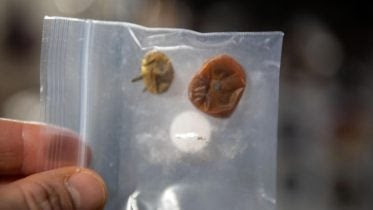
Business Idea: Produce a reliable and cost-effective solution to the growing problem of counterfeit pharmaceutical products in India and other developing countries.
Pitch: According to the U.S. Food and Drug Admin...
✨ Grandparents who help care for their grandchildren tend to show stronger memory and language skills than those who don’t. The cognitive benefits appear to come from being involved as a caregiver, not from how often or how intensively they help....
✨ According to Guinness World Records, the honey badger holds the title of the most fearless animal on Earth—and for good reason. This small, unassuming creature has built a reputation that feels almost mythical, earning global fascination for it...
A 77 Million Birr Project Cost the Ministry 310 Million Birr in Penalties – Why?
The recent Fana documentary on the Koga Irrigation and Watershed Management Project sheds light on a troubling reality in public sector project management and docum...
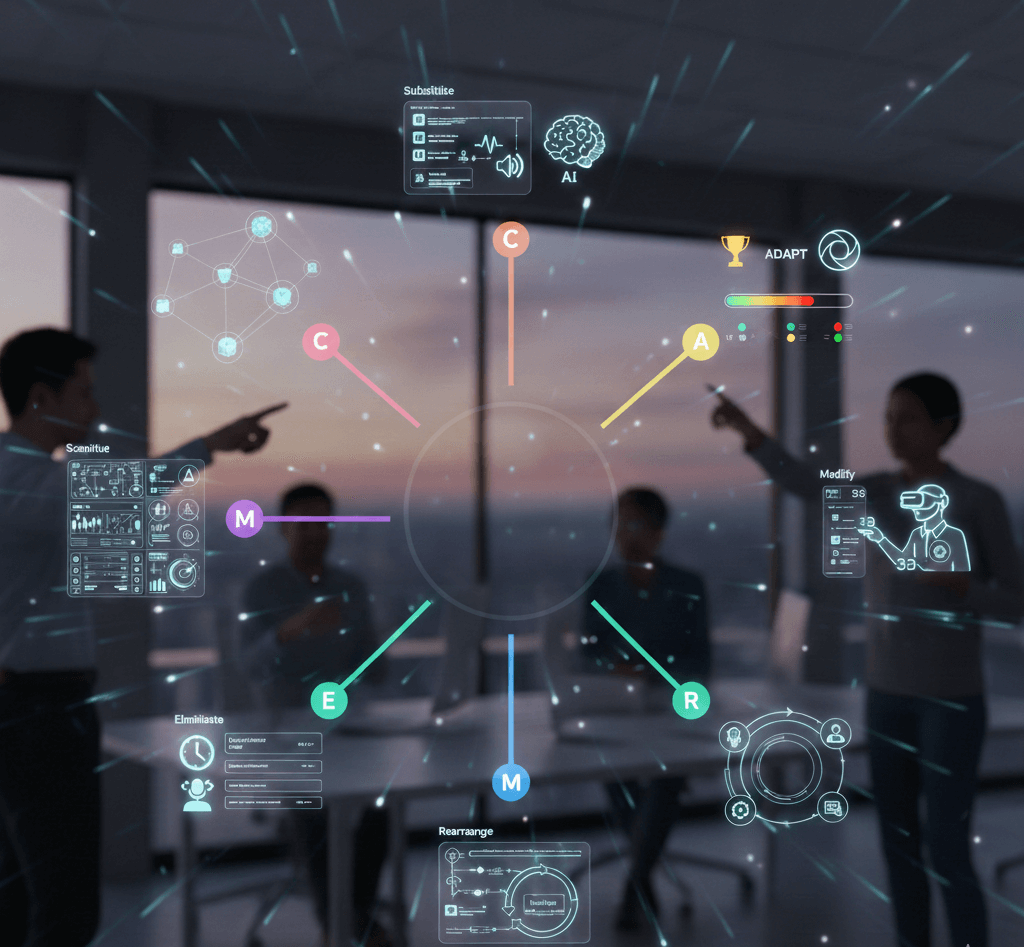
✨ Boost Your Creativity with the SCAMPER Technique.
If you're looking for a simple and powerful way to generate fresh ideas, improve products, or unlock creative solutions, the SCAMPER technique is one of the best tools you can use.
✨ A Monash University study of over 10,800 people aged 70 and older found that consistently listening to or playing music may significantly lower the risk of dementia and cognitive decline. Credit: Shutterstock.
✨ Regularly helping others, whether through volunteering or simple acts of kindness, can slow cognitive decline and boost brain health in older adults, new research finds. Credit: Shutterstock.
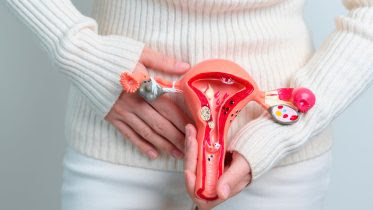
✨ A mispositioned menstrual cup can block urine flow, leading to kidney swelling, as seen in a recent BMJ Case Reports case. A woman experienced pain and blood in her urine due to ureter obstruction from her menstrual cup. Her symptoms resolved aft...
✨ A new study from SDU suggests that carrots can improve blood sugar regulation and promote a healthier gut microbiome, potentially offering a natural supplement to type 2 diabetes treatments. Researchers found that mice fed carrot powder had bette...
✨ Hope, often underestimated, may be more fundamental to our psychological well-being than happiness or even gratitude. A new study from the University of Missouri reveals that hope uniquely fuels our sense of life’s meaning, reshaping how we und...
➡️ Ice cores show Roman-era lead pollution reduced European IQ by 2-3 points, linking ancient mining to cognitive decline. This research underscores the long history of industrial harm to human health.
💥 After seven days of fasting, the body undergoes a profound reset, switching energy sources, shedding fat, and activating unique protein changes linked to major organ health. These shifts open the door to new possibilities for harnessing fastingâ...
💥 Doctors warn that prolonged sauna use without hydration can lead to rare but potentially fatal heat stroke, even in those without common risk factors.
⚫ Saunas can offer relaxation, but spending too long inside without proper hydration can ...
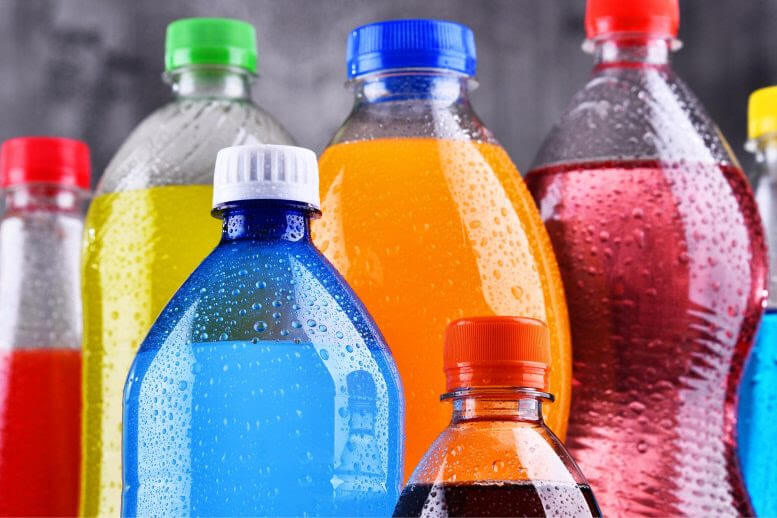
⭐ New research links millions of annual new cases of diabetes and heart disease to sugary beverages, with significant impacts in developing countries. Urgent global measures are recommended to tackle this growing health threat.
Moderate wine consumption, measured via biomarkers, is linked to a 38-50% reduction in cardiovascular risks, according to a University of Barcelona-led study. However, excessive drinking eliminates these benefits, and more research is needed to co...
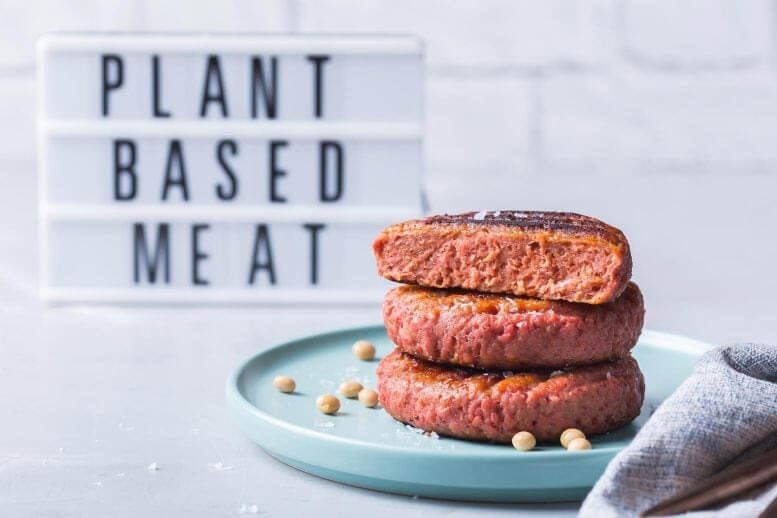
A study by the University of Surrey found that vegetarians consuming plant-based meat alternatives (PBMAs), which are ultra-processed foods, had a 42% higher risk of depression compared to those who did not.
Global research shows that coffee and tea consumption is linked to lower risks of head and neck cancers. While caffeinated coffee offered the most significant benefits, even decaf and tea showed promise, though effects varied by cancer type.
...
Women with better interoceptive awareness tend to have more frequent and satisfying orgasms, suggesting a focus on internal bodily sensations could enhance sexual satisfaction.
Research indicates that heightened interoceptive awaren...
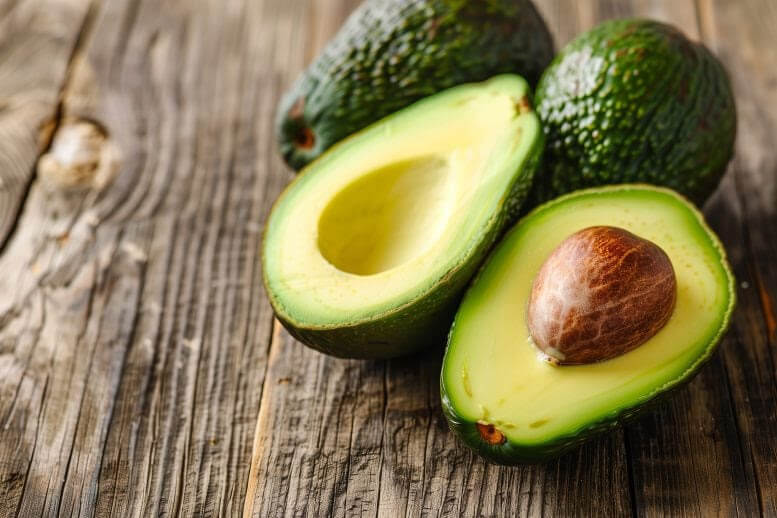
A new study reveals that eating one avocado per day may enhance sleep, highlighting an unexpected connection between nutrition and sleep quality. The findings build on growing evidence linking avocados to heart health and suggest intriguing potent...
Could artificial intelligence solve one of the Bible’s biggest mysteries? A team of researchers used AI-powered statistical modeling to analyze the authorship of the Hebrew Bible and made surprising discoveries about ancient narratives.
A new study finds all major U.S. cities are sinking, driven by groundwater extraction and natural forces, posing hidden risks to infrastructure and calling for urgent solutions.
Groundwater loss is sinking U.S. cities, threatening i...
New research has revealed strong, consistent links between the consumption of ultra-processed foods and poor health outcomes, including inflammation, insulin resistance, and cardiovascular risk.
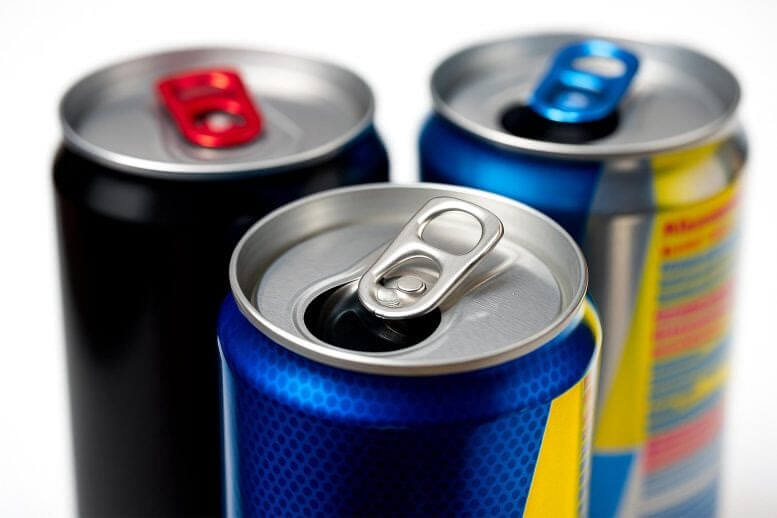
Scientists have discovered that taurine, a common ingredient in energy drinks, helps leukemia cells grow. The cancer hijacks taurine from bone marrow to fuel itself—but blocking that process may stop the disease in its tracks.
Potatoes, often dismissed as fattening carbs, can actually lower the energy density of meals and, when prepared to boost fiber (e.g., boiled, cooled 24 hrs, skins on), support a 5.6% average weight loss and improved insulin resistance over eight w...
New research indicates that stair climbing can significantly reduce the risk of cardiovascular disease and premature death, with a 24% decreased risk of mortality from any cause and a 39% reduction from cardiovascular issues. Dr. Sophie Paddock ad...
ANU researchers found four types of romantic lovers, revealing love varies widely in intensity, sex, and commitment. The study shows love evolves uniquely across individuals.
ANU researchers identified four romantic lover types base...
A new study led by researchers at the Hebrew University and Reichman University suggests that people’s names may influence their facial appearance as they age. Adults’ faces were matched to their names more accurately than chance, an effect no...
Tattoo ink doesn’t just stay in the skin—it can migrate to the lymph nodes, where it may accumulate and affect the immune system. A study using Danish twin data found that tattooed individuals, especially those with large tattoos, have a highe...
A major study proves BV is sexually transmitted, explaining why previous treatments often failed. When both partners are treated, the success rate improves dramatically. This could revolutionize women’s health worldwide.
The secret of everything – Everything Is Mental. All talent, skill, power, speed and ability is mental. Nothing is impossible. Anything is possible. There is nothing you cannot Be, Do or Have. You can Be, Do and Have anything you want as long as yo...
A daily orange might do more than boost immunity — it could also help prevent depression. Scientists discovered that citrus uniquely supports gut bacteria linked to serotonin and dopamine production, reducing depression risk by 20%. Future resea...
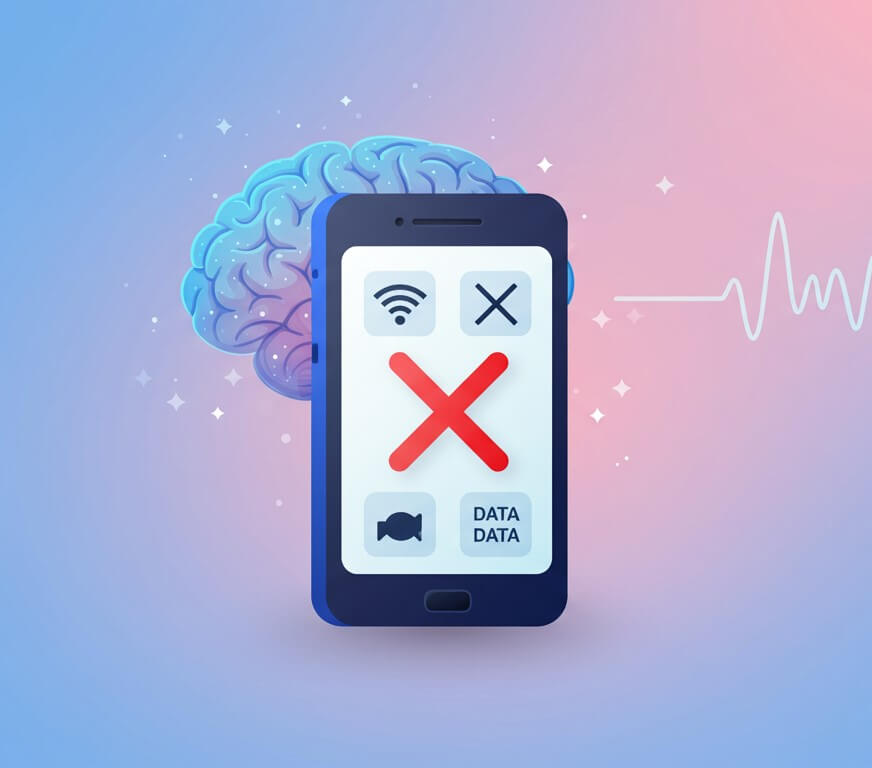
A two-week experiment found that blocking mobile internet on smartphones significantly improved participants’ mental health, well-being, and attention span, even reversing a decade of age-related cognitive decline. The study suggests that reduci...
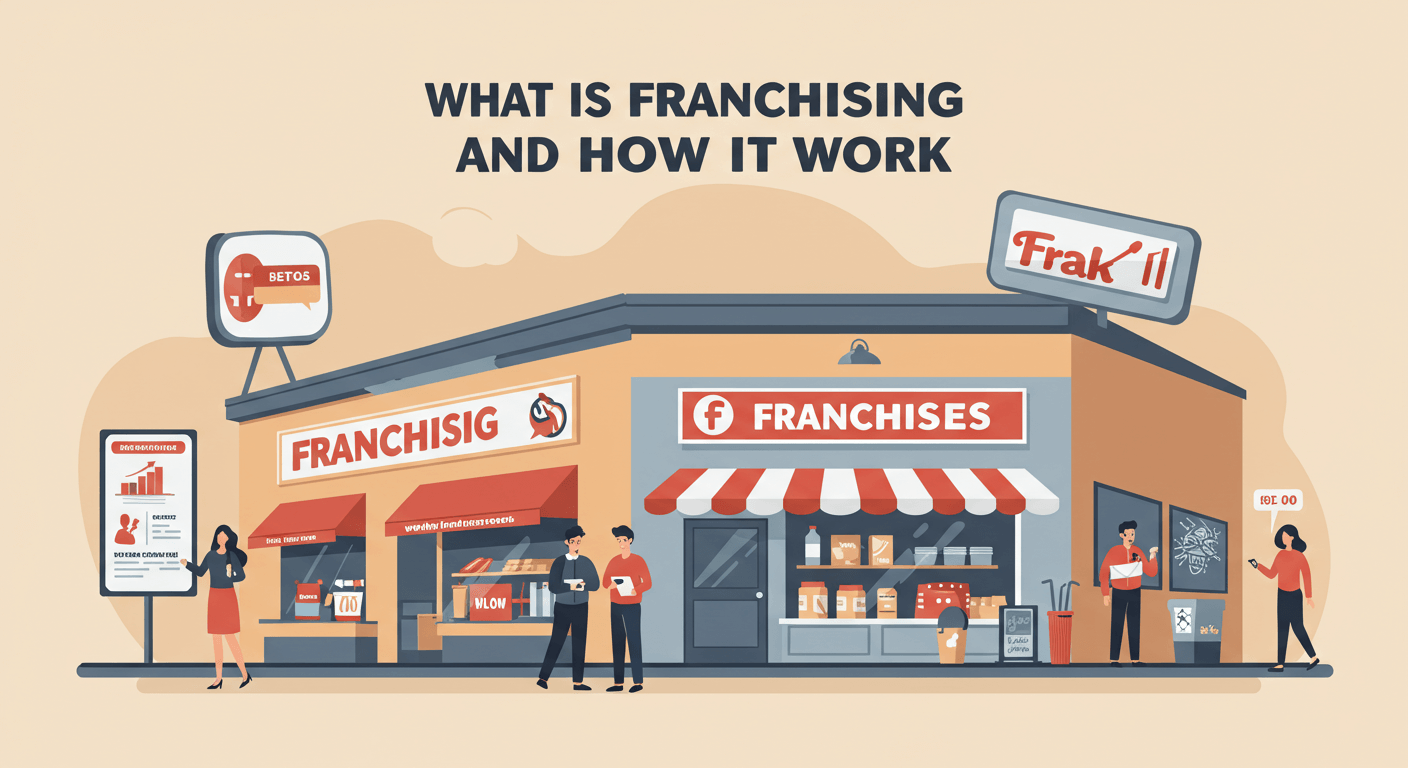
Franchising is a form of business organization in which a firm that already has a successful product or service (franchisor) licenses its trademark and me...
Business Idea: Create a program for students with a passion for rock music so they can either learn to play a rock instrument or improve their existing musical skills and have the opportunity to participate in rock bands that play in...
Business Idea: Build a franchise organization that deploys and services Fresh Healthy Vending–branded vending machines in schools, hospitals, health clubs, community organizations, and other locations that carry only organic, natur...
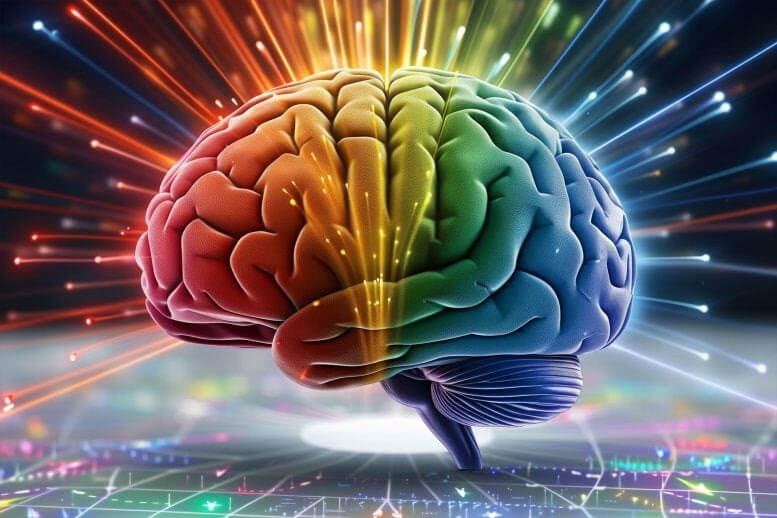
Creativity might not reside in a single brain region but rather in an interconnected brain circuit, according to a new study analyzing fMRI data and brain injuries.
A new study suggests that creativity maps onto a common brain circu...
Romantic relationships play a vital role in emotional well-being, yet tools for assessing their health are often lacking. Enter the Valentine Scale—a quick, research-backed method for evaluating relationship satisfaction.
Frequent social activity may help delay dementia, reducing the risk by up to 38%. Engaging with others strengthens neural networks, potentially delaying cognitive decline and lowering healthcare costs.
Participants who ate at least five servings of chocolate weekly had a 10% reduced risk of type 2 diabetes (T2D), with dark chocolate showing an even stronger effect—a 21% lower risk. In contrast, milk chocolate consumption was linked to long-ter...
New research highlights the protective effects of flavanol-rich cocoa on vascular health, even when consumed alongside high-fat meals during stressful situations.
Consuming a cocoa drink rich in flavanols can mitigate the negative e...
Sedentary behavior exceeding 10.5 hours daily significantly raises the risk of heart failure and cardiovascular death, even among those who exercise regularly.
A recent study highlights that more than 10.5 hours of daily sedentary b...
Researchers emphasize the importance of compassionate communication in treating seriously ill patients, identifying harmful “never words” and proposing more sensitive alternatives to enhance patient engagement and reduce emotional suffering. T...
In today's digital landscape, a strong online presence is paramount for businesses of all sizes. One of the most effective ways to engage and connect with your audience is through the strategic use of multimedia content. By incorporating visually app...
External growth strategies rely on establishing relationships with third parties, such as mergers, acquisitions, strategic alliances, joint ventures, licensing, and franchisin...
Business Idea: Provide a convenient online platform for the parents of growing children to exchange the clothes their children grow out of for clothes their children need.
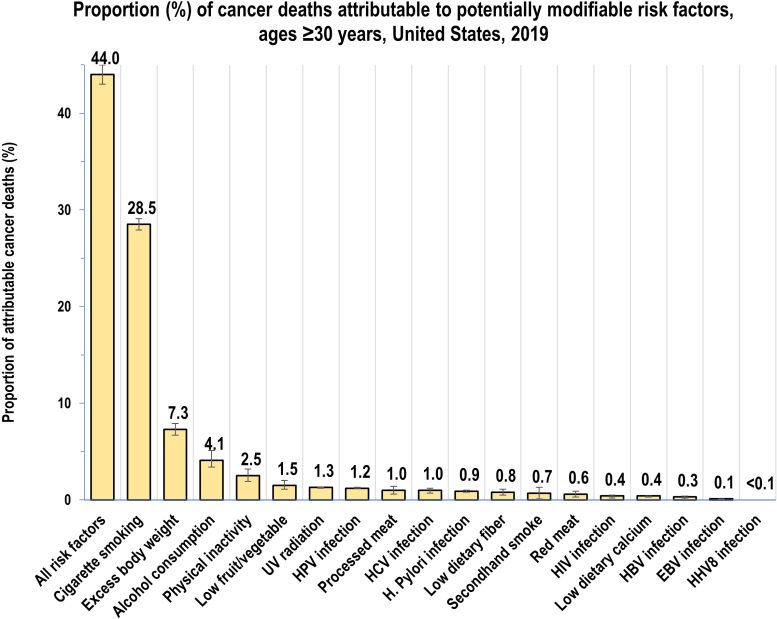
A recent study by the American Cancer Society (ACS) reveals that four out of ten cancer cases and half of the cancer deaths in adults over 30 in the U.S. in 2019 were due to modifiable risk factors like smoking, obesity, and alcohol. Smoking was the ...
Business Idea: Launch a service that provides reliable and loving reminders and companionship calls to elderly people who are still living in their homes.
Eye-tracking research from Bangor University and Technion-Israel Institute of Technology shows that focusing on natural elements during urban walks reduces anxiety and enhances feelings of restoration in city dwellers. These findings suggest urban de...
Research from UC San Francisco reveals that men with localized prostate cancer can lower the risk of disease progression by 47% by adopting a plant-based diet rich in fruits, vegetables, nuts, and olive oil. Over 2,000 participants showed that increa...
If you're a middle aged man, can you run as fast as you did when you were 20 years old? Hit a baseball as far as you once could? Bash a tennis ball with the same speed and spin?
Probably not.
But even as we age, there are still plenty of ways t...
A brand is the set of attributes—positive or negative—that people associate with a company.These attributes can be positive, such as trustworthy, innovative, dependable, or easy to deal with. Or they can be negative, suc...
Business Idea: Provide a service that stores individuals’ log-in information to important online services like e-mail accounts, social networks, PayPal, and eBay, and deliver them to caret...
A study by the University of Michigan finds that couples who drink alcohol together are likely to live longer, supporting the idea that shared drinking habits can enhance marital satisfaction and longevity.
A Texas A&M study shows productivity dips in the afternoon and on Fridays among office workers, advocating for flexible work to boost efficiency and well-being.
An innovative study from the Texas A&M School of Public Health offers objectiv...
Once a start-up’s financial needs exceed what personal funds, friends and family, and bootstrapping can provide, debt and equity are the two most common sources of funds. The most important thing an entrepreneur must do at this point is determine p...
Typically, the seed money that gets a company off the ground comes from the founders’ own pockets. There are three categories of sources of money in this area: personal funds, friends and family, and bootstrapping.
Business Idea: Create a Website and a smartphone app that provides a visual guide to great food and where to find it. Instead of reviewing restaurants, users will share where to find their fa...
Business Idea: Create an online community that links interns (primarily college students) with entrepreneurial start-ups and change-oriented nonprofit organizations.
This is the “Iron Law” of human destiny. This law says that we live in a world governed by law, not chance. It says that everything happens for a reason, whether or not we know what it is. Every effect, success or failure, wealth or poverty, has ...
One challenge that businesses confront is cutting costs in ways that don’t erode their ability to remain competitive. Many cost-cutting techniques, such as scaling back on hiring, lowering marketing expenses, or reducing inventory, may save money b...
While at first glance naming a business may seem like a minor issue, it is an extremely important one. A company’s name is one of the first things people associate with a business, and it is a word or phrase that wi...
If you’re not familiar with vesting, the idea is that when a firm is launched, instead of issuing stock outright to the founders, the stock is distributed over a period of time, typically three to four years, as the founder or founders “e...
Start-ups typically have a variety of design needs including logo design, brochures, stationery, and business cards. Traditionally the most important design work, like a business’s logo, is either done by the business itself or contracted out to a ...
Firms do well in a crowded industry when two conditions exist: (1) they create meaningful value for customers at a fair price and (2) they effectively differentiate themselves from competitors. In fact, diminishing the impact of thre...
One thing that becomes clear to many potential business founders, while conducting organizational feasibility analysis, is that they need one or more partners to help launch their business. You might be a Web developer who has a great idea for a Web ...
To ScriptPad founder and CEO Shane Taylor, the problem his company solves is personal. Taylor’s father, who is fighting both heart disease and cancer, takes 26 different medications to fight his illnesses. Any mix-up or error associated with taking...
Fine-tuning a business idea isn’t easy. While fairly course-grained ideas are rather easy to develop, like creating a cell-phone that’s designed specifically for elderly people, fleshing out the details is where experience helps. This reality put...
Large firms and smaller entrepreneurial firms play different roles in business and society and can often produce the best results by partnering with each other rather than acting as adversaries. The pharmaceutical industry is an excellent example of ...
Meditation has been practiced for thousands of years and it continues to grow in popularity. This mindful practice can help aid anxiety and depression, chronic pain, cancer, bowel diseases, high blood pressure, insomnia, addiction and so much more.
...
How Companies and Organizations Build Credibility and Trust
There are several ways companies and organizations can build credibility and trust. We present eight techniques that are essential in nearly all cases in the following list.
Business Idea: Create a single place for music lovers to track or keep up with their favorite bands, so they’ll always know where and when the bands will be performing in their area.
Those who launch or found an entrepreneurial venture have an important role to play in shaping the firm’s business concept. Stated even more directly, it is widely known that a well-conceived business plan cannot get off the ground unless a firm ha...
When a business is launched, a form of legal entity must be chosen. Sole proprietorship, partnerships, corporations, and limited liability companies are the most common legal entities from which entrepreneurs make a choice. Choosing ...
After a firm has gained an understanding of the industry and the target market in which it plans to compete, the next step is to complete a competitor analysis. A competitor analysis is a detailed analysis of a firm’s competition. It helps a firm u...
An excellent way to increase your self-awareness is to keep a diary. In it make a daily note of the important things that happen. Be honest and open with yourself. Be willing to reflect upon your beliefs, thoug...
• E. G. S. Emotional Guidance System - Your inner guide
It is said that the average human being has approximately 64,000 thoughts per day. Protecting all of your thoughts 24 hours a day can be a full-time job. There is a better way to gauge how ...
In general, entrepreneurs identify more ideas than opportunities because many ideas are typically generated to find the best way to capitalize on an opportunity. Several techniques can be used to stimulate and facilitate the generation of new ideas f...
The first approach to identifying opportunities is to observe trends and study how they create opportunities for entrepreneurs to pursue. The most important trends to follow are economic trends, social trends, ...
✨ Boost Your Creativity with the SCAMPER Technique.
If you're looking for a simple and powerful way to generate fresh ideas, improve products, or unlock creative solutions, the SCAMPER technique is one of the best tools you can use.
Need to supercharge an existing idea or product? Try the powerful SCAMPER technique for idea generation!
SCAMPER is a simple yet effective tool to... help you systematically brainstorm fresh concepts by forcing you to look at your idea from seven different angles.
Here’s a quick breakdown:
➡️ Pick your product.
Take an idea, invention, tool, or any concept you wish to SCAMPER. For our purpose, we will use Product X, but you can choose anything you want—any idea, product, tool, or concept you wish to innovate.
➡️ Apply the 7 SCAMPER prompts:
Take your idea (let's call it Product X) and ask yourself:
⚫ S – Substitute: What parts of Product X can be substituted or replaced?
⚫ C – Combine: What can be combined or merged with Product X?
⚫ A – Adapt: What can be adjusted or borrowed from elsewhere to improve Product X?
⚫ M – Modify: What can be modified, expanded, reduced, or enhanced in Product X?
⚫ P – Put to other purposes: Can Product X serve a different purpose?
⚫ E – Eliminate: What can be removed to simplify or improve efficiency in Product X?
⚫ R – Rearrange: What elements can be reordered or reorganized in Product X?
➡️ Write everything down.
You’ll be surprised by the number of ideas that emerge when you go through each step thoughtfully.
The key is to write down every idea, no matter how wild it seems. You'll be amazed at the innovative concepts you generate!
⭐ Let's use a standard reusable water bottle as Product X.
🔵 S: Substitute (What can be swapped out?)
→ What if the material was entirely biodegradable plastic or edible gelatin?
→ What if the cap was replaced with a self-sealing membrane?
→ What if the water was substituted with a solid hydration pack that dissolves when the bottle is squeezed?
🔵 C: Combine (What can be added to merge functions?)
→ Combine it with a UV-C light to self-sanitize the water.
→ Combine it with a small speaker for on-the-go music.
→ Combine it with a fitness tracker that logs your hydration levels and sends data to your phone.
🔵 A: Adapt (What can be used as inspiration or analogy?)
→ Adapt the design of a camera lens to make it zoom (expand/contract) for capacity control.
→ Adapt the color-changing feature of a chameleon to indicate the water temperature.
→ Adapt the filtering mechanism of a coffee press to filter the water as you drink it.
🔵 M: Modify (What can be made bigger, smaller, or changed in form?)
→ Magnify: Make a bottle with multiple separate internal compartments for different drinks or snacks.
→ Minify: Create a micro-bottle accessory that attaches to a phone case for emergency sips.
→ Change Form: Give it a hexagonal shape to prevent rolling and allow it to tessellate perfectly for packing.
🔵 P: Put to Other Purposes (What else can it be used for?)
→ Use the empty bottle as a mini-lantern by adding an LED at the base.
→ Use it as a safe/storage unit for keys or money while at the beach.
→ Use the cap as a dispenser for dog treats when on a walk.
🔵 E: Eliminate (What can be removed or simplified?)
→ Eliminate the cap entirely, replacing it with a one-way valve system.
→ Eliminate the rigid structure, making it a collapsible pouch that rolls up when empty.
→ Eliminate the need to lift and tilt, using a pressurized internal bladder to dispense water.
🔵 R: Rearrange (What can be reordered or reversed?)
→ Reverse the drinking process: The water is drawn out from the bottom instead of the top.
→ Rearrange the opening: Make the entire side of the bottle open for easy cleaning and adding ice/fruit.
→ Reverse the material: Have the insulation on the outside, and the structural support on the inside.
New research analyzing over 100,000 migraine patients, revealed that CGRP inhibitors, amitriptyline, and simvastatin are more effective than traditional beta-blockers in preventing migraines. This discovery could lead to more cost-effective treatments and impact healthcare spending in Norway.
A migraine is much more than a mere headache. It frequently involves additional symptoms like nausea, vomiting, and a heightened sensitivity to light and... sound. Chronic migraines can be debilitating, often hindering individuals, particularly women, from fully participating in their professional lives.
Still, it often takes a long time for migraine patients to find a treatment that works well for them. Researchers at the Norwegian Center for Headache Research (NorHead) have used data from the Norwegian Prescription Register to look at which medicines best prevent migraine in people in Norway: “There has now been a lot of research on this subject before. This may weaken the quality of the treatment and increase the cost of treatment for this patient group,” says the leader of the study, Professor Marte-Helen Bjork at the Department of Clinical Medicine, University of Bergen.
Three medicines had a better effect than the first choice of medicines
The researchers used national register data from 2010 to 2020 to estimate treatment effect. They measured this by looking at the consumption of acute migraine medicines before and after starting preventive treatment, and investigated how long the people with migraine used the different preventive treatments. A total of over one hundred thousand migraine patients were in the study.
“When the withdrawal of acute migraine medicines changed little after starting preventive medicines, or people stopped quickly on the preventive medicines, the preventive medicine was interpreted as having little effect. If the preventive medicine was used on long, uninterrupted periods, and we saw a decrease in the consumption of acute medicines, we interpreted the preventive medicine as having good effect,” Bjork explains.
As a rule, so-called beta blockers are used as the first choice to prevent migraine attacks, but the researchers found that especially three medicines had better preventive effects than these: CGRP inhibitors, amitriptyline, and simvastatin.
“The latter two medicines are also established medicines used for depression, chronic pain, and high cholesterol, respectively, while CGRP inhibitors are developed and used specifically for chronic migraine,” says the professor.
Can have great significance for the cost of health care
CGRP inhibitors are more expensive than the other medicines. In 2021 their reimbursement amounted to 500 million NOK (not including discounts given by pharma companies).
“Our analysis shows that some established and cheaper medicines can have a similar treatment effect as the more expensive ones. This may be of great significance both for the patient group and Norwegian health care,” says Bjork.
The researchers at NorHead have already started work on a large clinical study to measure the effect of established cholesterol-lowering medicines as a preventive measure against chronic and episodic migraine.
Everyday activities count as exercise, but intensity matters
3 years ago (Sat, Jan 13, 2024 at 01:36 PM (GMT))
2 Mins Read
Can doing short bursts of everyday activities offer health benefits?
Researchers used wrist activity trackers to measure daily activities of more than 25,000 people ages 42 to 78 who did not exercise formally. Activities were defined as any continuous movement done at a faster-than-normal pace: for example, taking stairs, mopping the floor, gardening, and playing energetically with children. Everyone's movements were... tracked for one week, and the results were compared with their health status eight years later.
The researchers found that people who did multiple bouts of daily activities lasting from one to 10 minutes — for a total of about 28 minutes per day — had a lower risk for heart attacks and strokes compared with those who were active for less than a minute at a time. (There was no statistical advantage for being active longer than 10 minutes.)
Intensity was key, as the more vigorous the activity, the greater the benefit. However, the results suggested you don't need to maintain a high intensity all the time. The researchers found that doing at least 15% (about 10 seconds for every minute) at a vigorous level and the rest at a moderate level was enough.
The results were published in the October 2023 issue of The Lancet Public Health.
Recent research reveals a widening gap in life expectancy between American men and women, now at its largest since 1996. The COVID-19 pandemic, opioid overdose epidemic, and other factors like accidents and suicide have contributed to this disparity. The study suggests the need for specialized healthcare, particularly in mental health for men, and stresses the importance of future research and... public health interventions to reverse this declining trend.
Analysis reveals that COVID-19 and increasing ‘deaths of despair’ contribute to a trend escalating since 2010.
For over a hundred years, we’ve known that females have a longer lifespan than males. However, new research conducted by the University of California, San Francisco, and the Harvard T.H. Chan School of Public Health reveals that this disparity in life expectancy between genders in the United States has been widening for the past decade. Contributing factors to this trend include the COVID-19 pandemic and the opioid overdose crisis.
In a research paper recently published in the journal JAMA Internal Medicine, the authors found the difference between how long American men and women live increased to 5.8 years in 2021, the largest it’s been since 1996. This is an increase from 4.8 years in 2010 when the gap was at its smallest in recent history.
Pandemic and Other Factors Affecting Life Expectancy
The pandemic, which took a disproportionate toll on men, was the biggest contributor to the widening gap from 2019-2021, followed by unintentional injuries and poisonings (mostly drug overdoses), accidents, and suicide.
“There’s been a lot of research into the decline in life expectancy in recent years, but no one has systematically analyzed why the gap between men and women has been widening since 2010,” said the paper’s first author, Brandon Yan, MD, MPH, a UCSF internal medicine resident physician and research collaborator at Harvard Chan School.
Life expectancy in the U.S. dropped in 2021 to 76.1 years, falling from 78.8 years in 2019 and 77 years in 2020.
The shortening lifespan of Americans has been attributed in part to so-called “deaths of despair.” The term refers to the increase in deaths from such causes as suicide, drug use disorders, and alcoholic liver disease, which are often connected with economic hardship, depression, and stress.
“While rates of death from drug overdose and homicide have climbed for both men and women, it is clear that men constitute an increasingly disproportionate share of these deaths,” Yan said.
Interventions to reverse a deadly trend
Using data from the National Center for Health Statistics, Yan and fellow researchers from around the country identified the causes of death that were lowering life expectancy the most. Then they estimated the effects on men and women to see how much different causes were contributing to the gap.
Prior to the COVID-19 pandemic, the largest contributors were unintentional injuries, diabetes, suicide, homicide, and heart disease.
But during the pandemic, men were more likely to die of the virus. That was likely due to a number of reasons, including differences in health behaviors, as well as social factors, such as the risk of exposure at work, reluctance to seek medical care, incarceration, and housing instability. Chronic metabolic disorders, mental illness, and gun violence also contributed.
Yan said the results raise questions about whether more specialized care for men, such as in mental health, should be developed to address the growing disparity in life expectancy.
“We have brought insights to a worrisome trend,” Yan said. “Future research ought to help focus public health interventions towards helping reverse this decline in life expectancy.”
Yan and co-authors, including senior author Howard Koh, MD, MPH, professor of the practice of public health leadership at Harvard Chan School, also noted that further analysis is needed to see if these trends change after 2021.
“We need to track these trends closely as the pandemic recedes,” Koh said. “And we must make significant investments in prevention and care to ensure that this widening disparity, among many others, do not become entrenched.”
For people who have diabetes—or almost any other disease, for that matter—the benefits of exercise can't be overstated. Exercise helps control weight, lower blood pressure, lower harmful LDL cholesterol and triglycerides, raise healthy HDL cholesterol, strengthen muscles and bones, reduce anxiety, and improve your general well-being. There are added benefits for people with diabetes: exercise lowers blood glucose levels and... boosts your body's sensitivity to insulin, countering insulin resistance.
Many studies underscore these and other benefits from exercise. Following are some highlights of those results:
• Exercise lowered HbA1c values by 0.7 percentage point in people of different ethnic groups with diabetes who were taking different medications and following a variety of diets—and this improvement occurred even though they didn't lose any weight.
• All forms of exercise—aerobic, resistance, or doing both (combined training)—were equally good at lowering HbA1c values in people with diabetes.
• Resistance training and aerobic exercise both helped to lower insulin resistance in previously sedentary older adults with abdominal obesity at risk for diabetes. Combining the two types of exercise proved more beneficial than doing either one alone.
• People with diabetes who walked at least two hours a week were less likely to die of heart disease than their sedentary counter- parts, and those who exercised three to four hours a week cut their risk even more.
• Women with diabetes who spent at least four hours a week doing moderate exercise (including walking) or vigorous exercise had a 40% lower risk of developing heart disease than those who didn't exercise. These benefits persisted even after researchers adjusted for confounding factors, including BMI, smoking, and other heart disease risk factors.
In general, the best time to exercise is one to three hours after eating, when your blood sugar level is likely to be higher. If you use insulin, it's important to test your blood sugar before exercising. If the level before exercise is below 100 mg/dL, eating a piece of fruit or having a small snack will boost it and help you avoid hypoglycemia.
Testing again 30 minutes later will show whether your blood sugar level is stable. It's also a good idea to check your blood sugar after any particularly grueling workout or activity. If you're taking insulin, your risk of developing hypoglycemia may be highest six to 12 hours after exercising.
Because of the dangers associated with diabetes, always wear a medical alert bracelet indicating that you have diabetes and whether you take insulin. Also keep hard candy or glucose tablets with you while exercising in case your blood sugar drops precipitously.
International Action Is Needed – Africa Is Suffering a Dangerous Air Pollution Crisis
3 years ago (Fri, Jan 12, 2024 at 11:34 AM (GMT))
4 Mins Read
A new study highlights Africa’s severe air pollution crisis and calls for urgent, collaborative action involving global and regional stakeholders. Solutions proposed include air quality monitoring, clean energy investments, improved waste management, eco-friendly technology, and infrastructure development to reduce pollution and address its disproportionate impact on vulnerable populations.
A new report in Nature Geoscience has brought to light the challenge of... air pollution levels in Africa and why international action is needed to combat it.
Over the last 50 years African nations have suffered from rapidly deteriorating air quality, making their cities some of the most polluted in the world. Particulate matter concentration levels are now five to ten levels greater than that recommended by the World Health Organisation, with the situation predicted to worsen as populations grow and industrialization accelerates.
However, far too little has been done to try and combat the dangerous air quality with just 0.01% of global air pollution funding currently spent in Africa.
The new perspective piece from the University of Birmingham, the University of Cambridge, Imperial College London, South Eastern Kenya University, and the African Centre for Clean Air, published in Nature Geoscience, argues that tackling this issue requires collective efforts from African countries, regionally tailored solutions, and global collaboration.
The Causes and Impacts of Air Pollution in Africa
Francis Pope, Professor of Atmospheric Science at the University of Birmingham and one of the co-authors, said: “The burning of biomass fuel for cooking, heating, and lighting, the crude oil exploitation and coal mining industries, and old vehicles being shipped in from Europe are all causes for the poor air quality in African nations. This dangerous air can cause complex and sometimes deadly health issues for those breathing it in. If this wasn’t enough of a reason to tackle this issue, air pollution in Africa is not just a problem for people living on the continent, but for the wider world, limiting the ability to meet global climate targets and combat the climate emergency.”
Multiple efforts have been made over the years to tackle air pollution, such as the signing of C40 Clean Air Declaration by ten major African cities. Initiatives to monitor air pollution levels and collect much-needed data have also begun to gather momentum.
But there is still much to be done. The researchers argue that regional and international efforts must be coordinated to achieve real change and leverage existing knowledge on controlling and cutting air pollution.
They call for urgent collaboration on:
• Continuous air monitoring via a network of sensors in order to build a detailed picture of air pollution variations and track progress.
• Investment in clean energy such as solar, hydropower, and wind to meet Africa’s energy demand which is expected to double by 2040.
• Improved solid waste management to prevent dumping and burning of waste and improve reuse, recycling, and recovery rates.
• Investment in environmentally friendly technology to ensure African countries can grow economically whilst avoiding dirty and obsolete technology from the Global North.
• Infrastructure improvements to curb emissions from the transport sector, improving public transport provision and adopting higher emission standards for fuel and imported vehicles.
Co-author of the article, Dr Gabriel Okello, from the Institute for Sustainability Leadership at the University of Cambridge and the African Centre for Clean Air, said: “Air pollution is complex and multifaceted with different sources and patterns within society. Addressing it requires more ambitious, collaborative, and participatory approaches centered on the involvement of stakeholders in policy, academia, business, and communities to co-design and co-produce context-specific interventions. This should be catalyzed by increased investment in interventions that are addressing air pollution. Africa has the opportunity to leverage the growing political will and tap into the young population to accelerate action towards the five broad suggestions in our paper.”
Dr Andriannah Mbandi, from South Eastern Kenya University and co-author of the article, said: “The burden of air pollution unjustly rests on poorer populations, and women and children, as they most likely face higher exposure to pollutants and most probably experience more impacts. Thus, clean air actions will go some ways in redressing some of these inequalities in Africa, in addition to the benefits to health and the environment.”
Professor Pope concludes: “There is no ‘one size fits all’ solution to Africa’s air quality problems, and each region and population will have their own specific challenges to overcome. But by being proactive and doing these five actions there will be a reduction in air pollution levels, meaning healthier people and a healthier planet.”
New research indicates that air filtration technologies, like germicidal lights and ionizers, do not effectively reduce the risk of viral infections in real-world environments, challenging the perceived benefits of these costly systems in public health settings.
Air filtration systems are not effective in lowering the risk of viral infections, as revealed by recent research from the University of East Anglia.
A new... study highlights that technologies aimed at enhancing safety during social interactions indoors may not be successful in practical settings. The research team examined various technologies such as air filtration systems, germicidal lights, and ionizers.
They looked at all the available evidence but found little to support hopes that these technologies can make air safe from respiratory or gastrointestinal infections.
Prof Paul Hunter, from UEA’s Norwich Medical School, said: “Air cleaners are designed to filter pollutants or contaminants out of the air that passes through them. When the Covid pandemic hit, many large companies and governments – including the NHS, the British military, and New York City and regional German governments – investigated installing this type of technology in a bid to reduce airborne virus particles in buildings and small spaces. But air treatment technologies can be expensive. So it’s reasonable to weigh up the benefits against costs, and to understand the current capabilities of such technologies.”
Evidence Analysis and Research Findings
The research team studied evidence about whether air cleaning technologies make people safe from catching airborne respiratory or gastrointestinal infections.
They analyzed evidence about microbial infections or symptoms in people exposed or not to air treatment technologies in 32 studies, all conducted in real-world settings like schools or care homes. So far none of the studies of air treatment started during the Covid era have been published.
Lead researcher Dr. Julii Brainard, also from UEA’s Norwich Medical School, said: “The kinds of technologies that we considered included filtration, germicidal lights, ionizers, and any other way of safely removing viruses or deactivating them in breathable air. In short, we found no strong evidence that air treatment technologies are likely to protect people in real-world settings. There is a lot of existing evidence that environmental and surface contamination can be reduced by several air treatment strategies, especially germicidal lights and high-efficiency particulate air filtration (HEPA). But the combined evidence was that these technologies don’t stop or reduce illness.
“There was some weak evidence that the air treatment methods reduced the likelihood of infection, but this evidence seems biased and imbalanced. We strongly suspect that there were some relevant studies with very minor or no effect but these were never published. Our findings are disappointing – but it is vital that public health decision makers have a full picture. Hopefully, those studies that have been done during Covid will be published soon and we can make a more informed judgment about what the value of air treatment may have been during the pandemic.”
Scientists have uncovered how the cGAS-STING pathway, critical for immune response against DNA damage, is deactivated in cancer cells. Their findings, showing how MRE11 activates cGAS, pave the way for new cancer treatments and ongoing clinical trials.
UNC researchers have discovered how cancer cells escape immune detection by deactivating the cGAS-STING pathway, offering new avenues for cancer treatment.
Every time a cancer... cell divides, it sustains damage to its own DNA molecules. Researchers, including Gaorav Gupta, MD, PhD, associate professor in the Department of Radiation Oncology at the UNC School of Medicine, have long wondered how cancers are able to evade detection by the body’s own defenses, despite the immune system being on constant watch for cells displaying DNA damage.
Groundbreaking Discovery in Cancer Research
New findings by Gupta’s lab, which were published today (January 10) in Nature, shows how the cGAS-STING pathway – a pathway inside cells essential for activating the inflammatory immune response – is unleashed to prevent cancer formation by detecting DNA damage within cells. In the process, the research team discovered the “key” that “unlocks” the cGAS/STING pathway, which is normally turned off to prevent excessive inflammation in healthy conditions.
“Our findings suggest that loss of this pathway may be what’s allowing breast cancer cells to withstand high levels of DNA damage without being recognized by the immune system,” said Gupta, who is also an associate professor in the Department of Biochemistry and Biophysics and member of UNC Lineberger Cancer Center. “We’re very interested in identifying ways to reactivate this pathway to treat and potentially even prevent cancer development.”
The Key to Unleashing cGAS
An enzyme called cyclic GMP-AMP synthase (cGAS) is well known for its role as a messenger for the immune system. Double-stranded DNA viruses, such as herpes simplex and chickenpox, and DNA-damaged cells are perceived as threats and waste to the body. In response, cGAS is tasked with calling on the immune system to seek out the threat and eliminate it from the body.
Back in 2020, Robert McGinty, MD, PhD at the UNC Eshelman School of Pharmacy, Pengda Liu, PhD, and Qi Zhang, PhD, of the UNC Department of Biochemistry and Biophysics, were amongst the first research teams to make a landmark discovery about cGAS. Their paper, which was published in Science, revealed that cGAS is “locked up” in an effort to prevent the body from unleashing the inflammatory immune response unless it is absolutely necessary.
“It’s in a ‘turned off’ state because it has a much stronger affinity for histones molecules, which are proteins around which our DNA is packaged, than to DNA itself,” said Gupta. “You can think of cGAS as being locked up through its binding to histones, not able to perform its duty to recognize DNA unless it is freed by some key.”
In light of his colleagues’ findings, Gupta reached out to them to test a new hypothesis, using the assays they had previously developed and used in those studies. Gupta’s lab was curious to know whether a protein being investigated in his lab, MRE11, which is known to recognize broken fragments of DNA, may also be the key that releases cGAS from its histone prison. Indeed, the researchers found that MRE11, in the process of recognizing and binding to broken DNA, simultaneously releases cGAS from the histones.
“This was fascinating because MRE11 was known for detecting and repairing DNA damage, but the evidence I uncovered indicated that MRE11 plays a different role, namely in activating the innate immune system,” said Min-Guk Cho, PhD, a postdoctoral fellow in Gupta’s lab and co-first author on the paper.
The Connection Between Inflammation and Cell Death
Researchers also found that when MRE11 and cGAS interact with one another, they initiate a specialized form of cell death called necroptosis. As opposed to other forms of cell death, necroptosis causes cells to die in a way that triggers immune activation, making it easier for the body to initiate an all-hands-on-deck effort.
“Linking Mre11 and cGAS to necroptosis activation is a very effective way for suppressing tumor formation,” said Gupta. “When MRE11 and cGAS are activated by a damaged precancerous cell, they cooperate to activate an immune-boosting form of cell death, to help our bodies eliminate the cells before they develop into a cancer.”
Future Clinical Treatment and Collaborations
Gupta and colleagues in the UNC Lineberger Comprehensive Cancer Center are actively enrolling patients for a clinical trial at UNC to examine the combination of radiation and immunotherapy as a means of treating certain types of breast cancer.
With this new information in hand, researchers will see if the pathway is more or less responsive to these therapies, or if specific types of therapies may more effectively engage this pathway and result in improved clinical outcomes.
Researchers developing AI to make the internet more accessible
3 years ago (Wed, Jan 10, 2024 at 07:22 PM (GMT))
5 Mins Read
The study shows that for individuals who are less familiar with information technologies or have disabilities, generalizable web agents could make the internet easier to navigate.
In an effort to make the internet more accessible for people with disabilities, researchers at The Ohio State University have begun developing an artificial intelligence agent that could complete complex tasks on any website using... simple language commands.
In the three decades since it was first released into the public domain, the world wide web has become an incredibly intricate, dynamic system. Yet because internet function is now so integral to society’s well-being, its complexity also makes it considerably harder to navigate.
Today there are billions of websites available to help access information or communicate with others, and many tasks on the internet can take more than a dozen steps to complete. That’s why Yu Su, co-author of the study and an assistant professor of computer science and engineering at Ohio State, said their work, which uses information taken from live sites to create web agents — online AI helpers — is a step toward making the digital world a less confusing place.
“For some people, especially those with disabilities, it’s not easy for them to browse the internet,” said Su. “We rely more and more on the computing world in our daily life and work, but there are increasingly a lot of barriers to that access, which, to some degree, widens the disparity.”
The study was presented in December at the Thirty-seventh Conference on Neural Information Processing Systems (NeurIPS), a flagship conference for AI and machine learning research.
By taking advantage of the power of large language models, the agent works similarly to how humans behave when browsing the web, said Su. The Ohio State team showed that their model was able to understand the layout and functionality of different websites using only its ability to process and predict language.
Researchers started the process by creating Mind2Web, the first dataset for generalist web agents. Though previous efforts to build web agents focused on toy simulated websites, Mind2Web fully embraces the complex and dynamic nature of real-world websites and emphasizes an agent’s ability of generalizing to entirely new websites it has never seen before. Su said that much of their success is due to their agent’s ability to handle the internet’s ever-evolving learning curve. The team lifted over 2,000 open-ended tasks from 137 different real-world websites, which they then used to train the agent.
Some of the tasks included booking one-way and round-trip international flights, following celebrity accounts on Twitter, browsing comedy films from 1992 to 2017 streaming on Netflix, and even scheduling car knowledge tests at the DMV. Many of the tasks were very complex – for example, booking one of the international flights used in the model would take 14 actions. Such effortless versatility allows for diverse coverage on a number of websites, and opens up a new landscape for future models to explore and learn in an autonomous fashion, said Su.
“It’s only become possible to do something like this because of the recent development of large language models like ChatGPT,” said Su. Since the chatbot became public in November 2022, millions of users have used it to automatically generate content, from poetry and jokes to cooking advice and medical diagnoses.
Still, because one website could contain thousands of raw HTML elements, it would be too costly to feed so much information to a single large language model. To address this gap, the study also introduces a framework called MindAct, a two-pronged agent that uses both small and large language models to carry out these tasks. The team found that by using this strategy, MindAct significantly outperforms other common modeling strategies and is able to understand various concepts at a decent level.
With more fine-tuning, the study points out, the model could likely be used in tandem with both open-and closed-source large language models such as Flan-T5 or GPT-4. However, their work does highlight an increasingly relevant ethical problem in creating flexible artificial intelligence, said Su. While it could certainly serve as a helpful agent to humans surfing the web, the model could also be used to enhance systems like ChatGPT and turn the entire internet into an unprecedentedly powerful tool, said Su.
“On the one hand, we have great potential to improve our efficiency and to allow us to focus on the most creative part of our work,” he said. “But on the other hand, there’s tremendous potential for harm.” For instance, autonomous agents able to translate online steps into the real world could influence society by taking potentially dangerous actions, such as misusing financial information or spreading misinformation.
“We should be extremely cautious about these factors and make a concerted effort to try to mitigate them,” said Su. But as AI research continues to evolve, he notes that it’s likely society will experience major growth in the commercial use and performance of generalist web agents in the years to come, especially as the technology has already gained so much popularity in the public eye.
“Throughout my career, my goal has always been trying to bridge the gap between human users and the computing world,” said Su. “That said, the real value of this tool is that it will really save people time and make the impossible possible.”
The research was supported by the National Science Foundation, the U.S. Army Research Lab and the Ohio Supercomputer Center. Other co-authors were Xiang Deng, Yu Gu, Boyuan Zheng, Shijie Chen, Samuel Stevens, Boshi Wang and Huan Sun, all of Ohio State.
Eat these fruits for their anti-inflammatory benefits
3 years ago (Wed, Jan 10, 2024 at 07:09 PM (GMT))
3 Mins Read
They're nature's original desserts. And naturally sweet fruits are essential in protecting our bodies from disease.
Eating at least one-and-a-half to two cups of diverse fruits every day can boost antioxidant activity. Fruits are particularly abundant in anti-inflammatory compounds, which are important in protecting our bodies from heart disease, diabetes, and certain forms of cancer and bowel disease.
How to get enough... healthful fruits in your diet? One strategy is to eat with the seasons, choosing grapes and stone fruits in the summer, apples and pears in the fall, persimmons and pomegranates in the winter, and citrus and cherries in the spring.
While all fruits tend to be rich in disease-protective nutrients, some have received particular attention in the nutrition world for their anti-inflammatory benefits.
Berries. From strawberries and blackberries to cranberries and blueberries, these gemlike fruits are particularly potent in antioxidant and anti-inflammatory activity. Along with fiber and vitamin C, berries possess plant pigment phytochemicals, such as anthocyanins and ellagic acid, which may be behind their health benefits. Studies have linked increased berry consumption with lower risks of heart disease, Alzheimer's disease, and diabetes.
Apples. Maybe it's true what they say about an apple a day. A study of nearly 35,000 women, found that consumption of this fruit—along with its relative, pears—was linked with a lower risk of death from heart disease. The star components of apples—fiber, vitamin C, pectin, and polyphenols—have been associated, primarily in animal studies, with anti-inflammatory effects and an increase in beneficial microbes in the gut.
Stone fruits. Cherries, peaches, apricots, and plums are all examples of stone fruits. These fruits contain fiber, vitamin C, potassium, and a variety of phytochemicals associated with their colors. For example, cherries have garnered the lion's share of the research among stone fruits. Some studies suggest that cherries can reduce pain and soreness after exercise as well as a reduced risk of gout attacks. The high levels of phenolic compounds in cherries, which have been linked to reduced inflammation, may be behind those benefits.
Citrus. Oranges, grapefruit, lemons, and limes are famously rich in vitamin C. They also contain fiber, potassium, calcium, B vitamins, copper, and anti-inflammatory phytochemicals such as flavonoids and carotenoids. Though there is little human research on citrus, the nutrients found in citrus fruits have been associated with heart-protective effects.
Pomegranates. Those tiny pomegranate seeds contain big rewards of vitamins C and K, potassium, fiber, and potent phytochemicals such as anthocyanin and resveratrol. These nutrients may be behind the potential benefits of eating pomegranates.
Grapes. These succulent fruits are bursting with fiber, vitamins C and K, and powerful phytochemicals.
Mental health declines for teens when they have more siblings.
Study finds similar results in both China and the U.S.
Teens from larger families have poorer mental health than those with fewer siblings, according to a large analysis of children in the United States and China.
The details of the pattern vary depending on factors such as the spacing of sibling ages and... the age of the siblings.
But the fact that the overall pattern was found in both countries is striking, said Doug Downey, lead author of the study and professor of sociology at The Ohio State University.
“Our results couldn’t have been easily predicted before we did the study,” Downey said.
“Other studies have shown that having more siblings is associated with some positive effects, so our results were not a given.”
Downey conducted the study with Rui Cao, a doctoral student in sociology at Ohio State. Their results were published recently in the Journal of Family Issues.
Their Chinese analysis draws on more than 9,400 eighth graders from the China Education Panel Study. In the United States, they analyzed over 9,100 American eighth graders from the Early Childhood Longitudinal Study – Kindergarten Cohort of 1988.
The average youth in China has nearly .7 fewer siblings than the average American youth (.89 compared to 1.6).
Consistent with what was expected because of China’s One Child Policy, about one-third of Chinese children are only children (34%), compared to just 12.6% of American children.
In both countries, researchers asked students (average age of 14) a variety of questions about their mental health, although the questions were different in China and the United States.
In China, teens with no siblings showed the best mental health, while in the United States, those with no or one sibling had similar mental health.
Some issues could only be analyzed using the U.S. data.
Results in the U.S. showed that half and full siblings are both linked to poorer mental health.
And having older siblings and siblings closely spaced in age tended to have the worst impacts on well-being, the U.S. data found. Siblings born within one year of each other had the strongest negative association with mental health.
Why are more siblings linked with poorer mental health?
Downey said the overall findings fits with the “resource dilution” explanation.
“If you think of parental resources like a pie, one child means that they get all the pie – all the attention and resources of the parents,” he said.
“But when you add more siblings, each child gets fewer resources and attention from the parents, and that may have an impact on their mental health.”
The fact that closely spaced siblings have the most negative impact bolsters that explanation. Children who are near the same age will be competing for the same types of parental resources, he said.
Another possibility, though, is that the families that have many versus few children are different in other ways that may reduce mental health for their kids – the so-called selectivity explanation.
The differences between China and the U.S. do provide some support for the selectivity explanation. In each country, children from families associated with the most socioeconomic advantage had the best mental health.
In China, that was children in one-child families, while in the U.S. it was children with zero or one sibling.
But the overall results still suggest that selectivity explanation falls short in accounting for what is happening.
“What we found is that when you add all the evidence up, the effect of siblings on mental health is more on the negative side than the positive side,” Downey said.
Downey noted that the data doesn’t get at the quality of sibling relationships. It is likely that higher-quality sibling relationships will be more beneficial to children and may have more positive effects on mental health.
While this study shows a negative impact of siblings, other research has shown that having more brothers and sisters is associated with better social skills among kindergarteners and a lower likelihood of divorce among adults.
“This combination of results is not easily explained. We still have more to learn about the impact of siblings,” Downey said.
“This is particularly important now as the U.S. and other countries have lower fertility rates. Understanding the consequences of growing up with fewer or no brothers and sisters is an increasingly important social issue.”
How the Pill Alters Brain Anatomy: Scientists Discover Potential New Side Effect of Birth Control Pills
3 years ago (Wed, Jan 10, 2024 at 06:41 PM (GMT))
4 Mins Read
Canadian researchers have found that women using Combined Oral Contraceptives (COCs) show changes in brain regions related to emotion regulation, raising concerns about the potential impact on brain development and emotional health. These effects may be reversible, highlighting the need for increased awareness and further research in this area.
Scientists have discovered that the use of oral contraceptives may influence the... morphology of brain regions related to fear. This finding could enhance our comprehension of fear-related mechanisms that predominantly impact women.
Over 150 million women globally rely on birth control pills. The predominant variety, Combined Oral Contraceptives (COCs), consists of artificial hormones. These hormones have a known influence on the brain’s network that manages fear responses.
Now a team of researchers in Canada has investigated current and lasting effects of COC use, as well as the role of body-produced and synthetic sex hormones on fear-related brain regions, the neural circuitry via which fear is processed in the brain.
“In our study, we show that healthy women currently using COCs had a thinner ventromedial prefrontal cortex than men,” said Alexandra Brouillard, a researcher at Université du Québec à Montréal and first author of the study published in Frontiers in Endocrinology. “This part of the prefrontal cortex is thought to sustain emotion regulation, such as decreasing fear signals in the context of a safe situation. Our result may represent a mechanism by which COCs could impair emotion regulation in women.”
Emotion regulation and contraceptives
“When prescribed COCs, girls and women are informed of various physical side effects, for example, that the hormones they will be taking will abolish their menstrual cycle and prevent ovulation,” Brouillard explained. However, the effects of sex hormones on brain development, which continues into early adulthood, are rarely addressed. Considering how widespread COC use is, it is important to better understand its current and long-term effects on brain anatomy and emotional regulation, the researchers said.
The team recruited women who were currently using COCs; women who used COCs previously but did not at the time of the study; women who never used any form of hormonal contraception; and men. Comparing these groups allowed the researchers to see if COC use was associated with current or long-term morphologic alterations as well as to detect sex differences, since it is established that women are more susceptible to experiencing anxiety and stress-related disorders than men.
“As we report reduced cortical thickness of the ventromedial prefrontal cortex in COC users compared to men, our result suggests that COCs may confer a risk factor for emotion regulation deficits during their current use,” Brouillard said.
The impacts of COC use, however, may be reversible once intake is discontinued, the researchers said. Given that the vmPFC effect found in current users was not observed in past users, the findings did not support lasting anatomical effects of COC use. This, the researchers wrote, will need to be confirmed in further studies.
Much to learn
There is still much to learn when it comes to women’s brains and how they are impacted by COC use. For example, Brouillard and team are currently investigating the impact of age of onset and duration of use to delve further into the potential lasting effects of COCs. Given that many teenage girls start using COCs during adolescence, a sensitive period in brain development, user age might also impact reversibility.
Pointing to limitations in their study, the scientists said that no causal relationship can be implied between COC use and brain morphology and that generalization of their results to a general population may be limited. The researchers also cautioned that drawing conclusion from anatomical findings to behavioral and psychological impact is not possible at this point.
“The objective of our work is not to counter the use of COCs, but it is important to be aware that the pill can have an effect on the brain. Our aim is to increase scientific interest in women’s health and raise awareness about early prescription of COCs and brain development, a highly unknown topic,” concluded Brouillard.
Research has demonstrated the crucial role of a child’s living environment and lifestyle in shaping early life immune development. The study, focusing on South African children, found that rural children’s immune systems develop multiple pathways in response to varied exposures, contrasting with urban counterparts.
Children raised in rural environments who spend a lot of time outdoors with some exposure to animals... grow to have better-regulated immune systems than children living in urban environments, a new study has found.
Research led by APC Microbiome Ireland (APC), a world-leading SFI research center and University College Cork (UCC), has shown that early life immune development is highly dependent on a child’s living environment and lifestyle factors. Researchers say that the immune system needs to learn how not to over-respond in early life in order to avoid excessive damaging reactions later in life that can lead to disease.
The study examined how environmental factors are linked with the presence of atopic dermatitis (AD) or eczema across South African children aged between 15 – 35 months living in rural and urban areas.
Comparing Urban and Rural Immune Responses
Researchers found that the immune systems of children living in rural areas possess several ways of identifying and dealing with threats. Multiple immune pathways are developed in response to early life protective exposures, such as time spent outdoors and time with animals, and potentially detrimental exposures, such as pollutants and virus infections.
The study also investigated other factors including birth mode and income levels. Rural children were less frequently born via c-section and rural families had lower income levels, compared to urban families in this cohort. However, while these differences were seen between the rural and urban families, their association with differences in gene expression were far less pronounced than the associations with animal exposures and time outdoors.
Long-Term Health Implications
The findings support a body of evidence that exposure to certain environmental stimuli and lifestyle factors during childhood can have significant consequences on a person’s short- and long-term health. The research was conducted by APC Microbiome Ireland and UCC with the University of Cape Town, Swiss Institute of Allergy and Asthma Research, Stanford University and Karolinska Institute.
Professor Liam O’Mahony, study lead, APC Principal Investigator and UCC Professor of Immunology, said: “Our study found that many of the important environmental factors were linked with altered exposure to microbes during the first few years of a young child’s life, a crucial stage in shaping a person’s immune system as it is particularly responsive to environmental exposures including infections, nutrition and microbiome.”
“This ‘immunological window of opportunity’ plays a critical role in establishing the limitations and reaction trajectories of our immune system that stay with us for life and influence the risk of immune-mediated diseases,” Professor O’Mahony continued.
“These protective and detrimental early life environmental exposures help shape our immune response. Growing our understanding of the mechanisms and role of environment on immune development is highly important, and research such as this can help pave the way for new developments in early disease diagnosis and expediting interventions for more specific and safe modulation of immune activity.”
Hawking Stars: What Happens if You Put a Black Hole Into the Sun?
3 years ago (Sun, Jan 07, 2024 at 01:20 PM (GMT))
4 Mins Read
An international research team suggests that “Hawking stars,” stars with central primordial black holes, could mimic normal stars and aid in exploring dark matter and the early universe.
In a hypothetical scenario, small, primordial black holes could be captured by newly forming stars. An international team, led by researchers at the Max Planck Institute for Astrophysics, has now modeled the evolution... of these so-called “Hawking stars” and found that they can have surprisingly long lifetimes, resembling normal stars in many aspects. Asteroseismology could help to identify such stars, which in turn could test the existence of primordial black holes and their role as a component for dark matter.
Let’s do a scientific exercise: If we assume that a large number of very small black holes were created just after the Big Bang (so-called primordial black holes), some of them might be captured during the formation of new stars. How would this affect the star during its lifetime?
“Scientists sometimes ask crazy questions in order to learn more,” says Selma de Mink, director of the stellar department at the Max Planck Institute for Astrophysics (MPA). “We don’t even know whether such primordial black holes exist, but we can still do an interesting thought experiment.”
Primordial black holes would have formed in the very early Universe with a wide range of masses, from some as small as an asteroid up to thousands of solar masses. They could constitute an important component of dark matter, as well as being the seeds for the supermassive black holes at the center of present-day galaxies.
With a very small probability, a newly forming star could capture a black hole with the mass of an asteroid or a small moon, which would then occupy the star’s center. Such a star is called a “Hawking star,” named after Stephen Hawking, who first proposed this idea in a paper in the 1970s. The black hole at the center of such a Hawking star would grow only slowly, as the infall of gas to feed the black hole is hampered by the outflowing luminosity.
An international team of scientists has now modeled the evolution of such a star with various initial masses for the black hole and with different accretions models for the stellar center. Their astonishing result: when the black hole mass is small, the star is essentially indistinguishable from a normal star.
“Stars harboring a black hole at their center can live surprisingly long,” says Earl Patrick Bellinger, MPA Postdoc and now Assistant Professor at Yale University, who led the study. “Our Sun could even have a black hole as massive at the planet Mercury at its center without us noticing.”
The main difference between such a Hawking star and a normal star would be near the core, which would become convective due to the accretion onto the black hole. It would not alter the properties of the star at its surface and would elude present detection capabilities. However, it could be detectable using the relatively new field of asteroseismology, where astronomers are using acoustic oscillations to probe the interior of a star.
Also in their later evolution, in the red giant phase, the black hole might lead to characteristic signatures. With upcoming projects such as PLATO, such objects might be discovered. However, further simulations are needed to determine the implications of putting a black hole into stars of various masses and metallicities.
If primordial black holes were indeed formed soon after the Big Bang, looking for Hawking stars could be one way to find them. “Even though the Sun is used an exercise, there are good reasons to think that Hawking stars would be common in globular clusters and ultra-faint dwarf galaxies,” points out Professor Matt Caplan at Illinois State University, co-author of the study.
“This means that Hawking stars could be a tool for testing both the existence of primordial black holes, and their possible role as dark matter.”
Rise in Psychiatric Disorders Linked to Increased Cannabis Use
3 years ago (Sun, Jan 07, 2024 at 12:51 PM (GMT))
6 Mins Read
A research review in the New England Journal of Medicine highlights the growing concern over cannabis use disorder, exacerbated by increased cannabis potency and usage. This disorder, affecting a significant portion of Americans, particularly young adults, is often accompanied by other psychiatric conditions.
Review article published in the New England Journal of Medicine finds 16 million Americans have cannabis use... disorder.
The widespread use of cannabis (marijuana) and its increased potency are associated with a rise in cannabis-related psychiatric conditions, according to a new University of Maryland School of Medicine (UMSOM) review article that was recently published in the New England Journal of Medicine. It highlights the urgent need for doctors to screen for and treat patients who are experiencing symptoms of cannabis use disorder, which means they are experiencing significant problems from their use of the drug.
Nearly one in five Americans ages 12 and older used cannabis in 2021, according to the article, and more than 16 million met the criteria for cannabis use disorder as outlined in the American Psychiatric Association’s Diagnostic and Statistical Manual of Health Disorders (DSM-5-TR). Young adults ages 18 to 25 are disproportionately affected. The review found more than 14 percent of those in this age group had cannabis use disorder.
Misconceptions and Risks of Cannabis Use
“There is a lot of misinformation in the public sphere about cannabis and its effects on psychological health with many assuming that this drug is safe to use with no side effects,” said David A. Gorelick, MD, PhD, Professor of Psychiatry at UMSOM who wrote the review article. “It is important for physicians and the public to understand that cannabis can have addictive effects and to recognize signs and symptoms in order to get properly diagnosed and treated.”
Cannabis use disorder is defined as problematic marijuana use. Symptoms include craving the drug and failing to control its use despite experiencing negative side effects like problems at work or school. It is most prevalent in people who use cannabis more than four days a week. While the primary risk factors are the frequency and duration of cannabis use, having another substance use disorder or other psychiatric condition also increases the likelihood of the diagnosis.
Psychiatric Conditions and Physical Symptoms
“Almost 50 percent of people with cannabis use disorder have another psychiatric condition such as major depression, post-traumatic stress disorder, or generalized anxiety disorder,” said Dr. Gorelick. “It’s vital that patients seek the right psychiatric treatment to address their risk factors.”
Physical signs and symptoms of cannabis use disorder can range from yellowing of the fingertips to increased depression and anxiety while using cannabis. To be properly diagnosed by a clinician, however, patients must meet two or more criteria for cannabis use disorder as outlined by the DSM-5-TR. These include doing poorly at school or work or missing important family obligations due to cannabis use. Experiencing withdrawal symptoms or cravings for cannabis are other symptoms.
Educational Efforts and Public Awareness
Dr. Gorelick, who is also Editor-in-Chief of the Journal of Cannabis Research, conducted the extensive review to educate physicians on the array of health issues that may be associated with short-term and long-term cannabis use as a growing number of individuals use cannabis products. He also aimed to heighten public awareness around cannabis user disorder, both in terms of recognizing its symptoms and understanding treatment options.
The paper also highlighted other dangers of excessive cannabis use: Cannabis use accounts for 10 percent of all drug-related emergency room visits in the U.S. and is associated with a 30 to 40 percent increased risk of car accidents. In 2022, 18 to 25-year-olds accounted for the highest rate of cannabis-related emergency department visits.
Addiction Research and Potential Therapies
“Approximately one in ten people who use cannabis will become addicted, and for those who start before age 18, the rate rises to one in six,” said Mark T. Gladwin, MD, the John Z. and Akiko K. Bowers Distinguished Professor and Dean, UMSOM, and Vice President for Medical Affairs, University of Maryland, Baltimore. “As use of this drug increases, we must delve deeply into basic research to understand the brain’s cannabinoid system. We must also design translational studies of therapies that target these brain mechanisms to help those with cannabis use disorder — particularly young adults and pregnant women — overcome their dependence on this drug.”
A key part of UMSOM’s mission is to drive innovation in the field of addiction medicine, and to learn more about neurological differences in the brain that make some people more susceptible to drug abuse and addiction. As part of this mission, the school recently opened the Kahlert Institute for Addiction Medicine, which brings together leading addiction experts to collaborate on studying the brain mechanisms underlying addiction and to train a new generation of medical practitioners in the field of addiction medicine.
Understanding and Treating Cannabis-Related Disorders
“There is still a lot we don’t understand about these conditions, including why some people experience cannabis-related disorders,” said Kahlert Institute Associate Director Asaf Keller, PhD, the Donald E. Wilson, MD, MACP Distinguished Professor and Chair of Neurobiology at UMSOM. “That is what we are trying to better understand through pre-clinical research studies. We are also working on developing treatments for cannabis-related disorders.”
There are currently seven recognized disorders related to cannabis use. Some include cannabis-induced anxiety disorder, cannabis-induced psychotic disorder, cannabis-induced sleep disorder, and cannabis-induced delirium, which manifests as hyperactivity, agitation, and disorientation with hallucinations. Often, their symptoms can closely resemble those of their non-cannabis-related counterpart disorders.
Screening and Treatment Options
To properly diagnosis patients for cannabis use disorder, the U.S. Preventive Services Task Force recommends that adolescents and adults be screened for cannabis use disorder (and other substance use disorders) in primary care settings as long as services for accurate diagnosis, treatment and appropriate care can be offered or referred. Screening is best done with a standalone or within a larger health questionnaire during a healthcare visit. While the FDA has not approved any medication as effective for the treatment of cannabis use disorder, certain therapies can help those with cannabis use disorder manage symptoms and reduce or stop their cannabis use. These include Cognitive Interactive Therapy (CBT) and Motivational Enhancement Therapy (MET), which help patients manage thoughts and behaviors that trigger their use of cannabis and better understand why they use cannabis. Adolescents may gain additional benefits from family-based treatment options.
Therapy is becoming more widely available through telehealth services, but the stigma around mental illness and addiction and the shortage of mental healthcare professionals still create barriers to treatment for many patients, Gorelick said.
A study published in The American Journal of Clinical Nutrition, involving 573 older adults, found that cocoa extract supplements improved cognition in participants with poor diets but had no effect on those with healthy diets. The research is part of the larger COSMOS trial exploring the health impacts of supplements.
Recent research shows cocoa extract supplements may benefit cognition in older... adults with poor diets, but not in those with healthy diets, according to a study within the larger COSMOS trial.
Cocoa extract has shown a potential protective effect on cognition but randomized clinical trials in older adults have had inconsistent results. A new study of cognition in a randomized trial, known as the Cocoa Supplement and Multivitamin Outcomes Study (COSMOS), suggests that taking cocoa extract supplements containing 500 mg per day of cocoa flavanols had cognitive benefits for older adults who had lower habitual diet quality at the time of enrollment in the study. However, cognitive benefits were not found among participants who already had healthy dietary patterns at the start of the study.
The study, conducted by researchers at Mass General Brigham, included 573 older adults who underwent detailed, in-person cognitive testing and was published on December 7 in The American Journal of Clinical Nutrition.
Study Findings
Results from detailed neuropsychological assessments given over two years showed that daily cocoa extract supplementation, compared to placebo, had no overall benefits for global or domain-specific cognitive function. However, secondary analyses showed that participants with poor diet quality had cognitive benefits from taking the cocoa extract supplement.
The findings from this study – which was done among COSMOS participants who presented in-person for detailed cognitive testing – are consistent with the results from an earlier study that used a web-based cognitive assessment given over the internet to a separately recruited set of COSMOS participants.
COSMOS Trial and Broader Implications
COSMOS is an investigator-initiated large-scale, long-term clinical trial led by Brigham and Women’s Hospital. More than 21,000 older women and men were enrolled across the United States to participate in this randomized, double-blinded, placebo-controlled study to test whether taking daily supplements of a cocoa extract or a common multivitamin reduces the risk for developing heart disease, stroke, cancer, and other important health outcomes. Analyses of the data from COSMOS continue to yield insights about the connections between supplements and human health.
Mind Over Matter: How Mindfulness Supercharges Exercise for Mental Wellness
3 years ago (Sun, Jan 07, 2024 at 12:25 PM (GMT))
4 Mins Read
Combining physical activity with mindfulness significantly improves well-being and mental health, according to a study by the University of Bath and the Medito Foundation. This approach helps overcome exercise challenges and has led to the development of mindfulness audio courses to support exercise habits.
For people looking to start 2024 with a new routine to feel fitter and happier, a new... study from the University of Bath suggests that combining mindfulness with exercise could be your key to success.
A study, published in the academic journal Mental Health and Physical Activity, suggests that life changes which combine both physical activity and mindfulness are most effective at lifting mood and improving health and wellbeing.
Both physical activity and mindfulness practice have well-established psychological benefits. However, by reviewing existing research studies, this is one of the first to show how the positive effects can be increased when the two are combined.
Its findings suggest that mindfulness can help to unlock exercise by helping to motivate people to start in the first place, whilst overcoming minor pain, discomfort or feelings of failure when exercising gets hard.
Analysis of existing research found mindfulness to be highly effective at reducing worry, stress, anxiety, and helping people to live healthier, happier lives. The benefits for mental and physical health from mindfulness were found in people with and without health issues.
The study was conducted by psychologist Masha Remskar, an expert in behavior change, mindfulness, and exercise based at the University of Bath, with support from the Medito Foundation – a mindfulness non-profit with a mission to build a more mindful world.
Through its work, Medito has developed a mindfulness meditation app – a free alternative to paid-for services such as Headspace and Calm. It is collaborating with Bath to help improve people’s mental well-being and also to help them get more active.
Based on the research findings, the team has created and released the first of two mindfulness audio courses aiming to help people get into the habit of exercise. Later in 2024, they will release a second guide, focused on sustaining their exercise habit.
Masha Remskar from the University’s Department of Health explained: “Starting 2024 with a resolution to exercise more can have really positive physical and mental health benefits. But we know that starting out can be tough and that it can also be hard to stick with it over time.
“Mindfulness is an approach that can help us ‘train up’ the psychological strengths we need to exercise and be more in tune with our bodies, as well as make exercising more interesting and help us recognize its benefits.
“This may be because becoming more mindful prompts us to think differently about our lifestyle and makes us more accepting and less judgemental of our own shortcomings, which can help to build healthy habits.
“There is a huge potential to use mindfulness to unlock the positive benefits exercise can bring.”
Steven Yorke, co-founder at Medito added: “Mindfulness mobile apps are a great way to boost our mental wellbeing. Unfortunately, all too often companies put up paywalls, making the benefits of mindfulness inaccessible to some.
“At Medito, we believe that meditation and mindfulness should be available free of charge, to anyone, forever. This is why our mindfulness app, Medito, is and always will be free.
“This collaboration with the University of Bath has been a great way to expand the range of mindfulness meditations we can offer, and it feels great to be at the cutting edge of mindfulness science while we do this.”
Building on this work, the team is about to start conducting a larger trial to determine the effectiveness and optimal intervention moments for combining exercise and mindfulness.
Submerging Skylines: Major East Coast Cities Including NYC and DC Rapidly Sinking
3 years ago (Sun, Jan 07, 2024 at 12:18 PM (GMT))
4 Mins Read
U.S. Atlantic coast cities are sinking faster than the global sea level is rising, posing risks to infrastructure in densely populated areas like New York City and Baltimore. Virginia Tech and USGS studies highlight the urgency of addressing this issue.
Major cities on the U.S. Atlantic coast are sinking, in some cases as much as 5 millimeters per year – a... decline at the ocean’s edge that well outpaces global sea level rise, confirms new research from Virginia Tech and the U.S. Geological Survey.
High-Risk Urban Areas
Particularly hard-hit population centers such as New York City and Long Island, Baltimore, and Virginia Beach and Norfolk are seeing areas of rapid “subsidence,” or sinking land, alongside more slowly sinking or relatively stable ground, increasing the risk to roadways, runways, building foundations, rail lines, and pipelines, according to a study published on January 2 in the Proceedings of the National Academies of Sciences.
Expert Insights on Infrastructure Impact
“Continuous unmitigated subsidence on the U.S. East Coast should cause concern,” said lead author Leonard Ohenhen, a graduate student working with Associate Professor Manoochehr Shirzaei at Virginia Tech’s Earth Observation and Innovation Lab. “This is particularly in areas with a high population and property density and a historical complacency toward infrastructure maintenance.”
Innovative Mapping Techniques and Findings
Shirzaei and his research team pulled together a vast collection of data points measured by space-based radar satellites and used this highly accurate information to build digital terrain maps that show exactly where sinking landscapes present risks to the health of vital infrastructure. Using the publicly available satellite imagery, Shirzaei and Ohenhen measured millions of occurrences of land subsidence spanning multiple years. They then created some of the world’s first high-resolution depictions of the land subsidence.
These groundbreaking new maps show that a large area of the East Coast is sinking at least 2 mm per year, with several areas along the mid-Atlantic coast of up to 3,700 square kilometers, or more than 1,400 square miles, sinking more than 5 mm per year, more than the current 4 mm per year global rate of sea level rise.
Widespread Implications of Subsidence
“We measured subsidence rates of 2 mm per year affecting more than 2 million people and 800,000 properties on the East Coast,” Shirzaei said. “We know to some extent that the land is sinking. Through this study, we highlight that sinking of the land is not an intangible threat. It affects you and I and everyone, it may be gradual, but the impacts are real.”
In several cities along the East Coast, multiple critical infrastructures such as roads, railways, airports, and levees are affected by differing subsidence rates.
“Here, the problem is not just that the land is sinking. The problem is that the hotspots of sinking land intersect directly with population and infrastructure hubs,” said Ohenhen. “For example, significant areas of critical infrastructure in New York, including JFK and LaGuardia airports and its runways, along with the railway systems, are affected by subsidence rates exceeding 2 mm per year. The effects of these right now and into the future are potential damage to infrastructure and increased flood risks.”
The Intersection of Subsidence and Infrastructure
The new findings appear in the open access journal PNAS Nexus. In the work “Slowly but surely: Exposure of communities and infrastructure to subsidence on the US east coast,” Virginia Tech and U.S. Geological Survey (USGS) scientists measured how much the land along the East Coast has sunk and which areas, populations, and critical infrastructure within 100 km of the coast are at risk of land subsidence. Subsidence can undermine building foundations; damage roads, gas, and water lines; cause building collapse; and exacerbate coastal flooding – especially when paired with sea level rise caused by climate change.
“This information is needed. No one else is providing it,” said Patrick Barnard, a research geologist with the USGS and co-author of the study. “Shirzaei and his Virginia Tech team stepped into that niche with his technical expertise and is providing something extremely valuable.”
While there's currently no treatment that can prevent or cure dementia, researchers have identified some factors that may help protect you from cognitive decline.
Exercise
Exercise offers an impressive array of health benefits. Not only does staying physically active help your brain, it also helps lower your risk of these conditions:
• Heart disease
• Type 2 diabetes
• High blood pressure
• Colon cancer
•... Breast cancer
Exercise also helps relieve insomnia, anxiety, and depression. In addition, it may help ward off cognitive decline and dementia.
Some studies have shown that engaging in a program of regular exercise improved cognitive function in people who already had memory problems. Exercise may be particularly advantageous for people who carry the APOE4 gene variant, which makes people more susceptible to Alzheimer's.
A Mediterranean-style diet
This eating pattern has long been recognized as promoting better cardiovascular health, lowering the risk of certain cancers, and may protect against cognitive decline. A Mediterranean diet also appears to lower the risk of developing MCI and slow the progression to dementia in people who have the condition.
Some older studies suggest that people who consume an average of one alcoholic beverage per day may have a lower risk of dementia However, experts do not recommend drinking alcohol to prevent cognitive decline. If you enjoy an occasional alcoholic beverage, you should limit your consumption to no more one drink per day.
In one study, heavy drinkers—defined as more than four drinks per day or 14 per week for men and more than three drinks per day or seven per week for women—had a 22% higher Alzheimer's risk than the nondrinkers.
Sleep
Our bodies rely on a certain amount of regular sleep for a variety of essential functions, many of them in the brain. Studies have shown that people who regularly sleep less than the recommended seven to eight hours a night score lower on tests of mental function. This may be because learning and memories are consolidated during sleep.
Mental stimulation
Many researchers believe that education level is less important in maintaining a healthy brain than the habit of staying mentally active as you age. One study found that mentally intact people in their 70s and 80s who engaged the most with mentally stimulating activities were half as likely to develop mild cognitive impairment as those who reported the least amount of participation. Example of the types of activities included reading, writing, doing crossword puzzles, playing board or card games, engaging in group discussions, and playing music.
Social contacts
Social interaction can have profound effects on your health and longevity. In fact, there's evidence that strong social connections may be as important as physical activity and a healthy diet. Research shows that people with strong social ties are less likely to experience cognitive declines than those who are alone. Social activities require you to engage several important mental processes, including attention and memory, which can bolster cognition. Frequent engagement helps strengthen neural networks, slowing normal age-related declines. It may also help strengthen cognitive reserve, which can delay the onset of dementia.
In addition, having a strong network of people who support and care for you can help lower your stress levels. By contrast, depression, which often goes hand in hand with loneliness, correlates to faster cognitive decline.
Beyond Lifestyle: Unveiling the Biological Secrets Behind Teen Physical Inactivity
3 years ago (Fri, Jan 05, 2024 at 06:04 PM (GMT))
4 Mins Read
Research reveals that the worldwide decline in adolescent physical activity is likely due to the body’s energy demands for growth and sexual development, rather than environmental factors, underscoring the need for early, targeted interventions to promote sustained physical activity.
Researchers at the University of Colorado Anschutz Medical Campus uncovered evidence suggesting that physiological changes and increased energy demands are a universal... phenomenon.
The slowdown of physical activity during adolescence is not likely caused by lifestyle and environment but by energy demands placed on the body as it grows and sexually matures, according to a new study by researchers at the University of Colorado Anschutz Medical Campus.
The study, published in the Proceedings of the Royal Society B, examined the lifestyles of the physically active Tsimane people, an indigenous population of forager-horticulturalists in lowland Bolivia, to see similarities and differences to adolescents living in post-industrialized nations.
“We wanted to look at the role of environment and the role of biology,” said the study’s lead author Ann E. Caldwell, PhD, assistant professor of medicine specializing in endocrinology and metabolism at the University of Colorado School of Medicine. “These changes are normally thought to be associated with psychosocial changes that happen in adolescence in technologically advanced societies, but we looked at this from an evolutionary standpoint.”
A Cross-Cultural Comparison
The Tsimane had minimal hypertension, coronary artery disease and ate mostly what they grew or hunted. Their levels of physical activity were far higher than those in post-industrialized societies. Yet, at older ages, they also do less physical activity during adolescence, like their cohorts in other cultures.
Scientists know that physical activity declines with age and that males are more active than females. The steepest age-related declines in physical activity occur in adolescence and at earlier ages in girls in several post-industrialized countries. The lack of physical activity is one of the biggest predictors of chronic disease. Recent studies found that 28% of adults worldwide are insufficiently active, while a staggering 80% of adolescents worldwide fall into this category. This is defined as less than 150 minutes a week of at least moderate-intensity activity for adults and less than 420 minutes a week for children and adolescents.
The Energetic Demands of Adolescence
“Adolescence is a life stage characterized by distinct endocrinological, anatomical, and cognitive changes that likely require substantial energetic resources, though the energetic costs of these hormones and related physiological sequelae have not been fully quantified,” Caldwell said.
As the body rapidly grows, it requires massive energy boosts to build muscle, bone, neural connections, and the elements of sexual maturity. High levels of physical activity at this time and low levels of food will delay sexual maturity. Girls in particular pay a higher price for physical activity since it can slow down sexual maturation, critical from an evolutionary standpoint.
A Universal Energy Trade-Off
Caldwell, who did fieldwork in Bolivia for eight months, said the striking similarities between the Tsimane adolescent experience and those in post-industrial societies suggest a universal trade off in energy that happens during puberty and is likely inherent in all human lifespans.
Even so, the Tsimane were more physically active overall suggesting that environmental factors strongly influence absolute levels of activity, and further suggest that being active before adolescence sets the groundwork for staying more active after.
Caldwell said early intervention could help stave off the pubertal reduction in physical activity consistently observed just before and during puberty. The interventions should also be sex specific, she said, earlier for girls since they mature at earlier ages.
“Adolescence has emerged as a critical window to look at this phenomenon,” Caldwell said. “Public health interventions might be more effective if they target physical activity earlier when there are fewer competing demands for energy.”
Researchers at Kyoto University have made significant strides in understanding Down syndrome, focusing on the protein kinase DYRK1A. Their discoveries offer new insights into the molecular mechanisms of Down syndrome and autism spectrum disorder, as well as potential clinical applications for managing these conditions.
A recent study uncovers the role of FAM53C in regulating DYRK1A, offering new insights into the cellular... mechanisms of Down syndrome and potential clinical implications.
Down syndrome, a congenital disorder stemming from abnormal cell division and differentiation, is most common in newborns fated to neurodevelopmental delays and other health complications.
The genetic defect causes the dysfunction of the protein kinase DYRK1A, which is encoded on chromosome 21 and is deeply associated with both Down syndrome and autism spectrum disorder. DYRK1A has attracted attention as a target molecule for treating various diseases, but specific cellular mechanisms regulating the enzyme DYRK1A have yet to be made clear.
Now, researchers at Kyoto University have identified the FAM53C protein and its DYRK1A-inhibiting effect that keeps the protein kinase inactive inside the cytoplasm.
“Our findings demonstrate the important role of the intracellular regulatory mechanism of DYRK1A in the normal development and function of the neuropsychiatric system,” says first author Yoshihiko Miyata at KyotoU’s Graduate School of Biostudies.
“The molecular regulation of the highly complex development and activity of the human brain fascinates me,” adds Miyata. In addition to neuropsychiatric symptoms, Down syndrome may also cause early onset of Alzheimer’s disease, type 2 diabetes, and facial maldevelopment.
“Given DYRK1A’s significance, we have explored potential molecules serving as its interacting counterpart,” says Miyata.
DYRK1A controls many biological functions, including the development and function of the nervous system. At the cellular level, this critical protein phosphorylates various other proteins in the cytoplasm and nucleus to regulate the cell cycle, cell differentiation, cytoskeletal formation, and DNA damage response.
After identifying DCAF7/WDR68 as a major binding protein for DYRK1A in a previous study, Miyata’s team used mass spectrometry to uncover other interacting proteins that modulate DYRK1A’s function and cellular location. Notably, the structurally flexible FAM53C protein binds directly to a region of DYRK1A responsible for protein phosphorylation. This interaction reduces DYRK1A’s kinase activity, securely anchoring DYRK1A within the cytoplasm but outside the cell nucleus, as in normal brain tissue.
“The FAM53C-mediated regulation of the protein kinase activity may significantly impact gene expression regulation caused by normal and aberrant levels of DYRK1A, giving us many potential clinical insights,” suggests Miyata.
Recent research reveals nicotine e-cigarettes, alongside medications cytisine and varenicline, as the most effective smoking cessation aids. The study, encompassing over 300 clinical trials, provides crucial evidence for public health strategies.
Comprehensive global analysis from UMass Amherst researcher offers evidence to reshape public health policies.
Nicotine e-cigarettes and two prescription medications that curb symptoms of withdrawal are the most effective stop-smoking aids,... according to a comprehensive, multinational review by a team of scientists, including a University of Massachusetts Amherst public health and health policy researcher.
Dual forms of nicotine replacement therapy (NRT), such as combining a patch with gum or a lozenge, were found to be nearly as effective.
Smoking remains the leading cause of preventable disease and death worldwide, and many people who want to quit smoking find it very difficult, due to the addictive nature of nicotine. The new study’s findings offer strong evidence to help reshape public health policies and strategies, offering smokers more effective tools to quit for good.
Research Insights and Methodology
“The best thing someone who smokes can do for their health is to quit smoking,” says Jamie Hartmann-Boyce, assistant professor of health policy and management in the School of Public Health and Health Sciences. “Our findings provide clear evidence of the effectiveness of nicotine e-cigarettes and combination nicotine replacement therapies to help people quit smoking. The evidence also is clear on the benefits of medicines cytisine and varenicline, but these may be harder for some people to access at the moment.”
Hartmann-Boyce is senior author of the paper published recently in the Cochrane Database of Systematic Reviews. She conducted the research at the University of Oxford, England, where she then worked as an associate professor and director of the Evidence-based Healthcare Ph.D. Program at Oxford’s Nuffield Department of Primary Care Health Sciences. The team also included colleagues at the University of Leicester in the UK.
Comprehensive Analysis of Smoking Cessation Methods
Nicola Lindson, lead author and a senior researcher at Oxford’s Nuffield Department of Primary Care Health Sciences, notes that the team compared the results for different stop-smoking aids that have been used in over 300 clinical trials involving more than 150,000 people.
“Our research dives deep into the world of smoking cessation,” she says. “By pulling together this data, we can see that when people use the medicines licensed for quitting smoking or nicotine e-cigarettes, they are more likely to quit than if they do not use these aids.”
Efficacy of Different Cessation Aids
The analysis found that around 14 of 100 people trying to quit smoking are likely to succeed using a nicotine e-cigarette, varenicline, or cytisine, in any given attempt to quit. For those using two forms of NRT, about 12 of 100 will likely quit smoking, defined as no smoking for at least six months. The success rate drops to around nine in 100 for those using only one form of NRT, such as a patch or gum.
Those rates compare to the finding that around six in 100 people will be successful at quitting smoking without any aids. Stop-smoking aids work better when people also receive behavioral support to quit. Serious side effects were rare for all the stop-smoking options, the study also found.
Considerations on Long-term Effects and Accessibility
Hartmann-Boyce points out that the long-term effects of using nicotine e-cigarettes are not known, but she emphasizes that the studies the team reviewed were testing regulated nicotine-containing e-cigarettes without additional additives known to cause harm. This review focused exclusively on evaluating the effects of a range of smoking cessation methods and did not set out to investigate broader aspects of the public health discourse regarding e-cigarettes, including their use among nonsmokers and young people.
“Nicotine itself is not the thing that causes the many diseases we associate with smoking,” Hartmann-Boyce says. “Broad scientific consensus is that regulated nicotine e-cigarettes are highly, highly likely to be much less harmful than conventional cigarettes, but not harmless.”
Both varenicline, a World Health Organization essential medicine, and cytisine help reduce the symptoms of withdrawal. The brand-name form of varenicline – Champix – is not available in the U.S. and other parts of the world due to a manufacturing problem, though generic forms of varenicline have been approved by the FDA. Cytisine is not currently licensed or marketed in the U.S. and most other countries outside of Central and Eastern Europe.
NASA’s Perseverance Rover Explores an Ancient River on Mars
3 years ago (Fri, Jan 05, 2024 at 04:48 PM (GMT))
1 Mins Read
Perseverance rover’s 360-degree panorama of Mars, featuring 2.38 billion pixels from Jezero Crater, offers insights into the planet’s ancient river delta history.
There are many apps and digital tools available today to help count calories. But should you count calories if you want to lose weight?
In general, calorie counting is not the best approach to weight control. When you rely solely on counting calories, you never learn to listen to your body's hunger and satiety signals. This can be a powerful tool... in helping to keep off unwanted pounds.
Calorie awareness over calorie counting
That's not to say calories don't matter. Experts still agree that consuming fewer calories than you burn leads to weight loss. But there's no need to obsess about them. Instead, it can be more useful to have a general idea of how many calories you require to reach your goal—and which foods are more likely to help you get there. Think of it as calorie awareness versus calorie counting.
How many calories do you need? Every individual is different, and caloric needs differ depending on many factors, including age, body size, activity level, and metabolism. Most women need 1,600 to 2,000 calories per day to maintain their weight, while most men require 2,000 to 2,400 calories per day. Your number may be more or less.
Limit calories
Another approach is to simply limit your portions, which automatically has the effect of limiting calories. Standard servings are generally much smaller than those dished out in restaurants or even what you're used to at home.
Measure your food
At the start of your healthy eating journey, it's important to learn to measure servings for your food diary. However, unless you're paying attention, your portions may creep up over time. After a month or so, measure your food again as a refresher course on standard serving sizes and to make sure you're staying on track. Note that there is no need to reduce your vegetable portions.
Lower carb intake
Finally, there is some evidence that not all calories are equal. A Harvard-led study found that people who were trying to maintain recent weight loss burned more calories each day if they adopted a diet that was relatively low in carbohydrates.
Many experts recommend eliminating all simple sugars as the first step to achieving weight loss and stopping those pounds from coming back. This will likely lower your carb intake and limit total calories at the same time.
The best strength-building exercise to lower blood pressure?
3 years ago (Mon, Jan 01, 2024 at 12:06 PM (GMT))
5 Mins Read
Exercise that engages your muscles without movement — such as wall squats and planks — may help lower blood pressure. But traditional physical activity is important, too.
Aerobic exercise involves moving the largest muscles of your body in a rhythmic, repetitive pattern — think brisk walking, running, cycling, and swimming. It's long been considered the best type of activity to lower... blood pressure. But growing evidence shows that strength training can also reduce blood pressure. According to a new study, the most effective type involves contracting your muscles without any movement, which is known as isometric or static exercise (see "Muscle-strengthening activity: Types, terms, and examples").
Published October 2023 in the British Journal of Sports Medicine, the study pooled findings from 270 clinical trials involving a total of more than 15,000 people. All the trials lasted at least two weeks and reported the effects of exercise on blood pressure. As expected, most types of exercise helped lower blood pressure. But the most effective workout, especially in people who had high blood pressure, was isometric exercise training.
"It's an interesting and somewhat provocative finding because of the historic focus on aerobic exercise for reducing blood pressure," says Dr. Timothy Churchill, a cardiologist at the Cardiovascular Performance Program at Harvard-affiliated Massachusetts General Hospital. Aerobic (which means "with oxygen") exercise boosts your heart rate and increases blood circulation to deliver oxygen throughout the body. The blood pressure benefits appear to stem from improvements in heart and blood vessel health.
Muscle-strengthening activity: Types, terms, and examples
Anything that makes your muscles work harder than usual counts as a muscle-strengthening activity — something all adults should aim to do at least two days a week, according to the federal Physical Activity Guidelines.
Often referred to as strength training, this type of exercise works by harnessing resistance — that is, an opposing force that muscles have to strain against. It's also known as resistance training or weight training. You can use many different things to supply resistance, including your own body weight, free weights such as dumbbells, elastic bands, or specialized machines. Other options include medicine balls, kettlebells, and weighted ropes.
Muscles can grow stronger by exerting force through these three actions:
Concentric. Muscles move joints while shortening. Think of what happens when you flex your arm to show off your upper arm (biceps) muscle. It's the same type of motion you would use when raising a dumbbell or lifting a bag of groceries off the counter.
Eccentric. Muscles move joints while lengthening. As you slowly lower a dumbbell or grocery bag, your biceps muscles lengthen while producing force to lower the object in a controlled manner rather than simply letting it drop.
Isometric. Muscles don't shorten or lengthen much, and joints do not move. If you push against a wall, for example, or try to lift an object that is far too heavy for you, your arm muscles will tense. But since your muscles can't generate enough force to lift the object or shift the wall, they stay in the same position instead of shortening.
Muscle-strengthening exercises that include both concentric and eccentric muscle movement is known as "dynamic" or "isotonic" strength training. Examples include push-ups, biceps curls, and squats. Examples of "isometric" or "static" strength training include doing wall squats (also called wall sits), planks, or an overhead hold.
Adding isometric exercise
The new findings add to the evidence that strength-based exercises are also good for cardiovascular health. But rather than taking priority over all other types of exercise, strength training should be incorporated into your overall routine, says Dr. Churchill. While isometric exercise — especially wall squats — appeared to lower blood pressure the most, the study authors were somewhat cautious about overselling that finding, given that relatively few studies (18 of the 270) included isometric exercise and none compared it directly against other forms of exercise.
Still, experts have speculated about a possible mechanism. During isometric exercise, clenched muscles temporarily constrain blood flow. The subsequent surge of blood may stimulate the release of factors that help relax the vessels and ultimately contribute to a reduction in blood pressure.
Isometric exercise has some additional advantages. Because you don't move your joints, isometrics can be easier and safer for people with joint injuries or diseases. Many of the exercises don't require any special equipment, and you can do them anywhere.
The physical activity guidelines don't specify how long to do muscle-building exercises. "But even just 10 to 15 minutes, two days a week, is a good place to start," says Dr. Churchill. Try doing some wall squats or a modified plank.
Wall squats
To do walk squats, stand with your back flat against a wall. Walk your feet about 18 inches from the wall, placing your feet shoulder-width apart. Tighten your abdominal muscles, then inhale and exhale as you slide your back down the wall until your thighs are as close to parallel as possible to the floor and your knees are above your ankles. Hold for 20 to 60 seconds. Slide slowly back up the wall to a standing position. Rest for 30 to 60 seconds, and repeat two times.
Remember to breathe!
During any type of strength training, be careful not to hold your breath. Some people do this unintentionally, although others have a misguided belief that breath holding increases their effort and power. But breath holding during exertion can cause dangerous blood pressure spikes, says Dr. Churchill.
When you do dynamic strength training, exhale as you lift, push, or pull, and inhale as you release. When doing isometric strength training, take a big breath as you move into position. Then take shallow breaths as you hold the pose, and take regular full breaths during the rest and recovery phase.
Researchers discover that just like in mice, human tears contain a chemical signal that blocks conspecific male aggression.
Exposure to tears led to less revenge-seeking behavior and lower aggression-related brain activity.
New research, published on December 21st in the open-access journal PLOS Biology, shows that tears from women contain chemicals that block aggression in men. The study led by Shani Agron at... the Weizmann Institute of Science, Israel, finds that sniffing tears leads to reduced brain activity related to aggression, which results in less aggressive behavior.
Human Response to Emotional Tears
Male aggression in rodents is known to be blocked when they smell female tears. This is an example of social chemosignaling, a process that is common in animals but less common—or less understood—in humans.
To determine whether tears have the same effect on people, the researchers exposed a group of men to either women’s emotional tears or saline while they played a two-person game. The game was designed to elicit aggressive behavior against the other player, whom the men were led to believe was cheating. When given the opportunity, the men could get revenge on the other player by causing them to lose money. The men did not know what they were sniffing and could not distinguish between the tears or the saline, which were both odorless.
Impact of Tears on Aggression and Brain Activity
Revenge-seeking aggressive behavior during the game dropped more than 40% after the men sniffed women’s emotional tears. When repeated in an MRI scanner, functional imaging showed two aggression-related brain regions—the prefrontal cortex and anterior insula—that became more active when the men were provoked during the game, but did not become as active in the same situations when the men were sniffing the tears.
Individually, the greater the difference in this brain activity, the less often the player took revenge during the game. Finding this link between tears, brain activity, and aggressive behavior implies that social chemosignaling is a factor in human aggression, not simply an animal curiosity.
The authors add, “We found that just like in mice, human tears contain a chemical signal that blocks conspecific male aggression. This goes against the notion that emotional tears are uniquely human.”
From Code to Chemistry: Coscientist, the AI System Mastering Nobel Prize-Winning Reactions
3 years ago (Mon, Jan 01, 2024 at 11:46 AM (GMT))
10 Mins Read
Coscientist, an AI developed by Carnegie Mellon University, has autonomously mastered and executed complex Nobel Prize-winning chemical reactions, demonstrating significant potential in enhancing scientific discovery and experimental precision. Its ability to control laboratory robotics marks a major leap in AI-assisted research.
An AI-based system succeeds in planning and carrying out real-world chemistry experiments, showing the potential to help human scientists make... more discoveries, faster.
In less time than it will take you to read this article, an artificial intelligence-driven system was able to autonomously learn about certain Nobel Prize-winning chemical reactions and design a successful laboratory procedure to make them. The AI did all that in just a few minutes — and nailed it on the first try.
“This is the first time that a non-organic intelligence planned, designed, and executed this complex reaction that was invented by humans,” says Carnegie Mellon University chemist and chemical engineer Gabe Gomes, who led the research team that assembled and tested the AI-based system. They dubbed their creation “Coscientist.”
Nobel Prize-Winning Reactions and AI Integration
The most complex reactions Coscientist pulled off are known in organic chemistry as palladium-catalyzed cross couplings, which earned its human inventors the 2010 Nobel Prize for chemistry in recognition of the outsize role those reactions came to play in the pharmaceutical development process and other industries that use finicky, carbon-based molecules.
Published in the journal Nature, the demonstrated abilities of Coscientist show the potential for humans to productively use AI to increase the pace and number of scientific discoveries, as well as improve the replicability and reliability of experimental results. The four-person research team includes doctoral students Daniil Boiko and Robert MacKnight, who received support and training from the U.S. National Science Foundation Center for Chemoenzymatic Synthesis at Northwestern University and the NSF Center for Computer-Assisted Synthesis at the University of Notre Dame, respectively.
“Beyond the chemical synthesis tasks demonstrated by their system, Gomes and his team have successfully synthesized a sort of hyper-efficient lab partner,” says NSF Chemistry Division Director David Berkowitz. “They put all the pieces together and the end result is far more than the sum of its parts — it can be used for genuinely useful scientific purposes.”
The Making of Coscientist
Chief among Coscientist’s software and silicon-based parts are the large language models that comprise its artificial “brains.” A large language model is a type of AI that can extract meaning and patterns from massive amounts of data, including written text contained in documents. Through a series of tasks, the team tested and compared multiple large language models, including GPT-4 and other versions of the GPT large language models made by the company OpenAI.
Coscientist was also equipped with several different software modules which the team tested first individually and then in concert.
“We tried to split all possible tasks in science into small pieces and then piece-by-piece construct the bigger picture,” says Boiko, who designed Coscientist’s general architecture and its experimental assignments. “In the end, we brought everything together.”
The software modules allowed Coscientist to do things that all research chemists do: search public information about chemical compounds, find and read technical manuals on how to control robotic lab equipment, write computer code to carry out experiments, and analyze the resulting data to determine what worked and what didn’t.
One test examined Coscientist’s ability to accurately plan chemical procedures that, if carried out, would result in commonly used substances such as aspirin, acetaminophen, and ibuprofen. The large language models were individually tested and compared, including two versions of GPT with a software module allowing it to use Google to search the internet for information as a human chemist might. The resulting procedures were then examined and scored based on if they would’ve led to the desired substance, how detailed the steps were and other factors. Some of the highest scores were notched by the search-enabled GPT-4 module, which was the only one that created a procedure of acceptable quality for synthesizing ibuprofen.
Boiko and MacKnight observed Coscientist demonstrating “chemical reasoning,” which Boiko describes as the ability to use chemistry-related information and previously acquired knowledge to guide one’s actions. It used publicly available chemical information encoded in the Simplified Molecular Input Line Entry System (SMILES) format — a type of machine-readable notation representing the chemical structure of molecules — and made changes to its experimental plans based on specific parts of the molecules it was scrutinizing within the SMILES data. “This is the best version of chemical reasoning possible,” says Boiko.
Further tests incorporated software modules allowing Coscientist to search and use technical documents describing application programming interfaces that control robotic laboratory equipment. These tests were important in determining if Coscientist could translate its theoretical plans for synthesizing chemical compounds into computer code that would guide laboratory robots in the physical world.
Introduction of Robotics in Experiments
High-tech robotic chemistry equipment is commonly used in laboratories to suck up, squirt out, heat, shake, and do other things to tiny liquid samples with exacting precision over and over again. Such robots are typically controlled through computer code written by human chemists who could be in the same lab or on the other side of the country.
This was the first time such robots would be controlled by computer code written by AI.
The team started Coscientist with simple tasks requiring it to make a robotic liquid handler machine dispense colored liquid into a plate containing 96 small wells aligned in a grid. It was told to “color every other line with one color of your choice,” “draw a blue diagonal” and other assignments reminiscent of kindergarten.
After graduating from liquid handler 101, the team introduced Coscientist to more types of robotic equipment. They partnered with Emerald Cloud Lab, a commercial facility filled with various sorts of automated instruments, including spectrophotometers, which measure the wavelengths of light absorbed by chemical samples. Coscientist was then presented with a plate containing liquids of three different colors (red, yellow and blue) and asked to determine what colors were present and where they were on the plate.
Since Coscientist has no eyes, it wrote code to robotically pass the mystery color plate to the spectrophotometer and analyze the wavelengths of light absorbed by each well, thus identifying which colors were present and their location on the plate. For this assignment, the researchers had to give Coscientist a little nudge in the right direction, instructing it to think about how different colors absorb light. The AI did the rest.
Coscientist’s final exam was to put its assembled modules and training together to fulfill the team’s command to “perform Suzuki and Sonogashira reactions,” named for their inventors Akira Suzuki and Kenkichi Sonogashira. Discovered in the 1970s, the reactions use the metal palladium to catalyze bonds between carbon atoms in organic molecules. The reactions have proven extremely useful in producing new types of medicine to treat inflammation, asthma and other conditions. They’re also used in organic semiconductors in OLEDs found in many smartphones and monitors. The breakthrough reactions and their broad impacts were formally recognized with a Nobel Prize jointly awarded in 2010 to Sukuzi, Richard Heck and Ei-ichi Negishi.
Of course, Coscientist had never attempted these reactions before. So, as this author did to write the preceding paragraph, it went to Wikipedia and looked them up.
Great Power, Great Responsibility
“For me, the ‘eureka’ moment was seeing it ask all the right questions,” says MacKnight, who designed the software module allowing Coscientist to search technical documentation.
Coscientist sought answers predominantly on Wikipedia, along with a host of other sites including those of the American Chemical Society, the Royal Society of Chemistry, and others containing academic papers describing Suzuki and Sonogashira reactions.
In less than four minutes, Coscientist had designed an accurate procedure for producing the required reactions using chemicals provided by the team. When it sought to carry out its procedure in the physical world with robots, it made a mistake in the code it wrote to control a device that heats and shakes liquid samples. Without prompting from humans, Coscientist spotted the problem, referred back to the technical manual for the device, corrected its code, and tried again.
The results were contained in a few tiny samples of clear liquid. Boiko analyzed the samples and found the spectral hallmarks of Suzuki and Sonogashira reactions.
Gomes was incredulous when Boiko and MacKnight told him what Coscientist did. “I thought they were pulling my leg,” he recalls. “But they were not. They were absolutely not. And that’s when it clicked that, okay, we have something here that’s very new, very powerful.”
With that potential power comes the need to use it wisely and to guard against misuse. Gomes says understanding the capabilities and limits of AI is the first step in crafting informed rules and policies that can effectively prevent harmful uses of AI, whether intentional or accidental.
“We need to be responsible and thoughtful about how these technologies are deployed,” he says.
Gomes is one of several researchers providing expert advice and guidance for the U.S. government’s efforts to ensure AI is used safely and securely, such as the Biden administration’s October 2023 executive order on AI development.
Accelerating Discovery, Democratizing Science
The natural world is practically infinite in its size and complexity, containing untold discoveries just waiting to be found. Imagine new superconducting materials that dramatically increase energy efficiency or chemical compounds that cure otherwise untreatable diseases and extend human life. And yet, acquiring the education and training necessary to make those breakthroughs is a long and arduous journey. Becoming a scientist is hard.
Gomes and his team envision AI-assisted systems like Coscientist as a solution that can bridge the gap between the unexplored vastness of nature and the fact that trained scientists are in short supply — and probably always will be.
Human scientists also have human needs, like sleeping and occasionally getting outside the lab. Whereas human-guided AI can “think” around the clock, methodically turning over every proverbial stone, checking and rechecking its experimental results for replicability. “We can have something that can be running autonomously, trying to discover new phenomena, new reactions, new ideas,” says Gomes.
“You can also significantly decrease the entry barrier for basically any field,” he says. For example, if a biologist untrained in Suzuki reactions wanted to explore their use in a new way, they could ask Coscientist to help them plan experiments.
“You can have this massive democratization of resources and understanding,” he explains.
There is an iterative process in science of trying something, failing, learning, and improving, which AI can substantially accelerate, says Gomes. “That on its own will be a dramatic change.”
The Surprising Influence of Sex Chromosomes on Whole-Body Gene Expression
3 years ago (Mon, Jan 01, 2024 at 11:30 AM (GMT))
8 Mins Read
Researchers David Page and Adrianna San Roman discovered that human sex chromosomes, particularly the gene pair ZFX and ZFY, regulate a wide range of genes throughout the body. Their findings, which redefine the roles of the X and Y chromosomes, suggest these chromosomes are crucial regulators of gene expression beyond just determining sex.
A groundbreaking study reveals that sex chromosomes, especially... through genes ZFX and ZFY, play a critical role in regulating gene expression across the human body, challenging traditional views of their function.
Human sex chromosomes originated from a pair of autosomes, the ordinary or non-sex chromosomes that contain the majority of our genome and come in identical pairs. That ancestral pair of autosomes diverged to become two different chromosomes, X and Y. Even though X and Y have grown apart from each other and taken on unique functions—namely, determining sex and driving sex differences in males and females—they also retain shared functions inherited from their common ancestor.
Groundbreaking Research on Gene Regulation
New research from Whitehead Institute Member David Page, who is also a professor of biology at the Massachusetts Institute of Technology and a Howard Hughes Medical Investigator, and postdoc in his lab Adrianna San Roman sheds light on the sex chromosomes’ shared role as influential gene regulators. The research, published in the journal Cell Genomics on December 13, shows that genes expressed from the X and Y chromosomes impact cells throughout the body—not just in the reproductive system—by dialing up or down the expression of thousands of genes found on other chromosomes.
ZFX and ZFY: Key Gene Regulators
Furthermore, the researchers found that the gene pair responsible for around half of this regulatory behavior, ZFX and ZFY, found on the X and Y chromosome respectively, have essentially the same regulatory effects as each other. This suggests that ZFX and ZFY inherited their role as influential gene regulators from their shared ancestor and have independently maintained it, even as their respective chromosomes diverged, because that regulatory role is critical for human growth and development. The genes regulated by ZFX and ZFY are involved in all sorts of important biological processes, showing that the sex chromosomes contribute widely to functions beyond those related to sex characteristics.
Impact of Sex Chromosomes on Global Gene Expression
Page and San Roman measured how X and Y chromosomes affected global gene expression by graphing how each gene’s expression changed in cells depending on the number of X or Y chromosomes present. For this work, they used tissue samples from people who naturally have variation in their number of sex chromosomes: people born with anywhere from one to four X chromosomes and zero to four Y chromosomes. These sex chromosome variations are found throughout the human population, and they lead to a variety of health disorders but—unlike duplications of most other chromosomes—are compatible with life.
“By using the natural variation of sex chromosome composition in the human population, we were able to mathematically model how the number of X and Y chromosomes impacts expression of genes in a way that’s never been done before. By taking this approach, we gained new insights into the massive impact that X and Y genes have broadly throughout the genome.” San Roman says.
For this project, the researchers looked at two cell types that they chose for the ease of sample acquisition – lymphoblastoid cells, a type of immune cell, and skin-cell derived fibroblasts, which help form our connective tissues – and measured how gene expression changed in each cell type with each additional X or Y.
They found that thousands of genes changed their expression levels in response to changes in the number of X and/or Y chromosomes present. The effects scaled linearly, meaning that each additional X or Y chromosome changed gene expression by the same amount. Which genes were affected, and by how much, were different for each of the cell types, suggesting that each type of cell in the body may have a unique response to gene regulation by X and Y chromosome genes.
By taking this approach, we gained new insights into the massive impact that X and Y genes have broadly throughout the genome.” San Roman says.
Unveiling Surprising Similarities and Differences in Gene Regulation
However, for a given gene in a given cell type, the effect of an additional X tended to be similar to the effect of an additional Y. This was a surprising finding for the researchers, who had expected that differences in how genes on X and Y regulate other genes might help to explain some of the sex differences that are seen in health and disease. Males and females have, for example, different risks of developing certain diseases, different symptoms upon developing the same disease, and different reactions to certain medicines. There are many differences between male and female cells that are not yet explained, and gene regulators on X and Y that are tweaking gene expression throughout the body seem like promising candidates to be contributing to these differences.
Instead, Page and San Roman narrowed in on the gene pair ZFX and ZFY as being responsible for about half of the effect of X and Y on widespread gene expression, and the pair appear to be functionally equivalent–although ZFX sometimes had a modestly stronger effect than ZFY. Other genes on X and Y are likely to be widespread gene regulators as well, making up the other half of the effect.
These other gene regulators may, like ZFX and ZFY, be X-Y pairs that play essentially equivalent roles. After all, gene regulation is an important function, and the regulatory roles that X and Y inherited from their shared ancestor may need to be carried out in precisely the same way for fetal viability, regardless of how else X and Y grow apart.
However, the researchers suspect that some X and Y genes must modify gene expression in different ways from each other, or to different degrees, in order to explain the many sex differences seen in male and female cells. The challenge is that, because the strongest effect of X and Y on widespread gene expression is shared, it will be harder for researchers to tease out the ways in which the two chromosomes affect gene expression differently.
“The effects on the genome that may explain sex differences are more subtle than we had previously predicted,” San Roman says. “One point of interest for future study is that although we saw that X and Y had highly correlated effects on gene expression, we observed larger effects with X as opposed to Y copy number, and this may contribute to sex differences.”
Rethinking Sex Chromosomes: Inactive Versus Active X
A subtlety thus far not discussed is that when Page and San Roman think about the sex chromosomes, they no longer think of X as most people think of it. Their work has convinced them that our current understanding of the sex chromosomes is imprecise. Although the human sex chromosomes are defined as X and Y, in fact there are two types of X chromosomes, and only one of them differs between typical males and females. Every human in the world has one “active X” chromosome. This chromosome is, like an autosome, universally present and so its presence has no bearing on sex.
What differs between typical males and females is the chromosome that pairs with the active X: typical males have a Y chromosome and typical females have an “inactive X” chromosome, which is genetically identical to the active X but has the majority of its genes turned off. In people who have atypical compositions of sex chromosomes, any additional X chromosomes will always be inactive X chromosomes—so when the researchers measured the effect of adding more X chromosomes, they were actually measuring the effect of adding more inactive X chromosomes.
The inactive X and the Y, rather than the X and Y, are more accurately the sex chromosomes that the researchers found to be modifying widespread gene expression. Furthermore, Page and San Roman found that the inactive X and the Y both regulate the expression of many genes on the active X chromosome, just as they do on all of the autosomes. (This expands on previous work from Page and San Roman that focused on the relationship between the inactive and active X.) In summary, the active X chromosome behaves like an autosome, while the inactive X chromosome and the Y chromosome function as two sides of the same coin, both as sex chromosomes and as gene regulators.
“These chromosomes have historically been known as the ‘inactive’ X and the ‘gene-poor’ Y chromosomes, and given little attention beyond how they contribute to sex differentiation, so it was stunning to us to see how wide their network of influence was,” Page says. “These chromosomes contain genes like ZFX and ZFY that are global gene regulators, and I think as we learn more about them, it’s going to completely change how we think about the genetics of the human X and Y chromosomes.”
Alarming Study: Smoking Causes Brain Shrinkage – “It Sounds Bad, and It Is Bad”
3 years ago (Mon, Jan 01, 2024 at 10:44 AM (GMT))
4 Mins Read
Research from Washington University shows that smoking shrinks the brain and speeds up brain aging, a process that is irreversible even after quitting. The study, analyzing data from the UK Biobank, highlights the crucial role of quitting smoking in preventing further brain damage and reducing dementia risk.
Findings help explain how smoking is linked to Alzheimer’s, dementia.
Smoking shrinks the brain, according... to a study by researchers at Washington University School of Medicine in St. Louis. The good news is that quitting smoking prevents further loss of brain tissue — but still, stopping smoking doesn’t restore the brain to its original size. Since people’s brains naturally lose volume with age, smoking effectively causes the brain to age prematurely, the researchers said.
The findings, published in Biological Psychiatry: Global Open Science, help explain why smokers are at high risk of age-related cognitive decline and Alzheimer’s disease.
The Neglected Effects of Smoking on the Brain
“Up until recently, scientists have overlooked the effects of smoking on the brain, in part because we were focused on all the terrible effects of smoking on the lungs and the heart,” said senior author Laura J. Bierut, MD, the Alumni Endowed Professor of Psychiatry. “But as we’ve started looking at the brain more closely, it’s become apparent that smoking is also really bad for your brain.”
Link Between Smoking, Brain Size, and Genetics
Scientists have long known that smoking and smaller brain volume are linked, but they’ve never been sure which is the instigator. And there is a third factor to consider: genetics. Both brain size and smoking behavior are heritable. About half of a person’s risk of smoking can be attributed to his or her genes.
To disentangle the relationship between genes, brains, and behavior, Bierut and first author Yoonhoo Chang, a graduate student, analyzed data drawn from the UK Biobank, a publicly available biomedical database that contains genetic, health and behavioral information on half a million people, mostly of European descent. A subset of over 40,000 UK Biobank participants underwent brain imaging, which can be used to determine brain volume. In total, the team analyzed de-identified data on brain volume, smoking history, and genetic risk for smoking for 32,094 people.
Interplay Between Genetics, Smoking, and Brain Volume
Each pair of factors proved to be linked: history of smoking and brain volume; genetic risk for smoking and history of smoking; and genetic risk for smoking and brain volume. Further, the association between smoking and brain volume depended on dose: The more packs a person smoked per day, the smaller his or her brain volume.
When all three factors were considered together, the association between genetic risk for smoking and brain volume disappeared, while the link between each of those and smoking behaviors remained. Using a statistical approach known as mediation analysis, the researchers determined the sequence of events: genetic predisposition leads to smoking, which leads to decreased brain volume.
Irreversible Consequences and Prevention
“It sounds bad, and it is bad,” Bierut said. “A reduction in brain volume is consistent with increased aging. This is important as our population gets older, because aging and smoking are both risk factors for dementia.”
And unfortunately, the shrinkage seems to be irreversible. By analyzing data on people who had quit smoking years before, the researchers found that their brains remained permanently smaller than those of people who had never smoked.
“You can’t undo the damage that has already been done, but you can avoid causing further damage,” Chang said. “Smoking is a modifiable risk factor. There’s one thing you can change to stop aging your brain and putting yourself at increased risk of dementia, and that’s to quit smoking.”
New Research: A Single Sleepless Night Can Rapidly Reverse Depression for Days
3 years ago (Thu, Dec 28, 2023 at 01:02 PM (GMT))
6 Mins Read
Researchers at Northwestern University found that acute sleep deprivation enhances dopamine release and brain plasticity, causing a temporary uplifted mood and offering insights into potential new targets for antidepressants.
A new study has found that acute sleep loss leads to an increase in dopamine release and rewires the brain.
Most individuals who have experienced staying up all night know the peculiar sensation... of being both fatigued and hyperactive. Despite physical weariness, the brain feels slap-happy, loopy, and almost giddy.
Now, Northwestern University neurobiologists are the first to uncover what produces this punch-drunk effect. In a new study, researchers induced mild, acute sleep deprivation in mice and then examined their behaviors and brain activity. Not only did dopamine release increase during the acute sleep loss period, synaptic plasticity also was enhanced — literally rewiring the brain to maintain the bubbly mood for the next few days.
These new findings could help researchers better understand how mood states transition naturally. It also could lead to a more complete understanding of how fast-acting antidepressants (like ketamine) work and help researchers identify previously unknown targets for new antidepressant medications.
The research was recently published in the journal Neuron. Northwestern postdoctoral fellow Mingzheng Wu is the paper’s first author, and Professor Yevgenia Kozorovitskiy is the corresponding author.
“Chronic sleep loss is well studied, and its uniformly detrimental effects are widely documented,” Kozorovitskiy said. “But brief sleep loss — like the equivalent of a student pulling an all-nighter before an exam — is less understood. We found that sleep loss induces a potent antidepressant effect and rewires the brain. This is an important reminder of how our casual activities, such as a sleepless night, can fundamentally alter the brain in as little as a few hours.”
An expert in neuroplasticity, Kozorovitskiy is an associate professor of neurobiology and the Irving M. Klotz Professor at Northwestern’s Weinberg College of Arts and Sciences.
Signs of sleep loss
Scientists long have known that acute perturbations in sleep are associated with altered mental states and behaviors. Alterations of sleep and circadian rhythms in patients, for example, can trigger mania or occasionally reverse depressive episodes.
“Interestingly, changes in mood state after acute sleep loss feel so real, even in healthy subjects, as experienced by myself and many others,” Wu said. “But the exact mechanisms in the brain that lead to these effects have remained poorly understood.”
To explore these mechanisms, Kozorovitskiy and her team developed a new experiment to induce acute sleep loss in mice that did not have genetic predispositions related to human mood disorders. The experimental setup needed to be gentle enough to avoid causing substantial stress for the animals but just uncomfortable enough to prevent the animals from falling asleep. After a sleepless night, the animals’ behavior shifted to become more aggressive, hyperactive, and hypersexual, compared to controls that experienced a typical night’s sleep.
Using optical and genetically encoded tools, the researchers measured the activity of dopamine neurons, which are responsible for the brain’s reward response. And they found activity was higher in animals during the brief sleep loss period.
“We were curious which specific regions of the brain were responsible for the behavioral changes,” Kozorovitskiy said. “We wanted to know if it was a large, broadcast signal that affected the entire brain or if it was something more specialized.”
Specialized signal
Kozorovitskiy and her team examined four regions of the brain responsible for dopamine release: the prefrontal cortex, nucleus accumbens, hypothalamus, and dorsal striatum. After monitoring these areas for dopamine release following acute sleep loss, the researchers discovered that three of the four areas (the prefrontal cortex, nucleus accumbens, and hypothalamus) were involved.
But the team wanted to narrow down the results even further, so they systematically silenced the dopamine reactions. The antidepressant effect disappeared only when researchers silenced the dopamine response in the medial prefrontal cortex. By contrast, the nucleus accumbens and hypothalamus appeared to be most involved in the hyperactivity behaviors but were less connected to the antidepressant effect.
“The antidepressant effect persisted except when we silenced dopamine inputs in the prefrontal cortex,” Kozorovitskiy said. “That means the prefrontal cortex is a clinically relevant area when searching for therapeutic targets. But it also reinforces the idea that has been building in the field recently: Dopamine neurons play very important but very different roles in the brain. They are not just this monolithic population that simply predicts rewards.”
Heightened neuroplasticity
While most of the behaviors (such as hyperactivity and increased sexuality) disappeared within a few hours following acute sleep loss, the antidepressant effect lingered for a few days. This suggested that synaptic plasticity in the prefrontal cortex might be enhanced.
When Kozorovitskiy and her team examined individual neurons, they discovered just that. The neurons in the prefrontal cortex formed tiny protrusions called dendritic spines, highly plastic features that change in response to brain activity. When the researchers used a genetically encoded tool to disassemble the synapses, it reversed the antidepressant effect.
Evolving to avoid predators?
While researchers do not fully understand why sleep loss causes this effect in the brain, Kozorovitskiy suspects evolution is at play.
“It’s clear that acute sleep deprivation is somehow activating to an organism,” Kozorovitskiy said. “You can imagine certain situations where there is a predator or some sort of danger where you need a combination of relatively high function with an ability to delay sleep. I think this could be something that we’re seeing here. If you are losing sleep routinely, then different chronic effects set in that will be uniformly detrimental. But in a transient way, you can imagine situations where it’s beneficial to be intensely alert for a period of time.”
Kozorovitskiy also cautions people not to start pulling all-nighters in order to brighten a blue mood.
“The antidepressant effect is transient, and we know the importance of a good night’s sleep,” she said. “I would say you are better off hitting the gym or going for a nice walk. This new knowledge is more important when it comes to matching a person with the right antidepressant.”
E=mc² Comes Alive: Simulating Matter Creation From Laser Light
3 years ago (Thu, Dec 28, 2023 at 12:54 PM (GMT))
3 Mins Read
Osaka University researchers have simulated photon-photon collisions with lasers, potentially paving the way for generating matter from light in labs. This quantum physics advancement holds promise for understanding the universe’s composition and discovering new physics.
A team led by researchers at Osaka University and UC, San Diego has used simulations to demonstrate how one can experimentally produce matter solely from... light, which in the future might help test long-standing theories on the composition of the universe.
One of the most striking predictions of quantum physics is that matter can be generated solely from light (i.e., photons), and in fact, the astronomical bodies known as pulsars achieve this feat. Directly generating matter in this manner has not been achieved in a laboratory, but it would enable further testing of the theories of basic quantum physics and the fundamental composition of the universe.
In a study recently published in Physical Review Letters, a team led by researchers at Osaka University has simulated conditions that enable photon–photon collisions, solely by using lasers. The simplicity of the setup and ease of implementation at presently available laser intensities make it a promising candidate for near-future experimental implementation.
Photon–photon collision is theorized to be a fundamental means by which matter is generated in the universe, and it arises from Einstein’s well-known equation E=mc2. In fact, researchers have indirectly produced matter from light: by high-speed acceleration of metal ions such as gold into one another. At such high speeds, each ion is surrounded by photons, and upon grazing past each other, matter and antimatter are produced.
However, it is challenging to produce matter experimentally in modern laboratories through the sole use of laser light because of the extremely high-power lasers required. Simulating how this feat might be achieved in a laboratory could bring about an experimental breakthrough, so that’s what the researchers set out to do.
“Our simulations demonstrate that, when interacting with the intense electromagnetic fields of the laser, dense plasma can self-organize to form a photon–photon collider,” explains Dr. Sugimoto, lead author of the study. “This collider contains a dense population of gamma rays, ten times denser than the density of electrons in the plasma and whose energy is a million times greater than the energy of the photons in the laser.”
Photon–photon collisions in the collider produce electron–positron pairs, and the positrons are accelerated by a plasma electric field created by the laser. This results in a positron beam.
“This is the first simulation of accelerating positrons from the linear Breit–Wheeler process under relativistic conditions,” says Prof Arefiev, co-author of UCSD. “We feel that our proposal is experimentally feasible, and we look forward to real-world implementation.” Dr Vyacheslav Lukin, a program director at the US National Science Foundation which supported the work, says “This research shows a potential way to explore the mysteries of the universe in a laboratory setting. The future possibilities at today’s and tomorrow’s high-power laser facilities just became even more intriguing.”
Applications of this work to the fictional matter–energy conversion technology of Star Trek remain just that: fiction. Nevertheless, this work has the potential to help experimentally confirm theories of the composition of the universe, or perhaps even help discover previously unknown physics.
Many people can lower cholesterol levels simply by changing what they eat. For example, if you are a fan of cheeseburgers, eating less meat (and leaner cuts) and more vegetables, fruits, and whole grains can lower your total cholesterol by 25% or more. Cutting back on saturated fat (found in meat and dairy products) and trans fat (partially hydrogenated oils)... can reduce cholesterol by 5% to 10%.
Here are four steps for using your diet to lower cholesterol.
1. Stick with unsaturated fats and avoid saturated and trans fats. Most vegetable fats (oils) are made up of unsaturated fats that are healthy for your heart. Foods that contain healthy fats include oily fish, nuts, seeds, and some vegetables. At the same time, limit your intake of foods high in saturated fat, which is found in many meat and dairy products, and stay away from trans fats. These include any foods made with partially hydrogenated vegetable oils.
2. Get more soluble fiber. Eat more soluble fiber, such as that found in oatmeal and fruits. This type of fiber can lower blood cholesterol levels when eaten as part of a healthy-fat diet.
3. Include plant sterols and stanols in your diet. These naturally occurring plant compounds are similar in structure to cholesterol. When you eat them, they help limit the amount of cholesterol your body can absorb. Plant sterols and stanols are found in an increasing number of food products such as spreads, juices, and yogurts.
4. Find a diet that works for you. When a friend or relative tells you how much his or her cholesterol level dropped after trying a particular diet, you may be tempted to try it yourself. If you do, and after a few months you discover that you're not getting the same benefits, you may need to chalk it up to genetic and physiological differences. There is no one-size-fits-all diet for cholesterol control. You may need to try several approaches to find one that works for you.
Although diet can be a simple and powerful way to improve cholesterol levels, it plays a bigger role for some people than for others. Don't be discouraged if you have followed a diet but not reached your goal blood level. Keep it up. Even if you do end up needing medication to keep your cholesterol in check, you likely will need less than if you didn't make any dietary changes.
Contrary to Common Belief, Artificial Intelligence Will Not Put You out of Work
3 years ago (Thu, Dec 28, 2023 at 11:02 AM (GMT))
3 Mins Read
A new study reveals that work experience significantly affects how employees interact with AI. Employees with greater task-specific experience benefit more from AI, whereas senior workers are less likely to trust AI due to concerns over its imperfections. The findings emphasize the need for tailored strategies when integrating AI in the workplace to enhance human-AI teamwork.
New research reveals intricate aspects... of human-AI interactions, highlighting a surprising trend: artificial intelligence systems tend to benefit junior employees, but not for the reasons you’d expect.
New research published in the INFORMS journal Management Science offers valuable insights for business leaders regarding the impact of work experience on employee interactions with artificial intelligence.
The study explores the effects of two primary forms of human work experience—narrow experience, which is defined by the volume of specific tasks, and broad experience, characterized by overall seniority—on the dynamics within human-AI teams.
Surprising Findings from a Medical Chart Coding Study
“We developed an AI solution for medical chart coding in a publicly traded company and conducted a field study among the knowledge workers,” says Weiguang Wang of the University of Rochester and leading author of the study. “We were surprised by what we found in the study. The different dimensions of work experience have distinct interactions with AI and play unique roles in human-AI teaming.”
“While one might think that less experienced workers should benefit more from the help of AI, we find the opposite – AI benefits workers with greater task-based experience. At the same time, senior workers, despite their greater experience, gain less from AI than their junior colleagues,” says Guodong (Gordon) Gao of Johns Hopkins Carey Business School, and study co-author.
The Dilemma of Seniority and AI Trust
Further investigation reveals that the relatively lower productivity lift from AI is not a result of seniority per se but rather their higher sensitivity to the imperfection of AI, which lowers their trust in AI.
“This finding presents a dilemma: Employees with greater experience are in a better position to leverage AI for productivity, but the senior employees who assume greater responsibilities and care about the organization tend to shy away from AI because they see the risks of relying on AI’s assistance. As a result, they are not effectively leveraging AI,” says Ritu Agarwal of Johns Hopkins Carey Business School, a co-author of the study.
The researchers urge employers to carefully consider different worker experience types and levels when introducing AI into the work. New workers with less task experience are disadvantaged in leveraging AI. Meanwhile, senior workers with more organizational experience may be concerned about the potential risks imposed by AI. Addressing these unique challenges are key to productive human-AI teaming.
Einstein’s Insight: Why Does Gravity Pull Us Down and Not Up?
3 years ago (Thu, Dec 28, 2023 at 10:37 AM (GMT))
3 Mins Read
Why does gravity pull us down and not up?
Gravity is the reason things with mass or energy are attracted to each other. It is why apples fall toward the ground and planets orbit stars.
Magnets attract some types of metals, but they can also push other magnets away. So how come you feel only the pull of gravity?
In 1915, Albert Einstein... figured out the answer when he published his theory of general relativity. The reason gravity pulls you toward the ground is that all objects with mass, like our Earth, actually bend and curve the fabric of the universe, called spacetime. That curvature is what you feel as gravity.
What Is Spacetime?
Before getting into the complicated world of gravity, you need to understand spacetime.
Spacetime is exactly what it sounds like: the three dimensions of space – length, width, and height – combined with the fourth dimension – time. Using some very brilliant math, Einstein was the first person to realize that the laws of physics work in a universe where space and time are merged together.
What this means is that space and time are connected – if you move really fast through space, time slows down for you compared to someone who is moving slowly. This is why astronauts – who are moving very fast in space – age a tiny bit more slowly than people on Earth.
Matter Makes Gravity Wells, Not Gravity Hills
Remember, gravity is the idea that objects in the universe are attracted to each other because spacetime is bent and curved. When Einstein came up with general relativity, he showed that all stuff in the universe can curve spacetime – in physics terms that stuff is mass and energy.
Since your brain usually thinks about the world in three dimensions, it is really hard to think about the four dimensions of spacetime as a single idea. So to make it easier to visualize, imagine the surface of a trampoline. If there is nothing on it, it is flat. But if you stand on the trampoline, it stretches around your feet and creates a valley with you at the center. If there is a ball on the trampoline, it would roll toward your feet.
This is a two-dimensional example of how spacetime works. Your mass stretched the trampoline, creating what is called a gravity well that the ball rolls into. This is very similar to how the gravity of a heavy object – like the Earth – pulls things like you and me toward it.
To make things even weirder, since space and time are connected, time is also stretched by heavy objects!
The heavier you are, the steeper the sides of the trampoline well. That is why really massive things in the universe – like the Sun or black holes – have stronger gravity than Earth.
So why does gravity pull you down and not push you away?
Imagine someone went under the trampoline and pushed up. The ball would roll away! This would be a gravity hill, not a gravity well. As far as scientists know, matter – or stuff – always makes gravity wells and not gravity hills. Scientists can imagine things made of exotic matter or energy that would cause gravity to push you off into space, but so far, no one has found anything that could cause gravity to push you away from Earth.
Written by Mario Borunda, Associate Professor of Physics, Oklahoma State University.
...................................
In the movie ‘Interstellar,’ the characters go to a planet close to a black hole, and while they are there, they age slower than everyone else.
Affecting Millions: Human Insulin Less Temperature-Sensitive Than Previously Thought
3 years ago (Thu, Dec 28, 2023 at 10:25 AM (GMT))
4 Mins Read
A recent Cochrane review has revealed that insulin retains its effectiveness even when stored at room temperature for extended periods. This discovery is particularly significant for individuals with diabetes living in areas with limited access to healthcare or stable powered refrigeration.
A recent Cochrane review reveals that insulin retains its effectiveness even when stored at room temperature for several months. This... discovery brings significant hope to individuals with diabetes in areas where healthcare access is constrained or stable refrigeration is unavailable. The impact is especially profound for millions in low- and middle-income countries, particularly in rural regions, as well as for those affected by conflict or natural disasters.
Human insulin is a hormone produced by the body that helps turn food into energy and controls blood sugar levels. People with diabetes cannot make enough insulin and those with type 1 diabetes have to inject insulin several times a day, typically before every meal. Insulin is an essential medicine for people with diabetes and current guidance states that before use it must be kept refrigerated to preserve its effectiveness.
For millions of people with diabetes living in low- and middle-income countries, however, the harsh reality is that electricity and refrigeration are luxuries that are unavailable to them. Vulnerable populations in war-torn areas, disaster-prone regions, and climate crisis-affected areas, including those enduring extreme heat, also need solutions that don’t rely on powered fridges.
Shedding Light on Insulin Storage Options
The new Cochrane review summarizes the results of different studies investigating what happens to insulin when stored outside of fridges, including previously unpublished data from manufacturers.
The review found that it is possible to store unopened vials and cartridges of specific types of human insulin at temperatures of up to 25°C for a maximum of six months, and up to 37°C for a maximum of two months, without any clinically relevant loss of insulin activity. Data from one study showed no loss of insulin activity for specific insulin types when stored in oscillating ambient temperatures of between 25°C and 37°C for up to three months. This fluctuation resembles the day-night temperature cycles experienced in tropical countries.
Ensuring Insulin Potency in Varied Conditions
The research team, led by Bernd Richter from the Institute of General Practice, Medical Faculty of the Heinrich-Heine-University in Düsseldorf, Germany, conducted comprehensive research to investigate insulin stability under various storage conditions.
The review analyzed a total of seventeen studies, including laboratory investigations of insulin vials, cartridges/pens, and prefilled syringes, demonstrating consistent insulin potency at temperatures ranging from 4°C to 37°C, with no clinically relevant loss of insulin activity.
Bernd stressed the significance of this research, particularly for people living with type 1 diabetes, where “insulin is a lifeline, as their very lives depend on it. While type 2 diabetes presents its challenges, type 1 diabetes necessitates insulin for survival. This underscores the critical need for clear guidance for people with diabetes in critical life situations, which many individuals lack from official sources.
“Our study opens up new possibilities for individuals living in challenging environments, where access to refrigeration is limited. By understanding the thermal stability of insulin and exploring innovative storage solutions, we can make a significant impact on the lives of those who depend on insulin for their well-being.”
These findings can help communities facing challenges in securing constant cold storage of insulin. They provide reassurance that alternatives to powered refrigeration of insulin are possible without compromising the stability of this essential medicine. It suggests that if reliable refrigeration is not possible, room temperature can be lowered using simple cooling devices such as clay pots for insulin storage.
The researchers have also identified uncertainties for future research to address. There remains a need to better understand insulin effectiveness following storage under varying conditions. Further research is also needed on mixed insulin, the influence of motion for example when insulin pumps are used, contamination in opened vials and cartridges, and studies on cold environmental conditions.
In 1990, Jamba Juice started in San Luis Obispo, California. The company, which sells smoothie drinks, got off to a good start, opened two more cafés in 1993, and now has hundreds of outlets all the way from Hawaii to Boston. In fact, Jamba Juice is somewhat unusual in that at one point during its growth, it obtained venture capital... funding, which is normally reserved for high-tech or biotech firms. Apparently, Benchmark Capital, the venture capital firm involved, felt that smoothie drinks were a good bet.
In 1994, two entrepreneurs, Sean Nicholson and Aaron Souza, who had watched Jamba Juice grow, decided to try their own hands at opening a smoothie restaurant and started Green Planet Juicery. Nicholson and Souza were impressed with Jamba Juice and followed its lead in several areas. For example, Jamba Juice located its cafés near college campuses, where smoothie drinks were popular, so Green Planet’s first café opened near the University of California, Davis. The café was a hit. In months, it was earning a profit, and its first-year sales figure exceeded $500,000.
Three years later, Green Planet Juicery was broke. What went wrong? It wasn’t the market for smoothie drinks. In fact, Jamba Juice is growing faster than ever. Instead, what killed Green Planet were legal and management snafus. Here’s the full story.
First, Green Planet tried to grow too quickly. Unlike Jamba Juice, which waited three years to open its second café, Green Planet moved more quickly and opened three additional cafés within two years of its founding. In the process, it abandoned the idea of locating near college campuses and opened all its new outlets in nearby Sacramento. Two of the three new outlets struggled and, in hindsight, were poorly located. The first was located near a high school (where the students were not allowed to leave the premises during lunchtime), and the second was opened near a discount store. The third outlet was a hit and rivaled the sales of the original café. To open it, though, Green Planet had to form a partnership with an investor and received only a portion of the café’s profits.
Second, at the same time Green Planet was struggling with its growth, Jamba Juice sued Green Planet for copyright infringement. According to Jamba Juice, Green Planet copied from its menu or other literature descriptions of such nutritional smoothie additives as algae, tofu, bee pollen, and brewer’s yeast. Jamba Juice also alleged that Green Planet copied its promotional slogan for nutritional additives: “If you’re green inside, you’re clean inside.” Green Planet admitted guilt and settled with Jamba Juice for an undisclosed sum.
Green Planet never fully recovered from these blunders and eventually went out of business. Its story provides a vivid reminder of the damage that can be caused by legal and management snafus, especially early in the life of a venture.
Depression Linked to 20% Lower Taurine Levels in Hippocampus
3 years ago (Mon, Dec 25, 2023 at 12:02 PM (GMT))
5 Mins Read
Precise observation using ultra-high magnetic field 7T MRI.
For the first time, a research team in Korea has discovered there is a significant relationship between depression and the taurine concentration in the hippocampus, an area of the brain responsible for memory and learning functions. This discovery provides the opportunity to publicize the role and importance of taurine in future prevention, diagnosis,... and treatment of depression.
Advanced Imaging Techniques Reveal Key Insights
Using ultra-high magnetic field 7T human MRI (7T MRI), researchers (Drs. Youngkyu Song, Jee-Hyun Cho, and Chaejoon Cheong) in the Korea Basic Science Institute (KBSI, President Seong-Kwang Yang) Biochemical Analysis Team have confirmed that the taurine concentration was significantly lower in the hippocampus of young females suffering from depression.
The study, conducted in collaboration with research teams led by Dr. Hyungjun Kim at the Korea Institute of Oriental Medicine (KIOM) and Prof. Jin-Hun Sohn at Chungnam National University (CNU), is the result of comparing two groups of female participants, a group of 36 female patients with major depressive disorder, and a control group of 40 healthy females. All participants were aged 19 to 29.
The Global Impact of Depression
Depression is a disease that causes serious damage and loss, not only personally, but also socially and economically. According to the World Health Organization (WHO), there are more than 260 million people suffering from depression around the world, and more than 800,000 people take their own lives every year. In Korea, the increase in depression among young people is notable. Of the total 1,000,744 patients with depression, 185,942 individuals in their 20s accounted for the largest demographic, and the rate of increase has more than doubled in five years.
What Is Taurine?
Taurine is an amino sulfonic acid, which, unlike most other amino acids, does not build proteins. Instead, it plays several crucial roles in the body. It’s found naturally in the brain, heart, eyes, and muscle tissue. The body can synthesize taurine, and it’s also obtained through diet, particularly from meat, fish, and dairy products. It is also a common ingredient in energy drinks.
Taurine acts as a neurotransmitter in the brain, where it can exert a sedative effect on the nervous system. It’s also involved in the regulation of calcium levels in certain cells, contributes to heart function, and has antioxidant properties, protecting cells from damage. Taurine’s role in health, especially in heart and brain health, makes it a focus of numerous medical studies.
Pioneering Research Methods
MRI is widely used in brain disease research as it can precisely scan specific locations in the body and obtain a variety of quantitative information. Previous MRI studies on depression have focused on revealing changes in metabolites mainly limited to the cerebral cortex area, at the edge of the brain. This study is the first to disclose the relationship between metabolites and depression in the hippocampus, located inside the brain.
Detailed Analysis of Brain Metabolites
To identify substances closely related to depression, the research team measured and compared concentrations of seven metabolites, taurine, choline, creatine, glutamine, glutamate, myo-inositol, and N-acetyl aspartate, present in the frontal, occipital, and hippocampus regions of young women.
When performing MRI scans, there are technical limitations in measuring metabolite concentration in the hippocampus due to its location in the brain. Also, it is particularly difficult to obtain a magnetic resonance spectroscopy (MRS) signal for taurine because it has a low concentration compared to other metabolites. Using 7T MRI, which achieves high signal sensitivity and resolution, and sLASER pulse sequence designed to reduce chemical shift displacement errors, the research team successfully measured the subtle differences in taurine signals in the hippocampus of the patient and control groups.
Implications for Future Research
The concentrations of metabolites were also accurately measured with consideration to the precise distributions of the constituents, white matter, gray matter, and cerebrospinal fluid (CSF) which are dependent on the individual. In the future, it is expected these measurements will be applied to customized brain disease research, tailored to individual characteristics.
The leader of KBSI’s research team, Dr. Jee-Hyun Cho declared, “This study will promote research on the role of taurine in the hippocampus and its relationship with depression, and contribute to the pathogenesis research and diagnosis development of depression.” She added, “By using KBSI’s cutting-edge research equipment, we plan to conduct follow-up research on changes of taurine concentrations in the brain via long-term observation of depression patients, as well as the effect of taurine intake as a treatment for depression.”
Collaborative Effort
The research team at KBSI proposed the initial research idea of the relationship between depression and taurine concentration in the hippocampus, conducted measurement of brain metabolites using 7T MRI, and carried out analysis of the resulting data. The KIOM and CNU research teams participated in recruiting depression patient and healthy control groups, conducted psychological tests and clinical interviews, and managed demographic information.
If you are a man over age 50, you probably know someone living with the effects of an enlarged prostate gland. Maybe you are that man. For reasons that remain unclear, the walnut-shaped gland under the bladder continues to grow gradually in most adult men. Over a lifetime, the cumulative growth can be considerable. If the gland becomes enlarged enough... to obstruct the bladder, it can cause bothersome symptoms like a weak urine stream, difficulty with completely emptying the bladder, and frequent trips to the bathroom.
If you experience these symptoms, talk with your doctor. A physical exam and some blood tests can help identify the path to relief.
Some simple changes in behavior that can help to ease urinary symptoms whether you choose treatment or not. For example,
• Avoid drinking fluids for one to two hours before bed.
• Limit fluid intake before going out in public or starting a trip.
• Urinate when you first get the urge.
• Go to the bathroom on a timed schedule, even if you don't feel a need to go.
• When you go to the bathroom, take the time to empty your bladder completely. This will reduce the need for subsequent trips to the toilet.
• Common over-the-counter drugs, such as antihistamines and decongestants, may slow your stream even more and potentially block your ability to empty your bladder.
New Study: Immune Cells Move More Independently Than Previously Thought
3 years ago (Mon, Dec 25, 2023 at 11:34 AM (GMT))
3 Mins Read
New research has unveiled that immune cells can independently navigate complex environments by actively shaping chemical cues, a finding with profound implications for understanding immune responses and cancer metastasis.
Immune cells demonstrate a higher level of self-directed mobility than previously recognized. Jonna Alanko, a researcher with InFLAMES, has unveiled that these cells are not merely passive reactors to chemical signals in... their surroundings. Instead, they actively modify these signals and adeptly navigate complex environments through self-organization.
Directional cell movement is an essential and fundamental phenomenon of life. It is an important prerequisite for individual development, reformation of blood vessels, and immune response, among others.
A study conducted by Postdoctoral Researcher Jonna Alanko focused on the movement and navigation of immune cells within the body. Chemokines, a class of signaling proteins, play a crucial role in guiding immune cells to specific locations. Chemokines are formed, for instance, in the lymph nodes and create chemical cues called chemokine gradients for cells to follow within the body. According to Alanko, these chemokine gradients are like a trail of scent left in the air, it gets lighter the further you are from its source.
The traditional idea has been that immune cells recognize their target by following existing chemokine gradients. In other words, the cells following these cues have been seen as passive actors, which is not the case in reality.
“We were able to prove for the first time that contrary to the previous conception, immune cells do not need an existing chemokine gradient to find their way. They can create gradients themselves and thereby migrate collectively and efficiently even in complex environments,” explains Alanko.
Cells consume chemokines
Immune cells have receptors with which they can sense a chemokine signal. One of these receptors is called CCR7 and can be found in dendritic cells.
Dendritic cells are professional antigen-presenting cells with an important role in activating the entire immune response. They need to locate an infection, recognize it, and then migrate to the lymph nodes with the information. In the lymph nodes, the dendritic cells interact with other cells of the immune system to initiate an immune response against pathogens.
The study conducted by Alanko revealed that dendritic cells do not only register a chemokine signal with their CCR7 receptor, but they also actively shape their chemical environment by consuming chemokines. By doing this, the cells create local gradients that guide their own movement and that of other immune cells. The researchers also discovered that T-cells, another type of an immune cell, can benefit from these self-generated gradients to enhance their own directional movement.
“When immune cells are capable of creating chemokine gradients, they can avoid upcoming obstacles in complex environments and guide their own directional movement and that of other immune cells,” explains Jonna Alanko.
This discovery increases our understanding of how immune responses are coordinated within the body. However, it can also reveal how cancer cells guide their movement to create metastases.
“The CCR7 receptor has also been discovered in many cancer types and in these cases, the receptor has been seen to boost cancer metastasis. Cancer cells may even use the same mechanism as immune cells to guide their movement. Therefore, our findings may help design new strategies to modify immune responses as well as to target certain cancers,” notes Jonna Alanko.
One Step Closer to Living on Mars: AI Unlocks Secrets of Oxygen Production on the Red Planet
3 years ago (Mon, Dec 25, 2023 at 11:28 AM (GMT))
4 Mins Read
Recent breakthroughs in synthesizing oxygen on Mars using a robotic AI-chemist to create OER catalysts from Martian meteorites mark a significant step towards realizing the dream of Mars colonization. This technology promises to establish an oxygen factory on Mars, bringing human habitation on the planet closer to reality.
An AI chemist has successfully created a catalyst for producing oxygen from Martian... meteorites.
Immigration to and living on Mars have often been themes in science fiction. Before these dreams can become reality, humanity faces significant challenges, such as the scarcity of vital resources like oxygen needed for long-term survival on the Red Planet. Yet, recent discoveries of water activity on Mars have sparked new hope for overcoming these obstacles.
Scientists are now exploring the possibility of decomposing water to produce oxygen through electrochemical water oxidation driven by solar power with the help of oxygen evolution reaction (OER) catalysts. The challenge is to find a way to synthesize these catalysts in situ using materials on Mars, instead of transporting them from the Earth, which is of high cost.
Advancements in AI and Martian Chemistry
To tackle this problem, a team led by Prof. Luo Yi, Prof. Jiang Jun, and Prof. Shang Weiwei from the University of Science and Technology of China (USTC) of the Chinese Academy of Sciences (CAS), recently made it possible to synthesize and optimize OER catalysts automatically from Martian meteorites with their robotic artificial intelligence (AI)-chemist.
Their research, in collaboration with Deep Space Exploration Laboratory, was recently published in the journal Nature Synthesis.
“The AI chemist innovatively synthesizes OER catalyst using Martian material based on interdisciplinary cooperation,” said Prof. Luo Yi, leading scientist of the team.
In each experimental cycle, the AI chemist first analyzes the elemental composition of the Martian ores using the laser-induced breakdown spectroscopy (LIBS) as its eyes. Then, it carries out a series of pretreatments on the ores, including weighing in the solid-dispensing workstation, preparing feedstock solutions in the liquid-dispensing workstation, separation from liquid in the centrifugation workstation, and solidification in the dryer workstation.
The resulting metal hydroxides are treated with Nafion adhesive to prepare the working electrode for OER testing at the electrochemical workstation. The testing data are sent to the computational ‘brain’ of the AI chemist in real-time for machine learning (ML) processing.
The AI chemist’s ‘brain’ employs quantum chemistry and molecular dynamics simulations for 30,000 of high-entropy hydroxides with different elemental ratios and calculates their OER catalytic activities via density functional theory. The simulation data are used to train a neural network model for rapidly predicting the catalysts’ activities with different elemental compositions.
Finally, through Bayesian optimization, the ‘brain’ predicts the combination of available Martian ores needed for synthesizing the optimal OER catalyst.
Achieving a Breakthrough in Oxygen Production
So far, the AI chemist has created an excellent catalyst using five types of Martian meteorites under unmanned conditions. This catalyst can operate steadily for over 550,000 seconds at a current density of 10 mA cm-2 and an overpotential of 445.1 mV. A further test at -37 °C, the temperature on Mars, confirmed that the catalyst can steadily produce oxygen without any apparent degradation.
Within two months, the AI chemist has completed the complex optimization of catalysts that would take 2000 years for a human chemist.
The team is working to turn the AI chemist into a general experiment platform for various chemical syntheses without human intervention. The reviewer of the paper highly remarked: “This type of research is of wide interest and is under rapid development in organic/inorganic material synthesis and discovery.”
“In the future, humans can establish an oxygen factory on Mars with the assistance of an AI chemist,” said Jiang. Only 15 hours of solar irradiation is needed to produce sufficient oxygen concentration required for human survival. “This breakthrough technology brings us one step closer to achieving our dream of living on Mars,” he said.
Video credit: AI-Chemist Group at University of Science and Technology of China
Breaking Myths: Oral Contraceptive Pill Linked to Lower Depression Rates
3 years ago (Thu, Dec 21, 2023 at 11:34 AM (GMT))
3 Mins Read
A study found that women currently using oral contraceptive pills report lower rates of depression compared to former users. The study, involving 6,239 American women, suggests that alleviating pregnancy concerns and a potential ‘survivor bias’ could explain this difference.
Researchers analyzed data from 6,239 women in the United States in a new study.
A recent study revealed that women using oral contraceptive... pills (OCP) are less likely to experience depression.
The study analyzed data from 6,239 women in the United States, aged between 18 and 55. It found that the occurrence of major depression in current OCP users was notably lower at 4.6%, in contrast to 11.4% in those who had previously used OCPs.
The study was led by researchers at Anglia Ruskin University (ARU), alongside experts from the Dana-Farber Cancer Institute in Boston and the University of California, Davis.
Potential Explanations and Observations
The researchers suggest two possible explanations for their findings, which are contrary to a commonly held belief that OCP can cause depression.
One is that taking the pill can remove concerns about unwanted pregnancy, therefore helping to improve the mental health of OCP users. It is also possible the results could be influenced by “survivor bias”, where women who experience signs of depression while using OCP stop taking it, moving them into the category of former users.
The cross-sectional study, which used data collected by the Center for Disease Control and Prevention in the United States, controlled for demographic characteristics, chronic conditions, and the use of antidepressants.
In both users and former users, widowed, divorced or separated women, obese women, or those with a history of cancer were more likely to report depression. In addition, in former users, depression was more commonly reported in women who were Black or Hispanic, were smokers, had lower levels of education, or were experiencing poverty.
Implications and Comments
Lead author Dr Julia Gawronska, a Postdoctoral Research Fellow at Anglia Ruskin University (ARU), said: “Contraception is a crucial component of preventive health care. Most women tolerate taking the oral contraceptive pill without experiencing depressive symptoms but there is a subset of women that may experience adverse mood side effects and even develop depression, and the reasons are not entirely clear.
“Unlike some previous studies, we found that women currently taking the oral contraceptive pill were much less likely to report clinically relevant depression compared to women who previously took the pill.
“Taking the pill could provide positive mental health benefits for some women, simply by removing their concerns about becoming pregnant. The ‘survivor effect’ could also play a part, with women who experience symptoms of depression more likely to discontinue taking it, placing them into the group of former users.
“However, stopping taking the pill without a suitable alternative increases the risk of unintended pregnancy. It is important that women are fully supported, provided with full information, and offered alternative forms of contraception if necessary.”
Two rogue tomatoes have been recovered nearly a year after astronaut Frank Rubio accidentally lost track of them while harvesting for the XROOTS experiment. Credit: NASA.
NASA’s research on the ISS, including the XROOTS and VEG-05 experiments, focuses on growing food in space, essential for long-term missions. Astronaut Frank Rubio’s experiences with lost tomatoes and growing dwarf tomatoes highlight the challenges... and advancements in space farming.
Growing food aboard the International Space Station (ISS) is one of the many research investigations ripe for long duration spaceflight missions to the Moon and Mars.
NASA astronaut Frank Rubio recently shared the saucy story of two rogue tomatoes, which he had accidentally lost track of while harvesting for the eXposed Root On-Orbit Test System (XROOTS) experiment he conducted aboard the space station in 2022. The experiment uses hydroponic and aeroponic techniques to grow plants without soil or other growth media and could provide suitable solutions for plant systems needed for future space exploration missions.
While celebrating the space station’s 25th anniversary of operations, Expedition 70 crew members revealed they found the lost tomatoes, joking that Rubio did not eat the tomatoes as they suspected. Despite being nearly a year after the initial disappearance of the tomatoes, the fruit was found in a plastic bag dehydrated and slightly squished. Other than some discoloration, it had no visible microbial or fungal growth.
Extended Missions and Plant Research
During his U.S. record-breaking 371-day stay aboard station, Rubio also conducted another a-peeling experiment for the VEG-05 study, which helps address the need for a continuous fresh-food production system in space. This experiment used the space station’s Veggie facility to grow dwarf tomatoes focusing on the impact of light quality and fertilizer on fruit production, microbial food safety, nutritional value, and taste acceptability by the crew.
While the rogue tomatoes found from the XROOTS experiment will not be returning to Earth for analysis as they were discarded, plant research aboard space station continues with Plant Habitat-03, returning to Earth during the upcoming splashdown of SpaceX’s 29th commercial resupply mission. Plant Habitat-03 is one of the first multi-generational plant studies aboard the space station which could help researchers assess whether genetic adaptations in one generation of plants grown in space can transfer to the next. Results from this study could help identify genetic elements that increase the adaptability of plants to spaceflight providing insight into how to grow repeated generations of crops to provide food and other services on future space missions.
Benefits Beyond Food Production
The benefits of growing plants in space don’t stop there, astronauts report there are psychological benefits to time spent gardening, increasing their quality of life in space, and boosting their morale. Research aboard the space station is advancing the technology and scientific knowledge needed to successfully grow plants in space and help humans push the boundaries of space travel. This work also helps efforts to improve plants grown for food and other important uses here on Earth.
We typically think of inflammation as a result of an injury or disease. But diet also plays an important role in chronic inflammation.
This is in part because the foods we eat influence the types of bacteria that populate our gut and their chemical byproducts. While some foods encourage the growth of bacteria that stimulate inflammation, others promote the... growth of bacteria that help suppress it. That's why it's important to know which foods have anti-inflammatory properties and which can cause inflammation
Foods that fight inflammation
• Fruits and vegetables. Most fruits and brightly colored vegetables naturally contain high levels of antioxidants and polyphenols. Polyphenols are potentially protective compounds found in plants. Studies have shown that polyphenols have multiple anti-inflammatory properties and may improve the function of cells that line blood vessels. Foods high in polyphenols include onions, turmeric, red grapes, cherries, and plums, as well as dark green leafy vegetables such as spinach, kale, and collard greens.
• Nuts and seeds. Studies have found that consuming nuts and seeds is associated with reduced markers of inflammation and a lower risk of cardiovascular disease and diabetes.
• Some oils and fatty fish. Olive oil, flaxseed oil, and fatty fish such as salmon, sardines, and mackerel offer healthy doses of omega-3 fatty acids, which have long been shown to reduce inflammation.
• Coffee, cocoa and green tea. The polyphenols in coffee and the flavanols in cocoa are thought to have anti-inflammatory properties. Green tea is also rich in both polyphenols and antioxidants.
Foods that can fuel inflammation
The foods that contribute to inflammation are the same ones generally considered bad for other aspects of health. These include:
• Sugary sodas
• Refined carbohydrates (like white bread and pasta)
• Red meat and processed meats
• Processed foods. Certain components or ingredients used in processed foods such as the emulsifiers added to ice cream, may have effects on inflammation.
Such foods are also likely to contribute to weight gain, which is itself a risk factor for inflammation..
The key to reducing inflammation with diet
To practice anti-inflammatory eating, it's best to focus on an overall healthy diet rather than singling out individual "good" and "bad" foods. In general, a healthy diet means one that emphasizes fruits, vegetables, nuts, whole grains, fish, and healthy oils, and limits food loaded with simple sugars (like soda and candy), beverages that contain high-fructose corn syrup (like juice drinks and sports drinks), and refined carbohydrates.
Sexism harms people. It’s also one of the biggest sources of public funding inefficiency, write scientists Nicole Boivin, Susanne Täuber, Ursula Keller, Janet Hering and Ulrike Beisiegel, a former university president. Even at the most senior levels of academia, sexism pushes women out of science. “Paradoxically, although we expect women to become more empowered over time, female precarity actually increases... in later career stages,” write the authors. “Given the sizeable public funding investment in many female academics by the time they have reached a late career stage, as well as the substantial accumulated scientific knowledge they possess, the drain represents a massive inefficiency within the higher education and research sector.”
Scientists Discover Direct Link Between High Insulin Levels and Pancreatic Cancer
3 years ago (Thu, Dec 21, 2023 at 09:57 AM (GMT))
4 Mins Read
New research has established a direct link between high insulin levels in patients with obesity and Type 2 diabetes and an increased risk of pancreatic cancer. This groundbreaking study demonstrates how excess insulin overstimulates pancreatic acinar cells, leading to inflammation and precancerous cells, particularly in the case of pancreatic ductal adenocarcinoma (PDAC). These findings highlight the importance of maintaining healthy... insulin levels and may lead to new strategies for cancer prevention and treatment, including lifestyle interventions and targeted therapies.
The first detailed explanation of why individuals with obesity and Type 2 diabetes face a heightened risk of pancreatic cancer.
A recent study conducted by scientists at the Faculty of Medicine of the University of British Columbia has uncovered a direct connection between elevated insulin levels, which are frequently observed in individuals with obesity and Type 2 diabetes, and pancreatic cancer.
The study, published in Cell Metabolism, provides the first detailed explanation of why people with obesity and Type 2 diabetes are at an increased risk of pancreatic cancer. The research demonstrates that excessive insulin levels overstimulate pancreatic acinar cells, which produce digestive juices. This overstimulation leads to inflammation that converts these cells into precancerous cells.
“Alongside the rapid increase in both obesity and Type 2 diabetes, we’re seeing an alarming rise in pancreatic cancer rates,” said co-senior author Dr. James Johnson, a professor in the department of cellular and physiological sciences and interim director of the Life Sciences Institute at UBC. “These findings help us understand how this is happening, and highlights the importance of keeping insulin levels within a healthy range, which can be accomplished with diet, exercise, and in some cases medications.”
The study focused on pancreatic ductal adenocarcinoma (PDAC), the most prevalent pancreatic cancer, and one that is highly aggressive with a five-year survival rate of less than 10 percent. The incidence of pancreatic cancer is on the rise. By 2030, PDAC is expected to become the second leading cause of cancer-related deaths.
Insulin’s Role in Pancreatic Cancer
While obesity and Type 2 diabetes had previously been established as risk factors for pancreatic cancer, the exact mechanisms by which this occurred remained unclear. This new study sheds light on the role of insulin and its receptors in this process.
“We found that hyperinsulinemia directly contributes to pancreatic cancer initiation through insulin receptors in acinar cells,” said Dr. Anni Zhang, the study’s first author who recently graduated with their PhD from UBC. “The mechanism involves increased production of digestive enzymes, leading to heightened pancreatic inflammation.”
Implications for Cancer Prevention and Treatment
While insulin is widely recognized for its role in regulating blood sugar levels, the study underscores its importance in pancreatic acinar cells. The findings show that insulin supports the physiological function of these cells in producing digestive enzymes that break down fat-rich foods, but at high levels, its increased action can inadvertently foster pancreatic inflammation and the development of precancerous cells.
The findings may pave the way for new cancer-prevention strategies and even therapeutic approaches that target insulin receptors in acinar cells.
“We hope this work will change clinical practice and help advance lifestyle interventions that can lower the risk of pancreatic cancer in the general population,” said co-senior author Dr. Janel Kopp, assistant professor in the department of cellular and physiological sciences at UBC. “This research could also pave the way for targeted therapies that modulate insulin receptors to prevent or slow the progression of pancreatic cancer.”
Potential for Broader Cancer Research
In collaboration with researchers at BC Cancer and the Pancreas Centre BC, the team has initiated a clinical trial to help patients diagnosed with PDAC control their blood sugar and circulating insulin levels with the help of an endocrinologist.
The researchers say the findings may have implications for other cancers associated with obesity and Type 2 diabetes, where elevated insulin levels may also play a contributing role in disease initiation.
“Colleagues in Toronto have shown similar connections between insulin and breast cancer,” said Dr. Johnson. “In the future, we hope to determine whether and how excess insulin might contribute to other types of obesity- and diabetes-driven cancers.”
A major study involving 87,000 participants has found that excessive night light exposure increases the risk of psychiatric disorders, while increased daytime light can reduce these risks. This groundbreaking research underscores the importance of balancing light exposure for mental health and suggests simple lifestyle adjustments for better well-being.
Exposure to artificial light during nighttime is linked to a higher risk of... developing psychiatric disorders such as anxiety, bipolar disorder, post-traumatic stress disorder (PTSD), and tendencies toward self-harm.
The world’s largest study on the effects of light exposure on mental health, involving nearly 87,000 individuals, has revealed that heightened exposure to nighttime light elevates the risk of psychiatric conditions like anxiety, bipolar disorder, and PTSD, as well as the likelihood of self-harm. Importantly, the study also discovered that enhanced exposure to natural light during the day could serve as a non-drug approach to reducing the risk of psychosis.
Day and Night Light Exposure: A Balancing Act
In those exposed to high amounts of light at night, the risk of depression increased by 30 percent – while those who were exposed to high amounts of light during the day reduced their risk of depression by 20 percent. Similar patterns of results were seen for self-harm behavior, psychosis, bipolar disorder, Generalised Anxiety Disorder, and PTSD. These findings indicate that the simple practice of avoiding light at night and seeking brighter light during the day could be an effective, non-pharmacological means of reducing serious mental health issues.
The study, led by Associate Professor Sean Cain, from the Monash School of Psychological Sciences and the Turner Institute for Brain and Mental Health in Melbourne, Australia, is published today in the journal, Nature Mental Health.
“Our findings will have a potentially huge societal impact,” said Associate Professor Cain.
“Once people understand that their light exposure patterns have a powerful influence on their mental health, they can take some simple steps to optimize their wellbeing. It’s about getting bright light in the day and darkness at night.”
The study’s 86,772 participants were all from the UK Biobank, and were examined for their exposure to light, sleep, physical activity, and mental health. Associate Professor Cain said the impact of night light exposure was also independent of demographic, physical activity, season and employment.
“And our findings were consistent when accounting for shiftwork, sleep, urban versus rural living, and cardio-metabolic health,” he said.
Challenging Human Biology with Modern Lighting
Humans in modern, industrialized times have literally turned our biological systems upside down. According to Associate Professor Cain, our brains evolved to work best with bright light in the day and then with almost no light at night.
“Humans today challenge this biology, spending around 90 percent of the day indoors under electric lighting which is too dim during the day and too bright at night compared to natural light and dark cycles. It is confusing our bodies and making us unwell,” he said.
A new study on egg consumption in healthy young adults finds that whole eggs increase beneficial nutrients without negatively impacting heart disease or diabetes markers. The research also highlights gender-specific dietary responses and sets the stage for future studies on personalized nutrition.
New research broadens the understanding of the nutritional impact of egg consumption in young, healthy adults.
Are eggs good for... you?
Scientists have been studying this divisive question for years. Some have found that egg intake increases LDL, or “bad” cholesterol, and inflammatory markers associated with heart disease and diabetes, while others have highlighted the benefits of egg consumption thanks to their nutritional density.
Catherine J. Andersen, associate professor of nutritional sciences in the College of Agriculture, Health and Natural Resources, recently published a study in Nutrients that provides a broader perspective on the nutritional outcomes of egg consumption in healthy young adults.
Most existing research articles that evaluate the health effects of eggs tend to focus on a more limited range of standard clinical measurements, looking at biomarkers for heart disease, diabetes, body composition, inflammation, immune health, and anemia in isolation, rather than all together. Participants in these studies also tend to have pre-existing risk factors for chronic disease. They typically also follow additional dietary regimen changes like weight loss plans. These factors can complicate interpretations of how eggs affect health markers in the general or young, healthy population.
Andersen and her collaborators conducted a more comprehensive, clinically focused study that considered many health measurements a doctor would look at during a routine physical.
“It helps to provide a comprehensive picture of the effects of egg intake in a young, healthy population utilizing standard, routine clinical biomarkers,” Andersen says. “We believe that allows for greater translation to the general public.”
Findings on Choline and Heart Disease Risk
The study compared eating no eggs, three egg whites per day, and three whole eggs per day. Participants could prepare the eggs however they preferred.
Andersen found that blood samples showed a significant increase in choline, an essential nutrient found in egg yolks, when participants ate whole eggs daily. Choline intake has been associated with increases in a metabolite known as TMAO, which is linked to heart disease. But Andersen’s study found that TMAO did not change in this population despite increases in choline.
“That’s kind of the best-case scenario,” Andersen says. “We want to have rich amounts of this important nutrient, but not increase this metabolite that could potentially promote cardiovascular disease.”
Impact on Inflammation, Cholesterol, and Diabetes
The researchers did not see any adverse changes in inflammation or blood cholesterol levels either. They also found that eating whole eggs had less of a negative impact on markers associated with diabetes risk than eating egg whites.
Overall, participants had greater nutrient density in their diet when consuming the whole eggs, in addition to higher hematocrit – a measure of red blood cell density in the blood, which can be lowered in anemia.
“The fact that we were looking at the comprehensive range of measurement allows for a better assessment of the overall effects of egg intake that one might expect,” Andersen says. “I think that’s important because if you see one marker change that is less positive, you can see, perhaps in context, beneficial shifts in others.”
Gender-Specific Effects and Future Research
The study included both male and female participants. About half of the female participants were taking a combination oral birth control pill. This allowed Andersen to look at potential differences between the nutritional outcomes for women taking the pill versus those who were not.
“These are very common medications, and there are a lack of studies that have looked at the effect of taking these medications on how one might respond to a dietary intervention,” Andersen says.
While not all statistically significant, the researchers did observe some differences in this sub-group.
Blood samples from female participants who were not taking the pill had greater increases in the ratio of total cholesterol to HDL-cholesterol, which is considered a risk factor for heart disease.
“That was the opposite of what we could expect,” Andersen says. “Because hormonal birth control medications are often associated with adverse metabolic changes. But in this case, it seemed to have more of a protective effect in response to eggs.”
Female participants who were not on the pill also had greater increases in blood monocytes compared to participants who were taking the pill. Monocytes are part of the body’s first-line immune defense. Interestingly, regardless of medication use, changes in clinical immune profiles from whole egg intake correlated with a number of clinical HDL measures.
This paper is the first in a series in which Andersen is looking at mechanistic pathways related to egg intake and the HDL-immune relationship. Other questions her lab is addressing include the composition of HDL particles and their capacity to regulate the activity of immune cells, since it was recently found that HDL can carry hundreds of proteins, not just cholesterol. Andersen also plans to explore differences in nutritional outcomes of eating eggs in older versus younger participants.
“The trend in the field of nutrition is to establish a framework for making precision or personalized nutrition recommendations, and explore how differences age, sex, genetics, microbiome composition, and more can impact an individual’s response to dietary intervention,” Andersen says. “Certainly, that’s something my lab and others in my department are starting to look at more.”
A new study reveals that women spending over six hours daily in sedentary leisure activities may double their risk of uterine fibroids before menopause. The research suggests a link between sedentary behavior and the increased risk of these estrogen-fueled, benign uterine tumors.
Risk seems to be linear in women who’ve not yet gone through the menopause.
Clocking up 6 or more hours... of sedentary leisure time every day may double a woman’s risk of uterine fibroids before she’s gone through menopause, suggests research published in the open-access journal BMJ Open.
The risk of these benign, but potentially large and painful, womb growths seems to rise in tandem with the amount of time spent sitting or lying down during the day, the findings suggest.
Prevalence and Symptoms of Uterine Fibroids
Uterine fibroids are the most common benign tumors in women of childbearing age, varying in prevalence from 4.5% to 69%, say the researchers.
These growths may not produce any symptoms, but they may also be associated with abnormal bleeding, pelvic and abdominal pain, and infertility, among other things, they add.
Sedentary behavior is associated with tumors that rely on the female hormone estrogen, such as endometrial, ovarian, and breast cancers; uterine fibroids are also fuelled by estrogen.
Study Design and Methodology
The researchers therefore wanted to find out if there might be a link between extensive sedentary leisure time and the risk of uterine fibroids.
They drew on the Yunnan cohort of the China Multi-Ethnic Cohort Study, which is a prospective community-based long-term study in southwest China, involving 99,556 participants from five provinces.
The final study sample included 6623 women aged 30 to 55 who had not yet gone through the menopause.
Basic background information was collected from each of the women. This included menstrual/reproductive history, number of children and age at first birth, contraceptive use, sedentary leisure time, physical activity, diet, height, and weight.
The average ages when periods first started and when giving birth for the first time were 13-16 and 20–24, respectively, and nearly 84% had more than two children.
Sedentary behavior was classified as 1.5 or fewer metabolic equivalent of task (MET) hours/day when sitting or lying down. METs express how much energy in calories is expended per hour of physical activity.
Participants were asked to specify how much time they spent playing board games, on screen time, reading, knitting, and other similar activities and were then divided into four sedentary leisure time groups: under 2 hours/day; 2–3.99 hours/day; 4–5.99 hours/day; and 6 or more hours/day.
Findings and Implications
Around 6 out of 10 (61%) of the women clocked up 2–3.99 hours/day of sedentary leisure time.
In all, 562 (8.5%) of the women had uterine fibroids, the prevalence of which increased with age. Rates were highest (2.5 times higher) among those aged 50 and older.
Weight (BMI), number of live births (more than 2), menstrual status, time since last live birth (13-17 years onwards), physical activity, and sedentary leisure time were all associated with uterine fibroids.
But the more sedentary leisure time spent, the greater the risk of uterine fibroids seemed to be. And after accounting for potentially influential factors, sedentary leisure time of 6 or more hours a day was associated with a risk twice that of women who clocked up fewer than 2.
While sedentary leisure time wasn’t associated with the prevalence of fibroids in premenopausal women, it was associated with the prevalence of fibroids in perimenopausal women: the risk was 5 times higher among those who clocked up 6 or more sedentary leisure hours a day than it was in those who clocked up fewer than 2 hours.
Study Limitations and Theoretical Explanations
This is an observational study, and as such, can’t establish causal factors. And the study relied on subjective assessment for many of the factors, point out the researchers.
But one possible explanation for the observed associations might be that sedentary behavior is related to obesity, which is a risk factor for uterine fibroids, say the researchers. Both sedentary behavior and obesity increase the body’s estrogen level.
Other possible explanations include the known associations between sedentary behavior and metabolic disorders, chronic inflammation, and vitamin D deficiency, they suggest.
“This cross-sectional study, based on the natural population, showed that [sedentary leisure time] has a linear positive correlation with [uterine fibroids], indicating that [it] may be an independent risk factor,” they conclude.
New research reveals a significant link between nutrition, diabetes, and mental health. Poor dietary choices contribute to the risk of developing type 2 diabetes and mental health issues like depression and anxiety. Conversely, diets rich in essential nutrients and low in processed foods can reduce these risks. The findings highlight the importance of informed dietary choices in managing and preventing... diabetes, anxiety, and depression, suggesting implications for public health policies and healthcare practices.
New literature reviews from College of Public Health researchers have provided new insights into the link between nutrition and mental health.
People with diabetes (Diabetes Mellitus) have a two to three times higher likelihood of experiencing depression compared to those without diabetes, according to the Centers for Disease Control. Current treatment includes therapy, medicine, or both.
However, the understanding of the multifaceted relationship between nutrition, mental health, and DM is relatively new in scientific discourse. Mason researchers sought to learn about the connection between nutrition, diabetes, and mental health.
Nutritional Influences on Diabetes and Mental Health
Two literature reviews from assistant professor Raedeh Basiri show that poor nutrition plays a dual role, contributing to both the risk of developing type 2 diabetes and impacting mental health, including anxiety and depression. According to the findings, mental disorders, such as depression and anxiety, increase the risk of developing type 2 diabetes, and diabetes is also linked with an increased risk of developing depression and anxiety. Nutrition interventions can aid in both of these health issues.
“Our findings underscore the pivotal role of dietary choices in reducing the risks associated with both diabetes and mental health. The implications of these findings extend beyond the scientific community, as they hold promise for informing public health policies, health care practices, and dietary recommendations that can positively impact the general population,” said Basiri, the lead author of the papers.
Empowering Dietary Choices for Health and Prevention
“Ultimately, the research seeks to empower individuals to make informed and health-promoting dietary choices that can serve as a proactive strategy for the prevention and management of diabetes, as well as anxiety and depression,” Basiri said.
More specifically, the team’s findings provide a comprehensive view of the relationship between dietary patterns, health outcomes, and the critical role of eating behavior in the context of type 2 diabetes and mental health.
The team found that eating foods rich in fresh fruits and vegetables, whole grains, lean protein, and low-fat dairy is associated with a reduced risk of type 2 diabetes and mental health disorders such as depression and anxiety. Conversely, a diet with a large number of processed foods was found to have a negative effect, increasing the susceptibility to type 2 diabetes, depression, and anxiety.
The Importance of Nutrient-Rich Diets
Additionally, the research team found that a diet with energy-dense foods but lacking in essential nutrients, such as omega-3 fatty acids, vitamin D, vitamin E, vitamin B6, vitamin B12, folate, selenium, chromium, and magnesium, is associated with the exacerbation of unfavorable symptoms in both mental health and the development of type 2 diabetes. This connection emphasizes the importance of nutrient-rich dietary choices for overall health and well-being.
“Current scientific evidence underscores the potential benefits of adopting a well-balanced dietary regimen in decreasing anxiety and depression symptoms while enhancing glycemic control in individuals with diabetes,” said Basiri.
Focusing awareness on the present moment can enhance academic performance and lower stress levels.
Two new studies from MIT suggest that mindfulness — the practice of focusing one’s awareness on the present moment — can enhance academic performance and mental health in middle schoolers. The researchers found that more mindfulness correlates with better academic performance, fewer suspensions from school, and less... stress.
“By definition, mindfulness is the ability to focus attention on the present moment, as opposed to being distracted by external things or internal thoughts. If you’re focused on the teacher in front of you, or the homework in front of you, that should be good for learning,” says John Gabrieli, the Grover M. Hermann Professor in Health Sciences and Technology, a professor of brain and cognitive sciences, and a member of MIT’s McGovern Institute for Brain Research.
The researchers also showed, for the first time, that mindfulness training can alter brain activity in students. Sixth-graders who received mindfulness training not only reported feeling less stressed, but their brain scans revealed reduced activation of the amygdala, a brain region that processes fear and other emotions, when they viewed images of fearful faces.
Together, the findings suggest that offering mindfulness training in schools could benefit many students, says Gabrieli, who is the senior author of both studies.
“We think there is a reasonable possibility that mindfulness training would be beneficial for children as part of the daily curriculum in their classroom,” he says. “What’s also appealing about mindfulness is that there are pretty well-established ways of teaching it.”
In the moment
Both studies were performed at charter schools in Boston. In one of the papers, which appears today in the journal Behavioral Neuroscience, the MIT team studied about 100 sixth-graders. Half of the students received mindfulness training every day for eight weeks, while the other half took a coding class. The mindfulness curriculum, created by the nonprofit program Calmer Choice, was designed to encourage students to pay attention to their breath, and to focus on the present moment rather than thoughts of the past or the future.
Students who received the mindfulness training reported that their stress levels went down after the training, while the students in the control group did not. Students in the mindfulness training group also reported fewer negative feelings, such as sadness or anger, after the training.
About 40 of the students also participated in brain imaging studies before and after the training. The researchers measured activity in the amygdala as the students looked at pictures of faces expressing different emotions.
At the beginning of the study, before any training, students who reported higher stress levels showed more amygdala activity when they saw fearful faces. This is consistent with previous research showing that the amygdala can be overactive in people who experience more stress, leading them to have stronger negative reactions to adverse events.
“There’s a lot of evidence that an overly strong amygdala response to negative things is associated with high stress in early childhood and risk for depression,” Gabrieli says.
After the mindfulness training, students showed a smaller amygdala response when they saw the fearful faces, consistent with their reports that they felt less stressed. This suggests that mindfulness training could potentially help prevent or mitigate mood disorders linked with higher stress levels, the researchers say.
Richard Davidson, a professor of psychology and psychiatry at the University of Wisconsin, says that the findings suggest there could be great benefit to implementing mindfulness training in middle schools.
“This is really one of the very first rigorous studies with children of that age to demonstrate behavioral and neural benefits of a simple mindfulness training,” says Davidson, who was not involved in the study.
Evaluating mindfulness
In the other paper, which appeared in the journal Mind, Brain, and Education in June, the researchers did not perform any mindfulness training but used a questionnaire to evaluate mindfulness in more than 2,000 students in grades 5-8. The questionnaire was based on the Mindfulness Attention Awareness Scale, which is often used in mindfulness studies on adults. Participants are asked to rate how strongly they agree with statements such as “I rush through activities without being really attentive to them.”
The researchers compared the questionnaire results with students’ grades, their scores on statewide standardized tests, their attendance rates, and the number of times they had been suspended from school. Students who showed more mindfulness tended to have better grades and test scores, as well as fewer absences and suspensions.
“People had not asked that question in any quantitative sense at all, as to whether a more mindful child is more likely to fare better in school,” Gabrieli says. “This is the first paper that says there is a relationship between the two.”
The researchers now plan to do a full school-year study, with a larger group of students across many schools, to examine the longer-term effects of mindfulness training. Shorter programs like the two-month training used in the Behavioral Neuroscience study would most likely not have a lasting impact, Gabrieli says.
“Mindfulness is like going to the gym. If you go for a month, that’s good, but if you stop going, the effects won’t last,” he says. “It’s a form of mental exercise that needs to be sustained.”
The research was funded by the Walton Family Foundation, the Poitras Center for Psychiatric Disorders Research at the McGovern Institute for Brain Research, and the National Council of Science and Technology of Mexico. Camila Caballero ’13, now a graduate student at Yale University, is the lead author of the Mind, Brain, and Education study. Caballero and MIT postdoc Clemens Bauer are lead authors of the Behavioral Neuroscience study. Additional collaborators were from the Harvard Graduate School of Education, Transforming Education, Boston Collegiate Charter School, and Calmer Choice.
Unlocking Mental Well-being for Kids: The Proven Power of Mindfulness Apps
3 years ago (Sun, Dec 17, 2023 at 11:17 AM (GMT))
7 Mins Read
Research from MIT underscores the benefits of mindfulness for children, especially during the COVID-19 pandemic. While school-based mindfulness programs have shown positive outcomes in attention and mental health, the pandemic prompted a shift towards app-based mindfulness solutions. The study discovered that children using a mindfulness app for 40 days saw mental health improvements. Moreover, these app-based programs could potentially cater... to a wider audience, providing them with flexibility and scalability benefits.
New research suggests daily mindfulness training at home helped reduce kids’ stress levels and negative emotions.
MIT researchers report that children who used a mindfulness app at home for 40 days showed improvements in several aspects of mental health, including reductions in stress and negative emotions such as loneliness and fear.
Benefits of Mindfulness for Children
Many studies have found that practicing mindfulness — defined as cultivating an open-minded attention to the present moment — has benefits for children. Children who receive mindfulness training at school have demonstrated improvements in attention and behavior, as well as greater mental health.
When the COVID-19 pandemic began in 2020, sending millions of students home from school, a group of MIT researchers wondered if remote, app-based mindfulness practices could offer similar benefits. In a study conducted during 2020 and 2021, they report that children who used a mindfulness app at home for 40 days showed improvements in several aspects of mental health, including reductions in stress and negative emotions such as loneliness and fear.
The findings suggest that remote, app-based mindfulness interventions, which could potentially reach a larger number of children than school-based approaches, could offer mental health benefits, the researchers say.
Supporting Research on Mindfulness
“There is growing and compelling scientific evidence that mindfulness can support mental well-being and promote mental health in diverse children and adults,” says John Gabrieli, the Grover Hermann Professor of Health Sciences and Technology, a professor of brain and cognitive sciences at MIT, and the senior author of the study, which appears this week in the journal Mindfulness.
Researchers in Gabrieli’s lab also recently reported that children who showed higher levels of mindfulness were more emotionally resilient to the negative impacts of the COVID-19 pandemic.
“To some extent, the impact of Covid is out of your control as an individual, but your ability to respond to it and to interpret it may be something that mindfulness can help with,” says MIT graduate student Isaac Treves, who is the lead author of both studies.
Pandemic Resilience
After the pandemic began in early 2020, Gabrieli’s lab decided to investigate the effects of mindfulness on children who had to leave school and isolate from friends. In a study that appeared in the journal PLOS One in July, the researchers explored whether mindfulness could boost children’s resilience to negative emotions that the pandemic generated, such as frustration and loneliness.
Working with students between 8 and 10 years old, the researchers measured the children’s mindfulness using a standardized assessment that captures their tendency to blame themselves, ruminate on negative thoughts, and suppress their feelings.
The researchers also asked the children questions about how much the pandemic had affected different aspects of their lives, as well as questions designed to assess their levels of anxiety, depression, stress, and negative emotions such as worry or fear.
Among children who showed the highest levels of mindfulness, there was no correlation between how much the pandemic impacted them and negative feelings. However, in children with lower levels of mindfulness, there was a strong correlation between Covid-19 impact and negative emotions.
The children in this study did not receive any kind of mindfulness training, so their responses reflect their tendency to be mindful at the time they answered the researchers’ questions. The findings suggest that children with higher levels of mindfulness were less likely to get caught up in negative emotions or blame themselves for the negative things they experienced during the pandemic.
“This paper was our best attempt to look at mindfulness specifically in the context of Covid and to think about what are the factors that may help children adapt to the changing circumstances,” Treves says. “The takeaway is not that we shouldn’t worry about pandemics because we can just help the kids with mindfulness. People are able to be resilient when they’re in systems that support them, and in families that support them.”
Remote Interventions
The researchers then built on that study by exploring whether a remote, app-based intervention could effectively increase mindfulness and improve mental health. Researchers in Gabrieli’s lab have previously shown that students who received mindfulness training in middle school showed better academic performance, received fewer suspensions, and reported less stress than those who did not receive the training.
For the new study, reported today in Mindfulness, the researchers worked with the same children they had recruited for the PLOS One study and divided them into three groups of about 80 students each.
One group received mindfulness training through an app created by Inner Explorer, a nonprofit that also develops school-based meditation programs. Those children were instructed to engage in mindfulness training five days a week, including relaxation exercises, breathing exercises, and other forms of meditation.
For comparison purposes, the other two groups were asked to use an app for listening to audiobooks (not related to mindfulness). One group was simply given the audiobook app and encouraged to listen at their own pace, while the other group also had weekly one-on-one virtual meetings with a facilitator.
At the beginning and end of the study, the researchers evaluated each participant’s levels of mindfulness, along with measures of mental health such as anxiety, stress, and depression. They found that in all three groups, mental health improved over the course of the eight-week study, and each group also showed increases in mindfulness and prosociality (engaging in helpful behavior).
Additionally, children in the mindfulness group showed some improvements that the other groups didn’t, including a more significant decrease in stress. They also found that parents in the mindfulness group reported that their children experienced more significant decreases in negative emotions such as anger and sadness. Students who practiced the mindfulness exercises the most days showed the greatest benefits.
The researchers were surprised to see that there were no significant differences in measures of anxiety and depression between the mindfulness group and audiobook groups; they hypothesize that may be because students who interacted with a facilitator in one of the audiobook groups also experienced beneficial effects on their mental health.
Overall, the findings suggest that there is value in remote, app-based mindfulness training, especially if children engage with the exercises consistently and receive encouragement from parents, the researchers say. Apps also offer the ability to reach a larger number of children than school-based programs, which require more training and resources.
“There are a lot of great ways to incorporate mindfulness training into schools, but in general, it’s more resource-intensive than having people download an app. So, in terms of pure scalability and cost-effectiveness, apps are useful,” Treves says. “Another good thing about apps is that the kids can go at their own pace and repeat practices that they like, so there’s more freedom of choice.”
There are also many OpenCourseWare and related resources freely available on the Internet which have been created by Universities and other Higher Educational institutions.
National Academic Digital Library of Ethiopia The National Academic Digital Library of Ethiopia (NADLE) is a academic digital repository containing textbooks, articles, audio books, lectures, simulations, fiction and all other kinds of learning media. The NADLE provides free of cost access to many academic books in English and the Other languages.
MIT OpenCourseWare is an initiative of the Massachusetts Institute of Technology (MIT) to publish all of the educational materials from its undergraduate- and graduate-level courses online, freely and openly available to anyone, anywhere.
KHAN Academy Khan Academy is a non-profit educational organization created in 2008 by Salman Khan with the goal of creating a set of online tools that help educate students.
Cisco Networking Academy Cisco Networking Academy is an IT skills and career building program for learning institutions and individuals worldwide.
UNESCO Institute The UNESCO Institute for Statistics (UIS) is the statistical office of UNESCO and is the UN depository for cross-nationally comparable statistics on education, science and technology, culture, and communication.
OpenCourseWare Consortium The Open Education Consortium (OEC) is a non-profit, global, members-based network of open education institutions and organizations.
Open University OpenLearn is an educational website. It is the UK's Open University's contribution to the Open educational resources (OER) project and the home of free, open learning from The Open University.
Open Learning Initiative OLI provides dozens of college-level courses, and a platform that enables research and experimentation with any aspect of the learning experience.
edX is a massive open online course provider, created by Massachusetts Institute of Technology and Harvard University.
Academic Earth Find free online courses, lectures, and videos from the best colleges in the country. Take online classes from schools like Yale, MIT and Stanford.
Open Michigan is a collection of open initiatives and projects at the University of Michigan (U-M). Open.Michigan supports the open access and use of U-M resources for teaching, learning, and research.
Webcast.Berkeley is an initiative of the University of California, Berkeley developed by the Berkeley Multimedia Research Center (BMRC) to share video and audio of full undergraduate courses and on-campus events.
Stanford Online Learning Stanford Online offers learning opportunities via free online courses, online degrees, grad and professional certificates, e-learning, and open courses.
Johns Hopkins OpenCourseWare course materials used in the teaching of actual courses freely and openly available on the Web, from The Johns Hopkins University.
Open Yale Courses is a project of Yale University to share full video and course materials.
Rutgers University Community Repository is a repository of digital research and educational materials created and used by the University community and its strategic collaborators.
OER Africa supports higher education institutions across Africa in the development and use of OER (Open educational resources) to enhance teaching and learning.
NPTEL provides E-learning through online Web and Video courses various streams from Indian Institutes of Technology and Indian Institute of Science
OpenStudy is the knowledge-sharing community where 150 million students and experts put their heads together to crack their toughest homework questions.
Coursera is an American online learning platform founded by Stanford professors Andrew Ng and Daphne Koller that offers massive open online courses (MOOC), specializations, and degrees.
Connexions open space where you can share and freely adapt educational materials such as courses, books, and reports.
Wikimedia - eg. Wikiversity:- offers a series of tutorials, or courses, for the fostering of learning, from Wikimedia Foundation.Wikibooks:- is a wiki-based Wikimedia project hosted by the Wikimedia Foundation for the creation of free content e-book textbooks and annotated texts that anyone can edit. Wikisource is an online digital library of free-content textual sources on a wiki, operated by the Wikimedia Foundation.
ONLINE RESOURCES
African Journals Online African Journals OnLine (AJOL) is a South African non-profit organisation dedicated to improving the online visibility of and access to the published scholarly research of African-based academics.
AGORA is the acronym for the Access to Global Online Research on Agriculture program.
ARDI is the Access to Research for Development and Innovation program, a partnership between the World Intellectual Property Organization and major scientific and technical publishers
arXiv consists of scientific papers in the fields of mathematics, physics, astronomy, electrical engineering, computer science, quantitative biology, statistics, mathematical finance and economics, which can be accessed online
EBSCO offers library resources to customers in academic, medical, K–12, public library, law, corporate, and government markets.
HINARI was set up by the World Health Organization and major publishers to enable developing countries to access collections of biomedical and health literature.
INASP is an international development charity working with a global network of partners to improve access, production and use of research information and knowledge.
JSTOR is a digital library, originally containing digitized back issues of academic journals, it now also includes books and other primary sources, and current issues of journals.
OARE Online Access to Research in the Environment (OARE) is led by the United Nations Environment Programme (UNEP) in partnership with major publishers. The programme enables countries to gain access to one of the world’s largest collections of environmental science research.
Public Library of Science (PLOS) is a nonprofit open-access science, technology and medicine publisher with a library of open-access journals and other scientific literature under an open-content license.
Research4Life is a public-private partnership of WHO, FAO, UNEP, WIPO, ILO, Cornell and Yale Universities, the International Association of Scientific, Technical & Medical Publishers and up to 155 international publishers.
Click Here to download Business Model Canvas Template
Click Here to download KVRT. Kaspersky Virus Removal Tool (KVRT), Free virus scanner designed to detect and remove malware,adware,riskware from your computer.
Click Here to download Microsoft Office 2010 Professional
Click Here to download do pdf. To print documents in pdf format
Click Here to download FoxitReader. Portable Document Format software and tools used to create, edit, sign, and secure files and digital documents
Click Here to download Winrar. Trialware file archiver utility for Windows
Click Here to download YTD. YouTube Video Downloader
Click Here to download The Complete Idiot's Guide to Create a Website Book.