












































Askwala
Header


Know the truth — it will set you free. 


አሥርቱ ትዕዛዛት | The Ten Commandments
    Pinned

1. ከእኔ በቀር ሌሎች አማልክት አይኑሩህ | You shall have no other gods before Me.

2. በላይ በሰማይ ወይም በታች በምድር ካለው ወይም በውሃ ውስጥ ከሚኖሩት ነገሮች በማናቸ... 

Read more ››

Business Idea: Produce a reliable and cost-effective solution to the growing problem of counterfeit pharmaceutical products in India and other developing countries.
    Pinned

Business Idea: Produce a reliable and cost-effective solution to the growing problem of counterfeit pharmaceutical products in India and other developing countries.

Pitch: According to the U.S. Food and Drug Admin... 

Read more ››

A Surprising Brain Benefit of Spending Time With Grandkids

✨ Grandparents who help care for their grandchildren tend to show stronger memory and language skills than those who don’t. The cognitive benefits appear to come from being involved as a caregiver, not from how often or how intensively they help.... 

Read more ››

A Surprising Brain Benefit of Spending Time With Grandkids
The Fearless Legend of the Honey Badger: Nature’s Most Unstoppable Creature

✨ According to Guinness World Records, the honey badger holds the title of the most fearless animal on Earth—and for good reason. This small, unassuming creature has built a reputation that feels almost mythical, earning global fascination for it... 

Read more ››

Digital Publications and Academic Resources

Online E-books, Textbooks and Related Materials

1. Google Books: https://books.google.com

2. BCcampus Open Textbooks: Read more ››

How a 77 Million Birr Project Turned Into a 310 Million Birr Penalty — Due to Missing Documents

A 77 Million Birr Project Cost the Ministry 310 Million Birr in Penalties – Why?

The recent Fana documentary on the Koga Irrigation and Watershed Management Project sheds light on a troubling reality in public sector project management and docum... 

Read more ››


If you close your mouth, you close your life.

✨ In today's digital world, staying silent means staying unseen.

💎 One powerful truth I've learned:
If you’re too shy to show up online, you’re giving your dreams less room to grow.

This digital world rewards those who speak, share, a... 

Read more ››

If you close your mouth, you close your life.
Unleash Your Creativity with SCAMPER!

✨ Boost Your Creativity with the SCAMPER Technique.

If you're looking for a simple and powerful way to generate fresh ideas, improve products, or unlock creative solutions, the SCAMPER technique is one of the best tools you can use.

Need to s... 

Read more ››

Unleash Your Creativity with SCAMPER!
Listening to Music May Cut Dementia Risk by 39%, Study Finds

✨ A Monash University study of over 10,800 people aged 70 and older found that consistently listening to or playing music may significantly lower the risk of dementia and cognitive decline. Credit: Shutterstock.

➡️ People who always listen ... 

Read more ››

Listening to Music May Cut Dementia Risk by 39%, Study Finds
New Study: Helping Others Slows Cognitive Decline by Up to 20%

✨ Regularly helping others, whether through volunteering or simple acts of kindness, can slow cognitive decline and boost brain health in older adults, new research finds. Credit: Shutterstock.

➡️ Regularly volunteering or helping others ou... 

Read more ››

New Study: Helping Others Slows Cognitive Decline by Up to 20%
Meditation Has Potentially Dangerous Side Effects. Here’s What Scientists Say You Should Know

✨ Meditation is often seen as a path to peace and clarity but new research suggests its effects are more complex than they seem. Credit: Shutterstock.

➡️ A new study reveals that meditation, though often beneficial, can cause side effects f... 

Read more ››

Meditation Has Potentially Dangerous Side Effects. Here’s What Scientists Say You Should Know
Doctors Warn: Menstrual Cup Misuse Could Be Causing Kidney Problems

✨ A mispositioned menstrual cup can block urine flow, leading to kidney swelling, as seen in a recent BMJ Case Reports case. A woman experienced pain and blood in her urine due to ureter obstruction from her menstrual cup. Her symptoms resolved aft... 

Read more ››

Doctors Warn: Menstrual Cup Misuse Could Be Causing Kidney Problems
Carrots vs. Diabetes: Surprising New Research Shakes Up Treatment Options

✨ A new study from SDU suggests that carrots can improve blood sugar regulation and promote a healthier gut microbiome, potentially offering a natural supplement to type 2 diabetes treatments. Researchers found that mice fed carrot powder had bette... 

Read more ››

Carrots vs. Diabetes: Surprising New Research Shakes Up Treatment Options
According to Scientists, This Belief Is Key to a Meaningful Life

✨ Hope, often underestimated, may be more fundamental to our psychological well-being than happiness or even gratitude. A new study from the University of Missouri reveals that hope uniquely fuels our sense of life’s meaning, reshaping how we und... 

Read more ››

According to Scientists, This Belief Is Key to a Meaningful Life
Roman-Era Lead Pollution Linked to IQ Drop Across Europe

➡️ Ice cores show Roman-era lead pollution reduced European IQ by 2-3 points, linking ancient mining to cognitive decline. This research underscores the long history of industrial harm to human health.

💥 DRI scientists analyzed Arctic ice ... 

Read more ››

Roman-Era Lead Pollution Linked to IQ Drop Across Europe
Seven Days of Fasting: How Your Body Transforms Inside and Out

💥 After seven days of fasting, the body undergoes a profound reset, switching energy sources, shedding fat, and activating unique protein changes linked to major organ health. These shifts open the door to new possibilities for harnessing fastingâ... 

Read more ››

Seven Days of Fasting: How Your Body Transforms Inside and Out
Aircraft Noise Linked to Serious Heart Problems, Study Finds

➡️ Living near airports with high noise exposure could endanger heart health, according to a new study.

🔵 Residents living near major airports, exposed to high levels of aircraft noise, may face a significantly higher risk of serious heart... 

Read more ››

Aircraft Noise Linked to Serious Heart Problems, Study Finds
New Study Exposes Life-Threatening Risks of Prolonged Sauna Use

💥 Doctors warn that prolonged sauna use without hydration can lead to rare but potentially fatal heat stroke, even in those without common risk factors.

⚫ Saunas can offer relaxation, but spending too long inside without proper hydration can ... 

Read more ››

New Study Exposes Life-Threatening Risks of Prolonged Sauna Use
Sweet Danger: How Sugary Drinks Are Fueling Millions of New Diabetes and Heart Disease Cases Worldwide

⭐ New research links millions of annual new cases of diabetes and heart disease to sugary beverages, with significant impacts in developing countries. Urgent global measures are recommended to tackle this growing health threat.

➡️ Tufts Un... 

Read more ››

Sweet Danger: How Sugary Drinks Are Fueling Millions of New Diabetes and Heart Disease Cases Worldwide
Drinking Half to One Glass of Wine Daily Linked to 50% Lower Heart Complication Risk

Moderate wine consumption, measured via biomarkers, is linked to a 38-50% reduction in cardiovascular risks, according to a University of Barcelona-led study. However, excessive drinking eliminates these benefits, and more research is needed to co... 

Read more ››

Drinking Half to One Glass of Wine Daily Linked to 50% Lower Heart Complication Risk
New Research Links Plant-Based Meat to Depression

A study by the University of Surrey found that vegetarians consuming plant-based meat alternatives (PBMAs), which are ultra-processed foods, had a 42% higher risk of depression compared to those who did not.

Vegetarians consuming pl... 

Read more ››

New Research Links Plant-Based Meat to Depression
Coffee and Tea Linked to Lower Cancer Risk in Groundbreaking Study

Global research shows that coffee and tea consumption is linked to lower risks of head and neck cancers. While caffeinated coffee offered the most significant benefits, even decaf and tea showed promise, though effects varied by cancer type.
... 

Read more ››

Coffee and Tea Linked to Lower Cancer Risk in Groundbreaking Study
Natural Compound From Mushrooms Could Benefit People With Cancer and Major Depression

A single dose of a psychedelic compound derived from mushrooms has shown long-lasting effects in easing depression and anxiety in cancer patients.

A phase 2 trial shows that a single dose of psilocybin provides lasting relief from ... 

Read more ››

Natural Compound From Mushrooms Could Benefit People With Cancer and Major Depression
Scientists Reveal the Hidden Key to More Frequent and Satisfying Female Orgasms

Women with better interoceptive awareness tend to have more frequent and satisfying orgasms, suggesting a focus on internal bodily sensations could enhance sexual satisfaction.

Research indicates that heightened interoceptive awaren... 

Read more ››

Scientists Reveal the Hidden Key to More Frequent and Satisfying Female Orgasms
One Avocado a Day Could Help You Sleep Better, Says Groundbreaking Study

A new study reveals that eating one avocado per day may enhance sleep, highlighting an unexpected connection between nutrition and sleep quality. The findings build on growing evidence linking avocados to heart health and suggest intriguing potent... 

Read more ››

One Avocado a Day Could Help You Sleep Better, Says Groundbreaking Study
Who Wrote the Bible? AI Uncovers “Likely Authors”

Could artificial intelligence solve one of the Bible’s biggest mysteries? A team of researchers used AI-powered statistical modeling to analyze the authorship of the Hebrew Bible and made surprising discoveries about ancient narratives.

... 

Read more ››

Who Wrote the Bible? AI Uncovers “Likely Authors”
America Is Sinking: 28 Major Cities Are Slowly Going Under

A new study finds all major U.S. cities are sinking, driven by groundwater extraction and natural forces, posing hidden risks to infrastructure and calling for urgent solutions.

Groundwater loss is sinking U.S. cities, threatening i... 

Read more ››

America Is Sinking: 28 Major Cities Are Slowly Going Under
Science Confirms: Social Media Could Be Making Kids Depressed

A groundbreaking study from UCSF reveals that increased social media use among preteens is linked to rising depressive symptoms, but not vice versa.

New research shows social media use drives depressive symptoms in preteens.

Read more ››

Science Confirms: Social Media Could Be Making Kids Depressed
Scientists Uncover Hidden Biological Dangers of Ultra-Processed Foods

New research has revealed strong, consistent links between the consumption of ultra-processed foods and poor health outcomes, including inflammation, insulin resistance, and cardiovascular risk.

A major Canadian study links ultra-pr... 

Read more ››

Scientists Uncover Hidden Biological Dangers of Ultra-Processed Foods
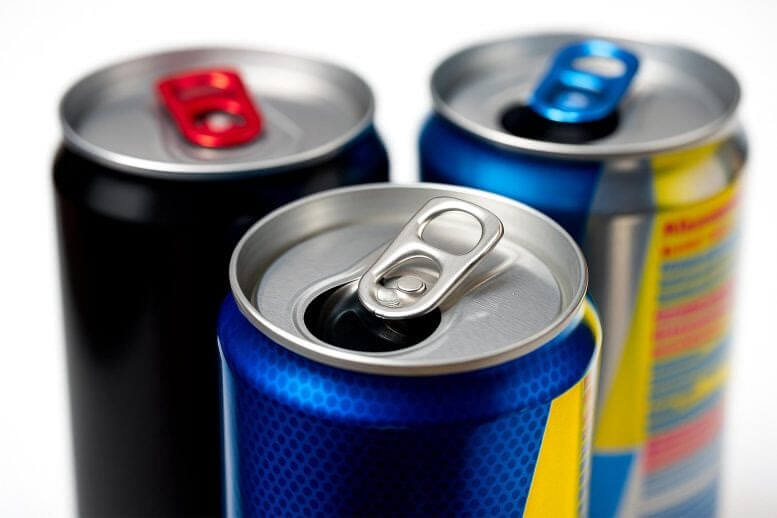
Could Your Energy Drink Be Feeding Cancer? What Scientists Just Discovered

Scientists have discovered that taurine, a common ingredient in energy drinks, helps leukemia cells grow. The cancer hijacks taurine from bone marrow to fuel itself—but blocking that process may stop the disease in its tracks.

Sci... 

Read more ››

Could Your Energy Drink Be Feeding Cancer? What Scientists Just Discovered
Can Potatoes Help With Weight Loss? Scientists Reveal Surprising Benefits

Potatoes, often dismissed as fattening carbs, can actually lower the energy density of meals and, when prepared to boost fiber (e.g., boiled, cooled 24 hrs, skins on), support a 5.6% average weight loss and improved insulin resistance over eight w... 

Read more ››

Can Potatoes Help With Weight Loss? Scientists Reveal Surprising Benefits
Researchers Reveal That Climbing Stairs Could Extend Your Life

New research indicates that stair climbing can significantly reduce the risk of cardiovascular disease and premature death, with a 24% decreased risk of mortality from any cause and a 39% reduction from cardiovascular issues. Dr. Sophie Paddock ad... 

Read more ››

Researchers Reveal That Climbing Stairs Could Extend Your Life
Scientists Say There Are 4 Types of Lovers – Which One Are You?

ANU researchers found four types of romantic lovers, revealing love varies widely in intensity, sex, and commitment. The study shows love evolves uniquely across individuals.

ANU researchers identified four romantic lover types base... 

Read more ››

Scientists Say There Are 4 Types of Lovers – Which One Are You?
Your Name Might Be Changing Your Face, Study Finds

A new study led by researchers at the Hebrew University and Reichman University suggests that people’s names may influence their facial appearance as they age. Adults’ faces were matched to their names more accurately than chance, an effect no... 

Read more ››

Your Name Might Be Changing Your Face, Study Finds
Concerning New Research Links Tattoo Ink to Increased Cancer Risk

Tattoo ink doesn’t just stay in the skin—it can migrate to the lymph nodes, where it may accumulate and affect the immune system. A study using Danish twin data found that tattooed individuals, especially those with large tattoos, have a highe... 

Read more ››

Concerning New Research Links Tattoo Ink to Increased Cancer Risk
BV Is an STD and We’ve Been Treating It Wrong for Years

A major study proves BV is sexually transmitted, explaining why previous treatments often failed. When both partners are treated, the success rate improves dramatically. This could revolutionize women’s health worldwide.

For years... 

Read more ››

BV Is an STD and We’ve Been Treating It Wrong for Years
Secret of Everything

The secret of everything – Everything Is Mental. All talent, skill, power, speed and ability is mental. Nothing is impossible. Anything is possible. There is nothing you cannot Be, Do or Have. You can Be, Do and Have anything you want as long as yo... 

Read more ››

Secret of Everything
Harvard Study Finds Eating an Orange a Day Could Cut Depression Risk by 20%

A daily orange might do more than boost immunity — it could also help prevent depression. Scientists discovered that citrus uniquely supports gut bacteria linked to serotonin and dopamine production, reducing depression risk by 20%. Future resea... 

Read more ››

Harvard Study Finds Eating an Orange a Day Could Cut Depression Risk by 20%
According to Researchers, This Simple Phone Hack Can Improve Mental Health As Much as Antidepressants

A two-week experiment found that blocking mobile internet on smartphones significantly improved participants’ mental health, well-being, and attention span, even reversing a decade of age-related cognitive decline. The study suggests that reduci... 

Read more ››

According to Researchers, This Simple Phone Hack Can Improve Mental Health As Much as Antidepressants
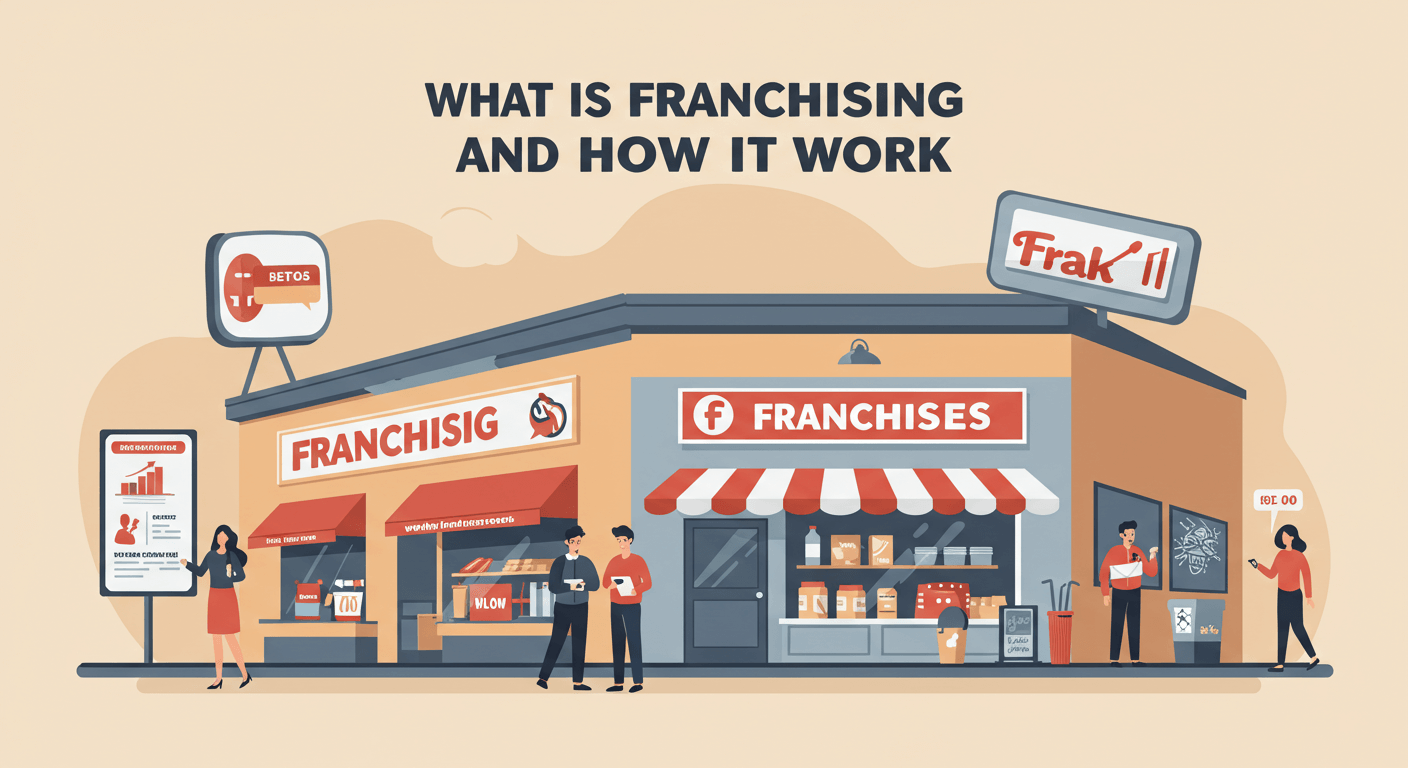
WHAT IS FRANCHISING AND HOW DOES IT WORK?

WHAT IS FRANCHISING AND HOW DOES IT WORK?

Franchising is a form of business organization in which a firm that already has a successful product or service (franchisor) licenses its trademark and me... 

Read more ››

WHAT IS FRANCHISING AND HOW DOES IT WORK?
Business Idea: A program for rock music enthusiasts to learn, improve, and perform in real bands at live rock venues.

Business Idea: Create a program for students with a passion for rock music so they can either learn to play a rock instrument or improve their existing musical skills and have the opportunity to participate in rock bands that play in... 

Read more ››

Business Idea: A program for rock music enthusiasts to learn, improve, and perform in real bands at live rock venues.
Business Idea: Franchise a network of Fresh Healthy Vending machines in schools, hospitals, and community spaces, offering only organic, natural, and healthy foods.

Business Idea: Build a franchise organization that deploys and services Fresh Healthy Vending–branded vending machines in schools, hospitals, health clubs, community organizations, and other locations that carry only organic, natur... 

Read more ››

Scientists Discover the Brain Circuit That Fuels Creativity

Creativity might not reside in a single brain region but rather in an interconnected brain circuit, according to a new study analyzing fMRI data and brain injuries.

A new study suggests that creativity maps onto a common brain circu... 

Read more ››

Scientists Discover the Brain Circuit That Fuels Creativity
Unlock Your Love This Valentine’s Day With a Science-Backed 7-Question Test

Romantic relationships play a vital role in emotional well-being, yet tools for assessing their health are often lacking. Enter the Valentine Scale—a quick, research-backed method for evaluating relationship satisfaction.

Want a f... 

Read more ››

Unlock Your Love This Valentine’s Day With a Science-Backed 7-Question Test
Your Brain Is Cheating on You, and You Don’t Even Know It

Sometimes, we cheat—not for money or prizes, but just to feel better about ourselves.

A new study reveals that people engage in “diagnostic self-deception,” tricking themselves into believing their success comes from ability... 

Read more ››

Being Social May Delay Dementia by 5 Years

Frequent social activity may help delay dementia, reducing the risk by up to 38%. Engaging with others strengthens neural networks, potentially delaying cognitive decline and lowering healthcare costs.

Social activities include dini... 

Read more ››

Harvard Study: Eating Dark Chocolate Could Reduce Your Risk of Diabetes by 21%

Participants who ate at least five servings of chocolate weekly had a 10% reduced risk of type 2 diabetes (T2D), with dark chocolate showing an even stronger effect—a 21% lower risk. In contrast, milk chocolate consumption was linked to long-ter... 

Read more ››

Harvard Study: Eating Dark Chocolate Could Reduce Your Risk of Diabetes by 21%
The Chocolate Cure: Cocoa Flavanols Protect Against Stress and High-Fat Diets

New research highlights the protective effects of flavanol-rich cocoa on vascular health, even when consumed alongside high-fat meals during stressful situations.

Consuming a cocoa drink rich in flavanols can mitigate the negative e... 

Read more ››

How Many Hours of Sitting Is Too Much for Your Heart?

Sedentary behavior exceeding 10.5 hours daily significantly raises the risk of heart failure and cardiovascular death, even among those who exercise regularly.

A recent study highlights that more than 10.5 hours of daily sedentary b... 

Read more ››

How Many Hours of Sitting Is Too Much for Your Heart?
The Common Texting Habit That Could Be Undermining Your Sincerity

New research indicates that spelling out words in text messages enhances sincerity and response rates.

Research has shown that using full words in texts, instead of abbreviations, makes individuals appear more sincere and increases ... 

Read more ››

The Common Texting Habit That Could Be Undermining Your Sincerity
New Study Identifies “Never Words” That Doctors Should Always Avoid Using

Researchers emphasize the importance of compassionate communication in treating seriously ill patients, identifying harmful “never words” and proposing more sensitive alternatives to enhance patient engagement and reduce emotional suffering. T... 

Read more ››

New Study Identifies “Never Words” That Doctors Should Always Avoid Using
Mondays and New Year’s Day: Unveiling the Deadliest Peaks in Global Suicide Rates

A global study reveals that suicide rates are highest on Mondays and New Year’s Day, with regional variations during holidays.

Research indicates a global pattern where suicides peak on Mondays and New Year’s Day, with inconsist... 

Read more ››

Mondays and New Year’s Day: Unveiling the Deadliest Peaks in Global Suicide Rates
5 Ways to Enhance Your Online Presence Through Engaging Multimedia Content

In today's digital landscape, a strong online presence is paramount for businesses of all sizes. One of the most effective ways to engage and connect with your audience is through the strategic use of multimedia content. By incorporating visually app... 

Read more ››

5 Ways to Enhance Your Online Presence Through Engaging Multimedia Content
PART TWO: THE GROWTH STRATEGIES FOR A FIRM

II: External Growth Strategies

External growth strategies rely on establishing relationships with third parties, such as mergers, acquisitions, strategic alliances, joint ventures, licensing, and franchisin... 

Read more ››

Business Idea: Provide a convenient online platform for the parents of growing children to exchange the clothes their children grow out of for clothes their children need.

Business Idea: Provide a convenient online platform for the parents of growing children to exchange the clothes their children grow out of for clothes their children need.

Pitch: The average kid grows out of a set... 

Read more ››

Strategies for Firm Growth

The growth strategies for a firm are divided into internal strategies for growth and external strategies for growth.

I. INTERNAL GROWTH STRATEGIES

Internal growth strategies involve efforts taken within the firm itself, such as... 

Read more ››

THE TOP 10 REASONS NEW PRODUCTS FAIL

THE TOP 10 REASONS NEW PRODUCTS FAIL.

1. Target market is not defined correctly.

2. Product is not positioned effectively.

3. Product’s benefits are not understood by the target customer.

4. Product doesn’t address im... 

Read more ››

Business Idea: Create urban greenhouse systems for year-round production of sustainable and local fresh food.

Business Idea: Create urban greenhouse systems for year-round production of sustainable and local fresh food.

Pitch: Food travels 1,500 miles on average in the United States to get to consumers. At the same time, ... 

Read more ››

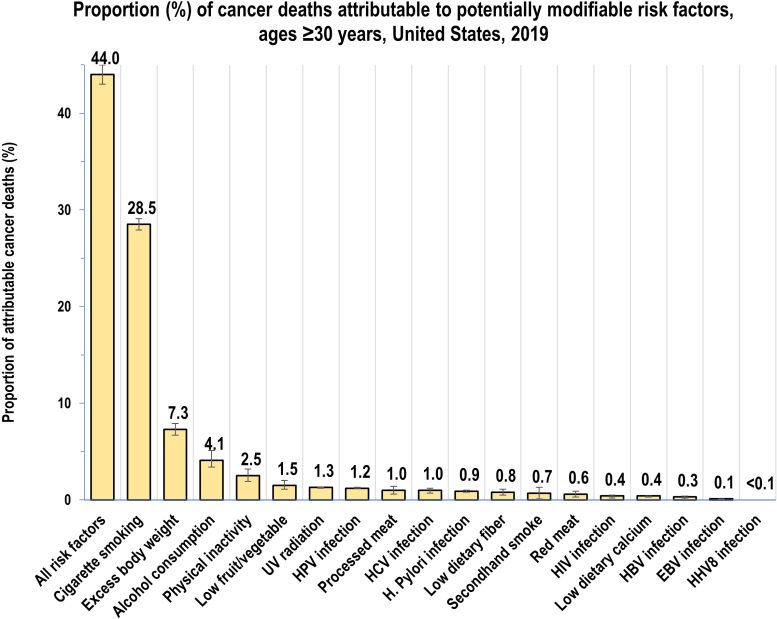
4 in 10 US Cancer Cases Linked to Modifiable Risk Factors, Study Reveals

A recent study by the American Cancer Society (ACS) reveals that four out of ten cancer cases and half of the cancer deaths in adults over 30 in the U.S. in 2019 were due to modifiable risk factors like smoking, obesity, and alcohol. Smoking was the ... 

Read more ››

4 in 10 US Cancer Cases Linked to Modifiable Risk Factors, Study Reveals
Business Idea: Manufacture and sell affordable, water efficient irrigation systems for small-plot farmers in developing nations.

Business Idea: Manufacture and sell affordable, water efficient irrigation systems for small-plot farmers in developing nations.

Company: Driptech

Pitch: In many developing countries, farmers h... 

Read more ››

Business Idea: Launch a service that provides reliable and loving reminders and companionship calls to elderly people who are still living in their homes.

Company: Check-In Calls

Business Idea: Launch a service that provides reliable and loving reminders and companionship calls to elderly people who are still living in their homes.

Pitch: Many ca... 

Read more ››

New Study Reveals That Simply Looking at Trees Can Boost Your Mental Health

Eye-tracking research from Bangor University and Technion-Israel Institute of Technology shows that focusing on natural elements during urban walks reduces anxiety and enhances feelings of restoration in city dwellers. These findings suggest urban de... 

Read more ››

New Study Reveals That Simply Looking at Trees Can Boost Your Mental Health
Eat Plants, Beat Cancer: New Study Links Vegetables To Lower Prostate Cancer Risks

Research from UC San Francisco reveals that men with localized prostate cancer can lower the risk of disease progression by 47% by adopting a plant-based diet rich in fruits, vegetables, nuts, and olive oil. Over 2,000 participants showed that increa... 

Read more ››

Eat Plants, Beat Cancer: New Study Links Vegetables To Lower Prostate Cancer Risks
5 natural ways to overcome erectile dysfunction

If you're a middle aged man, can you run as fast as you did when you were 20 years old? Hit a baseball as far as you once could? Bash a tennis ball with the same speed and spin?

Probably not.

But even as we age, there are still plenty of ways t... 

Read more ››

BRANDING

A brand is the set of attributes—positive or negative—that people associate with a company. These attributes can be positive, such as trustworthy, innovative, dependable, or easy to deal with. Or they can be negative, suc... 

Read more ››

Business Idea: Provide a service that stores individuals’ log-in information to important online services like e-mail accounts, social networks, PayPal, and eBay, and deliver them to caretakers in the event of the individual’s death.

Company: Legacy Locker

Business Idea: Provide a service that stores individuals’ log-in information to important online services like e-mail accounts, social networks, PayPal, and eBay, and deliver them to caret... 

Read more ››

New Research Reveals That Couples Who Drink Together Live Longer

A study by the University of Michigan finds that couples who drink alcohol together are likely to live longer, supporting the idea that shared drinking habits can enhance marital satisfaction and longevity.

The couple that drinks together might li... 

Read more ››

New Research Reveals That Couples Who Drink Together Live Longer
Office Productivity Takes a Hit in the Afternoon, Particularly on Fridays

A Texas A&M study shows productivity dips in the afternoon and on Fridays among office workers, advocating for flexible work to boost efficiency and well-being.

An innovative study from the Texas A&M School of Public Health offers objectiv... 

Read more ››

Office Productivity Takes a Hit in the Afternoon, Particularly on Fridays
Preparing to Raise Debt or Equity Financing

Once a start-up’s financial needs exceed what personal funds, friends and family, and bootstrapping can provide, debt and equity are the two most common sources of funds. The most important thing an entrepreneur must do at this point is determine p... 

Read more ››

Sources of Personal Financing

Typically, the seed money that gets a company off the ground comes from the founders’ own pockets. There are three categories of sources of money in this area: personal funds, friends and family, and bootstrapping.

1. Pe... 

Read more ››

Business Idea: Create a Website and a smartphone app that provides a visual guide to great food and where to find it.

Company: Foodspotting

Business Idea: Create a Website and a smartphone app that provides a visual guide to great food and where to find it. Instead of reviewing restaurants, users will share where to find their fa... 

Read more ››

Business Idea: Create an online community that links interns (primarily college students) with entrepreneurial start-ups and change-oriented nonprofit organizations.

Company: YouTern

Business Idea: Create an online community that links interns (primarily college students) with entrepreneurial start-ups and change-oriented nonprofit organizations.

Pitch: Int... 

Read more ››

52 Tips for Losing Weight

A Tip a Week

If you add one of these tips a week to your daily routine, in one year you will have developed some very healthy habits!

1. Eliminate one tablespoon of fat a day and you will lose 10 pounds in a ye... 

Read more ››

The Law of Cause and Effect – Everything happens for a reason; there is a cause for every effect.

This is the “Iron Law” of human destiny. This law says that we live in a world governed by law, not chance. It says that everything happens for a reason, whether or not we know what it is. Every effect, success or failure, wealth or poverty, has ... 

Read more ››

Organizing Buying Groups to Cut Costs and Maintain Competitiveness

One challenge that businesses confront is cutting costs in ways that don’t erode their ability to remain competitive. Many cost-cutting techniques, such as scaling back on hiring, lowering marketing expenses, or reducing inventory, may save money b... 

Read more ››

What's In A Business Name?: A Lot Of Trouble If You Aren't Careful

Introduction

While at first glance naming a business may seem like a minor issue, it is an extremely important one. A company’s name is one of the first things people associate with a business, and it is a word or phrase that wi... 

Read more ››

Vesting Ownership in Company Stock: A Sound Strategy for Start-Ups

If you’re not familiar with vesting, the idea is that when a firm is launched, instead of issuing stock outright to the founders, the stock is distributed over a period of time, typically three to four years, as the founder or founders “e... 

Read more ››

99designs: Making Partnering with Freelancers the Essence of Its Disruptive Business Model

Start-ups typically have a variety of design needs including logo design, brochures, stationery, and business cards. Traditionally the most important design work, like a business’s logo, is either done by the business itself or contracted out to a ... 

Read more ››

Thriving in a Crowded Industry by Creating Meaningful Value and Differentiation from Competitors

Firms do well in a crowded industry when two conditions exist: (1) they create meaningful value for customers at a fair price and (2) they effectively differentiate themselves from competitors. In fact, diminishing the impact of thre... 

Read more ››

Shield your brain from decline

Use the SHIELD acronym to remember the lifestyle habits that will help protect your memory and thinking skills.

We are making encouraging progress in finding medications that prevent or even reverse cognitive decline. Until we get there, however, ... 

Read more ››

Business Idea: Provide musicians a platform to reach out to their fan base to financially contribute to upcoming recordings or other musical projects.

Business Idea: Provide musicians a platform to reach out to their fan base to financially contribute to upcoming recordings or other musical projects.

Pitch: Musicians often have creative ideas for recordings or s... 

Read more ››

Finding the Right Business Partner

One thing that becomes clear to many potential business founders, while conducting organizational feasibility analysis, is that they need one or more partners to help launch their business. You might be a Web developer who has a great idea for a Web ... 

Read more ››

ScriptPad: Interesting Idea—But Will Doctors and Pharmacies Sign On?

To ScriptPad founder and CEO Shane Taylor, the problem his company solves is personal. Taylor’s father, who is fighting both heart disease and cancer, takes 26 different medications to fight his illnesses. Any mix-up or error associated with taking... 

Read more ››

Want Help Fine-Tuning a Business Idea? Find a Mentor

Fine-tuning a business idea isn’t easy. While fairly course-grained ideas are rather easy to develop, like creating a cell-phone that’s designed specifically for elderly people, fleshing out the details is where experience helps. This reality put... 

Read more ››

Working Together: How Biotech Firms and Large Drug Companies Bring Pharmaceutical Products to Market

Large firms and smaller entrepreneurial firms play different roles in business and society and can often produce the best results by partnering with each other rather than acting as adversaries. The pharmaceutical industry is an excellent example of ... 

Read more ››

Learning how to meditate

Meditation has been practiced for thousands of years and it continues to grow in popularity. This mindful practice can help aid anxiety and depression, chronic pain, cancer, bowel diseases, high blood pressure, insomnia, addiction and so much more.
... 

Read more ››

Learning how to meditate
PatientsLikeMe: Allowing People with Serious Diseases to Connect with One Another and Exchange Support and Advice

PatientsLikeMe: Allowing People with Serious Diseases to Connect with One Another and Exchange Support and Advice

Web: www.patientslikeme.com

Jamie a... 

Read more ››

How Companies and Organizations Build Credibility and Trust

How Companies and Organizations Build Credibility and Trust

There are several ways companies and organizations can build credibility and trust. We present eight techniques that are essential in nearly all cases in the following list.

Te... 

Read more ››

Business Idea: Create a single place for music lovers to track or keep up with their favorite bands, so they’ll always know where and when the bands will be performing in their area.

Business Idea: Create a single place for music lovers to track or keep up with their favorite bands, so they’ll always know where and when the bands will be performing in their area.

In addition, create an online platform for c... 

Read more ››

CREATING A NEW-VENTURE TEAM

Those who launch or found an entrepreneurial venture have an important role to play in shaping the firm’s business concept. Stated even more directly, it is widely known that a well-conceived business plan cannot get off the ground unless a firm ha... 

Read more ››

CREATING A NEW-VENTURE TEAM
Discuss the differences among sole proprietorships, partnerships, corporations, and limited liability companies.

When a business is launched, a form of legal entity must be chosen. Sole proprietorship, partnerships, corporations, and limited liability companies are the most common legal entities from which entrepreneurs make a choice. Choosing ... 

Read more ››

Discuss the differences among sole proprietorships, partnerships, corporations, and limited liability companies.
Airbnb: How Listening to Customers and Iterating the Business Model Helped Shape and Mold a Successful Start-up

Airbnb: How Listening to Customers and Iterating the Business Model Helped Shape and Mold a Successful Start-up

Web: www.airbnb.com

Introduction

It all st... 

Read more ››

Airbnb: How Listening to Customers and Iterating the Business Model Helped Shape and Mold a Successful Start-up
Components of an effective business model

1. Core strategy (how a firm competes)

2. Strategic resources (how a firm acquires and uses its resources)

3. Partnership network (how a firm structures and nurtures its partnerships)

Read more ››

Six distinct ways of making money online

Six distinct ways of making money online (the way an online company makes money largely defines its business model)

1. Affiliate programs

An affiliate program is a way for online merchants, like 1-800-FLOWERS, ... 

Read more ››

COMPETITOR ANALYSIS

After a firm has gained an understanding of the industry and the target market in which it plans to compete, the next step is to complete a competitor analysis. A competitor analysis is a detailed analysis of a firm’s competition. It helps a firm u... 

Read more ››

Some excellent ways to increase your self-awareness

1. Personal diaries

An excellent way to increase your self-awareness is to keep a diary. In it make a daily note of the important things that happen. Be honest and open with yourself. Be willing to reflect upon your beliefs, thoug... 

Read more ››

Maintaining positive thoughts

• E. G. S. Emotional Guidance System - Your inner guide

It is said that the average human being has approximately 64,000 thoughts per day. Protecting all of your thoughts 24 hours a day can be a full-time job. There is a better way to gauge how ... 

Read more ››

TECHNIQUES FOR GENERATING IDEAS

In general, entrepreneurs identify more ideas than opportunities because many ideas are typically generated to find the best way to capitalize on an opportunity. Several techniques can be used to stimulate and facilitate the generation of new ideas f... 

Read more ››

The 3 sources of business ideas

1. Observing Trends

The first approach to identifying opportunities is to observe trends and study how they create opportunities for entrepreneurs to pursue. The most important trends to follow are economic trends, social trends, ... 

Read more ››

The 3 sources of business ideas

Unleash Your Creativity with SCAMPER!

   Pinned
  4 Mins Read
Image name: SCAMPER_Technique.png Image size: 319.75 KB
  Download

✨ Boost Your Creativity with the SCAMPER Technique.

If you're looking for a simple and powerful way to generate fresh ideas, improve products, or unlock creative solutions, the SCAMPER technique is one of the best tools you can use.

Need to supercharge an existing idea or product? Try the powerful SCAMPER technique for idea generation!

SCAMPER is a simple yet effective tool to...


AI Transforms Toxic Antibiotic Into Life-Saving Medicine

  2 years ago (Fri, Oct 18, 2024 at 07:12 AM (GMT))

  4 Mins Read
University of Texas researchers have used AI to develop a safer, effective version of an antibiotic that shows promise in animal trials. This new method could accelerate the creation of treatments for antibiotic-resistant bacterial infections.

A large language model, similar to the AI that powers ChatGPT, has been utilized to develop a version of a bacteria-killing drug that was once toxic...

In a hopeful development for the demand for safer and more effective antibiotics, researchers at The University of Texas at Austin have utilized artificial intelligence to create a new drug that is already demonstrating promise in animal trials.

Publishing their results in Nature Biomedical Engineering, the scientists describe using a large language model—an AI tool like the one that powers ChatGPT—to engineer a version of a bacteria-killing drug that was previously toxic in humans, so that it would be safe to use.

The prognosis for patients with dangerous bacterial infections has worsened in recent years as antibiotic-resistant bacterial strains spread and the development of new treatment options has stalled. However, UT researchers say AI tools are game-changing.

“We have found that large language models are a major step forward for machine learning applications in protein and peptide engineering,” said Claus Wilke, professor of integrative biology and statistics and data sciences, and co-senior author of the new paper. “Many use cases that weren’t feasible with prior approaches are now starting to work. I foresee that these and similar approaches are going to be used widely for developing therapeutics or drugs going forward.”

AI Applications in Drug Development

Large language models, or LLMs, were originally designed to generate and explore sequences of text, but scientists are finding creative ways to apply these models to other domains. For example, just as sentences are made up of sequences of words, proteins are made up of sequences of amino acids. LLMs cluster together words that share common attributes (such as cat, dog, and hamster) in what’s known as an “embedding space” with thousands of dimensions. Similarly, proteins with similar functions, like the ability to fight off dangerous bacteria without hurting the people who host said bacteria, may cluster together in their own version of an AI embedding space.

“The space containing all molecules is enormous,” said Davies, co-senior author of the new paper. “Machine learning allows us to find the areas of chemical space that have the properties we’re interested in, and it can do it so much more quickly and thoroughly than standard one-at-a-time lab approaches.”

For this project, the researchers employed AI to identify ways to reengineer an existing antibiotic called Protegrin-1 that is great at killing bacteria, but toxic to people. Protegrin-1, which is naturally produced by pigs to combat infections, is part of a subtype of antibiotics called antimicrobial peptides (AMPs). AMPs generally kill bacteria directly by disrupting cell membranes, but many target both bacterial and human cell membranes.

Innovating with AI for Safer Antibiotics

First, the researchers used a high-throughput method they had previously developed to create more than 7,000 variations of Protegrin-1 and quickly identify areas of the AMP that could be modified without losing its antibiotic activity.

Next, they trained a protein LLM on these results so that the model could evaluate millions of possible variations for three features: selectively targeting bacterial membranes, potently killing bacteria and not harming human red blood cells to find those that fell in the sweet spot of all three. The model then helped guide the team to a safer, more effective version of Protegrin-1, which they dubbed bacterially selective Protegrin-1.2 (bsPG-1.2).

Mice infected with multidrug-resistant bacteria and treated with bsPG-1.2 were much less likely to have detectable bacteria in their organs six hours after infection, compared to untreated mice. If further testing offers similarly positive results, the researchers hope eventually to take a version of the AI-informed antibiotic drug into human trials.

“Machine learning’s impact is twofold,” Davies said. “It’s going to point out new molecules that could have the potential to help people, and it’s going to show us how we can take those existing antibiotic molecules and make them better and focus our work to more quickly get those to clinical practice.”
 
© University of Texas at Austin   


Concerning Findings: New Research Reveals That Washing Your Fruit Doesn’t Remove All Pesticides

  2 years ago (Wed, Oct 16, 2024 at 06:47 AM (GMT))

  3 Mins Read
Image name: Apple-Peel-777x505.jpg Image size: 49.65 KB
  Download

Researchers have developed a new method to detect low-level pesticide residues on fruits using a metal-coated membrane, indicating that washing might be insufficient for removing pesticides, necessitating peeling for safe consumption.

A new study has introduced a technique using surface-enhanced Raman spectroscopy (SERS) to detect low levels of pesticide residues on food, suggesting that washing alone might be insufficient to remove...

Pesticides and herbicides are critical to ensuring food security worldwide, but these substances can present a safety risk to people who unwittingly ingest them. Protecting human health, therefore, demands sensitive analytical methods to identify even trace levels of potentially harmful substances. Now, researchers reporting in ACS’ Nano Letters have developed a high-tech imaging method to detect pesticide contamination at low levels, and its application on fruits reveals that current food safety practices may be insufficient.

The analytical method called surface-enhanced Raman spectroscopy (SERS) is gaining popularity as a nondestructive method for detecting chemicals from modern farming on produce. With SERS, metal nanoparticles or nanosheets are used to amplify the signals created by molecules when they are exposed to a Raman laser beam.

The patterns created by the metal-enhanced scattered light serve as molecular signatures and can be used to identify small amounts of specific compounds. Looking to improve SERS sensitivity for pesticide detection, Dongdong Ye, Ke Zheng, Shaobo Han, and colleagues designed a metal-coated membrane they could lay atop farm-grown produce. They also wanted to develop the material to be versatile enough to accommodate an array of other applications.

Development of a New SERS Membrane

The researchers started with a cellulose hydrogel film, which they stretched to form aligned nanoscale wrinkles along its surface. They then immersed the film in a solution of silver nitrate to coat the grooves with SERS-enhancing silver nanoparticles. The resulting membrane was highly flexible and practically transparent in visible light, essential features for SERS signal detection.

In tests of the silver-embedded membrane for food safety applications, the researchers sprayed the pesticides thiram and carbendazim, alone or together, onto apples, air-dried the fruits, and then washed them to mimic everyday practices. When they laid their membrane over the apples, SERS detected pesticides on the apples, even though the chemicals were present at low concentrations. The team was also able to clearly resolve scattered-light signatures for each pesticide on apples sprayed with both thiram and carbendazim, as well as detect pesticide contamination through the fruit’s peel and into the outermost layer of pulp.

These results suggest that washing alone could be insufficient to prevent pesticide ingestion and that peeling would be required to remove potential contamination in the skin and outer pulp, the researchers say. Beyond apples, they also used the SERS membrane system to detect pesticides on cucumbers, shrimp, chili powder, and rice.
 
© American Chemical Society   


Unlocking Better Sleep With Simple Evening Activities

  2 years ago (Wed, Oct 16, 2024 at 06:42 AM (GMT))

  3 Mins Read
Image name: Senior-Man-Couple-Sleeping-777x518_2.jpg Image size: 44.41 KB
  Download

Researchers at the University of Otago conducted a study showing that light physical activity in the evening, such as chair squats, calf raises, and standing knee raises, can extend sleep duration by 30 minutes.

A new study suggests that engaging in light exercises like chair squats and calf raises during the evening can help extend sleep by up to 30 minutes,...

Rigorous exercise before bed has long been discouraged, but University of Otago researchers have found short bursts of light activity can lead to better sleep.

In a world first study, published in BMJ Open Sport & Exercise Medicine and funded by the Health Research Council, participants completed two four-hour evening intervention sessions of prolonged sitting, and sitting interrupted with three-minute activity breaks every half hour.

Benefits of Light Evening Exercise

The researchers found that after the participants completed the activity breaks intervention they slept for 30 minutes longer.

Lead author Jennifer Gale, PhD candidate in the Department of Human Nutrition, says sitting for long periods is associated with an increased risk of diabetes, cardiovascular disease and death.

“We know that for many of us, our longest period of uninterrupted sitting happens at home in the evening. In our previous studies we have found that getting up and doing 2-3 minutes of exercise every 30 minutes reduces the amount of sugar and fat in your bloodstream after a meal.

“However, many sleep guidelines tell us we shouldn’t do longer bouts or higher intensity exercise in the hours before sleep, so we wanted to know what would happen if you did very short bouts of light intensity activity repeatedly throughout the evening,” she says.

Exercise Interventions for Evening Routines

Primary investigator Dr. Meredith Peddie, Senior Lecturer in the Department of Human Nutrition, says the exercise intervention involved three exercises – chair squats, calf raises, and standing knee raises with straight leg hip extensions.

“These simple, bodyweight exercises were chosen because they don’t require equipment, or a lot of space and you can do them without interrupting the TV show you are watching.

“From what we know from other studies, you could probably get a similar effect if you walked around your house, marched on the spot, or even danced in your living room – the most important thing is that you get out of your chair regularly and move your body,” she says.

Implications for Sleep and Health Guidelines

The fact this exercise resulted in longer sleep is important because insufficient sleep can negatively affect diet and has been associated with heart disease and type 2 diabetes.

“We know higher levels of physical activity during the day promotes better sleep, but current sleep recommendations discourage high-intensity exercise before bed because it can increase body temperature and heart rate resulting in poor sleep quality.

“It might be time to review these guidelines as our study has shown regularly interrupting long periods of sitting is a promising health intervention,” Dr. Peddie says.
 
© University of Otago   


Improve Your Sleep With 3-Minute “Activity Breaks” at Night

  2 years ago (Wed, Oct 16, 2024 at 06:31 AM (GMT))

  5 Mins Read
Evening resistance exercises may enhance sleep duration by approximately 27 minutes, suggests a study challenging traditional advice against intense pre-sleep exercise.

Research indicates that evening resistance exercises can extend sleep by an average of 27 minutes without affecting sleep quality.

The study, involving 30 participants, contrasts with guidelines advising against intense pre-sleep exercise, highlighting potential long-term health benefits.

Resistance exercise ‘activity breaks’ at...
 
© BMJ Group   


At Risk of High Cholesterol? According to Scientists, Try Taking This Popular Supplement

  2 years ago (Wed, Oct 16, 2024 at 06:13 AM (GMT))

  3 Mins Read
A University of Georgia study reveals that fish oil supplements may help individuals genetically predisposed to high cholesterol by lowering levels of LDL, total cholesterol, and triglycerides, offering a potential strategy for managing cardiovascular risk.

Research shows that omega-3 supplements can lower the genetic likelihood of elevated cholesterol, LDL, and triglycerides.

Fish oil supplements represent a multi-billion dollar industry both in the...
 
© University of Georgia   


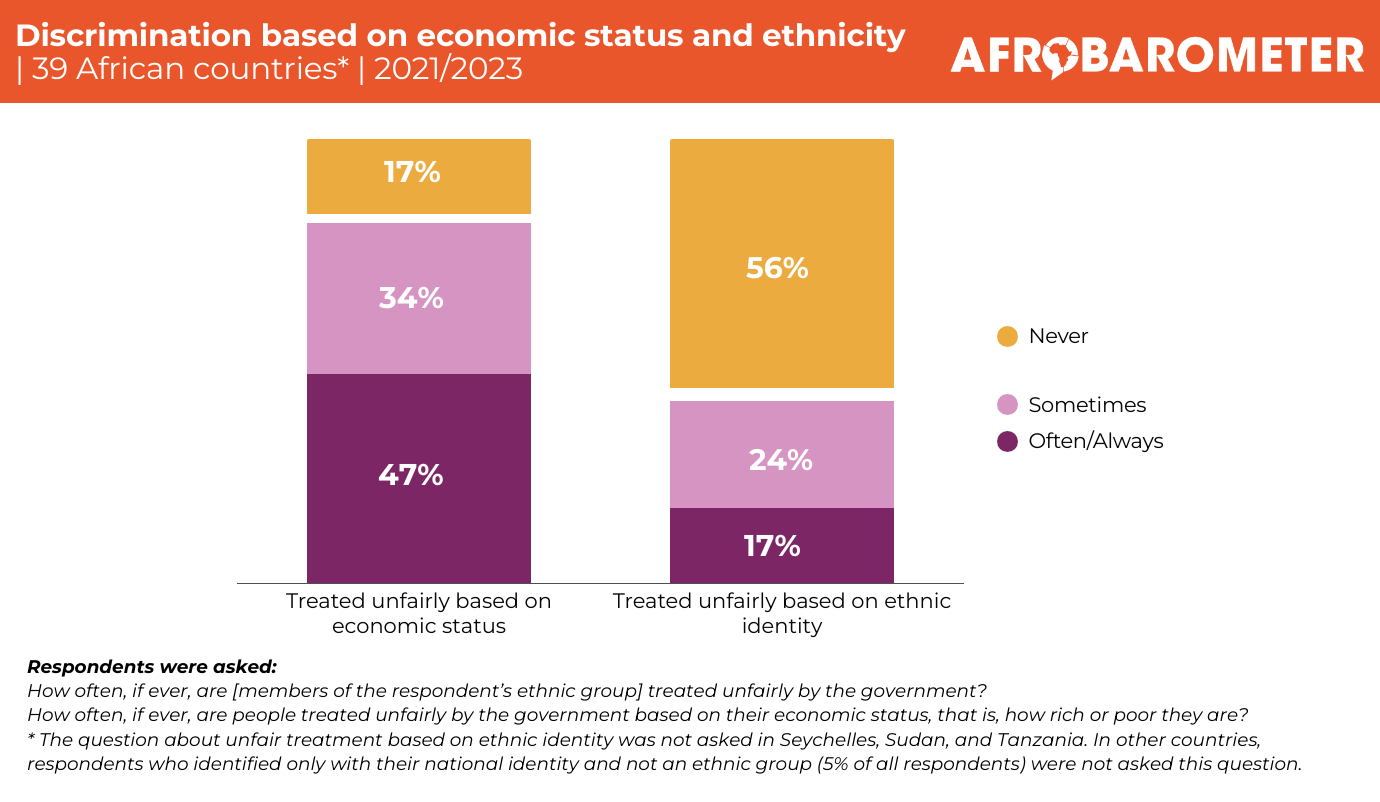
Africans embrace diversity but perceive widespread discrimination, Afrobarometer surveys show

  2 years ago (Sun, Oct 13, 2024 at 02:01 PM (GMT))

  1 Mins Read
Image name: afrobaro_(1).png Image size: 42.67 KB
  Download

A large majority of Africans express tolerance toward people of different ethnicities, religions, political affiliations, and nationalities, but only one in four feel comfortable living next door to someone in a same-sex relationship, the latest Afrobarometer Pan-Africa Profile reveals.

While majorities say they trust other groups of people at least “somewhat,” only relatives enjoy “a lot” of trust...
 
© Afrobarometer   


Exercise can boost your memory and thinking skills

  2 years ago (Sun, Oct 13, 2024 at 08:16 AM (GMT))

  2 Mins Read
Image name: Exercise_can_boost_your_memory_and_thinking_skills.jpg Image size: 184.36 KB
  Download

Exercise benefits health in so many ways. It preserves muscle strength; keeps your heart strong; maintains a healthy body weight; and staves off chronic diseases such as diabetes.

But exercise has brain benefits too. Many studies have suggested that the parts of the brain that control thinking and memory are larger in volume in people who exercise than in people who...
 
© Harvard Medical School   


Reviving Brain Circuits: UCLA Scientists Discover Memory-Restoring Molecule for Alzheimer’s Disease

  2 years ago (Sun, Oct 13, 2024 at 07:56 AM (GMT))

  4 Mins Read
UCLA researchers discovered a molecule, DDL-920, that successfully restores cognitive functions in Alzheimer’s-afflicted mice by enhancing brain gamma oscillations, marking a potential breakthrough in treatment methodologies beyond the plaque removal strategies of current drugs.

UCLA researchers suggest that a compound could improve brain electrical rhythms and potentially treat schizophrenia and depression, pending human trials.

In a recent study, UCLA Health researchers identified...
 
© University of California - Los Angeles Health Sciences   


Longevity Breakthrough: New Treatment Extends Lifespan and Enhances Physical Function

  2 years ago (Sun, Oct 13, 2024 at 07:47 AM (GMT))

  4 Mins Read
Image name: Human-Health-Strength-Longevity-Concept-777x518.jpg Image size: 93.33 KB
  Download

Researchers at the University of Connecticut have developed a promising treatment that not only extends the lifespan of mice but also enhances their physical function throughout life. This study tracked health metrics such as grip strength and walking speed from an advanced age until death, showing that treated mice were healthier and less frail than untreated ones in their final...

A monthly treatment can not only extend the lifespan of mice but also help them maintain good health and vitality well into old age.

Researchers found that removing certain inflammation-causing cells from mice every month, starting in their middle age, not only extended their lifespans but also improved their heart health and overall physical function throughout their lives. This method shows promise for extending the period of good health as mice age, potentially pointing to new aging treatments for humans.

Everyone wants to live to a ripe old age, but no one wants to be decrepit. Now, University of Connecticut researchers have demonstrated a treatment that could lengthen life—and vigor—up to the very end.

Even as human lifespans have lengthened over the past century, most people in old age suffer a serious health decline in the last decade of life. Chronic illnesses such as cancer, diabetes, or cardiovascular disease may begin, followed by frailty. Many interventions can prolong life, but not necessarily good health. And nobody wants to spend the last years of an extra-long life in decrepitude.

But that frail decline may not be inevitable. In the Aug. 6 issue of Cell Metabolism, UConn School of Medicine gerontologist Ming Xu describes how a group of mice lived 9% longer when they received monthly treatments, or about 79 extra days of life. But the striking thing was not just that the mice lived longer, but that they could walk faster and grip objects with greater strength than untreated mice of the same age. In humans, slowed walking speed and weakened grip are tightly correlated with increased overall frailty. The treated mice retained their strength and walking speed during the whole treatment period until the very end of their lives.

Detailed Research Methodology

The research is particularly significant because of the painstaking measurement and record-keeping this project required. Most experiments on mice, health, and longevity pick a certain endpoint in time—18 or 24 months—and measure the effect of the treatment at that specific endpoint. But Xu, along with postdocs Binsheng Wang and Lichao Wang and their colleagues, measured the health, grip strength, and walking speed, along with a bevy of additional metrics, on the mice monthly from the time the mice were 20 months old (equivalent to 60-year-old humans) until death.

Some mice lived as long as 43 months. By doing this, they could assess the physical function and overall health changes of each mouse throughout the entire treatment period. Since each mouse died at a different age, this approach also allows Xu’s team to evaluate health status in the time leading up to death, which often represents the frailest and sickest stage of life.

Excitingly, they found that even though the treated mice were older at the time of death, their physical function and overall frailty were better than those of the controls during their last stage of life.

“We are all very excited about this finding, because it demonstrates that we not only extend the lifespan, but indeed extend the life with good health in mice, which is a key goal for the aging field,” says Xu, assistant professor of the UConn Center on Aging and the Department of Genetics & Genome Sciences at UConn School of Medicine.

The researchers used two groups of mice. One group received monthly treatments to remove highly inflammatory cells from their tissues; the control group did not. ‘Highly inflammatory cells’ were defined as those actively expressing a specific gene called p21.

The team, including researchers from UConn Health, The University of Texas, Cedars-Sinai, The Jackson Laboratory for Genomic Medicine, and the UNMC College of Dentistry, found the monthly treatments extended both the maximum lifespan of mice—the oldest treated mice lived to be 43 months, equivalent to about 130 years old as a human—as well as the average lifespan, so that the average treated mouse lived longer, and healthier, than the average untreated mouse.

The researchers are now working on a way to translate their results to humans. If the treatment works as well for humans, it would be equivalent to 8 to 10 additional years of healthy old age.
 
© University of Connecticut   


This Popular Sugar Substitute May Trigger Heart Issues

  2 years ago (Sun, Oct 13, 2024 at 07:26 AM (GMT))

  5 Mins Read
Image name: Artificial-Sweetener-Sugar-Substitute-Wooden-Spoon-777x518.jpg Image size: 69.23 KB
  Download

New Cleveland Clinic research indicates that erythritol, a widely used artificial sweetener, may increase the risk of cardiovascular events by enhancing blood clot formation, calling into question its safety and necessitating further long-term studies.

Erythritol, a common artificial sweetener, is found in baked goods, beverages, gum, and candy.

Recent research from the Cleveland Clinic indicates that consuming foods containing erythritol, a widely...
 
© Cleveland Clinic   


Landmark Study Identifies Potential New Way To Treat Depression and Anxiety

  2 years ago (Fri, Oct 11, 2024 at 10:09 AM (GMT))

  3 Mins Read
A recent review highlights the potential of LXRβ in treating anxiety and depression, offering new insights into mental health. Further research is required before translating these findings into therapies.

Researchers highlight LXRβ as a potential target for treating depression, anxiety, and autism. While promising, further studies are needed to confirm its effectiveness in humans.

In a state-of-the-art Bench to Bedside review published...
 
© Genomic Press   


New Research Shakes Up Beliefs About Fat and Brain Health

  2 years ago (Fri, Oct 11, 2024 at 10:03 AM (GMT))

  3 Mins Read
A high-fat diet can lead to metabolic diseases and alter the hypothalamus, but fat alone may not be the main cause, as sugar and other nutrients could play a larger role. Research in mice showed no significant impact from fat on brain neurons, suggesting other macronutrients might have a stronger influence.

A high-fat diet affects the brain and metabolism, but researchers...

A diet high in fats may contribute to obesity and elevate the risk of metabolic disorders, including diabetes. Researchers from the German Institute of Human Nutrition Potsdam-Rehbruecke (DIfE) and the German Center for Diabetes Research (DZD) have found that such a diet also causes noticeable changes in the hypothalamus region of mouse brains. However, these effects are not solely due to fat, according to their study published in the journal Scientific Reports.

The connections between neurons in the brain are constantly changing. Diet has a significant influence on this. It is now known that a high-fat diet can cause changes in the hypothalamus that disrupt energy homeostasis and can increase the risk of metabolic diseases.

Food intake is predominantly regulated within the brain by two types of neurons: AgRP (Agouti-related peptide) and POMC (proopiomelanocortin) neurons. Both are primarily found in the hypothalamus—or more precisely, in the paraventricular nucleus, a core region of the hypothalamus—and have opposite actions. POMC neurons inhibit food intake, while AgRP neurons promote it.

Fat or Rather Sugar?

Previous research showed that AgRP neuron activity in the paraventricular nucleus decreases in mice that are fed a high-fat diet. This was mostly attributed to the high fat content of the diet given to the animals. However, the food of the studied mice also contained other nutrients, including sugar. It therefore cannot be said with certainty which macronutrient is responsible for the neuronal changes.

The researchers from DIfE and DZD investigated whether it is primarily fat that causes changes in the brain. They fed male and female mice a high-fat and low-sugar diet for 48 hours. It was important for the researchers to study both male and female mice, as previous studies had often only used males. As a result, it was unclear whether the two sexes respond differently to a high-fat diet.

Other Nutrients of Greater Significance

The examination of the animal brains produced an unexpected result: An effect of the high-fat diet was not identified. The connectivity of AgRP neurons had not decreased in either female or male mice.

This suggests that it is not dietary fat (alone) that is responsible for the previously observed changes in the hypothalamus. The researchers suspect that other macronutrients, such as sugar, have more profound effects on AgRP neurons. They now want to conduct further studies to explore the role of individual macronutrients on neuroanatomical and functional changes in the brain.
 
© German Center for Diabetes Research DZD   


From Sleep to Stress: How Daily Routines Rewire Your Brain Over Weeks

  2 years ago (Fri, Oct 11, 2024 at 09:53 AM (GMT))

  4 Mins Read
Scientists discovered that brain activity responds to patterns in sleep, physical activity, mood, and respiration over extended periods, indicating that events even a week old can influence cognitive functions today.

According to a groundbreaking study, the daily impacts of sleep, exercise, heart rate, and mood—both positive and negative—can resonate in our brains for more than two weeks.

A unique study tracked a...
 
© Aalto University   


Vitamin D3 Boosted Immune Cells: Scientists Discover Promising New Treatment for Multiple Sclerosis

  2 years ago (Wed, Oct 09, 2024 at 08:11 AM (GMT))

  3 Mins Read
New research found that combining VitD3-tolerogenic dendritic cells with the MS drug Dimethyl Fumarate significantly improved treatment outcomes for multiple sclerosis in animal models. This could lead to a more effective, personalized therapy for MS patients.

Researchers have found that combining tolerogenic dendritic cells with Dimethyl Fumarate improves treatment efficacy for multiple sclerosis, offering a promising new approach for managing the...

Multiple sclerosis (MS) is a chronic condition in which the immune system erroneously assaults the myelin sheath, the protective coating around nerve cells, leading to nerve damage and increased disability. Existing treatments such as immunosuppressants mitigate these attacks but compromise the immune system, making patients more susceptible to infections and cancer. Researchers are investigating a new, more targeted approach that involves using a type of immune cell called tolerogenic dendritic cells (tolDCs), derived from the patients themselves, to target the disease more precisely.

TolDCs can restore immune balance without affecting the body’s natural defenses. However, since a hallmark of MS is precisely the dysfunction of the immune system, the effectiveness of these cells for autotransplantation might be compromised. Therefore, it is essential to better understand how the disease affects the starting material for this cellular therapy before it can be applied.

In this study, published at the prestigious Journal of Clinical Investigation, researchers examined CD14+ monocytes, mature dendritic cells (mDCs), and Vitamin D3-treated tolerogenic dendritic cells (VitD3-tolDCs) from MS patients who had not yet received treatment, as well as from healthy individuals.

Personalized Treatment Using Immune Cells

The clinical trials (NCT02618902 and NCT02903537), led in Spain by Dr. Cristina Ramo-Tello and Dr. Eva Martínez Cáceres (Germans Trias i Pujol Research Institute), are designed to assess the effectiveness of VitD3-tolDCs, which are loaded with myelin antigens to help “teach” the immune system to stop attacking the nervous system. This approach is groundbreaking as it uses a patient’s own immune cells, modified to induce immune tolerance, in an effort to treat the autoimmune nature of MS.

The study, led by Dr. Eva Martinez-Cáceres and Dr. Esteban Ballestar (Josep Carreras Institute), with Federico Fondelli as first author, found that the immune cells from MS patients (monocytes, precursors of tolDCs) have a persistent “pro-inflammatory” signature, even after being transformed into VitD3-tolDCs, the actual therapeutic cell type. This signature makes these cells less effective compared to those derived from healthy individuals, missing part of its potential benefits.

A Potential Solution: Aryl Hydrocarbon Receptor Modulation

Using state-of-the-art research methodologies, the researchers identified a pathway, known as the Aryl Hydrocarbon Receptor (AhR), that is linked to this altered immune response. By using an AhR-modulating drug, the team was able to restore the normal function of VitD3-tolDCs from MS patients, in vitro. Interestingly, Dimethyl Fumarate, an already approved MS drug, was found to mimic the effect of AhR modulation and restore the cells’ full efficacy, with a safer toxic profile.

Finally, studies in MS animal models showed that a combination of VitD3-tolDCs and Dimethyl Fumarate led to better results than using either treatment on its own. This combination therapy significantly reduced symptoms in mice, suggesting enhanced potential for treating human patients.

These results could lead to a new, more potent treatment option for multiple sclerosis, offering hope to the millions of patients worldwide who suffer from this debilitating disease. This study represents a significant step forward in the use of personalized cell therapies for autoimmune diseases, potentially revolutionizing how multiple sclerosis is treated.
 
© Josep Carreras Leukaemia Research Institute   


For the First Time Ever: Watch Water Form Out of Thin Air

  2 years ago (Wed, Oct 09, 2024 at 07:59 AM (GMT))

  6 Mins Read
In a landmark study, researchers at Northwestern University have, for the first time, observed the formation of nano-sized water bubbles from hydrogen and oxygen atoms using palladium as a catalyst. This breakthrough, facilitated by a new visualization technique, could enable rapid water production in arid or extraterrestrial environments without the need for extreme conditions.

Northwestern researchers discovered a nanoscale method to...

For the first time, researchers have witnessed — in real-time and at the molecular scale — hydrogen and oxygen atoms merge to form tiny, nano-sized water bubbles.

The event occurred during Northwestern University’s new study, published in the Proceedings of the National Academy of Sciences, in which scientists sought to understand how palladium, a rare metallic element, catalyzes the gaseous reaction to generate water. By witnessing the reaction at the nanoscale, the Northwestern team unraveled how the process occurs and even uncovered new strategies to accelerate it.

Practical Applications for Deep Space Exploration

Because the reaction does not require extreme conditions, the researchers say it could be harnessed as a practical solution for rapidly generating water in arid environments, including on other planets.

“By directly visualizing nanoscale water generation, we were able to identify the optimal conditions for rapid water generation under ambient conditions,” said Northwestern’s Vinayak Dravid, senior author of the study. “These findings have significant implications for practical applications, such as enabling rapid water generation in deep space environments using gases and metal catalysts, without requiring extreme reaction conditions.

“Think of Matt Damon’s character, Mark Watney, in the movie ‘The Martian.’ He burned rocket fuel to extract hydrogen and then added oxygen from his oxygenator. Our process is analogous, except we bypass the need for fire and other extreme conditions. We simply mixed palladium and gases together.”

Dravid is the Abraham Harris Professor of Materials Science and Engineering at Northwestern’s McCormick School of Engineering and founding director of the Northwestern University Atomic and Nanoscale Characterization Experimental (NUANCE) Center, where the study was conducted. He also is director of global initiatives at the International Institute for Nanotechnology.

Novel Techniques Propel Discovery

Since the early 1900s, researchers have known that palladium can act as a catalyst to rapidly generate water. But how, exactly, this reaction occurs has remained a mystery.

“It’s a known phenomenon, but it was never fully understood,” said Yukun Liu, the study’s first author and a Ph.D. candidate in Dravid’s laboratory. “Because you really need to be able to combine the direct visualization of water generation and the structure analysis at the atomic scale in order to figure out what’s happening with the reaction and how to optimize it.”

But viewing the process with atomic precision was simply impossible — until nine months ago. In January 2024, Dravid’s team unveiled a novel method to analyze gas molecules in real-time. Dravid and his team developed an ultra-thin glassy membrane that holds gas molecules within honeycomb-shaped nanoreactors, so they can be viewed within high-vacuum transmission electron microscopes.

With the new technique, previously published in Science Advances, researchers can examine samples in atmospheric pressure gas at a resolution of just 0.102 nanometers, compared to a 0.236-nanometer resolution using other state-of-the-art tools. The technique also enabled, for the first time, concurrent spectral and reciprocal information analysis.

“Using the ultrathin membrane, we are getting more information from the sample itself,” said Kunmo Koo, first author of the Science Advances paper and a research associate at the NUANCE Center, where he is mentored by research associate professor Xiaobing Hu. “Otherwise, information from the thick container interferes with the analysis.”

Smallest Bubble Ever Observed

Using the new technology, Dravid, Liu, and Koo examined the palladium reaction. First, they saw the hydrogen atoms enter the palladium, expanding its square lattice. But when they saw tiny water bubbles form at the palladium surface, the researchers couldn’t believe their eyes.

“We think it might be the smallest bubble ever formed that has been viewed directly,” Liu said. “It’s not what we were expecting. Luckily, we were recording it, so we could prove to other people that we weren’t crazy.”

“We were skeptical,” Koo added. “We needed to investigate it further to prove that it was actually water that formed.”

The team implemented a technique, called electron energy loss spectroscopy, to analyze the bubbles. By examining the energy loss of scattered electrons, researchers identified oxygen-bonding characteristics unique to water, confirming the bubbles were, indeed, water. The researchers then cross-checked this result by heating the bubble to evaluate the boiling point.

“It’s a nanoscale analog of the Chandrayaan-1 moon rover experiment, which searched for evidence of waterin lunar soil,” Koo said. “While surveying the moon, it used spectroscopy to analyze and identify molecules within the atmosphere and on the surface. We took a similar spectroscopic approach to determine if the generated product was, indeed, water.”

Optimizing Water Synthesis

After confirming the palladium reaction generated water, the researchers next sought to optimize the process. They added hydrogen and oxygen separately at different times or mixed together to determine which sequence of events generated water at the fastest rate.

Dravid, Liu, and Koo discovered that adding hydrogen first, followed by oxygen, led to the fastest reaction rate. Because hydrogen atoms are so small, they can squeeze between palladium’s atoms — causing the metal to expand. After filling the palladium with hydrogen, the researchers added oxygen gas.

“Oxygen atoms are energetically favorable to adsorb onto palladium surfaces, but they are too large to enter the lattice,” Liu said. “When we flowed in oxygen first, its dissociated atoms covered the entire surface of the palladium, so hydrogen could not adsorb onto surface to trigger the reaction. But when we stored hydrogen in the palladium first, and then added oxygen, the reaction started. Hydrogen comes out of the palladium to react with the oxygen, and the palladium shrinks and returns to its initial state.”

Sustainable System for Deep Space

The Northwestern team imagines that others, in the future, potentially could prepare hydrogen-filled palladium before traveling into space. Then, to generate water for drinking or for watering plants, travelers will only need to add oxygen. Although the study focused on studying bubble generation at the nanoscale, larger sheets of palladium would generate much larger quantities of water.

“Palladium might seem expensive, but it’s recyclable,” Liu said. “Our process doesn’t consume it. The only thing consumed is gas, and hydrogen is the most abundant gas in the universe. After the reaction, we can reuse the palladium platform over and over.”
 
© Amanda Morris, Northwestern University   


Millions at Risk: Popular Herbal Supplements Linked to Potential Liver Damage

  2 years ago (Sun, Oct 06, 2024 at 11:57 AM (GMT))

  4 Mins Read
Image name: Herbal-Supplement-Pills-777x518.jpg Image size: 37.86 KB
  Download

A University of Michigan study revealed that a substantial number of Americans use potentially hepatotoxic botanical supplements like turmeric and green tea without medical advice. The research highlights critical issues such as mislabeling, lack of regulation, and insufficient medical oversight, emphasizing the need for heightened awareness and safety measures in the rapidly growing supplement market.

A study reveals widespread use of...

According to a study by researchers at the University of Michigan, millions of Americans take supplements with potentially hepatoxic botanical ingredients.

Over a 30-day period, 4.7% of the adults surveyed in the National Health and Nutrition Examination Survey conducted from 2017 to 2020 took herbal and dietary supplements containing at least one of the botanicals of interest: turmeric; green tea; ashwagandha; black cohosh; garcinia cambogia; and red yeast rice containing products.

The resulting paper was recently published in JAMA Network Open.

“Our interest started when we saw cases of liver toxicity from herbal and dietary supplement use in people enrolled into the ongoing NIH-funded DILIN study,” said Alisa Likhitsup, M.D., M.P.H., clinical assistant professor of Medicine at U-M and lead author on the paper. “But it was difficult to say how many people were using these supplements and why. The major finding here is the large number of Americans taking these products with an estimated 15 million adult Americans taking them on a regular basis.”

Challenges in Supplement Regulation

Prior research in the field had established the specific botanicals studied as potentially hepatoxic. Supplements are of particular concern for the researchers for several interrelated reasons: lack of government regulation, insufficient attention in medical screenings, and frequent mislabeling.

“In a previous study, we found that there was a great deal of mislabeling of some of these products,” said Robert Fontana M.D., Michigan Medicine hepatologist, professor of medicine and the study’s senior author. “We performed analytical chemistry and found about a 50% mismatch between the stated ingredients on the label and what they actually contained, which is quite alarming. If you buy a supplement and it says it has a certain ingredient, it’s basically a coin flip if that’s true or not.”

Mislabeling is enabled by a lack of regulation. And since their effects are not well understood, clinicians often will not ask patients what supplements they are taking.

“We weren’t aware that so many people were taking these supplements,” said Likhitsup, a transplant hepatologist. “So, when doctors see patients in the office, they don’t necessarily ask about supplement use or take into consideration their effects.”

In the studied population, the highest proportion of people consumed turmeric (3.46%), followed by green tea (1.01%), ashwagandha and black cohosh (0.38%), garcinia cambogia (0.27%), and red yeast rice products (0.19%). Most users reported consuming the botanicals on their own and not on the advice of a doctor. The most common reason given for taking the botanicals was to improve or maintain health.

Motivations for Supplement Consumption

Of the turmeric users, 26.8% consumed the products specifically for supposed benefits for joint health or arthritis, while 27.2% of the green tea users were hoping to improve their energy levels. The majority of the garcinia cambogia users hoped it would help them lose weight.

One impetus for this research is the growth of the herbal and dietary supplements industry. The paper notes that there are more than 80,000 unique supplement products available for purchase worldwide and that supplement sales surpassed $150 billion in the United States in 2023, a figure that rivals the combined sales of prescription drugs.

Another study had found a 70% increase in liver transplants due to injury caused by supplements from 2010-2020, compared to 1994-2009.

The JAMA study was not able to establish any kind of causal relationship between consumption of the six botanicals and liver injury since it was intended to assess supplement exposure in the general U.S. population. Given the lack of regulation, however, the researchers still hope to make clinicians and patients aware of just how much is still unknown about these supplements.

“We’re not trying to create alarm,” Fontana said. “We’re just trying to increase awareness that the over-the-counter supplements people are taking and buying have not been tested nor necessarily proven to be safe.”
 
© Michigan Medicine - University of Michigan   


Age-Related Cognitive Decline Linked to Blood Vessel Health

  2 years ago (Sun, Oct 06, 2024 at 11:22 AM (GMT))

  5 Mins Read
A new study reveals that maintaining healthy blood vessels is vital for brain health and could help combat neurodegenerative diseases like Alzheimer’s by enabling earlier detection and potentially guiding new treatments.

Researchers pinpoint regions in the mouse brain susceptible to blood vessel degeneration, shedding light on the link between vasculature and neurodegenerative diseases.

Maintaining healthy blood vessels is important not only for...
 
© Penn State   


You're torn between innovative design and website speed. How do you find the perfect balance?

  2 years ago (Fri, Oct 04, 2024 at 01:12 PM (GMT))

  1 Mins Read
Striking the right balance between an innovative website design and maintaining speed can be tricky, but it's essential for user experience. To achieve equilibrium:

- Optimize images and multimedia to reduce load times while preserving visual appeal.

- Implement lazy loading so that only content currently in view is loaded, balancing design elements with performance.

- Choose a responsive design that adapts to...
 
© LinkedIn community   


Want To Live Longer? Study Says Fish-Enhanced Vegetarian Diet Best for Elderly

  2 years ago (Thu, Oct 03, 2024 at 03:19 PM (GMT))

  3 Mins Read
Image name: Healthy-Plant-Based-Diet-777x518.jpg Image size: 69.61 KB
  Download

A study found that vegetarian diets reduce mortality risk, with pesco-vegetarians offering the greatest protection. Elderly vegetarians showed a slightly higher risk of neurological conditions. Pesco-vegetarians had an 18% lower risk of death, while vegans showed a smaller reduction, with males benefiting more than females.

Pure vegetarian diets may not offer as much protection against certain neurological diseases in the elderly.

According...
 
© Loma Linda University Adventist Health Sciences Center   


Weight Loss Secrets: Scientists Identify Two Key Habits Linked to a Lower BMI

  2 years ago (Thu, Oct 03, 2024 at 03:04 PM (GMT))

  4 Mins Read
Image name: Obesity-Weight-Loss-Concept-1-777x518.jpg Image size: 48.75 KB
  Download

Eating earlier in the day and extending overnight fasting may aid in weight management, but further research is required. Gender differences in BMI and lifestyle were also observed.

A study indicates new patterns in how mealtimes relate to body weight.

To manage weight effectively, it’s important to focus not just on what we eat, but also on when we eat. A study...
 
© Barcelona Institute for Global Health (ISGlobal)   


New Study Reveals Only 1 in 10 Age Gracefully – and Identifies the Key to Success

  2 years ago (Tue, Oct 01, 2024 at 11:53 AM (GMT))

  5 Mins Read
Recent research indicates that a healthy diet beginning in midlife significantly increases the chances of aging well, emphasizing the importance of dietary choices on long-term health and quality of life.

Harvard research highlights link between midlife dietary habits and successful aging.

A study tracking over 100,000 people for 30 years found that maintaining a diet rich in fruits, vegetables, whole grains, and...
 
© American Society for Nutrition   


The Paradox of Cognition: Why Thinking Too Hard Can Make You Miserable

  2 years ago (Tue, Oct 01, 2024 at 11:43 AM (GMT))

  4 Mins Read
Mental effort is generally unpleasant, as confirmed by a meta-analysis involving over 4,600 participants across various tasks and demographics. People often pursue challenging activities for the rewards, not the pleasure of the task.

New research shows that mental exertion is often linked with negative emotions.

A meta-analysis of 170 studies revealed that regardless of the task or population, increased mental effort correlates...
 
© American Psychological Association   


Breakthrough in Anti-Aging: IL-11 Deactivation Boosts Lifespan by 25%

  2 years ago (Tue, Oct 01, 2024 at 08:33 AM (GMT))

  5 Mins Read
A study by researchers from the Medical Research Council and Imperial College London showed that inhibiting the protein IL-11 in mice can increase their lifespan by up to 25%. The treatment reduced aging signs and cancer rates, suggesting potential applications in human aging, with clinical trials already underway.

Inhibiting IL-11 in mice extends lifespan and reduces aging signs, with potential implications...

Researchers from the Medical Research Council Laboratory of Medical Science and Imperial College London have discovered that ‘switching off’ a protein called IL-11 can increase the healthy lifespan of mice by nearly 25%. Working alongside colleagues at Duke-NUS Medical School in Singapore, they tested the effects of IL-11 by creating mice that had the gene-producing IL-11 (interleukin 11) deleted, which extended the lives of the mice by over 20% on average. Additionally, they treated 75-week-old mice – equivalent to the age of about 55 years in humans – with an injection of an anti-IL-11 antibody, a drug that stops the effects of IL-11 in the body.

Promising Results with Anti-IL-11 Treatment

In their study, recently published in Nature, the researchers found that treatment with the anti-IL-11 drug from 75 weeks of age until death extended the median lifespan of male mice by 22.5% and of female mice by 25%. The treated mice lived for an average of 155 weeks, whereas the untreated mice lived for an average of 120 weeks.

The treatment largely reduced deaths from cancer in the animals, as well as reducing the many diseases caused by fibrosis, chronic inflammation, and poor metabolism, which are hallmarks of aging. There were very few side effects observed.

“These findings are very exciting. The treated mice had fewer cancers, and were free from the usual signs of aging and frailty, but we also saw reduced muscle wasting and improvement in muscle strength. In other words, the old mice receiving anti-IL11 were healthier,” said co-corresponding author Professor Stuart Cook from the Medical Research Council Laboratory of Medical Science (MRC LMS), Imperial College London, and Duke-NUS Medical School in Singapore.

“Previously proposed life-extending drugs and treatments have either had poor side-effect profiles, or don’t work in both sexes, or could extend life, but not healthy life, however this does not appear to be the case for IL-11.”

“While these findings are only in mice, it raises the tantalizing possibility that the drugs could have a similar effect in elderly humans. Anti-IL-11 treatments are currently in human clinical trials for other conditions, potentially providing exciting opportunities to study its effects in aging humans in the future.”

Historical and Future Perspectives on IL-11 Research

The researchers have been investigating IL-11 for many years and in 2018 they were the first to show that IL-11 is a pro-fibrotic and pro-inflammatory protein, overturning years of incorrect characterization as anti-fibrotic and anti-inflammatory.

Assistant Professor Anissa Widjaja from Duke-NUS Medical School, Singapore, who was a co-corresponding author, said: “This project started back in 2017 when a collaborator of ours sent us some tissue samples for another project. Out of curiosity, I ran some experiments to check for IL-11 levels. From the readings, we could clearly see that the levels of IL-11 increased with age and that’s when we got really excited!”

“We found these rising levels contribute to negative effects in the body, such as inflammation and preventing organs from healing and regenerating after injury. Although our work was done in mice, we hope that these findings will be highly relevant to human health, given that we have seen similar effects in studies of human cells and tissues.

“This research is an important step toward better understanding aging and we have demonstrated, in mice, a therapy that could potentially extend healthy aging, by reducing frailty and the physiological manifestations of aging.”

Addressing Global Health Challenges with New Insights

Previously, scientists have posited that IL-11 is an evolutionary hangover in humans, as while it is vital for limb regeneration in some animal species, it is thought to be largely redundant in humans. However, after about the age of 55 in humans, more IL-11 is produced and past research has linked this to chronic inflammation, fibrosis in organs, disorders of metabolism, muscle wasting (sarcopaenia), frailty, and cardiac fibrosis. These conditions are many of the signs we associate with aging.

When two or more such conditions occur in an individual, it is known as multimorbidity, which encompasses a range of conditions including lung disease, cardiovascular disease, diabetes, vision and hearing decline, and a host of other conditions.

“The IL-11 gene activity increases in all tissues in the mouse with age. When it gets turned on it causes multimorbidity, which is diseases of aging and loss of function across the whole body, ranging from eyesight to hearing, from muscle to hair, and from the pump function of the heart to the kidneys,” said Cook.

Multimorbidity and frailty are acknowledged to be among the biggest global healthcare challenges of the 21st century, according to many leading health bodies, including the NHS, and WHO. Currently, no treatment for multimorbidity is available, other than to try to treat the separate multiple underlying causes individually.

The scientists caution that the results in this study were in mice and the safety and effectiveness of these treatments in humans need further establishment in clinical trials before people consider using anti-IL-11 drugs for this purpose.
 
© UK Research and Innovation   


Making This Simple Dietary Change Could Significantly Reduce Your Risk of Diabetes and Cancer

  2 years ago (Tue, Oct 01, 2024 at 08:21 AM (GMT))

  4 Mins Read
Image name: Processed-Meat-777x518.jpg Image size: 53.22 KB
  Download

A recent study suggests that reducing processed meat consumption by about one-third could prevent over 350,000 diabetes cases in the U.S. over ten years. Researchers from the University of Edinburgh and the University of North Carolina developed a simulation tool to analyze the health impacts of reducing processed and unprocessed red meat consumption. The study found significant potential health benefits,...

A study indicates that reducing processed meat consumption by about one-third in the U.S. could prevent over 350,000 diabetes cases in ten years, as well as significantly decrease cardiovascular disease and colorectal cancer cases. Researchers used a microsimulation to analyze the impact of reducing both processed and unprocessed red meat intake on multiple health outcomes.

Cutting down on processed meat consumption by approximately one-third could help avoid over 350,000 diabetes cases in the US within a decade, according to a study.

Cutting US adults’ processed meat intake by 30 percent – the equivalent of around 10 slices of bacon a week – would also lead to tens of thousands of fewer cases of cardiovascular disease and colorectal cancer, researchers say.

A team from the University of Edinburgh’s Global Academy of Agriculture and Food Systems together with the University of North Carolina, Chapel Hill, has developed a simulation tool to estimate the health impacts of reducing consumption of processed meat and unprocessed red meat.

While many studies have identified links between high levels of processed meat consumption and chronic disease, few have evaluated the impact on multiple health outcomes. Some previous research also suggests unprocessed red meat may contribute to chronic disease risk but evidence is still limited.

Simulation Findings

The researchers used data from a Centers for Disease Control and Prevention (CDC) national health survey to create a simulated, representative sample of the US adult population – a so-called microsimulation.

Their microsimulation is the first to estimate the effects of reducing processed meat and unprocessed red meat consumption – from between 5 and 100 percent – on multiple health outcomes in the US.

The team estimated how changes in meat consumption affect adults’ risk of diabetes, cardiovascular disease, colorectal cancer, and death. The effects were evaluated in the overall population and separately based on age, sex, household income, and ethnicity.

As well as preventing more than 350,000 cases of diabetes, cutting processed meat intake by 30 percent would lead to 92,500 fewer cardiovascular disease cases and 53,300 fewer colorectal cancer cases over a decade, researchers say.

In this scenario, white males and those with an annual household income between $25,000 and $55,000 were found to experience the greatest health benefits.

Comparing Meat Types

Researchers also analyzed the impacts of reducing unprocessed red meat intake alone and cutting consumption of both processed meat and unprocessed red meat.

Reducing consumption of both by 30 percent resulted in 1,073,400 fewer diabetes cases, 382,400 fewer cardiovascular disease cases, and 84,400 fewer colorectal cancer cases.

Cutting unprocessed red meat intake alone by 30 percent – which would mean eating around one less quarter-pound beef burger a week – resulted in more than 732,000 fewer diabetes cases. It also led to 291,500 fewer cardiovascular disease cases and 32,200 fewer colorectal cancer cases.

The finding that more disease cases were prevented by reducing unprocessed red meat compared to processed meat is partly due to the average daily intake of unprocessed red meat being higher than processed meat, at 47g a day versus 29g a day, respectively.

As less is known about the effect of eating unprocessed red meat on chronic disease risk, the team says these estimates should be interpreted with caution and that more research is needed.

Professor Lindsay Jaacks, Personal Chair of Global Health and Nutrition at the University of Edinburgh, and one of the authors of the study, said “Cutting consumption of meat has been recommended by national and international organizations to reduce greenhouse gas emissions, including the Climate Change Committee here in the UK and the United Nations Intergovernmental Panel on Climate Change or IPCC. Our research finds that these changes in diets could also have significant health benefits in the US, and so this is a clear win-win for people and the planet.”
 
© University of Edinburgh   


Experts Warn: Rising Use of Mood-Altering Drugs in Children Could Harm Long-Term Well-Being

  2 years ago (Sat, Sep 28, 2024 at 10:52 AM (GMT))

  3 Mins Read
The rising rates of psychotropic drug prescriptions among children are critiqued by experts who stress the need for more evidence and safer practices. They emphasize improving safety, involving families in treatment decisions, and ensuring that prescriptions are evaluated regularly and discontinued appropriately.

Experts in the Drug and Therapeutics Bulletin warn about the growing trend of prescribing psychotropic drugs to children and...

The editorial emphasizes the need for safer prescribing practices, more robust research, and better involvement of families in treatment decisions to ensure these medications are used appropriately and discontinued when no longer necessary.

There’s limited evidence to back up the widespread and increasing rates of prescribing mood-altering drugs (psychotropics) as the mainstay of mental health treatment for children and young people, warn experts in an editorial, published in Drug and Therapeutics Bulletin (dtb).

But first and foremost, current prescribing practice for these drugs, which include sedatives, anti-anxiolytics, antidepressants, antipsychotics, and melatonin, needs to be a lot safer, they insist.

The numbers of these drugs being prescribed to children and young people has been rising steadily, along with a tendency to prescribe them for longer periods, note the editorialists.

Rising Prescription Rates and Concerns

They cite previously published UK studies, showing that the prescribing rate of antipsychotics for children rose more than 3% every year between 2000 and 2019, while the prescribing rate of antidepressants more than doubled among 12-17 year olds between 2005 and 2017.

Another study shows that more than 56,000 under-17s were taking melatonin in 2022, which represents an increase of 168% on the equivalent figures for 2015.

The UK is not alone when it comes to the growing reliance on these drugs to treat children’s mental health issues, the editorialists point out.

They cite data from a large US household survey showing a sharp rise in the numbers of young people being prescribed a cocktail of these drugs, despite mounting concerns about the safety and effectiveness of such an approach.

Safety and Efficacy Challenges

The safety of psychotropic use in children is poorly researched, emphasizes the editorialists. But safety concerns about antipsychotic prescribing to children in foster care, in particular, have prompted the American Academy of Child and Adolescent Psychiatry to issue guidelines for clinicians, advocating a ‘start low, go slow’ approach.

These medications need to be regularly reviewed and discontinued at the earliest opportunity, say the editorialists. But the evidence suggests that clinicians in primary care don’t feel confident enough to taper the dose and frequency, while hospital doctors feel that inpatient stays aren’t long enough for this to be started.

“If psychotropic prescribing is to become a mainstay of the management of childhood mental health problems, and there is a limited evidence base to support such use, it needs to be safer,” write the editorialists.

Recommendations for Improved Practice

“There is a need to better understand the level of risk that psychotropics pose, what doses are considered safe in different age groups, and at what point physical health monitoring should become mandatory,” they add.

And they conclude: “Better joined-up oversight and shared decision-making, involving young people and their families in discussions about medication both in primary and secondary care, to ensure that treatments are not continued when no longer required, is vital.”
 
© BMJ Group   


Social Media Is “Confusing” Modern Mate Selection

  2 years ago (Sat, Sep 28, 2024 at 10:27 AM (GMT))

  4 Mins Read
Image name: Love-Charity-777x518.jpg Image size: 24.19 KB
  Download

A study reveals that many young adults feel confused about dating decisions, with women reporting more confusion than men. The Ethophilia Research Foundation’s research indicates this confusion is amplified by the overexposure to potential partners on social media, which distorts perceptions and affects partner choice and relationship stability.

A new study reveals that social media and digital dating platforms significantly impact...

A recent sociological study reveals that the majority of young adults surveyed feel uncertain about their dating options. Preliminary analysis indicates that over half of these young individuals experience confusion when choosing life partners, with women more likely than men to report this uncertainty.

Due to the pervasiveness of social media and digital dating in everyday lives, humans are now exposed to many more potential mates than ever before, but the availability of popular dating apps and ease of photo enhancement can distort the reality of the available pool of dating candidates.

“Human mate selection is a complicated psychological process, which is effectively influenced by multiple societal factors including appearance, personality, and financial situation,” says Chayan Munshi, Founder and Executive Director of the Ethophilia Research Foundation in Santiniketan, India. “More recently, this has become significantly influenced by social media where constant exposure to sexually stimulating or attractive content creates certain perceptions of reality in the young mindset, which ultimately creates confusion in terms of selecting potential mating partners.”

Observational Studies and Questionnaires

The Ethophilia Research Foundation is a research group focused on behavioral biology research and public health, who has recently started to investigate how the digitalization of society is regulating human behavior. “This project started with an extensive observation of human behavioral patterns regarding partner choice,” says Mr. Munshi. “This observational study was followed by direct interactions with a young population using an open questionnaire.”

The preliminary results of this ongoing project come from a survey of young adults in India, with most respondents being between 18 and 30 years old. Further analysis of the results is underway, with an expanded survey in preparation to include more specific lines of inquiry.

The questionnaire included questions related to romantic partner selection, such as “Do you feel confused when selecting a life partner?”, “What are your criteria for selecting a life partner?”, “Do you still look for other partners if you are already in a stable relationship?” and “Do you like to switch to a ‘better option’ when selecting a life partner?”.

These initial results show that the perception of potential mate availability may be skewing how people judge their life partner options, even while in existing relationships. “For instance, impulsiveness is significantly exhibited, and there is a decrease in in-person social interactions,” says Mr Munshi. “This is exposing confusion while people search for a mating partner and can manifest complexities in maintaining a relationship.”

Mr Munshi expects that this ongoing research will help to build a better understanding of how mate selection is evolving in humans. “Our hypothesis strongly indicates that the ‘pleasure index’ or ‘adrenaline rush’ of relationships is taking more prime importance in the younger generation over long-term stability,” he says. “It is alarming that impulsiveness or confusion can lead to instability in the human relation-maintaining behavior, which is actually affecting the normal social behavior in humans.”

“The pattern now is notable enough to indicate that this might modify the social norms of partner choice behavior in young humans, which might have a significant effect on the brain-behavior circuit,” says Mr Munshi. “In the long run, this may eventually alter the fundamental protocol of evolutionary mating strategies.”
 
© Society for Experimental Biology   


Weight Loss & Diabetes Drug Semaglutide May Also Help You Quit Smoking

  2 years ago (Sat, Sep 28, 2024 at 10:21 AM (GMT))

  3 Mins Read
A study published in the Annals of Internal Medicine reports that smokers with type 2 diabetes using semaglutide faced a lower risk of tobacco use disorder-related medical care compared to those using other anti-diabetes medications. This finding supports the potential of semaglutide in aiding smoking cessation, suggesting that clinical trials should be conducted to explore this possibility further.

Semaglutide may reduce...

New use of semaglutide was associated with a lower risk for medical care related to tobacco use disorder (TUD) in smokers with type 2 diabetes compared with 7 other anti-diabetes medications. Those who used semaglutide were less likely to have a medical encounter that included a diagnosis of TUD, prescribing of smoking cessation medication, or smoking cessation counseling during the study timeframe. These findings suggest the need for clinical trials to evaluate semaglutide’s potential for use in smoking cessation. The study was published in Annals of Internal Medicine.

Semaglutide, available under the brand names Ozempic, Rybelsus, and Wegovy, is a medication originally developed to treat type 2 diabetes by mimicking a hormone that regulates blood sugar levels. Its effects extend beyond diabetes management, significantly reducing appetite and food intake, which contributes to weight loss. This makes semaglutide an effective tool for individuals looking to manage both diabetes and obesity.

Previous reports of reduced desire to smoke in patients treated with semaglutide, a glucagon-like peptide receptor agonist (GLP-1RA) medication for type 2 diabetes mellitus and obesity, have raised interest about its potential benefit for tobacco use disorders.

Researchers from the National Institute on Drug Abuse, National Institutes of Health, and Case Western Reserve University School of Medicine used a target trial emulation framework to evaluate the comparative effectiveness of the new use of semaglutide versus the new use of 7 other anti-diabetes medications, including other GLP-1RAs, on TUD-related health care measures in 3 study populations: patients with comorbid type 2 diabetes and TUD, patients with comorbid type 2 diabetes and TUD who had a diagnosis of obesity, and those who did not have a diagnosis of obesity.

The researchers found that semaglutide was associated with a lower risk for smoking-related health care utilization—including use that would indicate smoking cessation efforts. Similar effects were observed in subpopulations without and with a diagnosis of obesity and results were seen primarily within 30 days of prescription.

While the findings were consistent with the hypothesis that semaglutide might be beneficial for smoking cessation, the authors say study limitations preclude firm conclusions and should not be interpreted to justify clinicians’ use of semaglutide off-label for smoking cessation.
 
© American College of Physicians   


5 Ways to Enhance Your Online Presence Through Engaging Multimedia Content

  2 years ago (Fri, Sep 27, 2024 at 09:55 AM (GMT))

  4 Mins Read
Image name: Multimedia_Content.jpg Image size: 78.87 KB
  Download

In today's digital landscape, a strong online presence is paramount for businesses of all sizes. One of the most effective ways to engage and connect with your audience is through the strategic use of multimedia content. By incorporating visually appealing and informative elements like images, videos, infographics, and podcasts, you can significantly enhance your website's appeal and drive meaningful interactions.

...


Multimedia content offers a plethora of benefits that can elevate your online presence:

• Increased Engagement: Visual and auditory elements are more likely to capture attention and keep visitors engaged on your website.

• Improved Information Retention: Multimedia content can help convey complex ideas and information in a more digestible and memorable way.

• Enhanced Brand Storytelling: Incorporate multimedia elements into your brand narrative to create a more immersive and emotional connection with your audience.

• Boosted SEO: Optimizing your multimedia content with relevant keywords can improve your search engine rankings and drive organic traffic.

• Social Sharing: Shareable multimedia content can encourage your audience to spread the word about your brand and increase your reach.

Five Proven Strategies for Effective Multimedia Content

• High-Quality Images and Videos: Invest in professional-quality images and videos that are visually appealing and relevant to your content. Ensure they are optimized for web viewing and load quickly.

• Compelling Infographics: Use infographics to present complex data or information in a visually engaging and easily understandable format.

• Engaging Podcasts: Create podcasts that offer valuable insights, interviews, or storytelling to cater to your audience's audio preferences.

• Interactive Elements: Consider incorporating interactive elements like quizzes, polls, or calculators to encourage audience participation and engagement.

• Accessibility: Ensure your multimedia content is accessible to individuals with disabilities by providing captions, transcripts, and alternative text for images.

The Role of Website Design

A well-designed website is essential for creating a positive user experience and showcasing your multimedia content effectively. Here are some key considerations:

• User-Friendly Navigation: Ensure your website is easy to navigate with clear menus, intuitive layouts, and a logical structure.

• Mobile Optimization: Design your website to be responsive and provide a seamless experience across different devices, including smartphones and tablets.

• Fast Loading Times: Optimize your website's speed to minimize bounce rates and improve user satisfaction.

• Consistent Branding: Maintain a consistent brand identity throughout your website, from color schemes and typography to imagery and messaging.

• Clear Call to Action: Guide visitors towards desired actions, such as making a purchase, subscribing to a newsletter, or contacting your business.

Integrating Multimedia Content and Website Design

To maximize the impact of your multimedia content, consider the following strategies:

• Strategic Placement: Place your multimedia elements in areas where they will have the most impact and complement your overall website design.

• Visual Hierarchy: Use design principles to guide the viewer's eye towards the most important elements, ensuring your multimedia content is prominently displayed.

• Content Alignment: Ensure your multimedia content aligns with your website's overall theme and messaging.

• User Experience Testing: Conduct user testing to gather feedback on how your multimedia content and web design are perceived and used.

Case Studies: Successful Multimedia Content and Website Design

• Example 1: A popular online retailer uses high-quality product photography and videos to showcase their products in detail, encouraging customers to make informed purchasing decisions.

• Example 2: A financial services company creates engaging infographics to simplify complex financial concepts, making them more accessible to their audience.

• Example 3: A travel agency produces podcasts featuring interviews with travel experts and destination guides, providing valuable insights for their customers.

By effectively integrating multimedia content and web design, you can create a compelling online presence that attracts, engages, and converts your target audience. Remember to focus on quality, relevance, and user experience to ensure your multimedia efforts yield the desired results.

Summary

This article explores the importance of multimedia content and web design in enhancing your online presence. It discusses the various benefits of using multimedia elements, provides strategies for creating effective content, highlights the key considerations for web design, and offers insights from successful case studies. By following the guidance provided, you can create a visually appealing and engaging online experience that resonates with your audience and drives business growth.
 
© Alvina Miller   


Is Obesity Reshaping Your Brain? New Study Reveals Dementia Risk

  2 years ago (Tue, Sep 24, 2024 at 12:40 PM (GMT))

  4 Mins Read
A new study from UT Health San Antonio links higher leptin levels to better brain white matter health in middle-aged adults, potentially protecting against Alzheimer’s disease. Researchers found that leptin bioavailability may reduce dementia risk, with results confirmed by studies in diverse populations.

A weight-maintaining hormone is essential for brain-signal transmission.

New research is more closely linking obesity to dementia.

A study conducted...
 
© University of Texas Health Science Center at San Antonio   


Want To Be Happy? Stoic Secrets To Overcome Modern Stress

  2 years ago (Tue, Sep 24, 2024 at 12:11 PM (GMT))

  6 Mins Read
Image name: Happy-Faces-777x518_2024.jpg Image size: 36.73 KB
  Download

Stoicism advocates for happiness through rational thought and acceptance, inspired by teachings of Roman philosophers like Seneca and Marcus Aurelius.

Roman Stoicism offers timeless guidance on achieving personal peace by understanding what we can control—our judgments and reactions.

Despite centuries passing, the teachings of Seneca, Epictetus, and Marcus Aurelius remain relevant, providing tools for cultivating virtue, rationality, and emotional resilience. Modern interpretations...

Rediscovering Stoic Wisdom

What have the Romans ever done for us? Well, obviously the roads – the roads go without saying. How about guidance on how to live in the 21st century? That seems less likely, but in fact recent years have seen a flurry of interest in the work of three Roman Stoic philosophers who offered just that. They were Seneca, tutor to the Emperor Nero; Epictetus, a former slave; and Marcus Aurelius, himself emperor.

Modern books drawing on their ideas and repackaged as guidance for how to live well today include A Guide to the Good Life by William Irvine, Stoicism and the Art of Happiness by Donald Robertson, The Daily Stoic by Ryan Holiday and Stephen Hanselman, and How to Be a Stoic by Massimo Pigliucci. What all these books share is the conviction that people can benefit by going back and looking at the ideas of these Roman Stoics. There’s even an annual week dedicated to Stoicism.

Stoicism’s Core Principles

Stoicism holds that the key to a good, happy life is the cultivation of an excellent mental state, which the Stoics identified with virtue and being rational. The ideal life is one that is in harmony with Nature, of which we are all part, and an attitude of calm indifference towards external events. It began in Greece, and was founded around 300 BC by Zeno, who used to teach at the site of the Painted Stoa in Athens, hence the name Stoicism. The works of the early Stoics are for the most part lost, so it is the Roman Stoics who have been most influential over the centuries, and continue to be today.

So, what were the ideas? Two foundational principles can both be found in the Handbook, a short work summarizing the ideas of Epictetus. The first is that some things are within our control and some are not, and that much of our unhappiness is caused by thinking that we can control things that, in fact, we can’t.

Controlling Our Thoughts

What can we control? Epictetus argues that we actually control very little. We don’t control what happens to us, we can’t control what the people around us say or do, and we can’t even fully control our own bodies, which get damaged and sick and ultimately die without regard for our preferences. The only thing that we really control is how we think about things, and the judgments we make about things.

This leads us to the second foundational principle from Epictetus: it’s not things that upset us, but how we think about things. Stuff happens. We then make judgments about what happens. If we judge that something really bad has happened, then we might get upset, sad, or angry, depending on what it is. If we judge that something bad is likely to happen then we might get scared or fearful. All these emotions are the product of the judgments we make. Things in themselves are value neutral, for what might seem terrible to us might be a matter of indifference to someone else, or even welcomed by others. It’s the judgments we make that introduce value into the picture, and it’s those value judgments that generate our emotional responses.

The good Stoic news is that these value judgments are the one thing over which we have complete control. Things happen, none of which are inherently good or bad, and it’s within our power to decide how we value them. The paradox of Stoicism, as Epictetus formulates it, is that we have almost no control over anything, yet at the same time we have potentially complete control over our happiness.

Challenges and Stoic Responses

At first glance, this might seem to understate the very real challenges that people face in their daily lives. How can just thinking differently help someone who is struggling to put food on their table, for instance? The Stoics didn’t shy away from this. They fully acknowledged that life can be hard sometimes.

Seneca knew this all too well: he suffered exile, multiple bereavements, and was ultimately forced to commit suicide by Nero. He also knew that it was all too easy to say “I’m not going to let these external things disturb me” but quite another to follow through and not be disturbed oneself.

Daily Stoic Practices

So the Stoics developed a whole series of practical exercises designed to help train people to incorporate Stoic ideas into their daily lives. Seneca recommended taking stock at the end of each day, noting when you become irritated by something trivial, or act angrily in response to someone who perhaps didn’t deserve it, and so on. By noting his mistakes, he hoped to do better the next day.

Marcus Aurelius had another strategy, reminding himself each morning that he was probably going to encounter a lot of angry, stressed, impatient, ungrateful people during the coming day. By reflecting on this in advance, the hope was that he would be less likely to respond in kind. But he also reflected on the fact that none of these people would be like this intentionally. They were the victims of their own mistaken judgments.

Here we get another paradox: no one chooses to be unhappy, stressed, angry, or miserable, and yet these are in fact all the product of our judgments, the one thing within our control.

Stoic Perspective on Life’s Significance

Another Stoic strategy is to remind ourselves of our relative unimportance. The world does not revolve around us. Aurelius regularly reflected in his Meditations on the vastness of the universe and the infinity of time stretching into the past and future, in order to put his own short life into wider context.

Our lives are but moments when placed within this cosmic perspective. Given this, why should we expect the universe to deliver whatever it is that we might happen to want? On the contrary, it would be absurd to expect it to conform to our will.

As Epictetus put it, if you expect the universe to deliver what you want, you are going to be disappointed, but if you embrace whatever the universe gives, then life will be a whole lot smoother. Again, this is easier said than done, but more and more people are taking note of this Stoic advice and working hard to incorporate it into their daily lives.

Written by John Sellars, Lecturer in Philosophy, Royal Holloway University of London.
 
© John Sellars, Royal Holloway University of London   


Could Your Anxiety Lead to Dementia? Here’s the Latest Research

  2 years ago (Sun, Sep 22, 2024 at 07:50 PM (GMT))

  2 Mins Read
A study from the Journal of the American Geriatrics Society indicates a strong link between chronic and new onset anxiety and an increased risk of dementia, showing 2.8 to 3.2 times higher risks respectively.

Research highlights a significant correlation between persistent and newly developed anxiety and a higher dementia risk in older adults, suggesting that effective anxiety management could help...

In a study published in the Journal of the American Geriatrics Society, both chronic and new anxiety were associated with an increased risk of dementia. However, where anxiety had resolved, there was no association with dementia risk.

The study included 2,132 individuals with an average age of 76 years who were participating in the Hunter Community Study in Australia and who were followed for an average of 10 years. The presence of chronic anxiety and new onset anxiety were associated with 2.8- and 3.2-times higher risks of having dementia, respectively. Even higher risks were seen in adults with anxiety before the age of 70 years. People whose anxiety resolved did not have a higher dementia risk than people without current or past anxiety.

“While this sort of question cannot be subject to a randomized controlled trial, this prospective cohort study used causal inference methods to explore the role of anxiety in promoting the development of dementia,” said corresponding author Kay Khaing, MMed, of the University of Newcastle. “The findings suggest that anxiety may be a new risk factor to target in the prevention of dementia and also indicate that treating anxiety may reduce this risk.”
 
© Wiley   


Breathing Visualization Boosts Mental Health and Interoception

  2 years ago (Sun, Sep 22, 2024 at 07:10 PM (GMT))

  4 Mins Read
Image name: Breathing-Visualization-777x518_(1).jpg Image size: 48.93 KB
  Download

Researchers at Reichman University have demonstrated that visualizing and hearing one’s own breathing can enhance interoceptive awareness and mental flow, suggesting a new method for stress management and mental health improvement.

A new research study shows that enhancing interoception — the ability to perceive and interpret signals from within the body, such as breathing — by making them tangible improves...

New research demonstrates how the external representation of physiological signals (interoception) can affect our perception of them and teach us how to improve them in order to balance the body in stressful situations, for example. The study, conducted at Reichman University’s Baruch Ivcher Institute for Brain, Cognition, and Technology, led by Prof. Amir Amedi, was recently published in the peer-reviewed journal Scientific Reports.

Sensory Connections Through Technology

The researchers focused on breathing for this study, and created an audiovisual representation of the user’s breathing pattern in the form of a spherical object that appears on three screens surrounding the user. The movement of the object mirrors the user’s breath, expanding in synchrony with each inhale and contracting upon exhalation, creating a sensory connection through the use of many layers that respond to pauses in breath.

The user is also surrounded by a spatial audio system that produces ambient sounds, while an additional sound from the core of the spherical object mimics the rise and fall of ocean waves, both of which also respond to the user’s breath. This sensory experience was designed in collaboration with video art creator and director Yoav Cohen.

Enhancing Bodily Awareness

The research team used a variety of tests to assess mind wandering, interoceptive sensibility, and flow, and found that the experience led to a significant improvement in interoceptive sensibility and flow among the users, with a strong correlation between the two results.

Founder and Director of the Baruch Ivcher Institute for Brain, Cognition, and Technology at Reichman University, Prof. Amir Amedi: “These findings tell us that there is quite a strong bidirectional relationship between the external representation of our respiratory signals and our awareness of our internal bodily signals. The external stimuli help redirect the user’s attention back to their internal sensations, improving bodily awareness.

“The findings support the idea that sensory substitution can be used to integrate internal and external attention systems, and harnessed to improve mental health. They also highlight the relationship between the brain and body, which — for example in the case of breath — is intertwined with the function of our immune system via the sympathetic and parasympathetic branches of the nervous system.”

Multisensory Integration for Better Awareness

Amedi explains: “The user’s respiratory signals are translated into dynamic visual and auditory stimuli in real-time. This creates a totally immersive multisensory environment, which takes internal bodily signals and externalizes them to enhance your awareness of these internal processes.

“The experience also includes elements that encourage a more desirable breath pattern. For example, a light from the center of the sphere grows when the user exhales, encouraging longer exhalations, known to have a relaxing effect. Together, the auditory and visual cues create an experience that engulfs and immerses the user. This level of engagement enhances the user’s awareness of internal bodily sensations through external signals.”

Targeting Interoception Improvement

“What we’re doing is trying to improve interoception,” explains Oran Goral, co-first author of the paper. “Interoception, your ability to perceive and interpret your own internal bodily signals and sensations, is often impaired in numerous psychological disorders and even neurodegenerative diseases (diseases that damage the brain’s neurons such as Alzheimer’s and Parkinson’s). Improving interoception is associated with improvements in mental health, emotional regulation, and overall well-being.”
 
© Reichman University   


Unexpected Efficacy: Experimental Drug Could Help Clear HIV From the Brain

  2 years ago (Sun, Sep 22, 2024 at 06:25 PM (GMT))

  4 Mins Read
Tulane University research shows that a cancer drug, BLZ945, can significantly decrease HIV levels in the brain by targeting infected cells, offering a new potential strategy to combat persistent HIV reservoirs.

The drug may eliminate the virus from concealed regions in the brain by focusing on infected cells, addressing a significant hurdle in HIV treatment.

According to a new study by Tulane...
 
© Tulane University   


NYU Researchers Uncover How Extended Breastfeeding Shields Infants From Asthma

  2 years ago (Fri, Sep 20, 2024 at 01:17 PM (GMT))

  5 Mins Read
Image name: Young-Woman-Breastfeeding-777x518.jpg Image size: 58.78 KB
  Download

A study highlights the importance of prolonged breastfeeding in developing a healthy infant microbiome, which lowers asthma risk by establishing beneficial microbial sequences critical for respiratory health.

Extending breastfeeding beyond three months significantly reduces asthma risk in children by influencing the microbial communities in their guts and respiratory tracts.

This process, essential for respiratory and immune health, could guide future public health...
 
© NYU Langone Health / NYU Grossman School of Medicine   


New Research Reveals That Drinking Coffee Could Prevent Heart Disease

  2 years ago (Fri, Sep 20, 2024 at 12:56 PM (GMT))

  3 Mins Read
Moderate coffee or caffeine intake may reduce the risk of cardiometabolic diseases like type 2 diabetes and heart disease by up to 48%, according to new research.

Moderate coffee or caffeine consumption may lower the risk of developing multiple cardiometabolic diseases, according to research using UK Biobank data. Consuming 3 cups of coffee or 200-300 mg of caffeine daily was linked...

According to new research published in the Endocrine Society’s Journal of Clinical Endocrinology & Metabolism, regularly consuming moderate amounts of coffee and caffeine may help protect against the development of various cardiometabolic diseases, such as type 2 diabetes, coronary heart disease, and stroke.

Researchers found that regular coffee or caffeine intake, especially at moderate levels, was associated with a lower risk of new-onset cardiometabolic multimorbidity (CM), which refers to the coexistence of at least two cardiometabolic diseases.

The prevalence of individuals with multiple cardiometabolic diseases, or CM, is becoming an increasing public health concern as populations age around the world, notes the study.

Coffee and caffeine consumption could play an important protective role in almost all phases of CM development, researchers found.

“Consuming three cups of coffee, or 200-300 mg caffeine, per day might help to reduce the risk of developing cardiometabolic multimorbidity in individuals without any cardiometabolic disease,” said the study’s lead author Chaofu Ke, M.D., Ph.D., of the Department of Epidemiology and Biostatistics, School of Public Health at Suzhou Medical College of Soochow University, in Suzhou, China.

The study found that compared with non-consumers or consumers of less than 100mg caffeine per day, consumers of a moderate amount of coffee (3 drinks per day) or caffeine (200-300 mg per day) had a 48.1% or 40.7% reduced risk for new-onset CM.

Ke and his colleagues based their findings on data from the UK Biobank, a large and detailed longitudinal dietary study with over 500,000 participants aged 37-73 years. The study excluded individuals who had ambiguous information on caffeine intake. The resulting pool of participants included a total of 172,315 individuals who were free of any cardiometabolic diseases at baseline for the analyses of caffeine, and a corresponding 188,091 individuals for the analyses of coffee and tea consumption.

The participants’ cardiometabolic diseases outcomes were identified from self-reported medical conditions, primary care data, linked inpatient hospital data, and death registry records linked to the UK Biobank.

Coffee and caffeine intake at all levels were inversely associated with the risk of new-onset CM in participants without cardiometabolic diseases. Those who reported moderate coffee or caffeine intake had the lowest risk, the study found. Moderate coffee or caffeine intake was inversely associated with almost all developmental stages of CM.

“The findings highlight that promoting moderate amounts of coffee or caffeine intake as a dietary habit to healthy people might have far-reaching benefits for the prevention of CM,” Ke said.

Addressing a Research Gap

Numerous epidemiological studies have revealed the protective effects of coffee, tea, and caffeine consumption on morbidity of single cardiometabolic diseases. However, the potential effects of these beverages on the development of CM were largely unknown.

The authors reviewed the available research on this topic and found people with a single cardiometabolic disease may have a two-fold higher all-cause mortality risk than those free of any cardiometabolic diseases. By contrast, the researchers found individuals with CM may have an almost 4 to 7 times higher risk of all-cause mortality. The researchers also noted that CM may present higher risks of loss of physical function and mental stress than those with single diseases.
 
© The Endocrine Society   


Scientists Reveal How To Make a Good First Impression Online

  2 years ago (Wed, Sep 18, 2024 at 11:34 AM (GMT))

  5 Mins Read
Initial virtual impressions in business, analyzed by Andrew Brodsky and Hayley Blunden through 124 studies, can deeply affect long-term professional perceptions. Their research underscores the significance of effective online communication in shaping views on competence and likability in the workplace.

Research provides tips for making positive first impressions on co-workers, customers, and clients, ranging from emails to Zoom meetings.

First impressions are...
 
© University of Texas at Austin   


Neuroscience Surprise: Different Types of Love Light Up Different Parts of the Brain

  2 years ago (Tue, Sep 17, 2024 at 10:10 AM (GMT))

  4 Mins Read
Scientists have taken looking for love to a whole new level, revealing that different types of love light up different parts of the brain.

A recent study has mapped the brain’s response to different forms of love, showing that areas like the basal ganglia and the striatum light up depending on whether the love is parental, romantic, or for pets. Findings...
 
© Aalto University   


New Study Reveals Best Forms of Exercise for Diabetes

  2 years ago (Tue, Sep 17, 2024 at 08:21 AM (GMT))

  3 Mins Read
Research reveals that tailored aerobic exercises, including interval and continuous sessions, help manage blood glucose in type-1 diabetics, with significant gender-specific impacts on hypoglycemia prevention.

A new study highlights that the best type of exercise for managing type-1 diabetes varies by gender, with men benefiting from tailored interval exercises based on their initial blood sugar levels, and women responding well to...

A recent study has identified the most effective forms of exercise for individuals with type-1 diabetes.

The research was led by the Universidade Federal do Vale do São Francisco in partnership with Staffordshire University to investigate training optimization for diabetic patients.

“This study is important because diabetic patients often lack motivation to exercise as a means of managing their condition,” explained Dr Pooya Soltani from Staffordshire University.

“One reason for this is that physical activity can lead to blood sugar drops, causing discomfort and demotivation. We investigated whether the type of physical activity could mitigate these blood sugar drops.”

Study Methodology

19 people with type-1 diabetes participated in two randomized trials to measure glycemic and cardiovascular responses after interval exercise and continuous exercise.

All participants took part in 30 minutes of moderate aerobic exercise on a treadmill. The interval aerobic session involved alternating 1-minute intervals at 40% and 60% of estimated maximal oxygen consumption (VO2max). The continuous exercise was performed at 50% of VO2max.

Heart rate, blood pressure, and blood glucose levels were measured before, immediately after, and 20 minutes after the sessions. Rates of perceived exertion and enjoyment levels were also assessed.

Similar cardiovascular, rates of perceived exertion, and enjoyment levels were found across genders and sessions. However, the research identified differences in blood glucose levels between male and female participants, with greater reductions in men.

Gender-Specific Findings

Men showed a higher rate of blood glucose reductions immediately after and 20 minutes after continuous aerobic exercise, as well as immediately after interval exercise. In contrast, women showed reduced blood glucose values only after continuous exercise.

The findings show that gender-specific differences are important when prescribing exercise for patients with type-1 diabetes, to avoid higher glucose decreases which can cause hypoglycemia episodes.

Dr Jorge Luiz de Brito-Gomes from Universidade Federal do Vale do São Francisco said: “Our study showed that for male patients, interval exercise, such as short bursts of walking, is preferable when starting with low blood sugar levels. Conversely, continuous exercise, like running, is more suitable for those with higher initial blood sugar levels. These approaches can help prevent sudden blood sugar drops.

“For female patients, both interval and continuous aerobic exercise appear to be effective starting points. We hope these findings show that gender-specific recommendations should be considered for aerobic exercise prescription, especially for men with irregular physical activity levels.”
 
© Staffordshire University   


Quantum Breakthrough: Scientists Use Sound Waves To Enable the Future of the Internet

  2 years ago (Tue, Sep 17, 2024 at 08:14 AM (GMT))

  3 Mins Read
Researchers have developed new methods for coupling light to surface-gliding sound waves.

Researchers at the University of Rochester have employed surface acoustic waves to tackle a major challenge in the development of a quantum internet.

In a new study published in Nature Communications, scientists from Rochester’s Institute of Optics and Department of Physics and Astronomy describe a technique for pairing particles of...
 
© University of Rochester   


The Top 3 Proven Strategies To Stop Smoking, According to Scientists

  2 years ago (Sun, Sep 15, 2024 at 08:23 AM (GMT))

  3 Mins Read
Image name: Quit-Smoking-Cigarettes-Concept2_(1).jpg Image size: 50.63 KB
  Download

A major new scientific review highlights that the most effective smoking cessation strategies include nicotine e-cigarettes, varenicline, and cytisine, particularly when combined with behavioral support like counseling. Additional support comes from nicotine replacement therapy (NRT) and bupropion, with evidence also supporting behavioral counseling and financial incentives as effective aids in quitting smoking.

Recent scientific reviews highlight varenicline, cytisine, and nicotine e-cigarettes...

A major new scientific review of evidence published in the journal Addiction has identified three top strategies for quitting smoking:

• Varenicline – a prescription drug sold under the brand names Chantix and Champix among others.

• Cytisine – a plant-based compound available under prescription in the United Kingdom, in Canada as an over-the-counter natural health product (Cravv®), and throughout central and eastern Europe.

• Nicotine e-cigarettes.

These work best when combined with behavioral support, such as counseling. Bupropion and nicotine replacement therapy (NRT) are also effective, especially NRT patches combined with fast-acting forms like gum. There is strong evidence to support behavioral counseling and financial incentives for smoking cessation, even without additional medication.

Efficacy of E-Cigarettes and Pharmacological Interventions

The Cochrane Tobacco Addiction Group (CTAG) has provided systematic reviews of the highest quality for almost 30 years. This summary outlines the key findings from the fourteen Cochrane reviews that CTAG published between 2021 and 2023. Three Cochrane reviews included in this summary are particularly noteworthy:

• The updated Cochrane review on nicotine replacement therapy (NRT) for smoking cessation found high-certainty evidence that combining a fast-acting form of NRT (gum, lozenges, sprays) with NRT patches helped more people to quit than single-form NRT alone.

• The Cochrane review of electronic cigarettes for smoking cessation is a living systematic review: review authors search for new studies monthly and update the review whenever new data emerge. The latest update concluded that there was high‐certainty evidence that e-cigarettes with nicotine increase quit rates compared with NRT and moderate‐certainty evidence that they increase quit rates compared with e-cigarettes without nicotine.

• The 2023 Cochrane review of pharmacological and e-cigarette interventions for smoking cessation included all drugs licensed as treatments for smoking cessation anywhere in the world, as well as e-cigarettes with or without nicotine. The review included 319 studies (157,179 participants). The most effective interventions were nicotine e‐cigarettes, varenicline, and cytisine, all of which had high certainty evidence, closely followed by combination NRT (i.e. the use of a patch and fast-acting form of NRT together).

• The updated Cochrane review on nicotine receptor partial agonists (varenicline and cytisine) for smoking cessation found that, in studies directly comparing cytisine and varenicline, there may be no difference from either medication for quitting smoking. The review included 75 trials.

Lead author Dr Jonathan Livingstone-Banks says “Quitting smoking is difficult, and some people find it harder to quit than others, but tobacco is uniquely deadly among legal consumer products, so it’s important to seek help quitting. There’s a range of effective forms of support for smoking cessation, and cytisine, varenicline, and e-cigarettes are all evidence-based ways to greatly increase people’s chances of successfully quitting smoking.”
 
© Society for the Study of Addiction   


Groundbreaking Study: Plant-Based Proteins Could Be the Key to Longer Life

  2 years ago (Sun, Sep 15, 2024 at 08:03 AM (GMT))

  2 Mins Read
Image name: Plant-Based-Meat-Burger-Patties-777x518.jpg Image size: 63.76 KB
  Download

Plant-based proteins are linked to lower mortality and a reduced risk of chronic diseases, offering health benefits superior to those of animal-based proteins, according to Dr. Neal D. Barnard.

Recent research reveals that plants have all essential amino acids, debunking a longstanding misconception.

A New England Journal of Medicine letter to the editor by Neal D. Barnard, MD, published on August 1,...
 
© Physicians Committee for Responsible Medicine   


Decreasing Your Risk of Heart Disease and More: Scientists Discover New Benefits of Eating Strawberries

  2 years ago (Fri, Sep 13, 2024 at 08:40 PM (GMT))

  2 Mins Read
Image name: Woman-Eating-Strawberry-777x518.jpg Image size: 38.42 KB
  Download

Research presented at Nutrition 2024 shows that daily strawberry consumption may significantly lower the risk of cardiovascular disease by improving endothelial function, as evidenced by enhanced flow-mediated dilation after a four-week period.

A new study indicates that daily strawberry consumption may significantly reduce the risk of cardiovascular diseases, underscoring the health benefits of this popular fruit.

Strawberries, America’s favorite fruit, are not...
 
© California Strawberry Commission   


Redefining Time and Space: Scientists Have Developed the World’s Most Accurate Atomic Clock

  2 years ago (Fri, Sep 13, 2024 at 08:33 PM (GMT))

  5 Mins Read
Image name: Atomic-Clock-Nuclear-Physics-777x518.jpg Image size: 60.34 KB
  Download

JILA researchers have created the most precise atomic clock yet, using visible light for time measurement. This breakthrough could redefine timekeeping standards and unlock new insights in physics, aiding both space exploration and quantum computing.

In humanity’s relentless quest for perfection, scientists have created an atomic clock that surpasses all previous clocks in precision and accuracy. Developed by researchers at JILA,...
 
© National Institute of Standards and Technology (NIST)   


Is Coffee Healthy for You? New Research Reveals It Depends on Your Genetics

  2 years ago (Wed, Sep 11, 2024 at 06:23 AM (GMT))

  6 Mins Read
Image name: Happy-Coffee-Smile-777x518.jpg Image size: 34.98 KB
  Download

Researchers have found that genetics significantly influence coffee consumption, linking it to various health outcomes, including obesity and psychiatric conditions. The study highlights the complexity of genetic and environmental interactions in shaping coffee drinking habits and health impacts.

When it comes to your genetics, the answer is complicated.

Coffee drinking is a heritable habit, and one that carries a certain amount of...
 
© University of California - San Diego   


Out of This World Flavor: How Zero Gravity Could Make Your Beer Taste Better

  2 years ago (Wed, Sep 11, 2024 at 06:13 AM (GMT))

  3 Mins Read
University of Florida scientists explored how beer yeast ferments in space-like conditions, finding increased fermentation speeds but lower ester outputs, suggesting potential for superior beer quality in microgravity environments.

A study by the University of Florida found that beer yeast ferments faster but produces fewer flavoring esters in simulated microgravity, hinting at better-quality beer production in space.

New insight into how beer...
 
© Megan Winslow, University of Florida   


Eating Just Two Slices of Ham a Day May Increase Your Diabetes Risk by 15%

  2 years ago (Wed, Sep 11, 2024 at 06:01 AM (GMT))

  4 Mins Read
A study of nearly 2 million people has found that regular consumption of processed and unprocessed red meat significantly increases the risk of developing type 2 diabetes, supporting guidelines that advocate reduced meat intake to prevent the disease.

A study reveals that consuming meat, especially processed meat and unprocessed red meat, is linked to an increased risk of type 2 diabetes....

A new analysis of data from 1.97 million participants, published in The Lancet Diabetes and Endocrinology, has found that consuming meat, especially processed and unprocessed red meat, is linked to an increased risk of type 2 diabetes.

Global meat production has increased rapidly in recent decades and meat consumption exceeds dietary guidelines in many countries. Earlier research indicated that higher intakes of processed meat and unprocessed red meat are associated with an elevated risk of type 2 diabetes, but the results have been variable and not conclusive.

Poultry such as chicken, turkey, or duck is often considered to be an alternative to processed meat or unprocessed red meat, but fewer studies have examined the association between poultry consumption and type 2 diabetes.

Methodology and Findings of the Study

To determine the association between the consumption of processed meat, unprocessed red meat, and poultry and type 2 diabetes, the team led by researchers at the University of Cambridge used the global InterConnect project to analyze data from 31 study cohorts in 20 countries. Their extensive analysis took into account factors such as age, gender, health-related behaviors, energy intake, and body mass index.

The researchers found that the habitual consumption of 50 grams of processed meat a day – equivalent to 2 slices of ham – is associated with a 15% higher risk of developing type 2 diabetes in the next 10 years. The consumption of 100 grams of unprocessed red meat a day – equivalent to a small steak – was associated with a 10% higher risk of type 2 diabetes.

Habitual consumption of 100 grams of poultry a day was associated with an 8% higher risk, but when further analyses were conducted to test the findings under different scenarios the association for poultry consumption became weaker, whereas the associations with type 2 diabetes for each of processed meat and unprocessed meat persisted.

Research Findings and Implications

Professor Nita Forouhi of the Medical Research Council (MRC) Epidemiology Unit at the University of Cambridge, and a senior author on the paper, said:

“Our research provides the most comprehensive evidence to date of an association between eating processed meat and unprocessed red meat and a higher future risk of type 2 diabetes. It supports recommendations to limit the consumption of processed meat and unprocessed red meat to reduce type 2 diabetes cases in the population.

While our findings provide more comprehensive evidence on the association between poultry consumption and type 2 diabetes than was previously available, the link remains uncertain and needs to be investigated further.”

InterConnect uses an approach that allows researchers to analyze individual participant data from diverse studies, rather than being limited to published results. This enabled the authors to include as many as 31 studies in this analysis, 18 of which had not previously published findings on the link between meat consumption and type 2 diabetes. By including this previously unpublished study data the authors considerably expanded the evidence base and reduced the potential for bias from the exclusion of existing research.

Lead author Dr Chunxiao Li, also of the MRC Epidemiology Unit, said:

“Previous meta-analysis involved pooling together of already published results from studies on the link between meat consumption and type 2 diabetes, but our analysis examined data from individual participants in each study. This meant that we could harmonize the key data collected across studies, such as the meat intake information and the development of type 2 diabetes.

Using harmonized data also meant we could more easily account for different factors, such as lifestyle or health behaviors, that may affect the association between meat consumption and diabetes.”

Professor Nick Wareham, Director of the MRC Epidemiology Unit, and a senior author on the paper said:

“InterConnect enables us to study the risk factors for obesity and type 2 diabetes across populations in many different countries and continents around the world, helping to include populations that are under-represented in traditional meta-analyses.

Most research studies on meat and type 2 diabetes have been conducted in the USA and Europe, with some in East Asia. This research included additional studies from the Middle East, Latin America, and South Asia, and highlighted the need for investment in research in these regions and in Africa.

Using harmonized data and unified analytic methods across nearly 2 million participants allowed us to provide more concrete evidence of the link between consumption of different types of meat and type 2 diabetes than was previously possible.”
 
© University of Cambridge   


Rewriting Mosquito DNA to End Disease Spread

  2 years ago (Sun, Sep 08, 2024 at 12:55 PM (GMT))

  4 Mins Read
Image name: Genetically-Engineered-Mosquito-Art-Concept-777x518.jpg Image size: 19.63 KB
  Download

By studying genetic incompatibilities in mosquitoes, Virginia Tech scientists aim to control mosquito populations through genetic manipulation, offering an alternative to traditional insecticides and reducing disease spread.

Understanding mosquito genetics for mosquito-borne diseases such as Zika and dengue can lead to better control methods, reducing their spread around the world.

Virginia Tech researchers identified genetic anomalies in mosquitoes that can help...
 
© Virginia Tech   


Diabetes Can Accelerate Brain Aging – New Study Shows How To Stop It

  2 years ago (Sun, Sep 08, 2024 at 09:01 AM (GMT))

  3 Mins Read
Research involving more than 31,000 people reveals that diabetes and prediabetes are associated with faster brain aging. However, healthy lifestyle choices may help mitigate the impact of diabetes on brain health, potentially helping prevent dementia.

A major study using brain MRIs from over 31,000 adults suggests that type 2 diabetes and prediabetes may lead to accelerated brain aging.

Those with diabetes, especially...
 
© Karolinska Institutet   


AI Learns To Think Like Humans: A Game-Changer in Machine Learning

  2 years ago (Sat, Sep 07, 2024 at 08:39 AM (GMT))

  4 Mins Read
Georgia Tech researchers have developed a neural network, RTNet, that mimics human decision-making processes, including confidence and variability, improving its reliability and accuracy in tasks like digit recognition.

Humans make nearly 35,000 decisions each day, ranging from determining if it’s safe to cross the road to choosing what to have for lunch. Each decision involves evaluating options, recalling similar past situations,...
 
© Georgia Institute of Technology   


Cambridge Study Reveals Mindfulness Can Trigger Profound Altered States of Consciousness

  2 years ago (Sat, Sep 07, 2024 at 08:29 AM (GMT))

  5 Mins Read
A recent study from the University of Cambridge has identified that mindfulness training can induce altered states of consciousness such as disembodiment and unity, which are not always positive. While the popularity of mindfulness programs has grown, especially as a stress reduction tool, the study underscores the importance of open communication between participants and instructors about the potential side effects....
 
© University of Cambridge   


ONLINE E-BOOKS


Online E-books, Textbooks and related materials.

  • Google Books - Index of books, Free Books, and Books for Preview
  • BCcampus Open Textbooks - BCcampus Open Textbooks
  • Merlot - Merlot
  • OER Commons - OER Commons
  • Open Textbook Library - Open Textbook Library
  • Orange Grove - Orange Grove
  • SUNY Open Textbooks - SUNY Open Textbooks
  • College Open Textbooks - Open Textbooks
  • National Academy Press - Free books on a range of topics in the sciences
  • FreeBooks4Doctors - Medical Books
  • NCBI Bookshelf - Free online access to books in life science and healthcare
  • FreeTechBooks - Computer Science and Programming
  • FreebookCentre - Links to free online technical books
  • Booksee - E-book Library
  • BookBoon - E-books and Textbooks
  • LCodeTHW - Programming and Software Development
  • Project Gutenberg
  • Book Boon
  • Many Books
  • Wikimedia - eg. Wikiversity, Wikibooks, Wikisource


    × Chat