









































Askwala
Header


Know the truth — it will set you free. 


አሥርቱ ትዕዛዛት | The Ten Commandments
    Pinned

1. ከእኔ በቀር ሌሎች አማልክት አይኑሩህ | You shall have no other gods before Me.

2. በላይ በሰማይ ወይም በታች በምድር ካለው ወይም በውሃ ውስጥ ከሚኖሩት ነገሮች በማናቸ... 

Read more ››

Business Idea: Produce a reliable and cost-effective solution to the growing problem of counterfeit pharmaceutical products in India and other developing countries.
    Pinned

Business Idea: Produce a reliable and cost-effective solution to the growing problem of counterfeit pharmaceutical products in India and other developing countries.

Pitch: According to the U.S. Food and Drug Admin... 

Read more ››

A Surprising Brain Benefit of Spending Time With Grandkids

✨ Grandparents who help care for their grandchildren tend to show stronger memory and language skills than those who don’t. The cognitive benefits appear to come from being involved as a caregiver, not from how often or how intensively they help.... 

Read more ››

A Surprising Brain Benefit of Spending Time With Grandkids
The Fearless Legend of the Honey Badger: Nature’s Most Unstoppable Creature

✨ According to Guinness World Records, the honey badger holds the title of the most fearless animal on Earth—and for good reason. This small, unassuming creature has built a reputation that feels almost mythical, earning global fascination for it... 

Read more ››

Digital Publications and Academic Resources

Online E-books, Textbooks and Related Materials

1. Google Books: https://books.google.com

2. BCcampus Open Textbooks: Read more ››

How a 77 Million Birr Project Turned Into a 310 Million Birr Penalty — Due to Missing Documents

A 77 Million Birr Project Cost the Ministry 310 Million Birr in Penalties – Why?

The recent Fana documentary on the Koga Irrigation and Watershed Management Project sheds light on a troubling reality in public sector project management and docum... 

Read more ››


If you close your mouth, you close your life.

✨ In today's digital world, staying silent means staying unseen.

💎 One powerful truth I've learned:
If you’re too shy to show up online, you’re giving your dreams less room to grow.

This digital world rewards those who speak, share, a... 

Read more ››

If you close your mouth, you close your life.
Unleash Your Creativity with SCAMPER!

✨ Boost Your Creativity with the SCAMPER Technique.

If you're looking for a simple and powerful way to generate fresh ideas, improve products, or unlock creative solutions, the SCAMPER technique is one of the best tools you can use.

Need to s... 

Read more ››

Unleash Your Creativity with SCAMPER!
Listening to Music May Cut Dementia Risk by 39%, Study Finds

✨ A Monash University study of over 10,800 people aged 70 and older found that consistently listening to or playing music may significantly lower the risk of dementia and cognitive decline. Credit: Shutterstock.

➡️ People who always listen ... 

Read more ››

Listening to Music May Cut Dementia Risk by 39%, Study Finds
New Study: Helping Others Slows Cognitive Decline by Up to 20%

✨ Regularly helping others, whether through volunteering or simple acts of kindness, can slow cognitive decline and boost brain health in older adults, new research finds. Credit: Shutterstock.

➡️ Regularly volunteering or helping others ou... 

Read more ››

New Study: Helping Others Slows Cognitive Decline by Up to 20%
Meditation Has Potentially Dangerous Side Effects. Here’s What Scientists Say You Should Know

✨ Meditation is often seen as a path to peace and clarity but new research suggests its effects are more complex than they seem. Credit: Shutterstock.

➡️ A new study reveals that meditation, though often beneficial, can cause side effects f... 

Read more ››

Meditation Has Potentially Dangerous Side Effects. Here’s What Scientists Say You Should Know
Doctors Warn: Menstrual Cup Misuse Could Be Causing Kidney Problems

✨ A mispositioned menstrual cup can block urine flow, leading to kidney swelling, as seen in a recent BMJ Case Reports case. A woman experienced pain and blood in her urine due to ureter obstruction from her menstrual cup. Her symptoms resolved aft... 

Read more ››

Doctors Warn: Menstrual Cup Misuse Could Be Causing Kidney Problems
Carrots vs. Diabetes: Surprising New Research Shakes Up Treatment Options

✨ A new study from SDU suggests that carrots can improve blood sugar regulation and promote a healthier gut microbiome, potentially offering a natural supplement to type 2 diabetes treatments. Researchers found that mice fed carrot powder had bette... 

Read more ››

Carrots vs. Diabetes: Surprising New Research Shakes Up Treatment Options
According to Scientists, This Belief Is Key to a Meaningful Life

✨ Hope, often underestimated, may be more fundamental to our psychological well-being than happiness or even gratitude. A new study from the University of Missouri reveals that hope uniquely fuels our sense of life’s meaning, reshaping how we und... 

Read more ››

According to Scientists, This Belief Is Key to a Meaningful Life
Roman-Era Lead Pollution Linked to IQ Drop Across Europe

➡️ Ice cores show Roman-era lead pollution reduced European IQ by 2-3 points, linking ancient mining to cognitive decline. This research underscores the long history of industrial harm to human health.

💥 DRI scientists analyzed Arctic ice ... 

Read more ››

Roman-Era Lead Pollution Linked to IQ Drop Across Europe
Seven Days of Fasting: How Your Body Transforms Inside and Out

💥 After seven days of fasting, the body undergoes a profound reset, switching energy sources, shedding fat, and activating unique protein changes linked to major organ health. These shifts open the door to new possibilities for harnessing fastingâ... 

Read more ››

Seven Days of Fasting: How Your Body Transforms Inside and Out
Aircraft Noise Linked to Serious Heart Problems, Study Finds

➡️ Living near airports with high noise exposure could endanger heart health, according to a new study.

🔵 Residents living near major airports, exposed to high levels of aircraft noise, may face a significantly higher risk of serious heart... 

Read more ››

Aircraft Noise Linked to Serious Heart Problems, Study Finds
New Study Exposes Life-Threatening Risks of Prolonged Sauna Use

💥 Doctors warn that prolonged sauna use without hydration can lead to rare but potentially fatal heat stroke, even in those without common risk factors.

⚫ Saunas can offer relaxation, but spending too long inside without proper hydration can ... 

Read more ››

New Study Exposes Life-Threatening Risks of Prolonged Sauna Use
Sweet Danger: How Sugary Drinks Are Fueling Millions of New Diabetes and Heart Disease Cases Worldwide

⭐ New research links millions of annual new cases of diabetes and heart disease to sugary beverages, with significant impacts in developing countries. Urgent global measures are recommended to tackle this growing health threat.

➡️ Tufts Un... 

Read more ››

Sweet Danger: How Sugary Drinks Are Fueling Millions of New Diabetes and Heart Disease Cases Worldwide
Drinking Half to One Glass of Wine Daily Linked to 50% Lower Heart Complication Risk

Moderate wine consumption, measured via biomarkers, is linked to a 38-50% reduction in cardiovascular risks, according to a University of Barcelona-led study. However, excessive drinking eliminates these benefits, and more research is needed to co... 

Read more ››

Drinking Half to One Glass of Wine Daily Linked to 50% Lower Heart Complication Risk
New Research Links Plant-Based Meat to Depression

A study by the University of Surrey found that vegetarians consuming plant-based meat alternatives (PBMAs), which are ultra-processed foods, had a 42% higher risk of depression compared to those who did not.

Vegetarians consuming pl... 

Read more ››

New Research Links Plant-Based Meat to Depression
Coffee and Tea Linked to Lower Cancer Risk in Groundbreaking Study

Global research shows that coffee and tea consumption is linked to lower risks of head and neck cancers. While caffeinated coffee offered the most significant benefits, even decaf and tea showed promise, though effects varied by cancer type.
... 

Read more ››

Coffee and Tea Linked to Lower Cancer Risk in Groundbreaking Study
Natural Compound From Mushrooms Could Benefit People With Cancer and Major Depression

A single dose of a psychedelic compound derived from mushrooms has shown long-lasting effects in easing depression and anxiety in cancer patients.

A phase 2 trial shows that a single dose of psilocybin provides lasting relief from ... 

Read more ››

Natural Compound From Mushrooms Could Benefit People With Cancer and Major Depression
Scientists Reveal the Hidden Key to More Frequent and Satisfying Female Orgasms

Women with better interoceptive awareness tend to have more frequent and satisfying orgasms, suggesting a focus on internal bodily sensations could enhance sexual satisfaction.

Research indicates that heightened interoceptive awaren... 

Read more ››

Scientists Reveal the Hidden Key to More Frequent and Satisfying Female Orgasms
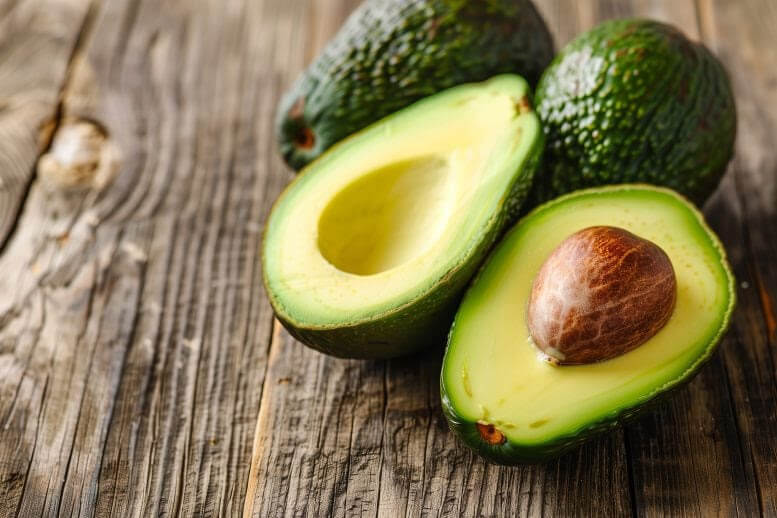
One Avocado a Day Could Help You Sleep Better, Says Groundbreaking Study

A new study reveals that eating one avocado per day may enhance sleep, highlighting an unexpected connection between nutrition and sleep quality. The findings build on growing evidence linking avocados to heart health and suggest intriguing potent... 

Read more ››

One Avocado a Day Could Help You Sleep Better, Says Groundbreaking Study
Who Wrote the Bible? AI Uncovers “Likely Authors”

Could artificial intelligence solve one of the Bible’s biggest mysteries? A team of researchers used AI-powered statistical modeling to analyze the authorship of the Hebrew Bible and made surprising discoveries about ancient narratives.

... 

Read more ››

Who Wrote the Bible? AI Uncovers “Likely Authors”
America Is Sinking: 28 Major Cities Are Slowly Going Under

A new study finds all major U.S. cities are sinking, driven by groundwater extraction and natural forces, posing hidden risks to infrastructure and calling for urgent solutions.

Groundwater loss is sinking U.S. cities, threatening i... 

Read more ››

America Is Sinking: 28 Major Cities Are Slowly Going Under
Science Confirms: Social Media Could Be Making Kids Depressed

A groundbreaking study from UCSF reveals that increased social media use among preteens is linked to rising depressive symptoms, but not vice versa.

New research shows social media use drives depressive symptoms in preteens.

Read more ››

Science Confirms: Social Media Could Be Making Kids Depressed
Scientists Uncover Hidden Biological Dangers of Ultra-Processed Foods

New research has revealed strong, consistent links between the consumption of ultra-processed foods and poor health outcomes, including inflammation, insulin resistance, and cardiovascular risk.

A major Canadian study links ultra-pr... 

Read more ››

Scientists Uncover Hidden Biological Dangers of Ultra-Processed Foods
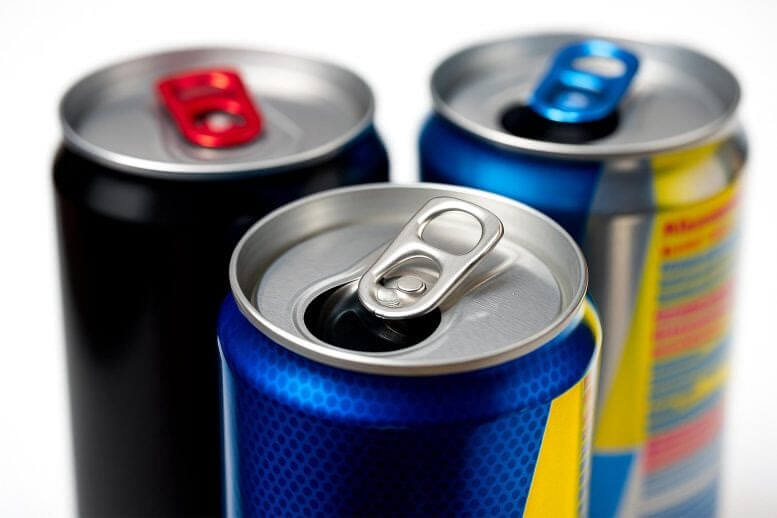
Could Your Energy Drink Be Feeding Cancer? What Scientists Just Discovered

Scientists have discovered that taurine, a common ingredient in energy drinks, helps leukemia cells grow. The cancer hijacks taurine from bone marrow to fuel itself—but blocking that process may stop the disease in its tracks.

Sci... 

Read more ››

Could Your Energy Drink Be Feeding Cancer? What Scientists Just Discovered
Can Potatoes Help With Weight Loss? Scientists Reveal Surprising Benefits

Potatoes, often dismissed as fattening carbs, can actually lower the energy density of meals and, when prepared to boost fiber (e.g., boiled, cooled 24 hrs, skins on), support a 5.6% average weight loss and improved insulin resistance over eight w... 

Read more ››

Can Potatoes Help With Weight Loss? Scientists Reveal Surprising Benefits
Researchers Reveal That Climbing Stairs Could Extend Your Life

New research indicates that stair climbing can significantly reduce the risk of cardiovascular disease and premature death, with a 24% decreased risk of mortality from any cause and a 39% reduction from cardiovascular issues. Dr. Sophie Paddock ad... 

Read more ››

Researchers Reveal That Climbing Stairs Could Extend Your Life
Scientists Say There Are 4 Types of Lovers – Which One Are You?

ANU researchers found four types of romantic lovers, revealing love varies widely in intensity, sex, and commitment. The study shows love evolves uniquely across individuals.

ANU researchers identified four romantic lover types base... 

Read more ››

Scientists Say There Are 4 Types of Lovers – Which One Are You?
Your Name Might Be Changing Your Face, Study Finds

A new study led by researchers at the Hebrew University and Reichman University suggests that people’s names may influence their facial appearance as they age. Adults’ faces were matched to their names more accurately than chance, an effect no... 

Read more ››

Your Name Might Be Changing Your Face, Study Finds
Concerning New Research Links Tattoo Ink to Increased Cancer Risk

Tattoo ink doesn’t just stay in the skin—it can migrate to the lymph nodes, where it may accumulate and affect the immune system. A study using Danish twin data found that tattooed individuals, especially those with large tattoos, have a highe... 

Read more ››

Concerning New Research Links Tattoo Ink to Increased Cancer Risk
BV Is an STD and We’ve Been Treating It Wrong for Years

A major study proves BV is sexually transmitted, explaining why previous treatments often failed. When both partners are treated, the success rate improves dramatically. This could revolutionize women’s health worldwide.

For years... 

Read more ››

BV Is an STD and We’ve Been Treating It Wrong for Years
Secret of Everything

The secret of everything – Everything Is Mental. All talent, skill, power, speed and ability is mental. Nothing is impossible. Anything is possible. There is nothing you cannot Be, Do or Have. You can Be, Do and Have anything you want as long as yo... 

Read more ››

Secret of Everything
Harvard Study Finds Eating an Orange a Day Could Cut Depression Risk by 20%

A daily orange might do more than boost immunity — it could also help prevent depression. Scientists discovered that citrus uniquely supports gut bacteria linked to serotonin and dopamine production, reducing depression risk by 20%. Future resea... 

Read more ››

Harvard Study Finds Eating an Orange a Day Could Cut Depression Risk by 20%
According to Researchers, This Simple Phone Hack Can Improve Mental Health As Much as Antidepressants

A two-week experiment found that blocking mobile internet on smartphones significantly improved participants’ mental health, well-being, and attention span, even reversing a decade of age-related cognitive decline. The study suggests that reduci... 

Read more ››

According to Researchers, This Simple Phone Hack Can Improve Mental Health As Much as Antidepressants
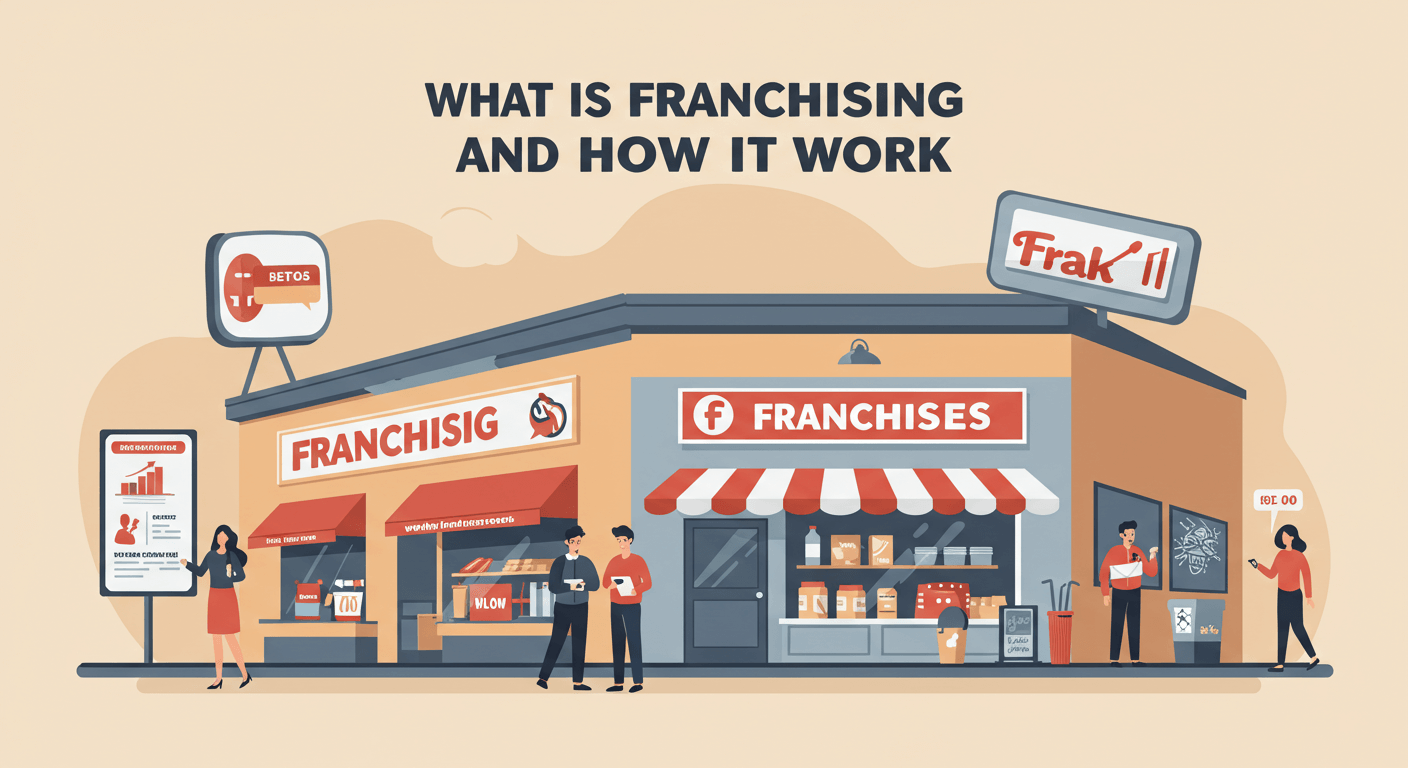
WHAT IS FRANCHISING AND HOW DOES IT WORK?

WHAT IS FRANCHISING AND HOW DOES IT WORK?

Franchising is a form of business organization in which a firm that already has a successful product or service (franchisor) licenses its trademark and me... 

Read more ››

WHAT IS FRANCHISING AND HOW DOES IT WORK?
Business Idea: A program for rock music enthusiasts to learn, improve, and perform in real bands at live rock venues.

Business Idea: Create a program for students with a passion for rock music so they can either learn to play a rock instrument or improve their existing musical skills and have the opportunity to participate in rock bands that play in... 

Read more ››

Business Idea: A program for rock music enthusiasts to learn, improve, and perform in real bands at live rock venues.
Business Idea: Franchise a network of Fresh Healthy Vending machines in schools, hospitals, and community spaces, offering only organic, natural, and healthy foods.

Business Idea: Build a franchise organization that deploys and services Fresh Healthy Vending–branded vending machines in schools, hospitals, health clubs, community organizations, and other locations that carry only organic, natur... 

Read more ››

Scientists Discover the Brain Circuit That Fuels Creativity

Creativity might not reside in a single brain region but rather in an interconnected brain circuit, according to a new study analyzing fMRI data and brain injuries.

A new study suggests that creativity maps onto a common brain circu... 

Read more ››

Scientists Discover the Brain Circuit That Fuels Creativity
Unlock Your Love This Valentine’s Day With a Science-Backed 7-Question Test

Romantic relationships play a vital role in emotional well-being, yet tools for assessing their health are often lacking. Enter the Valentine Scale—a quick, research-backed method for evaluating relationship satisfaction.

Want a f... 

Read more ››

Unlock Your Love This Valentine’s Day With a Science-Backed 7-Question Test
Your Brain Is Cheating on You, and You Don’t Even Know It

Sometimes, we cheat—not for money or prizes, but just to feel better about ourselves.

A new study reveals that people engage in “diagnostic self-deception,” tricking themselves into believing their success comes from ability... 

Read more ››

Being Social May Delay Dementia by 5 Years

Frequent social activity may help delay dementia, reducing the risk by up to 38%. Engaging with others strengthens neural networks, potentially delaying cognitive decline and lowering healthcare costs.

Social activities include dini... 

Read more ››

Harvard Study: Eating Dark Chocolate Could Reduce Your Risk of Diabetes by 21%

Participants who ate at least five servings of chocolate weekly had a 10% reduced risk of type 2 diabetes (T2D), with dark chocolate showing an even stronger effect—a 21% lower risk. In contrast, milk chocolate consumption was linked to long-ter... 

Read more ››

Harvard Study: Eating Dark Chocolate Could Reduce Your Risk of Diabetes by 21%
The Chocolate Cure: Cocoa Flavanols Protect Against Stress and High-Fat Diets

New research highlights the protective effects of flavanol-rich cocoa on vascular health, even when consumed alongside high-fat meals during stressful situations.

Consuming a cocoa drink rich in flavanols can mitigate the negative e... 

Read more ››

How Many Hours of Sitting Is Too Much for Your Heart?

Sedentary behavior exceeding 10.5 hours daily significantly raises the risk of heart failure and cardiovascular death, even among those who exercise regularly.

A recent study highlights that more than 10.5 hours of daily sedentary b... 

Read more ››

How Many Hours of Sitting Is Too Much for Your Heart?
The Common Texting Habit That Could Be Undermining Your Sincerity

New research indicates that spelling out words in text messages enhances sincerity and response rates.

Research has shown that using full words in texts, instead of abbreviations, makes individuals appear more sincere and increases ... 

Read more ››

The Common Texting Habit That Could Be Undermining Your Sincerity
New Study Identifies “Never Words” That Doctors Should Always Avoid Using

Researchers emphasize the importance of compassionate communication in treating seriously ill patients, identifying harmful “never words” and proposing more sensitive alternatives to enhance patient engagement and reduce emotional suffering. T... 

Read more ››

New Study Identifies “Never Words” That Doctors Should Always Avoid Using
Mondays and New Year’s Day: Unveiling the Deadliest Peaks in Global Suicide Rates

A global study reveals that suicide rates are highest on Mondays and New Year’s Day, with regional variations during holidays.

Research indicates a global pattern where suicides peak on Mondays and New Year’s Day, with inconsist... 

Read more ››

Mondays and New Year’s Day: Unveiling the Deadliest Peaks in Global Suicide Rates
5 Ways to Enhance Your Online Presence Through Engaging Multimedia Content

In today's digital landscape, a strong online presence is paramount for businesses of all sizes. One of the most effective ways to engage and connect with your audience is through the strategic use of multimedia content. By incorporating visually app... 

Read more ››

5 Ways to Enhance Your Online Presence Through Engaging Multimedia Content
PART TWO: THE GROWTH STRATEGIES FOR A FIRM

II: External Growth Strategies

External growth strategies rely on establishing relationships with third parties, such as mergers, acquisitions, strategic alliances, joint ventures, licensing, and franchisin... 

Read more ››

Business Idea: Provide a convenient online platform for the parents of growing children to exchange the clothes their children grow out of for clothes their children need.

Business Idea: Provide a convenient online platform for the parents of growing children to exchange the clothes their children grow out of for clothes their children need.

Pitch: The average kid grows out of a set... 

Read more ››

Strategies for Firm Growth

The growth strategies for a firm are divided into internal strategies for growth and external strategies for growth.

I. INTERNAL GROWTH STRATEGIES

Internal growth strategies involve efforts taken within the firm itself, such as... 

Read more ››

THE TOP 10 REASONS NEW PRODUCTS FAIL

THE TOP 10 REASONS NEW PRODUCTS FAIL.

1. Target market is not defined correctly.

2. Product is not positioned effectively.

3. Product’s benefits are not understood by the target customer.

4. Product doesn’t address im... 

Read more ››

Business Idea: Create urban greenhouse systems for year-round production of sustainable and local fresh food.

Business Idea: Create urban greenhouse systems for year-round production of sustainable and local fresh food.

Pitch: Food travels 1,500 miles on average in the United States to get to consumers. At the same time, ... 

Read more ››

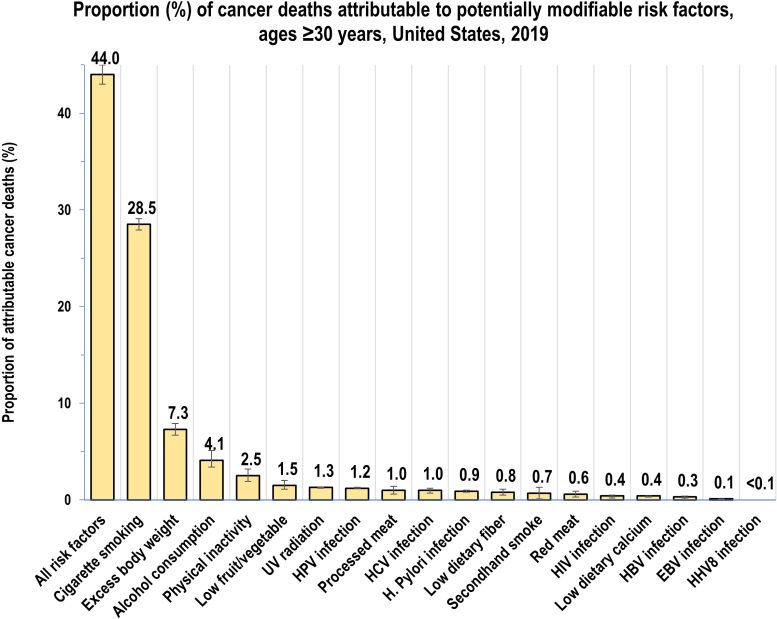
4 in 10 US Cancer Cases Linked to Modifiable Risk Factors, Study Reveals

A recent study by the American Cancer Society (ACS) reveals that four out of ten cancer cases and half of the cancer deaths in adults over 30 in the U.S. in 2019 were due to modifiable risk factors like smoking, obesity, and alcohol. Smoking was the ... 

Read more ››

4 in 10 US Cancer Cases Linked to Modifiable Risk Factors, Study Reveals
Business Idea: Manufacture and sell affordable, water efficient irrigation systems for small-plot farmers in developing nations.

Business Idea: Manufacture and sell affordable, water efficient irrigation systems for small-plot farmers in developing nations.

Company: Driptech

Pitch: In many developing countries, farmers h... 

Read more ››

Business Idea: Launch a service that provides reliable and loving reminders and companionship calls to elderly people who are still living in their homes.

Company: Check-In Calls

Business Idea: Launch a service that provides reliable and loving reminders and companionship calls to elderly people who are still living in their homes.

Pitch: Many ca... 

Read more ››

New Study Reveals That Simply Looking at Trees Can Boost Your Mental Health

Eye-tracking research from Bangor University and Technion-Israel Institute of Technology shows that focusing on natural elements during urban walks reduces anxiety and enhances feelings of restoration in city dwellers. These findings suggest urban de... 

Read more ››

New Study Reveals That Simply Looking at Trees Can Boost Your Mental Health
Eat Plants, Beat Cancer: New Study Links Vegetables To Lower Prostate Cancer Risks

Research from UC San Francisco reveals that men with localized prostate cancer can lower the risk of disease progression by 47% by adopting a plant-based diet rich in fruits, vegetables, nuts, and olive oil. Over 2,000 participants showed that increa... 

Read more ››

Eat Plants, Beat Cancer: New Study Links Vegetables To Lower Prostate Cancer Risks
5 natural ways to overcome erectile dysfunction

If you're a middle aged man, can you run as fast as you did when you were 20 years old? Hit a baseball as far as you once could? Bash a tennis ball with the same speed and spin?

Probably not.

But even as we age, there are still plenty of ways t... 

Read more ››

BRANDING

A brand is the set of attributes—positive or negative—that people associate with a company. These attributes can be positive, such as trustworthy, innovative, dependable, or easy to deal with. Or they can be negative, suc... 

Read more ››

Business Idea: Provide a service that stores individuals’ log-in information to important online services like e-mail accounts, social networks, PayPal, and eBay, and deliver them to caretakers in the event of the individual’s death.

Company: Legacy Locker

Business Idea: Provide a service that stores individuals’ log-in information to important online services like e-mail accounts, social networks, PayPal, and eBay, and deliver them to caret... 

Read more ››

New Research Reveals That Couples Who Drink Together Live Longer

A study by the University of Michigan finds that couples who drink alcohol together are likely to live longer, supporting the idea that shared drinking habits can enhance marital satisfaction and longevity.

The couple that drinks together might li... 

Read more ››

New Research Reveals That Couples Who Drink Together Live Longer
Office Productivity Takes a Hit in the Afternoon, Particularly on Fridays

A Texas A&M study shows productivity dips in the afternoon and on Fridays among office workers, advocating for flexible work to boost efficiency and well-being.

An innovative study from the Texas A&M School of Public Health offers objectiv... 

Read more ››

Office Productivity Takes a Hit in the Afternoon, Particularly on Fridays
Preparing to Raise Debt or Equity Financing

Once a start-up’s financial needs exceed what personal funds, friends and family, and bootstrapping can provide, debt and equity are the two most common sources of funds. The most important thing an entrepreneur must do at this point is determine p... 

Read more ››

Sources of Personal Financing

Typically, the seed money that gets a company off the ground comes from the founders’ own pockets. There are three categories of sources of money in this area: personal funds, friends and family, and bootstrapping.

1. Pe... 

Read more ››

Business Idea: Create a Website and a smartphone app that provides a visual guide to great food and where to find it.

Company: Foodspotting

Business Idea: Create a Website and a smartphone app that provides a visual guide to great food and where to find it. Instead of reviewing restaurants, users will share where to find their fa... 

Read more ››

Business Idea: Create an online community that links interns (primarily college students) with entrepreneurial start-ups and change-oriented nonprofit organizations.

Company: YouTern

Business Idea: Create an online community that links interns (primarily college students) with entrepreneurial start-ups and change-oriented nonprofit organizations.

Pitch: Int... 

Read more ››

52 Tips for Losing Weight

A Tip a Week

If you add one of these tips a week to your daily routine, in one year you will have developed some very healthy habits!

1. Eliminate one tablespoon of fat a day and you will lose 10 pounds in a ye... 

Read more ››

The Law of Cause and Effect – Everything happens for a reason; there is a cause for every effect.

This is the “Iron Law” of human destiny. This law says that we live in a world governed by law, not chance. It says that everything happens for a reason, whether or not we know what it is. Every effect, success or failure, wealth or poverty, has ... 

Read more ››

Organizing Buying Groups to Cut Costs and Maintain Competitiveness

One challenge that businesses confront is cutting costs in ways that don’t erode their ability to remain competitive. Many cost-cutting techniques, such as scaling back on hiring, lowering marketing expenses, or reducing inventory, may save money b... 

Read more ››

What's In A Business Name?: A Lot Of Trouble If You Aren't Careful

Introduction

While at first glance naming a business may seem like a minor issue, it is an extremely important one. A company’s name is one of the first things people associate with a business, and it is a word or phrase that wi... 

Read more ››

Vesting Ownership in Company Stock: A Sound Strategy for Start-Ups

If you’re not familiar with vesting, the idea is that when a firm is launched, instead of issuing stock outright to the founders, the stock is distributed over a period of time, typically three to four years, as the founder or founders “e... 

Read more ››

99designs: Making Partnering with Freelancers the Essence of Its Disruptive Business Model

Start-ups typically have a variety of design needs including logo design, brochures, stationery, and business cards. Traditionally the most important design work, like a business’s logo, is either done by the business itself or contracted out to a ... 

Read more ››

Thriving in a Crowded Industry by Creating Meaningful Value and Differentiation from Competitors

Firms do well in a crowded industry when two conditions exist: (1) they create meaningful value for customers at a fair price and (2) they effectively differentiate themselves from competitors. In fact, diminishing the impact of thre... 

Read more ››

Shield your brain from decline

Use the SHIELD acronym to remember the lifestyle habits that will help protect your memory and thinking skills.

We are making encouraging progress in finding medications that prevent or even reverse cognitive decline. Until we get there, however, ... 

Read more ››

Business Idea: Provide musicians a platform to reach out to their fan base to financially contribute to upcoming recordings or other musical projects.

Business Idea: Provide musicians a platform to reach out to their fan base to financially contribute to upcoming recordings or other musical projects.

Pitch: Musicians often have creative ideas for recordings or s... 

Read more ››

Finding the Right Business Partner

One thing that becomes clear to many potential business founders, while conducting organizational feasibility analysis, is that they need one or more partners to help launch their business. You might be a Web developer who has a great idea for a Web ... 

Read more ››

ScriptPad: Interesting Idea—But Will Doctors and Pharmacies Sign On?

To ScriptPad founder and CEO Shane Taylor, the problem his company solves is personal. Taylor’s father, who is fighting both heart disease and cancer, takes 26 different medications to fight his illnesses. Any mix-up or error associated with taking... 

Read more ››

Want Help Fine-Tuning a Business Idea? Find a Mentor

Fine-tuning a business idea isn’t easy. While fairly course-grained ideas are rather easy to develop, like creating a cell-phone that’s designed specifically for elderly people, fleshing out the details is where experience helps. This reality put... 

Read more ››

Working Together: How Biotech Firms and Large Drug Companies Bring Pharmaceutical Products to Market

Large firms and smaller entrepreneurial firms play different roles in business and society and can often produce the best results by partnering with each other rather than acting as adversaries. The pharmaceutical industry is an excellent example of ... 

Read more ››

Learning how to meditate

Meditation has been practiced for thousands of years and it continues to grow in popularity. This mindful practice can help aid anxiety and depression, chronic pain, cancer, bowel diseases, high blood pressure, insomnia, addiction and so much more.
... 

Read more ››

Learning how to meditate
PatientsLikeMe: Allowing People with Serious Diseases to Connect with One Another and Exchange Support and Advice

PatientsLikeMe: Allowing People with Serious Diseases to Connect with One Another and Exchange Support and Advice

Web: www.patientslikeme.com

Jamie a... 

Read more ››

How Companies and Organizations Build Credibility and Trust

How Companies and Organizations Build Credibility and Trust

There are several ways companies and organizations can build credibility and trust. We present eight techniques that are essential in nearly all cases in the following list.

Te... 

Read more ››

Business Idea: Create a single place for music lovers to track or keep up with their favorite bands, so they’ll always know where and when the bands will be performing in their area.

Business Idea: Create a single place for music lovers to track or keep up with their favorite bands, so they’ll always know where and when the bands will be performing in their area.

In addition, create an online platform for c... 

Read more ››

CREATING A NEW-VENTURE TEAM

Those who launch or found an entrepreneurial venture have an important role to play in shaping the firm’s business concept. Stated even more directly, it is widely known that a well-conceived business plan cannot get off the ground unless a firm ha... 

Read more ››

CREATING A NEW-VENTURE TEAM
Discuss the differences among sole proprietorships, partnerships, corporations, and limited liability companies.

When a business is launched, a form of legal entity must be chosen. Sole proprietorship, partnerships, corporations, and limited liability companies are the most common legal entities from which entrepreneurs make a choice. Choosing ... 

Read more ››

Discuss the differences among sole proprietorships, partnerships, corporations, and limited liability companies.
Airbnb: How Listening to Customers and Iterating the Business Model Helped Shape and Mold a Successful Start-up

Airbnb: How Listening to Customers and Iterating the Business Model Helped Shape and Mold a Successful Start-up

Web: www.airbnb.com

Introduction

It all st... 

Read more ››

Airbnb: How Listening to Customers and Iterating the Business Model Helped Shape and Mold a Successful Start-up
Components of an effective business model

1. Core strategy (how a firm competes)

2. Strategic resources (how a firm acquires and uses its resources)

3. Partnership network (how a firm structures and nurtures its partnerships)

Read more ››

Six distinct ways of making money online

Six distinct ways of making money online (the way an online company makes money largely defines its business model)

1. Affiliate programs

An affiliate program is a way for online merchants, like 1-800-FLOWERS, ... 

Read more ››

COMPETITOR ANALYSIS

After a firm has gained an understanding of the industry and the target market in which it plans to compete, the next step is to complete a competitor analysis. A competitor analysis is a detailed analysis of a firm’s competition. It helps a firm u... 

Read more ››

Some excellent ways to increase your self-awareness

1. Personal diaries

An excellent way to increase your self-awareness is to keep a diary. In it make a daily note of the important things that happen. Be honest and open with yourself. Be willing to reflect upon your beliefs, thoug... 

Read more ››

Maintaining positive thoughts

• E. G. S. Emotional Guidance System - Your inner guide

It is said that the average human being has approximately 64,000 thoughts per day. Protecting all of your thoughts 24 hours a day can be a full-time job. There is a better way to gauge how ... 

Read more ››

TECHNIQUES FOR GENERATING IDEAS

In general, entrepreneurs identify more ideas than opportunities because many ideas are typically generated to find the best way to capitalize on an opportunity. Several techniques can be used to stimulate and facilitate the generation of new ideas f... 

Read more ››

The 3 sources of business ideas

1. Observing Trends

The first approach to identifying opportunities is to observe trends and study how they create opportunities for entrepreneurs to pursue. The most important trends to follow are economic trends, social trends, ... 

Read more ››

The 3 sources of business ideas

Unleash Your Creativity with SCAMPER!

   Pinned
  4 Mins Read
Image name: SCAMPER_Technique.png Image size: 319.75 KB
  Download

✨ Boost Your Creativity with the SCAMPER Technique.

If you're looking for a simple and powerful way to generate fresh ideas, improve products, or unlock creative solutions, the SCAMPER technique is one of the best tools you can use.

Need to supercharge an existing idea or product? Try the powerful SCAMPER technique for idea generation!

SCAMPER is a simple yet effective tool to...


New Research Indicates That Sleep Disruption Could Increase Your Child’s Risk of Autism

  2 years ago (Tue, Dec 03, 2024 at 12:40 PM (GMT))

  5 Mins Read
Image name: Infant-Baby-Art-Concept.png Image size: 511.1 KB
  Download

Early sleep loss can hinder brain development and raise autism risk. Young mice unable to recover from sleep loss show lasting behavioral changes, stressing sleep’s role in development.

Sleep deprivation in early life disrupts brain development and can increase the risk of neurodevelopmental disorders like autism. A recent study shows young mice lack the ability to recover from sleep loss,...

Sleep deprivation in adults has been consistently linked to long-term mental and physical health problems, including weakened immune function, weight gain, depression, and a higher risk of developing dementia.

But why does lack of sleep have such steep consequences?

Sleep actually plays a crucial role from the moment we are born. As babies, our brains are still forming the ends of neurons, called synapses, that are important in learning, attention, working memory, and long-term memory. Sleep allows these neurons to develop and connect with one another, establishing brain functions for the remainder of life.

If this delicate, but important process was to be disrupted either through constant waking or separation anxiety, it could have lasting effects on the brain and behavior.

Now, a new study led by Sean Gay, a graduate student in the lab of Graham Diering, PhD, assistant professor in the Department of Cell Biology and Physiology at the UNC School of Medicine, has given us more insights into how sleep loss during early life impacts key parts of brain development – and how it can also increase one’s risk for developing autism spectrum disorder (ASD). Their findings were published in the Proceedings of the National Academy of Sciences.

“The unique effects of sleep loss during development are largely unexplored,” said Diering. “Our data show that babies and children are more vulnerable to the negative effects of sleep disruption. We also found that sleep loss during this crucial period of time can negatively interact with underlying genetic risk for autism spectrum disorder.”

Sleep Disruption and Autism

Sleep issues are an important early indicator of brain growth issues and other neurodevelopmental disorders, such as ASD, attention-deficit hyperactivity disorder, and intellectual disability. Sleep disruption has been noted in >80% of people with ASD, but whether sleep disruption is a cause or consequence of ASD is largely unknown.

Diering has long studied how sleep strengthens synapses over time – a process termed synaptic plasticity – and how lack of sleep can contribute to cognitive and neurodegenerative disorders. If researchers could better understand the links between sleep and ASD, researchers and physicians also could make earlier diagnoses and come up with new treatment strategies for the disorder.

In 2022, the Diering lab sought to understand if sleep disruption during early life could interact with underlying genetic risk for ASD to cause long-lasting changes in adult behavior. Using mouse models, researchers found that sleep disruption during the third week of life (similar to age 1-2 in humans) caused long-lasting deficits in social behavior in male mice that were genetically vulnerable to having ASD.

A Study on Sleep Rebound

The Diering lab wanted to explore these findings further, this time diving into how adult and developing mouse models compensate for sleep loss. Using specialized mouse houses with highly sensitive sensors, researchers were able to carefully track mouse movements and breathing, allowing the researchers to keep score of wake and sleep states.

Researchers showed that when the adult mouse models lost a significant amount of sleep, they compensated for it by increasing sleep later during their regular active hours. Termed “sleep rebound”, this response allowed the adults to “make up” for lost sleep.

The younger mice; on the other hand, lacked sleep rebound entirely. This confirmed the researcher’s hypothesis that the younger mice might be more susceptible to the harmful effects of sleep deprivation. Researchers also noted that sleep deprivation in young mice completely impaired their performance in a learning memory task, whereas adults were far more resilient after sleep loss.

Next, the lab shifted its attention to the effects of sleep and sleep deprivation on neuronal synapses, which mediate communication between neurons and are the main location for memory formation and storage. They are also well-studied for their pivotal role in benefiting sleep health.

Researchers performed a number of molecular analyses to look at how sleep deprivation affects synapses. Using cutting-edge protein analysis, they were able to map the protein composition and biochemical changes that affect synapses. The analysis showed that sleep deprivation in young mice, but not adults, strongly affected synapse formation, a key aspect of brain development.

“This now provides one of the largest and most comprehensive datasets to examine the molecular effects of sleep loss across the lifespan,” said Diering.

Future Treatment Avenues for Autism

An ongoing mission of the lab, informed through the molecular work of this current study, is to develop next-generation sleep-based medicines that could be used in children. Instead of acting as a sedative, they hope to create a drug that can target synapses to restore sleep function, rather than altering sleep behavior itself.

“Development is not something that one can go back and do again,” said Diering. “Sleep is important for the entire life and especially during development. Understanding what we know now will place greater emphasis on understanding sleep issues in ASD and could lead to an important therapeutic avenue to treat ASD and other developmental conditions.”
 
© University of North Carolina Health Care   


Exercise Smarter, Not Harder: Occasional Weekend Workouts to Protect Your Brain

  2 years ago (Tue, Dec 03, 2024 at 12:22 PM (GMT))

  4 Mins Read
Infrequent weekend exercise can be as beneficial in preventing cognitive decline as more regular workouts, suggests a recent study.

A study indicates that occasional weekend exercise may lower the risk of cognitive decline as effectively as more frequent exercise.

Utilizing data from a large cohort in Mexico City, the research highlighted significant health benefits from regular physical activity, even if it’s limited...
 
© BMJ Group   


New Study Reveals That Eating Pistachios Could Improve Your Eye Health in Just 6 Weeks

  2 years ago (Tue, Dec 03, 2024 at 12:12 PM (GMT))

  4 Mins Read
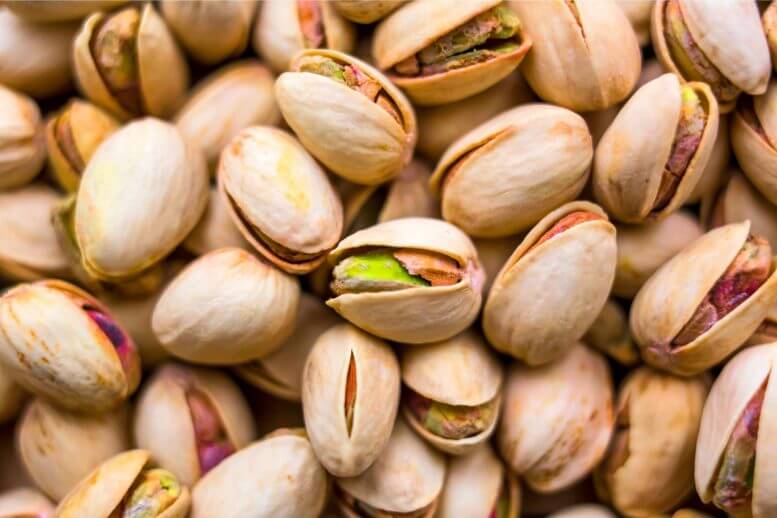
Image name: Pistachios-777x518.jpg Image size: 44.41 KB
  Download

A study from Tufts University found that daily consumption of pistachios can enhance eye health by increasing macular pigment optical density (MPOD), which helps protect against blue light and age-related eye damage. This benefit is attributed to pistachios’ unique content of lutein, a plant pigment essential for eye health and potentially useful in preventing age-related macular degeneration (AMD).

Daily pistachios boost...

A recent study by researchers at Tufts University’s Friedman School of Nutrition Science and Policy suggests that eating pistachios daily may greatly benefit eye health. This improvement is linked to an increase in macular pigment optical density (MPOD), thanks to lutein, a plant pigment that plays a crucial role in shielding eyes from blue light and age-related damage.

The randomized controlled trial showed that compared to eating a usual diet alone, eating 2 ounces (57 grams) of pistachios per day for 12 weeks as part of a usual diet resulted in a significant increase in MPOD in otherwise healthy middle-aged to older adults. MPOD is an important indicator of eye health, as it protects the retina and is linked to a reduced risk of age-related macular degeneration (AMD), a leading cause of blindness in older adults.

Findings from this research are timely, as according to a national poll by the American Foundation for the Blind, Americans fear vision loss more than they fear other serious health problems.

Key Findings

• Increased MPOD: Participants who consumed pistachios daily saw a significant rise in MPOD after just 6 weeks, with the effect sustained throughout the 12-week study.

• Natural Lutein Source: Pistachios are the only nut that provides a measurable source of lutein, a powerful antioxidant that helps protect the eyes.

• AMD Prevention Potential: The study suggests that regular pistachio consumption could offer a natural dietary approach to reducing the risk of AMD.

“Our findings indicate that pistachios are not only a nutritious snack, but they may also provide significant benefits for eye health,” said Dr. Tammy Scott, a research and clinical neuropsychologist and lead author of the study. “This is especially important as people age and face higher risks of vision impairment.”

Unique Role of Lutein from Pistachios and Eye Health

Lutein, found in pistachios, plays a critical role in maintaining eye health by filtering blue light and acting as an antioxidant in the eye. The study found that pistachio consumption nearly doubled participants’ daily intake of lutein, which is typically very low in most American diets, and significantly raised plasma levels of lutein.

Dr. Scott explains that in the study, participants were selected to have low habitual baseline lutein intakes in their diet and just 2 ounces per day rapidly increased lutein levels in the blood in only 6 weeks. “By simply incorporating a handful of pistachios into your diet, you can improve your intake of lutein, which is crucial for protecting your eyes,” notes Dr. Scott. She adds that pistachios provide a source of healthy fat, potentially making the lutein from pistachios better taken up into the body.

In the study, about 1.6 mg of lutein was provided from pistachios, which would be enough to double the average daily consumption of lutein, which is in a class of plant pigments known as xanthophylls, in U.S. adults.

Broader Health Benefits of Lutein

Beyond supporting eye health, the lutein found in pistachios may also benefit brain function. “Lutein crosses the blood-brain barrier, where it may help reduce oxidative stress and inflammation,” notes Dr. Elizabeth Johnson, a co-investigator on the study.

As with the eye, lutein selectively accumulates in the brain and may play a role in reducing cognitive decline.5 Studies suggest higher lutein levels are associated with better cognitive performance, including memory and processing speed, making pistachios a valuable addition to a diet aimed at supporting overall healthy aging.
 
© American Pistachio Growers   


Alzheimer’s Breakthrough: Popular Diabetes Drug Ozempic Linked to Much Lower Risk

  2 years ago (Sat, Nov 30, 2024 at 07:24 PM (GMT))

  3 Mins Read
Researchers have discovered that semaglutide, a diabetes and weight-loss medication sold under the brand names Wegovy and Ozempic, might significantly reduce the risk of Alzheimer’s in type 2 diabetes patients.

Semaglutide may reduce Alzheimer’s risk in type 2 diabetes patients, with research suggesting significant protective benefits compared to other diabetes drugs.

Researchers at Case Western Reserve School of Medicine have found that...
 
© Case Western Reserve University   


A Single Workout Can Improve Your Brain: Here’s What Scientists Found

  2 years ago (Sat, Nov 30, 2024 at 06:58 PM (GMT))

  3 Mins Read
Image name: Brain-Boost-Intelligence-Increase-Illustration-777x583.jpg Image size: 27.49 KB
  Download

A UC Santa Barbara study reviewed exercise research on how acute physical activity impacts cognition in young adults. They found that short, intense workouts like HIIT and cycling significantly improve memory, attention, and executive function, with the strongest effects seen after exercise and in activities under 30 minutes.

UC Santa Barbara researchers discovered that single, vigorous exercise sessions, especially under 30...

Years of research on exercise have long supported the idea that consistent workouts over time lead to both physical and cognitive benefits. But what about short, intense bursts of exercise? A team of scientists at UC Santa Barbara has taken a closer look.

Their study was recently published in the journal Communications Psychology.

“One of the most consistent findings in the literature is that exercise interventions — something like a program that you would engage in, say, three times a week over several months or years — improve cognition and can even promote neurogenesis (the process by which new neurons are formed in the brain),” said Barry Giesbrecht, a professor in the Department of Psychological & Brain Sciences and senior author of the study. “But studies looking at the effects of single, acute bouts of exercise are much more mixed.”

Study Focus and Methodology

Focusing on subjects between 18–45 years old, first author Jordan Garrett — who graduated with his Ph.D. from the department in June — and the team screened thousands of exercise studies published between 1995 and 2023 to determine the consistent trends in the literature. Based on the results of their modeling approach, cycling and high-intensity interval training (HIIT) produced the most consistent effects in the improvement of memory, attention, executive function, information processing, and other cognitive functions.

“We found that vigorous activities had the largest effects,” Giesbrecht said. “Also, the effects were strongest for studies that tested cognition after exercise, as opposed to during exercise. And lastly, the effects of exercise less than 30 minutes in duration were bigger than those that went beyond 30 minutes. Our work showed the strongest evidence for a positive effect of single bouts of exercise on cognition and that this evidence was impacted by a variety of factors.”

Impact on Executive Function and Future Research

Also among their findings, the team discovered that executive functioning was the key cognitive domain impacted by vigorous exercise, such as HIIT protocols.

“I think that the other intriguing result is that the overall effect of a single bout of exercise was generally on the small side,” Giesbrecht said, noting that besides the variability across the experiments, the enhancements may also be small because they are typically measured when the physical activity is not related to the cognitive task. This raises the “intriguing” hypothesis, he added, that perhaps using tasks that require the integration of actions of our body and cognitive systems may result in more pronounced benefits.

Giesbrecht and his team are planning to put this idea to the test “using a combination of lab tasks and real-world activities,” he said.
 
© University of California - Santa Barbara   


Far Beyond Previous Estimates: Excess Body Fat Linked to 40% of Hormone-Positive Breast Cancer Cases

  2 years ago (Wed, Nov 27, 2024 at 07:32 AM (GMT))

  4 Mins Read
Image name: Woman-Breast-Cancer-Pink-Ribbon-Concept-777x437_(1).jpg Image size: 43.71 KB
  Download

A new study found that excess body fat may cause up to 40% of hormone-positive breast cancer cases in postmenopausal women, much higher than previously thought. The researchers recommend using more accurate fat measures, like CUN-BAE, rather than BMI to better estimate cancer risk.

The proportion is significantly higher than that estimated using the commonly used Body Mass Index (BMI). Researchers...

Spanish research published in the Journal of Epidemiology & Community Health suggests that approximately 40% of hormone-positive breast cancer cases in postmenopausal women may be associated with excess body fat.

According to the researchers, this proportion is much higher than the current estimate of 1 in 10 cases attributed to excess weight, based on the commonly used body mass index (BMI) measure. This suggests that the true impact of obesity on breast cancer risk has likely been underestimated.

BMI isn’t necessarily a very accurate measure of body fat, particularly in older women, because it doesn’t account for age, sex, or ethnicity, they point out.

They therefore compared BMI with the CUN-BAE (Clínica Universidad de Navarra–Body Adiposity Estimator), a validated measure of body fat that does account for age and sex, in 1033 White postmenopausal women with breast cancer and 1143 free of the disease, but matched for age, sex, and geographical region.

Study Participants and Data Collection

All the women were taking part in the multicase-control (MCC)-Spain study, which aims to evaluate the environmental and genetic factors associated with bowel, breast, stomach, and prostate cancers and chronic lymphocytic leukaemia among 20-85 year olds.

All participants were quizzed on potentially influential risk factors: sociodemographics; lifestyle; and personal/family medical and reproductive histories.

Dietary information was collected through a validated semi-structured 140-item Food Frequency Questionnaire, and a self-administered questionnaire was used to gather information on usual alcohol intake between the ages of 30 and 40.

The CUN-BAE categorises body fat as: less than 35%; 35%–39.9%; 40%–44.9%; and 45% and above. BMI classifies weight as: less than 25 kg/m2; 25–29.9; 30–34.9; and 35 and above.

Average BMI was just over 26 in the comparison group and just over 27 in the women with breast cancer. Average CUN-BAE was just under 40% and almost 40.5%, respectively.

A BMI below 25 (reference) was observed in 45% of women in the comparison group and in 37% of those with breast cancer. A BMI of 30 or above, which signifies obesity, was observed in 20% and in just over 24%, respectively.

A CUN-BAE below 35% (reference) was observed in 20.5% of women in the comparison group and in 16% of those with breast cancer. A CUN-BAE of 40% or above was observed in just over 46% of women in the comparison group and in 53% of those with breast cancer.

A CUN-BAE of 45% or above was associated with a more than doubling in the risk of postmenopausal breast cancer compared with a CUN-BAE of below 35%.

Implications for Breast Cancer Risk

No similar trend was observed for BMI, prompting the researchers to estimate that 23% of breast cancer cases were attributable to excess body fat using BMI, but 38% using the CUN-BAE.

But these differences were only apparent for hormone positive cancers (680 cases) for which the estimated proportions attributable to excess body fat were 20% (BMI) and 42% (CUN-BAE).

Causal factors can’t be established from the findings of this case-control study, say the researchers, who also acknowledge that the CUN-BAE formula was calculated from a sample of sedentary people; and the number of breast cancers that weren’t hormone positive was small.

Nevertheless, they conclude: “The results of our study indicate that excess body fat is a significant risk factor for hormone receptor-positive breast cancer in postmenopausal women.

“Our findings suggest that the population impact could be underestimated when using traditional BMI estimates, and that more accurate measures of body fat, such as CUN-BAE, should be considered when estimating the cancer burden attributable to obesity in postmenopausal breast cancer.”

This is crucial for planning effective prevention initiatives, they add.
 
© BMJ Group   


Scientists Uncover How Brain Injuries Could Trigger Alzheimer’s

  2 years ago (Wed, Nov 27, 2024 at 07:20 AM (GMT))

  4 Mins Read
New research reveals that traumatic brain injuries can increase Alzheimer’s risk by disrupting protein clearance in the brain. Scientists found that boosting the protein BAG3 may help prevent the harmful effects that lead to Alzheimer’s in those with past brain injuries.

Researchers have discovered that traumatic brain injuries (TBI) may increase the risk of developing Alzheimer’s disease.

By examining both brain...
 
© Ohio State University Wexner Medical Center   


Mondays and New Year’s Day: Unveiling the Deadliest Peaks in Global Suicide Rates

  2 years ago (Wed, Nov 27, 2024 at 06:53 AM (GMT))

  3 Mins Read
Image name: Sad-After-Party-777x518.jpg Image size: 36.45 KB
  Download

A global study reveals that suicide rates are highest on Mondays and New Year’s Day, with regional variations during holidays.

Research indicates a global pattern where suicides peak on Mondays and New Year’s Day, with inconsistent trends on weekends and holidays across different regions. This significant finding stresses the need for targeted suicide prevention strategies tailored to specific times and demographic...

A new analysis of data from 26 countries, published in The BMJ, reveals that suicide risk is highest on Mondays and increases on New Year’s Day. However, the risk on weekends and Christmas varies depending on the country and region.

Researchers believe their findings can improve understanding of short-term suicide risk patterns, helping to shape more effective prevention strategies and awareness campaigns.

In 2019, over 700,000 people died by suicide, according to the World Health Organization (WHO), accounting for about 1.3% of global deaths. This number exceeds deaths from malaria, HIV/AIDS, and breast cancer.

Weekly and Holiday Variations in Suicide Incidence

Previous studies have shown that suicide risk differs by day of the week, but results on the association between major holidays and suicide risk are inconsistent and limited in geographical scope.

To address this, researchers used the Multi-city Multi-country Collaborative Research Network database to analyze suicide data for 740 locations in 26 countries and territories from 1971 to 2019. Just over 1.7 million suicides were included in the analysis.

During the study period, the suicide rate was highest in South Korea and Japan, South Africa, and Estonia, and lowest in the Philippines, Brazil, Mexico, and Paraguay. Across all countries, higher suicide counts were shown for men (vs. women) and people aged 0-64 years (vs. 65 years and older).

Regional Differences and Temporal Patterns

Across all countries, risk of suicide was highest on Mondays (approximately 15-18% of total suicides) compared with other weekdays.

The effect of the weekend on suicide was mixed. Suicide risks were lowest on Saturdays or Sundays in many countries in North America, Asia, and Europe. However, the risk increased during weekends in South and Central American countries, Finland, and South Africa.

Suicide risk increased on New Year’s Day in all countries, especially in men, whereas the pattern on Christmas Day varied, with marginal increases for countries in Central and South America, and South Africa, but a generally decreased risk for countries in North America and Europe.

For three East Asian countries and regions where people celebrate Luna New Year (China, South Korea, and Taiwan), only South Korea showed a decreased suicide risk.

Implications for Suicide Prevention

Possible explanations include distress by pressure from work at the beginning of a week and higher rates of alcohol consumption before and on New Year’s Day and weekends. Further research is needed to investigate these factors, say the authors.

On other national holidays, suicide risk was associated with a weak decrease in many countries, except for Central and South American countries, where the risk generally increased one or two days after these holidays.

These are observational findings and the researchers acknowledge several study limitations, such as possible under-reported or misclassified suicide data in some countries, and being unable to assess the impacts of different types of holidays (eg, festivals or memorial days) on suicide risk by country.

However, they say the findings “provide novel scientific evidence at a global scale, which can help to establish more targeted suicide prevention and response programs related to holidays and the day of the week.”
 
© BMJ Group   


Sleep Quality Tied to Accelerated Brain Aging in New Study

  2 years ago (Wed, Nov 27, 2024 at 06:23 AM (GMT))

  4 Mins Read
A study links poor sleep in early middle age to signs of faster brain aging, suggesting nearly three additional years of brain aging for those with significant sleep problems.

Poor sleep quality in early middle age is associated with increased signs of brain aging in late middle age, showing an almost three-year advancement in brain aging among those with significant sleep...

This correlation, as identified through brain scans in a study of 589 people, underlines the potential cognitive risks associated with disrupted sleep and emphasizes the need for early interventions.

Sleep Quality and Brain Health

People in early middle age who experience poor sleep quality, such as trouble falling or staying asleep, show more signs of poor brain health later in life, according to a study published in Neurology, the journal of the American Academy of Neurology. While the study does not prove that poor sleep directly speeds up brain aging, it does reveal a clear association between poor sleep and signs of brain aging.

“Sleep problems have been linked in previous research to poor thinking and memory skills later in life, putting people at higher risk for dementia,” said study author Clémence Cavaillès, PhD, from the University of California San Francisco. “Our study which used brain scans to determine participants’ brain age, suggests that poor sleep is linked to nearly three years of additional brain aging as early as middle age.”

Study Design and Methodology

The study involved 589 participants, who had an average age of 40 at the start. They filled out sleep questionnaires at the beginning of the study and again five years later. Brain scans were conducted 15 years after the study began to assess changes in brain health.

Researchers reviewed participants’ responses to questions such as, “Do you usually have trouble falling asleep?” “Do you usually wake up several times at night?” and “Do you usually wake up far too early?” They recorded the number of six poor sleep characteristics for each participant: short sleep duration, bad sleep quality, difficulty falling asleep, difficulty staying asleep, early morning awakening, and daytime sleepiness.

Participants were divided into three groups. Those in the low group had no more than one poor sleep characteristic. People in the middle group had two to three, and those in the high group had more than three. At the start of the study, about 70% were in the low group, 22% were in the middle and 8% were in the high group.

Findings on Sleep and Brain Aging

Researchers examined participants’ brain scans where the level of brain shrinkage corresponds to a specific age. Researchers used machine learning to determine the brain age of each participant.

After adjusting for factors such as age, sex, high blood pressure, and diabetes, researchers found people in the middle group had an average brain age that was 1.6 years older than those in the low group, while those in the high group had an average brain age 2.6 years older.

Of the sleep characteristics, bad sleep quality, difficulty falling asleep, difficulty staying asleep and early morning awakening were linked to greater brain age, especially when people consistently had these poor sleep characteristics over five years.

Implications for Early Intervention

“Our findings highlight the importance of addressing sleep problems earlier in life to preserve brain health, including maintaining a consistent sleep schedule, exercising, avoiding caffeine and alcohol before going to bed, and using relaxation techniques,” said author Kristine Yaffe, MD, of the University of California San Francisco and a member of the American Academy of Neurology. “Future research should focus on finding new ways to improve sleep quality and investigating the long-term impact of sleep on brain health in younger people.”

A limitation of the study was that participants reported their own sleep problems and it is possible they may not have reported them accurately.
 
© American Academy of Neurology   


Global Innovation Index Ranking 2024

  2 years ago (Tue, Nov 26, 2024 at 07:01 AM (GMT))

  1 Mins Read
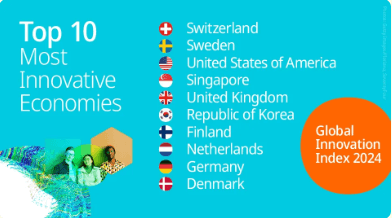
Image name: top10innovativecountries.PNG Image size: 26.3 KB
  Download

For the 14th consecutive year, Switzerland is the most innovative economy in 2024 followed by Sweden, the United States, Singapore and the United Kingdom.

1. Switzerland
2. Sweden
3. United States of America
4. Singapore
5. United Kingdom
6. Republic of Korea
7. Finland
8. Netherlands (Kingdom of the)
9. Germany
10. Denmark

Ethiopia ranks 130th among the 133 economies featured in the Global Innovation Index (GII) 2024.
 
© World Intellectual Property Organization's (WIPO)   


Researchers Identify New Heart Disease Risk Factor for Women

  2 years ago (Sun, Nov 24, 2024 at 08:46 AM (GMT))

  3 Mins Read
Researchers found that low levels of the antibody anti-PC may increase the risk of cardiovascular disease in women, potentially serving as a new risk marker.

A study by Karolinska Institutet researchers found that low levels of the antibody anti-PC may increase the risk of heart disease in women. Further research aims to define protective anti-PC levels and explore the development of...

Researchers at Karolinska Institutet have discovered a potential new risk marker for cardiovascular disease in women. The study reveals a link between low levels of an anti-inflammatory antibody and an increased risk of heart attack and coronary heart disease. The findings were published in the Journal of the American College of Cardiology.

Cardiovascular disease is the leading cause of death for both women and men in Sweden. However, research on women’s heart health has historically been neglected. Women are affected later in life and have more risk factors such as high blood pressure, diabetes, and heart failure. Now a new study shows how low levels of antibodies to the fatty substance phosphorylcholine, called anti-PC, may be a new independent risk marker for cardiovascular disease in older women. Previous studies have shown that this is the case in men.

Anti-PC and Atherosclerosis

“We can show that a low level of the natural antibody to phosphorylcholine can be used as a risk marker for cardiovascular disease also in women, independent of previously known risk factors. “We have previously shown that the antibody has an anti-inflammatory effect, which means that it protects against atherosclerosis, which is a chronic inflammation of the vessel wall,” says Johan Frostegård, Professor of Medicine at the Institute of Environmental Medicine and Head of the Immunology and Chronic Disease Unit.

The study was conducted using the Swedish Mammography Cohort (SMC) and followed 932 women with an average age of 66 years over 16 years. Of these, 113 women developed cardiovascular disease. The results show that women with a high level of the anti-PC antibody had a 25 percent lower risk of coronary heart disease and heart attack. However, the study cannot show which level is protective.

“We now need to go further to determine what level of anti-PC can be used as a risk level in a similar way to the levels found for high blood pressure, for example. We are now working on an even larger study that includes both men and women where we hope to establish such a level,” says Johan Frostegård.

The researchers hope that the study can contribute to the development of a vaccine against atherosclerosis that can raise the level of anti-PC in those who show riskily low levels.
 
© Karolinska Institutet   


This Diet Could Help Type 2 Diabetics Ditch Medication, Study Finds

  2 years ago (Sun, Nov 24, 2024 at 07:53 AM (GMT))

  3 Mins Read
New research suggests that a low-carbohydrate diet could help adults with type 2 diabetes improve their insulin function and possibly eliminate the need for diabetes medication, with notable improvements observed across different racial groups.

Adults with type 2 diabetes may significantly improve their beta-cell function and possibly reduce the need for medication by adopting a low-carbohydrate diet.

New research published in the...
 
© The Endocrine Society   


Men and Women Use Different Pain Relief Pathways, New Study Show

  2 years ago (Thu, Nov 21, 2024 at 09:04 AM (GMT))

  3 Mins Read
A study by UC San Diego revealed that men and women use different biological systems to manage pain. Men depend on endogenous opioids, while women use non-opioid pathways, suggesting the need for sex-specific pain treatments.

Men and women experience pain relief differently, and a new study may shed light on why women are more prone to chronic pain and less responsive...

A recent study from the University of California San Diego School of Medicine, investigating meditation as a treatment for chronic lower back pain, has revealed that men and women use different biological mechanisms for pain relief. Men primarily rely on the release of endogenous opioids, the body’s natural painkillers, whereas women depend on alternative, non-opioid pathways to manage pain.

Synthetic opioid drugs, such as morphine and fentanyl, are the most powerful class of painkilling drugs available. Women are known to respond poorly to opioid therapies, which use synthetic opioid molecules to bind to the same receptors as naturally occurring endogenous opioids. This aspect of opioid drugs helps explain why they are so powerful as painkillers, but also why they carry a significant risk of dependence and addiction.

“Dependence develops because people start taking more opioids when their original dosage stops working,” said Fadel Zeidan, Ph.D., professor of anesthesiology and Endowed Professor in Empathy and Compassion Research at UC San Diego Sanford Institute for Empathy and Compassion. “Although speculative, our findings suggest that maybe one reason that females are more likely to become addicted to opioids is that they’re biologically less responsive to them and need to take more to experience any pain relief.”

The Study Design

The study combined data from two clinical trials involving a total of 98 participants, including both healthy individuals and those diagnosed with chronic lower back pain. Participants underwent a meditation training program, then practiced meditation while receiving either placebo or a high-dose of naloxone, a drug that stops both synthetic and endogenous opioids from working. At the same time, they experienced a very painful but harmless heat stimulus to the back of the leg. The researchers measured and compared how much pain relief was experienced from meditation when the opioid system was blocked versus when it was intact.

The study found:

• Blocking the opioid system with naloxone inhibited meditation-based pain relief in men, suggesting that men rely on endogenous opioids to reduce pain.

• Naloxone increased meditation-based pain relief in women, suggesting that women rely on non-opioid mechanisms to reduce pain.

• In both men and women, people with chronic pain experienced more pain relief from meditation than healthy participants.

“These results underscore the need for more sex-specific pain therapies, because many of the treatments we use don’t work nearly as well for women as they do for men,” said Zeidan.

The researchers conclude that by tailoring pain treatment to an individual’s sex, it may be possible to improve patient outcomes and reduce the reliance on and misuse of opioids.

“There are clear disparities in how pain is managed between men and women, but we haven’t seen a clear biological difference in the use of their endogenous systems before now,” said Zeidan. “This study provides the first clear evidence that sex-based differences in pain processing are real and need to be taken more seriously when developing and prescribing treatment for pain.”
 
© University of California - San Diego   


Scientists Uncover Exciting New Brain Benefits of Eating Strawberries

  2 years ago (Thu, Nov 21, 2024 at 08:39 AM (GMT))

  3 Mins Read
Image name: Strawberry-Field-777x518.jpg Image size: 48.3 KB
  Download

Strawberries have been shown to significantly support heart and brain health by lowering cholesterol, reducing inflammation, and protecting cognitive function. Regular consumption, whether fresh, frozen, or freeze-dried, offers a natural and effective way to reduce cardiovascular risks and delay cognitive decline.

Research indicates that consuming strawberries daily can promote cardiometabolic health and help manage cholesterol levels.

Cardiovascular disease continues to be a...
 
© California Strawberry Commission   


Sweet Cravings Linked to Depression and Diabetes Risks

  2 years ago (Thu, Nov 21, 2024 at 08:22 AM (GMT))

  4 Mins Read
Research links a preference for sweets to higher risks of depression, diabetes, and cardiovascular diseases.

A study involving 180,000 people found those who prefer sweets are more likely to suffer from depression and diabetes, with their blood markers indicating higher inflammation and glucose levels.

Dietary Preferences and Health Risks

New research from the University of Surrey reveals that individuals with a preference for...
 
© University of Surrey   


Scientists Develop Innovative New Approach To Unravel Cloud Mysteries

  2 years ago (Thu, Nov 21, 2024 at 08:08 AM (GMT))

  5 Mins Read
A new cloud imaging program uses satellite simulations to study cloud formation and convection, helping improve climate models by optimizing how 3D cloud data is collected.

David Stanley’s passion for climate change inspired him to create a program aimed at improving data collection for studying the interior of clouds. The program simulated multiple satellites capturing images of a cloud simultaneously from...
 
© University of Illinois Grainger College of Engineering   


Scientists Discover Amazing New Benefit of Ozempic: Reducing Alcohol and Opioid Addiction

  2 years ago (Mon, Nov 18, 2024 at 12:08 PM (GMT))

  3 Mins Read
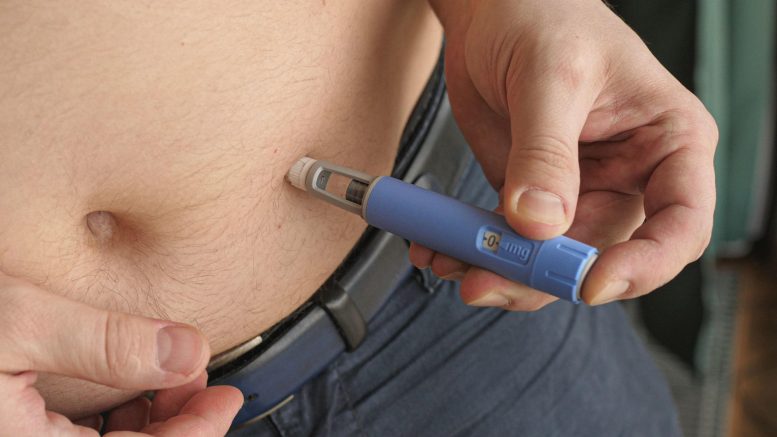
Image name: Obese-Man-Using-Semaglutide-Ozempic-777x437.jpg Image size: 42.36 KB
  Download

Ozempic is a medication containing semaglutide, a glucagon-like peptide-1 receptor agonist (GLP-1 RA), primarily used to treat type 2 diabetes by improving blood sugar control and promoting weight loss. It works by stimulating insulin secretion, reducing appetite, and slowing gastric emptying, acting on the brain’s appetite regulation centers.

New research shows that Ozempic and similar drugs reduce opioid overdoses by 40%...

A recent study published in the journal Addiction found that individuals with opioid use disorder (OUD) or alcohol use disorder (AUD) who are treated with Ozempic or similar medications for diabetes or weight-related conditions experience a 40% reduction in opioid overdose rates and a 50% reduction in alcohol intoxication compared to those with OUD and AUD who are not on these medications.

Ozempic is one of several medications, called glucagon-like peptide-1 receptor agonists or GLP-1 RAs, that are prescribed to treat diabetes, obesity, and other weight-related medical conditions. The medications interact with a region of the brain – the mesolimbic system – to reduce appetite and trigger satisfaction after eating.

The mesolimbic system overlaps with the brain processes that govern addictive behaviors. This overlap suggests that GLP-1 RAs and similar medications might also alter the reward-response pathways associated with substance use. ‘Similar medications’ include glucose-dependent insulinotropic polypeptide (GIP) agonists like the weight-loss medication Mounjaro.

Prior Research and the Latest Findings

Until now, most of the existing research into using GLP-1 RAs and GIPs to treat substance use disorders consists of animal studies and small-scale clinical trials.

This new large-scale human study looked at 503,747 people with a history of opioid use disorder (OUD), of which 8,103 had a prescription for a GLP-1 RA or GIP. The study found that people with OUD who had a GLP-1 RA or GIP prescription had a 40% lower rate of opioid overdose compared with those who did not have a prescription.

The study also looked at 817,309 people with a history of alcohol use disorder (AUD), of which 5,621 had a prescription for a GLP-1 RA or GIP. The study found that people with AUD who had a GLP-1 RA or GIP prescription had a 50% lower rate of alcohol intoxication compared with those who did not have a prescription.

This study may introduce a promising new treatment for substance use disorders.
 
© Society for the Study of Addiction   


Heart Health Hacks: Beating the System to Eat Better on a Budget

  2 years ago (Mon, Nov 18, 2024 at 11:59 AM (GMT))

  5 Mins Read
Image name: Heart-Healthy-Food-777x518.jpg Image size: 84.13 KB
  Download

Cardiovascular disease is a leading global killer, with diet playing a critical role in managing heart health. Nutritional adherence poses significant challenges, particularly for those in cardiac rehab and low-resourced settings.

Following nutritional recommendations is vital for managing cardiovascular disease, but it’s not always easy, especially for those with limited resources.

Dietary management is crucial for cardiovascular health, particularly in low-resourced areas...
 
© Gabriela Ghisi, University of Toronto and Camila Kümmel Duarte, UFMG   


96% Accuracy: Harvard Scientists Unveil Revolutionary ChatGPT-Like AI for Cancer Diagnosis

  2 years ago (Sat, Nov 16, 2024 at 09:54 AM (GMT))

  8 Mins Read
Image name: Identifying-Cancer-Cells-777x583.jpg Image size: 46.4 KB
  Download

Scientists at Harvard Medical School have developed a versatile AI model called CHIEF that can diagnose and predict outcomes for multiple cancer types, outperforming existing AI systems. Trained on millions of images, it can detect cancer cells, predict tumor genetic profiles, and forecast patient survival with high accuracy.

A ChatGPT-like model can diagnose cancer, assist in selecting treatment options, and predict...

Researchers at Harvard Medical School have developed a versatile AI model, similar to ChatGPT, that can perform a wide range of diagnostic tasks across various types of cancer.

The new AI system, described Sept. 4 in Nature, goes a step beyond many current AI approaches to cancer diagnosis, the researchers said.

Current AI systems are typically trained to perform specific tasks — such as detecting cancer presence or predicting a tumor’s genetic profile — and they tend to work only in a handful of cancer types. By contrast, the new model can perform a wide array of tasks and was tested on 19 cancer types, giving it a flexibility like that of large language models such as ChatGPT.

While other foundation AI models for medical diagnosis based on pathology images have emerged recently, this is believed to be the first to predict patient outcomes and validate them across several international patient groups.

“Our ambition was to create a nimble, versatile ChatGPT-like AI platform that can perform a broad range of cancer evaluation tasks,” said study senior author Kun-Hsing Yu, assistant professor of biomedical informatics in the Blavatnik Institute at Harvard Medical School. “Our model turned out to be very useful across multiple tasks related to cancer detection, prognosis, and treatment response across multiple cancers.”

The AI model, which works by reading digital slides of tumor tissues, detects cancer cells and predicts a tumor’s molecular profile based on cellular features seen on the image with superior accuracy to most current AI systems. It can forecast patient survival across multiple cancer types and accurately pinpoint features in the tissue that surrounds a tumor — also known as the tumor microenvironment — that are related to a patient’s response to standard treatments, including surgery, chemotherapy, radiation, and immunotherapy. Finally, the team said, the tool appears capable of generating novel insights — it identified specific tumor characteristics previously not known to be linked to patient survival.

The findings, the research team said, add to growing evidence that AI-powered approaches can enhance clinicians’ ability to evaluate cancers efficiently and accurately, including the identification of patients who might not respond well to standard cancer therapies.

“If validated further and deployed widely, our approach, and approaches similar to ours, could identify early on cancer patients who may benefit from experimental treatments targeting certain molecular variations, a capability that is not uniformly available across the world,” Yu said.

Training and performance

The team’s latest work builds on Yu’s previous research in AI systems for the evaluation of colon cancer and brain tumors. These earlier studies demonstrated the feasibility of the approach within specific cancer types and specific tasks.

The new model, called CHIEF (Clinical Histopathology Imaging Evaluation Foundation), was trained on 15 million unlabeled images chunked into sections of interest. The tool was then trained further on 60,000 whole-slide images of tissues including lung, breast, prostate, colorectal, stomach, esophageal, kidney, brain, liver, thyroid, pancreatic, cervical, uterine, ovarian, testicular, skin, soft tissue, adrenal gland, and bladder. Training the model to look both at specific sections of an image and the whole image allowed it to relate specific changes in one region to the overall context. This approach, the researchers said, enabled CHIEF to interpret an image more holistically by considering a broader context, instead of just focusing on a particular region.

Following training, the team tested CHIEF’s performance on more than 19,400 whole-slide images from 32 independent datasets collected from 24 hospitals and patient cohorts across the globe.

Overall, CHIEF outperformed other state-of-the-art AI methods by up to 36 percent on the following tasks: cancer cell detection, tumor origin identification, predicting patient outcomes, and identifying the presence of genes and DNA patterns related to treatment response. Because of its versatile training, CHIEF performed equally well no matter how the tumor cells were obtained — whether via biopsy or through surgical excision. And it was just as accurate, regardless of the technique used to digitize the cancer cell samples. This adaptability, the researchers said, renders CHIEF usable across different clinical settings and represents an important step beyond current models that tend to perform well only when reading tissues obtained through specific techniques.

Cancer detection

CHIEF achieved nearly 94 percent accuracy in cancer detection and significantly outperformed current AI approaches across 15 datasets containing 11 cancer types. In five biopsy datasets collected from independent cohorts, CHIEF achieved 96 percent accuracy across multiple cancer types including esophagus, stomach, colon, and prostate. When the researchers tested CHIEF on previously unseen slides from surgically removed tumors of the colon, lung, breast, endometrium, and cervix, the model performed with more than 90 percent accuracy.

Predicting tumors’ molecular profiles

A tumor’s genetic makeup holds critical clues to determine its future behavior and optimal treatments. To get this information, oncologists order DNA sequencing of tumor samples, but such detailed genomic profiling of cancer tissues is not done routinely nor uniformly across the world due to the cost and time involved in sending samples to specialized DNA sequencing labs. Even in well-resourced regions, the process could take several weeks. It’s a gap that AI could fill, Yu said.

Quickly identifying cellular patterns on an image suggestive of specific genomic aberrations could offer a quick and cost-effective alternative to genomic sequencing, the researchers said.

CHIEF outperformed current AI methods for predicting genomic variations in a tumor by looking at the microscopic slides. This new AI approach successfully identified features associated with several important genes related to cancer growth and suppression, and it predicted key genetic mutations related to how well a tumor might respond to various standard therapies. CHIEF also detected specific DNA patterns related to how well a colon tumor might respond to a form of immunotherapy called immune checkpoint blockade. When looking at whole-tissue images, CHIEF identified mutations in 54 commonly mutated cancer genes with an overall accuracy of more than 70 percent, outperforming the current state-of-the-art AI method for genomic cancer prediction. Its accuracy was greater for specific genes in specific cancer types.

The team also tested CHIEF on its ability to predict mutations linked with response to FDA-approved targeted therapies across 18 genes spanning 15 anatomic sites. CHIEF attained high accuracy in multiple cancer types, including 96 percent in detecting a mutation in a gene called EZH2 common in a blood cancer called diffuse large B-cell lymphoma. It achieved 89 percent for BRAF gene mutation in thyroid cancer, and 91 percent for NTRK1 gene mutation in head and neck cancers.

Predicting patient survival

CHIEF successfully predicted patient survival based on tumor histopathology images obtained at the time of initial diagnosis. In all cancer types and all patient groups under study, CHIEF distinguished patients with longer-term survival from those with shorter-term survival. CHIEF outperformed other models by 8 percent. And in patients with more advanced cancers, CHIEF outperformed other AI models by 10 percent. In all, CHIEF’s ability to predict high versus low death risk was tested and confirmed across patient samples from 17 different institutions.

Extracting novel insights about tumor behavior

The model identified tell-tale patterns on images related to tumor aggressiveness and patient survival. To visualize these areas of interest, CHIEF generated heat maps on an image. When human pathologists analyzed these AI-derived hot spots, they saw intriguing signals reflecting interactions between cancer cells and surrounding tissues. One such feature was the presence of greater numbers of immune cells in areas of the tumor in longer-term survivors, compared with shorter-term survivors. That finding, Yu noted, makes sense because a greater presence of immune cells may indicate the immune system has been activated to attack the tumor.

When looking at the tumors of shorter-term survivors, CHIEF identified regions of interest marked by the abnormal size ratios between various cell components, more atypical features on the nuclei of cells, weak connections between cells, and less presence of connective tissue in the area surrounding the tumor. These tumors also had a greater presence of dying cells around them. For example, in breast tumors, CHIEF pinpointed as an area of interest the presence of necrosis — or cell death — inside the tissues. On the flip side, breast cancers with higher survival rates were more likely to have preserved cellular architecture resembling healthy tissues. The visual features and zones of interest related to survival varied by cancer type, the team noted.

Next steps

The researchers said they plan to refine CHIEF’s performance and augment its capabilities by:

• Conducting additional training on images of tissues from rare diseases and non-cancerous conditions

• Including samples from pre-malignant tissues before cells become fully cancerous

• Exposing the model to more molecular data to enhance its ability to identify cancers with different levels of aggressiveness

• Training the model to also predict the benefits and adverse effects of novel cancer treatments in addition to standard treatments
 
© Harvard Medical School   


Diabetes Breakthrough: New Treatment Eliminates Insulin for 86% of Patients

  2 years ago (Fri, Nov 15, 2024 at 09:42 PM (GMT))

  3 Mins Read
Image name: Insulin-Injection-Diabetes-777x518.jpg Image size: 37.69 KB
  Download

A new treatment combining ReCET and semaglutide eliminated insulin use in 86% of type 2 diabetes patients, improving natural insulin sensitivity.

A new treatment combining ReCET and semaglutide could eliminate the need for insulin in type 2 diabetes, with 86% of participants in a study no longer requiring insulin therapy. The treatment was safe and well-tolerated, and further trials are planned...

Groundbreaking research presented at UEG Week 2024 introduces a promising new treatment approach for type 2 diabetes (T2D) that has the potential to greatly reduce or even eliminate the need for insulin therapy.

This innovative approach, which combines a novel procedure known as ReCET (Re-Cellularization via Electroporation Therapy) with semaglutide, resulted in the elimination of insulin therapy for 86% of patients.

Globally, T2D affects 422 million people, with obesity recognized as a significant risk factor. While insulin therapy is commonly used to manage blood sugar levels in T2D patients, it can result in side effects such as weight gain and further complicate diabetes management. A need therefore exists for alternative treatment strategies.

Study Design and Outcomes

The first-in-human study included 14 participants aged 28 to 75 years, with body mass indices ranging from 24 to 40 kg/m². Each participant underwent the ReCET procedure under deep sedation, a treatment intended to improve the body’s sensitivity to its own insulin. Following the procedure, participants adhered to a two-week isocaloric liquid diet, after which semaglutide was gradually titrated up to 1mg/week.

Remarkably, at the 6- and 12-month follow-up, 86% of participants (12 out of 14) no longer required insulin therapy, and this success continued through the 24-month follow-up. In these cases, all patients maintained glycaemic control, with HbA1c levels remaining below 7.5%.

Tolerability and Safety

The maximum dose of semaglutide was well-tolerated by 93% of participants, one individual could not increase to the maximum dose due to nausea. All patients successfully completed the ReCET procedure, and no serious adverse effects were reported.

Dr Celine Busch, lead author of the study, commented, “These findings are very encouraging, suggesting that ReCET is a safe and feasible procedure that, when combined with semaglutide, can effectively eliminate the need for insulin therapy.”

“Unlike drug therapy, which requires daily medication adherence, ReCET is compliance-free, addressing the critical issue of ongoing patient adherence in the management of T2D. In addition, the treatment is disease-modifying: it improves the patient’s sensitivity to their own (endogenous) insulin, tackling the root cause of the disease, as opposed to currently available drug therapies, that are at best disease-controlling.”

Looking ahead, the researchers plan to conduct larger randomized controlled trials to further validate these findings. Dr. Busch added, “We are currently conducting the EMINENT-2 trial with the same inclusion and exclusion criteria and administration of semaglutide, but with either a sham procedure or ReCET. This study will also include mechanistic assessments to evaluate the underlying mechanism of ReCET.”
 
© United European Gastroenterology   


New Research Reveals That Bilingualism Makes the Brain More Efficient

  2 years ago (Fri, Nov 15, 2024 at 09:35 PM (GMT))

  2 Mins Read
A study shows that bilingualism strengthens brain connectivity, especially when the second language is learned early. Researchers found increased whole-brain communication, particularly between the cerebellum and left frontal cortex, suggesting that early language learning enhances neuroplasticity and cognitive efficiency.

MRI data from a large sample reveals enhanced whole-brain connectivity in individuals who speak a second language.

Neuroplasticity refers to the brain’s ability...
 
© McGill University   


The Secret to a Longer Life Might Be in Your Next Meal

  2 years ago (Thu, Nov 14, 2024 at 09:54 AM (GMT))

  5 Mins Read
A comprehensive mouse study shows that eating fewer calories rather than fasting extends lifespan more effectively, with genetic resilience to stress playing a crucial role in longevity, suggesting a need to rethink aging markers in human studies.

Researchers conduct pivotal study into aging and lifespan to uncover new details about how diets might make people live longer — but also their...

Recent research involving nearly one thousand genetically distinct mice examined the impact of various diets on lifespan, uncovering that lower caloric intake significantly enhances longevity compared to periodic fasting. The study’s pivotal findings suggest that genetic resilience and maintaining health during caloric restriction are crucial, potentially challenging existing theories on the biological markers of aging and longevity.

Groundbreaking Longevity Research

For nearly a century, laboratory studies have consistently shown that animals live longer when they eat less food or eat less frequently. However, scientists have struggled to understand why these restrictive diets extend lifespan and how they can be effectively applied to humans. Now, in a pivotal study published in the October 9 issue of Nature, researchers at The Jackson Laboratory (JAX) and their collaborators tracked the health of nearly one thousand mice on various diets to explore these questions further.

The study was meticulously designed to ensure each mouse was genetically unique, better mirroring the genetic diversity of humans. This approach enhances the clinical relevance of the findings, marking the study as one of the most significant contributions to the research on aging and lifespan to date.

Key Findings on Caloric Restriction and Lifespan

The study concluded that eating fewer calories had a greater impact on lifespan than periodic fasting, revealing that very-low-calorie diets generally extended the mice’s lifespan regardless of their body fat or glucose levels — both typically seen as markers of metabolic health and aging. Surprisingly, the mice that lived the longest on the restrictive diets were those that lost the least weight despite eating less. Animals that lost the most weight on these diets tended to have low energy, compromised immune and reproductive systems, and shorter lives.

“Our study really points to the importance of resilience,” said Gary Churchill, Karl Gunnar Johansson Chair and professor at JAX who led the study. “The most robust animals keep their weight on even in the face of stress and caloric restriction, and they are the ones that live the longest. It also suggests that a more moderate level of calorie restriction might be the way to balance long-term health and lifespan.”

Churchill and his colleagues assigned female mice to any of five different diets: one in which the animals could freely eat any amount of food at any time, two in which the animals were provided only 60% or 80% of their baseline calories each day, and two in which the animals were not given any food for either one or two consecutive days each week but could eat as much as they wanted on the other days. Then, the mice were studied for the rest of their lives with periodic blood tests and extensive evaluation of their overall health.

Genetic Factors and Lifespan Variability

Overall, mice on unrestricted diets lived for an average of 25 months, those on the intermittent fasting diets lived for an average of 28 months, those eating 80% of baseline lived for an average of 30 months, and those eating 60% of baseline lived for 34 months. But within each group, the range of lifespans was wide; mice eating the fewest calories, for example, had lifespans ranging from a few months to four and a half years.

Surprising Insights into Longevity and Diet

When the researchers analyzed the rest of their data to try to explain this wide range, they found that genetic factors had a far greater impact on lifespan than diets, highlighting how underlying genetic features, yet to be identified, play a major role in how these diets would affect an individual person’s health trajectory. Moreover, they pinpointed genetically-encoded resilience as a critical factor in lifespan; mice that naturally maintained their body weight, body fat percentage and immune cell health during periods of stress or low food intake, as well as those that did not lose body fat late in life, survived the longest.

“If you want to live a long time, there are things you can control within your lifetime such as diet, but really what you want is a very old grandmother,” Churchill said.

Reevaluating the Markers of Aging

The study also cast doubt on traditional ideas about why certain diets can extend life in the first place. For example, factors like weight, body fat percentages, blood glucose levels and body temperature did not explain the link between cutting calories and living a longer life. Instead, the study found that immune system health and traits related to red blood cells were more clearly connected to lifespan. Importantly, those findings mean that human studies of longevity – which often use metabolic measurements as markers for aging or youthfulness – may be overlooking more important aspects of healthy aging.

“While caloric restriction is generally good for lifespan, our data show that losing weight on caloric restriction is actually bad for lifespan,” Churchill explained. “So when we look at human trials of longevity drugs and see that people are losing weight and have better metabolic profiles, it turns out that might not be a good marker of their future lifespan at all.”
 
© Jackson Laboratory   


This Simple Change to Your Diet Could Significantly Improve Nutrient Intake and Health

  2 years ago (Mon, Nov 11, 2024 at 12:33 PM (GMT))

  4 Mins Read
Image name: Assorted-Beans-777x518.jpg Image size: 57.91 KB
  Download

Research shows that higher bean and pulse consumption correlates with better nutrient intakes and improved diet quality among American adults, leading to significant health advantages, including lower disease risks.

Increased bean and pulse intake boosts diet quality and nutrient intake, offering substantial health benefits and lower risks of major diseases.

Increased bean and pulse consumption is associated with improved shortfall nutrient intakes...
 
© The Ginger Network   


New Research Shows Men and Women Need Different Breakfasts for Weight Loss

  2 years ago (Mon, Nov 11, 2024 at 12:16 PM (GMT))

  2 Mins Read
Image name: Weight-Loss-Concept-Before-and-After-777x544.jpg Image size: 28.56 KB
  Download

A study suggests that men and women have different metabolic responses to breakfast choices, with men benefiting from carbs and women from fats. Researchers aim to explore further individual factors in metabolism.

A mathematical model illustrates the impact of breakfast nutrition on health and energy levels in men and women.

It’s not a bad thing if you pick a toasted bagel for...
 
© University of Waterloo   


Workout in a Pill: Scientists Develop Molecule That Mimics the Benefits of Exercise and Fasting

  2 years ago (Sun, Nov 10, 2024 at 08:22 PM (GMT))

  4 Mins Read
Image name: Fit-Woman-Taking-Weight-Loss-Supplement-Pill-777x518.jpg Image size: 48.73 KB
  Download

LaKe, a new molecule from Aarhus University, mimics the health effects of exercise and fasting, potentially revolutionizing treatments for conditions like Parkinson’s and providing an alternative for those unable to engage in intense physical activities.

Researchers at Aarhus University have synthesized a molecule called LaKe that replicates the metabolic effects of exercise and fasting.

This advancement allows the body to mimic the...
 
© Aarhus University   


This Incredibly Popular Diet Could Be Increasing Your Risk of Cancer

  2 years ago (Fri, Nov 08, 2024 at 08:13 PM (GMT))

  3 Mins Read
A study found that 57% of Americans follow pro-inflammatory diets, raising their risk for health conditions like heart disease. Black Americans, men, and people with lower incomes are more likely to have these diets. Anti-inflammatory foods like leafy greens and fatty fish can improve health, but access and non-dietary factors, such as stress, also affect inflammation levels.

A researcher states that...

Nearly 60% of Americans consume diets that promote inflammation, heightening their risk of health issues such as heart disease and cancer, reveals a recent study employing a tool that assesses dietary inflammation.

The study also found that certain populations — including Black Americans, men, and people with lower incomes — were more likely to eat a diet high in pro-inflammatory foods.

“Overall, 57% of U.S. adults have a pro-inflammatory diet and that number was higher for Black Americans, men, younger adults, and people with lower education and income,” said lead author Rachel Meadows, visiting faculty in The Ohio State University’s College of Public Health.

The research team used the dietary inflammatory index, a tool developed a decade ago that includes 45 dietary components to examine the diets of more than 34,500 adults included in the 2005–2018 National Health and Nutrition Examination Survey.

Results of the Study

Based on self-reported diets, they used the tool to assign inflammation values ranging from −9 to 8, where 0 represents a neutral diet. About 34% of those in the study had anti-inflammatory diets, and the remaining 9% had neutral dietary inflammatory levels. The study was recently published in the journal Public Health Nutrition.

Older dietary measures look at the intake of certain food groups (such as fruits, vegetables, and dairy) or macronutrients (such as carbohydrates, proteins, and fats) that align with national diet recommendations or certain diets like keto or paleo.

“But inflammation is an important element to consider and the overall balance of diet is most important,” Meadows said.

“Even if you’re eating enough fruits or vegetables, if you’re having too much alcohol or red meat, then your overall diet can still be pro-inflammatory.”

Focusing on Anti-Inflammatory Foods

Meadows said she’s less interested in labeling foods as “bad” and more interested in thinking about anti-inflammatory foods as tools people can employ to boost health.

“There’s a potential here to think about positive interventions, such as adding more garlic, ginger, turmeric, and green and black tea — which are all anti-inflammatory — to your diet,” she said.

“Moving toward a diet with less inflammation could have a positive impact on a number of chronic conditions, including diabetes, cardiovascular disease, and even depression and other mental health conditions.”

Other examples of anti-inflammatory foods are mostly unprocessed including whole grains, green leafy vegetables (such as spinach), legumes (such as beans and lentils), fatty fish (such as salmon), and berries.

Challenges to eating a less inflammatory diet include poor access to fruits, vegetables, and other foods that can contribute to better health — and even when those foods are available, they can sometimes be more costly, creating a barrier for those with low incomes, Meadows said.

Many people also have elevated chronic inflammation due to non-dietary factors including stress and adverse childhood experiences, she said.

“There are a lot of factors that contribute to chronic inflammation, and they all interact – even sleep is a key component. Diet can be used as a tool to combat that,” Meadows said.
 
© Ohio State University   


Researchers Discover Aspirin’s Surprising Ability To Combat Hormonal Deficiency

  2 years ago (Fri, Nov 08, 2024 at 07:59 PM (GMT))

  4 Mins Read
Researchers found that gut bacteria and aspirin can influence hormone deficiency symptoms in mice with Sox3 mutations, which cause hypopituitarism. They discovered that changes in the gut microbiome and treatment with aspirin reversed these symptoms, suggesting potential new treatments for hypopituitarism.

Researchers at the Francis Crick Institute have demonstrated that gut bacteria balance can affect hypopituitarism symptoms in mice. They further...

People with mutations in a gene called Sox3 develop hypopituitarism, where the pituitary gland doesn’t make enough hormones. It can result in growth problems, infertility, and poor responses of the body to stress.

In research published in PLOS Genetics, the scientists at the Crick removed Sox3 from mice, causing them to develop hypopituitarism around the time of weaning (starting to eat solid food).

They found that mutations in Sox3 largely affect the hypothalamus in the brain, which instructs the pituitary gland to release hormones. However, the gene is normally active in several brain cell types, so the first task was to ask which specific cells were most affected by its absence.

The scientists observed a reduced number of cells called NG2 glia, suggesting that these play a critical role in inducing the pituitary gland cells to mature around weaning, which was not known previously. This could explain the associated impact on hormone production.

The team then treated the mice with a low dose of aspirin for 21 days. This caused the number of NG2 glia in the hypothalamus to increase and reversed the symptoms of hypopituitarism in the mice.

Although it’s not yet clear how aspirin had this effect, the findings suggest that it could be explored as a potential treatment for people with Sox3 mutations or other situations where the NG2 glia are compromised.

An incidental discovery revealed the role of gut bacteria in hormone production

When the National Institute for Medical Research (NIMR) merged with the Crick in 2015, mouse embryos were transferred from the former building to the latter, and this included the mice with Sox3 mutations.

When these mice reached the weaning stage at the Crick, the researchers were surprised to find that they no longer had the expected hormonal deficiencies.

After exploring a number of possible causes, lead author Christophe Galichet compared the microbiome – bacteria, fungi and viruses that live in the gut – in the mice from the Crick and mice from the NIMR, observing several differences in its makeup and diversity. This could have been due to the change in diet, water environment, or other factors that accompanied the relocation.

He also examined the number of NG2 glia in the Crick mice, finding that these were also at normal levels, suggesting that the Crick-fed microbiome was somehow protective against hypopituitarism.

Proving the role of the microbiome

To confirm this theory, Christophe transplanted fecal matter retained from NIMR mice into Crick mice, observing that the Crick mice once again showed symptoms of hypopituitarism and had lower numbers of NG2 glia.

Although the exact mechanism is unknown, the scientists conclude that the makeup of the gut microbiome is an example of an important environmental factor having a significant influence on the consequences of a genetic mutation, in this case influencing the function of the hypothalamus and pituitary gland.

Christophe Galichet, former Senior Laboratory Research Scientist at the Crick and now Research Operations Manager at the Sainsbury Wellcome Centre, said: “It was a huge surprise to find that changes in the gut microbiome reversed hypopituitarism in the mice without Sox3. It’s reinforced to me how important it is to be aware of all variable factors, including the microbiome, when working with animals in research and how nurture can influence nature.”

Robin Lovell-Badge, Group Leader of the Stem Cell Biology and Developmental Genetics Laboratory at the Crick, said: “Hypopituitarism can result from trauma as well as rare mutations, and it can have some profound effects on health in general. As well as suggesting potential options for treatment, our work reinforces how important the gut-brain link is. The next step for this research will be to work out exactly how aspirin and the microbiome influence NG2 glia, and then study this effect in people so we can see if these relatively accessible interventions could help treat hypopituitarism.”
 
© The Francis Crick Institute   


The Hidden Science Behind Walking Without Thinking

  2 years ago (Fri, Nov 08, 2024 at 07:47 PM (GMT))

  3 Mins Read
A study by Osaka University reveals that the brain efficiently manages leg coordination during walking by intervening only when necessary, based on mathematical modeling. This mechanism could enhance rehabilitation for conditions like strokes and Parkinson’s disease and inspire the development of innovative walking aids.

Osaka University research indicates that the brain efficiently manages walking coordination, intervening only when leg misalignment is...

Walking is an activity that is often taken for granted. People typically assume they can multitask by “walking and chewing gum” simultaneously with minimal taxation of their mental effort. Indeed, each leg can move rhythmically independently of the other, controlled by its side of the spinal cord.

However, the ability of the human brain to coordinate the gait such that a walker’s legs are half a stride out of phase with each other, the “antiphase relationship,” is not so trivial when an obstacle or asymmetry occurs, such as a curve in the path.

A new study by Osaka University sheds light on how a normal walking cadence is maintained, providing insights that could improve rehabilitation techniques for patients who have experienced brain trauma or other neurological problems.

Insights from Recent Walking Study

In the study, recently published in Communications Biology, the researchers captured kinematic data from healthy patients walking on a treadmill that was occasionally perturbed by a sudden change in speed. This led to a momentary loss of the antiphase relationship, but it was quickly restored as the subjects reoriented their walking movements.

The data from this experiment was analyzed using a mathematical model of two coupled oscillators – similar to two pendulums connected by a spring – along with a Bayesian inference method. The approach allowed the researchers to calculate the most probable function that represents how the brain applied its control to coordinate the leg motions.

To simplify the problem further, phase reduction theory was applied, which assumes that the perturbed system is returning to a regular periodic solution, called the limit cycle. “Using Bayesian inference enabled us to infer the control of leg coordination in a quantitative way,” says the lead author of the study, Takahiro Arai.

Brain Efficiency in Walking Coordination

Surprisingly, the researchers found that the relative phase is not actively controlled by the brain until the deviation from correct the antiphase orientation exceeds a certain threshold. That is, the brain does not actively intervene to coordinate the relative position of the legs until they are a certain amount out of lockstep. They suggest that not requiring the constant application of control improves both energy efficiency and maneuverability.

“Based on our model, we see that the brain is neither overly controlling, which would limit our ability to negotiate obstacles and also consume a lot of brainpower, nor overly lax, which could lead to falling over when the legs become too uncoordinated,” says senior author, Shinya Aoi.

Implications for Rehabilitation and Mobility Aids

This research may be important to help improve the walking of elderly people or individuals who have experienced the neurological effects of a stroke or Parkinson’s disease. It may also lead to the development of physical aids that help people walk more naturally.
 
© Osaka University   


Why Your LinkedIn Profile Is As Important As Your Resume And How To Improve It

  2 years ago (Wed, Nov 06, 2024 at 09:49 PM (GMT))

  4 Mins Read
Image name: LinkedIn_Profile.jpg Image size: 15.9 KB
  Download

When you are job hunting, everyone acknowledges they need a great resume. Yet most people don’t realize that your LinkedIn Profile needs to be an excellent advertisement for you. Both go hand-in-hand to market yourself effectively to recruiters and hiring managers. Ignoring LinkedIn is a big mistake so many job hunters make.

In my career counseling practice, I hear so many...
 
© Robin Ryan   


A Global Health Emergency: Childhood Obesity Nearly Doubles Globally

  2 years ago (Wed, Nov 06, 2024 at 09:36 PM (GMT))

  6 Mins Read
Childhood overweight and obesity have nearly doubled since 1990, affecting every continent. The rise in ultra-processed foods, sedentary lifestyles, and targeted advertising contribute to the epidemic, leading to serious health issues like hypertension and diabetes.

Researchers raise concerns in a recent commentary.

Since 1990, the prevalence of childhood overweight and obesity has nearly doubled worldwide, affecting every continent. Although the United States...
 
© Florida Atlantic University   


New Research Reveals Vitamin D’s Powerful Impact on Cardiometabolic Health

  2 years ago (Mon, Nov 04, 2024 at 12:54 AM (GMT))

  3 Mins Read
Research shows vitamin D supplementation significantly improves cardiometabolic health, with greatest benefits in specific groups like non-Westerners and the elderly, pointing to the need for personalized approaches in managing cardiovascular diseases.

Vitamin D supplementation significantly improves cardiometabolic health, especially in specific populations.

A recent systematic review and meta-analysis by researchers from institutions in China and the United States has revealed promising findings...
 
© Engineering   


New USC Research Reveals That Urban Men Live Longer and Healthier Than Their Rural Counterparts

  2 years ago (Mon, Nov 04, 2024 at 12:40 AM (GMT))

  4 Mins Read
Rural men are dying younger and experiencing more years of poor health than urban men, largely due to higher rates of smoking, obesity, and heart disease, according to research from the USC Schaeffer Center. Geographic factors, beyond education, also contribute to this growing health divide. Early health interventions and broader changes in rural communities are necessary to address these disparities.

The...

New research from the USC Schaeffer Center for Health Policy & Economics reveals that rural men have a shorter life expectancy and fewer healthy years in later life compared to men living in urban areas.

Higher rates of smoking, obesity, and cardiovascular conditions among rural men are helping fuel a rural-urban divide in illness, and this gap has grown over time, according to the study published this week in the Journal of Rural Health. The findings suggest that by the time rural men reach age 60, there are limited opportunities to fully address this disparity, and earlier interventions may be needed to prevent it from widening further.

Rising Healthcare Challenges in Rural Areas

The findings also point to a rising demand for care in rural areas, which will particularly challenge these communities. Rural areas are more likely than urban ones to have shortages of healthcare providers and are aging faster as younger residents move to cities, which further shrinks the supply of potential caregivers.

“Rural populations face a higher prevalence of chronic diseases, which has serious implications for healthy aging,” said lead author Jack Chapel, a postdoctoral scholar at the Schaeffer Center. “With an aging population and fewer physicians available, the burden on rural communities is set to grow, leading to significant challenges in providing care for those who will face more health issues in the future.”

Study on Life Expectancy and Health Quality

Researchers used data from the Health and Retirement Survey and a microsimulation known as the Future Elderly Model to estimate future life expectancy for rural and urban Americans after age 60. They also assessed their likely quality of health in those years – a measure known as heath-quality-adjusted life expectancy (QALE). They estimated health trajectories for a cohort of Americans who were 60 years old between 2014-2020 and compared it with a similarly aged cohort from 1994-2000.

They found 60-year-old rural men can now expect to live two years less than their urban counterparts – a gap that’s nearly tripled from two decades ago. Rural men can also expect to live 1.8 fewer years in quality health than urban men, with this disparity more than doubling over the same period. For women, the urban-rural gap in life expectancy and health quality is much smaller and grew more slowly over time.

Nearly a decade after a landmark study found that people with lower levels of education are more likely to die from so-called “deaths of despair” – such as drug overdose or suicide – this new study finds that while education was an important factor in determining health quality, it cannot fully explain the gap between urban and rural populations. After adjusting rural education levels to match those of urban areas, the gap in healthy life expectancy was cut nearly in half. However, disparities existed even within each educational group, suggesting important geographic factors beyond education contribute to differences in healthy life expectancy.

Importance of Health Interventions

Researchers found that interventions to reduce smoking, manage obesity, and treat and control widespread heart disease would benefit older rural residents more than urban ones. However, most interventions researchers tested were not able to completely bridge the urban-rural divide in healthy life expectancy.

“While education matters, so does smoking, prevalent obesity, cardiovascular conditions – and simply living in a rural area – which leads not only to more deaths but more illness among rural American men,” said co-author Elizabeth Currid-Halkett, the James Irvine Chair in Urban and Regional Planning and a senior scholar at the USC Schaeffer Institute for Public Policy & Government Service.

“Closing the gap in healthy life expectancy between urban and rural areas for older adults would require encouraging health behavior changes earlier in life and making broader social and economic improvements in rural areas,” said co-author Bryan Tysinger, director of health policy simulation at the Schaeffer Center.
 
© University of Southern California   


Optimizing Programmer Productivity with Time Blocking

  2 years ago (Sat, Nov 02, 2024 at 01:22 PM (GMT))

  3 Mins Read
Here's how you can optimize programmer productivity with time blocking.

1. Time Blocking Basics

Time blocking involves planning your day in advance by allocating fixed time slots to specific tasks or activities. As a programmer, you begin by estimating how long different tasks will take and then schedule them into your calendar. This strategy prevents overcommitting and helps you focus on one...
 
© LinkedIn community   


How AI Is Learning to Think on Its Own Like Humans

  2 years ago (Fri, Nov 01, 2024 at 09:22 AM (GMT))

  4 Mins Read
AI’s ability to learn through thinking, akin to human cognitive processes, showcases its potential and limitations in mimicking human reasoning and adaptation.

From Einstein’s thought experiments to the self-correcting capabilities of AI models, thought-based learning transcends human minds to influence artificial intelligence.

New research highlights how AI, like humans, learns through explanation, simulation, analogy, and reasoning without external inputs. This on-demand learning,...

Learning Through Thinking: Humans and AI

Some of the greatest discoveries don’t come merely from observations but from thinking. Einstein developed theories about relativity through thought experiments, and Galileo derived insights about gravity through mental simulations. A review published September 18 in the journal Trends in Cognitive Sciences shows that this process of thinking is not exclusive to humans. Artificial intelligence, too, is capable of self-correction and arriving at new conclusions through “learning by thinking.”

“There are some recent demonstrations of what looks like learning by thinking in AI, particularly in large language models,” says author Tania Lombrozo, a professor of psychology and co-director of the Natural and Artificial Minds initiative at Princeton University. “Sometimes ChatGPT will correct itself without being explicitly told. That’s similar to what happens when people are engaged in learning by thinking.”

Modes of Learning: From Microwaves to Moral Dilemmas

Lombrozo identified four examples of learning by thinking in humans and AI: learners can acquire new information without external input through explanation, simulation, analogy, and reasoning. In humans, explaining how a microwave works to a child might reveal the gaps in our understanding. Rearranging furniture in the living room often involves creating a mental image to simulate different layouts before making any physical changes. Downloading pirated software may initially seem morally acceptable until one draws an analogy to the theft of physical goods. If you know that a friend’s birthday is on a leap day and tomorrow is a leap day, you can reason that your friend’s birthday is tomorrow.

AI shows similar learning processes. When asked to elaborate on a complex topic, AI may correct or refine its initial response based on the explanation it provides. The gaming industry uses simulation engines to approximate real-world outcomes, and models can use the outputs of simulations as inputs to learning. Asking a language model to draw analogies can lead it to answer questions more accurately than it would with simple questions. Prompting AI to engage in step-by-step reasoning can lead it to answers it would fail to reach with a direct query.

Exploring the Function and Value of Thought-Based Learning

“This poses the question of why both natural and artificial minds have these characteristics. What function does learning by thinking serve? Why is it valuable?” says Lombrozo. “I argue that learning by thinking is a kind of ‘on-demand learning.’”

When you learn something new, you don’t know how the information may serve you in the future. Lombrozo says people can squirrel away the knowledge for later—until the context makes it relevant and worthwhile to expend the cognitive effort to think and learn.

Future Directions in Cognitive Sciences and AI

Lombrozo acknowledges the challenges in defining the boundaries between reasoning, learning, and other high-level cognitive functions, which is an area of debate within the field of cognitive sciences. The review also raises more questions, some of which Lombrozo plans to explore further, such as whether AI systems are actually “thinking” or simply mimicking the outputs of such processes.

“AI has gotten to the point where it’s so sophisticated in some ways, but limited in others, that we have this opportunity to study the similarities and differences between human and artificial intelligence,” says Lombrozo. “We can learn important things about human cognition through AI and improve AI by comparing it to natural minds. It’s a pivotal moment where we’re in this new position to ask these interesting, comparative questions.”
 
© Cell Press   


Metal Exposure Equals Smoking? Shocking New Insights Into Heart Disease Drivers

  2 years ago (Fri, Nov 01, 2024 at 09:02 AM (GMT))

  5 Mins Read
Research reveals that exposure to environmental metals significantly contributes to the buildup of calcium in coronary arteries, similar to traditional risk factors such as smoking and diabetes.

This association offers new insights into the prevention and treatment of atherosclerosis, suggesting that addressing metal exposure could be a crucial step towards reducing cardiovascular disease globally.

Cardiovascular Risks from Metal Exposure

Metal exposure from environmental...
 
© American College of Cardiology   


New Study: Just 10 Minutes of Mindfulness Can Reduce Depression by 19%

  2 years ago (Tue, Oct 29, 2024 at 11:30 AM (GMT))

  4 Mins Read
A global study found that brief daily mindfulness sessions using the Medito app improved mental health and encouraged healthier lifestyle behaviors, with lasting effects on well-being and habits like exercise and sleep.

Recent research shows that daily short mindfulness practices can significantly enhance mental health and encourage healthier lifestyles, with sustained benefits over time.

A recent study published in the British Journal...
 
© University of Bath   


How Scientists Are Turning Moon Dust Into Drinking Water

  2 years ago (Tue, Oct 29, 2024 at 11:21 AM (GMT))

  2 Mins Read
Image name: In-Situ-Water-Production-Moon-777x513.jpg Image size: 95.13 KB
  Download

Researchers have developed a method to produce significant amounts of water on the Moon by reacting lunar regolith with hydrogen.

This innovative process could potentially yield over 50 kg of water from a ton of lunar soil, paving the way for sustainable human life and research stations on the Moon.

Lunar Water Extraction

Water plays a crucial role in human survival on the...
 
© Chinese Academy of Sciences   


Researchers Warn: The Animals We Eat Could Spark a Global Health Crisis

  2 years ago (Tue, Oct 29, 2024 at 11:09 AM (GMT))

  5 Mins Read
Researchers warn that the animals we consume could become a significant source of a pandemic due to antimicrobial resistance, potentially leading to a wave of deadly superbugs. The World Health Organization predicts that drug-resistant diseases might cause up to 10 million deaths annually by 2050. A study highlights Southeast Asia as a critical area for this issue, with researchers from...

Researchers highlight the risk of a pandemic due to antimicrobial resistance originating from food animals in Southeast Asia, impacting global health. They propose solutions including better policies, international cooperation, and innovative farming practices to combat this threat.

Researchers caution that the animals we consume could become a gateway for a pandemic driven by antimicrobial resistance, potentially unleashing a wave of deadly superbugs.

The World Health Organization estimates that drug-resistant diseases could cause up to 10 million deaths each year by 2050.

The researchers analyzed this public health and food security challenge in the food animal industry in Southeast Asia for the International Journal of Food Science and Technology.

This challenge is relevant to Australia, which has strong political, economic, and social ties with countries in the region. Australia marked 50 years of engagement with the Association of Southeast Asian Nations (ASEAN) at a special summit in Melbourne earlier this year.

Bioscientist Professor Rajaraman Eri and microbiologist Dr Charmaine Lloyd from RMIT University in Australia and public policy expert Dr Pushpanathan Sundram from Thailand co-wrote the journal article.

“There is a big pandemic waiting to happen in the form of antimicrobial resistance,” said Eri, who is the Associate Dean of Biosciences and Food Technology at RMIT and also a veterinarian.

“We’re going to face a situation in the world where will run out of antibiotics. That means we will not be able to treat infections.”

Antimicrobial Hotspots and Livestock Statistics

Asia is a hotspot of antimicrobial resistance in animals, with Southeast Asia being an epicenter, the team says.

There are more than 2.9 billion chickens, 258 million ducks, 7 million cattle, 15.4 million buffaloes, 77.5 million pigs, 13.7 million sheep, and 30.6 million goats in the region, according to the Food and Agriculture Organization.

“Livestock farming, mainly for smallholders, provides employment and side income, improves household dietary components and nutritional security, and provides food and economic well-being for their respective nations,” said Sundram, who contributed to the research while he was at Chiang Mai University in Thailand.

The research paper highlights Southeast Asia’s challenges associated with antimicrobial resistance and residue in animals, and points out the need to differentiate the two concepts.

Resistance occurs when microorganisms develop resistance to antimicrobial agents to which they are exposed.

“On the farm, the presence of antibiotics in food, soil, water run-off, and animal waste can contribute to this resistance developing,” said Lloyd, from RMIT’s School of Science.

Human and Animal Health Connection

“The overuse and misuse of antimicrobial drugs, especially for growth promotion in healthy animals, have resulted in the increased rate of resistance.

“Since resistant bacteria in animals may be transferred to humans through the food chain or by direct contact, this transmission pathway highlights the connection between human and animal health, emphasizing the need to address antimicrobial resistance in food animals.”

Food animals’ residues are remnants of drugs, pesticides, and other chemical substances that persist in animal tissues or products after administration or exposure to these substances.

“Veterinary drug residues commonly arise from overusing and improper use of antimicrobial agents, growth promoters, and other veterinary drugs in animal husbandry practices,” Eri said.

“Efforts in the region to regulate antimicrobial use are underway, but there’s growing concern over consuming products with antimicrobial residues, which can impact human health due to the presence of antibiotic-resistant microbiota and pathogens in hosts,” Sundram said.

“In Australia, we have excellent policies to take care of antimicrobial resistance, specifically, the usage of antibiotics is well regulated,” Eri said.

“But that’s not the case at the global level. In many countries, anybody can buy antibiotics, whether it be for human or animal use.”

Policy Recommendations

The team has six recommendations for policymakers in ASEAN countries to address antimicrobial resistance and residue in food animals:

1. Recognize the difference between residue and resistance, to tackle the resistance challenges with the right interventions in Southeast Asia’s food animals.

2. Collaborate regionally and develop tailored strategies to navigate disease outbreaks, environmental concerns, residue levels, and antimicrobial resistance.

3. Implement country-specific awareness campaigns, robust surveillance of residues and resistance, appropriate regulations, and responsible antimicrobial use, to reduce resistance risks.

4. Foster international cooperation and initiatives to address resistance comprehensively, ensuring a united front against both residue and resistance.

5. Strengthen public health systems and preparedness.

6. Promote innovation and research in alternative antimicrobial solutions, sustainable farming practices, and advanced diagnostics, to stay ahead of evolving challenges.
 
© RMIT University   


Lose Weight Faster With These Two Nutrients, Scientists Say

  2 years ago (Sat, Oct 26, 2024 at 03:52 PM (GMT))

  5 Mins Read
In a detailed 25-month study, successful participants who followed a high-protein, high-fiber diet under a personalized program lost over 12% of their body weight, proving the effectiveness of customized and flexible dietary strategies.

Participants in a self-directed diet program lost significantly more weight by consuming higher amounts of protein and fiber, along with adhering to a personalized and flexible diet plan.

Over...
 
© Sharita Forrest, University of Illinois at Urbana-Champaign   


A Safer, Natural Option: UCLA Scientists Have Discovered That Manuka Honey Could Help Treat Breast Cancer

  2 years ago (Sat, Oct 26, 2024 at 03:38 PM (GMT))

  3 Mins Read
Recent research from UCLA suggests Manuka honey may offer a natural, less toxic alternative for preventing and treating ER-positive breast cancer by targeting cancer cells and enhancing traditional therapy effects.

UCLA researchers have discovered that Manuka honey contains compounds capable of slowing tumor growth in preclinical models, offering a less toxic alternative to conventional cancer therapies.

A recent study conducted by researchers...
 
© University of California - Los Angeles Health Sciences   


The Truth About Kids and Long COVID Finally Revealed in New Study

  2 years ago (Sat, Oct 26, 2024 at 03:25 PM (GMT))

  5 Mins Read
Recent research indicates that long COVID in children is a significant issue, presenting with distinct, pervasive symptoms that vary by age group. The study reveals that a substantial portion of infected children experience persistent health issues, underscoring the serious, long-term impacts of the virus on young patients.

A comprehensive study confirms that long COVID significantly affects children, manifesting in symptoms that...

In the most comprehensive national study since the onset of the COVID-19 pandemic, a team of researchers that includes a Rutgers-organized consortium of pediatric sites has concluded that long COVID symptoms in children are tangible, pervasive, wide-ranging, and clinically distinct within specific age groups.

Results of the study, funded by the National Institutes of Health (NIH), are published in the Journal of the American Medical Association.

“We have convincing evidence that COVID-19 is not just a mild, benign illness for children,” said Lawrence C. Kleinman, a professor of pediatrics and population health expert at Rutgers Robert Wood Johnson Medical School (RWJMS) and the study’s third co-author. “There are children who are clearly disabled by long COVID for long periods of time.”

Persistent COVID-19 Impact in Young Patients

In the early stages of the pandemic, a myth arose and was perpetuated suggesting that because children often developed only mild cases of COVID-19, the risks for young patients were not serious. But this conjecture dissipated amid a rash of data demonstrating that a few children infected with COVID-19 will get very sick and others will suffer an array of health complications long after initial exposure.

Broadly defined, long COVID includes symptoms, signs, and conditions – such as aches, fatigue, memory loss, and stomach pain – that develop, persist or relapse more than a month after a COVID-19 infection. Worldwide, an estimated 65 million people, including children, live with long COVID. Until recently, most research into COVID-19’s lingering effects focused on adults.

Data Analysis and Survey Findings

To quantify long COVID’s impact on children and determine whether symptoms experienced by the youngest COVID-19 patients differ by age group and from adults, Kleinman and more than 140 researchers throughout the United States crunched data from NIH’s Researching COVID to Enhance Recovery (RECOVER) Initiative, a national effort to survey COVID-19’s long-term impact.

As part of RECOVER, caregivers for 5,367 children (898 school-aged children and 4,469 adolescents) completed online surveys about their children’s health in time for this data analysis. Roughly 86 percent of the sample had previously been infected with COVID-19, while 14 percent – the control group – had not. The survey assessed 74 known and potential long COVID-19 symptoms across nine domains: eyes, ears, nose and throat; heart and lungs; gastrointestinal; dermatologic; musculoskeletal; neurologic; behavioral and psychological; menstrual; and general.

Distinct Symptoms Across Age Groups

By analyzing the responses, researchers found 45 percent of COVID-19 infected school-age children (ages 6 to 11) reported at least one prolonged symptom after initial recovery versus 33 percent of uninfected children. Thirty-nine percent of COVID-19 infected adolescents (ages 12 to 17) reported one prolonged symptom, compared with 27 percent of uninfected adolescents. These differences implicate the virus as a likely causal factor, rather than just having lived through the pandemic.

Long COVID symptoms in children also were clustered in patterns distinct from adults and from each other. For instance, the most common symptom in adolescents was loss of smell and taste, followed by low energy, muscle aches, and fatigue. For school-age children, memory and focus issues topped the list, followed by stomach pain, headaches, and back or neck pain.

Comparison of Long COVID Symptoms in Children and Adults

Children experienced prolonged symptoms after COVID-19 infection “in almost every organ system, with the vast majority having multisystem involvement,” the authors wrote.

By contrast, adults with COVID-19 report 37 symptoms more frequently than those who did not have COVID-19, including post-exertional malaise, brain fog, and gastrointestinal and heart symptoms, among others.

Ongoing Research and Future Directions

Recruitment for the RECOVER project is partially facilitated by an RWJMS collaboration of 10 national pediatric organizations. The Rutgers Collaborative Long-term study of Outcomes of COVID-19 in Kids (CLOCK), which Kleinman heads as lead investigator, was launched in 2021 and received an NIH grant of more than $30 million the following year. To date, CLOCK has recruited 2,200 children for the pediatric RECOVER study.

The Realness of Long COVID in Children

While more work is needed to understand long COVID’s symptoms in the youngest patients, and to develop effective treatment protocols, Kleinman said the latest findings leave no doubt that long COVID in children is real.

“Children do get long COVID, and it’s not rare,” he said. “Some children are severely affected; they are not faking it or making it up.

“This is a new chronic illness in children with all the unknowns that brings. We will need to be prepared to deal with it for a generation.”
 
© Rutgers University   


New Research Suggests That We Are Nearing the Limit of Human Life Expectancy

  2 years ago (Thu, Oct 24, 2024 at 12:12 PM (GMT))

  5 Mins Read
Life expectancy rose significantly during the 19th and 20th centuries but has slowed since 1990, as a new study suggests that humans may be nearing a biological limit to lifespan. While medical advances continue, they now yield smaller increases in longevity, shifting the focus towards extending the healthy years of life rather than life span alone.

Life expectancy growth has slowed...

Life expectancy saw dramatic increases throughout the 19th and 20th centuries, driven by healthier diets, medical advances, and numerous other quality-of-life improvements.

However, after nearly doubling during the 20th century, the pace of this growth has slowed significantly over the past three decades, according to a new study led by the University of Illinois Chicago.

Despite frequent breakthroughs in medicine and public health, life expectancy at birth in the world’s longest-living populations has increased only an average of six and a half years since 1990, the analysis found. That rate of improvement falls far short of some scientists’ expectations that life expectancy would increase at an accelerated pace in this century and that most people born today will live past 100 years.

Limits to Human Longevity

The Nature Aging paper, “Implausibility of Radical Life Extension in Humans in the 21st Century,” offers new evidence that humans are approaching a biologically based limit to life. The biggest boosts to longevity have already occurred through successful efforts to combat disease, said lead author S. Jay Olshansky of the UIC School of Public Health. That leaves the damaging effects of aging as the main obstacle to further extension.

“Most people alive today at older ages are living on time that was manufactured by medicine,” said Olshansky, a professor of epidemiology and biostatistics. “But these medical Band-Aids are producing fewer years of life even though they’re occurring at an accelerated pace, implying that the period of rapid increases in life expectancy is now documented to be over.”

That also means extending life expectancy even more by reducing disease could be harmful, if those additional years aren’t healthy years, Olshansky added. “We should now shift our focus to efforts that slow aging and extend healthspan,” he said. Healthspan is a relatively new metric that measures the number of years a person is healthy, not just alive.

The analysis, conducted with researchers from the University of Hawaii, Harvard, and UCLA, is the latest chapter in a three-decade debate over the potential limits of human longevity.

In 1990, Olshansky published a paper in Science that argued humans were approaching a ceiling for life expectancy of around 85 years of age and that the most significant gains had already been made. Others predicted that advances in medicine and public health would accelerate 20th-century trends upward into the 21st century.

Evidence Supporting a Slowdown

Thirty-four years later, the evidence reported in the 2024 Nature Aging study supports the idea that life expectancy gains will continue to slow as more people become exposed to the detrimental and immutable effects of aging. The study looked at data from the eight longest-living countries, Hong Kong, and the United States, which is one of only a handful of countries that have seen a decrease in life expectancy in the period studied.

“Our result overturns the conventional wisdom that the natural longevity endowment for our species is somewhere on the horizon ahead of us — a life expectancy beyond where we are today,” Olshansky said. “Instead, it’s behind us — somewhere in the 30- to 60-year range. We’ve now proven that modern medicine is yielding incrementally smaller improvements in longevity even though medical advances are occurring at breakneck speed.”

While more people may reach 100 years and beyond in this century, those cases will remain outliers that won’t move average life expectancy significantly higher, Olshansky said.

That conclusion pushes back against products and industries, such as insurance and wealth-management businesses, which increasingly make calculations based on assumptions that most people will live to be 100.

“This is profoundly bad advice because only a small percentage of the population will live that long in this century,” Olshansky said.

But the finding doesn’t rule out that medicine and science can produce further benefits, he said. There may be more immediate potential in improving quality of life at older ages instead of extending life, the authors argue. More investment should be made in geroscience — the biology of aging, which may hold the seeds of the next wave of health and life extension.

“This is a glass ceiling, not a brick wall,” Olshansky said. “There’s plenty of room for improvement: for reducing risk factors, working to eliminate disparities, and encouraging people to adopt healthier lifestyles – all of which can enable people to live longer and healthier. We can push through this glass health and longevity ceiling with geroscience and efforts to slow the effects of aging.”
 
© University of Illinois Chicago   


New Research Reveals That “Weekend Warrior” Workouts Can Reduce Your Risk of 200+ Diseases

  2 years ago (Thu, Oct 24, 2024 at 12:07 PM (GMT))

  3 Mins Read
Weekend warrior exercise reduces the risk of 264 diseases just as effectively as regular exercise spread throughout the week. This suggests the total volume of physical activity is key, regardless of how it’s distributed.

Researchers at Massachusetts General Hospital have discovered that meeting the weekly recommended physical activity levels, whether performed in one or two days or distributed across the week,...

Due to work and other commitments, some individuals tend to fit their moderate-to-vigorous exercise into one or two days during the week or weekend. A study led by researchers at Massachusetts General Hospital, part of the Mass General Brigham healthcare system, has shown that this “weekend warrior” exercise pattern is linked to a reduced risk of developing 264 future diseases. The study also found that this exercise approach is just as effective at lowering health risks as spreading workouts more evenly throughout the week. The findings were published in Circulation.

“Physical activity is known to affect the risk of many diseases,” said co-senior author Shaan Khurshid, MD, MPH, a faculty member in the Demoulas Center for Cardiac Arrhythmias at Massachusetts General Hospital. “Here, we show the potential benefits of weekend warrior activity for risk not only of cardiovascular diseases, as we’ve shown in the past, but also future diseases spanning the whole spectrum, ranging from conditions like chronic kidney disease to mood disorders and beyond.”

Guidelines recommend at least 150 minutes of moderate-to-vigorous physical activity per week for overall health. Among people who meet these recommendations, however, do those who exercise 20–30 minutes most days of the week experience benefits over those who go 5 or 6 days between longer exercise sessions?

Study Design and Findings

Khurshid, along with co-senior author Patrick Ellinor, MD, PhD, the acting chief of Cardiology and the co-director of the Corrigan Minehan Heart Center at Massachusetts General Hospital, and their colleagues analyzed information on 89,573 individuals in the prospective UK Biobank study who wore wrist accelerometers that recorded their total physical activity and time spent at different exercise intensities over one week. Participants’ physical activity patterns were categorized as weekend warrior, regular, or inactive, using the guideline-based threshold of 150 minutes per week of moderate-to-vigorous physical activity.

The team then looked for associations between physical activity patterns and incidence of 678 conditions across 16 types of diseases, including mental health, digestive, neurological, and other categories.

The investigators’ analyses revealed that weekend warrior and regular physical activity patterns were each associated with substantially lower risks of over 200 diseases compared with inactivity. Associations were strongest for cardiometabolic conditions such as hypertension (23% and 28% lower risks over a median of 6 years with weekend warrior and regular exercise, respectively) and diabetes (43% and 46% lower risks, respectively). However, associations also spanned all disease categories tested.

Key Takeaways

“Our findings were consistent across many different definitions of weekend warrior activity, as well as other thresholds used to categorize people as active,” said Khurshid.

The results suggest that physical activity is broadly beneficial for lowering the risk of future diseases, especially cardiometabolic conditions. “Because there appears to be similar benefits for weekend warrior versus regular activity, it may be the total volume of activity, rather than the pattern, that matters most,” said Khurshid. “Future interventions testing the effectiveness of concentrated activity to improve public health are warranted, and patients should be encouraged to engage in guideline-adherent physical activity using any pattern that may work best for them.”
 
© Massachusetts General Hospital   


New Research Reveals Time of Day Could Impact Alzheimer’s Diagnosis

  2 years ago (Thu, Oct 24, 2024 at 11:58 AM (GMT))

  3 Mins Read
New research from the University of Surrey suggests that the time of day when blood is taken can affect the results of tests used to diagnose dementia. Biomarkers, including the promising p-tau217 for early diagnosis of Alzheimer’s, fluctuate throughout the day, with levels lowest in the morning and highest in the evening, emphasizing the need for standardizing the timing of...

Blood tests for Alzheimer’s diagnosis vary by time of day, with biomarkers being lowest in the morning and highest in the evening. Researchers suggest standardizing sampling times to improve diagnostic accuracy.

New research from the University of Surrey indicates that the time of day when blood is drawn can influence the outcomes of tests used to diagnose dementia.

Researchers found that the biomarkers used to diagnose Alzheimer’s, including a promising marker for early diagnosis of the condition, varied significantly depending on the time of day. Biomarker levels were at their lowest in the morning when participants woke and highest in the evening.

The p-tau217 biomarker, which could help with early diagnosis of dementia, showed big differences depending on the time of day. Researchers discovered that the variation between morning and evening levels was similar to the changes seen in people whose mild memory problems get worse over a year.

Importance of Sample Timing in Diagnosis

Dr Ciro della Monica, research fellow at the Surrey Sleep Research Centre at the University of Surrey and first author of the publication, said: “This work shows the importance of considering the time of day when taking clinical diagnostic samples and how the clinical picture for an individual may be affected by varying sample times. By standardizing the time of day that a sample is taken, the diagnosis of dementia and tracking disease progression can become more accurate.”

The study looked at 38 participants living with mild Alzheimer’s, their caregivers, and health controls while they were residents at the Surrey Sleep Research Centre, which is part of the UK Dementia Research Institute’s (UK DRI) Care Research & Technology Centre.

Instead of taking one blood sample, as is the case in the majority of clinical practices, the participants had their blood taken every three hours for 24 hours.

Biomarker Fluctuations Throughout the Day

Four out of five measured biomarkers (p-tau217, Aβ40, Aβ42, and NfL) showed levels of fluctuation throughout the day. Only GFAP did not show a statistically significant variation.

Currently, it is not known what is driving these time-of-day differences. It may relate to sleep and sleep-related reduction in the production or clearance of these markers from the brain to the circulation, meals, posture, activity, or circadian mechanisms. Nevertheless, the findings imply that the time of day of sample collection is relevant in the implementation and interpretation of plasma biomarkers in dementia research and care. Overall, these findings indicate that the time of sampling should be standardized or at least recorded.

Professor Derk-Jan Dijk, Director of the Surrey Sleep Research Centre, UK DRI Group Leader and senior author of the publication, said:

“Circadian rhythm research has demonstrated that almost all variables related to physiology and brain function vary with time of day. This study shows that translating this basic knowledge to the area of dementia research holds great promise for a better understanding, diagnosis, and treatment of Alzheimer’s.”
 
© University of Surrey   


Artificial Intelligence Predicts Earthquakes With Unprecedented Accuracy

  2 years ago (Tue, Oct 22, 2024 at 06:22 AM (GMT))

  4 Mins Read
Image name: Road-Cracked-From-Earthquake-777x518.jpg Image size: 115.91 KB
  Download

An AI algorithm developed by the University of Texas successfully predicted 70% of earthquakes in a trial, showcasing potential improvements in earthquake preparedness and risk management. Its performance in an international competition highlights its accuracy and adaptability.

Researchers at the University of Texas have developed an AI that predicted 70% of earthquakes during a trial in China, indicating potential for...

The AI, trained on seismic data, also ranked first in an international competition, underscoring its effectiveness and opening doors for further enhancements in regions like California and Texas.

AI Earthquake Prediction Breakthrough

A new attempt to predict earthquakes with the aid of artificial intelligence has raised hopes that the technology could one day be used to limit earthquakes’ impact on lives and economies. Developed by researchers at The University of Texas at Austin, the AI algorithm correctly predicted 70% of earthquakes a week before they happened during a seven-month trial in China.

Trial Results and Global Implications

The AI was trained to detect statistical bumps in real-time seismic data that researchers had paired with previous earthquakes. The outcome was a weekly forecast in which the AI successfully predicted 14 earthquakes within about 200 miles of where it estimated they would happen and at almost exactly the calculated strength. It missed one earthquake and gave eight false warnings.

It’s not yet known if the same approach will work at other locations, but the effort is a milestone in research for AI-driven earthquake forecasting.

Challenges and Future Directions

“Predicting earthquakes is the holy grail,” said Sergey Fomel, a professor in UT’s Bureau of Economic Geology and a member of the research team. “We’re not yet close to making predictions for anywhere in the world, but what we achieved tells us that what we thought was an impossible problem is solvable in principle.”

The trial was part of an international competition held in China in which the UT-developed AI came first out of 600 other designs. UT’s entry was led by bureau seismologist and the AI’s lead developer, Yangkang Chen. Findings from the trial were published in the journal Bulletin of the Seismological Society of America.

Impact on Preparedness and Further Research

“You don’t see earthquakes coming,” said Alexandros Savvaidis, a senior research scientist who leads the bureau’s Texas Seismological Network Program (TexNet) — the state’s seismic network. “It’s a matter of milliseconds, and the only thing you can control is how prepared you are. Even with 70%, that’s a huge result and could help minimize economic and human losses and has the potential to dramatically improve earthquake preparedness worldwide.”

The researchers said that their method had succeeded by following a relatively simple machine learning approach. The AI was given a set of statistical features based on the team’s knowledge of earthquake physics, then told to train itself on a five-year database of seismic recordings.

Once trained, the AI gave its forecast by listening for signs of incoming earthquakes among the background rumblings in the Earth.

“We are very proud of this team and its first-place finish in this prestigious competition,” said Scott Tinker, the bureau’s director. “Of course, it’s not just location and magnitude, but timing that matters as well. Earthquake prediction is an intractable problem, and we can’t overstate the difficulty.”

The researchers are confident that in places with robust seismic tracking networks such as California, Italy, Japan, Greece, Turkey, and Texas, the AI could improve its success rate and narrow its predictions to within a few tens of miles.

One of the next steps is to test the AI in Texas since the state experiences a high rate of minor- and some moderate-magnitude earthquakes. The bureau’s TexNet hosts 300 seismic stations and more than six years of continuous records, which makes it an ideal location to verify the method.

Eventually, the researchers want to integrate the system with physics-based models, which could be important where data is poor, or places such as Cascadia, where the last major earthquake happened hundreds of years before seismographs.

“Our future goal is to combine both physics and data-driven methods to give us something generalized, like chatGPT, that we can apply to anywhere in the world,” Chen said.

The new research is an important step to achieving that goal.

“That may be a long way off, but many advances such as this one, taken together, are what moves science forward,” Tinker said.
 
© University of Texas at Austin   


Iron in the Meat You Eat Could Lead to Diabetes

  2 years ago (Tue, Oct 22, 2024 at 05:51 AM (GMT))

  5 Mins Read
Image name: Fresh-Red-Meat-777x518.jpg Image size: 95.65 KB
  Download

A Harvard study spanning 36 years has linked higher heme iron intake, primarily from red meat, to an increased risk of type 2 diabetes. By integrating epidemiological data, metabolic biomarkers, and metabolomic profiles, the research offers a comprehensive view of how heme iron influences diabetes risk.

Research from Harvard University reveals that high intake of heme iron, found in red meat,...

• Researchers identified a significant link between heme iron—iron found in red meat and other animal products —and risk of type 2 diabetes (T2D), as well as the metabolic pathways underlying the link.

• Non-heme iron—iron found in plant-based foods—was not associated with risk of T2D.

• The study suggests that cutting down on heme iron from red meat and adopting a plant-rich diet can help lower diabetes risk. And it raises concerns about the addition of heme to increasingly popular plant-based meat alternatives.

Iron Intake and Diabetes Risk

Higher intake of heme iron, the type found in red meat and other animal products—as opposed to non-heme iron, found mostly in plant-based foods—was associated with a higher risk of developing type 2 diabetes (T2D) in a new study led by researchers at Harvard T.H. Chan School of Public Health. While the link between heme iron and T2D has been reported previously, the study’s findings more clearly establish and explain the link.

“Compared to prior studies that relied solely on epidemiological data, we integrated multiple layers of information, including epidemiological data, conventional metabolic biomarkers, and cutting-edge metabolomics,” said lead author Fenglei Wang, research associate in the Department of Nutrition. “This allowed us to achieve a more comprehensive understanding of the association between iron intake and T2D risk, as well as potential metabolic pathways underlying this association.”

Longitudinal Study Findings

The researchers assessed the link between iron and T2D using 36 years of dietary reports from 206,615 adults enrolled in the Nurses’ Health Studies I and II and the Health Professionals Follow-up Study. They examined participants’ intake of various forms of iron—total, heme, non-heme, dietary (from foods), and supplemental (from supplements)—and their T2D status, controlling for other health and lifestyle factors.

The researchers also analyzed the biological mechanisms underpinning heme iron’s relationship to T2D among smaller subsets of the participants. They looked at 37,544 participants’ plasma metabolic biomarkers, including those related to insulin levels, blood sugar, blood lipids, inflammation, and two biomarkers of iron metabolism. They then looked at 9,024 participants’ metabolomic profiles—plasma levels of small-molecule metabolites, which are substances derived from bodily processes such as breaking down food or chemicals.

Associations With Diabetes and Dietary Implications

The study found a significant association between higher heme iron intake and T2D risk. Participants in the highest intake group had a 26% higher risk of developing T2D than those in the lowest intake group. In addition, the researchers found that heme iron accounted for more than half of the T2D risk associated with unprocessed red meat and a moderate proportion of the risk for several T2D-related dietary patterns. In line with previous studies, the researchers found no significant associations between intakes of non-heme iron from diet or supplements and risk of T2D.

The study also found that higher heme iron intake was associated with blood metabolic biomarkers associated with T2D. A higher heme iron intake was associated with higher levels of biomarkers such as C-peptide, triglycerides, C-reactive protein, leptin, and markers of iron overload, as well as lower levels of beneficial biomarkers like HDL cholesterol and adiponectin.

The researchers also identified a dozen blood metabolites—including L-valine, L-lysine, uric acid, and several lipid metabolites—that may play a role in the link between heme iron intake and TD2 risk. These metabolites have been previously associated with risk of T2D.

Implications for Public Health and Dietary Recommendations

On a population level, the study findings carry important implications for dietary guidelines and public health strategies to reduce rates of diabetes, according to the researchers. In particular, the findings raise concerns about the addition of heme to plant-based meat alternatives to enhance their meaty flavor and appearance. These products are gaining in popularity, but health effects warrant further investigation.

“This study underscores the importance of healthy dietary choices in diabetes prevention,” said corresponding author Frank Hu, Fredrick J. Stare Professor of Nutrition and Epidemiology. “Reducing heme iron intake, particularly from red meat, and adopting a more plant-based diet can be effective strategies in lowering diabetes risk.”

The researchers noted that the study had several limitations, including the potential for incomplete accounting for confounders and measurement errors in the epidemiological data. In addition, the findings—based on a study population that was mostly white—need to be replicated in other racial and ethnic groups.
 
© Harvard T.H. Chan School of Public Health   


Unlocking Autism: Mayo Clinic’s “Mini-Brain” Study Reveals Key Insights

  2 years ago (Tue, Oct 22, 2024 at 05:38 AM (GMT))

  4 Mins Read
Researchers using mini-brain models have found that autism spectrum disorder might stem from an imbalance in specific brain neurons essential for communication.

Scientists from Mayo Clinic and Yale University used organoids, or mini-brain models, to study the development of autism spectrum disorder (ASD).

They discovered an imbalance in excitatory cortical neurons, which are crucial for brain communication and function. By analyzing gene...
 
© Susan Murphy, Mayo Clinic   


New Research Reveals That Working From Home Is Stifling Innovation

  2 years ago (Sat, Oct 19, 2024 at 11:48 AM (GMT))

  3 Mins Read
Image name: Remote-Work-Laptop-777x437.jpg Image size: 76.41 KB
  Download

Recent research indicates that remote and hybrid work models, while beneficial for work-life balance, might hinder innovation. The study by the University of Essex and the University of Chicago found that employees in hybrid or remote settings generate fewer and lower-quality innovative ideas compared to those working full-time in the office. The decline in innovation is attributed to the lack...

New research suggests that while remote and hybrid working arrangements can enhance employees’ work-life balance, they may also be hindering innovation.

While remote and hybrid working arrangements can enhance employees’ work-life balance, new research suggests they might be hindering innovation.

The study, led by University of Essex and University of Chicago economists, found that staff who worked in a hybrid model were less likely to come up with innovative ideas than colleagues who always worked in the office. And staff working from home tended to produce lower quality innovative ideas than those who always worked in the office.

“Innovation in the workplace can occur through random, spontaneous ‘watercooler’ conversations between employees,” explained lead researcher Dr Christoph Siemroth. “However, these ‘productive accidents’ are less likely to occur when employees work from home. Our research has found that innovation is suffering as a result.”

Post-pandemic, many firms are hesitant to implement a full-time return to working from the office and have adopted a hybrid model, where employees get the best of both worlds, spending some days in the office and some at home.

Research Findings and Recommendations

Many business leaders have voiced concerns over innovation suffering with these new work modes. This new research, published in the journal Scientific Reports, finds their concerns could be valid.

“Of course, this cost to innovation may be acceptable, given the significant benefits for employees in terms of work-life balance, which makes more flexible employers more attractive,” added Dr Siemroth, from Essex’s Department of Economics.

“Our findings imply that companies should take steps to coordinate when employees are in the office. Innovation does not work well if half the team is in on Mondays while the other half is in on Wednesdays. Instead, set days where the whole team is expected in the office. While this limits the flexibility of hybrid work, our results suggest that innovation benefits as a result.”

The study followed over 48,000 employees from a large Indian IT company during periods of working from the office, working from home, and hybrid working. Innovation is not a core part of their work, but the company has taken significant steps to instill a culture in which all employees see innovation as a key part of their job, with the company offering financial rewards to foster innovation at work.

The employees write up ideas about process improvements, cost-saving measures, or new products, which are then evaluated by the company and either implemented or discarded.

Whilst the quantity of ideas did not change during the working from home period compared to working in the office, the quality of ideas suffered. During the later hybrid period, the quantity of submitted ideas fell and innovation suffered, particularly in teams which did not coordinate when they worked at the office or from home.
 
© University of Essex   


Researchers Uncover Alarming Link Between Plastic Exposure and Autism in Male Offspring

  2 years ago (Sat, Oct 19, 2024 at 11:31 AM (GMT))

  4 Mins Read
A new study reveals that higher BPA levels in pregnant women significantly increase autism risk in their male offspring by disrupting essential brain development processes, prompting regulatory updates and potential new treatments.

A common type of plastic has been linked to autism in boys.

Researchers at the Florey Institute have discovered higher levels of the plastic chemical bisphenol A (BPA) in pregnant...
 
© University of Melbourne   


Why Is Your Heart on the Left? Unraveling the Mysteries of Biological Chirality

  2 years ago (Fri, Oct 18, 2024 at 07:20 AM (GMT))

  3 Mins Read
New research on the sphinx tile, an asymmetric hexiamond, revealed its ability to create complex, scalable patterns that illuminate the underlying principles of chirality in biology, explaining the preference for specific molecular and physiological orientations.

Exploring geometry and chirality in life by probing the sphinx tile.

Why is the heart slightly to the left side of the body for most people? Why...
 
© Chan Zuckerberg Biohub   


ONLINE E-BOOKS


Online E-books, Textbooks and related materials.

  • Google Books - Index of books, Free Books, and Books for Preview
  • BCcampus Open Textbooks - BCcampus Open Textbooks
  • Merlot - Merlot
  • OER Commons - OER Commons
  • Open Textbook Library - Open Textbook Library
  • Orange Grove - Orange Grove
  • SUNY Open Textbooks - SUNY Open Textbooks
  • College Open Textbooks - Open Textbooks
  • National Academy Press - Free books on a range of topics in the sciences
  • FreeBooks4Doctors - Medical Books
  • NCBI Bookshelf - Free online access to books in life science and healthcare
  • FreeTechBooks - Computer Science and Programming
  • FreebookCentre - Links to free online technical books
  • Booksee - E-book Library
  • BookBoon - E-books and Textbooks
  • LCodeTHW - Programming and Software Development
  • Project Gutenberg
  • Book Boon
  • Many Books
  • Wikimedia - eg. Wikiversity, Wikibooks, Wikisource


    × Chat