







































Askwala
Header


Know the truth — it will set you free. 


አሥርቱ ትዕዛዛት | The Ten Commandments
    Pinned

1. ከእኔ በቀር ሌሎች አማልክት አይኑሩህ | You shall have no other gods before Me.

2. በላይ በሰማይ ወይም በታች በምድር ካለው ወይም በውሃ ውስጥ ከሚኖሩት ነገሮች በማናቸ... 

Read more ››

Business Idea: Produce a reliable and cost-effective solution to the growing problem of counterfeit pharmaceutical products in India and other developing countries.
    Pinned

Business Idea: Produce a reliable and cost-effective solution to the growing problem of counterfeit pharmaceutical products in India and other developing countries.

Pitch: According to the U.S. Food and Drug Admin... 

Read more ››

A Surprising Brain Benefit of Spending Time With Grandkids

✨ Grandparents who help care for their grandchildren tend to show stronger memory and language skills than those who don’t. The cognitive benefits appear to come from being involved as a caregiver, not from how often or how intensively they help.... 

Read more ››

A Surprising Brain Benefit of Spending Time With Grandkids
The Fearless Legend of the Honey Badger: Nature’s Most Unstoppable Creature

✨ According to Guinness World Records, the honey badger holds the title of the most fearless animal on Earth—and for good reason. This small, unassuming creature has built a reputation that feels almost mythical, earning global fascination for it... 

Read more ››

Digital Publications and Academic Resources

Online E-books, Textbooks and Related Materials

1. Google Books: https://books.google.com

2. BCcampus Open Textbooks: Read more ››

How a 77 Million Birr Project Turned Into a 310 Million Birr Penalty — Due to Missing Documents

A 77 Million Birr Project Cost the Ministry 310 Million Birr in Penalties – Why?

The recent Fana documentary on the Koga Irrigation and Watershed Management Project sheds light on a troubling reality in public sector project management and docum... 

Read more ››


If you close your mouth, you close your life.

✨ In today's digital world, staying silent means staying unseen.

💎 One powerful truth I've learned:
If you’re too shy to show up online, you’re giving your dreams less room to grow.

This digital world rewards those who speak, share, a... 

Read more ››

If you close your mouth, you close your life.
Unleash Your Creativity with SCAMPER!

✨ Boost Your Creativity with the SCAMPER Technique.

If you're looking for a simple and powerful way to generate fresh ideas, improve products, or unlock creative solutions, the SCAMPER technique is one of the best tools you can use.

Need to s... 

Read more ››

Unleash Your Creativity with SCAMPER!
Listening to Music May Cut Dementia Risk by 39%, Study Finds

✨ A Monash University study of over 10,800 people aged 70 and older found that consistently listening to or playing music may significantly lower the risk of dementia and cognitive decline. Credit: Shutterstock.

➡️ People who always listen ... 

Read more ››

Listening to Music May Cut Dementia Risk by 39%, Study Finds
New Study: Helping Others Slows Cognitive Decline by Up to 20%

✨ Regularly helping others, whether through volunteering or simple acts of kindness, can slow cognitive decline and boost brain health in older adults, new research finds. Credit: Shutterstock.

➡️ Regularly volunteering or helping others ou... 

Read more ››

New Study: Helping Others Slows Cognitive Decline by Up to 20%
Meditation Has Potentially Dangerous Side Effects. Here’s What Scientists Say You Should Know

✨ Meditation is often seen as a path to peace and clarity but new research suggests its effects are more complex than they seem. Credit: Shutterstock.

➡️ A new study reveals that meditation, though often beneficial, can cause side effects f... 

Read more ››

Meditation Has Potentially Dangerous Side Effects. Here’s What Scientists Say You Should Know
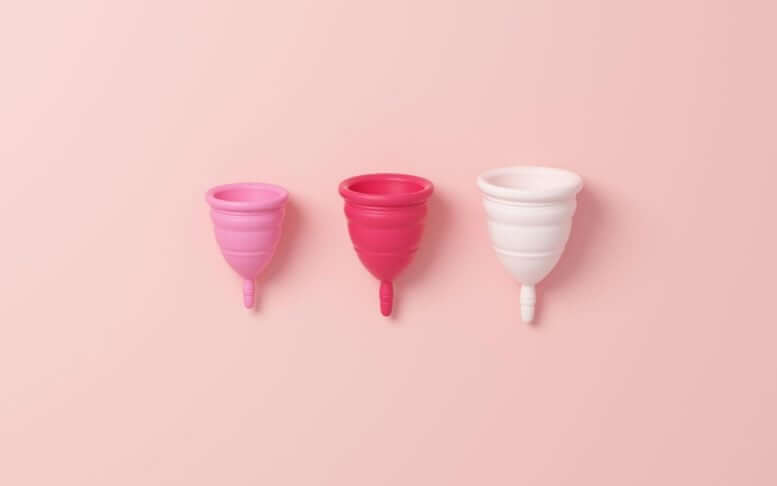
Doctors Warn: Menstrual Cup Misuse Could Be Causing Kidney Problems

✨ A mispositioned menstrual cup can block urine flow, leading to kidney swelling, as seen in a recent BMJ Case Reports case. A woman experienced pain and blood in her urine due to ureter obstruction from her menstrual cup. Her symptoms resolved aft... 

Read more ››

Doctors Warn: Menstrual Cup Misuse Could Be Causing Kidney Problems
Carrots vs. Diabetes: Surprising New Research Shakes Up Treatment Options

✨ A new study from SDU suggests that carrots can improve blood sugar regulation and promote a healthier gut microbiome, potentially offering a natural supplement to type 2 diabetes treatments. Researchers found that mice fed carrot powder had bette... 

Read more ››

Carrots vs. Diabetes: Surprising New Research Shakes Up Treatment Options
According to Scientists, This Belief Is Key to a Meaningful Life

✨ Hope, often underestimated, may be more fundamental to our psychological well-being than happiness or even gratitude. A new study from the University of Missouri reveals that hope uniquely fuels our sense of life’s meaning, reshaping how we und... 

Read more ››

According to Scientists, This Belief Is Key to a Meaningful Life
Roman-Era Lead Pollution Linked to IQ Drop Across Europe

➡️ Ice cores show Roman-era lead pollution reduced European IQ by 2-3 points, linking ancient mining to cognitive decline. This research underscores the long history of industrial harm to human health.

💥 DRI scientists analyzed Arctic ice ... 

Read more ››

Roman-Era Lead Pollution Linked to IQ Drop Across Europe
Seven Days of Fasting: How Your Body Transforms Inside and Out

💥 After seven days of fasting, the body undergoes a profound reset, switching energy sources, shedding fat, and activating unique protein changes linked to major organ health. These shifts open the door to new possibilities for harnessing fastingâ... 

Read more ››

Seven Days of Fasting: How Your Body Transforms Inside and Out
Aircraft Noise Linked to Serious Heart Problems, Study Finds

➡️ Living near airports with high noise exposure could endanger heart health, according to a new study.

🔵 Residents living near major airports, exposed to high levels of aircraft noise, may face a significantly higher risk of serious heart... 

Read more ››

Aircraft Noise Linked to Serious Heart Problems, Study Finds
New Study Exposes Life-Threatening Risks of Prolonged Sauna Use

💥 Doctors warn that prolonged sauna use without hydration can lead to rare but potentially fatal heat stroke, even in those without common risk factors.

⚫ Saunas can offer relaxation, but spending too long inside without proper hydration can ... 

Read more ››

New Study Exposes Life-Threatening Risks of Prolonged Sauna Use
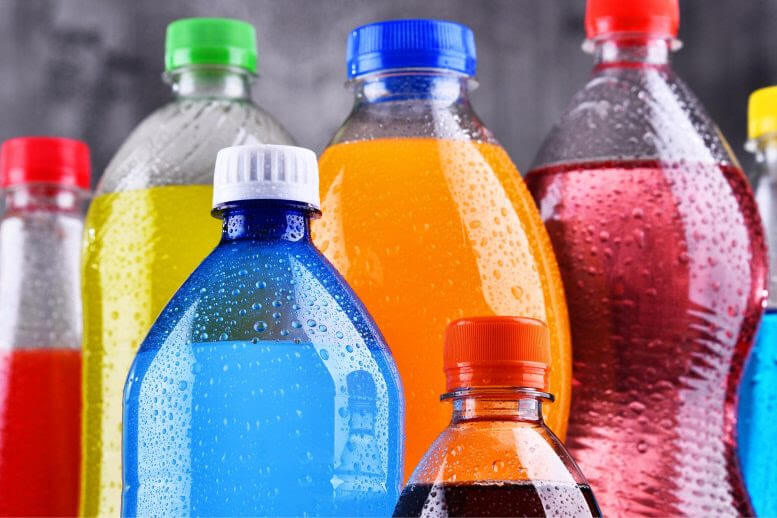
Sweet Danger: How Sugary Drinks Are Fueling Millions of New Diabetes and Heart Disease Cases Worldwide

⭐ New research links millions of annual new cases of diabetes and heart disease to sugary beverages, with significant impacts in developing countries. Urgent global measures are recommended to tackle this growing health threat.

➡️ Tufts Un... 

Read more ››

Sweet Danger: How Sugary Drinks Are Fueling Millions of New Diabetes and Heart Disease Cases Worldwide
Drinking Half to One Glass of Wine Daily Linked to 50% Lower Heart Complication Risk

Moderate wine consumption, measured via biomarkers, is linked to a 38-50% reduction in cardiovascular risks, according to a University of Barcelona-led study. However, excessive drinking eliminates these benefits, and more research is needed to co... 

Read more ››

Drinking Half to One Glass of Wine Daily Linked to 50% Lower Heart Complication Risk
New Research Links Plant-Based Meat to Depression

A study by the University of Surrey found that vegetarians consuming plant-based meat alternatives (PBMAs), which are ultra-processed foods, had a 42% higher risk of depression compared to those who did not.

Vegetarians consuming pl... 

Read more ››

New Research Links Plant-Based Meat to Depression
Coffee and Tea Linked to Lower Cancer Risk in Groundbreaking Study

Global research shows that coffee and tea consumption is linked to lower risks of head and neck cancers. While caffeinated coffee offered the most significant benefits, even decaf and tea showed promise, though effects varied by cancer type.
... 

Read more ››

Coffee and Tea Linked to Lower Cancer Risk in Groundbreaking Study
Natural Compound From Mushrooms Could Benefit People With Cancer and Major Depression

A single dose of a psychedelic compound derived from mushrooms has shown long-lasting effects in easing depression and anxiety in cancer patients.

A phase 2 trial shows that a single dose of psilocybin provides lasting relief from ... 

Read more ››

Natural Compound From Mushrooms Could Benefit People With Cancer and Major Depression
Scientists Reveal the Hidden Key to More Frequent and Satisfying Female Orgasms

Women with better interoceptive awareness tend to have more frequent and satisfying orgasms, suggesting a focus on internal bodily sensations could enhance sexual satisfaction.

Research indicates that heightened interoceptive awaren... 

Read more ››

Scientists Reveal the Hidden Key to More Frequent and Satisfying Female Orgasms
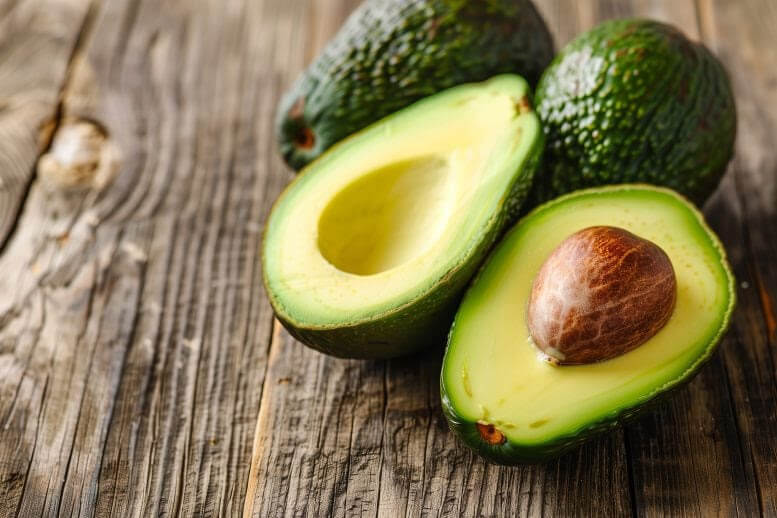
One Avocado a Day Could Help You Sleep Better, Says Groundbreaking Study

A new study reveals that eating one avocado per day may enhance sleep, highlighting an unexpected connection between nutrition and sleep quality. The findings build on growing evidence linking avocados to heart health and suggest intriguing potent... 

Read more ››

One Avocado a Day Could Help You Sleep Better, Says Groundbreaking Study
Who Wrote the Bible? AI Uncovers “Likely Authors”

Could artificial intelligence solve one of the Bible’s biggest mysteries? A team of researchers used AI-powered statistical modeling to analyze the authorship of the Hebrew Bible and made surprising discoveries about ancient narratives.

... 

Read more ››

Who Wrote the Bible? AI Uncovers “Likely Authors”
America Is Sinking: 28 Major Cities Are Slowly Going Under

A new study finds all major U.S. cities are sinking, driven by groundwater extraction and natural forces, posing hidden risks to infrastructure and calling for urgent solutions.

Groundwater loss is sinking U.S. cities, threatening i... 

Read more ››

America Is Sinking: 28 Major Cities Are Slowly Going Under
Science Confirms: Social Media Could Be Making Kids Depressed

A groundbreaking study from UCSF reveals that increased social media use among preteens is linked to rising depressive symptoms, but not vice versa.

New research shows social media use drives depressive symptoms in preteens.

Read more ››

Science Confirms: Social Media Could Be Making Kids Depressed
Scientists Uncover Hidden Biological Dangers of Ultra-Processed Foods

New research has revealed strong, consistent links between the consumption of ultra-processed foods and poor health outcomes, including inflammation, insulin resistance, and cardiovascular risk.

A major Canadian study links ultra-pr... 

Read more ››

Scientists Uncover Hidden Biological Dangers of Ultra-Processed Foods
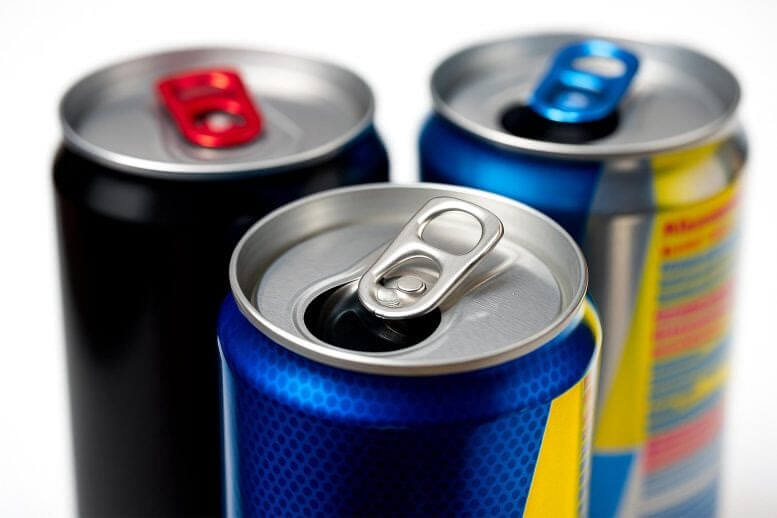
Could Your Energy Drink Be Feeding Cancer? What Scientists Just Discovered

Scientists have discovered that taurine, a common ingredient in energy drinks, helps leukemia cells grow. The cancer hijacks taurine from bone marrow to fuel itself—but blocking that process may stop the disease in its tracks.

Sci... 

Read more ››

Could Your Energy Drink Be Feeding Cancer? What Scientists Just Discovered
Can Potatoes Help With Weight Loss? Scientists Reveal Surprising Benefits

Potatoes, often dismissed as fattening carbs, can actually lower the energy density of meals and, when prepared to boost fiber (e.g., boiled, cooled 24 hrs, skins on), support a 5.6% average weight loss and improved insulin resistance over eight w... 

Read more ››

Can Potatoes Help With Weight Loss? Scientists Reveal Surprising Benefits
Researchers Reveal That Climbing Stairs Could Extend Your Life

New research indicates that stair climbing can significantly reduce the risk of cardiovascular disease and premature death, with a 24% decreased risk of mortality from any cause and a 39% reduction from cardiovascular issues. Dr. Sophie Paddock ad... 

Read more ››

Researchers Reveal That Climbing Stairs Could Extend Your Life
Scientists Say There Are 4 Types of Lovers – Which One Are You?

ANU researchers found four types of romantic lovers, revealing love varies widely in intensity, sex, and commitment. The study shows love evolves uniquely across individuals.

ANU researchers identified four romantic lover types base... 

Read more ››

Scientists Say There Are 4 Types of Lovers – Which One Are You?
Your Name Might Be Changing Your Face, Study Finds

A new study led by researchers at the Hebrew University and Reichman University suggests that people’s names may influence their facial appearance as they age. Adults’ faces were matched to their names more accurately than chance, an effect no... 

Read more ››

Your Name Might Be Changing Your Face, Study Finds
Concerning New Research Links Tattoo Ink to Increased Cancer Risk

Tattoo ink doesn’t just stay in the skin—it can migrate to the lymph nodes, where it may accumulate and affect the immune system. A study using Danish twin data found that tattooed individuals, especially those with large tattoos, have a highe... 

Read more ››

Concerning New Research Links Tattoo Ink to Increased Cancer Risk
BV Is an STD and We’ve Been Treating It Wrong for Years

A major study proves BV is sexually transmitted, explaining why previous treatments often failed. When both partners are treated, the success rate improves dramatically. This could revolutionize women’s health worldwide.

For years... 

Read more ››

BV Is an STD and We’ve Been Treating It Wrong for Years
Secret of Everything

The secret of everything – Everything Is Mental. All talent, skill, power, speed and ability is mental. Nothing is impossible. Anything is possible. There is nothing you cannot Be, Do or Have. You can Be, Do and Have anything you want as long as yo... 

Read more ››

Secret of Everything
Harvard Study Finds Eating an Orange a Day Could Cut Depression Risk by 20%

A daily orange might do more than boost immunity — it could also help prevent depression. Scientists discovered that citrus uniquely supports gut bacteria linked to serotonin and dopamine production, reducing depression risk by 20%. Future resea... 

Read more ››

Harvard Study Finds Eating an Orange a Day Could Cut Depression Risk by 20%
According to Researchers, This Simple Phone Hack Can Improve Mental Health As Much as Antidepressants

A two-week experiment found that blocking mobile internet on smartphones significantly improved participants’ mental health, well-being, and attention span, even reversing a decade of age-related cognitive decline. The study suggests that reduci... 

Read more ››

According to Researchers, This Simple Phone Hack Can Improve Mental Health As Much as Antidepressants
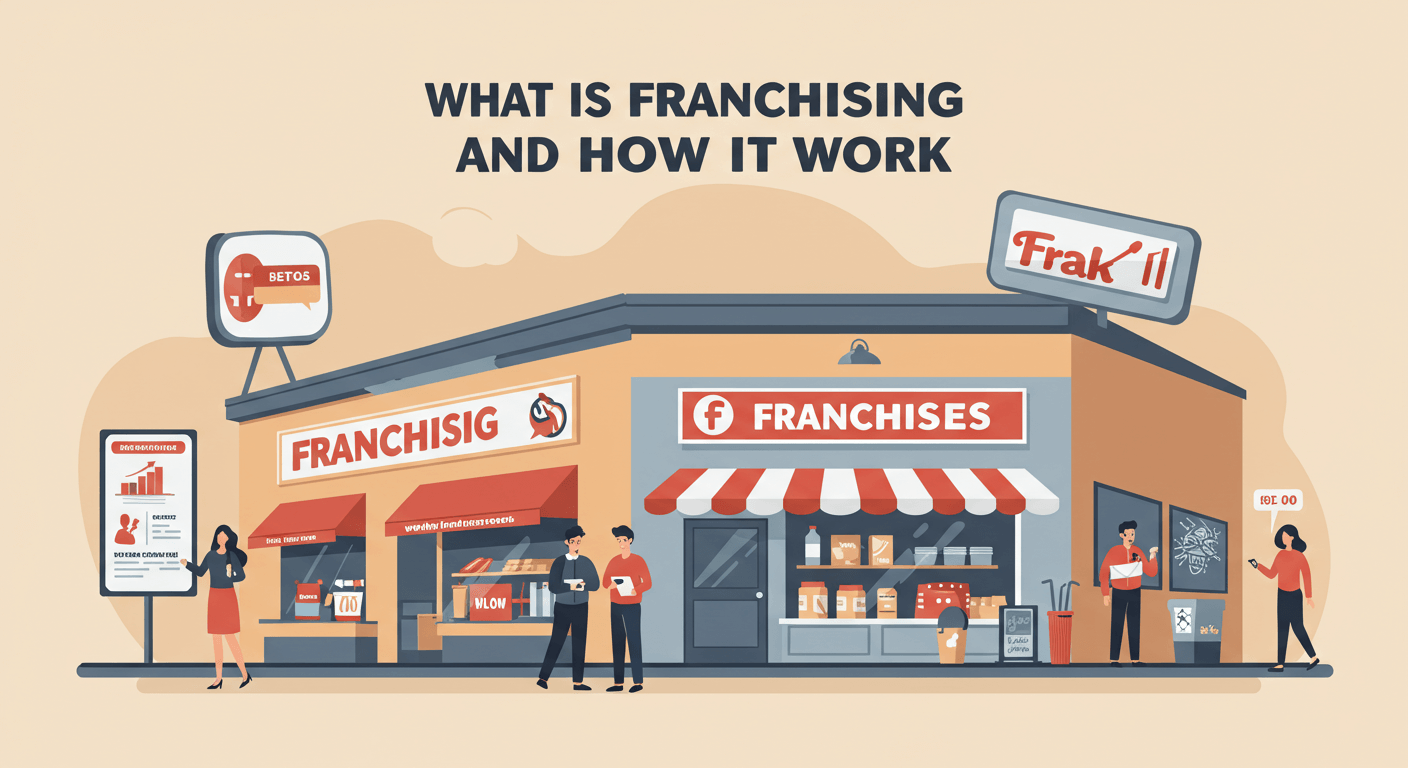
WHAT IS FRANCHISING AND HOW DOES IT WORK?

WHAT IS FRANCHISING AND HOW DOES IT WORK?

Franchising is a form of business organization in which a firm that already has a successful product or service (franchisor) licenses its trademark and me... 

Read more ››

WHAT IS FRANCHISING AND HOW DOES IT WORK?
Business Idea: A program for rock music enthusiasts to learn, improve, and perform in real bands at live rock venues.

Business Idea: Create a program for students with a passion for rock music so they can either learn to play a rock instrument or improve their existing musical skills and have the opportunity to participate in rock bands that play in... 

Read more ››

Business Idea: A program for rock music enthusiasts to learn, improve, and perform in real bands at live rock venues.
Business Idea: Franchise a network of Fresh Healthy Vending machines in schools, hospitals, and community spaces, offering only organic, natural, and healthy foods.

Business Idea: Build a franchise organization that deploys and services Fresh Healthy Vending–branded vending machines in schools, hospitals, health clubs, community organizations, and other locations that carry only organic, natur... 

Read more ››

Scientists Discover the Brain Circuit That Fuels Creativity

Creativity might not reside in a single brain region but rather in an interconnected brain circuit, according to a new study analyzing fMRI data and brain injuries.

A new study suggests that creativity maps onto a common brain circu... 

Read more ››

Scientists Discover the Brain Circuit That Fuels Creativity
Unlock Your Love This Valentine’s Day With a Science-Backed 7-Question Test

Romantic relationships play a vital role in emotional well-being, yet tools for assessing their health are often lacking. Enter the Valentine Scale—a quick, research-backed method for evaluating relationship satisfaction.

Want a f... 

Read more ››

Unlock Your Love This Valentine’s Day With a Science-Backed 7-Question Test
Your Brain Is Cheating on You, and You Don’t Even Know It

Sometimes, we cheat—not for money or prizes, but just to feel better about ourselves.

A new study reveals that people engage in “diagnostic self-deception,” tricking themselves into believing their success comes from ability... 

Read more ››

Being Social May Delay Dementia by 5 Years

Frequent social activity may help delay dementia, reducing the risk by up to 38%. Engaging with others strengthens neural networks, potentially delaying cognitive decline and lowering healthcare costs.

Social activities include dini... 

Read more ››

Harvard Study: Eating Dark Chocolate Could Reduce Your Risk of Diabetes by 21%

Participants who ate at least five servings of chocolate weekly had a 10% reduced risk of type 2 diabetes (T2D), with dark chocolate showing an even stronger effect—a 21% lower risk. In contrast, milk chocolate consumption was linked to long-ter... 

Read more ››

Harvard Study: Eating Dark Chocolate Could Reduce Your Risk of Diabetes by 21%
The Chocolate Cure: Cocoa Flavanols Protect Against Stress and High-Fat Diets

New research highlights the protective effects of flavanol-rich cocoa on vascular health, even when consumed alongside high-fat meals during stressful situations.

Consuming a cocoa drink rich in flavanols can mitigate the negative e... 

Read more ››

How Many Hours of Sitting Is Too Much for Your Heart?

Sedentary behavior exceeding 10.5 hours daily significantly raises the risk of heart failure and cardiovascular death, even among those who exercise regularly.

A recent study highlights that more than 10.5 hours of daily sedentary b... 

Read more ››

How Many Hours of Sitting Is Too Much for Your Heart?
The Common Texting Habit That Could Be Undermining Your Sincerity

New research indicates that spelling out words in text messages enhances sincerity and response rates.

Research has shown that using full words in texts, instead of abbreviations, makes individuals appear more sincere and increases ... 

Read more ››

The Common Texting Habit That Could Be Undermining Your Sincerity
New Study Identifies “Never Words” That Doctors Should Always Avoid Using

Researchers emphasize the importance of compassionate communication in treating seriously ill patients, identifying harmful “never words” and proposing more sensitive alternatives to enhance patient engagement and reduce emotional suffering. T... 

Read more ››

New Study Identifies “Never Words” That Doctors Should Always Avoid Using
Mondays and New Year’s Day: Unveiling the Deadliest Peaks in Global Suicide Rates

A global study reveals that suicide rates are highest on Mondays and New Year’s Day, with regional variations during holidays.

Research indicates a global pattern where suicides peak on Mondays and New Year’s Day, with inconsist... 

Read more ››

Mondays and New Year’s Day: Unveiling the Deadliest Peaks in Global Suicide Rates
5 Ways to Enhance Your Online Presence Through Engaging Multimedia Content

In today's digital landscape, a strong online presence is paramount for businesses of all sizes. One of the most effective ways to engage and connect with your audience is through the strategic use of multimedia content. By incorporating visually app... 

Read more ››

5 Ways to Enhance Your Online Presence Through Engaging Multimedia Content
PART TWO: THE GROWTH STRATEGIES FOR A FIRM

II: External Growth Strategies

External growth strategies rely on establishing relationships with third parties, such as mergers, acquisitions, strategic alliances, joint ventures, licensing, and franchisin... 

Read more ››

Business Idea: Provide a convenient online platform for the parents of growing children to exchange the clothes their children grow out of for clothes their children need.

Business Idea: Provide a convenient online platform for the parents of growing children to exchange the clothes their children grow out of for clothes their children need.

Pitch: The average kid grows out of a set... 

Read more ››

Strategies for Firm Growth

The growth strategies for a firm are divided into internal strategies for growth and external strategies for growth.

I. INTERNAL GROWTH STRATEGIES

Internal growth strategies involve efforts taken within the firm itself, such as... 

Read more ››

THE TOP 10 REASONS NEW PRODUCTS FAIL

THE TOP 10 REASONS NEW PRODUCTS FAIL.

1. Target market is not defined correctly.

2. Product is not positioned effectively.

3. Product’s benefits are not understood by the target customer.

4. Product doesn’t address im... 

Read more ››

Business Idea: Create urban greenhouse systems for year-round production of sustainable and local fresh food.

Business Idea: Create urban greenhouse systems for year-round production of sustainable and local fresh food.

Pitch: Food travels 1,500 miles on average in the United States to get to consumers. At the same time, ... 

Read more ››

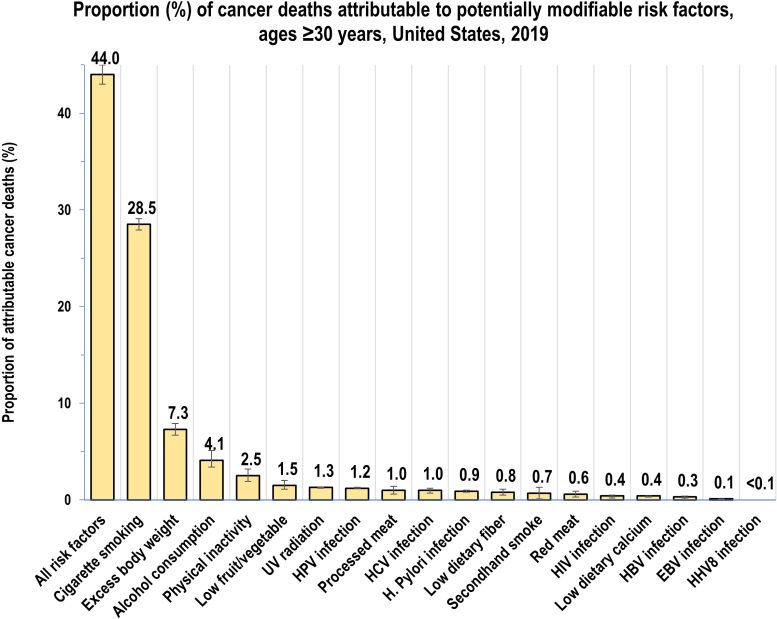
4 in 10 US Cancer Cases Linked to Modifiable Risk Factors, Study Reveals

A recent study by the American Cancer Society (ACS) reveals that four out of ten cancer cases and half of the cancer deaths in adults over 30 in the U.S. in 2019 were due to modifiable risk factors like smoking, obesity, and alcohol. Smoking was the ... 

Read more ››

4 in 10 US Cancer Cases Linked to Modifiable Risk Factors, Study Reveals
Business Idea: Manufacture and sell affordable, water efficient irrigation systems for small-plot farmers in developing nations.

Business Idea: Manufacture and sell affordable, water efficient irrigation systems for small-plot farmers in developing nations.

Company: Driptech

Pitch: In many developing countries, farmers h... 

Read more ››

Business Idea: Launch a service that provides reliable and loving reminders and companionship calls to elderly people who are still living in their homes.

Company: Check-In Calls

Business Idea: Launch a service that provides reliable and loving reminders and companionship calls to elderly people who are still living in their homes.

Pitch: Many ca... 

Read more ››

New Study Reveals That Simply Looking at Trees Can Boost Your Mental Health

Eye-tracking research from Bangor University and Technion-Israel Institute of Technology shows that focusing on natural elements during urban walks reduces anxiety and enhances feelings of restoration in city dwellers. These findings suggest urban de... 

Read more ››

New Study Reveals That Simply Looking at Trees Can Boost Your Mental Health
Eat Plants, Beat Cancer: New Study Links Vegetables To Lower Prostate Cancer Risks

Research from UC San Francisco reveals that men with localized prostate cancer can lower the risk of disease progression by 47% by adopting a plant-based diet rich in fruits, vegetables, nuts, and olive oil. Over 2,000 participants showed that increa... 

Read more ››

Eat Plants, Beat Cancer: New Study Links Vegetables To Lower Prostate Cancer Risks
5 natural ways to overcome erectile dysfunction

If you're a middle aged man, can you run as fast as you did when you were 20 years old? Hit a baseball as far as you once could? Bash a tennis ball with the same speed and spin?

Probably not.

But even as we age, there are still plenty of ways t... 

Read more ››

BRANDING

A brand is the set of attributes—positive or negative—that people associate with a company. These attributes can be positive, such as trustworthy, innovative, dependable, or easy to deal with. Or they can be negative, suc... 

Read more ››

Business Idea: Provide a service that stores individuals’ log-in information to important online services like e-mail accounts, social networks, PayPal, and eBay, and deliver them to caretakers in the event of the individual’s death.

Company: Legacy Locker

Business Idea: Provide a service that stores individuals’ log-in information to important online services like e-mail accounts, social networks, PayPal, and eBay, and deliver them to caret... 

Read more ››

New Research Reveals That Couples Who Drink Together Live Longer

A study by the University of Michigan finds that couples who drink alcohol together are likely to live longer, supporting the idea that shared drinking habits can enhance marital satisfaction and longevity.

The couple that drinks together might li... 

Read more ››

New Research Reveals That Couples Who Drink Together Live Longer
Office Productivity Takes a Hit in the Afternoon, Particularly on Fridays

A Texas A&M study shows productivity dips in the afternoon and on Fridays among office workers, advocating for flexible work to boost efficiency and well-being.

An innovative study from the Texas A&M School of Public Health offers objectiv... 

Read more ››

Office Productivity Takes a Hit in the Afternoon, Particularly on Fridays
Preparing to Raise Debt or Equity Financing

Once a start-up’s financial needs exceed what personal funds, friends and family, and bootstrapping can provide, debt and equity are the two most common sources of funds. The most important thing an entrepreneur must do at this point is determine p... 

Read more ››

Sources of Personal Financing

Typically, the seed money that gets a company off the ground comes from the founders’ own pockets. There are three categories of sources of money in this area: personal funds, friends and family, and bootstrapping.

1. Pe... 

Read more ››

Business Idea: Create a Website and a smartphone app that provides a visual guide to great food and where to find it.

Company: Foodspotting

Business Idea: Create a Website and a smartphone app that provides a visual guide to great food and where to find it. Instead of reviewing restaurants, users will share where to find their fa... 

Read more ››

Business Idea: Create an online community that links interns (primarily college students) with entrepreneurial start-ups and change-oriented nonprofit organizations.

Company: YouTern

Business Idea: Create an online community that links interns (primarily college students) with entrepreneurial start-ups and change-oriented nonprofit organizations.

Pitch: Int... 

Read more ››

52 Tips for Losing Weight

A Tip a Week

If you add one of these tips a week to your daily routine, in one year you will have developed some very healthy habits!

1. Eliminate one tablespoon of fat a day and you will lose 10 pounds in a ye... 

Read more ››

The Law of Cause and Effect – Everything happens for a reason; there is a cause for every effect.

This is the “Iron Law” of human destiny. This law says that we live in a world governed by law, not chance. It says that everything happens for a reason, whether or not we know what it is. Every effect, success or failure, wealth or poverty, has ... 

Read more ››

Organizing Buying Groups to Cut Costs and Maintain Competitiveness

One challenge that businesses confront is cutting costs in ways that don’t erode their ability to remain competitive. Many cost-cutting techniques, such as scaling back on hiring, lowering marketing expenses, or reducing inventory, may save money b... 

Read more ››

What's In A Business Name?: A Lot Of Trouble If You Aren't Careful

Introduction

While at first glance naming a business may seem like a minor issue, it is an extremely important one. A company’s name is one of the first things people associate with a business, and it is a word or phrase that wi... 

Read more ››

Vesting Ownership in Company Stock: A Sound Strategy for Start-Ups

If you’re not familiar with vesting, the idea is that when a firm is launched, instead of issuing stock outright to the founders, the stock is distributed over a period of time, typically three to four years, as the founder or founders “e... 

Read more ››

99designs: Making Partnering with Freelancers the Essence of Its Disruptive Business Model

Start-ups typically have a variety of design needs including logo design, brochures, stationery, and business cards. Traditionally the most important design work, like a business’s logo, is either done by the business itself or contracted out to a ... 

Read more ››

Thriving in a Crowded Industry by Creating Meaningful Value and Differentiation from Competitors

Firms do well in a crowded industry when two conditions exist: (1) they create meaningful value for customers at a fair price and (2) they effectively differentiate themselves from competitors. In fact, diminishing the impact of thre... 

Read more ››

Shield your brain from decline

Use the SHIELD acronym to remember the lifestyle habits that will help protect your memory and thinking skills.

We are making encouraging progress in finding medications that prevent or even reverse cognitive decline. Until we get there, however, ... 

Read more ››

Business Idea: Provide musicians a platform to reach out to their fan base to financially contribute to upcoming recordings or other musical projects.

Business Idea: Provide musicians a platform to reach out to their fan base to financially contribute to upcoming recordings or other musical projects.

Pitch: Musicians often have creative ideas for recordings or s... 

Read more ››

Finding the Right Business Partner

One thing that becomes clear to many potential business founders, while conducting organizational feasibility analysis, is that they need one or more partners to help launch their business. You might be a Web developer who has a great idea for a Web ... 

Read more ››

ScriptPad: Interesting Idea—But Will Doctors and Pharmacies Sign On?

To ScriptPad founder and CEO Shane Taylor, the problem his company solves is personal. Taylor’s father, who is fighting both heart disease and cancer, takes 26 different medications to fight his illnesses. Any mix-up or error associated with taking... 

Read more ››

Want Help Fine-Tuning a Business Idea? Find a Mentor

Fine-tuning a business idea isn’t easy. While fairly course-grained ideas are rather easy to develop, like creating a cell-phone that’s designed specifically for elderly people, fleshing out the details is where experience helps. This reality put... 

Read more ››

Working Together: How Biotech Firms and Large Drug Companies Bring Pharmaceutical Products to Market

Large firms and smaller entrepreneurial firms play different roles in business and society and can often produce the best results by partnering with each other rather than acting as adversaries. The pharmaceutical industry is an excellent example of ... 

Read more ››

Learning how to meditate

Meditation has been practiced for thousands of years and it continues to grow in popularity. This mindful practice can help aid anxiety and depression, chronic pain, cancer, bowel diseases, high blood pressure, insomnia, addiction and so much more.
... 

Read more ››

Learning how to meditate
PatientsLikeMe: Allowing People with Serious Diseases to Connect with One Another and Exchange Support and Advice

PatientsLikeMe: Allowing People with Serious Diseases to Connect with One Another and Exchange Support and Advice

Web: www.patientslikeme.com

Jamie a... 

Read more ››

How Companies and Organizations Build Credibility and Trust

How Companies and Organizations Build Credibility and Trust

There are several ways companies and organizations can build credibility and trust. We present eight techniques that are essential in nearly all cases in the following list.

Te... 

Read more ››

Business Idea: Create a single place for music lovers to track or keep up with their favorite bands, so they’ll always know where and when the bands will be performing in their area.

Business Idea: Create a single place for music lovers to track or keep up with their favorite bands, so they’ll always know where and when the bands will be performing in their area.

In addition, create an online platform for c... 

Read more ››

CREATING A NEW-VENTURE TEAM

Those who launch or found an entrepreneurial venture have an important role to play in shaping the firm’s business concept. Stated even more directly, it is widely known that a well-conceived business plan cannot get off the ground unless a firm ha... 

Read more ››

CREATING A NEW-VENTURE TEAM
Discuss the differences among sole proprietorships, partnerships, corporations, and limited liability companies.

When a business is launched, a form of legal entity must be chosen. Sole proprietorship, partnerships, corporations, and limited liability companies are the most common legal entities from which entrepreneurs make a choice. Choosing ... 

Read more ››

Discuss the differences among sole proprietorships, partnerships, corporations, and limited liability companies.
Airbnb: How Listening to Customers and Iterating the Business Model Helped Shape and Mold a Successful Start-up

Airbnb: How Listening to Customers and Iterating the Business Model Helped Shape and Mold a Successful Start-up

Web: www.airbnb.com

Introduction

It all st... 

Read more ››

Airbnb: How Listening to Customers and Iterating the Business Model Helped Shape and Mold a Successful Start-up
Components of an effective business model

1. Core strategy (how a firm competes)

2. Strategic resources (how a firm acquires and uses its resources)

3. Partnership network (how a firm structures and nurtures its partnerships)

Read more ››

Six distinct ways of making money online

Six distinct ways of making money online (the way an online company makes money largely defines its business model)

1. Affiliate programs

An affiliate program is a way for online merchants, like 1-800-FLOWERS, ... 

Read more ››

COMPETITOR ANALYSIS

After a firm has gained an understanding of the industry and the target market in which it plans to compete, the next step is to complete a competitor analysis. A competitor analysis is a detailed analysis of a firm’s competition. It helps a firm u... 

Read more ››

Some excellent ways to increase your self-awareness

1. Personal diaries

An excellent way to increase your self-awareness is to keep a diary. In it make a daily note of the important things that happen. Be honest and open with yourself. Be willing to reflect upon your beliefs, thoug... 

Read more ››

Maintaining positive thoughts

• E. G. S. Emotional Guidance System - Your inner guide

It is said that the average human being has approximately 64,000 thoughts per day. Protecting all of your thoughts 24 hours a day can be a full-time job. There is a better way to gauge how ... 

Read more ››

TECHNIQUES FOR GENERATING IDEAS

In general, entrepreneurs identify more ideas than opportunities because many ideas are typically generated to find the best way to capitalize on an opportunity. Several techniques can be used to stimulate and facilitate the generation of new ideas f... 

Read more ››

The 3 sources of business ideas

1. Observing Trends

The first approach to identifying opportunities is to observe trends and study how they create opportunities for entrepreneurs to pursue. The most important trends to follow are economic trends, social trends, ... 

Read more ››

The 3 sources of business ideas

Unleash Your Creativity with SCAMPER!

   Pinned
  4 Mins Read
Image name: SCAMPER_Technique.png Image size: 319.75 KB
  Download

✨ Boost Your Creativity with the SCAMPER Technique.

If you're looking for a simple and powerful way to generate fresh ideas, improve products, or unlock creative solutions, the SCAMPER technique is one of the best tools you can use.

Need to supercharge an existing idea or product? Try the powerful SCAMPER technique for idea generation!

SCAMPER is a simple yet effective tool to...


Startling: Humans Are Absorbing Microplastics, and It Is Increasing Our Risk of Cancer, Diabetes, and Heart Disease

  2 years ago (Sat, Jul 27, 2024 at 12:19 PM (GMT))

  4 Mins Read
A new study highlights the potential health risks posed by increasing levels of micro- and nanoplastics (MnPs) in the human body, linking them to non-communicable diseases such as cancer and diabetes. Researchers advocate for a global approach to investigate the environmental factors contributing to MnP exposure and its effects on human health, emphasizing the urgency of tackling this pollution to...
 
© UNIVERSITY OF BIRMINGHAM   


Scientists Uncover Brain-Boosting Potential of Vitamin B6

  2 years ago (Wed, Jul 24, 2024 at 10:50 AM (GMT))

  4 Mins Read
Vitamin B6 is crucial for brain function, with deficiencies linked to memory issues and depression; however, increasing B6 through supplements alone is insufficient. Researchers at Würzburg University Medicine found that inhibiting the degradation enzyme pyridoxal phosphatase effectively raises cellular B6 levels, offering a potential new treatment avenue for mental and neurodegenerative disorders.

Researchers found that inhibiting the degradation of vitamin B6...

Vitamin B6 plays a crucial role in brain metabolism. Consequently, low levels of vitamin B6 are linked to memory and learning impairments, depressive moods, and clinical depression in various mental disorders. In the elderly, insufficient vitamin B6 is associated with memory decline and dementia.

Although some of these observations were made decades ago, the exact role of vitamin B6 in mental illness is still largely unclear. What is clear, however, is that an increased intake of vitamin B6 alone, for example in the form of dietary supplements, is insufficient to prevent or treat disorders of brain function.

Publication in eLife

A research team from Würzburg University Medicine has now discovered another way to increase vitamin B6 levels in cells more effectively: namely by specifically inhibiting its intracellular degradation. Antje Gohla, Professor of Biochemical Pharmacology at the Department of Pharmacology and Toxicology at Julius-Maximilians-Universität Würzburg (JMU), is responsible for this.

Other participants come from the Rudolf Virchow Center for Integrative and Translational Bioimaging at JMU, the Leibniz-Forschungsinstitut für Molekulare Pharmakologie-FMP Berlin, and the Institute for Clinical Neurobiology at Würzburg University Hospital. The team has now published the results of their investigations in the scientific journal eLife.

Enzyme Blockade Improves Learning Ability

“We were already able to show in earlier studies that genetically switching off the vitamin B6-degrading enzyme pyridoxal phosphatase in mice improves the animals’ spatial learning and memory capacity,” explains Antje Gohla. In order to investigate whether such effects can also be achieved by pharmacological agents, the scientists have now looked for substances that bind and inhibit pyridoxal phosphatase.

With success: “In our experiments, we identified a natural substance that can inhibit pyridoxal phosphatase and thus slow down the degradation of vitamin B6,” explains the pharmacologist. The working group was actually able to increase vitamin B6 levels in nerve cells that are involved in learning and memory processes. The name of this natural substance: 7,8-Dihydroxyflavone.

New Approach for Drug Therapy

7,8-Dihydroxyflavone has already been described in numerous other scientific papers as a molecule that can improve learning and memory processes in disease models for mental disorders. The new knowledge of its effect as an inhibitor of pyridoxal phosphatase now opens up new explanations for the effectiveness of this substance. This could improve the mechanistic understanding of mental disorders and represent a new drug approach for the treatment of brain disorders, the scientists write in their study.

The team also considers it a great success that 7,8-Dihydroxyflavone has been identified as an inhibitor of pyridoxal phosphatase for the first time — after all, this class of enzymes is considered to be particularly challenging for drug development.

A Long Way to a Drug

When will people benefit from this discovery? “It’s too early to say,” explains Marian Brenner, a first author of the study. However, there is much to suggest that it could be beneficial to use vitamin B6 in combination with inhibitors of pyridoxal phosphatase for various mental disorders and neurodegenerative diseases.

In a next step, Gohla and her team now want to develop improved substances that inhibit this enzyme precisely and highly effectively. Such inhibitors could then be used to specifically test whether increasing cellular vitamin B6 levels is helpful in mental or neurodegenerative diseases.
 
© UNIVERSITY OF WÜRZBURG   


Warning: 97% of Tested North American Natural Gas Samples Contain Cancer-Causing Benzene

  2 years ago (Wed, Jul 24, 2024 at 10:34 AM (GMT))

  3 Mins Read
Image name: Natural-Gas-Leak-777x518.jpg Image size: 38.59 KB
  Download

Recent research indicates a high risk of undetected natural gas leaks in homes across North America, with hazardous pollutants like benzene commonly present. The study calls for better leak detection standards and greater transparency in natural gas composition to enhance indoor air quality and safety.

The results underscore the importance of implementing more rigorous standards for odorizing natural gas and detecting...

New findings reveal that individuals with an average sense of smell may unknowingly be living with natural gas leaks. According to a peer-reviewed study in the scientific journal Environmental Research Letters, minor leaks can deteriorate indoor air quality by emitting various hazardous pollutants, such as benzene—a carcinogen detected in 97% of natural gas samples throughout North America.

“While these smaller leaks are not large enough to cause gas explosions, hard-to-smell leaks are common,” said lead author and PSE Healthy Energy Scientist Sebastian Rowland. “The fact that they are so small makes them hard to identify and fix, which can lead to a persistent indoor source of benzene and methane.”

Study Findings on Gas Composition and Odorants

The study is the first to assess whether gas leaks contain enough odorant to protect against elevated levels of benzene exposure, and provides the most comprehensive data to date on residential natural gas composition. Researchers from PSE Healthy Energy and Stanford University collected and analyzed 587 samples of natural gas from 481 residences in 17 North American cities.

Samples were tested for methane, hazardous air pollutants, and sulfur-based odorants and researchers modeled the amount of gas that could leak undetected by a resident with an average sense of smell. Their findings confirm that benzene and other hazardous air pollutants are present in nearly all natural gas supplied to households, buildings, and businesses throughout North America.

“Our nose is the first and only line of defense against household-level gas leaks,” said PSE Senior Scientist Drew Michanowicz. “Given the variation in odorant levels and the enormous disparity in the ability to smell across the general public, our findings really call into question the sole reliance on odor to protect people from gas leaks.”

Geographic Disparities in Benzene and Odorant Levels

On average, gas delivered to homes in Vancouver, Los Angeles, Calgary, and Denver had twice the benzene levels than the other cities, with benzene levels in Vancouver nearly fifty times greater than that of the lowest concentration city, Boston. Odorant levels in Houston gas were approximately five times higher than Toronto, whereas the neighboring cities of New York City and Washington, D.C., appeared to use different odorant products altogether, indicating a lack of standardization.

On average, measured natural gas odorant levels should alert most occupants to gas leaks that can lead to high benzene exposures; however, each household faces a different situation due to differences in personal smelling sensitivity, ventilation rates, gas composition, and barriers to fixing leaks after detection.

The research team suggests that regulators and consumers would benefit from greater transparency of natural gas composition, such as open access to natural gas composition data and regular sampling. Additionally, improving leak detection through stricter odorization standards or increased usage of leak-detecting devices, or reducing gas use altogether can improve indoor air quality and public health.
 
© PSE HEALTHY ENERGY   


Plant-Based Meat Alternatives Are Better for Your Heart Than Normal Meat

  2 years ago (Wed, Jul 24, 2024 at 10:13 AM (GMT))

  5 Mins Read
Image name: Grilled-Plant-Based-Meat-777x486.jpg Image size: 114.37 KB
  Download

Plant-based meat alternatives (PBMAs) have variable nutritional profiles but generally promote heart health better than animal-based meats. Despite their high sodium content, PBMAs improve cardiovascular risk factors like cholesterol without raising blood pressure. However, more long-term research is needed to understand their full impact on heart health. Experts emphasize the importance of focusing on overall dietary patterns rather than individual...
 
© ELSEVIER   


Groundbreaking Discovery: How Zinc Could Change Farming Forever

  2 years ago (Wed, Jul 24, 2024 at 09:50 AM (GMT))

  4 Mins Read
Image name: Crops-Growing-Fertile-Farm-Land-777x518.jpg Image size: 85.11 KB
  Download

A new study reveals zinc’s critical role in regulating nitrogen fixation in legumes through a sensor named FUN. This discovery could help improve crop efficiencies and reduce synthetic fertilizer use by adapting to environmental and soil conditions.

Researchers have found that zinc significantly influences the nitrogen fixation process in legumes, a discovery that could transform legume-based agriculture.

Climate change, drought, increased temperature,...

Discovery of Zinc’s Role in Nitrogen Fixation

Scientists have uncovered a vital role for zinc in the nitrogen fixation process of legumes. This discovery, paired with insights into the transcriptional regulator known as Fixation Under Nitrate (FUN), has the potential to transform legume farming by enhancing crop efficiency and decreasing the dependence on synthetic fertilizers. By delving into the mechanisms through which zinc and FUN control nitrogen fixation, researchers aim to boost nitrogen availability, improve crop yields, and foster more environmentally friendly farming methods.

Legume crops form a symbiotic relationship with rhizobia bacteria, which fix atmospheric nitrogen into root nodules. These nodules, however, are vulnerable to various environmental pressures such as changes in temperature, drought, flooding, soil salinity, and elevated soil nitrogen levels.

Breakthrough in Plant Micronutrient Sensing

Researchers from Aarhus University, in collaboration with Polytechnic University of Madrid and the European Synchrotron Radiation Facility in France, have discovered that legumes use zinc as a secondary signal to integrate environmental factors and regulate nitrogen fixation efficiency. In the study published in Nature, the researchers discovered that FUN is a novel type of zinc sensor, which decodes zinc signals in nodules and regulates nitrogen fixation.

“It’s truly remarkable to discover zinc’s role as a secondary signal in plants. It is a vital micronutrient, and it has never been considered as a signal before. After screening over 150,000 plants, we finally identified the zinc sensor FUN, shedding light on this fascinating aspect of plant biology,” Assistant Professor Jieshun Lin, the study’s first author, explains.

Unveiling the Functionality of the FUN Protein

In this study the scientists identified that FUN is an important transcription factor that controls nodule breakdown when soil nitrogen concentrations are high: “FUN is regulated by a peculiar mechanism that monitors the cellular zinc levels directly and we show that FUN is inactivated by zinc into large filament structures and liberated into the active form when zinc levels are low,” Professor Kasper Røjkjær Andersen explains.

From an agricultural perspective, continued nitrogen fixation could be a beneficial trait that increases nitrogen availability, both for the legume and for co-cultivated or future crops that rely on the nitrogen left in the soil after legumes are grown. This helps lay the foundations for future research that provides new ways for us to manage our farming systems, reduce the use of nitrogen fertilizer, and reduce its impact on the environment.

Enhancing Agricultural Efficiency and Sustainability

The implications of this research are significant. By understanding how zinc and FUN regulate nitrogen fixation, researchers are developing strategies to optimize this process in legume crops. This could lead to increased nitrogen delivery, improving crop yields and reducing the need for synthetic fertilizers, which have environmental and economic costs.

Researchers are now investigating the mechanisms of how zinc signals are generated and decoded by FUN. They are looking forward to applying these new discoveries to legume crops such as faba bean, soybean, and cowpea.
 
© HELENE ERIKSEN, AARHUS UNIVERSITY   


Breakthrough Study Links Gut Bacteria to Food Addiction and Obesity

  2 years ago (Mon, Jul 22, 2024 at 11:38 AM (GMT))

  6 Mins Read
A recent study has identified specific gut bacteria linked to food addiction and potential protective effects, offering new insights into treating food addiction and related eating disorders.

New research reveals the communication mechanisms between your brain and gut.

An international team of researchers has pinpointed certain gut bacteria linked to the development of food addiction in both mice and humans, which can...
 
© FEDERATION OF EUROPEAN NEUROSCIENCE SOCIETIES   


Decades-Long Study Shatters Myth: Multivitamins Don’t Lower Death Risk

  2 years ago (Mon, Jul 22, 2024 at 11:28 AM (GMT))

  2 Mins Read
Image name: Vitamin-Supplement-Bottle-777x518.jpg Image size: 15.59 KB
  Download

A 20-year study of 400,000 U.S. adults found that regular multivitamin use does not lower mortality risk, challenging the effectiveness of multivitamins in enhancing longevity.

Results are based on an NIH study that analyzed over two decades of dietary information from 390,124 U.S. adults.

A large analysis of data from nearly 400,000 healthy U.S. adults followed for more than 20 years...
 
© NATIONAL CANCER INSTITUTE   


Intermittent Fasting vs. USDA Diet: Johns Hopkins Scientists Uncover Surprising Brain Health Benefits

  2 years ago (Mon, Jul 22, 2024 at 11:15 AM (GMT))

  5 Mins Read
A study by Johns Hopkins Medicine and NIH’s National Institute on Aging on 40 older adults with obesity and insulin resistance found that both intermittent fasting and a USDA-approved healthy diet improved brain function and metabolic health, with intermittent fasting showing slightly better results in cognitive improvements.

Recent research reveals that intermittent fasting and a standard healthy diet both enhance brain...

Researchers from Johns Hopkins Medicine and the National Institute on Aging at the National Institutes of Health (NIH) report findings from their study involving 40 older adults with obesity and insulin resistance. Participants were randomly assigned to follow either an intermittent fasting regimen or a standard healthy diet endorsed by the U.S. Department of Agriculture (USDA). The study provides significant insights into the potential brain health benefits of both dietary approaches.

Insulin resistance is a hallmark of type 2 diabetes and is common in people with obesity. Studies suggest that people with insulin resistance are at higher risk than usual for Alzheimer’s disease and other cognitive impairments. As a result, various weight loss regimens figure widely as ways to reduce the risk of these metabolic and brain disorders.

Study Findings and Methodology

Previous Johns Hopkins research on animal models of diabetes and Alzheimer’s disease showed that intermittent fasting can improve cognition and insulin sensitivity. The new study, published on June 19 in the scientific journal Cell Metabolism, tested the effects of intermittent fasting on women and men at risk for cognitive impairment. According to the researchers, it offers a “blueprint” for using a wide panel of biomarkers to assess dietary impact, including analysis of extracellular vesicles — tiny packets of materials shed from neurons, which are types of brain cells that send messages. Such neuron-derived extracellular vesicles are shed into circulating blood and were collected from the new study’s participants during an eight-week period while each person followed one of the two diets.

The results revealed that both types of diet plans had benefits regarding decreasing insulin resistance and improving cognition, with improvements in memory and executive function with both diets, but more strongly with the intermittent fasting diet, according to Mark Mattson, Ph.D., adjunct professor of neuroscience at the Johns Hopkins University School of Medicine and former chief of the laboratory of neurosciences at the National Institute on Aging in Baltimore. “Other scientists may want to incorporate the (brain) markers (we used) into additional, larger studies of diet and brain health,” Mattson says.

Research Techniques and Participant Demographics

Because people with obesity and insulin resistance may be more at risk of cognitive impairment and Alzheimer’s disease than people with normal metabolism and body mass index (BMI), Dimitrios Kapogiannis, M.D., chief of the human neuroscience section at the National Institute on Aging and adjunct associate professor of neurology at the Johns Hopkins University School of Medicine, developed a method to isolate neuron-derived extracellular vesicles from blood. His laboratory found molecular evidence of insulin resistance in extracellular vesicles shed from neurons of people with diabetes and Alzheimer’s disease, and because blood samples are relatively easy to collect, they were considered good candidates for widespread use.

To test the effects of the two diets on brain function biomarkers, participants in the new study were recruited between June 2015 and December 2022, and four in-person assessments were completed at facilities run by the National Institute on Aging at MedStar Harbor Hospital in Baltimore. Among the participants, 40 completed their eight-week study. Also, 20 were assigned to an intermittent fasting diet that restricted calories to one-quarter of the recommended daily intake for two consecutive days per week, and they followed the USDA’s healthy living diet — which consists of fruits, vegetables, whole grains, lean proteins, low-fat dairy products and limited added sugars, saturated fats, and sodium — for the remaining five days. The USDA’s healthy living diet was assigned to 20 other study participants each day of the week.

The average age of participants in both groups was 63, and 25 were white, 14 were Black, and one was Hispanic. There were 24 men and 16 women. All were obese and had insulin resistance.

The researchers found that both diets had equally positive effects on reducing insulin resistance markers in extracellular vesicles, improving BrainAGE (a measurement of the brain’s biological age using structural MRI data), and lowering glucose concentration in the brain. Reduced glucose concentration is a corollary of higher glucose use.

Both diets also improved customary measurements of metabolic health, including weight, BMI, measurement of waist circumference, blood lipids such as cholesterol, and insulin resistance. Executive function and memory (which are a set of mental skills that helps with planning and achieving goals) improved approximately 20% more in the intermittent fasting group than in the healthy living diet group.

Observations and Health Cautions

A few study participants reported modest side effects including constipation loose stools, and occasional headaches.

The researchers also saw increased levels of a neurofilament protein (a structural protein in neurons) in both diet groups, but mainly in the intermittent fasting group. What that means regarding brain health is unclear.

“This is a marker to continue to evaluate in further studies,” says Mattson. “Neurons release a lot of proteins, and one idea is that intermittent fasting may be causing some kind of neuroplasticity (a change in structure) in neurons, causing the release of neurofilament proteins.”

The Johns Hopkins researchers and others caution that people interested in intermittent fasting should plan carefully with a healthcare practitioner because it could be harmful to some people, including those with type 1 diabetes and eating disorders.
 
© JOHNS HOPKINS MEDICINE   


The Secret to Longer Life? Scientists Uncover Unexpected Health Benefits of Eating Small Fish

  2 years ago (Fri, Jul 19, 2024 at 05:45 PM (GMT))

  4 Mins Read
Image name: Small-Fish-Cooked-Whole-777x583.jpg Image size: 101.76 KB
  Download

Eating small fish whole can prolong life expectancy, a Japanese study finds. Credit: Chinatsu Kasahara

In Japan, people habitually eat small fish, such as whitebait, Atlantic capelin, Japanese smelt, and small dried sardines. Notably, it is common practice to consume small fish whole, including the head, bones, and organs, which are rich in micronutrients, such as calcium and vitamin A.

A new...
 
© NAGOYA UNIVERSITY   


A Natural Solution: Ethiopian Plants Show Anticancer Potential

  2 years ago (Fri, Jul 19, 2024 at 05:23 PM (GMT))

  4 Mins Read
Researchers from Georgia State University and its Perimeter College are actively gathering and analyzing samples of indigenous plants from Ethiopia to explore their disease-fighting capabilities.

Research centered on gathering and studying plants indigenous to Ethiopia is yielding promising results in combating cancer, particularly cervical cancer. A new partnership has enabled a team from Georgia State University to contribute valuable insights to...
 
© Georgia State University   


5G Without Limits: Japanese Scientists Develop Efficient Wireless-Powered Transceiver Array

  2 years ago (Fri, Jul 19, 2024 at 05:17 PM (GMT))

  4 Mins Read
Image name: 5G-Technology-Concept-777x583.jpg Image size: 97.42 KB
  Download

Researchers at Tokyo Tech have developed a groundbreaking 256-element wirelessly powered transceiver array for 5G communication, designed to address challenges like low SNR and signal blockage due to physical obstacles. This array utilizes beamforming and advanced power conversion technologies to enhance signal quality and extend network coverage, particularly in non-line-of-sight environments. By achieving significant improvements in power conversion efficiency and...
 
© Tokyo Institute Of Technology   


Substandard and falsified medical products: Advice to patients and consumers

  2 years ago (Thu, Jul 18, 2024 at 08:45 AM (GMT))

  1 Mins Read
Falsified medicines are fake medicines that are designed to look like the real thing. Taking them can lead to serious health consequences and even death.

Beware of the following when purchasing medicines:

• Spam email advertisements
• Spelling or grammar mistakes
• Suspiciously low-priced products
• Selling prescription-only medicines without a prescription

These medicines are found all around the world and claim to...
 
© World Health Organization (WHO)   


Is Your Pregnancy Diet Safe? The Latest Research on Fish and Mercury

  2 years ago (Tue, Jul 16, 2024 at 05:43 PM (GMT))

  4 Mins Read
A recent study has developed a new model to better understand the complex relationship between fish consumption during pregnancy and child neurodevelopment. This model, derived from the New Bedford Cohort, considers both mercury levels and nutritional benefits of fish, providing clearer guidance for pregnant women.

Researchers have introduced a novel approach to evaluate the neurodevelopmental effects of fish consumption during pregnancy,...
 
© UNIVERSITY OF ROCHESTER MEDICAL CENTER   


The Neuroscience of Generosity: Why Some Give More Than Others

  2 years ago (Tue, Jul 16, 2024 at 05:36 PM (GMT))

  5 Mins Read
Researchers at the Netherlands Institute for Neuroscience investigated the neural basis of altruism by studying individuals who physically feel others’ pain, known as mirror-pain synaesthetes. Their study found that these individuals are more inclined to make sacrifices to help others, driven by heightened activity in brain areas involved in sensory experiences.

Researchers from the Social Brain Lab at the Netherlands Institute...

We often have opportunities to give up something we care about to help others. What brain mechanisms help us make those decisions, and why do some people help more than others?

Over the years, philosophers and scientists have suggested that the extent to which a person empathizes with the distress of others influences their willingness to help.

To explore this hypothesis experimentally, Kalliopi Ioumpa and Selene Gallo, under the supervision of Christian Keysers and Valeria Gazzola, investigated pro-social behavior—voluntary behavior intended to benefit others—in self-reported mirror-pain synaesthetes. Mirror-pain synaesthetes report feeling pain on their own body whenever they’re witnessing pain on someone else. If sharing the pain of others is indeed a key motivator to help others, these individuals should be particularly generous.

“To better understand why some people help more than others, in the past, our lab had performed experiments with participants that are at the lower extreme of empathy, including individuals with psychopathy. This time, we wanted to look at the opposite extreme: people that feel the pain of others so much more, that it feels like the pain is on their own body” explained Christian Keysers. “In the literature, there was some notion that these participants feel such a localized pain when witnessing that of others, because their brain activated somatosensory cortices – regions normally only involved in the sense of touch on your own body. Would that influence their donations?”

The Conflict Scenario

Studying a realistic conflict in a controlled lab setting requires a creative approach in which participants feel that their decisions have real consequences both for themselves and for someone else. “If you just ask people whether they are generous or not, most of them like to say yes,” Christian says with a smile. “To reveal real differences between people, you have to create a situation in which the distress of others feels real, and where helping has a real cost for participants” Valeria emphasizes.

In their study, they created such a conflict by making participants believe that they were participating in the study together with another participant. In reality, the other participant was an actor, which kept each experiment consistent.

In the experiment, the two ‘participants’ were allocated two different roles: one, the actor, who was filmed while receiving painful stimulations on their hand; the other, the participant, who received real money and could donate some of this money to alleviate some of the other participant’s pain. “All participants believed that the other was really receiving the painful stimulation on their hand in ways that depended on their donations” Kalliopi Ioumpa explains. “In reality, we pre-recorded the actor receiving these painful stimulations ahead of time, so that all participants saw the exact same stimuli.”

Because participants made their decisions in the fMRI scanner, the researchers could analyze the brain areas related to their decisions, and how they differed between those that feel pain on their own body when they see the pain of others, and those that do not. Kalliopi Ioumpa: “We wanted to explore how much different participants would help and what the underlying neural mechanisms would be.”

Mirror-Pain Synaesthetes and Prosocial Behaviour

Compared to control participants, the self-reported mirror-pain synaesthetes donated significantly more money to alleviate the other participant’s pain – giving credence to the belief that the more you feel the pain of others, the more you are willing to give up to help them.

As expected, the researchers also found significant differences between the two groups when looking at the brain mechanism “self-reported mirror pain synaesthetes activated their secondary somatosensory cortex more. This brain area is involved in sensory experiences such as touch or pain,” Kalliopi Ioumpa explains. “So while most of us just feel generally uncomfortable when we see others in pain, mirror touch synaesthetes have a higher activation in their somatosensory cortex, as if they are experiencing pain in the corresponding body parts themselves, and they are more motivated to help” adds Christian.

Toward More Prosocial Behavior

After each experiment, participants are told the truth about the other participant being an actor, and they receive the amount of money they choose to keep.

Kalliopi Ioumpa: “We know that someone’s level of empathy can change. People can learn to enhance it but also to shut it down. Consider doctors for example, they tend to become less empathetic over the years because they need to block their empathy.” Valeria Gazzola: “and as I explain in my TEDx talk, we can all modulate how empathic we want to be in a particular situation. Empathy is not a fixed trait, it’s something we have control over, and that, as we show here, can influence how prosocial we decide to be.”

“This study helps us understand prosocial behavior better as well, as it links to empathy. We show that a group of highly empathic individuals, that somatically feels the pain of others, also demonstrates enhanced pro-social behavior,” Kalliopi Ioumpa explains. The researchers hope that their work can inspire interventions to enhance empathy and prosocial behavior in the future.
 
© NETHERLANDS INSTITUTE FOR NEUROSCIENCE   


New AI Uses Speech Patterns To Predict Alzheimer’s Disease With Astonishing Accuracy

  2 years ago (Tue, Jul 16, 2024 at 05:20 PM (GMT))

  6 Mins Read
Image name: Speech-Sound-Waves-Illustration-777x518.jpg Image size: 13.99 KB
  Download

Boston University researchers have developed an AI model that can predict with 78.5% accuracy whether a person with mild cognitive impairment will develop Alzheimer’s disease within six years. This model analyzes patient speech and could revolutionize early detection and treatment options.

By analyzing speech patterns, a new AI model can say with a high degree of accuracy whether someone with mild...

A machine learning model created by Boston University can predict Alzheimer’s disease progression in patients with mild cognitive impairment by analyzing speech, with an accuracy of 78.5%. This tool leverages data from the Framingham Heart Study and offers a more accessible approach to diagnosing Alzheimer’s, potentially allowing for earlier interventions.

Early Detection of Alzheimer’s Through AI

Trying to figure out whether someone has Alzheimer’s disease usually involves a battery of assessments—interviews, brain imaging, blood and cerebrospinal fluid tests. But, by then, it’s probably already too late: memories have started slipping away, long established personality traits have begun subtly shifting. If caught early, new pioneering treatments can slow the disease’s remorseless progression, but there’s no surefire way to predict who will develop the dementia associated with Alzheimer’s.

Now, Boston University researchers say they have designed a promising new artificial intelligence computer program, or model, that could one day help change that—just by analyzing a patient’s speech.

Advancements in Predictive AI Models

Their model can predict, with an accuracy rate of 78.5%, whether someone with mild cognitive impairment is likely to remain stable over the next six years—or fall into the dementia associated with Alzheimer’s disease. While allowing clinicians to peer into the future and make earlier diagnoses, the researchers say their work could also help make cognitive impairment screening more accessible by automating parts of the process—no expensive lab tests, imaging exams, or even office visits required. The model is powered by machine learning, a subset of AI where computer scientists teach a program to independently analyze data.

“We wanted to predict what would happen in the next six years—and we found we can reasonably make that prediction with relatively good confidence and accuracy,” says Ioannis (Yannis) Paschalidis, director of the BU Rafik B. Hariri Institute for Computing and Computational Science & Engineering. “It shows the power of AI.” The multidisciplinary team of engineers, neurobiologists, and computer and data scientists published their findings in Alzheimer’s & Dementia, the journal of the Alzheimer’s Association.

“We hope, as everyone does, that there will be more and more Alzheimer’s treatments made available,” says Paschalidis, a BU College of Engineering Distinguished Professor of Engineering and founding member of the Faculty of Computing & Data Sciences. “If you can predict what will happen, you have more of an opportunity and time window to intervene with drugs, and at least try to maintain the stability of the condition and prevent the transition to more severe forms of dementia.”

Calculating the Probability of Alzheimer’s Disease

To train and build their new model, the researchers turned to data from one of the nation’s oldest and longest-running studies—the BU-led Framingham Heart Study. Although the Framingham study is focused on cardiovascular health, participants showing signs of cognitive decline undergo regular neuropsychological tests and interviews, producing a wealth of longitudinal information on their cognitive well-being.

Paschalidis and his colleagues were given audio recordings of 166 initial interviews with people, between ages 63 and 97, diagnosed with mild cognitive impairment—76 who would remain stable for the next six years and 90 whose cognitive function would progressively decline. They then used a combination of speech recognition tools—similar to the programs powering your smart speaker—and machine learning to train a model to spot connections between speech, demographics, diagnosis, and disease progression. After training it on a subset of the study population, they tested its predictive prowess on the rest of the participants.

“We combine the information we extract from the audio recordings with some very basic demographics—age, gender, and so on—and we get the final score,” says Paschalidis. “You can think of the score as the likelihood, the probability, that someone will remain stable or transition to dementia. It had significant predictive ability.”

AI: A Tool for Broadening Healthcare Access

Rather than using acoustic features of speech, like enunciation or speed, the model is just pulling from the content of the interview—the words spoken, how they’re structured. And Paschalidis says the information they put into the machine learning program is rough around the edges: the recordings, for example, are messy—low-quality and filled with background noise. “It’s a very casual recording,” he says. “And still, with this dirty data, the model is able to make something out of it.”

That’s important, because the project was partly about testing AI’s ability to make the process of dementia diagnosis more efficient and automated, with little human involvement. In the future, the researchers say, models like theirs could be used to bring care to patients who aren’t near medical centers or to provide routine monitoring through interaction with an at-home app, drastically increasing the number of people who get screened. According to Alzheimer’s Disease International, the majority of people with dementia worldwide never receive a formal diagnosis, leaving them shut off from treatment and care.

Rhoda Au, a coauthor on the paper, says AI has the power to create “equal opportunity science and healthcare.” The study builds on the same team’s previous work, where they found AI could accurately detect cognitive impairment using voice recordings.

“Technology can overcome the bias of work that can only be done by those with resources, or care that has relied on specialized expertise that is not available to everyone,” says Au, a BU Chobanian & Avedisian School of Medicine professor of anatomy and neurobiology. For her, one of the most exciting findings was “that a method for cognitive assessment that has the potential to be maximally inclusive—possibly independent of age, sex/gender, education, language, culture, income, geography—could serve as a potential screening tool for detecting and monitoring symptoms related to Alzheimer’s disease.”

A Dementia Diagnosis From Home

In future research, Paschalidis would like to explore using data not just from formal clinician-patient interviews—with their scripted questions and predictable back-and-forth—but also from more natural, everyday conversations. He’s already looking ahead to a project on if AI can help diagnose dementia via a smartphone app, as well as expanding the current study beyond speech analysis—the Framingham tests also include patient drawings and data on daily life patterns—to boost the model’s predictive accuracy.

“Digital is the new blood,” says Au. “You can collect it, analyze it for what is known today, store it, and reanalyze it for whatever new emerges tomorrow.”
 
© BOSTON UNIVERSITY   


Plants May Soon Provide Essential Nutrients Found in Breast Milk

  2 years ago (Sun, Jul 14, 2024 at 02:56 PM (GMT))

  4 Mins Read
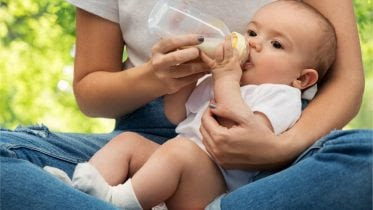
Image name: Baby-Drinking-Formula-777x518.jpg Image size: 20.68 KB
  Download

Scientists have developed a method to genetically modify plants to produce human milk oligosaccharides, which could lead to more nutritious and cheaper infant formulas that mimic the benefits of breast milk more closely.

Genetically engineered plants could soon produce human milk sugars, making infant formula healthier and more affordable.

Approximately 75% of babies drink infant formula during their first six months, either...
 
© KARA MANKE, UNIVERSITY OF CALIFORNIA – BERKELEY   


Are Plastic Water Bottles Safe? New Study Sparks Concern Over VOCs

  2 years ago (Sun, Jul 14, 2024 at 02:28 PM (GMT))

  3 Mins Read
A study has revealed that plastic water bottles can emit harmful volatile organic compounds (VOCs) when exposed to sunlight, presenting serious health risks. The research highlights the need for safer bottle materials and manufacturing methods, as well as increased consumer awareness and stricter regulations.

Recent research indicates that sunlight-exposed plastic water bottles release harmful VOCs, necessitating safer materials and stricter regulations.

A...
 
© NANJING INSTITUTE OF ENVIRONMENTAL SCIENCES   


Scientists Identify Key Pathway for Brain Health Boost via Ketogenic Diet

  2 years ago (Sun, Jul 14, 2024 at 02:18 PM (GMT))

  6 Mins Read
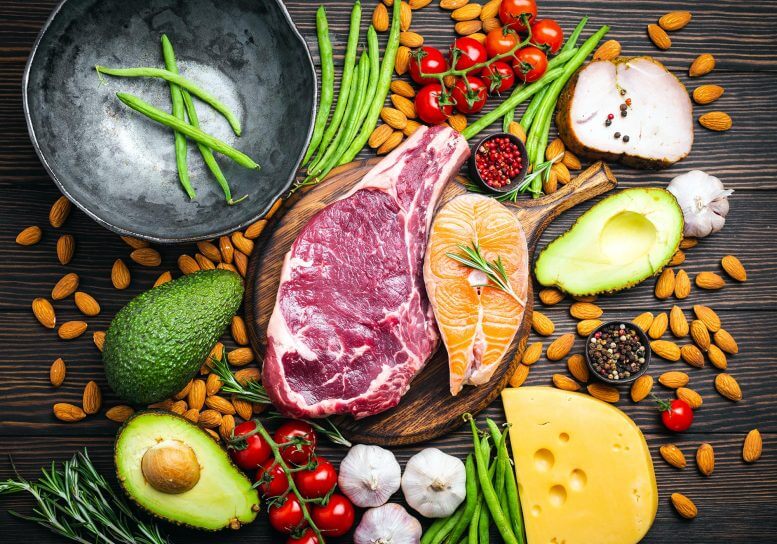
Image name: Keto-Diet-Foods-777x544.jpg Image size: 123.99 KB
  Download

The ketogenic diet improves memory in aging mice by enhancing synapse function through a newly identified molecular signaling pathway involving ketone bodies, particularly β-hydroxybutyrate (BHB). Future research seeks to replicate these benefits without the diet by targeting specific pathways.

Understanding these mechanisms offers new targets for enhancing memory, potentially without the need for a ketogenic diet.

The ketogenic diet has both enthusiasts...
 
© BUCK INSTITUTE FOR RESEARCH ON AGING   


Ancient Crocodile-Like Reptile Discovered in Brazil

  2 years ago (Sat, Jul 13, 2024 at 11:47 PM (GMT))

  2 Mins Read
Image name: Prestosuchus-chiniquensis-and-Parvosuchus-aurelioi-777x391.jpg Image size: 20.29 KB
  Download

The discovery of Parvosuchus aurelioi, a new species of ancient predatory reptile from the pseudosuchian group, was reported in Brazil. Dating back to about 237 million years ago during the Middle-Late Triassic period, this find adds significant insight into the diversity of early reptiles before the dominance of dinosaurs.

A paper published in Scientific Reports details the finding of a new,...
 
© Scientific Reports   


Scientists Have Identified 5 Different Types of Sleep: Here’s What They Reveal About Your Health

  2 years ago (Sat, Jul 13, 2024 at 11:26 PM (GMT))

  6 Mins Read
Research from 5 million nights of sleep revealed that sleep trackers can help detect chronic and acute health conditions by analyzing transitions between identified sleep phenotypes, offering a deeper insight into health than traditional sleep metrics alone.

Researchers have identified five distinct types of sleep; the patterns of transition between these types provide insights into both chronic and acute health conditions.

Your...
 
© UNIVERSITY OF CALIFORNIA - SAN DIEGO   


Business Idea: Create a Website that provides pet owners a one-stop destination for information regarding pet health issues.

  2 years ago (Fri, Jul 12, 2024 at 01:08 PM (GMT))

  3 Mins Read
Company: WebVet

Business Idea: Create a Website that provides pet owners a one-stop destination for information regarding pet health issues.

Pitch: If you’re looking for reliable information about human medical conditions, you can quickly turn to WebMD or a similar Web site, which contains useful and authoritative information about any medical issue. But what if your dog stops eating or your cat...
 
Reference: Entrepreneurship (Book)   


Can Sleeping Better Mean Studying Less? New Research Uncovers Surprising Impact of Sleep on Learning

  2 years ago (Thu, Jul 11, 2024 at 08:15 PM (GMT))

  4 Mins Read
Image name: Woman-Sleeping-in-Bed-at-Night-777x518.jpg Image size: 44.64 KB
  Download

University of Michigan research reveals that sleep enhances memory formation through neuron activation, while sleep deprivation significantly impairs this process, affecting long-term memory retention.

Sleep, or the absence of it, dramatically affects the neurons in the hippocampus.

Two University of Michigan studies show that sleep is essential for memory because it allows specific neurons to reactivate and replay experiences. Sleep deprivation disrupts...

Imagine you’re a student, it’s finals week, and you’re preparing for a big exam: do you pull an all-nighter or do you get some rest? As many a groggy-eyed person who’s stared blankly at a test knows, a lack of sleep can make it extraordinarily difficult to retain information.

Two new research studies from the University of Michigan uncover why this is and what is happening inside the brain during sleep and sleep deprivation to help or harm the formation of memories.

Specific neurons can be tuned to specific stimuli. For example, rats in a maze will have neurons that light up once the animal reaches specific spots in the maze. These neurons, called place neurons, are also active in people and help people navigate their environment.

But what happens during sleep?

“If that neuron is responding during sleep, what can you infer from that?” said Kamran Diba, Ph.D., associate professor of Anesthesiology at U-M Medical School.

A study, summarized in the journal Nature and led by Diba and former graduate student Kourosh Maboudi, Ph.D., looks at neurons in the hippocampus, a seahorse-shaped structure deep in the brain involved in memory formation, and discovered a way to visualize the tuning of neuronal patterns associated with a location while an animal was asleep.

The Role of Sharp-Wave Ripples

A type of electrical activity called sharp-wave ripples emanates from the hippocampus every couple of seconds, over a period of many hours, during restful states and sleep.

Researchers have been intrigued by how synchronous the ripples are and how far they travel, seemingly to spread information from one part of the brain to another.

These firings are thought to allow neurons to form and update memories, including of place.

For the study, the team measured a rat’s brain activity during sleep, after the rat completed a new maze.

Using a type of statistical inference called Bayesian learning, they were for the first time able to track which neurons would respond to which places in the maze.

“Let’s say a neuron prefers a certain corner of the maze. We might see that neuron activate with others that show a similar preference during sleep. But sometimes neurons associated with other areas might co-activate with that cell. We then saw that when we put it back on the maze, the location preferences of neurons changed depending on which cells they fired with during sleep,” said Diba.

The method allows them to visualize the plasticity or representational drift of the neurons in real-time.

It also gives more support to the long-standing theory that the reactivation of neurons during sleep is part of why sleep is important for memories.

Given sleep’s importance, Diba’s team wanted to look at what happens in the brain in the context of sleep deprivation.

Impact of Sleep Deprivation

In the second study, also published in Nature, the team, led by Diba and former graduate student Bapun Giri, Ph.D., compared the amount of neuron reactivation—wherein the place neurons that fired during maze exploration spontaneously fire again at rest—and the sequence of their reactivation (quantified as replay), during sleep vs. during sleep loss.

They discovered that the firing patterns of neurons involved in reactivating and replaying the maze experience were higher during sleep compared to during sleep deprivation.

Sleep deprivation corresponded with a similar or higher rate of sharp-wave ripples, but lower amplitude waves and lower power ripples.

“In almost half the cases, however, reactivation of the maze experience during sharp-wave ripples was completely suppressed during sleep deprivation,” said Diba.

When sleep-deprived rats were able to catch up on sleep, he added, while the reactivation rebounded slightly, it never matched that of rats who slept normally. Furthermore, replay was similarly impaired but was not recovered when lost sleep was regained.

Since reactivation and replay are important for memory, the findings demonstrate the detrimental effects of sleep deprivation on memory.

Diba’s team hopes to continue looking at the nature of memory processing during sleep and why they need to be reactivated and the effects of sleep pressure on memory.
 
© MICHIGAN MEDICINE - UNIVERSITY OF MICHIGAN   


Surprising New Study Reveals That Women Experience Improved Mental Agility While on Their Periods

  2 years ago (Thu, Jul 11, 2024 at 08:00 PM (GMT))

  6 Mins Read
New research indicates that women perform better cognitively during menstruation, despite perceiving their performance as worse. The study found that participants reacted faster and made fewer errors during their period. This research highlights the need for further understanding of how menstrual cycles impact women’s cognitive functions and athletic performance. Researchers hope these findings will encourage positive discussions between athletes and...
 
© UNIVERSITY COLLEGE LONDON   


Business Idea: Launch a service that provides reliable and loving reminders and companionship calls to elderly people who are still living in their homes.

  2 years ago (Thu, Jul 11, 2024 at 01:12 PM (GMT))

  3 Mins Read
Company: Check-In Calls

Business Idea: Launch a service that provides reliable and loving reminders and companionship calls to elderly people who are still living in their homes.

Pitch: Many caregivers wish they could check in on their elderly parents or other loved ones more often. They worry that their parent or loved one won’t take their medicine on time, are lonely, or...
 
Reference: Entrepreneurship (Book)   


Is Your DNA Making You Gain Weight? New Genetics Research Sheds Light

  2 years ago (Tue, Jul 09, 2024 at 09:18 AM (GMT))

  4 Mins Read
Researchers have linked a genetic variant that deactivates the SMIM1 gene to increased obesity risk. The findings could lead to new obesity treatments and help reduce related stigma.

Researchers have discovered a new cause of why people who lack a specific blood group are genetically predisposed to be overweight or obese.

A genetic study led by the University of Exeter identified a...
 
© UNIVERSITY OF EXETER   


Diabetes Defense: Study Unveils the Power of Evening Workouts

  2 years ago (Tue, Jul 09, 2024 at 09:08 AM (GMT))

  3 Mins Read
Researchers found that evening physical activity had a significant positive impact on glucose regulation in overweight and obese adults. This suggests that the timing of exercise can enhance its cardiometabolic benefits, especially for those with impaired glucose levels.

Evening physical activity improves glucose control in overweight individuals, suggesting exercise timing may be crucial for enhancing health outcomes.

The results, obtained by a...

We know that physical activity has a positive effect on glucose regulation, but does it matter what time of day we do it? A recent study, that set out to answer this question, was led by researchers Antonio Clavero-Jimeno and Jonatan Ruiz from the UGR’s Department of Physical Education and Sports (Faculty of Sport Sciences) and the Sport and Health University Research Institute (iMUDS).

The researchers explain that it was previously unknown whether being more active at a particular time of day (morning, afternoon, or evening) could maximize the cardiometabolic benefits of physical activity. “Choosing the ideal time of day seems to be an emerging strategy to enhance the benefits of physical activity on glucose metabolism, especially for those with insulin resistance or at risk of developing type 2 diabetes,” the researchers note.

The results of the study show that accumulating more moderate-to-vigorous physical activity in the evening, i.e. between 6 p.m. and midnight, appears to have a positive effect on glucose regulation in men and women who are overweight or obese. In addition, the benefits of physical activity are greater in people who have some form of impaired glucose metabolism, such as elevated levels of glucose, glycated haemoglobin and/or fasting insulin resistance index. The results were similar for both men and women.

A total of 186 overweight or obese adults (50% of whom were women) with an average age of 47 years took part in the study. These participants wore an accelerometer and a continuous glucose monitor for 14 days in order to measure their physical activity and glucose levels 24 hours a day. Days were classified as “inactive” if no physical activity was recorded; as “morning,” “afternoon,” or “evening” if more than 50% of the recorded minutes of physical activity for that day were registered between 6:00-12:00, 12:00-18:00 or 18:00-00:00, respectively; or as “mixed” if none of these defined time periods accounted for more than 50% of the physical activity for that day.

The results could have several practical implications, especially for those at risk of developing insulin resistance or type 2 diabetes, and highlight the importance of considering the time of day when prescribing physical activity. This information may be crucial in improving the effectiveness of exercise interventions in these groups.
 
© UNIVERSITY OF GRANADA   


Lasting Impact: Heat and Cold Exposure in Childhood Linked to Surprising Brain Changes

  2 years ago (Tue, Jul 09, 2024 at 09:00 AM (GMT))

  5 Mins Read
Research on preadolescents shows that early life exposure to extreme temperatures may alter brain development, especially in underprivileged areas. This significant finding highlights the need for targeted public health interventions to shield vulnerable children from climate impacts.

Research highlights the susceptibility of fetuses and children to temperature extremes and underscores the importance of safeguarding vulnerable communities from climate change impacts.

Brain...
 
© BARCELONA INSTITUTE FOR GLOBAL HEALTH (ISGLOBAL)   


New Research Reveals That Temporary Feelings of Loneliness Could Have Alarming Consequences

  2 years ago (Sun, Jul 07, 2024 at 09:26 AM (GMT))

  5 Mins Read
Image name: Lonely-Sad-Man-777x505.jpg Image size: 14.09 KB
  Download

A study by Penn State College of Health and Human Development and the Center for Healthy Aging highlights the health risks of loneliness, supporting the U.S. Surgeon General’s declaration of loneliness as a public health crisis. The research, involving 1,538 midlife participants, found that even temporary feelings of loneliness can cause health issues like fatigue and headaches. The study suggests...
 
© Penn State University   


New Study Reveals That Simply Looking at Trees Can Boost Your Mental Health

  2 years ago (Sun, Jul 07, 2024 at 08:55 AM (GMT))

  2 Mins Read
Image name: City-With-Park-777x444.jpg Image size: 79.76 KB
  Download

Eye-tracking research from Bangor University and Technion-Israel Institute of Technology shows that focusing on natural elements during urban walks reduces anxiety and enhances feelings of restoration in city dwellers. These findings suggest urban design improvements that incorporate more natural elements could significantly boost urban mental well-being.

Focusing on natural elements during walks can reduce anxiety.

New eye-tracking research reveals that looking at...

The study, conducted by Bangor University and Technion-Israel Institute of Technology and published in the journal People and Nature, showed that city-dwellers who focus on greenery instead of human-made structures experience reduced anxiety and increased feelings of restorativeness.

Study Details and Findings

A total of 117 urban residents participated in the study. They embarked on a 45-minute urban walk while wearing eye-tracking glasses. Participants were instructed to focus their gaze on trees, plants, lawns, flowers, man-made structures, or a combination of both. The results showed that focusing on nature, particularly trees, was linked to improvements in mental health metrics such as anxiety levels and feelings of restoration.

Dr. Whitney Fleming, a lecturer in Human Geography at Bangor University, clarified the results by stating, “We found that the individuals who were guided to direct their gaze more frequently at green elements reported a significant reduction in anxiety, with trees showing the most substantial positive effect.”

Urban Design and Mental Health

The findings highlight a strong connection between observing green elements and increased mental well-being, suggesting that even brief interactions with nature can offer mental health advantages. These insights are particularly useful for urban planners and architects. They suggest that incorporating more natural features into city landscapes can significantly enhance the mental well-being of residents. The “Nature Gaze” study supports the concept of designing urban environments that encourage engagement with nature, presenting a straightforward yet effective strategy for improving urban mental health.
 
© BANGOR UNIVERSITY   


Researchers Uncover Significant Cognitive Differences Between Male and Female Brains

  2 years ago (Sat, Jul 06, 2024 at 11:24 AM (GMT))

  4 Mins Read
Weill Cornell Medicine scientists have discovered that astrocyte receptors can have opposite effects on cognitive function in male and female preclinical models. Published in Cell Reports, the study reveals that astrocytes play a crucial role in sex-specific brain mechanisms. Focusing on the mGluR3 receptor, the research demonstrated that increasing its levels enhanced memory in older females while reducing it impaired...
 
© WEILL CORNELL MEDICINE   


Mayo Clinic Study Reveals Startling Connection Between Energy Drinks and Sudden Cardiac Arrest

  2 years ago (Sat, Jul 06, 2024 at 11:17 AM (GMT))

  4 Mins Read
Image name: Gaming-Teenager-Drinking-Energy-Drink-777x518.jpg Image size: 16.54 KB
  Download

A recent study analyzed the link between energy drink consumption and sudden cardiac arrest in patients with genetic heart diseases, focusing on 144 survivors, with 5% having consumed energy drinks prior to their event. Despite lacking direct causation evidence, the study, accompanied by expert commentary, warns of the potential risks due to the high caffeine content and unregulated ingredients in...
 
© ELSEVIER   


Common Food Additive Found in Ice Cream, Chocolate, and Bread Linked to Diabetes

  2 years ago (Sat, Jul 06, 2024 at 11:03 AM (GMT))

  5 Mins Read
Image name: Woman-Eating-Ice-Cream-777x518.jpg Image size: 10.57 KB
  Download

A comprehensive study in France involving over 100,000 participants has linked the intake of certain food emulsifiers to an increased risk of type 2 diabetes. These findings, drawn from the NutriNet-Santé cohort study, reveal that emulsifiers like carrageenans and mono- and diacetyltartaric acid esters increase diabetes risk by varying percentages. While the study suggests significant health implications, further research is...
 
© NATIONAL RESEARCH INSTITUTE FOR AGRICULTURE, FOOD AND ENVIRONMENT   


New Research Links the Type of Estrogen in Birth Control to Anxiety

  2 years ago (Thu, Jul 04, 2024 at 11:09 AM (GMT))

  3 Mins Read
Image name: Contraceptive-Birth-Control-Pills-777x518.jpg Image size: 13.97 KB
  Download

The type of estrogen in hormonal birth control affects anxiety-like behaviors, with synthetic estrogen increasing anxiety in female rats more than natural estrogen or a control, while spatial memory remains unaffected.

Research indicates that the type of estrogen in hormonal birth control impacts anxiety-like behaviors, with synthetic estrogen linked to increased anxiety in rats, highlighting the importance of estrogen type in...

The specific type of estrogen used in hormonal birth control could affect anxiety-like behaviors. This is according to recent research conducted by Abigail Hegwood, M.S., from the Prakapenka Lab, which was presented at the Endocrine Society’s annual meeting, ENDO 2024, in Boston, Massachusetts.

“It is plausible that estrogen type is a key player in mood or cognitive related side effects of hormone-based contraceptive use,” said Alesia Prakapenka, Ph.D., an assistant professor in the Biomedical Sciences program at Midwestern University in Downers Grove, Ill.

According to the CDC, 12.6% of women in the United States between the ages of 15 and 49 reported using oral contraceptives from 2015 to 2017. Prakapenka and colleagues acknowledged that behavioral side effects are one of the reasons why many women stop taking combination birth control.

The researchers sought to understand whether or not identifying an estrogen type matters when it comes to evaluating behaviors like anxiety and cognition.

Rat Model Study on Estrogen Types

In this rat model study, the researchers randomly assigned 36 young adult female rats (aged 3 to 4 months old) to synthetic ethinyl estradiol plus dienogest, natural estradiol valerate plus dienogest, or vehicle control treatment.

After 4 weeks, the rats were evaluated on a delayed spontaneous alternation task to examine spatial memory and elevated plus maze to analyze anxiety-like behavior.

Then, Prakapenka explained, serum was extracted and examined for estradiol, progesterone, androstenedione, and testosterone levels using liquid chromatography-mass spectrometry and corticosterone levels using radioimmunoassay.

“We found that female rats treated with the synthetic estrogen exhibited elevated anxiety-like behaviors compared to females that received a vehicle control or the natural estrogen,” Prakapenka said, adding that spatial memory was similar across the three treatment groups.

Of note, navigation on the spatial memory task differed. The synthetic estrogen increased habitual turn strategy use compared to the control and natural estrogen–a finding that is associated with anxiety-like behaviors.

“Altogether, our findings support the notion that estrogen type matters for behavioral outcomes associated with contraceptive use, identifying estrogen type as a potential clinical tool for management of behavioral side effects in females,” Hegwood said.
 
© THE ENDOCRINE SOCIETY   


Warning: Popular Sugar-Free Sweetener Linked to Heart Attacks and Strokes

  2 years ago (Thu, Jul 04, 2024 at 10:27 AM (GMT))

  3 Mins Read
A recent study by Cleveland Clinic has linked high xylitol levels to increased cardiovascular risk, including heart attacks and strokes. The study suggests that xylitol enhances clotting abilities, leading to a higher risk of thrombosis. Further research is required to assess the long-term impacts of xylitol consumption.

High xylitol levels may increase cardiovascular risks by promoting clotting, according to Cleveland Clinic...

Cleveland Clinic researchers discovered that higher amounts of the sugar alcohol xylitol are associated with an increased risk of cardiovascular events like heart attack and stroke.

The team, led by Stanley Hazen, M.D., Ph.D., confirmed the association in a large-scale patient analysis, preclinical research models, and a clinical intervention study. Findings were published on June 6 in the European Heart Journal.

Xylitol’s Prevalence and Use

Xylitol is a common sugar substitute used in sugar-free candy, gums, baked goods, and oral products like toothpaste. Over the past decade, the use of sugar substitutes, including sugar alcohols and artificial sweeteners, has increased significantly in processed foods that are promoted as healthy alternatives.

The same research team found a similar link between erythritol and cardiovascular risk last year. Xylitol is not as prevalent as erythritol in keto or sugar-free food products in the U.S. but is common in other countries.

Implications and Recommendations

“This study again shows the immediate need for investigating sugar alcohols and artificial sweeteners, especially as they continue to be recommended in combatting conditions like obesity or diabetes,” said Dr. Hazen, Chair of Cardiovascular and Metabolic Sciences at Cleveland Clinic’s Lerner Research Institute and Co-Section Head of Preventive Cardiology in the Heart, Vascular & Thoracic Institute. “It does not mean throw out your toothpaste if it has xylitol in it, but we should be aware that consumption of a product containing high levels could increase the risk of blood clot-related events.”

Study Methodology and Initial Findings

In this new study, researchers identified that high levels of circulating xylitol were associated with an elevated three-year risk of cardiovascular events in an analysis of more than 3,000 patients in the U.S. and Europe. A third of patients with the highest amount of xylitol in their plasma were more likely to experience a cardiovascular event. To confirm the findings, the research team conducted pre-clinical testing and found that xylitol caused platelets to clot and heightened the risk of thrombosis. Researchers also tracked platelet activity from people who ingested a xylitol-sweetened drink versus a glucose-sweetened drink and found that every measure of clotting ability significantly increased immediately following ingestion of xylitol but not glucose.

Need for Further Research

The authors note that further studies assessing the long-term cardiovascular safety of xylitol are warranted. The research had several limitations, including that clinical observation studies demonstrate association and not causation. They recommend talking to your doctor or a certified dietitian to learn more about healthy food choices and for personalized recommendations.

The research is part of Dr. Hazen’s ongoing investigation into factors that contribute to residual cardiovascular risk. His team follows patients over time and finds chemical signatures in blood that can predict the future development of heart and metabolic disease. He has made pioneering discoveries in atherosclerosis and inflammatory disease research, including the seminal discovery linking gut microbial pathways to cardiovascular disease and metabolic diseases.
 
© CLEVELAND CLINIC   


COVID-19 Virus Can Lurk in Sperm for 100+ Days After Infection

  2 years ago (Wed, Jul 03, 2024 at 06:46 PM (GMT))

  6 Mins Read
Image name: Sperm-Cell-Science-Illustration-777x518.png Image size: 12.56 KB
  Download

A study by the University of São Paulo reveals that COVID-19 can persist in sperm for over three months, potentially reducing semen quality. This research highlights the virus’s significant impact on male fertility and suggests new immune functions for sperm, including pathogen defense.

SARS-CoV-2 was detected in male reproductive cells under the microscope even when PCR testing failed to detect the...

Researchers from the University of São Paulo have discovered that the COVID-19 virus can linger in the sperm of infected individuals for up to 110 days post-infection, impacting semen quality. This finding underscores the virus’s ability to infiltrate and damage the male reproductive system, suggesting a quarantine period for those planning to conceive post-recovery.

Persistence of COVID-19 in Reproductive Systems

Scientists have shown for the first time that SARS-CoV-2, the virus that causes COVID-19, can remain in the sperm of patients for up to 90 days after hospital discharge and up to 110 days after the initial infection, reducing semen quality. The study, by researchers at the University of São Paulo (USP) in Brazil, is reported in an article published in the journal Andrology. The authors suggest that people who plan to have children should observe a period of “quarantine” after recovering from COVID-19.

More than four years after the start of the pandemic, we know SARS-CoV-2 is able to invade and destroy several types of human cells and tissue, including the reproductive system, where the testicles serve as a “gateway.” Although scientists have noted that the virus is more aggressive than other viruses toward the male genital tract, and autopsies have found it in testicles, it has rarely been detected in semen by polymerase chain reaction (PCR) analysis, which focuses on viral DNA.

Study Methodology and Initial Findings

To fill this knowledge gap, the study used real-time PCR and transmission electronic microscopy (TEM) to detect viral RNA in semen and spermatozoa donated by men who were convalescing from COVID-19.

The semen samples were taken from 13 patients aged between 21 and 50 who had had mild, moderate, and severe COVID-19 and had been admitted to Hospital das Clínicas (HC), the hospital complex run by the university’s medical school (FM-USP). The analysis was conducted up to 90 days after discharge and 110 days after diagnosis. Although the PCR test results were negative for SARS-CoV-2 in semen in all cases, the virus was detected in sperm from eight of 11 moderate to severe COVID-19 patients (72.7%) within 90 days of discharge, which does not mean it was not present for longer, according to the authors.

Detailed Observations on Sperm Impairment

SARS-CoV-2 was also detected in one of the mild COVID-19 patients. In sum, the virus was detected in sperm from nine of the 13 patients (69.2%). Two others had ultrastructural gamete impairment similar to that seen in patients with a COVID-19 diagnosis. The authors therefore concluded that 11 of the patients had the virus in their sperm.

“Moreover, we found that the sperm produced ‘extracellular traps’ based on nuclear DNA. In other words, genetic material in the nucleus decondensed, the sperms’ cell membranes ruptured, and the DNA was expelled into the extracellular medium, forming networks similar to those described previously in the systemic inflammatory response to SARS-CoV-2,” said Jorge Hallak, a professor at FM-USP and corresponding author of the article.

The networks in question are neutrophil extracellular traps (NETs). Neutrophils, a type of white blood cell, form the first line of the immune system, immobilizing and killing pathogenic bacteria, fungi, and viruses. When hyperactive, however, NETs can harm tissue elsewhere in the organism.

TEM analysis showed that the sperm produced extracellular traps based on nuclear DNA to neutralize the pathogen, “sacrificing themselves” to contain the pathogen in a mechanism known as a suicidal ETosis-like response (ETosis meaning death via extracellular traps).

Implications for Reproductive Medicine

“The finding that spermatozoa are part of the innate immune system and help defend the organism against attack by pathogens is unique in the literature and makes the study very important. It can be considered a scientific paradigm shift,” Hallak said.

Until now, he added, sperm were known to have four functions: binding the genetic contents of male gametes to female gametes, fertilizing female gametes, promoting embryo development until the twelfth week of pregnancy, and co-determining the development of certain chronic diseases in adulthood, such as infertility, hypogonadism, diabetes, hypertension, some types of cancer, and cardiovascular disorders, among others.

The discovery described in the study adds a novel function to their role in reproduction. “The possible implications of our findings for the use of sperm in assisted reproduction should be urgently considered by physicians and regulators, especially with regard to the technique used by Brazilian laboratories that perform gamete micromanipulation in more than 90% of cases of conjugal infertility, which involves the injection of a single spermatozoon into the egg and is known as intracytoplasmic sperm injection, or ICSI,” Hallak said.

Hallak advocates postponement of natural conception and particularly of assisted reproduction for at least six months after infection by SARS-CoV-2, even if mild COVID-19 ensues.

Ongoing Research and Additional Discoveries

Hallak was one of the first members of the scientific and medical communities to suggest more caution in reproduction protocols during the pandemic. He has studied the impact of COVID-19 on reproductive and sexual health since 2020, when he volunteered on the front line as an emergency room physician at HC-FM-USP.

His research group, which includes colleagues in FM-USP’s Department of Pathology, has already made important discoveries in the field, such as the higher risk of severe COVID-19 infection and death from the disease for men simply because of their sex, possibly because of the abundance of ACE2 receptors and TMPRSS2 in testes, whereas ovaries have only ACE2 receptors. The virus uses ACE2 to invade cells; TMPRSS2 is a protein that enables the virus to bind to ACE2 on the cell surface.

In a study conducted with members of HC-FM-USP’s Clinical Urology Division, the group found that health workers experienced a sharp drop in libido and sexual satisfaction, as well as increased consumption of pornography and more frequent masturbation, due to the pandemic.

Further Studies on Long-term Effects

The group also discovered that the testes are potential targets for infection by the virus, which causes subclinical epididymitis (inflammation of the epididymis, a narrow tube attached to each testicle that stores, matures, and transports sperm cells), and showed for the first time the severity of the testicular lesions associated with COVID-19.
 
© SÃO PAULO RESEARCH FOUNDATION   


Yoga for better mental health

  2 years ago (Mon, Jul 01, 2024 at 05:36 PM (GMT))

  3 Mins Read
Image name: Yogaforbettermentalhealth.jpg Image size: 38.46 KB
  Download

With its emphasis on breathing practices and meditation — both of which help calm and center the mind — it's hardly surprising that yoga also brings mental benefits, such as reduced anxiety and depression. What may be more surprising is that it actually makes your brain work better.

A sharper brain

When you lift weights, your muscles get stronger and bigger. When...
 
© Harvard Medical School   


Improve your balance by walking

  2 years ago (Mon, Jul 01, 2024 at 05:19 PM (GMT))

  2 Mins Read
Balance is a one of the senses that we often take for granted—until we lose it. In our 50s and 60s, we may notice that our bodies feel less stable. Gradual changes linked to growing older—such as loss of muscle mass, lack of flexibility, slower reflexes, and worsening eyesight, and even certain medical conditions and medications —can affect our sense...
 
© Harvard Medical School   


Shocking Findings: High BMI Accelerates Brain Aging by 12 Years

  2 years ago (Mon, Jul 01, 2024 at 05:03 PM (GMT))

  2 Mins Read
Recent research shows that high BMI negatively affects brain health, causing smaller brain volume and increased brain lesions, particularly in younger and older adults, underscoring the importance of managing BMI for better neurological outcomes.

A new study highlights the effects of high cumulative BMI on brain health across various age groups.

A recent study published in Health Data Science, a Science Partner...
 
© HEALTH DATA SCIENCE   


አሥርቱ ትዕዛዛት | The Ten Commandments

  2 years ago (Sun, Jun 30, 2024 at 02:15 PM (GMT))

  1 Mins Read
1. ከእኔ በቀር ሌሎች አማልክት አይኑሩህ | You shall have no other gods before Me.

2. በላይ በሰማይ ወይም በታች በምድር ካለው ወይም በውሃ ውስጥ ከሚኖሩት ነገሮች በማናቸውም ምስል ለራስህ ጣዖትን አታብጅ። | You shall not make for yourself an idol.

3. የእግዚአብሔርን የአምላክህን ስም በከንቱ አትጥራ | You shall not take the name of the Lord your God in vain.

4....


Playing youth sports linked to better mental health in adults

  2 years ago (Fri, Jun 28, 2024 at 05:09 PM (GMT))

  5 Mins Read
Image name: 1920_youthsports.jpg Image size: 177.12 KB
  Download

Depression, anxiety are worst for those who played and quit

Adults who continuously played organized sports through their youth have fewer symptoms of anxiety and depression than those who never played or those who dropped out, a new study finds.

And those who dropped out of sports had poorer mental health than those who never played at all.

But many more people drop...
 
© Ohio State University   


Millions Are at Risk – Fluoride Consumption During Pregnancy May Harm Fetal Brain Development

  2 years ago (Fri, Jun 28, 2024 at 10:15 AM (GMT))

  4 Mins Read
A new study from the Keck School of Medicine at USC has revealed that higher fluoride levels during pregnancy correlate with an increased risk of neurobehavioral issues in children at age three. This research supports previous findings linking prenatal fluoride exposure to lower IQ and emphasizes the need for policy reviews concerning fluoride consumption during pregnancy.

Researchers at the Keck School...

Almost 75% of the U.S. population gets drinking water with added fluoride, a measure initiated in 1945 to combat tooth decay. However, recent research indicates that fluoride consumption during pregnancy—a crucial time for brain development—may harm the fetus.

A new study, led by researchers at the Keck School of Medicine of USC and funded in part by the National Institutes of Health (NIH), analyzed more than 220 mother-child pairs, collecting data on fluoride levels during pregnancy and child behavior at age three. The researchers found that a 0.68 milligram per liter increase in fluoride exposure was associated with nearly double the chance of a child showing neurobehavioral problems in a range considered close to or at a level to meet the criteria for clinical diagnosis.

The findings were published on May 20 in the medical journal JAMA Network Open.

“Women with higher fluoride exposure levels in their bodies during pregnancy tended to rate their 3-year-old children higher on overall neurobehavioral problems and internalizing symptoms, including emotional reactivity, anxiety, and somatic complaints,” said Tracy Bastain, PhD, an associate professor of clinical population and public health sciences and senior author of the study.

These population-level findings add to existing evidence from animal studies showing that fluoride can harm neurodevelopment, as well as data from studies conducted in Canada, Mexico, and other countries showing that prenatal exposure to fluoride is linked with a lower IQ in early childhood. The researchers hope the new findings help convey the risks of fluoride consumption during pregnancy to policymakers, healthcare providers, and the public.

“This is the first U.S.-based study to examine this association. Our findings are noteworthy, given that the women in this study were exposed to pretty low levels of fluoride—levels that are typical of those living in fluoridated regions within North America,” said Ashley Malin, PhD, an assistant professor of epidemiology at the University of Florida’s College of Public Health and Health Professions and College of Medicine and lead author of the present study. Malin conducted the research in part as a postdoctoral scholar at the Keck School of Medicine.

Tracking emotions and behavior

Data for the study came from the Maternal and Developmental Risks from Environmental and Social stressors (MADRES) Center for Environmental Health Disparities at the Keck School of Medicine. MADRES follows predominantly Hispanic families in Los Angeles from pregnancy throughout childhood.

“The overall goal of MADRES is reducing the effects of environmental contaminants on the health and well-being of marginalized communities,” said Bastain, who co-directs MADRES.

The researchers analyzed 229 mother-child pairs, calculating fluoride exposure from urine samples collected during the third trimester of pregnancy. Most urine samples were collected from fasting women, which improves the accuracy of chemical testing. Children were then assessed at age three using the Preschool Child Behavior Checklist, which uses parent reports to measure a child’s social and emotional functioning.

Children exposed to an additional 0.68 milligrams per liter of fluoride in the womb were 1.83 times more likely to show behavioral problems considered to be clinically significant or borderline clinically significant. Specifically, children exposed to more fluoride had more problems with emotional reactivity, somatic complaints (such as headaches and stomachaches), anxiety, and symptoms linked to autism.

No association was found with several other neurobehavioral symptoms, including “externalizing behaviors” such as aggression and attention problems.

Impact on the U.S. population

Currently, no official recommendations exist for limiting fluoride consumption during pregnancy, but the researchers hope these findings can help stimulate change.

]“There are no known benefits to the fetus from ingesting fluoride,” Malin said. “And yet now we have several studies conducted in North America suggesting that there may be a pretty significant risk to the developing brain during that time.”

Next, the research team will explore how exposure to fluoride during pregnancy may impact brain development among infants in the MADRES study. Additional studies in other regions of the country can also help determine the extent of the problem and the best way forward, Bastain said.

“While this is the first U.S.-based study of fluoride exposure during pregnancy, more studies are urgently needed to understand and mitigate the impacts on the entire U.S. population,” she said.
 
© KECK SCHOOL OF MEDICINE OF USC   


How a Single Gram of Salt Can Aggravate Your Eczema

  2 years ago (Fri, Jun 28, 2024 at 09:54 AM (GMT))

  3 Mins Read
Image name: Salt-Shaker-777x518.jpg Image size: 17.33 KB
  Download

New research finds that changes in daily salt intake may explain eczema flares.

A UCSF study shows that increased daily sodium intake significantly heightens the risk of eczema.

A high sodium diet may increase the risk of eczema, according to researchers at the University of California, San Francisco (UCSF), who found that eating just one extra gram of sodium per day –...
 
© UNIVERSITY OF CALIFORNIA - SAN FRANCISCO   


Business Idea: Produce a reliable and cost-effective solution to the growing problem of counterfeit pharmaceutical products in India and other developing countries.

  2 years ago (Thu, Jun 27, 2024 at 03:02 PM (GMT))

  3 Mins Read
Business Idea: Produce a reliable and cost-effective solution to the growing problem of counterfeit pharmaceutical products in India and other developing countries.

Pitch: According to the U.S. Food and Drug Administration, approximately 10 percent of medications sold worldwide are counterfeit. The most common forms of counterfeiting are:

1. Moving back the expiration date on old drugs,

2. Producing fake pills with only a...
 
© Entrepreneurship (Book)   


Stress in the Womb: Scientists Discover Link Between Pregnancy Hormones and Child IQ

  2 years ago (Thu, Jun 27, 2024 at 11:11 AM (GMT))

  3 Mins Read
Image name: Pregnant-Woman-Stress-Headache-777x518.jpg Image size: 13.78 KB
  Download

A study reveals that high cortisol levels in the third trimester of pregnancy may lower IQ scores in 7-year-old boys but improve scores in girls when higher urine cortisone levels are present. This research underscores the different impacts of prenatal cortisol and cortisone exposure on male and female fetal development.

Research presented at the 26th European Congress of Endocrinology in Stockholm...
 
© EUROPEAN SOCIETY OF ENDOCRINOLOGY   


“Transformative” New Solar Technology Converts Manure Into Hydrogen Fuel

  2 years ago (Thu, Jun 27, 2024 at 11:04 AM (GMT))

  4 Mins Read
UIC engineers developed a method to produce hydrogen from water using solar power and agricultural waste, cutting energy needs by 600%. This process uses biochar to lower electricity requirements, achieving high efficiency and offering potential net-zero emissions.

UIC engineers have introduced a groundbreaking method for producing hydrogen gas using solar power and agricultural waste, drastically reducing energy consumption and enabling net-zero...

Engineers from the University of Illinois Chicago have developed a novel method to produce hydrogen gas from water using solely solar power and agricultural byproducts like manure and husks. This technique slashes the energy required to extract hydrogen from water by 600%, paving the way for more sustainable and environmentally friendly chemical manufacturing.

Hydrogen-based fuels are one of the most promising sources of clean energy. But producing pure hydrogen gas is an energy-intensive process that often requires coal or natural gas and large amounts of electricity.

Innovative Approach by UIC Engineers

In a paper for Cell Reports Physical Science, a multi-institutional team led by UIC engineer Meenesh Singh unveils the new process for green hydrogen production.

The method uses a carbon-rich substance called biochar to decrease the amount of electricity needed to convert water to hydrogen. By using renewable energy sources such as solar power or wind and capturing byproducts for other uses, the process can reduce greenhouse gas emissions to net zero.

“We are the first group to show that you can produce hydrogen utilizing biomass at a fraction of a volt,” said Singh, associate professor in the Department of Chemical Engineering. “This is a transformative technology.”

Redefining Electrolysis with Biochar

Electrolysis, the process of splitting water into hydrogen and oxygen, requires an electric current. At an industrial scale, fossil fuels are typically required to generate this electricity.

Recently, scientists have decreased the voltage required for water splitting by introducing a carbon source to the reaction. But this process also uses coal or expensive chemicals and releases carbon dioxide as a byproduct.

Singh and colleagues modified this process to instead use biomass from common waste products. By mixing sulfuric acid with agricultural waste, animal waste or sewage, they create a slurry-like substance called biochar, which is rich in carbon.

The team experimented with different kinds of biochar made from sugarcane husks, hemp waste, paper waste, and cow manure. When added to the electrolysis chamber, all five biochar varieties reduced the power needed to convert water to hydrogen. The best performer, cow dung, decreased the electrical requirement sixfold to roughly a fifth of a volt.

Achievements and Future Plans

The energy requirements were low enough that the researchers could power the reaction with one standard silicon solar cell generating roughly 15 milliamps of current at 0.5 volts. That’s less than the amount of power produced by an AA battery.

“It’s very efficient, with almost 35% conversion of the biochar and solar energy into hydrogen,” said Rohit Chauhan, a co-author and postdoctoral scholar in Singh’s lab. “These are world record numbers; it’s the highest anyone has demonstrated.”

To make the process net-zero, it must capture the carbon dioxide generated by the reaction. But Singh said this too could have environmental and economic benefits, such as producing pure carbon dioxide to carbonate beverages or converting it into ethylene and other chemicals used in plastic manufacturing.

“It not only diversifies the utilization of biowaste but enables the clean production of different chemicals beyond hydrogen,” said UIC graduate Nishithan Kani, co-lead author on the paper. “This cheap way of making hydrogen could allow farmers to become self-sustainable for their energy needs or create new streams of revenue.”
 
© UNIVERSITY OF ILLINOIS CHICAGO   


The Ultimate Killer: Pollution Deadlier Than War, Terrorism, and Major Diseases

  2 years ago (Wed, Jun 26, 2024 at 03:10 PM (GMT))

  5 Mins Read
Researchers reveal that pollution is a greater health threat than that of war, terrorism, malaria, HIV, tuberculosis, drugs, and alcohol combined. The study, involving global experts, examines traditional and lesser-known pollutants, advocating for better monitoring and awareness to mitigate cardiovascular impacts. Immediate action and broad public health campaigns are recommended to confront this escalating crisis.

Manmade pollutants and climate change...

A new series published in the Journal of the American College of Cardiology highlights how pollution, in all its forms, is a greater health threat than that of war, terrorism, malaria, HIV, tuberculosis, drugs, and alcohol combined.

The researchers focus on global warming, air pollution, and exposure to wildfire smoke. They also highlight the lesser-known drivers of heart disease including soil, noise and light pollution, and exposure to toxic chemicals. The team includes researchers from the University of Edinburgh, Icahn School of Medicine at Mount Sinai, Global Observatory on Planetary Health Boston College, Centre Scientifique de Monaco, University Medical Centre Mainz, and the Victor Chang Cardiac Research Institute.

Urgent Need for Better Monitoring

They say there is an urgent need to improve the monitoring of these pollutants to identify communities most at risk, and better understand how exposure to specific pollutants raises the risk of cardiovascular disease at the individual level.

Professor Jason Kovacic, Director and CEO of the Australian-based Victor Chang Cardiac Research Institute, says there needs to be far greater recognition of the dangers of pollution and the role it plays in causing around nine million deaths each year globally.

Professor Kovacic says: “Every year around 20 million people worldwide die from cardiovascular disease with pollutants playing an ever-increasing role.

“Pollutants have reached every corner of the globe and are affecting every one of us. We are witnessing unprecedented wildfires, soaring temperatures, unacceptable road noise and light pollution in our cities, and exposure to untested toxic chemicals in our homes.

Various Pollution Impacts on Health

“Our bodies are being bombarded with pollutants from every angle and they are taking a toll on our heart health. The evidence suggests that the number of people dying prematurely because of these very different forms of pollution is far higher than currently recognized.”

Pollutants are known drivers of cardiovascular disease, but they affect the body in different ways. Smoke and other toxins can be directly inhaled deep into the lower respiratory tract and reach the blood and then be transported to other organs and throughout our bodies. They can cause oxidative stress which can damage cells and organs including the heart.

Other pollutants like noise and light pollution can affect sleep patterns, drive inflammation and lead to an increase in blood pressure and weight gain. Extreme heat can also lead to dehydration, decreased blood volume, increased cardiovascular strain, and acute kidney failure.

Gaps in Understanding and Future Directions

Professor Kovacic adds: “Whilst many of these biological mechanisms are known, we still have a huge gap in our understanding of the link between pollutants and heart disease.

“There are hundreds of thousands of chemicals that haven’t even been tested for their safety or toxicity, let alone their impact on our health. We also need to discover if there are other risk factors that make people more susceptible – such as pre-existing conditions, lifestyle factors or where they live.”

Professor Kovacic and the other authors say that in the future, people will be routinely tested for exposure to more pollutants – just like children are currently tested for lead exposure in the USA.

The authors note that while the environmental crisis is imminent, and impact on health ever more pressing, the impetus for change appears sporadic. “Urgent action is required as climate change strides forward and pollution infiltrates the air we breathe, the water we drink, the food we eat, and the places we live in,” they write.

The team of researchers make a series of recommendations including:

1. Calling for the implementation of heart-healthy changes to city design such as increasing tree cover, safe means of active travel and reduced use of vehicles.

2. Ending subsidies to the fossil fuel industry to enable more investment in renewables and cleaner energy production.

3. Public health campaigns about the dangers of air pollution.

4. Medical education to better reflect the growing dangers of pollutants.

Key statistics:

• Outdoor and indoor air pollution combined, are associated with over seven million premature deaths per year, of which over 50% are ttributable to cardiovascular causes, principally ischemic heart disease and stroke.

• A fifth of all cardiovascular deaths are caused by air pollution.

• During heat waves, the risk of heat-related cardiovascular mortality may increase by more than 10%.

• In the USA there has been a 77% increase in exposure to wildfire smoke since 2002.

• Globally, wildfire smoke has been estimated to be responsible for 339,000 to 675,000 premature deaths per year.

• Over 300,000 new synthetic chemicals have been manufactured since 1950, and the human safety profile of many of these chemicals is unknown.

• In Europe it is estimated 113 million people are affected by long-term day-evening-night traffic noise levels of at least 55 dB(A).
 
© American College Of Cardiology   


Scientists Identify 8 Lifestyle Factors That Can Slow Biological Aging

  2 years ago (Tue, Jun 25, 2024 at 08:23 AM (GMT))

  6 Mins Read
Recent research indicates that maintaining a heart-healthy lifestyle can positively impact biological aging and reduce the risk of cardiovascular diseases and related mortality. The study focused on DNA methylation as a key mediator in this process. By analyzing data from the Framingham Heart Study, the findings highlighted that improvements in lifestyle factors could significantly lower cardiovascular risks, especially for individuals...
 
© American Heart Association   


Mediterranean Diet Tied to 23% Lower Risk of Death in Landmark 25-Year Study

  2 years ago (Tue, Jun 25, 2024 at 08:02 AM (GMT))

  4 Mins Read
Image name: Mediterranean-Diet-Food-777x518.jpg Image size: 61.91 KB
  Download

Researchers found that the Mediterranean diet reduces all-cause mortality by 23% among U.S. women, likely due to beneficial changes in metabolism and inflammation markers, emphasizing its potential for improving public health.

Researchers at Brigham and Women’s Hospital have explored and analyzed the fundamental reasons that might account for the Mediterranean diet’s 23 percent decrease in overall mortality risk among American women.

Researchers...
 
© Brigham And Women's Hospital   


Eat Plants, Beat Cancer: New Study Links Vegetables To Lower Prostate Cancer Risks

  2 years ago (Sun, Jun 23, 2024 at 01:52 PM (GMT))

  3 Mins Read
Image name: Eating-Healthy-Vegan-Food-777x518.jpg Image size: 39.77 KB
  Download

Research from UC San Francisco reveals that men with localized prostate cancer can lower the risk of disease progression by 47% by adopting a plant-based diet rich in fruits, vegetables, nuts, and olive oil. Over 2,000 participants showed that increased consumption of plant-based foods and reduced intake of animal products could significantly enhance health outcomes and potentially delay or prevent...
 
© UNIVERSITY OF CALIFORNIA   


Hazards in Your Chocolate? New Study Reveals Potential Risks

  2 years ago (Sun, Jun 23, 2024 at 12:35 PM (GMT))

  3 Mins Read
Image name: Dark-Chocolate-Chunks-777x518.jpg Image size: 15.58 KB
  Download

Chemistry is key to chocolate’s flavor, but some molecules, like genotoxic furan-2(5H)-one, can pose health risks if present in high concentrations. A study found safe levels of these molecules in chocolates, but higher levels in some baked desserts, underscoring the need for careful monitoring of food flavorings.

A study reveals that while chocolate contains potentially harmful chemicals at safe levels, these...

What makes chocolate taste and smell so delicious? Chemistry, of course! A variety of molecules work together to create that unmistakable aroma, but those same molecules might carry some unwanted health effects if there are too many around.

According to research published in ACS’ Journal of Agricultural and Food Chemistry, while many of the compounds appeared in chocolate in low enough concentrations to be safe, higher amounts were found in some baked sweet treats.

When making chocolate, cocoa beans are roasted to help their chocolatey flavors shine. During this process, new molecules like α,β-unsaturated carbonyls are formed when they react with other ingredients under high temperatures. This class of carbonyls is highly reactive and potentially genotoxic, or able to cause damage to DNA when consumed. Though naturally found in many foods, these carbonyls are also used as flavoring additives, and some have been banned in the European Union, including the buttery-tasting furan-2(5H)-one.

Research on Carbonyls in Chocolates and Desserts

To better understand how these molecules form naturally in foods, and whether or not they are present in levels that could pose a health concern, Alexandre Dusart and colleagues tested chocolates and other sweet treats for 10 different α,β-unsaturated carbonyls — some of which have been confirmed as safe by the European Food Safety Authority, while others are still under evaluation.

The team created its own chocolates and found that α,β-unsaturated carbonyls formed during roasting and after the addition of cocoa butter; however, their concentrations remained too low to pose any health concerns from consuming the chocolates. Next, researchers screened 22 commercially available desserts, including crepes, waffles, cakes, and biscuits, either with or without chocolate. In these packaged treats, they found even lower concentrations of nine of the 10 carbonyls compared to the chocolates.

Potential Health Risks in Packaged Desserts

The remaining carbonyl — genotoxic furan-2(5H)-one — appeared in much higher concentrations in the crepe and cake samples, reaching up to 4.3 milligrams per kilogram. Considering that the recommended threshold for genotoxic substances is only 0.15 micrograms per person per day, consuming these desserts could exceed that limit, though additional studies are needed to accurately assess the potential health risk.

Researchers concluded that the furan-2(5H)-one molecule likely formed during the baking process and did not seem to correlate with the amount of chocolate present in the packaged desserts. The team says that this work helps to better understand where these carbonyls come from in chocolate and highlights the importance of monitoring flavorings in food to keep consumers informed and safe.
 
© American Chemical Society   


ONLINE E-BOOKS


Online E-books, Textbooks and related materials.

  • Google Books - Index of books, Free Books, and Books for Preview
  • BCcampus Open Textbooks - BCcampus Open Textbooks
  • Merlot - Merlot
  • OER Commons - OER Commons
  • Open Textbook Library - Open Textbook Library
  • Orange Grove - Orange Grove
  • SUNY Open Textbooks - SUNY Open Textbooks
  • College Open Textbooks - Open Textbooks
  • National Academy Press - Free books on a range of topics in the sciences
  • FreeBooks4Doctors - Medical Books
  • NCBI Bookshelf - Free online access to books in life science and healthcare
  • FreeTechBooks - Computer Science and Programming
  • FreebookCentre - Links to free online technical books
  • Booksee - E-book Library
  • BookBoon - E-books and Textbooks
  • LCodeTHW - Programming and Software Development
  • Project Gutenberg
  • Book Boon
  • Many Books
  • Wikimedia - eg. Wikiversity, Wikibooks, Wikisource


    × Chat