










































Askwala
Header


Know the truth — it will set you free. 


አሥርቱ ትዕዛዛት | The Ten Commandments
    Pinned

1. ከእኔ በቀር ሌሎች አማልክት አይኑሩህ | You shall have no other gods before Me.

2. በላይ በሰማይ ወይም በታች በምድር ካለው ወይም በውሃ ውስጥ ከሚኖሩት ነገሮች በማናቸ... 

Read more ››

Business Idea: Produce a reliable and cost-effective solution to the growing problem of counterfeit pharmaceutical products in India and other developing countries.
    Pinned

Business Idea: Produce a reliable and cost-effective solution to the growing problem of counterfeit pharmaceutical products in India and other developing countries.

Pitch: According to the U.S. Food and Drug Admin... 

Read more ››

A Surprising Brain Benefit of Spending Time With Grandkids

✨ Grandparents who help care for their grandchildren tend to show stronger memory and language skills than those who don’t. The cognitive benefits appear to come from being involved as a caregiver, not from how often or how intensively they help.... 

Read more ››

A Surprising Brain Benefit of Spending Time With Grandkids
The Fearless Legend of the Honey Badger: Nature’s Most Unstoppable Creature

✨ According to Guinness World Records, the honey badger holds the title of the most fearless animal on Earth—and for good reason. This small, unassuming creature has built a reputation that feels almost mythical, earning global fascination for it... 

Read more ››

Digital Publications and Academic Resources

Online E-books, Textbooks and Related Materials

1. Google Books: https://books.google.com

2. BCcampus Open Textbooks: Read more ››

How a 77 Million Birr Project Turned Into a 310 Million Birr Penalty — Due to Missing Documents

A 77 Million Birr Project Cost the Ministry 310 Million Birr in Penalties – Why?

The recent Fana documentary on the Koga Irrigation and Watershed Management Project sheds light on a troubling reality in public sector project management and docum... 

Read more ››


If you close your mouth, you close your life.

✨ In today's digital world, staying silent means staying unseen.

💎 One powerful truth I've learned:
If you’re too shy to show up online, you’re giving your dreams less room to grow.

This digital world rewards those who speak, share, a... 

Read more ››

If you close your mouth, you close your life.
Unleash Your Creativity with SCAMPER!

✨ Boost Your Creativity with the SCAMPER Technique.

If you're looking for a simple and powerful way to generate fresh ideas, improve products, or unlock creative solutions, the SCAMPER technique is one of the best tools you can use.

Need to s... 

Read more ››

Unleash Your Creativity with SCAMPER!
Listening to Music May Cut Dementia Risk by 39%, Study Finds

✨ A Monash University study of over 10,800 people aged 70 and older found that consistently listening to or playing music may significantly lower the risk of dementia and cognitive decline. Credit: Shutterstock.

➡️ People who always listen ... 

Read more ››

Listening to Music May Cut Dementia Risk by 39%, Study Finds
New Study: Helping Others Slows Cognitive Decline by Up to 20%

✨ Regularly helping others, whether through volunteering or simple acts of kindness, can slow cognitive decline and boost brain health in older adults, new research finds. Credit: Shutterstock.

➡️ Regularly volunteering or helping others ou... 

Read more ››

New Study: Helping Others Slows Cognitive Decline by Up to 20%
Meditation Has Potentially Dangerous Side Effects. Here’s What Scientists Say You Should Know

✨ Meditation is often seen as a path to peace and clarity but new research suggests its effects are more complex than they seem. Credit: Shutterstock.

➡️ A new study reveals that meditation, though often beneficial, can cause side effects f... 

Read more ››

Meditation Has Potentially Dangerous Side Effects. Here’s What Scientists Say You Should Know
Doctors Warn: Menstrual Cup Misuse Could Be Causing Kidney Problems

✨ A mispositioned menstrual cup can block urine flow, leading to kidney swelling, as seen in a recent BMJ Case Reports case. A woman experienced pain and blood in her urine due to ureter obstruction from her menstrual cup. Her symptoms resolved aft... 

Read more ››

Doctors Warn: Menstrual Cup Misuse Could Be Causing Kidney Problems
Carrots vs. Diabetes: Surprising New Research Shakes Up Treatment Options

✨ A new study from SDU suggests that carrots can improve blood sugar regulation and promote a healthier gut microbiome, potentially offering a natural supplement to type 2 diabetes treatments. Researchers found that mice fed carrot powder had bette... 

Read more ››

Carrots vs. Diabetes: Surprising New Research Shakes Up Treatment Options
According to Scientists, This Belief Is Key to a Meaningful Life

✨ Hope, often underestimated, may be more fundamental to our psychological well-being than happiness or even gratitude. A new study from the University of Missouri reveals that hope uniquely fuels our sense of life’s meaning, reshaping how we und... 

Read more ››

According to Scientists, This Belief Is Key to a Meaningful Life
Roman-Era Lead Pollution Linked to IQ Drop Across Europe

➡️ Ice cores show Roman-era lead pollution reduced European IQ by 2-3 points, linking ancient mining to cognitive decline. This research underscores the long history of industrial harm to human health.

💥 DRI scientists analyzed Arctic ice ... 

Read more ››

Roman-Era Lead Pollution Linked to IQ Drop Across Europe
Seven Days of Fasting: How Your Body Transforms Inside and Out

💥 After seven days of fasting, the body undergoes a profound reset, switching energy sources, shedding fat, and activating unique protein changes linked to major organ health. These shifts open the door to new possibilities for harnessing fastingâ... 

Read more ››

Seven Days of Fasting: How Your Body Transforms Inside and Out
Aircraft Noise Linked to Serious Heart Problems, Study Finds

➡️ Living near airports with high noise exposure could endanger heart health, according to a new study.

🔵 Residents living near major airports, exposed to high levels of aircraft noise, may face a significantly higher risk of serious heart... 

Read more ››

Aircraft Noise Linked to Serious Heart Problems, Study Finds
New Study Exposes Life-Threatening Risks of Prolonged Sauna Use

💥 Doctors warn that prolonged sauna use without hydration can lead to rare but potentially fatal heat stroke, even in those without common risk factors.

⚫ Saunas can offer relaxation, but spending too long inside without proper hydration can ... 

Read more ››

New Study Exposes Life-Threatening Risks of Prolonged Sauna Use
Sweet Danger: How Sugary Drinks Are Fueling Millions of New Diabetes and Heart Disease Cases Worldwide

⭐ New research links millions of annual new cases of diabetes and heart disease to sugary beverages, with significant impacts in developing countries. Urgent global measures are recommended to tackle this growing health threat.

➡️ Tufts Un... 

Read more ››

Sweet Danger: How Sugary Drinks Are Fueling Millions of New Diabetes and Heart Disease Cases Worldwide
Drinking Half to One Glass of Wine Daily Linked to 50% Lower Heart Complication Risk

Moderate wine consumption, measured via biomarkers, is linked to a 38-50% reduction in cardiovascular risks, according to a University of Barcelona-led study. However, excessive drinking eliminates these benefits, and more research is needed to co... 

Read more ››

Drinking Half to One Glass of Wine Daily Linked to 50% Lower Heart Complication Risk
New Research Links Plant-Based Meat to Depression

A study by the University of Surrey found that vegetarians consuming plant-based meat alternatives (PBMAs), which are ultra-processed foods, had a 42% higher risk of depression compared to those who did not.

Vegetarians consuming pl... 

Read more ››

New Research Links Plant-Based Meat to Depression
Coffee and Tea Linked to Lower Cancer Risk in Groundbreaking Study

Global research shows that coffee and tea consumption is linked to lower risks of head and neck cancers. While caffeinated coffee offered the most significant benefits, even decaf and tea showed promise, though effects varied by cancer type.
... 

Read more ››

Coffee and Tea Linked to Lower Cancer Risk in Groundbreaking Study

Natural Compound From Mushrooms Could Benefit People With Cancer and Major Depression

A single dose of a psychedelic compound derived from mushrooms has shown long-lasting effects in easing depression and anxiety in cancer patients.

A phase 2 trial shows that a single dose of psilocybin provides lasting relief from ... 

Read more ››

Natural Compound From Mushrooms Could Benefit People With Cancer and Major Depression
Scientists Reveal the Hidden Key to More Frequent and Satisfying Female Orgasms

Women with better interoceptive awareness tend to have more frequent and satisfying orgasms, suggesting a focus on internal bodily sensations could enhance sexual satisfaction.

Research indicates that heightened interoceptive awaren... 

Read more ››

Scientists Reveal the Hidden Key to More Frequent and Satisfying Female Orgasms
One Avocado a Day Could Help You Sleep Better, Says Groundbreaking Study

A new study reveals that eating one avocado per day may enhance sleep, highlighting an unexpected connection between nutrition and sleep quality. The findings build on growing evidence linking avocados to heart health and suggest intriguing potent... 

Read more ››

One Avocado a Day Could Help You Sleep Better, Says Groundbreaking Study
Who Wrote the Bible? AI Uncovers “Likely Authors”

Could artificial intelligence solve one of the Bible’s biggest mysteries? A team of researchers used AI-powered statistical modeling to analyze the authorship of the Hebrew Bible and made surprising discoveries about ancient narratives.

... 

Read more ››

Who Wrote the Bible? AI Uncovers “Likely Authors”
America Is Sinking: 28 Major Cities Are Slowly Going Under

A new study finds all major U.S. cities are sinking, driven by groundwater extraction and natural forces, posing hidden risks to infrastructure and calling for urgent solutions.

Groundwater loss is sinking U.S. cities, threatening i... 

Read more ››

America Is Sinking: 28 Major Cities Are Slowly Going Under
Science Confirms: Social Media Could Be Making Kids Depressed

A groundbreaking study from UCSF reveals that increased social media use among preteens is linked to rising depressive symptoms, but not vice versa.

New research shows social media use drives depressive symptoms in preteens.

Read more ››

Science Confirms: Social Media Could Be Making Kids Depressed
Scientists Uncover Hidden Biological Dangers of Ultra-Processed Foods

New research has revealed strong, consistent links between the consumption of ultra-processed foods and poor health outcomes, including inflammation, insulin resistance, and cardiovascular risk.

A major Canadian study links ultra-pr... 

Read more ››

Scientists Uncover Hidden Biological Dangers of Ultra-Processed Foods
Could Your Energy Drink Be Feeding Cancer? What Scientists Just Discovered

Scientists have discovered that taurine, a common ingredient in energy drinks, helps leukemia cells grow. The cancer hijacks taurine from bone marrow to fuel itself—but blocking that process may stop the disease in its tracks.

Sci... 

Read more ››

Could Your Energy Drink Be Feeding Cancer? What Scientists Just Discovered
Can Potatoes Help With Weight Loss? Scientists Reveal Surprising Benefits

Potatoes, often dismissed as fattening carbs, can actually lower the energy density of meals and, when prepared to boost fiber (e.g., boiled, cooled 24 hrs, skins on), support a 5.6% average weight loss and improved insulin resistance over eight w... 

Read more ››

Can Potatoes Help With Weight Loss? Scientists Reveal Surprising Benefits
Researchers Reveal That Climbing Stairs Could Extend Your Life

New research indicates that stair climbing can significantly reduce the risk of cardiovascular disease and premature death, with a 24% decreased risk of mortality from any cause and a 39% reduction from cardiovascular issues. Dr. Sophie Paddock ad... 

Read more ››

Researchers Reveal That Climbing Stairs Could Extend Your Life
Scientists Say There Are 4 Types of Lovers – Which One Are You?

ANU researchers found four types of romantic lovers, revealing love varies widely in intensity, sex, and commitment. The study shows love evolves uniquely across individuals.

ANU researchers identified four romantic lover types base... 

Read more ››

Scientists Say There Are 4 Types of Lovers – Which One Are You?
Your Name Might Be Changing Your Face, Study Finds

A new study led by researchers at the Hebrew University and Reichman University suggests that people’s names may influence their facial appearance as they age. Adults’ faces were matched to their names more accurately than chance, an effect no... 

Read more ››

Your Name Might Be Changing Your Face, Study Finds
Concerning New Research Links Tattoo Ink to Increased Cancer Risk

Tattoo ink doesn’t just stay in the skin—it can migrate to the lymph nodes, where it may accumulate and affect the immune system. A study using Danish twin data found that tattooed individuals, especially those with large tattoos, have a highe... 

Read more ››

Concerning New Research Links Tattoo Ink to Increased Cancer Risk
BV Is an STD and We’ve Been Treating It Wrong for Years

A major study proves BV is sexually transmitted, explaining why previous treatments often failed. When both partners are treated, the success rate improves dramatically. This could revolutionize women’s health worldwide.

For years... 

Read more ››

BV Is an STD and We’ve Been Treating It Wrong for Years
Secret of Everything

The secret of everything – Everything Is Mental. All talent, skill, power, speed and ability is mental. Nothing is impossible. Anything is possible. There is nothing you cannot Be, Do or Have. You can Be, Do and Have anything you want as long as yo... 

Read more ››

Secret of Everything
Harvard Study Finds Eating an Orange a Day Could Cut Depression Risk by 20%

A daily orange might do more than boost immunity — it could also help prevent depression. Scientists discovered that citrus uniquely supports gut bacteria linked to serotonin and dopamine production, reducing depression risk by 20%. Future resea... 

Read more ››

Harvard Study Finds Eating an Orange a Day Could Cut Depression Risk by 20%
According to Researchers, This Simple Phone Hack Can Improve Mental Health As Much as Antidepressants

A two-week experiment found that blocking mobile internet on smartphones significantly improved participants’ mental health, well-being, and attention span, even reversing a decade of age-related cognitive decline. The study suggests that reduci... 

Read more ››

According to Researchers, This Simple Phone Hack Can Improve Mental Health As Much as Antidepressants
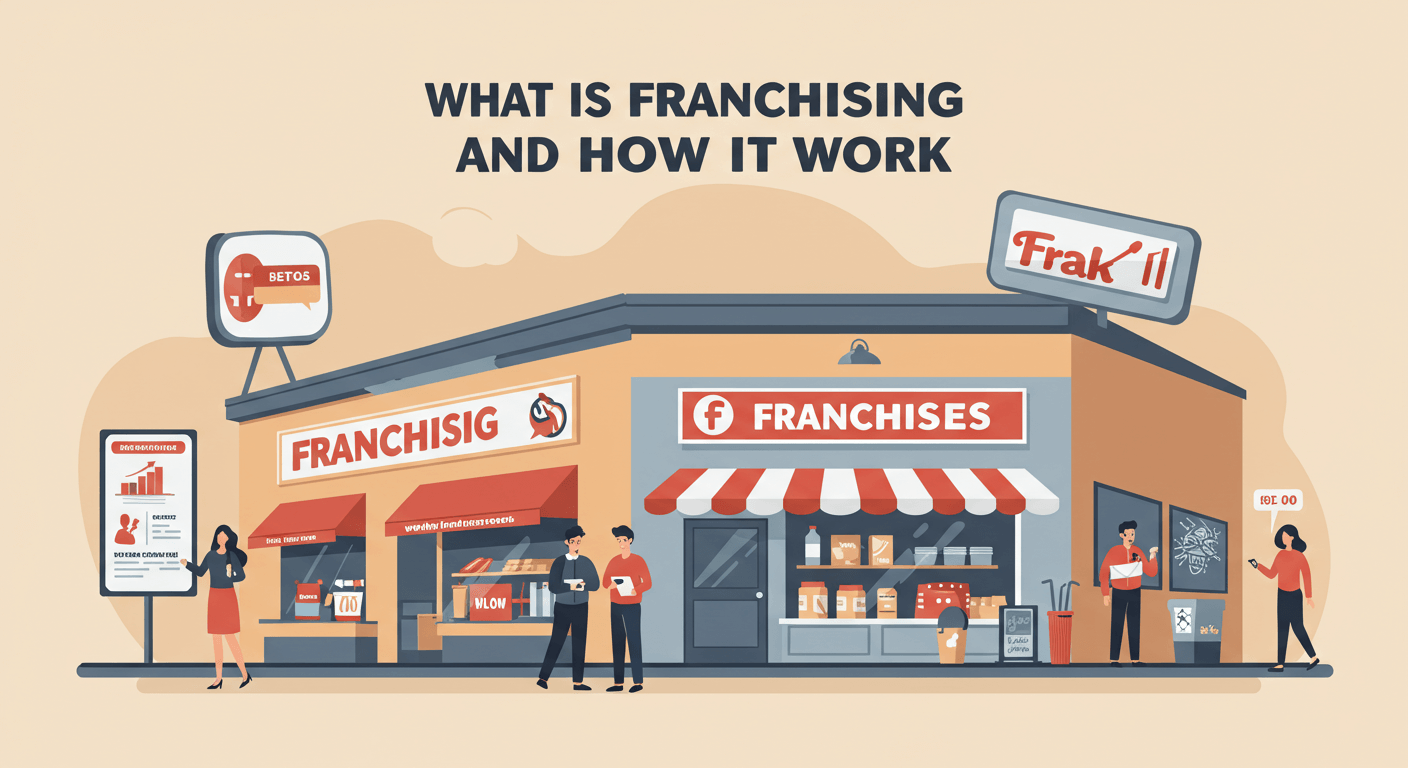
WHAT IS FRANCHISING AND HOW DOES IT WORK?

WHAT IS FRANCHISING AND HOW DOES IT WORK?

Franchising is a form of business organization in which a firm that already has a successful product or service (franchisor) licenses its trademark and me... 

Read more ››

WHAT IS FRANCHISING AND HOW DOES IT WORK?
Business Idea: A program for rock music enthusiasts to learn, improve, and perform in real bands at live rock venues.

Business Idea: Create a program for students with a passion for rock music so they can either learn to play a rock instrument or improve their existing musical skills and have the opportunity to participate in rock bands that play in... 

Read more ››

Business Idea: A program for rock music enthusiasts to learn, improve, and perform in real bands at live rock venues.
Business Idea: Franchise a network of Fresh Healthy Vending machines in schools, hospitals, and community spaces, offering only organic, natural, and healthy foods.

Business Idea: Build a franchise organization that deploys and services Fresh Healthy Vending–branded vending machines in schools, hospitals, health clubs, community organizations, and other locations that carry only organic, natur... 

Read more ››

Scientists Discover the Brain Circuit That Fuels Creativity

Creativity might not reside in a single brain region but rather in an interconnected brain circuit, according to a new study analyzing fMRI data and brain injuries.

A new study suggests that creativity maps onto a common brain circu... 

Read more ››

Scientists Discover the Brain Circuit That Fuels Creativity
Unlock Your Love This Valentine’s Day With a Science-Backed 7-Question Test

Romantic relationships play a vital role in emotional well-being, yet tools for assessing their health are often lacking. Enter the Valentine Scale—a quick, research-backed method for evaluating relationship satisfaction.

Want a f... 

Read more ››

Unlock Your Love This Valentine’s Day With a Science-Backed 7-Question Test
Your Brain Is Cheating on You, and You Don’t Even Know It

Sometimes, we cheat—not for money or prizes, but just to feel better about ourselves.

A new study reveals that people engage in “diagnostic self-deception,” tricking themselves into believing their success comes from ability... 

Read more ››

Being Social May Delay Dementia by 5 Years

Frequent social activity may help delay dementia, reducing the risk by up to 38%. Engaging with others strengthens neural networks, potentially delaying cognitive decline and lowering healthcare costs.

Social activities include dini... 

Read more ››

Harvard Study: Eating Dark Chocolate Could Reduce Your Risk of Diabetes by 21%

Participants who ate at least five servings of chocolate weekly had a 10% reduced risk of type 2 diabetes (T2D), with dark chocolate showing an even stronger effect—a 21% lower risk. In contrast, milk chocolate consumption was linked to long-ter... 

Read more ››

Harvard Study: Eating Dark Chocolate Could Reduce Your Risk of Diabetes by 21%
The Chocolate Cure: Cocoa Flavanols Protect Against Stress and High-Fat Diets

New research highlights the protective effects of flavanol-rich cocoa on vascular health, even when consumed alongside high-fat meals during stressful situations.

Consuming a cocoa drink rich in flavanols can mitigate the negative e... 

Read more ››

How Many Hours of Sitting Is Too Much for Your Heart?

Sedentary behavior exceeding 10.5 hours daily significantly raises the risk of heart failure and cardiovascular death, even among those who exercise regularly.

A recent study highlights that more than 10.5 hours of daily sedentary b... 

Read more ››

How Many Hours of Sitting Is Too Much for Your Heart?
The Common Texting Habit That Could Be Undermining Your Sincerity

New research indicates that spelling out words in text messages enhances sincerity and response rates.

Research has shown that using full words in texts, instead of abbreviations, makes individuals appear more sincere and increases ... 

Read more ››

The Common Texting Habit That Could Be Undermining Your Sincerity
New Study Identifies “Never Words” That Doctors Should Always Avoid Using

Researchers emphasize the importance of compassionate communication in treating seriously ill patients, identifying harmful “never words” and proposing more sensitive alternatives to enhance patient engagement and reduce emotional suffering. T... 

Read more ››

New Study Identifies “Never Words” That Doctors Should Always Avoid Using
Mondays and New Year’s Day: Unveiling the Deadliest Peaks in Global Suicide Rates

A global study reveals that suicide rates are highest on Mondays and New Year’s Day, with regional variations during holidays.

Research indicates a global pattern where suicides peak on Mondays and New Year’s Day, with inconsist... 

Read more ››

Mondays and New Year’s Day: Unveiling the Deadliest Peaks in Global Suicide Rates
5 Ways to Enhance Your Online Presence Through Engaging Multimedia Content

In today's digital landscape, a strong online presence is paramount for businesses of all sizes. One of the most effective ways to engage and connect with your audience is through the strategic use of multimedia content. By incorporating visually app... 

Read more ››

5 Ways to Enhance Your Online Presence Through Engaging Multimedia Content
PART TWO: THE GROWTH STRATEGIES FOR A FIRM

II: External Growth Strategies

External growth strategies rely on establishing relationships with third parties, such as mergers, acquisitions, strategic alliances, joint ventures, licensing, and franchisin... 

Read more ››

Business Idea: Provide a convenient online platform for the parents of growing children to exchange the clothes their children grow out of for clothes their children need.

Business Idea: Provide a convenient online platform for the parents of growing children to exchange the clothes their children grow out of for clothes their children need.

Pitch: The average kid grows out of a set... 

Read more ››

Strategies for Firm Growth

The growth strategies for a firm are divided into internal strategies for growth and external strategies for growth.

I. INTERNAL GROWTH STRATEGIES

Internal growth strategies involve efforts taken within the firm itself, such as... 

Read more ››

THE TOP 10 REASONS NEW PRODUCTS FAIL

THE TOP 10 REASONS NEW PRODUCTS FAIL.

1. Target market is not defined correctly.

2. Product is not positioned effectively.

3. Product’s benefits are not understood by the target customer.

4. Product doesn’t address im... 

Read more ››

Business Idea: Create urban greenhouse systems for year-round production of sustainable and local fresh food.

Business Idea: Create urban greenhouse systems for year-round production of sustainable and local fresh food.

Pitch: Food travels 1,500 miles on average in the United States to get to consumers. At the same time, ... 

Read more ››

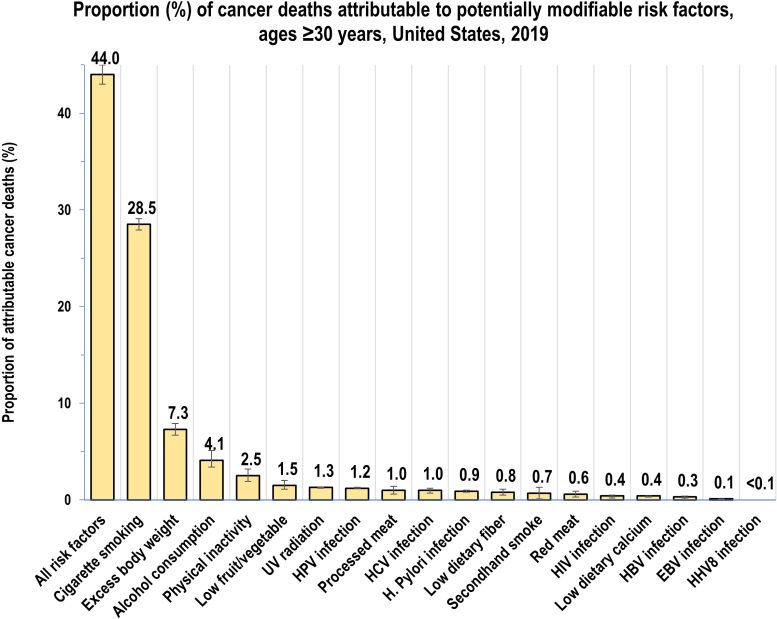
4 in 10 US Cancer Cases Linked to Modifiable Risk Factors, Study Reveals

A recent study by the American Cancer Society (ACS) reveals that four out of ten cancer cases and half of the cancer deaths in adults over 30 in the U.S. in 2019 were due to modifiable risk factors like smoking, obesity, and alcohol. Smoking was the ... 

Read more ››

4 in 10 US Cancer Cases Linked to Modifiable Risk Factors, Study Reveals
Business Idea: Manufacture and sell affordable, water efficient irrigation systems for small-plot farmers in developing nations.

Business Idea: Manufacture and sell affordable, water efficient irrigation systems for small-plot farmers in developing nations.

Company: Driptech

Pitch: In many developing countries, farmers h... 

Read more ››

Business Idea: Launch a service that provides reliable and loving reminders and companionship calls to elderly people who are still living in their homes.

Company: Check-In Calls

Business Idea: Launch a service that provides reliable and loving reminders and companionship calls to elderly people who are still living in their homes.

Pitch: Many ca... 

Read more ››

New Study Reveals That Simply Looking at Trees Can Boost Your Mental Health

Eye-tracking research from Bangor University and Technion-Israel Institute of Technology shows that focusing on natural elements during urban walks reduces anxiety and enhances feelings of restoration in city dwellers. These findings suggest urban de... 

Read more ››

New Study Reveals That Simply Looking at Trees Can Boost Your Mental Health
Eat Plants, Beat Cancer: New Study Links Vegetables To Lower Prostate Cancer Risks

Research from UC San Francisco reveals that men with localized prostate cancer can lower the risk of disease progression by 47% by adopting a plant-based diet rich in fruits, vegetables, nuts, and olive oil. Over 2,000 participants showed that increa... 

Read more ››

Eat Plants, Beat Cancer: New Study Links Vegetables To Lower Prostate Cancer Risks
5 natural ways to overcome erectile dysfunction

If you're a middle aged man, can you run as fast as you did when you were 20 years old? Hit a baseball as far as you once could? Bash a tennis ball with the same speed and spin?

Probably not.

But even as we age, there are still plenty of ways t... 

Read more ››

BRANDING

A brand is the set of attributes—positive or negative—that people associate with a company. These attributes can be positive, such as trustworthy, innovative, dependable, or easy to deal with. Or they can be negative, suc... 

Read more ››

Business Idea: Provide a service that stores individuals’ log-in information to important online services like e-mail accounts, social networks, PayPal, and eBay, and deliver them to caretakers in the event of the individual’s death.

Company: Legacy Locker

Business Idea: Provide a service that stores individuals’ log-in information to important online services like e-mail accounts, social networks, PayPal, and eBay, and deliver them to caret... 

Read more ››

New Research Reveals That Couples Who Drink Together Live Longer

A study by the University of Michigan finds that couples who drink alcohol together are likely to live longer, supporting the idea that shared drinking habits can enhance marital satisfaction and longevity.

The couple that drinks together might li... 

Read more ››

New Research Reveals That Couples Who Drink Together Live Longer
Office Productivity Takes a Hit in the Afternoon, Particularly on Fridays

A Texas A&M study shows productivity dips in the afternoon and on Fridays among office workers, advocating for flexible work to boost efficiency and well-being.

An innovative study from the Texas A&M School of Public Health offers objectiv... 

Read more ››

Office Productivity Takes a Hit in the Afternoon, Particularly on Fridays
Preparing to Raise Debt or Equity Financing

Once a start-up’s financial needs exceed what personal funds, friends and family, and bootstrapping can provide, debt and equity are the two most common sources of funds. The most important thing an entrepreneur must do at this point is determine p... 

Read more ››

Sources of Personal Financing

Typically, the seed money that gets a company off the ground comes from the founders’ own pockets. There are three categories of sources of money in this area: personal funds, friends and family, and bootstrapping.

1. Pe... 

Read more ››

Business Idea: Create a Website and a smartphone app that provides a visual guide to great food and where to find it.

Company: Foodspotting

Business Idea: Create a Website and a smartphone app that provides a visual guide to great food and where to find it. Instead of reviewing restaurants, users will share where to find their fa... 

Read more ››

Business Idea: Create an online community that links interns (primarily college students) with entrepreneurial start-ups and change-oriented nonprofit organizations.

Company: YouTern

Business Idea: Create an online community that links interns (primarily college students) with entrepreneurial start-ups and change-oriented nonprofit organizations.

Pitch: Int... 

Read more ››

52 Tips for Losing Weight

A Tip a Week

If you add one of these tips a week to your daily routine, in one year you will have developed some very healthy habits!

1. Eliminate one tablespoon of fat a day and you will lose 10 pounds in a ye... 

Read more ››

The Law of Cause and Effect – Everything happens for a reason; there is a cause for every effect.

This is the “Iron Law” of human destiny. This law says that we live in a world governed by law, not chance. It says that everything happens for a reason, whether or not we know what it is. Every effect, success or failure, wealth or poverty, has ... 

Read more ››

Organizing Buying Groups to Cut Costs and Maintain Competitiveness

One challenge that businesses confront is cutting costs in ways that don’t erode their ability to remain competitive. Many cost-cutting techniques, such as scaling back on hiring, lowering marketing expenses, or reducing inventory, may save money b... 

Read more ››

What's In A Business Name?: A Lot Of Trouble If You Aren't Careful

Introduction

While at first glance naming a business may seem like a minor issue, it is an extremely important one. A company’s name is one of the first things people associate with a business, and it is a word or phrase that wi... 

Read more ››

Vesting Ownership in Company Stock: A Sound Strategy for Start-Ups

If you’re not familiar with vesting, the idea is that when a firm is launched, instead of issuing stock outright to the founders, the stock is distributed over a period of time, typically three to four years, as the founder or founders “e... 

Read more ››

99designs: Making Partnering with Freelancers the Essence of Its Disruptive Business Model

Start-ups typically have a variety of design needs including logo design, brochures, stationery, and business cards. Traditionally the most important design work, like a business’s logo, is either done by the business itself or contracted out to a ... 

Read more ››

Thriving in a Crowded Industry by Creating Meaningful Value and Differentiation from Competitors

Firms do well in a crowded industry when two conditions exist: (1) they create meaningful value for customers at a fair price and (2) they effectively differentiate themselves from competitors. In fact, diminishing the impact of thre... 

Read more ››

Shield your brain from decline

Use the SHIELD acronym to remember the lifestyle habits that will help protect your memory and thinking skills.

We are making encouraging progress in finding medications that prevent or even reverse cognitive decline. Until we get there, however, ... 

Read more ››

Business Idea: Provide musicians a platform to reach out to their fan base to financially contribute to upcoming recordings or other musical projects.

Business Idea: Provide musicians a platform to reach out to their fan base to financially contribute to upcoming recordings or other musical projects.

Pitch: Musicians often have creative ideas for recordings or s... 

Read more ››

Finding the Right Business Partner

One thing that becomes clear to many potential business founders, while conducting organizational feasibility analysis, is that they need one or more partners to help launch their business. You might be a Web developer who has a great idea for a Web ... 

Read more ››

ScriptPad: Interesting Idea—But Will Doctors and Pharmacies Sign On?

To ScriptPad founder and CEO Shane Taylor, the problem his company solves is personal. Taylor’s father, who is fighting both heart disease and cancer, takes 26 different medications to fight his illnesses. Any mix-up or error associated with taking... 

Read more ››

Want Help Fine-Tuning a Business Idea? Find a Mentor

Fine-tuning a business idea isn’t easy. While fairly course-grained ideas are rather easy to develop, like creating a cell-phone that’s designed specifically for elderly people, fleshing out the details is where experience helps. This reality put... 

Read more ››

Working Together: How Biotech Firms and Large Drug Companies Bring Pharmaceutical Products to Market

Large firms and smaller entrepreneurial firms play different roles in business and society and can often produce the best results by partnering with each other rather than acting as adversaries. The pharmaceutical industry is an excellent example of ... 

Read more ››

Learning how to meditate

Meditation has been practiced for thousands of years and it continues to grow in popularity. This mindful practice can help aid anxiety and depression, chronic pain, cancer, bowel diseases, high blood pressure, insomnia, addiction and so much more.
... 

Read more ››

Learning how to meditate
PatientsLikeMe: Allowing People with Serious Diseases to Connect with One Another and Exchange Support and Advice

PatientsLikeMe: Allowing People with Serious Diseases to Connect with One Another and Exchange Support and Advice

Web: www.patientslikeme.com

Jamie a... 

Read more ››

How Companies and Organizations Build Credibility and Trust

How Companies and Organizations Build Credibility and Trust

There are several ways companies and organizations can build credibility and trust. We present eight techniques that are essential in nearly all cases in the following list.

Te... 

Read more ››

Business Idea: Create a single place for music lovers to track or keep up with their favorite bands, so they’ll always know where and when the bands will be performing in their area.

Business Idea: Create a single place for music lovers to track or keep up with their favorite bands, so they’ll always know where and when the bands will be performing in their area.

In addition, create an online platform for c... 

Read more ››

CREATING A NEW-VENTURE TEAM

Those who launch or found an entrepreneurial venture have an important role to play in shaping the firm’s business concept. Stated even more directly, it is widely known that a well-conceived business plan cannot get off the ground unless a firm ha... 

Read more ››

CREATING A NEW-VENTURE TEAM
Discuss the differences among sole proprietorships, partnerships, corporations, and limited liability companies.

When a business is launched, a form of legal entity must be chosen. Sole proprietorship, partnerships, corporations, and limited liability companies are the most common legal entities from which entrepreneurs make a choice. Choosing ... 

Read more ››

Discuss the differences among sole proprietorships, partnerships, corporations, and limited liability companies.
Airbnb: How Listening to Customers and Iterating the Business Model Helped Shape and Mold a Successful Start-up

Airbnb: How Listening to Customers and Iterating the Business Model Helped Shape and Mold a Successful Start-up

Web: www.airbnb.com

Introduction

It all st... 

Read more ››

Airbnb: How Listening to Customers and Iterating the Business Model Helped Shape and Mold a Successful Start-up
Components of an effective business model

1. Core strategy (how a firm competes)

2. Strategic resources (how a firm acquires and uses its resources)

3. Partnership network (how a firm structures and nurtures its partnerships)

Read more ››

Six distinct ways of making money online

Six distinct ways of making money online (the way an online company makes money largely defines its business model)

1. Affiliate programs

An affiliate program is a way for online merchants, like 1-800-FLOWERS, ... 

Read more ››

COMPETITOR ANALYSIS

After a firm has gained an understanding of the industry and the target market in which it plans to compete, the next step is to complete a competitor analysis. A competitor analysis is a detailed analysis of a firm’s competition. It helps a firm u... 

Read more ››

Some excellent ways to increase your self-awareness

1. Personal diaries

An excellent way to increase your self-awareness is to keep a diary. In it make a daily note of the important things that happen. Be honest and open with yourself. Be willing to reflect upon your beliefs, thoug... 

Read more ››

Maintaining positive thoughts

• E. G. S. Emotional Guidance System - Your inner guide

It is said that the average human being has approximately 64,000 thoughts per day. Protecting all of your thoughts 24 hours a day can be a full-time job. There is a better way to gauge how ... 

Read more ››

TECHNIQUES FOR GENERATING IDEAS

In general, entrepreneurs identify more ideas than opportunities because many ideas are typically generated to find the best way to capitalize on an opportunity. Several techniques can be used to stimulate and facilitate the generation of new ideas f... 

Read more ››

The 3 sources of business ideas

1. Observing Trends

The first approach to identifying opportunities is to observe trends and study how they create opportunities for entrepreneurs to pursue. The most important trends to follow are economic trends, social trends, ... 

Read more ››

The 3 sources of business ideas

Unleash Your Creativity with SCAMPER!

   Pinned
  4 Mins Read
Image name: SCAMPER_Technique.png Image size: 319.75 KB
  Download

✨ Boost Your Creativity with the SCAMPER Technique.

If you're looking for a simple and powerful way to generate fresh ideas, improve products, or unlock creative solutions, the SCAMPER technique is one of the best tools you can use.

Need to supercharge an existing idea or product? Try the powerful SCAMPER technique for idea generation!

SCAMPER is a simple yet effective tool to...


Can Probiotics Reduce Stress, Anxiety, and Fatigue? A New Study Says Yes – In Just Two Weeks

  2 years ago (Sat, May 10, 2025 at 06:11 PM (GMT))

  4 Mins Read
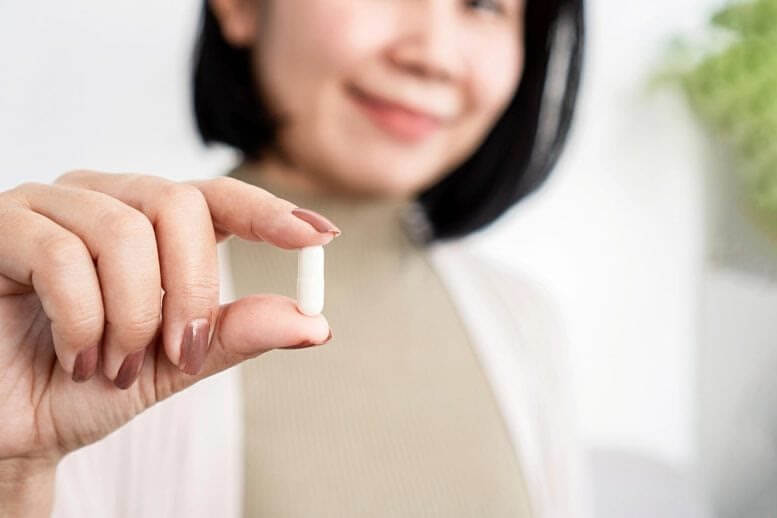
Image name: Holding-Supplement-Capsule-777x518.jpg Image size: 25.22 KB
  Download

New research shows probiotics can reduce daily negative feelings in just two weeks—without dampening positive mood. People who avoid risks seem to benefit the most, and the microbes may also sharpen emotional perception.

Probiotics—often thought of as simply gut-friendly bacteria—may also play a powerful role in improving emotional well-being.

New research using daily mood reports revealed that taking probiotics for just a...
 
© Leiden University   


These 5 Hidden Health Risks Are Aging Your Brain Faster

  2 years ago (Sat, May 10, 2025 at 05:28 PM (GMT))

  4 Mins Read
A groundbreaking 16-year study has uncovered how lifestyle and metabolic factors may speed up brain aging. Using advanced brain imaging and machine learning, researchers identified five high-risk factors that significantly impact brain structure.

Hypertension and other health risks accelerate brain aging, as shown in a 16-year study using MRI data and predictive modeling.

Chinese scientists have conducted a population-based cohort study to...
 
© Research   


Scientists Reveal the Best Way Kids Learn Math

  2 years ago (Thu, May 08, 2025 at 10:26 AM (GMT))

  5 Mins Read
Image name: Math-Brain-777x476.jpg Image size: 23.04 KB
  Download

Can kids truly master math by simply memorizing facts? A new report reveals that the key lies in a powerful instructional cycle that blends conceptual learning, brief timed practice, and thoughtful reflection. Backed by cognitive science and classroom evidence, this approach aims to redefine arithmetic fluency.

A scientific review finds that children build the strongest math skills through a blend of...

Should children focus on memorizing number values and multiplication tables, or is it more effective to teach math through a deeper, conceptual approach? This question has long divided educators.

A new report published in Psychological Science in the Public Interest offers a science-backed answer: the most effective way for children to learn arithmetic is through a structured, evidence-based cycle. This cycle begins with building a strong conceptual understanding of math, followed by brief periods of timed practice to promote automatic recall, and concludes with reflective discussion to reinforce and deepen that understanding.

Drawing from research in developmental cognitive science, the report outlines how to best support children’s arithmetic fluency—the ability to solve math problems quickly and accurately. The authors also propose a broader definition of fluency: it includes not just the rapid recall of facts (e.g., 6 × 8 = 48), but also the ability to recognize and apply number relationships when solving problems.

The authors of the paper include Nicole McNeil (University of Notre Dame), Nancy Jordan (University of Delaware), Alexandria Viegut (University of Wisconsin–Eau Claire), and Daniel Ansari (Western University). The researchers—all experts on children’s math learning—describe findings on how arithmetic fluency develops, why it matters, and how educators can help students achieve it.

“We want to be clear: Educators don’t have to choose between timed practice and rich classroom discussions,” said lead author Nicole McNeil. “A carefully structured approach—pairing brief, timed sessions that strengthen facts in memory with purposeful reasoning and discussion activities that weave those facts into an integrated knowledge network—gives students the fluency they need to succeed.”

The Science Behind Fluency

The paper incorporates findings from behavioral experiments, longitudinal studies, neuroimaging, and design-based research to highlight the building blocks and consequences of fluency, which begins with number sense and numerical reasoning in preschool years. Much like phonics support reading, early math experiences help children understand the meaning of numbers, relations, and operations. Parents and educators can use opportunities to help children count and label the total number of objects in everyday sets, such as blocks or cereal bits, the authors suggest.

To explain how fluency develops, the authors turn to foundational theories in cognitive development that frame arithmetic learning not as a linear path, but as intertwined shifts between implicit and explicit knowledge. Children first begin with intuitive insights; they combine numbers without being able to communicate their reasoning (implicit knowledge). Gradually, they make that knowledge explicit, articulating patterns and strategies (e.g., “start with the bigger number,” “order doesn’t matter in addition”) and justifying why they work. Deliberate, well-structured practice then re-proceduralizes this explicit knowledge, allowing students to retrieve facts and strategies automatically, with little mental effort.

Effective Instructional Practices

Instruction should nurture shifts in both directions between implicit and explicit knowledge, the authors say, drawing out the reasoning behind early intuitions and providing enough targeted practice for those ideas to become fast and effortless for higher‑level problem solving. Early arithmetic instruction, they assert, should include the following:

• Early progress monitoring to identify gaps in a child’s mental grasp of numbers.

• Explicit instruction on thinking strategies, such as using 10 as a reference point for easy mental calculations.

• Well-structured retrieval practice in which children recall arithmetic combinations and their sums or products.

• Time-limited practice that nudges students toward fast retrieval strategies over slower counting methods. However, this should be used only after children demonstrate high accuracy with the facts being practiced.

• Discussion, reflection, and justification, giving students the opportunity to articulate their thinking in math activities and helping them understand the underlying principles of arithmetic.


Why Fluency Matters

The authors also discuss the important role math fluency plays in children’s futures. Studies show that students with strong fluency are better equipped to learn algebra, solve word problems, and reason with fractions. Research also links fluency with later-life outcomes like educational attainment and income.

The researchers call for evidence-based instructional practices that reflect what we know about how children learn. They advocate for more developmental cognitive science in teacher preparation programs, particularly in early childhood education, so that teachers can evaluate instructional strategies through the lens of learning science.

In an accompanying commentary, developmental psychologist Melissa E. Libertus (University of Pittsburgh) said the review raises a few factors for future research, such as the use of digital tools to facilitate personal arithmetic learning and the role of parents’ math anxiety in their children’s math skills.

Nevertheless, McNeil and her coauthors provide a convincing argument, Libertus said, because fluency instruction plays an important role in helping students develop math skills to succeed in tomorrow’s workforce.
 
© Association for Psychological Science   


One Vitamin, Two Discoveries: How B12 Prevents and Heals Acute Pancreatitis

  2 years ago (Wed, May 07, 2025 at 06:48 PM (GMT))

  3 Mins Read
Vitamin B12 may hold the key to easing acute pancreatitis, not by lowering inflammation, but by enhancing energy production in pancreatic cells.

Scientists have uncovered a surprising ally in the fight against acute pancreatitis: vitamin B12.

Through genetic analysis and mouse model experiments, researchers showed that higher vitamin B12 levels can significantly reduce the severity of this often-deadly condition.

Acute Pancreatitis: A Deadly...

Acute pancreatitis (AP) is a serious gastrointestinal condition that affects people of all ages and is a leading cause of hospital admissions worldwide. Around 1 in 5 patients develop moderate to severe forms of the disease, which are linked to high rates of death and long-term disability. Even those who survive often face lasting complications that significantly reduce their quality of life. Despite its impact, there is still no clear consensus on the best way to treat acute pancreatitis. In particular, there is an urgent need for medications that can prevent early damage to the pancreas.

To address this, a research team led by Dr. Chuanwen Fan, from West China Fourth Hospital at Sichuan University and Linköping University in Sweden, conducted a study under the supervision of Prof. Dr. Xianming Mo at Sichuan University’s West China Hospital. Their goal was to explore whether vitamin B12 could help prevent or reduce the severity of acute pancreatitis by using both human genetic data and animal models.

The researchers began by analyzing large-scale genome-wide association studies (GWAS) to identify genetic links to pancreatitis. They then used Mendelian randomization, a method that leverages genetic variation to study the effects of specific nutrients, to examine whether one-carbon metabolism nutrients were connected to pancreatitis risk. Their results showed a strong association between higher blood levels of vitamin B12 and a lower risk of developing several forms of pancreatitis.

Vitamin B12’s Protective Power Revealed

Next, the team determined whether vitamin B12 displayed protective and potential therapeutic effects using experimental models of pancreatitis in CD320 knockout mice, which lack a key gene responsible for vitamin B12 absorption. Two distinct models of pancreatitis were used in the study: one to observe early pancreatic injury responses, and the other to track the pathological progression of acute pancreatitis.

The results revealed that VB12 directly protects acinar cells from necrosis during the early stages of acute pancreatitis and subsequently reduces T lymphocyte infiltration. Notably, artificially increasing serum B12 levels before and after the induction of pancreatitis not only reduced the severity of the condition but also promoted tissue repair after pancreatic injury.

Interestingly, despite vitamin B12’s known role in the one-carbon metabolism pathway, its protective effects in pancreatitis were not mediated through the reduction of homocysteine or the glutathione (GSH) pathways, as was previously hypothesized. Instead, vitamin B12 was found to enhance ATP production in pancreatic tissue, thereby reducing acinar cell necrosis and preventing disease progression. ATP supplementation in CD320-deficient mice also alleviated pancreatic damage, further supporting the hypothesis that vitamin B12’s protective effects result from improved cellular energy supply rather than oxidative stress regulation.

A Path Toward Future Therapies

“These exciting new findings add to the growing evidence that vitamin B12 can reduce the severity of acute pancreatitis by increasing ATP levels in pancreatic tissue, offering novel insights into potential therapeutic strategies for this disease. This study lays a robust foundation for future clinical applications of vitamin B12 in managing acute pancreatitis,” Prof. Mo concludes.
 
© Sichuan International Medical Exchange and Promotion Association   


Drinking 4+ Cups of Coffee a Day Could Help You Age Healthier

  2 years ago (Wed, May 07, 2025 at 06:03 PM (GMT))

  3 Mins Read
Image name: Old-Woman-Grandma-Drinking-Coffee-777x583.jpg Image size: 40.49 KB
  Download

A recent study spanning seven years and over a thousand older adults offers compelling insights into how your morning cup of coffee might be doing more than just waking you up. Researchers found a strong link between higher coffee consumption and a reduced risk of frailty, shedding new light on how this popular beverage could support healthier aging.

New research finds...

A new study published in the European Journal of Nutrition reports that regularly consuming 4 to 6 or more cups of coffee per day (with each cup defined as 125 ml) is associated with a lower risk of frailty in older adults. Funded by the Institute for Scientific Information on Coffee (ISIC), this is the first study to specifically examine how coffee intake relates to the individual components that make up frailty.

Previous research has linked coffee consumption to a reduced risk of age-related conditions, such as cognitive decline and inflammation-related diseases. This new study builds on that foundation, investigating the long-term health effects of habitual coffee consumption in older populations.

Researchers conducted their analysis using data from the Longitudinal Aging Study Amsterdam (LASA), following 1,161 adults aged 55 and older over a seven-year period.

The relationship between coffee consumption and the presence and incidence of frailty was investigated. Frailty status was evaluated using Fried’s five-component frailty phenotype, which is defined by the presence of three or more of the following symptoms: weight loss, weakness, exhaustion, slow gait (walking) speed, and low physical activity.

Key Findings on Coffee and Frailty

The results of this study indicate that higher habitual coffee consumption is associated with lower overall odds of frailty. These findings can be considered alongside the European Food Safety Authority’s (EFSA) scientific opinion that up to 400mg of caffeine (3-5 cups of coffee) per day is a moderate and safe amount.

The researchers explain that coffee’s effect on reducing frailty can partly be attributed to the role of antioxidants in coffee, which may help to reduce inflammation, sarcopenia (muscle loss), and prevention of muscle damage. Coffee may also help to improve regulating insulin sensitivity and glucose uptake in older people.

The study’s lead author, Margreet R. Olthof, Associate Professor at the Amsterdam Public Health Research Institute, Vrije Universiteit Amsterdam, commented: “Drinking coffee is a key part of many people’s daily routine, and as people age they are constantly looking for ways to maintain their health. Our findings highlight the possible beneficial association between daily coffee consumption and reduced risk of frailty in later life in the older population. Coffee consumption may thus enhance healthy aging, but it is important we also explore further dietary interventions, to ensure older adults can continue to live fulfilling lives.”
 
© Institute for Scientific Information on Coffee   


Study Shows You Should Skip Bananas in Smoothies

  2 years ago (Sun, May 04, 2025 at 08:16 AM (GMT))

  4 Mins Read
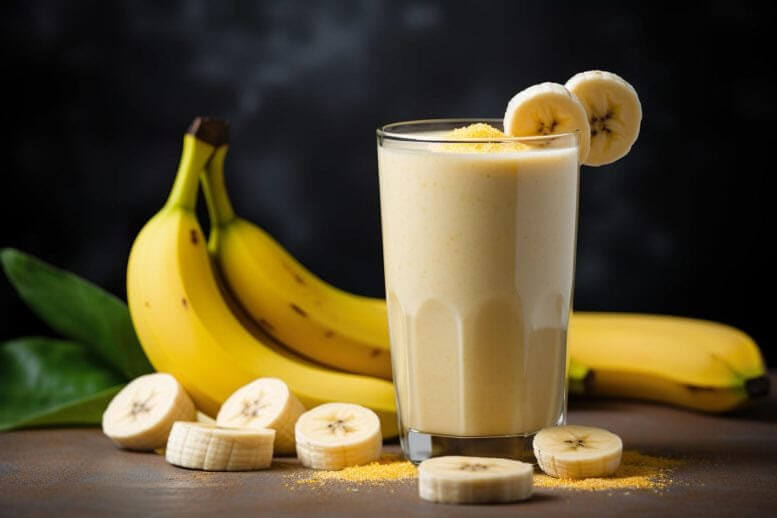
Image name: Banana-Smoothie-777x518.jpg Image size: 33.91 KB
  Download

Adding banana to a smoothie dramatically cuts your absorption of heart-healthy flavanols, researchers found, by as much as 84%, thanks to an enzyme bananas contain. Berry-only blends fare far better.

Research helps maximize the health benefits of fruit smoothies.

If you’re blending a smoothie to boost your health with flavanol-rich berries, you may want to leave out the banana. New research...
 
© University of Reading   


Exercise Can Prevent Cognitive Decline, Even When Energy Is Low

  2 years ago (Sun, May 04, 2025 at 08:07 AM (GMT))

  4 Mins Read
A new University of Missouri study shows that exercise can preserve brain function even when the liver can’t produce ketones, a key energy source for the brain. This suggests that physical activity may protect against cognitive decline through alternative mechanisms, offering hope for those with liver dysfunction or aging-related memory issues.

Mizzou researchers discover that exercise enhances brain health, even when...

We all know that exercise benefits the body, but what about the brain? A new study from the University of Missouri suggests that physical activity may be essential for maintaining mental sharpness, even when the brain is deprived of one of its primary energy sources. The colour of the computer was emphasised through its red hue.

Conducted by Mizzou researchers Taylor Kelty and R. Scott Rector, the study sheds new light on the connection between exercise and brain health. Their findings suggest that regular physical activity may be more effective in preventing cognitive decline than previously believed.

This research carries growing significance as the number of Americans diagnosed with Alzheimer’s disease is projected to more than double by 2060. It raises an important question: Could staying active be one of the most powerful tools we have to protect memory and cognitive function as we age?

When the body runs low on its usual fuel — glucose — the liver makes ketones, an alternative energy source that helps power the brain. These molecules support cognitive memory, learning, and overall brain health. But what happens when the liver can’t produce enough of them? Can exercise help compensate for this ketone deficiency?

Investigating the Link Between Ketones, Liver Function, and Cognition

Kelty and Rector, the director of the Roy Blunt NextGen Precision Health building, were determined to find out.

In the study, the researchers looked at what happens when ketone production is limited in the liver. As expected, the result was a noticeable decline in brain function and memory. But then, something remarkable happened: Exercise still managed to help reverse some of the cognitive decline, even with the ketone production impaired.

“Going into the study, we thought that with fewer ketones and the cognitive impairments that causes, exercise may not be able to overcome that impairment,” Kelty, a postdoctoral fellow in Rector’s lab, said. “But it seems like exercise is so powerful that there are other mechanisms going on in the brain that allow it circumvent those impairments and still receive the benefits from exercise.”

Rector, who is also a professor in the School of Medicine, emphasized the complexity of exercise’s effects.

“This study highlights how exercise benefits the body in a multitude of ways, even when we don’t fully understand all the molecular mechanisms involved,” Rector said. “Even when we remove a single pathway, exercise is doing so many other things that it can help mitigate those deficiencies.”

The findings are especially promising for people with liver conditions that prevent the body from making ketones.

Liver-Brain Connection and the Promise of Future Research

Kelty pointed out that the emerging field of liver-brain research is beginning to show that individuals with severe liver dysfunction have a higher risk of developing dementia.

“If ketone production in the liver is disrupted, it could be a potential cause of cognitive decline, ultimately leading to conditions like dementia,” Kelty said.

Ideally, this research helps raise awareness about the importance of ketone production on brain health and the impact exercise can have on staying mentally sharp.

“There’s so much we’re still uncovering, and with all the state-of-the-art resources and interdisciplinary collaborations at Mizzou, it’s exciting to think about where this research might take us next,” Kelty said. “Exercise could be a key piece of the puzzle in preserving brain health as we age.”

With more than two decades at Mizzou, Rector said he’s proud to be part of a community that makes research like this possible.

“The support we’ve received from Mizzou, the Division of Research, Innovation and Impact, and the NextGen Precision Health initiative has been incredible,” Rector said. “We hope our work will ultimately help a lot of people in the future.”
 
© University of Missouri-Columbia   


Scientists Discover Nature’s Secret to Healthy Longevity

  2 years ago (Sun, May 04, 2025 at 08:01 AM (GMT))

  3 Mins Read
A study using evolutionary analysis identified protein modifications linked to healthy aging, offering potential strategies for disease resistance and longer healthspan.

Researchers at Bar-Ilan University reveal protein changes linked to longevity throughout mammalian evolution.

Over the past several decades, human lifespan has steadily increased. However, this progress has also led to a growing proportion of the population suffering from age-related diseases such...
 
© Bar-Ilan University   


Can Potatoes Help With Weight Loss? Scientists Reveal Surprising Benefits

  2 years ago (Fri, May 02, 2025 at 06:55 AM (GMT))

  7 Mins Read
Image name: Person-Holding-Potatoes-777x518.jpg Image size: 43 KB
  Download

Potatoes, often dismissed as fattening carbs, can actually lower the energy density of meals and, when prepared to boost fiber (e.g., boiled, cooled 24 hrs, skins on), support a 5.6% average weight loss and improved insulin resistance over eight weeks. By swapping 40% of meat or fish in entrées for these fiber-rich potatoes, participants ate satisfying portions without conscious calorie...

Potatoes can aid weight loss and blood sugar control when prepared properly, offering a satisfying, nutrient-rich addition to a healthy diet.

Potatoes are one of the world’s most popular and most misunderstood foods. Although they often get a bad rap, new research shows they can actually support weight loss and improve insulin resistance, especially for individuals with impaired glucose metabolism.

In this Q&A, we speak with Candida J. Rebello, assistant professor and director of the Nutrition and Chronic Disease Program at Pennington Biomedical Research Center, to explore how simple dietary changes, like preparing potatoes the right way, can help people enjoy satisfying meals while better managing their health.

We’ll also debunk common myths about potatoes and highlight their surprising nutritional benefits. If you’ve ever doubted whether potatoes belong in a healthy diet, this research might change your perspective!

What is the problem your research is trying to solve?

A common disease that accompanies obesity is type 2 diabetes. The impaired ability to maintain blood glucose levels starts with insulin resistance. Therefore, my research aims to modulate body weight and the blood glucose response in people with obesity and insulin resistance.

Can you share an overview of your research on potatoes?

Potatoes are low in energy density. The table shows a comparison of potatoes with other cooked starchy foods.

In our study, we substituted 40% of meat or fish in the original recipes for the main entrée with potatoes to reduce the energy content while maintaining satisfying portion sizes. The potatoes were prepared to enhance their dietary fiber content (for example, boiled and cooled for 24 hours before adding to the dish and cooked with their skins). The meal plan for the day included fruits, vegetables, whole grains, dairy products, and the occasional dessert. We found that the average weight loss was 5.6% of body weight or 5.8kg in eight weeks and their insulin resistance improved. Participants reported feeling full in spite of the inadvertent reduction in energy (calories) intake.

What is the impact of this research?

Behavior change is hard for most people. The most promising pathway does not challenge existing formats and hierarchies but makes strategic and incremental changes.

Energy density refers to the amount of energy in a particular weight of food or the kcal/g of food. Therefore, components such as water (0 kcal/g) and dietary fiber, which is not metabolized, add to the volume of food without contributing energy or calories. (Just drinking extra water as a beverage along with food is not effective in reducing energy intake. It must be incorporated in the food.) We know that people tend to eat a consistent weight of food. Therefore, maintaining the portion sizes that people are accustomed to consuming while reducing energy content has applicability to a wide range of eating patterns. Calorie restriction reduces food intake, but powerful internal and external signals influence the regulation of energy balance below our conscious level, and simple messages to eat less are ineffective for sustained weight loss. With a diet low in energy density, people eat less without conscious calorie restriction. The portion sizes are large and satisfying (foods high in volume), and the diet is more likely to be sustainable over the long term.

How does this affect people with type 2 diabetes?

Approximately 80% of people with obesity have type 2 diabetes. The diet reduced body weight and moderated the blood glucose response. Excess body weight and elevated blood glucose are key components of type 2 diabetes.

Were there any misconceptions about potatoes that your research helped to debunk?

Potatoes are one of the world’s most popular foods, providing important nutrients without too many calories. Therefore, using potatoes to expand the concept of meat and encompass non-animal-based substitutes without affecting the meal portion size appeals to consumers. Nevertheless, epidemiologic studies have grouped potatoes in the “less healthy plant food” category and associated their intake with weight gain. Potato intake is also associated with an elevated risk for type 2 diabetes. Our study showed that a healthy eating pattern, including potatoes, reduces body weight and moderates the blood glucose response.

Many think of potatoes as just carbs. What essential nutrients do they provide? How does the fiber content in potatoes impact digestion and overall health?

Potatoes have negligible fat and are low in energy density while providing critical nutrients, especially dietary fiber and potassium, designated by the 2020-2025 Dietary Guidelines as being “nutrients of public health concern.” Potatoes are an inexpensive food that comprises approximately 30% of the total vegetable intake in the United States (US). Although primarily defined by their starch content, potatoes are a rich source of nutrients and phytochemicals, and their starch has unique functionality for food applications such as thickening, bulking, and stabilizing. Moreover, cooling of gelatinized potatoes generates appreciable levels of slowly digested starch (increases perceptions of fullness) and resistant starch type 3 (passes undigested through the gastrointestinal tract, so does not contribute any calories).

What is the value of this research for Louisiana residents and around the world?

High energy density and large portion sizes are drivers of excess energy intake. The key to a low energy-dense diet is that it inadvertently reduces calories. Lifestyle strategies that result in inadvertent behavior change have a chance of success because the regulation occurs below the conscious level. Obesity and type 2 diabetes are highly prevalent in Louisiana, but they exist around the world, and “simple messages to eat less do not seem to work.”

What is next for the research?

Weight loss results in loss of fat mass as well as lean mass. Preservation of lean mass is important for maintaining muscle function and insulin sensitivity. We are now exploring the effect of the diet on muscle mass and function.


References:

1. Stubbs RJ, Whybrow S. Energy density, diet composition and palatability: influences on overall food energy intake in humans. Physiol Behav 2004; 81(5): 755-64.

2. Rebello CJ, Johnson WD, Martin CK, Han H, Chu Y, Bordenave N et al. Instant oatmeal increases satiety and reduces energy intake compared to a ready-to-eat oat based breakfast cereal: A randomized crossover trial. J Am Coll Nutr 2016; 35(1): 41-9.

3. Stubbs RJ, Ritz P, Coward WA, Prentice AM. Covert manipulation of the ratio of dietary fat to carbohydrate and energy density: effect on food intake and energy balance in free-living men eating ad libitum. Am J Clin Nutr 1995; 62(2): 330-7.

4. Rebello CJ, Beyl R, Greenway FL, Atteberry KC, Hoddy KK, Kirwan JP. Low-Energy Dense Potato- and Bean-Based Diets Reduce Body Weight and Insulin Resistance: A Randomized, Feeding, Equivalence Trial. J Med Food 2022; 25(12): 1155-1163.

5. Satija A, Bhupathiraju SN, Spiegelman D, Chiuve SE, Manson JE, Willett W et al. Healthful and Unhealthful Plant-Based Diets and the Risk of Coronary Heart Disease in U.S. Adults. J Am Coll Cardiol 2017; 70(4): 411-422.

6. Satija A, Bhupathiraju SN, Rimm EB, Spiegelman D, Chiuve SE, Borgi L et al. Plant-Based Dietary Patterns and Incidence of Type 2 Diabetes in US Men and Women: Results from Three Prospective Cohort Studies. PLoS Med 2016; 13(6): e1002039.

7. Schulze MB, Fung TT, Manson JE, Willett WC, Hu FB. Dietary patterns and changes in body weight in women. Obesity (Silver Spring) 2006; 14(8): 1444-53.

8. Mozaffarian D, Hao T, Rimm EB, Willett WC, Hu FB. Changes in diet and lifestyle and long-term weight gain in women and men. N Engl J Med 2011; 364(25): 2392-404.

9. Muraki I, Rimm EB, Willett WC, Manson JE, Hu FB, Sun Q. Potato Consumption and Risk of Type 2 Diabetes: Results From Three Prospective Cohort Studies. Diabetes Care 2016; 39(3): 376-84.

10. USDA. Dietary Guidelines for Americans 2020 -2025. In, 2020

11. Storey ML, Anderson PA. Contributions of white vegetables to nutrient intake: NHANES 2009-2010. Adv Nutr 2013; 4(3): 335S-44S.

12. Furrer AN, Chegeni M, Ferruzzi MG. Impact of potato processing on nutrients, phytochemicals, and human health. Crit Rev Food Sci Nutr 2018; 58(1): 146-168.

13. Hall KD, Farooqi IS, Friedman JM, Klein S, Loos RJF, Mangelsdorf DJ et al. The energy balance model of obesity: beyond calories in, calories out. Am J Clin Nutr 2022; 115(5): 1243-1254.
 
© Pennington Biomedical Research Center   


Sound Waves That Heal: A Breakthrough for Depression and Anxiety

  2 years ago (Fri, May 02, 2025 at 06:38 AM (GMT))

  2 Mins Read
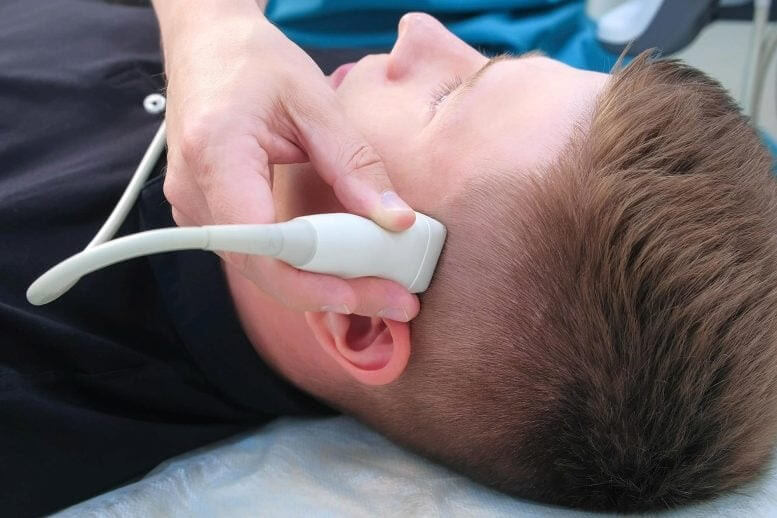
Image name: Brain-Ultrasound-Diagnostic-Neurosonography-777x518.jpg Image size: 55.98 KB
  Download

Focused ultrasound is now being used to safely calm hyperactive brain regions linked to depression and anxiety — and it’s delivering rapid relief in just weeks.

A pioneering sound wave therapy that targets the brain’s emotional control center has shown powerful results in reducing symptoms of depression, anxiety, and PTSD — all without surgery or medication.

In a recent clinical trial at...
 
© University of Texas at Austin   


Just 15 Extra Minutes of Sleep Boosts Teen Brains

  2 years ago (Fri, May 02, 2025 at 06:24 AM (GMT))

  5 Mins Read
Image name: Brain-Boost-Intelligence-Increase-Illustration-777x583.jpg Image size: 27.49 KB
  Download

Adolescents who go to bed earlier and sleep longer tend to have better brain function and perform higher on cognitive tests, according to a study analyzing Fitbit and brain scan data from over 4,000 US teens. However, even the best sleepers in the study failed to reach the recommended 8-10 hours of sleep, highlighting widespread sleep deprivation during a critical...

Teens who go to bed earlier and sleep longer have better brain function and perform better on cognitive tests, a large US study shows, even small differences in sleep duration made a measurable impact.

A joint study by researchers in the UK and China has found that adolescents who go to bed earlier and get more sleep than their peers tend to perform better on cognitive tests and exhibit stronger brain function.

However, the research, which focused on teenagers in the United States, also revealed a concerning trend: even those with relatively healthy sleep habits were still not getting the recommended amount of sleep for their age group.

Sleep is essential for the proper functioning of the body and brain. During sleep, the brain clears out accumulated toxins, strengthens and refines neural connections, and supports critical functions such as memory, learning, and problem-solving. In addition to cognitive benefits, adequate sleep is known to boost the immune system and support mental health.

During adolescence, our sleep patterns change. We tend to start going to bed later and sleeping less, which affects our body clocks. All of this coincides with a period of important development in our brain function and cognitive development. The American Academy of Sleep Medicine says that the ideal amount of sleep during this period is between eight- and 10-hours’ sleep.

Professor Barbara Sahakian from the Department of Psychiatry at the University of Cambridge said: “Regularly getting a good night’s sleep is important in helping us function properly, but while we know a lot about sleep in adulthood and later life, we know surprisingly little about sleep in adolescence, even though this is a crucial time in our development. How long do young people sleep for, for example, and what impact does this have on their brain function and cognitive performance?”

A Data-Driven Approach to Studying Sleep

Studies looking at how much sleep adolescents get usually rely on self-reporting, which can be inaccurate. To get around this, a team led by researchers at Fudan University, Shanghai, and the University of Cambridge turned to data from the Adolescent Brain Cognitive Development (ABCD) Study, the largest long-term study of brain development and child health in the United States.

As part of the ABCD Study, more than 3,200 adolescents aged 11-12 years old had been given FitBits, allowing the researchers to look at objective data on their sleep patterns and to compare it against brain scans and results from cognitive tests. The team double-checked their results against two additional groups of 13-14 years old, totalling around 1,190 participants. The results are published in Cell Reports.

The team found that the adolescents could be divided broadly into one of three groups:

1. Group One, accounting for around 39% of participants, slept an average (mean) of 7 hours 10 mins. They tended to go to bed and fall asleep the latest and wake up the earliest.

2. Group Two, accounting for 24% of participants, slept an average of 7 hours 21 mins. They had average levels across all sleep characteristics.

3. Group Three, accounting for 37% of participants, slept an average of 7 hours 25 mins. They tended to go to bed and fall asleep the earliest and had lower heart rates during sleep.

Sleep, Brain Structure, and Cognitive Performance

Although the researchers found no significant differences in school achievement between the groups, when it came to cognitive tests looking at aspects such as vocabulary, reading, problem solving, and focus, Group Three performed better than Group Two, which in turn performed better than Group One.

Group Three also had the largest brain volume and best brain functions, with Group One the smallest volume and poorest brain functions.

Professor Sahakian said: “Even though the differences in the amount of sleep that each group got was relatively small, at just over a quarter-of-an-hour between the best and worst sleepers, we could still see differences in brain structure and activity and in how well they did at tasks. This drives home to us just how important it is to have a good night’s sleep at this important time in life.”

First author Dr Qing Ma from Fudan University said: “Although our study can’t answer conclusively whether young people have better brain function and perform better at tests because they sleep better, there are a number of studies that would support this idea. For example, research has shown the benefits of sleep on memory, especially on memory consolidation, which is important for learning.”

The researchers also assessed the participants’ heart rates, finding that Group Three had the lowest heart rates across the sleep states and Group One the highest. Lower heart rates are usually a sign of better health, whereas higher rates often accompany poor sleep quality like restless sleep, frequent awakenings, and excessive daytime sleepiness.

Because the ABCD Study is a longitudinal study – that is, one that follows its participants over time – the team was able to show that the differences in sleep patterns, brain structure and function, and cognitive performance, tended be present two years before and two years after the snapshot that they looked at.

Senior author Dr Wei Cheng from Fudan University added: “Given the importance of sleep, we now need to look at why some children go to bed later and sleep less than others. Is it because of playing videogames or smartphones, for example, or is just that their body clocks do not tell them it’s time to sleep until later?”
 
© University of Cambridge   


This Simple Habit Can Strengthen Your Brain at Any Age

  2 years ago (Tue, Apr 29, 2025 at 02:05 PM (GMT))

  4 Mins Read
University of Toronto researchers found that doing just one new thing daily can significantly boost memory, mood, and well-being, especially for older adults at risk of cognitive decline. Their study shows even small changes, like taking a new walking route, can enhance emotional and brain health through increased experiential diversity.

Doing one new thing daily can improve memory, mood, and well-being,...

Researchers at the University of Toronto have discovered that engaging in just one new activity each day can significantly boost mood, memory, and overall well-being. This approach may be especially helpful for individuals at risk of dementia and Alzheimer’s disease.

Published in Nature: Scientific Reports, the study is the first to investigate “experiential diversity” — the practice of adding novel and stimulating experiences to daily life — as a way to improve memory and enhance quality of life in older adults.

“Next to age, an under-stimulating environment and social isolation are among the greatest risk factors for cognitive decline and Alzheimer’s disease,” says Morgan Barense, the study’s co-author and professor in the Department of Psychology at the University of Toronto’s Faculty of Arts & Science. The lead author is Melissa E. Meade, who completed this work while a postdoctoral fellow in Barense’s lab and is currently an assistant psychology professor at Huron University College.

“Our results highlight the importance of providing aging loved ones with rich new experiences. It doesn’t require much — something as simple as bringing your grandmother flowers from your garden can have a meaningful impact on memory and well-being,” says Barense.

Balancing Routine with Novelty

While a routine is helpful for providing structure and freeing up cognitive resources, Barense says it’s important to balance this with novelty. She also points out that while the study focused on older adults, the benefits of engaging in new experiences applies to people of all ages.

For the study, the researchers actively encouraged 18 healthy participants, with an average age of 71, to take part in unique experiences over eight weeks during the summer 2020 pandemic lockdown. The monotony of this period allowed them to closely examine how new events affect older adults, who were at higher risk of cognitive decline due to isolation.

Participants used a neuroscience-based smartphone app called HippoCamera – which simulates how the brain’s hippocampus processes and stores memories – to record and replay daily events they wanted to remember. They reported their emotions, their perception of how time passed, and their degree of boredom. Researchers then analyzed the relationships between the uniqueness of the participants’ daily experiences, memory recall, and well-being.

They found that when participants engaged in new activities, they showed better memory, more positive emotions, less boredom, and had a sense that time moved more quickly.

Small Changes, Big Impact

While the study focused on a small group, the researchers rigorously characterized a comprehensive sample of 670 unique events to identify a clear link between experiential diversity and improved well-being.

“Our study shows that new experiences don’t need to be extravagant, like travelling to a new country,” Barense says. “Small changes, like taking a different route during your daily walk, can have a significant impact on memory and mood.”

Other research has shown that experiential diversity in terms of physical location is related to activity in the hippocampus, the brain region responsible for memory, learning, and novelty detection. This, in turn, activates the striatum, the part of the brain involved in reward processing and motivation. By stimulating the hippocampus, one may enhance other brain regions that influence positive emotions and memory. Notably, the effect of experiential diversity on positive mood was largest for those who showed stronger connections between their hippocampus and striatum, highlighting the intimate relationship between memory, emotion, and well-being.

This study builds on Barense and her colleagues’ 2022 research, which showed that replaying memories using HippoCamera improved memory recall by over 50 percent on average.

Barense’s next research project will bring HippoCamera to long-term care residents, exploring its potential as a lifestyle intervention to improve memory and promote experiential diversity.

“Older adults living alone or in long-term care often face greater degrees of isolation and limited stimulation – it’s important to support our loved ones in seeking out moments of novelty that are key to an emotionally and cognitively engaging life,” she says.
 
© University of Toronto   


Scientists Reveal That Eating Walnuts Could Reduce Your Risk of Cancer

  2 years ago (Tue, Apr 29, 2025 at 01:59 PM (GMT))

  5 Mins Read
Image name: Walnuts-in-a-Bowl-777x518.jpg Image size: 41.66 KB
  Download

A UConn School of Medicine clinical trial found that eating walnuts reduces systemic inflammation and may lower colon cancer risk. Walnuts are rich in ellagitannins, which the gut microbiome converts into anti-inflammatory compounds called urolithins. Higher urolithin A levels were linked to reduced inflammation and healthier colon tissue, suggesting daily walnut consumption could support long-term colon health.

A UConn clinical trial...

New research highlights the health benefits of eating walnuts. A clinical trial conducted by the UConn School of Medicine, featured on the cover of the April issue of Cancer Prevention Research, found that walnuts help reduce systemic inflammation and lower the risk of colon cancer.

Why walnuts?

Ellagitannins, plant-derived polyphenol compounds found in walnuts, are metabolized exclusively by the gut microbiome into a variety of anti-inflammatory molecules known as urolithins. These urolithins exhibit strong anti-inflammatory effects and may also have cancer-inhibiting properties.

“Ellagitannins in the walnut are importantly providing the anti-inflammatory and anti-cancer properties that we’re seeing in patients in our clinical trial research, particularly the gut’s conversion of ellagitannins to a potent anti-inflammatory agent, urolithin A,” reports Daniel W. Rosenberg, Ph.D. and his multidisciplinary team of researchers at the UConn School of Medicine.

Dr. Rosenberg, who serves as the HealthNet Chair in Cancer Biology and as an Investigator in the Center for Molecular Oncology, has spent more than a decade studying the health effects of walnuts, with a particular focus on their anti-inflammatory properties.

The UConn research team’s clinical trial findings show that high levels of urolithin A formation by the gut microbiome from walnut consumption has a positive impact on reducing inflammatory markers across blood, urine, and fecal samples, and may even positively affect the immune cells within colon polyps.

Clinical Trial Design

For the clinical trial, patients between the ages of 40 to 65 years and at an elevated risk for colon cancer, were referred for the study from the Division of Gastroenterology at UConn Health, the University of Connecticut’s academic medical center. Each of the 39 enrolled study participants were screened by the clinical research team at UConn John Dempsey Hospital and asked to complete an NIH Food Frequency Questionnaire for analysis by Ock Chun Ph.D., a nutritional epidemiologist in the College of Agriculture, Health and Natural Resources at UConn Storrs.

Patients were asked to avoid all ellagitannin-containing foods and beverages for a week to set their urolithin levels at or close to zero before they began consuming ellagitannin-rich walnuts as part of their closely monitored diet. At the end of the three-week study, all participants received a high-definition colonoscopy performed by Drs. John Birk and Haleh Vaziri.

Among the key findings, the researchers found that elevated urolithin A levels in the urine of patients correlated with the serum levels of peptide YY, an interesting protein that has been associated with inhibition of colorectal cancer. Reduced levels of several inflammation markers present in the blood were also found, especially in obese patients that had the greatest capacity to form urolithins by their gut microbiome.

Rosenberg also used high-dimensional spatial imaging technology that allowed UConn researchers to develop a detailed view of the direct cellular interactions present inside colon polyps that were removed during colonoscopy at the end of the walnut study. This cutting-edge advanced imaging technology revealed that patients with high levels of urolithin A formation following walnut consumption was directly associated with reduced levels of several important proteins that are often present in polyps, showing for the first time how walnut ingestion may directly enhance colon health.

The research team also discovered that the protein vimentin, often associated with more advanced forms of colon cancer, was greatly reduced inside polyp tissues obtained from patients who had also formed the highest levels of urolithin A by their gut microbiome.

Building on Previous Research

These important new research findings build upon the earlier work of Dr. Masako Nakanishi, an assistant professor in the Rosenberg Lab, who showed in several earlier publications that walnuts had beneficial and anti-cancer effects in the colons of cancer-prone mice, key findings that prompted the current clinical trial.

“Urolithin A has a very positive influence on inflammation and maybe even cancer prevention,” says Rosenberg. “Our study proves that dietary supplementation with walnuts can boost the general population’s urolithin levels in those people with the right microbiome, while significantly reducing several inflammatory markers, especially in obese patients.”

Rosenberg concludes, “Our study provides strong rationale for dietary inclusion of walnut ellagitannins for cancer prevention. Nutrients from walnuts can contribute to reduced cancer risk. There are many potential benefits one can get from eating walnuts, with so little downside risk, that just grabbing a handful every day is really something that you can easily do for your long-term health benefit.”
 
© University of Connecticut   


New Research Reveals Why We Help Some People but Not Others

  2 years ago (Tue, Apr 29, 2025 at 01:52 PM (GMT))

  2 Mins Read
Image name: Therapy-Compassion-777x518.jpg Image size: 39.65 KB
  Download

Helpful behavior may stem more from emotional bonds than just recognizing distress. In rats, higher oxytocin activity made them more motivated to help, suggesting attachment fuels compassion.

Some individuals are simply more inclined to help others, and a new study reveals why.

By observing rats in a helping behavior task, researchers found that rats were more likely to aid peers they had...
 
© Society for Neuroscience   


Eating Dark Chocolate 5 Times a Week Could Lower Your Risk of Diabetes

  2 years ago (Mon, Apr 28, 2025 at 12:23 PM (GMT))

  4 Mins Read
Image name: Dark-Chocolate-1-777x518.jpg Image size: 55.8 KB
  Download

Eating dark chocolate five times a week may lower type 2 diabetes risk by 21%, according to a large U.S. study. Milk chocolate showed no benefit, and further research is needed to confirm the findings.

Researchers emphasize the need for clinical trials to confirm the findings and uncover the reasons behind dark chocolate’s protective effects.

Consuming five servings of dark chocolate per...
 
© BMJ Group   


New Study Finds Alarming Link Between Air Pollution and Dangerous Blood Clots

  2 years ago (Mon, Apr 28, 2025 at 12:16 PM (GMT))

  3 Mins Read
A study spanning 17 years links air pollution to increased risks of deep vein blood clots in U.S. adults, with the highest risks tied to particulate and nitrogen dioxide exposure.

A comprehensive longitudinal study has shown a clear link between long-term exposure to air pollution and an increased risk of developing blood clots in deep veins, known as venous thromboembolism.

The study,...
 
© National Heart, Lung and Blood Institute   


U.S. Middle-Aged Adults Face Unusually High Loneliness, Study Reveals

  2 years ago (Sat, Apr 26, 2025 at 09:21 PM (GMT))

  5 Mins Read
Image name: Lonely-Sad-Man-777x505.jpg Image size: 14.09 KB
  Download

A new international study found that middle-aged Americans are among the loneliest in the world, with loneliness more prevalent in this age group than in older adults, an unusual pattern also observed in the Netherlands. The research suggests that unique social and economic pressures, like work demands and lack of social support, contribute significantly to this midlife loneliness and highlight...

In the United States, middle-aged adults are more likely to experience loneliness than older adults, a pattern that is also observed only in the Netherlands.

A recent peer-reviewed study published in Aging and Mental Health reveals that middle-aged Americans report some of the highest levels of loneliness among adults aged 50 to 90. The study analyzed data from tens of thousands of individuals across 29 countries.

While the research found that loneliness generally increases with age, the United States and the Netherlands stood out as exceptions, where people in middle age reported feeling lonelier than those in older age groups.

“There is a general perception that people get lonelier as they age, but the opposite is actually true in the U.S. where middle-aged people are lonelier than older generations,” says lead author Robin Richardson, PhD, a social and psychiatric epidemiologist and assistant professor at Emory University’s Rollins School of Public Health. “Advocacy and interventions to address the loneliness epidemic have historically focused on older adults and adolescents. Middle-aged adults represent a critical population that is being overlooked.”

Loneliness is a significant public health concern, responsible for a wide range of physiological, cognitive, mental, and behavioral health outcomes that decrease quality of life and increase the risk of disease.

Using data from 64,324 older adults in countries across Europe, North America, and the Middle East, Richardson collaborated with experts from Columbia University; McGill University in Canada; and Universidad Mayor in Santiago, Chile.

They investigated prevalence of loneliness, linked with demographic and health factors, to investigate factors that contribute to loneliness throughout life.

The team found that while loneliness generally increased with age, the size of the increase was greater in some countries than others. Adults in Bulgaria and Latvia reported the most substantial increase in loneliness as people age. They found that adults in Cyprus and Greece had the highest prevalence of loneliness among adults aged 50 – 90 years.

The U.S. had a substantially higher prevalence of loneliness among middle-aged adults, a pattern shared with only one other country, the Netherlands.

Why are middle-aged people reporting higher loneliness levels?

Being unmarried, not working, depression, and poor health were major reasons why loneliness varied with age, but the importance of these contributors and the combination of factors were different in each country.

For example, in the U.S., not working was the top reason for a higher amount of loneliness among middle-aged adults, while in other countries it resulted in more loneliness among older adults.

Approximately one-fifth of loneliness contributors remained unexplained across countries, and this unexplained 20% was concentrated among middle-aged adults. The authors suggest this could be due to the unique social circumstances middle-aged adults face, such as highly constrained leisure time to socialize due to competing work, childcare, and aging parents’ caregiving demands.

Middle-aged adults have unique experiences that may differ substantially from other age groups and may contribute to loneliness. The United States has less robust social safety nets than many of the other study countries and is exceptional in its high cost of care, which may make middle-aged adults especially vulnerable to loneliness, the authors say.

What can be done to mitigate loneliness?

“Our work shows that loneliness varies remarkably across country and age, and accordingly loneliness is not an immutable consequence of age or environment. This finding suggests that loneliness may be very sensitive to changes to life circumstances,” says Richardson.

“Our findings show that loneliness is not just a late-life issue,” adds senior author Dr. Esteban Calvo, Dean of Social Sciences and Arts at Universidad Mayor in Chile. “In fact, many middle-aged adults—often juggling work, caregiving, and isolation—are surprisingly vulnerable and need targeted interventions just as much as older adults. Globally, we must extend depression screenings to middle-aged groups, improve support for those not working or unmarried, and adapt these efforts to each country’s context—because a one-size-fits-all approach will not solve this worldwide problem.”

Given that loneliness varies across location and life circumstances, health policies and social programs to reduce loneliness should first confirm which age groups are at highest risk of loneliness in a particular setting, the authors add.

Limitations of the research include a low response rate among people from some countries. Additionally, the disclosure of sensitive health conditions such as loneliness and depression may have been underreported in some countries.

However, to mitigate this, data was harmonized to enable the same loneliness measurement approach, analysis, and variables across countries.
 
© Taylor & Francis Group   


Too Much Buzz? The Hidden Risks of Everyday Caffeine

  2 years ago (Sat, Apr 26, 2025 at 09:09 PM (GMT))

  3 Mins Read
Image name: Hot-Coffee-Cup-777x583.jpg Image size: 52.15 KB
  Download

Caffeine is widely consumed in beverages and foods, and while moderate amounts can have a stimulating effect, high doses may cause health risks like anxiety, heart issues, and even be fatal in extreme cases. Adults should stay within 400 mg per day, while children and teens need to follow body-weight-based limits, especially avoiding concentrated sources like energy drinks or supplements.

Caffeine...

Caffeine is a common part of daily life, found in coffee, black tea, cola, energy drinks, and even chocolate.

“In moderate amounts, caffeine has a stimulating, positive effect,” explains biologist Dr Anke Ehlers. In high doses, however, caffeine can cause sweating, anxiety and heart rhythm disorders, as well as affect the growth of the foetus in the mother’s womb. In extreme cases, severe overdoses from food supplements can even be fatal.

For healthy adults, a single dose of up to 200 milligrams of caffeine is generally considered safe. This is roughly equivalent to two cups of coffee, two energy drinks, four cups of tea, or five cans of cola. When spread throughout the day, a total daily intake of up to 400 milligrams is usually well tolerated.

That said, individual sensitivity to caffeine varies. People who consume it regularly often develop a tolerance, meaning they may need higher amounts to feel the same stimulating effects.

Caution with Caffeine Supplements

Particular caution is advised when taking food supplements containing caffeine, which are sometimes used to enhance performance in sports. In this case, it is essential to follow recommended dosage instructions, otherwise overdosing can easily occur.

“In particular, pure caffeine powder in loose form is problematic,” says BfR expert Ehlers: “It is in such a high concentration that you just can’t measure it with a kitchen scale.” The safe amount of 200 milligrams or 0.2 grams corresponds here to about a pinch. And just one or two teaspoons can be fatal.

Caffeine and Children

For children and adolescents, the amount of caffeine that is still harmless to health is determined by body weight: a daily intake of 3 milligrams of caffeine per kilogram of body weight is therefore acceptable.

For younger children in particular, caffeine is mainly ingested through chocolate. However, to consume a dangerous amount of caffeine from sweets, a child would have to eat or drink a very large amount in a very short time.

“Taking a four-year-old child weighing around 17 kilograms as an example, they could just consume about 50 milligrams of caffeine,” says Ehlers. This amount is roughly equivalent to the caffeine content of two and a half bars of milk chocolate or half a liter of cola. “Of course, this is not a recommendation, not least because of the high sugar content, but rather the amount that is just safe in terms of caffeine concentration.”

Energy drinks contain about the same amount of caffeine as coffee. A 250-milliliter can contain an average of about 80 milligrams of caffeine. For teenagers, therefore, just three cans is enough to exceed the safe amount.

“Mixing energy drinks and alcohol can intensify the effects,” says Ehlers. “Both the caffeine and the alcohol affect the cardiovascular system and can cause heart rhythm disorders. When both factors come together, these negative effects could intensify.”
 
© BfR Federal Institute for Risk Assessment   


This Daily Habit May Cut Your Cancer Risk by 26%

  2 years ago (Fri, Apr 25, 2025 at 11:37 AM (GMT))

  3 Mins Read
Image name: Exercise-Running-at-Sunset-777x518.jpg Image size: 31.23 KB
  Download

A large UK study led by NIH and Oxford found that both light and moderate-to-vigorous daily physical activity, including household chores and walking, are linked to a lower risk of developing cancer. Using wrist-worn accelerometers for objective data, researchers showed that higher daily activity and step count (up to 9,000 steps) significantly reduced the risk of 13 cancer types, regardless...

NIH study finds daily step count may matter more than activity intensity for reducing cancer risk.

In a prospective cohort study involving over 85,000 adults in the United Kingdom, researchers from the National Institutes of Health (NIH) and the University of Oxford found that individuals who engaged in daily light- and moderate-to-vigorous-intensity physical activity had a lower risk of developing cancer compared to those with more sedentary lifestyles. The study, published on March 26, 2025, in the British Journal of Sports Medicine, is one of the first to specifically examine the cancer risk reduction linked to light-intensity activities, such as running errands and doing household chores.

While previous research has shown an inverse relationship between physical activity and cancer risk, many of those studies relied on self-reported data, which may not accurately reflect the intensity or duration of physical activity.

Earlier studies that used objective measures were focused on higher-intensity physical activity. In the new study, led by researchers from NIH’s National Cancer Institute, participants in the UK Biobank study (median age of 63) wore wrist accelerometers that tracked total daily activity, activity intensity, and daily step count over a period of one week. The researchers then looked at the relationship between the daily averages and incidence of 13 cancer types, including breast and colorectal cancer, previously associated with physical activity.

Significant Risk Reduction Observed

After a mean follow-up of 5.8 years, 2,633 participants had been diagnosed with one of the 13 cancer types. Individuals with the highest total amount of daily physical activity had a 26% lower risk of developing cancer than individuals who had the lowest amount of daily physical activity. The researchers also explored the impact of replacing daily sedentary time with light- and moderate-to-vigorous-intensity physical activity and found that this shift was associated with a reduced risk of cancer. The associations between physical activity and cancer risk remained even after researchers adjusted for demographic factors, lifestyle factors, body mass index (BMI), and other health conditions.

Higher daily step count, but not the pace of the steps (step intensity), was also associated with a lower risk of cancer. Compared with cancer risk in those taking 5,000 steps per day, cancer risk was 11% lower for those taking 7,000 steps per day and 16% lower for those taking 9,000 steps per day. Beyond 9,000 steps, the risk reduction plateaued. The researchers suggested that less physically active individuals may lower their cancer risk by incorporating more walking, at any pace, into their daily routine.
 
© National Cancer Institute   


SpaceX Just Launched Robots, Atomic Clocks, and Mars Tech Into Orbit

  2 years ago (Fri, Apr 25, 2025 at 11:24 AM (GMT))

  2 Mins Read
Image name: NASA-SpaceX-32nd-Commercial-Resupply-Services-Launch-777x484.jpg Image size: 32.04 KB
  Download

NASA and SpaceX just launched a major resupply mission to the International Space Station, to deliver nearly 7,000 pounds of cargo—including food, equipment, and high-tech experiments.

From robotic agility tests to cutting-edge atomic clocks and life-support innovations, the Dragon spacecraft is packed with tools that could redefine our future in space. The mission plays a critical role in advancing research aboard...

SpaceX Launches Resupply Mission to ISS

NASA’s 32nd SpaceX Commercial Resupply Services mission has successfully launched, sending new scientific experiments and essential supplies to the International Space Station (ISS).

The SpaceX Dragon spacecraft lifted off at 4:15 a.m. EDT on Monday, April 21, aboard a Falcon 9 rocket from Launch Complex 39A at NASA’s Kennedy Space Center in Florida. It’s carrying around 6,700 pounds of cargo for the orbiting laboratory.

Robots, Clocks, and Air Quality Tech Onboard

The resupply mission will support dozens of research experiments during Expedition 73. Along with food and essential equipment for the crew, Dragon is delivering a variety of science experiments, including a demonstration of refined maneuvers for free-floating robots. Dragon also carries an enhanced air quality monitoring system that could help protect crew members on exploration missions to the Moon and Mars, and two atomic clocks to examine fundamental physics concepts, such as relativity, and test global synchronization of precision timepieces.

Groundbreaking Science for Space and Earth

These are just a sample of the hundreds of investigations conducted aboard the orbiting laboratory each year in the areas of biology and biotechnology, physical sciences, and Earth and space science. Such research benefits humanity and helps lay the groundwork for future human exploration through the agency’s Artemis campaign, which will send astronauts to the Moon to prepare for future missions to Mars.

The Dragon spacecraft is scheduled to remain at the orbiting laboratory until May, when it will depart and return to Earth with time-sensitive research and cargo, splashing down off the coast of California.
 
© NASA   


Researchers Reveal That Climbing Stairs Could Extend Your Life

  2 years ago (Wed, Apr 23, 2025 at 06:14 AM (GMT))

  3 Mins Read
Image name: Man-Climbing-Stairs-Sunlight-777x518.jpg Image size: 41.05 KB
  Download

New research indicates that stair climbing can significantly reduce the risk of cardiovascular disease and premature death, with a 24% decreased risk of mortality from any cause and a 39% reduction from cardiovascular issues. Dr. Sophie Paddock advocates for integrating stair climbing into daily routines as it offers substantial health benefits, even in short bursts.

Climbing stairs is linked to longer...

Climbing stairs is linked to a longer life, according to research presented at ESC Preventive Cardiology 2024, a scientific congress organized by the European Society of Cardiology (ESC).

“If you have the choice of taking the stairs or the lift, go for the stairs as it will help your heart,” said study author Dr. Sophie Paddock of the University of East Anglia and Norfolk and Norwich University Hospital Foundation Trust, Norwich, UK. “Even brief bursts of physical activity have beneficial health impacts, and short bouts of stair climbing should be an achievable target to integrate into daily routines.”

Cardiovascular disease is largely preventable through lifestyle measures such as regular physical activity. However, more than one in four adults globally fail to meet the recommended levels of exercise. Stair climbing is a simple, accessible form of physical activity that is often underestimated. This study explored whether stair climbing could help lower the risk of cardiovascular disease and early death.

Study Overview and Methodology

The authors collected the best available evidence on the topic and conducted a meta-analysis. Studies were included regardless of the number of flights of stairs and the speed of climbing. There were nine studies with 480,479 participants in the final analysis. The study population included both healthy participants and those with a previous history of heart attack or peripheral arterial disease. Ages ranged from 35 to 84 years old and 53% of participants were women.

Compared with not climbing stairs, stair climbing was associated with a 24% reduced risk of dying from any cause and a 39% lower likelihood of dying from cardiovascular disease. Stair climbing was also linked with a reduced risk of cardiovascular disease including heart attack, heart failure and stroke.

Dr. Paddock said: “Based on these results, we would encourage people to incorporate stair climbing into their day-to-day lives. Our study suggested that the more stairs climbed, the greater the benefits – but this needs to be confirmed. So, whether at work, home, or elsewhere, take the stairs.”
 
© European Society of Cardiology   


Shampoo, Soap, and… Brain Changes? Study Links Everyday Products to Infant Development Harm

  2 years ago (Wed, Apr 23, 2025 at 06:04 AM (GMT))

  3 Mins Read
Image name: Human-Fetus-in-Womb-777x518.jpg Image size: 38.1 KB
  Download

Researchers found that phthalate exposure in pregnant women is linked to changes in newborn metabolism and brain development. The study suggests that these chemicals cross the placenta, potentially causing lasting effects on infant neurodevelopment.

Phthalates during pregnancy may alter a baby’s metabolism and brain development by crossing the placenta and disrupting key biological processes.

A newly published study conducted by researchers from...
 
© Emory University   


A High-Fiber Diet Could Save Your Life, According to New Study

  2 years ago (Mon, Apr 21, 2025 at 01:35 PM (GMT))

  5 Mins Read
A study by Brazilian and American researchers found that a diet high in soluble fiber helps protect against Clostridioides difficile infections by promoting the production of acetate, which regulates the immune response in the gut. Mice on a low-fiber diet experienced exaggerated inflammation, while those consuming more fiber had a more balanced immune reaction and better outcomes.

Rodents fed a diet...

A study published in Cell Host & Microbe by researchers from Brazil and the United States indicates that a diet high in soluble fiber may help protect the gut from harmful bacteria.

The findings come from experiments involving mice infected with Clostridioides difficile, a bacterium that causes colon inflammation and diarrhea and affects roughly 500,000 people annually in the United States.

“We were able to treat the mice that had an infection with a diet supplemented with soluble fiber. This is digested by the intestinal microbiota, which produces compounds such as acetate. This initiates a cascade of interactions that leads to an appropriate immune response to deal with the infection,” explains José Fachi, first author of the study, conducted during his postdoctoral studies at Washington University School of Medicine in Saint Louis, United States.

The study was a collaboration between Washington University and the State University of Campinas (UNICAMP) in Brazil. The researchers found that mice fed a soluble fiber-rich diet produced higher levels of acetate in their intestines. This rise in acetate helped modulate the immune response in the intestinal epithelium—the tissue lining the gut, enhancing the body’s ability to combat C. difficile infection.

Acetate is a short-chain fatty acid produced by the digestion of soluble fibers, a process carried out by the bacteria that live in the intestine.

In the study, mice fed a low-fiber diet produced little acetate. As a result, the expression of components of the so-called major histocompatibility complex class 2 (MHC-II) was increased in the intestinal epithelium. Although MHC-II is an essential molecule in the defense against infection, its excessive production can cause exaggerated inflammation, which damages the tissues and worsens the patient’s condition.

“It’s a similar effect to what happens in severe COVID-19 when the immune response itself leads to tissue destruction and even death. In our study, the consumption of soluble fiber regulated this response,” says Sarah de Oliveira, a doctoral student at UNICAMP’s Institute of Biology (IB) and co-author of the article.

Oliveira carried out the work during a research internship at Washington University with support from FAPESP.

The work is part of the project “Analysis of the molecular mechanisms involved in the interaction of microbiota metabolites and host cells during inflammation”, funded by FAPESP and coordinated by Marco Vinolo, professor at IB-UNICAMP.

Vinolo is supervising Oliveira’s doctoral work and advised Fachi, who also received a fellowship.

Dangerous bacteria

Usually acquired by older hospitalized patients who have been treated with antibiotics, C. difficile infection causes severe diarrhea, which can lead to sepsis (generalized infection) and even death.

Many strains are resistant to existing drugs, making treatment difficult. In Brazil, studies on this topic are scarce, partly due to the limited availability of testing, especially in the public health system.

In the animals treated in the study with a diet low in fiber and therefore low in acetate production, the immune response was exacerbated. The epithelial cells overproduced MHC-II, which has the function of presenting pathogen molecules (antigens) to activate CD4+ T lymphocytes, which are responsible for fighting infection.

Among these defense cells, intraepithelial lymphocytes (IELs) became over-activated and began releasing more inflammatory mediators, such as gamma-type interferon. The excess of these molecules intensifies the inflammation, causing more serious tissue damage and worsening the overall condition of the host, which can lead to death.

With the results of the mouse tests in hand, the researchers analyzed biopsies from patients who had been infected with C. difficile. As in the animals, the most severe cases had a higher presence of MHC-II and CD4+ T lymphocytes compared to the less severe cases.

“The study provides a broader understanding of the role of dietary fiber in the immune system. Although we’ve already shown the relationship between the production of short-chain fatty acids and immunity in other studies, this time we were able to demonstrate an unprecedented and coordinated event between the microbiota, the epithelium, and the immune cells in the fight against infection,” comments Vinolo, who coordinated the work with Marco Colonna of Washington University in Saint Louis.

The authors emphasize the importance of a high-fiber diet for gut health. The soluble fibers found in foods such as fruits, vegetables, legumes, and whole grains help prevent intestinal problems and can reduce the risk of serious infections, such as those caused by C. difficile.

“Simple food choices, such as including more fiber in the diet, can make a significant difference in protecting against intestinal infections,” concludes Fachi.
 
© São Paulo Research Foundation   


Replacing Meat With Plants Could Add Years to Your Life, According to New Study

  2 years ago (Mon, Apr 21, 2025 at 12:39 PM (GMT))

  3 Mins Read
Image name: Healthy-Plant-Based-Diet-777x518.jpg Image size: 69.61 KB
  Download

A global study led by the University of Sydney found that countries with higher consumption of plant-based proteins like legumes and tofu tend to have longer adult life expectancies. While animal-based proteins benefit infant survival, plant-based proteins are linked to greater longevity in adults and lower rates of chronic diseases.

However, for children under five, higher levels of animal-based protein were...

A global study led by researchers at the University of Sydney has found that countries with higher consumption of plant-based proteins, such as chickpeas, tofu, and peas, tend to have longer adult life expectancies.

Published in Nature Communications, the research was conducted by Dr. Alistair Senior, PhD candidate Caitlin Andrews, and their team at the Charles Perkins Centre. They analyzed food supply and demographic data from 101 countries between 1961 and 2018. To ensure accuracy, the data was adjusted for factors like population size and national wealth. The goal was to determine whether the type of protein consumed influences longevity.

First author Caitlin Andrews said: “Our study suggests a mixed picture when it comes to comparing the health impacts of meat- versus plant-based protein at a population level.

“For the under-fives, a food system that supplies large amounts of animal-based proteins and fats – such as meat, eggs, and dairy – lowered rates of infant mortality. However, for adults, the reverse was true, where plant-based proteins increased overall life expectancy.”

Methodology

To understand the impact of plant- and animal-based protein diets on human longevity, the researchers analyzed publicly available data about the food supply of 101 countries across a 60-year period. The data included the amount of food produced per country, along with the levels of calories, proteins, and fats available for consumption.

The countries studied represented a range of food systems, including countries where the consumption of animal-based protein is higher, such as Australia, the US, Sweden, and Argentina, and areas where the consumption of plant-based foods is more prevalent such as Pakistan and Indonesia.

In order to compare the impact of different countries’ food supplies on life expectancy, the researchers corrected the data to take into account the differences in wealth and population size between countries. Having done this, they found that countries where the overall availability of plant-based proteins was higher, such as India, had relatively longer life expectancies than countries where animal-based proteins were more readily available, such as the US.

Animal-based proteins and health conditions

Eating high levels of animal-based protein, particularly processed meat, has long been linked to a range of chronic conditions such as cardiovascular disease, type 2 diabetes, and certain types of cancer.

Meanwhile, plant proteins – including legumes, nut,s and whole grains – are associated with a lower risk of chronic diseases and overall mortality rates, with studies suggesting that plant-based diets have contributed to the longevity in the most long-lived communities on the planet – Okinawa in Japan, Ikaria in Greece and Loma Linda in California.

Lead investigator Dr Senior said: “Protein is a crucial part of the human diet, but as eating habits change and developed countries look to decarbonize, where we get our protein from has come under greater scrutiny.

“The knowledge that plant-based protein is associated with a longer life is really important as we consider not only how our diets impact our own longevity, but the health of the planet.”
 
© University of Sydney   


10-Year Study Links Air Pollution to Cognitive Decline

  2 years ago (Thu, Apr 17, 2025 at 12:02 PM (GMT))

  4 Mins Read
A new UCL-led study finds that long-term exposure to air pollution, especially nitrogen dioxide and fine particulate matter, is linked to poorer brain health in older adults in England. The strongest effects were seen in language skills, suggesting pollution may impair specific areas of cognitive function.

Long-term exposure to air pollution is associated with cognitive decline, particularly in language skills, among...

A new study led by researchers at University College London (UCL) has found that long-term exposure to high levels of air pollution may negatively impact brain health in older adults in England.

Published in The Journals of Gerontology: Series A, the study links prolonged exposure to nitrogen dioxide (NO₂) and fine particulate matter (PM2.5) with lower performance on key cognitive tests, particularly those assessing language abilities.

Nitrogen dioxide is primarily released into the air through fuel combustion, especially from vehicle emissions—including cars, trucks, and buses—as well as from power plants and off-road equipment. PM2.5, made up of tiny inhalable particles, also results from burning fuels such as gasoline, diesel, oil, and wood, and is capable of penetrating deep into the lungs.

Study Design and Methodology

The researchers analyzed data from 1,127 adults aged 65 and over who took part in the ELSA Harmonised Cognitive Assessment Protocol (ELSA-HCAP) in 2018.

The team examined exposure to air pollution over an eight to 10-year period (2008-2017) and assessed participants’ memory, executive function (i.e. making plans, solving problems, and adapting to new situations), language, and overall cognitive function.

Participants completed a range of well-established neurocognitive memory assessments such as the “East Boston Memory Test” and the “Wechsler Memory Scale,” alongside immediate and delayed recall, backward counting tasks, and shape drawing.

The findings showed that individuals residing in areas with the highest levels of NO₂ and PM2.5 performed worse on cognitive tests compared to those living in areas with average pollution levels. The most compelling evidence of association was observed in language skills, with individuals in the most polluted areas scoring in the bottom third of the cognitive tests performed.

Source-Specific Pollution Effects

The study also found that different sources of air pollution have varying effects on cognitive health. For example, pollution from industries, home heating, and combustion of fuels (like coal and oil) were strongly linked to poorer language performance (i.e. the ability to access and produce words quickly).

The authors did not examine the reasons behind their findings but suggest that this may be because increased air pollution exposure is most strongly associated with impairment in the temporal lobe (the part of the brain which is essential for language and semantic fluency). Further research is needed to understand these links.

Lead author Dr Giorgio Di Gessa (UCL Epidemiology & Health) said: “Our study shows that air pollution is not just harmful to the lungs and heart but also to brain health, especially when people are exposed to high levels for long periods.

“The most consistent links we found were with language ability, which may indicate that certain pollutants have a specific effect on particular cognitive processes.”

Consequently, the researchers urge policymakers to strengthen air quality regulations, particularly in areas where pollution levels remain high, to help protect brain health as the population ages.

Deputy director of the ELSA study, Professor Paola Zaninotto (UCL Epidemiology & Health), said: “By tracking pollution levels over a decade using high-quality data, our research provides robust evidence that sustained exposure to pollutants is damaging people’s brains.”

ELSA is funded by the National Institute on Aging and by UK Government Departments coordinated by the National Institute for Health and Care Research (NIHR).

Study limitations

The air pollution data used in the study only covers 10 years, which may not accurately represent lifetime exposure.

Meanwhile, yearly averages of pollution levels were used, missing short-term high exposure impacts.
 
© University College London   


Most People Don’t Get Enough Vitamins – This Scientist Has a Seed-Based Solution

  2 years ago (Thu, Apr 17, 2025 at 11:37 AM (GMT))

  2 Mins Read
Dr. Tianhu Sun is developing tools to naturally boost vitamin levels in seeds using advanced genetic techniques, supported by a $450,000 research grant.

Many people around the world don’t get enough essential vitamins, but a researcher at East Tennessee State University is working to help change that.

Dr. Tianhu Sun, an assistant professor in the Department of Biological Sciences, has received a...
 
© East Tennessee State University   


Drinking This Fruit Juice May Cut Gut Inflammation by 40%

  2 years ago (Thu, Apr 17, 2025 at 11:28 AM (GMT))

  6 Mins Read
Image name: Cherry-Juice-777x518.jpg Image size: 40.43 KB
  Download

Daily consumption of Montmorency tart cherry juice significantly reduced gut inflammation and improved quality of life in ulcerative colitis patients in a major clinical trial.

The University of Central Lancashire is co-leading the first and largest human trial of its kind.

A study found that patients with mild-to-moderate ulcerative colitis who drank 130ml of diluted Montmorency tart cherry juice twice daily for...
 
© University of Central Lancashire   


6 Reasons New Grads Fail In Job Interviews

  2 years ago (Wed, Apr 16, 2025 at 10:50 AM (GMT))

  5 Mins Read
Image name: Job_Interviews.jpg Image size: 20.17 KB
  Download

Whether you graduated from college a year ago or just received your degree, are an undergraduate, a new MBA, or a graduate student, you are facing a challenging job market. As a career counselor, I help many grads prepare for that all-important job interview. That has given me a first-hand view of the top mistakes you may be making. These...


What Happens to Your Brain Without Vitamin K? New Study Reveals Surprising Effects

  2 years ago (Mon, Apr 14, 2025 at 10:52 AM (GMT))

  5 Mins Read
Image name: Vitamin-K-Food-Sources-777x518.jpg Image size: 47.78 KB
  Download

Too little vitamin K may impair memory and slow brain cell growth, according to a study on mice.

A new Tufts University study finds that not getting enough vitamin K, found in leafy greens like spinach and kale, could harm brain health as we age.

In experiments with mice, a vitamin K-deficient diet led to inflammation, impaired memory, and a drop in...

Exploring the Link Between Vitamin K and Brain Health

Scientists are continuing to explore how nutrition impacts brain health as we age, and a new study from the Jean Mayer USDA Human Nutrition Research Center on Aging (HNRCA) at Tufts University points to an important role for vitamin K. The research suggests that not getting enough vitamin K may negatively affect cognitive function as people get older.

The study, conducted in middle-aged mice, found that low vitamin K levels were linked to increased inflammation and reduced growth of new brain cells in the hippocampus, a region of the brain involved in learning and memory and known for its ability to generate new neurons.

Vitamin K’s Broader Role in the Body

Vitamin K, found in green leafy vegetables like Brussels sprouts, broccoli, green peas, kale, and spinach, is already known for its role in blood clotting. According to senior author Sarah Booth, director of the HNRCA and professor at Tufts’ Friedman School of Nutrition Science and Policy, past research has also suggested that vitamin K may support cardiovascular and joint health. This new work adds to growing evidence that it could benefit the brain as well.

“There is also research that indicates vitamin K contributes to brain function and that brain function declines during the aging process,” says Tong Zheng, lead author of the study and a research scientist at the HNRCA. “Vitamin K seems to have a protective effect. Our research is trying to understand the underlying mechanism for that effect, so that we might one day be able to target those mechanisms specifically.”

Learning and Memory Affected

In the new research, published in the Journal of Nutrition, researchers conducted a six-month dietary intervention to compare the cognitive performance of mice that were fed a low-vitamin K diet and those receiving a standard diet.

The research team focused on menaquinone-4, a form of vitamin K prevalent in brain tissue, and found significantly lower levels of this nutrient in the brains of the vitamin K-deficient mice. This deficiency is associated with noticeable cognitive decline as measured in a series of behavioral tests designed to assess their learning and memory.

Cognitive Decline Tied to Vitamin K Deficiency

In one such test, the novel object recognition test, the vitamin K-deficient mice showed a diminished ability to distinguish between familiar and new objects, a clear indication of impaired memory. In a second test, to measure spatial learning, the mice were tasked with learning the location of a hidden platform in a pool of water. The vitamin K-deficient mice took considerably longer to learn the task compared to their counterparts with adequate vitamin K levels.

When the researchers then examined the mice brain tissue, they found significant changes within the hippocampus, a brain region crucial for learning and memory. Specifically, they observed a reduced number of proliferating cells in the dentate gyrus of the hippocampus in the vitamin K-deficient mice. This decrease translated to fewer newly generated immature neurons, a process known as neurogenesis. “Neurogenesis is thought to play a critical role in learning and memory, and its impairment could directly contribute to the cognitive decline observed in the study,” Zheng says.

Brain Inflammation Adds to the Damage

Adding another layer of complexity, the researchers also found evidence of increased neuroinflammation in the brains of the vitamin K-deficient mice.

“We found a higher number of activated microglia, which are the major immune cells in the brain,” says Zheng. While microglia play a vital role in maintaining brain health, their overactivation can lead to chronic inflammation, which is increasingly recognized as a key factor in age-related cognitive decline and neurodegenerative diseases.

The Real Takeaway: Diet Still Reigns SupremeBoth Booth and Zheng emphasize that their research doesn’t mean that people should rush out and start taking vitamin K supplements.

“People need to eat a healthy diet,” says Booth. “They need to eat their vegetables.”

Booth noted that the Tufts team works closely with Rush University Medical Center in Chicago, with the Rush team conducting observational studies in humans of brain health and cognition, while Tufts focuses on models to study specific mechanisms.

“We know that a healthy diet works, and that people who don’t eat a healthy diet don’t live as long or do as well cognitively,” says Booth. “By choreographing animal and human studies together, we can do a better job of improving brain health long-term by identifying and targeting specific mechanisms.”
 
© Julie Rafferty, Tufts University   


Can AI Think Like Us? New Research Mimics Human Memory for Smarter Machines

  2 years ago (Mon, Apr 14, 2025 at 10:43 AM (GMT))

  3 Mins Read
A recent study introduces the M2I framework, inspired by human memory, to address limitations in current large AI models such as inefficiency, high energy use, and lack of reasoning. By mimicking brain-like memory mechanisms, the research aims to create machines capable of continual learning, adaptive reasoning, and dynamic information processing.

A new AI framework inspired by human memory could make machines...

A recent paper published in the journal Engineering presents a novel approach to artificial intelligence by modeling it after how human memory functions. The research aims to overcome key limitations of current large-scale models like ChatGPT, setting the stage for more efficient and cognitively intelligent AI systems.

While large models have demonstrated impressive performance across a range of applications, they also exhibit significant shortcomings. These include high data and computational demands, susceptibility to catastrophic forgetting, and limited logical reasoning capabilities. According to the study, these issues arise from the fundamental design of artificial neural networks, their training processes, and their reliance on purely data-driven reasoning.

Introducing Machine Memory and the M2I Framework

To overcome these challenges, the researchers propose the concept of “machine memory,” a multi-layered, distributed network storage structure that encodes external information into a machine-readable and computable format. This structure supports dynamic updates, spatiotemporal associations, and fuzzy hash access. Based on machine memory, they introduce the M2I framework, which consists of representation, learning, and reasoning modules, forming two interactive loops.

Four Focus Areas of the M2I Framework

The M2I framework centers around four key areas:

1. Neural Mechanisms of Machine Memory: The research investigates how neural systems in the brain are pre-configured and how brain development and plasticity contribute to intelligence.

2. Associative Representation: The framework aims to encode and retrieve information through associations such as abstract–concrete links and spatiotemporal connections, mimicking the way human memory organizes and retrieves knowledge.

3. Continual Learning: To tackle the issue of catastrophic forgetting, the researchers propose methods that support continual learning, even under low-power conditions. This enables AI systems to integrate new knowledge without losing previous information.

4. Collaborative Reasoning: The model aspires to combine intuitive and logical reasoning systems, enhancing both interpretability and efficiency in AI reasoning processes.

In each of these areas, the researchers review the key issues and recent progress. For example, in the neural mechanisms of machine memory, they discuss how the brain’s development and plasticity contribute to intelligence. In associative representations, they explore ways to improve the encoding and retrieval of information in machine memory. In continual learning, they propose methods to adapt to new knowledge without forgetting old information. And in collaborative reasoning, they aim to enhance the interpretability and efficiency of reasoning in AI systems.

Toward the Next Generation of Intelligent Machines

This research has the potential to revolutionize the field of AI. By mimicking the human brain’s memory mechanisms, the M2I framework could lead to the development of more intelligent and efficient machines that can better handle complex tasks and adapt to changing environments. However, further research is needed to fully realize the potential of this approach.

The study of machine memory intelligence inspired by human memory mechanisms offers a promising new direction for AI development. It provides a fresh perspective on addressing the limitations of current large models and has the potential to drive the next generation of intelligent machines. As the research progresses, it will be interesting to see how these ideas are translated into practical applications and how they impact various industries.
 
© Higher Education Press   


When You Lose Weight, Where Does It Actually Go?

  2 years ago (Mon, Apr 14, 2025 at 10:27 AM (GMT))

  5 Mins Read
Surprisingly, when you lose weight, you’re literally breathing out fat in the form of carbon dioxide. This process accounts for the vast majority of weight loss, debunking common myths among even health experts about fat transformation.

Most health professionals lack a clear understanding of how body fat is lost, often subscribing to misconceptions like fat converting to energy or muscle.

The...
 
© Ruben Meerman and Andrew Brown, UNSW Sydney   


New Research Reveals That Good Sleep Boosts Language Learning

  2 years ago (Sat, Apr 12, 2025 at 09:35 AM (GMT))

  3 Mins Read
Image name: Woman-Sleeping-in-Bed-at-Night-777x518.jpg Image size: 44.64 KB
  Download

Sleep boosts memory for language learning by enhancing the transfer of new knowledge from the hippocampus to the cortex through brainwave coordination during NREM sleep. A study shows that those who sleep after learning a new language perform better in memory tests than those who stay awake.

Sleep enhances memory and learning by coordinating brainwaves, aiding language acquisition, and offering potential...

Sleep is crucial for many reasons, and now, a team of international scientists has uncovered another compelling incentive to get eight hours of sleep each night: it helps the brain store and learn a new language.

A study led by the University of South Australia (UniSA) and published in the Journal of Neuroscience has revealed that the coordination of two electrical events in the sleeping brain significantly improves our ability to remember new words and complex grammatical rules.

In an experiment with 35 native English-speaking adults, researchers tracked the brain activity of participants learning a miniature language called Mini Pinyin that is based on Mandarin but with similar grammatical rules to English.

Half of the participants learned Mini Pinyin in the morning and then returned in the evening to have their memory tested. The other half learned Mini Pinyin in the evening and then slept in the laboratory overnight while their brain activity was recorded. Researchers tested their progress in the morning.

Those who slept performed significantly better compared to those who remained awake.

Brainwave Coupling and Memory

Lead researcher Dr Zachariah Cross, who did his PhD at UniSA but is now based at Northwestern University in Chicago, says sleep-based improvements were linked to the coupling of slow oscillations and sleep spindles – brainwave patterns that synchronize during NREM sleep.

“This coupling likely reflects the transfer of learned information from the hippocampus to the cortex, enhancing long-term memory storage,” Dr Cross says.

“Post-sleep neural activity showed unique patterns of theta oscillations associated with cognitive control and memory consolidation, suggesting a strong link between sleep-induced brainwave co-ordination and learning outcomes.”

UniSA researcher Dr Scott Coussens says the study underscores the importance of sleep in learning complex linguistic rules.

“By demonstrating how specific neural processes during sleep support memory consolidation, we provide a new perspective on how sleep disruption impacts language learning,” Dr Coussens says. “Sleep is not just restful; it’s an active, transformative state for the brain.”

The findings could also potentially inform treatments for individuals with language-related impairments, including autism spectrum disorder (ASD) and aphasia, who experience greater sleep disturbances than other adults.

Potential Therapeutic Applications

Research on both animals and humans shows that slow oscillations improve neural plasticity – the brain’s ability to change and adapt in response to experiences and injury.

“From this perspective, slow oscillations could be increased via methods such as transcranial magnetic stimulation to accelerate aphasia-based speech and language therapy,” Dr Cross says.

In the future, the researchers plan to explore how sleep and wake dynamics influence the learning of other complex cognitive tasks.

“Understanding how the brain works during sleep has implications beyond language learning. It could revolutionize how we approach education, rehabilitation, and cognitive training.”
 
© University of South Australia   


Startling Findings: High-Fructose Corn Syrup Linked to Cancer Growth

  2 years ago (Sat, Apr 12, 2025 at 09:27 AM (GMT))

  7 Mins Read
Image name: Pile-of-Sugar-777x518.jpg Image size: 46.29 KB
  Download

Recent research indicates that the liver converts fructose, increasingly used in modern diets, into nutrients that promote tumor growth in several cancers, suggesting new dietary strategies and therapeutic approaches to combat cancer.

The liver converts dietary fructose into nutrients that feed tumor growth, linking high-fructose consumption to cancer progression. This finding highlights both dietary caution and potential new cancer treatments.

Fructose consumption...
 
© Washington University in St. Louis   


Scientists Say There Are 4 Types of Lovers – Which One Are You?

  2 years ago (Wed, Apr 09, 2025 at 08:14 AM (GMT))

  4 Mins Read
Image name: Love-Charity-777x518.jpg Image size: 24.19 KB
  Download

ANU researchers found four types of romantic lovers, revealing love varies widely in intensity, sex, and commitment. The study shows love evolves uniquely across individuals.

ANU researchers identified four romantic lover types based on love intensity, sex frequency, and commitment, showing that people experience love in diverse and evolving ways.

Whether romantic love is rooted in lust or a deep sense of...
 
© Australian National University   


Scientists Develop “Smart Bomb” That Eradicates Breast Cancer With Minimal Side Effects

  2 years ago (Wed, Apr 09, 2025 at 08:02 AM (GMT))

  3 Mins Read
Image name: Bright-Cancer-Cell-Exploding-777x518.jpg Image size: 64.38 KB
  Download

Researchers have developed a light-activated “smart” bomb using cyanine-carborane salts to treat aggressive breast cancer with fewer side effects. This new photodynamic therapy method precisely targets cancer cells and could lead to safer treatments for other cancers as well.

Researchers developed light-activated cyanine-carborane salts that effectively target and destroy aggressive breast cancer cells with fewer side effects, offering a promising new...

A husband-and-wife research team from Michigan State University is partnering with scientists at the University of California, Riverside to develop a new light-activated “smart bomb” for treating aggressive breast cancer.

Sophia Lunt, a professor of biochemistry and molecular biology in MSU’s College of Natural Science, and Richard Lunt, the Johansen-Crosby Endowed Professor of Chemical Engineering in MSU’s College of Engineering, are working with Vincent Lavallo, a chemistry professor at UC Riverside. Together, they are developing novel light-sensitive compounds called cyanine-carborane salts. These compounds are used in photodynamic therapy (PDT) and have shown promise in destroying metastatic breast cancer tumors in mice with minimal side effects.

A Promising Innovation in Photodynamic Therapy

“Our innovative cyanine-carborane salts offer a targeted option with reduced side effects for patients with aggressive breast cancer,” said Sophia Lunt. “We expect this research will lead to safer and more effective therapies for patients with limited treatment options.”

During PDT, light-sensitive chemicals are circulated throughout the body where they collect inside cancer cells. Near-infrared light, which is invisible to the human eye, can penetrate deeper into the body and activate these salts which act like a “smart” bomb, killing cancer cells while sparing healthy cells.

“Current FDA-approved PDT chemicals remain in other parts of the body, such as the skin, for extended periods of time,” said Hyllana Medeiros, a postdoctoral researcher at MSU who helped perform the mouse studies. “After traditional PDT treatment, the patient has to stay in the dark for two-three months because even low levels of light will cause their skin to become blistered and burned.”

These new cyanine-carborane salts offer an advantage over the chemicals traditionally used in PDT because they are absorbed by cancer cells and provide more effective treatment.

Future Potential for Broader Applications

“Our work offers an effective treatment for aggressive breast cancers,” said Amir Roshanzadeh, a graduate student at MSU and first author on the paper. “It also opens the door to breakthroughs for treating additional cancers and targeted drug delivery.”

Next, the researchers want to test the effectiveness of these salts in treating other types of cancers.

“Truly novel discoveries that enable solutions to problems as complex as cancer require multidisciplinary teams like ours,” said Richard Lunt. “This research is a perfect demonstration of what can be achieved when you combine several different researchers with vastly different backgrounds spanning cancer biology, chemistry, and materials science engineering; good things happen.”
 
© Michigan State University   


X vs. Y: The Hidden Genetic War That Decides Sex

  2 years ago (Wed, Apr 09, 2025 at 07:54 AM (GMT))

  4 Mins Read
Image name: Battle-Sex-Chromosomes-Art-Concept-777x518.jpg Image size: 39.43 KB
  Download

Scientists have discovered how genes on X and Y chromosomes fight for control over sperm, influencing whether more male or female offspring are born—and they’re studying this battle by recreating it in yeast.

Deep within the cells of mice, a genetic arms race is unfolding between X and Y chromosome genes, battling for dominance in sperm.

Researchers have now discovered how these...
 
© Michigan Medicine - University of Michigan   


Affecting 1 in 3 Women: Study Finds Hidden STI Has Been Misclassified for Decades

  2 years ago (Mon, Apr 07, 2025 at 02:58 PM (GMT))

  4 Mins Read
A major study by Monash University and Alfred Health has found that bacterial vaginosis (BV), a common condition affecting one-third of women, is a sexually transmitted infection (STI). Traditional treatment only targets women, but researchers found that treating both partners significantly reduces recurrence. In a clinical trial, women whose male partners also received antibiotics had half the recurrence rate.

Bacterial vaginosis...

A landmark study has confirmed that bacterial vaginosis (BV), a condition affecting nearly one in three women globally and linked to infertility, premature birth, and infant mortality, is a sexually transmitted infection (STI). This breakthrough has the potential to transform how BV is diagnosed, treated, and prevented.

Researchers from Monash University and Alfred Health, based at the Melbourne Sexual Health Centre, published their findings in the New England Journal of Medicine. They believe the study could significantly reduce the high rates of BV recurrence, which have remained a major challenge.

Lead authors Professor Catriona Bradshaw and Dr. Lenka Vodstrcil explain that BV has long been treated as a simple disruption of the vaginal microbiome. However, this approach has led to disappointing outcomes: more than half of women experience a recurrence within three months of completing the standard seven-day course of oral antibiotics.

In their trial of 164 couples with BV in monogamous relationships, they found that treating BV as an STI, with both sexual partners treated simultaneously, achieves significantly higher cure rates than the current practice of only treating women.

In fact, they stopped the trial early when it became clear that BV recurrence was halved in the partner treatment group compared to treating women alone.

Effective and Affordable Treatment Approach

“This successful intervention is relatively cheap and short and has the potential for the first time to not only improve BV cure for women, but opens up exciting new opportunities for BV prevention, and prevention of the serious complications associated with BV,” Professor Bradshaw said.

In the multicentre randomised trial, all women received first-line recommended antibiotics. Male partners were randomly assigned to either partner-treatment, where they received both an oral antibiotic and a topical antibiotic cream for one week, or to a control group. The control group for this trial received female antibiotic treatment only and no partner-treatment, which is the global recommended practice. Couples only took antibiotics for one week but were then followed up for 12 weeks to establish how effective this intervention was in curing BV over 3 months.

Strong Evidence of Sexual Transmission

Dr. Vodstrcil said having BV was already known to increase the risk of contracting other STIs. “We’ve suspected for a long time that it’s a sexually transmitted infection (STI), because it has a similar incubation period (after sex) to most STIs and is associated with the same risk factors as STIs like chlamydia, such as change in sexual partner and not using condoms.”

Professor Bradshaw said while studies have shown that men may harbor bacterial species associated with bacterial vaginosis on the penile skin and inside the penis, previous trials that included male partners did not show improved cure rates in their female partners.

“This was interpreted as evidence against sexual transmission,” Professor Bradshaw said. “However, these studies had design limitations, and none used a combination of oral and topical antibiotics to adequately clear BV bacteria in men, especially from the penile-skin site. Our trial has shown that reinfection from partners is causing a lot of the BV recurrence women experience, and provides evidence that BV is in fact an STI.”

New Insights and Clinical Changes

“Part of the difficulty in establishing whether BV is sexually transmitted has been that we still don’t know precisely which bacteria are the cause, but advances in genomic sequencing are helping us close in on that mystery,” Professor Bradshaw said.

The results have already led to the Melbourne Sexual Health Centre changing its clinical practice to treat couples. A new website for health professionals and consumers provides all the information needed to prescribe and access partner treatment.

“This information has been co-designed with consumers and participants in the trial and health professionals to make it accessible to all,” Professor Bradshaw said. “Changes in national and international treatment guidelines always take time, so we felt an obligation to provide accurate online and downloadable information at the time that the results of the trial are published.”
 
© Monash University   


Scientists Unveil Sustainable Solution to Vitamin B12 Deficiency

  2 years ago (Mon, Apr 07, 2025 at 01:23 PM (GMT))

  3 Mins Read
Image name: Vitamin-B12-Paper-777x505.jpg Image size: 39.37 KB
  Download

Researchers have engineered Spirulina to produce carbon-neutral biomass containing active vitamin B12 at levels similar to beef meat, potentially offering a sustainable alternative to animal-based foods. This breakthrough could help address global vitamin B12 deficiencies while reducing reliance on environmentally taxing meat and dairy production.

Scientists have bioengineered Spirulina to produce active vitamin B12, previously found only in animal products, offering...

New research published in Discover Food highlights a breakthrough in biotechnology led by Dr. Asaf Tzachor, Founder and Academic Director of the Aviram Sustainability and Climate Program at Reichman University. Alongside researchers from Iceland, Denmark, and Austria, Dr. Tzachor has successfully cultivated photosynthetically controlled Spirulina that produces carbon-neutral, nutrient-rich biomass containing biologically active vitamin B12 — at levels comparable to those found in beef.

This marks the first time biologically active vitamin B12 has been identified in Spirulina, a significant advancement with global health implications. Vitamin B12 deficiency affects more than a billion people worldwide. Currently, the primary dietary sources of this essential micronutrient (recommended at 2.4 µg/day) are meat and dairy products — which come with substantial environmental costs. This new method offers a sustainable, plant-based alternative that could help combat B12 deficiency while reducing reliance on animal agriculture.

Although Spirulina (Arthrospira platensis), a type of blue-green algae, has long been considered a healthier and more sustainable alternative to meat and dairy, its traditional form contains mostly pseudo-vitamin B12, a compound that is not bioavailable to humans. This has limited its effectiveness in addressing vitamin B12 deficiencies and has prevented it from serving as a complete nutritional substitute for beef in human diets.

A Multinational Collaboration and Technological Innovation

In a pioneering exploratory study, an international team of researchers from Reichman University, University of Natural Resources and Life Sciences, Vienna, Ruppin Academic Center, Danish Technological Institute, and MATIS, Iceland, sought to overcome this challenge.

The team evaluated a biotechnology system developed by VAXA Technologies in Iceland, focusing on its engineering components, inputs (such as energy), and outputs, including biomass composition.

The system employs photonic management (modified light conditions) to enhance active vitamin B12 production in Spirulina, along with other bioactive compounds with antioxidant, anti-inflammatory, and immune-boosting properties. This innovative approach yielded carbon-neutral, nutritious biomass containing biologically active vitamin B12 at levels comparable to beef (1.64 µg/100g in PCS vs. 0.7–1.5 μg/100g in beef).

A Sustainable Alternative to Animal Products

Dr. Asaf Tzachor, explains, “the findings demonstrate that photosynthetically controlled Spirulina can produce desirable levels of active vitamin B12, offering a sustainable alternative to traditional animal-source foods.”

The study also explores production scale-up scenarios with profound implications for global nutrition. By reallocating electricity from heavy industry, Iceland could produce 277,950 tonnes of Spirulina biomass annually. This output translates to approximately 4555 grams of active vitamin B12 per year, meeting the recommended dietary allowance (RDA) for over 13.8 million children aged 1–3. More ambitious scenarios suggest the potential to meet the RDA for over 26.5 million children aged 1–3, and over 50 million children aged 0–6 months.

This breakthrough marks a significant step towards addressing global vitamin B12 deficiency sustainably, reducing reliance on environmentally taxing meat and dairy production.
 
© Reichman University   


Want To Burn Fat Without Losing Muscle? Try This Simple Diet Tweak

  2 years ago (Mon, Apr 07, 2025 at 01:10 PM (GMT))

  4 Mins Read
Image name: Time-Restricting-Diet-Illustration-777x435.jpg Image size: 31.33 KB
  Download

When paired with exercise, time-restricted eating – eating only within a certain time period each day – can help healthy people lose fat without losing lean tissue, according to a University of Mississippi study.

Pairing intermittent fasting with exercise leads to greater fat loss than exercise alone.

Time-restricted eating has become a popular trend for those trying to lose weight, but...
 
© University of Mississippi   


Researchers Warn: Chewing Gum Could Be Adding Thousands of Microplastics to Your Body

  2 years ago (Thu, Apr 03, 2025 at 10:57 AM (GMT))

  5 Mins Read
Image name: Chewing-Gum-1-777x518.jpg Image size: 35.94 KB
  Download

A UCLA study found that chewing gum can release thousands of microplastics per piece, contributing significantly to human exposure. Both natural and synthetic gums were equally likely to shed plastic particles during chewing.

Chewing gum can release thousands of microplastics into saliva. Scientists say more research is needed but suggest chewing fewer pieces to reduce exposure.

Plastic is everywhere, and many everyday...
 
© American Chemical Society   


99% Effective: First Hormone-Free Male Birth Control Pill Enters Human Trials

  2 years ago (Thu, Apr 03, 2025 at 10:37 AM (GMT))

  3 Mins Read
Image name: Young-Man-Taking-Pill-777x518.jpg Image size: 21.03 KB
  Download

While men currently only have two FDA-approved contraceptive options, condoms and vasectomies, a new hormone-free male birth control pill called YCT-529 has entered clinical trials. In animal studies, the drug was 99% effective, reversible, and showed no side effects, paving the way for human testing.

YCT-529, a hormone-free male birth control pill, has shown high effectiveness in animals and is now...

While the FDA has approved more than 20 types of contraceptives, only two options currently exist for men: condoms and vasectomies. Although about 25% of women who use contraception rely on the oral birth control pill, there is no equivalent pill available for men.

However, research from the University of Minnesota College of Pharmacy, published in Communications Medicine, has paved the way for the first hormone-free male birth control pill to reach clinical trials.

This new drug, YCT-529, is an innovative, hormone-free, orally administered contraceptive designed for men. Developed in partnership with Columbia University and YourChoice Therapeutics, YCT-529 prevents pregnancy by inhibiting sperm production.

Promising Preclinical Results

The research found:

• In male mice, the drug caused infertility and was 99% effective in preventing pregnancies within four weeks of use.

• In male non-human primates, the drug lowered sperm counts within two weeks of starting the drug.

• Both mice and non-human primates fully regained fertility after stopping the drug. Mice regained fertility within six weeks, and non-human primates fully recovered their sperm count in 10-15 weeks.

• No side effects from the drug were detected in either group.

“A safe and effective male pill will provide more options to couples for birth control,” said Gunda Georg, the corresponding author of the study and a professor in the College of Pharmacy where the drug molecule was developed. “It will allow a more equitable sharing of responsibility for family planning and provide reproductive autonomy for men.”

Clinical Trials Underway

Next steps are already underway: the research established that YCT-529 was suitable for human studies, and a phase 1 clinical trial for the drug was completed successfully in 2024 by YourChoice Therapeutics. The drug is currently undergoing safety and efficacy testing in a second clinical trial.

“This study laid the groundwork for human clinical trials of YCT-529, which are progressing efficiently,” said Nadja Mannowetz, lead author, chief science officer, and co-founder of YourChoice Therapeutics. “With the unintentional pregnancy rate at nearly 50% in the U.S. and globally, we need more contraceptive options, particularly for men.”
 
© University of Minnesota   


Hidden Heart Risks: Antidepressants Linked to Sudden Cardiac Death

  2 years ago (Thu, Apr 03, 2025 at 09:45 AM (GMT))

  5 Mins Read
Image name: Woman-Taking-Pill-Antidepressant-777x518.jpg Image size: 38.18 KB
  Download

New research from Denmark links long-term antidepressant use with a significantly increased risk of sudden cardiac death (SCD), especially in individuals aged 30–79. The risk was highest in those exposed for six or more years, with the strongest associations seen in younger age groups.

Long-term antidepressant use is linked to a significantly increased risk of sudden cardiac death, especially in people...

Sudden cardiac death (SCD) is defined as an unexpected death due to a heart-related cause. It typically occurs within one hour of symptom onset in witnessed cases, or within 24 hours of the individual being last seen alive in unwitnessed cases.

In individuals under 39 years old, SCD is most often linked to structural abnormalities, such as thickening of the heart muscle (e.g., hypertrophic cardiomyopathy), or electrical disturbances in the heart (e.g., arrhythmias). In older adults, SCD is more commonly associated with coronary artery disease, where narrowed blood vessels reduce blood flow to the heart.

Research has consistently shown that individuals with psychiatric disorders face higher overall mortality rates, including a twofold increase in the risk of sudden cardiac death across all age groups. However, the specific role of antidepressant use in contributing to this risk remains unclear.

In new research presented at EHRA 2025, a scientific congress of the European Society of Cardiology, researchers show that, compared with the general population with no history of antidepressant (AD) use, individuals with a history of AD use have an increased risk of SCD, which varies based on age and time of exposure.

Study Design and Population

The authors examined all deaths in Denmark among residents aged 18-90 years in 2010 by reviewing all death certificates and autopsy reports. Deaths were categorized as non-SCD or SCD based on the available information. Exposure to AD was defined by redemption of a prescription for AD medication at least twice in one year over a period of 12 years before the year of follow-up (2010). Furthermore, exposure time was divided into two groups: 1 to 5 years and 6 or more years.

Among the 4.3 million residents in 2010 aged 18-90 years, there were a total of 45,701 deaths and 6002 cases of SCD. A total of 643,999 inhabitants were exposed to AD medication prior to the year of follow-up. There were 1,981 sudden cardiac deaths in the AD cohort and 4,021 in the unexposed general population. The incidence rate ratio of SCD was significantly higher in the exposed groups compared to the general population across all age groups except for the age group 18-29 years, for whom the association was not statistically significant.

When the data was adjusted for age, sex, and comorbidities, compared with the unexposed general population, the group exposed to antidepressants for 1 to 5 years had a 56% higher risk of sudden cardiac death, while those exposed to antidepressants for six or more years experienced a 2.2 times higher risk.

In individuals aged 30-39 years, compared with the unexposed general population, those with 1 to 5 years of antidepressant exposure were around three times more likely to suffer sudden cardiac death. This risk increased to five times higher for those with six or more years of AD exposure.

In individuals aged 50-59 years, compared with the unexposed general population, those exposed to antidepressants for 1 to 5 years saw their risk of sudden cardiac death doubled, while individuals exposed to antidepressants for 6 or more years had four times the risk of sudden cardiac death.

The differences in risk associated with varying periods of antidepressant exposure decreased in older groups. In individuals aged 70-79 years compared to the unexposed general population, those with 1-5 years AD exposure had a 1.83 or 83% times increased risk, whereas those with 6 years or more exposure had a 2.2 times increased risk of SCD.

Antidepressant Use and SCD Risk

In individuals aged 40-79 years, the SCD incidence rate ratio was significantly higher among persons with 6 or more years of exposure to AD compared to persons with 1-5 years of exposure. The increased risk differed for each ten-year age group, so that for those aged 40 to 49 years, the risk of SCD increased by 70% for those with 6 or more years of exposure compared to 1-5 years of exposure, and the corresponding increases for 50-59 years, 60-69 years, and 70-79 years were 100%, 40%, and 20%, respectively. For persons aged 39 years and under and 80 years and over, the difference in increased risk between 6 years and 1-5 years of AD exposure was not statistically significant.

“Exposure time to antidepressants was associated with a higher risk of sudden cardiac death, and linked to how long the person had been exposed to antidepressants,” says study co-author Dr Jasmin Mujkanovic, Rigshospitalet Hjertecentret, Copenhagen, Denmark. “Those exposed for 6 years or more were at even more increased risk than those exposed for 1 to 5 years, when compared with people unexposed to antidepressants in the general population.”

On the potential reasons for the association, she adds: “The increased risk of sudden cardiac death may be attributed to the potential adverse effects of the antidepressants. However, the exposure time to antidepressants might also serve as a marker for more severe underlying illness. Additionally, the increase could be influenced by behavioral or lifestyle factors associated with depression, such as delayed healthcare seeking, and poor cardiovascular health. Further research is warranted.”
 
© European Society of Cardiology   


Just One Hour of Bedtime Screen Use Increases Insomnia Risk by 59%

  2 years ago (Mon, Mar 31, 2025 at 02:07 PM (GMT))

  5 Mins Read
Image name: Woman-Bed-Insomnia-777x518.jpg Image size: 54.38 KB
  Download

Using a screen in bed at night makes it much more likely you’ll sleep less and sleep badly, but social media use is no worse than any other form of screen use.

A massive new study suggests bedtime screen time could be seriously damaging your sleep.

Researchers found that even one extra hour of screen use after going to bed raises the...
 
© Frontiers   


How Cold Water Rewires Your Cells to Fight Stress and Aging

  2 years ago (Mon, Mar 31, 2025 at 01:53 PM (GMT))

  3 Mins Read
Image name: Young-Man-Cold-Water-Bath-Outside-777x518.jpg Image size: 57.91 KB
  Download

Regular cold exposure boosts the body’s natural cell-repair system and strengthens its response to stress, potentially improving health and longevity.

Chilling Out Might Just Be the Secret to Healthier Cells

New research from the University of Ottawa reveals that repeated cold-water immersion helps train the body to better manage cellular stress. Over just a week of daily exposure to cold water, participants...
 
© University of Ottawa   


Your Name Might Be Changing Your Face, Study Finds

  2 years ago (Mon, Mar 31, 2025 at 01:42 PM (GMT))

  4 Mins Read
Image name: Name-Tag-Man-777x518.jpg Image size: 41.34 KB
  Download

A new study led by researchers at the Hebrew University and Reichman University suggests that people’s names may influence their facial appearance as they age. Adults’ faces were matched to their names more accurately than chance, an effect not seen in children.

Names may shape our faces over time, reflecting how social expectations influence identity.

A new study suggests that a person’s...
 
© The Hebrew University of Jerusalem   


Will Using Semaglutide Increase Your Risk of Thyroid Cancer?

  2 years ago (Mon, Mar 31, 2025 at 01:35 PM (GMT))

  2 Mins Read
Image name: Woman-Holding-Semaglutide-Ozempic-Pen-777x518.jpg Image size: 15.62 KB
  Download

New research found no evidence that GLP1-RA use increases the risk of thyroid cancer, easing concerns raised by earlier animal studies.

New research indicates GLP1-RA medications do not increase thyroid cancer risk, reassuring users and clinicians.

A new study, published in the peer-reviewed journal Thyroid, the official journal of the American Thyroid Association, found no evidence linking the use of glucagon-like peptide-1...
 
© Mary Ann Liebert, Inc./Genetic Engineering News   


Dementia Diagnosis Cuts Life Expectancy by Up to 13 Years

  2 years ago (Sat, Mar 29, 2025 at 10:03 AM (GMT))

  3 Mins Read
Image name: Old-Man-Alzheimers-Dementia-777x518.jpg Image size: 53.43 KB
  Download

Life expectancy after dementia diagnosis varies by age and gender, averaging 2–9 years. One-third are in nursing homes within 3 years. Individualized care planning is essential.

Survival can vary widely, from about 9 years for women at age 60 to just 2 years for men at age 85. However, forecasting the need for nursing home care remains a complex challenge.

A systematic...
 
© BMJ Group   


Scientists Warn: Popular Infant Medicine Could Trigger Diabetes Later in Life

  2 years ago (Sat, Mar 29, 2025 at 09:55 AM (GMT))

  5 Mins Read
Image name: Prescription-Drug-Concept-777x518.jpg Image size: 25.51 KB
  Download

Early-life exposure to antibiotics can disrupt the growth of insulin-producing cells in the pancreas by altering the infant microbiome, increasing the risk of diabetes later on, according to new mouse research. Scientists identified specific microbes, especially Candida dubliniensis, that support this crucial pancreatic development window and may one day help prevent or reverse diabetes.

Mouse study reveals beneficial bacteria play crucial...

Exposure to antibiotics during a critical stage of infancy can hinder the development of insulin-producing cells in the pancreas and may increase the risk of diabetes later in life, according to new research in mice.

Published in the journal Science, the study also identifies specific microorganisms that appear to support the growth of these essential cells during early development.

The findings underscore the vital role of the infant microbiome, the community of bacteria and fungi that colonize the body in early life, and could pave the way for new strategies to prevent or treat metabolic disorders.

“We hope our study provides more awareness for how important the infant microbiome actually is for shaping development,” said first author Jennifer Hill, assistant professor in molecular, cellular, and developmental biology at CU’s BioFrontiers Institute. “This work also provides important new evidence that microbe-based approaches could someday be used to not only prevent but also reverse diabetes.”

Something in the environment

More than 2 million U.S. adults live with Type 1 diabetes, an incurable disease in which the pancreas fails to make insulin (the hormone that turns glucose into energy) and the blood fills with sugar.

The disease typically emerges in childhood, and genetics play a strong role. But scientists have found that, while identical twins share DNA that predisposes them to Type 1 diabetes, only one twin usually gets the disease.

“This tells you that there’s something about their environmental experiences that is changing their susceptibility,” said Hill.

Previous studies show that children who are breastfed or born vaginally, which can both promote a healthy infant microbiome, are less likely to develop Type 1 diabetes than others. Some research also shows that giving babies antibiotics early can inadvertently kill good bugs with bad and boost diabetes risk.

The lingering questions: What microbes are these infants missing out on?

“Our study identifies a critical window in early life when specific microbes are necessary to promote pancreatic cell development,” said Hill.

A key window of opportunity

She explained that human babies are born with a small amount of pancreatic “beta cells,” the only cells in the body that produce insulin.

But some time in a baby’s first year, a once-in-a-lifetime surge in beta cell growth occurs.

“If, for whatever reason, we don’t undergo this event of expansion and proliferation, that can be a cause of diabetes,” Hill said.

She conducted the current study as a postdoctoral researcher at the University of Utah with senior author June Round, a professor of pathology.

They found that when they gave broad-spectrum antibiotics to mice during a specific window (the human equivalent of about 7 to 12 months of life), the mice developed fewer insulin producing cells, higher blood sugar levels, lower insulin levels, and generally worse metabolic function in adulthood.

“This, to me, was shocking and a bit scary,” said Round. “It showed how important the microbiota is during this very short early period of development.”

Lessons in baby poop

In other experiments, the scientists gave specific microbes to mice, and found that several they increased their production of beta cells and boosted insulin levels in the blood.

The most powerful was a fungus called Candida dubliniensis.

The team used fecal samples from The Environmental Determinants of Diabetes in the Young (TEDDY) study to make what Hill calls “poop slushies” and fed them to the mice.

When the researchers inoculated newborn mice with poop from healthy infants between 7 to 12 months in age, their beta cells began to grow. Poop from infants of other ages did not do the same. Notably, Candida dublineinsis was abundant in human babies only during this time period.

“This suggests that humans also have a narrow window of colonization by these beta cell promoting microbes,” said Hill.

When male mice that were genetically predisposed to Type 1 diabetes were colonized with the fungus in infancy, they developed diabetes less than 15% of the time. Males that didn’t receive the fungus got diabetes 90% of the time.

Even more promising, when researchers gave the fungus to adult mice whose insulin-producing cells had been killed off, those cells regenerated.

Too early for treatments

Hill stresses that she is not “anti-antibiotics.”

But she does imagine a day when doctors could give microbe-based drugs or supplements alongside antibiotics to replace the metabolism-supporting bugs they inadvertently kill.

Poop slushies (fecal microbiota transplants) have already been used experimentally to try to improve metabolic profiles of people with Type 2 diabetes, which can also damage pancreatic beta cells.

But such approaches can come with real risk, since many microbes that are beneficial in childhood can cause harm in adults. Instead, she hopes that scientists can someday harness the specific mechanisms the microbes use to develop novel treatments for healing a damaged pancreas—reversing diabetes.

She recently helped establish a state-of-the-art “germ-free” facility for studying the infant microbiome at CU Boulder. There, animals can be bred and raised in sterile “bubbles” entirely without microbes, and by re-introducing them one by one, scientists can learn they work.

“Historically, we have interpreted germs as something we want to avoid, but we probably have way more beneficial microbes than pathogens,” she said. “By harnessing their power, we can do a lot to benefit human health.”
 
© University of Colorado at Boulder   


Scientists Discover Simple Way To Boost Students’ Math Scores

  2 years ago (Sat, Mar 29, 2025 at 09:46 AM (GMT))

  5 Mins Read
Image name: Good-Grade-Math-Test-777x505.jpg Image size: 34.53 KB
  Download

A large-scale study led by the University of Pennsylvania found that behaviorally informed email nudges to teachers slightly improved elementary students’ math progress, especially when messages included personalized data. While effects were small, the research highlights the potential of low-cost interventions to support student learning and inform future education policy.

Researchers from Penn’s Behavior Change for Good Initiative, along with their...

American students have been falling behind in math for decades, with test scores consistently ranking in the bottom 25 percent globally compared to students in other developed countries. The COVID-19 pandemic further worsened this trend.

Previous research has shown that interventions based on behavioral science, particularly those aimed at improving student motivation, have been effective in raising math scores. This suggests that using a similar behaviorally informed approach with teachers could also yield positive results.

A recent collaborative study published in the Proceedings of the National Academy of Sciences, led by researchers from the Behavior Change for Good Initiative at the University of Pennsylvania, found that behaviorally informed email messages led to a small but measurable improvement in students’ math progress compared to standard messages.

“Our results showed that simple, low-cost nudges can help teachers support student progress in math,” says Angela Duckworth, Rosa Lee and Egbert Chang Professor in Penn’s School of Arts & Sciences and the Wharton School, who led the study and co-directs BCFG. “These nudges worked across different school contexts, with effects persisting eight weeks after teachers stopped receiving the nudges.”

Powering the Study Through Collaboration

The key to this megastudy was the partnership with Zearn Math, a nonprofit educational platform. “Large-scale studies on teacher-focused interventions have been rare due to the high cost and logistical challenges involved. Thanks to our partnership with Zearn Math, we were able to overcome these challenges,” says co-author Dena Gromet, executive director of BCFG.

A megastudy is “a large-scale experiment in which multiple interventions are tested simultaneously on the same outcome, a tournament approach, if you will,” says co-author Katy Milkman, James G. Dinan Endowed Professor and professor of operations, information, and decisions at the Wharton School and co-director of BCFG. “Because all interventions run concurrently and are compared to a common control group, this method allows for direct comparisons of their effectiveness.”

Testing 15 Behavioral Interventions

In one of the largest studies of its kind—involving more than 140,000 teachers and nearly 3 million elementary students—the researchers compared the impact of 15 different interventions to a reminder-only message.

“These messages were behaviorally informed, meaning they were based on prior insights from behavioral science. For instance, one intervention asked teachers to make a specific plan for how they would use Zearn Math that week, an approach backed by research showing that people are more likely to follow through when they make detailed plans. Another intervention appealed to teachers’ empathy for their students, which previous research has demonstrated is supportive of student success,” Duckworth says.

Specifically, the research team found that, compared to standard email reminders, behaviorally informed email messages improved students’ math progress during the four-week intervention period by 1.89%. The most effective intervention, which increased student math progress by about 5.06%, encouraged teachers to log into Zearn Math weekly for an updated, personalized report on their students’ progress.

“One especially promising takeaway is that personalized nudges—those that referenced progress updates about a teacher’s own students—were more effective than nonpersonalized ones,” Duckworth says.

The researchers note that though they are promising, the effects were small. “These results suggest the need for more intensive support than the light-touch email nudges we tested,” Milkman says. “And they underscore how hard it is to change human behavior.”

These findings, Milkman says, suggest several additional valuable avenues for future research, including “more random-assignment field experiments to confirm the causal benefits of teacher-targeted nudges and studies to probe the longer-term effects of behaviorally-informed interventions.”

Modest Effects and the Need for Deeper Research

Additional research is also needed, Duckworth says, “to confirm and explain the benefits of referencing personalized data when nudging teachers. It may be that capitalizing on teachers’ intrinsic motivation to help their students is a distinct and potentially cost-effective approach that can complement other interventions, such as offering performance bonuses and other extrinsic incentives.”

Next steps for researchers are to dig deeper into what makes these kinds of interventions work and how to make them even more effective over time. Future studies are needed to look into the long-term effects of nudges and explore why some interventions are more effective than others.

“The better we understand why something works, the more powerfully we can use it to create positive change,” Duckworth says. “Ultimately, this line of research could help shape smarter, more effective education policies.”
 
© University of Pennsylvania   


New Drug Turns Human Blood Into Mosquito-Killing Weapon

  2 years ago (Sat, Mar 29, 2025 at 09:40 AM (GMT))

  4 Mins Read
Image name: Glow-in-the-Dark-Mosquito-777x521.jpg Image size: 31.21 KB
  Download

Nitisinone, a drug for rare diseases, kills mosquitoes when present in human blood and may become a new tool to fight malaria, offering longer-lasting, environmentally safer effects than ivermectin.

Controlling mosquito populations is a key strategy in the fight against malaria.

Currently, several approaches are used to reduce mosquito numbers and limit malaria transmission. One method involves the use of the antiparasitic...
 
© University of Notre Dame   


ONLINE E-BOOKS


Online E-books, Textbooks and related materials.

  • Google Books - Index of books, Free Books, and Books for Preview
  • BCcampus Open Textbooks - BCcampus Open Textbooks
  • Merlot - Merlot
  • OER Commons - OER Commons
  • Open Textbook Library - Open Textbook Library
  • Orange Grove - Orange Grove
  • SUNY Open Textbooks - SUNY Open Textbooks
  • College Open Textbooks - Open Textbooks
  • National Academy Press - Free books on a range of topics in the sciences
  • FreeBooks4Doctors - Medical Books
  • NCBI Bookshelf - Free online access to books in life science and healthcare
  • FreeTechBooks - Computer Science and Programming
  • FreebookCentre - Links to free online technical books
  • Booksee - E-book Library
  • BookBoon - E-books and Textbooks
  • LCodeTHW - Programming and Software Development
  • Project Gutenberg
  • Book Boon
  • Many Books
  • Wikimedia - eg. Wikiversity, Wikibooks, Wikisource


    × Chat