





































Askwala
Header


Know the truth — it will set you free. 


አሥርቱ ትዕዛዛት | The Ten Commandments
    Pinned

1. ከእኔ በቀር ሌሎች አማልክት አይኑሩህ | You shall have no other gods before Me.

2. በላይ በሰማይ ወይም በታች በምድር ካለው ወይም በውሃ ውስጥ ከሚኖሩት ነገሮች በማናቸ... 

Read more ››

Business Idea: Produce a reliable and cost-effective solution to the growing problem of counterfeit pharmaceutical products in India and other developing countries.
    Pinned

Business Idea: Produce a reliable and cost-effective solution to the growing problem of counterfeit pharmaceutical products in India and other developing countries.

Pitch: According to the U.S. Food and Drug Admin... 

Read more ››

A Surprising Brain Benefit of Spending Time With Grandkids

✨ Grandparents who help care for their grandchildren tend to show stronger memory and language skills than those who don’t. The cognitive benefits appear to come from being involved as a caregiver, not from how often or how intensively they help.... 

Read more ››

A Surprising Brain Benefit of Spending Time With Grandkids
The Fearless Legend of the Honey Badger: Nature’s Most Unstoppable Creature

✨ According to Guinness World Records, the honey badger holds the title of the most fearless animal on Earth—and for good reason. This small, unassuming creature has built a reputation that feels almost mythical, earning global fascination for it... 

Read more ››

Digital Publications and Academic Resources

Online E-books, Textbooks and Related Materials

1. Google Books: https://books.google.com

2. BCcampus Open Textbooks: Read more ››

How a 77 Million Birr Project Turned Into a 310 Million Birr Penalty — Due to Missing Documents

A 77 Million Birr Project Cost the Ministry 310 Million Birr in Penalties – Why?

The recent Fana documentary on the Koga Irrigation and Watershed Management Project sheds light on a troubling reality in public sector project management and docum... 

Read more ››


If you close your mouth, you close your life.

✨ In today's digital world, staying silent means staying unseen.

💎 One powerful truth I've learned:
If you’re too shy to show up online, you’re giving your dreams less room to grow.

This digital world rewards those who speak, share, a... 

Read more ››

If you close your mouth, you close your life.
Unleash Your Creativity with SCAMPER!

✨ Boost Your Creativity with the SCAMPER Technique.

If you're looking for a simple and powerful way to generate fresh ideas, improve products, or unlock creative solutions, the SCAMPER technique is one of the best tools you can use.

Need to s... 

Read more ››

Unleash Your Creativity with SCAMPER!
Listening to Music May Cut Dementia Risk by 39%, Study Finds

✨ A Monash University study of over 10,800 people aged 70 and older found that consistently listening to or playing music may significantly lower the risk of dementia and cognitive decline. Credit: Shutterstock.

➡️ People who always listen ... 

Read more ››

Listening to Music May Cut Dementia Risk by 39%, Study Finds
New Study: Helping Others Slows Cognitive Decline by Up to 20%

✨ Regularly helping others, whether through volunteering or simple acts of kindness, can slow cognitive decline and boost brain health in older adults, new research finds. Credit: Shutterstock.

➡️ Regularly volunteering or helping others ou... 

Read more ››

New Study: Helping Others Slows Cognitive Decline by Up to 20%
Meditation Has Potentially Dangerous Side Effects. Here’s What Scientists Say You Should Know

✨ Meditation is often seen as a path to peace and clarity but new research suggests its effects are more complex than they seem. Credit: Shutterstock.

➡️ A new study reveals that meditation, though often beneficial, can cause side effects f... 

Read more ››

Meditation Has Potentially Dangerous Side Effects. Here’s What Scientists Say You Should Know
Doctors Warn: Menstrual Cup Misuse Could Be Causing Kidney Problems

✨ A mispositioned menstrual cup can block urine flow, leading to kidney swelling, as seen in a recent BMJ Case Reports case. A woman experienced pain and blood in her urine due to ureter obstruction from her menstrual cup. Her symptoms resolved aft... 

Read more ››

Doctors Warn: Menstrual Cup Misuse Could Be Causing Kidney Problems
Carrots vs. Diabetes: Surprising New Research Shakes Up Treatment Options

✨ A new study from SDU suggests that carrots can improve blood sugar regulation and promote a healthier gut microbiome, potentially offering a natural supplement to type 2 diabetes treatments. Researchers found that mice fed carrot powder had bette... 

Read more ››

Carrots vs. Diabetes: Surprising New Research Shakes Up Treatment Options
According to Scientists, This Belief Is Key to a Meaningful Life

✨ Hope, often underestimated, may be more fundamental to our psychological well-being than happiness or even gratitude. A new study from the University of Missouri reveals that hope uniquely fuels our sense of life’s meaning, reshaping how we und... 

Read more ››

According to Scientists, This Belief Is Key to a Meaningful Life
Roman-Era Lead Pollution Linked to IQ Drop Across Europe

➡️ Ice cores show Roman-era lead pollution reduced European IQ by 2-3 points, linking ancient mining to cognitive decline. This research underscores the long history of industrial harm to human health.

💥 DRI scientists analyzed Arctic ice ... 

Read more ››

Roman-Era Lead Pollution Linked to IQ Drop Across Europe
Seven Days of Fasting: How Your Body Transforms Inside and Out

💥 After seven days of fasting, the body undergoes a profound reset, switching energy sources, shedding fat, and activating unique protein changes linked to major organ health. These shifts open the door to new possibilities for harnessing fastingâ... 

Read more ››

Seven Days of Fasting: How Your Body Transforms Inside and Out
Aircraft Noise Linked to Serious Heart Problems, Study Finds

➡️ Living near airports with high noise exposure could endanger heart health, according to a new study.

🔵 Residents living near major airports, exposed to high levels of aircraft noise, may face a significantly higher risk of serious heart... 

Read more ››

Aircraft Noise Linked to Serious Heart Problems, Study Finds
New Study Exposes Life-Threatening Risks of Prolonged Sauna Use

💥 Doctors warn that prolonged sauna use without hydration can lead to rare but potentially fatal heat stroke, even in those without common risk factors.

⚫ Saunas can offer relaxation, but spending too long inside without proper hydration can ... 

Read more ››

New Study Exposes Life-Threatening Risks of Prolonged Sauna Use
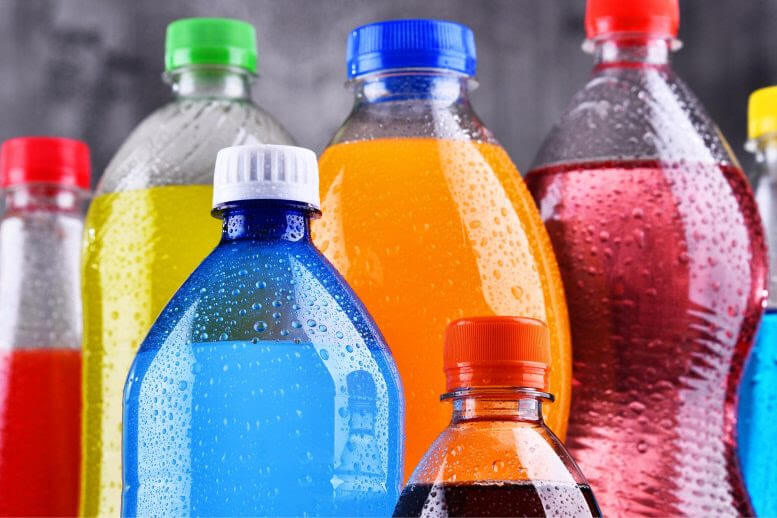
Sweet Danger: How Sugary Drinks Are Fueling Millions of New Diabetes and Heart Disease Cases Worldwide

⭐ New research links millions of annual new cases of diabetes and heart disease to sugary beverages, with significant impacts in developing countries. Urgent global measures are recommended to tackle this growing health threat.

➡️ Tufts Un... 

Read more ››

Sweet Danger: How Sugary Drinks Are Fueling Millions of New Diabetes and Heart Disease Cases Worldwide
Drinking Half to One Glass of Wine Daily Linked to 50% Lower Heart Complication Risk

Moderate wine consumption, measured via biomarkers, is linked to a 38-50% reduction in cardiovascular risks, according to a University of Barcelona-led study. However, excessive drinking eliminates these benefits, and more research is needed to co... 

Read more ››

Drinking Half to One Glass of Wine Daily Linked to 50% Lower Heart Complication Risk
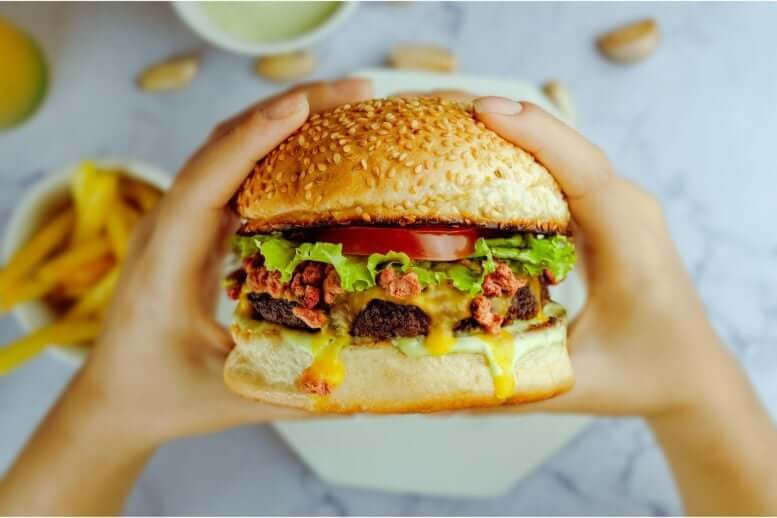
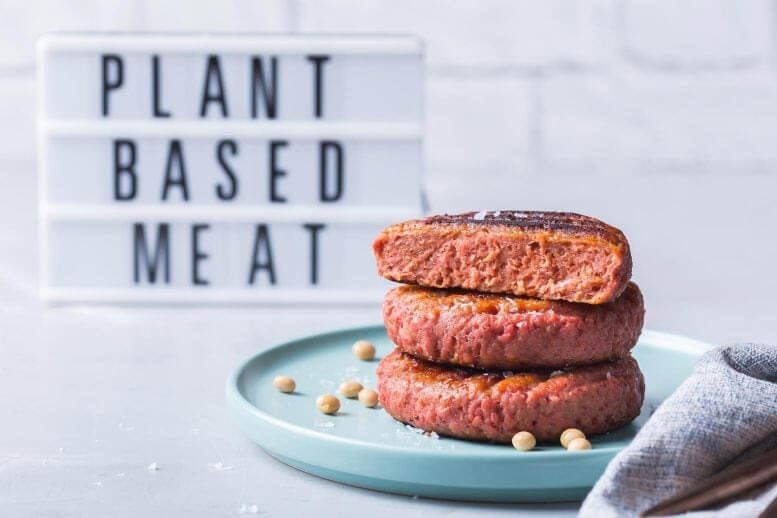
New Research Links Plant-Based Meat to Depression

A study by the University of Surrey found that vegetarians consuming plant-based meat alternatives (PBMAs), which are ultra-processed foods, had a 42% higher risk of depression compared to those who did not.

Vegetarians consuming pl... 

Read more ››

New Research Links Plant-Based Meat to Depression
Coffee and Tea Linked to Lower Cancer Risk in Groundbreaking Study

Global research shows that coffee and tea consumption is linked to lower risks of head and neck cancers. While caffeinated coffee offered the most significant benefits, even decaf and tea showed promise, though effects varied by cancer type.
... 

Read more ››

Coffee and Tea Linked to Lower Cancer Risk in Groundbreaking Study
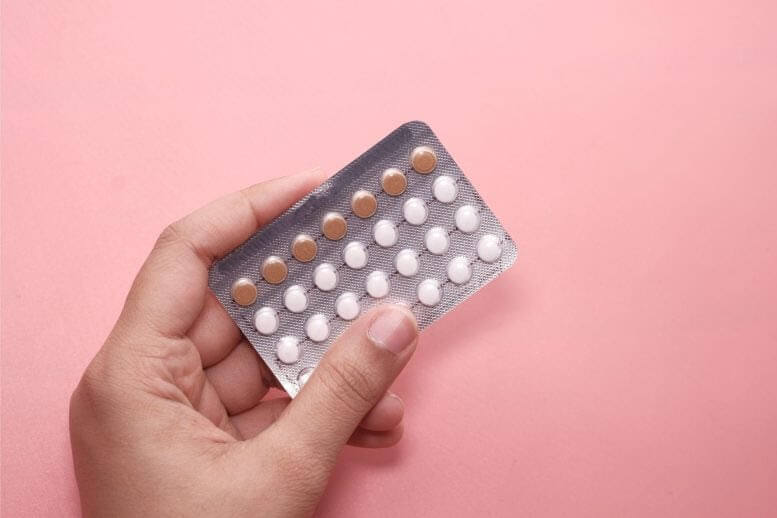
Natural Compound From Mushrooms Could Benefit People With Cancer and Major Depression

A single dose of a psychedelic compound derived from mushrooms has shown long-lasting effects in easing depression and anxiety in cancer patients.

A phase 2 trial shows that a single dose of psilocybin provides lasting relief from ... 

Read more ››

Natural Compound From Mushrooms Could Benefit People With Cancer and Major Depression
Scientists Reveal the Hidden Key to More Frequent and Satisfying Female Orgasms

Women with better interoceptive awareness tend to have more frequent and satisfying orgasms, suggesting a focus on internal bodily sensations could enhance sexual satisfaction.

Research indicates that heightened interoceptive awaren... 

Read more ››

Scientists Reveal the Hidden Key to More Frequent and Satisfying Female Orgasms
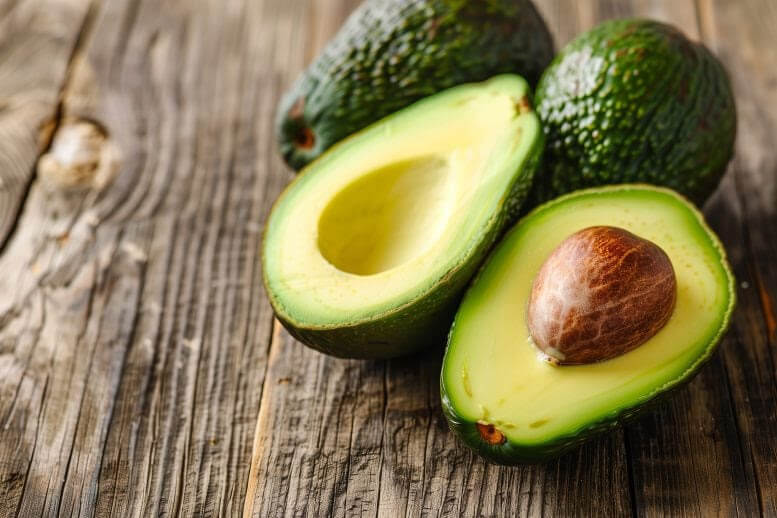
One Avocado a Day Could Help You Sleep Better, Says Groundbreaking Study

A new study reveals that eating one avocado per day may enhance sleep, highlighting an unexpected connection between nutrition and sleep quality. The findings build on growing evidence linking avocados to heart health and suggest intriguing potent... 

Read more ››

One Avocado a Day Could Help You Sleep Better, Says Groundbreaking Study
Who Wrote the Bible? AI Uncovers “Likely Authors”

Could artificial intelligence solve one of the Bible’s biggest mysteries? A team of researchers used AI-powered statistical modeling to analyze the authorship of the Hebrew Bible and made surprising discoveries about ancient narratives.

... 

Read more ››

Who Wrote the Bible? AI Uncovers “Likely Authors”
America Is Sinking: 28 Major Cities Are Slowly Going Under

A new study finds all major U.S. cities are sinking, driven by groundwater extraction and natural forces, posing hidden risks to infrastructure and calling for urgent solutions.

Groundwater loss is sinking U.S. cities, threatening i... 

Read more ››

America Is Sinking: 28 Major Cities Are Slowly Going Under
Science Confirms: Social Media Could Be Making Kids Depressed

A groundbreaking study from UCSF reveals that increased social media use among preteens is linked to rising depressive symptoms, but not vice versa.

New research shows social media use drives depressive symptoms in preteens.

Read more ››

Science Confirms: Social Media Could Be Making Kids Depressed
Scientists Uncover Hidden Biological Dangers of Ultra-Processed Foods

New research has revealed strong, consistent links between the consumption of ultra-processed foods and poor health outcomes, including inflammation, insulin resistance, and cardiovascular risk.

A major Canadian study links ultra-pr... 

Read more ››

Scientists Uncover Hidden Biological Dangers of Ultra-Processed Foods
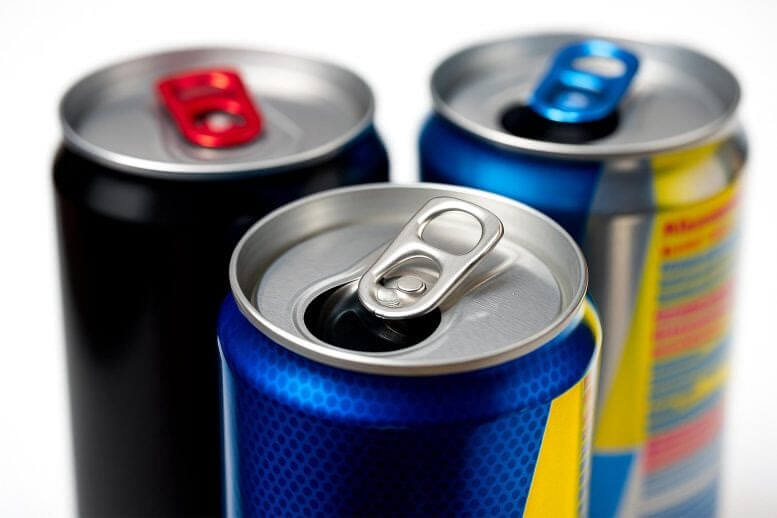
Could Your Energy Drink Be Feeding Cancer? What Scientists Just Discovered

Scientists have discovered that taurine, a common ingredient in energy drinks, helps leukemia cells grow. The cancer hijacks taurine from bone marrow to fuel itself—but blocking that process may stop the disease in its tracks.

Sci... 

Read more ››

Could Your Energy Drink Be Feeding Cancer? What Scientists Just Discovered
Can Potatoes Help With Weight Loss? Scientists Reveal Surprising Benefits

Potatoes, often dismissed as fattening carbs, can actually lower the energy density of meals and, when prepared to boost fiber (e.g., boiled, cooled 24 hrs, skins on), support a 5.6% average weight loss and improved insulin resistance over eight w... 

Read more ››

Can Potatoes Help With Weight Loss? Scientists Reveal Surprising Benefits
Researchers Reveal That Climbing Stairs Could Extend Your Life

New research indicates that stair climbing can significantly reduce the risk of cardiovascular disease and premature death, with a 24% decreased risk of mortality from any cause and a 39% reduction from cardiovascular issues. Dr. Sophie Paddock ad... 

Read more ››

Researchers Reveal That Climbing Stairs Could Extend Your Life
Scientists Say There Are 4 Types of Lovers – Which One Are You?

ANU researchers found four types of romantic lovers, revealing love varies widely in intensity, sex, and commitment. The study shows love evolves uniquely across individuals.

ANU researchers identified four romantic lover types base... 

Read more ››

Scientists Say There Are 4 Types of Lovers – Which One Are You?
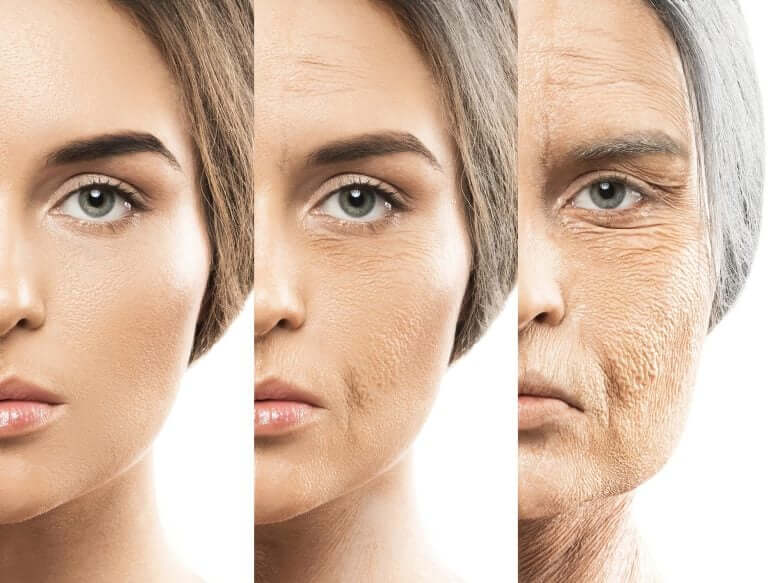
Your Name Might Be Changing Your Face, Study Finds

A new study led by researchers at the Hebrew University and Reichman University suggests that people’s names may influence their facial appearance as they age. Adults’ faces were matched to their names more accurately than chance, an effect no... 

Read more ››

Your Name Might Be Changing Your Face, Study Finds
Concerning New Research Links Tattoo Ink to Increased Cancer Risk

Tattoo ink doesn’t just stay in the skin—it can migrate to the lymph nodes, where it may accumulate and affect the immune system. A study using Danish twin data found that tattooed individuals, especially those with large tattoos, have a highe... 

Read more ››

Concerning New Research Links Tattoo Ink to Increased Cancer Risk
BV Is an STD and We’ve Been Treating It Wrong for Years

A major study proves BV is sexually transmitted, explaining why previous treatments often failed. When both partners are treated, the success rate improves dramatically. This could revolutionize women’s health worldwide.

For years... 

Read more ››

BV Is an STD and We’ve Been Treating It Wrong for Years
Secret of Everything

The secret of everything – Everything Is Mental. All talent, skill, power, speed and ability is mental. Nothing is impossible. Anything is possible. There is nothing you cannot Be, Do or Have. You can Be, Do and Have anything you want as long as yo... 

Read more ››

Secret of Everything
Harvard Study Finds Eating an Orange a Day Could Cut Depression Risk by 20%

A daily orange might do more than boost immunity — it could also help prevent depression. Scientists discovered that citrus uniquely supports gut bacteria linked to serotonin and dopamine production, reducing depression risk by 20%. Future resea... 

Read more ››

Harvard Study Finds Eating an Orange a Day Could Cut Depression Risk by 20%
According to Researchers, This Simple Phone Hack Can Improve Mental Health As Much as Antidepressants

A two-week experiment found that blocking mobile internet on smartphones significantly improved participants’ mental health, well-being, and attention span, even reversing a decade of age-related cognitive decline. The study suggests that reduci... 

Read more ››

According to Researchers, This Simple Phone Hack Can Improve Mental Health As Much as Antidepressants
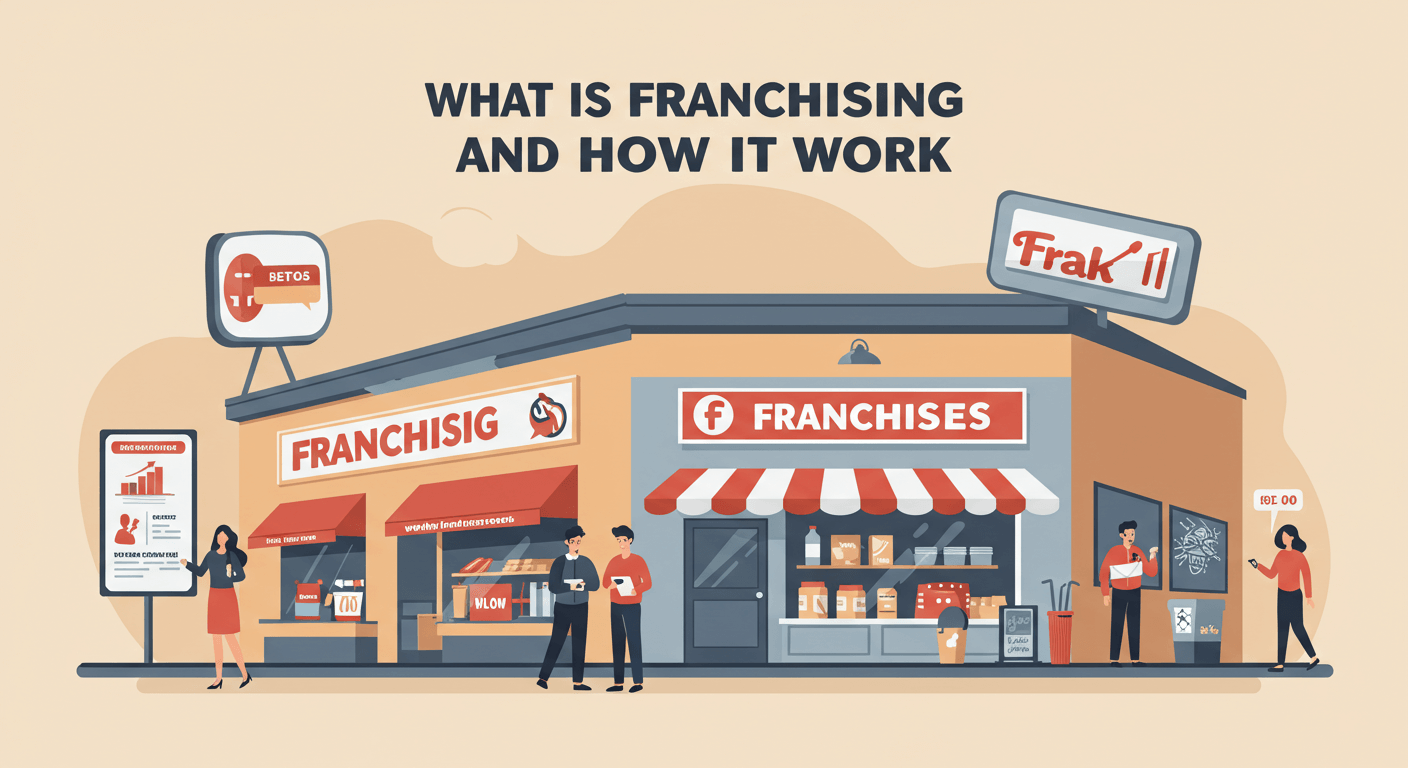
WHAT IS FRANCHISING AND HOW DOES IT WORK?

WHAT IS FRANCHISING AND HOW DOES IT WORK?

Franchising is a form of business organization in which a firm that already has a successful product or service (franchisor) licenses its trademark and me... 

Read more ››

WHAT IS FRANCHISING AND HOW DOES IT WORK?
Business Idea: A program for rock music enthusiasts to learn, improve, and perform in real bands at live rock venues.

Business Idea: Create a program for students with a passion for rock music so they can either learn to play a rock instrument or improve their existing musical skills and have the opportunity to participate in rock bands that play in... 

Read more ››

Business Idea: A program for rock music enthusiasts to learn, improve, and perform in real bands at live rock venues.
Business Idea: Franchise a network of Fresh Healthy Vending machines in schools, hospitals, and community spaces, offering only organic, natural, and healthy foods.

Business Idea: Build a franchise organization that deploys and services Fresh Healthy Vending–branded vending machines in schools, hospitals, health clubs, community organizations, and other locations that carry only organic, natur... 

Read more ››

Scientists Discover the Brain Circuit That Fuels Creativity

Creativity might not reside in a single brain region but rather in an interconnected brain circuit, according to a new study analyzing fMRI data and brain injuries.

A new study suggests that creativity maps onto a common brain circu... 

Read more ››

Scientists Discover the Brain Circuit That Fuels Creativity
Unlock Your Love This Valentine’s Day With a Science-Backed 7-Question Test

Romantic relationships play a vital role in emotional well-being, yet tools for assessing their health are often lacking. Enter the Valentine Scale—a quick, research-backed method for evaluating relationship satisfaction.

Want a f... 

Read more ››

Unlock Your Love This Valentine’s Day With a Science-Backed 7-Question Test
Your Brain Is Cheating on You, and You Don’t Even Know It

Sometimes, we cheat—not for money or prizes, but just to feel better about ourselves.

A new study reveals that people engage in “diagnostic self-deception,” tricking themselves into believing their success comes from ability... 

Read more ››

Being Social May Delay Dementia by 5 Years

Frequent social activity may help delay dementia, reducing the risk by up to 38%. Engaging with others strengthens neural networks, potentially delaying cognitive decline and lowering healthcare costs.

Social activities include dini... 

Read more ››

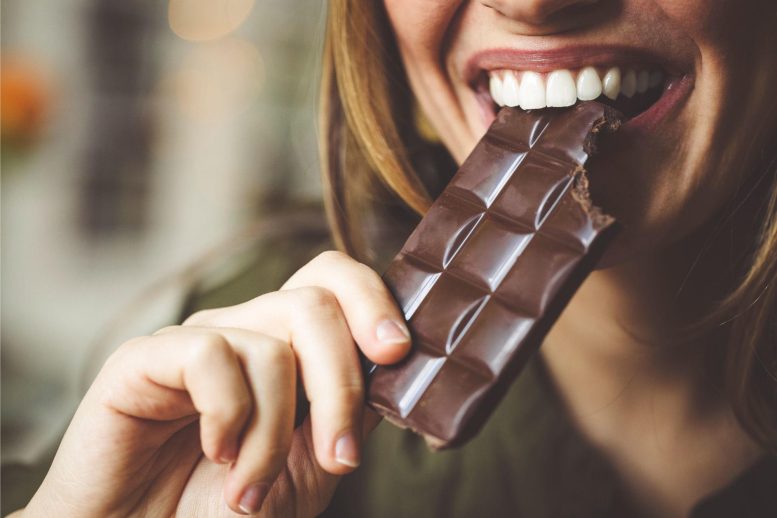
Harvard Study: Eating Dark Chocolate Could Reduce Your Risk of Diabetes by 21%

Participants who ate at least five servings of chocolate weekly had a 10% reduced risk of type 2 diabetes (T2D), with dark chocolate showing an even stronger effect—a 21% lower risk. In contrast, milk chocolate consumption was linked to long-ter... 

Read more ››

Harvard Study: Eating Dark Chocolate Could Reduce Your Risk of Diabetes by 21%
The Chocolate Cure: Cocoa Flavanols Protect Against Stress and High-Fat Diets

New research highlights the protective effects of flavanol-rich cocoa on vascular health, even when consumed alongside high-fat meals during stressful situations.

Consuming a cocoa drink rich in flavanols can mitigate the negative e... 

Read more ››

How Many Hours of Sitting Is Too Much for Your Heart?

Sedentary behavior exceeding 10.5 hours daily significantly raises the risk of heart failure and cardiovascular death, even among those who exercise regularly.

A recent study highlights that more than 10.5 hours of daily sedentary b... 

Read more ››

How Many Hours of Sitting Is Too Much for Your Heart?
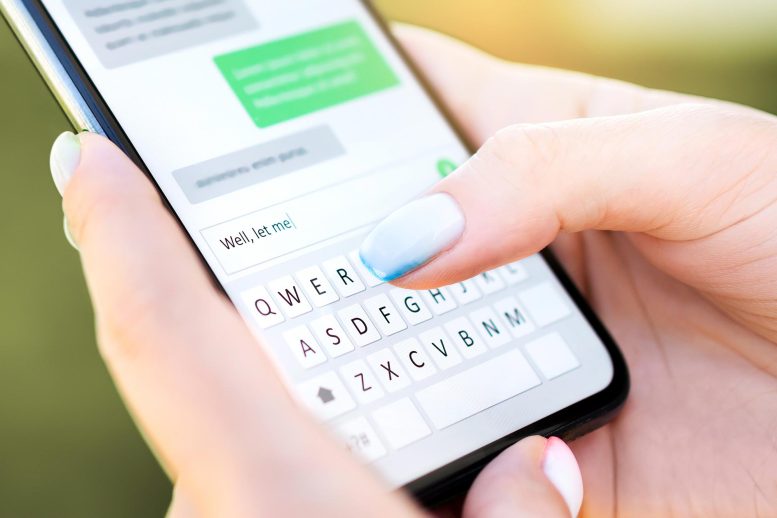
The Common Texting Habit That Could Be Undermining Your Sincerity

New research indicates that spelling out words in text messages enhances sincerity and response rates.

Research has shown that using full words in texts, instead of abbreviations, makes individuals appear more sincere and increases ... 

Read more ››

The Common Texting Habit That Could Be Undermining Your Sincerity
New Study Identifies “Never Words” That Doctors Should Always Avoid Using

Researchers emphasize the importance of compassionate communication in treating seriously ill patients, identifying harmful “never words” and proposing more sensitive alternatives to enhance patient engagement and reduce emotional suffering. T... 

Read more ››

New Study Identifies “Never Words” That Doctors Should Always Avoid Using
Mondays and New Year’s Day: Unveiling the Deadliest Peaks in Global Suicide Rates

A global study reveals that suicide rates are highest on Mondays and New Year’s Day, with regional variations during holidays.

Research indicates a global pattern where suicides peak on Mondays and New Year’s Day, with inconsist... 

Read more ››

Mondays and New Year’s Day: Unveiling the Deadliest Peaks in Global Suicide Rates
5 Ways to Enhance Your Online Presence Through Engaging Multimedia Content

In today's digital landscape, a strong online presence is paramount for businesses of all sizes. One of the most effective ways to engage and connect with your audience is through the strategic use of multimedia content. By incorporating visually app... 

Read more ››

5 Ways to Enhance Your Online Presence Through Engaging Multimedia Content
PART TWO: THE GROWTH STRATEGIES FOR A FIRM

II: External Growth Strategies

External growth strategies rely on establishing relationships with third parties, such as mergers, acquisitions, strategic alliances, joint ventures, licensing, and franchisin... 

Read more ››

Business Idea: Provide a convenient online platform for the parents of growing children to exchange the clothes their children grow out of for clothes their children need.

Business Idea: Provide a convenient online platform for the parents of growing children to exchange the clothes their children grow out of for clothes their children need.

Pitch: The average kid grows out of a set... 

Read more ››

Strategies for Firm Growth

The growth strategies for a firm are divided into internal strategies for growth and external strategies for growth.

I. INTERNAL GROWTH STRATEGIES

Internal growth strategies involve efforts taken within the firm itself, such as... 

Read more ››

THE TOP 10 REASONS NEW PRODUCTS FAIL

THE TOP 10 REASONS NEW PRODUCTS FAIL.

1. Target market is not defined correctly.

2. Product is not positioned effectively.

3. Product’s benefits are not understood by the target customer.

4. Product doesn’t address im... 

Read more ››

Business Idea: Create urban greenhouse systems for year-round production of sustainable and local fresh food.

Business Idea: Create urban greenhouse systems for year-round production of sustainable and local fresh food.

Pitch: Food travels 1,500 miles on average in the United States to get to consumers. At the same time, ... 

Read more ››

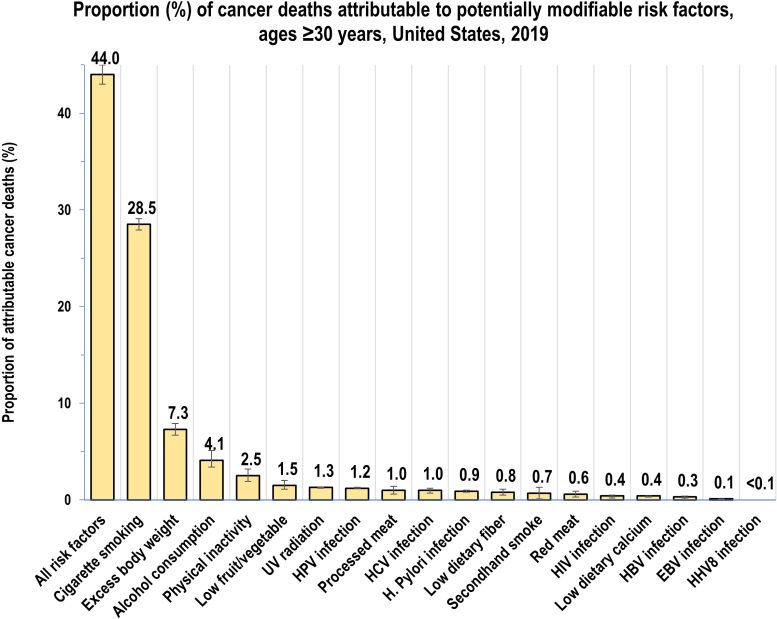
4 in 10 US Cancer Cases Linked to Modifiable Risk Factors, Study Reveals

A recent study by the American Cancer Society (ACS) reveals that four out of ten cancer cases and half of the cancer deaths in adults over 30 in the U.S. in 2019 were due to modifiable risk factors like smoking, obesity, and alcohol. Smoking was the ... 

Read more ››

4 in 10 US Cancer Cases Linked to Modifiable Risk Factors, Study Reveals
Business Idea: Manufacture and sell affordable, water efficient irrigation systems for small-plot farmers in developing nations.

Business Idea: Manufacture and sell affordable, water efficient irrigation systems for small-plot farmers in developing nations.

Company: Driptech

Pitch: In many developing countries, farmers h... 

Read more ››

Business Idea: Launch a service that provides reliable and loving reminders and companionship calls to elderly people who are still living in their homes.

Company: Check-In Calls

Business Idea: Launch a service that provides reliable and loving reminders and companionship calls to elderly people who are still living in their homes.

Pitch: Many ca... 

Read more ››

New Study Reveals That Simply Looking at Trees Can Boost Your Mental Health

Eye-tracking research from Bangor University and Technion-Israel Institute of Technology shows that focusing on natural elements during urban walks reduces anxiety and enhances feelings of restoration in city dwellers. These findings suggest urban de... 

Read more ››

New Study Reveals That Simply Looking at Trees Can Boost Your Mental Health
Eat Plants, Beat Cancer: New Study Links Vegetables To Lower Prostate Cancer Risks

Research from UC San Francisco reveals that men with localized prostate cancer can lower the risk of disease progression by 47% by adopting a plant-based diet rich in fruits, vegetables, nuts, and olive oil. Over 2,000 participants showed that increa... 

Read more ››

Eat Plants, Beat Cancer: New Study Links Vegetables To Lower Prostate Cancer Risks
5 natural ways to overcome erectile dysfunction

If you're a middle aged man, can you run as fast as you did when you were 20 years old? Hit a baseball as far as you once could? Bash a tennis ball with the same speed and spin?

Probably not.

But even as we age, there are still plenty of ways t... 

Read more ››

BRANDING

A brand is the set of attributes—positive or negative—that people associate with a company. These attributes can be positive, such as trustworthy, innovative, dependable, or easy to deal with. Or they can be negative, suc... 

Read more ››

Business Idea: Provide a service that stores individuals’ log-in information to important online services like e-mail accounts, social networks, PayPal, and eBay, and deliver them to caretakers in the event of the individual’s death.

Company: Legacy Locker

Business Idea: Provide a service that stores individuals’ log-in information to important online services like e-mail accounts, social networks, PayPal, and eBay, and deliver them to caret... 

Read more ››

New Research Reveals That Couples Who Drink Together Live Longer

A study by the University of Michigan finds that couples who drink alcohol together are likely to live longer, supporting the idea that shared drinking habits can enhance marital satisfaction and longevity.

The couple that drinks together might li... 

Read more ››

New Research Reveals That Couples Who Drink Together Live Longer
Office Productivity Takes a Hit in the Afternoon, Particularly on Fridays

A Texas A&M study shows productivity dips in the afternoon and on Fridays among office workers, advocating for flexible work to boost efficiency and well-being.

An innovative study from the Texas A&M School of Public Health offers objectiv... 

Read more ››

Office Productivity Takes a Hit in the Afternoon, Particularly on Fridays
Preparing to Raise Debt or Equity Financing

Once a start-up’s financial needs exceed what personal funds, friends and family, and bootstrapping can provide, debt and equity are the two most common sources of funds. The most important thing an entrepreneur must do at this point is determine p... 

Read more ››

Sources of Personal Financing

Typically, the seed money that gets a company off the ground comes from the founders’ own pockets. There are three categories of sources of money in this area: personal funds, friends and family, and bootstrapping.

1. Pe... 

Read more ››

Business Idea: Create a Website and a smartphone app that provides a visual guide to great food and where to find it.

Company: Foodspotting

Business Idea: Create a Website and a smartphone app that provides a visual guide to great food and where to find it. Instead of reviewing restaurants, users will share where to find their fa... 

Read more ››

Business Idea: Create an online community that links interns (primarily college students) with entrepreneurial start-ups and change-oriented nonprofit organizations.

Company: YouTern

Business Idea: Create an online community that links interns (primarily college students) with entrepreneurial start-ups and change-oriented nonprofit organizations.

Pitch: Int... 

Read more ››

52 Tips for Losing Weight

A Tip a Week

If you add one of these tips a week to your daily routine, in one year you will have developed some very healthy habits!

1. Eliminate one tablespoon of fat a day and you will lose 10 pounds in a ye... 

Read more ››

The Law of Cause and Effect – Everything happens for a reason; there is a cause for every effect.

This is the “Iron Law” of human destiny. This law says that we live in a world governed by law, not chance. It says that everything happens for a reason, whether or not we know what it is. Every effect, success or failure, wealth or poverty, has ... 

Read more ››

Organizing Buying Groups to Cut Costs and Maintain Competitiveness

One challenge that businesses confront is cutting costs in ways that don’t erode their ability to remain competitive. Many cost-cutting techniques, such as scaling back on hiring, lowering marketing expenses, or reducing inventory, may save money b... 

Read more ››

What's In A Business Name?: A Lot Of Trouble If You Aren't Careful

Introduction

While at first glance naming a business may seem like a minor issue, it is an extremely important one. A company’s name is one of the first things people associate with a business, and it is a word or phrase that wi... 

Read more ››

Vesting Ownership in Company Stock: A Sound Strategy for Start-Ups

If you’re not familiar with vesting, the idea is that when a firm is launched, instead of issuing stock outright to the founders, the stock is distributed over a period of time, typically three to four years, as the founder or founders “e... 

Read more ››

99designs: Making Partnering with Freelancers the Essence of Its Disruptive Business Model

Start-ups typically have a variety of design needs including logo design, brochures, stationery, and business cards. Traditionally the most important design work, like a business’s logo, is either done by the business itself or contracted out to a ... 

Read more ››

Thriving in a Crowded Industry by Creating Meaningful Value and Differentiation from Competitors

Firms do well in a crowded industry when two conditions exist: (1) they create meaningful value for customers at a fair price and (2) they effectively differentiate themselves from competitors. In fact, diminishing the impact of thre... 

Read more ››

Shield your brain from decline

Use the SHIELD acronym to remember the lifestyle habits that will help protect your memory and thinking skills.

We are making encouraging progress in finding medications that prevent or even reverse cognitive decline. Until we get there, however, ... 

Read more ››

Business Idea: Provide musicians a platform to reach out to their fan base to financially contribute to upcoming recordings or other musical projects.

Business Idea: Provide musicians a platform to reach out to their fan base to financially contribute to upcoming recordings or other musical projects.

Pitch: Musicians often have creative ideas for recordings or s... 

Read more ››

Finding the Right Business Partner

One thing that becomes clear to many potential business founders, while conducting organizational feasibility analysis, is that they need one or more partners to help launch their business. You might be a Web developer who has a great idea for a Web ... 

Read more ››

ScriptPad: Interesting Idea—But Will Doctors and Pharmacies Sign On?

To ScriptPad founder and CEO Shane Taylor, the problem his company solves is personal. Taylor’s father, who is fighting both heart disease and cancer, takes 26 different medications to fight his illnesses. Any mix-up or error associated with taking... 

Read more ››

Want Help Fine-Tuning a Business Idea? Find a Mentor

Fine-tuning a business idea isn’t easy. While fairly course-grained ideas are rather easy to develop, like creating a cell-phone that’s designed specifically for elderly people, fleshing out the details is where experience helps. This reality put... 

Read more ››

Working Together: How Biotech Firms and Large Drug Companies Bring Pharmaceutical Products to Market

Large firms and smaller entrepreneurial firms play different roles in business and society and can often produce the best results by partnering with each other rather than acting as adversaries. The pharmaceutical industry is an excellent example of ... 

Read more ››

Learning how to meditate

Meditation has been practiced for thousands of years and it continues to grow in popularity. This mindful practice can help aid anxiety and depression, chronic pain, cancer, bowel diseases, high blood pressure, insomnia, addiction and so much more.
... 

Read more ››

Learning how to meditate
PatientsLikeMe: Allowing People with Serious Diseases to Connect with One Another and Exchange Support and Advice

PatientsLikeMe: Allowing People with Serious Diseases to Connect with One Another and Exchange Support and Advice

Web: www.patientslikeme.com

Jamie a... 

Read more ››

How Companies and Organizations Build Credibility and Trust

How Companies and Organizations Build Credibility and Trust

There are several ways companies and organizations can build credibility and trust. We present eight techniques that are essential in nearly all cases in the following list.

Te... 

Read more ››

Business Idea: Create a single place for music lovers to track or keep up with their favorite bands, so they’ll always know where and when the bands will be performing in their area.

Business Idea: Create a single place for music lovers to track or keep up with their favorite bands, so they’ll always know where and when the bands will be performing in their area.

In addition, create an online platform for c... 

Read more ››

CREATING A NEW-VENTURE TEAM

Those who launch or found an entrepreneurial venture have an important role to play in shaping the firm’s business concept. Stated even more directly, it is widely known that a well-conceived business plan cannot get off the ground unless a firm ha... 

Read more ››

CREATING A NEW-VENTURE TEAM
Discuss the differences among sole proprietorships, partnerships, corporations, and limited liability companies.

When a business is launched, a form of legal entity must be chosen. Sole proprietorship, partnerships, corporations, and limited liability companies are the most common legal entities from which entrepreneurs make a choice. Choosing ... 

Read more ››

Discuss the differences among sole proprietorships, partnerships, corporations, and limited liability companies.
Airbnb: How Listening to Customers and Iterating the Business Model Helped Shape and Mold a Successful Start-up

Airbnb: How Listening to Customers and Iterating the Business Model Helped Shape and Mold a Successful Start-up

Web: www.airbnb.com

Introduction

It all st... 

Read more ››

Airbnb: How Listening to Customers and Iterating the Business Model Helped Shape and Mold a Successful Start-up
Components of an effective business model

1. Core strategy (how a firm competes)

2. Strategic resources (how a firm acquires and uses its resources)

3. Partnership network (how a firm structures and nurtures its partnerships)

Read more ››

Six distinct ways of making money online

Six distinct ways of making money online (the way an online company makes money largely defines its business model)

1. Affiliate programs

An affiliate program is a way for online merchants, like 1-800-FLOWERS, ... 

Read more ››

COMPETITOR ANALYSIS

After a firm has gained an understanding of the industry and the target market in which it plans to compete, the next step is to complete a competitor analysis. A competitor analysis is a detailed analysis of a firm’s competition. It helps a firm u... 

Read more ››

Some excellent ways to increase your self-awareness

1. Personal diaries

An excellent way to increase your self-awareness is to keep a diary. In it make a daily note of the important things that happen. Be honest and open with yourself. Be willing to reflect upon your beliefs, thoug... 

Read more ››

Maintaining positive thoughts

• E. G. S. Emotional Guidance System - Your inner guide

It is said that the average human being has approximately 64,000 thoughts per day. Protecting all of your thoughts 24 hours a day can be a full-time job. There is a better way to gauge how ... 

Read more ››

TECHNIQUES FOR GENERATING IDEAS

In general, entrepreneurs identify more ideas than opportunities because many ideas are typically generated to find the best way to capitalize on an opportunity. Several techniques can be used to stimulate and facilitate the generation of new ideas f... 

Read more ››

The 3 sources of business ideas

1. Observing Trends

The first approach to identifying opportunities is to observe trends and study how they create opportunities for entrepreneurs to pursue. The most important trends to follow are economic trends, social trends, ... 

Read more ››

The 3 sources of business ideas

Unleash Your Creativity with SCAMPER!

   Pinned
  4 Mins Read
Image name: SCAMPER_Technique.png Image size: 319.75 KB
  Download

✨ Boost Your Creativity with the SCAMPER Technique.

If you're looking for a simple and powerful way to generate fresh ideas, improve products, or unlock creative solutions, the SCAMPER technique is one of the best tools you can use.

Need to supercharge an existing idea or product? Try the powerful SCAMPER technique for idea generation!

SCAMPER is a simple yet effective tool to...


New Study Could Explain Why Teenage Girls Are More Depressed Than Boys

  2 years ago (Fri, Mar 28, 2025 at 10:38 AM (GMT))

  4 Mins Read
Image name: Pensive-Sad-Depressed-Teen-Girl-777x518.jpg Image size: 38.17 KB
  Download

A new study links an imbalanced kynurenine pathway to higher depression risk in adolescents, especially girls. Lower protective and higher harmful brain chemicals, influenced by inflammation, may explain why depression is more common and harder to treat in female teens.

The kynurenine pathway may explain why teenage girls are more prone to depression, with inflammation linked to more harmful brain chemicals.

Depression...
 
© King's College London   


The Hidden Heart Problem Quietly Shrinking Your Brain

  2 years ago (Fri, Mar 28, 2025 at 10:32 AM (GMT))

  3 Mins Read
Researchers discovered that heart dysfunction, even in its early stages, may be tied to brain shrinkage, hinting at a possible early warning sign for cognitive decline and memory loss.

Changes in the heart might mean more than just cardiovascular risk – they could also signal early shifts in brain health.

A large meta-analysis found that even subtle heart problems, like issues with...
 
© American Academy of Neurology   


Scientists Launch Open-Source Quantum Computer OS

  2 years ago (Fri, Mar 28, 2025 at 10:23 AM (GMT))

  2 Mins Read
Image name: Cloud-Computing-Networking-Data-777x518.jpg Image size: 55.67 KB
  Download

The University of Osaka and partners have released OQTOPUS, an open-source OS for quantum computers, to streamline cloud integration and boost global quantum computing development.

An all-in-one operating system developed in Japan, it is fully customizable from setup to operation and is available on GitHub.

The University of Osaka, Fujitsu Limited, Systems Engineering Consultants Co., Ltd. (SEC), and TIS Inc. (TIS) have...
 
© Osaka University   


Women’s Hearts React More Strongly to Lifestyle Choices, Study Shows

  2 years ago (Wed, Mar 26, 2025 at 10:41 AM (GMT))

  4 Mins Read
Heart disease risk factors have a significantly stronger impact on women than men, highlighting the need for sex-specific cardiovascular screening and prevention strategies.

Findings question the effectiveness of a one-size-fits-all approach to screening and risk assessment for men and women.

Lifestyle and health factors associated with heart disease may have a greater impact on cardiovascular risk in women than in men, according...
 
© American College of Cardiology   


The Shocking Link Between Office Coffee and Heart Health
  2 years ago (Wed, Mar 26, 2025 at 10:05 AM (GMT))

  4 Mins Read
Image name: Black-Coffee-Close-Up-777x518.jpg Image size: 56.53 KB
  Download

A Swedish study found that workplace coffee machines often leave in high levels of cholesterol-raising compounds, unlike drip-filter machines which remove most of them.

Coffee from workplace machines might be raising your cholesterol more than you think.

A new Swedish study reveals that many common office coffee machines fail to filter out cholesterol-elevating compounds found in coffee, sometimes leaving behind even more...

Cholesterol-Raising Compounds in Workplace Coffee

A new study led by researchers at Uppsala University, in collaboration with Chalmers University of Technology, has found that some workplace coffee machines produce coffee with significantly higher levels of cholesterol-raising compounds. The findings are published in the journal Nutrition, Metabolism & Cardiovascular Diseases.

“Considering how much coffee is consumed in Swedish workplaces, we wanted to get a picture of the content of cholesterol-elevating substances in coffee from these types of machines. We studied fourteen coffee machines and could see that the levels of these substances are much higher in coffee from these machines than from regular drip-filter coffee makers,” says David Iggman, researcher at Uppsala University, who led the study.

“From this we infer that the filtering process is crucial for the presence of these cholesterol-elevating substances in coffee. Obviously, not all coffee machines manage to filter them out. But the problem varies between different types of coffee machines, and the concentrations also showed large variations over time,” Iggman continued.

First Study on Office Coffee Machines

It’s already well known that boiled coffee contains high levels of the cholesterol-raising diterpenes cafestol and kahweol. A fact acknowledged in the latest Nordic nutrition guidelines, which recommend limiting boiled coffee. In contrast, drip-filter coffee makers that use paper filters are highly effective at removing these substances.

How well conventional coffee machines, which are found in public environments such as workplaces, filter out these substances had not been investigated up until now. In the study, the researchers studied fourteen coffee machines in break rooms at different workplaces. The coffee used was five regular brands of ground coffee. They took samples from the coffee made by the machines on a number of separate occasions and analyzed the contents. There was a big difference between the machines in terms of the levels of cafestol and kahweol in the coffee they made, but the levels could also differ at different times.

Brewing Machines Showed the Most Risk

The most common type of coffee machine, in the study called a brewing machine, is the one that produced coffee with the highest concentrations of diterpenes. In comparative analyses, the researchers investigated peculator coffee, espresso, French press coffee, boiled coffee, and boiled coffee poured through a fabric filter. The boiled coffee contained the highest levels of diterpenes per cup. Some espresso samples also contained high levels, but there was great variation.

Filtered Coffee Still the Best Bet

“Most of the coffee samples contained levels that could feasibly affect the levels of LDL cholesterol of people who drank the coffee, as well as their future risk of cardiovascular disease. For people who drink a lot of coffee every day, it’s clear that drip-filter coffee, or other well-filtered coffee, is preferable. To determine the precise effects on LDL cholesterol levels, we would need to conduct a controlled study of subjects who would drink the coffee,” says David Iggman.

Facts in Brief

Two samples were taken from each machine every two to three weeks. The coffee varieties included medium roast and dark roast of five common brands of ground coffee. Most of the machines use ground coffee. One or two grind the beans in the machine, but the researchers don’t think that would have any effect on the levels of diterpenes.

We tested 14 machines, including 11 brewing machines and 3 liquid-model machines (lower levels, mixed from a coffee concentrate). For comparison, the same analysis was carried out with some other coffee-making methods such as percolator, French press, boiled coffee, and boiled coffee poured through a fabric filter. In addition, four espresso samples were collected in Gothenburg.

All the coffee samples were analysed at Chalmers University of Technology. The samples were collected by medical student Erik Orrje during spring 2024.
 
© Uppsala University   


Fear of Public Speaking? Cambridge Scientists Just Launched a Free Solution

  2 years ago (Mon, Mar 24, 2025 at 10:41 AM (GMT))

  8 Mins Read
Image name: Public-Speaking-777x544.jpg Image size: 35.4 KB
  Download

Researchers at Lucy Cavendish College have launched a free VR platform that transforms smartphones into immersive public speaking training tools, helping users overcome speech anxiety with lifelike virtual audiences. This innovative solution, unveiled on World Speech Day, has already proven effective in boosting confidence and adaptability through simulated real-world scenarios.

Dr. Chris Macdonald has developed a free virtual reality platform that...

March 15th was World Speech Day, a time to encourage and embrace public speaking. However, for many, this can be a daunting challenge, as speech anxiety and the fear of public speaking are common. Fortunately, a new, free, and highly effective solution is now available.

At Lucy Cavendish College, University of Cambridge, researchers are harnessing digital technology to enhance and accelerate learning. Their Immersive Technology Lab, recognized with a national innovation award for its work in visualizing emissions data through VR, is now applying its expertise to public speaking. They have recently launched a free online platform designed to help users become confident and skilled speakers. The platform offers tailored course materials to develop key skills, along with realistic virtual reality training environments that build confidence through immersive practice.

Lab Director and platform founder, Dr Chris Macdonald, explains, “In physical reality, a user might be practicing a presentation alone in their bedroom but on the new virtual reality platform, they can experience the sensation of presenting to a wide range of increasingly challenging photorealistic audiences.”

Impact at scale

By developing a method that converts smartphones into VR headsets, Dr Macdonald has made sure that the platform is accessible to all. For reference, only 5% of UK households have a VR headset but 99% have smartphones. And while VR headsets can cost thousands, a device mount (pictured below) costs around £15.

A device mount could be thought of as a low-cost ‘conversion kit’ that transforms a user’s smartphone into a functional VR headset. Importantly, the platform has been built in such a way that whether a participant is using the latest standalone VR headset or an old smartphone inserted into a device mount, they will get the same content and the same experience.

Impact at speed

As recently revealed in the academic journal, Frontiers, the platform has been clinically proven to significantly increase levels of confidence for most users after a single 30-minute session. And, in the most recent trial with students from Cambridge and UCL, it was found that a week of self-guided use was beneficial to 100% of participants; the platform helped all users in one or more of the following ways: to feel more prepared, more adaptable, more resilient, more confident, to be better able to manage nerves, and to feel less anxious.

User-centric design

A user-centric iterative process ensured that the platform would work ‘in the wild’. In between each rebuild thus far, the platform has hosted over 50,000 practice presentations from remote beta users. To further stress test the software and hardware, in-person events were organized, one of which involved over 1000 members of the public using the platform in suboptimal conditions in a demo room in Cambridge. To further expand and deepen the participant pool, the lab went on tour. This included stops at the largest science and technology events such as New Scientist Live as well as less formal settings such as a local market, library, community center, church, and even someone’s living room.

Dr Macdonald says, “I wanted to build something that is not only highly effective but that can and will be used by those who need it the most. As a result, it was essential to gather diverse user feedback from a variety of settings. The lab cannot develop in a silo, it needs to work closely with end users. Through constant public engagement, we can maximize our positive impact and ensure that we remain deeply grounded in public service.”

World firsts

Multiple firsts were achieved to make the platform uniquely accessible and effective.

To increase accessibility, it was essential that the platform worked on both Android and iOS operating systems. To achieve this, a first-of-its-kind, dual-compatible VR player was created. As a result, not only is this the first time that this treatment is available for free worldwide, but it is also the first time it is accessible via multiple devices and multiple operating systems. In short, many firsts were completed to achieve impact at scale.

The efficacy is increased with Overexposure Therapy (the ability to repeatedly practice in extreme scenarios that one is unlikely to encounter in real life, such as hyper-distracting stadiums—a concept Dr Macdonald pioneered). It provides the psychological equivalent of running with weights or at high altitudes; it builds extra adaptability, grit, and resilience.

Dr Macdonald explains, “Prior to a presentation, most students tend to practice on their own, in a highly-controlled environment—normally in their bedrooms to an ‘audience’ of zero. As a result, it will feel like a significant ‘step up’ when they present to even a small group of people—and even a subtle audience gesture can throw them off. By contrast, students who use the VR platform can practice in a different venue every night to a wide range of highly distracting audiences and fear-inducing scenarios. They can, for example, practice in a stadium in front of 10,000 animated spectators, with loud noises, stadium lights, and flashing cameras. Accordingly, a subsequent presentation to a small group can feel like a significant ‘step down’. The data shows that this process not only increases confidence, adaptability, and resilience but also the enjoyment of public speaking. Students are enjoying the challenge of pushing themselves and progressing to each new level. This increased enjoyment is highly encouraging because we know that fear and anxiety are maintained or worsened through avoidance.”

“In addition to the range of presentation-style audiences, the platform also provides more specialized environments and challenges, such as reading a teleprompter in a virtual TV studio or responding to questions in a job or radio interview. To offer additional support in perfecting your scripts, I built and embedded an AI coach. Beyond the main platform, which is now freely available via a dedicated website, I have created licensing plans and an app for healthcare providers. I am also collaborating with organizations that seek to support specific groups such as children who stammer; the goal is to create more targeted treatment options for those who need it the most.”

“Speech anxiety and the fear of public speaking impact most people, and it is becoming increasingly more common over time. This is concerning because we know that it is detrimental to mental health, physical health, academic attainment, and career progression. Therefore, the problem is prevalent, it is getting worse, it is causing harm, and ultimately, it is capping human potential. However, this no longer needs to be the case. If you or anyone you know would like to become a skilled and confident public speaker, there is now an effective and accessible solution—please do make use of it.”

“It is very promising to see how effective the platform is given that we already know ways to make it even more effective. However, to continue its development, expand it long-term, and launch additional features and platforms, we need funding. Therefore, I encourage philanthropists and sponsors to reach out. We are data-driven and uniquely committed to impact at scale. With the right funding, together, we could transform millions of lives.”

“The platform has immense potential to empower individuals to overcome their fear of public speaking, ultimately enhancing not only their quality of life but also their capacity to become a driving force of positive change in the world.”

“I set out with a simple but ambitious mission: make the most effective treatment for the most common fear and make it freely accessible to all. Today, with the launch of the free platform, I believe I have achieved that. Please do use it. It will transform your life and greatly expand your opportunities.”

User feedback

“When practicing my presentations, I sometimes find it difficult to visualize the people I’m speaking to, but this platform gave me the opportunity to see the crowd and get comfortable speaking in front of them.” -Toluwalase Agoro, Cambridge University Student.

“I usually practice talks alone in my room which makes it very difficult to imagine my audience so I found using the VR headset was very useful … it made the practice much more effective.” -Rowena Davies, Cambridge University Student

“The Platform was very user-friendly and surprisingly easy to experience with just a smartphone. What stands out about this technology is definitely the great accessibility.” -Andrea Rogolino, Cambridge University Student

[The Virtual Reality Public Speaking Platform was embedded into Lucy Cavendish College’s Future Global Leaders program]

“The Future Global Leaders Programme helped me identify the kind of Leader I am and gave me knowledge in how other SDG goals actually contribute to my SDG of interest. What stood out to me was the public speaking practice using VR training environments! I used this method to practice for my presentation, and received positive feedback about my public speaking skills from one of the guest speakers,” said Tadala Mzengo, Future Global Leaders participant.
 
© Lucy Cavendish College, University of Cambridge   


New Study: Sitting Too Much Can Hurt Your Heart

  2 years ago (Mon, Mar 24, 2025 at 08:31 AM (GMT))

  4 Mins Read
Image name: Senior-Man-Sitting-Home-Heart-Attack-777x518.jpg Image size: 35.2 KB
  Download

Excessive sitting significantly increases the risk of heart disease, especially heart failure and cardiovascular death, and cannot be fully counteracted by exercise alone, highlighting the need to sit less and move more.

A new study reveals that a sedentary lifestyle raises the risk of the most common heart diseases, even in individuals who meet recommended exercise guidelines.

A study by researchers at...
 
© Mass General Brigham   


Men Who Skip Prostate Screenings Face a 45% Higher Risk of Death

  2 years ago (Mon, Mar 24, 2025 at 07:20 AM (GMT))

  5 Mins Read
Image name: Prostate-Cancer-Treatment-Illustration-777x518.jpg Image size: 22.36 KB
  Download

A major study spanning 20 years and seven countries reveals that men who skip prostate cancer screenings face a much higher risk of dying from the disease. The research underscores the life-saving potential of screening programs and the urgent need to address participation barriers.

Men who consistently avoid prostate cancer screening appointments face a much higher risk of dying from the...

A massive 20-year study across seven countries reveals that non-attenders had a 45% higher mortality rate from prostate cancer than those who participated in screenings. Meanwhile, men who did attend screenings had a significantly lower risk of death. This highlights a crucial challenge: understanding why some men refuse screenings and how to encourage participation in future national programs to save more lives.

High-Risk Group Identified Among Screening Avoiders

Men who repeatedly skip prostate cancer screening appointments face a significantly higher risk of dying from the disease, according to new research that highlights an emerging high-risk group.

A large-scale analysis spanning seven countries, based on data from the European Randomized Study of Screening for Prostate Cancer (ERSPC), the world’s largest prostate cancer screening study, is being presented at the European Association of Urology (EAU) Congress in Madrid.

Prostate Cancer’s Growing Global Impact

Prostate cancer is the most common cancer among men in 112 countries, and its prevalence is expected to double by 2040. National screening programs that measure prostate-specific antigen (PSA) levels in the blood could provide earlier detection, improving treatment success rates and reducing the need for expensive interventions for advanced cases.

Long-term ERSPC data show that PSA screening programs can lower the risk of dying from prostate cancer by 20%.

The Deadly Consequences of Skipping Screening

Now, a sub-analysis of 20-year ERSPC follow-up data is the first to examine the impact of repeatedly declining screening invitations. The findings reveal a striking difference in outcomes, underscoring the risks of avoiding screening. This research was led by experts from the Department of Urology at Erasmus MC Cancer Institute, University Medical Center Rotterdam, in the Netherlands.

Of 72,460 men invited to screening, around one in six men (over 12,400) were non-attenders and skipped every appointment. This group had a 45% higher risk of dying from prostate cancer compared with those who attended screening appointments.

When comparing outcomes with the control group – men who were never invited to screening – men who attended screening appointments had a 23% lower risk of dying from prostate cancer, while non-attenders faced a 39% higher risk of death from the disease.

Why Do Some Men Avoid Screening?

Deciding not to participate in screening is a choice that may be driven by a complex mix of factors, according to the study’s lead author, Renée Leenen MD, a PhD researcher in the group of Professor Monique Roobol at the Erasmus MC Cancer Institute.

“It may be that men who opted not to attend a screening appointment are care avoiders, meaning they’re less likely to engage in healthy behaviors and preventative care in general. This is the opposite behavior of people who are perhaps more health conscious and are more likely to attend a screening appointment.

Addressing Screening Avoidance for Better Outcomes

“Our study identifies that men who were invited for screening, but do not attend screening appointments are at significantly higher risk of dying from prostate cancer compared to men who were not offered screening or accepted an invitation for screening. We need to better understand who these men are, why they choose not to attend appointments, and how to motivate them. This will help us to design population-based prostate cancer screening programs that encourage higher rates of informed participation. Tackling attendance rates in this way could be a big factor in the long-term success of a national prostate screening program.”

Through the EAU-led PRAISE-U project, several EU countries are working to align approaches to patient-tailored, risk-based population screening programs for prostate cancer. This latest research highlights the critical issue of attendance if national prostate cancer screening programs are to be successful, and the need to improve awareness and address inequalities in access to screening for this higher-risk group of men.

The Future of Prostate Cancer Screening Programs

The new analysis also suggests that the overall benefit of screening for prostate cancer is higher than previously thought, says Dr Tobias Nordström, Clinical Urologist at the Karolinska Institute in Sweden, and Member of the EAU Scientific Congress Office.

“For countries around Europe that are planning to introduce a national prostate screening program, this analysis focusing on attendance shows that men who participate in screening have a much-improved long-term benefit than what we’ve seen from previous studies,” he said.

“But it highlights a group of men who need our attention, as they’re more at risk of developing advanced prostate cancer and dying from it. We need to better understand why these men might actively choose not to participate in screening, despite being invited to attend, and how this behavior is linked to worse outcomes when they get a diagnosis.”

The sub-analysis included 20-year follow-up data from 161,000 men aged 55-69 years in the ERSPC across Finland, the Netherlands, Italy, Sweden, Switzerland, Belgium, and Spain. The ERSPC was launched in 1990 across eight European countries, and the full results of this sub-analysis are expected to be published later this year.

“Prostate cancer mortality in men not attending a population-based screening program: the ‘good’, the ‘bad’, and the ‘ugly’ after 20-year follow-up in the European Randomized study of Screening for Prostate Cancer” by Renée C.A. Leenen, Esmée Mulder, Sebastiaan Remmers et al is presented at EAU25 on Saturday, March 22, 2025.
 
© European Association of Urology   


Researcher Finally Solves Math Question Left Unanswered for Over 40 Years

  2 years ago (Mon, Mar 24, 2025 at 06:15 AM (GMT))

  6 Mins Read
Image name: Susanna-Heikkila-777x486.jpg Image size: 31.95 KB
  Download

Researchers have solved a long-standing problem in topology by helping classify four-dimensional shapes (4-manifolds) that allow certain types of deformations, known as quasiregular mappings, from Euclidean space.

Susanna Heikkilä has made a significant breakthrough in topology, a branch of mathematics concerned with the properties and shapes of geometric surfaces. One of the articles from her doctoral thesis has been accepted for...
 
© University of Helsinki   


Concerning New Research Links Tattoo Ink to Increased Cancer Risk

  2 years ago (Thu, Mar 20, 2025 at 02:38 PM (GMT))

  6 Mins Read
Image name: Tattoo-777x518.jpg Image size: 42.61 KB
  Download

Tattoo ink doesn’t just stay in the skin—it can migrate to the lymph nodes, where it may accumulate and affect the immune system. A study using Danish twin data found that tattooed individuals, especially those with large tattoos, have a higher risk of skin and lymphoma cancers, highlighting the need for further research.

Researchers from the University of Southern Denmark, analyzing...

Many people carefully consider their choice of tattoo, but one aspect often overlooked is its potential long-term impact on health. What happens to the ink once it’s injected into the skin? Does it stay in place, or does it move elsewhere in the body?

Research indicates that tattoo ink doesn’t remain confined to the skin. Instead, ink particles can migrate to the lymph nodes, where they accumulate over time.

A collaborative study by researchers from the University of Southern Denmark’s Department of Public Health and Department of Clinical Research, along with the University of Helsinki, examined the possible health effects of this ink migration. Using data from Danish twin pairs, they found that individuals with tattoos were more frequently diagnosed with skin cancer and lymphoma compared to those without tattoos.

Ink particles in the body may affect the immune system

The lymph nodes are a crucial part of the immune system, helping to fight infections and filter harmful substances from the body.

When tattoo ink penetrates the skin, some of it is absorbed into the lymph nodes. The researchers are particularly concerned that tattoo ink may trigger chronic inflammation in the lymph nodes, which over time could lead to abnormal cell growth and an increased risk of cancer.

“We can see that ink particles accumulate in the lymph nodes, and we suspect that the body perceives them as foreign substances,” explains Henrik Frederiksen, consultant in hematology at Odense University Hospital and clinical professor at SDU.

“This may mean that the immune system is constantly trying to respond to the ink, and we do not yet know whether this persistent strain could weaken the function of the lymph nodes or have other health consequences.”

Studying this link is challenging because cancer can take years to develop. This means that exposure in youth may not lead to illness until decades later, making it difficult to measure a direct effect.

Twin data provides a unique opportunity to study the link

The study is based on data from the Danish Twin Tattoo Cohort, where researchers have information from more than 5,900 Danish twins. By analyzing tattoo patterns alongside cancer diagnoses, they found a higher occurrence of both skin and lymphoma cancers in tattooed individuals.

“The unique aspect of our approach is that we can compare twin pairs where one has cancer, but they otherwise share many genetic and environmental factors,” says Jacob von Bornemann Hjelmborg, professor of biostatistics at SDU.

“This provides us with a stronger method for investigating whether tattoos themselves may influence cancer risk.”

The size of tattoos matters

The results show that the link between tattoos and cancer is most evident in those with large tattoos – defined as bigger than a palm.

For lymphoma, the rate is nearly three times higher for the group of individuals with large tattoos compared to those without tattoos. This rate (more specifically, ‘hazard rate’) accounts for age, the timing of the tattoo, and how long the individuals have been followed in the study.

“This suggests that the bigger the tattoo and the longer it has been there, the more ink accumulates in the lymph nodes. The extent of the impact on the immune system should be further investigated so that we can better understand the mechanisms at play,” says Signe Bedsted Clemmensen, assistant professor of biostatistics at SDU.

Another study from the Danish Twin Tattoo Cohort shows that tattoos are becoming increasingly common. Researchers estimate that four in ten women and three in ten men will have tattoos by the age of 25.

The link to lymphoma has also been observed in an independent Swedish study from 2024.

Are some ink colors worse than others?

Previous research has suggested that certain pigments in tattoo ink may be more problematic than others.

“In our study, we do not see a clear link between cancer occurrence and specific ink colors, but this does not mean that color is irrelevant. We know from other studies that ink can contain potentially harmful substances, and for example, red ink more often causes allergic reactions. This is an area we would like to explore further,” says Signe Bedsted Clemmensen.

What are the next steps?

The researchers now plan to investigate how ink particles affect the function of lymph nodes at a molecular level and whether certain types of lymphoma are more linked to tattoos than others.

“We want to gain a better understanding of the biological mechanisms—what happens in the lymph nodes when they are exposed to ink particles over decades? This can help us assess whether there is a real health risk and what we might do to reduce it,” concludes Signe Bedsted Clemmensen.

The Danish Twin Tattoo Cohort

• Established to investigate the link between tattoos and cancer.

• Based on survey responses from 5,900 Danish twins.

• Examines both tattooing behavior and the occurrence of skin and lymphoma cancers among tattooed individuals.

• Unique method: By comparing twins, researchers can separate genetic factors from environmental influences.

• It is linked to the Danish Cancer Registry to analyze cancer occurrence among participants.

How many Danes have tattoos?

• According to the Danish Environmental Protection Agency (2017), approximately 600,000 Danes have a tattoo—equivalent to about 14% of the population.

• A 2021 study shows that 30-40% of Danes under the age of 35 have a tattoo.

• Researchers from the Danish Twin Tattoo Cohort estimate that four in ten women and three in ten men will have tattoos by the age of 25.

• On a global scale, tattoos have become increasingly popular over the past 30 years, especially among young people and women.
 
© University of Southern Denmark Faculty of Health Sciences   


Sleepier During the Day? It May Double Your Dementia Risk

  2 years ago (Thu, Mar 20, 2025 at 02:22 PM (GMT))

  3 Mins Read
Image name: Husband-Woman-Alzheimers-Disease-777x518.jpg Image size: 51.74 KB
  Download

Increasing daytime sleepiness in older women may signal a heightened risk of dementia. Over five years, researchers observed significant sleep shifts, with those experiencing worsening sleepiness facing twice the dementia risk.

A new study found that women in their 80s who experience increasing daytime sleepiness over five years have double the risk of developing dementia.

While the study doesn’t prove that excessive...
 
© American Academy of Neurology   


The Late-Night Link: How Staying Up Late May Fuel Depression

  2 years ago (Thu, Mar 20, 2025 at 02:10 PM (GMT))

  2 Mins Read
Image name: Night-Owl-Working-Late-Concept-Art-777x518.jpg Image size: 37.31 KB
  Download

A study found that night owls have a greater risk of depression, potentially due to poor sleep, alcohol use, and low mindfulness.

Staying up late might not just mess with your schedule, it could also put you at a higher risk for depression.

A new study reveals that poor sleep, more alcohol, and a lack of mindfulness could explain why evening chronotypes...
 
© PLOS   


Think Fast: How Sports Supercharge Memory and Mental Agility

  2 years ago (Thu, Mar 20, 2025 at 01:42 PM (GMT))

  2 Mins Read
Image name: Healthy-Female-Athlete-Stretching-777x518.jpg Image size: 32.8 KB
  Download

Athletes think fast – literally! A study confirms that sports participation enhances working memory, reinforcing the brain-boosting benefits of an active lifestyle.

Athletes may have more than just physical prowess – new research shows they also have superior working memory.

A study from the University of Jyväskylä found a strong link between sports participation and cognitive performance, particularly in contrast to sedentary...

Enhancing Working Memory Through Sports

Recent research in cognitive science has increasingly focused on the connection between sports expertise and working memory. Despite this interest, no meta-analysis had previously compared the working memory performance of athletes and non-athletes.

To address this gap, the Active Mind group at the University of Jyväskylä’s Department of Psychology conducted a study examining how sports participation influences working memory. Researchers also explored how factors like sport type and performance level impact cognitive outcomes.

Athletes Show a Clear Cognitive Edge

The study found that athletes consistently outperformed non-athletes in working memory tasks, regardless of the sport they played or their level of competition. This cognitive advantage was even more pronounced when athletes were compared specifically to sedentary individuals, as opposed to a broader non-athlete group. According to doctoral researcher Chenxiao Wu, most of the studies included in the meta-analysis were well-conducted, with minimal risk of bias and no signs of publication bias.

The Link Between Physical Activity and Brain Health

These findings reinforce the strong link between physical activity and enhanced cognitive function. Conversely, a sedentary lifestyle appears to correlate with weaker working memory. Associate Professor Piia Astikainen, who leads the research team, notes that their previous work has shown that staying physically active can help counteract cognitive decline associated with aging. The current study adds to the growing body of evidence suggesting that regular physical activity supports brain health and cognitive performance.

The SportsFace Project: A Deeper Dive

This research is part of the SportsFace project, which investigates how sports influence cognitive function and face perception using both electrophysiological and behavioral methods. The project, which also forms the basis of Chenxiao Wu’s PhD research under Astikainen’s supervision, aims to deepen our understanding of how physical activity shapes working memory and social cognition.
 
© University of Jyväskylä   


New Study Confirms Antidepressants Work for Anxiety – But the Long-Term Story Is Unwritten

  2 years ago (Thu, Mar 20, 2025 at 01:29 PM (GMT))

  3 Mins Read
Image name: Happy-Sad-Pills-Antidepressant-Medication-777x518.jpg Image size: 32.63 KB
  Download

A major review finds that antidepressants effectively treat anxiety, outperforming placebo. However, long-term effects are still unclear, and more research is needed to understand their full impact, especially for those with multiple conditions.

Antidepressants work, at least in the short term, when it comes to treating generalized anxiety disorder.

A new Cochrane review of 37 trials and over 12,000 participants confirms their...

Antidepressants Confirmed Effective for Anxiety

A new Cochrane review confirms that antidepressants effectively reduce symptoms of generalized anxiety disorder (GAD) in clinical trials, though there is limited data on their long-term effects.

GAD is a common condition that affects millions worldwide, causing excessive worry about daily life. Antidepressants, especially selective serotonin reuptake inhibitors (SSRIs) and serotonin-norepinephrine reuptake inhibitors (SNRIs), are widely recommended treatments, endorsed by organizations such as the UK’s National Institute for Health and Care Excellence. However, misunderstandings persist, as some healthcare professionals and patients are unaware that antidepressants are used beyond treating depression. The term also carries stigma, which can impact treatment decisions.

Analyzing the Research: 37 Trials and 12,000 Participants

The review examined 37 randomized controlled trials involving over 12,000 participants, comparing antidepressants to a placebo. Most studies were conducted in high-income countries, including the United States and parts of Europe, and included both men and women. About 60% of participants were female, reflecting the clinical prevalence of GAD.

Findings showed that antidepressants significantly outperformed placebos, with a 41% higher response rate among those taking the medication. Dropout rates were similar between the two groups, suggesting that antidepressants are generally well tolerated.

Expert Insights on Antidepressant Use

“The research shows that antidepressants are highly effective at treating GAD, at least in the specific circumstances seen in trials,” says senior author Dr. Giuseppe Guaiana, Associate Professor of Psychiatry at the Schulich School of Medicine & Dentistry, Western University, and Chief of Psychiatry at St Thomas Elgin General Hospital. “For people with Generalized Anxiety Disorder and no other conditions, we have good evidence that antidepressants lead to clinically meaningful improvements over a one- to three-month period compared to placebo.

“We don’t have enough evidence to say how effective they may be in patients with GAD alongside other mental health conditions, which is much more common in clinical practice. Most of the patients I see with GAD also have other mental health conditions, so future trials should investigate the effects of different treatment strategies on patients with multiple conditions.”

Gaps in Long-Term Data: What We Still Don’t Know

The review also highlights the lack of data on the long-term effects of antidepressants. Most included trials lasted between 4 to 12 weeks, with no long-term follow-up.

“We don’t have enough information on the potential long-term benefits and harms of antidepressants, even though people often take them for years,” says first author Katarina Kopcalic, who conducted the review at Western University. “This is an area that needs further exploration in future trials.”

Balancing Effectiveness with Long-Term Uncertainty

Despite these limitations, the review delivers a clear message: antidepressants are effective for managing GAD, particularly for patients who do not respond well to non-pharmacological treatments. However, more independent, long-term research is needed to understand their full impact, especially in patients with multiple conditions.
 
© Cochrane   


Skin Cancer Prevention: The 5 Simple Steps That Could Save Your Life

  2 years ago (Tue, Mar 18, 2025 at 11:36 AM (GMT))

  6 Mins Read
Image name: Sunburn-Pool-777x389.jpg Image size: 27.14 KB
  Download

Skin cancer is the most common cancer in the U.S., with millions of cases diagnosed annually and treatment costs reaching $8.9 billion. A study found that sunburn risk varies based on sociodemographic factors, with higher income groups, married individuals, and those with outdoor activities reporting more sunburns, while women, older adults, and people of color had lower risks.

Skin cancer is...

Skin cancer is the most common cancer in the United States, affecting millions each year. Non-melanoma cases account for the majority, while tens of thousands of melanoma cases are diagnosed annually. The financial burden is substantial, with treatment costs reaching approximately $8.9 billion per year.

Individuals at higher risk include those with fair skin, a history of sun exposure or tanning bed use, and a genetic predisposition. Major barriers to prevention include a lack of awareness, cultural preferences for tanned skin, and limited access to sun protection.

A study conducted by researchers at Florida Atlantic University’s Charles E. Schmidt College of Medicine is among the few to examine the link between the number of reported sunburns and sociodemographic factors. It also assesses the prevalence of protective skin behaviors among U.S. adults using a nationally representative sample. According to the American Academy of Dermatology, experiencing five or more blistering sunburns between ages 15 and 20 increases the risk of melanoma by 80% and nonmelanoma skin cancer by 68%.

Using data from the U.S. National Cancer Institute’s 2022 Health Information National Trends Survey 6 (HINTS 6), researchers selected questions focused on respondents’ confidence in their health, perceived cancer risk, and worry about getting diagnosed with cancer, as well as their sunburn experiences over the past year. Sociodemographic factors that were studied included age, gender, occupational status, marital status, educational level, Hispanic origin, race, and income due to their potential link to skin cancer risk.

Survey Findings: Confidence, Concerns, and Sunburn Frequency

Among 6,252 participants surveyed, when asked how confident they felt about their ability to take good care of their own health, most respondents felt either very confident (44%) or completely confident (27.3%). Findings, published in the American Journal of Lifestyle Medicine, also showed most respondents had moderate concerns about skin cancer risk. Only 9.1% reported being extremely worried, while the majority were either somewhat (26.6%) or slightly (25.6%) concerned.

For sunburn and skin protection, 67.6% reported no sunburns in the past year, while 30.3% had 1-5 sunburns. Additionally, 6.4% reported consuming alcohol while sunburned, a known risk factor for increased sunburn incidence. Activities like drinking alcohol, working outside or swimming were common among those who reported sunburns.

Using multinomial regression analysis, statistically significant associations were reported between the number of sunburns and sociodemographic factors. Adults (over 40) had lower sunburn risks, as did women. Disabled, unemployed, and multi-occupation participants reported fewer sunburns. Married or partnered individuals had higher risks of sunburn, while divorced or single participants had lower risks. Higher education levels, being Hispanic, Black, Asian or of mixed race were linked to lower sunburn risks. Higher-income groups had significantly higher risks of sunburns, with the highest income group being more than four times more likely to report a sunburn.

Social Determinants of Skin Cancer Risk

“Social determinants such as race/ethnicity, sex, income, and employment status are closely linked to sunburn and skin cancer risk,” said Lea Sacca, Ph.D., senior author and an assistant professor in the Department of Population Health and Social Medicine, within the Schmidt College of Medicine. “While Hispanics and Black Americans generally report lower rates of sunburn, Hispanics often perceive greater benefits of UV exposure, which increases their risk. Factors such as sex, education, and income also influence sunscreen use, with lower use observed among Black Americans and Hispanic Americans. However, within these groups, women with higher education and income are more likely to use sunscreen. Interestingly, higher income is associated with more frequent sunburns.”

Skin cancer includes three main types: basal cell carcinoma, squamous cell carcinoma, and melanoma. Basal cell carcinoma is the most common and least aggressive, typically appearing as a shiny, pearly bump or pinkish patch, often on sun-exposed areas. Squamous cell carcinoma usually appears as red, scaly patches or open sores and can spread to other parts of the body if not treated early. Melanoma, the most dangerous form, develops in pigment-producing cells (melanocytes) and can appear as a new mole or changes to an existing one. It is highly aggressive and can spread quickly to other organs if not caught early.

“Understanding perceptions of skin cancer risk and the prevalence of protective behaviors is vital to reducing the likelihood of developing skin cancer, particularly among vulnerable groups,” said Madison Etzel, first author and a second-year medical student in the Schmidt College of Medicine. “Our study underscores the importance of raising awareness about skin cancer susceptibility as we found that all sociodemographic factors were significantly linked to the number of reported sunburns in the past year. Future research should explore how additional social determinants of health influence sunburn incidence and prevention behaviors. A deeper understanding of these factors is critical to addressing the widespread harms of skin cancer in U.S. adults.”

According to the American Cancer Society and other health organizations, practicing sun safety and skin awareness is vital to preventing skin cancer. Regularly applying a broad-spectrum sunscreen with an SPF of 30 or higher, especially when spending time outdoors, and reapplying every two hours is essential as a first step for skin cancer prevention. Avoiding direct sunlight, particularly between 10 a.m. and 4 p.m., when UV rays are strongest, and seeking shade whenever possible are also additional preventive strategies to consider to reduce the risk of this disease. Moreover, protecting skin further by wearing long-sleeve clothing, wide-brimmed hats, and sunglasses with 100% UVA/UVB protection has also been recommended. It’s also crucial to avoid tanning beds, as they increase the risk of skin cancer.

Regular self-exams of the skin for any unusual moles or changes, along with professional skin screenings by a dermatologist, can help with early detection. Surfaces like water, sand, and snow also can reflect UV rays, so reapply sunscreen more frequently in these environments. Finally, staying hydrated supports skin health and resilience against UV damage.
 
© Florida Atlantic University   


Is More Exercise Always Better? Twin Study Challenges Longevity Myths

  2 years ago (Tue, Mar 18, 2025 at 10:19 AM (GMT))

  4 Mins Read
Image name: Man-Exercising-Lifting-Weights-777x518.jpg Image size: 36.7 KB
  Download

A Finnish twin study found that moderate physical activity yields the greatest longevity benefit, with no extra reduction in mortality risk for those exercising at very high levels, and that physical activity’s effect on biological aging follows a U-shaped pattern. Additionally, meeting WHO physical activity guidelines did not significantly lower mortality or genetic disease risk, indicating that other lifestyle factors...

Moderate exercise lowers mortality risk, but higher activity levels offer no extra benefit. Biological aging accelerates in both the least and most active individuals.

While physical activity is often associated with a longer lifespan, research from Finnish twin studies suggests the relationship may be more complex than previously believed.

A team from the University of Jyväskylä, Finland, examined how long-term leisure-time physical activity influences mortality. They also explored whether physical activity can reduce the heightened risk of death linked to genetic predisposition to disease and its impact on biological aging later in life.

The study analyzed data from 22,750 Finnish twins born before 1958, with their physical activity levels assessed in 1975, 1981, and 1990. Mortality data was tracked until the end of 2020.

Moderate Activity Yields Maximum Longevity Benefits

Four distinct subgroups were identified from the data, which was based on leisure-time physical activity over the 15-year follow-up: sedentary, moderately active, active, and highly active groups. When the differences in mortality between the groups were examined at the 30-year follow-up, it was found that the greatest benefit – a 7% lower risk of mortality – was achieved between the sedentary and moderately active groups. A higher level of physical activity brought no additional benefit. When mortality was examined separately in the short and long term, a clear association was found in the short term: the higher the level of physical activity, the lower the mortality risk. In the long term, however, those who were highly active did not differ from those who were sedentary in terms of mortality.

“An underlying pre-disease state can limit physical activity and ultimately lead to death, not the lack of exercise itself,” says Associate Professor Elina Sillanpää from the Faculty of Sports and Health Sciences. “This can bias the association between physical activity and mortality in the short term.”

Meeting Physical Activity Guidelines Does Not Guarantee a Lower Mortality Risk

The researchers also investigated whether following the World Health Organization’s physical activity guidelines affects mortality and genetic disease risk. The guidelines suggest 150 to 300 minutes of moderate or 75 to 150 minutes of vigorous activity weekly. The study found that meeting these guidelines did not lower mortality risk or alter genetic disease risk. Even for twins who met the recommended levels of PA over a 15-year period, no statistically significant difference in mortality rates was found compared to their less active twin pair.

“The widely observed favorable association between physical activity and mortality are based on observational studies that are prone to bias from different sources,” says postdoctoral researcher Laura Joensuu from the Faculty of Sports and Health Sciences. “In our studies, we aimed to account for various sources of biases, and combined with the long follow-up period, we could not confirm that adhering to physical activity guidelines mitigates genetic cardiovascular disease risk or causally reduces mortality.”

Link Between Physical Activity and Biological Aging is U-shaped

For the subsample of twins, biological aging was determined from blood samples using epigenetic clocks. Epigenetic clocks allow a person’s biological aging rate to be estimated based on methyl groups that regulate gene expression and are linked to the aging process.

“We found that the association between leisure-time physical activity and biological aging was U-shaped: Biological aging was accelerated in those who exercised the least and the most,” says Sillanpää.

Other lifestyles, such as smoking and alcohol consumption, largely explained the favorable associations of physical activity with biological aging.

Genetic data were available for 4,897 twins. The genetic susceptibility of twins to coronary artery disease, as well as systolic and diastolic blood pressure was assessed using new polygenic risk scores, which sum the genome-wide susceptibility to morbidity. In addition, all-cause and cardiovascular mortality was followed in 180 identical twin pairs. The biological aging rate of 1,153 twins was assessed from a blood sample.

The studies were carried out in cooperation with the Faculty of Sport and Health Sciences and Methodology Centre for Human Sciences at the University of Jyväskylä and the Finnish Institute of Molecular Medicine at the University of Helsinki.

The first authors of the studies, doctoral researchers Laura Joensuu and Anna Kankaanpää, belong to the GenActive research group. The GenActive group investigates genetic and lifestyle factors that predict biological aging, health, and functional capacity. The group leader is Elina Sillanpää, associate professor of health promotion.
 
© University of Jyväskylä   


This Simple Diet Change Could Extend Your Life – Backed by 30 Years of Research

  2 years ago (Sun, Mar 16, 2025 at 02:44 PM (GMT))

  4 Mins Read
A large-scale study found that replacing butter with plant-based oils, such as soybean and olive oil, can significantly lower the risk of death from all causes. Researchers linked higher butter intake to a 15% increased risk of mortality, while higher plant-based oil intake was associated with a 16% lower risk. Substituting 10 grams of butter daily with plant-based oil could...

The study, which tracked the dietary habits of over 200,000 individuals for three decades, found that diets rich in butter but low in plant oils were linked to an increased risk of mortality.

A new study conducted by researchers from Mass General Brigham, the Harvard T.H. Chan School of Public Health, and the Broad Institute of MIT and Harvard suggests that replacing butter with plant-based oils may offer significant health benefits, including a reduced risk of premature death.

Analyzing dietary and health data from 200,000 individuals over more than 30 years, the researchers found that higher consumption of plant-based oils—particularly soybean, canola, and olive oil—was linked to lower overall mortality, as well as reduced deaths from cancer and cardiovascular disease. In contrast, butter consumption was associated with an increased risk of both total mortality and cancer-related deaths.

The findings were published in JAMA Internal Medicine and were also presented at the American Heart Association’s EPI/Lifestyle Scientific Sessions.

Significant Health Impact of Swapping Butter for Oil

“What’s surprising is the magnitude of the association that we found — we saw a 17% lower risk of death when we modeled swapping butter with plant-based oils in daily diet. That is a pretty huge effect on health,” said study lead author Yu Zhang, MBBS, research assistant at the Channing Division of Network Medicine at Brigham and Women’s Hospital, a founding member of the Mass General Brigham healthcare system. Zhang is also a student in the Department of Epidemiology at Harvard Chan School.

A key difference between butter and oil is the types of fatty acids contained in them. Butter is rich in saturated fatty acids, while plant-based oils have more unsaturated fatty acids. While there have been many studies on dietary fatty acids, fewer studies have focused on their primary food sources, including butter and oils. Many previous studies have looked at a person’s diet at a point in time and have been done in a small population, limiting their applicability to public health.

The new study analyzed dietary data from 221,054 participants in the Nurses’ Health Study (NHS), Nurses’ Health Study II (NHSII), and Health Professionals Follow-up Study (HPFS). Every four years, they answered questions about how often they consumed certain types of food. The researchers used the data to estimate how much butter and plant oils they ate.

Total butter intake included butter from butter and margarine blend, spreadable butter added to food and bread, and butter used in baking and frying at home. The intake of plant-based oils was estimated based on the reported use in frying, sautéing, baking, and salad dressing.

The researchers also identified participants who had died and their causes of death. Using statistics to compare death rates across different diet intake levels, the researchers found that participants who ate the most butter had a 15% higher risk of dying than those who ate the least. In contrast, those who ate the most plant-based oils had a 16% lower risk of death than those who ate the least.

The Benefits of a Simple Dietary Change

“People might want to consider that a simple dietary swap — replacing butter with soybean or olive oil — can lead to significant long-term health benefits,” said corresponding author Daniel Wang, MD, ScD, of the Channing Division of Network Medicine at Brigham and Women’s Hospital. Wang is also an assistant professor in the Department of Nutrition at Harvard Chan School and an associate member at the Broad Institute of MIT and Harvard. “From a public health perspective, this is a substantial number of deaths from cancer or from other chronic diseases that could be prevented.”

The researchers also did a substitution analysis, which mimics how swapping butter for plant oils would impact health in a feeding trial. They found that substituting 10 grams of butter a day (less than a tablespoon) with equivalent calories of plant-based oils could lower cancer deaths and overall mortality by 17%.

“Even cutting back butter a little and incorporating more plant-based oils into your daily diet can have meaningful long-term health benefits,” Wang said.

One limitation of the study is that the participants are mainly health professionals, so they might not represent the U.S. population as a whole, the researchers said. In the future, they’d like to study the biological mechanisms underlying why this dietary change has such a large impact.
 
© Mass General Brigham   


New Research Reveals the Effects of Alcohol on the Entire Digestive System

  2 years ago (Sun, Mar 16, 2025 at 02:24 PM (GMT))

  5 Mins Read
Image name: Acute-and-Chronic-Pathological-Effects-of-Ethanol-on-the-Digestive-System-777x510.jpg Image size: 48.41 KB
  Download

Alcohol doesn’t just impact the liver, it wreaks havoc on the entire digestive system. From inflamed gums and acid reflux to chronic pancreatitis and deadly cancers, excessive drinking is a silent destroyer of gastrointestinal health.

The liver, responsible for breaking down alcohol, suffers immense damage, leading to cirrhosis and even liver cancer. Meanwhile, the stomach and intestines experience erosion, ulcers, and...
 
© Xia & He Publishing Inc.   


Weight Loss Isn’t Always Healthy? Study Finds It Can Be Deadly for Some Patients

  2 years ago (Fri, Mar 14, 2025 at 02:34 PM (GMT))

  3 Mins Read
Image name: Weight-Loss-Belly-Fat-Concept-777x518.jpg Image size: 48.64 KB
  Download

Recent research found that extreme weight changes in obese individuals with cardiovascular disease increase mortality risk. Both weight gain and loss were linked to higher death rates, highlighting the importance of maintaining a stable weight under medical supervision.

A study finds that significant weight loss increases the risk for individuals with cardiovascular disease.

New research has revealed for the first time that...
 
© Anglia Ruskin University   


Drinking White Wine Could Be Increasing Your Risk of Cancer

  2 years ago (Fri, Mar 14, 2025 at 01:04 PM (GMT))

  3 Mins Read
Image name: White-Wine-777x505.jpg Image size: 27.96 KB
  Download

A study by Brown University researchers analyzed 42 observational studies and found no evidence that red wine reduces cancer risk. However, white wine consumption was linked to a 22% higher risk of skin cancer, particularly among women, highlighting the need for further research.

Epidemiologists evaluate the potential cancer-protective effects of red wine by comparing its associated cancer risks to those of...

Not all alcoholic beverages are perceived equally, with red wine often considered a healthier option. This belief stems from its high resveratrol content—an antioxidant with anti-inflammatory properties—thought to offer cancer protection.

However, researchers from Brown University’s School of Public Health have tested this assumption. In a new study, they analyzed data from 42 observational studies involving nearly 96,000 participants to compare cancer risks associated with red and white wine. The research, co-led by Eunyoung Cho, an associate professor of epidemiology and dermatology, found no clear evidence that red wine reduces cancer risk. Additionally, the study found no overall increase in cancer risk from wine consumption, regardless of type.

“We conducted a comprehensive meta-analysis to assess whether red wine is truly a healthier choice than white wine,” Cho said “Our analysis included as many published epidemiological studies as possible that separately explored the relationship between red and white wine consumption and cancer risk. The results revealed no significant difference in cancer risk between red and white wine overall. However, we did observe a distinction when it came to skin cancer risk. Specifically, the consumption of white wine, but not red wine, was associated with an increased risk of skin cancer.”

White Wine and Increased Skin Cancer Risk

In fact, the researchers calculated a 22% increased risk of skin cancer associated with white wine compared to red wine. The reasons for this remain unclear. Researchers suggest that heavy consumption of wine may correlate to high-risk behaviors, such as indoor tanning and inadequate sunscreen use. However, it is unclear why white wine, in particular, is the culprit.

The study also found a stronger association between white wine intake and increased overall cancer risk among women. This finding warrants further investigations into potential underlying mechanisms.

The meta-analysis done by the team is the first study of its kind and challenges the belief that red wine is healthier than white. It also points to the need for further study into the association between white wine consumption and cancer risk, particularly in women.

Alcohol — specifically, the ethanol in alcoholic beverages — metabolizes into compounds that damage DNA and proteins, contributing to cancer risk. In 2020, excessive alcohol consumption was linked to more than 740,000 cancer cases worldwide, accounting for 4.1% of all cases.
 
© Brown University   


Scientists Identify Key Environmental Factors Linked to Dementia

  2 years ago (Thu, Mar 13, 2025 at 02:21 PM (GMT))

  3 Mins Read
A University of Georgia study highlights how environmental factors, like air pollution and access to green spaces, influence dementia risk. The research quantifies these effects, showing that pollution increases risk while green and walkable spaces help reduce it, informing urban planning for cognitive health.

A meta-analysis by the College of Public Health highlights the influence of traffic, walkability, and natural spaces...

A recent study from the University of Georgia’s College of Public Health highlights the significant impact of environmental factors on dementia risk. Led by Assistant Professor Suhang Song in the Department of Health Policy and Management, this meta-analysis reveals that exposure to air pollution and access to natural spaces, such as parks (green spaces) and bodies of water (blue spaces), can influence the likelihood of cognitive decline and dementia.

“These numbers show that living in a dementia-friendly environment is important to delay or prevent cognitive decline and the onset of dementia,” Song said.

Conducting the meta-analysis was important, as was taking several empirical studies to create a clearer picture about environmental risk, Song said. The research combined 54 studies in a systematic review and 21 in the meta-analysis, enabling researchers to quantify the impact of several factors.

While past research has shown the association between environmental factors and dementia risk, Song said the contributions of some factors were worth noting.

Environmental factors could increase dementia risk by 10%

Living near major roadways was associated with a roughly 10% higher risk of dementia, and exposure to fine particulate matter in the air — something that is generated by vehicles and industrial emissions — was associated with a 9% increase in risk. Nitrous Oxide increased risk by 10%, and noise pollution was shown to increase risk by about 9%.

Alternatively, some built environments help reduce the risk of cognitive decline. Green and blue spaces, which include built and natural parks as well as bodies of water, reduced risk by about 6%. Walkability in a community, as well as access to local amenities including food stores, community centers, and health care, also reduced risk.

“Based on these findings, we can suggest that people visit parks or forests more often and also live further from the major roads,” Song said. “Also, living in a community where there is more walkability, or being close to local amenities like bookstores, health care centers and more is helpful.”

Improving urban planning

This data can help inform urban planning efforts moving forward to create more communities that foster cognitive health, Song said.

“The biggest advantage of this paper is to quantify the association between certain factors and cognitive health,” Song said. “This analysis can provide evidence for data-driven urban planning and support decision makers.”

Summarizing objective measurements of environmental factors for future research

This systematic review and meta-analysis focused on studies using objectively measured environmental factors, which may reduce the bias associated with subjective measures such as perceptions of air quality or individual reports of greenspace and an area’s beauty. These instances of self-reported data can sometimes limit the reliability of a study’s conclusions.

Song hopes this study will serve as a foundation for future research, encouraging researchers to prioritize objective measurements in investigating environmental influences on cognition and dementia risk.
 
© University of Georgia   


How One Hour of TV a Day Could Save Your Heart

  2 years ago (Thu, Mar 13, 2025 at 02:16 PM (GMT))

  6 Mins Read
Image name: Cardiology-Heart-Health-Concept-777x518.jpg Image size: 29.44 KB
  Download

Cutting down on TV time may be a simple but powerful way to protect heart health—especially for those genetically at risk for Type 2 diabetes.

Limiting sedentary time, particularly by watching no more than one hour of TV per day, may help reduce the risk of heart disease and other vascular conditions in people with a genetic predisposition to Type 2...
 
© American Heart Association   


Scientists Discover How Aspirin Could Halt Cancer Spread

  2 years ago (Tue, Mar 11, 2025 at 10:24 AM (GMT))

  5 Mins Read
Image name: Man-Pouring-Drugs-into-Hand-Medicine-Aspirin-777x518.jpg Image size: 28.92 KB
  Download

Scientists discovered how aspirin may reduce cancer metastasis by preventing T cell suppression through lowering TXA2 levels. This finding could help refine clinical trials and lead to more targeted, cost-effective cancer treatments.

Scientists have discovered that aspirin may prevent cancer metastasis by reducing TXA2 levels, which suppress T cells.

Scientists have identified the mechanism by which aspirin may help reduce the spread...
 
© UK Research and Innovation   


Eating This Way in Pregnancy May Increase Autism Risk by 122%

  2 years ago (Tue, Mar 11, 2025 at 09:58 AM (GMT))

  7 Mins Read
Image name: Very-Pregnant-Woman-777x518.jpg Image size: 20.43 KB
  Download

A large study from Denmark found that a Western diet high in fat and sugar during pregnancy is linked to a higher risk of ADHD and autism in children, particularly in early and mid-pregnancy. Researchers suggest that even small dietary improvements could reduce this risk, raising questions about the adequacy of current dietary guidelines for pregnant women.

New research from Denmark...

Smoking, alcohol consumption, and poor diet have long been recognized as factors affecting fetal development. Now, a comprehensive clinical study from the University of Copenhagen and the Copenhagen Prospective Studies on Asthma in Childhood (COPSAC) at the Danish Paediatric Asthma Centre, Herlev and Gentofte Hospital, has identified a link between a mother’s diet during pregnancy and the likelihood of her child developing ADHD or autism.

“The greater a woman’s adherence to a Western diet in pregnancy – high in fat, sugar, and refined products while low in fish, vegetables, and fruit—the greater the risk appears to be for her child developing ADHD or autism,” says lead author, Dr David Horner, MD, PhD.

The study used data-driven analysis to identify a Western dietary pattern and its impact on neurodevelopmental risks. Even moderate shifts toward this diet were linked to significantly higher risks. Specifically, a slight move toward a Western diet was associated with a 66% increased risk of ADHD and a 122% increased risk of autism. However, this also suggests a potential benefit: even small dietary changes away from a Western pattern may help lower the risk of these neurodevelopmental disorders.

Over 60,000 Mother-Child Pairs Analysed

To reach these findings, researchers analyzed dietary patterns, blood samples, and ADHD diagnoses across four large independent cohorts in Denmark and the United States, encompassing more than 60,000 mother-child pairs. Blood samples were analyzed using metabolomics, providing insights into the biological mechanisms linking diet to neurodevelopmental disorders and serving as a validation method for the results.

The link between Western dietary patterns and ADHD was observed across all four cohorts and validated in three of them using three different methods, reinforcing the study’s credibility, according to David Horner.

The study draws on a highly detailed and robust dataset where nearly 600 children were clinically assessed for neurodevelopmental disorders at age 10. To ensure the reliability of the findings, researchers accounted for a range of factors, including genetics, which is known to play a major role in neurodevelopmental disorders. Yet, a clear association between a maternal Western diet and the risk of ADHD and autism remained.

Greatest Risk in Early Pregnancy

One of the key strengths of this study is the high quality of the biological samples, which included repeated metabolomic measurements throughout pregnancy and childhood. This allowed researchers to demonstrate that the association between diet on ADHD risk was strongest in early and mid-pregnancy.

“When comparing across cohorts, we observed the strongest associations in the first and second trimesters, suggesting that brain development during this period is particularly sensitive to maternal nutritional influences,” explains senior author Professor Morten Arendt Rasmussen from the University of Copenhagen.

Researchers identified 43 specific metabolites in maternal blood that were linked to a Western diet and could help explain the connection between diet and neurodevelopmental disorders.

“We found that 15 of these 43 metabolites were particularly linked to the increased risk of ADHD. Many of these metabolites are derived from dietary intake and play key roles in regulating inflammation and oxidative stress—factors believed to be critical in early neurodevelopment,” says David Horner.

Are Current Dietary Guidelines for Pregnant Women Effective?

According to David Horner, this study raises important questions about whether current dietary guidelines for pregnant women are sufficient.

In Denmark, dietary recommendations for pregnant women largely mirror those for the general population, emphasizing a balanced diet rich in vegetables, fruit, whole grains, and fish rather than red meat.

“We know that nutritional demands increase during pregnancy, and our study highlights just how crucial dietary composition is for fetal development. While the Nordic diet is often considered healthy, our data show that many pregnant women follow dietary patterns that could be optimized to better support their child’s development. This study raises the question of whether existing dietary recommendations are sufficiently followed during pregnancy—and whether they have the desired impact on child health,” says David Horner.

He adds that the study not only demonstrates an association between diet and ADHD risk but also provides insights into specific nutrients and food groups that could play a vital role in fetal brain development.

“Our analysis not only confirms a strong link between diet and ADHD risk but also identifies specific nutrients and foods that could serve as the foundation for improved dietary guidelines and preventative strategies. By understanding how maternal diet influences fetal development, we can better identify the key nutrients and dietary adjustments needed to reduce the risk of neurodevelopmental disorders. This opens new possibilities for refining dietary recommendations and promoting healthier outcomes for future generations.”

Key Findings:

The study finds a strong association between a Western dietary pattern during pregnancy and an increased risk of neurodevelopmental disorders, including ADHD and autism.

Findings for ADHD were validated in 3 independent mother-child cohorts.

The strongest associations between a Western diet and ADHD risk were observed in the first and second trimesters, suggesting that fetal brain development during this period is particularly sensitive to maternal nutrition.

Methodology:

Researchers used a combination of dietary records, blood analyses, genetic data, and clinical diagnoses from four large mother-child cohorts to investigate whether a Western diet during pregnancy was associated with an increased risk of ADHD and autism in children.

The Four Cohorts Analysed:

• COPSAC2010 (Denmark, 508 mother-child pairs) – Primary cohort with detailed neurodevelopmental clinical assessments at 10 years, and five metabolomics time points in both mother and child, as well as fetal dry blood spot metabolomics.

• Danish National Birth Cohort (DNBC, Denmark, 59,725 mother-child pairs) – Large population-based study used to validate FFQ-based dietary patterns against ADHD diagnoses in national registers.

• VDAART (USA, 656 mother-child pairs) – Used to validate dietary patterns and blood metabolites from both pregnancy and childhood in relation to ADHD.

• COPSAC2000 (Denmark, 348 mother-child pairs) – Used to analyze fetal dry blood spot metabolomes to identify a metabolic signature of a Western dietary pattern and validate its link to ADHD symptoms.

Limitations:

This is an observational study, meaning it shows a strong statistical association but does not conclusively prove that a Western diet causes ADHD or autism.

• Dietary information was collected through self-reported food frequency questionnaires (FFQ), which may introduce recall bias and inaccuracies.

• However, dietary patterns were identified using data-driven methods (minimizing bias), and machine-learning models were employed to identify metabolite scores as an objective biomarker.

• Genetics also plays a major role. ADHD and autism have a high genetic component (up to 80% heritability).

• Women with a more Western diet often had higher BMI, smoked during pregnancy, and used more antibiotics, which may independently affect child development. The study adjusted for these factors but cannot fully rule out other lifestyle influences.
 
© University of Copenhagen - Faculty of Science   


Scientists Discover Surprising New Benefits of Eating Grapes

  2 years ago (Tue, Mar 11, 2025 at 09:05 AM (GMT))

  3 Mins Read
Image name: Person-Holding-Grapes-777x518.jpg Image size: 44.68 KB
  Download

A study from Western New England University found that daily grape consumption significantly alters muscle gene expression, boosting genes linked to lean muscle mass and reducing those associated with degeneration—with a more pronounced effect in females. These findings suggest that including grapes in the diet could be a novel nutrigenomic strategy to improve muscle health and counteract age-related muscle loss.

Eating...

A recent study from Western New England University (WNE), published in the journal Foods, highlights the significant impact of long-term grape consumption on muscle health in both men and women. The findings suggest that incorporating grapes into the diet can influence gene expression in muscle, potentially supporting muscle mass and function.

Each year, approximately 30 million tons of grapes are consumed worldwide, offering health benefits beyond basic nutrition. Research has linked grape consumption to improvements in heart, kidney, skin, eye, and gastrointestinal health, among other areas.

Key Findings

The study found that daily grape consumption significantly alters muscle gene expression, with a more pronounced effect in females, ultimately bringing male and female muscle characteristics closer together at a metabolic level. Additionally, genes associated with lean muscle mass were elevated, while those linked to muscle degeneration were reduced, indicating improved muscle function. These findings suggest potential applications for age-related muscle loss, as 10-16% of elderly individuals experience sarcopenia or age-related muscle loss. The research highlights how a nutrigenomic approach, such as regular grape consumption, may complement traditional muscle maintenance strategies like exercise and high-protein diets.

“This study provides compelling evidence that grapes have the potential to enhance muscle health at the genetic level,” said Dr. John Pezzuto, senior investigator of the study and professor and dean of pharmacy and health sciences at Western New England University. “Given their safety profile and widespread availability, it will be exciting to explore how quickly these changes can be observed in human trials.”

Study Overview

Nutrigenomics investigates how diet influences gene expression and how genetic variation impacts dietary responses. Grapes, rich in phytochemicals, exhibit potential disease-preventive properties through nutrigenomic mechanisms rather than direct chemical interactions. The research team investigated the impact of two servings of grapes per day on genetic expression patterns in muscle. As expected, male and female muscles showed major differences in control studies but, surprisingly, male and female muscles greatly converged into a single phenotype when provided with the grape diet.

The DNA of a single species, including humans, does not greatly differ, individual by individual. Rather, a major factor that differentiates people, such as eye color for example, is largely driven by the expression of DNA, i.e., the phenotype.

In the current study, it was made clear that ingestion of grapes changed the phenotypic gene expression of male and female muscle, but to a larger extent in females. This resulted in nearly all the measured metabolic parameters being the same. Based on the information that was deciphered from the expression of over 20,000 genes, male and female muscle converged to a common metabolic phenotype.

Interestingly, expression of specific genes associated with good muscle health, e.g., lean muscle mass, were elevated, and expression genes associated with poor muscle health, e.g., muscle degeneration, were decreased.

The researchers plan to further investigate the mechanisms behind these changes and the timeline for their effects. As nutrigenomics continues to evolve, this study paves the way for a new approach to muscle health that may benefit individuals across all age groups.
 
© Western New England University   


New Study: This Broccoli Compound Could Reduce Your Risk of Type 2 Diabetes

  2 years ago (Sun, Mar 09, 2025 at 07:45 AM (GMT))

  3 Mins Read
Image name: Cooked-Broccoli-777x518.jpg Image size: 54.53 KB
  Download

Broccoli sprouts contain sulforaphane, which significantly improved fasting blood sugar levels in people with prediabetes, especially in those with early signs of age-related diabetes and favorable gut bacteria. A University of Gothenburg study found that participants taking sulforaphane experienced larger blood sugar reductions than those on a placebo.

A study found that sulforaphane, a compound in broccoli sprouts, significantly lowered fasting...

Researchers at the University of Gothenburg previously identified sulforaphane as a potential antidiabetic compound for type 2 diabetes. A 2017 clinical study showed that participants with diabetes experienced significantly lower blood sugar levels after taking high doses of sulforaphane extracted from broccoli sprouts.

In their latest study, published in Nature Microbiology, Professor Anders Rosengren and his team focused on prediabetes—a condition that precedes type 2 diabetes and is characterized by gradually increasing blood sugar levels due to impaired insulin production.

The study encompassed 89 people with elevated fasting blood sugar, an indicator of prediabetes. Other criteria included the participants being overweight or obese and 35–75 years old.

The participants were randomly assigned sulforaphane or a placebo for twelve weeks. Neither the participants nor the researchers knew who was assigned which. A total of 74 participants completed all stages of the study.

Fasting blood sugar fell

The results show that participants taking the sulforaphane compound had a higher average reduction in fasting blood sugar than those taking the placebo. The difference between the two groups in the study was considerable.

An even greater difference was seen when analyzing clinical subgroups. The group with the greatest improvement after taking sulforaphane had early signs of mild age-related diabetes, a relatively low BMI in the context of the study, low insulin resistance, low incidence of fatty liver disease, and low insulin secretion.

The third stage, conducted in collaboration with Professor Fredrik Bäckhed at the University of Gothenburg, involved the study of gut bacteria, with the discovery of a gut bacterium able to interact with sulforaphane that could be linked to further improved efficacy of the broccoli compound.

In terms of numbers, the differences in fasting blood sugar were 0.2 millimoles per liter between all participants taking sulforaphane compared to the placebo group, followed by 0.4 in the concerned clinical subgroup, and 0.7 in those who were both in the clinical subgroup and had the gut bacterium.

Possible precision treatment

The prevalence of prediabetes in Sweden is estimated to be up to ten percent, with no clear treatment structure currently in place. While the condition often remains undetected, early detection increases the chances of not developing type 2 diabetes. Anders Rosengren emphasizes the importance of early and individualized interventions to prevent the disease.

“The treatment of prediabetes is currently lacking in many respects, but these new findings open the way for possible precision treatment using sulforaphane extracted from broccoli as a functional food. However, lifestyle factors remain the foundation of any treatment for prediabetes, including exercise, healthy eating, and weight loss,” he says.”The results of the study also offer a general model of how pathophysiology and gut flora interact with and influence treatment responses. A model that could have broader implications,” Anders Rosengren ends.
 
© University of Gothenburg   


GPS on the Moon? NASA’s Historic Breakthrough Just Changed Space Travel

  2 years ago (Sun, Mar 09, 2025 at 07:33 AM (GMT))

  4 Mins Read
Image name: LuGRE-Blue-Ghost-Moon-777x437.jpg Image size: 36.75 KB
  Download

NASA and the Italian Space Agency made history by successfully tracking GNSS signals on the Moon, proving that Earth-based navigation can extend into deep space.

This technology could revolutionize lunar exploration, allowing spacecraft to determine their position autonomously.

LuGRE Makes History with Lunar Navigation Breakthrough

NASA and the Italian Space Agency achieved a historic milestone on March 3 when the Lunar GNSS Receiver...
 
© Katherine Schauer, NASA   


Eat More Mangos, Lower Your Diabetes Risk? New Study Uncovers Surprising Health Benefits

  2 years ago (Sun, Mar 09, 2025 at 07:20 AM (GMT))

  3 Mins Read
Image name: Mango-777x505.jpg Image size: 50.52 KB
  Download

Eating two cups of fresh mango daily may improve insulin sensitivity and help manage blood sugar in overweight adults, making it a heart-healthy alternative to other sweet treats.

New research suggests that mangos may help reduce insulin resistance in overweight or obese adults.

New research highlights a potential breakthrough for cardiometabolic health: fresh mango consumption. A recent study published in Nutrients suggests...
 
© National Mango Board   


The Hidden Danger of Visceral Fat: What Every Woman Over 50 Needs To Know

  2 years ago (Sun, Mar 09, 2025 at 06:57 AM (GMT))

  4 Mins Read
A study found that low physical activity and disordered eating increase visceral fat and inflammation in postmenopausal women, raising their risk of cardiovascular diseases. Exercise and balanced eating together provide the best protection.

Women with disordered eating and low physical activity have higher visceral fat, increasing their risk of inflammation and cardiovascular diseases after menopause. Regular exercise and flexible eating habits...

Researchers at the University of Jyväskylä’s Faculty of Sport and Health Sciences have found that women with disordered eating behaviors and low physical activity levels tend to have more central body fat and a higher risk of metabolic low-grade inflammation. This type of inflammation increases the likelihood of cardiovascular diseases, which become more common after menopause. However, a combination of regular exercise and healthy eating habits provides the best protection against inflammation and may also help reduce it after menopause.

As menopause progresses and estrogen levels decline, fat distribution in the body changes. Fat previously concentrated in the hips and thighs shifts to the midsection, accumulating as harmful visceral fat. This transition increases susceptibility to low-grade inflammation and significantly raises the risk of cardiovascular diseases after menopause.

The University of Jyväskylä study examined the relationship between health behaviors and low-grade inflammation. In this study, health behaviors included sleep patterns, diet, physical activity, and related disorders. Disordered eating behaviors, for example, involve restrictive eating patterns driven by a desire to control weight or body shape. Individuals with these behaviors may have a distorted perception of what they should eat or how their body should look.

Visceral Fat and Its Role in Inflammation

“In line with previous studies, a higher amount of visceral fat was, as expected, associated with low-grade inflammation,” says Hannamari Lankila, a doctoral researcher at the Faculty of Sport and Health Sciences. “Visceral fat accumulated in the midsection secretes cytokines that increase inflammation, and this can increase the risk of metabolic diseases.”

The results show that those individuals who exhibit more disordered eating behavior, as well as those who were physically less active, had more visceral fat, and thus the risk of low-grade inflammation was also higher.

When eating and physical activity behaviors were examined together, higher physical activity was associated with lower visceral fat, especially in those women who did not display disordered eating behavior.

“The connection was weaker, meaning that the protective effect of even a high amount of exercise was less if the individual had eating-related difficulties,” Lankila continues. “Surprisingly, sleep was not a significant factor in this equation.”

Health Behaviors and Menopause

Previous research has shown that both exercise and various diets and foods are associated with low-grade inflammation to some extent, but the combined effects of health behaviors during menopause have not previously been studied. The menopause phase is significant, however, as women live more than a third of their lives after menopause on average. During this period, the risk of metabolic and cardiovascular diseases increases significantly.

The study highlighted the link between visceral fat and inflammation, especially in women with low physical activity. Both physical activity and flexible eating behavior can help reduce visceral fat, but the effect is likely to be more effective when the two are combined.

“It’s good to remember that even after menopause, it is possible to reduce the accumulation of harmful visceral fat and thus prevent metabolic and cardiovascular diseases that may result from it,” Lankila concludes.

The study also assessed sleep duration and perceived sleep quality as well as physical activity with the help of self-report questionnaires. Eating behavior was assessed with the Eating Disorder Examination Questionnaire (EDE-Q), which consisted of 28 questions. The questionnaire can be used to assess whether a person restricts their eating and whether they have specific concerns about their eating, weight, or body shape. In addition, the participants’ age, income level, and use of menopausal hormone therapy were considered.
 
© University of Jyväskylä   


BV Is an STD and We’ve Been Treating It Wrong for Years

  2 years ago (Thu, Mar 06, 2025 at 01:58 PM (GMT))

  4 Mins Read
Image name: STD-Paper-777x518.jpg Image size: 42.49 KB
  Download

A major study proves BV is sexually transmitted, explaining why previous treatments often failed. When both partners are treated, the success rate improves dramatically. This could revolutionize women’s health worldwide.

For years, bacterial vaginosis has been treated as a simple imbalance in the vaginal microbiome, but a groundbreaking study now confirms it is actually a sexually transmitted infection.

Researchers found that treating...

BV Identified as an STI, Changing the Game

A major study has confirmed that bacterial vaginosis (BV), a condition affecting nearly one in three women worldwide and linked to infertility, premature birth, and newborn deaths, is actually a sexually transmitted infection (STI). This discovery could transform the way BV is treated.

Researchers from Monash University and Alfred Health at the Melbourne Sexual Health Centre published their findings in the New England Journal of Medicine, offering a potential breakthrough in reducing BV’s high recurrence rates.

Currently, BV is treated as an imbalance in the vaginal microbiome, but this approach has major drawbacks. According to study authors Professor Catriona Bradshaw and Dr. Lenka Vodstrcil, more than half of women experience a recurrence within three months of completing the standard week-long oral antibiotic treatment.

Groundbreaking Trial Proves Partner Treatment Works

The research team conducted a clinical trial involving 164 monogamous couples where the woman had BV. They found that treating both sexual partners at the same time led to significantly higher cure rates compared to the conventional approach of treating only the woman.

The results were so compelling that the trial was stopped early when data showed that partner treatment reduced BV recurrence by half.

A Simple, Short Treatment With Big Impact

“This successful intervention is relatively cheap and short and has the potential for the first time to not only improve BV cure for women, but opens up exciting new opportunities for BV prevention, and prevention of the serious complications associated with BV,” Professor Bradshaw said.

In the multicentre randomized trial, all women received first-line recommended antibiotics. Male partners were randomly assigned to either partner-treatment, where they received both an oral antibiotic and a topical antibiotic cream for one week, or to a control group. The control group for this trial received female antibiotic treatment only and no partner-treatment, which is the global recommended practice. Couples only took antibiotics for one week but were then followed up for 12 weeks to establish how effective this intervention was in curing BV over 3 months.

BV’s Connection to Other STIs

Dr. Vodstrcil said having BV was already known to increase the risk of contracting other STIs. “We’ve suspected for a long time that it’s a sexually transmitted infection (STI), because it has a similar incubation period (after sex) to most STIs and is associated with the same risk factors as STIs like chlamydia, such as change in sexual partner and not using condoms.”

Professor Bradshaw said while studies have shown that men may harbor bacterial species associated with bacterial vaginosis on the penile skin and inside the penis, previous trials that included male partners did not show improved cure rates in their female partners.

Why Earlier Studies Got It Wrong

“This was interpreted as evidence against sexual transmission,” Professor Bradshaw said. “However, these studies had design limitations, and none used a combination of oral and topical antibiotics to adequately clear BV bacteria in men, especially from the penile-skin site.

“Our trial has shown that reinfection from partners is causing a lot of the BV recurrence women experience, and provides evidence that BV is in fact an STI.”

Genomic Science May Solve the BV Mystery

“Part of the difficulty in establishing whether BV is sexually transmitted has been that we still don’t know precisely which bacteria are the cause, but advances in genomic sequencing are helping us close in on that mystery,” Professor Bradshaw said.

The results have already led to the Melbourne Sexual Health Centre changing its clinical practice to treat couples. A new website for health professionals and consumers provides all the information needed to prescribe and access partner treatment.

“This information has been co-designed with consumers and participants in the trial and health professionals to make it accessible to all,” Professor Bradshaw said. “Changes in national and international treatment guidelines always take time, so we felt an obligation to provide accurate online and downloadable information at the time that the results of the trial are published.”
 
© Monash University   


Not All Generics Are Created Equal: Study Exposes a 54% Higher Risk in Indian-Made Drugs

  2 years ago (Thu, Mar 06, 2025 at 01:45 PM (GMT))

  6 Mins Read
Image name: Prescription-Medicine-Pills-Spilling-777x437.jpg Image size: 32.42 KB
  Download

Generic drugs made in India cause 54% more severe adverse reactions than identical drugs made in the U.S., a study finds. The issue seems to stem from regulatory oversight differences, as FDA inspections abroad are prearranged, potentially hiding quality concerns.

A new study reveals that generic drugs made in India are linked to a significantly higher number of severe adverse events,...

Researchers uncovered this by matching drugs to their specific manufacturing plants, something the FDA does not disclose. The study found a shocking 54% higher risk associated with Indian-made generics, especially those that had been on the market for a longer time.

Higher Risk from Indian-Made Generics?

Generic drugs manufactured in India are linked to significantly more “severe adverse events” for patients who use them than equivalent drugs produced in the United States, a new study finds.

These adverse events included hospitalization, disability, and in a few cases, death. Researchers found that mature generic drugs, those that had been on the market for a relatively long time, were responsible for the finding.

Not All Generics Are Created Equal

The results show that all generic drugs are not equal, even though patients are often told that they are, said John Gray, co-author of the study and professor of operations at The Ohio State University’s Fisher College of Business.

“Drug manufacturing regulation, and therefore quality assurance practices, differ between emerging economies like India and advanced economies like the United States,” Gray said.

“Where generic drugs are manufactured can make a significant difference.”

FDA Assurances vs. Reality

“The FDA assures the public that all generics patterned after the same original drug should be equivalently safe and effective, however, this is not necessarily the case when it comes to generic drugs made in India,” added another co-author, George Ball, associate professor of operations and decision technologies at Indiana University’s Kelley School of Business.

Groundbreaking Research on Drug Origins

Published recently in the journal Production and Operations Management, the research was led by In Joon Noh, who received his PhD at Ohio State and is now an assistant professor at Korea University. Other authors include Zachary Wright, who will receive his PhD from Ohio State and is now an assistant professor at Brigham Young University; and Hyunwoo Park, a former assistant professor at Ohio State, now at Seoul National University.

Several of the authors on this paper have worked closely with the Food and Drug Administration on federal grants and contracts, though this study was conducted completely independently of the FDA. These authors said working closely with the FDA gave them a deep appreciation for the importance of studying generic drug quality.

Overcoming the Transparency Barrier

The study is significant because it is the first to be able to link a large sample of generic drugs to the actual plant where they were manufactured. The FDA will not release that information through the Freedom of Information Act process. But Gray said Noh figured out how to use what is called the Structured Product Labeling dataset to link drugs to the factory where they were produced.

“Overcoming this lack of transparency of drug manufacturing location is one of the major accomplishments of our study,” Gray said.

A True ‘Apples to Apples’ Comparison

Another key to the study is that it matched the drugs made in India to the same drugs made in the United States. The drugs had the same active ingredients, the same dosage form, and the same route of administration.

“That means the drugs are pharmaceutically equivalent and we are comparing apples to apples,” he said.

The researchers matched 2,443 drugs made in the United States and in emerging economies. Although the researchers included other countries in their analysis, 93% of generic drugs from emerging economy countries are made in India, so India data fully explained the results.

The researchers compared the frequency with which drugs were associated with adverse event reports for generic drugs made in India versus the matched drugs made in the United States. These adverse event reports are available in the FDA Adverse Event Reporting System (FAERS).

Although the FAERS includes all reported adverse events, in this study the researchers only used those with the most serious outcomes, including hospitalization, disability, and death.

What’s Driving the Quality Decline?

Results showed that the number of severe adverse events for generic drugs made in India was 54% higher than for equivalent matched generic drugs made in the United States. That was after taking into account a variety of other factors that could have impacted the results, including the volume of drugs sold.

The findings were driven by drugs that had been on the market for a longer time.

Why Older Drugs May Be More Problematic

“In the pharmaceutical industry, the older drugs get cheaper and cheaper and the competition gets more intense to hold down costs,” Gray said. “That may result in operations and supply chain issues that can compromise drug quality.”

Gray emphasized that the results shouldn’t be taken as a reason to stop overseas production of generic drugs.

“There are good manufacturers in India, there are bad manufacturers in the U.S., and we’re not advocating for ending offshore production of drugs or bashing India in any way,” Gray said.

“We believe this is a regulatory oversight issue that can be improved.”

FDA Inspection Gaps May Be a Key Factor

Gray said one key issue is that when the FDA inspects plants that make generic drugs in the United States, the inspections are unannounced. But in overseas locations, the inspections are arranged in advance, which may allow manufacturers to hide problems and make it harder for the FDA to find those that do exist. Making all inspections unannounced could make a big difference, he said.

“A key recommendation we make in this study is for the FDA to make drug manufacturing location, such as the country of manufacture, and drug quality, transparent for consumers,” Ball added. “This can help create a market in which drug quality is incentivized more than it is today.”
 
© Jeff Grabmeier, Ohio State University   


Can Antidepressants Make You Gain Weight? A 6-Year Study Says Yes

  2 years ago (Tue, Mar 04, 2025 at 08:43 AM (GMT))

  4 Mins Read
Image name: Sad-Weight-Gain-Depression-777x518.jpg Image size: 36.46 KB
  Download

A groundbreaking study finds that antidepressants can lead to a 2% weight increase, with the risk of obesity doubling for long-term users. This effect persists regardless of diet, exercise, or socioeconomic factors.

A study by the Hospital del Mar Research Institute found that individuals who took antidepressants experienced greater weight gain than those who did not. Analyzing data from the REGICOR...
 
© IMIM (Hospital del Mar Medical Research Institute)   


Unexpected Benefit: Popular Weight Loss Drug Ozempic Could Also Help You Drink Less

  2 years ago (Tue, Mar 04, 2025 at 07:53 AM (GMT))

  4 Mins Read
Image name: Clink-Whiskey-Glasses-Alcohol-777x518.jpg Image size: 37.39 KB
  Download

A new study shows that semaglutide (Ozempic/Wegovy) significantly reduces alcohol cravings, drinking quantity, and heavy drinking days in adults with alcohol use disorder. The drug also lowered cigarette consumption among smokers, highlighting its potential as a promising treatment option pending further research.

Semaglutide may help reduce alcohol cravings and intake, according to a clinical trial. Participants receiving the drug drank less...

Semaglutide, a widely used medication known as Ozempic for diabetes and Wegovy for obesity, may also help reduce alcohol intake, according to new research. The study was led by Christian Hendershot, PhD, a professor of Population and Public Health Sciences and director of Clinical Research at the USC Institute for Addiction Science, along with Klara Klein, MD, PhD, an assistant professor in the Division of Endocrinology and Metabolism at the UNC School of Medicine.

Published in JAMA Psychiatry, the study found that weekly semaglutide injections significantly reduced alcohol cravings, consumption, and the frequency of heavy drinking days compared to a placebo. Participants receiving semaglutide also consumed less alcohol in a controlled laboratory setting, as measured by grams of alcohol consumed and breath alcohol concentration.

These findings highlight a potential breakthrough in treating alcohol use disorder (AUD), a condition that contributes to approximately 178,000 deaths per year in the U.S. Excessive alcohol use is a major risk factor for liver disease, cardiovascular disease, and cancer, according to the U.S. Surgeon General. Despite the widespread impact of AUD, few individuals seek or receive treatment, and the three FDA-approved medications for AUD remain underutilized.

Given the widespread use and popularity of GLP-1 receptor agonists like Ozempic, incorporating them into AUD treatment could increase accessibility and adoption, potentially addressing a critical gap in care.

The Clinical Trial

For the trial, researchers recruited 48 adults diagnosed with alcohol use disorder who were not actively seeking treatment. Alcohol use disorder is characterized by an impaired ability to control alcohol consumption despite negative consequences.

One week before receiving the first injection, participants were invited to a controlled laboratory setting designed for comfort. Over a two-hour period, they were allowed to consume their preferred alcoholic beverages, with the option to delay drinking if they chose. Researchers carefully recorded both the timing of any delays and the total amount of alcohol consumed.

Participants were then randomly assigned to receive weekly injections of Ozempic or a placebo for nine weeks, during which time their weekly drinking patterns were also measured. Afterward, participants and researchers returned to the drinking lab to repeat the process.

Results showed that after treatment, those in the semaglutide group consumed lower amounts of alcohol in the laboratory, as measured by grams of alcohol consumed and breath alcohol concentration.

Clinical assessments also indicated that semaglutide (compared to placebo injections) reduced weekly alcohol craving, reduced average drinks on drinking days, and led to greater reductions in heavy drinking days, relative to placebo. A key finding was that the magnitude of semaglutide’s effects on several drinking outcomes appeared potentially greater than is often seen in similar studies with existing AUD medications, even though semaglutide was only administered at the lowest clinical doses.

Among a small subgroup of participants who smoked cigarettes at baseline, those treated with semaglutide had significantly greater reductions in average cigarettes per day compared to those in the placebo group. This finding is potentially important because there are no medications currently approved for both alcohol reduction and smoking cessation.

“The first clinical trial testing the impact of an older GLP-1 receptor agonist on alcohol use in humans was inconclusive,” said Klein. “However, as prescription of semaglutide and similar medications escalated, anecdotal reports of reduced alcohol use became very common, and suggested the potential of these more potent therapies for treatment of alcohol use disorder.”

Research is needed to understand the mechanisms by which GLP-1 receptor agonists reduce alcohol cravings. Dr. Klein says that preclinical studies suggest that these effects are likely mediated in the brain and involve changes in reward processing.

Although exciting, these data are preliminary and there is a need to learn more. As clinical use of this medication increases, the findings call for additional studies to evaluate the long-term effect on alcohol consumption, and the ideal doses and treatment durations, which may be different from the current recommendations for people living with diabetes and obesity.

“These data suggest the potential of semaglutide and similar drugs to fill an unmet need for the treatment of alcohol use disorder,” said Klein. “Larger and longer studies in broader populations are needed to fully understand the safety and efficacy in people with alcohol use disorder, but these initial findings are promising.”
 
© University of North Carolina Health Care   


This Groundbreaking Program Slashes Junk Food Intake by 50%

  2 years ago (Tue, Mar 04, 2025 at 07:44 AM (GMT))

  5 Mins Read
Image name: Hamburger-Unhealthy-Junk-Food-Obesity-777x518.jpg Image size: 28.87 KB
  Download

Most dietary programs don’t focus on ultra-processed foods (UPFs) like chips or candy, despite their link to health risks and overconsumption. Drexel University researchers designed a targeted intervention, using tactics such as mindfulness and meal planning, that effectively halved UPF intake among participants, leading to significant health improvements like weight loss and reduced calorie consumption.

A Drexel University study tested an...

Most dietary programs are designed to help people lose weight or follow U.S. nutrition guidelines—which currently do not address ultra-processed foods (UPFs). UPFs, such as chips and candy, are mass-produced, packaged items that contain little or no natural ingredients, and their consumption is strongly linked to higher risks of disease and early death.

Because few programs specifically target reducing UPF intake, researchers from Drexel University’s College of Arts and Sciences developed an intervention that uses a variety of strategies to counteract the unique challenges posed by UPFs, including their engineered addictive qualities. The program provides education about UPFs, incorporates mindfulness and acceptance-based techniques to help participants manage cravings, offers personalized meal planning, and encourages a healthier home food environment by involving a household member. It also includes financial support to help participants afford healthier options like fresh fruits and vegetables, which can be more expensive.

Significant Reduction in UPF Consumption

Recently published in Obesity and Science Practice, the researchers tested a two-month intervention with 14 adults with overweight or obesity, who regularly ate UPFs (two UPF items per day). On average, participants successfully reduced their UPF intake by almost half.

“Reducing UPF intake can be extremely difficult, because the food industry wants us to be hooked on UPFs,” said lead author Charlotte Hagerman, PhD, an assistant research professor in the College. “The industry designs UPFs to be ultra-delicious, convenient, cheap, and constantly present in the U.S. — even if not directly in front of us, then on our TVs, phones, and roadside signs.”

Hagerman noted that although the sample was small, the results of this intervention were very promising. By the end of the program, participants had reduced their UPF intake by almost half – both when measured as calories from UPFs and as the total number of UPFs consumed. Participants also reduced their calorie intake, on average by over 600 calories per day. Further, sugar consumption declined by 50%, saturated fat consumption declined by 37%, and sodium consumption declined by 28%. Participants also self-reported losing an average of 7.7 pounds.

Unexpected Findings and Participant Feedback

“Interestingly, participants did not have meaningful increases in their fruit and vegetable consumption, suggesting that if we want to improve dietary intake more wholistically, we may need to more strongly encourage people to eat these foods,” said Hagerman.

The research team highlighted that participants had highly positive feedback about the intervention and were enthusiastic about the benefits they noticed. During interviews, many reported that they experienced improvements in their mood and energy.

During the two-month intervention, the 14 participants worked with coaches with expertise in health behavior change at weekly group sessions that included one-on-one meetings, discussion and activities. Participants received education about identifying UPFs and their harmful effects, learned acceptance-based strategies for coping with the cravings and withdrawal of reducing UPFs and learned the importance of the household food environment for reducing UPF intake. Participants also had individual meal-planning sessions and financial support in the form of a $100 grocery store gift card.

To assess their dietary intake, participants completed the Automated Self-Administered 24-Hour Dietary Assessment Tool (ASA-24) to ask participants to report everything they ate over the past 24 hours. Before and after the intervention, participants reported everything they ate during two weekdays and one weekend day (since eating behavior tends to be different during the weekend). The assessment tool automatically reported servings of specific food groups (e.g., fruits), macronutrient intake, and calorie intake, to help the team and participants identify consumption patterns.

A member of the research team categorized each entry as UPF or not and consulted with a UPF expert for a second opinion on ambiguous cases. Researchers were not aware of whether each entry was from before or after the intervention, to avoid biasing their coding.

The data allowed the team to determine whether participants had significant changes in their UPF intake, sodium, added sugar, saturated fat, weight, and fruit/vegetable intake.

“The findings suggest that people can reduce their ultra-processed food intake, if given the proper tools, and that they will be enthusiastic about interventions designed for this purpose,” said Hagerman. “The results also suggest that reducing UPF intake will lead to meaningful health improvements – such as weight loss and better mood – in as short as eight weeks.”

The research team plans to continue testing the intervention – on a larger sample, testing efficacy of the specific components of the intervention and testing on different populations.
 
© Drexel University   


High Blood Pressure? Your Brain Holds the Key to a Natural Solution

  2 years ago (Sat, Mar 01, 2025 at 01:57 PM (GMT))

  4 Mins Read
A study from Juntendo University finds that voluntary exercise prevents stress-induced hypertension by restoring Stat3 gene expression in the amygdala, a brain region linked to blood pressure regulation. Chronic stress reduces Stat3 levels and increases blood pressure, but exercise reverses these effects, likely through neuroprotection and anti-inflammation. The findings suggest exercise could serve as a non-drug therapy for hypertension, though...

New research reveals that voluntary exercise restores STAT3 levels in the amygdala, helping to prevent stress-induced hypertension.

Hypertension, or high blood pressure, is a serious health condition and a leading cause of premature death worldwide. While chronic stress is known to contribute to hypertension, the precise biochemical pathways linking stress to elevated blood pressure remain unclear. Gaining a deeper understanding of these mechanisms could help in developing targeted therapies for hypertension.

A recent study from Juntendo University in Japan, led by Professor Hidefumi Waki, Dr. Keisuke Tomita, and Dr. Ko Yamanaka, provides new insights into this connection. Published online in Acta Physiologica on January 13, 2025, the study demonstrates that voluntary exercise can prevent stress-induced hypertension by restoring the function of signal transducer and activator of transcription 3 (Stat3) in the amygdala. This gene plays a crucial role in maintaining the normal function of the amygdala, a brain region involved in processing emotions.

“In the amygdala, the gene Stat3 is involved in the regulation of blood pressure and possibly plays a role in blood pressure elevation in response to chronic stress. It might also be involved in the improvement of stress by voluntary exercise,” explains Prof. Waki while elaborating on the role of STAT3.

Exercise as a Protective Factor

The amygdala is a key player in the body’s cardiovascular response. When exposed to prolonged stress, this region triggers an increase in blood pressure, heightening the risk of heart disease. To understand how exercise influences this process, researchers subjected rats to three weeks of chronic stress, with one group engaging in voluntary wheel running. Subsequently, they analyzed blood pressure levels and the levels of various genes using gene expression analysis in the amygdala to identify changes at the molecular level.

The study found that chronic stress led to a marked increase in blood pressure. Moreover, gene expression analysis revealed decreased Stat3 gene expression in the amygdala. However, when stressed rats underwent daily exercise, their blood pressure was normal, and STAT3 levels rebounded.

Subsequent experiments demonstrated that Stat3 expression blockade in the amygdala, in the absence of stress, produced an increase in blood pressure, underlining its important function in cardiovascular control.

“The improvement of cardiovascular dynamics after exercise is attributed to the rescue of Stat3 expression possibly because of mechanisms such as neuroprotection and anti-inflammation,” explains Prof. Waki while elaborating on the underlying mechanism.

Future Research and Implications

The findings of the study highlight a previously unknown brain-based mechanism behind exercise’s ability to combat high blood pressure. While regular physical activity is already recommended for heart health, this study suggests it may also serve as a non-drug therapy for stress-induced hypertension and related conditions like anxiety. However, researchers caution that more studies are needed to confirm these findings in humans and to explore whether therapies targeting STAT3 could offer new treatments for hypertension.

“STAT3 plays a potential role in arterial pressure elevation in response to chronic stress and its improvement through exercise, both of which need to be clarified in future studies,” concludes Prof. Waki.

Next, the team plans to explore whether specific types of exercise—or even pharmacological approaches—can enhance STAT3 activity in the amygdala to offer protection against hypertension.

Overall, their research reinforces a simple yet powerful message: exercise is not just for your body—it’s for your brain too.
 
© Juntendo University Research Promotion Center   


New Study Reveals: More Fish, Less MS Disability

  2 years ago (Sat, Mar 01, 2025 at 01:43 PM (GMT))

  4 Mins Read
Image name: Pan-Seared-Salmon-777x518.jpg Image size: 46.61 KB
  Download

Fish isn’t just about omega-3s—another compound, taurine, may also play a vital role in slowing MS progression. Scientists believe taurine’s anti-inflammatory and protective effects could be a game-changer in managing neurological diseases like MS.

New findings suggest that consuming fish regularly could reduce disability progression in multiple sclerosis.

Researchers followed MS patients for years and found that those who ate more fish—especially...

Fish Consumption and MS Progression

A diet rich in lean and oily fish may help slow disability progression in people with multiple sclerosis (MS), according to a population-based study published in the Journal of Neurology, Neurosurgery & Psychiatry.

Researchers suggest that the anti-inflammatory and neuroprotective properties of nutrients found in fish could play a key role. Their findings highlight the potential impact of diet on managing MS.

Growing evidence indicates that diet may influence inflammatory diseases, including MS. While previous research has linked fish consumption to lower disability levels in MS patients, few studies have explored whether it can slow or reduce disability progression.

A Nationwide Study on Fish Intake and Disability

To investigate further, researchers analyzed data from 2,719 newly diagnosed MS patients, with an average age of 38, enrolled in the Swedish Epidemiologic Investigation of Multiple Sclerosis (EIMS) study. This nationwide case-control study included participants recruited between April 2005 and June 2015.

At enrollment, participants provided details about their environmental exposures and lifestyle habits, including how often they consumed lean and oily fish. Fish intake was categorized as never or seldom, 1 to 3 times per month, or weekly, with scores ranging from 2 to 6 based on the type and frequency of fish consumption.

Their disease progression, measured using the Expanded Disability Status Scale (EDSS), was tracked for up to 15 years through the Swedish MS Registry.

Confirmed disability worsening was defined as an increase in the EDSS score of at least 1 point from baseline, sustained between two further check-ups, at least 6 months apart.

Striking Risk Reduction with Higher Fish Intake

The highest fish consumption at diagnosis was associated with a 44% lower risk of confirmed disability worsening as well as a 45% lower risk of progressing to EDSS 3 and a 43% lower risk of progressing to EDSS 4 compared with those who ate none or very little.

And the more lean and oily fish that was consumed, the lower was the risk of confirmed disability worsening and progression to EDSS 3 and 4, trends analysis indicated.

In 2021, 1719 participants completed an online follow-up questionnaire that assessed changes in fish intake over time. Some 412 (24%) had altered their fish consumption: 288 had increased it; 124 had decreased it.

Those who increased their score from 2–3 to a score of 5–6 within 5 years after diagnosis (133) had a 20% lower risk of confirmed disability worsening, compared with those who continued to eat little or no fish (400).

Only 16 participants increased their fish consumption from a baseline score of 2 to a score of 5–6, but they had a 59% lower risk of confirmed disability worsening, compared with those who remained at the lowest level of consumption (101).

The findings held true even when the potentially influential factors of physical activity, weight (BMI), smoking, alcohol intake, and sun exposure were accounted for. They also remained similar when further adjustment was made for vitamin D level.

This is an observational study, and as such, no firm conclusions can be drawn about cause and effect. And further research to validate the findings and investigate the underlying biological mechanisms is required, say the researchers.

The Role of Taurine and Omega-3s in MS

But they suggest: “While omega-3 fatty acids, predominantly found in oily fish, may contribute to reduced disability progression, the beneficial effects observed from lean fish consumption suggest that other factors may also play a significant role. One such factor is taurine, an amino acid found in significant amounts in fish and seafood.”

They explain: “Taurine is the most abundant free amino acid in the brain and, although there are endogenous mechanisms for its production, an exogenous supply is necessary to meet physiological needs.”

They add: “Taurine has diverse cellular functions, including cytoprotective actions through antioxidative and anti-inflammatory effects, making it a potential therapeutic agent for neurological disorders.”

And they conclude: “The results underscore the potential role of diet, particularly fish consumption, as a modifiable factor that could complement existing therapeutic strategies for MS.”
 
© BMJ Group   


New Study Reveals Alarming Connection Between Microplastics and Neurological Decline

  2 years ago (Sat, Mar 01, 2025 at 01:18 PM (GMT))

  4 Mins Read
Microplastics in the ocean may do more than harm marine life—they could be impacting human health. A study found higher disability rates in coastal areas with high microplastic levels, sparking urgent questions about pollution’s hidden effects.

Could the plastic floating in our oceans be harming more than just marine life?

A new study suggests that people living in coastal areas with high...
 
© American Academy of Neurology   


Anti-Aging Breakthrough: Scientists Found a New Way to Stop Wrinkles and Graying Hair

  2 years ago (Sat, Mar 01, 2025 at 12:44 PM (GMT))

  3 Mins Read
Image name: Before-and-After-Young-Old-Anti-Aging-Concept-777x583.jpg Image size: 49.4 KB
  Download

Hormones influence skin aging far more than previously thought, impacting wrinkles, pigment loss, and overall skin health. Researchers have identified key players, including melatonin and insulin-like growth factor 1, that could revolutionize anti-aging treatments.

Scientists are uncovering the powerful role hormones play in skin aging, revealing new potential treatments for wrinkles, hair graying, and overall skin health.

While traditional anti-aging hormones like...

Hormones and Anti-Aging Potential

Hormones could play a key role in preventing and treating visible signs of aging, such as wrinkles and graying hair, according to a new study published in Endocrine Reviews, a journal of the Endocrine Society.

Until now, only a few hormones have been widely used in anti-aging skincare, primarily topical retinoids like retinol and tretinoin, as well as estrogen, which is mainly prescribed to manage menopause-related symptoms. This study explores a broader range of hormones with potential anti-aging benefits.

Key Hormones in Skin Aging

“Our paper highlights key hormone players that orchestrate pathways of skin aging such as degradation of connective tissue (leading to wrinkling), stem cell survival, and loss of pigment (leading to hair graying),” said lead author Markus Böhm, M.D., of the University of Münster in Münster, Germany. “Some of the hormones we studied have anti-aging properties and may be used in the future as agents to prevent skin aging.”

As the body’s largest organ, the skin undergoes both natural chronological aging (intrinsic aging) and aging caused by external factors like sun exposure (extrinsic aging).

“Skin is not only a target for various hormones that control pathways of skin aging but itself is certainly the largest and richest site for hormone production besides classical endocrine glands,” Böhm said.

Exploring Hormonal Influences on Aging

To better understand the connection between hormones and skin aging, the researchers studied the pivotal hormones controlling skin aging, including insulin-like growth factor 1, growth hormone, estrogens, retinoids, and melatonin. Melatonin is especially interesting as a potential anti-skin aging substance as it is a small molecule, inexpensive, well-tolerated, and a direct and indirect antioxidant as well as a regulator of mitochondrial metabolism. Some of the studied hormones, moreover, have astonishing and unexpected biological effects on skin function and hair aging as highlighted by distinct genetic deficiency syndromes.

Unexpected Players in Skin Rejuvenation

They also reviewed the emerging roles of additional endocrine players, including α-melanocyte-stimulating hormone (responsible for skin pigmentation), members of the hypothalamic-pituitary-thyroid axis, oxytocin, endocannabinoids (found in CBD products) and peroxisome proliferator-activated receptor modulators and found they have very promising effects, e.g. on UV-induced genotoxic stress crucially involved in the development of photoaging and pigment synthesis within skin and hair.

Future Prospects in Hormonal Anti-Aging Therapies

“Further research into these hormones may offer opportunities to develop new therapeutics for treating and preventing skin aging,” Böhm said.
 
© The Endocrine Society   


Integrative Mindset - Having Complete Perception

  2 years ago (Thu, Feb 27, 2025 at 01:16 PM (GMT))

  4 Mins Read
Everything follows order. There is a hierarchy to everything. The hierarchy changes from one perspective to another.

Something that exists on one level is reflected on every other level. When you change something on one level, you change it on every other level. The rules of the higher level are above the rules of the lower level.

The highest level of reality...
 
Reference: Secret of Everything (Book)   


Secret of Everything

  2 years ago (Thu, Feb 27, 2025 at 06:28 AM (GMT))

  1 Mins Read
Image name: secret.png Image size: 573.29 KB
  Download

The secret of everything – Everything Is Mental. All talent, skill, power, speed and ability is mental. Nothing is impossible. Anything is possible. There is nothing you cannot Be, Do or Have. You can Be, Do and Have anything you want as long as you have the mind for it. The Inner World creates the Outer World. Your beliefs, intentions...
 
Reference: Secret of Everything   


Harvard Study Finds Eating an Orange a Day Could Cut Depression Risk by 20%

  2 years ago (Wed, Feb 26, 2025 at 10:46 AM (GMT))

  5 Mins Read
Image name: Oranges-on-Wood-Board-777x518.jpg Image size: 56.31 KB
  Download

A daily orange might do more than boost immunity — it could also help prevent depression. Scientists discovered that citrus uniquely supports gut bacteria linked to serotonin and dopamine production, reducing depression risk by 20%. Future research could explore citrus as a natural mental health aid.

Could a simple orange a day help prevent depression? A groundbreaking study suggests it might.

Researchers...

New Findings Add Another Dimension to “Gut Feelings”

Eating an orange a day may reduce the risk of depression by 20%, according to a study led by Raaj Mehta, a physician at Massachusetts General Hospital and instructor in medicine at Harvard Medical School. The potential reason? Citrus fruits appear to support the growth of Faecalibacterium prausnitzii (F. prausnitzii), a beneficial gut bacterium. This bacterium is linked to the production of serotonin and dopamine — two neurotransmitters that play a key role in regulating mood.

In an interview with the Gazette, Mehta shares key insights from the study.

What inspired this study?

I was working with a fantastic postdoc named Chatpol Samuthpongtorn, who was reading through the literature on depression, looking for an interesting project to take on. And he came across this one paper from 2016 that pointed to the possibility that citrus lowers the risk of depression.

That piqued our interest because we had access to a rich data set that we could use to follow up on this finding. It’s called the Nurses’ Health Study II (NHS2), and it began in 1989 with the goal of finding risk factors for major chronic diseases in women. It involves over 100,000 women, and roughly every two years they provide researchers with detailed information about their lifestyle, diet, medication use, and health. So we decided to leverage these data to look for evidence that nurses who ate a lot of citrus had lower rates of future depression than those who did not. And that’s what we found!

How big an effect is this? Does it compare to traditional antidepressants?

We found that eating one medium orange a day may lower the risk of developing depression by about 20 percent. And the effect seems to be specific to citrus. When we look at people’s total fruit or vegetable consumption, or at other individual fruits such as apples or bananas, we don’t see any relationship between intake and risk of depression.

It’s hard to compare the effectiveness of citrus to traditional antidepressants, such as selective serotonin reuptake inhibitors, because we’re talking about preventing depression, and those drugs are usually used to treat depression once a person is already experiencing it. In the future, eating citrus could perhaps be part of a strategy for managing depression that also involves these more traditional pharmaceuticals. But more research is needed before we can conclude that.

So walk me through the logic. How exactly do you think eating oranges lowers the risk of depression?

One unique part of the study is that a subset of participants in the NHS2 gave researchers several samples of their stool over the course of a year. Using DNA sequencing results from these stool samples, we looked for links between citrus intake and particular species of bacteria in the gut microbiome. One species of bacteria stood out — F. prausnitzii was more abundant in people who were not depressed than people who were, and consuming a lot of citrus was also associated with high levels of F. prausnitzii. So we think this bacterium may link citrus consumption with good mental health.

Because the NHS2 only includes women, we wanted to confirm the findings in a study involving men. So we turned to a similar study, called the Men’s Lifestyle Validation Study, where we also saw increasing levels of F. prausnitzii were inversely correlated with depression risk scores.

So then the question became, how is F. prausnitzii making people feel better? One answer, we think, might be that these bacteria use a metabolic pathway known as the S-adenosyl-L-methionine cycle I pathway to influence levels of two neurotransmitters — serotonin and dopamine — produced by human cells in the gut. These neurotransmitters regulate how food passes through the digestive tract, but they can also travel to the brain, where they elevate mood.

Were you surprised by the findings?

Yes and no. There’s so much evidence now suggesting a strong link between the gut and the brain that I was not surprised to find more. At the same time, I had not associated citrus with the brain before we got these results. You often hear that fish is “brain food,” but nobody says that oranges are brain food. Similarly, F. prausnitzii has been linked to good health in lots of ways, like by lowering the risk of developing inflammatory bowel disease. But I wasn’t aware of a link between F. prausnitzii and mental health.

What’s next for this research?

I would love to see a clinical trial done to definitively show that eating citrus can lower the risk of depression, or maybe even alleviate the condition in some cases. There’s such a huge unmet need for depression treatments, and eating citrus doesn’t really have any major side effects, so it would be great to see how much this simple treatment can help.

More broadly, I hope our results inspire other researchers to look into the link between diet and mental health. I think people know intuitively that the foods we eat impact our mood. We even have a term for this: comfort foods, which make ourselves feel better in the short term. But researchers are just starting to understand the specifics.
 
© Saima Sidik, Harvard University   


Scientists Identify 15 Key Motives Driving Human Behavior

  2 years ago (Wed, Feb 26, 2025 at 10:35 AM (GMT))

  5 Mins Read
Image name: Holding-Human-Figures-Society-777x427.jpg Image size: 26.13 KB
  Download

Researchers from HSE University and the London School of Hygiene and Tropical Medicine identified 15 key motives that drive human behavior using an evolutionary perspective. Their findings, published in Personality and Individual Differences, reveal how these motives shape habits, relationships, and decision-making across different life stages and genders.

A study identified 15 key evolutionary motives driving human behavior, grouped into five...

Researchers from HSE University and the London School of Hygiene and Tropical Medicine have identified 15 core motives that drive human behavior. By examining individuals’ perspectives, preferences, and actions through an evolutionary framework, they revealed how these motives interact to shape personal habits and social relationships. Their findings are published in Personality and Individual Differences.

Psychologists have long sought to understand what drives human behavior, employing various theories to analyze underlying motivations. One of the most well-known models is Abraham Maslow’s hierarchy of needs, introduced in the mid-20th century. However, while many approaches emphasize the social aspects of motivation, they often overlook its evolutionary foundations.

A group of researchers at HSE University and the London School of Hygiene and Tropical Medicine proposed analyzing human behavior motives from an evolutionary perspective. In the proposed framework, all motives are viewed as evolutionary adaptations that enhanced early humans’ ability to survive in their environment and continue to influence behavior today. The scientists proceed from the premise that if certain evolutionary mechanisms once triggered specific behaviors, the underlying motives can be identified using standard psychometric techniques.

Study Methodology and Findings

To accomplish this, the study authors conducted an online survey with over 500 participants who were asked to rate 150 statements concerning their everyday preferences, fears, desires, and social aspirations. The statements were based on previously identified motives from other studies reflecting physical, reproductive, or social needs, such as “I enjoy going on roller coasters,” “Eating is less important to me than it seems to be for most people,” and “I spend a lot of time staying in touch with my friends,” among others.

Using network analysis, the researchers identified stable clusters of motives, ultimately defining 15 key motives that drive human behavior. These motives fall into five broad categories:

• Environmental: Hoard, Create
• Physiological: Fear, Disgust, Hunger, Comfort
• Reproductive: Lust, Attract, Love, Nurture
• Psychological: Curiosity, Play
• Social: Affiliate, Status, Justice

The researchers also identified functional relationships between motives, contributing to a deeper understanding of motivational structures. For example, Justice has strong ties to Nurture and Curiosity, suggesting that it is a function of both concern for the welfare of others and a need to keep abreast of where anti-social behaviors might be occurring.

Interestingly, the motives of Play and Status emerged as pivotal points of connectivity, interacting extensively with other nodes, suggesting they influence a broad range of related motives. Status appears to be important as it facilitates the attainment of other goals by providing access to resources that enhance the chances of success in life, including attracting a partner. Maintaining status involves hoarding resources, fearing the loss of these resources, and effectively using them in various situations. The motive of play, in turn, helps develop the skills needed to maintain status and adapt to changing circumstances.

Insights from Evolutionary Psychology

“Using network-based psychometric techniques, we were able to observe how motives interrelate. For instance, the motives of Love and Nurture are positioned close to each other in the network, which makes sense from an evolutionary perspective, as caring for offspring enhances their chances of survival. Conversely, the motives of Fear and Curiosity often have opposing effects. Fear keeps us away from danger, but when excessive, it can suppress curiosity, which fosters knowledge and innovation,” explains Albina Gallyamova, Junior Research Fellow at the HSE Centre for Sociocultural Research.

The study also revealed age- and gender-related variations in the significance of different motives. Women tend to show a greater interest in the motives of Nurture and Comfort, while men are more likely to focus on the motives of Status and Attraction. The researchers note that these differences are linked to the traditional roles men and women played in our evolutionary past.

Age also contributes to shaping our priorities. Younger individuals tend to be more focused on Status and Play, while as people age, Fear and concern for Comfort become more prominent. “These changes reflect different life stages: initially, we strive to secure our place in society, and later, we focus on safety and survival,’ adds Gallyamova.

The study findings can be valuable in various fields, ranging from marketing to IT. For example, in advertising, understanding the motives of different social groups allows for more precise and effective communication. Youth focused on Status and Play are more likely to respond to incentives related to prestige and entertainment, while a more mature audience prioritizes safety, reliability, and comfort. In the field of AI, understanding evolutionary motives enables a more human-centered approach, offering gamification and social interaction for younger users, while emphasizing convenience and simplicity for the older generation. In therapy, understanding the underlying motives can help provide a more accurate response to the client’s needs. For example, addressing anxiety can take into account the evolutionary mechanism of avoiding danger and help strike a balance between safety and curiosity.

“Ultimately, understanding the evolutionary motives that drive our behavior enables us to create solutions that make people’s lives more comfortable, safer, and more interesting,” explains Gallyamova.
 
© National Research University Higher School of Economics   


Half of Americans Still Believe This Dangerous Aspirin Myth

  2 years ago (Wed, Feb 26, 2025 at 10:22 AM (GMT))

  5 Mins Read
Image name: Man-Pouring-Drugs-into-Hand-Medicine-Aspirin.jpg Image size: 28.92 KB
  Download

New guidelines advise against daily low-dose aspirin for healthy older adults due to the risk of gastrointestinal bleeding outweighing the benefits, yet many Americans still follow the outdated advice. A recent survey found nearly half of U.S. adults mistakenly believe that the benefits of routine aspirin use outweigh the risks, with 18% of those without heart issues taking it regularly.

Despite...

For years, doctors advised healthy older adults to take a low-dose aspirin daily to reduce the risk of heart attack. However, in March 2019, the American College of Cardiology and the American Heart Association (AHA) issued new guidelines, no longer recommending a daily aspirin for healthy adults over 70, as the risk of gastrointestinal bleeding outweighs the benefits.

Nearly five years later, many Americans still haven’t received the message.

A new health survey by the Annenberg Public Policy Center (APPC) at the University of Pennsylvania found that nearly half (48%) of U.S. adults incorrectly believe that, for most people, the benefits of taking a daily low-dose aspirin to prevent heart attack or stroke outweigh the risks.

In all, nearly 1 in 5 U.S. adults who say they have no personal or family history of heart attack or stroke report routinely taking a low-dose aspirin, with 10% saying they take it “basically every day,” 2% “a few times a week,” and 6% “a few times a month.”

The past rationale for routine low-dose aspirin use was that aspirin acts as a blood thinner and reduces the clotting that can clog arteries and lead to heart attack or stroke. Low-dose aspirin is still considered an important strategy for preventing heart attack in people who have been diagnosed with cardiovascular disease and are not at risk of increased bleeding.

But doctors’ recommendations for healthy adults have shifted on the risks and benefits of taking a low-dose (typically 81 mg.) aspirin. In 2022, three years after the publication of the new AHA guidelines, the U.S. Preventative Services Task Force recommended against starting a new regimen of low-dose aspirin use for the primary prevention of cardiovascular disease for an even larger group of older adults – those 60 and older without a history of cardiovascular disease (including heart failure and stroke) or signs or symptoms of cardiovascular disease.

“Habits backed by conventional wisdom and the past advice of health care providers are hard to break,” noted Kathleen Hall Jamieson, director of the Annenberg Public Policy Center and director of the survey. “Knowing whether taking a low-dose aspirin daily is advisable or not for you is vital health information.”

Who takes a daily low-dose aspirin?

In the survey, 45% of respondents report that they or someone in their family has had a heart attack or stroke, while 49% do not have a family history of heart attack or stroke (6% are not sure). A 2024 AHA report estimates that 3.1% of Americans age 20 and older have had a heart attack and 3.3% have had a stroke, and over 48% of adults 20 and older have cardiovascular disease, including coronary heart disease, heart failure, stroke, or hypertension.

Those with a personal history of heart attack or stroke may be directed to take a low-dose daily aspirin by their doctors. Those 40- to 59-year-olds who have a 10% or greater 10-year cardiovascular risk also may be directed to take aspirin, in line with the recommendations. Still, the survey finds that 18% of those with no history of heart attack or stroke report regularly taking a daily low-dose aspirin and 43% of this no-history group say that for most adults, the benefits of doing so outweigh the risks.

Among the group with no history, younger survey respondents are more likely to correctly report that the risks outweigh the benefits – possibly because older respondents are more familiar with the earlier guidance. Twenty-nine percent of respondents with no relevant medical history who are 18 to 39 years old correctly say that the risks of a daily aspirin outweigh the benefits, compared with 11% of those 40 to 59 years old and 7% of those 60 and older.

APPC’s Annenberg Science and Public Health knowledge survey

The survey data come from the 22nd wave of a nationally representative panel of 1,771 U.S. adults conducted for the Annenberg Public Policy Center by SSRS, an independent market research company. Most have been empaneled since April 2021. To account for attrition, small replenishment samples have been added over time using a random probability sampling design. The most recent replenishment, in September 2024, added 360 respondents to the sample. This wave of the Annenberg Science and Public Health Knowledge (ASAPH) survey was fielded Nov. 14-24, 2024. The margin of sampling error (MOE) is ± 3.3 percentage points at the 95% confidence level. All figures are rounded to the nearest whole number and may not add to 100%. Combined subcategories may not add to totals in the topline and text due to rounding.
 
© University of Pennsylvania   


According to Researchers, This Simple Phone Hack Can Improve Mental Health As Much as Antidepressants

  2 years ago (Tue, Feb 25, 2025 at 07:18 AM (GMT))

  4 Mins Read
Image name: mobile_croped.jpg Image size: 33.39 KB
  Download

A two-week experiment found that blocking mobile internet on smartphones significantly improved participants’ mental health, well-being, and attention span, even reversing a decade of age-related cognitive decline. The study suggests that reducing constant online connectivity can alleviate many of the negative psychological effects associated with excessive screen time.

Blocking mobile internet for two weeks can enhance mental health, boost well-being, and...

According to the Pew Research Center, 91% of Americans now own a cellphone with internet access, a significant increase from just one-third in 2011. Another study reports that, on average, people spend 5 hours and 16 minutes per day looking at their screens.

This surge in smartphone use has fueled growing concerns about its psychological impact. A 2022 Gallup Poll found that 58% of American smartphone users—including 80% of those under 30—worry they spend too much time on their devices.

New research by Adrian Ward, associate professor of marketing at Texas McCombs, validates those worries and suggests a remedy. In a controlled experiment, he found that just two weeks of blocking mobile internet from smartphones improved three dimensions of psychological functioning: mental health, subjective well-being, and attention span.

“Smartphones have drastically changed our lives and behaviors over the past 15 years, but our basic human psychology remains the same,” Ward says. “Our big question was, are we adapted to deal with constant connection to everything all the time? The data suggest that we are not.”

Ward conducted the study with an interdisciplinary team of experts in psychology, psychiatry, and consumer behavior, including Noah Costelo of the University of Alberta, Kostadin Kushlev of Georgetown University, Michael Esterman of Boston University, and Peter Reiner of the University of British Columbia.

Blocking Browers and More

The researchers conducted a four-week randomized controlled trial in which 467 participants, average age 32, were asked to install an app on their smartphones. The app blocked all internet access, including browsers and social media, only allowing calls and text messages.

Participants could still access the internet through computers at home, work, and school, but they were no longer constantly connected to the online world.

To assess the effects of the intervention over time, participants were randomly split into two groups. One group activated the app for the first two weeks and then got internet access back. The other blocked the internet during the latter two weeks.

Using both self-reported assessments and objective computer-based tests, the researchers measured participants’ psychological functioning at the beginning, middle, and end of the four weeks.

Overall, they found that blocking mobile internet for two weeks led to notable improvements in mental health, subjective well-being, and sustained attention.

• 91% of participants improved on at least one of the three outcomes.

• 71% of participants reported better mental health after the internet break than before it. The average degree of improvement in symptoms of depression was larger than that reported in multiple studies of antidepressant medications.

• Attention spans improved by an amount equivalent to reversing 10 years of age-related cognitive decline.

• The benefits of blocking mobile internet seem to increase over time. Experience-sampling data showed that people felt progressively better day by day during the intervention period.

More Time Offline

These effects on psychological functioning can be explained by how blocking the mobile internet affected participants’ daily lives, Ward says. Rather than watching more TV or movies, they “increased time spent in the offline world. That’s doing hobbies, talking to people face-to-face, or going out in nature. They got more sleep, felt more socially connected, and felt more in control of their own decisions.”

For marketers, Ward says, the findings suggest a huge appetite among consumers for technologies that stimulate them less and thus help them reduce their time online. For example, a company might move to a subscription-based business model so users aren’t bombarded with flashy ads begging for a click.

Employers might offer apps to help employees become happier and more productive by cutting back their mobile internet consumption, he says.

But he recommends giving workers the option of whether to buy in. In the study, only 57% of participants followed through on installing the app, and only a quarter went the full two weeks offline.

“Maybe you put it to a vote, and people will choose to vote for it,” says Ward. “The fact that 80% of people think they use their phones too much suggests that maybe they will.”
 
© University of Texas at Austin   


Blind Children See for the First Time Thanks to a Revolutionary Gene Therapy

  2 years ago (Sat, Feb 22, 2025 at 10:21 AM (GMT))

  5 Mins Read
Image name: Baby-Eyes-Close-Up-777x518.jpg Image size: 26.97 KB
  Download

Four children with severe genetic blindness regained sight thanks to pioneering gene therapy. The treatment, developed by UCL scientists, restored vision in one eye, dramatically improving their quality of life.

A groundbreaking gene therapy has restored sight in four young children born with severe blindness due to a rare genetic deficiency.

Scientists at UCL and Moorfields Eye Hospital successfully injected healthy copies...
 
© University College London   


Are You Actually Being Ignored or Just a Narcissist?

  2 years ago (Sat, Feb 22, 2025 at 10:13 AM (GMT))

  4 Mins Read
Image name: Man-Social-Rejection-777x518.jpg Image size: 22 KB
  Download

Narcissists frequently perceive exclusion, even in neutral situations. This heightened sensitivity, combined with social rejection, may reinforce narcissistic traits, fueling a self-perpetuating cycle.

Narcissists not only experience more social exclusion but also perceive it more often—even in ambiguous situations.

Research spanning multiple studies and thousands of participants found that those high in grandiose narcissism are more sensitive to exclusion cues, which can...
 
© American Psychological Association   


Popular Birth Control Pills Linked to Increased Risk of Stroke and Heart Attack

  2 years ago (Fri, Feb 21, 2025 at 09:44 AM (GMT))

  4 Mins Read
Image name: Birth-Control-Pills-777x518.jpg Image size: 27.98 KB
  Download

A Danish study in The BMJ found that estrogen-containing contraceptives, especially the vaginal ring and skin patch, increase stroke and heart attack risk. The combined pill doubles the risk, while non-oral methods pose even higher risks.

Researchers state that while the absolute risk is low, it should still be taken into account when prescribing these products.

A large Danish study published in...
 
© BMJ Group   


How to Attract Friends

  2 years ago (Thu, Feb 20, 2025 at 06:37 AM (GMT))

  5 Mins Read
The man who has learned to love all people, no matter who they may be, will find plenty of people who will return that love to him. This is not mere sentiment, and it is more than a religious attitude of mind; it is a deep scientific fact, and one to which we should pay attention. The reason is this:...
 
Reference: Creative Mind and Success (Book)   


Steps to Franchising a Business

  2 years ago (Wed, Feb 19, 2025 at 12:20 PM (GMT))

  4 Mins Read
Image name: franchising.PNG Image size: 13.27 KB
  Download

Steps to Franchising a Business

Let’s assume that as an entrepreneur you have decided to use franchising as a means of growing your venture. What steps should you take to develop a franchise system? You, as an entrepreneur, should take nine steps in order to successfully set up a franchise system.

Step 1 Develop a franchise business plan: The...
 
Reference: Entrepreneurship (Book)   


WHAT IS FRANCHISING AND HOW DOES IT WORK?

  2 years ago (Tue, Feb 18, 2025 at 03:04 PM (GMT))

  8 Mins Read
Image name: Franchising.png Image size: 292.57 KB
  Download

WHAT IS FRANCHISING AND HOW DOES IT WORK?

Franchising is a form of business organization in which a firm that already has a successful product or service (franchisor) licenses its trademark and method of doing businesses to other businesses (franchisees) in exchange for an initial franchise fee and an ongoing royalty. Some franchisors are established firms; others are first-time enterprises that...
 
Reference: Entrepreneurship (Book)   


ONLINE E-BOOKS


Online E-books, Textbooks and related materials.

  • Google Books - Index of books, Free Books, and Books for Preview
  • BCcampus Open Textbooks - BCcampus Open Textbooks
  • Merlot - Merlot
  • OER Commons - OER Commons
  • Open Textbook Library - Open Textbook Library
  • Orange Grove - Orange Grove
  • SUNY Open Textbooks - SUNY Open Textbooks
  • College Open Textbooks - Open Textbooks
  • National Academy Press - Free books on a range of topics in the sciences
  • FreeBooks4Doctors - Medical Books
  • NCBI Bookshelf - Free online access to books in life science and healthcare
  • FreeTechBooks - Computer Science and Programming
  • FreebookCentre - Links to free online technical books
  • Booksee - E-book Library
  • BookBoon - E-books and Textbooks
  • LCodeTHW - Programming and Software Development
  • Project Gutenberg
  • Book Boon
  • Many Books
  • Wikimedia - eg. Wikiversity, Wikibooks, Wikisource


    × Chat