









































Askwala
Header


Know the truth — it will set you free. 


አሥርቱ ትዕዛዛት | The Ten Commandments
    Pinned

1. ከእኔ በቀር ሌሎች አማልክት አይኑሩህ | You shall have no other gods before Me.

2. በላይ በሰማይ ወይም በታች በምድር ካለው ወይም በውሃ ውስጥ ከሚኖሩት ነገሮች በማናቸ... 

Read more ››

Business Idea: Produce a reliable and cost-effective solution to the growing problem of counterfeit pharmaceutical products in India and other developing countries.
    Pinned

Business Idea: Produce a reliable and cost-effective solution to the growing problem of counterfeit pharmaceutical products in India and other developing countries.

Pitch: According to the U.S. Food and Drug Admin... 

Read more ››

A Surprising Brain Benefit of Spending Time With Grandkids

✨ Grandparents who help care for their grandchildren tend to show stronger memory and language skills than those who don’t. The cognitive benefits appear to come from being involved as a caregiver, not from how often or how intensively they help.... 

Read more ››

A Surprising Brain Benefit of Spending Time With Grandkids
The Fearless Legend of the Honey Badger: Nature’s Most Unstoppable Creature

✨ According to Guinness World Records, the honey badger holds the title of the most fearless animal on Earth—and for good reason. This small, unassuming creature has built a reputation that feels almost mythical, earning global fascination for it... 

Read more ››

Digital Publications and Academic Resources

Online E-books, Textbooks and Related Materials

1. Google Books: https://books.google.com

2. BCcampus Open Textbooks: Read more ››

How a 77 Million Birr Project Turned Into a 310 Million Birr Penalty — Due to Missing Documents

A 77 Million Birr Project Cost the Ministry 310 Million Birr in Penalties – Why?

The recent Fana documentary on the Koga Irrigation and Watershed Management Project sheds light on a troubling reality in public sector project management and docum... 

Read more ››


If you close your mouth, you close your life.

✨ In today's digital world, staying silent means staying unseen.

💎 One powerful truth I've learned:
If you’re too shy to show up online, you’re giving your dreams less room to grow.

This digital world rewards those who speak, share, a... 

Read more ››

If you close your mouth, you close your life.
Unleash Your Creativity with SCAMPER!

✨ Boost Your Creativity with the SCAMPER Technique.

If you're looking for a simple and powerful way to generate fresh ideas, improve products, or unlock creative solutions, the SCAMPER technique is one of the best tools you can use.

Need to s... 

Read more ››

Unleash Your Creativity with SCAMPER!
Listening to Music May Cut Dementia Risk by 39%, Study Finds

✨ A Monash University study of over 10,800 people aged 70 and older found that consistently listening to or playing music may significantly lower the risk of dementia and cognitive decline. Credit: Shutterstock.

➡️ People who always listen ... 

Read more ››

Listening to Music May Cut Dementia Risk by 39%, Study Finds
New Study: Helping Others Slows Cognitive Decline by Up to 20%

✨ Regularly helping others, whether through volunteering or simple acts of kindness, can slow cognitive decline and boost brain health in older adults, new research finds. Credit: Shutterstock.

➡️ Regularly volunteering or helping others ou... 

Read more ››

New Study: Helping Others Slows Cognitive Decline by Up to 20%
Meditation Has Potentially Dangerous Side Effects. Here’s What Scientists Say You Should Know

✨ Meditation is often seen as a path to peace and clarity but new research suggests its effects are more complex than they seem. Credit: Shutterstock.

➡️ A new study reveals that meditation, though often beneficial, can cause side effects f... 

Read more ››

Meditation Has Potentially Dangerous Side Effects. Here’s What Scientists Say You Should Know
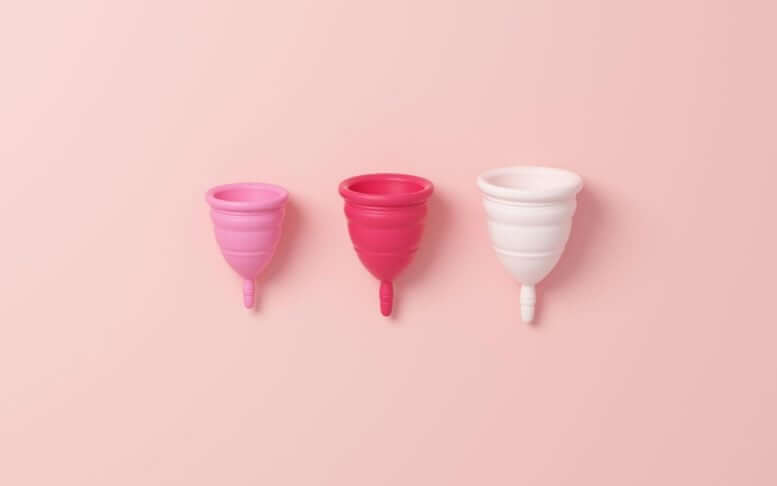
Doctors Warn: Menstrual Cup Misuse Could Be Causing Kidney Problems

✨ A mispositioned menstrual cup can block urine flow, leading to kidney swelling, as seen in a recent BMJ Case Reports case. A woman experienced pain and blood in her urine due to ureter obstruction from her menstrual cup. Her symptoms resolved aft... 

Read more ››

Doctors Warn: Menstrual Cup Misuse Could Be Causing Kidney Problems
Carrots vs. Diabetes: Surprising New Research Shakes Up Treatment Options

✨ A new study from SDU suggests that carrots can improve blood sugar regulation and promote a healthier gut microbiome, potentially offering a natural supplement to type 2 diabetes treatments. Researchers found that mice fed carrot powder had bette... 

Read more ››

Carrots vs. Diabetes: Surprising New Research Shakes Up Treatment Options
According to Scientists, This Belief Is Key to a Meaningful Life

✨ Hope, often underestimated, may be more fundamental to our psychological well-being than happiness or even gratitude. A new study from the University of Missouri reveals that hope uniquely fuels our sense of life’s meaning, reshaping how we und... 

Read more ››

According to Scientists, This Belief Is Key to a Meaningful Life
Roman-Era Lead Pollution Linked to IQ Drop Across Europe

➡️ Ice cores show Roman-era lead pollution reduced European IQ by 2-3 points, linking ancient mining to cognitive decline. This research underscores the long history of industrial harm to human health.

💥 DRI scientists analyzed Arctic ice ... 

Read more ››

Roman-Era Lead Pollution Linked to IQ Drop Across Europe
Seven Days of Fasting: How Your Body Transforms Inside and Out

💥 After seven days of fasting, the body undergoes a profound reset, switching energy sources, shedding fat, and activating unique protein changes linked to major organ health. These shifts open the door to new possibilities for harnessing fastingâ... 

Read more ››

Seven Days of Fasting: How Your Body Transforms Inside and Out
Aircraft Noise Linked to Serious Heart Problems, Study Finds

➡️ Living near airports with high noise exposure could endanger heart health, according to a new study.

🔵 Residents living near major airports, exposed to high levels of aircraft noise, may face a significantly higher risk of serious heart... 

Read more ››

Aircraft Noise Linked to Serious Heart Problems, Study Finds
New Study Exposes Life-Threatening Risks of Prolonged Sauna Use

💥 Doctors warn that prolonged sauna use without hydration can lead to rare but potentially fatal heat stroke, even in those without common risk factors.

⚫ Saunas can offer relaxation, but spending too long inside without proper hydration can ... 

Read more ››

New Study Exposes Life-Threatening Risks of Prolonged Sauna Use
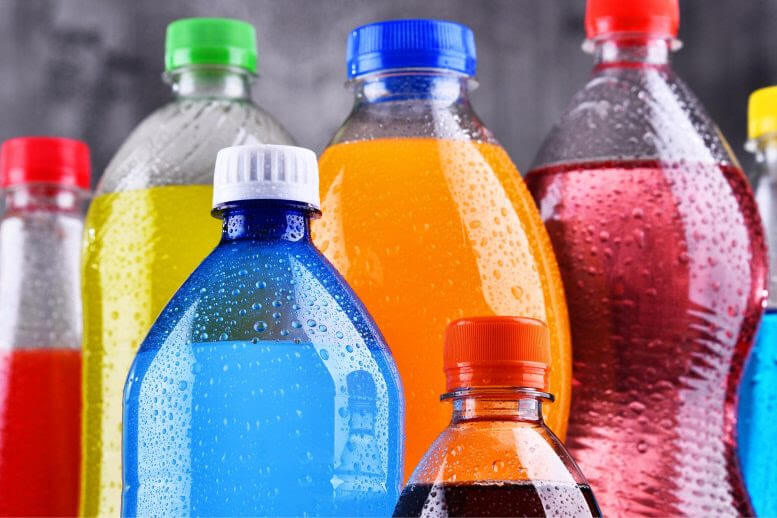
Sweet Danger: How Sugary Drinks Are Fueling Millions of New Diabetes and Heart Disease Cases Worldwide

⭐ New research links millions of annual new cases of diabetes and heart disease to sugary beverages, with significant impacts in developing countries. Urgent global measures are recommended to tackle this growing health threat.

➡️ Tufts Un... 

Read more ››

Sweet Danger: How Sugary Drinks Are Fueling Millions of New Diabetes and Heart Disease Cases Worldwide
Drinking Half to One Glass of Wine Daily Linked to 50% Lower Heart Complication Risk

Moderate wine consumption, measured via biomarkers, is linked to a 38-50% reduction in cardiovascular risks, according to a University of Barcelona-led study. However, excessive drinking eliminates these benefits, and more research is needed to co... 

Read more ››

Drinking Half to One Glass of Wine Daily Linked to 50% Lower Heart Complication Risk
New Research Links Plant-Based Meat to Depression

A study by the University of Surrey found that vegetarians consuming plant-based meat alternatives (PBMAs), which are ultra-processed foods, had a 42% higher risk of depression compared to those who did not.

Vegetarians consuming pl... 

Read more ››

New Research Links Plant-Based Meat to Depression
Coffee and Tea Linked to Lower Cancer Risk in Groundbreaking Study

Global research shows that coffee and tea consumption is linked to lower risks of head and neck cancers. While caffeinated coffee offered the most significant benefits, even decaf and tea showed promise, though effects varied by cancer type.
... 

Read more ››

Coffee and Tea Linked to Lower Cancer Risk in Groundbreaking Study
Natural Compound From Mushrooms Could Benefit People With Cancer and Major Depression

A single dose of a psychedelic compound derived from mushrooms has shown long-lasting effects in easing depression and anxiety in cancer patients.

A phase 2 trial shows that a single dose of psilocybin provides lasting relief from ... 

Read more ››

Natural Compound From Mushrooms Could Benefit People With Cancer and Major Depression
Scientists Reveal the Hidden Key to More Frequent and Satisfying Female Orgasms

Women with better interoceptive awareness tend to have more frequent and satisfying orgasms, suggesting a focus on internal bodily sensations could enhance sexual satisfaction.

Research indicates that heightened interoceptive awaren... 

Read more ››

Scientists Reveal the Hidden Key to More Frequent and Satisfying Female Orgasms
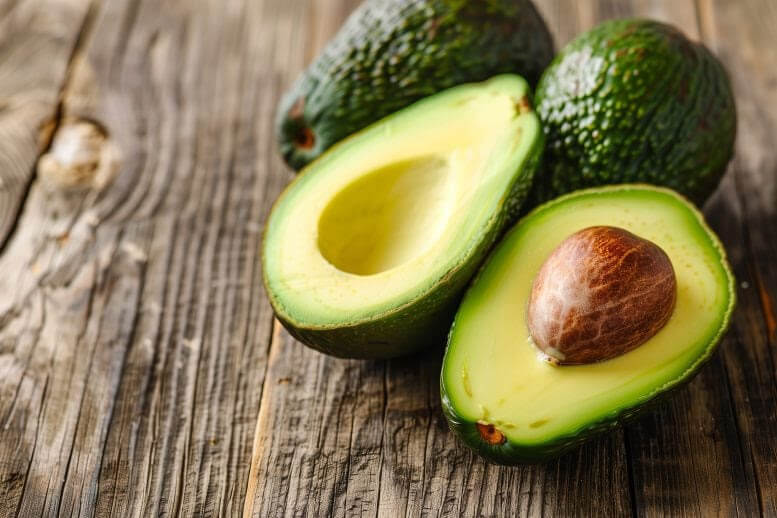
One Avocado a Day Could Help You Sleep Better, Says Groundbreaking Study

A new study reveals that eating one avocado per day may enhance sleep, highlighting an unexpected connection between nutrition and sleep quality. The findings build on growing evidence linking avocados to heart health and suggest intriguing potent... 

Read more ››

One Avocado a Day Could Help You Sleep Better, Says Groundbreaking Study
Who Wrote the Bible? AI Uncovers “Likely Authors”

Could artificial intelligence solve one of the Bible’s biggest mysteries? A team of researchers used AI-powered statistical modeling to analyze the authorship of the Hebrew Bible and made surprising discoveries about ancient narratives.

... 

Read more ››

Who Wrote the Bible? AI Uncovers “Likely Authors”
America Is Sinking: 28 Major Cities Are Slowly Going Under

A new study finds all major U.S. cities are sinking, driven by groundwater extraction and natural forces, posing hidden risks to infrastructure and calling for urgent solutions.

Groundwater loss is sinking U.S. cities, threatening i... 

Read more ››

America Is Sinking: 28 Major Cities Are Slowly Going Under
Science Confirms: Social Media Could Be Making Kids Depressed

A groundbreaking study from UCSF reveals that increased social media use among preteens is linked to rising depressive symptoms, but not vice versa.

New research shows social media use drives depressive symptoms in preteens.

Read more ››

Science Confirms: Social Media Could Be Making Kids Depressed
Scientists Uncover Hidden Biological Dangers of Ultra-Processed Foods

New research has revealed strong, consistent links between the consumption of ultra-processed foods and poor health outcomes, including inflammation, insulin resistance, and cardiovascular risk.

A major Canadian study links ultra-pr... 

Read more ››

Scientists Uncover Hidden Biological Dangers of Ultra-Processed Foods
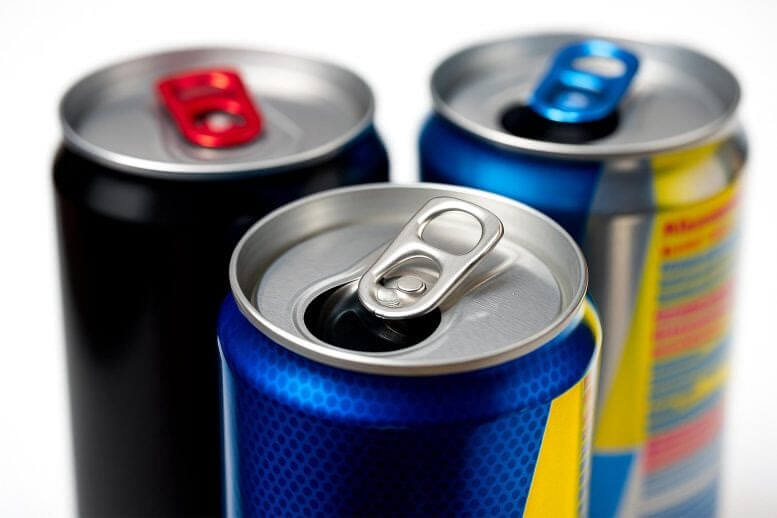
Could Your Energy Drink Be Feeding Cancer? What Scientists Just Discovered

Scientists have discovered that taurine, a common ingredient in energy drinks, helps leukemia cells grow. The cancer hijacks taurine from bone marrow to fuel itself—but blocking that process may stop the disease in its tracks.

Sci... 

Read more ››

Could Your Energy Drink Be Feeding Cancer? What Scientists Just Discovered
Can Potatoes Help With Weight Loss? Scientists Reveal Surprising Benefits

Potatoes, often dismissed as fattening carbs, can actually lower the energy density of meals and, when prepared to boost fiber (e.g., boiled, cooled 24 hrs, skins on), support a 5.6% average weight loss and improved insulin resistance over eight w... 

Read more ››

Can Potatoes Help With Weight Loss? Scientists Reveal Surprising Benefits
Researchers Reveal That Climbing Stairs Could Extend Your Life

New research indicates that stair climbing can significantly reduce the risk of cardiovascular disease and premature death, with a 24% decreased risk of mortality from any cause and a 39% reduction from cardiovascular issues. Dr. Sophie Paddock ad... 

Read more ››

Researchers Reveal That Climbing Stairs Could Extend Your Life
Scientists Say There Are 4 Types of Lovers – Which One Are You?

ANU researchers found four types of romantic lovers, revealing love varies widely in intensity, sex, and commitment. The study shows love evolves uniquely across individuals.

ANU researchers identified four romantic lover types base... 

Read more ››

Scientists Say There Are 4 Types of Lovers – Which One Are You?
Your Name Might Be Changing Your Face, Study Finds

A new study led by researchers at the Hebrew University and Reichman University suggests that people’s names may influence their facial appearance as they age. Adults’ faces were matched to their names more accurately than chance, an effect no... 

Read more ››

Your Name Might Be Changing Your Face, Study Finds
Concerning New Research Links Tattoo Ink to Increased Cancer Risk

Tattoo ink doesn’t just stay in the skin—it can migrate to the lymph nodes, where it may accumulate and affect the immune system. A study using Danish twin data found that tattooed individuals, especially those with large tattoos, have a highe... 

Read more ››

Concerning New Research Links Tattoo Ink to Increased Cancer Risk
BV Is an STD and We’ve Been Treating It Wrong for Years

A major study proves BV is sexually transmitted, explaining why previous treatments often failed. When both partners are treated, the success rate improves dramatically. This could revolutionize women’s health worldwide.

For years... 

Read more ››

BV Is an STD and We’ve Been Treating It Wrong for Years
Secret of Everything

The secret of everything – Everything Is Mental. All talent, skill, power, speed and ability is mental. Nothing is impossible. Anything is possible. There is nothing you cannot Be, Do or Have. You can Be, Do and Have anything you want as long as yo... 

Read more ››

Secret of Everything
Harvard Study Finds Eating an Orange a Day Could Cut Depression Risk by 20%

A daily orange might do more than boost immunity — it could also help prevent depression. Scientists discovered that citrus uniquely supports gut bacteria linked to serotonin and dopamine production, reducing depression risk by 20%. Future resea... 

Read more ››

Harvard Study Finds Eating an Orange a Day Could Cut Depression Risk by 20%
According to Researchers, This Simple Phone Hack Can Improve Mental Health As Much as Antidepressants

A two-week experiment found that blocking mobile internet on smartphones significantly improved participants’ mental health, well-being, and attention span, even reversing a decade of age-related cognitive decline. The study suggests that reduci... 

Read more ››

According to Researchers, This Simple Phone Hack Can Improve Mental Health As Much as Antidepressants
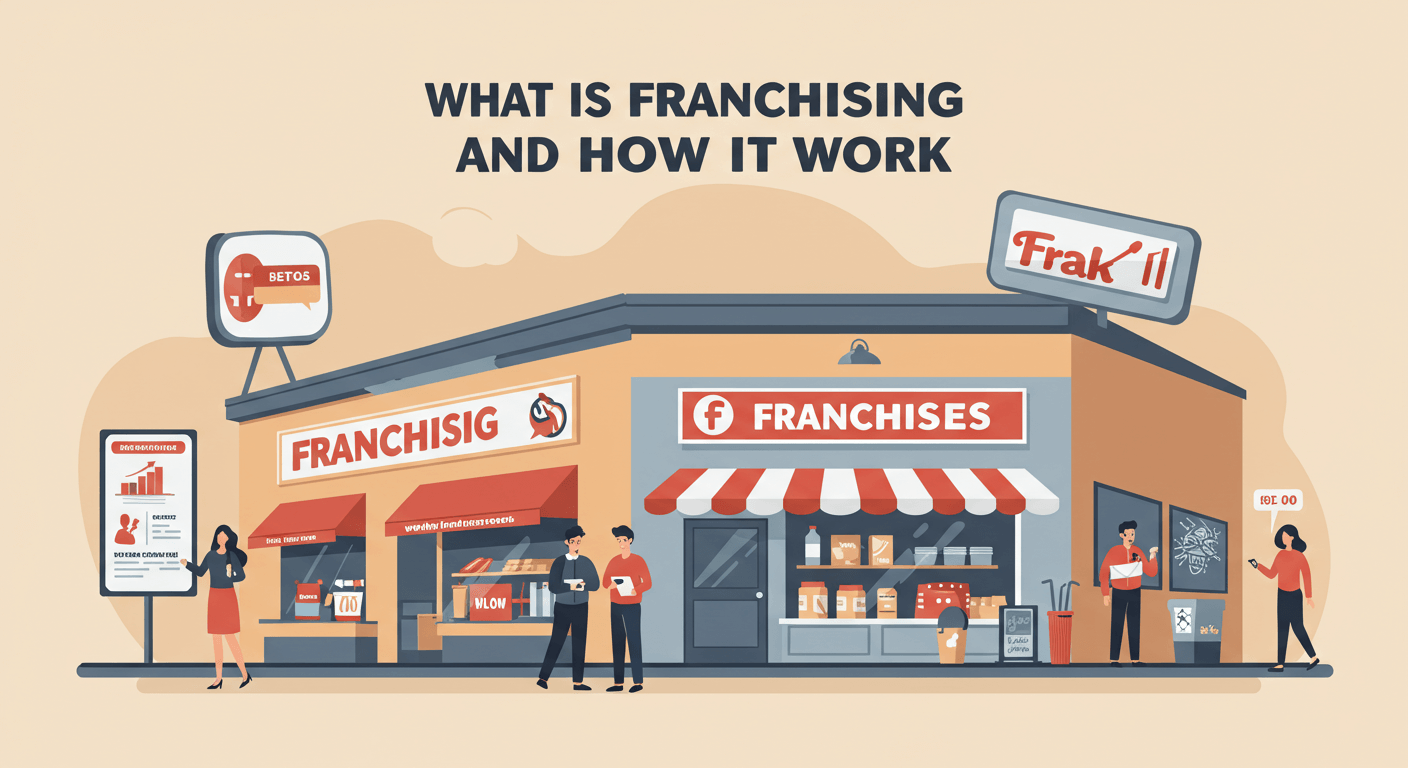
WHAT IS FRANCHISING AND HOW DOES IT WORK?

WHAT IS FRANCHISING AND HOW DOES IT WORK?

Franchising is a form of business organization in which a firm that already has a successful product or service (franchisor) licenses its trademark and me... 

Read more ››

WHAT IS FRANCHISING AND HOW DOES IT WORK?
Business Idea: A program for rock music enthusiasts to learn, improve, and perform in real bands at live rock venues.

Business Idea: Create a program for students with a passion for rock music so they can either learn to play a rock instrument or improve their existing musical skills and have the opportunity to participate in rock bands that play in... 

Read more ››

Business Idea: A program for rock music enthusiasts to learn, improve, and perform in real bands at live rock venues.
Business Idea: Franchise a network of Fresh Healthy Vending machines in schools, hospitals, and community spaces, offering only organic, natural, and healthy foods.

Business Idea: Build a franchise organization that deploys and services Fresh Healthy Vending–branded vending machines in schools, hospitals, health clubs, community organizations, and other locations that carry only organic, natur... 

Read more ››

Scientists Discover the Brain Circuit That Fuels Creativity

Creativity might not reside in a single brain region but rather in an interconnected brain circuit, according to a new study analyzing fMRI data and brain injuries.

A new study suggests that creativity maps onto a common brain circu... 

Read more ››

Scientists Discover the Brain Circuit That Fuels Creativity
Unlock Your Love This Valentine’s Day With a Science-Backed 7-Question Test

Romantic relationships play a vital role in emotional well-being, yet tools for assessing their health are often lacking. Enter the Valentine Scale—a quick, research-backed method for evaluating relationship satisfaction.

Want a f... 

Read more ››

Unlock Your Love This Valentine’s Day With a Science-Backed 7-Question Test
Your Brain Is Cheating on You, and You Don’t Even Know It

Sometimes, we cheat—not for money or prizes, but just to feel better about ourselves.

A new study reveals that people engage in “diagnostic self-deception,” tricking themselves into believing their success comes from ability... 

Read more ››

Being Social May Delay Dementia by 5 Years

Frequent social activity may help delay dementia, reducing the risk by up to 38%. Engaging with others strengthens neural networks, potentially delaying cognitive decline and lowering healthcare costs.

Social activities include dini... 

Read more ››

Harvard Study: Eating Dark Chocolate Could Reduce Your Risk of Diabetes by 21%

Participants who ate at least five servings of chocolate weekly had a 10% reduced risk of type 2 diabetes (T2D), with dark chocolate showing an even stronger effect—a 21% lower risk. In contrast, milk chocolate consumption was linked to long-ter... 

Read more ››

Harvard Study: Eating Dark Chocolate Could Reduce Your Risk of Diabetes by 21%
The Chocolate Cure: Cocoa Flavanols Protect Against Stress and High-Fat Diets

New research highlights the protective effects of flavanol-rich cocoa on vascular health, even when consumed alongside high-fat meals during stressful situations.

Consuming a cocoa drink rich in flavanols can mitigate the negative e... 

Read more ››

How Many Hours of Sitting Is Too Much for Your Heart?

Sedentary behavior exceeding 10.5 hours daily significantly raises the risk of heart failure and cardiovascular death, even among those who exercise regularly.

A recent study highlights that more than 10.5 hours of daily sedentary b... 

Read more ››

How Many Hours of Sitting Is Too Much for Your Heart?
The Common Texting Habit That Could Be Undermining Your Sincerity

New research indicates that spelling out words in text messages enhances sincerity and response rates.

Research has shown that using full words in texts, instead of abbreviations, makes individuals appear more sincere and increases ... 

Read more ››

The Common Texting Habit That Could Be Undermining Your Sincerity
New Study Identifies “Never Words” That Doctors Should Always Avoid Using

Researchers emphasize the importance of compassionate communication in treating seriously ill patients, identifying harmful “never words” and proposing more sensitive alternatives to enhance patient engagement and reduce emotional suffering. T... 

Read more ››

New Study Identifies “Never Words” That Doctors Should Always Avoid Using
Mondays and New Year’s Day: Unveiling the Deadliest Peaks in Global Suicide Rates

A global study reveals that suicide rates are highest on Mondays and New Year’s Day, with regional variations during holidays.

Research indicates a global pattern where suicides peak on Mondays and New Year’s Day, with inconsist... 

Read more ››

Mondays and New Year’s Day: Unveiling the Deadliest Peaks in Global Suicide Rates
5 Ways to Enhance Your Online Presence Through Engaging Multimedia Content

In today's digital landscape, a strong online presence is paramount for businesses of all sizes. One of the most effective ways to engage and connect with your audience is through the strategic use of multimedia content. By incorporating visually app... 

Read more ››

5 Ways to Enhance Your Online Presence Through Engaging Multimedia Content
PART TWO: THE GROWTH STRATEGIES FOR A FIRM

II: External Growth Strategies

External growth strategies rely on establishing relationships with third parties, such as mergers, acquisitions, strategic alliances, joint ventures, licensing, and franchisin... 

Read more ››

Business Idea: Provide a convenient online platform for the parents of growing children to exchange the clothes their children grow out of for clothes their children need.

Business Idea: Provide a convenient online platform for the parents of growing children to exchange the clothes their children grow out of for clothes their children need.

Pitch: The average kid grows out of a set... 

Read more ››

Strategies for Firm Growth

The growth strategies for a firm are divided into internal strategies for growth and external strategies for growth.

I. INTERNAL GROWTH STRATEGIES

Internal growth strategies involve efforts taken within the firm itself, such as... 

Read more ››

THE TOP 10 REASONS NEW PRODUCTS FAIL

THE TOP 10 REASONS NEW PRODUCTS FAIL.

1. Target market is not defined correctly.

2. Product is not positioned effectively.

3. Product’s benefits are not understood by the target customer.

4. Product doesn’t address im... 

Read more ››

Business Idea: Create urban greenhouse systems for year-round production of sustainable and local fresh food.

Business Idea: Create urban greenhouse systems for year-round production of sustainable and local fresh food.

Pitch: Food travels 1,500 miles on average in the United States to get to consumers. At the same time, ... 

Read more ››

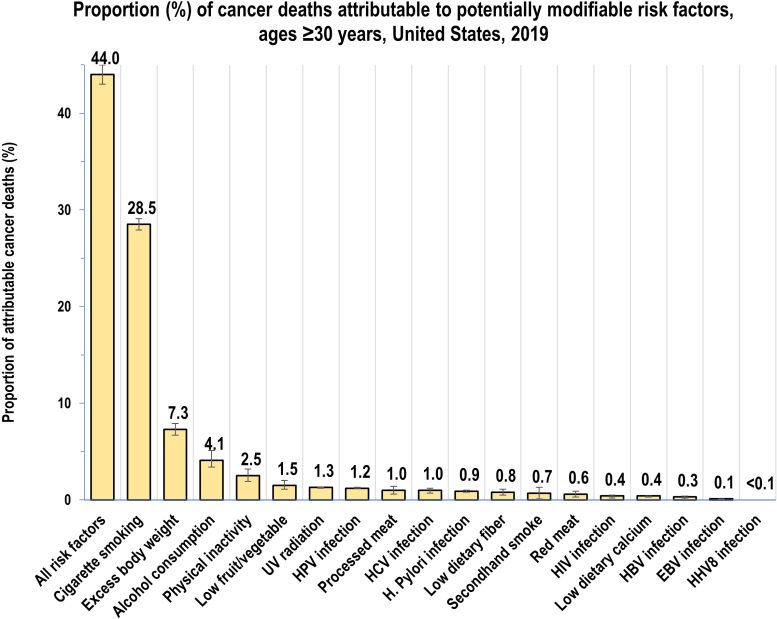
4 in 10 US Cancer Cases Linked to Modifiable Risk Factors, Study Reveals

A recent study by the American Cancer Society (ACS) reveals that four out of ten cancer cases and half of the cancer deaths in adults over 30 in the U.S. in 2019 were due to modifiable risk factors like smoking, obesity, and alcohol. Smoking was the ... 

Read more ››

4 in 10 US Cancer Cases Linked to Modifiable Risk Factors, Study Reveals
Business Idea: Manufacture and sell affordable, water efficient irrigation systems for small-plot farmers in developing nations.

Business Idea: Manufacture and sell affordable, water efficient irrigation systems for small-plot farmers in developing nations.

Company: Driptech

Pitch: In many developing countries, farmers h... 

Read more ››

Business Idea: Launch a service that provides reliable and loving reminders and companionship calls to elderly people who are still living in their homes.

Company: Check-In Calls

Business Idea: Launch a service that provides reliable and loving reminders and companionship calls to elderly people who are still living in their homes.

Pitch: Many ca... 

Read more ››

New Study Reveals That Simply Looking at Trees Can Boost Your Mental Health

Eye-tracking research from Bangor University and Technion-Israel Institute of Technology shows that focusing on natural elements during urban walks reduces anxiety and enhances feelings of restoration in city dwellers. These findings suggest urban de... 

Read more ››

New Study Reveals That Simply Looking at Trees Can Boost Your Mental Health
Eat Plants, Beat Cancer: New Study Links Vegetables To Lower Prostate Cancer Risks

Research from UC San Francisco reveals that men with localized prostate cancer can lower the risk of disease progression by 47% by adopting a plant-based diet rich in fruits, vegetables, nuts, and olive oil. Over 2,000 participants showed that increa... 

Read more ››

Eat Plants, Beat Cancer: New Study Links Vegetables To Lower Prostate Cancer Risks
5 natural ways to overcome erectile dysfunction

If you're a middle aged man, can you run as fast as you did when you were 20 years old? Hit a baseball as far as you once could? Bash a tennis ball with the same speed and spin?

Probably not.

But even as we age, there are still plenty of ways t... 

Read more ››

BRANDING

A brand is the set of attributes—positive or negative—that people associate with a company. These attributes can be positive, such as trustworthy, innovative, dependable, or easy to deal with. Or they can be negative, suc... 

Read more ››

Business Idea: Provide a service that stores individuals’ log-in information to important online services like e-mail accounts, social networks, PayPal, and eBay, and deliver them to caretakers in the event of the individual’s death.

Company: Legacy Locker

Business Idea: Provide a service that stores individuals’ log-in information to important online services like e-mail accounts, social networks, PayPal, and eBay, and deliver them to caret... 

Read more ››

New Research Reveals That Couples Who Drink Together Live Longer

A study by the University of Michigan finds that couples who drink alcohol together are likely to live longer, supporting the idea that shared drinking habits can enhance marital satisfaction and longevity.

The couple that drinks together might li... 

Read more ››

New Research Reveals That Couples Who Drink Together Live Longer
Office Productivity Takes a Hit in the Afternoon, Particularly on Fridays

A Texas A&M study shows productivity dips in the afternoon and on Fridays among office workers, advocating for flexible work to boost efficiency and well-being.

An innovative study from the Texas A&M School of Public Health offers objectiv... 

Read more ››

Office Productivity Takes a Hit in the Afternoon, Particularly on Fridays
Preparing to Raise Debt or Equity Financing

Once a start-up’s financial needs exceed what personal funds, friends and family, and bootstrapping can provide, debt and equity are the two most common sources of funds. The most important thing an entrepreneur must do at this point is determine p... 

Read more ››

Sources of Personal Financing

Typically, the seed money that gets a company off the ground comes from the founders’ own pockets. There are three categories of sources of money in this area: personal funds, friends and family, and bootstrapping.

1. Pe... 

Read more ››

Business Idea: Create a Website and a smartphone app that provides a visual guide to great food and where to find it.

Company: Foodspotting

Business Idea: Create a Website and a smartphone app that provides a visual guide to great food and where to find it. Instead of reviewing restaurants, users will share where to find their fa... 

Read more ››

Business Idea: Create an online community that links interns (primarily college students) with entrepreneurial start-ups and change-oriented nonprofit organizations.

Company: YouTern

Business Idea: Create an online community that links interns (primarily college students) with entrepreneurial start-ups and change-oriented nonprofit organizations.

Pitch: Int... 

Read more ››

52 Tips for Losing Weight

A Tip a Week

If you add one of these tips a week to your daily routine, in one year you will have developed some very healthy habits!

1. Eliminate one tablespoon of fat a day and you will lose 10 pounds in a ye... 

Read more ››

The Law of Cause and Effect – Everything happens for a reason; there is a cause for every effect.

This is the “Iron Law” of human destiny. This law says that we live in a world governed by law, not chance. It says that everything happens for a reason, whether or not we know what it is. Every effect, success or failure, wealth or poverty, has ... 

Read more ››

Organizing Buying Groups to Cut Costs and Maintain Competitiveness

One challenge that businesses confront is cutting costs in ways that don’t erode their ability to remain competitive. Many cost-cutting techniques, such as scaling back on hiring, lowering marketing expenses, or reducing inventory, may save money b... 

Read more ››

What's In A Business Name?: A Lot Of Trouble If You Aren't Careful

Introduction

While at first glance naming a business may seem like a minor issue, it is an extremely important one. A company’s name is one of the first things people associate with a business, and it is a word or phrase that wi... 

Read more ››

Vesting Ownership in Company Stock: A Sound Strategy for Start-Ups

If you’re not familiar with vesting, the idea is that when a firm is launched, instead of issuing stock outright to the founders, the stock is distributed over a period of time, typically three to four years, as the founder or founders “e... 

Read more ››

99designs: Making Partnering with Freelancers the Essence of Its Disruptive Business Model

Start-ups typically have a variety of design needs including logo design, brochures, stationery, and business cards. Traditionally the most important design work, like a business’s logo, is either done by the business itself or contracted out to a ... 

Read more ››

Thriving in a Crowded Industry by Creating Meaningful Value and Differentiation from Competitors

Firms do well in a crowded industry when two conditions exist: (1) they create meaningful value for customers at a fair price and (2) they effectively differentiate themselves from competitors. In fact, diminishing the impact of thre... 

Read more ››

Shield your brain from decline

Use the SHIELD acronym to remember the lifestyle habits that will help protect your memory and thinking skills.

We are making encouraging progress in finding medications that prevent or even reverse cognitive decline. Until we get there, however, ... 

Read more ››

Business Idea: Provide musicians a platform to reach out to their fan base to financially contribute to upcoming recordings or other musical projects.

Business Idea: Provide musicians a platform to reach out to their fan base to financially contribute to upcoming recordings or other musical projects.

Pitch: Musicians often have creative ideas for recordings or s... 

Read more ››

Finding the Right Business Partner

One thing that becomes clear to many potential business founders, while conducting organizational feasibility analysis, is that they need one or more partners to help launch their business. You might be a Web developer who has a great idea for a Web ... 

Read more ››

ScriptPad: Interesting Idea—But Will Doctors and Pharmacies Sign On?

To ScriptPad founder and CEO Shane Taylor, the problem his company solves is personal. Taylor’s father, who is fighting both heart disease and cancer, takes 26 different medications to fight his illnesses. Any mix-up or error associated with taking... 

Read more ››

Want Help Fine-Tuning a Business Idea? Find a Mentor

Fine-tuning a business idea isn’t easy. While fairly course-grained ideas are rather easy to develop, like creating a cell-phone that’s designed specifically for elderly people, fleshing out the details is where experience helps. This reality put... 

Read more ››

Working Together: How Biotech Firms and Large Drug Companies Bring Pharmaceutical Products to Market

Large firms and smaller entrepreneurial firms play different roles in business and society and can often produce the best results by partnering with each other rather than acting as adversaries. The pharmaceutical industry is an excellent example of ... 

Read more ››

Learning how to meditate

Meditation has been practiced for thousands of years and it continues to grow in popularity. This mindful practice can help aid anxiety and depression, chronic pain, cancer, bowel diseases, high blood pressure, insomnia, addiction and so much more.
... 

Read more ››

Learning how to meditate
PatientsLikeMe: Allowing People with Serious Diseases to Connect with One Another and Exchange Support and Advice

PatientsLikeMe: Allowing People with Serious Diseases to Connect with One Another and Exchange Support and Advice

Web: www.patientslikeme.com

Jamie a... 

Read more ››

How Companies and Organizations Build Credibility and Trust

How Companies and Organizations Build Credibility and Trust

There are several ways companies and organizations can build credibility and trust. We present eight techniques that are essential in nearly all cases in the following list.

Te... 

Read more ››

Business Idea: Create a single place for music lovers to track or keep up with their favorite bands, so they’ll always know where and when the bands will be performing in their area.

Business Idea: Create a single place for music lovers to track or keep up with their favorite bands, so they’ll always know where and when the bands will be performing in their area.

In addition, create an online platform for c... 

Read more ››

CREATING A NEW-VENTURE TEAM

Those who launch or found an entrepreneurial venture have an important role to play in shaping the firm’s business concept. Stated even more directly, it is widely known that a well-conceived business plan cannot get off the ground unless a firm ha... 

Read more ››

CREATING A NEW-VENTURE TEAM
Discuss the differences among sole proprietorships, partnerships, corporations, and limited liability companies.

When a business is launched, a form of legal entity must be chosen. Sole proprietorship, partnerships, corporations, and limited liability companies are the most common legal entities from which entrepreneurs make a choice. Choosing ... 

Read more ››

Discuss the differences among sole proprietorships, partnerships, corporations, and limited liability companies.
Airbnb: How Listening to Customers and Iterating the Business Model Helped Shape and Mold a Successful Start-up

Airbnb: How Listening to Customers and Iterating the Business Model Helped Shape and Mold a Successful Start-up

Web: www.airbnb.com

Introduction

It all st... 

Read more ››

Airbnb: How Listening to Customers and Iterating the Business Model Helped Shape and Mold a Successful Start-up
Components of an effective business model

1. Core strategy (how a firm competes)

2. Strategic resources (how a firm acquires and uses its resources)

3. Partnership network (how a firm structures and nurtures its partnerships)

Read more ››

Six distinct ways of making money online

Six distinct ways of making money online (the way an online company makes money largely defines its business model)

1. Affiliate programs

An affiliate program is a way for online merchants, like 1-800-FLOWERS, ... 

Read more ››

COMPETITOR ANALYSIS

After a firm has gained an understanding of the industry and the target market in which it plans to compete, the next step is to complete a competitor analysis. A competitor analysis is a detailed analysis of a firm’s competition. It helps a firm u... 

Read more ››

Some excellent ways to increase your self-awareness

1. Personal diaries

An excellent way to increase your self-awareness is to keep a diary. In it make a daily note of the important things that happen. Be honest and open with yourself. Be willing to reflect upon your beliefs, thoug... 

Read more ››

Maintaining positive thoughts

• E. G. S. Emotional Guidance System - Your inner guide

It is said that the average human being has approximately 64,000 thoughts per day. Protecting all of your thoughts 24 hours a day can be a full-time job. There is a better way to gauge how ... 

Read more ››

TECHNIQUES FOR GENERATING IDEAS

In general, entrepreneurs identify more ideas than opportunities because many ideas are typically generated to find the best way to capitalize on an opportunity. Several techniques can be used to stimulate and facilitate the generation of new ideas f... 

Read more ››

The 3 sources of business ideas

1. Observing Trends

The first approach to identifying opportunities is to observe trends and study how they create opportunities for entrepreneurs to pursue. The most important trends to follow are economic trends, social trends, ... 

Read more ››

The 3 sources of business ideas

Unleash Your Creativity with SCAMPER!

   Pinned
  4 Mins Read
Image name: SCAMPER_Technique.png Image size: 319.75 KB
  Download

✨ Boost Your Creativity with the SCAMPER Technique.

If you're looking for a simple and powerful way to generate fresh ideas, improve products, or unlock creative solutions, the SCAMPER technique is one of the best tools you can use.

Need to supercharge an existing idea or product? Try the powerful SCAMPER technique for idea generation!

SCAMPER is a simple yet effective tool to...


Business Idea: A program for rock music enthusiasts to learn, improve, and perform in real bands at live rock venues.

  2 years ago (Mon, Feb 17, 2025 at 08:21 PM (GMT))

  3 Mins Read
Image name: rock_music.png Image size: 240.43 KB
  Download

Business Idea: Create a program for students with a passion for rock music so they can either learn to play a rock instrument or improve their existing musical skills and have the opportunity to participate in rock bands that play in real rock venues in front of real rock fans.

Pitch: There are many kids that have a passion for rock...
 
Reference: Entrepreneurship (Book)   


Business Idea: Franchise a network of Fresh Healthy Vending machines in schools, hospitals, and community spaces, offering only organic, natural, and healthy foods.

  2 years ago (Sun, Feb 16, 2025 at 10:57 AM (GMT))

  3 Mins Read
Business Idea: Build a franchise organization that deploys and services Fresh Healthy Vending–branded vending machines in schools, hospitals, health clubs, community organizations, and other locations that carry only organic, natural, and healthy foods and drinks.

Pitch: The U.S. Congress passed the Healthy, Hunger-Free Kids Act of 2010, which places a prohibition on high-calorie junk food in school vending machines. The act...
 
Reference: Entrepreneurship (Book)   


Study Reveals 70% of Suspected Frontotemporal Dementia Cases Were Misdiagnosed

  2 years ago (Sun, Feb 16, 2025 at 09:52 AM (GMT))

  3 Mins Read
A University of Queensland study found that nearly 70% of suspected frontotemporal dementia cases were misdiagnosed, often due to misinterpreted brain scans and cognitive tests. The research highlights the need for direct clinical observation over excessive reliance on neuroimaging, especially in patients with psychiatric histories.

Researchers at the University of Queensland found that nearly 70% of suspected frontotemporal dementia patients were...

Researchers at the University of Queensland found that nearly 70% of patients initially suspected of having frontotemporal dementia (FTD) were ultimately misdiagnosed. Their study aimed to identify factors contributing to the frequent misdiagnosis of this challenging neurological disorder.

Psychiatrist Dr. Joshua Flavell, in collaboration with cognitive neurologist Professor Peter Nestor, conducted the research at the Mater Hospital Memory and Cognitive Disorders Clinic and UQ’s Queensland Brain Institute. They analyzed data from 100 patients referred by specialists, including neurologists, psychiatrists, and geriatricians, who had suspected cases of FTD.

“Of the 100 patients, 34 were true-positive, and 66 were false-positive for frontotemporal dementia,” Dr Flavell said. “We found that misinterpretation of brain scans, particularly nuclear imaging, led to 32 patients being incorrectly diagnosed. Likewise cognitive testing, such as tests of executive function, also contributed to misdiagnoses in 20 patients.”

The study compared the initial referral information with the final clinical diagnoses to determine patterns in diagnostic accuracy.

Understanding Frontotemporal Dementia

Frontotemporal dementia is one of the most common forms of dementia in people aged under 65.

Unlike Alzheimer’s, which is characterized by memory problems, frontotemporal dementia involves degeneration of the frontal and temporal lobes of the brain, affecting personality and behavior.

Dr Flavell said the study highlighted the need for careful interpretation of diagnostic tests in patients suspected of having the disease.

“We found patients with prior psychiatric histories were more likely to be misdiagnosed,” he said. “Misinterpretation of brain scans and cognitive testing, particularly formal neuropsychological testing, significantly contributed to inaccurate diagnoses.”

Challenges in Diagnosis and Recommendations

Professor Nestor said physicians should be cautious not to over-interpret neuroimaging and neuropsychology results and be hesitant to label behavioral change as frontotemporal dementia in patients with prior psychiatric histories.

“More emphasis should be placed on directly observing behaviors associated with frontotemporal dementia and physical neurological signs in the clinic, rather than relying solely on second-hand reports of symptoms,” he said. “The team compared the initial referral diagnosis of suspected frontotemporal dementia to long-term outcome, following people for as long as five years to be confident of the diagnosis. By raising awareness of these pitfalls in the diagnostic process, we feel that diagnostic accuracy for frontotemporal dementia can be improved.”
 
© University of Queensland   


Scientists Discover the Brain Circuit That Fuels Creativity

  2 years ago (Sat, Feb 15, 2025 at 12:05 PM (GMT))

  4 Mins Read
Image name: Rainbow-Color-Brain-Boost-Art-777x518.jpg Image size: 64.71 KB
  Download

Creativity might not reside in a single brain region but rather in an interconnected brain circuit, according to a new study analyzing fMRI data and brain injuries.

A new study suggests that creativity maps onto a common brain circuit and that injury and neurological disease have the potential to unleash creativity.

• Researchers analyzed 857 participants across 36 fMRI brain imaging studies...
 
© Brigham and Women's Hospital   


Unlock Your Love This Valentine’s Day With a Science-Backed 7-Question Test

  2 years ago (Thu, Feb 13, 2025 at 07:07 AM (GMT))

  3 Mins Read
Image name: Loving-Couple-777x518.jpg Image size: 42.69 KB
  Download

Romantic relationships play a vital role in emotional well-being, yet tools for assessing their health are often lacking. Enter the Valentine Scale—a quick, research-backed method for evaluating relationship satisfaction.

Want a fast, reliable check on your relationship? The Valentine Scale, backed by research, helps couples gauge trust, emotional closeness, and communication in just seven questions — plus, it’s free to try...

Romantic relationships play a crucial role in psychological well-being, enhancing quality of life, and helping prevent mental health issues. However, there are few reliable and accessible tools for assessing relationship health. That’s where the Valentine Scale comes in, says Per Carlbring, a psychology professor at Stockholm University and one of the researchers behind the study.

A Quick and Effective Relationship Check

“This scale makes it possible to quickly and efficiently get an idea of how a relationship is doing, without having to go through long and complicated interviews or questionnaires. It can even be used during couples counseling to monitor progress over time,” he says.

The Valentine Scale consists of seven questions that assess key aspects of a relationship, including emotional closeness, trust, and conflict resolution. Based on the results, couples receive practical suggestions for strengthening their relationship through everyday exercises.

How the Valentine Scale Works

Two extensive studies with over 1,300 participants show that the Valentine Scale has high reliability over time. It was also found to have strong correlations with other established measures of relationship satisfaction, such as the Dyadic Adjustment Scale and Quality of Dyadic Relationships. In addition, the Valentine Scale is easier to use and freely available compared to many other scales.

“At the same time, it can predict improvements in quality of life and contribute to a reduction in mental health problems such as anxiety and depression by quickly providing a clear picture of how the relationship is doing and thus enabling early intervention,” says Per Carlbring.

Strengthening Relationships Through Reflection

The Valentine’s scale should be seen as a tool for reflection and dialogue, not as a definitive assessment of the future of the relationship, Per Carlbring points out. The aim is to encourage open communication and understanding, not to create unnecessary stress.

“Do the Valentine’s test as a step to start getting closer to each other on Valentine’s Day,” he says, emphasizing the importance of not over-interpreting the results or becoming too fixated on achieving a good result.

“If the test result raises concerns, it may be a good idea to talk about what lies behind the answers. Relationships are dynamic and affected by many factors. It may be stress, communication difficulties or other life circumstances. By reflecting together, you can find ways forward, whether it’s strengthening the relationship or making other decisions,” says Per Carlbring.

Take the Test and Gain Insight

The Valentine’s Scale is available free of charge and can be tested online with automatic scoring at https://valentinskalan.se/eng/. By answering the seven questions, you can get an indication of how you feel about your relationship right now.
 
© Stockholm University   


Why Some Drinkers Suffer Devastating Liver Damage While Others Don’t

  2 years ago (Thu, Feb 13, 2025 at 06:52 AM (GMT))

  4 Mins Read
Image name: Liver-Disease-Concept-Illustration-777x518.jpg Image size: 53.35 KB
  Download

If you have diabetes, high blood pressure, or a large waistline, alcohol could be far more dangerous to your liver than you realize. Scientists say these conditions make the liver more vulnerable, drastically raising the risk of advanced disease.

A study from Keck Medicine of USC found that heavy drinkers with diabetes, high blood pressure, or a large waistline are up...

Not everyone who drinks the same amount of alcohol faces the same risk of liver disease. A new study published on February 3 in Clinical Gastroenterology and Hepatology by Keck Medicine of USC suggests that three common health conditions — diabetes, high blood pressure, and a high waist circumference — could be key factors. Researchers found that heavy drinkers with any of these conditions are up to 2.4 times more likely to develop advanced liver disease.

“The results identify a very high-risk segment of the population prone to liver disease and suggest that preexisting health issues may have a large impact on how alcohol affects the liver,” said Brian P. Lee, MD, MAS, a hepatologist and liver transplant specialist with Keck Medicine and principal investigator of the study.

The Link Between Cardiometabolic Health and the Liver

Diabetes, high blood pressure, and a high waist circumference (defined as over 35 inches for women and 40 inches for men) are part of a group of five cardiometabolic risk factors. These conditions, commonly linked to obesity, also increase the risk of heart attacks and strokes.

Cardiometabolic risk factors have been linked to the buildup of fat in the liver (also known as metabolic dysfunction-associated steatotic liver disease), which can lead to fibrosis, or scarring of the liver. These risk factors affect more than one in three Americans, and cardiometabolic health has been worsening among the population, especially among those under 35, according to Lee.

Rising Alcohol Consumption and Its Consequences

Alcohol also causes fat buildup in the liver, and alcohol consumption has been on the rise since the COVID-19 pandemic, said Lee. Due to the prevalence of both cardiometabolic risk factors and drinking in the United States, Lee and his fellow researchers undertook the study to investigate which cardiometabolic risk factors predisposed the liver to damage from alcohol.

They analyzed data from the National Health and Nutrition Examination Survey, a large national survey of more than 40,000 participants, looking at the intersection of heavy drinking, individual cardiometabolic risk factors and the incidences of significant liver fibrosis. Significant liver fibrosis refers to liver scarring that can lead to liver failure.

For the study, heavy drinking was characterized as 1.5 drinks a day for women (20 grams) and two drinks a day for men (30 grams).

Who Is at the Highest Risk?

Researchers discovered that heavy drinkers with either diabetes or a high waist circumference were 2.4 times more likely to develop advanced liver disease and those with high blood pressure 1.8 times more likely. They found that the other two cardiometabolic risk factors — high triglycerides (elevated levels of a type of fat in the blood) and low HDL (high-density lipoprotein or “good” cholesterol) had less significant correlations to liver disease.

Why Are These Risk Factors So Dangerous?

While the study did not analyze why these three cardiometabolic risk factors are more dangerous for the liver, Lee speculates that these conditions share a common pathway to fat buildup in the liver that when combined with extra fat deposits in the liver from excessive alcohol, can cause significant damage.

Lee emphasizes that the study does not imply it is safe for those without these three cardiometabolic risks to consume large amounts of alcohol. “We know that alcohol is toxic to the liver and all heavy drinkers are at risk for advanced liver disease,” he said.

A Call for More Personalized Health Screenings

Lee hopes that the study results will encourage people to consider their individual health and risk profile when making decisions about alcohol consumption. He would also like to see practitioners offer more personalized health screenings and interventions for those who drink with cardiometabolic risk factors so that liver damage among this high-risk group can be caught early and treated.
 
© University of Southern California - Health Sciences   


Scientists Uncover New Secrets of Insulin Production

  2 years ago (Thu, Feb 13, 2025 at 06:33 AM (GMT))

  3 Mins Read
JMU scientists studied insulin-producing cells in fruit flies, finding that secretion is influenced by gut hormones, decreases with age, and has minimal impact on foraging, offering insights into human metabolism.

Insulin is a key hormone that regulates metabolism in many living organisms. When food is abundant, insulin facilitates the absorption and storage of energy. During periods of hunger, insulin production decreases,...
 
© University of Würzburg   


Your Brain Is Cheating on You, and You Don’t Even Know It

  2 years ago (Tue, Feb 11, 2025 at 09:10 AM (GMT))

  6 Mins Read
Sometimes, we cheat—not for money or prizes, but just to feel better about ourselves.

A new study reveals that people engage in “diagnostic self-deception,” tricking themselves into believing their success comes from ability rather than dishonesty. From underestimating calorie intake to inflating IQ scores, participants cheated even when there was no tangible reward, simply because it made them feel smarter or...
 
© Francisco Tutella, Penn State   


Juice Cleanses Could Be Harming Your Health – Scientists Discover Link to Cognitive Decline and Inflammation

  2 years ago (Tue, Feb 11, 2025 at 08:35 AM (GMT))

  3 Mins Read
A three-day juice-only cleanse disrupted gut and oral bacteria by reducing fiber intake, which increased bacteria linked to inflammation and potential cognitive decline. In contrast, diets including whole plant-based foods produced more favorable microbial changes.

A diet consisting of fiber-free juice may promote the growth of inflammation-linked bacteria in the gut and mouth.

Think your juice cleanse is making you healthier? A...
 
© Northwestern University   


Shocking Study Reveals That Only 6.9% of People With Mental Health Disorders Get Effective Treatment

  2 years ago (Tue, Feb 11, 2025 at 08:25 AM (GMT))

  4 Mins Read
A global study found that only 6.9% of people with mental health or substance-use disorders receive effective treatment. The biggest barrier is individuals not recognizing their need for care, and even those who seek help often do not receive adequate treatment, highlighting the need for improved healthcare training and policy changes.

Only 6.9% of people with mental health or substance use...

A new study estimates that globally, only 6.9% of individuals with mental health or substance use disorders receive effective treatment.

Researchers from the University of British Columbia and Harvard Medical School analyzed survey data from nearly 57,000 participants across 21 countries over a 19-year period. Their findings provide the most comprehensive insight yet into where people disengage from the path to effective treatment for nine common anxiety, mood, and substance use disorders.

The study identified the greatest barrier to treatment as a lack of recognition that help is needed. However, even among those who seek medical care, many do not receive effective treatment.

Lack of Data-Driven Policy in Mental Health

“This survey data has allowed us to create the only effective treatment indicator that exists for mental health and substance use,” said lead author Dr. Daniel Vigo, associate professor at UBC’s department of psychiatry and school of population and public health. “Policy decisions and allocative decisions for funding should be guided by data, and this hasn’t always been the case in the realm of mental health and substance use.”

The World Health Organization-World Mental Health Surveys Initiative collects data on the prevalence, severity, and treatment of mental disorders worldwide. This study focused on survey participants who met the criteria for a disorder under the Diagnostic and Statistical Manual of Mental Disorders-IV, a standardized classification system used by mental health professionals from 1994 to 2013.

Where Patients Drop Off in the Treatment Process

The team, led by Dr. Vigo and Dr. Ronald Kessler of Harvard, was interested in how close participants got to receiving effective treatment that met evidence-based guidelines—and where they might have dropped off along the way.

They analyzed four key steps, and the percentage of people who proceeded from each step to the next:

1. Recognize their need for treatment

2. Make contact with the healthcare system about it

3. Receives a minimum level of adequate treatment

4. Receives effective treatment


They found:

• Only 46.5 percent of people who met the criteria for a disorder recognized their need for treatment.

• Of those who did recognize their need, only 34.1 percent turned to the medical system for help.

• Most who sought help (82.9 percent) received a minimum level of adequate treatment.

• About 47 percent of people who received minimally adequate treatment ended up receiving effective treatment.

Attrition at various points along this pathway meant that only 6.9 percent ended up receiving effective treatment.

Bottlenecks in the Healthcare System

“Understanding where the bottlenecks are for each of these disorders provides a unique and previously unavailable blueprint for decision makers to understand problems objectively and try to adjust the system,” said Dr. Vigo.

The study revealed a significant drop-off after patients contacted the healthcare system but before they received effective treatment. Since general practitioners and family doctors are typically their first point of contact with the system, it’s essential to make sure those doctors have appropriate training, said Dr. Vigo.

“Improving the ability of these general practitioners and family doctors to diagnose and treat the mild to moderate forms, and to know when to refer more severely affected folks to specialists, becomes the cornerstone of the system,” he said.

The research provides decision-makers with a base of evidence to guide policy and funding decisions in mental health and substance use. By highlighting gaps in service needs and outcomes for disorders ranging from bipolar disorders to addiction, it identifies where targeted investments could potentially yield the greatest impact. Armed with these insights, policymakers worldwide can prioritize interventions that result in improvements in care.
 
© University of British Columbia   


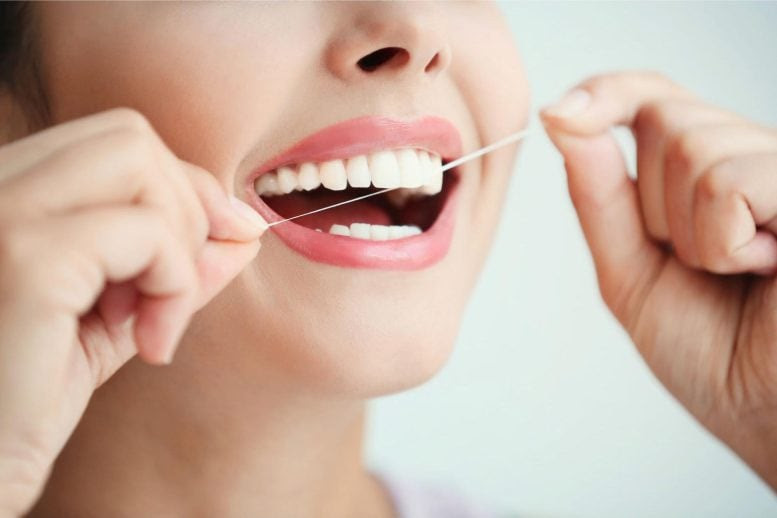
New Study Reveals That Flossing Could Reduce Your Risk of Stroke by 22%

  2 years ago (Sun, Feb 09, 2025 at 03:41 PM (GMT))

  4 Mins Read
Image name: Woman-Flossing-Teeth-1-777x518.jpg Image size: 44.79 KB
  Download

A study suggests flossing at least once a week may lower the risk of stroke (by up to 44%) and atrial fibrillation (by 12%), independent of other oral hygiene habits. Researchers believe the benefits stem from reduced inflammation and infection, though further studies are needed. However, the study only found a correlation between flossing and lower stroke risk, but it...

Regular flossing (at least once a week) may reduce the risk of stroke linked to blood clots from the heart and conditions like atrial fibrillation (AFib). Its benefits appear to be independent of other oral hygiene practices.

Flossing your teeth at least once a week may be associated with a reduced risk of stroke caused by blood clots blocking brain circulation, as well as irregular heart rhythms, according to a preliminary study recently presented at the American Stroke Association’s International Stroke Conference 2025.

“A recent global health report revealed that oral diseases — such as untreated tooth decay and gum disease — affected 3.5 billion people in 2022, making them the most widespread health conditions,” said study lead author Souvik Sen, M.D., M. S., M.P.H, chair of the Department of Neurology, Prisma Health Richland Hospital and the University of South Carolina School of Medicine in Columbia, South Carolina. “We aimed to determine which oral hygiene behavior — dental flossing, brushing, or regular dentist visits — has the greatest impact on stroke prevention.”

Study Overview and Methodology

The Atherosclerosis Risk in Communities (ARIC) study, one of the first large-scale investigations of this kind in the U.S., assessed the home use of dental floss through a structured questionnaire of more than 6,000 people. Among those who reported flossing, 4,092 had not experienced a stroke, and 4,050 had not been diagnosed with an irregular heartbeat known as atrial fibrillation (AFib).

Participants were asked about their status regarding high blood pressure, diabetes, high cholesterol, smoking, body mass index, education, regular brushing, and dentist visits.

During the 25 years of follow-up, 434 participants were identified as having strokes, of which 147 were larger artery brain clots, 97 were heart-driven clots and 95 were hardening of the smaller arteries. Additionally, 1,291 participants were noted to have experienced AFib.

Key Findings: Flossing and Stroke Risk Reduction

The analysis found:

• Flossing was associated with a 22% lower risk of ischemic stroke, 44% lower risk of cardioembolic stroke (blood clots traveling from the heart), and 12% lower risk of AFib.

• The associated lower risk was independent of regular brushing and routine dental visits or other oral hygiene behaviors.

• Increasing the frequency of flossing had a greater chance of stroke risk reduction.

• Flossing was also associated with a lower chance of cavities and periodontal disease.

Researchers were surprised by the reduction of irregular heartbeats, or AFib. AFib is the most common form of irregular heartbeat. It can lead to stroke, heart failure, or other cardiovascular complications. More than 12 million people are projected to have AFib in the United States by 2030, according to the American Heart Association’s 2025 Heart Disease and Stroke Statistics.

“Oral health behaviors are linked to inflammation and artery hardening. Flossing may reduce stroke risk by lowering oral infections and inflammation and encouraging other healthy habits,” Sen said. “Many people have expressed that dental care is costly. Flossing is a healthy habit that is easy to adopt, affordable, and accessible everywhere.”

Study limitations include that data were based on answers to a questionnaire, and the 25-year follow-up appears to have focused on stroke and heart outcomes only. There was no follow-up concerning flossing or other oral behaviors over the years, Sen said.

“This study offers more insights into the specific dental health behaviors that may be linked to stroke risks and potential risk reduction. With further research, dental health practices could possibly be incorporated into the “Life’s Essential 8” risk factors, which include diet, physical activity, nicotine exposure, sleep, body mass index, blood pressure, blood glucose and blood lipids,” said Daniel T. Lackland, Dr.P.H., FAHA, American Heart Association EPI and Stroke Council member and professor of epidemiology and director of the Division of Translational Neurosciences and Population Studies in the department of neurology at the Medical University of South Carolina in Charleston. Lackland was not involved in this study.

Study background, and details:

• The study began in 1987 and is ongoing.

• Of the 6,258 participants, 82% were self-reported white adults and 18% black adults. Their average age was 62 years and 55% were women.

• Potential participants were excluded if they had total tooth loss, dental implants, heart disease, organ transplant, artificial joints, implanted heart valve or stent, or major surgery.
 
© American Heart Association   


Disturbing Discovery: Human Brains Are Filling Up With Microplastics, and It May Be Causing Dementia

  2 years ago (Sun, Feb 09, 2025 at 03:34 PM (GMT))

  6 Mins Read
University of New Mexico Health Sciences researchers found that microplastics accumulate in human brains at much higher concentrations than other organs, increasing by 50% over the past eight years. The study also linked higher plastic levels to dementia, raising concerns about its potential effects on brain function.

Microplastics are accumulating in human brains at alarming rates, with concentrations rising 50% in...

Researchers at the University of New Mexico Health Sciences have found microplastics in human brains at significantly higher concentrations than in other organs. Their study also reveals that plastic accumulation in the brain has increased by 50% over the past eight years.

Microplastics—minute fragments of degraded polymers present in air, water, and soil—have been accumulating in the human body for the past half-century. These particles have been detected in various organs, including the liver, kidneys, placenta, and testes.

Now, University of New Mexico Health Sciences researchers have found microplastics in human brains, and at much higher concentrations than in other organs. Worse, the plastic accumulation appears to be growing over time, having increased by 50% over just the past eight years.

In a new study published in Nature Medicine, a team led by toxicologist Matthew Campen, PhD, Distinguished and Regents’ Professor in the UNM College of Pharmacy, reported that plastic concentrations in the brain appeared higher than in the liver or kidney, and higher than previous reports for placentas and testes.

The rate of accumulation mirrors the increasing amounts of plastics waste on this planet, Campen said. “This really changes the landscape. It makes it so much more personal,” he said. Additionally, they observed that much of the plastic appears to be much smaller than previously appreciated – in the nanometer scale, about two to three times the size of viruses.

The findings should trigger alarm, he said.

Plastic and Dementia: A Possible Link?

Complicating matters, brain tissue from people who had been diagnosed with dementia had up to 10 times as much plastic in their brains as everyone else, Campen said. But while there is a clear correlation, the study design cannot show whether higher levels of plastic in the brain caused the dementia symptoms – they may simply accumulate more due to the disease process itself, he said.

The new research builds on a novel method devised by the UNM researchers to specify and quantify the microplastics in tissue, which has previously been used to document quantities of plastics in human placentas and both human and canine testes.

In the current study, they analyzed brain tissue samples donated by the New Mexico Office of the Medical Investigator, which by law must retain tissue from autopsies for seven years before disposing of it. The older brain tissue dated back to 2016, on average, and was compared with tissue from 2024. All of the samples were collected from the frontal cortex, the brain region above and behind the eyes, Campen said.

The researchers chemically dissolved the tissue, creating a kind of slurry, then ran it through a centrifuge, which spun out a small pellet containing undissolved plastic. The pellet was then heated to 600 degrees Celsius, a process known as pyrolysis. The researchers captured gas emissions as the plastics burned. Ions derived from the combusted polymers were separated chromatographically and identified with a mass spectrometer.

The technique detected and quantified 12 different polymers, the most common of which was polyethylene, which is widely used for packaging and containers, including bottles and cups.

The team also used transmission electron microscopy to visually examine the same tissue samples that had high polymer concentrations – and found clusters of sharp plastic shards measuring 200 nanometers or less – not much larger than viruses. These are small enough to cross the blood-brain barrier, although Campen says it is unclear how the particles are actually being transported into the brain.

It is also unclear what effects plastic, which is considered to be biologically inert and used in medical applications like heart stents and artificial joints, might be having, he said. The physical characteristics of these particles may be the real problem, as opposed to some sort of chemical toxicity.

“We start thinking that maybe these plastics obstruct blood flow in capillaries,” Campen said. “There’s the potential that these nanomaterials interfere with the connections between axons in the brain. They could also be a seed for the aggregation of proteins involved in dementia. We just don’t know.”

Microplastics in Food and the Environment

He suspects that most of the microplastics in the body are ingested through food – particularly meat, because commercial meat production tends to concentrate plastics in the food chain.

“The way we irrigate fields with plastic-contaminated water, we postulate that the plastics build up there,” Campen said. “We feed those crops to our livestock. We take the manure and put it back on the field, so there may be a sort of feed-forward biomagnification.” The team has found high concentrations of plastic in meat bought at grocery stores, he added.

Microplastics tend to accumulate in fat cells in the brain’s insulating myelin sheath, which wraps around neurons and helps to regulate signal transmission. That, in turn, might help explain the higher concentrations of plastic in the brain.

Plastic production around the world continues unabated, but even if it were halted tomorrow, it would be a ticking timebomb. Because it can take decades for existing polymers to decay into microscopic particles, concentrations of micro- and nano-plastics in the environment will continue to grow for years to come.

Campen, who often cites the toxicologist’s maxim, “Dose makes the poison,” says the new results should give rise to alarm about a global threat to human health. He acknowledges it can be hard to motivate consumers, who often shrug when warned about environmental contaminants that tend to be measured in parts per billion.

But the new findings might finally get their attention, he said. “I have yet to encounter a single human being who says, ‘There’s a bunch of plastic in my brain and I’m totally cool with that.’”
 
© University of New Mexico Health Sciences Center   


Harvard Scientists Uncover How Gut Bacteria Fuel Inflammation and Depression

  2 years ago (Sun, Feb 09, 2025 at 03:28 PM (GMT))

  5 Mins Read
Scientists are uncovering how gut bacteria might influence mental health, and a recent study suggests that Morganella morganii could be a key player in major depressive disorder.

Harvard researchers have found that M. morganii may contribute to depression by producing an inflammatory molecule.

• Biochemical analyses reveal how the gut bacterium Morganella morganii may contribute to some cases of major depressive...
 
© Stephanie Dutchen, Harvard Medical School   


Even Brief Exposure to Polluted Air Can Cloud Your Mind and Slow Your Thinking

  2 years ago (Sun, Feb 09, 2025 at 03:15 PM (GMT))

  4 Mins Read
Brief exposure to particulate matter (PM) pollution can impair crucial brain functions like focus, emotional recognition, and decision-making, making even simple tasks like grocery shopping harder.

Scientists discovered that even a few hours of exposure to air pollution reduces focus, makes emotions harder to read, and weakens selective attention. These cognitive impairments could impact daily life and productivity, raising concerns...

A new study reveals that short-term exposure to particulate matter (PM) air pollution can reduce a person’s ability to focus and interpret emotions, potentially making everyday tasks — like grocery shopping — more difficult.

Scientists found that even brief exposure to high levels of PM can impair concentration, increase distractibility, and affect social behavior.

Testing the Impact of Pollution on the Brain

To investigate these effects, researchers exposed participants to either polluted air — generated using candle smoke — or clean air. They then tested cognitive abilities before and four hours after exposure, measuring working memory, selective attention, emotion recognition, psychomotor speed, and sustained attention.

Publishing their findings in Nature Communications, researchers from the Universities of Birmingham and Manchester reveal that selective attention and emotion recognition were negatively affected by air pollution – regardless of whether subjects breathed normally or only through their mouths.

Inflammation: The Possible Culprit Behind Cognitive Deficits

The experts suggest that inflammation caused by pollution may be responsible for these deficits noting that while selective attention and emotion recognition were affected, working memory was not. This indicates that some brain functions are more resilient to short-term pollution exposure.

Co-author Dr Thomas Faherty, from the University of Birmingham, commented: “Our study provides compelling evidence that even short-term exposure to particulate matter can have immediate negative effects on brain functions essential for daily activities, such as doing the weekly supermarket shop.”

Co-author Professor Francis Pope, from the University of Birmingham, commented: “Poor air quality undermines intellectual development and worker productivity, with significant societal and economic implications in a high-tech world reliant on cognitive excellence.

“Reduced productivity impacts economic growth, further highlighting the urgent need for stricter air quality regulations and public health measures to combat the harmful effects of pollution on brain health, particularly in highly polluted urban areas.”

Why Cognitive Skills Are Critical in Daily Life

Cognitive functioning encompasses a diverse array of mental processes crucial for everyday tasks. Selective attention, for example, helps decision-making and goal-directed behavior, such as prioritizing items on your shopping list in the supermarket, while ignoring other products and resisting impulse buys.

Working memory serves as a temporary workspace for holding and manipulating information, vital for tasks requiring simultaneous processing and storage, essential for tasks that require multitasking, such as planning a schedule or juggling multiple conversations.

Socio-emotional cognition, which involves detecting and interpreting emotions in oneself and others, helps guide socially acceptable behavior. Although these are separate cognitive skills, they work together to enable the successful completion of tasks both at work and in other aspects of life.

Long-Term Concerns for Vulnerable Populations

Overall, the study highlights the need for further research to understand the pathways through which air pollution affects cognitive functions and to explore the long-term impacts, especially on vulnerable populations like children and older adults.

Co-author Professor Gordon McFiggans, from the University of Manchester, commented: “This study shows the importance of understanding the impacts of air pollution on cognitive function and the need to study the influences of different sources of pollution on brain health in vulnerable older members of society.”

The study is the first to experimentally manipulate inhalation routes of PM air pollution, providing valuable insights into how different pathways affect cognitive functions. Researchers emphasize the need for further investigation into long-term impacts and potential protective measures.

A Global Health Crisis: Air Pollution and Mortality

Globally, air pollution is the leading environmental risk factor to human health, increasing premature mortality. The detrimental impacts of poor air quality on cardiovascular and respiratory systems are widely acknowledged, with links to neurodegenerative conditions such as multiple sclerosis, Alzheimer’s disease, and Parkinson’s disease.

PM2.5 is the air pollutant most responsible for human health effects with some 4.2 million deaths attributed to this size of particle alone in 2015. The World Health Organization (WHO) recommends that 24-hour and annual limits are below 15 μg m‑3 and 5 μg m‑3 respectively.
 
© University of Birmingham   


Being Social May Delay Dementia by 5 Years

  2 years ago (Fri, Feb 07, 2025 at 01:00 PM (GMT))

  3 Mins Read
Frequent social activity may help delay dementia, reducing the risk by up to 38%. Engaging with others strengthens neural networks, potentially delaying cognitive decline and lowering healthcare costs.

Social activities include dining out, traveling, and even playing bingo.

According to research from Rush, staying socially active—such as visiting friends, attending parties, and going to church—may help maintain brain health.

The study, published in...
 
© Rush University Medical Center   


Depressed Drinkers Enjoy Alcohol As Much as Anyone Else

  2 years ago (Fri, Feb 07, 2025 at 12:48 PM (GMT))

  5 Mins Read
A University of Chicago study found that people with alcohol use disorder (AUD) and depression experience high levels of pleasure when drinking, challenging the belief that they primarily drink to self-medicate. The research suggests that treatment should focus on alcohol’s reward pathways rather than solely on stress and depression.

A new study reveals that heavy drinkers with depression experience the same...

A study from the University of Chicago Medicine challenges the long-standing belief that alcohol use disorder (AUD) leads to diminished pleasure from drinking. Researchers found that individuals with both AUD and depression experience high levels of stimulation and enjoyment when intoxicated—comparable to those without depression.

These findings suggest that, contrary to popular theory, people with AUD do not primarily drink to alleviate negative emotions. Instead, their motivation may stem from the continued pleasurable effects of alcohol, even as addiction progresses.

“We have this folklore that people drink excessively when they’re feeling depressed and that it’s really about self-medicating,” said Andrea King, PhD, Professor of Psychiatry and Behavioral Neuroscience at UChicago and lead author of the study. “In this study of natural environment drinking and smartphone-based reports of the effects of alcohol in real-time, participants with AUD and a depressive disorder reported feeling acute, sustained positive and rewarding alcohol effects — just like their non-depressed counterparts.”

Implications for Treatment Approaches

Published February 1 in the American Journal of Psychiatry, the research challenges conventional notions about alcohol’s effects in depressed people who drink excessively and could improve treatment approaches by focusing medication and behavioral approaches more on alcohol’s pleasure reward pathways and less on stress-responsive systems.

“Currently, the focus of treatment is often on resolving stress and symptoms of depression, but that is only addressing one side of the coin if we don’t also address the heightened stimulation, liking, and wanting more alcohol that occur in both depressed and non-depressed people with AUD,” said King, who has been conducting human research for decades to test responses to alcohol that lead to addiction.

The effects of alcohol on the brain are complex, and improved understanding of the factors that affect an individual’s vulnerability to AUD and depression is critical to identify and initiate early, effective treatment. However, few studies have examined how people with AUD respond to alcohol either in controlled laboratory settings or the natural environment; including individuals with AUD and another co-morbid diagnosis adds to the complexity.

Study Design and Key Findings

The research followed 232 individuals across the U.S. between the ages of 21 to 35, corresponding to the period when most heavy drinking occurs in a person’s lifetime. Half of the study group met criteria for AUD in the past year and were evenly divided in terms of those who had or had not experienced a major depressive disorder in the past year. Individuals who had suicidal ideation were excluded for safety reasons, as were people who had severe alcohol withdrawal symptoms.

Through their smartphones, participants answered questions every half hour for three hours during one typical alcohol-drinking episode and a non-alcohol episode. The researchers found that alcohol consumption reduced negative feelings, although the reduction was small and nonspecific to their depression or AUD status. The positive effects of alcohol were much higher in individuals with AUD than those without AUD and contrary to lore, similar in those with AUD and depression and those without depression.

“For nearly a decade, our group has been improving methods to use mobile technologies to measure real-time clinically meaningful outcomes in people with AUD and those at risk for alcohol-related problems,” said study co-author Daniel Fridberg, PhD, Associate Professor of Psychiatry and Behavioral Neuroscience at UChicago. “These approaches allow us to bridge the gap between the lab and real life and have led to new insights that could one day result in better treatments.”

Reevaluating the “Dark Side of Addiction” Theory

The study’s findings call into question the predominant theory that alcohol addiction arises from the brain’s attempt to maintain stability despite repeated heavy drinking. That theory describes a “dark side of addiction” where repeated heavy drinking over time leads to changes in the brain systems involved in stress and reward. As a result of those changes, it is hypothesized that individuals shift from drinking for pleasure to drinking to avoid withdrawal and stress.

King says this theory does not account for the high levels of stimulation and pleasure that she likens to an accelerator pedal fueling more dependency.

“As treatment providers, we’re taught people with AUD are drinking to self-medicate and feel better,” said King. “But what exactly are they feeling? From our study, it seems to be high levels of stimulation and pleasurable effects, with a modest decrease in negative states.”

King’s next study examines whether adults between 40 to 65 years old who have had AUD for decades also experience similar heightened feelings of pleasure when drinking versus older drinkers without AUD. The prevailing theory would suggest these individuals would show blunted positive responses and high levels of tolerance to alcohol. King will examine whether they show a long-term sensitivity to alcohol’s enjoyable effects, much like in this study of depressed drinkers.
 
© Sarah Richards, University of Chicago   


Severe lived poverty is surging in many African homes, new Afrobarometer Pan-Africa Profile shows

  2 years ago (Fri, Feb 07, 2025 at 12:11 PM (GMT))

  1 Mins Read
Image name: Severe_poverty_is_rising_in_many_African_homes.png Image size: 44.72 KB
  Download

The share of Africans going without basic life necessities on a frequent basis continues to increase, the latest Afrobarometer Pan-Africa Profile shows.

The proportion living under severe material deprivation has risen to its highest average level of the past 25 years. Most countries surveyed by Afrobarometer have lost the gains in poverty reduction they achieved in the first decade and a...
 
© Afrobarometer   


Mastering Idempotency: Building Reliable APIs

  2 years ago (Fri, Feb 07, 2025 at 11:50 AM (GMT))

  2 Mins Read
Image name: Idempotent_APIs.jpg Image size: 121.65 KB
  Download

Idempotency is the property of an operation that ensures performing the same action multiple times produces the same outcome as doing it once.

In the context of APIs, this means a client can send the same request multiple times without causing unintended consequences, such as duplicate entries or repeated side effects.

For example:

• When a user initiates an online payment but...
 
© ByteByteGo   


Just One Extra Hour of Exercise Each Week Can Reduce Your Risk for Common Heart Condition

  2 years ago (Tue, Feb 04, 2025 at 10:16 AM (GMT))

  5 Mins Read
A new study from NYU Langone Health shows that adding an extra hour of physical activity each week can lower the risk of atrial fibrillation by 11%, with participants who exercised 2.5 to 5 hours weekly seeing up to a 60% reduction. Using Fitbit data from over 6,000 individuals, researchers found that even moderate exercise, like brisk walking, was linked...

An NYU study using Fitbit data suggests that modest weekly physical activity may reduce atrial fibrillation risk by up to 65%, underscoring the heart health benefits of regular exercise.

A new study reveals that adding an extra hour of physical activity each week can reduce the risk of developing the most common type of irregular heartbeat (arrhythmia) by 11%.

Led by researchers at NYU Langone Health, the investigation focused on atrial fibrillation, a condition in which the heart’s upper two chambers beat rapidly and irregularly instead of at a consistent pace. If left untreated, this can lead to stroke, heart failure, and other issues. While past studies have linked exercise to reduced risk of this type of arrhythmia, nearly all of these analyses have relied on the participants’ often inaccurate estimates of their own activity levels, the authors say.

To avert this flaw, the current study team used data recorded from the fitness tracker Fitbit to objectively measure physical activity in more than 6,000 men and women across the United States. The results showed that those with higher amounts of weekly physical activity were less likely to develop atrial fibrillation. Notably, the researchers say, even modest amounts of moderate-to-vigorous exercise, which can range from taking a brisk walk or cleaning the house to swimming laps or jogging, were associated with reduced risk.

Moderate Activity Yields Significant Benefits

Specifically, study participants who averaged between 2.5 and 5 hours per week, the minimum amount recommended by the American Heart Association, showed a 60% lower risk of developing atrial fibrillation. Those who averaged greater than 5 hours had a slightly greater (65%) reduction.

“Our findings make clear that you do not need to start running marathons to help prevent atrial fibrillation and other forms of heart disease,” said preventive cardiologist Sean Heffron, MD, the study senior author. “Just keeping moderately active can, over time, add up to major benefits for maintaining a healthy heart,” added Heffron, an assistant professor in the Department of Medicine at NYU Grossman School of Medicine. Heffron also serves as the director of cardiovascular fitness and nutrition at NYU Langone’s Center for the Prevention of Cardiovascular Disease.

Heffron notes that in the sole earlier study that used activity monitors to investigate atrial fibrillation, researchers provided Fitbit-style monitors to the participants and tracked them for only a week, which may not accurately capture their normal workout habits. The new investigation, which the authors say is the largest of its kind to date, assessed participants for a full year and included only those who already owned the devices.

A report on the findings will be presented at the annual meeting of the American Heart Association on Nov. 16.

For the study, the research team analyzed data collected as part of the All of Us program. That National Institutes of Health initiative was designed to include Americans who have historically been underrepresented in medical research, such as racial minorities, women, and those who live in rural areas. For the program, hundreds of thousands of participants completed questionnaires, gave blood samples, and had their physical measurements recorded, with their health tracked over time.

From that group, the authors of the current study assessed physical activity in the subset (6,086 people) who used a Fibit device and permitted their Fitbit and electronic health records to be linked to their All of Us data. The team tracked activity information for a year as a baseline and then followed up for another five years to identify those who were diagnosed with atrial fibrillation. The researchers also took into account factors known to contribute to the condition, such as age, sex, and history of high blood pressure.

“These results highlight the value of Fitbits and similar monitors in medical research,” said study lead author Souptik Barua, PhD, an assistant professor in the Department of Medicine at NYU Grossman School of Medicine. “By offering an objective way to measure exercise for years at a time, these tools can provide deeper insight into how different patterns of activity can impact health.”

Study Limitations and Future Directions

For example, says Barua, the research team next plans to explore whether working out in the morning or at night may have different effects on heart health.

He cautions that since many Fitbit owners in the study were college-educated white women, the investigation assessed a less-diverse group than that of the overall All of Us population. The program is now providing free devices to participants in underrepresented communities for future investigations.

Barua also cautions that the study was not designed to tell whether exercise alone directly reduced the risk of atrial fibrillation, nor to detect how that might come about or what other factors, such as income or educational status, might be in play in the reduced risk. However, the association between exercise “doses” and the development of the condition in the study participants was strong.
 
© NYU Langone Health / NYU Grossman School of Medicine   


Are Chimpanzees Developing Culture Like Humans? Groundbreaking Study Says Yes

  2 years ago (Tue, Feb 04, 2025 at 09:04 AM (GMT))

  4 Mins Read
Image name: Chimpanzee-Teaching-the-Use-of-Stone-Hammer-and-Stone-Anvil-777x463.jpg Image size: 58.51 KB
  Download

Chimpanzees may refine cultural behaviors over time, with advanced toolsets spreading through migrating females, suggesting early stages of cumulative culture.

Chimpanzees are renowned for their remarkable intelligence and ability to use tools, but could their cultures also evolve over time, similar to human cultures? A new multidisciplinary study, led by the University of Zurich, suggests that some of their most advanced...
 
© University of Zurich   


Harvard Study: Eating Dark Chocolate Could Reduce Your Risk of Diabetes by 21%

  2 years ago (Sun, Feb 02, 2025 at 03:30 PM (GMT))

  3 Mins Read
Image name: Eating-Chocolate-777x518.jpg Image size: 44.94 KB
  Download

Participants who ate at least five servings of chocolate weekly had a 10% reduced risk of type 2 diabetes (T2D), with dark chocolate showing an even stronger effect—a 21% lower risk. In contrast, milk chocolate consumption was linked to long-term weight gain, which may contribute to T2D, but not to a reduced risk of the disease. Researchers emphasized the health...

Dark chocolate consumption may lower the risk of type 2 diabetes by 21%, while milk chocolate does not show similar benefits, according to a Harvard study.

A new study from Harvard T.H. Chan School of Public Health suggests that consuming dark chocolate, but not milk chocolate, may be linked to a reduced risk of developing type 2 diabetes (T2D).

“Our findings suggest that not all chocolate is created equal,” said lead author Binkai Liu, doctoral student in the Department of Nutrition. “For anyone who loves chocolate, this is a reminder that making small choices, like choosing dark chocolate over milk chocolate, can make a positive difference to their health.”

The study will be published online Dec. 4 in The BMJ.

There is an existing body of research on the relationship between chocolate and T2D but findings have been inconsistent, and few studies have differentiated between chocolate subtypes (dark versus milk).

The researchers sought to fill this gap using data from the Nurses’ Health Studies I and II and the Health Professionals Follow-up Study. Over the course of 30+ years, 192,000 adult participants who were free of diabetes at the study’s outset reported on their food habits, including chocolate consumption, as well as their diabetes status and body weight. By the end of the study period, nearly 19,000 of the total participants reported being diagnosed with T2D. Of the nearly 112,000 who reported specifically on their dark and milk chocolate intake, nearly 5,000 were diagnosed with T2D.

Key Findings: Dark Chocolate Shows Promise

The study found that participants who consumed at least five ounces of any type of chocolate per week had a 10% lower risk of T2D compared to those who never or rarely consumed chocolate. Dark chocolate had an even bigger impact: Participants who consumed at least five servings of this chocolate per week showed a 21% lower risk of T2D. The researchers also observed a 3% reduction in risk for every serving of dark chocolate consumed per week. Consumption of milk chocolate, meanwhile, was not associated with reduced T2D risk. Increased consumption of milk chocolate, but not dark chocolate, was associated with long-term weight gain, a potential contributor to the development of T2D.

“We were surprised by the clear split between dark and milk chocolate’s impact on diabetes risk and long-term weight management,” said corresponding author Qi Sun, associate professor in the Departments of Nutrition and Epidemiology. “Even though dark and milk chocolate have similar levels of calories and saturated fat, it appears that the rich polyphenols in dark chocolate might offset the effects of saturated fat and sugar on weight gain and diabetes. It’s an intriguing difference that’s worth exploring more.”

The authors noted that participants’ chocolate consumption was low relative to previously recorded national averages and that the findings may not apply to individuals with very high chocolate consumption.
 
© Harvard T.H. Chan School of Public Health   


Owning a Home Could Add Years to Your Life, New Study Reveals

  2 years ago (Sun, Feb 02, 2025 at 03:19 PM (GMT))

  3 Mins Read
Image name: Unlocking-Door-Key-777x518.jpg Image size: 37.36 KB
  Download

Homeownership adds months to life expectancy and may reduce racial disparities in mortality. Policies expanding access for Black Americans could improve equity.

New research shows homeownership adds to life expectancy for early twentieth-century Black and White male Americans, with social and psychological benefits outweighing property value.

A recent study conducted by an Oxford University researcher reveals that homeownership in early adulthood extends...
 
© University of Oxford   


New Study Reveals How Depression Fuels Period Pain

  2 years ago (Sun, Feb 02, 2025 at 03:06 PM (GMT))

  3 Mins Read
Image name: Menstrual-Cramps-Upset-Stomach-777x518.jpg Image size: 45.25 KB
  Download

Depression may cause increased menstrual pain, with genetic analysis supporting this link across various populations. Sleep disturbances also play a role, emphasizing the need for holistic treatment strategies in healthcare.

Genetic evidence suggests that depression causes increased menstrual pain.

The study utilized Mendelian randomization to trace genetic influences, showing strong correlations in European and East Asian populations. Sleep disturbances were identified as...

Linking Depression and Menstrual Pain

Women are twice as likely as men to experience depression, often accompanied by more intense physical symptoms. This disparity is most pronounced during reproductive years, significantly affecting the lives of hundreds of millions worldwide. While mental and reproductive health are known to be interconnected, these relationships have been insufficiently explored.

A new study published in Briefings in Bioinformatics by researchers from China and the UK reveals that depression may increase the likelihood of menstrual pain, also known as dysmenorrhea.

Exploring Genetic Connections

Shuhe Liu, the study’s lead author and a PhD student at Xi’an Jiaotong-Liverpool University (XJTLU) in China, explains: “We used a specialized technique called Mendelian randomization to analyze genetic variation and identify specific genes that may mediate the effect of depression on menstrual pain.

“Our findings provide preliminary evidence that depression may be a cause, rather than a consequence, of dysmenorrhea as we did not find evidence that period pain increased the risk of depression.”

The Role of Sleep Disturbances in Menstrual Health

The team analyzed approximately 600,000 cases from European populations and 8,000 from East Asian populations and saw a strong link in both datasets. They also investigated the possibility that sleeplessness, often experienced by those suffering from depression, was a significant mediator between depression and dysmenorrhea.

“We found that increased sleep disturbances could exacerbate menstrual pain. Addressing sleep issues may therefore be crucial in managing both conditions. However, more research is required to understand the intricate links between these factors,” says Liu.

Advocating for a Holistic Approach in Healthcare

This study further highlights the need for a holistic approach when treating mental health and reproductive issues.

Liu says: “Mental disorders are often not considered when treating conditions such as period pain. Our findings emphasize the importance of mental health screening for people who suffer from severe menstrual pain. We hope this can lead to more personalised treatment options, and improved healthcare, and reduce the stigma surrounding the conditions.

“Our results provide evidence of a link between our neurological systems and the rest of the body. By exploring and understanding these relationships better, we can make a real difference to the millions of people experiencing period pain and mental health issues.”
 
© Catherine Diamond, Xi'an Jiaotong-Liverpool University   


Lose Weight and Prevent Sickness: Scientists Uncover Surprising Health Benefits of Drinking Plenty of Water

  2 years ago (Fri, Jan 31, 2025 at 03:17 PM (GMT))

  3 Mins Read
Image name: More-Drinking-Water-777x699.jpg Image size: 42.94 KB
  Download

A UCSF study found that drinking adequate water can prevent kidney stones, aid weight loss, and improve conditions like migraines, diabetes, UTIs, and low blood pressure, though water needs vary by individual.

In the first systematic look, UC San Francisco researchers have discovered that drinking water benefits a range of conditions, including obesity and migraines.

Public health recommendations generally suggest drinking eight...
 
© University of California - San Francisco   


Six-Month HIV Prevention Shot Achieves 99% Efficacy in Major Study

  2 years ago (Fri, Jan 31, 2025 at 03:07 PM (GMT))

  5 Mins Read
Daily oral PrEP medications like Truvada are effective in preventing HIV but rely heavily on strict adherence, which can be challenging. A new clinical trial reveals that Lenacapavir, a twice-yearly injectable, reduces HIV risk by 96% and shows higher adherence, making it a promising option for populations disproportionately affected by HIV.

Lenacapavir, a new twice-yearly injection, offers 96% HIV prevention efficacy,...

For oral medications that prevent new HIV infections to be effective, patients must take specific steps, such as attending doctor’s visits every three months and, most importantly, maintaining consistent use.

These daily oral antiretrovirals, more commonly referred to as PrEP (pre-exposure prophylaxis), such as Truvada®, are extremely effective at HIV prevention, but only if they are taken daily as directed. Truvada’s efficacy is greatly compromised when taken inconsistently.

However, results from a recent Gilead-funded clinical trial (Purpose-2) led by physicians at Emory University and Grady Health System indicate that a twice-yearly injection of Lenacapavir offers a 96% reduced risk of infection overall, making the injection significantly more effective than the daily oral PrEP. The findings were recently published in the New England Journal of Medicine.

“Seeing these high levels of efficacy – at almost 100% — in an injectable that people only have to take every six months is incredible,” says Colleen Kelley, MD, lead author of the study and professor in the School of Medicine at Emory University. “This is a considerable and profound advancement in medicine, especially for people whose circumstances don’t allow them to take a daily oral medication, and for those among populations disproportionately impacted by HIV.”

Efficacy and Adherence: Injectable vs. Oral PrEP

In the randomized, double-blind, Phase III clinical trial comparing the efficacy of the two medications, 99% of the participants in the Lenacapavir group did not acquire an HIV infection. During the trial, only two participants in the Lenacapavir group, comprised of 2,179 people, acquired HIV. This compares to nine new HIV infections in the Truvada®group, which had 1,086 people. The trial showed that adherence to the injectable was higher than of the daily oral pill.

Kelley, also the co-director of the Emory Center for AIDS Research, and Associate Dean for Research for Emory at Grady adds that while PrEP is incredibly effective at preventing infection, part of what made the injection more effective in the clinical trial was the challenges associated with adherence to a daily oral pill.

“What we see over time is that about half of people who start taking daily oral PrEP stop within a year due to various factors,” says Kelley, referencing healthcare disparities in general. “Having an effective injectable that is only needed twice annually is very significant for people who have trouble accessing healthcare or staying adherent to daily, oral pills.”

The inclusion of racially, ethnically, and gender-diverse participants in the clinical trial was notable because it was representative of populations disproportionately impacted by HIV in real-time. For example, the trial groups were comprised of cisgender men and gender-diverse people at 88 sites in Peru, Brazil, Argentina, Mexico, South Africa, Thailand, and the U.S.

According to the study, the same populations that are disproportionately impacted by HIV are the same populations that have limited access to PrEP – or may have difficulty consistently taking the oral antiretroviral medication – ultimately highlighting the need for more options. The study also indicates that more than half of the new HIV infections nationwide in 2022 were among cisgender gay men, and 70% of those were among Black or Hispanic individuals.

Community-Centered Research and Equity

Valeria Cantos, MD, associate professor in the School of Medicine at Emory University, physician at Grady Memorial Hospital, and the principal investigator for the clinical trial at the Grady research site, emphasized the importance of having trials that include populations truly representative of the patients that Grady serves.

“At Grady, our focus is on increased representation of underserved and vulnerable populations, acknowledging and addressing the distrust towards research held by some community members due to prior abuses or neglect of these populations by research institutions in the past,” Cantos says. “Grady is an established, trusted research site because of its commitment to equity.”

At the Grady clinical trial site, medical materials were available in Spanish, and bilingual staff members recruited and enrolled trial participants who only spoke Spanish. Cantos also indicated that the site enrolled participants who are representative of the populations that would benefit the most from Lenacapavir. In addition to Grady, the Hope Clinic and Emory Midtown Hospital were among the 88 sites supporting the clinical trial.

“We are not reaching everyone we need to reach with our current HIV prevention interventions, such as those who are disproportionately impacted by HIV and health care disparities,” says Kelley. “For people that are unable to take the daily oral pills, the injectable agents can really give incredible efficacy and be a game changer in helping them stay HIV negative.”

Since the Phase III clinical trial has been completed and submitted by the FDA for consideration, Kelley is hopeful that Lenacapavir may be approved by 2025 for commercial use.

“The results of this study add to the armamentarium of novel tools for HIV prevention. Long-acting antiretrovirals offer new hope for those who are not able to take oral medications,” says Carlos del Rio, MD, chair of the Department of Medicine at Emory University School of Medicine. “The challenge is now to roll out and make these tools available and accessible in an equitable way— only then we will see new HIV infections dramatically decreased locally and globally,” adds del Rio, also co-director of the Emory Center for AIDS Research.
 
© Emory Health Sciences   


According to Scientists, This Simple Habit Could Boost Your Life Expectancy by up to 11 Years

  2 years ago (Wed, Jan 29, 2025 at 02:05 PM (GMT))

  3 Mins Read
Griffith University research shows increased physical activity could extend life by years, especially for the least active. Simple lifestyle changes, like more walking, can drastically reduce mortality risks and boost health.

Regular physical activity can significantly extend lifespan, with active individuals over 40 potentially living five years longer. The study urges updates to activity guidelines and investments in promoting active environments.


A...
 
© Griffith University   


The Neuroscience of “No”: Key Brain Circuit for Female Sexual Rejection Uncovered

  2 years ago (Wed, Jan 29, 2025 at 02:00 PM (GMT))

  5 Mins Read
Progesterone-sensitive neurons in the anterior VMH drive sexual rejection in females, depending on their fertility. This discovery sheds light on the brain’s regulation of reproductive behavior.

Researchers at the Champalimaud Foundation (CF) have identified a key neural circuit involved in sexual rejection, uncovering a group of brain cells that influence whether a female accepts or rejects mating attempts depending on her...

Female mammals, such as rodents, accept mating attempts only during their fertile phase and actively reject males outside this period. Although the brain regions controlling sexual receptivity are well-studied, the mechanisms underlying active rejection remain less understood.

“Sexual rejection isn’t just the absence of receptivity, it’s an active behavior,” explains Susana Lima, senior author and head of the Neuroethology Lab at CF. “Females exhibit defensive actions like running away, kicking, or boxing the male. We wanted to understand how the brain switches between these two drastically different behavioral states.”

Central to their research is the ventromedial hypothalamus (VMH), an evolutionarily ancient brain region that controls social and sexual behavior across species, including humans. “We suspected that the VMH might house a separate population of cells dedicated to rejection, based on previous low-resolution imaging experiments showing VMH activity during both acceptance and rejection of male advances,” says Lima.

The team focused on the anterior VMH, a less-explored area, particularly on cells responsive to the hormone progesterone, which fluctuates throughout the reproductive cycle. “These neurons are ideal for studying how the female brain toggles between acceptance and rejection during the cycle,” notes first author Nicolas Gutierrez-Castellanos.

No. Yes. It Depends.

“Understanding this flip gives us insight into how the brain integrates signals from the environment and the body to shape behavior,” continues Gutierrez-Castellanos. “It’s a striking example of how the same stimulus—in this case, an eager male—can elicit completely opposite behaviors, depending on the female’s internal state.”

Through advanced techniques like fiber photometry—which tracks real-time brain activity by measuring calcium signals—researchers observed the behavior of these progesterone-sensitive neurons in both receptive and non-receptive female mice during interactions with males. The results were striking: anterior VMH neurons became highly active in non-receptive females, correlating with defensive actions like kicking and boxing, but were far less active in receptive females.

“It appears that progesterone-responsive neurons in the anterior VMH act as gatekeepers for sexual rejection,” says co-first author Basma Husain. “When a female is outside her fertile window, these neurons become highly active, prompting rejection. But during fertility, their activity decreases, allowing mating to occur.”

The Brain’s Dual Control Knobs

How do these neurons switch on or off depending on fertility? To investigate, the team performed electrophysiology experiments, measuring the activity of progesterone-responsive neurons in brain slices. “We found that in non-receptive females, these neurons received more excitatory signals, making them more likely to be activated”, explains Gutierrez-Castellanos. “In receptive females, they received more inhibitory signals, reducing their likelihood of firing. It’s a testament to how adaptable and flexible neural connections in the hypothalamus—and the brain—can be.”

“The activity levels and excitation/inhibition balance of progesterone-responsive neurons in the anterior VMH strongly suggested their role in sexual rejection,” says Husain. “To confirm this, we used optogenetics to selectively activate these neurons with light.” Indeed, artificially stimulating them during the fertile phase induced rejection behaviors such as kicking and boxing. “It’s like flipping a switch—even though the females were fertile, they acted as if they weren’t.”

Conversely, silencing these neurons with a chemical drug in non-receptive females reduced rejection behaviors, though interestingly, it didn’t make them fully receptive—indicating that two distinct populations of neurons, one controlling rejection, and the other receptivity, work in concert to produce the appropriate behavior according to the female’s internal state.

“This setup gives the brain two ‘knobs’ to adjust,” Lima explains. “It’s a more efficient and robust way for the brain to balance these behaviors, ensuring mating occurs when conception is most likely, while minimizing the risks and costs of mating, such as exposure to predators or diseases.”

Husain adds, “This dual-system likely adds flexibility to the brain’s regulation of sexual behavior. Sex isn’t deterministic. Even during the receptive phase, a female might still reject males, so the ability to draw on both sets of neurons may allow for more nuanced and dynamic behaviors.”

Notably, these findings align with recent research showing that progesterone-responsive neurons in the posterior VMH, which drive sexual receptivity, undergo similar cycle-dependent changes, but in the opposite direction—active during the fertile phase and inactive outside it.

“The VMH exists in humans and likely plays similar roles”, notes Lima. “Recent studies in mouse models have shown that the VMH changes in pathological conditions like polycystic ovarian syndrome. Additionally, socially isolating female mice during development may lead to reduced sexual receptivity, with alterations in the same brain area, underscoring the VMH’s clinical relevance.”

“We’re just beginning to scratch the surface of how the brain’s internal wiring orchestrates social behavior,” concludes Lima. “There’s much more to learn, but these findings bring us a step closer to understanding how neural mechanisms and internal states drive complex social interactions, from sexual behavior to aggression and beyond.”
 
© Champalimaud Centre for the Unknown   


Sitting Is the New Smoking? Alarming Research Reveals Long-Term Health Risks for Millennials

  2 years ago (Tue, Jan 28, 2025 at 07:11 AM (GMT))

  4 Mins Read
Image name: Sitting-Bad-Posture-777x518.jpg Image size: 23.85 KB
  Download

Prolonged sitting raises heart disease and aging risks in millennials, with even minimal exercise proving insufficient to counteract the effects.

Millennials spend over 60 hours a week sitting, increasing their risk of heart disease and speeding up the aging process.

According to recent research from CU Boulder and the University of California Riverside, millennials now spend over 60 hours a week sitting—between...
 
© University of Colorado at Boulder   


Kimchi Diet Reduces Body Fat by 31.8% in Preclinical Study

  2 years ago (Tue, Jan 28, 2025 at 06:59 AM (GMT))

  4 Mins Read
Image name: Kimchi-on-a-Plate-777x907.jpg Image size: 122.87 KB
  Download

Kimchi has been shown to reduce body fat and improve gut health, supporting its potential as a dietary strategy to address global obesity, based on various studies and clinical trials.

Obesity has become a global epidemic, with approximately 16% of the world’s population, or about 890 million people, suffering from this condition. The World Health Organization (WHO) has recognized obesity as...
 
© National Research Council of Science & Technology   


Surrounding Yourself With The Right People Changes Everything

  2 years ago (Sun, Jan 26, 2025 at 06:30 AM (GMT))

  5 Mins Read
It’s widely known that one of the best ways to improve on a skill is to practice it with someone who’s better than you (think: tennis, skiing, poker, yoga, Boggle…) Yes, you will have to work harder, think faster and learn more fundamentals. You’ll sweat and have sore muscles, but after a while, your skills will improve and, eventually, you...
 
© Jennifer Cohen | forbes   


Researchers Find Shocking Deficiencies and Toxic Metals in Prenatal Vitamins

  2 years ago (Sat, Jan 25, 2025 at 11:29 AM (GMT))

  4 Mins Read
A study examining prenatal vitamins found that many lack sufficient levels of key nutrients such as choline and iodine, and some exceed safety limits for toxic metals.

The analysis of 47 products revealed widespread discrepancies in nutrient content and the presence of harmful contaminants, suggesting an urgent need for stricter quality controls in the supplement industry.

Prenatal Vitamin Efficacy

New research shows that...
 
© University of Colorado Anschutz Medical Campus   


Your Finger Length Could Reveal Your Drinking Secrets

  2 years ago (Sat, Jan 25, 2025 at 10:34 AM (GMT))

  3 Mins Read
Image name: Man-Happy-Drinking-Beer-777x518.jpg Image size: 52.55 KB
  Download

Research from Swansea University indicates that longer ring fingers relative to index fingers, a marker of high prenatal testosterone, are associated with increased alcohol consumption.

Your hands may hold the key to why you enjoy a drink so much.

A study links longer ring fingers, indicating higher prenatal testosterone, to increased alcohol consumption, suggesting hormonal influences on drinking habits, particularly in men.

Finger...

The length of your fingers may hold a vital clue to your drinking habits, according to a new study.

There is evidence that alcohol consumption is influenced by prenatal sex steroids so experts from Swansea University and colleagues from the Medical University of Lodz decided to use a sample of students for their research into the subject.

Their findings have just been published by the prestigious online journal American Journal of Human Biology. They found relationships between high alcohol consumption and long 4th digits relative to 2nd digits. This showed that high prenatal testosterone relative to estrogen is linked to high student alcohol consumption.

Implications of Digit Ratios on Alcohol Consumption

Professor John Manning, of Swansea’s Applied Sports, Technology, Exercise and Medicine (A-STEM) research team, said: “Alcohol consumption is a major social and economic problem. Therefore, it is important to understand why alcohol use shows considerable differences across individuals.”

The study used a sample of 258 participants – 169 of them female – and it revealed consumption rates varied between the sexes. In comparison to women, men show higher alcohol consumption and higher mortality from alcohol abuse.

He said: “A pattern like this suggests an involvement of sex hormones, such as testosterone and estrogen. Digit ratio (2D:4D: the relative lengths of the 2nd [index] and 4th [ring] fingers) is thought to be an index of early testosterone (long 4th digit) and estrogen (long 2nd digit).

“It is known that alcohol-dependent patients have very long 4th digits relative to their 2nd digits, suggesting high testosterone relative to estrogen exposure before birth. As expected, the associations were stronger for men than women.”

Broader Implications and Future Research

Now the researchers hope their conclusions will bring a better understanding of the factors underlying the pattern of alcohol consumption, from abstinence to occasional use to harmful dependence.

This is the latest paper that has highlighted Professor Manning’s work in the field of digit ratios. Previous research has examined how digit ratio may provide vital information concerning outcomes after contracting Covid-19, as well as oxygen consumption in footballers.
 
© Swansea University   


The Vitamin That Could Protect Against Manganese-Induced Brain Damage

  2 years ago (Thu, Jan 23, 2025 at 11:53 AM (GMT))

  3 Mins Read
New research shows that excess manganese could cause brain damage akin to Parkinson’s disease, but biotin may help protect against this neurotoxicity by enhancing brain function and dopamine production.

Recent studies reveal that while manganese is crucial for health, its excess can lead to neurological disorders similar to Parkinson’s. Innovative research highlights how the vitamin biotin might shield the brain from...

Manganese is an essential mineral that plays a vital role in many bodily functions. However, both too little and too much manganese can lead to health problems. Most people get enough manganese through a balanced diet, but excessive exposure — especially over long periods — can be harmful, particularly to the central nervous system.

Prolonged exposure to high levels of manganese can lead to a condition called manganism, which causes symptoms similar to Parkinson’s disease, such as tremors, muscle stiffness, and cognitive difficulties.

Protective Effects of Biotin

A recent study published in Science Signaling used experimental models and human nerve cells to explore how manganese damages the central nervous system. The research also suggests that the vitamin biotin may help protect against this damage, potentially reducing the harmful effects of manganese exposure.

“Exposure to neurotoxic metals like manganese has been linked to the development of Parkinsonism,” said Sarkar Souvarish, PhD, an assistant professor at the University of Rochester Medical Center (URMC) Departments of Environmental Medicine and Neuroscience and lead author of the study. “In this study, we applied untargeted metabolomics using high-resolution mass spectrometry and advanced cheminformatics computing in a newly developed model of parkinsonism, leading us to the discovery of biotin metabolism as a modifier in manganese-induced neurodegeneration.”

Understanding Manganese’s Damage to the Brain

Chronic occupational and environmental exposure to manganese, commonly from welding fumes and some sources of rural drinking water, increases the risk of Parkinsonian syndrome, which involves similar but distinct neurological symptoms from Parkinson’s disease. Manganese has been previously shown to bind with the protein alpha-synuclein, causing it to misfold and accumulate in the brain.

Using the fruit fly Drosophila, researchers developed a model that mimics occupational manganese exposure in humans and found that manganese induced motor deficits, mitochondrial and lysosomal dysfunction, neuronal loss, and reduced lifespan in flies.

The team validated these findings using human dopaminergic neurons derived from induced pluripotent stem cells (iPSC) and demonstrated that manganese exposure selectively damages these cells. The loss of dopamine-producing cells is a hallmark of Parkinson’s disease and Parkinsonian syndrome.

Biotin’s Potential as a Neuroprotective Agent

The research indicates that B vitamin biotin, a micronutrient synthesized by gut bacteria, enhances dopamine production in the brain. Biotin supplementation reversed neurotoxicity in flies and iPSC-derived neurons, improving mitochondrial function and reducing cell loss.

This finding aligns with a growing scientific recognition that Parkinson’s is a multisystem disorder, with early symptoms often emerging in the gut, and that changes in the gut microbiome may contribute to the disease.

“Biotin supplementation shows potential as a therapeutic strategy to mitigate manganese-induced neurodegeneration, and the safety and tolerability of biotin in humans make it a promising candidate for further exploration,” said Souvarish. “Biotin-rich prebiotics or biotin-producing probiotics could provide non-pharmacological intervention options, but more studies have to performed.”
 
© University of Rochester Medical Center   


5 ChatGPT Prompts For Passive Income: Make Money While You Sleep

  2 years ago (Wed, Jan 22, 2025 at 10:55 AM (GMT))

  5 Mins Read
Everyone dreams of making endless passive income, but few know how to make it happen. To make money while you sleep, do the work when you’re awake. For this to go well, hope is not a strategy. Intentionality is. Make some calculated moves, put in consistent effort, and build income streams that work around the clock. Feel forever grateful you...
 
© Jodie Cook | Forbes   


Upcycling Breakthrough: Transforming Plastic Waste Into High-Performance Materials

  2 years ago (Wed, Jan 22, 2025 at 10:32 AM (GMT))

  6 Mins Read
Researchers have developed a groundbreaking method to upcycle discarded plastics into new materials with enhanced properties.

This innovation not only offers a potential solution to the global plastic waste crisis — where over 90% of discarded plastic ends up in landfills or pollutes natural environments — but also transforms waste into valuable, multifunctional plastics.

Transforming Plastic Waste Into High-Value Materials

Chemists at the...
 
© Oak Ridge National Laboratory   


New Study Links Red Meat Consumption to Increased Dementia Risk

  2 years ago (Wed, Jan 22, 2025 at 10:08 AM (GMT))

  4 Mins Read
Researchers at Mass General Brigham found that diets high in processed meats, including bacon, hot dogs, and sausage, were associated with a 13 percent higher risk of dementia in participants followed for up to 43 years.

A groundbreaking study reveals that high consumption of processed red meat significantly increases the risk of dementia.

Researchers suggest replacing red meat with healthier protein sources...

Red Meat and Dementia Risk

Eating red meat is a well-known risk factor for chronic diseases such as heart disease and type 2 diabetes. Now, a new study by researchers from Mass General Brigham, Harvard T.H. Chan School of Public Health, and the Broad Institute of MIT and Harvard has found that consuming higher amounts of red meat—especially processed varieties — may also increase the risk of dementia.

The study, published on January 15, 2025, in Neurology, the medical journal of the American Academy of Neurology, suggests that replacing processed red meat with healthier protein sources like nuts, legumes, or fish could lower dementia risk by about 20%.

Dietary Guidelines and Brain Health

“Dietary guidelines tend to focus on reducing risks of chronic conditions like heart disease and diabetes, while cognitive health is less frequently discussed, despite being linked to these diseases,” said corresponding author Daniel Wang, MD, ScD, of the Channing Division of Network Medicine at Brigham and Women’s Hospital, a founding member of the Mass General Brigham healthcare system. Wang is also an associate member at the Broad Institute and an assistant professor in the Department of Nutrition at Harvard Chan School. “We hope our results encourage greater consideration of the connection between diet and brain health.”

With the U.S. population aging, dementia is becoming an increasing concern for individuals and families. This study followed 133,771 participants, who had an average age of 49 at the start, over a span of up to 43 years. During this period, 11,173 participants were diagnosed with dementia. The research used data from the Nurses’ Health Study (NHS) and the Health Professionals Follow-Up Study (HPFS), which track thousands of participants’ health and lifestyle habits over decades. These studies collect comprehensive health and dietary information, which participants update every two to four years, providing valuable insights into long-term disease risk factors, including dementia.

Cognitive Impacts of Processed Meats

A typical serving of red meat is 3 ounces — approximately the size of a bar of soap. Those eating a daily average of one-quarter or more of a serving of processed red meats (roughly two slices of bacon, one and half slices of bologna, or a hot dog), compared to those consuming a minimal amount, (less than one-tenth a serving each day) had a 13 percent higher risk of developing dementia, adjusting for numerous clinical, demographic and lifestyle factors such as socioeconomic status and family history of dementia.

The researchers measured objective cognitive function using standard cognitive assessments. They found that this measure was also worse among those with greater processed meat consumption, with cognitive aging accelerated by approximately 1.6 years per average daily serving.

Exploring Gut Microbiome and Meat Consumption

The researchers also examined self-reported subjective cognitive decline (SCD), which may precede markers of cognitive decline on standard evaluations. A greater risk of SCD was associated with consuming either processed or unprocessed meats (like beef, pork, and hamburger). SCD risk increased by 14 percent for those eating one-quarter or more servings of processed meat daily compared to the minimal-consumption group, and by 16 percent for those eating one or more daily servings of unprocessed meat compared to those eating less than half a serving.

The researchers are continuing to explore factors linking red meat with dementia risk, especially those involving the gut microbiome. Trimethylamine N-oxide (TMAO), a product of the bacteria-mediated breakdown of meat, may increase cognitive dysfunction due to its effects on the aggregation of amyloid and tau, proteins involved in Alzheimer’s disease, but research is limited. The saturated fat and salt content of red meat may also impair brain cells’ health.

Research Outlook and Future Studies

“Large, long-term cohort studies are essential for investigating conditions like dementia, which can develop over decades,” Wang said. “We are continuing to piece together this story to understand the mechanisms causing dementia and cognitive decline.”
 
© Mass General Brigham   


Scientists Uncover How Exercise Combats Depression

  2 years ago (Mon, Jan 20, 2025 at 11:19 AM (GMT))

  3 Mins Read
Through reducing inflammation, enhancing dopamine transmission, and improving mental effort, exercise may address both biological and psychological aspects of depression.

Researchers suggest that the antidepressant effects of exercise might stem from its ability to decrease inflammation and enhance dopamine function, thus improving motivation.

Their findings indicate that aerobic activities could be key in treating depression through personalized exercise programs.

Exploring the Link Between...

UCL researchers have investigated how physical exercise helps reduce depressive symptoms by examining its effects on the brain and body.

Depression, the leading cause of disability worldwide, disrupts key brain and psychological processes, including learning, memory, and motivation. While aerobic exercise has been shown to alleviate depressive symptoms, the underlying mechanisms have remained unclear.

Hypothesizing Exercise’s Antidepressant Mechanisms

In a recent review published in the scientific journal Translational Psychiatry, researchers suggest a new hypothesis centered on motivation. They propose that exercise addresses symptoms of depression like anhedonia (loss of interest or pleasure in life’s experiences), low energy, and “brain fog” by boosting motivation, a critical factor in recovery.

Biological Insights Into Depression and Exercise

The team summarised research papers that explored the mechanisms of depression in both humans and animals and concluded that depression, especially anhedonia, is associated with elevated inflammation (caused by the body’s immune response). Importantly, inflammation is also linked to disrupted dopamine transmission. These biological changes may represent key processes leading to changes in motivation, and in particular, a lower willingness to exert physical or mental effort.

Exercise as an Antidepressant Tool

Meanwhile, exercise reduces inflammation, boosts dopamine function, and enhances motivation. The researchers believe that this could be an important reason as to why exercise exerts an antidepressant effect.

Lead author, Dr. Emily Hird (UCL Institute of Cognitive Neuroscience) said: “The antidepressant effect of aerobic exercise has been convincingly demonstrated through randomized controlled trials, but its mechanism is not well understood. This is, in part, because it likely involves a variety of biological and psychological processes.

“For example, alongside its positive effect on inflammation, dopamine, and reward processing, exercise also reduces oxidative stress and improves self-esteem and self-efficacy.

“However, we are proposing that exercise – particularly aerobic activities that make you sweaty and out of breath – decreases inflammation and boosts dopamine transmission, which in turn increases the desire to exert effort, and therefore boosts motivation generally.”

Personalised Treatment and Social Prescribing

The team hopes that this understanding of how exercise reduces symptoms of depression will help to inform the development of new treatment strategies – such as personalized exercise programs.

Dr. Hird said: “Understanding the mechanisms that underly the antidepressant effects of physical activity in depression could also inform our understanding of the mechanisms causing depression and the development of novel intervention strategies, in particular personalized intervention, and social prescribing.”

Future Research and Overcoming Barriers

To further test their hypothesis, the researchers advise that large randomized controlled trials need to be conducted that assess the antidepressant effects of exercise, whilst also measuring the effect on variables including inflammation, dopamine transmission, and motivation.

It would also be important to investigate any potential barriers to exercise.

Dr. Hird said: “Addressing barriers to exercise – particularly in people with depression – is crucial, as regular physical activity may be able to alleviate symptoms, enhance mood, and empower individuals on their path to recovery. As part of this, finding strategies to encourage exercise is key.”

The team is now running a trial based on the hypothesis proposed in the review, which will involve 250 participants aged 18 to 60 and is funded by a Wellcome Mental Health Award.
 
© University College London (UCL)   


New Study Reveals Early Fasting Melts Away Abdominal Fat

  2 years ago (Mon, Jan 20, 2025 at 11:04 AM (GMT))

  6 Mins Read
Intermittent fasting, especially early fasting, helps with weight loss and improves heart health by reducing abdominal fat and regulating glucose. This safe method could be effective for managing obesity.

Intermittent fasting is an effective method for weight loss and enhances cardiovascular health in individuals with obesity.

A research team led by the University of Granada (UGR), the Public University of Navarra (UPNA),...
 
© University of Granada   


Unhappy Marriages Could Mean Shorter Lives for Men

  2 years ago (Sat, Jan 18, 2025 at 09:52 AM (GMT))

  3 Mins Read
Image name: Unhappy_Marriages.PNG Image size: 124.78 KB
  Download

Men, take note: An unhappy marriage might end in divorce, but staying unhappily hitched could also raise your risk of stroke or early death, a new Israeli study suggests.

The increased risk was as much as that seen with smoking or a 'couch potato' lifestyle, said lead researcher Shahar Lev-Ari, chair of health promotion at Tel Aviv University School of Public...
 
© Health Day   


Most People Don’t Know This Dangerous Side Effect of Alcohol

  2 years ago (Fri, Jan 17, 2025 at 09:53 AM (GMT))

  3 Mins Read
Image name: Alcohol-Addiction-Concept-777x518.jpg Image size: 35.37 KB
  Download

Less than half of Americans are aware that regularly drinking alcohol increases cancer risk, despite CDC warnings and strong scientific evidence. APPC’s survey highlights public misinformation influenced by decades of alcohol marketing and media portrayals.

Many Americans are unaware of alcohol’s link to cancer, influenced by decades of marketing and media depictions.

Although the Centers for Disease Control and Prevention (CDC) says...
 
© Annenberg Public Policy Center of the University of Pennsylvania   


Scientists Uncover Immediate Brain Benefits From Everyday Physical Activity

  2 years ago (Fri, Jan 17, 2025 at 09:44 AM (GMT))

  4 Mins Read
Everyday physical activity, whether light or vigorous, can immediately enhance cognitive processing speed, equivalent to being four years younger, according to Penn State researchers. Regular activity appears to amplify these benefits, though further studies are needed to explore long-term effects.

According to a new study, taking a mid-day walk or doing household chores could enhance cognitive processing speed, making it comparable...

Exercise is known to enhance brain health and lower the long-term risk of cognitive decline and dementia. However, a recent study by researchers at Penn State College of Medicine reveals that even everyday physical activity can deliver immediate benefits for brain health.

The team found that middle-aged people who participated in everyday movement showed improvement in cognitive processing speed equivalent to being four years younger, regardless of whether the activity was lower intensity, like walking the dog or doing household chores, or higher intensity, like jogging.

The findings were published in the journal Annals of Behavioral Medicine.

“You don’t have to go to the gym to experience all the potential benefits of physical activity,” said Jonathan Hakun, assistant professor of neurology and psychology at Penn State and the Penn State College of Medicine. “All movement is important. Everyday movement counts as a source of accumulated physical activity that could be credited toward a healthy lifestyle and may have some direct impact on cognitive health.”

Previous research that has examined the relationship between physical activity and cognitive health typically looked at the long-term relationship, for example, over the course of decades for a retrospective study or months to a year for intervention studies. Hakun said that he was interested in connecting the dots sooner to understand the potential short-term impact of physical activity on cognitive health.

Innovative Research Approach

The research team leveraged smartphone technology to interact with participants multiple times during their regular daily lives using a protocol called ecological momentary assessment. Over the course of nine days, participants checked in six times a day, approximately every 3.5 hours.

During each check-in, participants reported if they had been physically active since their last check-in. If they were active, they were asked to rate the intensity of their activity — light, moderate or vigorous. For example, walking and cleaning were considered light intensity while running, fast biking, and effortful hiking were considered vigorous intensity. Participants were then prompted to play two “brain games,” one designed to assess cognitive processing speed and the other designed to assess working memory, which Hakun said can be a proxy for executive function.

The team analyzed data from 204 participants who were recruited for the Multicultural Healthy Diet Study to Reduce Cognitive Decline & Alzheimer’s Risk. Data was collected during the study’s baseline period. Participants were between the ages of 40 and 65 and residents of the Bronx, NY who had no history of cognitive impairment. Half of the participants were Black or African American and 34% were Hispanic.

Key Findings: Boosting Cognitive Processing Speed

The team found that when participants reported being physically active sometime in the previous 3.5 hours, they showed improvements in processing speed equivalent to being four years younger. While there were no observed improvements in working memory, the response time during the working memory task mirrored the improvements observed for processing speed.

“We get slower as we age, both physically and cognitively. The idea here is that we can momentarily counteract that through movement. It’s compelling,” Hakun said. “There’s the potential for a brief walk or a little extra movement to give you a boost.”

Additionally, people who reported being active more often experienced greater short-term benefits compared to those who reported less physical activity overall. Hakun said that it suggests that cognitive health benefits may increase with regular physical activity. However, he explained that more research is needed to understand how much physical activity and the frequency and timing of being active influences cognitive health.

Hakun says that future research may include pairing the ecological momentary assessment with activity monitoring tools to better track the association between observed physical activity, behavior, and cognitive outcomes. He also hopes to collect data over a longer period to see how everyday physical activity influences cognitive health over time compared to normal aging.
 
© Penn State   


New Study Shows How Light Sleep Improves Your Cognition

  2 years ago (Fri, Jan 17, 2025 at 09:29 AM (GMT))

  4 Mins Read
Discovery hints at wide-ranging potential for enhancing brain function

Although it is widely recognized that sleep boosts cognitive performance, the neural mechanisms underlying this effect—especially those associated with non-rapid eye movement (NREM) sleep—are still not well understood.

A new study by a team of researchers at Rice University and Houston Methodist’s Center for Neural Systems Restoration and Weill Cornell Medical College, coordinated...
 
© Rice University   


How the Air You Breathe Could Affect Your Cancer Risk

  2 years ago (Tue, Jan 14, 2025 at 12:33 PM (GMT))

  7 Mins Read
Ongoing research highlights the significant role of environmental factors in cancer development, focusing on the impact of air pollution and carcinogens on diverse populations.

Studies at the University of Chicago are uncovering how environmental pollutants like air contaminants impact cancer risk, especially across different races and ethnicities.

Their research is crucial for understanding cancer disparities and guiding targeted public health interventions.

Cancer and...

Cancer develops when genetic changes disrupt the normal functions of cells. These genetic mutations can be inherited, occur spontaneously during cell replication, or result from exposure to environmental carcinogens—substances capable of causing cancer.

While some environmental carcinogens, like cigarette smoke and excessive sun exposure, can be avoided, others—such as air pollutants and contaminants in drinking water—are much harder to escape. This makes it essential to identify which environmental factors are linked to cancer, where they are prevalent, and how they contribute to its development. Achieving this requires accurate measurement of environmental exposures, collecting data from affected populations, and designing experiments to study their biological effects.

Researchers at the University of Chicago are helping lead this effort, leveraging large datasets, cutting-edge technologies, and advanced methodologies to unravel the complex relationship between cancer and the environment.

Analyzing Disparities Through an Environmental Lens

Brisa Aschebrook-Kilfoy, Associate Professor of Family Medicine at UChicago, is an expert in conducting environmental exposure assessments. She is actively leading efforts to build resources to study the impact of the urban “exposome”—the measure of everything an individual is exposed to in their lifetime—on human health, particularly cancer risk.

Earlier this year, her team published a paper in Cancer Causes & Control[1] detailing their first-of-its-kind analysis of air pollution data from the National Institute of Health All of Us research program, which has enrolled over 500,000 individuals representing diverse racial and ethnic backgrounds. They explored the association between the concentration of air pollutants in a person’s environment and their cancer risk.

The study found a significant association between higher levels of airborne pollutant particles in a person’s ZIP code and increased risk of several types of cancer (breast, ovarian, blood, and endometrial). The researchers also found that risks differed by race and ethnicity. For instance, they observed an increased risk of blood cancers among non-Hispanic Black and Asian people, and increased risks of bone, breast, and endometrial cancers among Hispanic people.

Disparities in Cancer Outcomes Linked to Environmental Factors

Anand A. Patel, a medical oncologist and researcher at UChicago Medicine, also studies the impact of environmental factors on cancer. His research centers on studying novel therapies and improving the standard of care for patients with blood cancers, with a special interest in the impact of air pollutants in the Chicago area.

In a prior study, Patel and colleagues demonstrated poorer leukemia-related outcomes among non-Hispanic Black and Hispanic patients compared to non-Hispanic white patients with acute myeloid leukemia. The disparity was largely attributed to structural racism; however, individual components that contribute are not fully known.

In a new study published in Blood Advances,[2] Patel and colleagues investigated the impact of air pollutant exposure on disease characteristics and survival outcomes. They found that in a Chicagoland cohort of patients with acute myeloid leukemia, non-Hispanic Black and Hispanic patients were exposed to higher levels of pollutants associated with leukemia when compared to non-Hispanic white patients.

They also found that increased exposure to polycyclic aromatic hydrocarbons and polycyclic organic matter in the air was associated with higher-risk disease features.

Cellular and Genetic Impact of Environmental Factors

To further understand how environmental factors might contribute to disease mechanisms, researchers are exploring those factors’ cellular and genetic impact. Yu-Ying He, Professor of Medicine, and Muhammed Kibriya, Research Associate Professor at the Institute for Population and Precision Health, are applying a range of molecular genomic approaches to study the impact of environmental carcinogens.

He’s group is studying the interaction between environmental carcinogens and the epitranscriptome — chemical modifications that regulate gene expression without altering the DNA sequence. The team has developed sophisticated cell and mouse model systems that allow them to precisely dissect the effects of various carcinogens, including arsenic exposure.

“Genetics and epigenetics are known to play critical roles in gene-environment interactions in health and diseases. Now epitranscriptomics is introducing a new layer of mechanisms in environment-associated diseases, including cancer,” He said.

“In the future, identifying the specific profiles of epitranscriptome-environment interactions can not only help us understand how environmental exposure increases cancer risk, but also may identify new targets and pathways for evidence-based cancer prevention, interception and therapy,” He continued.

Similarly, Kibriya has investigated the effects of arsenic exposure in Bangladesh for several years. In the past, some of his research has aimed to provide insights into the genetic and environmental factors that influence an individual’s susceptibility to arsenic toxicity.

In a recent paper published in the journal Cells,[3] Kibriya and his colleagues characterized the patterns of mutations in non-melanoma skin cancer in individuals exposed to arsenic through drinking water.

They identified cancer-associated mutations and showed how they affect cancer-related gene pathways (changes in RNA levels).

“These gene-environment interactions may have implications on precision medicine for patients who need medical therapy in addition to surgical removal of the tumor,” Kibriya said.

Population-Level Environmental Health Data

As researchers delve deeper into understanding how environmental factors contribute to cancer, the need for population-level data becomes increasingly important.

Habibul Ahsan, Louis Block Distinguished Service Professor of Public Health Sciences and Dean of the Institute for Population and Precision Health, is a leader in building cohorts for large-scale studies both nationally and globally. Ahsan holds leadership positions in the Chicago Center for Health and Environment (CACHET), Chicago Multiethnic Prevention and Surveillance Study (COMPASS), Health Effects of Arsenic Longitudinal Study (HEALS), and the NIEHS-funded Environmental Health Core Center in Chicago, to name a few. To him, the size of these endeavors is exciting rather than daunting.

“Doing research in a global health context has unique advantages such as large population sizes, high compliance from researchers and participants, and high health impact,” Ahsan said. “When studying the role of environmental factors in cancer risk and development, these advantages can be particularly beneficial and contribute to meaningful public health outcomes.”

A common theme across these major research programs is the focus on combining environmental, nutritional, and lifestyle factors with molecular genomics to explore the causes, development, prognosis, and prevention of cancer and other diseases of public health concern.

Findings from Ahsan’s environmental health studies have informed policy decisions and led to the development of targeted public health programs. For example, his group reported in 2006 that arsenic in drinking water is associated with a higher risk of developing pre-cancerous skin lesions, contributing to the Environmental Protection Agency lowering the legal limit of arsenic in United States drinking water.

In today’s rapidly changing world, where shifts in air, water and sand quality, climate patterns, and chemical exposures from consumer products and foods are abundant, the work by researchers at UChicago has significant implications for public health and can influence policies that promote a more equitable future for all populations.
 
© Niyati Jain, University of Chicago   


Eating After 5 PM Could Be Damaging Your Metabolic and Heart Health

  2 years ago (Tue, Jan 14, 2025 at 12:25 PM (GMT))

  4 Mins Read
Image name: Time-Restricted-Eating-777x518.jpg Image size: 46.6 KB
  Download

Eating late increases glucose levels and health risks, regardless of weight. The study highlights meal timing as crucial for metabolic health.

A study conducted by the UOC reveals that consuming over 45% of daily calories after 5 p.m. disrupts glucose levels, posing significant health risks.

People have long believed that having a light and early dinner is healthier, and now a study...
 
© Universitat Oberta de Catalunya (UOC)   


Scientists Develop New Type of Battery That Could Provide Energy on Mars

  2 years ago (Tue, Jan 14, 2025 at 12:14 PM (GMT))

  2 Mins Read
Image name: Battery-Technology-Illustration-777x518.jpg Image size: 54.17 KB
  Download

Researchers created a Mars battery using CO₂-rich atmosphere as fuel, achieving high energy density and durability under Martian conditions.

USTC researchers created a high-energy battery using Mars’ CO2-rich atmosphere, showing potential for long-lasting energy solutions in Martian environments.

A research team led by Prof. Peng Tan from the University of Science and Technology of China (USTC), part of the Chinese Academy of...
 
© University of Science and Technology of China   


NASA Reveals Alarming Global Freshwater Decline

  2 years ago (Tue, Jan 14, 2025 at 12:03 PM (GMT))

  5 Mins Read
Image name: Terrestrial-Water-Storage-Map-777x486.jpg Image size: 44.91 KB
  Download

The map shows the years that terrestrial water storage hit a 22-year minimum (i.e., the land was driest) at each location, based on data from the GRACE and GRACE/FO satellites. A significantly large portion of the global land surface reached this minimum in the nine years since 2015, which happen to be the nine warmest years in the modern temperature...

Freshwater reserves on land and underground have dramatically declined over the past decade, raising concerns that Earth’s continents have entered a persistently drier phase.

Scientists have discovered a significant drop in Earth’s freshwater supplies since 2014, influenced by factors including severe droughts, expanded agricultural demands, and climatic events such as El Niño. These observations, gathered through NASA and German satellite data, suggest a potentially long-term dry phase for the planet, exacerbating concerns over global warming’s impact on natural water storage and its availability for human and agricultural use.

Dramatic Shift in Global Freshwater

An international team of scientists, using data from NASA-German satellites, has found evidence of a significant and abrupt drop in Earth’s freshwater reserves starting in May 2014. This decline has persisted, suggesting that the planet’s continents may have entered a long-term drier phase, according to findings published in Surveys in Geophysics.

Between 2015 and 2023, satellite observations revealed that the average amount of freshwater stored on land—including surface water in lakes and rivers, as well as groundwater in aquifers—was 1,200 cubic kilometers (290 cubic miles) lower than the average levels recorded from 2002 to 2014. Matthew Rodell, a hydrologist at NASA’s Goddard Space Flight Center and one of the study’s authors, explained the significance: “That’s equivalent to losing two and a half times the volume of Lake Erie.”

During times of drought, along with the modern expansion of irrigated agriculture, farms and cities must rely more heavily on groundwater, which can lead to a cycle of declining underground water supplies: freshwater supplies become depleted, rain and snow fail to replenish them, and more groundwater is pumped. The reduction in available water puts a strain on farmers and communities, potentially leading to famine, conflicts, poverty, and an increased risk of disease when people turn to contaminated water sources, according to a United Nations report on water stress published in 2024.

Satellite Insights Into Global Water Changes

The team of researchers identified this abrupt, global decrease in freshwater using observations from the GRACE (Gravity Recovery and Climate Experiment) satellites, operated by the German Aerospace Center, German Research Centre for Geosciences, and NASA. GRACE satellites measure fluctuations in Earth’s gravity on monthly scales, revealing changes in the mass of water on and under the ground—also known as terrestrial water storage. The original GRACE satellites flew from March 2002 to October 2017, followed by the GRACE–FO (GRACE–Follow On) satellites launched in May 2018 and depicted in the artist’s rendering below.

The map at the top of this page shows the years in which the satellite data indicate terrestrial water storage hit a 22-year minimum at each location. The decline in global freshwater began with a massive drought in northern and central Brazil, followed shortly by a series of major droughts in Australasia, South America, North America, Europe, and Africa.

Climatic Influences and Persistent Drought

Warmer ocean temperatures in the tropical Pacific from late 2014 into 2016, culminating in one of the most significant El Niño events since 1950, led to shifts in atmospheric jet streams that altered weather and rainfall patterns around the world. However, even after El Niño subsided, global freshwater failed to rebound. In fact, Rodell and team report that 13 of the world’s 30 most intense droughts observed by GRACE occurred since January 2015. They suspect that global warming might be contributing to the enduring freshwater depletion.

Global warming leads the atmosphere to hold more water vapor, which results in more extreme precipitation, said NASA Goddard meteorologist Michael Bosilovich. While total annual rain and snowfall levels may not change dramatically, long periods between intense precipitation events allow the soil to dry and become more compact. That decreases the amount of water the ground can absorb when it does rain.

“The problem when you have extreme precipitation,” Bosilovich said, “is the water ends up running off,” instead of soaking in and replenishing groundwater stores. Globally, freshwater levels have stayed consistently low since the 2014-2016 El Niño, while more water remains trapped in the atmosphere as water vapor. “Warming temperatures increase both the evaporation of water from the surface to the atmosphere, and the water-holding capacity of the atmosphere, increasing the frequency and intensity of drought conditions,” he noted.

Challenges in Predicting Water Trends

While there are reasons to suspect that the abrupt drop in freshwater is largely due to global warming, it can be difficult to definitively link the two, said Susanna Werth, a hydrologist and remote sensing scientist at Virginia Tech who was not affiliated with the study. “There are uncertainties in climate predictions,” Werth said. “Measurements and models always come with errors.”

It remains to be seen whether global freshwater will rebound to pre-2015 values, hold steady, or resume its decline. Considering that the nine warmest years in the modern temperature record coincided with the abrupt freshwater decline, Rodell said, “We don’t think this is a coincidence, and it could be a harbinger of what’s to come.”
 
© James Riordon, NASA’s Earth Science News Team   


The Sleep Gap: Why Women Rest Less and Wake More

  2 years ago (Mon, Jan 13, 2025 at 02:05 PM (GMT))

  5 Mins Read
Image name: Woman-Bed-Insomnia-777x518.jpg Image size: 54.38 KB
  Download

A recent study reveals females get less restorative sleep than males, with potential implications for how biomedical research is conducted.

A new study highlights significant sleep differences between male and female animals, suggesting biological factors are more influential than lifestyle in determining sleep patterns.

The findings prompt a reassessment of past biomedical research, which often excluded females, leading to possible misinterpretations in...
 
© Lisa Marshall, University of Colorado at Boulder   


Alarming Links Uncovered: Blue Light From Screens May Trigger Early Puberty and Stunt Growth

  2 years ago (Mon, Jan 13, 2025 at 12:50 PM (GMT))

  3 Mins Read
Image name: Young-Woman-Smartphone-Bed-777x518.jpg Image size: 28.96 KB
  Download

Exposure to blue light from devices may accelerate bone growth and early puberty in rats, potentially leading to shorter adult stature due to premature bone maturation. New research highlights the need to study the long-term effects of screen exposure on children’s growth and development.

Blue light exposure from screens may accelerate bone growth and puberty in rats, suggesting potential risks for...

New research recently presented at the 62nd Annual European Society for Pediatric Endocrinology Meeting in Liverpool reveals that blue light exposure, such as that from smartphones and tablets, may speed up bone growth and bone aging, triggering early puberty in rats. This study highlights the potential effects of blue light-emitting devices on growth and development, raising significant concerns about the long-term health implications for children, who are exposed to screens at an increasingly young age.

As children grow and develop, long bones such as the femur progressively elongate at each end. These growing ends – areas of smooth, elastic cartilage known as ‘growth plates’ – eventually solidify which stops growth in height. Girls generally stop growing and reach their maximum height between ages 14 and 16, while boys finish their growth between 16 and 18 years of age.

However, in recent years, several studies have reported a rise in early puberty in both girls and boys, in which they might grow quickly at first but often stop growing earlier than usual. One factor may be the increased use of blue light-emitting devices.

Study Design and Findings

In this study, researchers from Gazi University in Turkey examined 18 male and 18 female rats aged 21-days-old, equally divided into three groups of six and exposed to either a normal light cycle, six hours or 12 hours of blue light until the first signs of puberty.

They measured their length and femurs and found that the rats exposed to blue light had faster growth, particularly in their bones, and started puberty earlier compared to those in standard light conditions.

Previous research from the same group has also shown that rats exposed to blue light have a higher risk of early puberty. However, this association has never been studied in bone growth and pubertal development before. “This is the first study to show how blue light could potentially influence physical growth and development, prompting further research into the effects of modern screen exposure on children’s growth,” said lead researcher Dr Aylin Kılınç Uğurlu.

Caution and Potential Risks

Although Dr Kılınç Uğurlu warned: “As this a rat study, we cannot be sure that these findings would be replicated in children but our data suggest that prolonged exposure to blue light accelerates both the physical growth and maturation of the growth plate, leading to early puberty.”

“While the increased growth may sound beneficial, our study also found that blue light exposure led to earlier structural changes in the growth plates of the rats’ bones, suggesting an impact on long-term bone age,” said Dr Kılınç Uğurlu. “This means their bones matured too soon which could potentially cause them to be shorter than average as adults.”

The researchers are now planning to investigate how blue light exposure before puberty affects height and skeletal development in adult rats. “We want to explore the long-term effects of pre-pubertal blue light exposure and find out whether certain exposure durations or intensities have reversible or permanent effects on the skeleton later in life,” said Dr Kılınç Uğurlu. “Ultimately, this research could lead to preventative measures for safe screen use during childhood development.”
 
© Bioscientifica Ltd   


The Silent Health Crisis: Why Toxic Stress Is the New Smoking

  2 years ago (Mon, Jan 13, 2025 at 11:55 AM (GMT))

  7 Mins Read
Toxic stress, exacerbated by factors like poverty and chronic health conditions, significantly affects health and aging, highlighting the need for recognizing and treating stress in healthcare.

Chronic stress accelerates aging and contributes to severe health issues, but effective management through lifestyle changes can mitigate these effects.

The recognition and treatment of stress, especially through targeted programs, show promising results in improving overall...

The Impact of Stress on Health and Longevity

The COVID-19 pandemic revealed just how differently people handle stress. While some manage stress without long-term effects, others experience toxic stress — persistent, overwhelming demands that can lead to serious health problems. For some, this toxic stress accelerates aging and shortens life expectancy.

But how much stress is too much, and what steps can you take to protect yourself?

As a psychiatrist specializing in psychosomatic medicine — the intersection of physical and mental health — I focus on understanding how stress affects people with both psychological and medical conditions. My research explores how stress worsens health issues and seeks solutions to break this cycle.

Over my career, I’ve studied the intricate connections between mind and body while training physicians to address mental health in primary care. My new book titled “Toxic Stress: How Stress is Killing Us and What We Can Do About It” dives into these issues and offers strategies for change.

A 2023 study of stress and aging over the life span – one of the first studies to confirm this piece of common wisdom – found that four measures of stress all speed up the pace of biological aging in midlife. It also found that persistent high-stress ages people in a comparable way to the effects of smoking and low socioeconomic status, two well-established risk factors for accelerated aging.

Children with alcoholic or drug-addicted parents have a greater risk of developing toxic stress.

Good Stress vs. Toxic Stress

Good stress – a demand or challenge you readily cope with – is good for your health. In fact, the rhythm of these daily challenges, including feeding yourself, cleaning up messes, communicating with one another and carrying out your job, helps to regulate your stress response system and keep you fit.

Toxic stress, on the other hand, wears down your stress response system in ways that have lasting effects, as psychiatrist and trauma expert Bessel van der Kolk explains in his bestselling book “The Body Keeps the Score.”

The earliest effects of toxic stress are often persistent symptoms such as headache, fatigue or abdominal pain that interfere with overall functioning. After months of initial symptoms, a full-blown illness with a life of its own – such as migraine headaches, asthma, diabetes or ulcerative colitis – may surface.

The Physiology of Stress Response Systems

When we are healthy, our stress response systems are like an orchestra of organs that miraculously tune themselves and play in unison without our conscious effort – a process called self-regulation. But when we are sick, some parts of this orchestra struggle to regulate themselves, which causes a cascade of stress-related dysregulation that contributes to other conditions.

For instance, in the case of diabetes, the hormonal system struggles to regulate sugar. With obesity, the metabolic system has a difficult time regulating energy intake and consumption. With depression, the central nervous system develops an imbalance in its circuits and neurotransmitters that makes it difficult to regulate mood, thoughts and behaviors.

Challenges in Treating Stress

Though stress neuroscience in recent years has given researchers like me new ways to measure and understand stress, you may have noticed that in your doctor’s office, the management of stress isn’t typically part of your treatment plan.

Most doctors don’t assess the contribution of stress to a patient’s common chronic diseases such as diabetes, heart disease and obesity, partly because stress is complicated to measure and partly because it is difficult to treat. In general, doctors don’t treat what they can’t measure.

Stress neuroscience and epidemiology have also taught researchers recently that the chances of developing serious mental and physical illnesses in midlife rise dramatically when people are exposed to trauma or adverse events, especially during vulnerable periods such as childhood.

Over the past 40 years in the U.S., the alarming rise in rates of diabetes, obesity, depression, PTSD, suicide, and addictions points to one contributing factor that these different illnesses share: toxic stress.

Toxic stress increases the risk for the onset, progression, complications or early death from these illnesses.

The Broad Impact of Toxic Stress

Because the definition of toxic stress varies from one person to another, it’s hard to know how many people struggle with it. One starting point is the fact that about 16% of adults report having been exposed to four or more adverse events in childhood. This is the threshold for higher risk for illnesses in adulthood.

Research dating back to before the COVID-19 pandemic also shows that about 19% of adults in the U.S. have four or more chronic illnesses. If you have even one chronic illness, you can imagine how stressful four must be.

And about 12% of the U.S. population lives in poverty, the epitome of a life in which demands exceed resources every day. For instance, if a person doesn’t know how they will get to work each day, or doesn’t have a way to fix a leaking water pipe or resolve a conflict with their partner, their stress response system can never rest. One or any combination of threats may keep them on high alert or shut them down in a way that prevents them from trying to cope at all.

Add to these overlapping groups all those who struggle with harassing relationships, homelessness, captivity, severe loneliness, living in high-crime neighborhoods or working in or around noise or air pollution. It seems conservative to estimate that about 20% of people in the U.S. live with the effects of toxic stress.

Exercise, meditation and a healthy diet help fight toxic stress.

New Approaches to Managing Stress

The first step to managing stress is to recognize it and talk to your primary care clinician about it. The clinician may do an assessment involving a self-reported measure of stress.

The next step is treatment. Research shows that it is possible to retrain a dysregulated stress response system. This approach, called “lifestyle medicine,” focuses on improving health outcomes through changing high-risk health behaviors and adopting daily habits that help the stress response system self-regulate.

Adopting these lifestyle changes is not quick or easy, but it works.

The National Diabetes Prevention Program, the Ornish “UnDo” heart disease program, and the U.S. Department of Veterans Affairs PTSD program, for example, all achieve a slowing or reversal of stress-related chronic conditions through weekly support groups and guided daily practice over six to nine months. These programs help teach people how to practice personal regimens of stress management, diet and exercise in ways that build and sustain their new habits.

There is now strong evidence that it is possible to treat toxic stress in ways that improve health outcomes for people with stress-related conditions. The next steps include finding ways to expand the recognition of toxic stress and, for those affected, to expand access to these new and effective approaches to treatment.

Written by Lawson R. Wulsin, Professor of Psychiatry and Family Medicine, University of Cincinnati.
 
© Lawson R. Wulsin, University of Cincinnati   


Scientists Uncover Potential Key to Keeping Your Brain Healthy: Midlife Recycling

  2 years ago (Mon, Jan 13, 2025 at 11:26 AM (GMT))

  4 Mins Read
Mitochondrial recycling, or mitophagy, plays a crucial role in brain aging, with midlife identified as a pivotal stage for maintaining brain health. New research reveals a dynamic, region-specific pattern of mitophagy in the brain, offering insights into aging and neurodegenerative diseases.

Mitophagy dynamics change with age, particularly during midlife, influencing brain health and aging. These findings offer insights for developing therapies...

The mitochondria, often referred to as the powerhouses of our cells, play a vital role in maintaining cellular health. When damaged, these organelles are removed through a recycling process known as mitophagy, which is essential for the proper function of long-lived cells, particularly in the brain. Impaired mitophagy has been strongly linked to neurodegenerative disorders such as Alzheimer’s and Parkinson’s disease, highlighting its importance as a target for drug discovery and therapeutic advancements.

New research from the McWilliams lab at the University of Helsinki, spearheaded by doctoral researcher Anna Rappe, MSc, reveals a changing and unexpected landscape of mitophagy across in different brain cell types during the aging process.

For example, mitophagy levels increased in a specialized mouse brain region responsible for movement as the animals aged, while in memory-related brain cells, mitophagy first rose and then sharply declined in old age. These findings identify midlife as a key inflection point for healthy brain aging, offering novel insights into the molecular mechanisms that sustain mammalian brain function.

Another key finding of the study was that some lysosomes, the structures responsible for breaking down cellular waste, lose acidity as the brain ages. This exciting observation parallels changes observed in Alzheimer’s disease models, suggesting that the processes seen in normal aging might be exacerbated in the development of neurodegenerative conditions. The results challenge previous assumptions that mitophagy simply decreases with age across all species, showing that in longer-lived mammals, this special recycling process is much more dynamic and complex.

Previous studies, often using short-lived models like yeast and worms, suggested that mitophagy levels decline over a lifetime, marking it as a hallmark of aging. However, studying this process in the aging mammalian brain has been challenging due to the complexity of brain tissue and the limitations of traditional research methods. Only recently have the tools needed to track mitophagy across different tissues and organs in mammals become available. The McWilliams Lab employed cutting-edge tools in mouse genetics, optobiology, neuroscience, and advanced imaging to track mitophagy over time in different brain cell types. Their results highlight the importance of developing new perspectives when studying brain aging in longer-lived species, with midlife emerging as a critical period for preserving brain function.

Implications for understanding brain aging in health and disease

Associate Professor Thomas McWilliams, who supervised the study, contextualized these findings: “There is no doubt that mitophagy decreases in shorter-lived species. While we share important genes and mechanisms, the tissues of longer-lived mammals have evolved under distinct pressures to handle different challenges. Our work reveals that mitophagy is highly dynamic in the aging mouse brain and suggests midlife is a crucial period for mammalian brain health.”

He added that while the field has made progress in understanding neurodegenerative diseases, the high failure rate of current therapies underscores the need for new approaches.

“There is still much to do, but we are excited by these new findings that reshape our understanding of brain aging. Together with our clinical collaborators, we are committed to advancing this research towards more human-centered applications. We hope our current results will give companies and translational researchers a valuable roadmap to help accelerate the development of new therapies for brain disease.”
 
© University of Helsinki   


ONLINE E-BOOKS


Online E-books, Textbooks and related materials.

  • Google Books - Index of books, Free Books, and Books for Preview
  • BCcampus Open Textbooks - BCcampus Open Textbooks
  • Merlot - Merlot
  • OER Commons - OER Commons
  • Open Textbook Library - Open Textbook Library
  • Orange Grove - Orange Grove
  • SUNY Open Textbooks - SUNY Open Textbooks
  • College Open Textbooks - Open Textbooks
  • National Academy Press - Free books on a range of topics in the sciences
  • FreeBooks4Doctors - Medical Books
  • NCBI Bookshelf - Free online access to books in life science and healthcare
  • FreeTechBooks - Computer Science and Programming
  • FreebookCentre - Links to free online technical books
  • Booksee - E-book Library
  • BookBoon - E-books and Textbooks
  • LCodeTHW - Programming and Software Development
  • Project Gutenberg
  • Book Boon
  • Many Books
  • Wikimedia - eg. Wikiversity, Wikibooks, Wikisource


    × Chat