









































Askwala
Header


Know the truth — it will set you free. 


አሥርቱ ትዕዛዛት | The Ten Commandments
    Pinned

1. ከእኔ በቀር ሌሎች አማልክት አይኑሩህ | You shall have no other gods before Me.

2. በላይ በሰማይ ወይም በታች በምድር ካለው ወይም በውሃ ውስጥ ከሚኖሩት ነገሮች በማናቸ... 

Read more ››

Business Idea: Produce a reliable and cost-effective solution to the growing problem of counterfeit pharmaceutical products in India and other developing countries.
    Pinned

Business Idea: Produce a reliable and cost-effective solution to the growing problem of counterfeit pharmaceutical products in India and other developing countries.

Pitch: According to the U.S. Food and Drug Admin... 

Read more ››

A Surprising Brain Benefit of Spending Time With Grandkids

✨ Grandparents who help care for their grandchildren tend to show stronger memory and language skills than those who don’t. The cognitive benefits appear to come from being involved as a caregiver, not from how often or how intensively they help.... 

Read more ››

A Surprising Brain Benefit of Spending Time With Grandkids
The Fearless Legend of the Honey Badger: Nature’s Most Unstoppable Creature

✨ According to Guinness World Records, the honey badger holds the title of the most fearless animal on Earth—and for good reason. This small, unassuming creature has built a reputation that feels almost mythical, earning global fascination for it... 

Read more ››

Digital Publications and Academic Resources

Online E-books, Textbooks and Related Materials

1. Google Books: https://books.google.com

2. BCcampus Open Textbooks: Read more ››

How a 77 Million Birr Project Turned Into a 310 Million Birr Penalty — Due to Missing Documents

A 77 Million Birr Project Cost the Ministry 310 Million Birr in Penalties – Why?

The recent Fana documentary on the Koga Irrigation and Watershed Management Project sheds light on a troubling reality in public sector project management and docum... 

Read more ››


If you close your mouth, you close your life.

✨ In today's digital world, staying silent means staying unseen.

💎 One powerful truth I've learned:
If you’re too shy to show up online, you’re giving your dreams less room to grow.

This digital world rewards those who speak, share, a... 

Read more ››

If you close your mouth, you close your life.
Unleash Your Creativity with SCAMPER!

✨ Boost Your Creativity with the SCAMPER Technique.

If you're looking for a simple and powerful way to generate fresh ideas, improve products, or unlock creative solutions, the SCAMPER technique is one of the best tools you can use.

Need to s... 

Read more ››

Unleash Your Creativity with SCAMPER!
Listening to Music May Cut Dementia Risk by 39%, Study Finds

✨ A Monash University study of over 10,800 people aged 70 and older found that consistently listening to or playing music may significantly lower the risk of dementia and cognitive decline. Credit: Shutterstock.

➡️ People who always listen ... 

Read more ››

Listening to Music May Cut Dementia Risk by 39%, Study Finds
New Study: Helping Others Slows Cognitive Decline by Up to 20%

✨ Regularly helping others, whether through volunteering or simple acts of kindness, can slow cognitive decline and boost brain health in older adults, new research finds. Credit: Shutterstock.

➡️ Regularly volunteering or helping others ou... 

Read more ››

New Study: Helping Others Slows Cognitive Decline by Up to 20%
Meditation Has Potentially Dangerous Side Effects. Here’s What Scientists Say You Should Know

✨ Meditation is often seen as a path to peace and clarity but new research suggests its effects are more complex than they seem. Credit: Shutterstock.

➡️ A new study reveals that meditation, though often beneficial, can cause side effects f... 

Read more ››

Meditation Has Potentially Dangerous Side Effects. Here’s What Scientists Say You Should Know
Doctors Warn: Menstrual Cup Misuse Could Be Causing Kidney Problems

✨ A mispositioned menstrual cup can block urine flow, leading to kidney swelling, as seen in a recent BMJ Case Reports case. A woman experienced pain and blood in her urine due to ureter obstruction from her menstrual cup. Her symptoms resolved aft... 

Read more ››

Doctors Warn: Menstrual Cup Misuse Could Be Causing Kidney Problems
Carrots vs. Diabetes: Surprising New Research Shakes Up Treatment Options

✨ A new study from SDU suggests that carrots can improve blood sugar regulation and promote a healthier gut microbiome, potentially offering a natural supplement to type 2 diabetes treatments. Researchers found that mice fed carrot powder had bette... 

Read more ››

Carrots vs. Diabetes: Surprising New Research Shakes Up Treatment Options
According to Scientists, This Belief Is Key to a Meaningful Life

✨ Hope, often underestimated, may be more fundamental to our psychological well-being than happiness or even gratitude. A new study from the University of Missouri reveals that hope uniquely fuels our sense of life’s meaning, reshaping how we und... 

Read more ››

According to Scientists, This Belief Is Key to a Meaningful Life
Roman-Era Lead Pollution Linked to IQ Drop Across Europe

➡️ Ice cores show Roman-era lead pollution reduced European IQ by 2-3 points, linking ancient mining to cognitive decline. This research underscores the long history of industrial harm to human health.

💥 DRI scientists analyzed Arctic ice ... 

Read more ››

Roman-Era Lead Pollution Linked to IQ Drop Across Europe
Seven Days of Fasting: How Your Body Transforms Inside and Out

💥 After seven days of fasting, the body undergoes a profound reset, switching energy sources, shedding fat, and activating unique protein changes linked to major organ health. These shifts open the door to new possibilities for harnessing fastingâ... 

Read more ››

Seven Days of Fasting: How Your Body Transforms Inside and Out
Aircraft Noise Linked to Serious Heart Problems, Study Finds

➡️ Living near airports with high noise exposure could endanger heart health, according to a new study.

🔵 Residents living near major airports, exposed to high levels of aircraft noise, may face a significantly higher risk of serious heart... 

Read more ››

Aircraft Noise Linked to Serious Heart Problems, Study Finds
New Study Exposes Life-Threatening Risks of Prolonged Sauna Use

💥 Doctors warn that prolonged sauna use without hydration can lead to rare but potentially fatal heat stroke, even in those without common risk factors.

⚫ Saunas can offer relaxation, but spending too long inside without proper hydration can ... 

Read more ››

New Study Exposes Life-Threatening Risks of Prolonged Sauna Use
Sweet Danger: How Sugary Drinks Are Fueling Millions of New Diabetes and Heart Disease Cases Worldwide

⭐ New research links millions of annual new cases of diabetes and heart disease to sugary beverages, with significant impacts in developing countries. Urgent global measures are recommended to tackle this growing health threat.

➡️ Tufts Un... 

Read more ››

Sweet Danger: How Sugary Drinks Are Fueling Millions of New Diabetes and Heart Disease Cases Worldwide
Drinking Half to One Glass of Wine Daily Linked to 50% Lower Heart Complication Risk

Moderate wine consumption, measured via biomarkers, is linked to a 38-50% reduction in cardiovascular risks, according to a University of Barcelona-led study. However, excessive drinking eliminates these benefits, and more research is needed to co... 

Read more ››

Drinking Half to One Glass of Wine Daily Linked to 50% Lower Heart Complication Risk
New Research Links Plant-Based Meat to Depression

A study by the University of Surrey found that vegetarians consuming plant-based meat alternatives (PBMAs), which are ultra-processed foods, had a 42% higher risk of depression compared to those who did not.

Vegetarians consuming pl... 

Read more ››

New Research Links Plant-Based Meat to Depression
Coffee and Tea Linked to Lower Cancer Risk in Groundbreaking Study

Global research shows that coffee and tea consumption is linked to lower risks of head and neck cancers. While caffeinated coffee offered the most significant benefits, even decaf and tea showed promise, though effects varied by cancer type.
... 

Read more ››

Coffee and Tea Linked to Lower Cancer Risk in Groundbreaking Study
Natural Compound From Mushrooms Could Benefit People With Cancer and Major Depression

A single dose of a psychedelic compound derived from mushrooms has shown long-lasting effects in easing depression and anxiety in cancer patients.

A phase 2 trial shows that a single dose of psilocybin provides lasting relief from ... 

Read more ››

Natural Compound From Mushrooms Could Benefit People With Cancer and Major Depression
Scientists Reveal the Hidden Key to More Frequent and Satisfying Female Orgasms

Women with better interoceptive awareness tend to have more frequent and satisfying orgasms, suggesting a focus on internal bodily sensations could enhance sexual satisfaction.

Research indicates that heightened interoceptive awaren... 

Read more ››

Scientists Reveal the Hidden Key to More Frequent and Satisfying Female Orgasms
One Avocado a Day Could Help You Sleep Better, Says Groundbreaking Study

A new study reveals that eating one avocado per day may enhance sleep, highlighting an unexpected connection between nutrition and sleep quality. The findings build on growing evidence linking avocados to heart health and suggest intriguing potent... 

Read more ››

One Avocado a Day Could Help You Sleep Better, Says Groundbreaking Study
Who Wrote the Bible? AI Uncovers “Likely Authors”

Could artificial intelligence solve one of the Bible’s biggest mysteries? A team of researchers used AI-powered statistical modeling to analyze the authorship of the Hebrew Bible and made surprising discoveries about ancient narratives.

... 

Read more ››

Who Wrote the Bible? AI Uncovers “Likely Authors”
America Is Sinking: 28 Major Cities Are Slowly Going Under

A new study finds all major U.S. cities are sinking, driven by groundwater extraction and natural forces, posing hidden risks to infrastructure and calling for urgent solutions.

Groundwater loss is sinking U.S. cities, threatening i... 

Read more ››

America Is Sinking: 28 Major Cities Are Slowly Going Under
Science Confirms: Social Media Could Be Making Kids Depressed

A groundbreaking study from UCSF reveals that increased social media use among preteens is linked to rising depressive symptoms, but not vice versa.

New research shows social media use drives depressive symptoms in preteens.

Read more ››

Science Confirms: Social Media Could Be Making Kids Depressed
Scientists Uncover Hidden Biological Dangers of Ultra-Processed Foods

New research has revealed strong, consistent links between the consumption of ultra-processed foods and poor health outcomes, including inflammation, insulin resistance, and cardiovascular risk.

A major Canadian study links ultra-pr... 

Read more ››

Scientists Uncover Hidden Biological Dangers of Ultra-Processed Foods
Could Your Energy Drink Be Feeding Cancer? What Scientists Just Discovered

Scientists have discovered that taurine, a common ingredient in energy drinks, helps leukemia cells grow. The cancer hijacks taurine from bone marrow to fuel itself—but blocking that process may stop the disease in its tracks.

Sci... 

Read more ››

Could Your Energy Drink Be Feeding Cancer? What Scientists Just Discovered
Can Potatoes Help With Weight Loss? Scientists Reveal Surprising Benefits

Potatoes, often dismissed as fattening carbs, can actually lower the energy density of meals and, when prepared to boost fiber (e.g., boiled, cooled 24 hrs, skins on), support a 5.6% average weight loss and improved insulin resistance over eight w... 

Read more ››

Can Potatoes Help With Weight Loss? Scientists Reveal Surprising Benefits
Researchers Reveal That Climbing Stairs Could Extend Your Life

New research indicates that stair climbing can significantly reduce the risk of cardiovascular disease and premature death, with a 24% decreased risk of mortality from any cause and a 39% reduction from cardiovascular issues. Dr. Sophie Paddock ad... 

Read more ››

Researchers Reveal That Climbing Stairs Could Extend Your Life
Scientists Say There Are 4 Types of Lovers – Which One Are You?

ANU researchers found four types of romantic lovers, revealing love varies widely in intensity, sex, and commitment. The study shows love evolves uniquely across individuals.

ANU researchers identified four romantic lover types base... 

Read more ››

Scientists Say There Are 4 Types of Lovers – Which One Are You?
Your Name Might Be Changing Your Face, Study Finds

A new study led by researchers at the Hebrew University and Reichman University suggests that people’s names may influence their facial appearance as they age. Adults’ faces were matched to their names more accurately than chance, an effect no... 

Read more ››

Your Name Might Be Changing Your Face, Study Finds
Concerning New Research Links Tattoo Ink to Increased Cancer Risk

Tattoo ink doesn’t just stay in the skin—it can migrate to the lymph nodes, where it may accumulate and affect the immune system. A study using Danish twin data found that tattooed individuals, especially those with large tattoos, have a highe... 

Read more ››

Concerning New Research Links Tattoo Ink to Increased Cancer Risk
BV Is an STD and We’ve Been Treating It Wrong for Years

A major study proves BV is sexually transmitted, explaining why previous treatments often failed. When both partners are treated, the success rate improves dramatically. This could revolutionize women’s health worldwide.

For years... 

Read more ››

BV Is an STD and We’ve Been Treating It Wrong for Years
Secret of Everything

The secret of everything – Everything Is Mental. All talent, skill, power, speed and ability is mental. Nothing is impossible. Anything is possible. There is nothing you cannot Be, Do or Have. You can Be, Do and Have anything you want as long as yo... 

Read more ››

Secret of Everything
Harvard Study Finds Eating an Orange a Day Could Cut Depression Risk by 20%

A daily orange might do more than boost immunity — it could also help prevent depression. Scientists discovered that citrus uniquely supports gut bacteria linked to serotonin and dopamine production, reducing depression risk by 20%. Future resea... 

Read more ››

Harvard Study Finds Eating an Orange a Day Could Cut Depression Risk by 20%
According to Researchers, This Simple Phone Hack Can Improve Mental Health As Much as Antidepressants

A two-week experiment found that blocking mobile internet on smartphones significantly improved participants’ mental health, well-being, and attention span, even reversing a decade of age-related cognitive decline. The study suggests that reduci... 

Read more ››

According to Researchers, This Simple Phone Hack Can Improve Mental Health As Much as Antidepressants
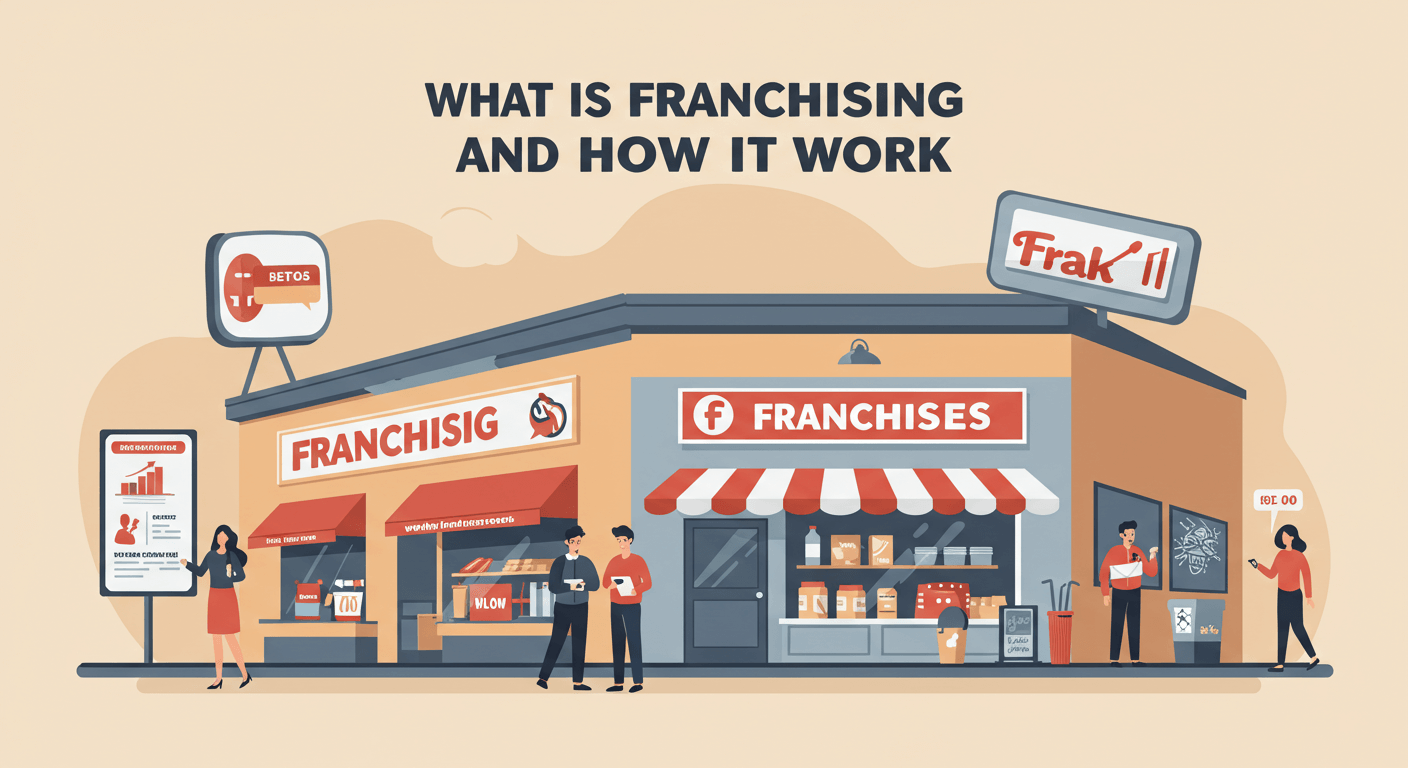
WHAT IS FRANCHISING AND HOW DOES IT WORK?

WHAT IS FRANCHISING AND HOW DOES IT WORK?

Franchising is a form of business organization in which a firm that already has a successful product or service (franchisor) licenses its trademark and me... 

Read more ››

WHAT IS FRANCHISING AND HOW DOES IT WORK?
Business Idea: A program for rock music enthusiasts to learn, improve, and perform in real bands at live rock venues.

Business Idea: Create a program for students with a passion for rock music so they can either learn to play a rock instrument or improve their existing musical skills and have the opportunity to participate in rock bands that play in... 

Read more ››

Business Idea: A program for rock music enthusiasts to learn, improve, and perform in real bands at live rock venues.
Business Idea: Franchise a network of Fresh Healthy Vending machines in schools, hospitals, and community spaces, offering only organic, natural, and healthy foods.

Business Idea: Build a franchise organization that deploys and services Fresh Healthy Vending–branded vending machines in schools, hospitals, health clubs, community organizations, and other locations that carry only organic, natur... 

Read more ››

Scientists Discover the Brain Circuit That Fuels Creativity

Creativity might not reside in a single brain region but rather in an interconnected brain circuit, according to a new study analyzing fMRI data and brain injuries.

A new study suggests that creativity maps onto a common brain circu... 

Read more ››

Scientists Discover the Brain Circuit That Fuels Creativity
Unlock Your Love This Valentine’s Day With a Science-Backed 7-Question Test

Romantic relationships play a vital role in emotional well-being, yet tools for assessing their health are often lacking. Enter the Valentine Scale—a quick, research-backed method for evaluating relationship satisfaction.

Want a f... 

Read more ››

Unlock Your Love This Valentine’s Day With a Science-Backed 7-Question Test
Your Brain Is Cheating on You, and You Don’t Even Know It

Sometimes, we cheat—not for money or prizes, but just to feel better about ourselves.

A new study reveals that people engage in “diagnostic self-deception,” tricking themselves into believing their success comes from ability... 

Read more ››

Being Social May Delay Dementia by 5 Years

Frequent social activity may help delay dementia, reducing the risk by up to 38%. Engaging with others strengthens neural networks, potentially delaying cognitive decline and lowering healthcare costs.

Social activities include dini... 

Read more ››

Harvard Study: Eating Dark Chocolate Could Reduce Your Risk of Diabetes by 21%

Participants who ate at least five servings of chocolate weekly had a 10% reduced risk of type 2 diabetes (T2D), with dark chocolate showing an even stronger effect—a 21% lower risk. In contrast, milk chocolate consumption was linked to long-ter... 

Read more ››

Harvard Study: Eating Dark Chocolate Could Reduce Your Risk of Diabetes by 21%
The Chocolate Cure: Cocoa Flavanols Protect Against Stress and High-Fat Diets

New research highlights the protective effects of flavanol-rich cocoa on vascular health, even when consumed alongside high-fat meals during stressful situations.

Consuming a cocoa drink rich in flavanols can mitigate the negative e... 

Read more ››

How Many Hours of Sitting Is Too Much for Your Heart?

Sedentary behavior exceeding 10.5 hours daily significantly raises the risk of heart failure and cardiovascular death, even among those who exercise regularly.

A recent study highlights that more than 10.5 hours of daily sedentary b... 

Read more ››

How Many Hours of Sitting Is Too Much for Your Heart?
The Common Texting Habit That Could Be Undermining Your Sincerity

New research indicates that spelling out words in text messages enhances sincerity and response rates.

Research has shown that using full words in texts, instead of abbreviations, makes individuals appear more sincere and increases ... 

Read more ››

The Common Texting Habit That Could Be Undermining Your Sincerity
New Study Identifies “Never Words” That Doctors Should Always Avoid Using

Researchers emphasize the importance of compassionate communication in treating seriously ill patients, identifying harmful “never words” and proposing more sensitive alternatives to enhance patient engagement and reduce emotional suffering. T... 

Read more ››

New Study Identifies “Never Words” That Doctors Should Always Avoid Using
Mondays and New Year’s Day: Unveiling the Deadliest Peaks in Global Suicide Rates

A global study reveals that suicide rates are highest on Mondays and New Year’s Day, with regional variations during holidays.

Research indicates a global pattern where suicides peak on Mondays and New Year’s Day, with inconsist... 

Read more ››

Mondays and New Year’s Day: Unveiling the Deadliest Peaks in Global Suicide Rates
5 Ways to Enhance Your Online Presence Through Engaging Multimedia Content

In today's digital landscape, a strong online presence is paramount for businesses of all sizes. One of the most effective ways to engage and connect with your audience is through the strategic use of multimedia content. By incorporating visually app... 

Read more ››

5 Ways to Enhance Your Online Presence Through Engaging Multimedia Content
PART TWO: THE GROWTH STRATEGIES FOR A FIRM

II: External Growth Strategies

External growth strategies rely on establishing relationships with third parties, such as mergers, acquisitions, strategic alliances, joint ventures, licensing, and franchisin... 

Read more ››

Business Idea: Provide a convenient online platform for the parents of growing children to exchange the clothes their children grow out of for clothes their children need.

Business Idea: Provide a convenient online platform for the parents of growing children to exchange the clothes their children grow out of for clothes their children need.

Pitch: The average kid grows out of a set... 

Read more ››

Strategies for Firm Growth

The growth strategies for a firm are divided into internal strategies for growth and external strategies for growth.

I. INTERNAL GROWTH STRATEGIES

Internal growth strategies involve efforts taken within the firm itself, such as... 

Read more ››

THE TOP 10 REASONS NEW PRODUCTS FAIL

THE TOP 10 REASONS NEW PRODUCTS FAIL.

1. Target market is not defined correctly.

2. Product is not positioned effectively.

3. Product’s benefits are not understood by the target customer.

4. Product doesn’t address im... 

Read more ››

Business Idea: Create urban greenhouse systems for year-round production of sustainable and local fresh food.

Business Idea: Create urban greenhouse systems for year-round production of sustainable and local fresh food.

Pitch: Food travels 1,500 miles on average in the United States to get to consumers. At the same time, ... 

Read more ››

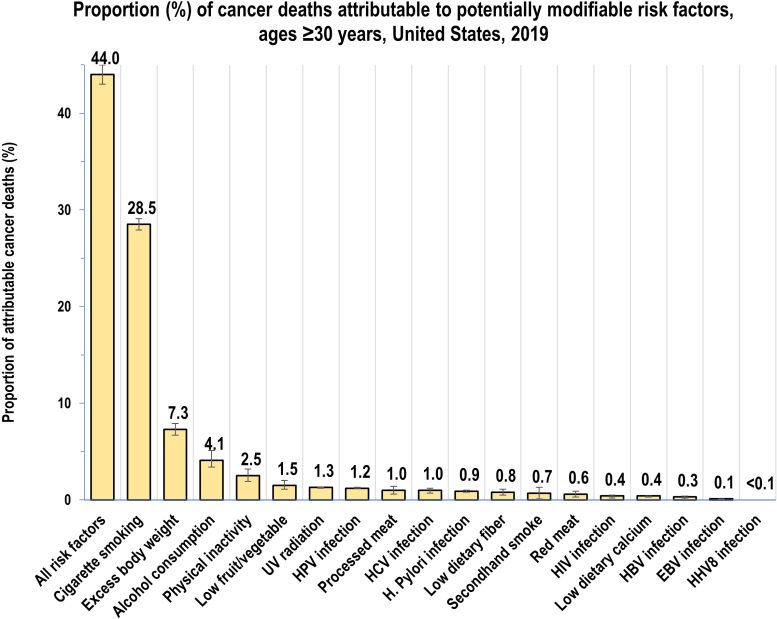
4 in 10 US Cancer Cases Linked to Modifiable Risk Factors, Study Reveals

A recent study by the American Cancer Society (ACS) reveals that four out of ten cancer cases and half of the cancer deaths in adults over 30 in the U.S. in 2019 were due to modifiable risk factors like smoking, obesity, and alcohol. Smoking was the ... 

Read more ››

4 in 10 US Cancer Cases Linked to Modifiable Risk Factors, Study Reveals
Business Idea: Manufacture and sell affordable, water efficient irrigation systems for small-plot farmers in developing nations.

Business Idea: Manufacture and sell affordable, water efficient irrigation systems for small-plot farmers in developing nations.

Company: Driptech

Pitch: In many developing countries, farmers h... 

Read more ››

Business Idea: Launch a service that provides reliable and loving reminders and companionship calls to elderly people who are still living in their homes.

Company: Check-In Calls

Business Idea: Launch a service that provides reliable and loving reminders and companionship calls to elderly people who are still living in their homes.

Pitch: Many ca... 

Read more ››

New Study Reveals That Simply Looking at Trees Can Boost Your Mental Health

Eye-tracking research from Bangor University and Technion-Israel Institute of Technology shows that focusing on natural elements during urban walks reduces anxiety and enhances feelings of restoration in city dwellers. These findings suggest urban de... 

Read more ››

New Study Reveals That Simply Looking at Trees Can Boost Your Mental Health
Eat Plants, Beat Cancer: New Study Links Vegetables To Lower Prostate Cancer Risks

Research from UC San Francisco reveals that men with localized prostate cancer can lower the risk of disease progression by 47% by adopting a plant-based diet rich in fruits, vegetables, nuts, and olive oil. Over 2,000 participants showed that increa... 

Read more ››

Eat Plants, Beat Cancer: New Study Links Vegetables To Lower Prostate Cancer Risks
5 natural ways to overcome erectile dysfunction

If you're a middle aged man, can you run as fast as you did when you were 20 years old? Hit a baseball as far as you once could? Bash a tennis ball with the same speed and spin?

Probably not.

But even as we age, there are still plenty of ways t... 

Read more ››

BRANDING

A brand is the set of attributes—positive or negative—that people associate with a company. These attributes can be positive, such as trustworthy, innovative, dependable, or easy to deal with. Or they can be negative, suc... 

Read more ››

Business Idea: Provide a service that stores individuals’ log-in information to important online services like e-mail accounts, social networks, PayPal, and eBay, and deliver them to caretakers in the event of the individual’s death.

Company: Legacy Locker

Business Idea: Provide a service that stores individuals’ log-in information to important online services like e-mail accounts, social networks, PayPal, and eBay, and deliver them to caret... 

Read more ››

New Research Reveals That Couples Who Drink Together Live Longer

A study by the University of Michigan finds that couples who drink alcohol together are likely to live longer, supporting the idea that shared drinking habits can enhance marital satisfaction and longevity.

The couple that drinks together might li... 

Read more ››

New Research Reveals That Couples Who Drink Together Live Longer
Office Productivity Takes a Hit in the Afternoon, Particularly on Fridays

A Texas A&M study shows productivity dips in the afternoon and on Fridays among office workers, advocating for flexible work to boost efficiency and well-being.

An innovative study from the Texas A&M School of Public Health offers objectiv... 

Read more ››

Office Productivity Takes a Hit in the Afternoon, Particularly on Fridays
Preparing to Raise Debt or Equity Financing

Once a start-up’s financial needs exceed what personal funds, friends and family, and bootstrapping can provide, debt and equity are the two most common sources of funds. The most important thing an entrepreneur must do at this point is determine p... 

Read more ››

Sources of Personal Financing

Typically, the seed money that gets a company off the ground comes from the founders’ own pockets. There are three categories of sources of money in this area: personal funds, friends and family, and bootstrapping.

1. Pe... 

Read more ››

Business Idea: Create a Website and a smartphone app that provides a visual guide to great food and where to find it.

Company: Foodspotting

Business Idea: Create a Website and a smartphone app that provides a visual guide to great food and where to find it. Instead of reviewing restaurants, users will share where to find their fa... 

Read more ››

Business Idea: Create an online community that links interns (primarily college students) with entrepreneurial start-ups and change-oriented nonprofit organizations.

Company: YouTern

Business Idea: Create an online community that links interns (primarily college students) with entrepreneurial start-ups and change-oriented nonprofit organizations.

Pitch: Int... 

Read more ››

52 Tips for Losing Weight

A Tip a Week

If you add one of these tips a week to your daily routine, in one year you will have developed some very healthy habits!

1. Eliminate one tablespoon of fat a day and you will lose 10 pounds in a ye... 

Read more ››

The Law of Cause and Effect – Everything happens for a reason; there is a cause for every effect.

This is the “Iron Law” of human destiny. This law says that we live in a world governed by law, not chance. It says that everything happens for a reason, whether or not we know what it is. Every effect, success or failure, wealth or poverty, has ... 

Read more ››

Organizing Buying Groups to Cut Costs and Maintain Competitiveness

One challenge that businesses confront is cutting costs in ways that don’t erode their ability to remain competitive. Many cost-cutting techniques, such as scaling back on hiring, lowering marketing expenses, or reducing inventory, may save money b... 

Read more ››

What's In A Business Name?: A Lot Of Trouble If You Aren't Careful

Introduction

While at first glance naming a business may seem like a minor issue, it is an extremely important one. A company’s name is one of the first things people associate with a business, and it is a word or phrase that wi... 

Read more ››

Vesting Ownership in Company Stock: A Sound Strategy for Start-Ups

If you’re not familiar with vesting, the idea is that when a firm is launched, instead of issuing stock outright to the founders, the stock is distributed over a period of time, typically three to four years, as the founder or founders “e... 

Read more ››

99designs: Making Partnering with Freelancers the Essence of Its Disruptive Business Model

Start-ups typically have a variety of design needs including logo design, brochures, stationery, and business cards. Traditionally the most important design work, like a business’s logo, is either done by the business itself or contracted out to a ... 

Read more ››

Thriving in a Crowded Industry by Creating Meaningful Value and Differentiation from Competitors

Firms do well in a crowded industry when two conditions exist: (1) they create meaningful value for customers at a fair price and (2) they effectively differentiate themselves from competitors. In fact, diminishing the impact of thre... 

Read more ››

Shield your brain from decline

Use the SHIELD acronym to remember the lifestyle habits that will help protect your memory and thinking skills.

We are making encouraging progress in finding medications that prevent or even reverse cognitive decline. Until we get there, however, ... 

Read more ››

Business Idea: Provide musicians a platform to reach out to their fan base to financially contribute to upcoming recordings or other musical projects.

Business Idea: Provide musicians a platform to reach out to their fan base to financially contribute to upcoming recordings or other musical projects.

Pitch: Musicians often have creative ideas for recordings or s... 

Read more ››

Finding the Right Business Partner

One thing that becomes clear to many potential business founders, while conducting organizational feasibility analysis, is that they need one or more partners to help launch their business. You might be a Web developer who has a great idea for a Web ... 

Read more ››

ScriptPad: Interesting Idea—But Will Doctors and Pharmacies Sign On?

To ScriptPad founder and CEO Shane Taylor, the problem his company solves is personal. Taylor’s father, who is fighting both heart disease and cancer, takes 26 different medications to fight his illnesses. Any mix-up or error associated with taking... 

Read more ››

Want Help Fine-Tuning a Business Idea? Find a Mentor

Fine-tuning a business idea isn’t easy. While fairly course-grained ideas are rather easy to develop, like creating a cell-phone that’s designed specifically for elderly people, fleshing out the details is where experience helps. This reality put... 

Read more ››

Working Together: How Biotech Firms and Large Drug Companies Bring Pharmaceutical Products to Market

Large firms and smaller entrepreneurial firms play different roles in business and society and can often produce the best results by partnering with each other rather than acting as adversaries. The pharmaceutical industry is an excellent example of ... 

Read more ››

Learning how to meditate

Meditation has been practiced for thousands of years and it continues to grow in popularity. This mindful practice can help aid anxiety and depression, chronic pain, cancer, bowel diseases, high blood pressure, insomnia, addiction and so much more.
... 

Read more ››

Learning how to meditate
PatientsLikeMe: Allowing People with Serious Diseases to Connect with One Another and Exchange Support and Advice

PatientsLikeMe: Allowing People with Serious Diseases to Connect with One Another and Exchange Support and Advice

Web: www.patientslikeme.com

Jamie a... 

Read more ››

How Companies and Organizations Build Credibility and Trust

How Companies and Organizations Build Credibility and Trust

There are several ways companies and organizations can build credibility and trust. We present eight techniques that are essential in nearly all cases in the following list.

Te... 

Read more ››

Business Idea: Create a single place for music lovers to track or keep up with their favorite bands, so they’ll always know where and when the bands will be performing in their area.

Business Idea: Create a single place for music lovers to track or keep up with their favorite bands, so they’ll always know where and when the bands will be performing in their area.

In addition, create an online platform for c... 

Read more ››

CREATING A NEW-VENTURE TEAM

Those who launch or found an entrepreneurial venture have an important role to play in shaping the firm’s business concept. Stated even more directly, it is widely known that a well-conceived business plan cannot get off the ground unless a firm ha... 

Read more ››

CREATING A NEW-VENTURE TEAM
Discuss the differences among sole proprietorships, partnerships, corporations, and limited liability companies.

When a business is launched, a form of legal entity must be chosen. Sole proprietorship, partnerships, corporations, and limited liability companies are the most common legal entities from which entrepreneurs make a choice. Choosing ... 

Read more ››

Discuss the differences among sole proprietorships, partnerships, corporations, and limited liability companies.
Airbnb: How Listening to Customers and Iterating the Business Model Helped Shape and Mold a Successful Start-up

Airbnb: How Listening to Customers and Iterating the Business Model Helped Shape and Mold a Successful Start-up

Web: www.airbnb.com

Introduction

It all st... 

Read more ››

Airbnb: How Listening to Customers and Iterating the Business Model Helped Shape and Mold a Successful Start-up
Components of an effective business model

1. Core strategy (how a firm competes)

2. Strategic resources (how a firm acquires and uses its resources)

3. Partnership network (how a firm structures and nurtures its partnerships)

Read more ››

Six distinct ways of making money online

Six distinct ways of making money online (the way an online company makes money largely defines its business model)

1. Affiliate programs

An affiliate program is a way for online merchants, like 1-800-FLOWERS, ... 

Read more ››

COMPETITOR ANALYSIS

After a firm has gained an understanding of the industry and the target market in which it plans to compete, the next step is to complete a competitor analysis. A competitor analysis is a detailed analysis of a firm’s competition. It helps a firm u... 

Read more ››

Some excellent ways to increase your self-awareness

1. Personal diaries

An excellent way to increase your self-awareness is to keep a diary. In it make a daily note of the important things that happen. Be honest and open with yourself. Be willing to reflect upon your beliefs, thoug... 

Read more ››

Maintaining positive thoughts

• E. G. S. Emotional Guidance System - Your inner guide

It is said that the average human being has approximately 64,000 thoughts per day. Protecting all of your thoughts 24 hours a day can be a full-time job. There is a better way to gauge how ... 

Read more ››

TECHNIQUES FOR GENERATING IDEAS

In general, entrepreneurs identify more ideas than opportunities because many ideas are typically generated to find the best way to capitalize on an opportunity. Several techniques can be used to stimulate and facilitate the generation of new ideas f... 

Read more ››

The 3 sources of business ideas

1. Observing Trends

The first approach to identifying opportunities is to observe trends and study how they create opportunities for entrepreneurs to pursue. The most important trends to follow are economic trends, social trends, ... 

Read more ››

The 3 sources of business ideas

Unleash Your Creativity with SCAMPER!

   Pinned
  4 Mins Read
Image name: SCAMPER_Technique.png Image size: 319.75 KB
  Download

✨ Boost Your Creativity with the SCAMPER Technique.

If you're looking for a simple and powerful way to generate fresh ideas, improve products, or unlock creative solutions, the SCAMPER technique is one of the best tools you can use.

Need to supercharge an existing idea or product? Try the powerful SCAMPER technique for idea generation!

SCAMPER is a simple yet effective tool to...


Inside the Astronaut Mind: What Happens to Your Brain in Space

  2 years ago (Sat, Jan 11, 2025 at 07:44 PM (GMT))

  4 Mins Read
Image name: Expedition-69-NASA-Astronaut-Frank-Rubio-After-Landing-777x469.jpg Image size: 59.11 KB
  Download

Researchers discovered that astronauts’ processing speed, working memory, and attention slowed down, but a few months in space did not result in lasting cognitive impairment.

In space, astronauts face unique stressors that the human body doesn’t encounter on Earth, including microgravity, increased radiation, and demanding workloads. To investigate how spaceflight affects cognitive performance, researchers studied data from 25 professional astronauts. The...
 
© Frontiers   


Concerning Study Reveals That Aspirin and Other Popular Drugs Could Increase Your Risk of Dementia

  2 years ago (Sat, Jan 11, 2025 at 07:19 PM (GMT))

  3 Mins Read
A study from Karolinska Institutet links long-term use of common cardiovascular drugs, like antihypertensives and cholesterol-lowering medications, to a reduced risk of dementia, while antiplatelet drugs may increase the risk due to possible brain microbleeds. The findings emphasize the importance of further research into preventive strategies and the effects of drug combinations.

Long-term use of cardiovascular drugs may reduce dementia risk...

A new study from Karolinska Institutet, published in Alzheimer’s & Dementia: The Journal of the Alzheimer’s Association, suggests that commonly used cardiovascular drugs are associated with a reduced risk of dementia in older adults.

Cardiovascular disease and dementia are major public health challenges that cause a significant burden on both healthcare and society. A new study from Karolinska Institutet in Sweden shows that long-term use of common cardiovascular drugs is associated with a lower risk of dementia later in life.

“We can see a clear link between long-term use – five years or more – of these drugs and reduced risk of dementia in older age,” says Mozhu Ding, assistant professor at the Institute of Environmental Medicine, Karolinska Institutet, and one of the lead authors of the paper.

The researchers used Swedish national registers. Around 88,000 people over the age of 70 who were diagnosed with dementia between 2011 and 2016 were included in the study, as well as 880,000 controls. Information on cardiovascular medicines was obtained from the Swedish Prescribed Drug Register.

The results show that long-term use of antihypertensive drugs, cholesterol-lowering drugs, diuretics, and blood-thinning drugs is associated with between 4 and 25 percent lower risk of dementia. Combinations of the drugs had stronger protective effects than if they were used alone.

“Previous studies have focused on individual drugs and specific patient groups but in this study, we take a broader approach,” says Alexandra Wennberg, affiliated researcher at the Institute of Environmental Medicine and the other lead author of the paper.

Antiplatelet Drugs and Increased Dementia Risk

The researchers also found that, on the contrary, the use of antiplatelet drugs may be linked to a higher risk of dementia. Antiplatelet drugs, such as aspirin and clopidogrel (Plavix), are medicines used to prevent strokes and stop platelets from clumping together. One possible explanation is that these drugs increase the risk of microbleeds in the brain, which are associated with cognitive decline.

The study is an important piece of the puzzle for finding new treatments for dementia, according to the researchers.

“We currently have no cure for dementia, so it’s important to find preventive measures,” says Alexandra Wennberg.

The researchers stress the importance of further studies, especially randomized controlled clinical trials, to better understand the mechanisms behind the findings. Among other things, they will continue to study how diet and lifestyle, in addition to drug treatment for cardiovascular disease, affect the risk of developing dementia.
 
© Karolinska Institutet   


Goodbye Microplastics: New Recyclable Plastic Breaks Down Safely in Seawater

  2 years ago (Sat, Jan 11, 2025 at 09:24 AM (GMT))

  4 Mins Read
A new durable, biodegradable plastic breaks down in seawater, offering a potential solution to microplastic pollution.

This material, based on supramolecular structures, can be tailored for different uses and is fully recyclable, enhancing its environmental benefits.

New Sustainable Plastic

Researchers led by Takuzo Aida at the RIKEN Center for Emergent Matter Science (CEMS) have created a groundbreaking plastic that combines durability with eco-friendliness....
 
© RIKEN   


Cannabis Reduces Brain Connectivity: The Link to Increased Psychosis Risk

  2 years ago (Wed, Jan 08, 2025 at 01:11 PM (GMT))

  2 Mins Read
Image name: Young-People-Smoking-Marijuana-777x518.jpg Image size: 56.08 KB
  Download

A study identifies that at-risk young adults have decreased brain connectivity, exacerbated by cannabis, related to poor social skills and motivation. This could lead to treatments beyond current options, focusing on enhancing life quality.

New research reveals that young adults at risk of psychosis exhibit significantly reduced brain connectivity, further impaired by cannabis use.

The study uniquely focuses on synaptic density, uncovering...
 
© McGill University   


New Discovery Shows How Gut Hormones Could Hold the Secret to a Longer Life

  2 years ago (Wed, Jan 08, 2025 at 12:59 PM (GMT))

  4 Mins Read
Brown University researchers discovered that a gut hormone in flies controls lifespan by regulating insulin and other hormones, suggesting similar mechanisms may influence human aging. The study underscores the potential impact of insulin-related medications on aging.

The discovery of a gut-to-brain regulation pathway in flies highlights the potential for certain medications to be further explored as treatments for obesity and diabetes...

Researchers at Brown University have uncovered how a neuropeptide hormone produced in the gut of flies can control their lifespan.

The findings, published in PNAS, have implications for humans, too, the researchers say — especially as new diabetes and obesity medications based on gut hormones in the same family of the fly hormone are becoming more widespread.

For the past two decades, study author Marc Tatar, a professor of biology affiliated with the Center on the Biology of Aging at Brown University, has studied how the hormones insulin and insulin-like growth factors (IGFs) control aging in flies.

“We know that reducing insulin, and reducing IGF signaling, slows aging and extends lifespan in flies,” Tatar said.

Tatar approaches the study of aging from the perspective of ecology and evolutionary biology, one part of the interdisciplinary approach taken by the Center on the Biology of Aging. Researchers in Tatar’s lab have been looking at an insulin-regulatory hormone in flies called neuropeptide F (NPF) that is produced in the gut and secreted into circulation in response to diet.

Mapping NPF’s Pathways and Effects on Lifespan

For the PNAS study, they found a way to use genetic tools to reduce the ability of fly intestines to secrete NPF and therefore reduce insulin secretion. Then they mapped the production of NPF in the flies from the gut to the brain to a pituitary-like tissue, and connected this all back to diet.

They found that suppression of gut NPF extends longevity in flies, as does blocking the NPF receptors in the brain that control another hormone called juvenile hormone. The researchers concluded that gut NPF modulates the aging of flies through the integration of nutrient sensing, insulin signaling, and juvenile hormone production.

“We showed how all of these things work together to control lifespan,” Tatar said.

The researchers are conducting additional experiments to understand what happens when they increase NPF secretion, and therefore increase insulin, in flies.

“Based on this research reported in PNAS, we suspect that over-production of gut NPF in flies will have a negative effect on aging and decrease lifespan,” Tatar said.

Human Parallels to Fly Hormones and Aging Mechanisms

As small and simple as flies may seem, Tatar said they actually have many of the same genes as humans, and there are analogous hormones in humans that are involved in similar processes and pathways. Understanding aging mechanisms in flies may help explain what’s happening in humans, as well.

Humans don’t make NPF or juvenile hormones. However, humans do make insulin, and they secrete gut hormones that regulate the production of insulin, such as pancreatic polypeptide Y (PPY) and glucagon-like peptide-1 (GLP-1). GLP-1 is in the same family of hormones as NPF — they’re both called incretins because they can increase the secretion of insulin.

There has been an explosion of research on GLP-1 agonists, which mimic the incretin GLP-1 in humans and trigger the release of insulin in the pancreas.

Tatar’s research team concluded that given how insulin-increasing drugs like GLP-1 agonists are used to treat diabetes and obesity, and given what they’ve found about the relationship between insulin and aging in files, it may be time to consider how they could impact human aging.

“The fly is an excellent model for humans, but we need to progress the research from flies to mice and set up studies that look at GLP1-agonists and aging,” Tatar said. “It will take years, but it’s important.”
 
© Brown University   


Are Smaller Brains the Future? How AI Could Reshape Human Evolution

  2 years ago (Wed, Jan 08, 2025 at 12:48 PM (GMT))

  2 Mins Read
AI and Human Evolution

As artificial intelligence (AI) becomes increasingly widespread and advanced, it prompts new questions about its impact on human life and society. A recent paper in The Quarterly Review of Biology explores how these technologies might influence human evolution.

In “How Might Artificial Intelligence Influence Human Evolution?” author Rob Brooks examines the gradual yet inevitable evolutionary changes driven by...
 
© University of Chicago   


Cigarette Smoke Disrupts Microbiota, Amplifies Flu Severity

  2 years ago (Wed, Jan 08, 2025 at 11:57 AM (GMT))

  3 Mins Read
Image name: Man-Smoking-Cigarette-777x518.jpg Image size: 49.44 KB
  Download

Smoking disrupts throat microbiota, aggravating flu severity, highlighting the impact of altered microbiota on respiratory health.

Cigarette smoke has been found to worsen influenza A infections by disrupting the natural balance of throat microbiota, suggesting a significant link between smoking and respiratory disease severity.

• Cigarette smoke exposure is associated with many different respiratory diseases.

• A new study shows that cigarette smoke...
 
© American Society for Microbiology   


Diabetes Drugs Could Help You Drink Less

  2 years ago (Sun, Jan 05, 2025 at 10:14 AM (GMT))

  2 Mins Read
Image name: Refusing-Alcohol-Drink-777x518.jpg Image size: 39.21 KB
  Download

Diabetes medications known as GLP-1 receptor agonists may double as treatments for reducing alcohol consumption, with early studies showing promising results, especially for individuals with obesity.

Researchers have uncovered promising evidence that certain diabetes medications, specifically GLP-1 receptor agonists, might help reduce alcohol consumption.

Analyzing data from trials involving over 88,000 participants, researchers found that while results vary, certain individuals, especially those...

New research from the University of Nottingham suggests that some diabetes medications may help reduce alcohol consumption. The study, published on November 14 in eClinicalMedicine, focused on a class of drugs known as GLP-1 receptor agonists (GLP-1 RAs) to see if they could support individuals in cutting back on drinking.

Led by Dr. Mohsen Subhani, Clinical Assistant Professor of Gastroenterology at the NIHR Nottingham Biomedical Research Centre, in the School of Medicine, at the University of Nottingham. The research was funded by the National Institute for Health and Care Research (NIHR) and the NIHR Nottingham Biomedical Research Centre.

The team conducted a thorough review of existing studies to explore the impact of GLP-1 RAs on alcohol use, examining changes in drinking behavior and related outcomes.

Promising Results From Initial Trials

They gathered studies up to August 2024 that examined whether GLP-1 RAs affect alcohol use, alcohol-related health problems, hospital visits, and brain reactions to alcohol cues. The team evaluated six articles, including two randomized control trials made up of 88,190 participants, of these 38,740 (43.9%) of participants received GLP-1RA.

Dr. Subhani said: “Our findings show that this type of diabetes medication shows promise in reducing alcohol consumption, potentially by targeting the brain’s reward center, especially in people with a BMI over 30.”

The key findings:

• In one main study, the medication exenatide did not significantly reduce drinking overall after six months, but people with obesity showed some positive results.

• Another study found that people taking the drug dulaglutide were 29% more likely to reduce drinking than those on a placebo.

• Observational studies (non-randomized) showed fewer alcohol-related health problems and lower alcohol use in people taking GLP-1 RAs compared to other treatments.

“Whilst further research is needed, our findings suggest this could be a potential treatment option in the future for excessive alcohol use and subsequently could lead to a reduction in alcohol-related deaths,” adds Dr. Subhani.
 
© University of Nottingham   


Sitting Too Long as a Child? It Could Lead to a Lifelong Blood Pressure Problem

  2 years ago (Sun, Jan 05, 2025 at 10:04 AM (GMT))

  4 Mins Read
Prolonged sedentary time raises blood pressure, but light physical activity (LPA) effectively counteracts this risk, emphasizing its role in hypertension prevention.

Excessive sedentary time during growth increases systolic blood pressure, while three hours of daily light physical activity can mitigate this risk, as shown by a groundbreaking study spanning childhood to young adulthood.

A new study reveals that spending more than six...
 
© University of Eastern Finland   


Common Everyday Chemicals Found in Shampoo, Lotion, and More Linked to Childhood Asthma

  2 years ago (Sun, Jan 05, 2025 at 09:52 AM (GMT))

  3 Mins Read
Research indicates that exposure to specific chemicals during pregnancy, such as butylparaben and 4-nonylphenol, increases the risk of asthma in children, underscoring the importance of monitoring and managing such exposures for better maternal and child health.

Exposure to certain chemicals during pregnancy may increase childhood asthma risk. Boys are particularly affected by 4-nonylphenol exposure.

Researchers at Kumamoto University have unveiled a new...
 
© Kumamoto University   


According to Scientists, Taking This Supplement May Restart Stalled Menstruation

  2 years ago (Thu, Jan 02, 2025 at 10:58 AM (GMT))

  5 Mins Read
Image name: Supplement-Capsule-777x518.jpg Image size: 27.88 KB
  Download

A keto diet or ketone supplements may help regulate menstrual cycles, with research showing that 11 of 13 premenopausal women in ketosis experienced changes in cycle frequency or intensity. Surprisingly, some women resumed menstruation after long-term absence, suggesting ketones may influence hormonal regulation beyond just weight loss.

Study finds no link between period changes and weight loss

New research suggests that increasing...
 
© Ohio State University   


Where Does the Periodic Table End? Exploring the Mysteries of Superheavy Elements

  2 years ago (Thu, Jan 02, 2025 at 10:49 AM (GMT))

  6 Mins Read
Image name: Artwork-of-the-Nuclear-Chart-777x656.jpg Image size: 104.75 KB
  Download

Fermium studies indicate nuclear shell effects diminish as nuclear mass increases, emphasizing macroscopic influences in superheavy elements.

Where does the periodic table of chemical elements end and which processes lead to the existence of heavy elements? An international research team has conducted experiments at the GSI/FAIR accelerator facility and at Johannes Gutenberg University Mainz to investigate these questions.

Their research, published in...
 
© GSI Helmholtz Centre for Heavy Ion Research   


The Chocolate Cure: Cocoa Flavanols Protect Against Stress and High-Fat Diets

  2 years ago (Tue, Dec 31, 2024 at 11:15 AM (GMT))

  5 Mins Read
New research highlights the protective effects of flavanol-rich cocoa on vascular health, even when consumed alongside high-fat meals during stressful situations.

Consuming a cocoa drink rich in flavanols can mitigate the negative effects of high-fat foods on the vascular system during stress.

This research emphasizes the potential of high-flavanol cocoa to enhance vascular function and maintain cardiovascular health during stressful periods, offering...

Flavanol-Rich Cocoa and Cardiovascular Protection

New research reveals that a flavanol-rich cocoa drink can help protect the body’s vascular system from the effects of stress, even after consuming high-fat foods.

The food choices we make during stressful times can significantly impact cardiovascular health. A study from the University of Birmingham previously showed that high-fat foods can impair vascular function and reduce oxygen delivery to the brain. However, flavanols—natural compounds abundant in cocoa and green tea—can support vascular health during periods of everyday stress.

Combating Stress With Cocoa

Building on these findings, the same research team has now demonstrated that drinking high-flavanol cocoa alongside a fatty meal can mitigate some of the harmful effects of fatty foods and stress on the vascular system.

The research was published in the journal Food and Function.

Dr. Catarina Rendeiro, Assistant Professor in Nutritional Sciences at the University of Birmingham, and leading author said: “We know that when people are stressed, they tend to gravitate towards high-fat foods. We have previously shown that fatty food can impair the body’s vascular recovery from stress. In this study, we wanted to see if adding a high-flavanol food to the fatty meal would alleviate the negative impact of stress in the body.”

Understanding Flavanols and Their Health Benefits

Rosalind Baynham, first author on the paper, explained: “Flavanols are a type of compound that occur in different fruits, vegetables, tea, and nuts including berries and unprocessed cocoa. Flavanols are known to have health benefits, particularly for regulating blood pressure and protecting cardiovascular health.

“We took a group of young healthy adults and gave them two butter croissants with 10 g salted butter, 1.5 slices of cheddar cheese, and 250 ml whole milk as breakfast, and either a high-flavanol cocoa or a low-flavanol cocoa drink. Following a rest period, we asked the participants to complete a mental maths test which increased in speed for eight minutes, alerting them when they got an answer wrong. During the 8-minute rest period and 8-minute mental maths test, we measured forearm blood flow, cardiovascular activity, and prefrontal cortex (PFC) tissue oxygenation. We also measured vascular function using Brachial Flow-mediated dilatation (FMD), which is a prognostic measure for future risk of cardiovascular disease. This stress task-induced significant increases in heart rate and blood pressure, similar to the stress you may encounter in daily life.”

The cocoa beverages were prepared by dissolving 12 g cocoa powder into 250 ml of whole milk. The low-flavanol powder was an alkalized cocoa powder that was processed to reduce total flavanols to 5.6 mg per serving; and the high-flavanol cocoa powder was a non-alkalized powder, delivering 695.0 mg total flavanols per serving. Alkalization is a process typically used in chocolate making to enhance flavor, but unfortunately it reduces the amount of flavanols.

Key Findings: Flavanols and Vascular Protection

The team confirmed that consuming fatty foods with the low-flavanol drink when mentally stressed reduced vascular function (by 1.29% FMD) and lasted up to 90 minutes after the stressful event was over.

The findings also showed that the cocoa drink high in flavanols was effective at preventing the decline in vascular function following stress and fat consumption. Brachial flow-mediated dilatation was significantly higher following high-flavanol cocoa compared to low-flavanol cocoa 30 and 90 minutes after the stressful period.

The team had also found in their previous work, that eating high-fat foods attenuated cerebral oxygenation in the pre-frontal cortex, during stress. However, cocoa flavanols did not improve cerebral oxygenation or impact mood.

Practical Applications and Flavanol Intake Recommendations

Dr. Catarina Rendeiro, Assistant Professor in Nutritional Sciences at the University of Birmingham, added: “This research shows that drinking or eating a food high in flavanols can be used as a strategy to mitigate some of the impact of poorer food choices on the vascular system. This can help us make more informed decisions about what we eat and drink during stressful periods.”

In the supermarket look for a minimally processed cocoa powder, and if cocoa isn’t quite your beverage of choice, there are other ways you can get a higher dose of flavanols, such as green tea, black tea, and berries. Recent published guidelines for flavanol intake recommend between 400 to 600 mg/day, which can be achieved for example, by consuming two cups of black or green tea, or a combination of berries, apples, and high-quality cocoa.

Stress, Modern Life, and Small Lifestyle Changes

Jet Veldhuijzen van Zanten, Professor of Biological Psychology at the University of Birmingham, and author of this paper added: “Modern life is stressful and the impact of stress on our health and the economy has been well documented, so any changes we can make to protect ourselves from some of the symptoms of stress is positive. For those who tend to reach for a treat when stressed or depend on convenient food because they work high-pressure jobs or are time-poor, incorporating some of these small changes could make a real difference.”
 
© University of Birmingham   


USC Study: Common Chemicals Found in Cookware, Food Packaging, and Cosmetics Could Be Ruining Your Sleep

  2 years ago (Tue, Dec 31, 2024 at 11:02 AM (GMT))

  5 Mins Read
Image name: Cant-Sleep-Insomnia-Headache-777x406.jpg Image size: 37.48 KB
  Download

USC researchers found that PFAS, or “forever chemicals,” in young adults’ blood are linked to poor sleep quality. This study highlights potential health risks and supports further regulation of PFAS.

Research has, for the first time, linked high levels of four specific types of PFAS to effects on sleep, identifying associated genes in the process.

Research conducted by the Keck School of...
 
© Keck School of Medicine of USC   


Clinical Trial: Mushroom Supplement May Halt Prostate Cancer Growth

  2 years ago (Tue, Dec 31, 2024 at 10:50 AM (GMT))

  4 Mins Read
City of Hope researchers found that white button mushroom supplements may slow prostate cancer progression by reducing cancer-promoting immune cells. Early clinical trial results show improved immune responses, but further research is needed.

The bidirectional research examines both laboratory findings and human clinical trial data, revealing that the medicinal use of white button mushrooms reduces the type of cells that suppress...

Researchers at City of Hope, one of the largest and most advanced cancer research and treatment organizations in the United States—ranked among the nation’s top five cancer centers by U.S. News & World Report and a national leader in providing cancer patients with best-in-class, integrated supportive care programs—have now uncovered why taking an investigational white button mushroom supplement shows promise in slowing and even preventing the spread of prostate cancer. This discovery comes from a phase 2 clinical trial exploring the concept of “food as medicine.”

Looking at preclinical and preliminary human data, the City of Hope scientists found that taking white button mushroom pills reduces a class of immune cells called myeloid-derived suppressor cells (MDSCs), which has been linked to cancer development and spread.

Exploring the Potential of Plant-Derived Therapies

“City of Hope researchers are investigating foods like white button mushroom, grape seed extract, pomegranate, blueberries, and ripe purple berries called Jamun for their potential medicinal properties. We’re finding that plant-derived substances may one day be used to support traditional cancer treatment and prevention practices,” said Shiuan Chen, Ph.D., the Lester M. and Irene C. Finkelstein Chair in Biology, professor and chair of the Department of Cancer Biology and Molecular Medicine at Beckman Research Institute of City of Hope, and senior author of the new Clinical and Translational Medicine study.

“This study suggests that ‘food as medicine’ treatments could eventually become normal, evidence-based cancer care that is recommended for everyone touched by cancer.”

The use of naturally derived therapies for cancer treatment — called integrative oncology — is growing in popularity as people become more health-conscious and aware of the benefits of whole-person cancer care. Supported by a $100 million gift from Panda Express Co-CEOs Andrew and Peggy Cherng, City of Hope’s Cherng Family Center for Integrative Oncology is accelerating the research, education, and clinical care needed to ensure cancer patients and their doctors have access to safe, proven approaches.

Translating Lab Discoveries Into Clinical Care

At City of Hope, lab researchers work closely with physicians, allowing for streamlined bidirectional research so that laboratory findings can be taken to patients and what is observed in patients can be taken and put back under the microscope for the development of expedited, more effective cancer treatments.

In mouse models, researchers found that administration of white button mushroom extract significantly delayed the growth of tumors and extended the survival of mice. It also improved T cell immune response through the reduction of MDSC levels in animal models, meaning it improved the immune system’s ability to kill cancer.

The researchers profiled blood draws from some of the men participating in City of Hope’s phase 2 clinical trial. The men were under active surveillance as they took white button mushroom supplements. Focusing on eight participants’ samples before and after three months of white button mushroom treatment, the scientists found that there were less tumor-creating MDSCs and more anti-tumor T and natural killer cells, suggesting white button mushroom rebuilds anti-cancer immune defense and slows cancer growth.

“Our study emphasizes the importance of seeking professional guidance to ensure safety and to avoid self-prescribing supplements without consulting a health care provider,” said Xiaoqiang Wang, M.D., Ph.D., City of Hope staff scientist and first author of the study. “Some people are buying mushroom products or extract online, but these are not FDA-approved. While our research has promising early results, the study is ongoing. That said, it couldn’t hurt if people wanted to add more fresh white button mushrooms to their everyday diet.”

People interested in joining the National Cancer Institute-funded phase 2 clinical trial should visit https://www.cityofhope.org/research/clinical-trials. City of Hope researchers are now focusing on whether the reduction in MDSCs is associated with improved clinical outcomes in patients with prostate cancer.
 
© City of Hope   


Global Carbon Emissions Hit Record High in 2024

  2 years ago (Tue, Dec 31, 2024 at 10:39 AM (GMT))

  5 Mins Read
Global fossil carbon emissions hit a record high in 2024 at 37.4 billion tons, up 0.8% from 2023, with no signs of peaking. Combined emissions, including land-use changes, total 41.6 billion tons, pushing CO2 levels further, as urgent reductions remain unmet to curb global warming.

Global carbon emissions hit a new high in 2024, with scientists urging swift action to avoid...

According to new research by the Global Carbon Project science team, global carbon emissions from fossil fuels have hit a record high in 2024.

The 2024 Global Carbon Budget projects fossil carbon dioxide (CO2) emissions of 37.4 billion tons, up 0.8% from 2023.

Despite the urgent need to cut emissions to slow climate change, the researchers say there is still “no sign” that the world has reached a peak in fossil CO2 emissions.

With projected emissions from land-use change (such as deforestation) of 4.2 billion tons, total CO2 emissions are projected to be 41.6 billion tons in 2024, up from 40.6 billion tons last year.

Over the last 10 years, fossil CO2 emissions have risen while land-use change CO2 emissions have declined on average – leaving overall emissions roughly level over that period.

This year, both fossil and land-use change CO2 emissions are set to rise, with drought conditions exacerbating emissions from deforestation and forest degradation fires during the El Niño climate event of 2023-2024.

With over 40 billion tons released each year at present, the level of CO2 in the atmosphere continues to rise – driving increasingly dangerous global warming.

The research team included the University of Exeter, the University of East Anglia (UEA), CICERO Center for International Climate Research, Ludwig-Maximilian-University Munich, Alfred-Wegener-Institut and 80 other institutions around the world.

Global Leaders Urged to Take Action

“The impacts of climate change are becoming increasingly dramatic, yet we still see no sign that burning of fossil fuels has peaked,” said Professor Pierre Friedlingstein, of Exeter’s Global Systems Institute, who led the study.

“Time is running out to meet the Paris Agreement goals – and world leaders meeting at COP29 must bring about rapid and deep cuts to fossil fuel emissions to give us a chance of staying well below 2°C warming above pre-industrial levels.”

Professor Corinne Le Quéré, Royal Society Research Professor at UEA’s School of Environmental Sciences, said: “Despite another rise in global emissions this year, the latest data shows evidence of widespread climate action, with the growing penetration of renewables and electric cars displacing fossil fuels, and decreasing deforestation emissions in the past decades confirmed for the first time.”

Dr. Glen Peters, of the CICERO Center for International Climate Research in Oslo, said: “There are many signs of positive progress at the country level, and a feeling that a peak in global fossil CO2 emissions is imminent, but the global peak remains elusive.

“Climate action is a collective problem, and while gradual emission reductions are occurring in some countries, increases continue in others.

“Progress in all countries needs to accelerate fast enough to put global emissions on a downward trajectory towards net zero.”

Professor Friedlingstein added: “Until we reach net zero CO2 emissions globally, world temperatures will continue to rise and cause increasingly severe impacts.”

Other key findings from the 2024 Global Carbon Budget include:

• Globally, emissions from different fossil fuels in 2024 are projected to increase: coal (0.2%), oil (0.9%), gas (2.4%). These contribute 41%, 32%, and 21% of global fossil CO2 emissions respectively. Given the uncertainty in the projections, it remains possible that coal emissions could decline in 2024.

• China’s emissions (32% of the global total) are projected to marginally increase by 0.2%, although the projected range includes a possible decrease in emissions.

• US emissions (13% of the global total) are projected to decrease by 0.6%.

• India’s emissions (8% of the global total) are projected to increase by 4.6%.

• European Union emissions (7% of the global total) are projected to decrease by 3.8%.

• Emissions in the rest of the world (38% of the global total) are projected to increase by 1.1%.

• International aviation and shipping (3% of the global total, and counted separately from national/regional totals) are projected to increase by 7.8% in 2024, but remain below their 2019 pre-pandemic level by 3.5%.

• Globally, emissions from land-use change (such as deforestation) have decreased by 20% in the past decade, but are set to rise in 2024.

• Permanent CO2 removal through reforestation and afforestation (new forests) is offsetting about half of the permanent deforestation emissions.

• Current levels of technology-based Carbon Dioxide Removal (excluding nature-based means such as reforestation) only account for about one millionth of the CO2 emitted from fossil fuels.

• Atmospheric CO2 levels are set to reach 422.5 parts per million in 2024, 2.8 parts per million above 2023, and 52% above pre-industrial levels.

• The effects of the temporary El Niño climate event also led to a reduction in carbon absorption by ecosystems on land (known as the land CO2 “sink”) in 2023, which is projected to recover as El Niño ended by the second quarter of 2024.

• Emissions from fires in 2024 have been above the average since the beginning of the satellite record in 2003, particularly due to the extreme 2023 wildfire season in Canada (which persisted in 2024) and intense drought in Brazil.

• The land and ocean CO2 sinks combined continued to take up around half of the total CO2 emissions, despite being negatively impacted by climate change.

How long until we pass 1.5°C of global warming?

This study estimates the remaining “carbon budget” before the 1.5°C target is breached consistently over multiple years, not just for a single year. At the current rate of emissions, the Global Carbon Budget team estimates a 50% chance global warming will exceed 1.5°C consistently in about six years. This estimate is subject to large uncertainties, primarily due to the uncertainty of the additional warming coming from non-CO2 agents (e.g., CH4, N2O, aerosols). However, it’s clear that the remaining carbon budget – and therefore the time left to meet the 1.5°C target and avoid the worst impacts of climate change – has almost run out.
 
© University of Exeter   


Why Your Favorite Song Hits Different: The Psychology of Music Preferences

  2 years ago (Tue, Dec 31, 2024 at 10:22 AM (GMT))

  6 Mins Read
Musical tastes stem from emotional connections, personality traits, and experiences. Songs like “True Colors” showcase music’s ability to unite generations, while streaming trends reveal preferences influenced by time of day, culture, and mood.

Why do we have a certain taste in music, different than others?

When you turn on the radio, some songs grab your attention while others might make you change...
 
© Jane Kuehne, Auburn University   


How AI Is Turning DNA Secrets Into Lifesaving Medical Insights

  2 years ago (Tue, Dec 31, 2024 at 10:01 AM (GMT))

  4 Mins Read
Researchers at Los Alamos National Laboratory have developed a groundbreaking deep learning model designed to analyze the intricate relationship between transcription factors and gene activity.

A new AI model leverages deep learning to understand the binding of transcription factors to DNA, focusing on the process of DNA breathing.

This innovative approach has led to a 9.6% improvement in predicting transcription factor bindings,...
 
© Los Alamos National Laboratory   


First Scientific Evidence Shows Cannabinol (CBN) Effectively Improves Sleep

  2 years ago (Fri, Dec 27, 2024 at 10:42 AM (GMT))

  4 Mins Read
Image name: Cannabis-Sleep-777x518.jpg Image size: 56.2 KB
  Download

Researchers at the University of Sydney have uncovered that cannabinol, a compound found in cannabis, effectively improves sleep.

Scientists have demonstrated that cannabinol (CBN) from cannabis significantly enhances sleep quality in rats, according to a study published in Neuropsychopharmacology.

Unlike THC, CBN does not cause intoxication but increases both deep and REM sleep. Ongoing human trials also show promising results, hinting at...
 
© University of Sydney   


Beer vs. Wine: According to Scientists, One Drink Is Sabotaging Your Nutrition

  2 years ago (Fri, Dec 27, 2024 at 10:30 AM (GMT))

  3 Mins Read
Beer drinkers exhibit poorer diets and health behaviors than wine or liquor drinkers, underscoring the need for tailored health advice based on alcohol type.

As the prevalence of obesity, alcohol use, and liver disease increases, physicians should take note of patients’ lifestyle habits.

According to new research presented at The Liver Meeting, held by the American Association for the Study of Liver...
 
© American Association for the Study of Liver Diseases   


How Many Hours of Sitting Is Too Much for Your Heart?

  2 years ago (Fri, Dec 27, 2024 at 10:08 AM (GMT))

  5 Mins Read
Image name: Woman-Sitting-Home-Heart-Attack-777x518.jpg Image size: 46.74 KB
  Download

Sedentary behavior exceeding 10.5 hours daily significantly raises the risk of heart failure and cardiovascular death, even among those who exercise regularly.

A recent study highlights that more than 10.5 hours of daily sedentary behavior is linked to increased risks of heart failure and cardiovascular death, regardless of exercise habits.

Over 89,000 participants were analyzed to establish that even active individuals are...
 
© American College of Cardiology   


Is the Universe Defying Einstein? New Discoveries Challenge Relativity

  2 years ago (Tue, Dec 24, 2024 at 01:49 PM (GMT))

  5 Mins Read
Research into gravitational lensing, where light bends around massive objects, aligns with Einstein’s predictions from billions of years ago. However, newer findings suggest some deviations, indicating potential variations in gravitational behavior over large distances, sparking further investigation into the validity of Einstein’s theories.

Scientists test the famous physicist’s predictions by calculating the distortion of time and space.

Why is the expansion of...
 
© University of Geneva   


This Simple Daily Habit Could Add Up to 11 Years to Your Life

  2 years ago (Tue, Dec 24, 2024 at 01:38 PM (GMT))

  4 Mins Read
A study reveals that matching the physical activity of the most active older adults could extend life expectancy by up to 11 years. Researchers recommend enhancing public infrastructure to facilitate more walking and active lifestyles to achieve these health benefits.

Increasing physical activity to the levels of the most active quarter of Americans over 40 could add up to 11 years...

Walking just over two and a half hours daily could significantly cut the risks of chronic diseases and boost life expectancy. The study highlights the need for public health strategies to build environments that support active lifestyles.

Longevity Benefits of Physical Activity

If every American over age 40 were as physically active as the top 25% of the population, they could potentially live an additional 5 years, according to a modeling study published in the British Journal of Sports Medicine.

The study also estimates that if the least active individuals matched the activity levels of the most active, they could gain nearly 11 extra years of life.

While it is well-established that low levels of physical activity increase the risk of diseases like heart disease and stroke—and contribute to premature death—the specific impact of physical activity on lifespan within groups, such as Americans over 40, has not been fully understood.

Research Methodology and Activity Tracking

To explore this, researchers developed a predictive model that assesses how varying levels of increased physical activity could impact life expectancy.

This model used physical activity risk estimates from data collected by activity trackers in the 2003–2006 National Health and Nutritional Examination Survey for people over 40, combined with 2019 U.S. Census population data and 2017 death records from the National Center for Health Statistics.

Detailed Findings on Activity Levels and Lifespan

The total physical activity of the most active 25% of Americans over the age of 40 was equivalent to 160 minutes of normal paced walking at 4.8 km/(3 miles)/hour every day.

Based on this, the researchers estimated that if all the over 40s in the US matched this level of physical activity every day, their average lifespan would increase by just over 5 years, boosting life expectancy at birth to nearly 84 years from 78.6 years.

And if the least physically active 25% of the population matched the levels of the most physically active 25%, they would need to clock up an extra 111 minutes of walking at 4.8 km/hour every day (or equivalent effort). But this could increase their life expectancy by nearly 11 years, the estimates suggest.

Potential Health Gains From Increased Physical Activity

The greatest gain in life for every hour walked was seen among the least physically active, among whom each extra hour of walking could add 376 minutes to their life expectancy—equivalent to around 6 hours. Gains to life expectancy decreased as physical activity rose and on average every extra hour walked could add 169 minutes (2 hours and 49 minutes) to life expectancy.

This is an observational study, and as such, can’t establish cause and effect, and the researchers acknowledge various imitations to their findings. For example, the predictive model they used may have underestimated or overestimated the benefits of physical activity for Americans, because of the research findings on which it drew.

Conclusion and Recommendations for Public Health

However, they nevertheless suggest that increased investment in physical activity promotion and the creation of living environments that foster physical activity have the potential to yield large gains in life expectancy for Americans at the population and individual levels.

“Our findings suggest that [physical activity] provides substantially larger health benefits than previously thought, which is due to the use of more precise means of measuring [it],” they write.

“The greatest gain in lifetime per hour of walking was seen for individuals in the lowest activity quartile where an hour’s walk could add an impressive 6 hours to life.”

However, the researchers acknowledge that increasing physical activity at the population level is a complex task that requires a systems-wide approach.

“Infrastructure measures that encourage active transport, walkable neighborhoods, as well as green spaces might be promising approaches to increase physical activity and resultant healthy life expectancy at the population level,” they suggest.
 
© BMJ Group   


New Recycling Method Turns Plastic Waste Into Valuable Chemicals and Clean Energy

  2 years ago (Tue, Dec 24, 2024 at 01:29 PM (GMT))

  3 Mins Read
A new iron-catalyzed, solar-powered recycling method efficiently breaks down polystyrene, creating valuable chemicals and hydrogen, potentially transforming plastic waste management.

Iron-based electrocatalysis decomposes polystyrene while generating eco-friendly hydrogen.

Plastics have become an integral part of our daily lives, yet the enormous accumulation of plastic waste in landfills and natural environments poses serious challenges. Recently, a German research team reported in the journal...
 
© Wiley   


The Common Texting Habit That Could Be Undermining Your Sincerity

  2 years ago (Tue, Dec 24, 2024 at 01:09 PM (GMT))

  3 Mins Read
Image name: Text-Message-Smartphone-777x518.jpg Image size: 41.04 KB
  Download

New research indicates that spelling out words in text messages enhances sincerity and response rates.

Research has shown that using full words in texts, instead of abbreviations, makes individuals appear more sincere and increases the likelihood of receiving responses.

This study, involving over 5,300 participants, highlighted that texters who abbreviate are often seen as less effortful, impacting how others perceive their sincerity...
 
© American Psychological Association   


Scientists Discover Protein That Could Help Stop Aggressive Prostate Cancer

  2 years ago (Sun, Dec 22, 2024 at 08:29 AM (GMT))

  3 Mins Read
Prostate cancer remains a leading cause of male cancer deaths, but a MedUni Vienna-led study offers new hope through activating the GP130 signaling pathway. This activation, contrary to past strategies, not only slows tumor growth but also boosts the immune system’s ability to target cancer cells.

gemA groundbreaking approach slows tumor growth while boosting the immune system’s defense against cancer cells.

Prostate...
 
© Medical University of Vienna   


New Study Connects Air Pollution With Increased Eczema Risk

  2 years ago (Sun, Dec 22, 2024 at 08:21 AM (GMT))

  3 Mins Read
Image name: Eczema-Arm-Allergy-Skin-Concept-777x518.jpg Image size: 40.3 KB
  Download

A Yale study connects increased air pollution to higher eczema rates in the U.S., highlighting the potential health risks associated with environmental pollution.

Research from Yale School of Medicine indicates a strong link between air pollution levels and eczema prevalence in the U.S.

The study found that residents in high PM2.5 areas are twice as likely to develop eczema, suggesting significant health...
 
© PLOS   


No More Needles? Inhalable mRNA Could Revolutionize Medicine

  2 years ago (Sun, Dec 22, 2024 at 08:07 AM (GMT))

  3 Mins Read
Image name: Asthma-Inhaler-Inhalable-Medication-777x518.jpg Image size: 35.39 KB
  Download

Innovative nanoparticles enable effective delivery of mRNA medicines via inhalation, promising a new treatment method that bypasses the need for injections.

A groundbreaking study introduces stable inhalable mRNA treatment using nanoparticles that hold up during nebulization, showing significant potential in treating lung diseases without injections.

Many people dislike getting shots for treatments or vaccines, so scientists are exploring ways to develop medicines,...
 
© American Chemical Society   


Why We’re Drinking More: The Pandemic’s Lasting Effect on Alcohol

  2 years ago (Thu, Dec 19, 2024 at 01:02 PM (GMT))

  2 Mins Read
Image name: Woman-Alcohol-Smartphone-777x518.jpg Image size: 51.44 KB
  Download

A study indicates a sustained increase in alcohol consumption among adults post-COVID-19, driven by pandemic-related stress and healthcare disruptions, calling for urgent health interventions.

Alcohol use among U.S. adults escalated during the COVID-19 pandemic and remained elevated afterwards, reveals a recent study.

Stress from the pandemic and limited access to healthcare services were seen as major contributors to the continued rise in...
 
© American College of Physicians   


Startling New Research Reveals That Microplastics Could Be Changing Earth’s Climate

  2 years ago (Thu, Dec 19, 2024 at 12:50 PM (GMT))

  6 Mins Read
Scientists discovered that microplastics act as ice nucleating particles in clouds, potentially influencing weather, climate, and even aviation safety. Microplastics in the atmosphere may alter precipitation and cloud formation, affecting climate patterns.

Microplastics in the atmosphere may be altering weather and climate by facilitating ice formation in clouds. Penn State research suggests these particles could impact precipitation and climate patterns, though...

Scientists have discovered microplastics—tiny plastic particles less than 5 millimeters in size—in some of the planet’s most untouched places, from the depths of the Mariana Trench to the snow-capped peak of Mt. Everest, and even in clouds over mountains in China and Japan. Microplastics have also been found in human brain tissue, inside sea turtles, and even within plant roots. Now, new research led by Penn State scientists suggests that these airborne microplastics could be influencing weather patterns and impacting the climate.

The study, published in the journal Environmental Science and Technology: Air, demonstrated that microplastics act as ice nucleating particles, microscopic aerosols that facilitate the formation of ice crystals in clouds.

This means that microplastics could impact precipitation patterns, weather forecasting, climate modeling and even aviation safety by influencing how atmospheric ice crystals form clouds, explained Miriam Freedman, professor of chemistry at Penn State and senior author on the paper.

“Throughout the past two decades of research into microplastics, scientists have been finding that they’re everywhere, so this is another piece of that puzzle,” Freedman said. “It’s now clear that we need to have a better understanding of how they’re interacting with our climate system, because we’ve been able to show that the process of cloud formation can be triggered by microplastics.”

Laboratory Analysis of Microplastic Behavior

In the controlled environment of the lab, the researchers studied the freezing activity of four different types of microplastics: low density polyethylene (LDPE), polypropylene (PP), polyvinyl chloride (PVC), and polyethylene terephthalate (PET). The team suspended the four types of plastics in small droplets of water and slowly cooled the droplets to observe how the microplastics affected ice formation.

They found that the average temperature at which the droplets froze was 5-10 degrees warmer than droplets without microplastics. Typically, an atmospheric water droplet without any defects freezes at about negative 38 degrees Celsius, explained Heidi Busse, a graduate student at Penn State and lead author on the paper. Any kind of defect in the water droplet, whether that’s dust, bacteria, or microplastics, can give ice something to form — or nucleate — around. That tiny structure is just enough to trigger the water droplet to freeze at warmer temperatures.

“In the case of our microplastics, 50% of the droplets were frozen by minus 22 degrees Celsius for most of the plastics studied,” Busse said. “It turns out that if you introduce something insoluble, you introduce a defect into that droplet and it can nucleate ice at warmer temperatures.”

What this discovery means for weather and climate is not entirely clear, explained Freedman, but it suggests that microplastics are likely already making an impact. She added that mixed-phase clouds, such as the puffy cumulus, blanket-like stratus, and dark, ominous nimbus clouds, all contain a combination of liquid and frozen water. These clouds can be widespread throughout the atmosphere, including the classic “anvil” shaped clouds that can form during thunderstorms.

“When air patterns are such that a droplet gets lifted into the atmosphere and cools, that’s when microplastics could be affecting weather patterns and forming ice in clouds,” said Freedman, who is also affiliated with Penn State’s Department of Meteorology and Atmospheric Science. “In a polluted environment with many more aerosol particles, like microplastics, you are distributing the available water among many more aerosol particles, forming smaller droplets around each of those particles. When you have more droplets, you get less rain, but because droplets only rain once they get large enough, you collect more total water in the cloud before the droplets are large enough to fall and, as a result, you get heavier rainfall when it comes.”

Microplastics and Climate Warming

In general, clouds cool the Earth by reflecting solar radiation, but certain clouds at certain altitudes can have a warming effect by helping to trap energy emitted from the Earth, Freedman explained. The amount of liquid water versus the amount of ice is important in determining to what extent clouds will have a warming or cooling effect. If microplastics are influencing mixed-phase cloud formation, Freedman said, they are likely affecting climate, too, but it’s extremely difficult to model their overall effect.

“We know that the fact that microplastics can nucleate ice has far-reaching effects, we’re just not quite sure yet what those are,” Busse said. “We can think about this on many different levels, not just in terms of more powerful storms but also through changes in light scattering, which could have a much larger impact on our climate.”

The researchers also found that environmental aging, the natural photochemical processes that aerosol particles experience over time, can significantly change how the particles interact with gases and vapors in the atmosphere. The team simulated environmental aging by exposing the microplastics to light, ozone, and acids to see if it changed their ability to form ice.

They found that all the tested plastics could form ice, but aging generally reduced the ice-forming ability of LDPE, PP, and PET. In contrast, aging increased the ice-forming ability of PVC due to slight changes on its surface caused by aging.

Next, the team is going to study a variety of additives that are commonly put into plastics, such as plasticizers, to get a better sense of how commonly used plastics may affect the Earth’s atmosphere.

“We know the full lifecycle of these plastic items we use every day could be changing the physical and optical properties of the Earth’s clouds and, therefore, changing the climate in some way, but we still have a lot to learn about exactly what they are doing,” Busse said.
 
© Penn State   


New Study Identifies “Never Words” That Doctors Should Always Avoid Using

  2 years ago (Thu, Dec 19, 2024 at 12:19 PM (GMT))

  5 Mins Read
Image name: Young-Woman-Doctor-Mask-No-777x518.jpg Image size: 22.76 KB
  Download

Researchers emphasize the importance of compassionate communication in treating seriously ill patients, identifying harmful “never words” and proposing more sensitive alternatives to enhance patient engagement and reduce emotional suffering. They advocate for integrating communication training in medical education and promoting mentorships to improve how clinicians interact with patients.

These “never words” can be harmful when spoken by clinicians to patients and...

Seriously ill patients and their families experience intense emotional suffering, and researchers, including a professor from Texas A&M University, emphasize that clinicians must use “compassionate communication” as part of the treatment process. They have identified certain “never words” that should be avoided under any circumstances, provide techniques for clinicians to recognize their own never words, and suggest more supportive language to use instead.

In a recent paper published in Mayo Clinic Proceedings, Texas A&M University Distinguished Professor of Marketing at Mays Business School Dr. Leonard Berry and co-authors from Henry Ford Health in Detroit assert that in spite of rapid progress in the treatment of serious illnesses such as cancer, advanced heart failure and end-stage pulmonary disease, certain “timeless” aspects of the patient experience remain, like fear.

“Communicating the nature, purpose, and intended duration of often complex treatments, and setting realistic expectations about what they offer still comes up against timeless patient experiences: fear, intense emotions, lack of medical expertise, and the sometimes unrealistic hope for a cure,” they write. The “intense, daunting nature of these conversations” may cause clinicians to resort to learned communication habits or declarative statements.

Even a single word may scare patients and families, make them feel disempowered, and possibly negate the effectiveness of shared decision-making.

“Because seriously ill patients and their families are understandably frightened, they ‘hang’ on every word their doctor will say,” notes Berry, a senior fellow at the Institute for Healthcare Improvement. “Serious illness is not only a matter of physical suffering, but also emotional suffering. The doctor’s behavior, including their verbal and nonverbal communication, can exacerbate or reduce emotional suffering.”

Berry said all too often, doctors use insensitive language in communicating critical information, and commonly do so without realizing the needless alarm or offense they have inflicted.

Never Words

Patients and families need to feel “psychologically safe” in communicating with health care professionals, Berry said, including in expressing concern about the proposed treatment plan or in conveying their fears. The researchers say if doctors respond using “never words,” they may undermine patients’ and families’ confidence to speak freely.

“Never-words are conversation stoppers,” the researchers write. “They seize power from the very patients whose own voices are essential to making optimal decisions about their medical care.”

Utilizing clinician surveys, the researchers identified never words, including:

• “There is nothing else we can do.”
• “She will not get better.”
• “Withdrawing care.”
• “Circling the drain.”
• “Do you want us to do everything?”
• “Fight” or “battle.”
• “I don’t know why you waited so long to come in.”
• “What were your other doctors doing/thinking?”

In another study specific to cancer care, clinicians were asked for words or phrases they would never use with a patient, with the top results including:

• “Let’s not worry about that now.”
• “You are lucky it’s only stage 2.”
• “You failed chemo.”

‘“Let’s not worry about that now’ is not only a non-answer to a patient’s legitimate concern, it’s dismissive,” the researchers said. Pointing out that cancer is in an early stage is “presumptive, assuming the patient should feel gratitude, without allowing room for the patient’s anxiety and fear in having cancer.” And, Berry said, patients do not fail chemo; chemo fails patients.

What Doctors Should Say Instead

Healthcare professionals can start a dialogue by inviting honest, thoughtful inquiries and responses from patients and families. “They should learn to recognize words and phrases that unintentionally frighten, offend, or diminish agency and work to reimagine their own communication,” the researchers stated.

Berry says such an opportunity can arise when doctors encourage patients to speak up. “Something as simple as, ‘What questions do you have for me?’ rather than, ‘Do you have any questions?’ invites candid conversation,” he said.

As for the never words, the researchers recommend alternative language, as well as the rationale, for each. For example, instead of, “She will not get better,” the doctor could say, “I’m worried she won’t get better.” The rationale being the provider will replace a firm negative prediction with an expression of concern.

Using words like “fight” and “battle” may imply that sheer will can overcome illness and patients may feel as if they’re letting loved ones down by not fighting hard enough. Instead, doctors could say, “We will face this difficult disease together” to make it clear patients have a team behind them.

Spreading Awareness

Medical groups and educators can bring attention to never words in multiple ways, the researchers said, including by integrating the discussion into courses and professional development.

“The emphasis in medical school is understandably on the science of medicine, but it is so important to incorporate communications training into the curriculum,” Berry said. “A key opportunity is medical school students and graduates having superb patient-centered, skilled communicators as role models in their clinical training during medical school and residency.”

Mentorships are also invaluable as more experienced doctors can share communication techniques that they’ve found to be successful and which to avoid. The study notes, “Mentors can not only disclose harmful phrases that they personally have abandoned and replaced by more generative phrases but may also model walking back language that lands poorly…Such mentorship facilitates progress in how future generations of clinicians interact with patients and stimulates open dialogue about the added suffering and disempowerment that poor, unmindful communication can cause.”
 
© Lesley Henton, Texas A&M University   


25-Year Study Unveils Secrets to Lifelong Cognitive Performance

  2 years ago (Thu, Dec 19, 2024 at 11:59 AM (GMT))

  3 Mins Read
Image name: Human-Brain-Neural-Network-Cerebral-Cortex-777x583.jpg Image size: 49.31 KB
  Download

A long-term study by University of Edinburgh researchers has uncovered key insights into how our brains age, revealing that nearly half of the variance in cognitive ability in older age can be traced back to childhood.

Groundbreaking Scottish research traces cognitive changes from age 11 to 82, providing unprecedented insights into brain health across a lifetime.

A landmark 25-year research program has...
 
© Genomic Press   


5 Minutes a Day to Healthier Blood Pressure – Here’s How

  2 years ago (Wed, Dec 18, 2024 at 10:35 AM (GMT))

  5 Mins Read
Image name: Blood-Pressure-Check-Doctors-Office-777x518.jpg Image size: 50.73 KB
  Download

Researchers show that small exercise bursts—such as stair climbing—may reduce blood pressure, offering a simple way to manage cardiovascular risks.

A study from UCL and the University of Sydney reveals that minor daily exercises, like stair climbing, may lower blood pressure. Replacing just five minutes of inactivity with movement showed potential for reducing hypertension-related risks, supporting manageable exercise as a significant...

Incorporating small amounts of exercise into daily routines, such as climbing stairs or cycling to the store, may help reduce blood pressure. A new study by researchers from UCL and the University of Sydney suggests that just five extra minutes of daily activity could yield noticeable improvements.

Supported by the British Heart Foundation (BHF) and published in Circulation, the study analyzed health data from 14,761 participants who wore activity trackers to examine how daily movement affects blood pressure.

The researchers divided daily activities into six categories:

1. Sleep
2. Sedentary behavior (such as sitting)
3. Slow walking (cadence less than 100 steps per minute)
4. Fast walking (cadence above 100 steps per minute)
5. Standing
6. More vigorous exercise (such as running, cycling, or stair climbing).


Replacing Inactivity With Exercise

Using this data, they estimated the impact of swapping one activity type for another. Results showed that replacing five minutes of less active behavior with exercise could reduce systolic blood pressure (SBP) by 0.68 mmHg and diastolic blood pressure (DBP) by 0.54 mmHg.

At a population level, a 2mmHg reduction in SBP and a 1mmHg reduction in DPB is equivalent to an approximately 10% reduction in cardiovascular disease risk.

The study estimated that these ‘clinically meaningful’ improvements could be achieved with as little as 20 additional minutes of exercise per day for SBP and 10 additional minutes of exercise per day for DBP.

The Power of Everyday Activities

The findings emphasize that even everyday activities that raise heart rate, such as cycling, climbing stairs or short bursts of running, can have benefits for healthy blood pressure.

Dr. Jo Blodgett, first author of the study from UCL Surgery & Interventional Science and the Institute of Sport, Exercise & Health, said: “Our findings suggest that, for most people, exercise is key to reducing blood pressure, rather than less strenuous forms of movement such as walking.

“The good news is that whatever your physical ability, it doesn’t take long to have a positive effect on blood pressure. What’s unique about our exercise variable is that it includes all exercise-like activities, from climbing the stairs to a short cycling errand, many of which can be integrated into daily routines.

“For those who don’t do a lot of exercise, walking did still have some positive benefits for blood pressure. But if you want to change your blood pressure, putting more demand on the cardiovascular system through exercise will have the greatest effect.”

The researchers combined data from six studies in the ProPASS consortium, encompassing 14,761 people from five countries, to see how movement behaviour across the day is associated with blood pressure.

Daily Movement Breakdown

Each participant used a wearable accelerometer device on their thigh to measure their activity throughout the 24-hour day and had their blood pressure measured.

The average 24-hour day of the participants consisted of approximately seven hours of sleep, 10 hours of sedentary behavior such as sitting, three hours of standing, one hour of slow walking, one hour of fast walking, and just 16 minutes of exercise activities such as running and cycling.

Using this data, the team modeled what would happen if an individual substituted various amounts of one behavior for another each day, in order to estimate the effect on blood pressure of replacing one behavior with another for a certain amount of time.

Professor Emmanuel Stamatakis, joint senior author of the study from the Charles Perkins Centre and Faculty of Medicine and Health at the University of Sydney, said: “High blood pressure is one of the biggest health issues globally, but there may be relatively accessible ways to tackle the problem in addition to medication.

“The finding that doing as little as five extra minutes of exercise or vigorous incidental activities per day could be associated with measurably lower blood pressure readings emphasizes how powerful short bouts of higher intensity movement could be for blood pressure management.”

Hypertension: The ‘Silent Killer’

Hypertension, which describes consistently elevated blood pressure levels, affects 1.28 billion adults and is one of the biggest causes of premature death globally. It can lead to stroke, heart attack, heart failure, kidney damage, and many other health problems, and is often described as the ‘silent killer’ due to its lack of symptoms.

Professor Mark Hamer, joint senior author of the study from UCL Surgery & Interventional Science and the Institute of Sport, Exercise & Health, said: “Wearable activity-tracking devices such as smartwatches, which are not dissimilar to the accelerometers used in this study, are becoming an increasingly important tools for patients to track their physical activity habits and manage risk factors such as high blood pressure.”

“Our findings show how powerful research platforms like the ProPASS consortium are for identifying relatively subtle patterns of exercise, sleep, and sedentary behavior, that have quite significant clinical and public health importance.”

Notes

1. Of the six behaviors observed, five were classified as less active behaviors than exercise: sleep, sedentary behavior, slow walking (cadence less than 100 steps per minute), fast walking (cadence above 100 steps per minute), and standing.

2. High blood pressure (hypertension) is classified as readings above 140/90 mmHg. The first number, systolic blood pressure (SBP), measures the pressure against the artery walls when the heart beats. The second number, diastolic blood pressure (DBP), measures the pressure against the artery walls while the heart muscle rests between beats.

3. An estimated 2mmHg improvement in SBP was observed if exercise-like activity replaced: ~20 minutes of fast walking, ~21 minutes of sedentary time, ~22 minutes of standing, ~26 minutes of slow walking or ~27 minutes of sleeping.
An estimated 1mmHg improvement in DBP was observed if exercise-like activity replaced ~10 minutes of fast walking, ~11 minutes of sedentary time, ~13 minutes of sleeping, ~14 minutes of slow walking or ~15 minutes standing.
 
© University College London   


5 Minutes a Day to Lower Blood Pressure? Here’s the Science

  2 years ago (Wed, Dec 18, 2024 at 10:21 AM (GMT))

  4 Mins Read
Image name: Measuring-Blood-Pressure-Heart-Cardiology-777x518.jpg Image size: 90.5 KB
  Download

Incorporating just five minutes of vigorous physical activity like stair-climbing into daily routines could reduce blood pressure, with extended activity periods offering further benefits, potentially lowering cardiovascular disease risks by up to 28%.

Recent research indicates that even small increases in physical activity, such as five minutes of uphill walking or stair-climbing daily, can significantly lower blood pressure.

Findings from the international...
 
© University of Sydney   


Scientists Discover New Long-Term Benefits of Taking Vitamin D During Pregnancy

  2 years ago (Wed, Dec 18, 2024 at 10:05 AM (GMT))

  4 Mins Read
A study led by the University of Southampton found that children whose mothers took vitamin D supplements during pregnancy have stronger bones at age seven. The findings reinforce the importance of prenatal vitamin D for long-term bone health, supporting it as a key public health strategy.

Vitamin D during pregnancy improves children’s bone strength at age seven, according to a UK...

According to new research led by the University of Southampton and University Hospital Southampton (UHS), children whose mothers took additional vitamin D during pregnancy still have stronger bones at age seven.

Bone density scans revealed that children born to mothers who were given vitamin D supplements during pregnancy have greater bone mineral density in mid-childhood. Their bones contain more calcium and other minerals, making them stronger and less likely to break.

Researchers say the findings, published in The American Journal of Clinical Nutrition, reinforce the importance of vitamin D supplementation in pregnancy as a public health strategy.

Dr Rebecca Moon, NIHR Clinical Lecturer in Child Health at the University of Southampton led the analysis. She said: “Our findings show that the benefits of vitamin D supplementation during pregnancy persist into mid-childhood.

“This early intervention represents an important public health strategy. It strengthens children’s bones and reduces the risk of conditions like osteoporosis and fractures in later life.”

The Role of Vitamin D in Bone Health

Vitamin D regulates the amount of calcium and phosphate in the body – minerals essential for bones, teeth, and muscle health.

In 2009, researchers launched the MAVIDOS study, recruiting over 1000 women from Southampton, Oxford and Sheffield.

During their pregnancy, the women were randomly allocated to two groups: One group took an extra 1,000 International Units per day of vitamin D. The other took a placebo tablet each day. The pregnant women, and the doctors and midwives looking after them, did not know which group they were in.

Previous research assessed the children’s bone health at four years of age and the results showed that the child’s bone mass was greater in children born to mothers who had had vitamin D supplementation during pregnancy compared with those who had not.

In this latest study, the researchers investigated whether the effects on bone health continued into mid-childhood. The team followed up with 454 children aged six to seven. These children were all born to mothers who took part in Southampton.

The results confirmed that the beneficial effect on children’s bones was similar at ages four and six to seven. Pregnant women in the UK are now routinely advised to take vitamin D supplements.

Insights into How Vitamin D Affects Fetal Development

The Southampton research team are part of the MRC Lifecourse Epidemiology Centre (MRC LEC) and the NIHR Southampton Biomedical Research Centre (BRC).

The MAVIDOS trial has helped the Southampton researchers understand possible mechanisms linking maternal vitamin D supplementation with offspring bone mass. In 2018 they demonstrated that the vitamin D supplementation led to changes in the activity of genes forming part of the vitamin D pathway.

In 2022, they found taking the supplements during pregnancy could substantially reduce the chances of babies up to a year old suffering from atopic eczema.

They also observed that pregnant women given extra vitamin D were more likely to have a spontaneous vaginal delivery, or ‘natural’ delivery.

Professor Nicholas Harvey is Director of the University’s MRC Lifecourse Epidemiology Centre, Professor of Rheumatology and Clinical Epidemiology and project lead.

He said: “These findings add to the important knowledge generated through the MAVIDOS trial.

“We extend our heartfelt thanks to all the mothers and children involved. Their contributions have advanced our understanding of vitamin D supplementation and its role in supporting strong and healthy bones.”
 
© University of Southampton   


When It Rains, It Kills: Global Study Links Extreme Rainfall to Higher Mortality

  2 years ago (Tue, Dec 17, 2024 at 01:02 PM (GMT))

  4 Mins Read
Image name: Rainy-Weather-777x518.jpg Image size: 74.72 KB
  Download

Extreme rainfall events are associated with increased mortality risks, especially from cardiovascular and respiratory diseases. A global study finds that intense, infrequent rainfall events raise mortality rates, highlighting the need for public health strategies to address climate-related health risks.

In regions with limited vegetation and low rainfall variability, the findings offer a global perspective on how extreme rainfall events impact health.

A...
 
© BMJ Group   


Sea Levels Set To Rise Permanently Even if Global Warming Is Reversed

  2 years ago (Tue, Dec 17, 2024 at 12:55 PM (GMT))

  3 Mins Read
Image name: Future-Earth-Global-Warming-777x518.jpg Image size: 52.29 KB
  Download

A study shows irreversible climate damages like sea level rise can occur despite reversing temporary spikes in global temperatures above 1.5°C; immediate emission reductions are crucial to limit long-term impacts.

A new study warns that exceeding 1.5°C, even briefly, causes irreversible climate impacts. Immediate action to achieve net-negative emissions is essential.

A new study published in Nature warns that, while it may...
 
© International Institute for Applied Systems Analysis   


Drinking and Dementia: New Study Shows Alcohol May Accelerate Alzheimer’s

  2 years ago (Sun, Dec 15, 2024 at 07:39 PM (GMT))

  4 Mins Read
Image name: Brain-Alcohol-777x496.jpg Image size: 46.93 KB
  Download

By examining RNA in hundreds of thousands of individual brain cells, Scripps Research scientists further support that alcohol use disorder could accelerate Alzheimer’s disease progression, paving the way for future targeted treatments.

New research from Scripps Research links Alzheimer’s disease and alcohol use disorder, showing similar gene expression changes in the brain that impact inflammation and cell function.

Using single-cell transcriptomics, the...
 
© Scripps Research Institute   


Prenatal Cannabis Use May Cause Cognitive Challenges and Aggression in Children

  2 years ago (Sun, Dec 15, 2024 at 07:27 PM (GMT))

  3 Mins Read
A new study links prenatal cannabis exposure to reduced cognitive abilities and increased aggressive behaviors in children, underscoring the risks despite cannabis’s natural origin.

New research from Nationwide Children’s Hospital indicates that prenatal exposure to cannabis is linked with poorer cognitive and behavioral outcomes in children, such as impulse control, attention span, and aggressive behavior.

Despite the natural origins of cannabis, its...
 
© Nationwide Children's Hospital   


According to Scientists, This Popular Supplement Can Actually Protect Against Cancer

  2 years ago (Sun, Dec 15, 2024 at 07:01 PM (GMT))

  3 Mins Read
New research from the University of Georgia suggests that omega-3 and omega-6 fatty acids may reduce the risk of various cancers, particularly in the digestive tract, brain, and skin. The study, which analyzed data from over 250,000 participants, found lower cancer rates in those with high levels of these fatty acids, though higher omega-3 intake might slightly increase prostate cancer...

Fish oil supplements may help reduce the overall risk of developing cancer.

New research from the University of Georgia suggests that, along with lowering cholesterol, keeping your brain healthy, and improving mental health, omega-3 and omega-6 fatty acids may also help protect against various types of cancer.

The study relied on data from more than 250,000 people and found that higher levels of omega-3 and omega-6 fatty acids were associated with a lower risk of developing cancer.

“Higher omega-3 and omega-6 levels were associated with lower rates of cancer,” said Yuchen Zhang, lead author of the study and a doctoral student in UGA’s College of Public Health. “These findings suggest that the average person should focus on getting more of these fatty acids in their diets.”

Participants with higher levels of omega-3s had lower rates of colon, stomach, and lung cancer, in addition to lower rates of other digestive tract cancers.

High omega-6 levels led to lower rates of 14 different cancers, including brain, malignant melanoma, bladder, and more.

Healthy fats reduce the risk of developing 19 types of cancer

The study relied on data from a United Kingdom-based study of over 250,000 people who were followed for more than a decade. Of those participants, almost 30,000 developed some form of cancer during the study period.

Some earlier research drew connections between levels of fatty acids and the risk of developing cancer. However, no studies could conclusively determine whether omega-3 and omega-6 fatty acids reduced cancer rates or increased the likelihood of surviving a cancer diagnosis.

Importantly, the benefits of high levels of fatty acids were not dependent on other risk factors like BMI, alcohol use, or physical activity.

Fish oil supplements come with a variety of health benefits

Known as “healthy fats,” omega-3 and omega-6 fatty acids are essential for human health. They’re present in fatty fish, nuts, and even some plant oils such as canola oil.

But most Americans probably aren’t eating enough of these foods to reach the recommended amounts.

That’s why many individuals turn to fish oil supplements. They’re one of the most popular dietary pills on the market and for good reason.

Previous studies suggest omega-3 supplements can reduce the risk of developing high cholesterol and lower the risk of heart disease.

The benefits of fish oil may not be one-size-fits-all

But the decision to take the popular fish oil pills isn’t one-size-fits-all.

In the present study, for example, the researchers found that high omega-3 levels could be associated with a slightly higher risk of prostate cancer.

“For women, it’s an easy decision: Eat more omega-3,” said Kaixiong Ye, corresponding author of the study and an associate professor in UGA’s Franklin College of Arts and Sciences.

The researchers also saw a stronger beneficial effect of omega-6 in younger participants, particularly women.
 
© University of Georgia   


How Daytime Drowsiness Could Signal Early Cognitive Decline

  2 years ago (Thu, Dec 12, 2024 at 10:54 AM (GMT))

  4 Mins Read
Image name: Sleepy-Senior-Man-Tired-Yawning-777x518.jpg Image size: 38.35 KB
  Download

Excessive daytime sleepiness and lack of enthusiasm in older adults could signal a heightened risk for developing motoric cognitive risk syndrome, a precursor to dementia.

Older people experiencing sleepiness and reduced enthusiasm for activities may face an increased risk of a syndrome related to dementia.

This study showed a strong association between sleep problems and the development of motoric cognitive risk syndrome,...

Daytime Sleepiness and Dementia Risk

Older adults who experience daytime sleepiness or feel less motivated due to sleep problems may face a higher likelihood of developing a syndrome linked to dementia. This finding comes from a study published on November 6, 2024, in Neurology, the American Academy of Neurology’s medical journal.

This syndrome, called motoric cognitive risk syndrome (MCR), is characterized by a slower walking speed and reported memory issues, although it does not yet involve a mobility disability or dementia. MCR often appears before dementia symptoms emerge.

The study observed that people with excessive daytime sleepiness and low enthusiasm were more likely to develop MCR compared to those without these sleep-related concerns. While the study does not establish a cause-and-effect relationship, it highlights an association between these sleep issues and an increased risk of developing MCR.

Importance of Screening for Sleep Problems

“Our findings emphasize the need for screening for sleep issues,” said study author Victoire Leroy, MD, PhD, of Albert Einstein College of Medicine in the Bronx, New York. “There’s potential that people could get help with their sleep issues and prevent cognitive decline later in life.”

The study involved 445 people with an average age of 76 who did not have dementia. Participants took questionnaires for sleep at the start of the study. They were asked about memory issues and their walking speed was tested on a treadmill at the start of the study and then once a year for an average of three years.

The sleep assessment asked questions such as how often people had trouble sleeping because they wake up in the middle of the night, cannot fall asleep within 30 minutes, or feel too hot or cold and whether they take medicine to help them sleep. The question to assess excessive daytime sleepiness asks how often people have had trouble staying awake while driving, eating meals or engaging in social activity. The question on enthusiasm asks how much of a problem people have had keeping up enough enthusiasm to get things done.

Results: Sleep Quality and Syndrome Incidence

A total of 177 people met the definition for poor sleepers and 268 met the definition for good sleepers.

At the start of the study, 42 people had motoric cognitive risk syndrome. Another 36 people developed the syndrome during the study.

Of those with excessive daytime sleepiness and lack of enthusiasm, 35.5% developed the syndrome, compared to 6.7% of the people without those problems. Once researchers adjusted for other factors that could affect the risk of the syndrome, such as age, depression and other health conditions, they found that people with excessive daytime sleepiness and lack of enthusiasm were more than three times more likely to develop the syndrome than those who did not have those sleep-related problems.

“More research needs to be done to look at the relationship between sleep issues and cognitive decline and the role played by motoric cognitive risk syndrome,” Leroy said. “We also need studies to explain the mechanisms that link these sleep disturbances to motoric cognitive risk syndrome and cognitive decline.”

A limitation of the study is that participants reported their own sleep information, so they may not have remembered everything accurately.
 
© American Academy of Neurology   


Is Aging All in Your Head? According to Scientists, Your Outlook Could Predict Your Cognitive Future

  2 years ago (Thu, Dec 12, 2024 at 10:42 AM (GMT))

  5 Mins Read
A Penn State study found that positive expectations about aging correlate with better cognitive self-ratings among older adults. Shaping these expectations could support healthier cognitive aging and enhance healthcare interactions around cognitive health.

A new study shows that people with more positive expectations about aging tend to rate their cognitive function higher and report less perceived cognitive decline.

Aging often comes with...
 
© Penn State   


Top Job Interview Mistakes That Can Cost You The Job

  2 years ago (Tue, Dec 10, 2024 at 10:54 AM (GMT))

  5 Mins Read
Your resume worked and got you a highly coveted job interview. You’re a strong candidate, excited and hopeful. Then to your ultimate disappointment, you don’t get a job offer. Sarah found herself in this situation.

She was a sales manager who had recently lost her job. Frustrated by her lack of success, she called for interview coaching. Sarah began our conversation...


Sleep Experts Warn: Exposure to Night Light Increases Death Risk by 34%

  2 years ago (Tue, Dec 10, 2024 at 09:32 AM (GMT))

  4 Mins Read
Image name: Sleep-Night-Light-Bed-777x518.jpg Image size: 41.18 KB
  Download

A study of 89,000 people over 13 million hours of data shows that high night-time light exposure increases mortality risk by 21–34%, while high daytime light exposure reduces it by 17–34%. Disrupted circadian rhythms, caused by light exposure patterns, were linked to increased risks for diseases like diabetes, obesity, cardiovascular disease, and higher overall mortality, with researchers suggesting maintaining dark...

Exposure to bright nights and dim days disrupts circadian rhythms, heightening mortality risk, while consistent daylight exposure supports health and longevity.

A study analyzing over 13 million hours of data from light sensors worn by 89,000 participants found that increased exposure to bright nights and dim days is linked to a higher risk of mortality.

Researchers investigated whether personal day and night light, and lighting patterns that disrupt our circadian rhythms, predicted mortality risk.

Published in the journal Proceedings of the National Academy of Sciences, the results show that those who were exposed to high levels of light at night had a 21–34% increased risk of death, whilst those exposed to high levels of daylight had a 17–34% reduction in their risk of death.

“Exposure to brighter nights and darker days can disrupt our circadian rhythms, a disruption that is known to lead to various health issues including diabetes, obesity, cardiovascular disease, mental health issues and increase the risk of death,” says senior author and sleep expert Professor Sean Cain from Flinders University.

“These new insights into the potential adverse impact of light have shown us just how important personal light exposure patterns are for your health.”

Co-senior author, Associate Professor Andrew Phillips says that light exposure at night disrupts circadian rhythms by shifting the timing (phase-shift) and weakening the signal (amplitude suppression) of the central circadian ‘pacemaker’ which orchestrates circadian rhythms throughout the body.

Links to Cardiometabolic Health

“Disruption to the body’s circadian rhythms is linked to the development of metabolic syndrome, diabetes, and obesity and is also strongly implicated in the development of cardiometabolic diseases including myocardial infarction, stroke, and hypertension,” says Associate Professor Phillips.

“The observed relationships of night light exposure with mortality risk may be explained by night light disrupting circadian rhythms, leading to adverse cardiometabolic outcomes.

“Our findings clearly show that avoiding night light and seeking daylight may promote optimal health and longevity, and this recommendation is easy, accessible, and cost-effective,” adds Associate Professor Phillips.

The study authors, from FHMRI Sleep Health, examined the relationship of personal light exposure with all-cause and cardiometabolic mortality risk in 89,000 UK Biobank participants, who were between 40 and 69 years old. Metrics were recorded with wrist worn sensors and participant mortality was captured by the National Health Service across a follow-up period of approximately 8 years.

Sleep duration, sleep efficiency, and midsleep were estimated from motion data, while cardiometabolic mortality was defined as any cause of death corresponding to diseases of the circulatory system, or endocrine and metabolic diseases.

Findings on Circadian Rhythms and Mortality

The research also showed a disrupted circadian rhythm predicted higher mortality risk, which the authors were able to determine using computer modeling. Findings accounted for age, sex, ethnicity, photoperiod, and sociodemographic and lifestyle factors.

Lead author, Dr Daniel Windred says that the findings demonstrate the importance of maintaining a dark environment across the late night and early morning hours, when the central circadian ‘pacemaker’ is most sensitive to light, and seeking bright light during the day to enhance our circadian rhythms.

“Protection of lighting environments may be especially important in those at risk for both circadian disruption and mortality, such as in intensive care or aged-care settings,” says Dr Windred.

“Across the general population, avoiding night light and seeking daylight may lead to a reduction in disease burden, especially cardiometabolic diseases, and may increase longevity.”
 
© Flinders University   


Exercise at Any Intensity Linked to 30% Lower Risk of Death in Dementia Patients

  2 years ago (Tue, Dec 10, 2024 at 09:23 AM (GMT))

  4 Mins Read
A study indicates that regular physical activity post-dementia diagnosis can reduce mortality risk by up to 30%, underscoring the importance of continued or initiated exercise for prolonging life in dementia patients.

New research suggests that regular physical activity after a dementia diagnosis may reduce death risk by up to 30%, regardless of intensity.

Engaging in physical activity, even at minimal levels, can...
 
© BMJ Group   


Cardiovascular Disease: Why Many Men Are Failing To Take Action

  2 years ago (Sat, Dec 07, 2024 at 06:39 AM (GMT))

  5 Mins Read
Cardiovascular disease is a leading cause of death, yet early detection and risk mitigation remain low, especially among young adults unaware of their conditions. Research from the University of Chicago highlights that men who more closely align with traditional masculine behaviors are less likely to report diagnoses or treatments for cardiovascular risk factors, likely due to sociocultural pressures that discourage...

Men adhering to stereotypical gender norms are less likely to seek diagnoses or treatments for cardiovascular risk factors, highlighting a missed opportunity in disease prevention and the role of social pressures in health behavior.

Cardiovascular disease is a leading cause of illness and death in the U.S. and globally. It holds particular attention among doctors and researchers because it is more preventable and manageable than many other diseases and causes of death.

Importantly, though, modification and prevention rely on early detection and mitigation of risk factors like hypertension and high cholesterol. Unfortunately, detection and mitigation are suboptimal throughout the U.S. population: Experts estimate that up to 75% of young adults who have risk factors such as hypertension and high cholesterol are unaware of their conditions.

Impact of Gender Norms on Health-Seeking Behaviors

A recent study led by researchers at the University of Chicago found that boys and men who enact behaviors more closely aligned with stereotypical gender norms in their social environment are less likely to report receiving diagnoses or treatment for cardiovascular disease risk factors. Their findings build on existing research showing that sociocultural pressures to perform male gender identity are linked to detrimental health-related behaviors, such as substance use and rejection of medical therapies and recommendations.

“It’s well known that male gender and male sex are associated with lower help-seeking for a range of health conditions — especially mental health and primary care. But previous studies haven’t probed further into the social processes through which male gender is iteratively created through an interplay between the individual and their surroundings,” said Nathaniel Glasser, MD, a general internist and pediatrician at UChicago Medicine and lead author on the paper. “In this new paper, we used innovative measurement techniques to look at the construction of male gender and how it’s associated with cardiovascular disease prevention.”

Glasser and his colleagues analyzed data from Add Health, a nationally representative, longitudinal study that collected health measurements and survey responses from more than 12,300 people at multiple points over the course of 24 years (1994-2018). They quantified Add Health participants’ male gender expressivity by identifying a subset of survey questions that were answered most differently by self-identified male versus female participants, then measuring how closely male participants’ answers to those questions matched those of their same-gendered peers.

“When we talk about gender expression, we’re not looking at anything physiologic that could be affected by the Y chromosome,” Glasser pointed out. “We’re purely focused on self-reported behaviors, preferences, and beliefs, and how closely these reported behaviors and attitudes resemble those of same-gendered peers.”

Link Between Stereotypical Gender Expression and CVD Risk Reporting

Zeroing in on cardiovascular disease, the researchers compared the Add Health biological measurements with health-related survey responses to see if men with detectable risk factors like high blood pressure reported receiving diagnoses or treatment for those conditions. They found that men who showed more stereotypical gender expression were significantly less likely to report that a healthcare professional had ever told them about certain cardiovascular disease risk conditions. Even when these men did report having previously received a diagnosis, they were still less likely to report that they were taking medication to treat these conditions.

The risk factors examined in the study are all conditions that would normally be detected by screenings that are part of basic primary care. It’s unclear whether the decrease in reported diagnosis and treatment among those with higher male gender expression indicates that men aren’t going in to get screened; that they aren’t paying attention to their diagnoses even when they do get screened; or that they are simply downplaying their diagnoses when asked about them. Whatever the underlying reason, the findings highlight a missed opportunity to prevent or alleviate serious cardiovascular conditions later in life.

“Our hypothesis is that social pressures are leading to behavioral differences that impact cardiovascular risk mitigation efforts, which is concerning because it could be leading to worse long-term health outcomes,” Glasser said.

Ultimately, the authors see the implications of this research reaching far beyond the topic of traditional masculinity.

“We’re seeing how pressures to convey identity — whether it’s rooted in gender, race, sexuality or something else — impact health behaviors,” Glasser said. “Fitting in and achieving belonging is a complicated task, and we feel strongly that increased societal sympathy, empathy, and patience for others undertaking that task would be good for people’s health.”
 
© University of Chicago Medical Center   


Cannabis Use in Youth Linked to Structural Brain Changes

  2 years ago (Sat, Dec 07, 2024 at 06:03 AM (GMT))

  4 Mins Read
Adolescent cannabis use is linked to cerebral cortex thinning, driven by THC’s detrimental effects on dendritic structures. This finding by researchers calls for urgent public health measures in response to increasing THC potency in cannabis products.

Researchers have discovered that adolescent cannabis use might lead to the cerebral cortex’s thinning.

Their study, utilizing both MRI scans and mouse models, reveals that THC,...
 
© University of Montreal   


Mayo Clinic Makes History With First Paired Living Liver Donation

  2 years ago (Sat, Dec 07, 2024 at 05:42 AM (GMT))

  3 Mins Read
Image name: Paired-Liver-Surgery-777x437.jpg Image size: 50.9 KB
  Download

A liver swap offers two patients a renewed chance at life.

Surgeons at Mayo Clinic recently completed their first paired living liver donation, marking a vital milestone toward expanding lifesaving transplant options for individuals with liver failure.

“Liver transplantation is the only treatment option for most people with end-stage liver disease. But sadly, there are not enough donated livers available for everyone...
 
© Mayo Clinic   


ተመራማሪዎች ለኤችአይቪ/ኤድስ አዲስ መድሃኒት አገኙ

  2 years ago (Wed, Dec 04, 2024 at 05:58 PM (GMT))

  5 Mins Read
ከ40 ዓመታት በፊት በዓለም ላይ ለተከሰተው የኤችአይቪ/ኤድስ ወረርሽኝ ህክምና እና የመከላከያ መድሃኒት ለማግኘት የሳይንስ ሊቃውንት በበሽታው ላይ በርካታ ምርምሮችን ሲያካሂዱ ቆይተዋል። ምንም እንኳ እነዚህ ምርምሮች በሽታውን ለማዳን እና ለመከላከል የሚያስችል ሁነኛ መፍትሄ ባያመጡም። ART የተባለውን የፀረ-ኤችአይቪ ሕክምና ጨምሮ የተለያዩ አማራጮችን ለማግኘት ረድተዋል።

ከአርባ አመታት ያለሰለሰ ምርምር በኋላ ደግሞ በበቅርቡ ሌናካፓቪር፤ የተባለ አዲስ የኤችአይቪ/ኤድስ መድሃኒት ስኬታማ በሆነ መንገድ መሞከሩን...


Alarming Study: Popular Skin Care Products Could Be Exposing Your Children to Endocrine-Disrupting Chemicals

  2 years ago (Tue, Dec 03, 2024 at 12:53 PM (GMT))

  3 Mins Read
Image name: Skin-Care-Cream-Hands-777x518.jpg Image size: 26.91 KB
  Download

A study from George Mason University found that skin care products are linked to higher levels of endocrine-disrupting phthalates in children’s urine, with variations based on race, ethnicity, and sex. Non-Hispanic Black children had the highest phthalate levels, suggesting the need for policy changes and parental guidance to reduce exposure.

A study found that children’s use of skin care products is...

A new study, led by Michael S. Bloom, a professor in the Department of Global and Community Health at George Mason University’s College of Public Health, has found that the use of skin care products such as lotions, hair oils, conditioners, ointments, and sunscreen is linked to elevated levels of phthalates in children’s urine.

The associations depend in part upon the child’s racial and ethnic identity and their sex as assigned at birth. The study was co-authored by two George Mason Master of Public Health alumni, Juliana Clark and Kelly Garcia.

“This is the first study to suggest that different skin care products used by young children may differentially increase exposure to endocrine-disrupting phthalates and phthalate replacements in young children,” said Bloom.

Phthalates and phthalate-replacement compounds are endocrine-disrupting chemicals, meaning they may interfere with the body’s hormones. Exposure to these chemicals in early childhood has been associated with neurodevelopmental, reproductive, and metabolic disease concerns in previous studies. Some of these chemicals are often used as carriers for the active ingredients in skin care products; others may be used in plastic packaging.

Study Methodology and Data Collection

The study collected medical data from 630 children between the ages of four and eight from 10 different sites across the United States, including a clinical examination and a urinalysis. The child’s parent or guardian was also asked to complete a survey within 24 hours prior to the child’s examination, which included questions regarding the child’s sociodemographic information (race/ethnic identity, sex assigned at birth, etc.).

It also asked parents to list all the skin care products, including lotions, soaps, shampoos, oils, and cosmetics, that were applied to the child’s skin in the 24 hours prior to their examination, with as much specificity as possible regarding the product type and brand or generic name.

“We found associations between recent use of different skin care products and higher concentrations of phthalate and phthalate-replacement compounds,” said Bloom. “There were different relationships between the use of skin care products and the endocrine-disrupting chemicals in children depending on their racial and ethnic identities and their sex assigned at birth. We also found that distinct patterns of using multiple skincare products were predictive of higher concentrations of phthalates and phthalate replacements.”

While Bloom and his team say that further studies are necessary to confirm these findings, the results suggest that children in different racial and ethnic groups may experience different levels of risk for exposure to phthalates. In particular, they found the highest levels of phthalates and phthalate replacements in the urine of non-Hispanic Black participants. The differences may correlate to brand availability and preferences, methods and timing of product application, and/or the frequency of use by children with different racial and ethnic identities.

Policy Implications and Parental Guidance

“The results can inform policies to address the use of endocrine-disrupting chemicals in skin care products that may be used on children and to help advise parents’ decisions about using products to limit their children’s exposure to potential developmental toxicants,” said Bloom.
 
© George Mason University   


ONLINE E-BOOKS


Online E-books, Textbooks and related materials.

  • Google Books - Index of books, Free Books, and Books for Preview
  • BCcampus Open Textbooks - BCcampus Open Textbooks
  • Merlot - Merlot
  • OER Commons - OER Commons
  • Open Textbook Library - Open Textbook Library
  • Orange Grove - Orange Grove
  • SUNY Open Textbooks - SUNY Open Textbooks
  • College Open Textbooks - Open Textbooks
  • National Academy Press - Free books on a range of topics in the sciences
  • FreeBooks4Doctors - Medical Books
  • NCBI Bookshelf - Free online access to books in life science and healthcare
  • FreeTechBooks - Computer Science and Programming
  • FreebookCentre - Links to free online technical books
  • Booksee - E-book Library
  • BookBoon - E-books and Textbooks
  • LCodeTHW - Programming and Software Development
  • Project Gutenberg
  • Book Boon
  • Many Books
  • Wikimedia - eg. Wikiversity, Wikibooks, Wikisource


    × Chat